123 myths · Page 4 of 5
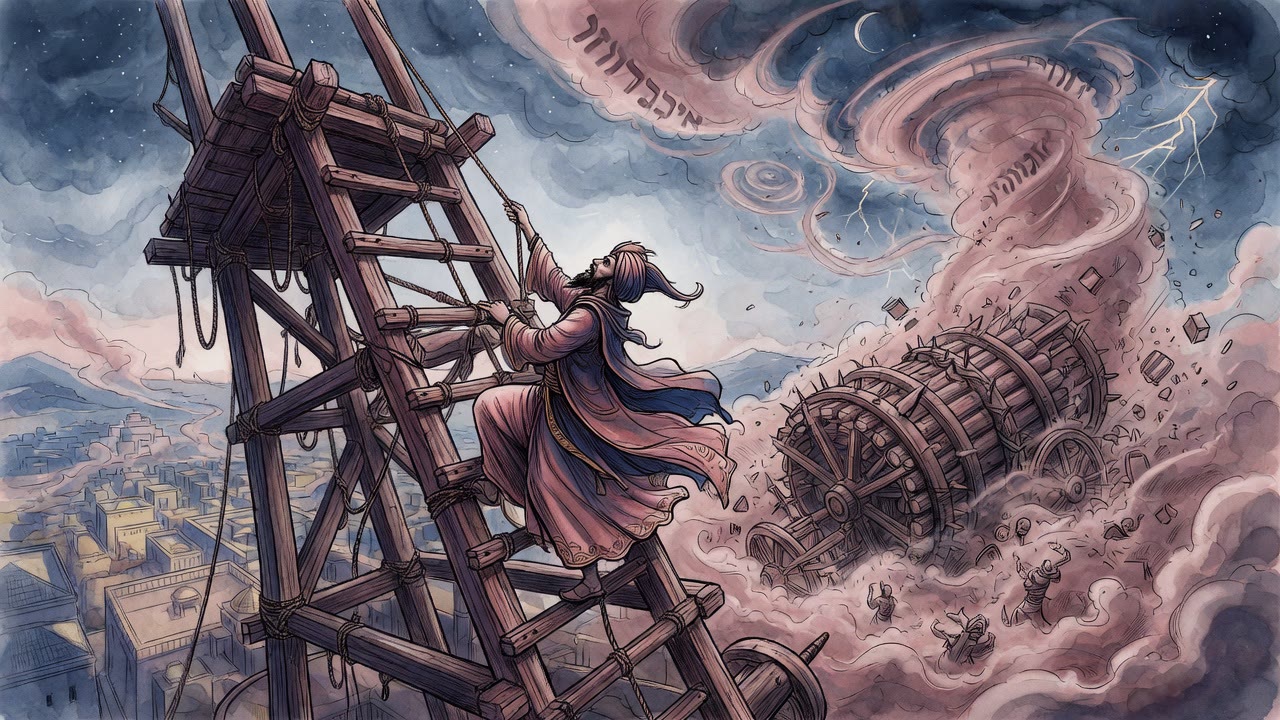
The ring left Ahasuerus's finger and found Haman's. Ten thousand talents sat on the table before anyone counted who would die.
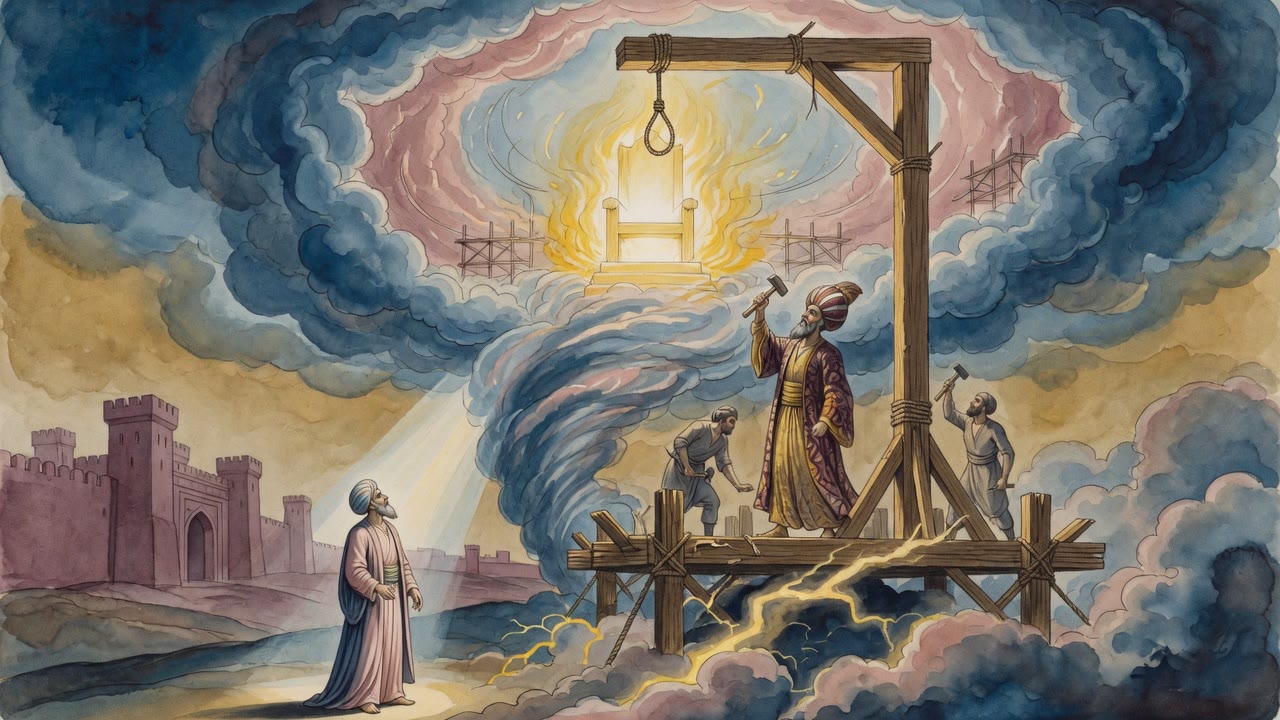
There was no parchment in the starving camp. They cut the bill of sale into Mordecai's kneecap, and years later he still showed it.
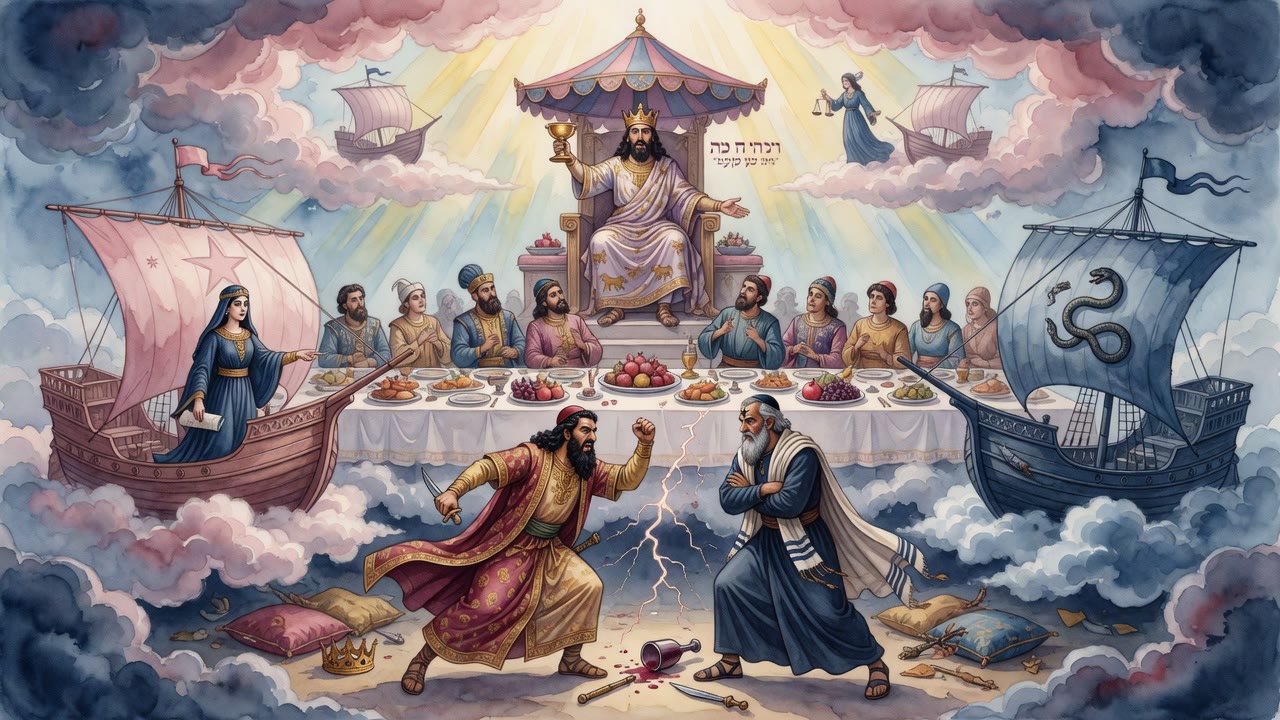
Cups kept filling in Shushan while God asked how one wind could push two ships two ways at once. Tomorrow those ships would have names.
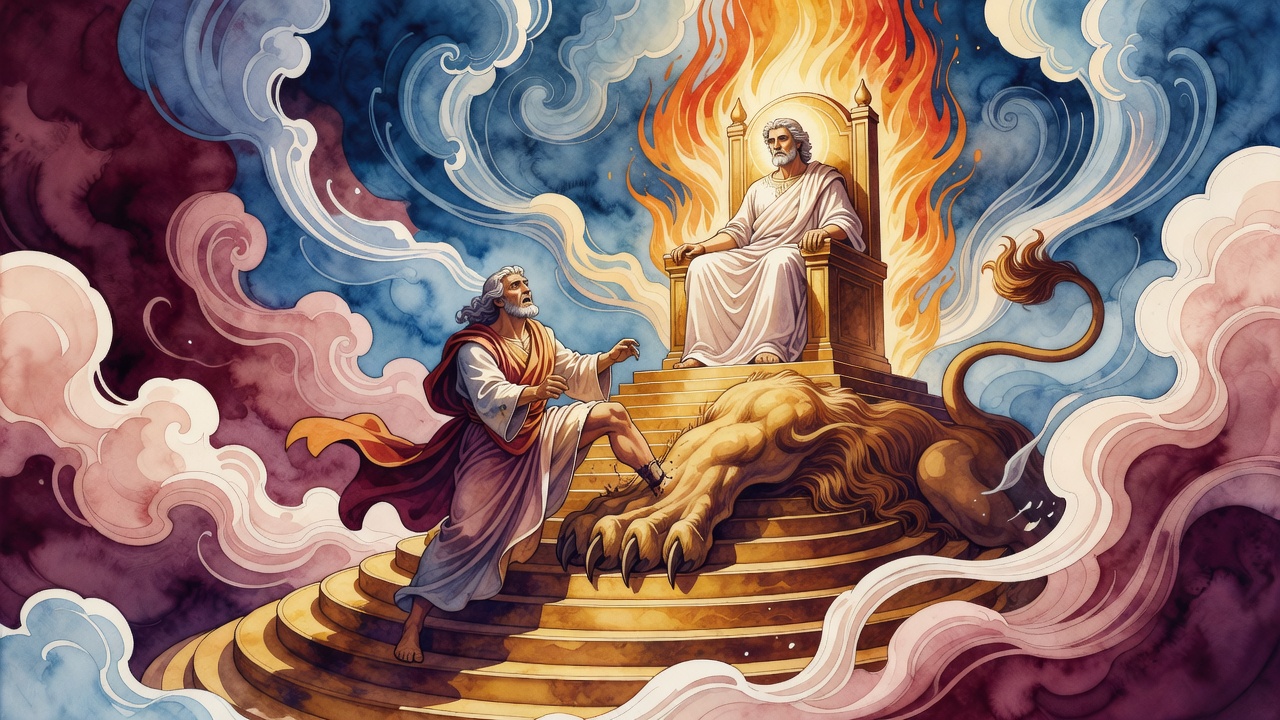
Nebuchadnezzar climbs Solomon's golden steps and a lion paw shatters his thigh. Only Cyrus sits whole on the seat that once judged beasts.
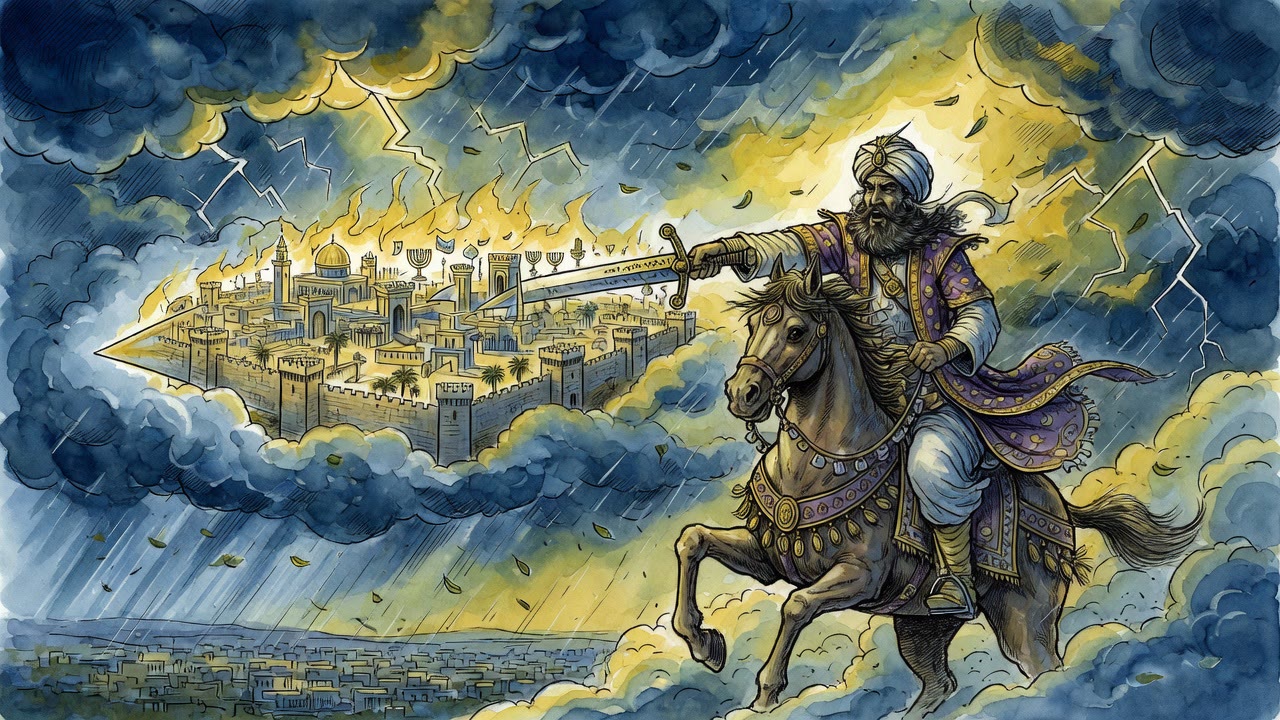
Mordecai leaves the king in pearls and western-sea crimson, a Median blade engraved with Jerusalem, while Haman's ten sons walk bound before the crowd.
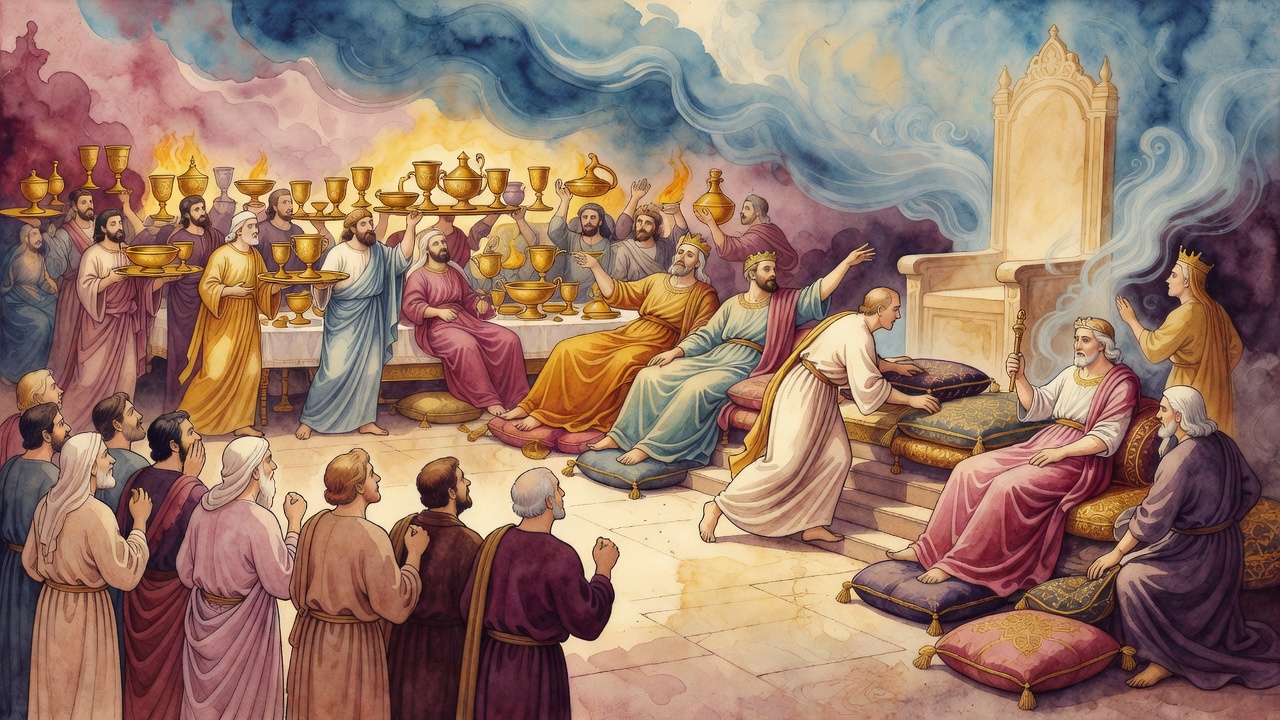
For six months the palace showed off gold plunder, cup after cup. The Jews at the tables recognized the Temple vessels and put their food down.
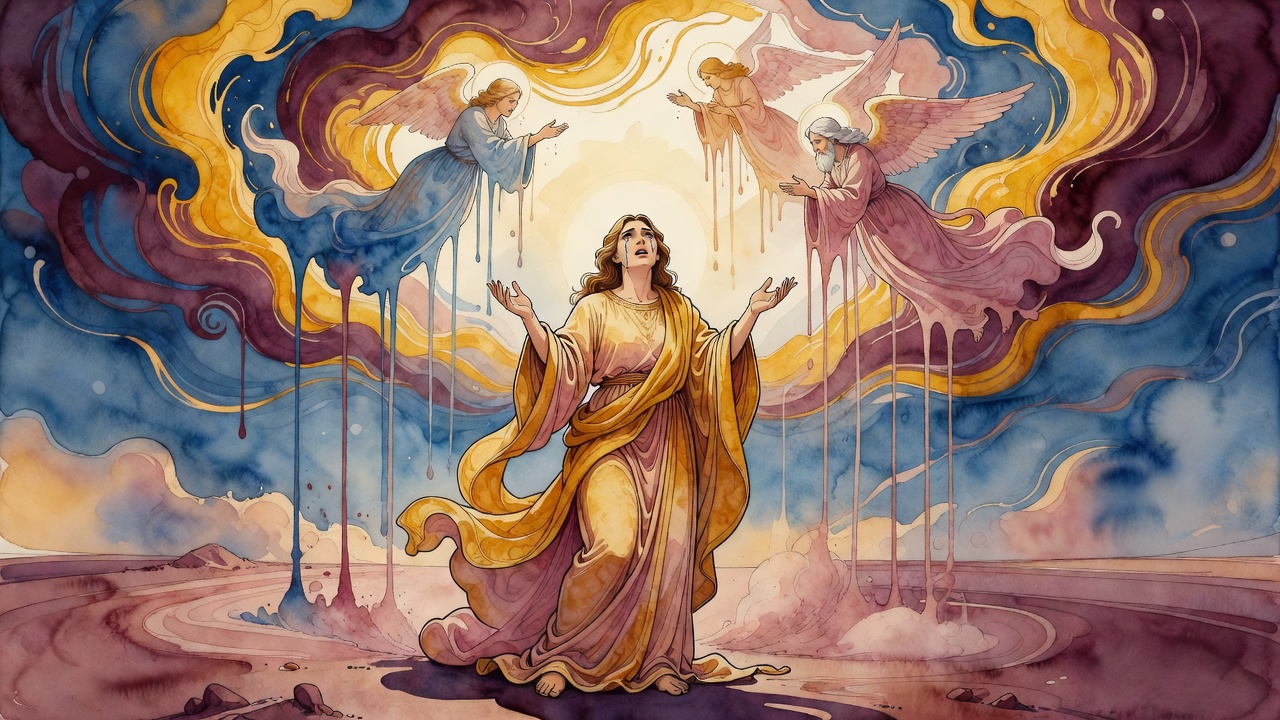
After three days of ash, Esther robes in Ophir gold, prays the patriarchs letter by letter, and the firmament opens so angels can cry for the world.
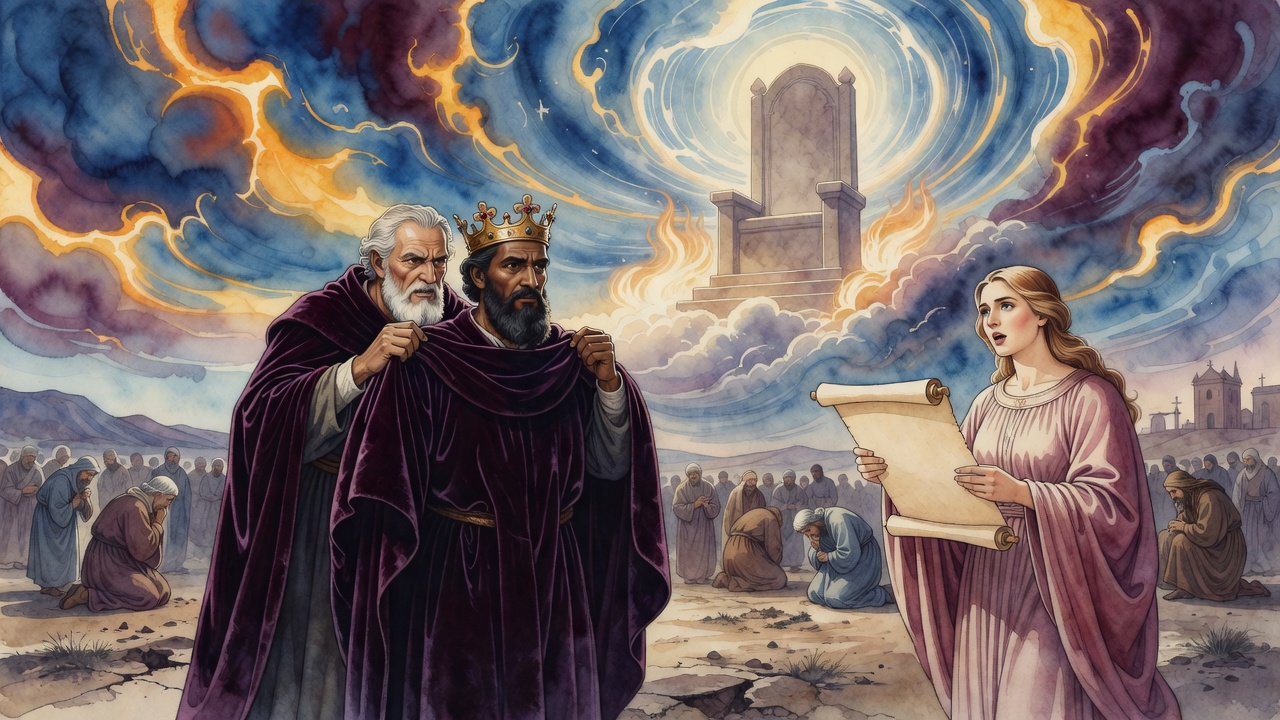
Haman had to open the treasury himself. He counted out the crown, the robes, and the king's own horse, then led Mordecai through the city.
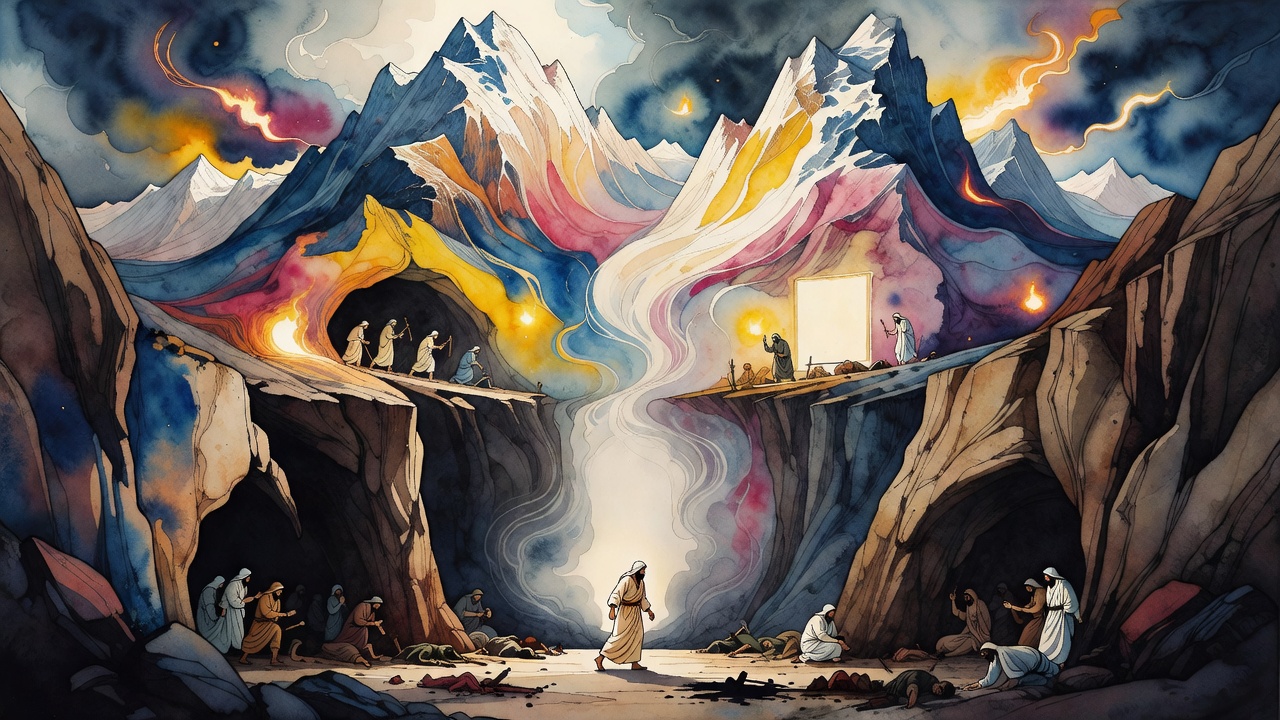
Nations hide in cliff caves above the gorge. The peaks lean together. Israel walks on level ground over a slaughter they never see.
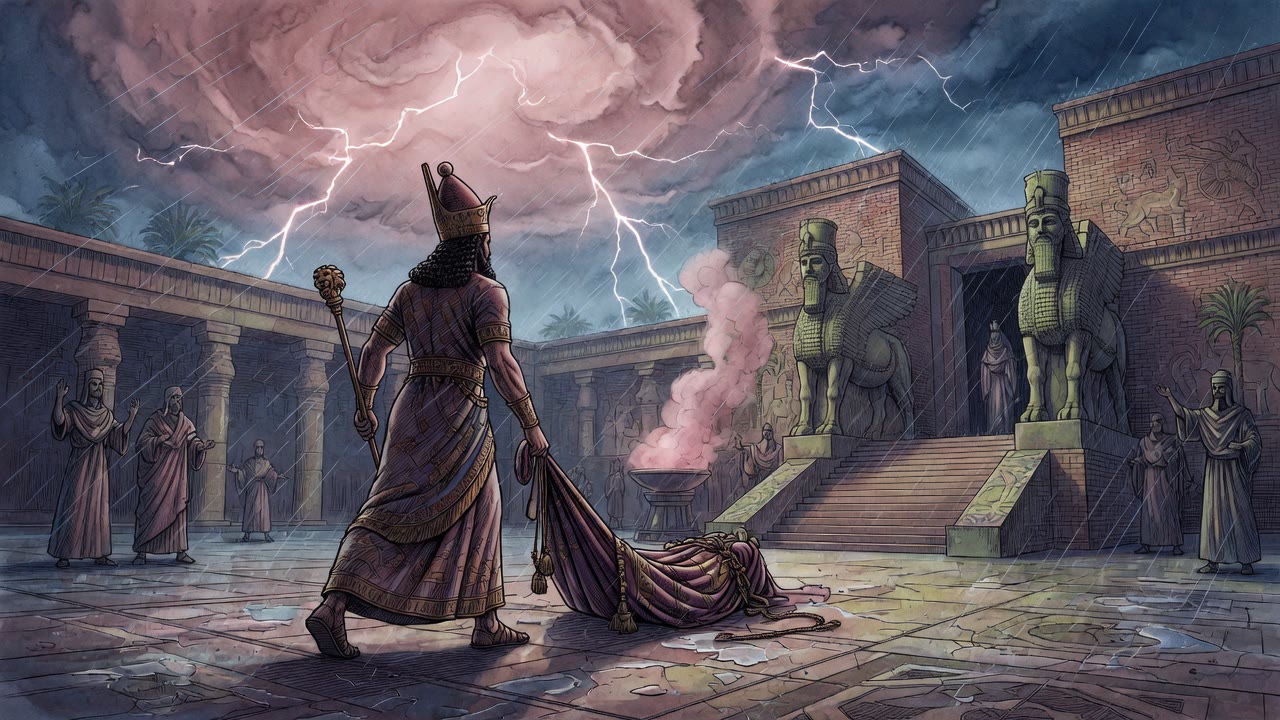
Babylon will not crown the son until he proves the mad king is dead. He hauls Nebuchadnezzar's body through the street by a chain.
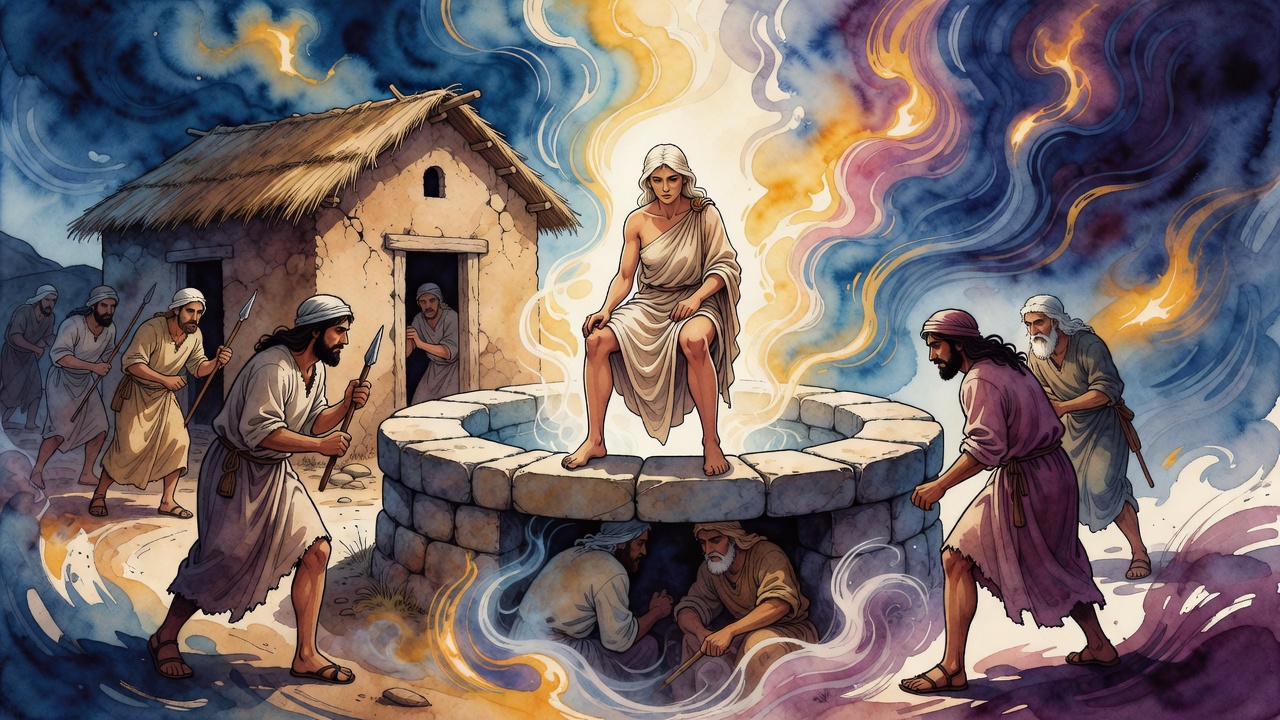
Avshalom's hunters search a house. A wife uncovers herself on a well mouth, shames their eyes, and hides two messengers whose line will one day stop Haman.
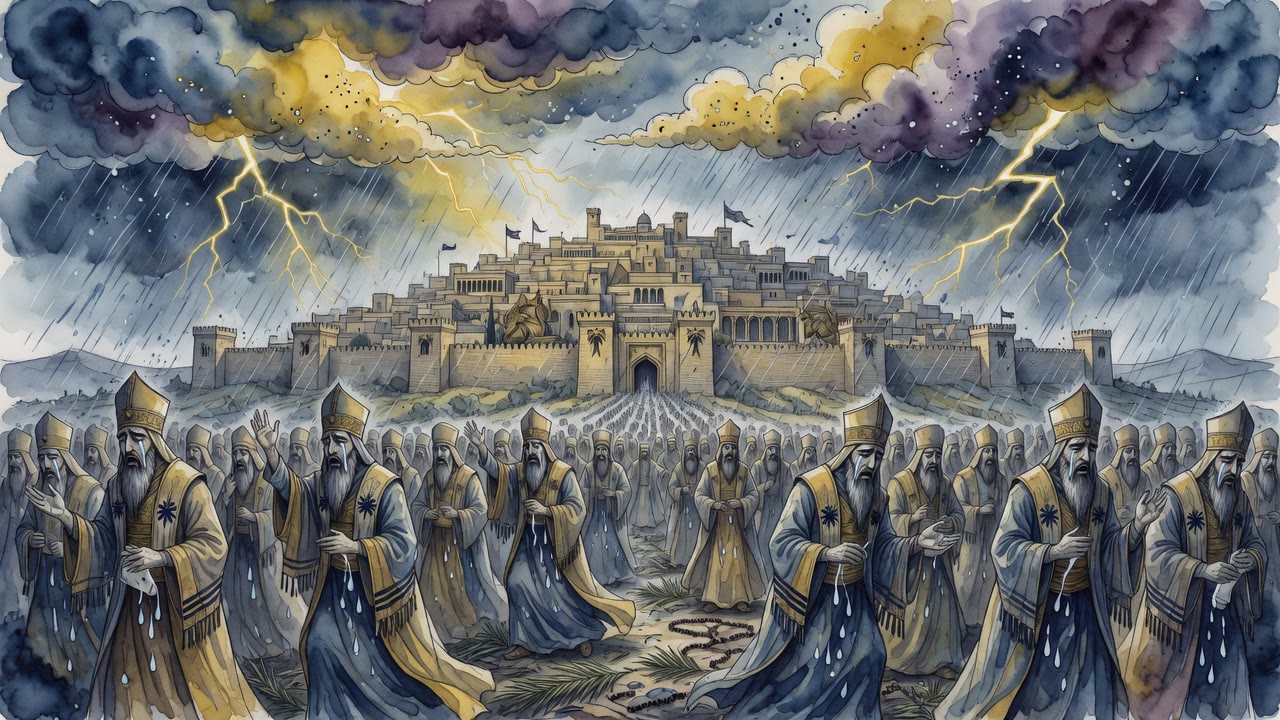
When Haman's decree fell, Shushan dressed the Torah in sackcloth, and twelve thousand young priests raised trumpets and scrolls until heaven wept.
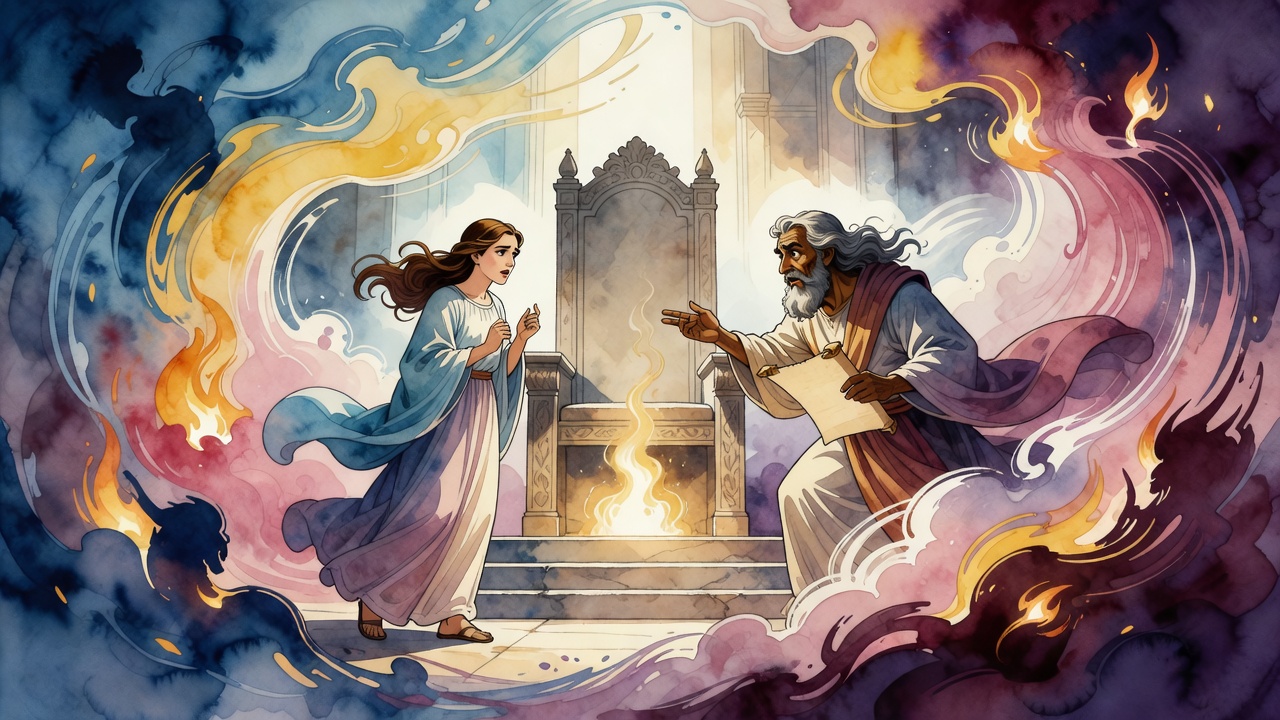
Esther hesitated before the throne. Mordecai answered with a catalog of vanquished enemies from Amalek to Sisera, and said the palace would not save her alone.
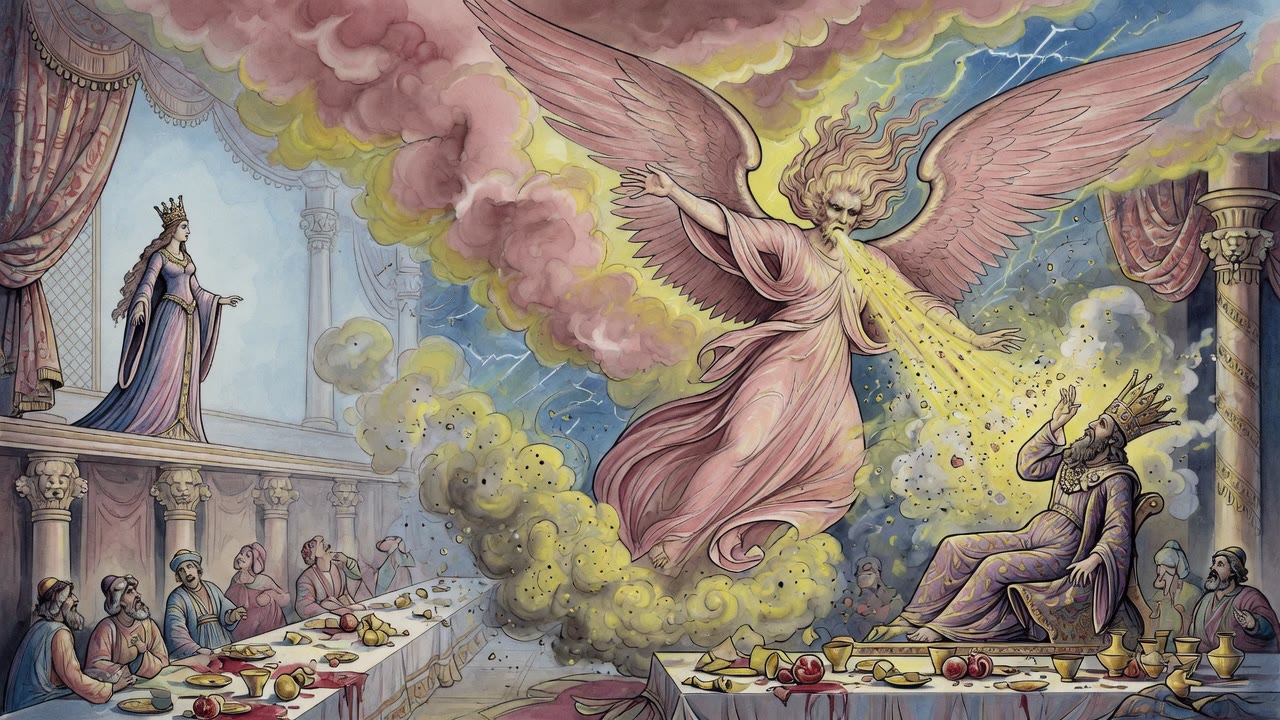
The queen's refusal reached the throne during the seventh day of wine. Above the beams a command went out to blow sulfur into his belly.
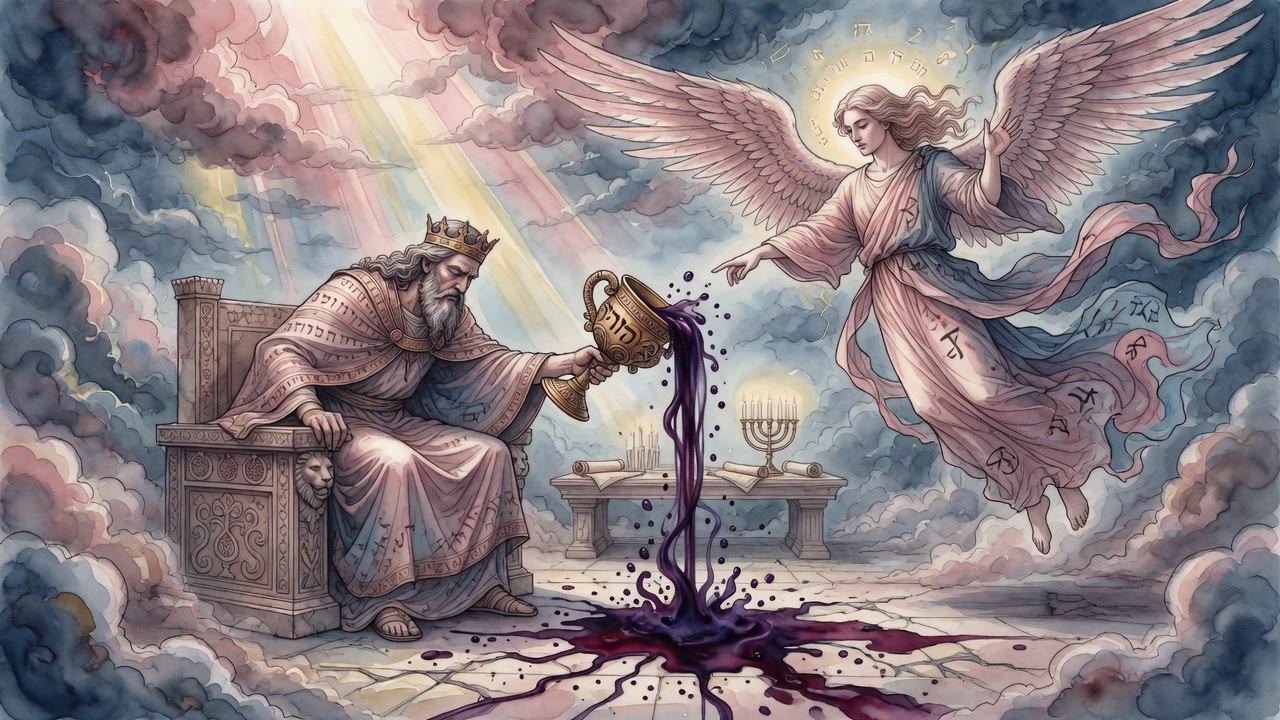
The eunuchs called the water excellent, good, even choice. He made them pour it anyway. In the light the poison showed itself.
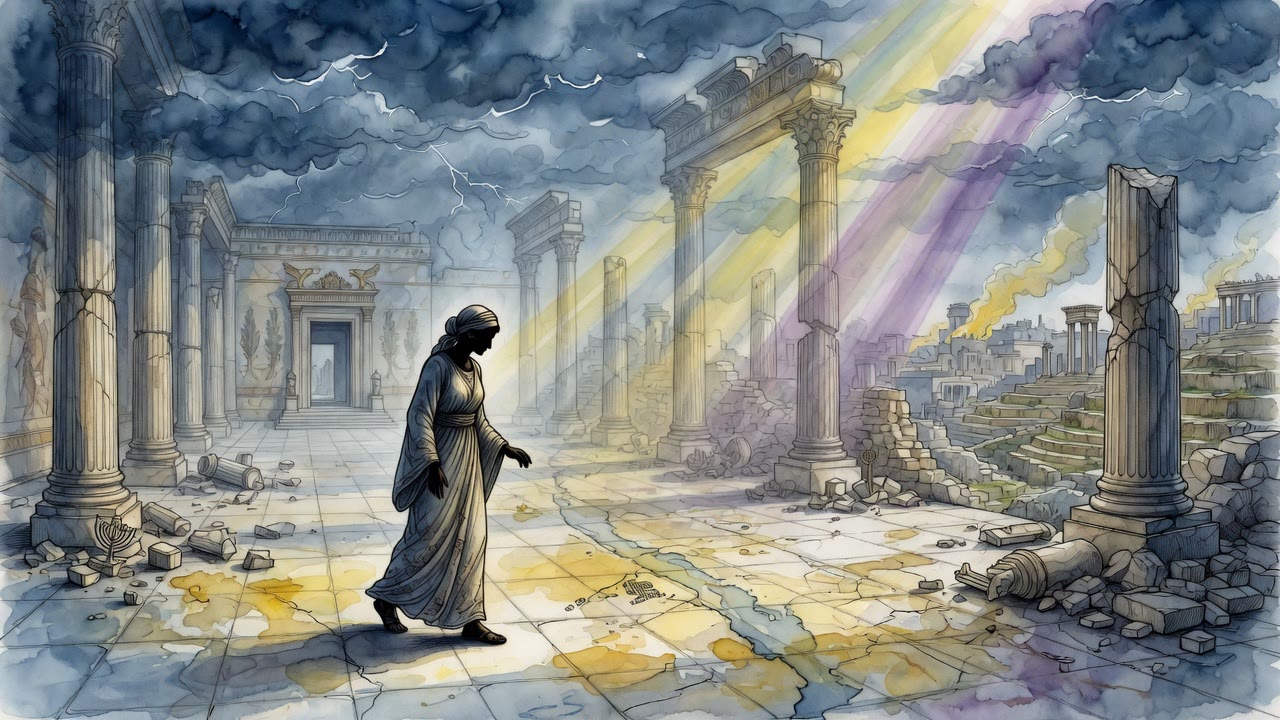
A man flees a lion and runs into a bear. He gets home, leans on the wall, and a serpent bites him. Esther felt that order as the scepter came out.
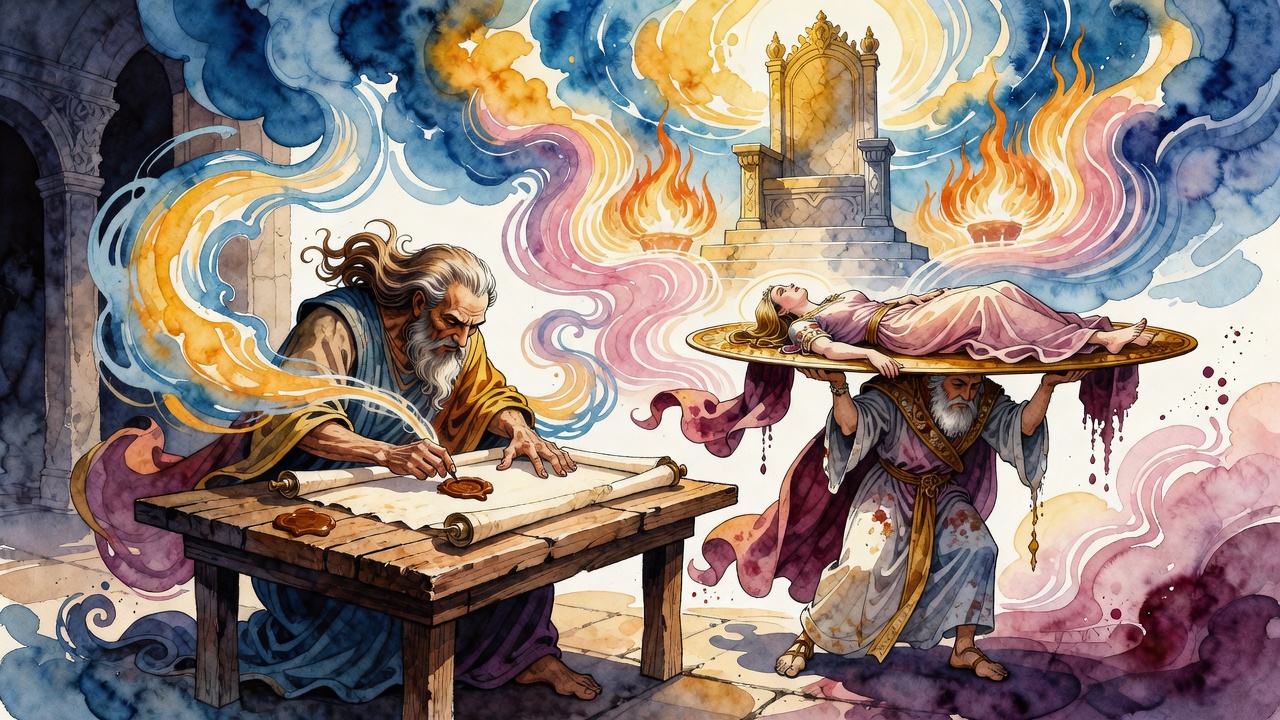
Haman pressed the king's ring into hot wax and sent riders out with a date for killing every Jew. God had not said it. The plot came back on his own head.
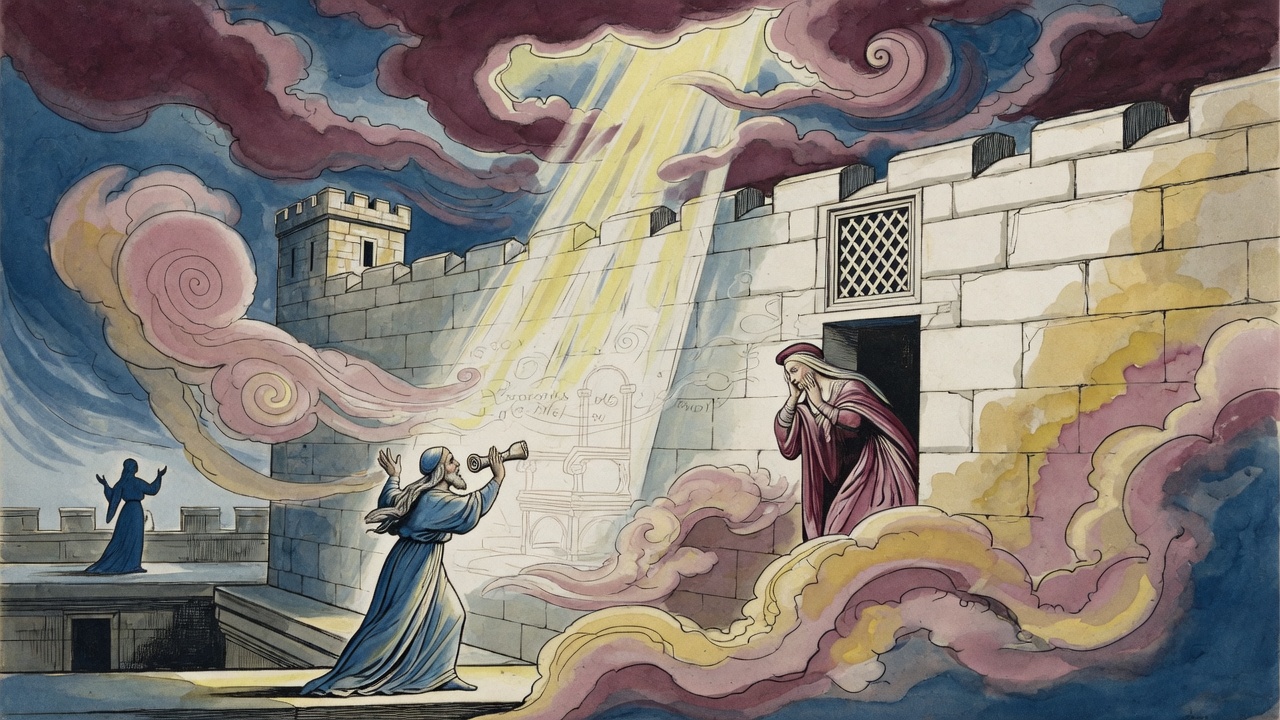
Horses left Shushan at a gallop with a kill order while Ahasuerus and Haman sat down to drink, and the city staggered under the sound of hooves.
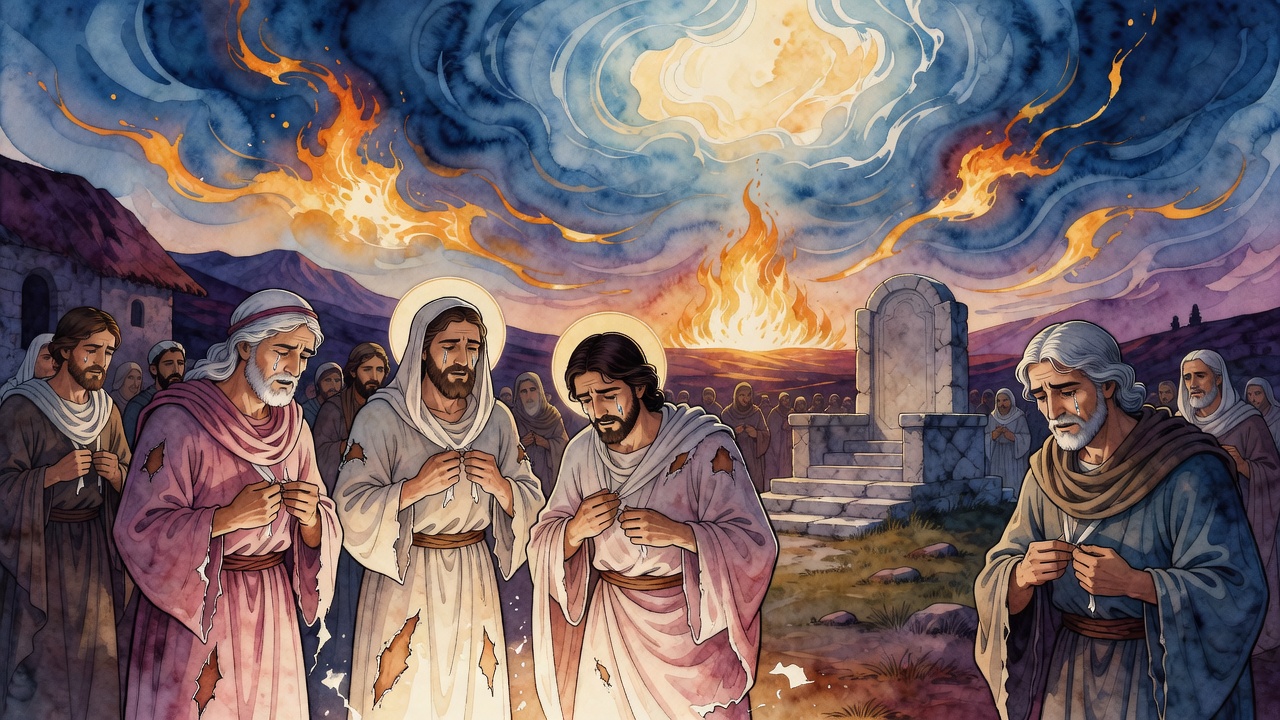
In every province the Jews tore clothes for a decree that only grew worse with time, because each sunrise stole one more day from the life still left.
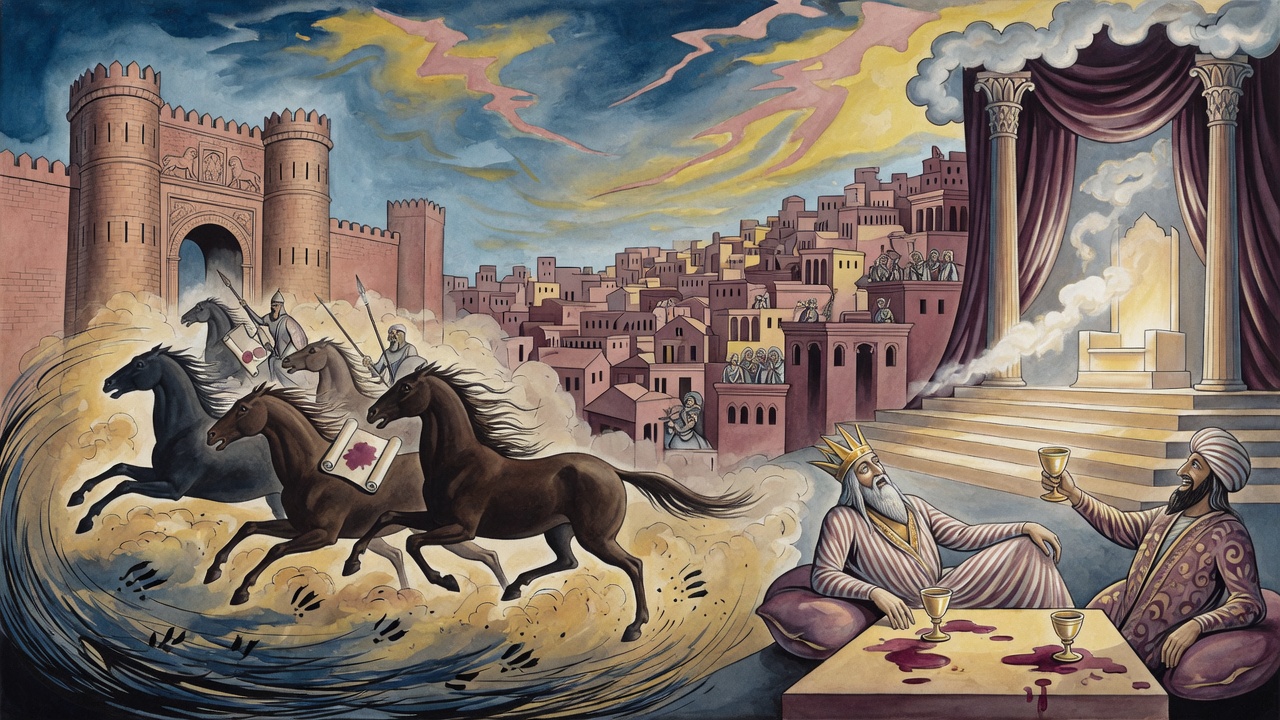
Through a messenger at the palace wall, Mordecai told Esther that God would still save Israel, but her silence could erase her own name from the rescue.
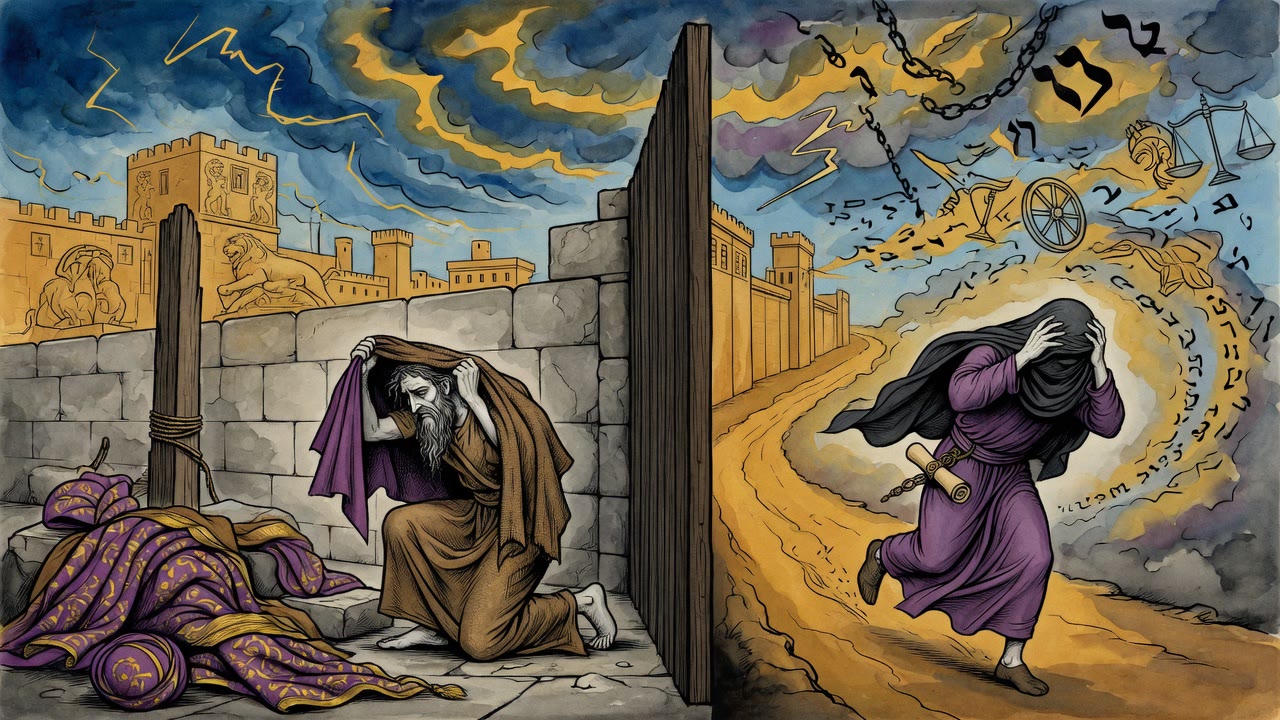
Royal cloth left Mordecai at the gate. He put mourning back on, while Haman hurried home with his head covered, because the deadly decree still stood.
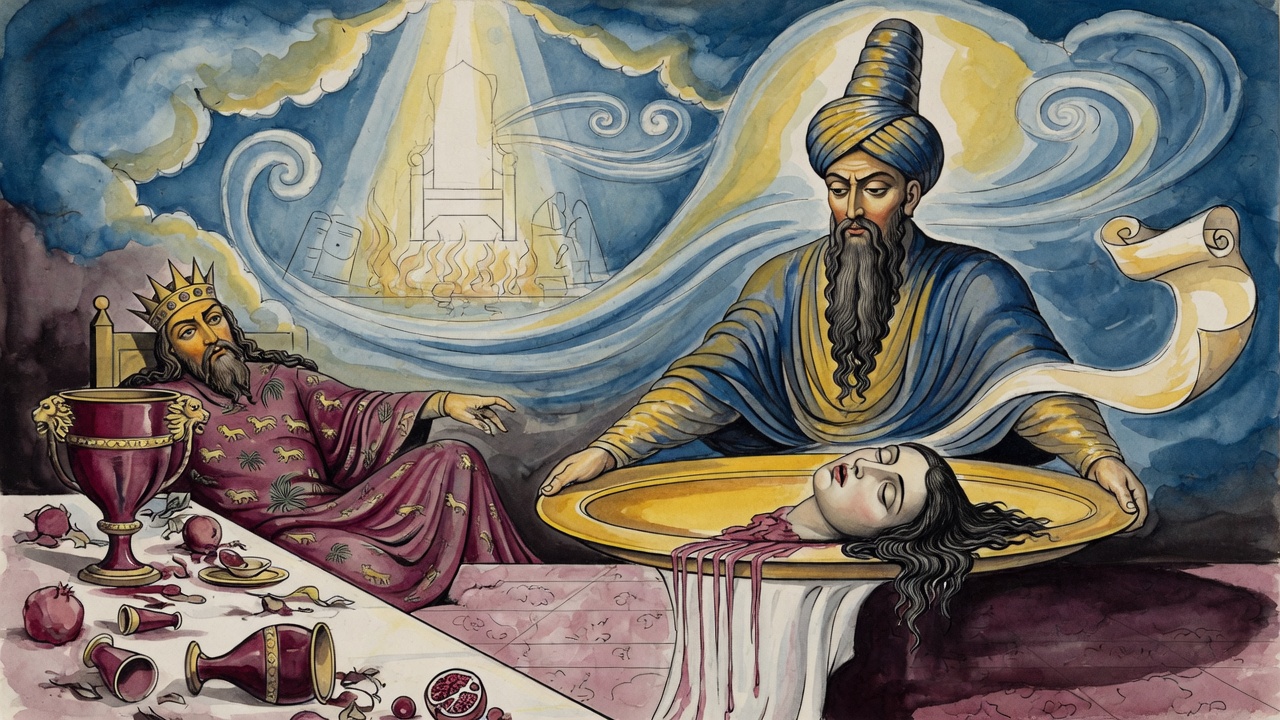
Haman was already gone. His letters still slept in provincial chests. Esther took the ring and wrote a law that could stand beside them.
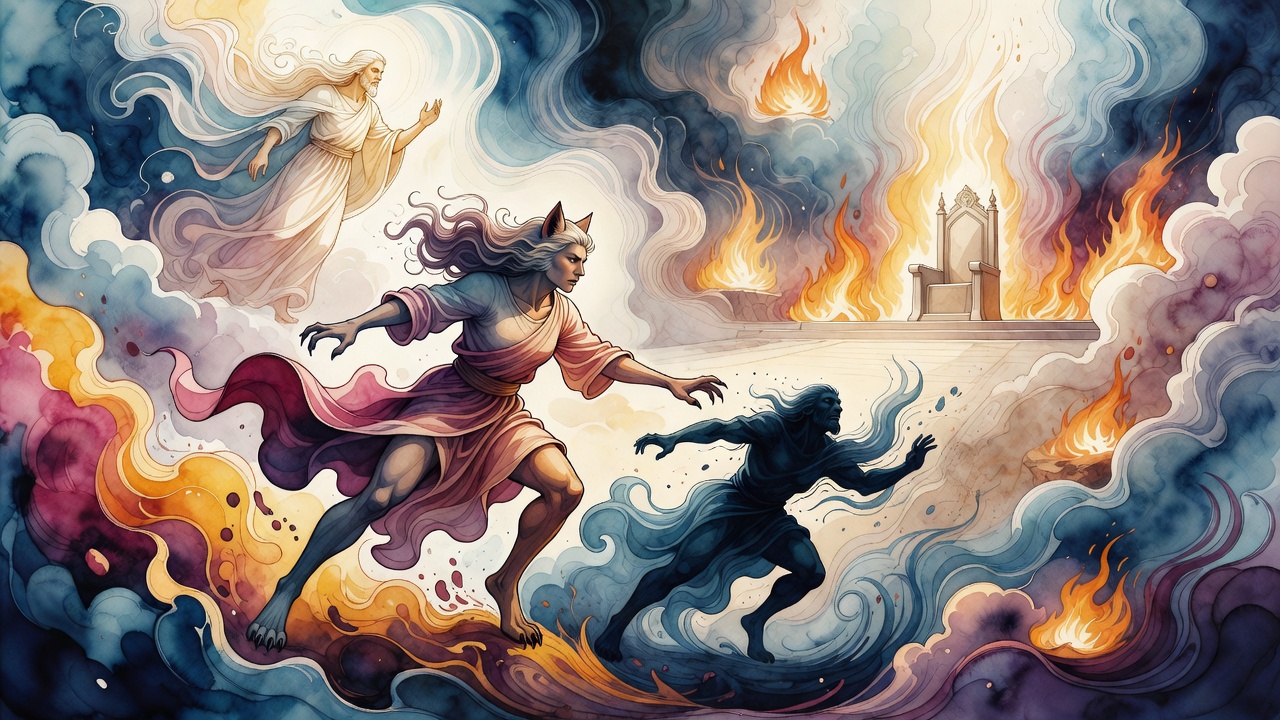
Haman had cast his lots and raised a gallows. Esther walked into a throne room without being summoned and pointed at the man beside the king.
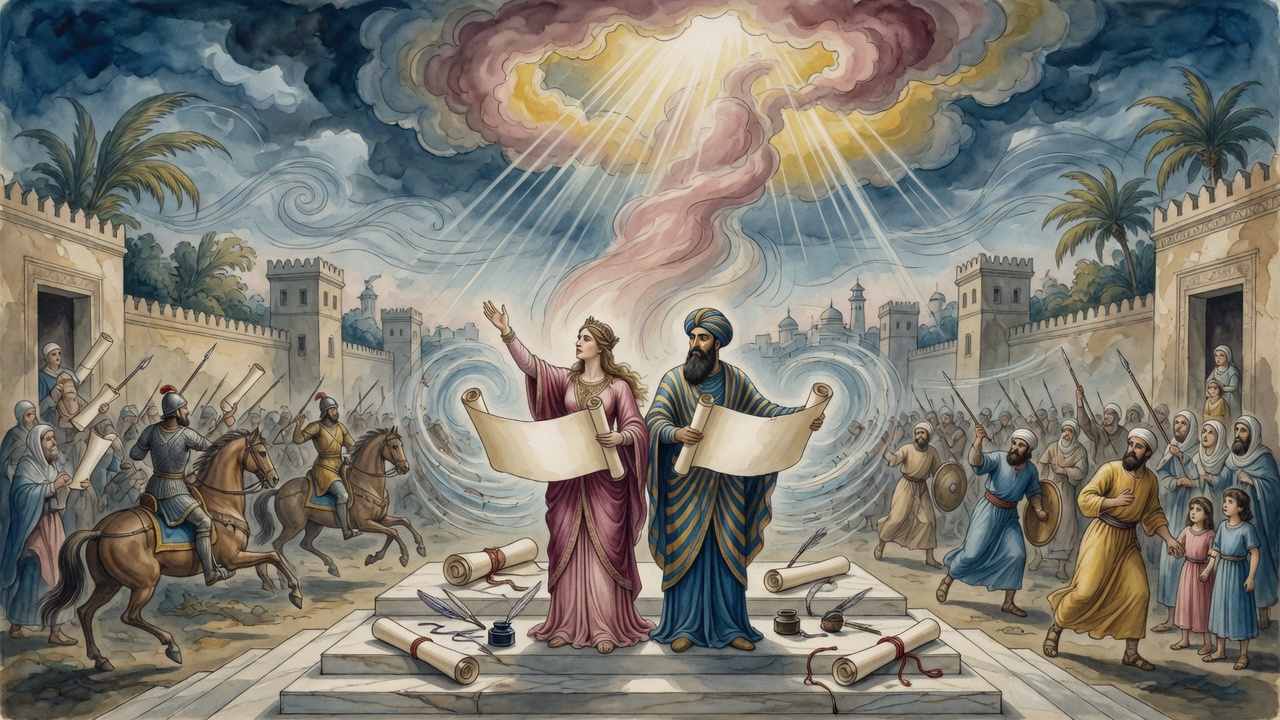
The king matched every goblet in the hall cup for cup. Then he sent for Vashti, and the room learned what a queen's no costs.
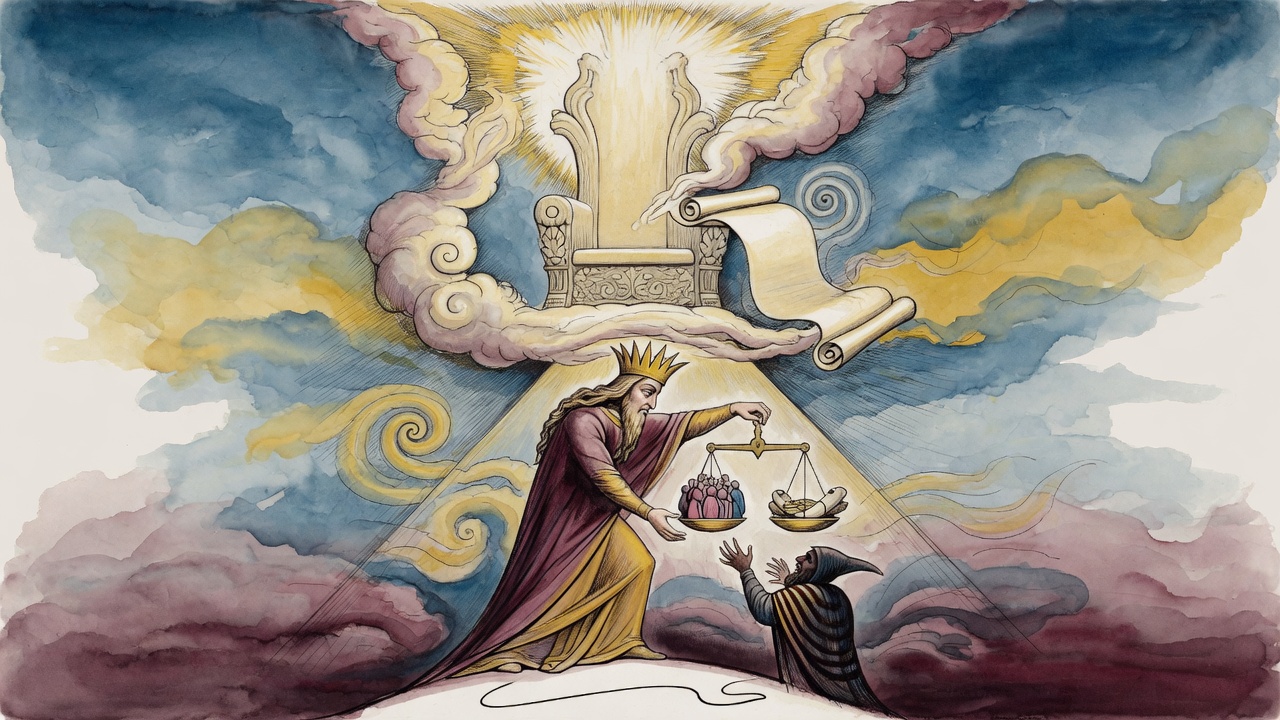
God wrote the seller's name before light. In Shushan the crown sat on Ahashverosh. The first word of the book already said woe.
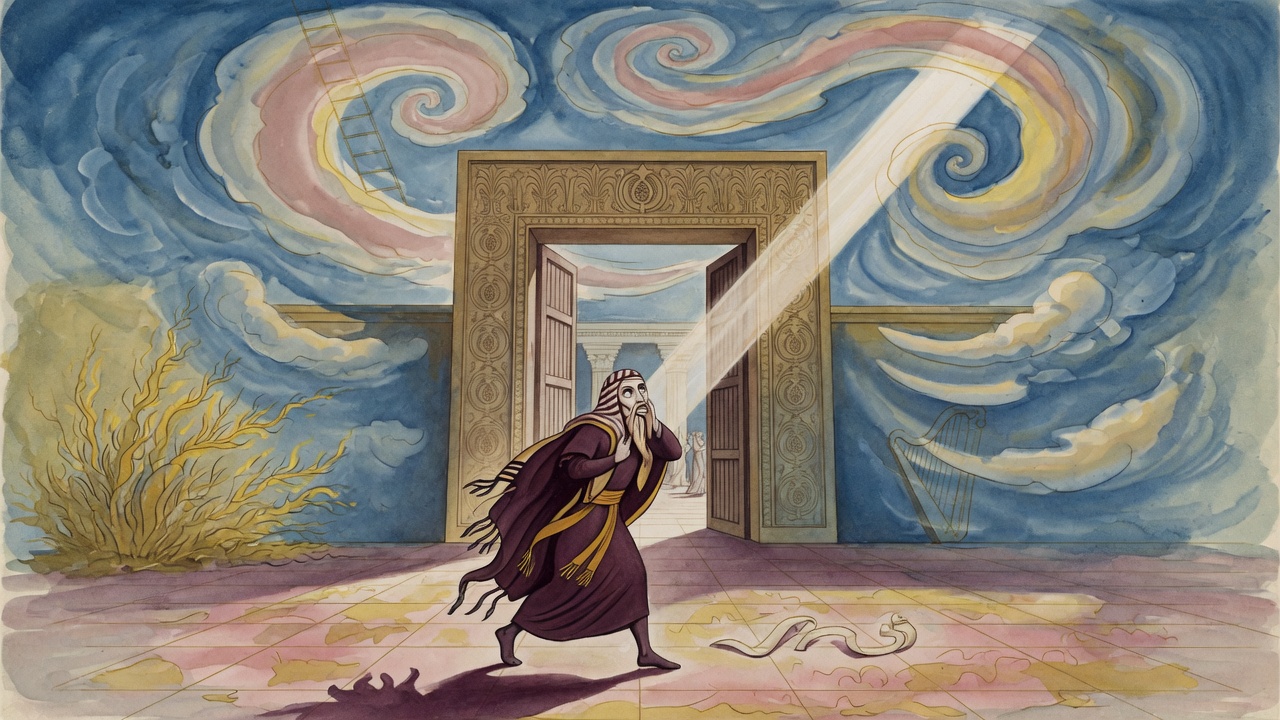
Four men received portents. Jacob and Moses missed theirs. David and Mordecai felt theirs. Mordecai paces the harem courtyard, waiting for the blow.
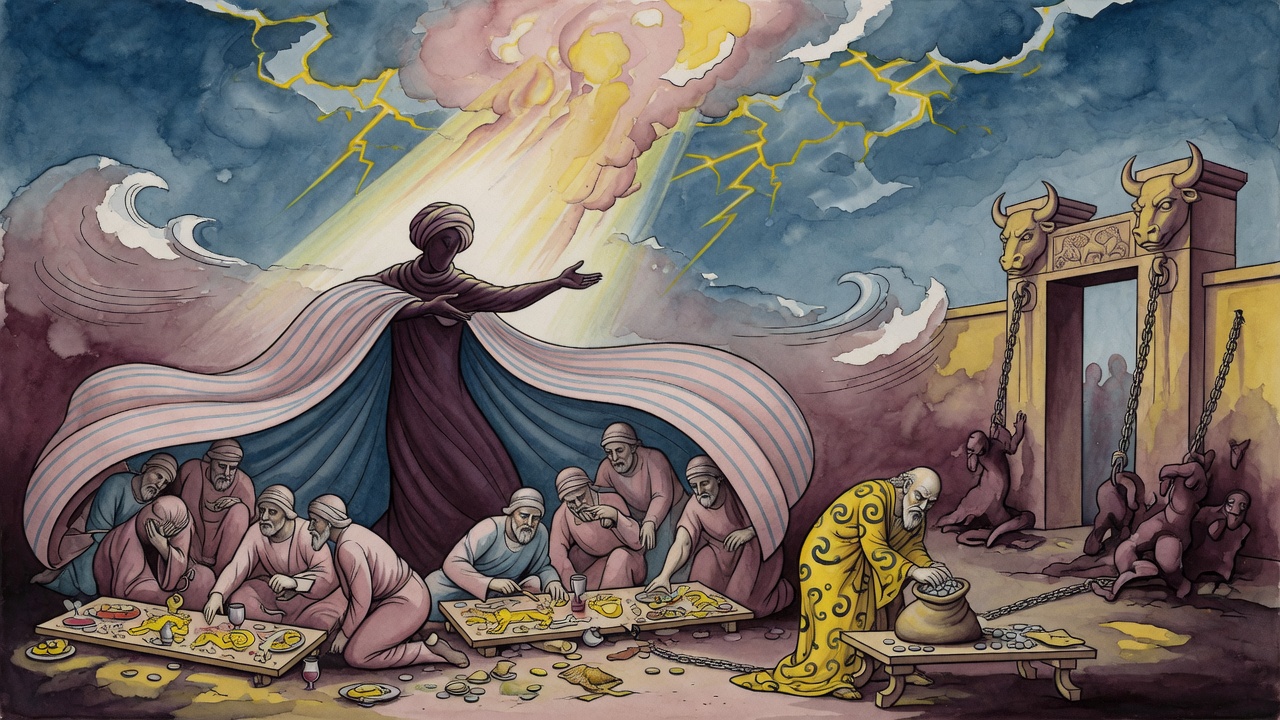
Israel grew poor through sin and sold itself in Media under Haman. Mordecai, nearest redeemer, covers a people that ate at the wrong tables.
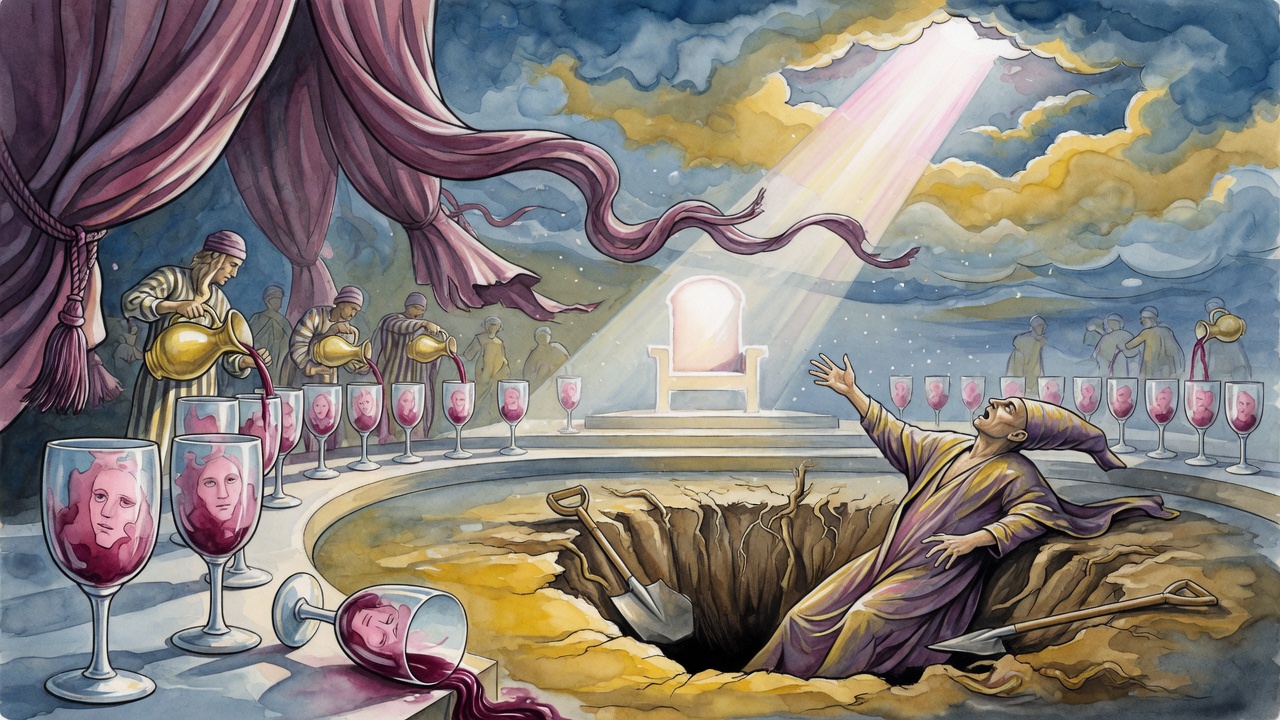
Crystal goblets showed every guest his own face. Haman drank from his, then ordered timber cut tall enough for Mordecai.
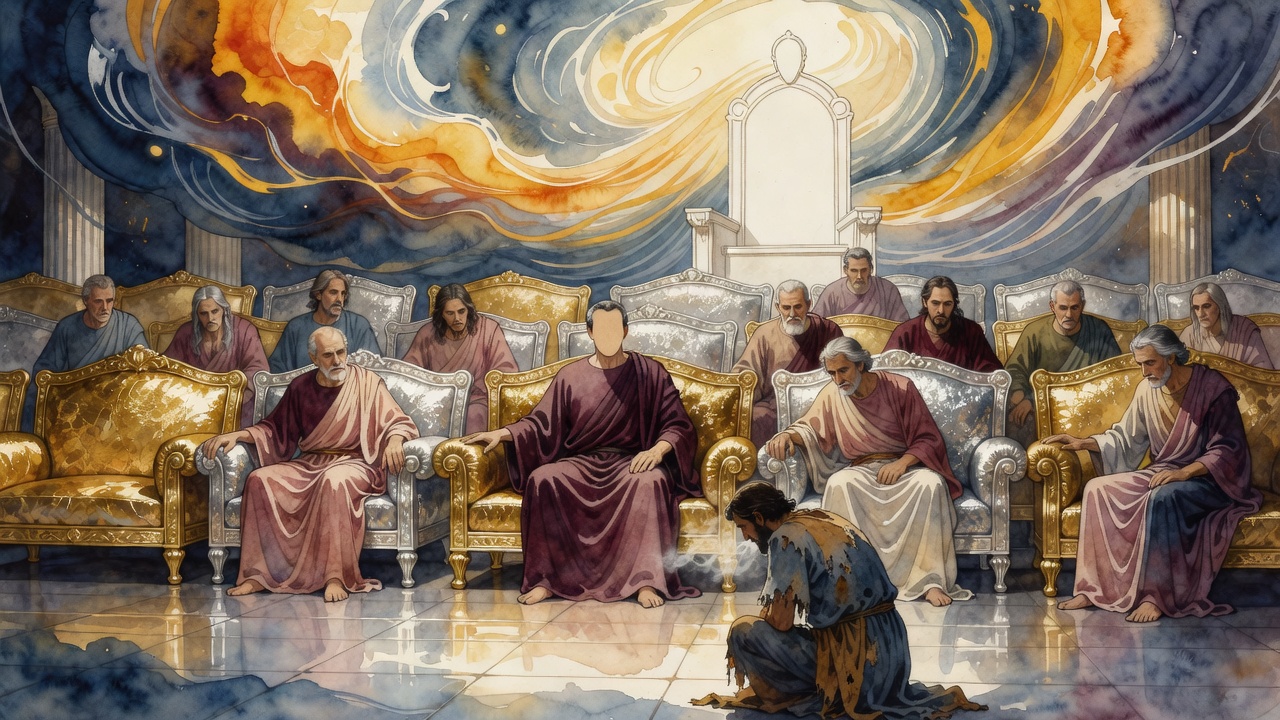
A satrap paused at the gold couches and did not ask where wisdom sat. He asked which metal would keep him from shame.
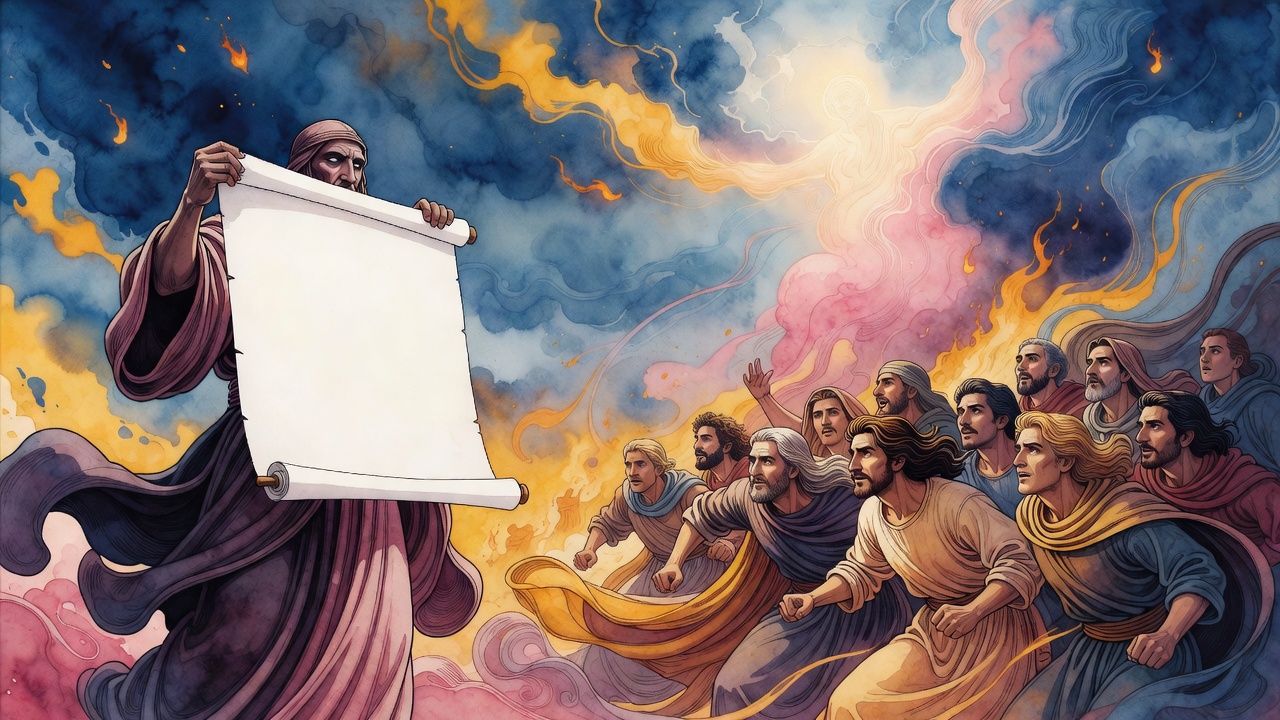
Clerks nailed copies to every wall. Be ready, the edict said. In the markets no one knew if the day was for killing or for dying.
