Ahashverosh Put the Temple Vessels on Display
Ahashverosh's six-month feast is not Persian wealth on show. He displays the vessels of the destroyed Temple, turning sacred memory into imperial decor.
Table of Contents
 Click for full size
The King Opened the Vault of Exile
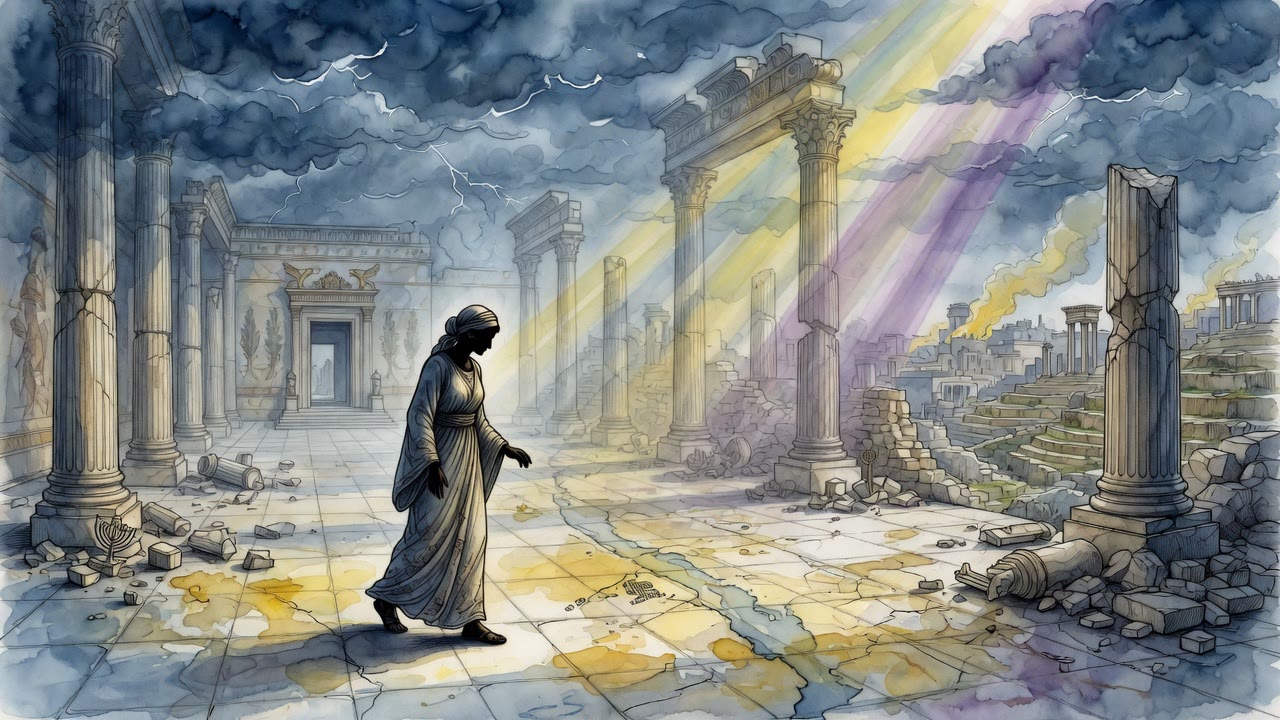
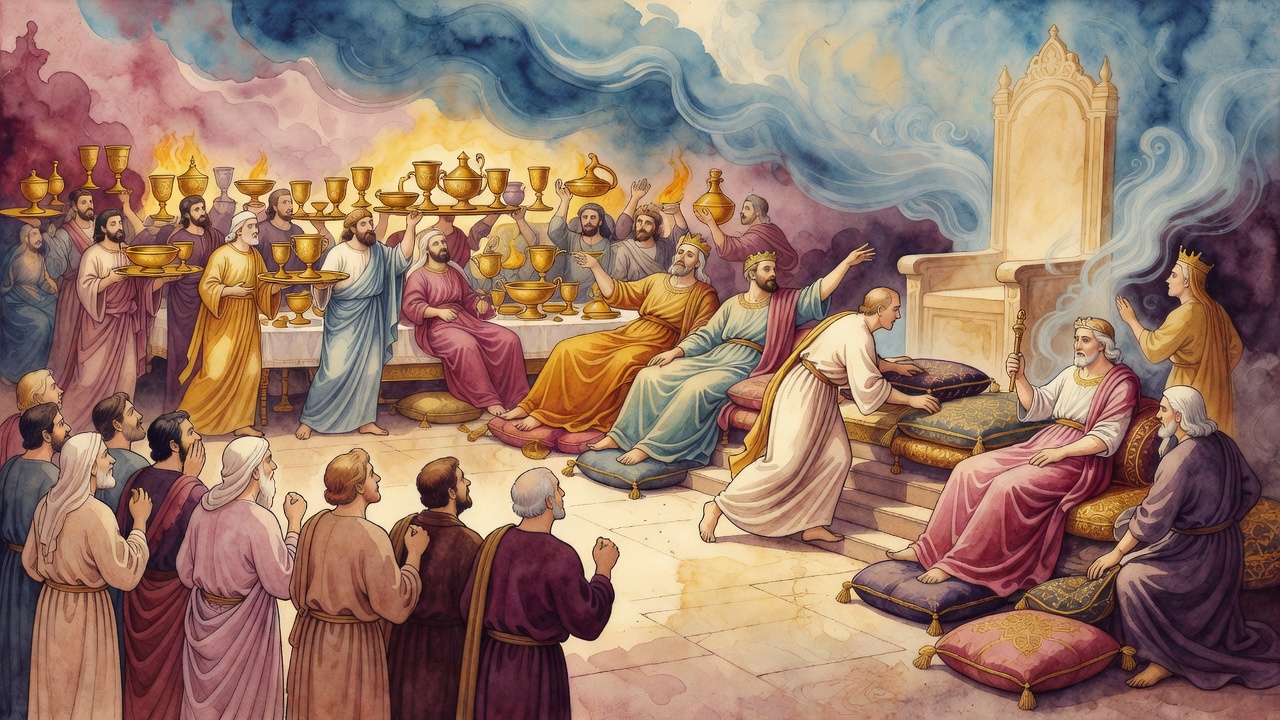
A feast lasting a hundred and eighty days requires more than fine food and music. Ahashverosh was not showing Persia's wealth. He was showing what he had taken from the world. Six treasures each day, laid out before his guests so that no one could look at the tables of Shushan without seeing what Israel had lost.
The midrash names the contents of those six daily displays. Vessels that had stood in the Temple. Garments that had been worn in the service. Sacred objects stripped from Jerusalem and carried east. The king who invited half the known world to his feast had turned the treasury of exile into a dining room. Sacred memory was now imperial decor.
Esther Rabbah reads this as the feast's true purpose. The wine and the music were real, but the message underneath them was meant to break something specific. Ahashverosh wanted the Jewish people present at his feast to see their own holiness treated as spoils, to watch strangers admire the vessels that had held their prayers.
His Name Was Already an Accusation
The rabbis pulled the king's name apart. Ahashverosh: he who blackened the faces of Israel. He who weakened them. He who gave them gall and wormwood to drink. The name carried the whole history of what a powerful gentile king could do to a subject people if he chose to use them as his demonstration of power.
Then the midrash did something sharper. It called him the brother of Nebuchadnezzar. Not by blood. By deed. Nebuchadnezzar had burned the Temple and carried the people into exile. Ahashverosh stopped the rebuilding. One king destroyed the house. The other kept the house from rising again.
The Wine at the Feast Was From the Temple Treasury
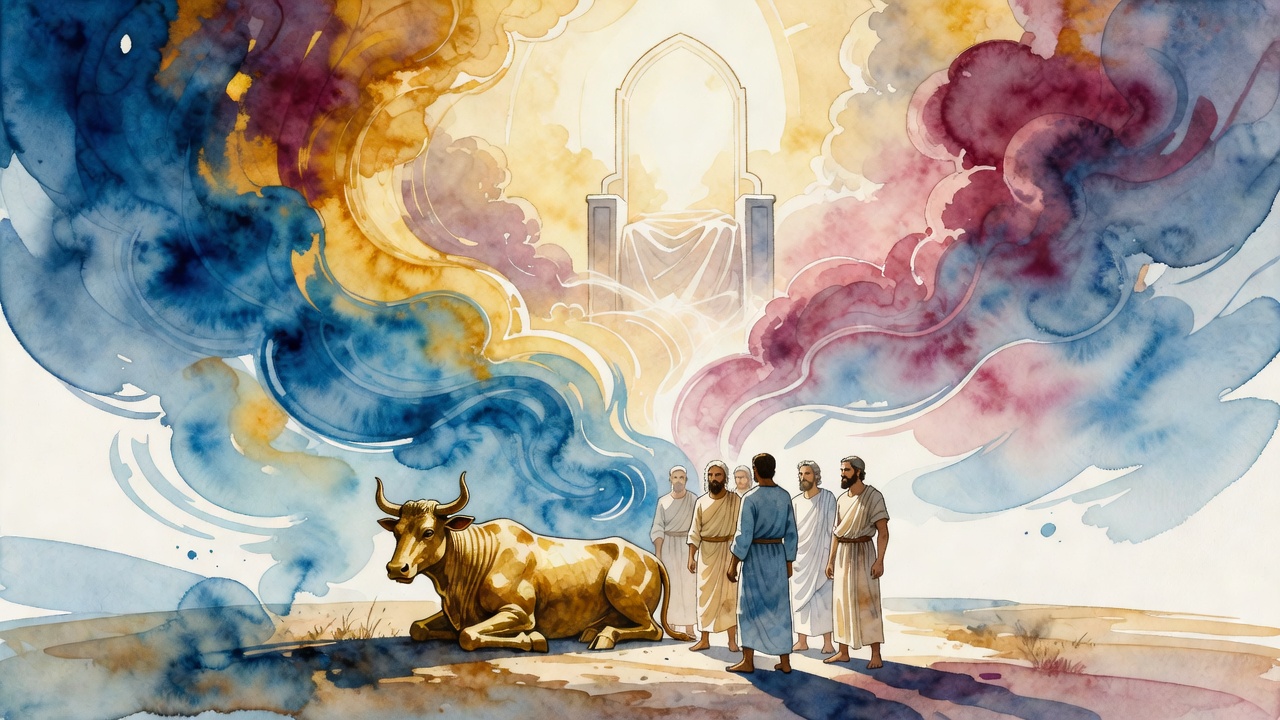
The wine Ahashverosh poured for his guests came, the midrash says, from vessels that had been used in the Temple service. The cups were the wrong cups for this feast. They had held sacred things and now they held Persian wine poured for people who had never heard of Jerusalem except as a place that had been conquered.
A fool, Proverbs says, vents all his spirit. Ahashverosh vented everything. He showed everything. He opened every vault and put every sacred object on public display as though sacred things had no gravity of their own that demanded to be respected even in defeat.
The wine tasted like victory. The cups it was poured into were a judgment pending.
God Saw and Remembered the Mischief
The Psalm says: You have seen, for You behold mischief and vexation. God does not look away from what is done to his people. The feast in Shushan was fully visible. The six treasures displayed each day, the Temple vessels used as serving ware, the gathered nations watching Israel's sacred past become entertainment: all of it was seen.
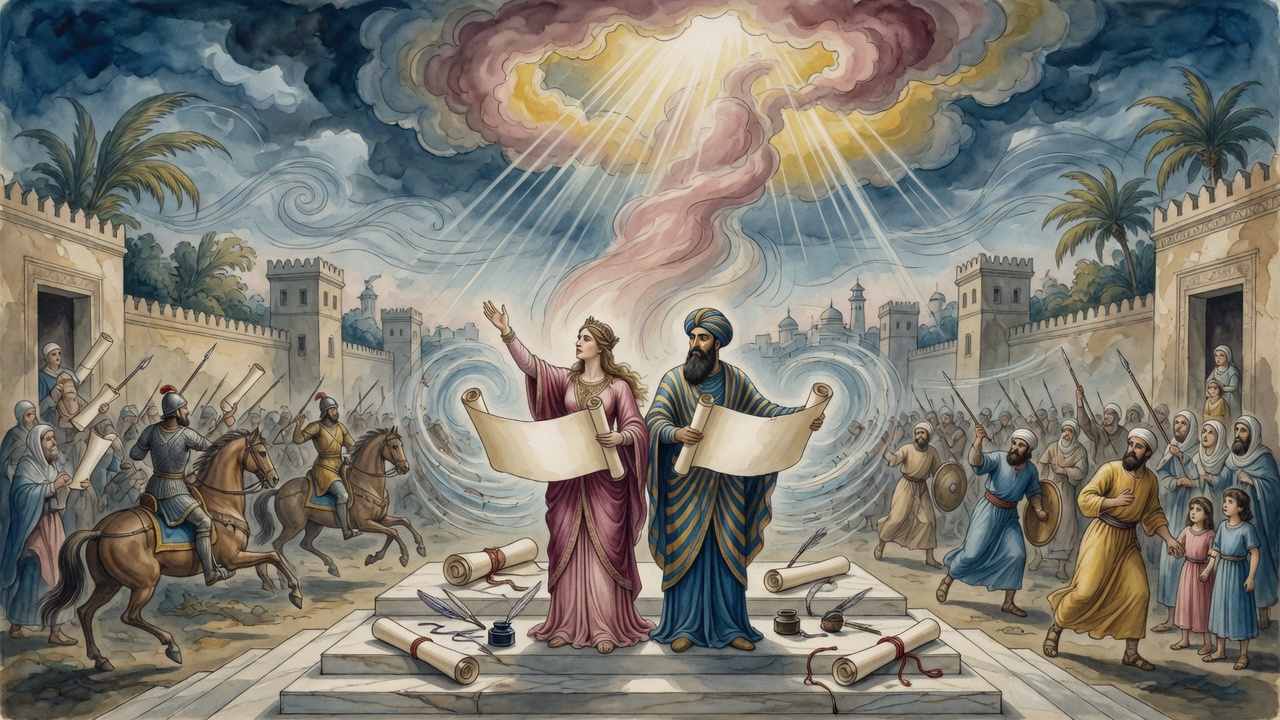
The midrash places Haman's decree inside this context. The feast that had displayed the Temple's looted vessels now produced the man who wanted to loot the people themselves. When sacred things are stripped of their gravity, when the vessels of prayer become wine cups for a king's banquet, the next step is treating the people who once held those vessels as equally disposable.
← All myths