Heaven Wept When Haman's Letter Was Sealed
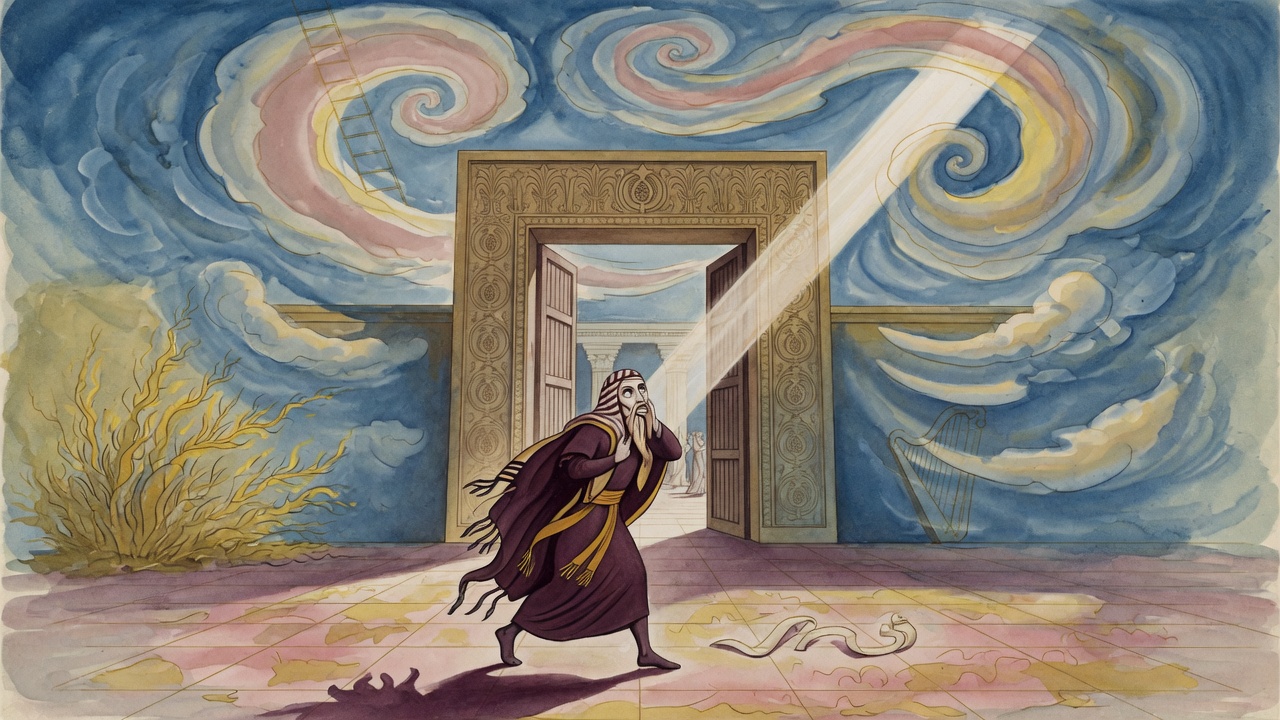
Haman's letter warned that the Jews were an eagle growing new feathers. Mordecai told them to skip Haman's feast. Thousands went anyway.
Table of Contents
Haman's plan did not begin in the Persian court. It began in language. Before the sword, there had to be a document.
 Click for full size
He knew this. The Chronicles of Jerahmeel, a twelfth-century Hebrew chronicle, preserves what Haman wrote, and it reads like a man who understood that extermination requires a story first.
The Letter That Called Israel an Eagle
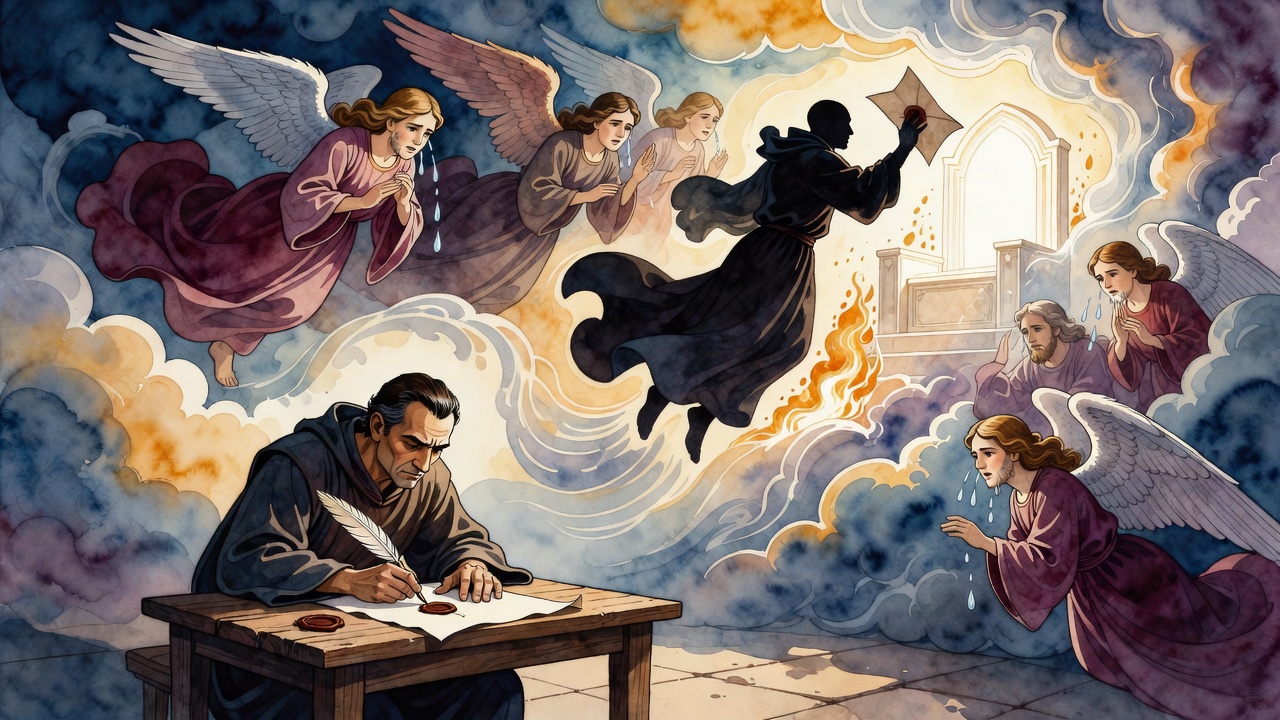
Haman wrote to governors, rulers, and nations. He wrote with the consent, he claimed, of all the prefects of the East, sealed with the ring of Ahasuerus. In the letter, he compared Israel to a great eagle whose wings had once spread over the whole world until the Medes broke them. Now, Haman warned, the eagle was growing new feathers. The wings were coming back. The time to act was before the eagle recovered its full strength.
The image is careful propaganda. It attributes a past empire to Israel that Israel never actually held, then frames the survival of the Jewish people as a military threat rather than a community's ordinary existence. Haman's letter does not say we hate them. It says we are afraid of them, and fear is always easier to spread than hatred.
The letter is sealed with royal authority and sent out. The violence it authorizes has not yet happened. But it has been given a name, a reason, and a deadline.
The Feast That Was a Trap
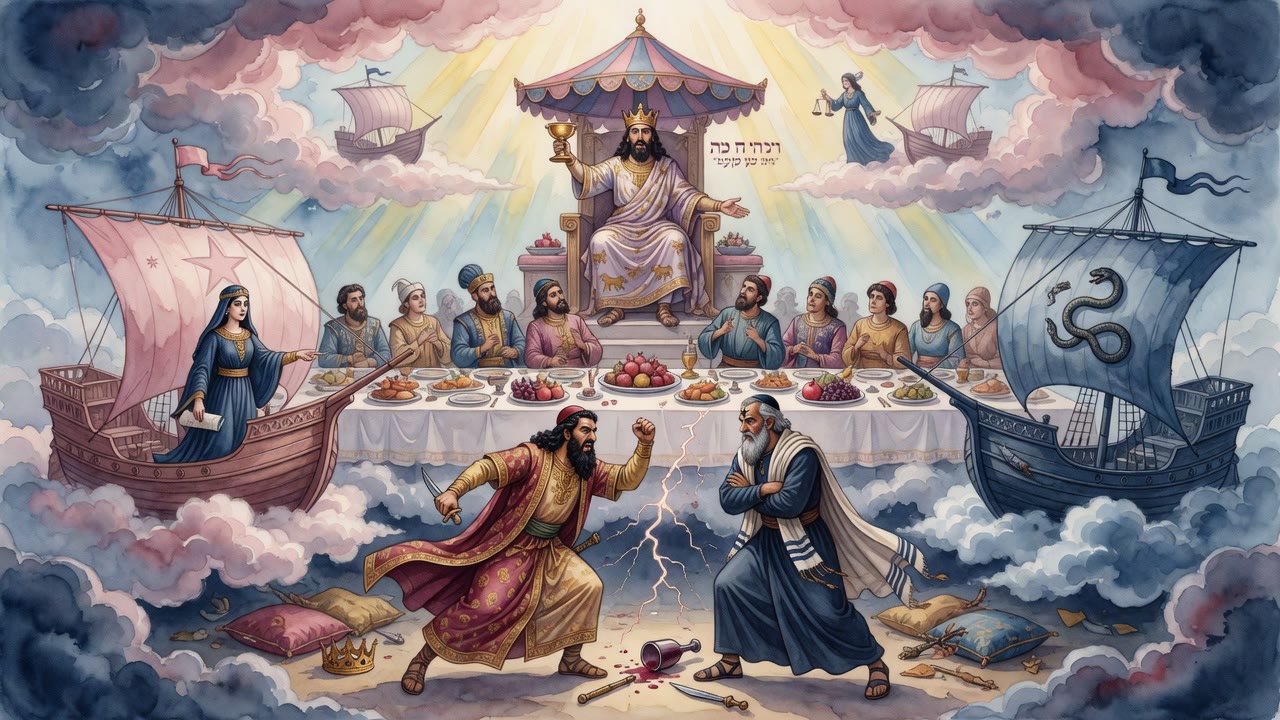
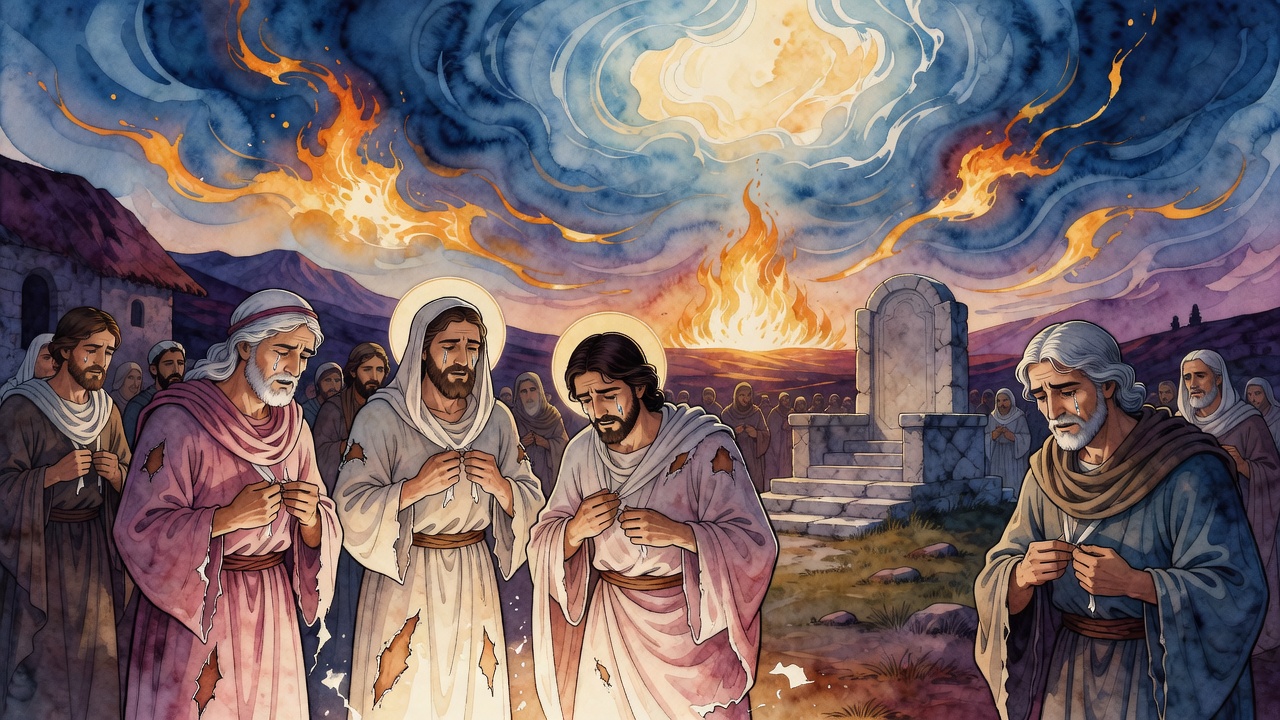
Haman's plan extended beyond the political. According to Jerahmeel, Haman told Ahasuerus that the God of Israel hates lewdness. He then arranged a feast of deliberate debauchery, hoping the Jewish attendees would sin and thereby lose whatever divine protection had kept them safe until now. Mordecai warned the Jewish community not to attend. Eighteen thousand, five hundred and sixty people went anyway.
Haman watched the feast. He had what he needed. The charge was being assembled on earth and would be brought above.
When the Accuser Appeared Before God
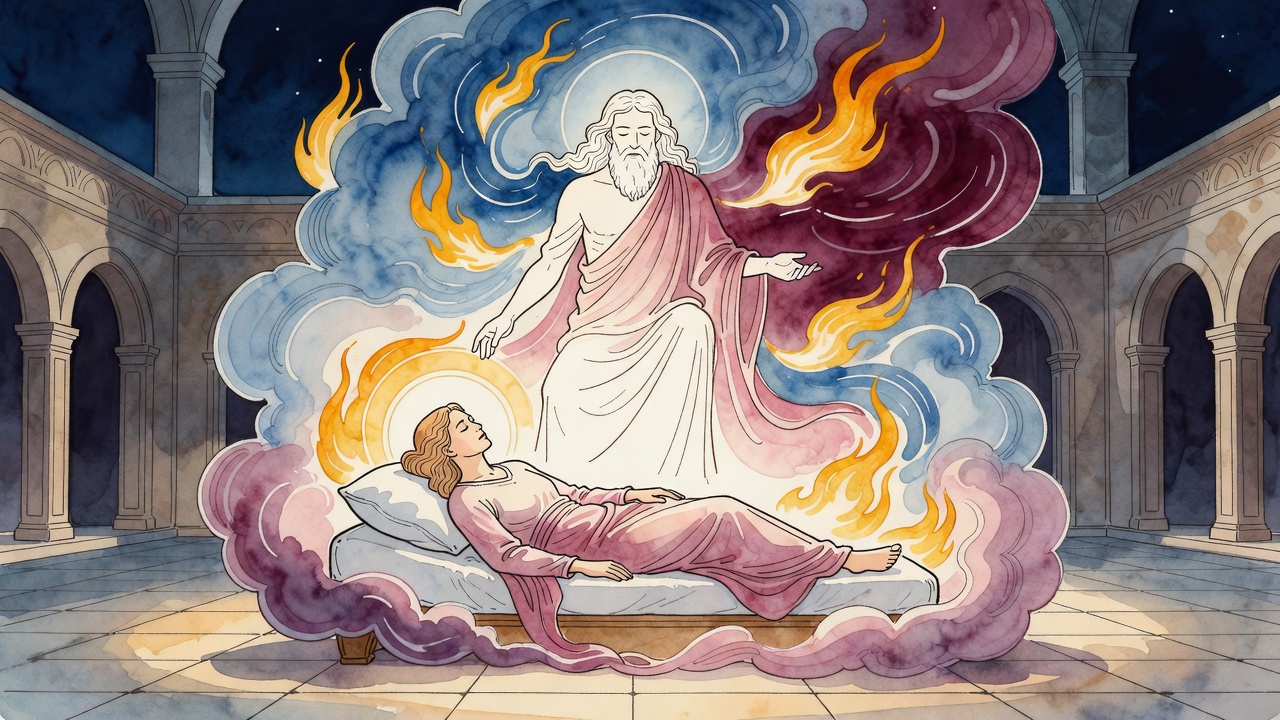
Ha-Satan, the Accuser, the angel who serves as prosecutor in the heavenly court, brought the charge to God. He argued that Israel had turned away, that Jews had attended a pagan feast, that the covenant had been weakened by the people's own choices. This is not a story about a rival power opposing God. The Accuser works within the divine court. His prosecution is effective when sin provides him with material to work with, and the feast had provided material.
Then heaven wept. The angels of the divine court looked at what the Accuser was arguing and cried out. They invoked the covenant. They invoked the promises made to the patriarchs. They invoked the ordinances of creation itself, the fact that day and night continue and that God had sworn to Abraham as certainly as day and night continue that Israel would not be abandoned. The angels were not ruling. They were pleading. And heaven filled with the sound of mourning.
A King Who Could Not Undo His Own Seal
Jerahmeel preserves a parallel scene in the Persian court. Ahasuerus, after Esther's intervention, tries to undo what his own ring had sealed. The king addresses his letter to all the inhabitants of water and earth, projecting humility and a desire for harmony, and tries to revoke the edict against the Jews. But Persian law presents an obstacle. What is written in the king's name and sealed with the king's ring cannot simply be erased. It can be countered, superseded, and made practically void, but the original document stands.
Ginzberg's Legends of the Jews adds that the heathen sages of the surrounding nations had signed their names to Haman's decree and given their full support to it. The extermination of the Jews had been endorsed by an international council of advisors. Ahasuerus's reversal required not only royal will but a new document powerful enough to override what the first one had set in motion.
The Court Above and the Court Below
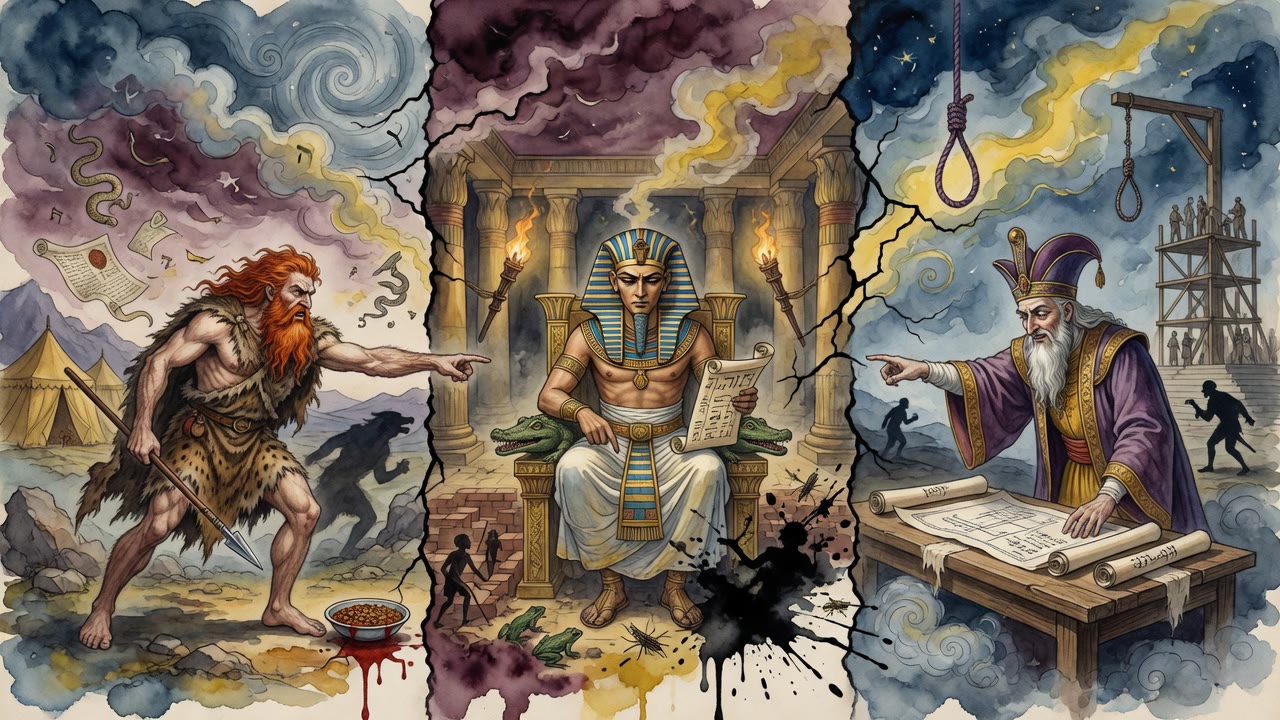
The Chronicles of Jerahmeel and Ginzberg together present the Purim story as a simultaneous crisis in two courtrooms. In the Persian court, Haman uses royal process, legal language, and propaganda to build a structure for genocide. In the heavenly court, the Accuser uses Israel's own failings to construct a prosecution that the angels can barely withstand. Both cases depend on paperwork: the sealed edict below and the charge sheet above.
What breaks both cases is not counter-argument but intercession. Esther enters the inner court unsummoned, risking her life, and the king extends his golden scepter. Mordecai and the community fast and pray for three days, and somewhere above the angels' weeping shifts into something else. The Accuser finds his material weakened by repentance. The Persian court finds the king's favor shifted. Two sealed documents are answered by two acts of courage that neither courtroom expected.
← All myths