The Hidden Hand Behind Haman's Gallows and Mordecai's Crown
Haman came to the palace at dawn to ask for a hanging. The king spoke first and asked how to honor a favored man, and Haman described a parade for himself.
Table of Contents
 Click for full size
A King Who Drank From Stolen Vessels
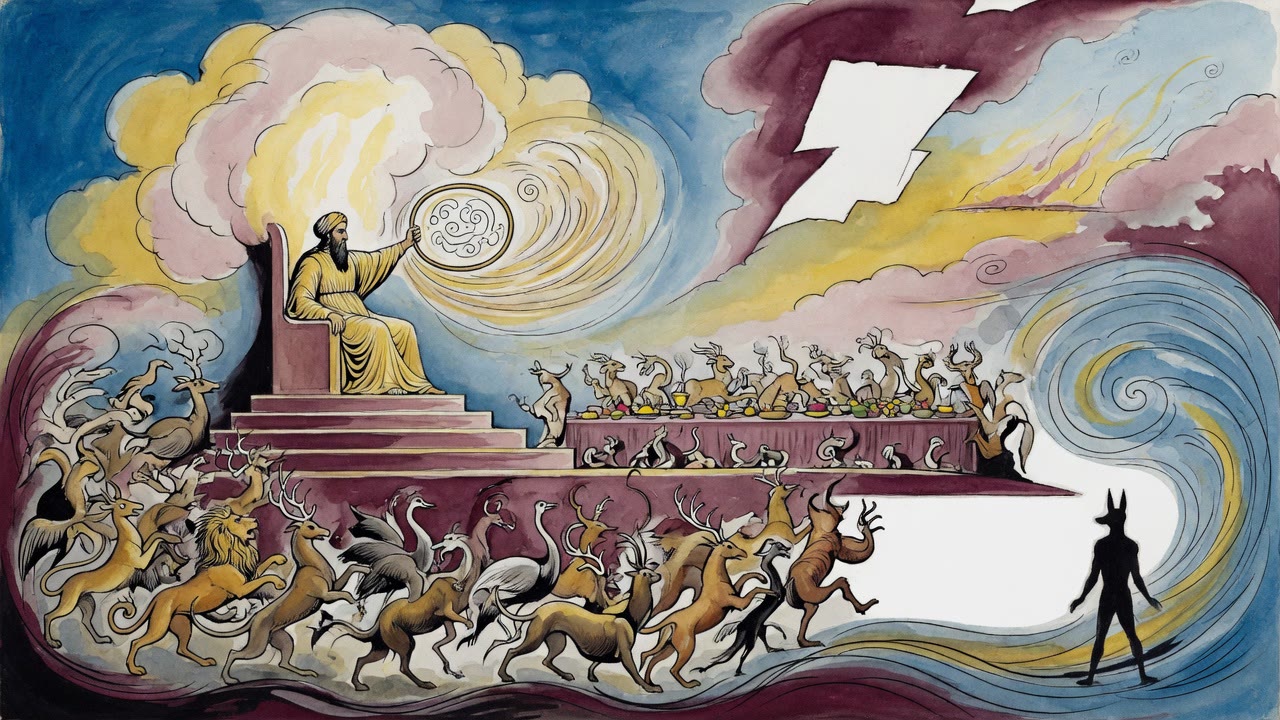
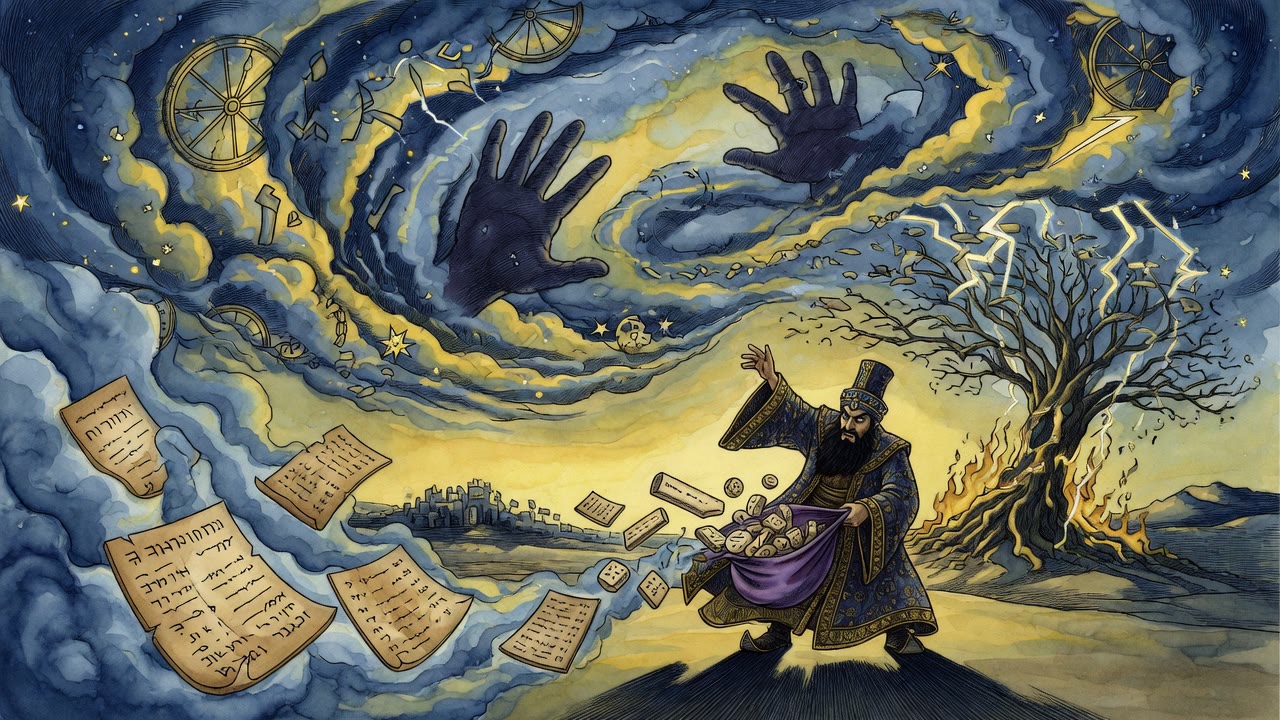
The most extravagant party in the Hebrew Bible was paid for with stolen goods. When King Ahasuerus spread his banquet across one hundred and eighty days, setting the wine cups gleaming before all of Shushan, the gold on those tables was not his. Much of it had been carried out of Jerusalem, hauled from the wreckage of the Temple, and the proudest king in Persia was drinking from vessels that had once held the offerings of God.
God watched him flaunt it and was not impressed. The rabbis who preserved the Purim legends in the Legends of the Jews, the great early twentieth-century synthesis Louis Ginzberg assembled from midrashic sources between 1909 and 1938, gave God a single dry line in response to the spectacle: has the creature of flesh and blood any possessions of his own? The silver is mine, and the gold is mine. That line echoes the prophet Haggai. It lands as a verdict before any sentence has been announced.
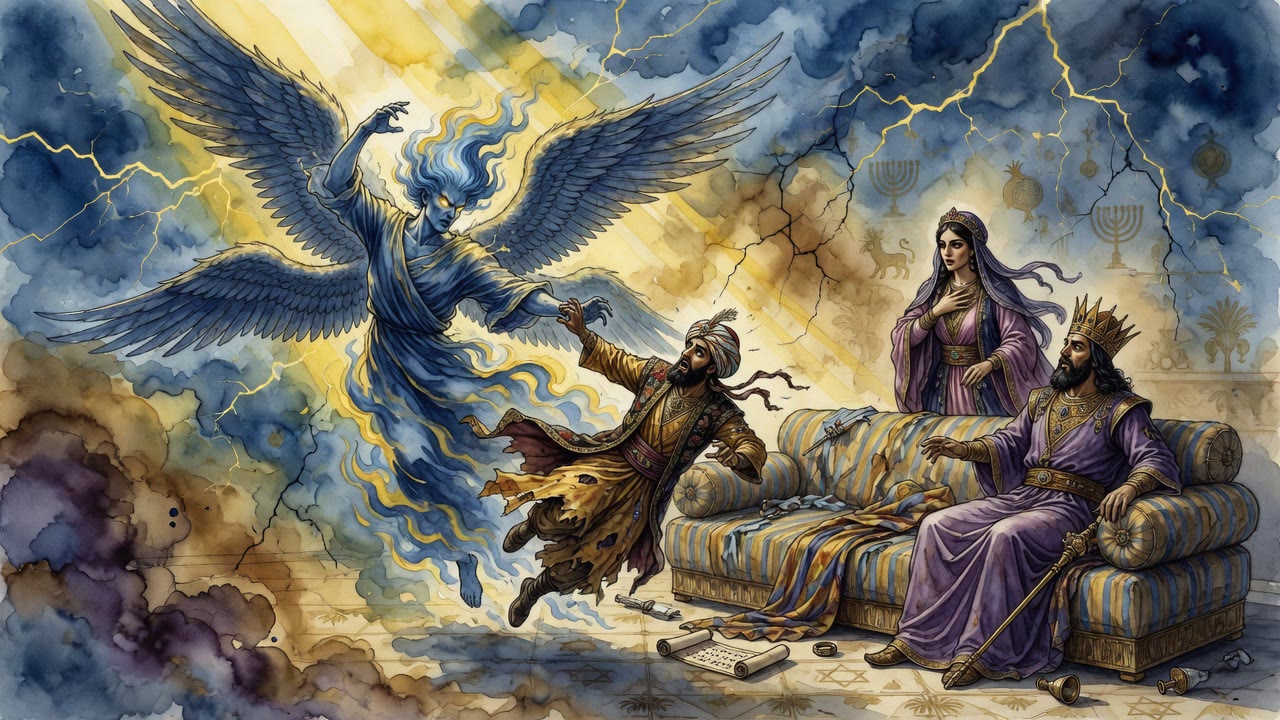
The Jews of Shushan were invited to the feast. They walked into the hall and saw the sacred vessels of their destroyed Temple serving as props for a pagan celebration, and some of them stayed and drank anyway. That detail is not in the plain text of Esther. The rabbis inserted it, because they wanted to establish what was at stake before the decree came. A people that will drink from their own desecrated sanctuary has already lost something that the decree of Haman was only going to make official.
The Queen Who Could Not Be Displayed
The party ended badly. Vashti refused to come when the king summoned her to display herself before his guests, and the king, drunk and humiliated in front of his court, had her removed. The sages imagined her refusal as the first act in a chain of events that was not accidental. She had to be removed so that someone else could take her place. The throne of Persia had to be occupied by a woman the Hidden One had already chosen.
A decree went out across all the provinces. Every beautiful young woman in the kingdom was to be brought to Shushan for the king's inspection. Esther was brought with the rest of them, and she said nothing about who she was or where she came from, because her cousin Mordecai had instructed her not to. She kept her silence for months, through the full twelve-month preparation, through the night she was brought before the king, through the night he chose her above all the others and placed the crown on her head. She kept her silence and Mordecai kept walking back and forth before the women's courtyard each day to hear what was happening.
The Gallows Built on Envy
Haman rose to power and acquired exactly one enemy. Mordecai would not bow to him. Not because of stubbornness, but because Mordecai was a Jew and Haman was an Amalekite, a descendant of the people who had thrown the sign of the covenant heavenward as a taunt, and Mordecai understood what was actually being asked when Haman's servants told him to bow down. He refused every day.
Haman decided that killing Mordecai was insufficient. He wanted to kill every Jew in the kingdom, and he wanted to do it on a day that his astrologers told him was propitious. He cast lots, purim, to find the right month, and the lot fell on Adar. Then he went to the king and presented the case: there is a people scattered among your provinces who keep their own laws and do not keep the king's laws. Give me permission to destroy them. I will pay ten thousand silver talents into the treasury. The king gave him the ring from his finger as a seal of approval and told him to keep his money. The people were his.
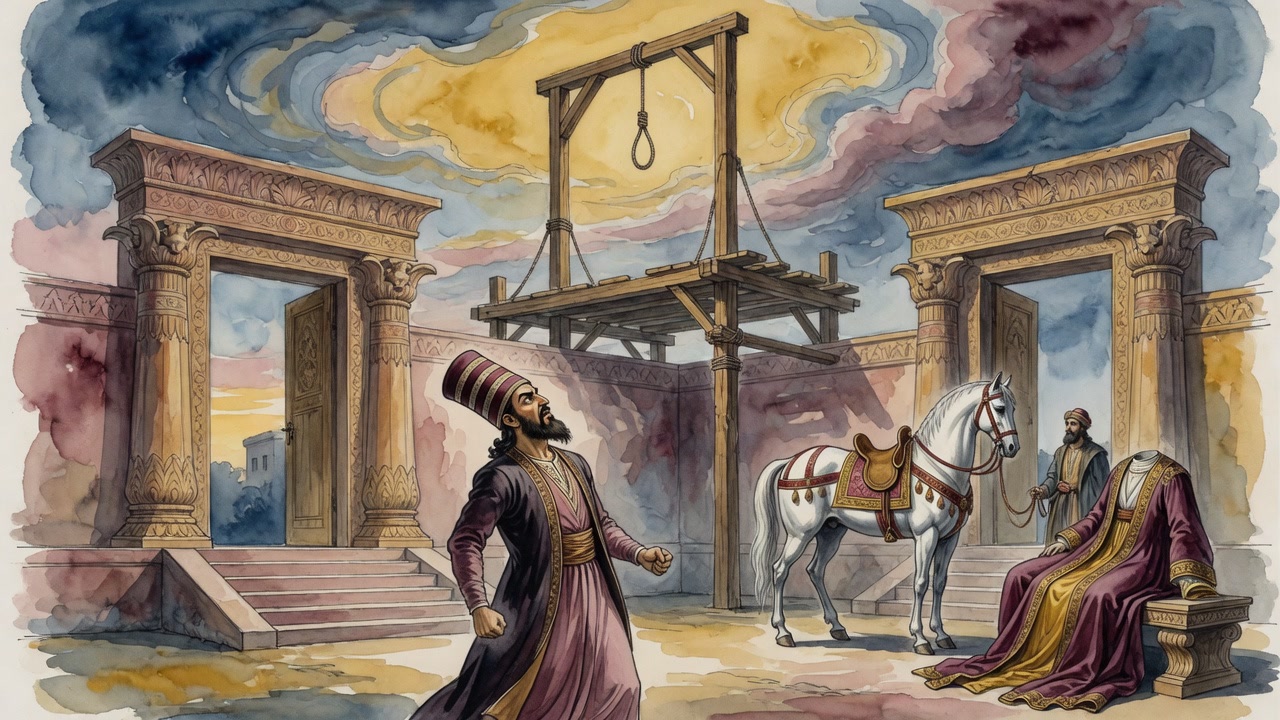
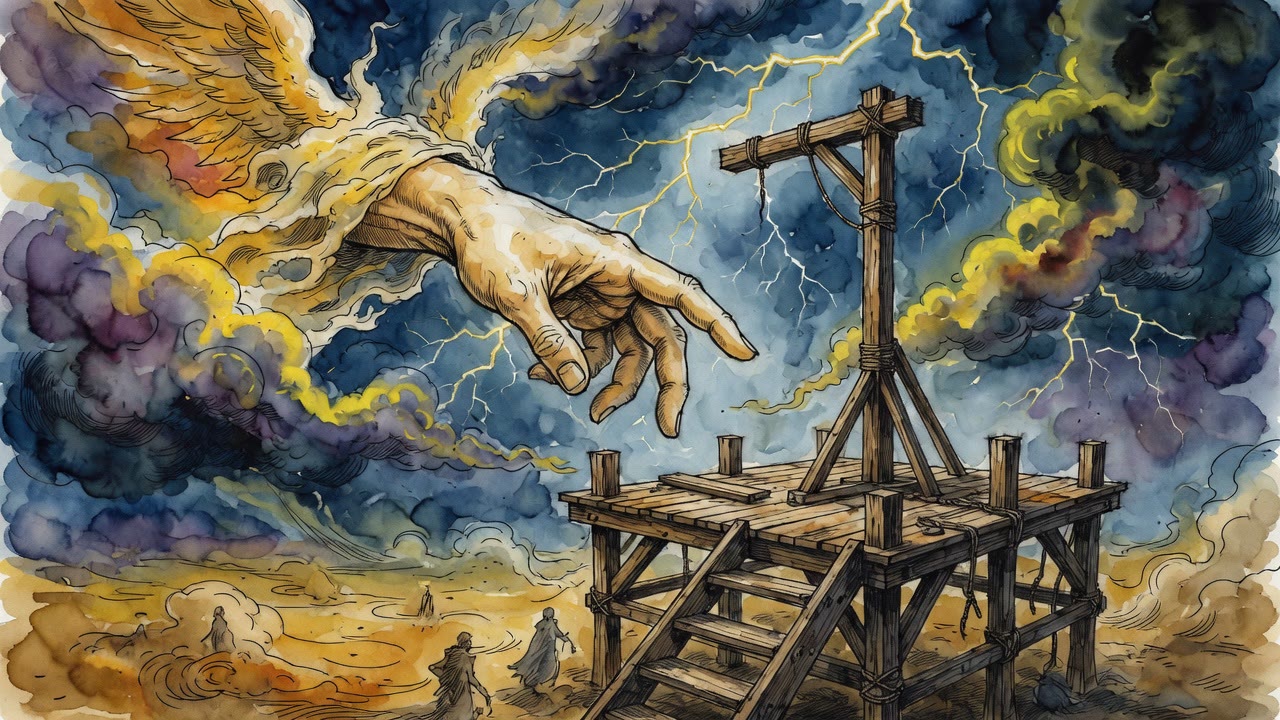
Haman went home to celebrate. His wife Zeresh and his friends helped him plan the execution in detail. Build a gallows fifty cubits high, they suggested, and ask the king in the morning to hang Mordecai on it. The advice pleased him. The gallows went up in the night.
The Night the King Could Not Sleep
That same night, Ahasuerus could not sleep. He called for the court chronicles to be read to him, and the servant who read them opened to the place that recorded how Mordecai had once uncovered and reported a plot to kill the king. The king asked what honor had been given to this man. Nothing had been given. The servant said so.
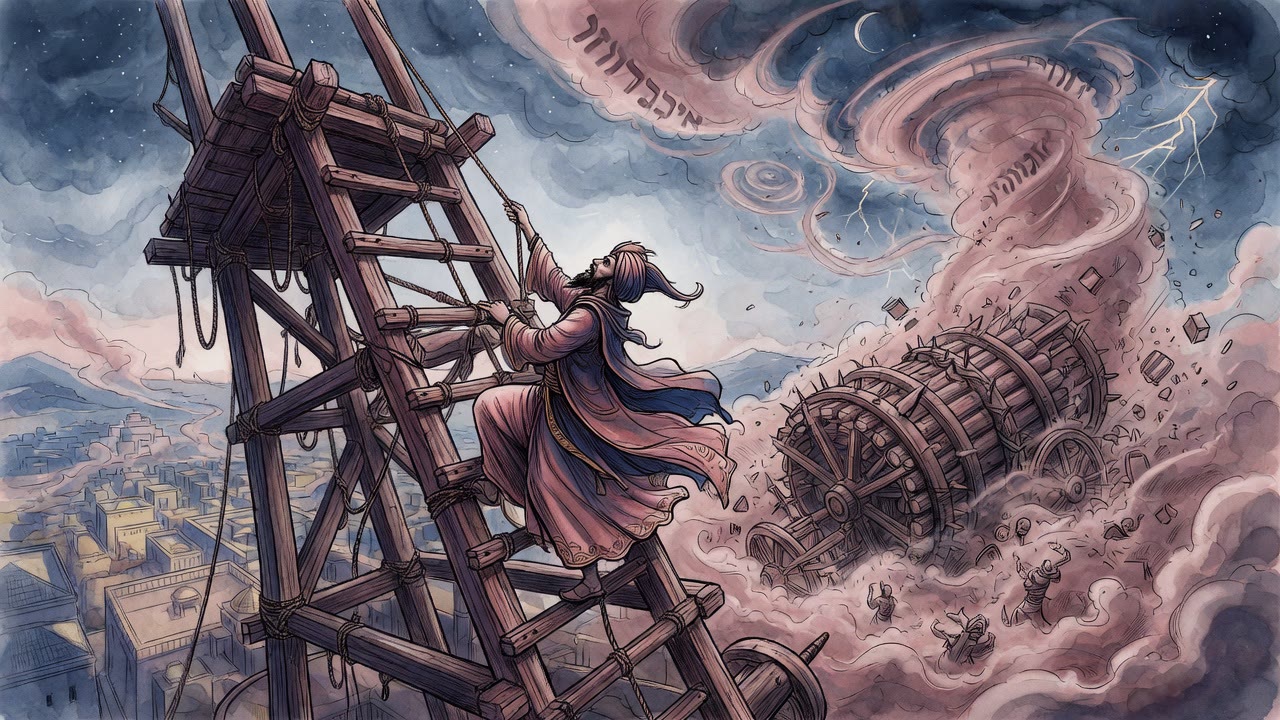
Haman arrived at the palace at dawn to ask for Mordecai's execution. The king called him in before he could speak and asked him a question: what should be done for a man the king wishes to honor? Haman assumed the king was talking about him, the only man in the kingdom worth honoring, and described the most elaborate public ceremony he could imagine. Lead him on the king's horse through the city square. Have a nobleman cry out before him: thus shall be done for the man whom the king wishes to honor.
The king said: go do exactly that for Mordecai the Jew.
← All myths