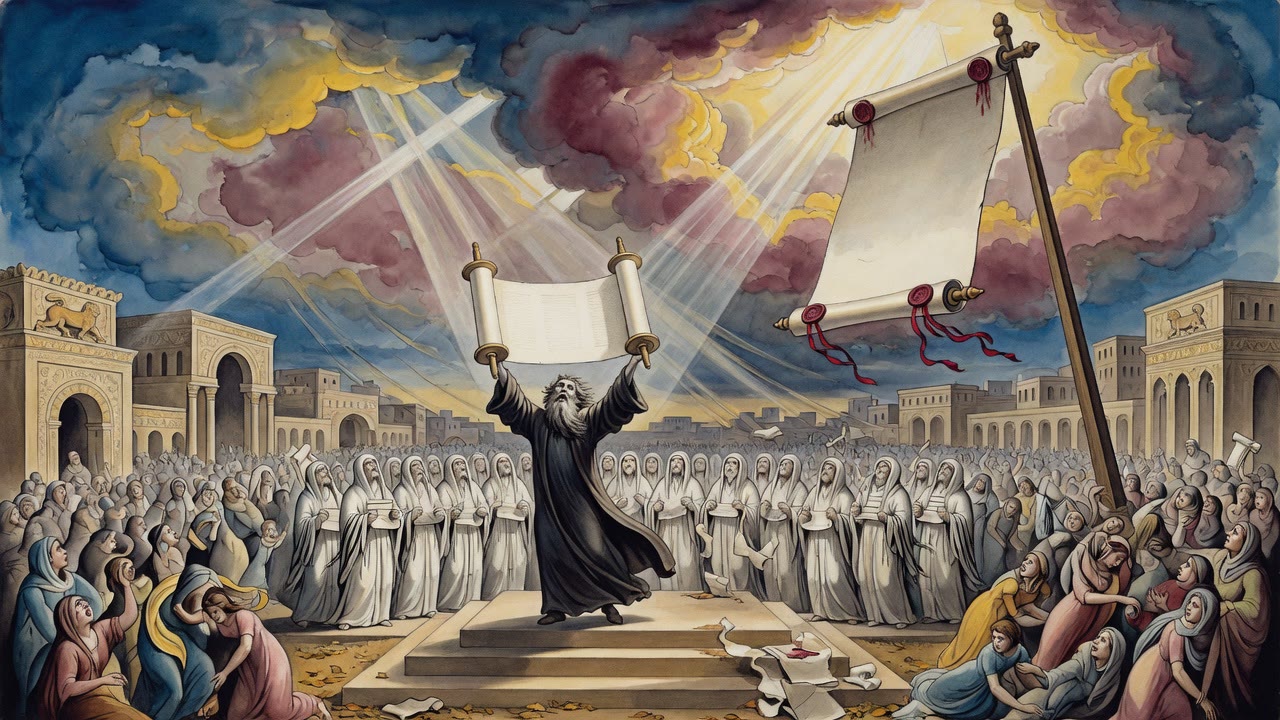
Mordecai Hid Esther's Name From the Palace
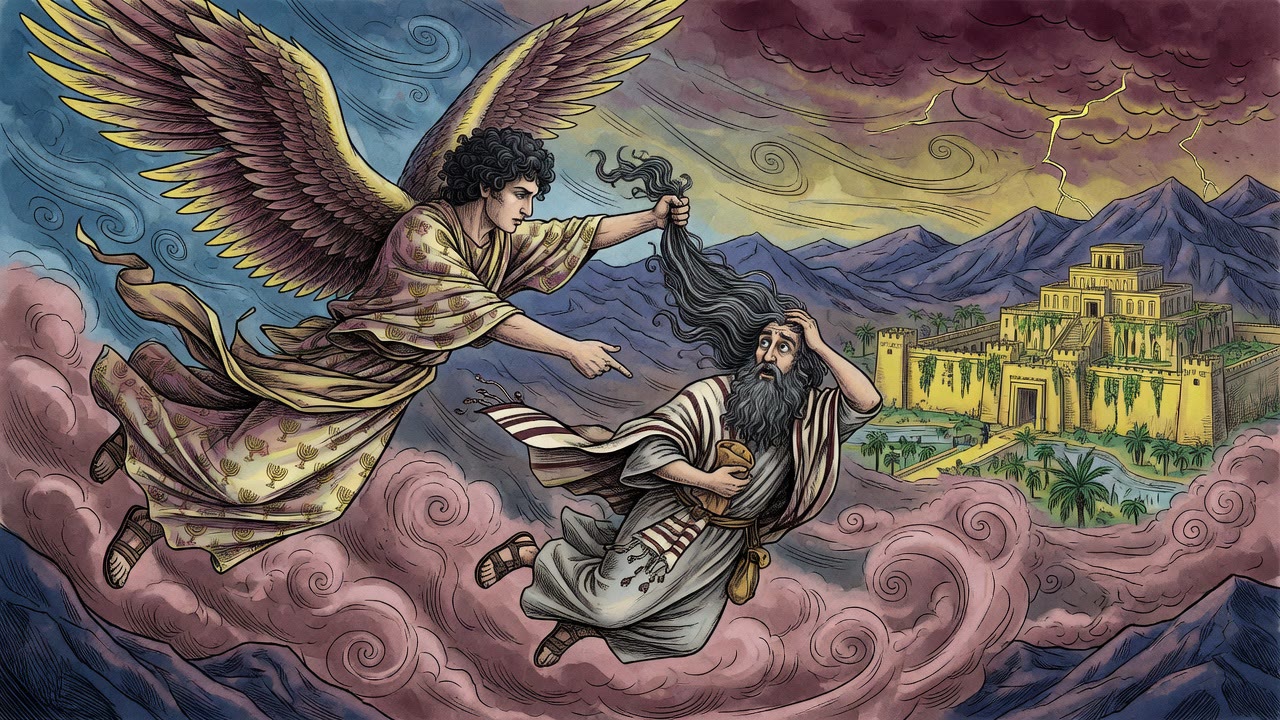
Mordecai hid Esther's people from the palace because rank, danger, and exile all had teeth. Heaven answered by placing Israel in his care.
Table of Contents
The palace loved names when names could be used. A family name could become a ladder. A people name could become a target. Mordecai understood both dangers, so when Esther rose inside the king's house, he kept her Jewish name and kinship wrapped in silence.
 Click for full size
The Door to Honor Stayed Closed
Ahasuerus wanted to know where Esther came from. He was ready to reward the people attached to her. Friends, kin, guardians, anyone who could be named might be lifted into office. The king had a simple royal habit. If beauty pleased him, he scattered rank around it like coins.
Mordecai saw the open door and refused to step through. One word from Esther could have made him lord, prince, counselor, perhaps more. He had raised her. He had guarded her. He could have let the palace turn private devotion into public advancement.
He stayed small.
That smallness was not weakness. It was control. Ambition would have made noise at the worst possible moment. A man hungry for title leaves fingerprints everywhere. Mordecai wanted no office bought with Esther's danger, no greatness fed by a secret that was not his to spend.
A Queen Could Fall in One Morning
Vashti had already taught the court how fast a crown could become a sentence. One command refused, one royal anger sharpened, and a queen vanished from her place. Esther's beauty had brought her into the same machinery. Mordecai could not pretend that favor made her safe.
If the palace learned she was Jewish and then turned against her, the fall might not stop at her chamber. A queen's disgrace could become a pretext. Her people could be dragged into the punishment. Courtiers knew how to widen blame when widening blame served them.
So Mordecai kept the line hidden. He did not hide because he was ashamed of Israel. He hid because the court was dangerous when it was curious, and deadlier when it was offended. Esther's silence placed a wall between her possible ruin and the Jews of Persia.
Exile Taught Him Silence
The third reason came from exile itself. Since the Temple fell, Jewish life had depended on reading the faces of nations that did not love them. A smile at court could change into accusation before sunset. A feast could become a trap. A name spoken in confidence could reappear in a decree.
Mordecai had no romance about foreign power. He had seen enough, inherited enough, remembered enough. The Jews of the provinces lived by permits they did not control, under governors they did not appoint, beneath a king whose moods moved faster than justice.
Esther's Jewishness was holy, not useful to the palace. Holy things do not need to be placed in every hand. Mordecai guarded the name until the hour came when revealing it would save lives instead of inviting harm.
The Fast Rose From Shushan
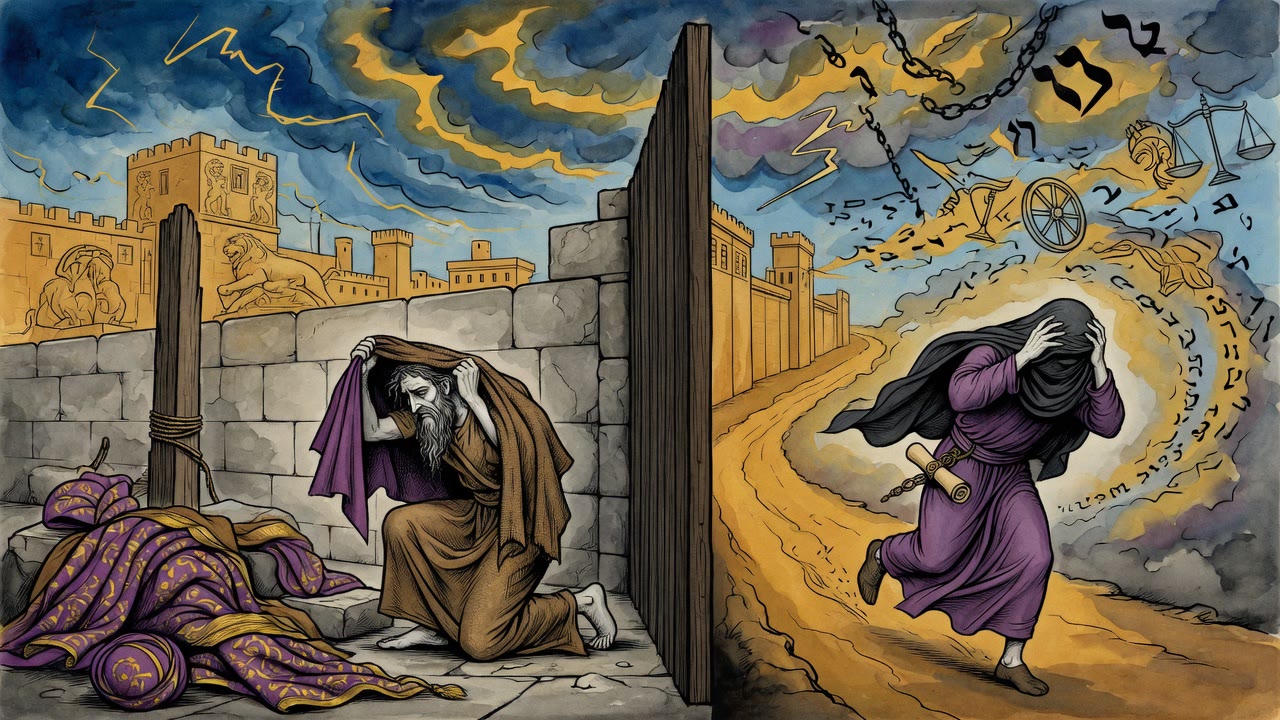
Then Haman gave hatred a date. The decree went out with the king's authority behind it. In every province the Jews heard that their bodies, children, houses, and goods had been handed to violence. Mordecai did not answer first with a weapon or a bargain. He tore his garments, put on sackcloth, and called the people toward fasting.
He reached for Nineveh, the city that once stood under sentence and turned itself inside out with repentance. If a violent city could cry out and live, then Israel, dear to God, could cry out from Shushan. Fasting made the whole people speak with their bodies. Hunger became prayer. Dry mouths became petition. The streets themselves seemed to lean toward heaven.
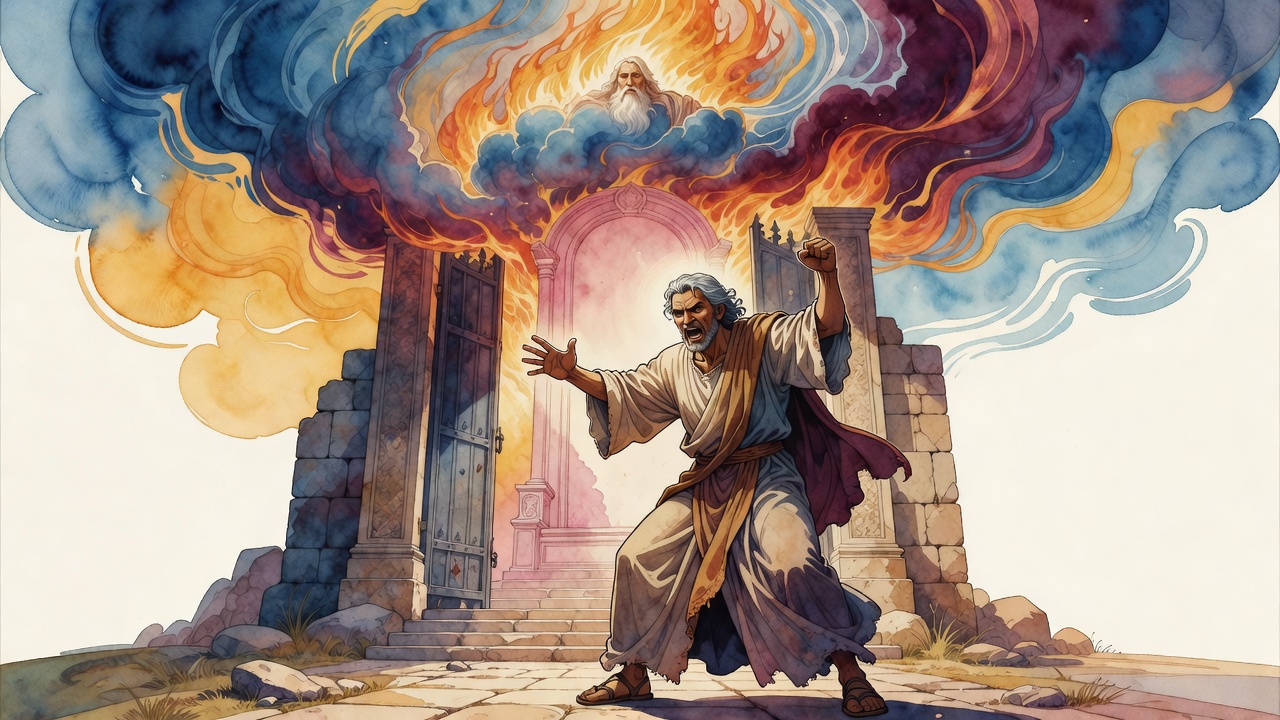
Esther inside the palace joined the fast. The hidden name did not remain hidden from God. While courtiers watched for politics, heaven watched the sackcloth, the thirst, the queen's courage, and the man at the gate who had refused to turn family into rank.
Heaven Remembered the Gate
Long before the decree, Mordecai had walked daily to learn Esther's welfare. The act looked small. One man asking after one woman behind palace walls. But heaven weighed it differently. Care repeated every day becomes a kind of throne. The person who can be trusted with one endangered life may be trusted with many.
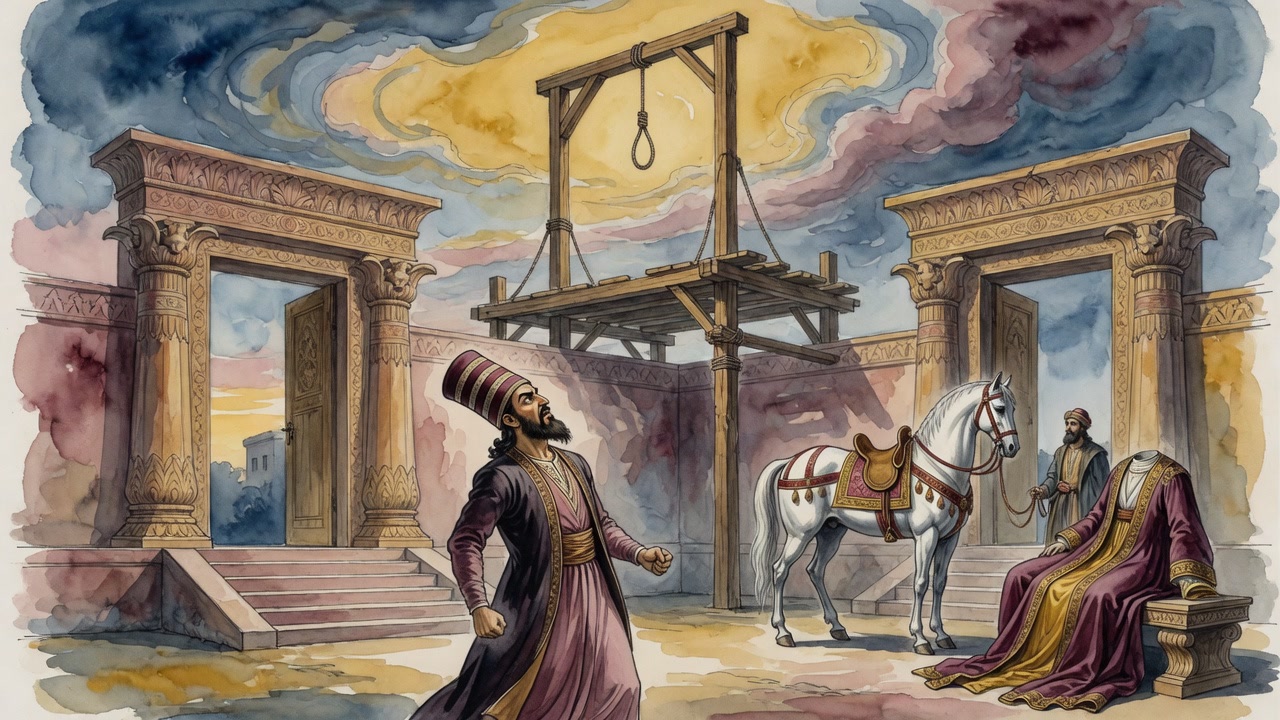
So the hidden record began to answer the public crisis. Mordecai had not sought greatness, and greatness came toward him. He had not used Esther's rise for himself, and Israel's survival would pass through his hands. He had guarded a secret without shame and without vanity, until the secret became the blade that cut Haman's plan open.
The palace loved names when names could be used. Mordecai kept Esther's name until it could be used for life.
← All myths