The Wrath That Followed Israel Into Exile
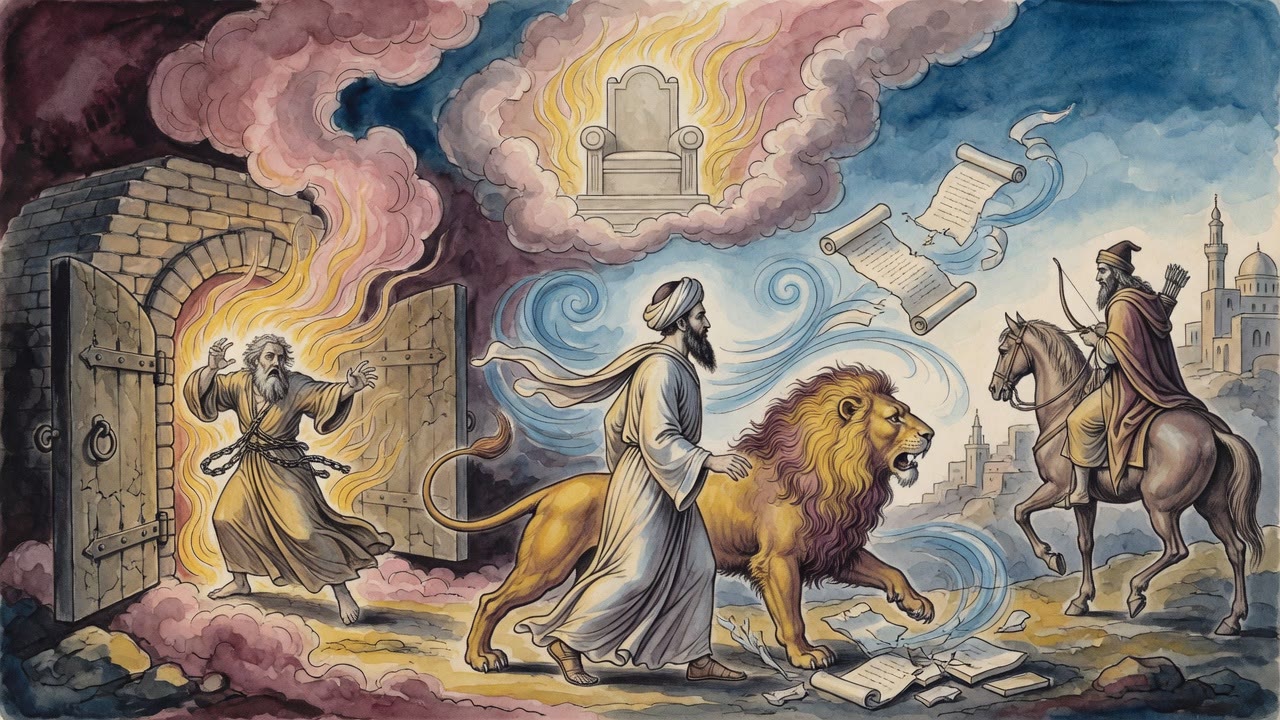
The soldiers of Babylon walked through the Temple as if they had won. In Judah they were still burying their children.
Table of Contents
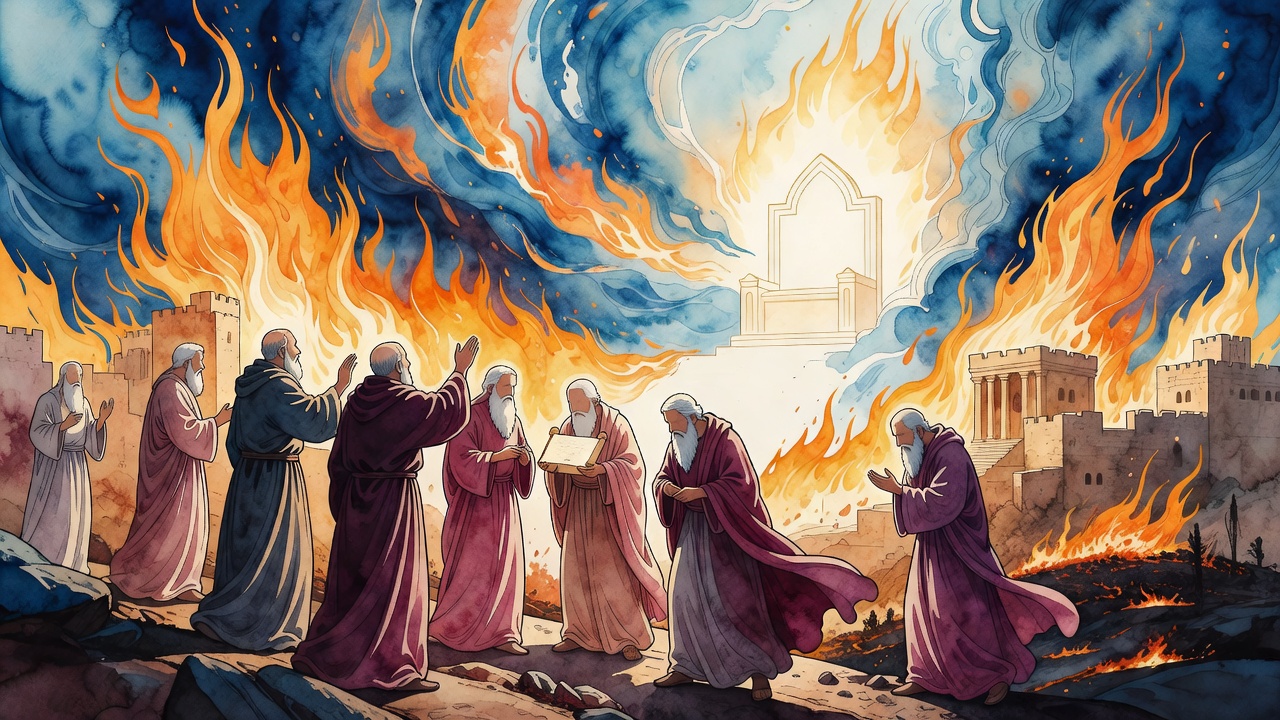
The soldiers of Babylon walked through the courts in 586 BCE as if the victory were theirs. They burned the House. They herded the survivors onto the east road. In their own streets they were not burying sons. In Judah they were.
 Click for full size
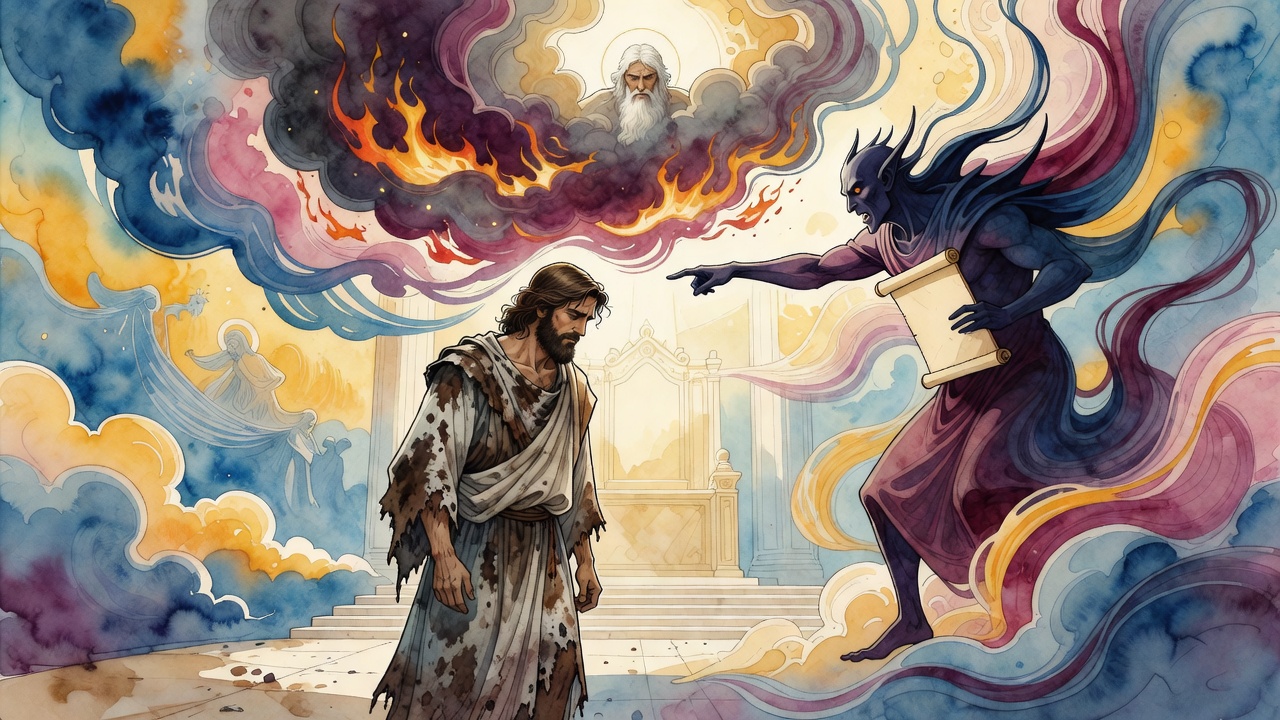
God had already named the address. "The anger of the Lord will burn against you." Against you. Not against Babylon.
Babylon Burned the House and Buried No One
The empire ate well that year. Its sons slept in their beds. Its daughters were not in the ground. The people they had driven out were burying as they walked. The Babylonians said it out loud, because they liked the sound of it. They are steeped in good, they said, and those Jews are steeped in sorrow.
They thought that meant their gods had won. It did not. The decree had Israel's name on it. The army was only the hand that carried it out. Babylon would not get the honor of being the explanation.
A man on the road east still had a shroud to wash. A man in Babylon had a full table. That was the proof they pointed at. It was the wrong proof. The fire had been aimed inward before the first torch was lit.
The Father Sent His Son to a Feast
A father sent his son to a feast and stood in the doorway to say it twice. "Eat, but not more than you need. Drink, but not more than you need. Come home clean."
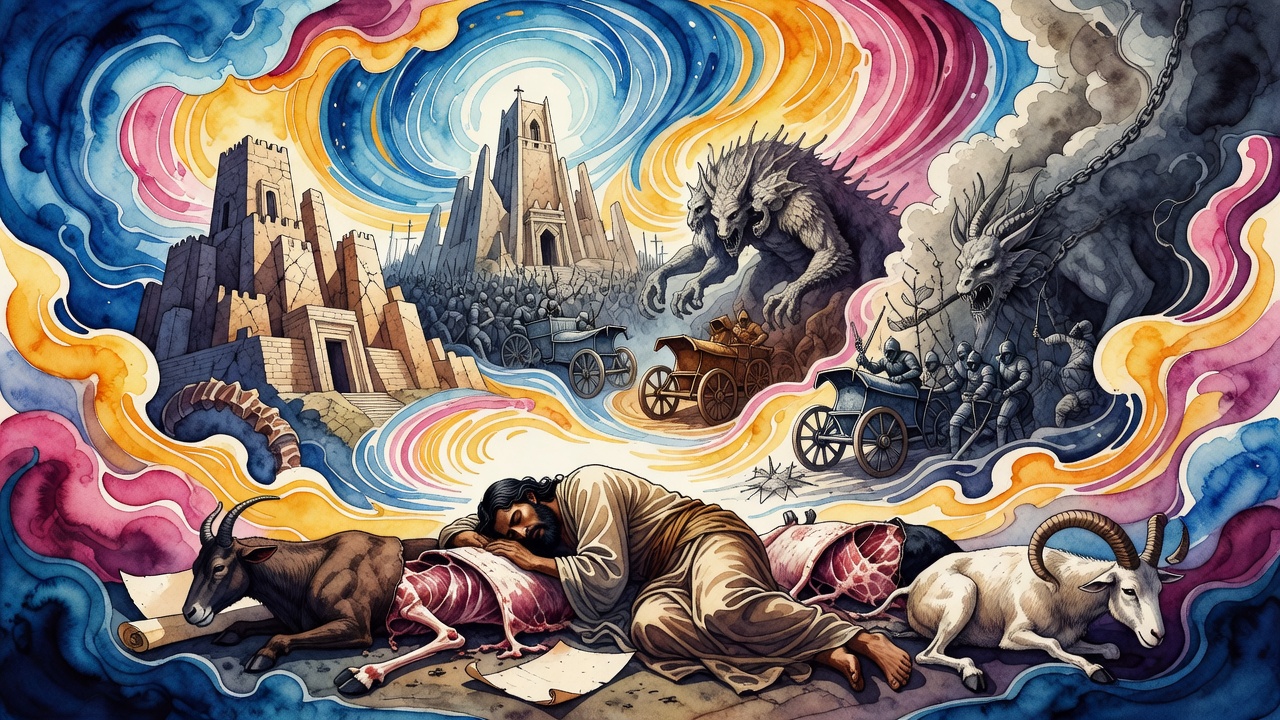
The son sat down among the guests and did not stop. He ate until his stomach turned. He drank until his legs went. He vomited on the people beside him. They took him by the hands and by the feet. They flung him out behind the house, into the dark, into the dirt, and they shut the door.
Israel had been sent into a good, broad land, a land of milk and honey, fruit to eat and a name to bless on it. They were not with the good. So they were with the penalty. The wrath burned, and the son of the house was the one lying in the alley.
The father did not chase the guests. He did not blame the wine. He had warned his own child. The feast was still a feast. The son had made it a fall.
The Clouds Held Rain and Would Not Drop
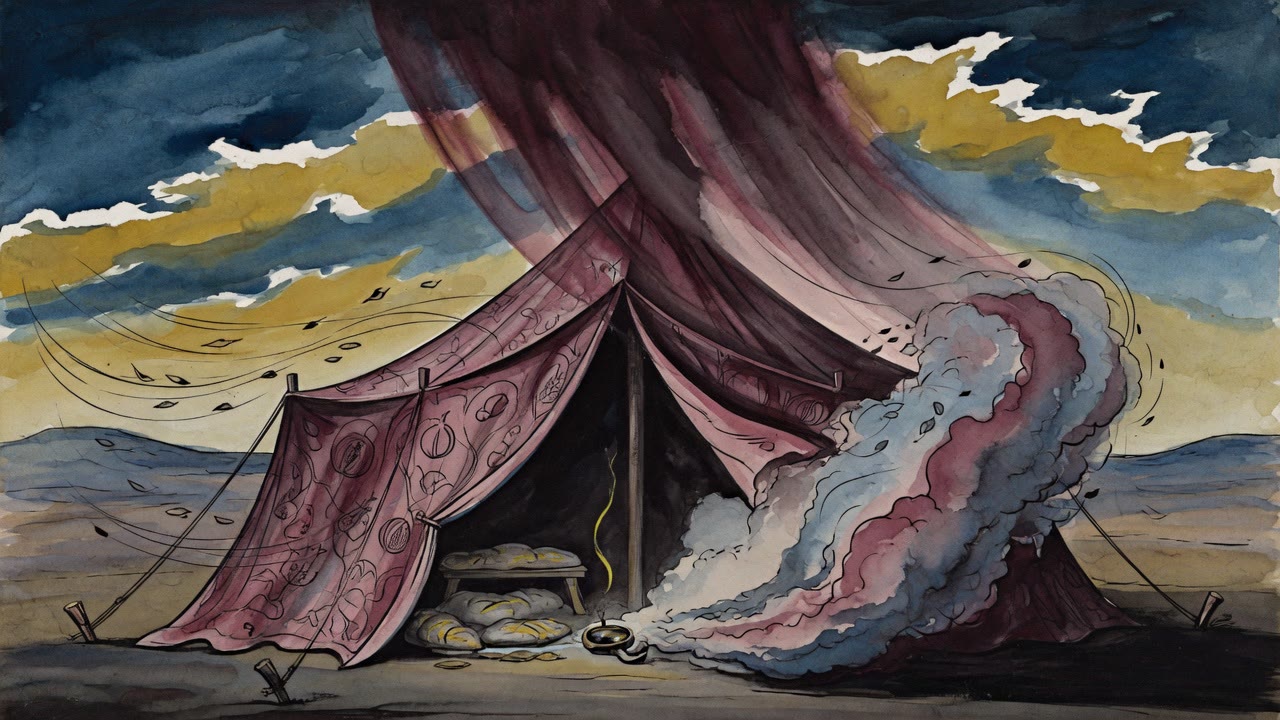
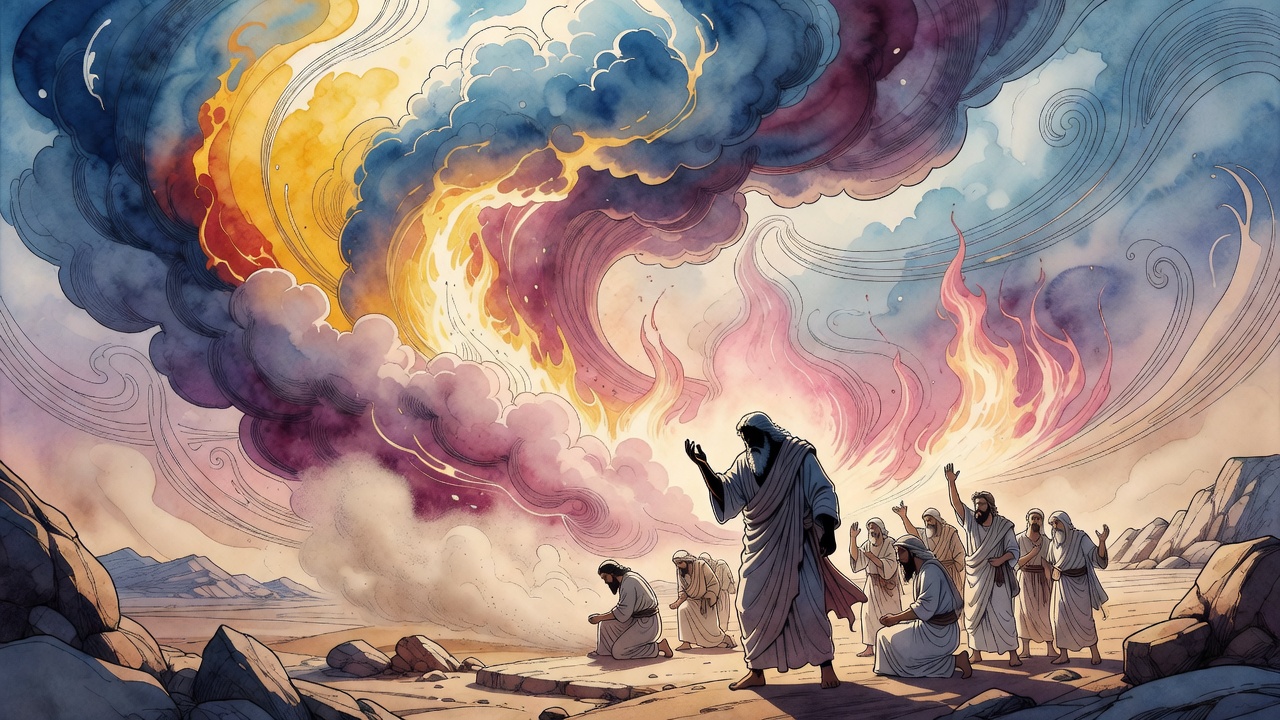
The clouds came in loaded. They hung over the fields, heavy and dark, and they did not shed a drop. Dew stopped. Wind stopped. A man looked up and saw water that would not fall.
The heavens sat like iron. The earth sat like brass. Ditches that had always carried water to the trees produced nothing. The land that had been the feast was now the alley behind the house, and the son could not crawl back in.
People waited for a late rain the way they had waited in good years. The rain stayed in the cloud. The fruit stayed in the ground. Hunger walked the same roads the soldiers had used.
Robbers Cut the Field in Three Visits
Rabbi Yehoshua ben Karcha told it as robbers in a field. They came the first time and cut the standing grain. The owner did not protest. They came back and took the sheaves. He did not protest. They filled their tubs with the last of the straw and walked off, and still no one stopped them.
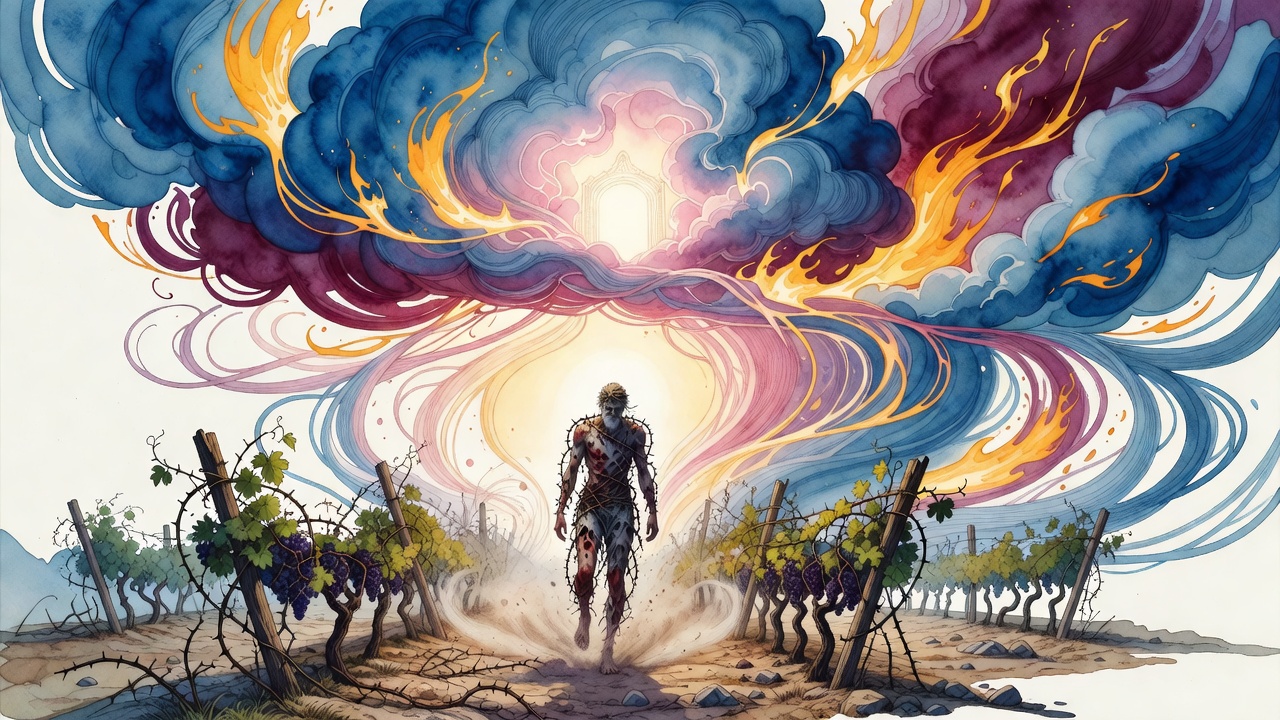
The ten tribes went first, in stages. Then Judah and Benjamin, in the seventh year of Nebuchadnezzar, and again in the eighteenth, and again in the twenty-third. Each visit left the field thinner. Isaiah had named the same pattern long before the last tub went out the gate. First the land of Zebulun and Naphtali, lightly. Afterward more grievously.
Rabbi Shimon ben Yochai said even those of whom it was written "quickly" were not taken in one hour. They were taken in waves, until the field was empty. A single blow would have been mercy of a kind. The three visits were the harder thing. Each time there was still a little left to lose.
Signposts on the Road Out
God spoke to the people on the road. "Even though I am sending you out of the land, be marked by the commandments, so that when you return they will not be new to you."
He told them to set up signposts. The signposts were the commandments themselves, the tziyunim (ציונים) by which Israel is marked. He told them to set their heart to the road they had walked, and to repent. Then they would come home.
Jeremiah had already said it. Set up signposts for yourselves. Make high heaps. Do not forget Jerusalem. Babylon kept the torch. Israel kept the address. The anger had followed them east, which meant they were still the ones He was speaking to.
← All myths