185 myths · Page 2 of 7
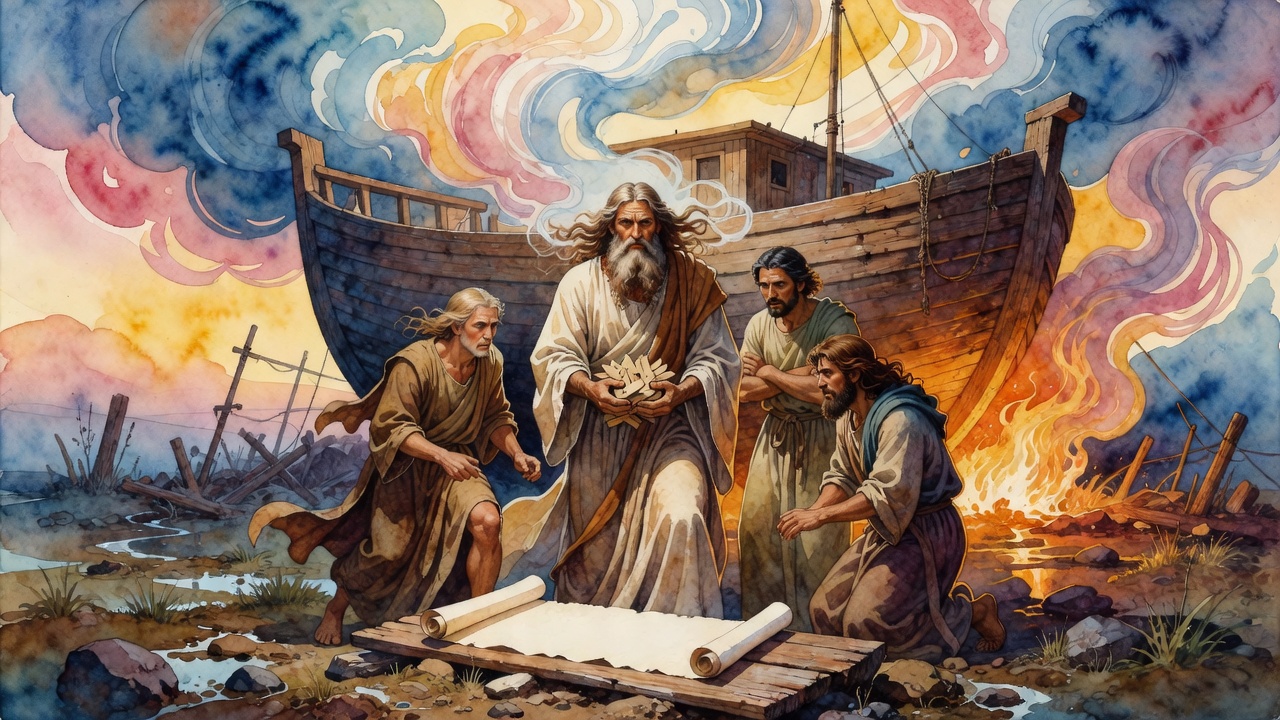
The flood had emptied the world. Noah's sons reached into his chest and drew lots for every coast and mountain that was left.
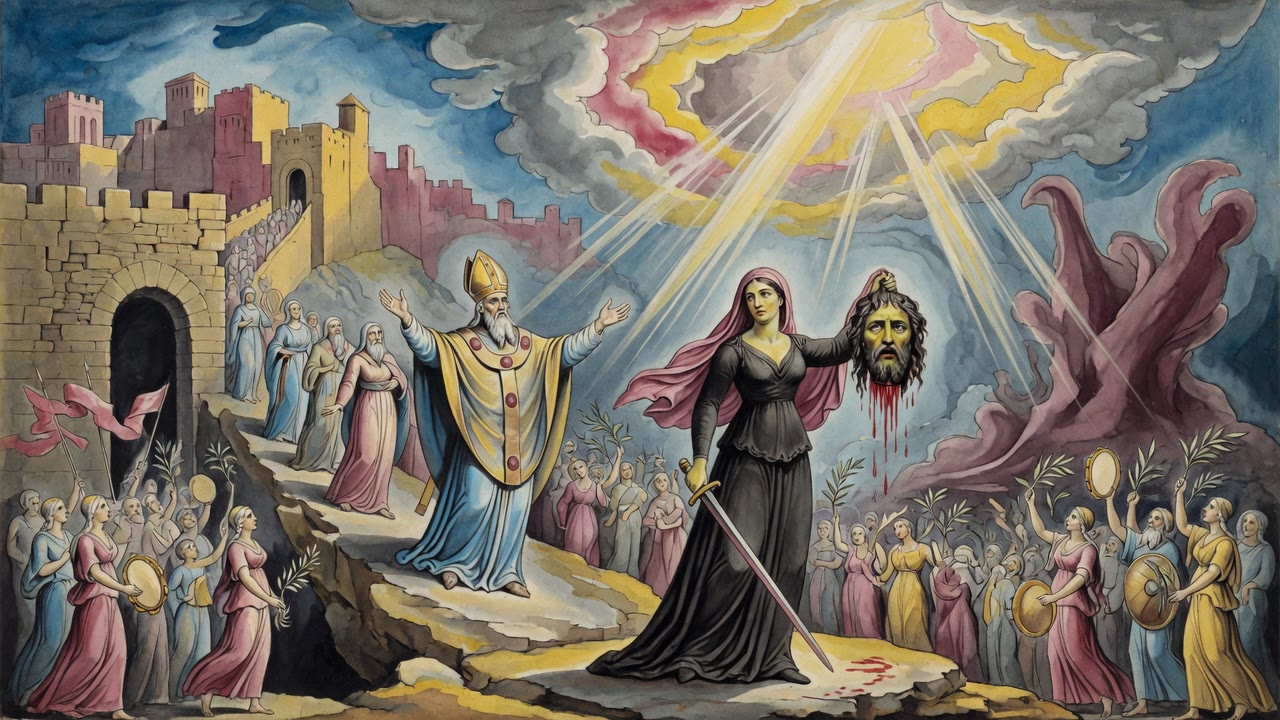
Joakim left Jerusalem and walked to Bethulia to bless a widow. She had come home with the Assyrian general's head in a food bag.
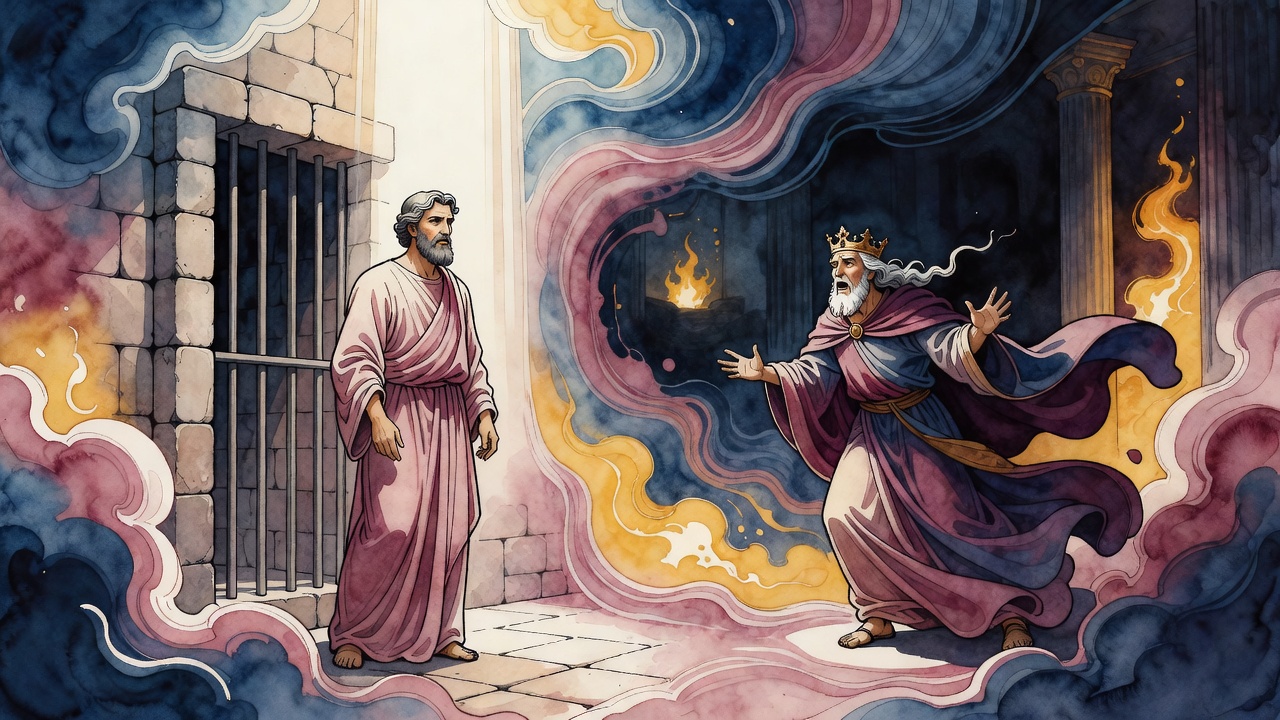
The Temple vessels were gone from the palace stores. Darius locked Daniel for the theft. Night fell, and the king could not see the lamps.
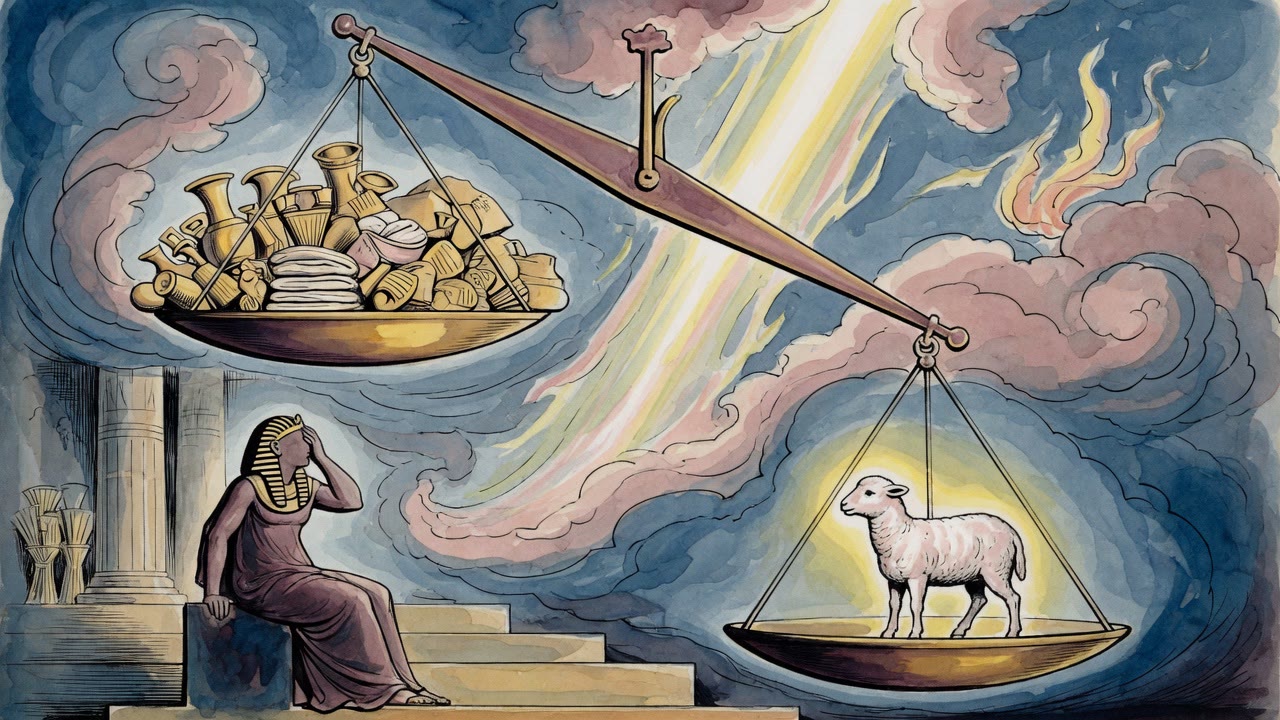
The officers of Israel came out of the palace beaten and found Moses at the gate. You have put a sword in their hand to kill us, they said.
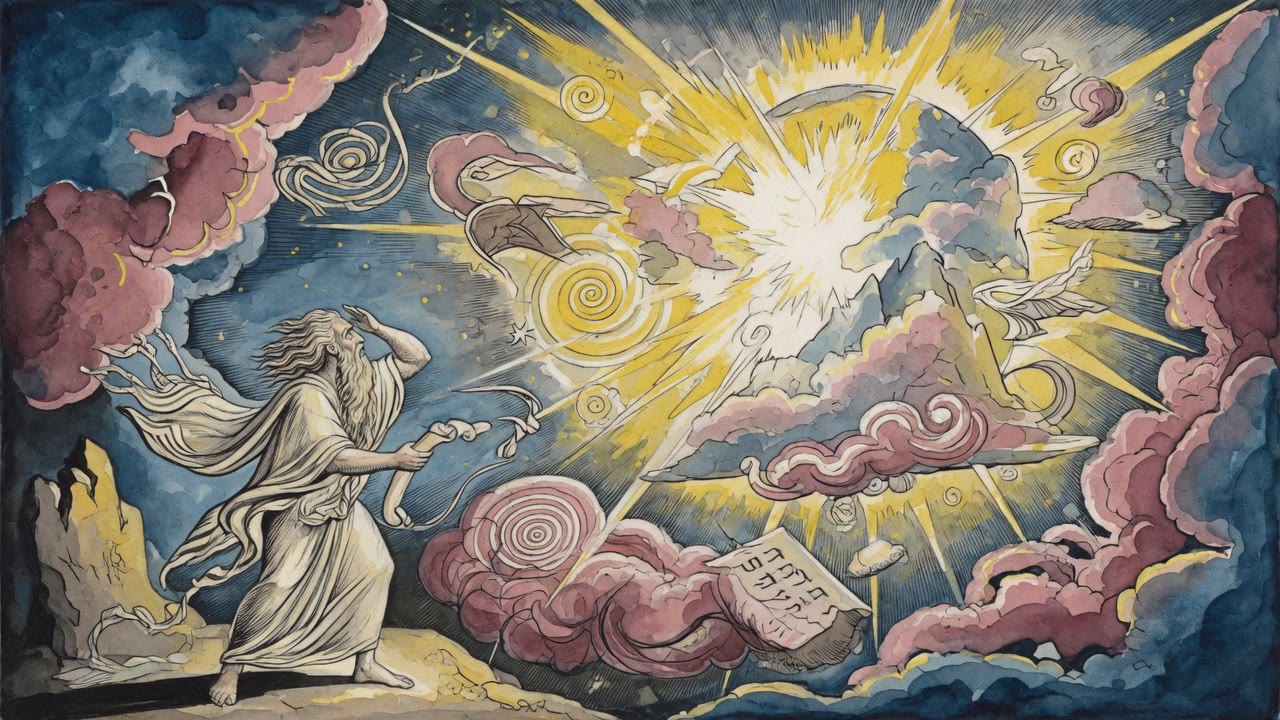
Isaiah stood in the smoke of the throne room. Overhead the sky was still being stretched, a curtain a hand had not yet let go.
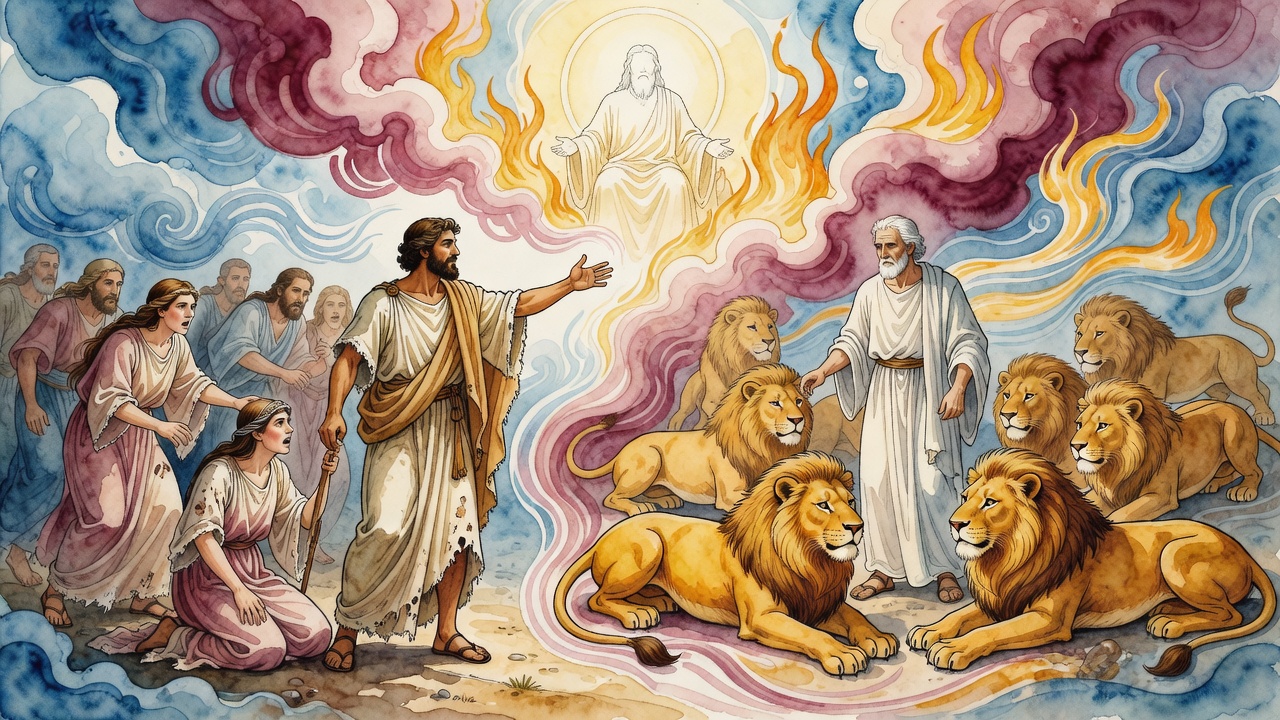
Daniel saves a condemned woman by cross-examining her false accusers with one question. Decades later, he faces the same kind of execution himself.
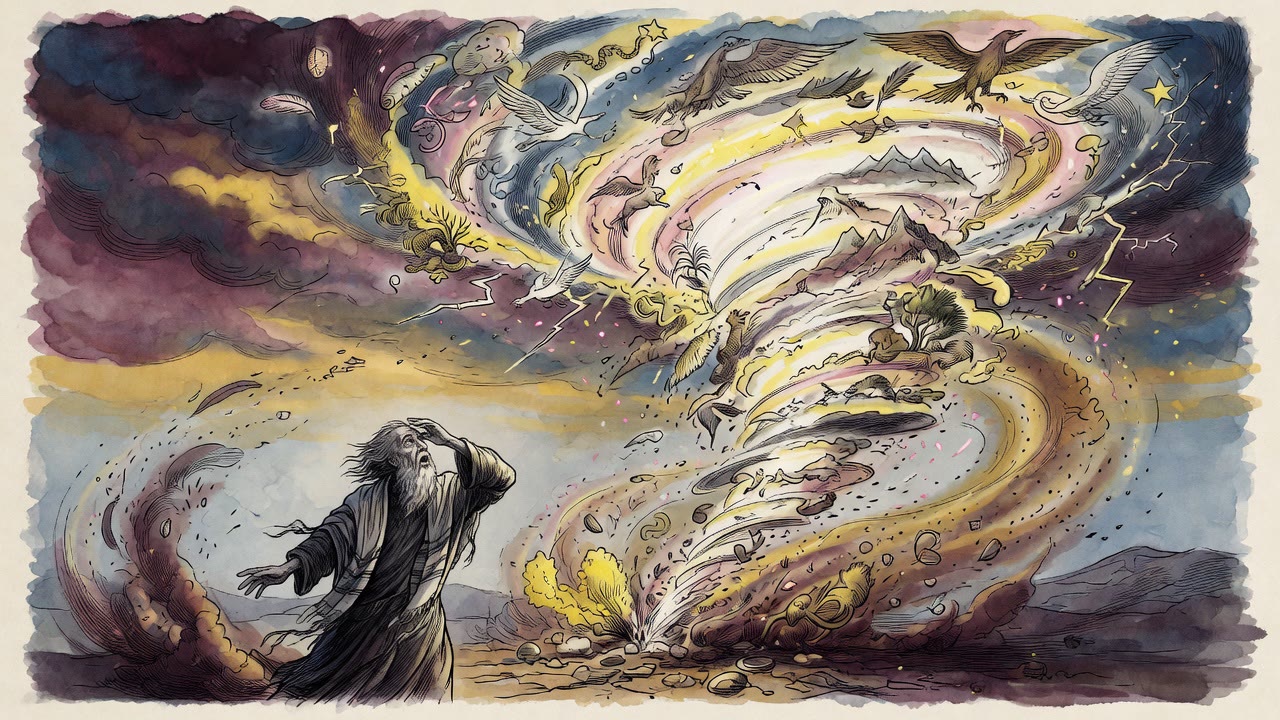
The smoke had not risen yet. Abraham planted his feet in the dust and asked if the Judge of all the earth would burn the innocent with the rest.
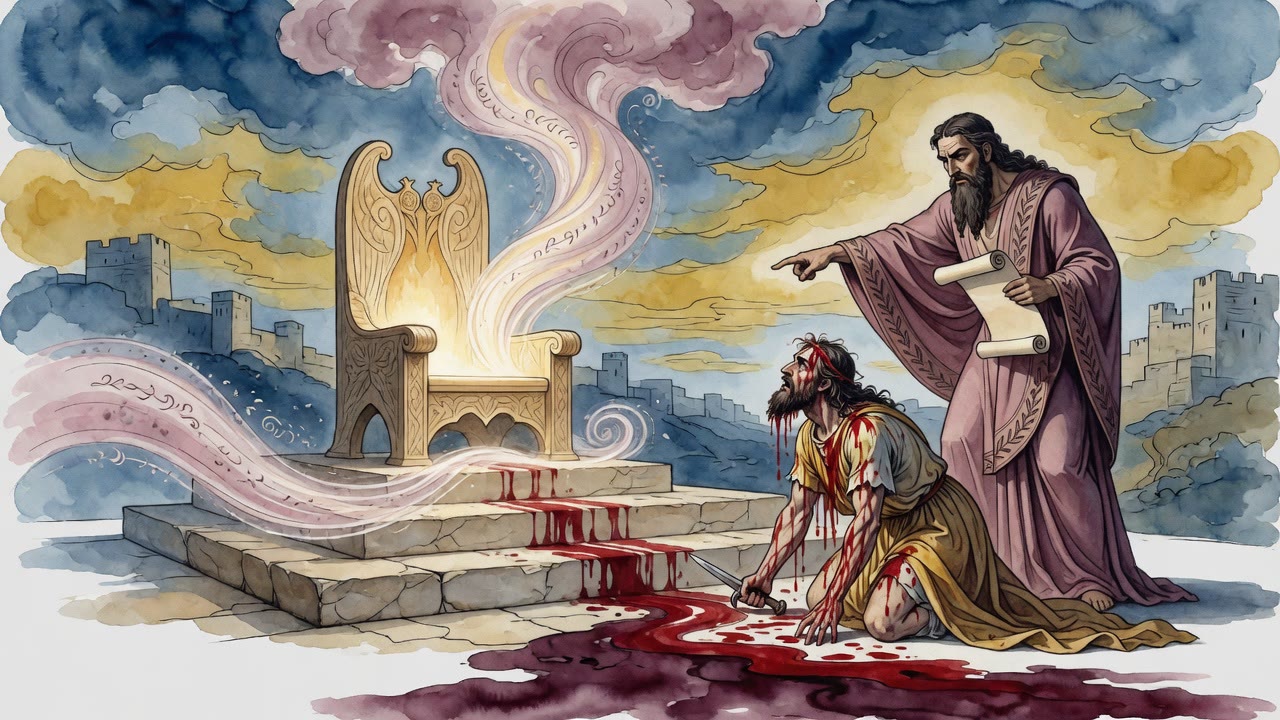
The old king could not raise the sword. Joab still walked the court. David put the blood on a son who had never marched with that general.
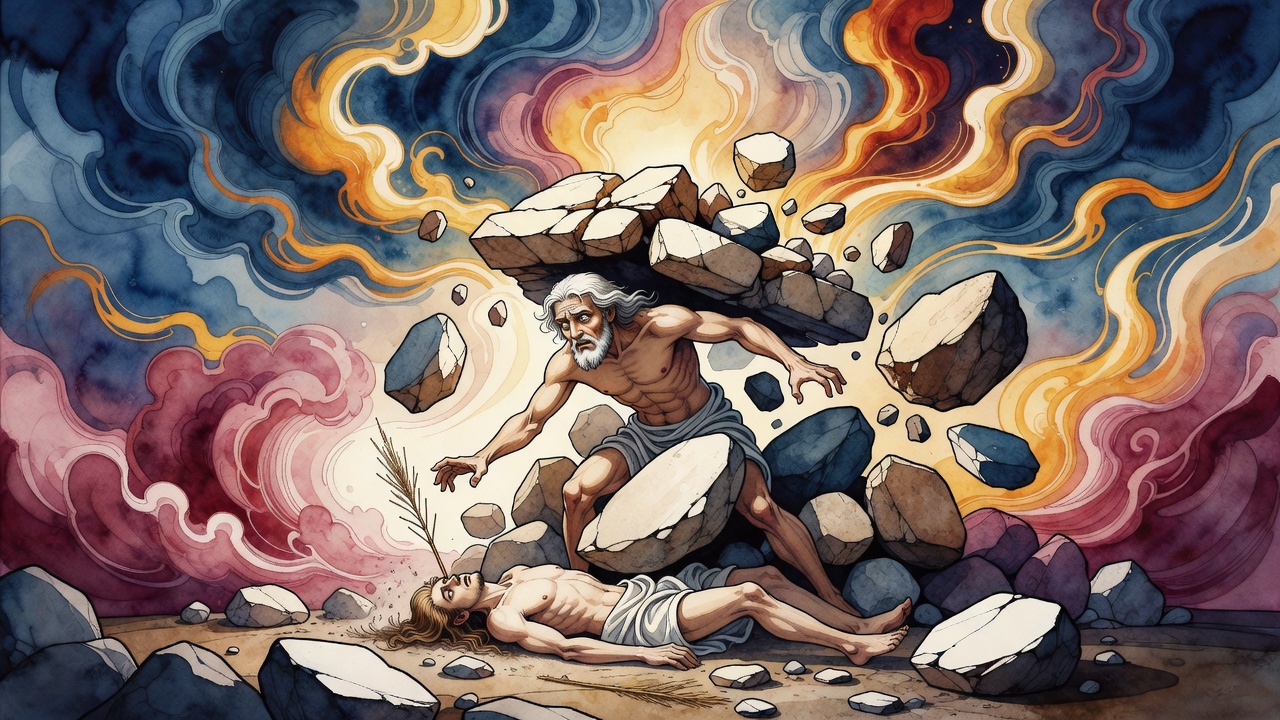
Twelve angels still stood around the bed. The child was already standing. His first gift to Eve was a stalk he had taken from the ground.
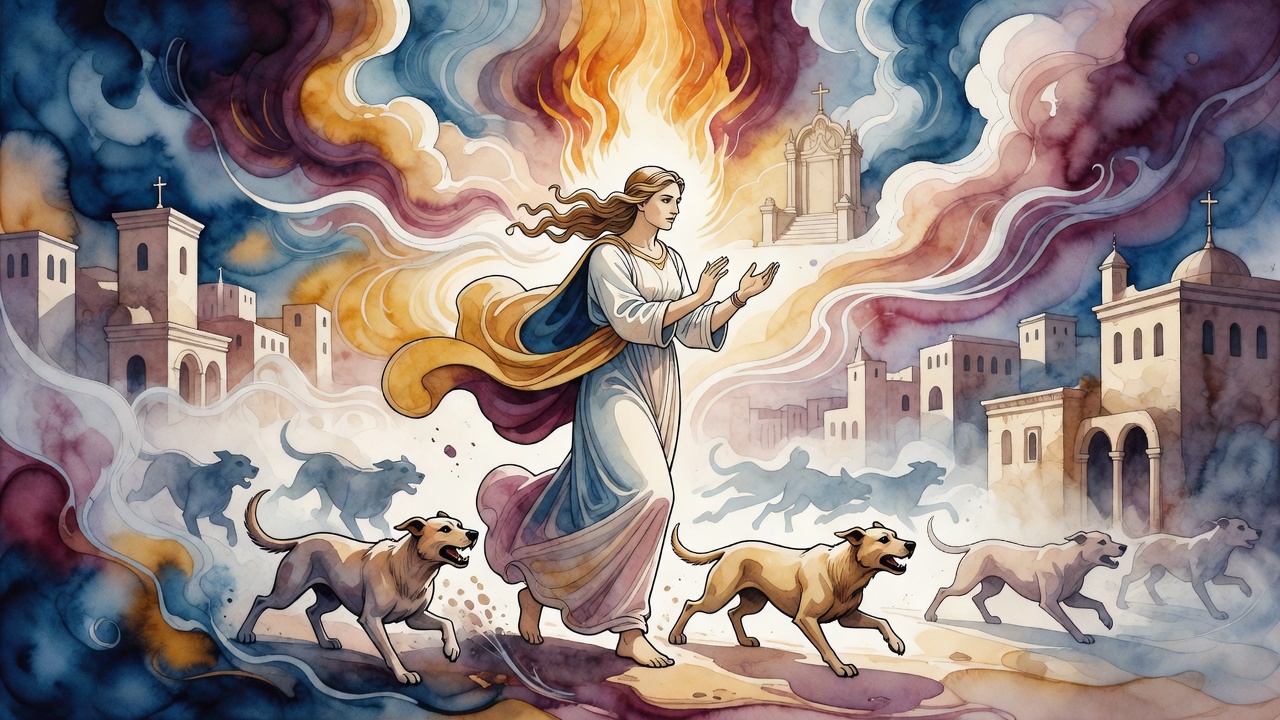
The servants went out to bury her and came back with less than a body. The dogs had stopped at the palms that had clapped for mourners.
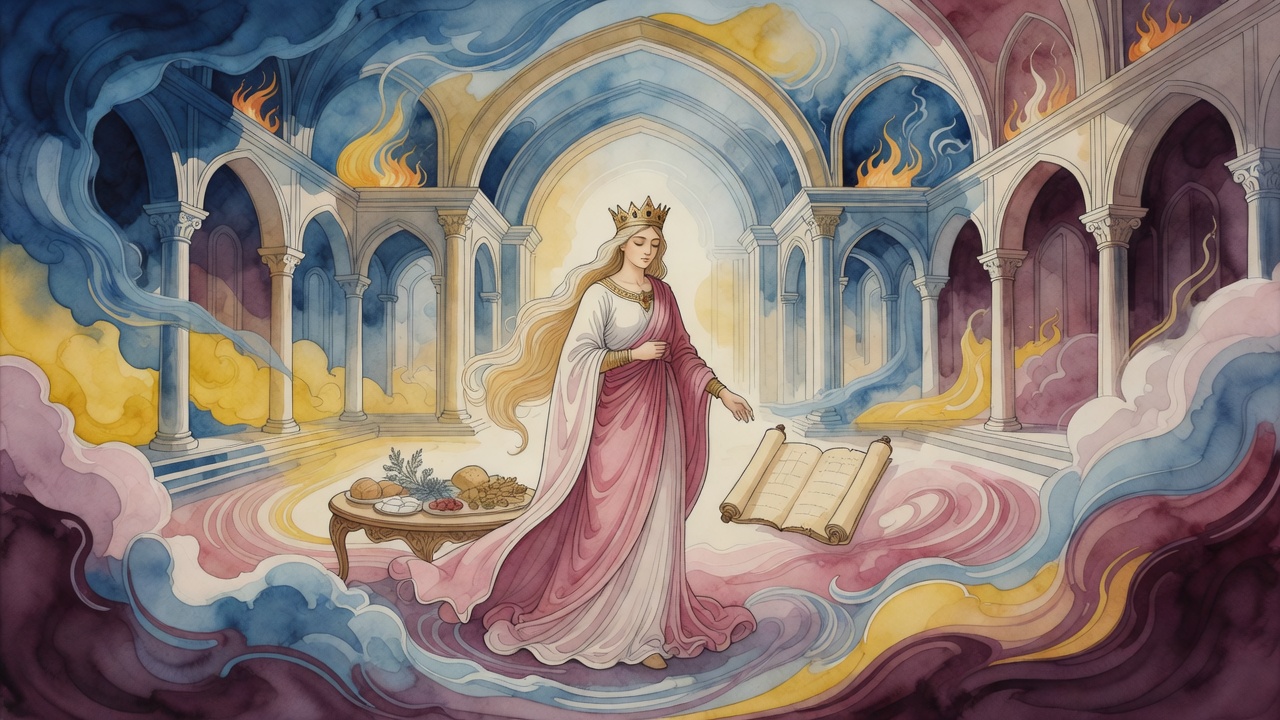
Mordecai hid Esther for four years. The king made it a killing offense to hide a woman, so Mordecai brought her out and the palace took her.
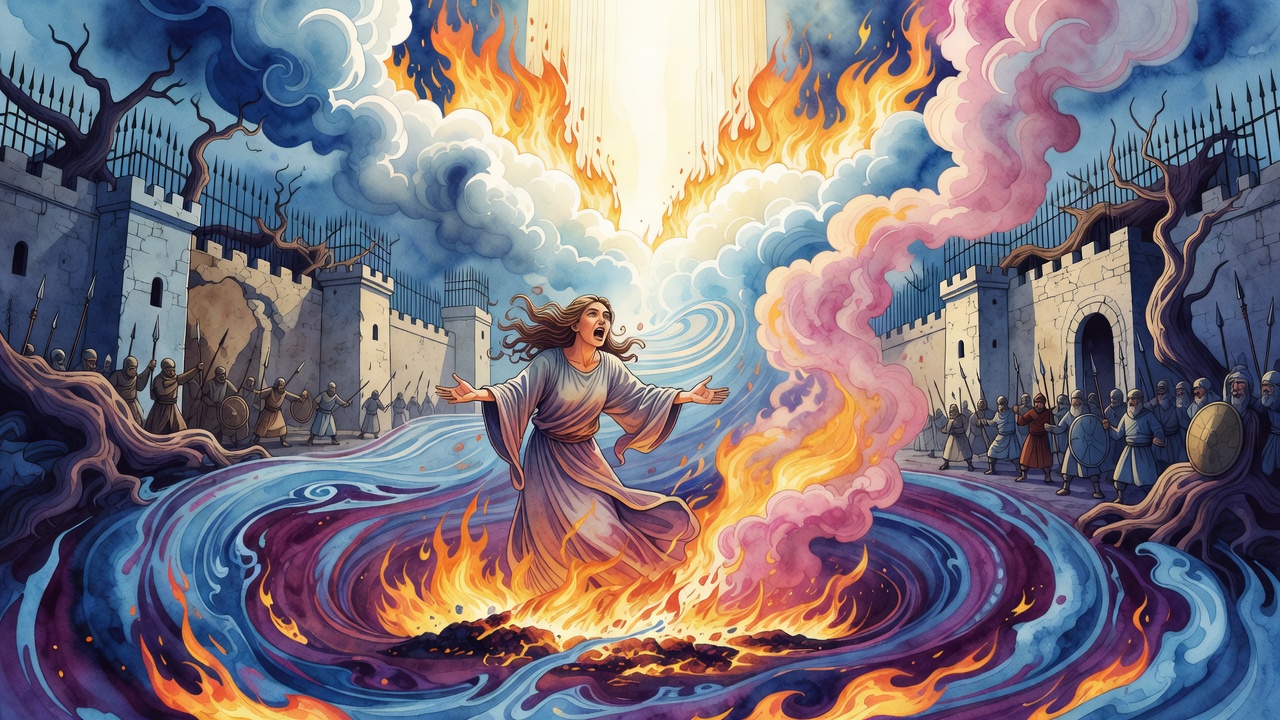
Peletith hid bread in her water bucket and carried it to the starving man in her street. Sodom burned her for feeding him.
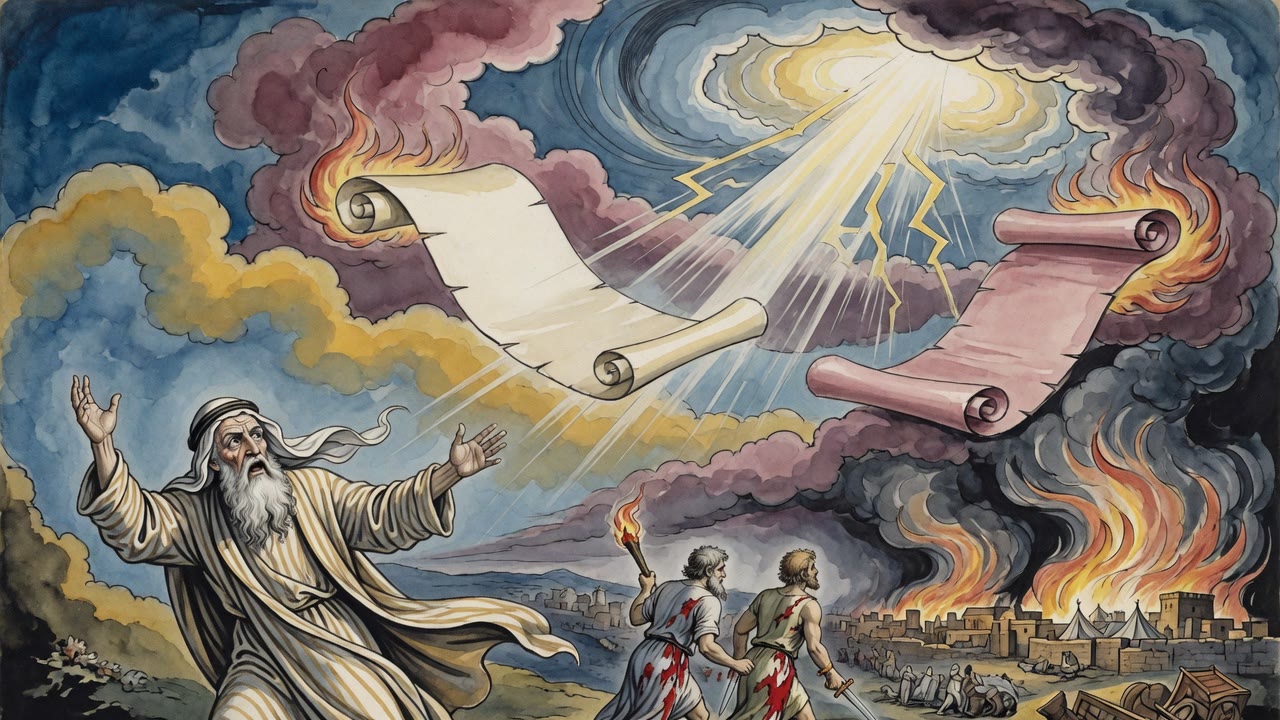
Jacob rebuked his sons for the slaughter at Shechem. A heavenly record reached a different verdict. Both accounts survived.
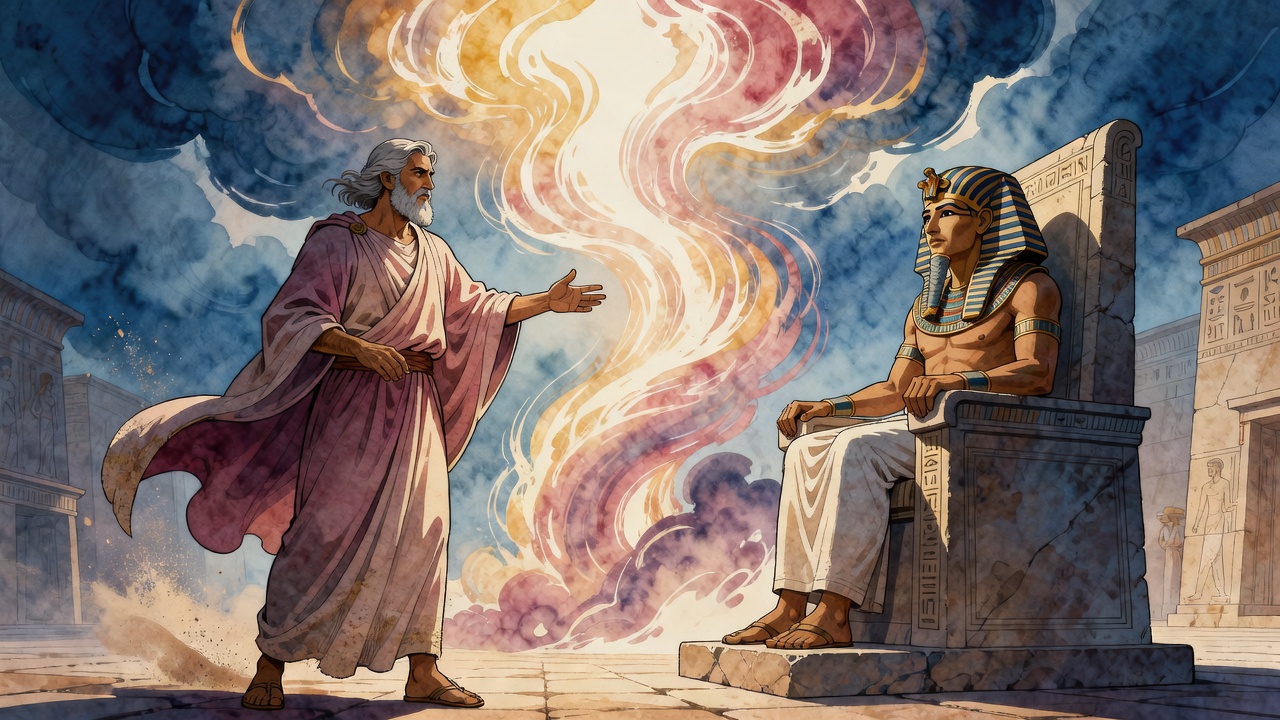
Moses warned Pharaoh before each plague. Ten warnings, ten refusals. Jubilees says the plagues were not punishment alone but a debt paid to Abraham.
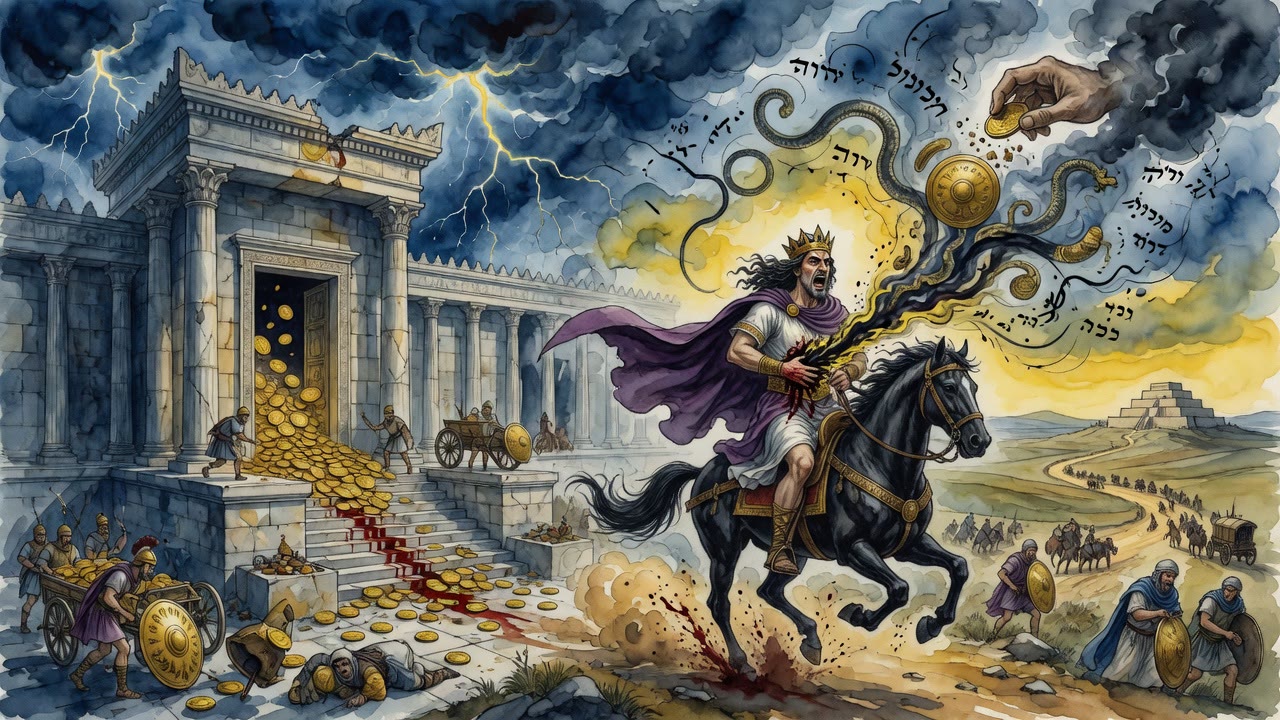
When the king who defiled the Temple fell from his chariot and began to rot alive, he made a vow to God he had spent years destroying. God did not accept it.
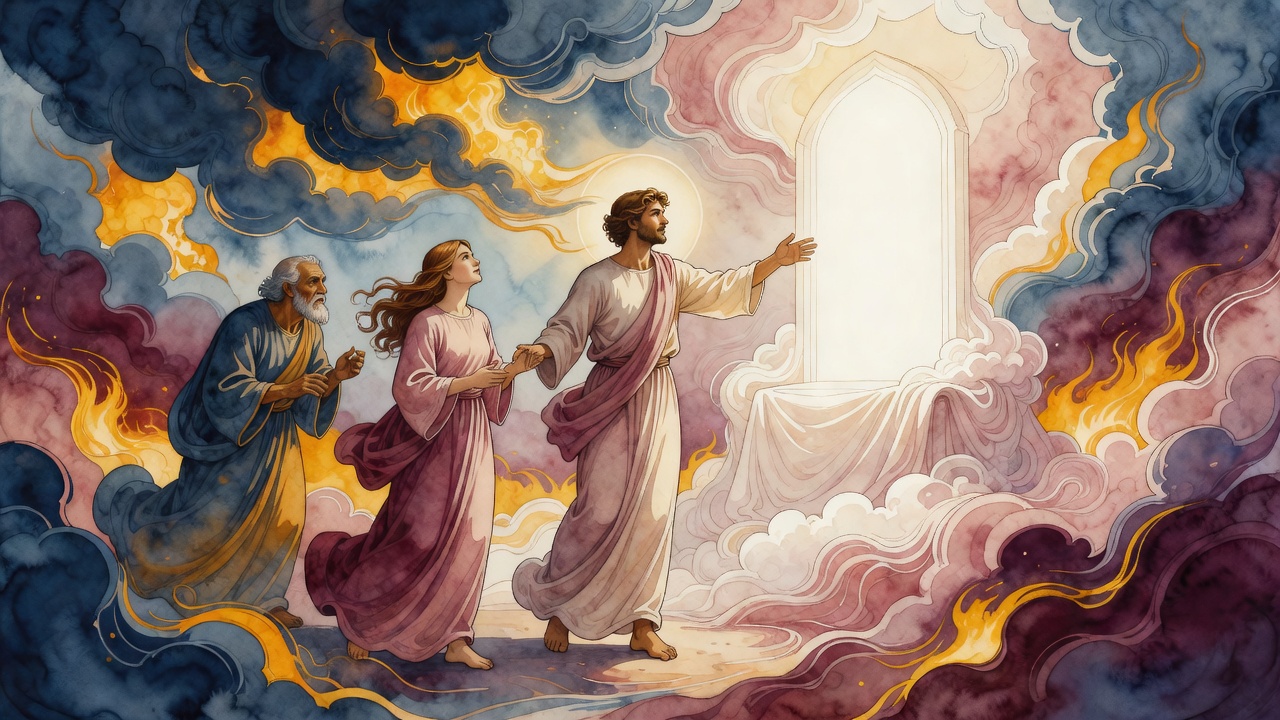
Susanna was condemned to die on the word of two corrupt judges. Daniel asked each man one question. The answers were different. The verdict reversed.
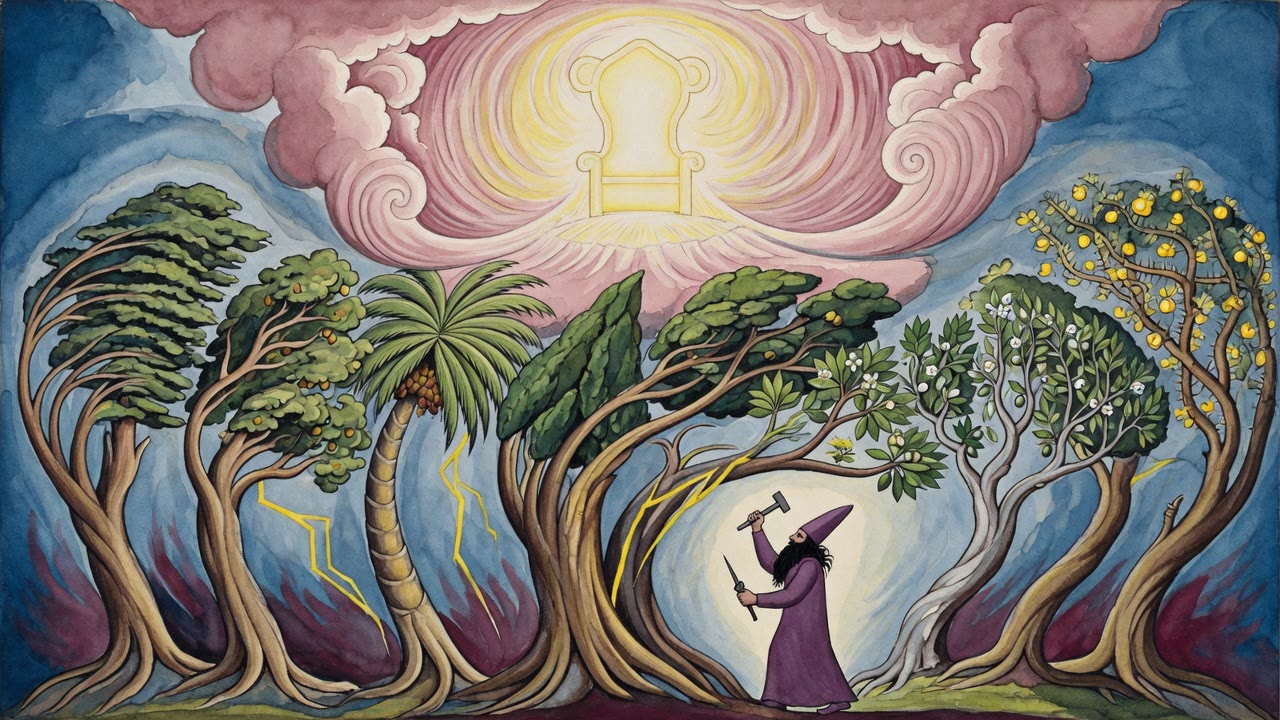
Haman told the king that God was asleep. That same night every tree in creation stepped forward, arguing over who would hang him.
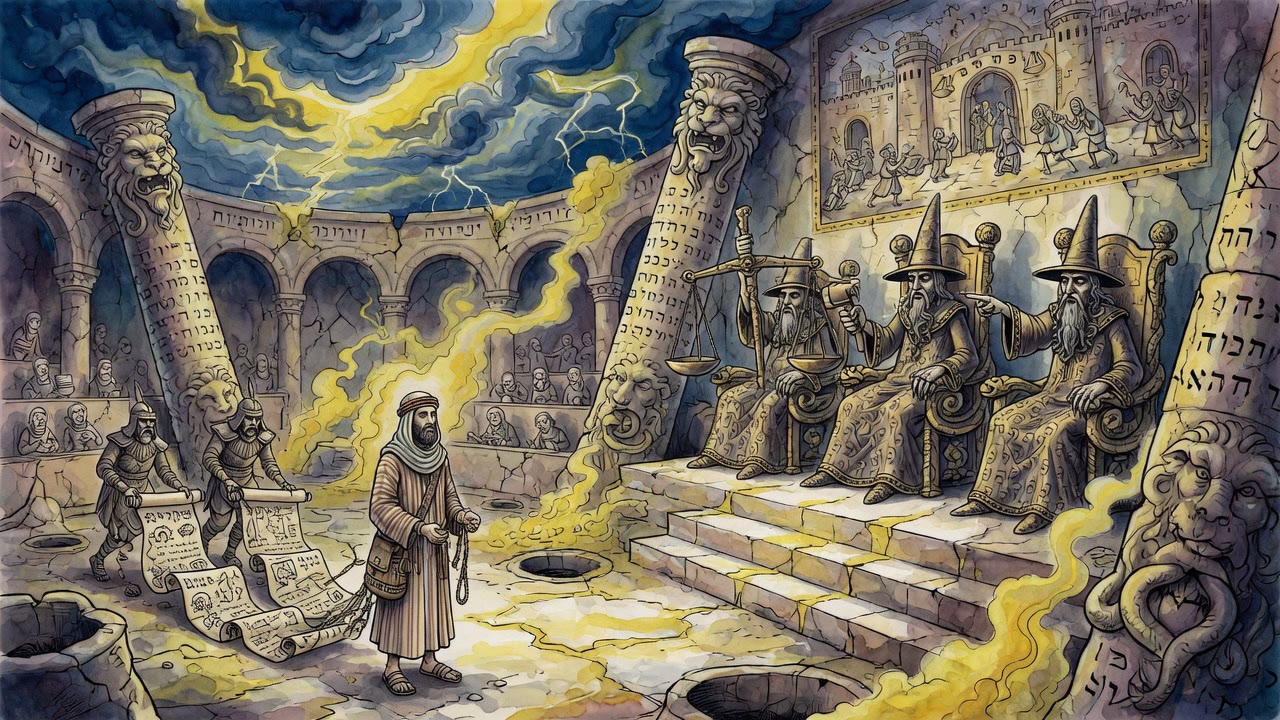
Sodom handed its beggars silver and forbade anyone to sell them bread. Lot's daughter hid a loaf in her water jar, and the city burned her in the street.
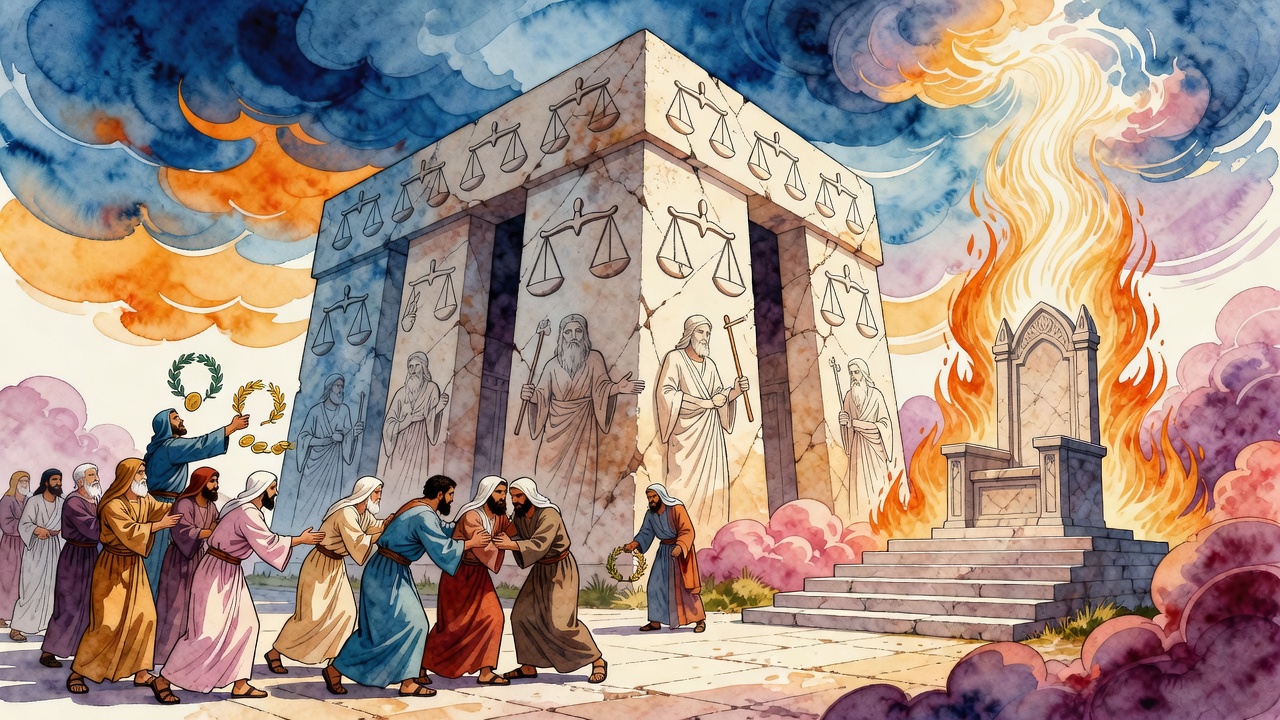
A girl in Admah hid bread for a stranger. The city smeared her with honey and hung her on the wall. Her cry reached heaven before she did.
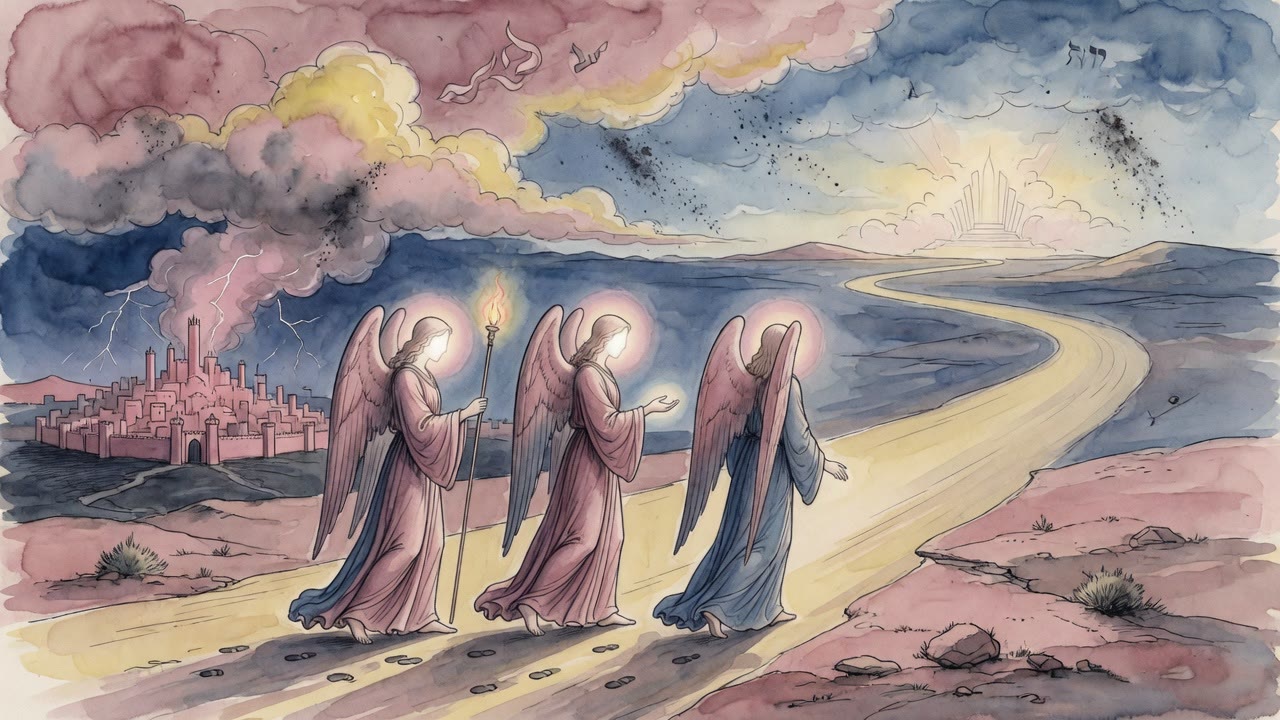
They left Abraham's tent at noon. Lightning would have been faster. They were angels of mercy, walking toward a city they still hoped to spare.
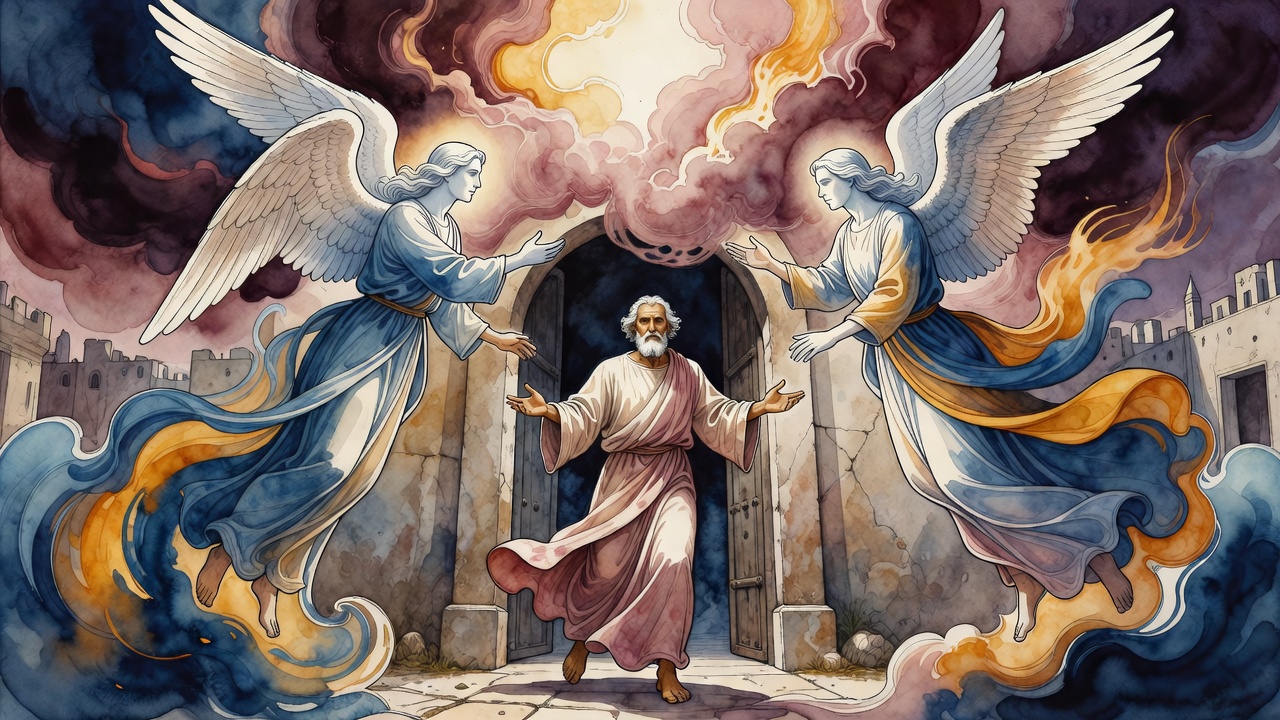
Two strangers said they would sleep in the square. Lot knew what the square was for after dark. He took them by the arm and pulled them under his roof.
The angels pointed Lot toward Abraham's tent. He would not go. Next to his uncle, God would weigh them side by side.
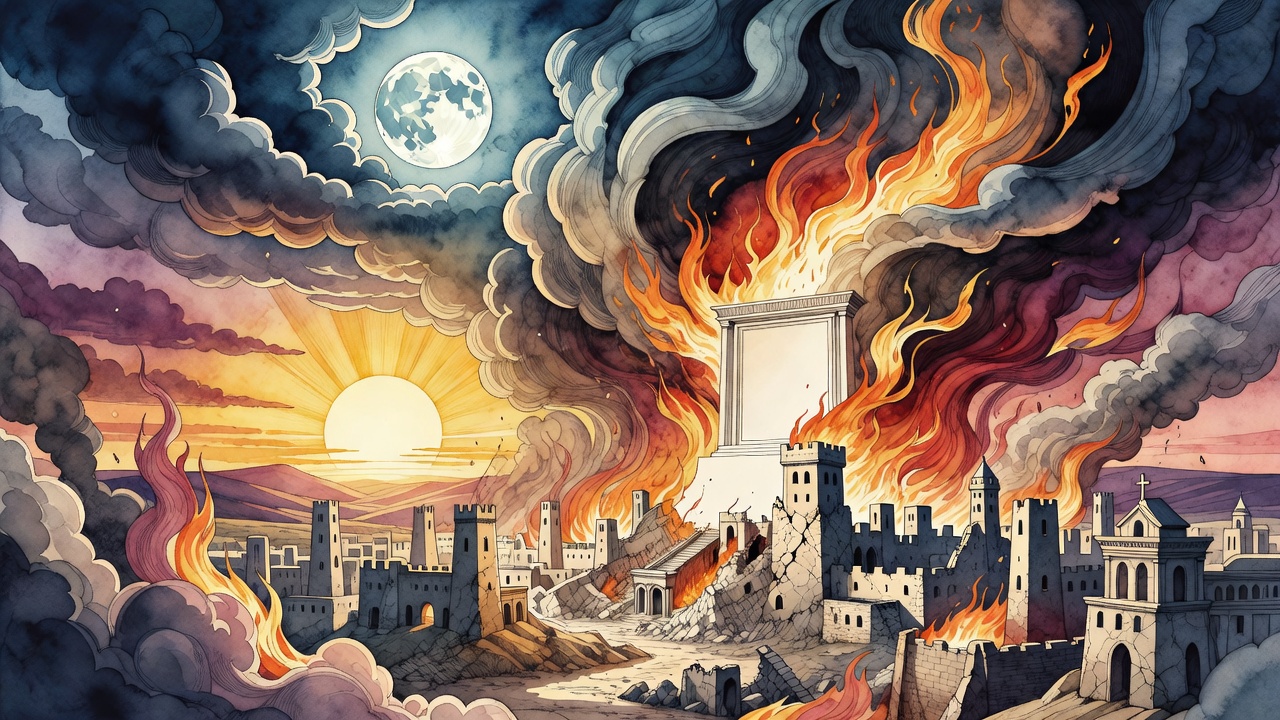
A girl in Admah gave a stranger bread and water at his request. The town smeared her with honey and left her out where the bees would find her.
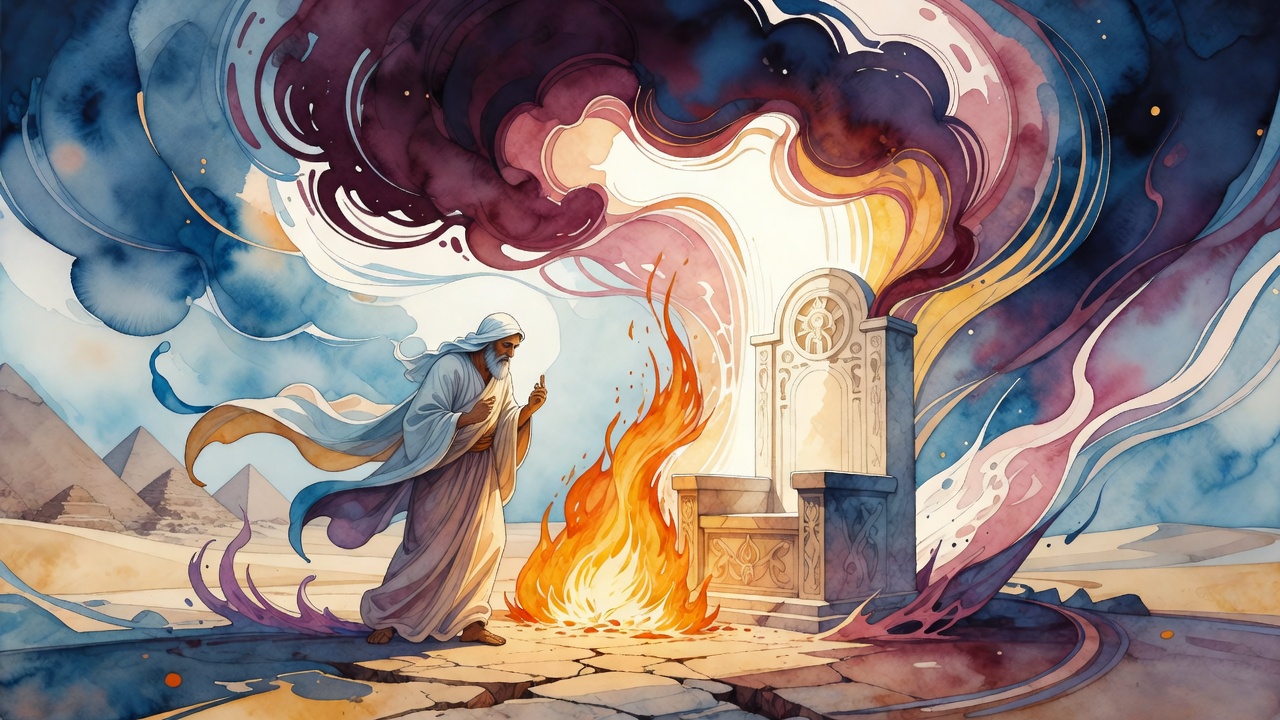
Lot survived Sodom not only because of Abraham's prayer. The tradition traces his rescue to a moment in Egypt when he stayed silent and heaven noticed.
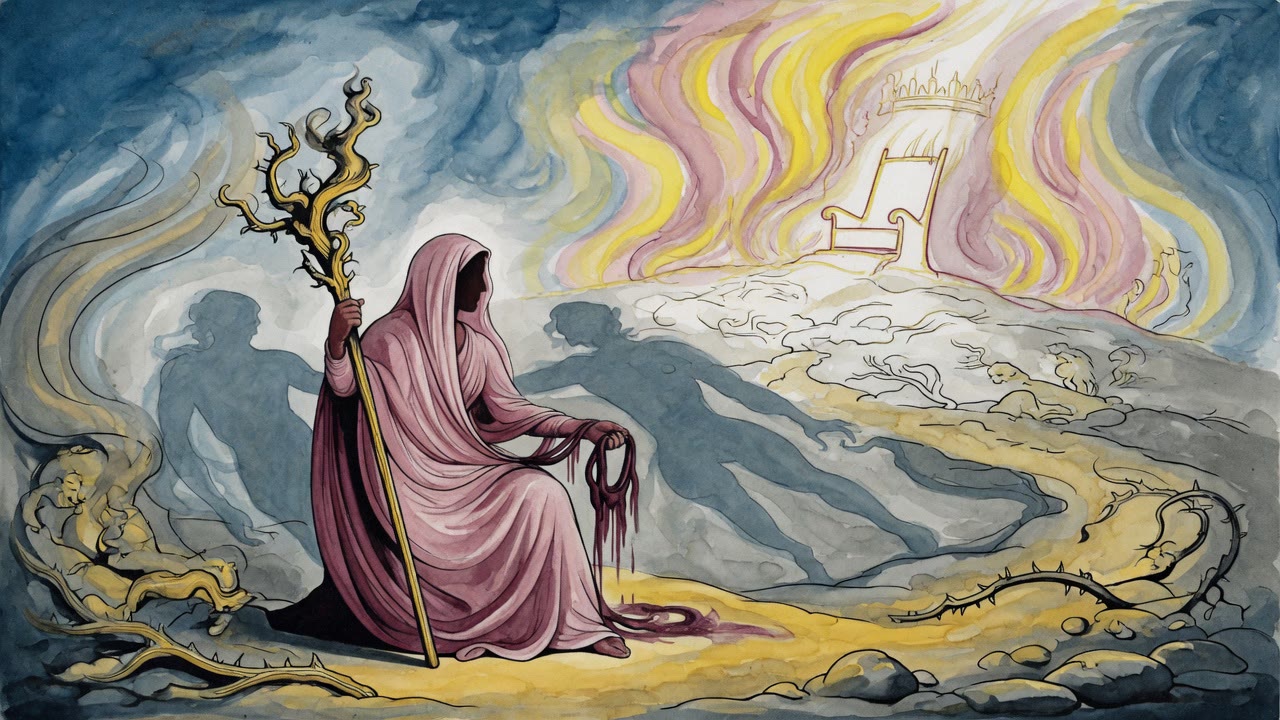
When Tamar was brought before the judges, Isaac sat on the bench. So did Jacob. So did Judah, who had to speak first and already knew what he had done.
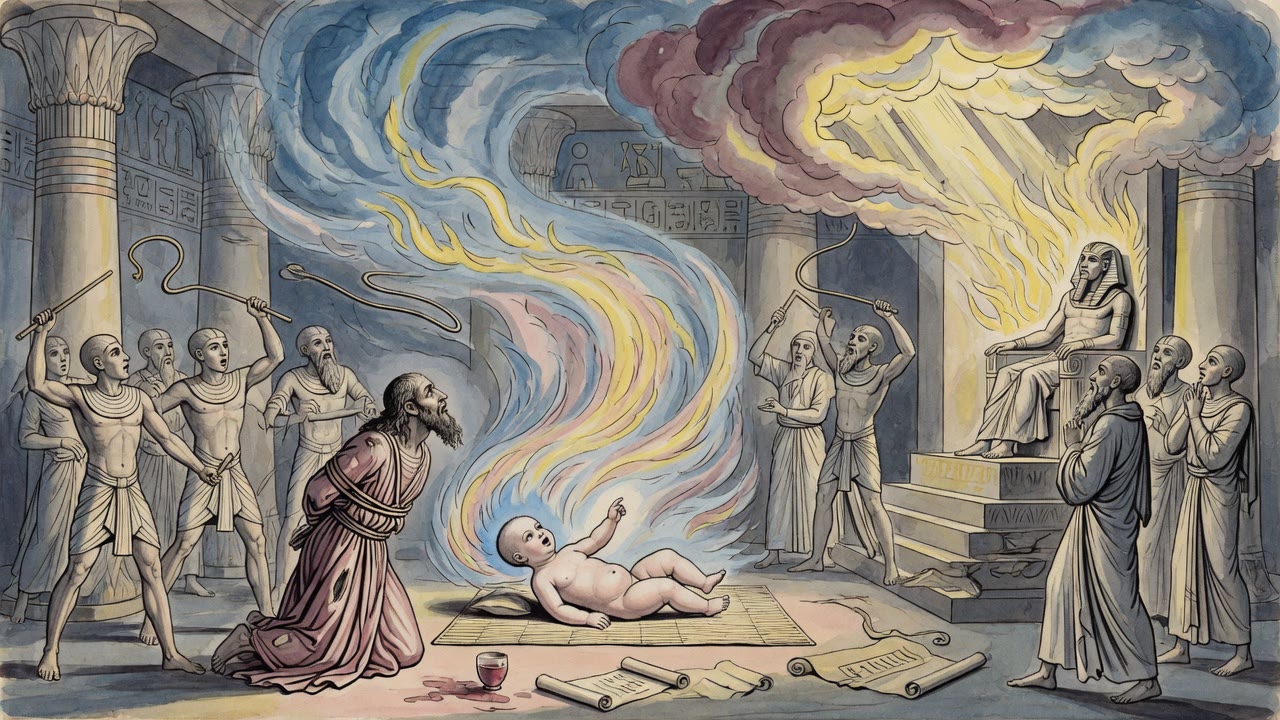
She changed out of her state robes, got back into the bed she had left that morning, and laid the torn coat down beside her. Then she called the house in.
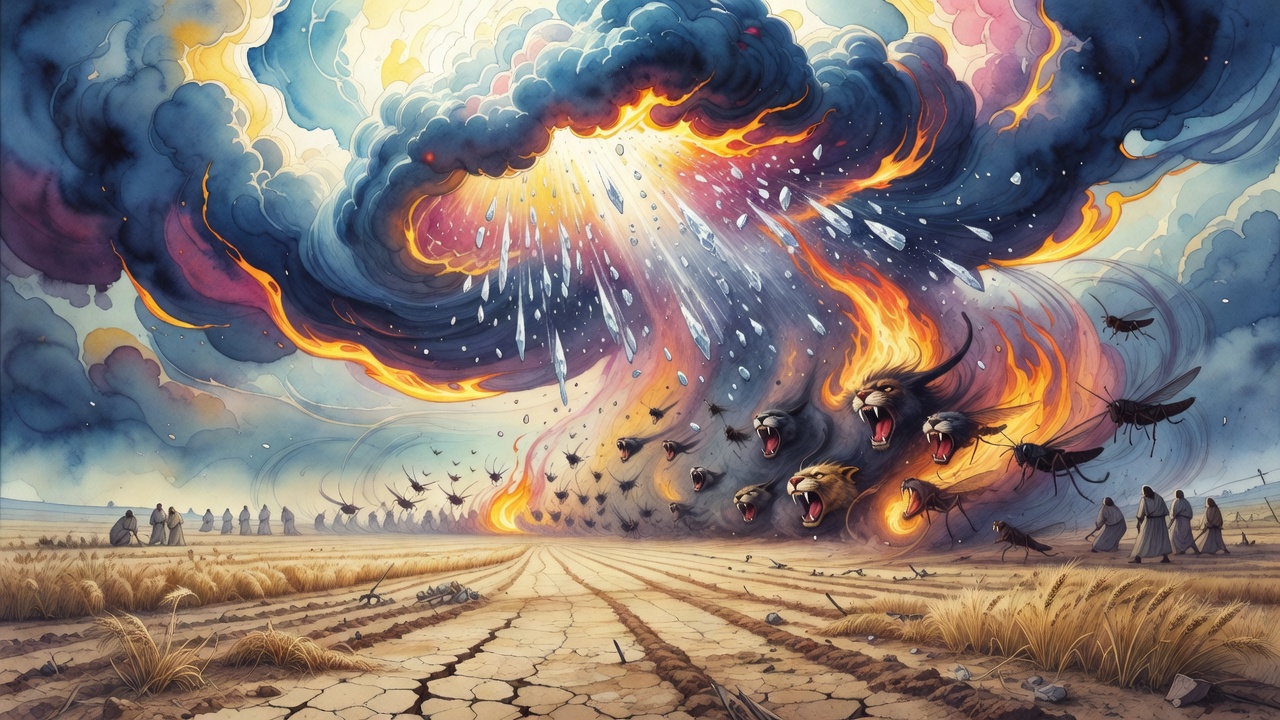
Israel had planted Egypt's orchards for years. Moses scratched a line on the palace wall. When the sun hit it, the hail came.
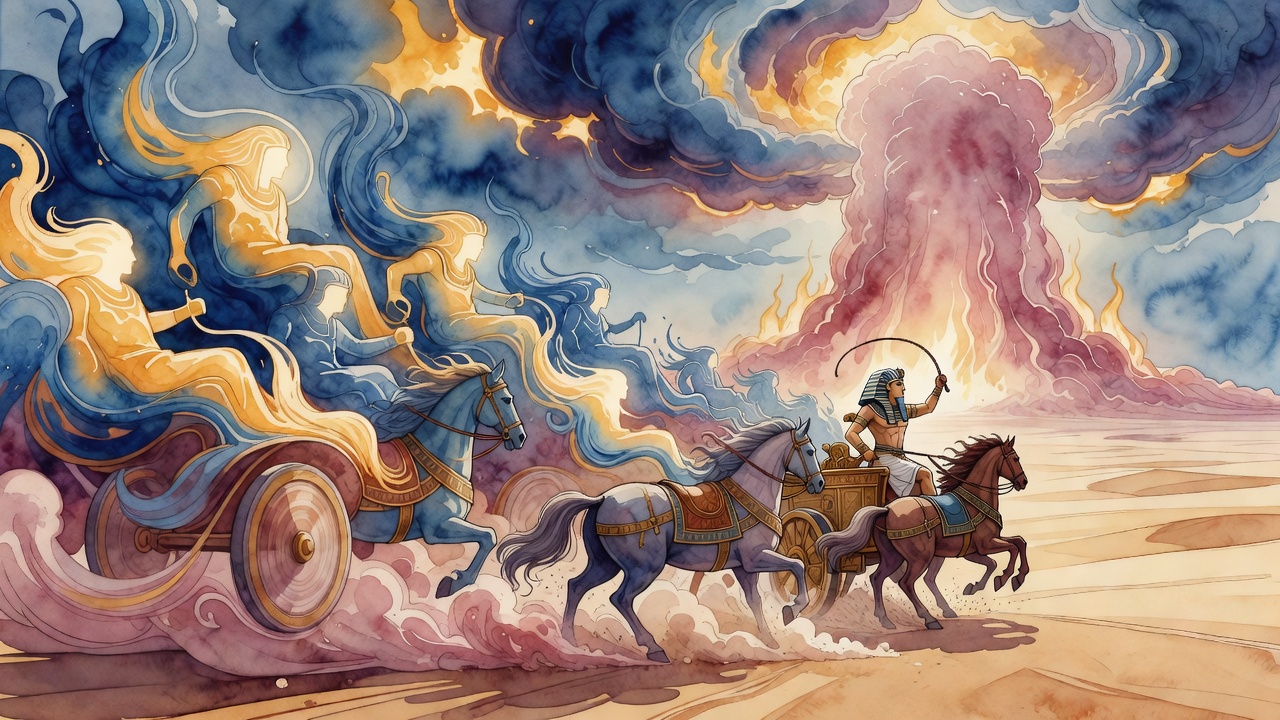
Pharaoh drove his own chariot toward Israel. Samael had already added six hundred supernatural chariots to lead the Egyptian vanguard.
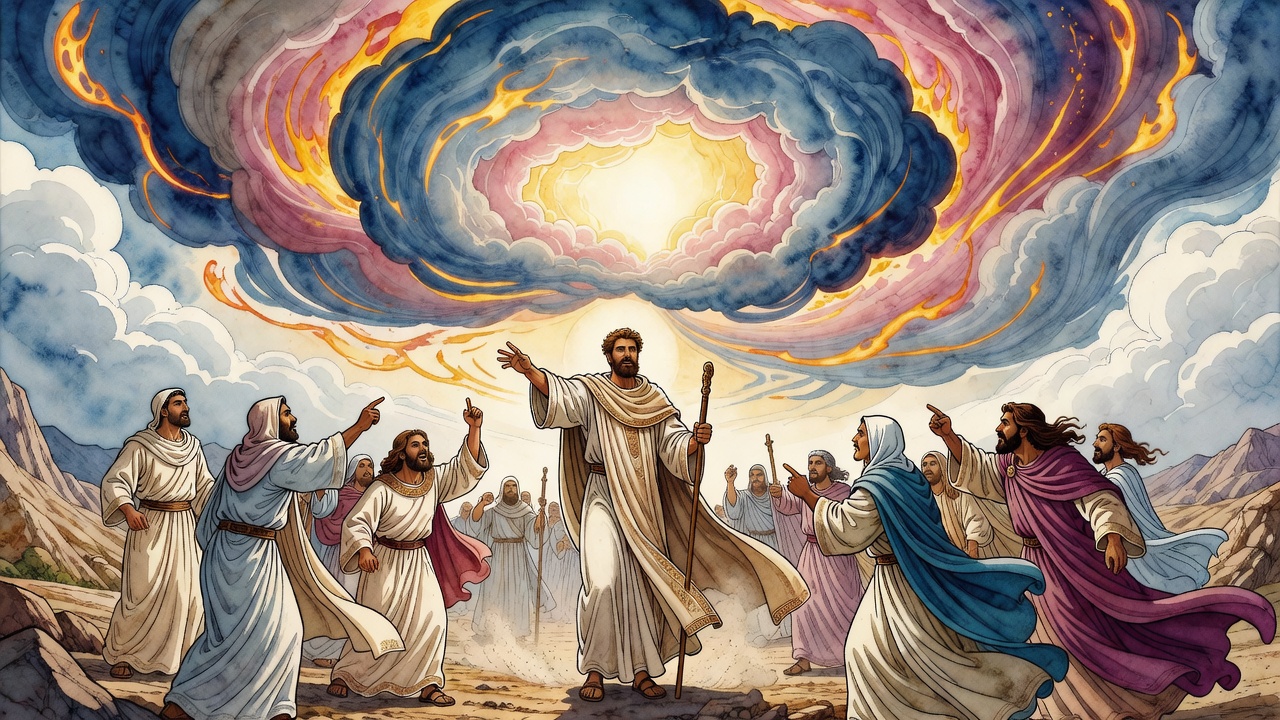
After Phinehas stopped the plague, his enemies attacked his mother's lineage. God answered by publicly establishing his priestly identity through Moses.
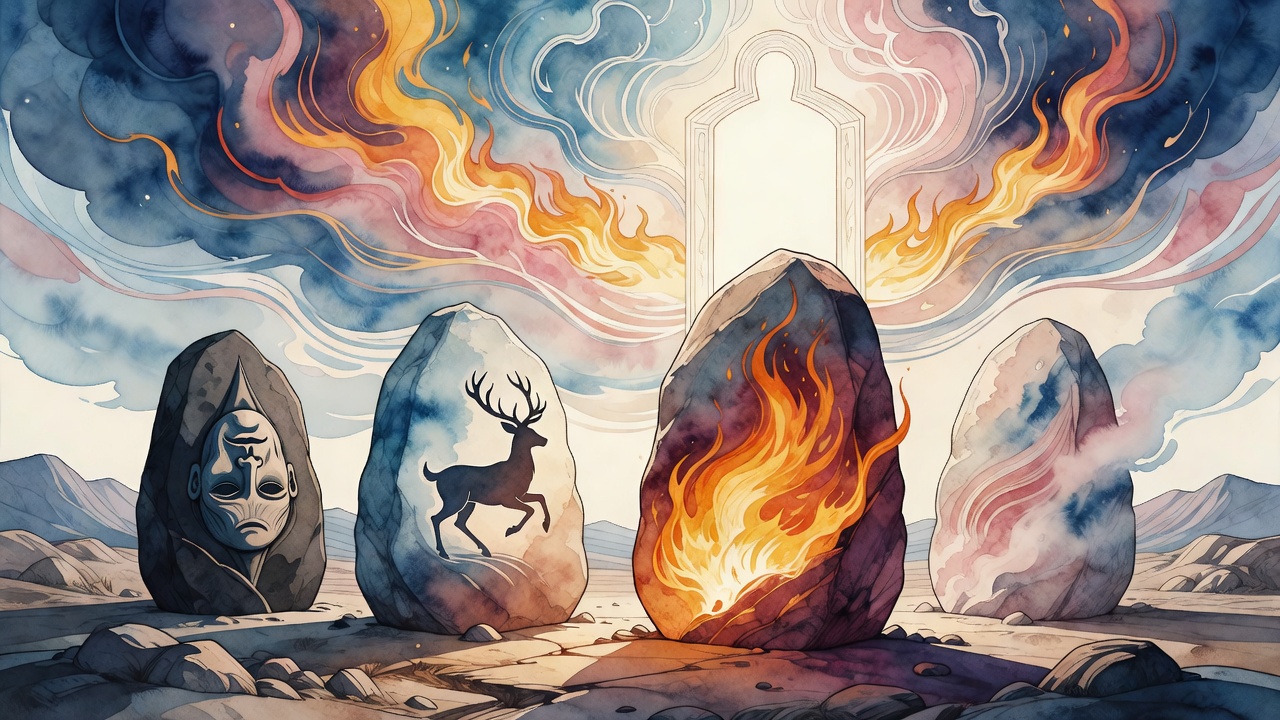
Dan's stone showed an inverted face. Naphtali's held a running deer. Gad's blazed with justice. Each stone said something its tribe could not hide.
