Antiochus Called on God From Inside His Own Destruction
When the king who defiled the Temple fell from his chariot and began to rot alive, he made a vow to God he had spent years destroying. God did not accept it.
Table of Contents
 Click for full size
The Man Who Named Himself a God
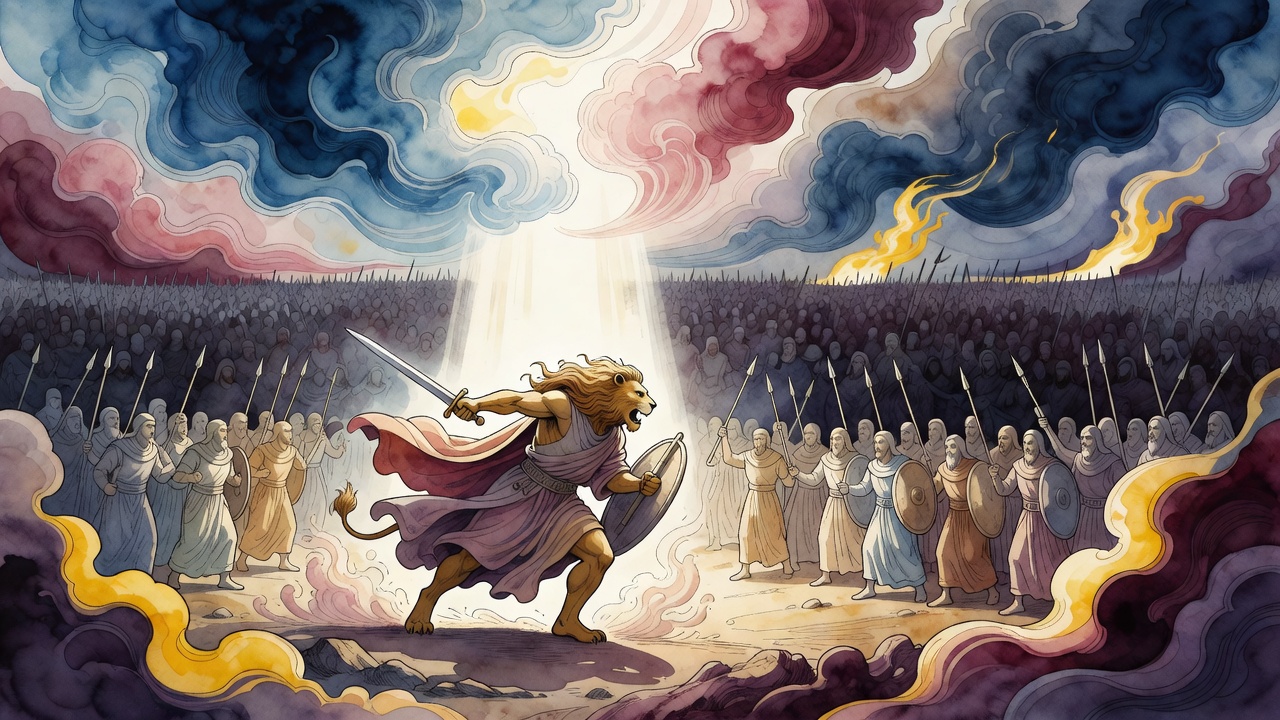
Antiochus IV Epiphanes had given himself the name. Epiphanes: the god made manifest. He entered the Temple in Jerusalem and sacrificed a pig on the altar. He outlawed circumcision and burned Torah scrolls and issued a decree that any Jew found keeping Shabbat would be executed. He believed, or acted as if he believed, that no force in the world could stand against him, and for several years he was not obviously wrong. He swept through Judea. He desecrated the sanctuary. The Maccabean revolt had begun but had not yet turned the tide.
Then he fell off a chariot.
The Fall and What Followed
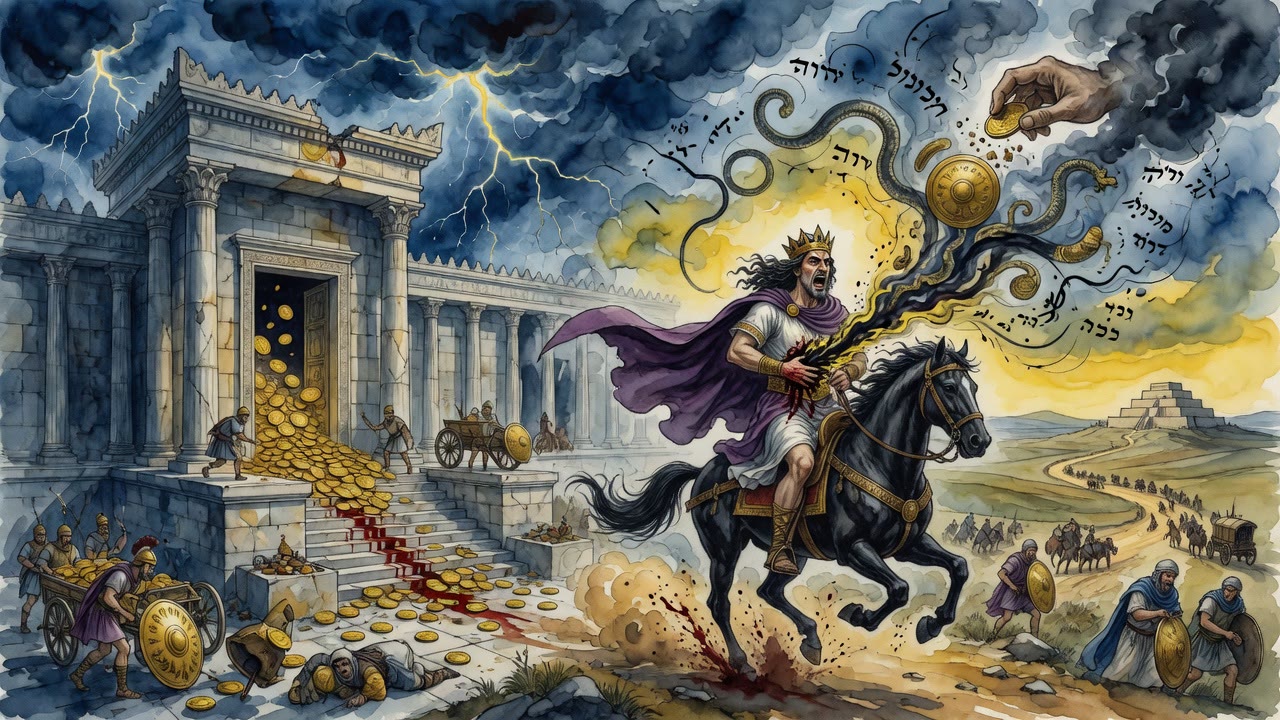
His chariot passed in front of one of his own elephants. The elephant trumpeted. The horses shied and overturned the chariot. Antiochus, who was a large man, was thrown out and broke his bones on the ground. The fall was not instantly fatal. What followed was worse than the fall.
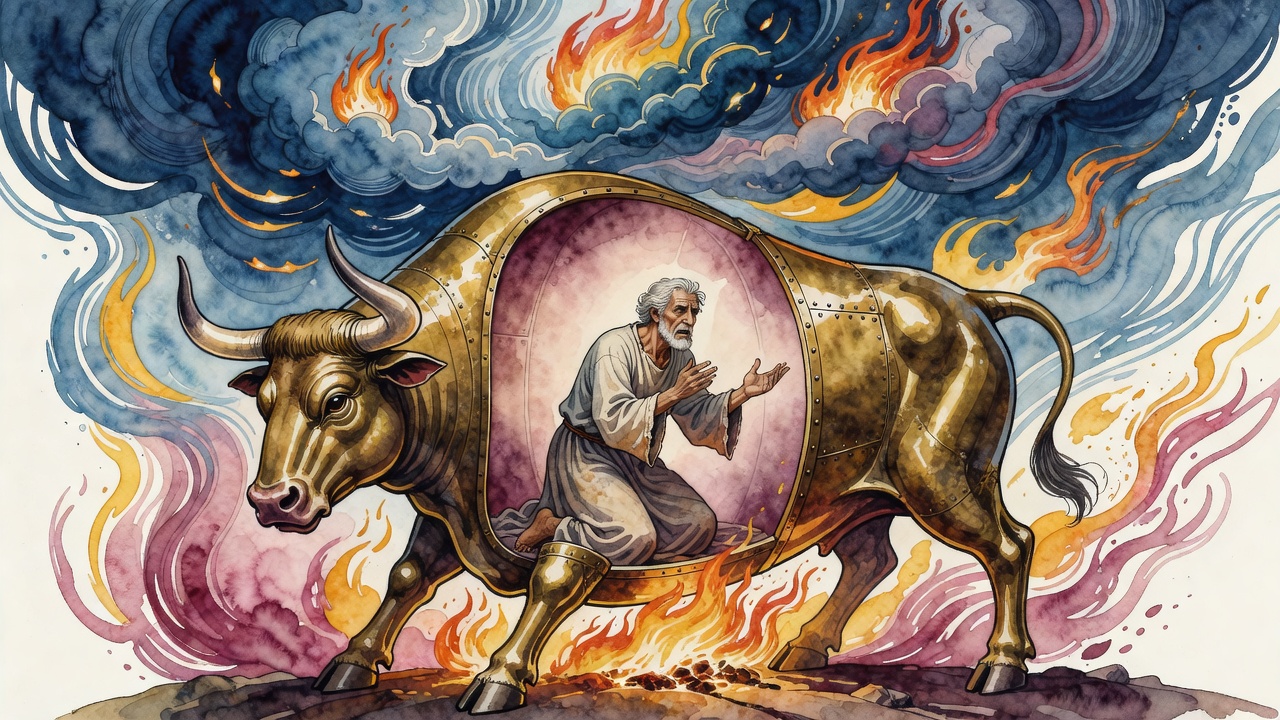
His body began to rot while he was still alive. The Jewish chronicles that record this do so with a precision that reads as theological satisfaction: worms swarmed in his body while he still lived, and while he still breathed in pain his flesh fell off him, and the whole army was disgusted by the smell of his decay. He who had demanded to be worshipped as a god was unrecognizable as a human being. He was carried in a litter because he could not walk. He could not stand the smell of himself.
The Vow from the Pit
He called on God. He had spent years destroying the people of that God and desecrating that God's house, and now he called on the Lord of Israel from inside his own dissolution and made a vow. He would go to Jerusalem and adorn the Temple with the finest gifts. He would restore everything he had taken. He would grant freedom to all the Jews throughout the empire. He would become a Jew himself.
The medieval Hebrew chronicles that preserve his end, drawing on the Books of Maccabees and older sources, record that God did not accept the vow. The rot continued. The worms continued. The pain continued. Antiochus's recognition that the God he had been fighting was real, that this God's power was operating in his decaying body, came too late to matter. A vow made from inside destruction, the chronicles note, is not repentance. It is bargaining. God knows the difference.
What the Maccabees Said About Him
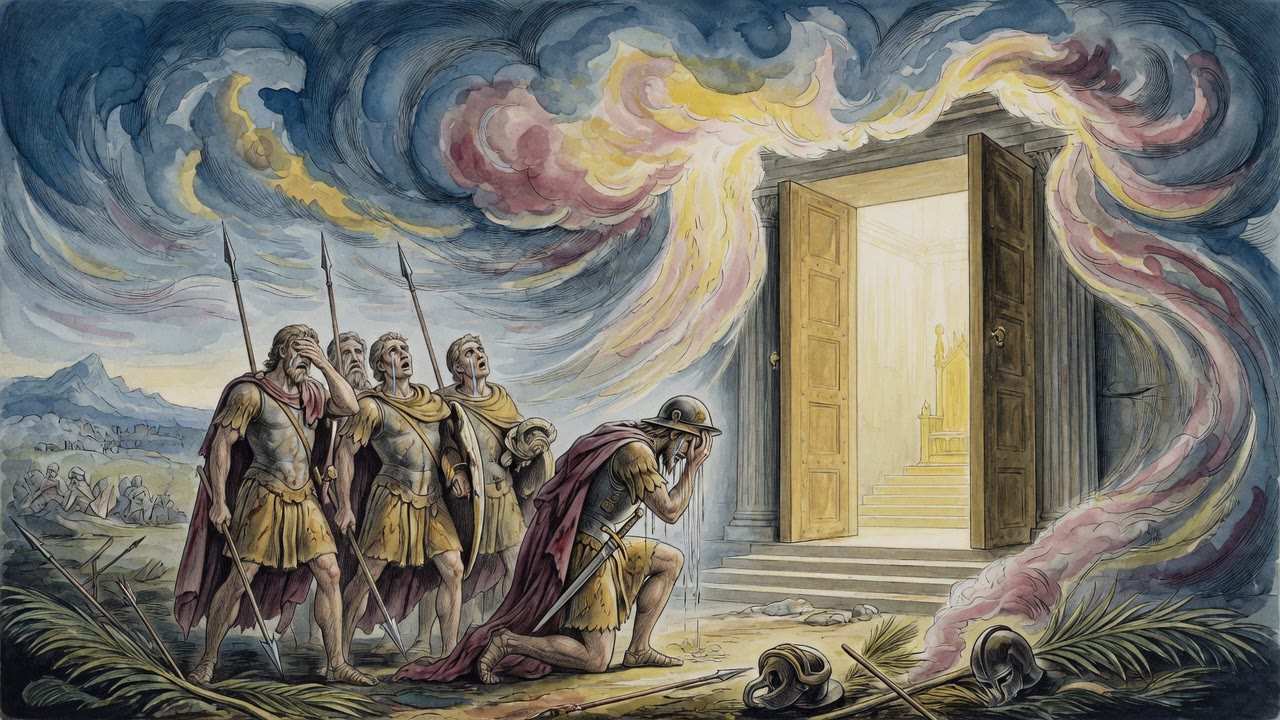
The Jewish chroniclers record that he died still claiming he would restore Jerusalem, still making promises that the condition of his body made impossible to keep. The army that had followed him across the world was camped around a litter that smelled of death and could not pretend otherwise. His generals, who had their own campaigns to manage, were watching a god-king discover that the title did not protect against chariot accidents or the consequences of sacrilege.
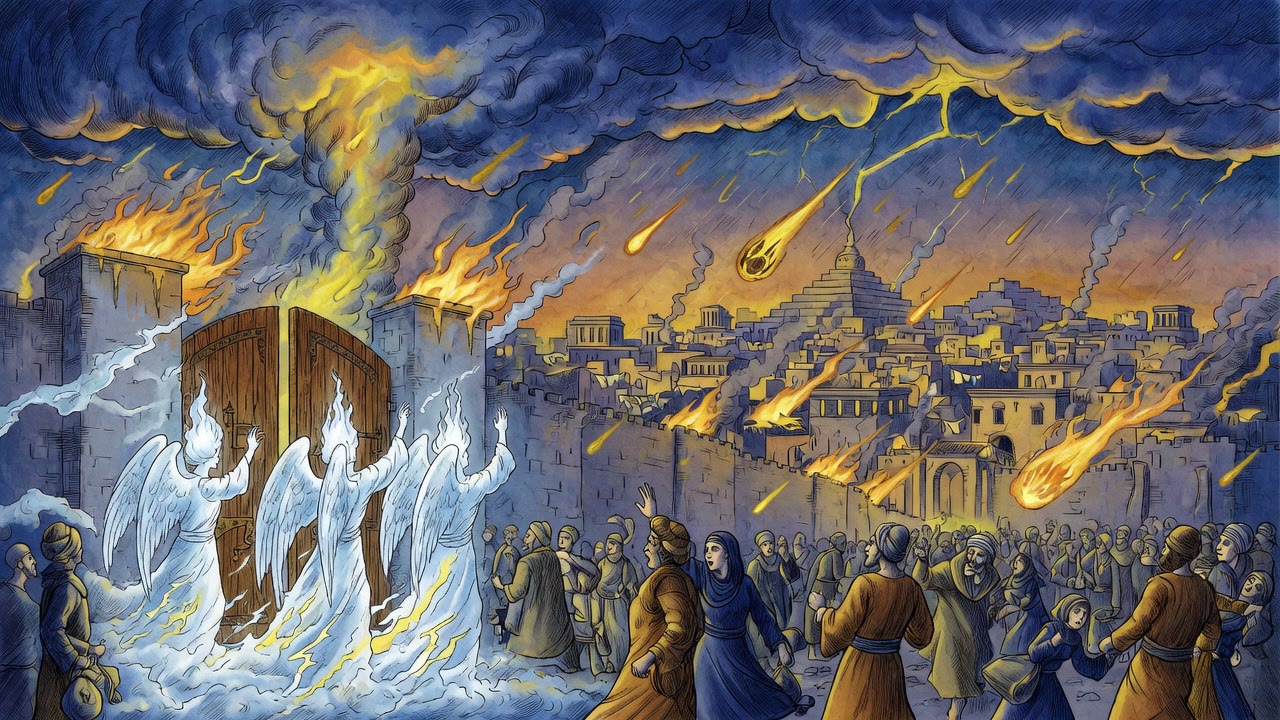
The Maccabean texts use his death as evidence for the same claim the Book of Jubilees makes about Pharaoh: when God decides a judgment is due, it arrives on schedule. Pharaoh had been warned ten times and refused ten times and been judged anyway. Antiochus had done what Pharaoh had done, had taken what belonged to God and refused to return it, and the judgment arrived the same way: not because of armies, not because of tactics, but because the covenant that protected Israel operated on a timescale longer than any king's reign.
← All myths