185 myths · Page 3 of 7
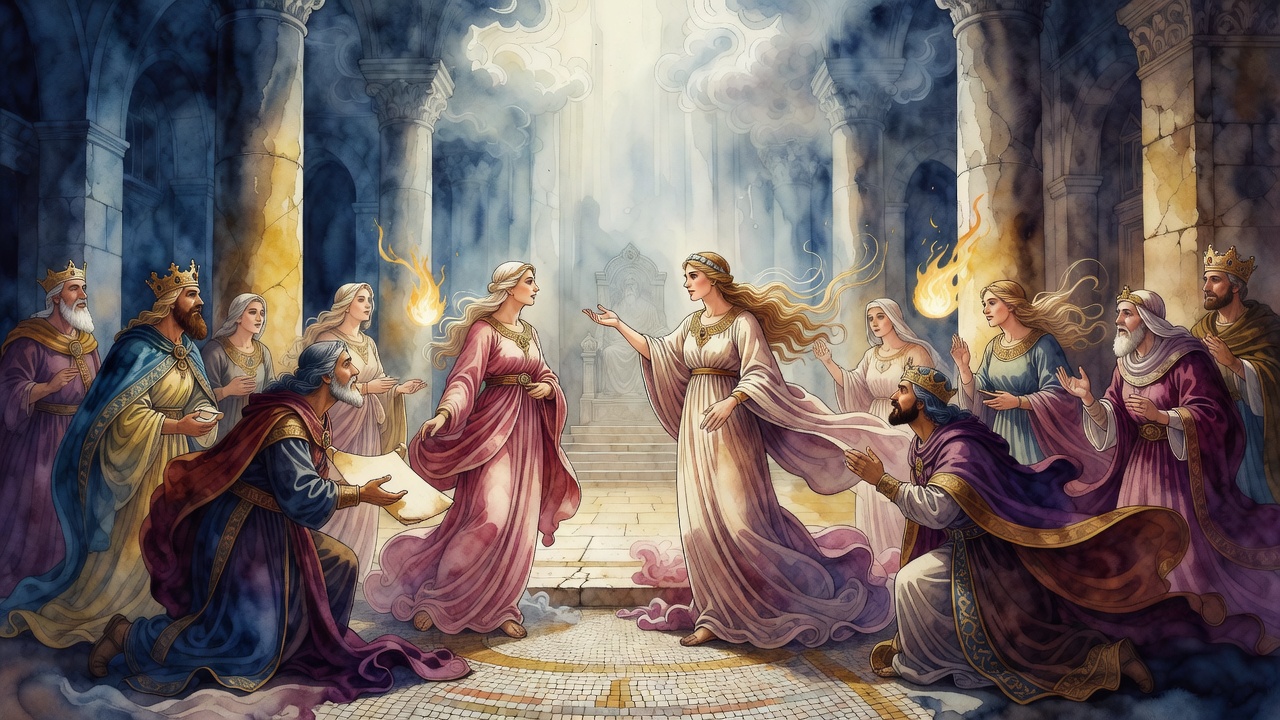
The court had already closed. A woman of Asher was still inside the palace, and she spoke for a man already condemned to die.
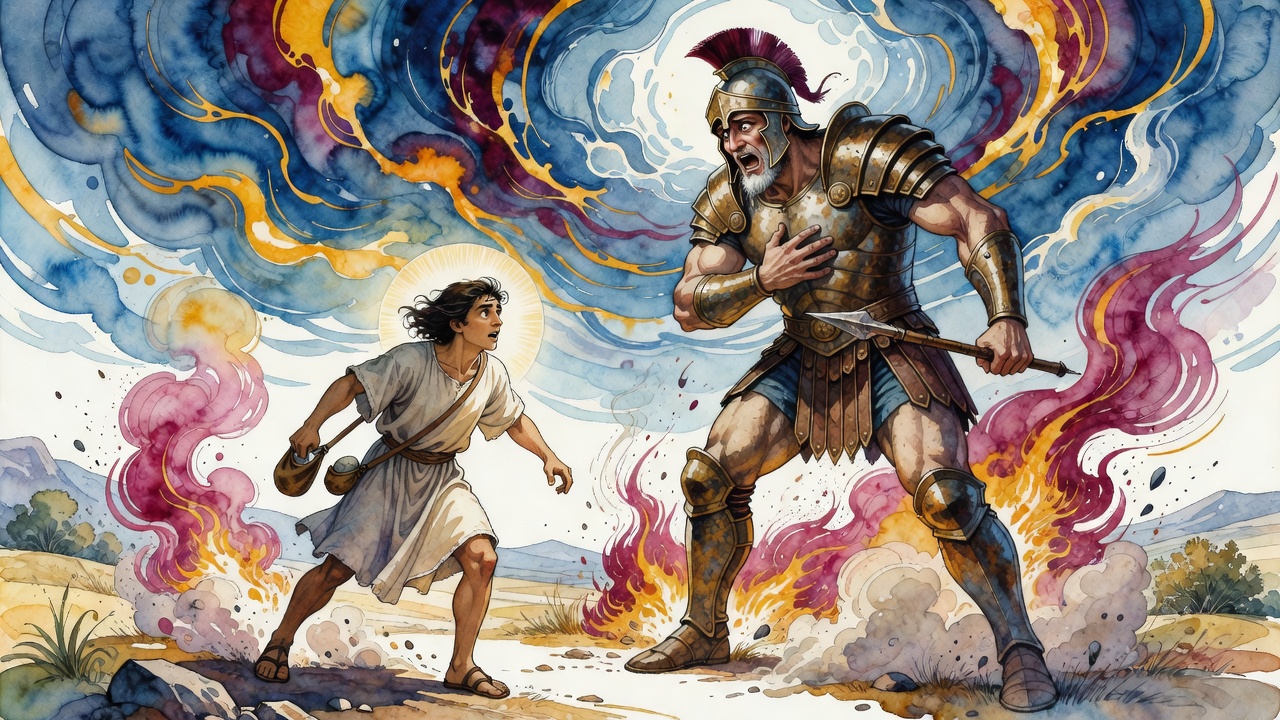
Before the stone left David's sling, something older and stranger had already struck Goliath. The giant felt it the moment David walked toward him.
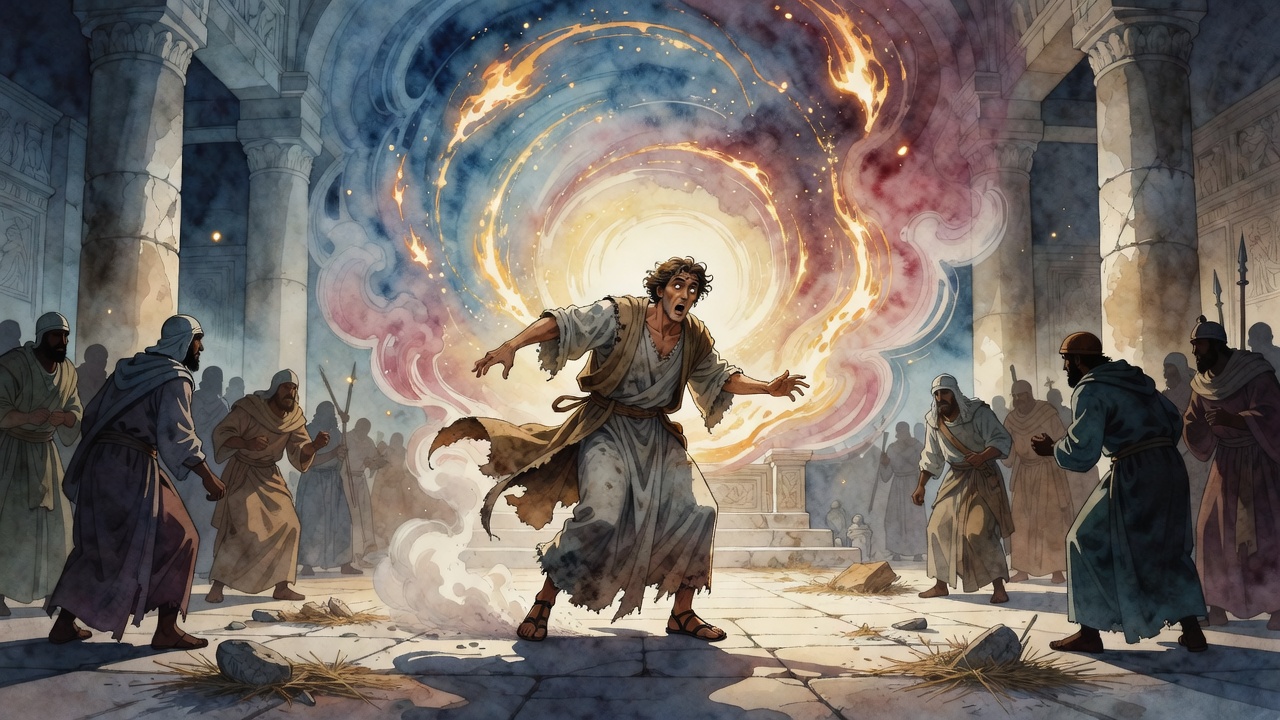
Goliath's brothers stood as bodyguards in Gath and asked for David's head. King Achish pointed at the madmen already living in his house.
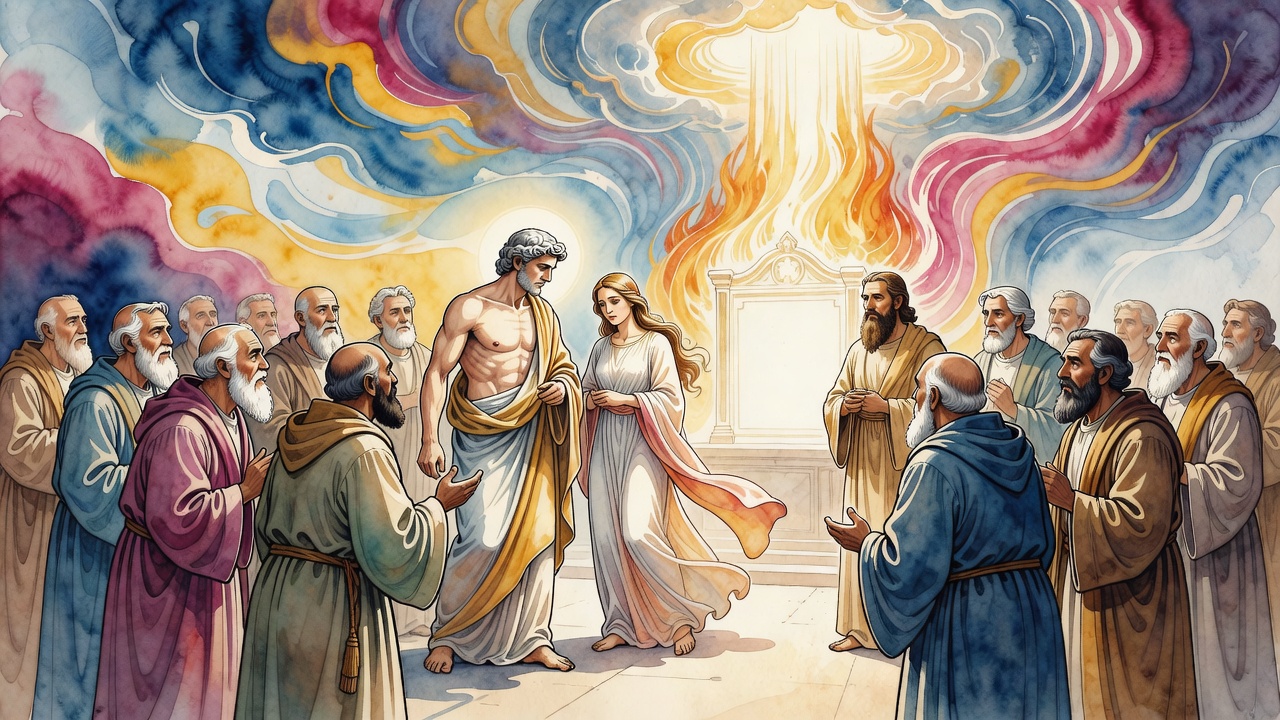
David's sin with Bathsheba was real. The rabbis did not look away. But they also asked why God would allow the most righteous king to fall this far.
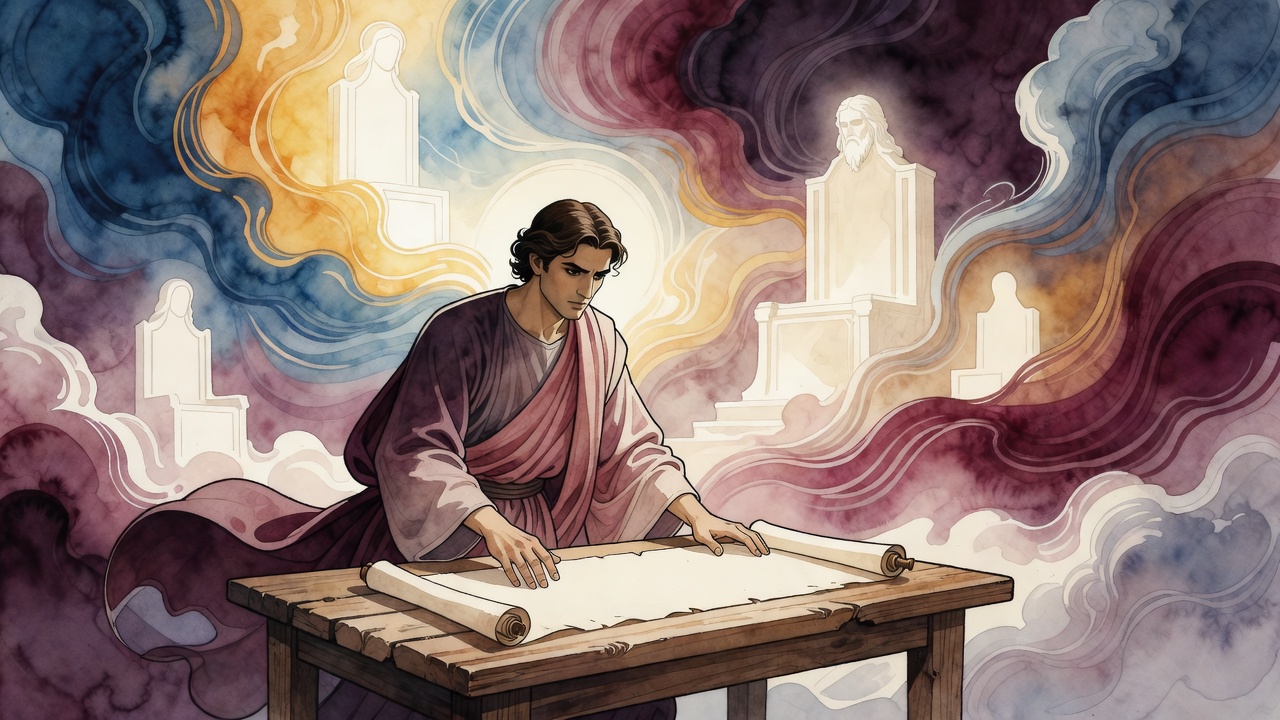
Absalom spent years building his plot against his father. It began not with weapons but with a letter bearing the king's own seal.
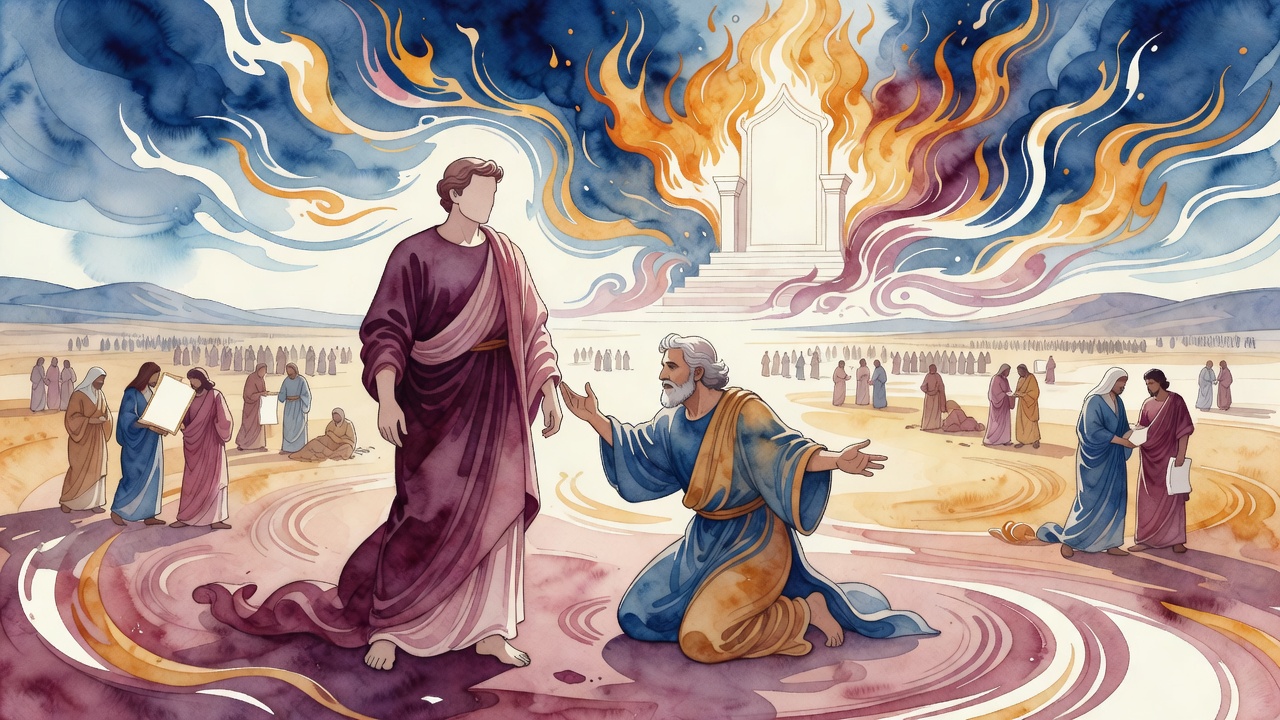
Joab told a father of five to hide two sons in the house. He spent nine months on a count he could have finished in weeks.
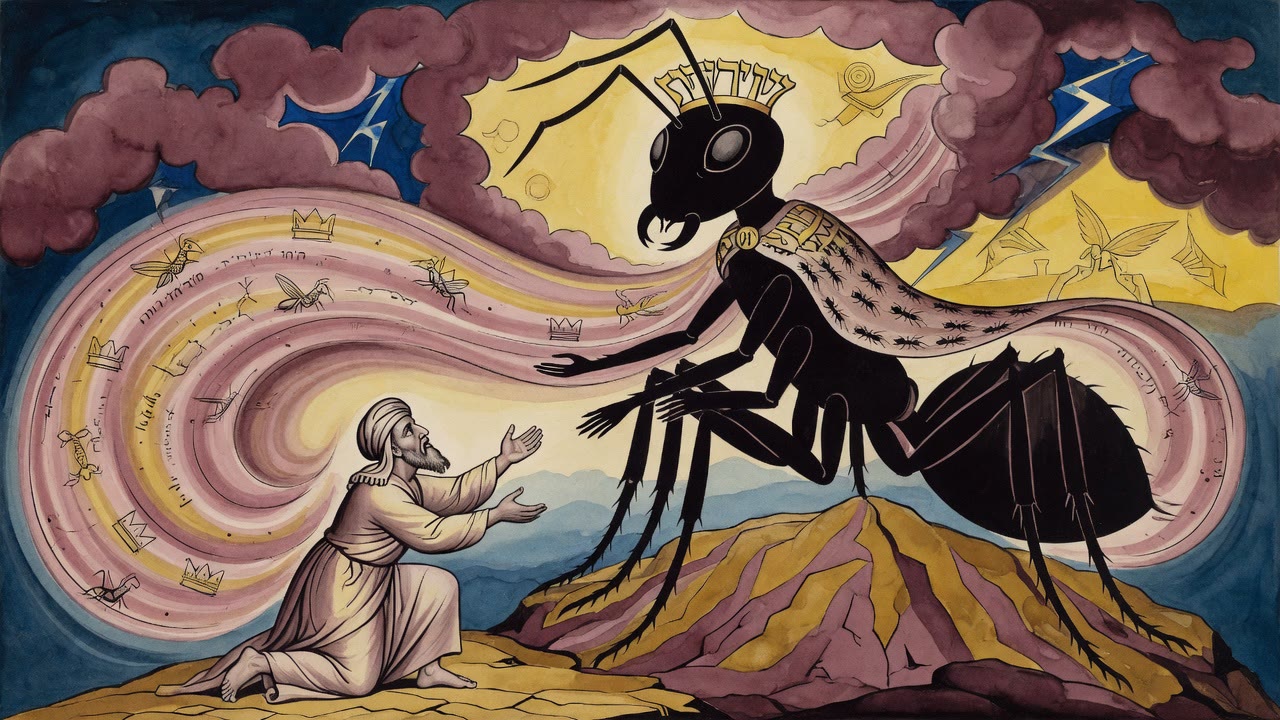
The army filled the valley of the ants. One queen ordered her colony to run, and Solomon halted every horse under him to listen.
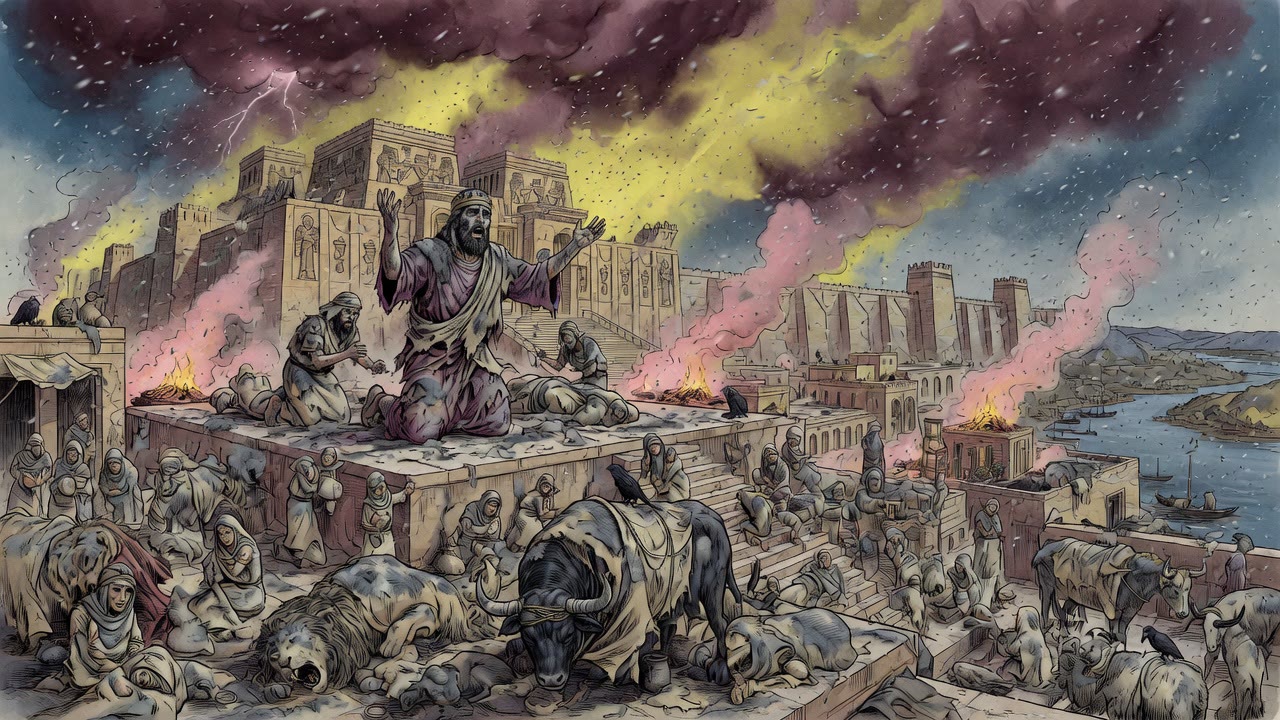
Jonah walked into Nineveh still tasting fish. The king left the throne for the ash heap. Stolen beams had to come out of the houses that held them.
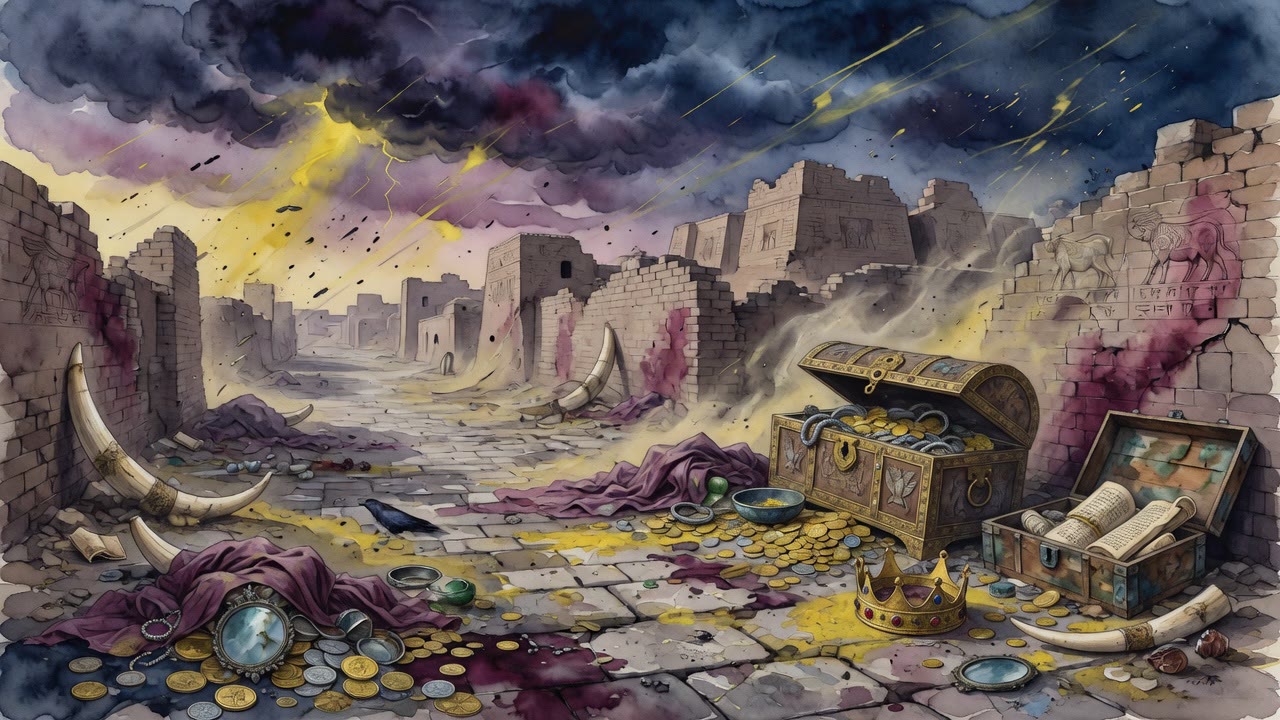
A man in Nineveh pulled his house down for one stolen brick. Two others found gold in a trench and spent weeks trying to give it away.
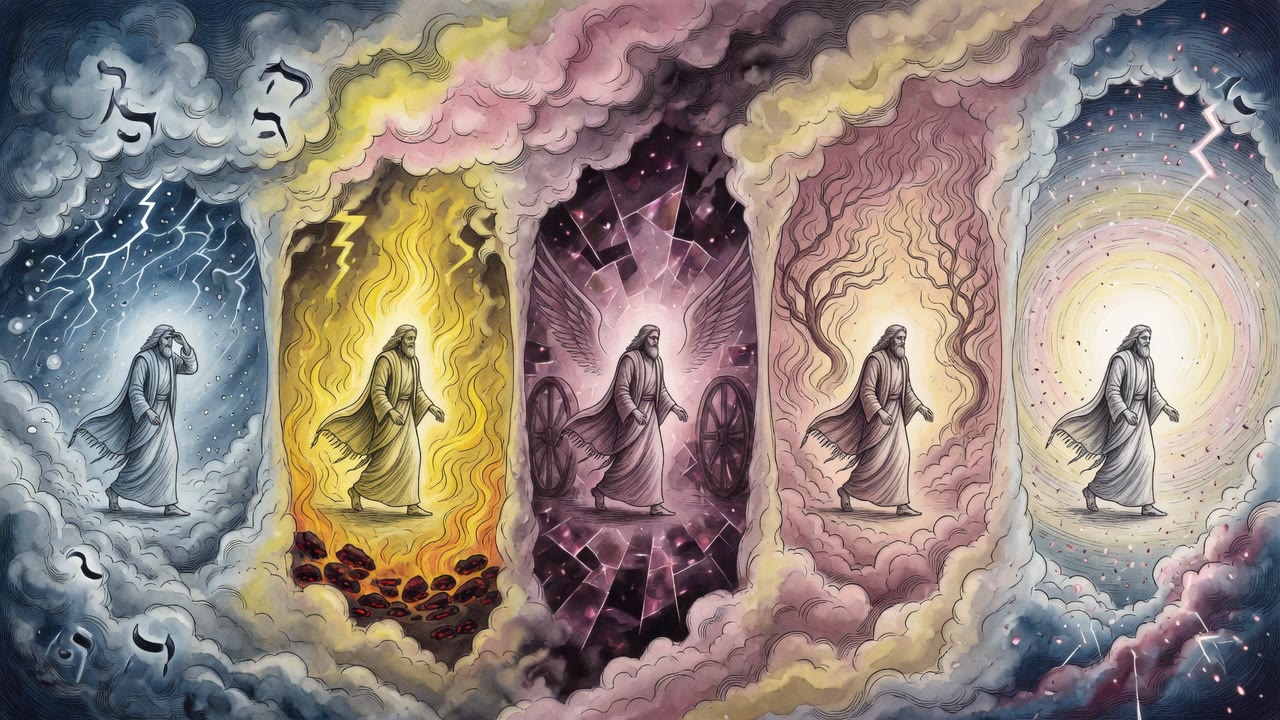
He changed his clothes at the palace door. The prophet was in the city, and the king would not walk any street that led to him.
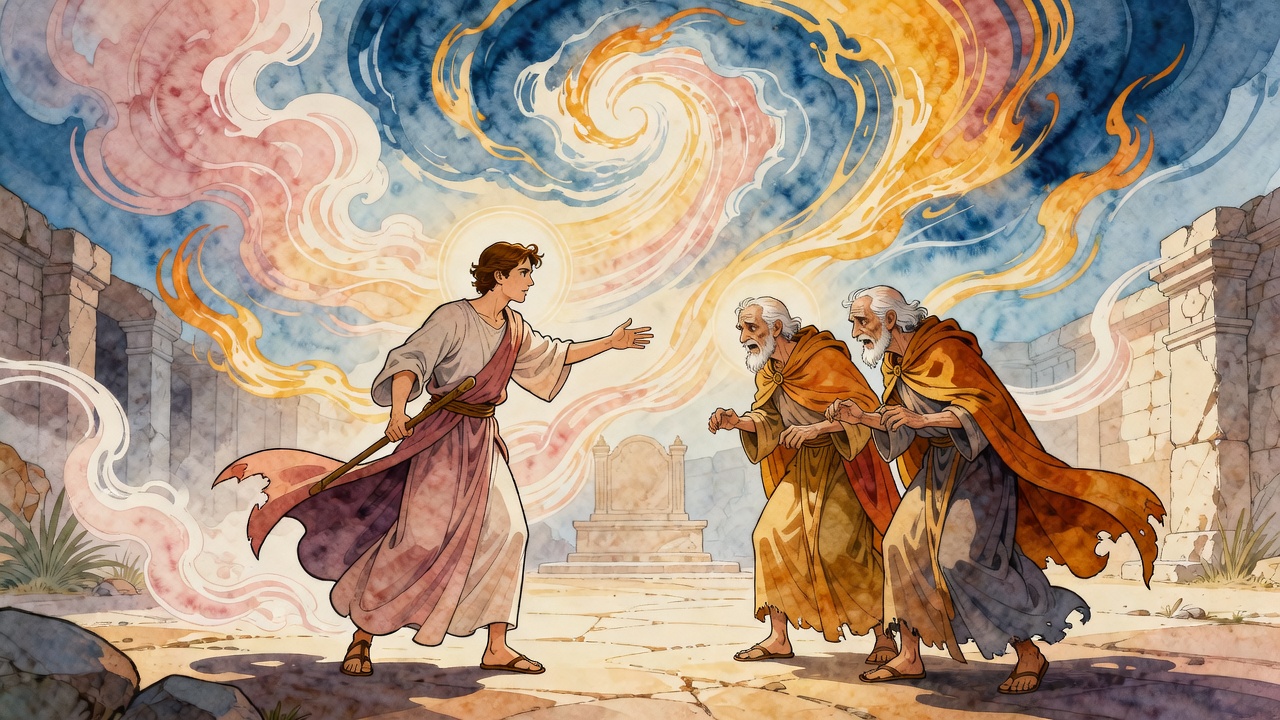
Two elders condemned a righteous woman with false testimony. A young man with no standing interrupted and asked each elder which tree they had stood under.

Before he bought the king's ring, Haman called the twelve signs one by one. Each named a reason not to touch Israel. He threw the lot anyway.
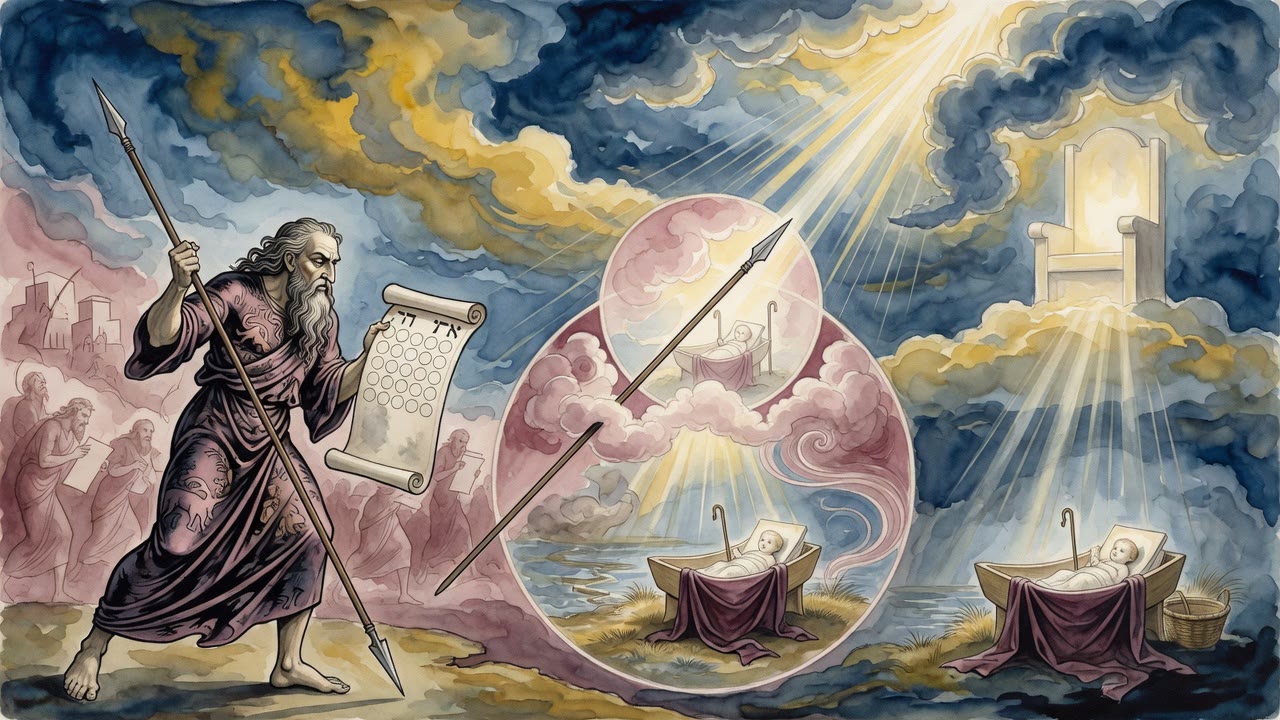
The advisors named the God who drowned Pharaoh. Haman pointed at the burned Temple and called heaven's silence proof.
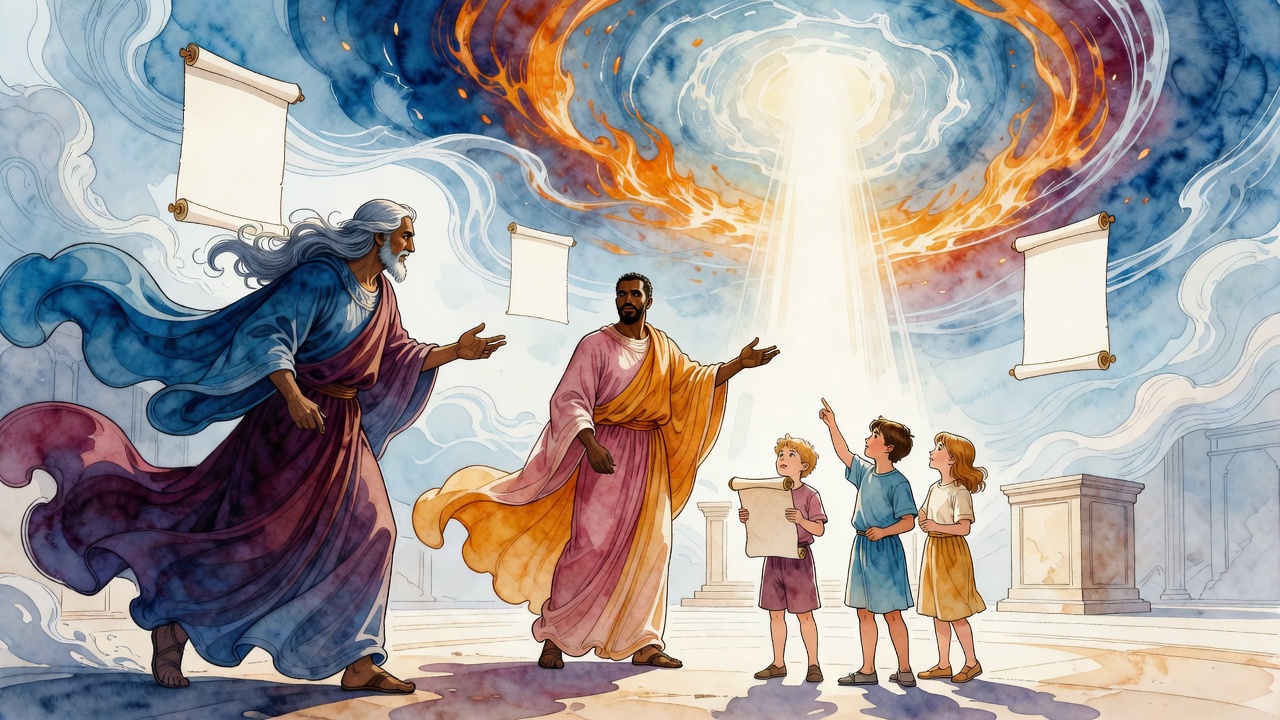
Persians in Shushan had begun telling Jews the date. Mordecai stopped three children walking home from school and asked what they had learned.
He did not name Moses on the mountain. At the palace gate in Shushan he quoted a foreign king who had sat down in ashes and starved his beasts.
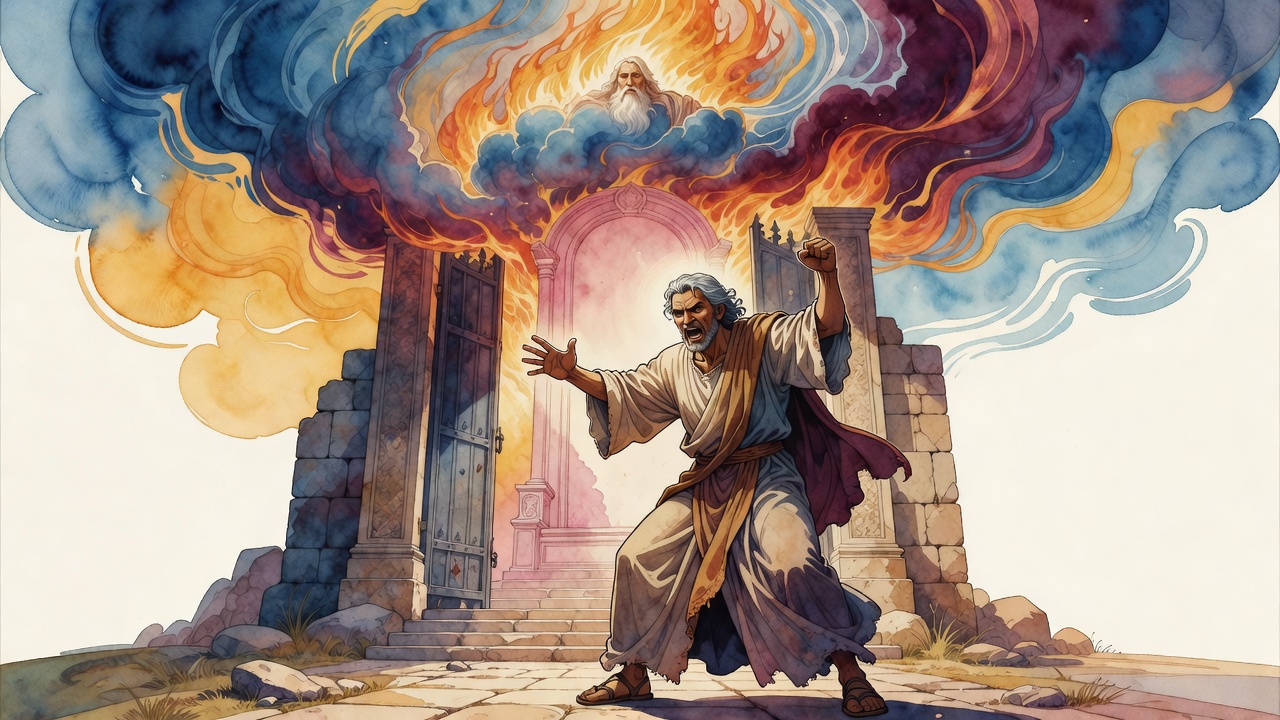
When the decree went out, Mordecai did not weep quietly. He pressed the covenant like a creditor, demanding God answer for the oath sworn to the patriarchs.
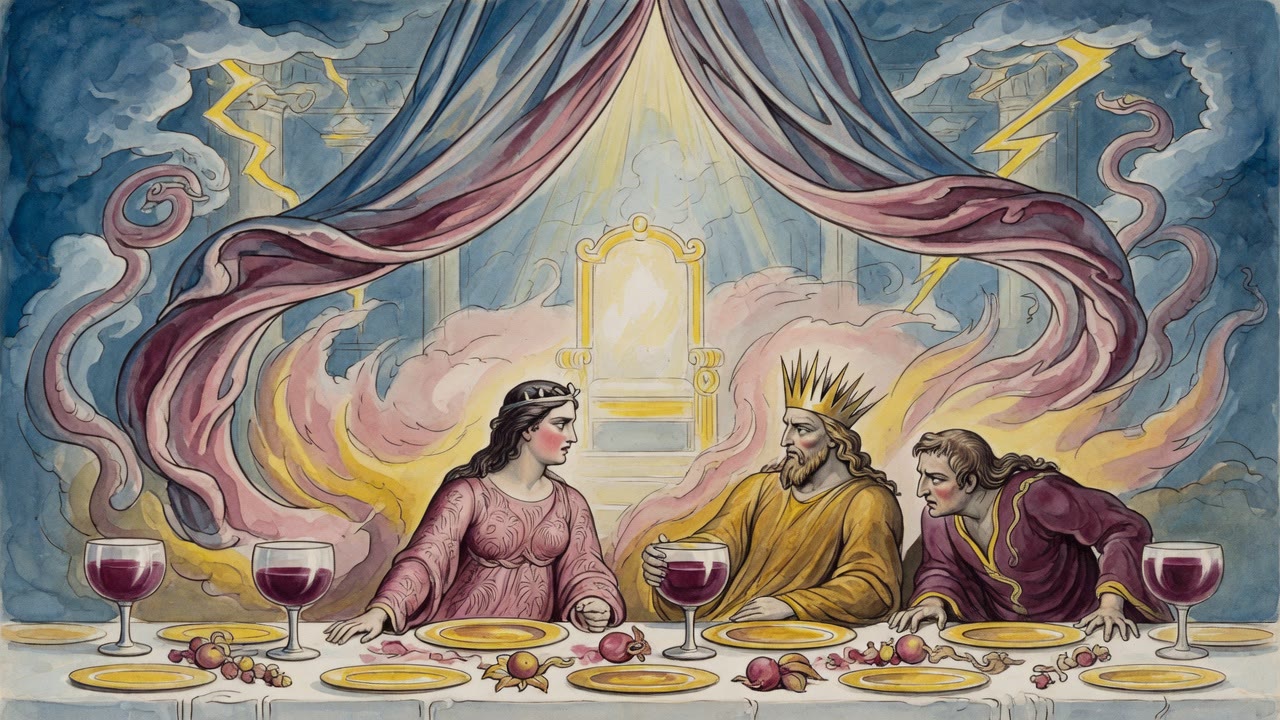
Esther had the king's ear and said nothing. She invited Haman to dinner instead. Then she invited him again. The sages debated her strategy for centuries.
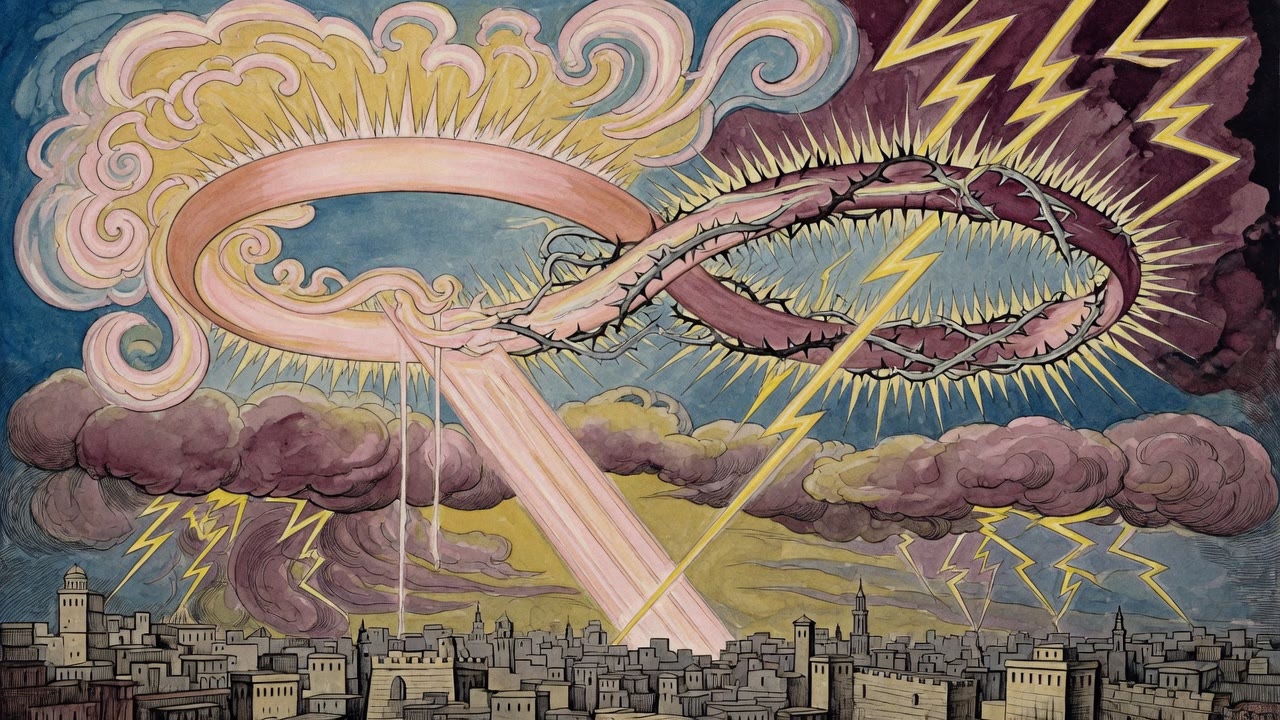
Every man in Susa bowed when Haman rode past. One man at the gate stuck out his knee instead, so that Haman could read what was written on it.
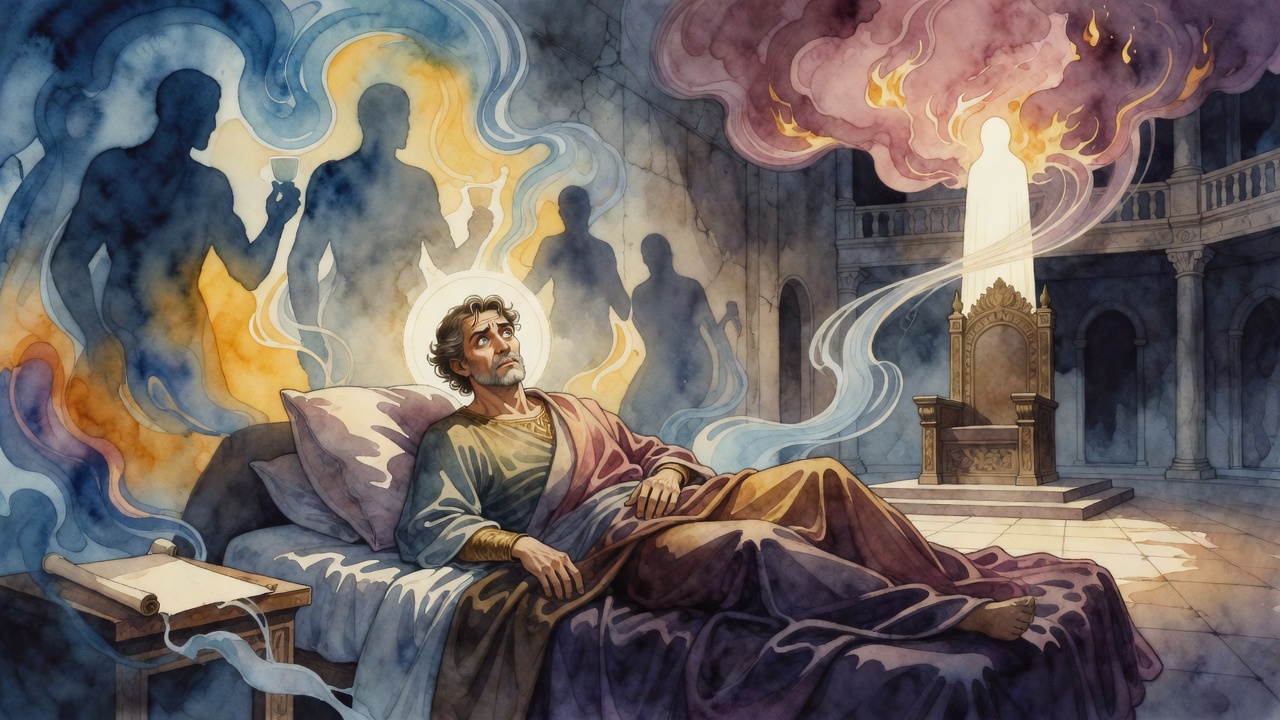
The king lay awake convinced he was being poisoned. When that fear passed, a worse one took its place. His paranoia would save the Jewish people.
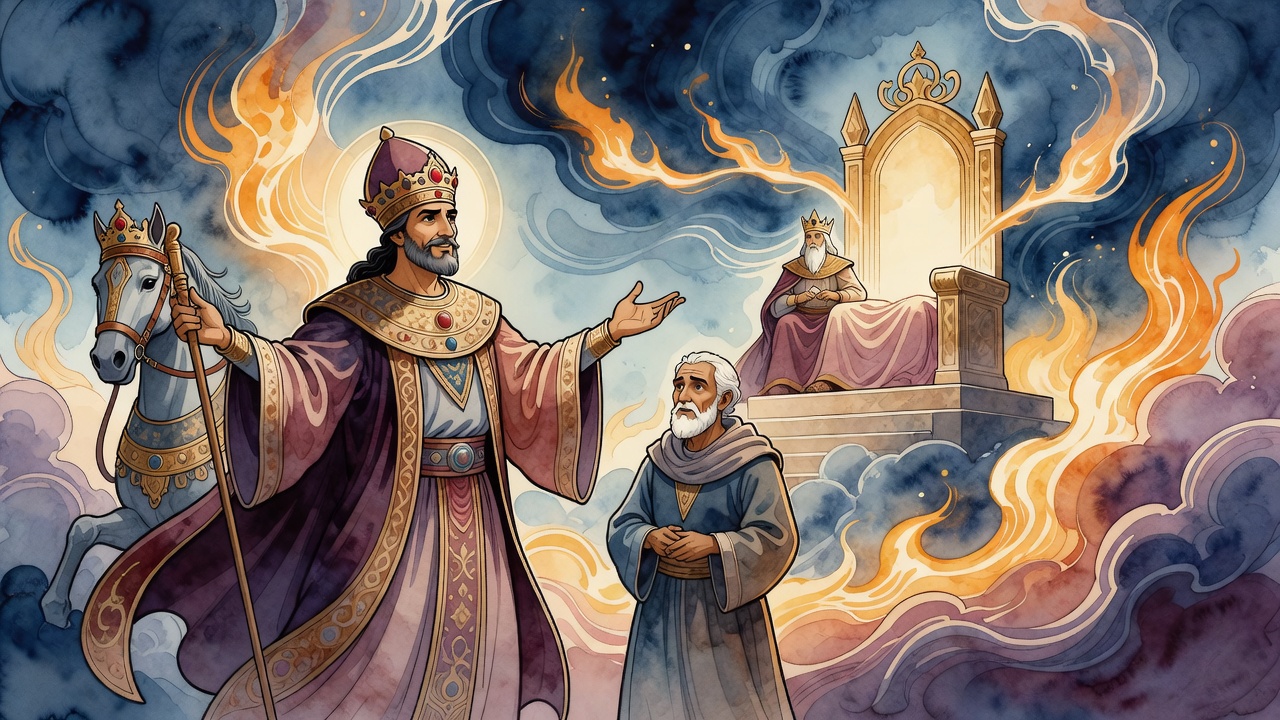
The gallows stood in Haman's courtyard, fifty cubits high. He came for a signature. The king asked a question with no name in it.
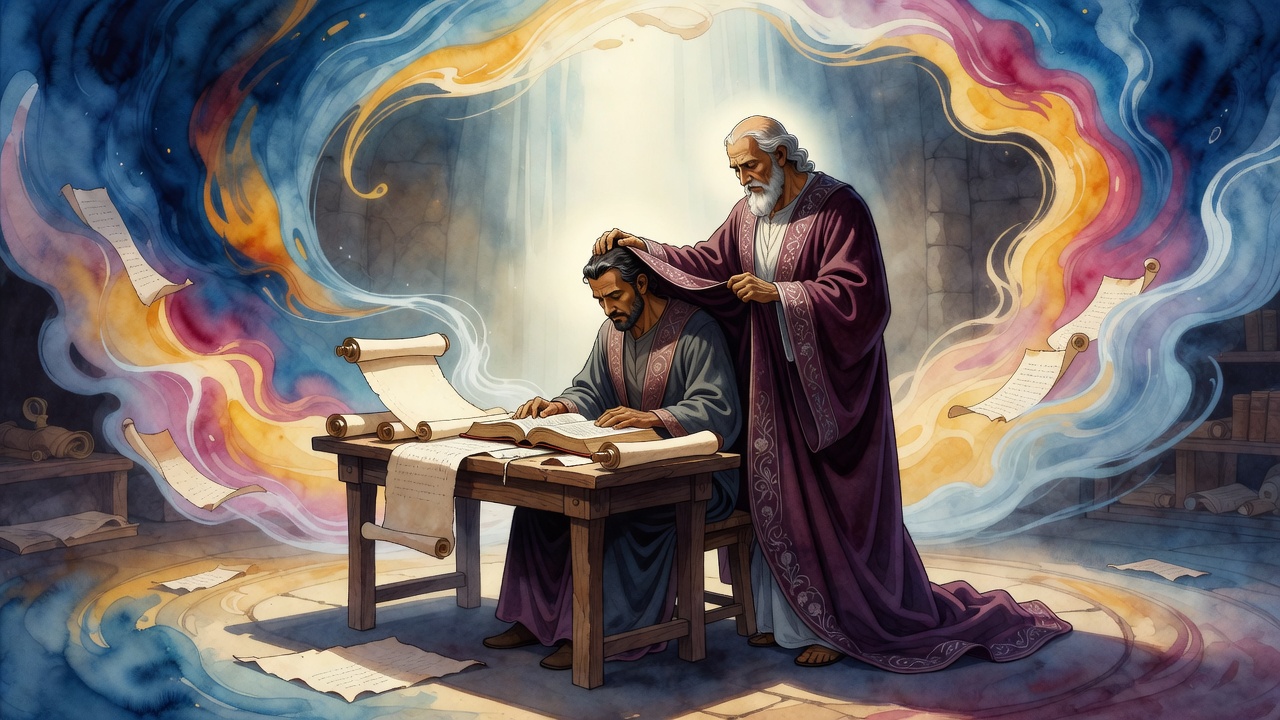
Mordecai still wore sackcloth and asked for a last meal. Haman had come to wash him, because every bathhouse in Shushan was shut.
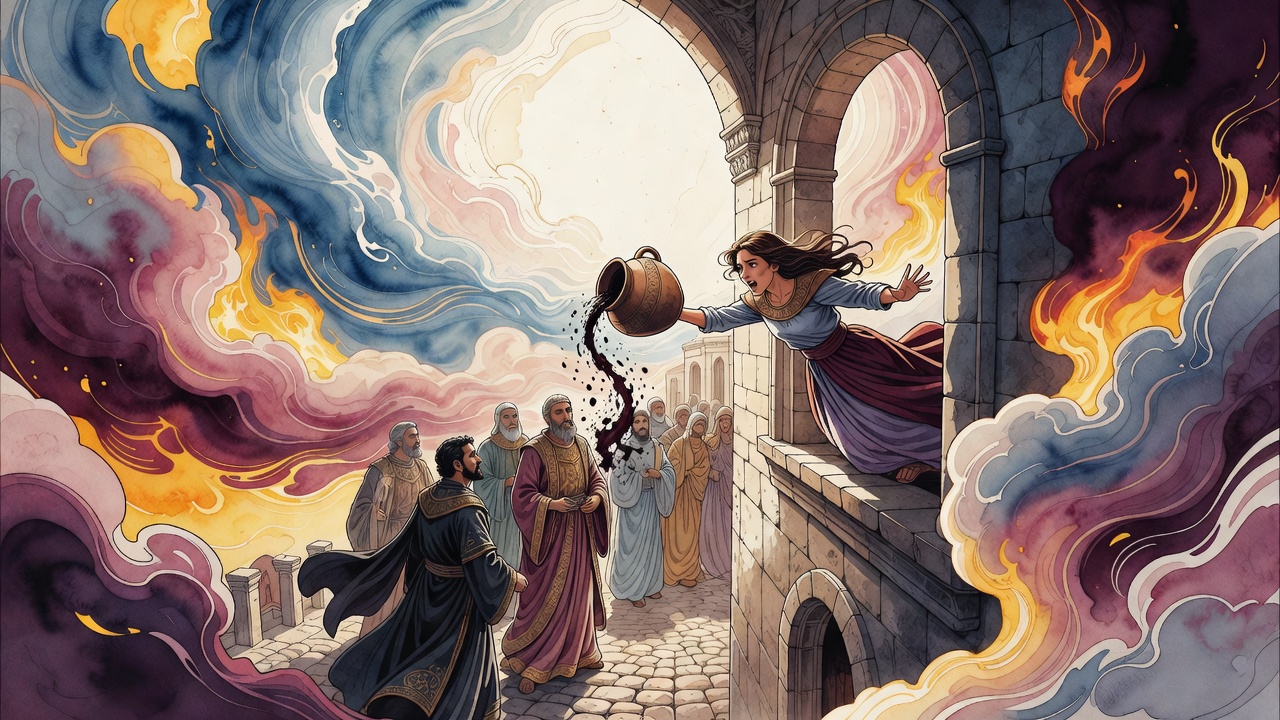
Filth ran into Haman's eyes before he found the window. His daughter was still holding the empty pot over Shushan's street.
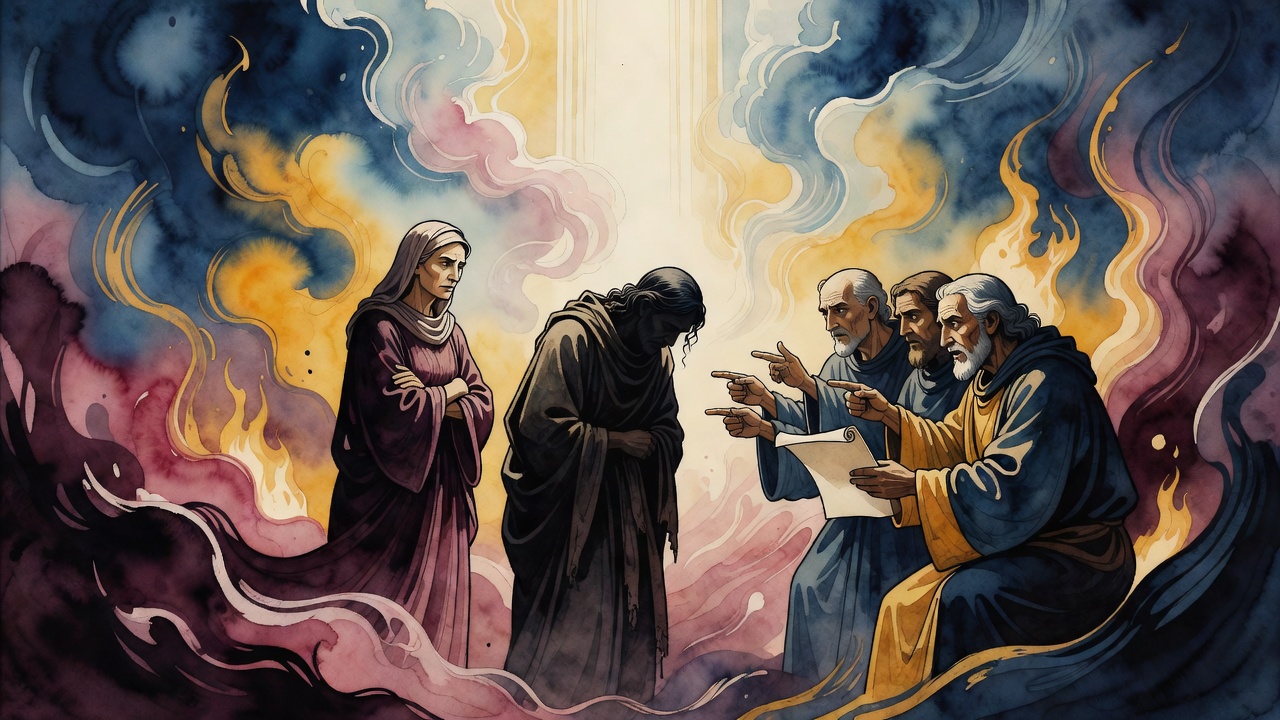
After leading Mordecai through the streets, Haman came home in mourning. His wife and advisors did not comfort him. They delivered a verdict.
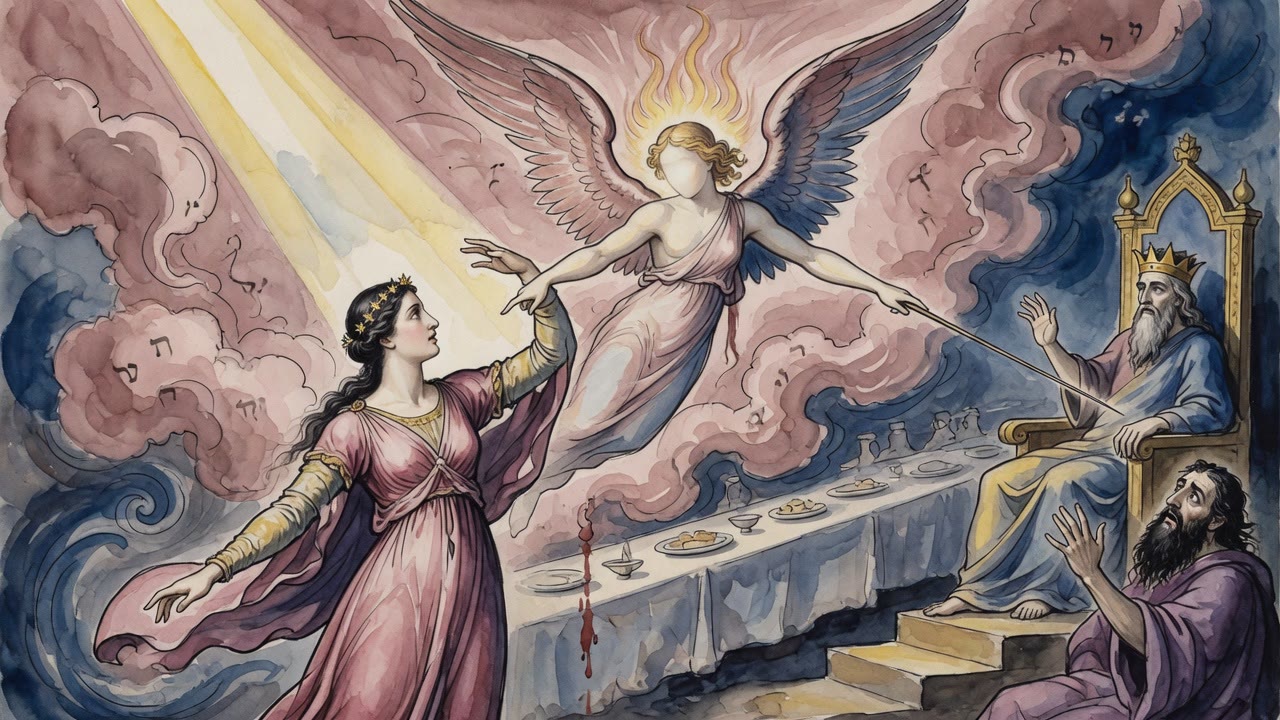
Her arm swung toward the king. An angel turned Esther's finger until it found Haman, the man her mouth was already naming.
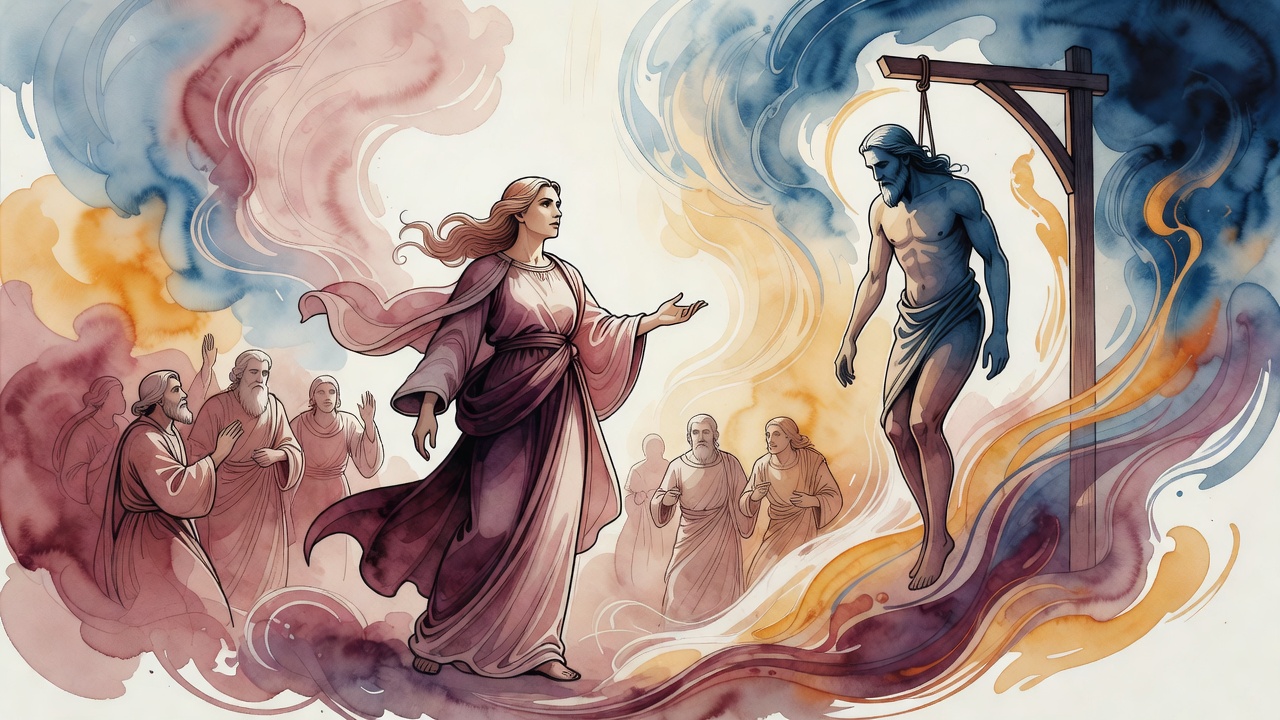
Haman and his ten sons hung on the timber he had cut for Mordecai. Night was coming. Esther told the court the bodies would stay.
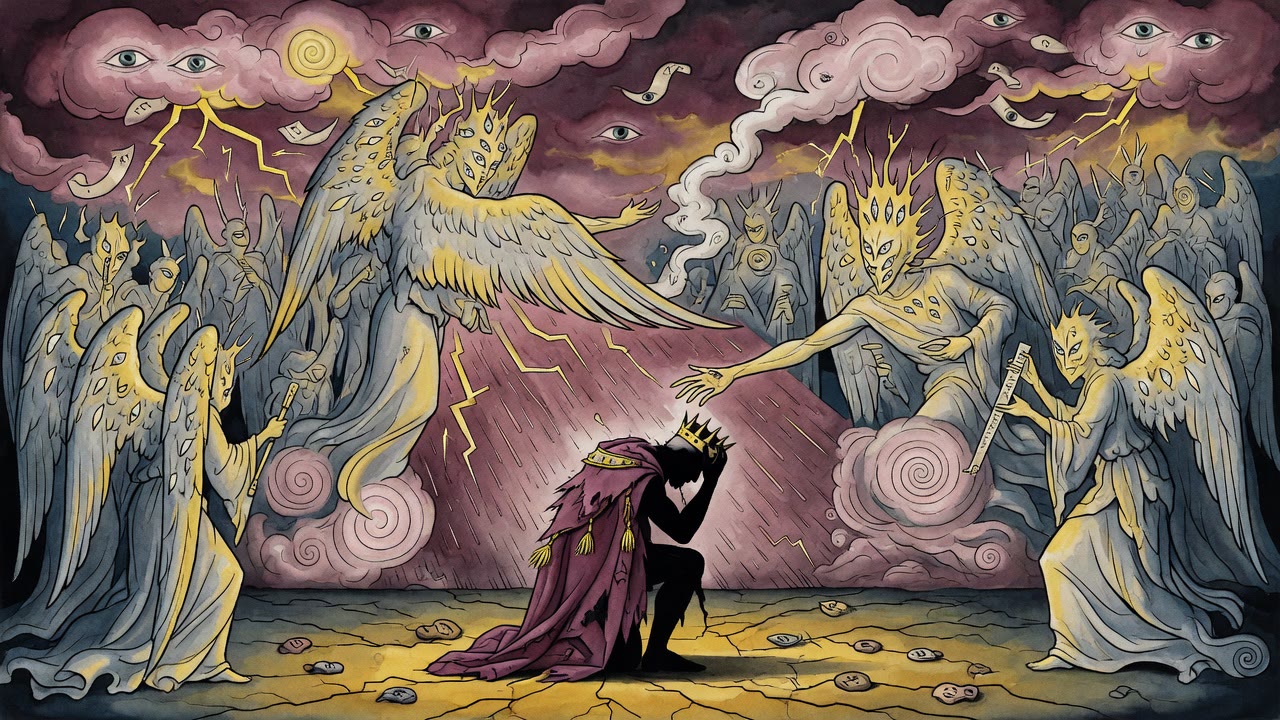
When Saul lost divine favor, the watcher angels shifted roles. Their change from observers to enforcers was the first sign that his protection was gone.
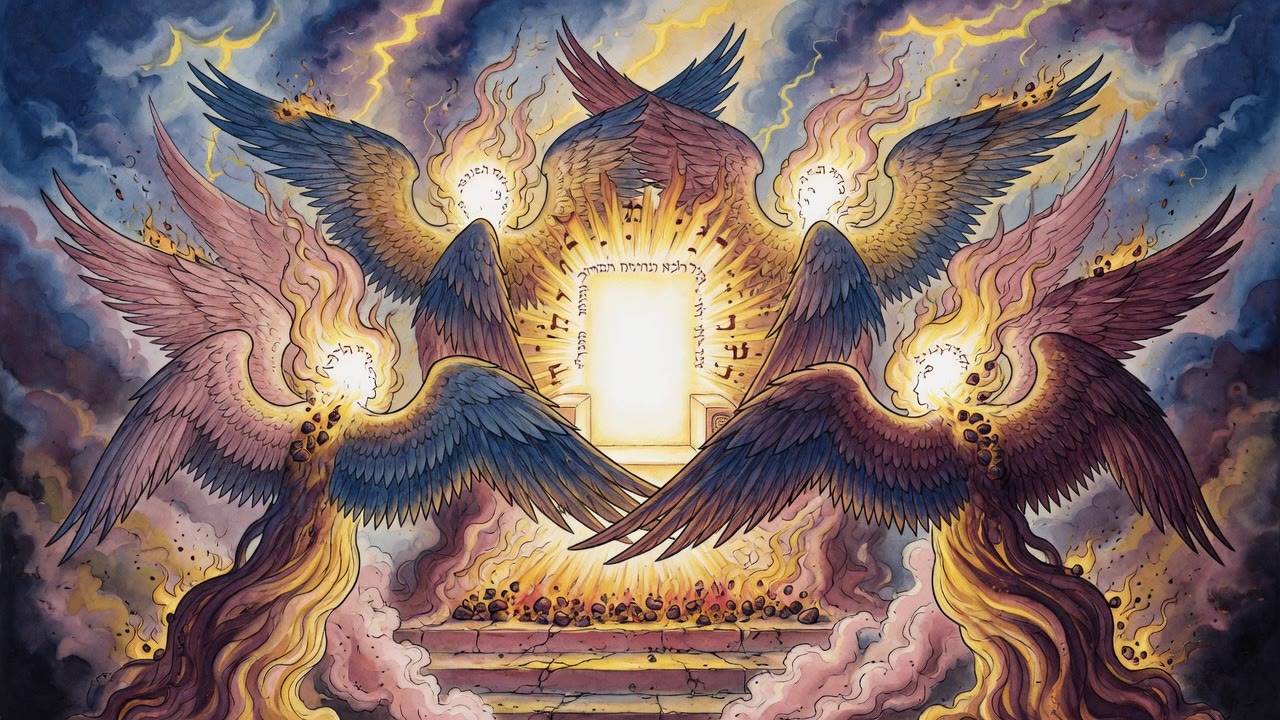
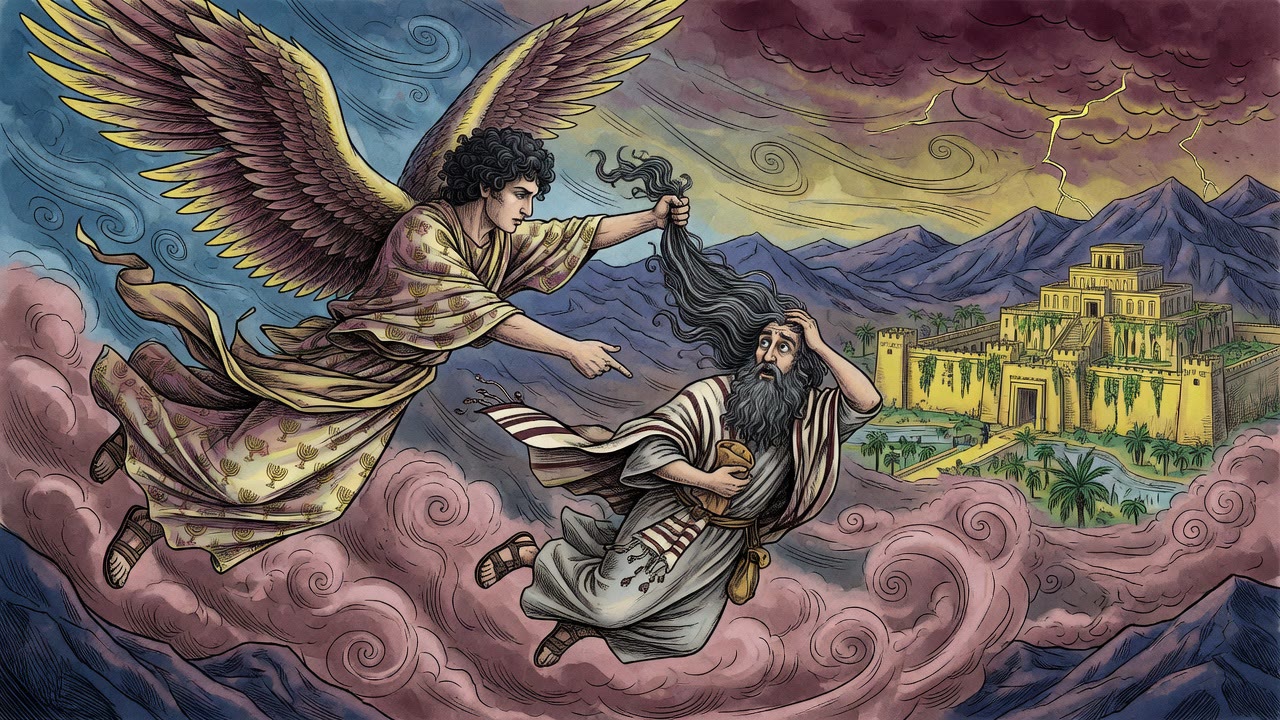
The doorposts were still shaking when he decided he was a dead man. Then one of the burning ones came down at him carrying a pair of tongs.
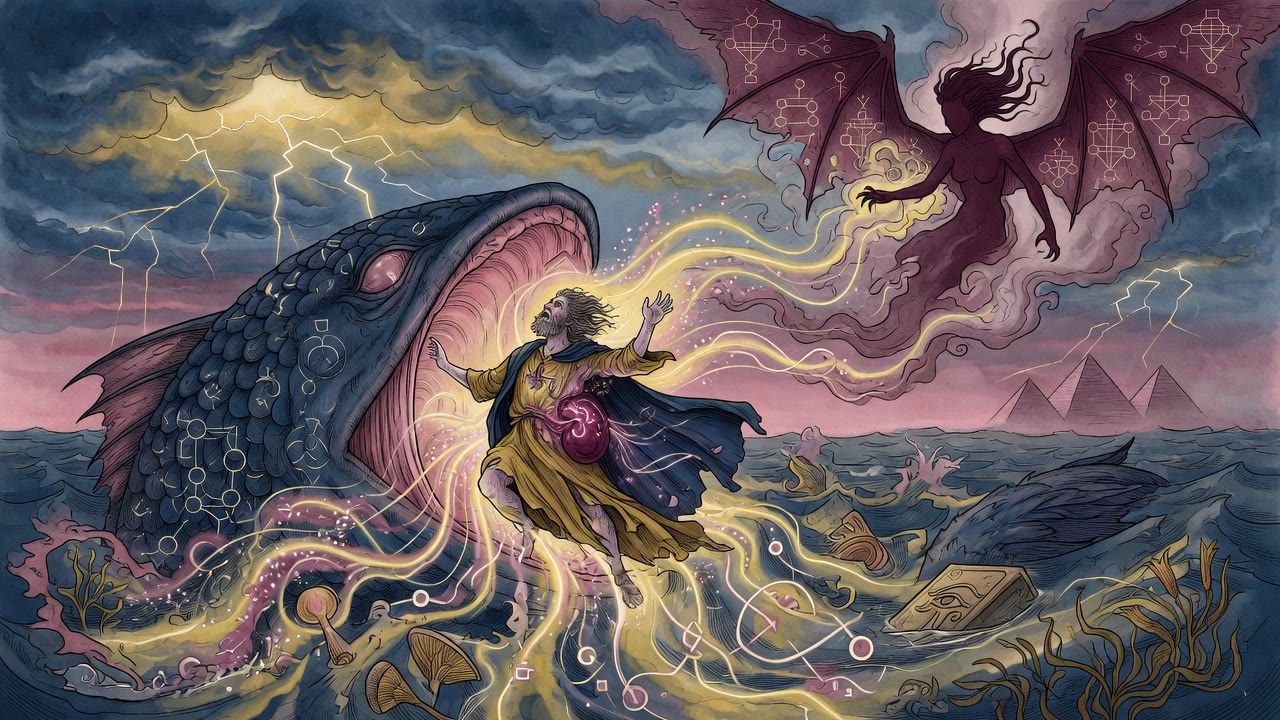
The sailors on Jonah's ship were not cruel men. They tried their idols, cast lots, jettisoned their cargo, and rowed for shore before they touched him.

Two girls went down to the well. One asked why the other looked so sick. The answer came in the third person, as if the starving girl could not say I.
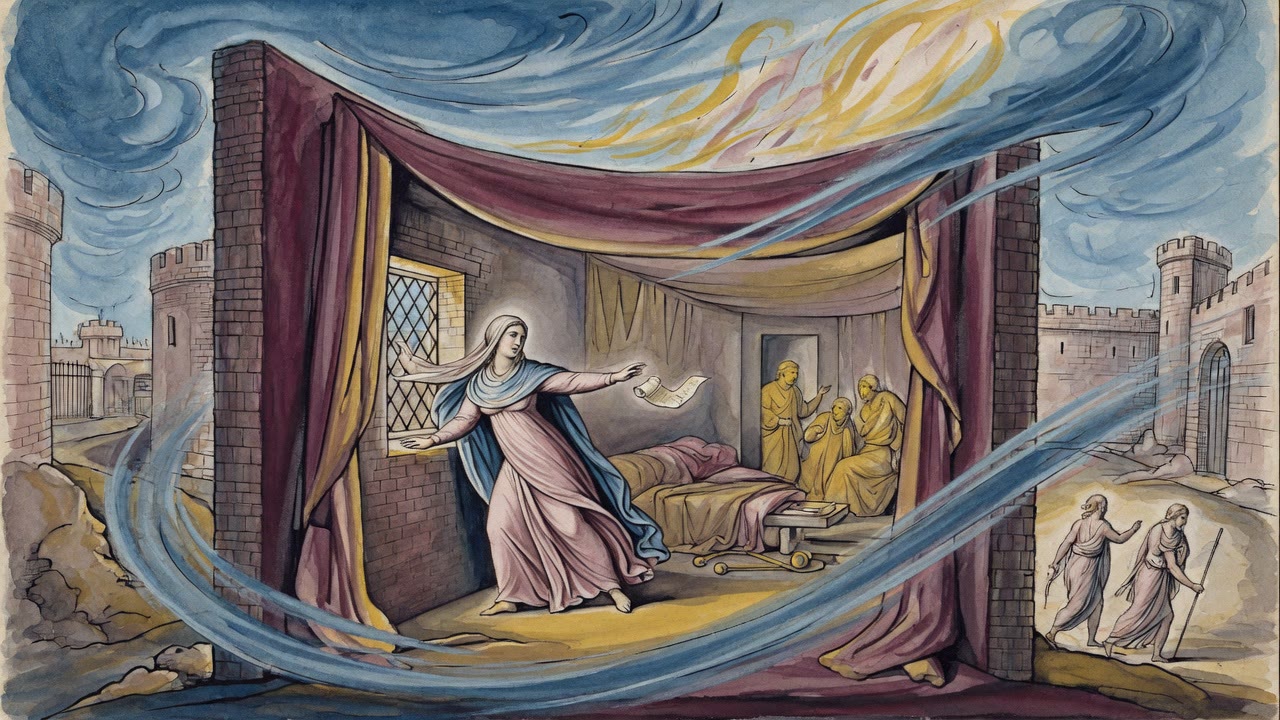
She was twelve and she was being held in the prince's house when she overheard what the men downstairs were planning to do to her family.
