185 myths · Page 4 of 7
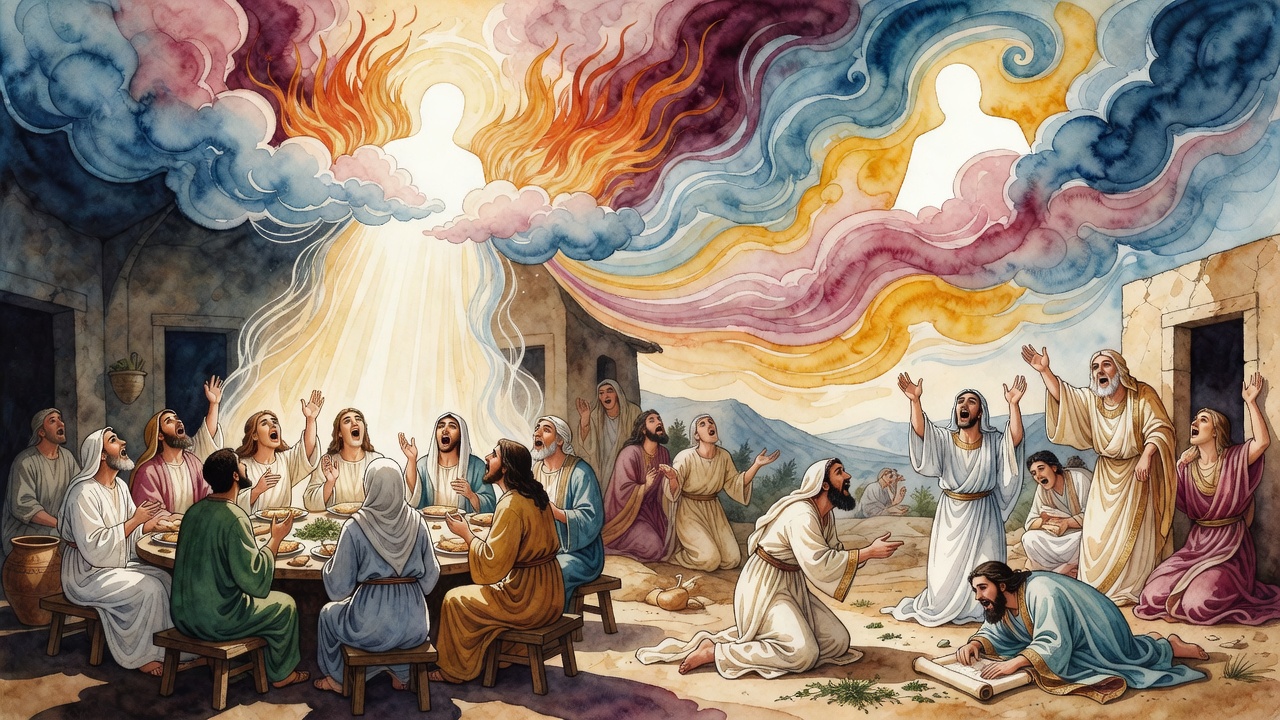
On the first Passover night, Israel ate and sang in their houses while Egypt screamed over the firstborn. The rabbis preserved both sounds at once.
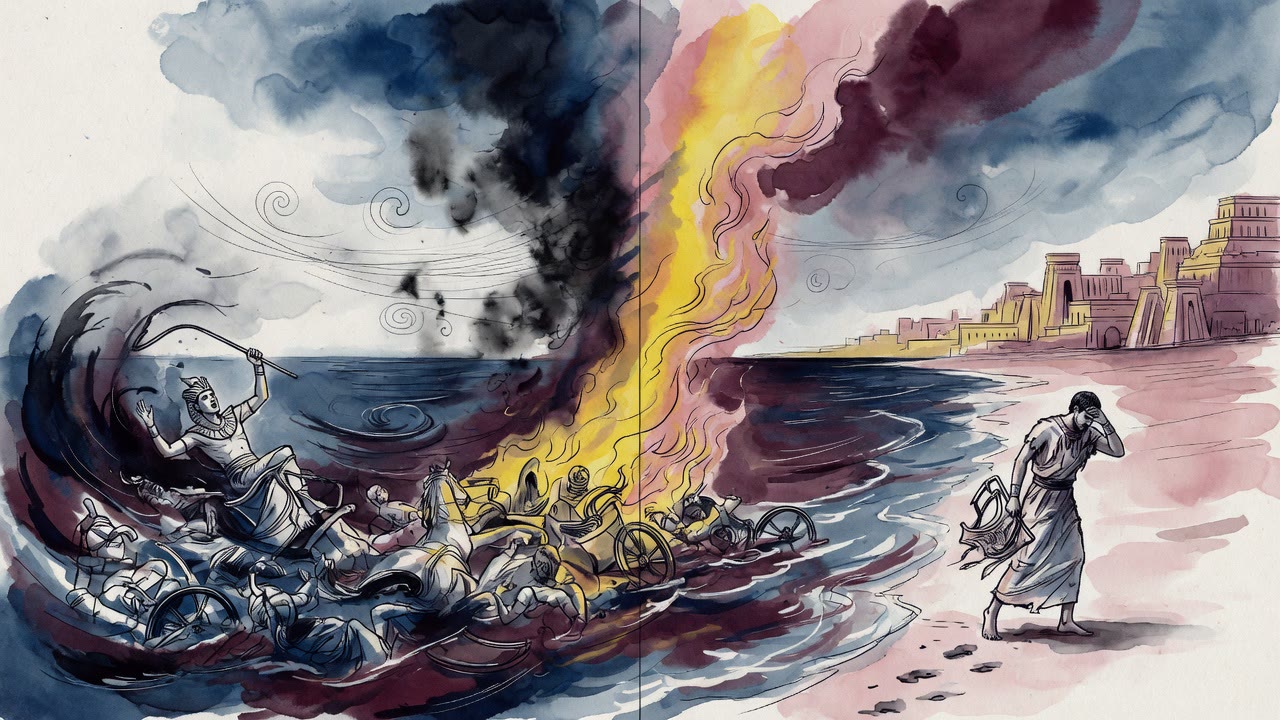
The rabbis could not agree whether Pharaoh drowned at the Red Sea or walked out to rule Nineveh as a witness to God's power.
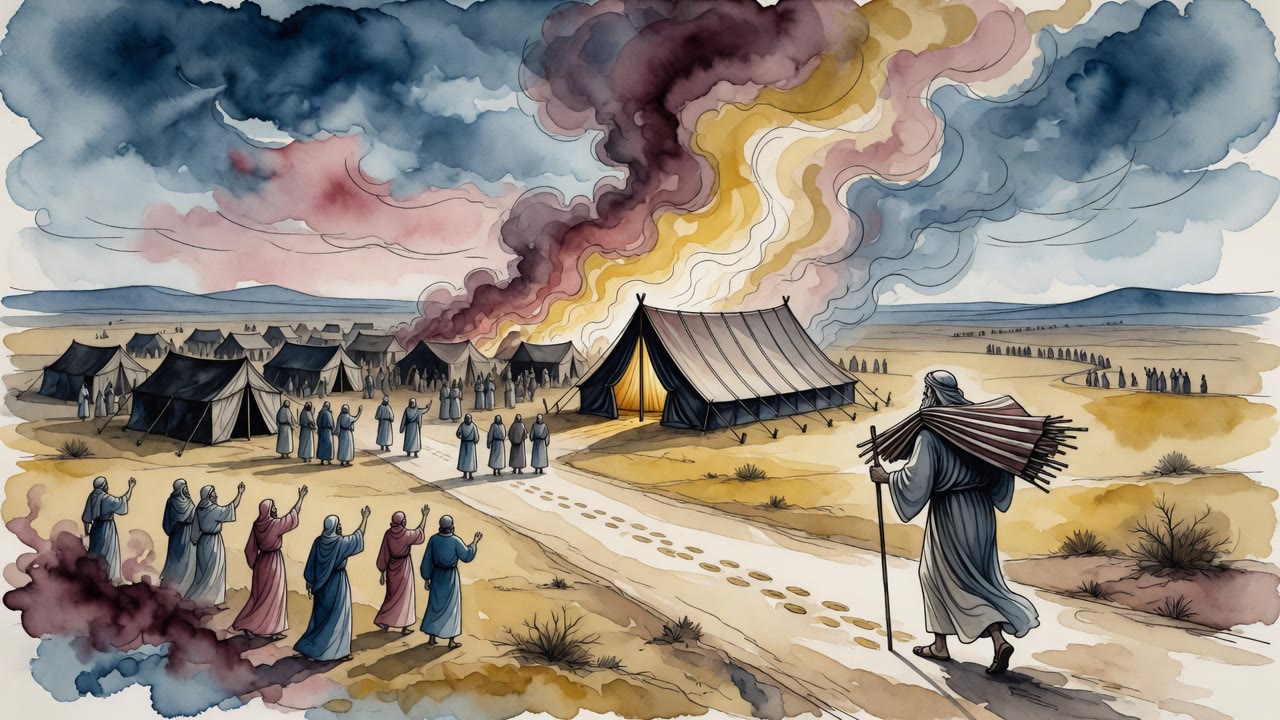
Moses prays 515 times at the Jordan's edge, draws a circle in the dust, and prays until heaven trembles. God finally says: enough, do not continue.
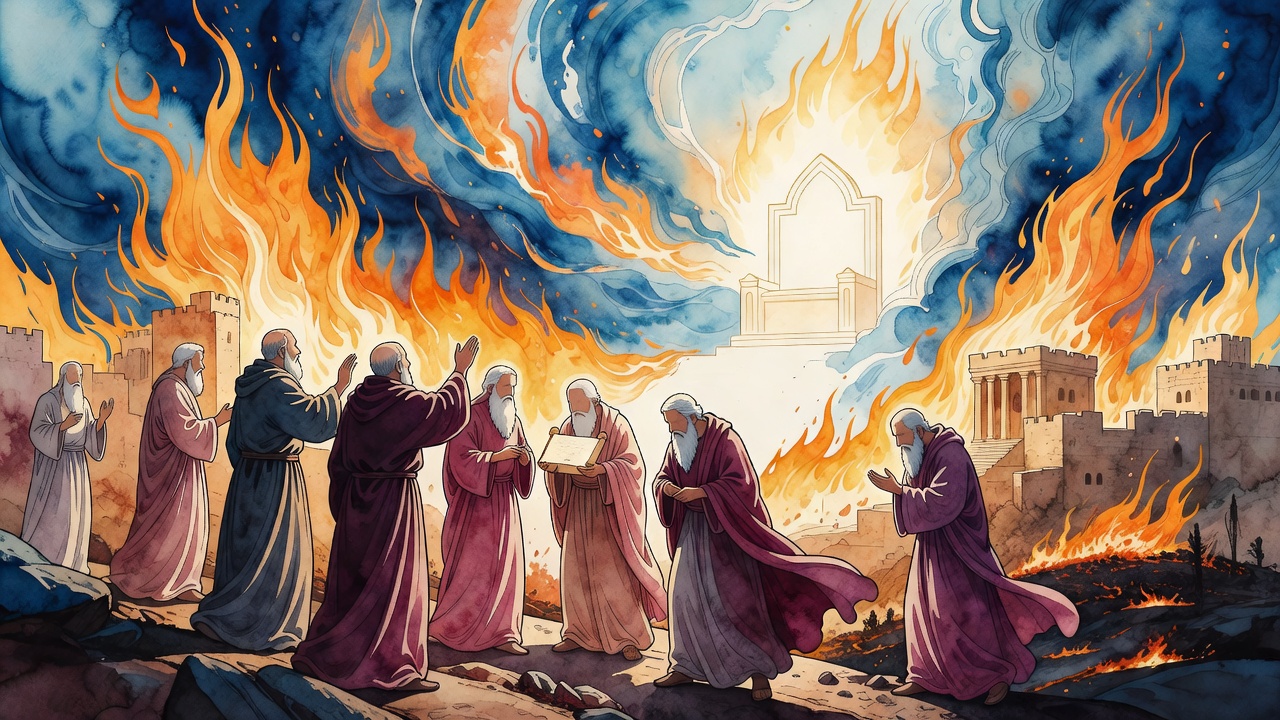
The soldiers of Babylon walked through the Temple as if they had won. In Judah they were still burying their children.
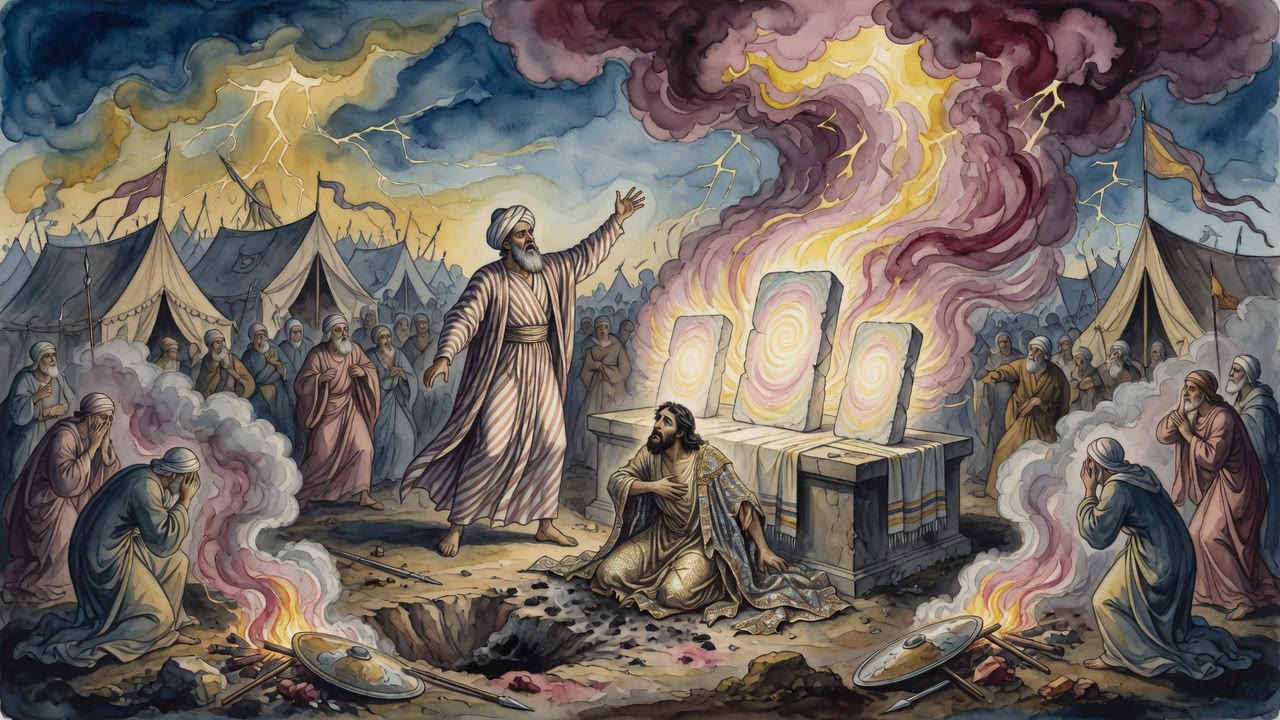
Two spies lay flat under drying flax on a Jericho rooftop while the king's soldiers searched the river roads for them and found nothing.
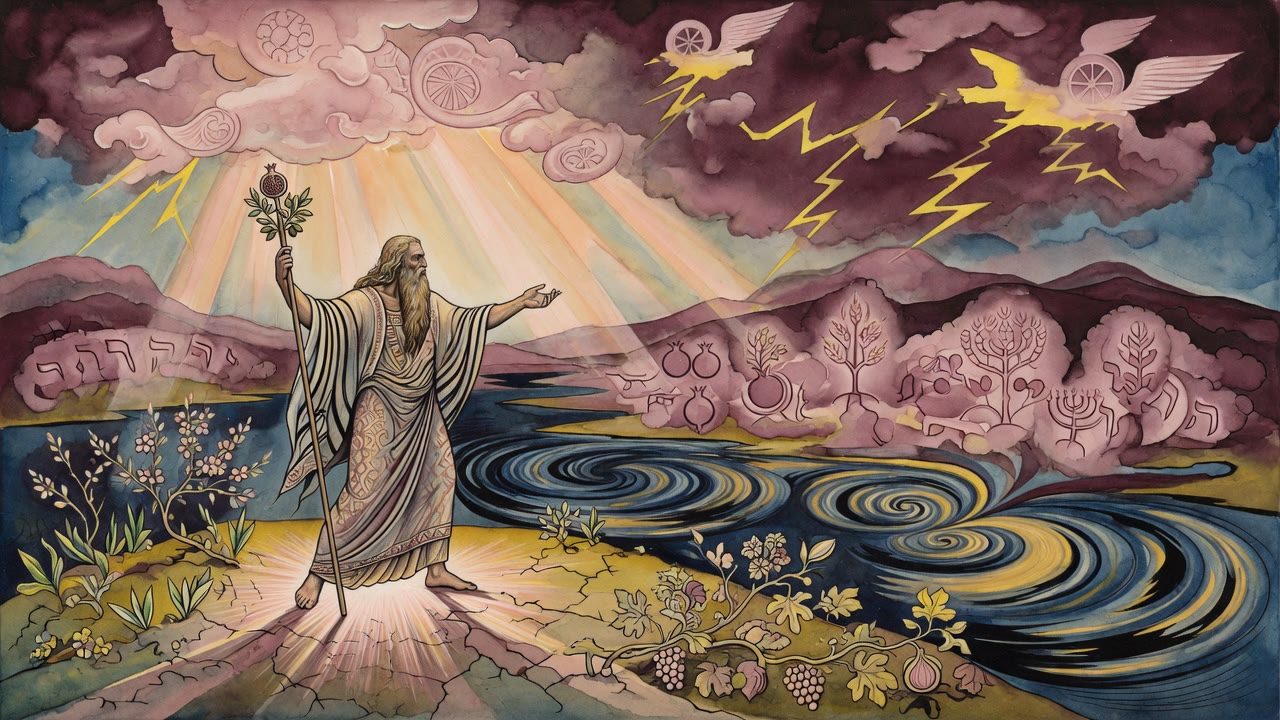
Ten spies talked about walls and giants. The camp wept all night. By morning someone was already weighing a stone.
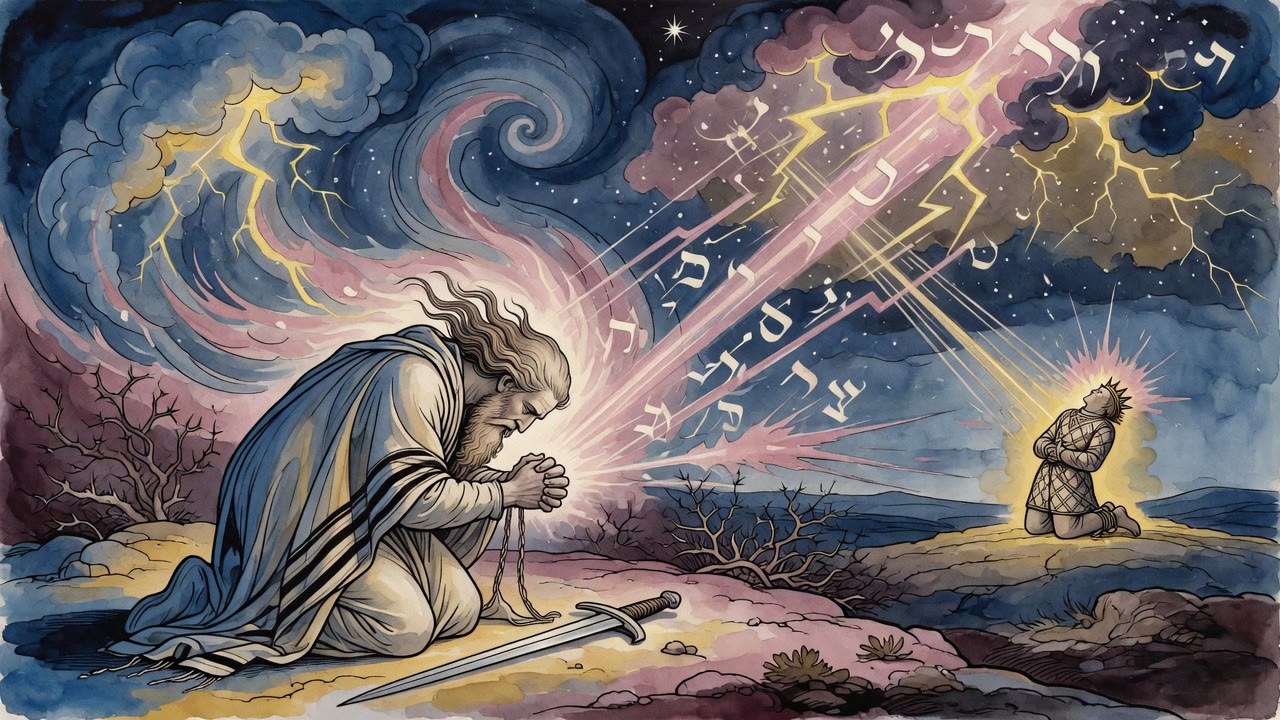
David slipped into the camp at night and took the spear and the water jug from beside Saul's head. At dawn he called across the valley, holding both up.
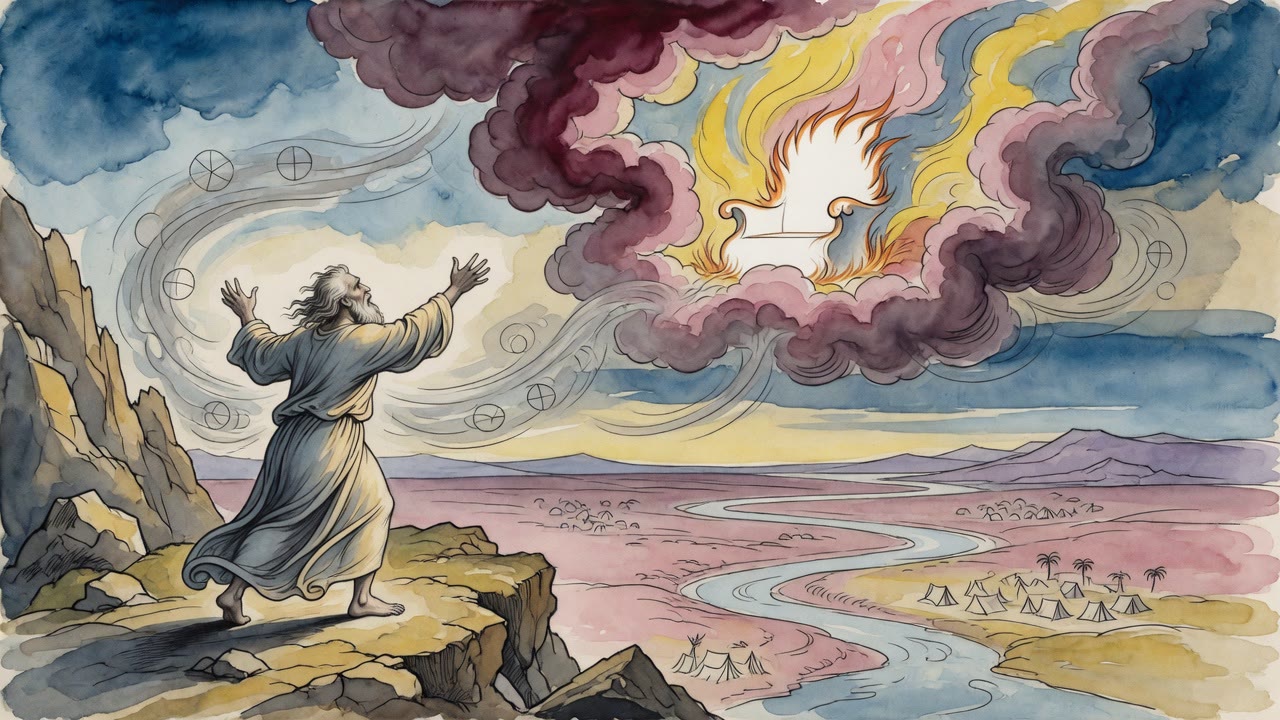
Moses did not accept the verdict quietly. He built a legal case, invoked precedents, and pressed heaven until God closed every exit and Moses agreed to go.
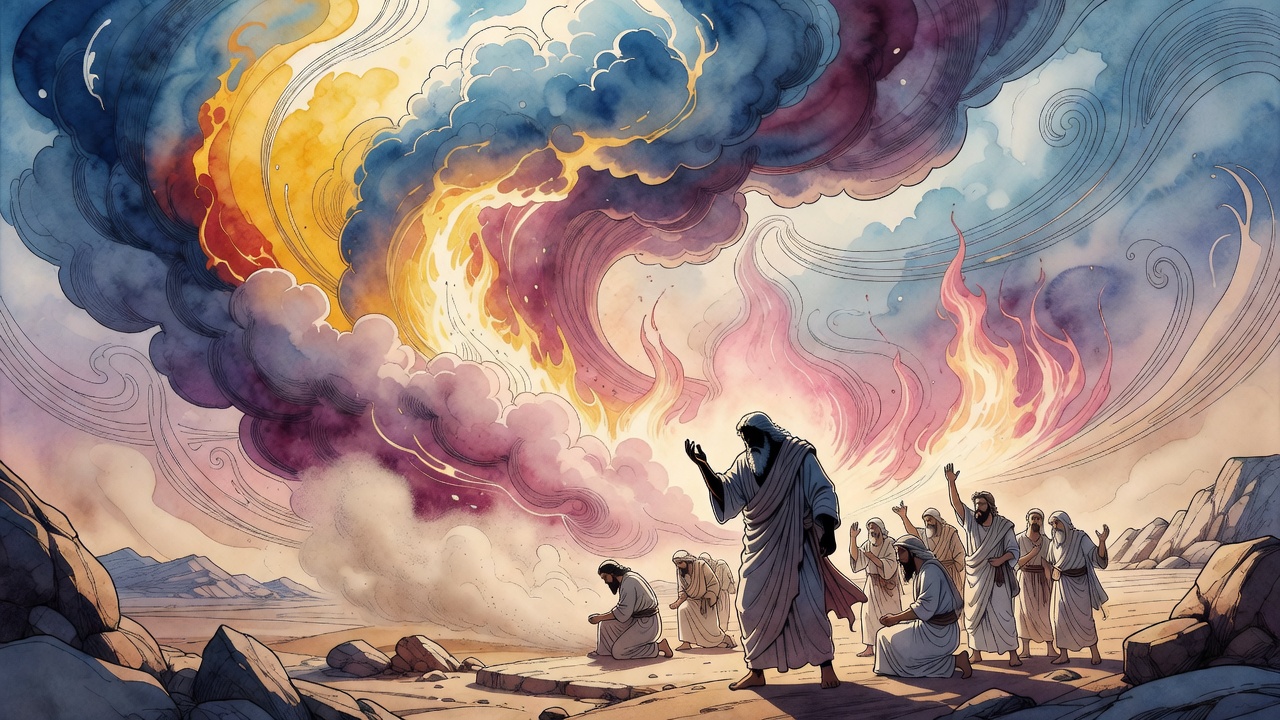
The Torah says Moses trespassed against God at Meribah. The rabbis read the Hebrew causative and found a heavier charge: he caused others to trespass.
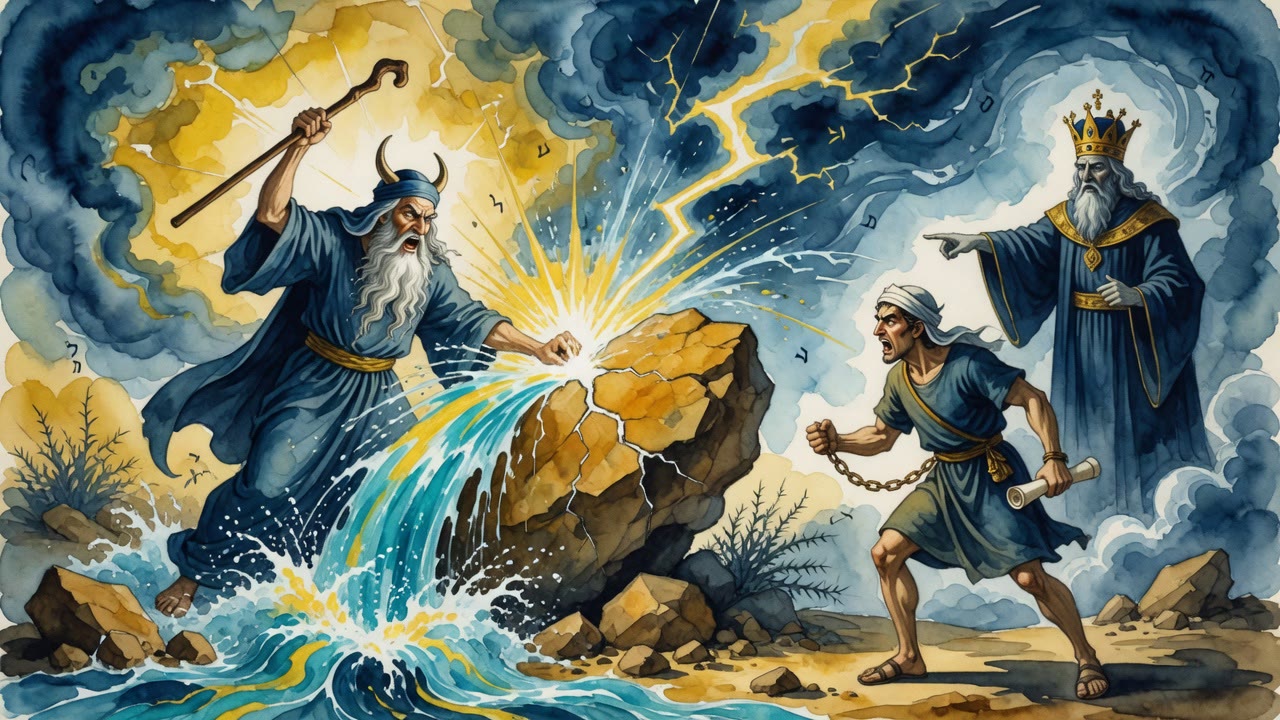
God told him to speak to the stone. The staff came down twice anyway. Water ran over his feet while the camp still watched his face.
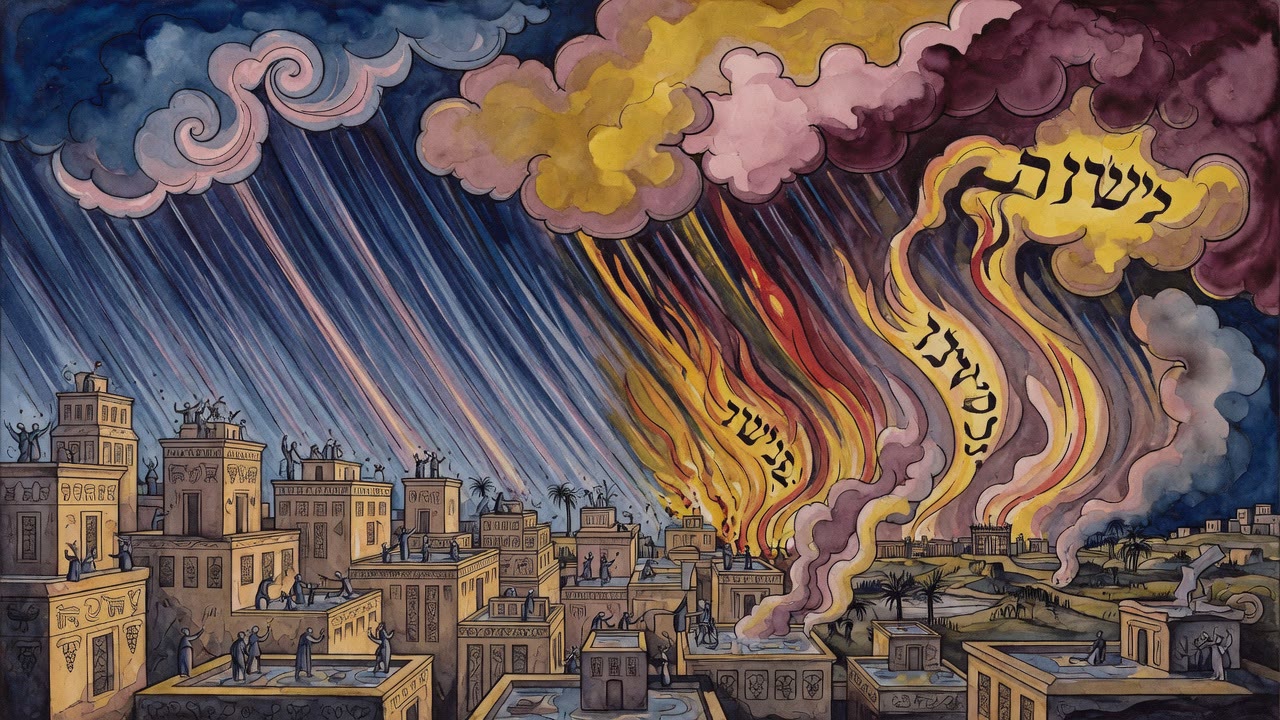
Lot set unleavened cakes in front of two travelers and it only seemed to him that they ate. Before the night ended the whole city was at his door.
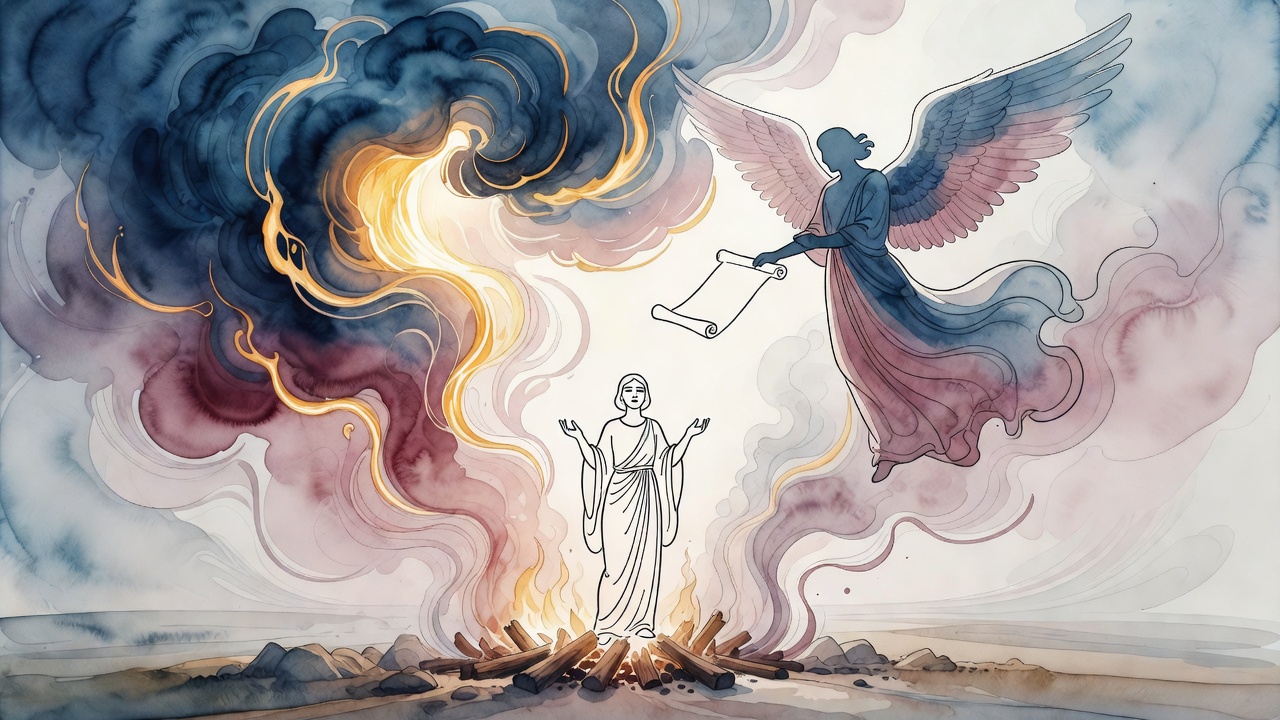
Tamar was about to be burned alive when her evidence vanished. She prayed, and God sent Michael to recover what had been lost before the sentence could fall.
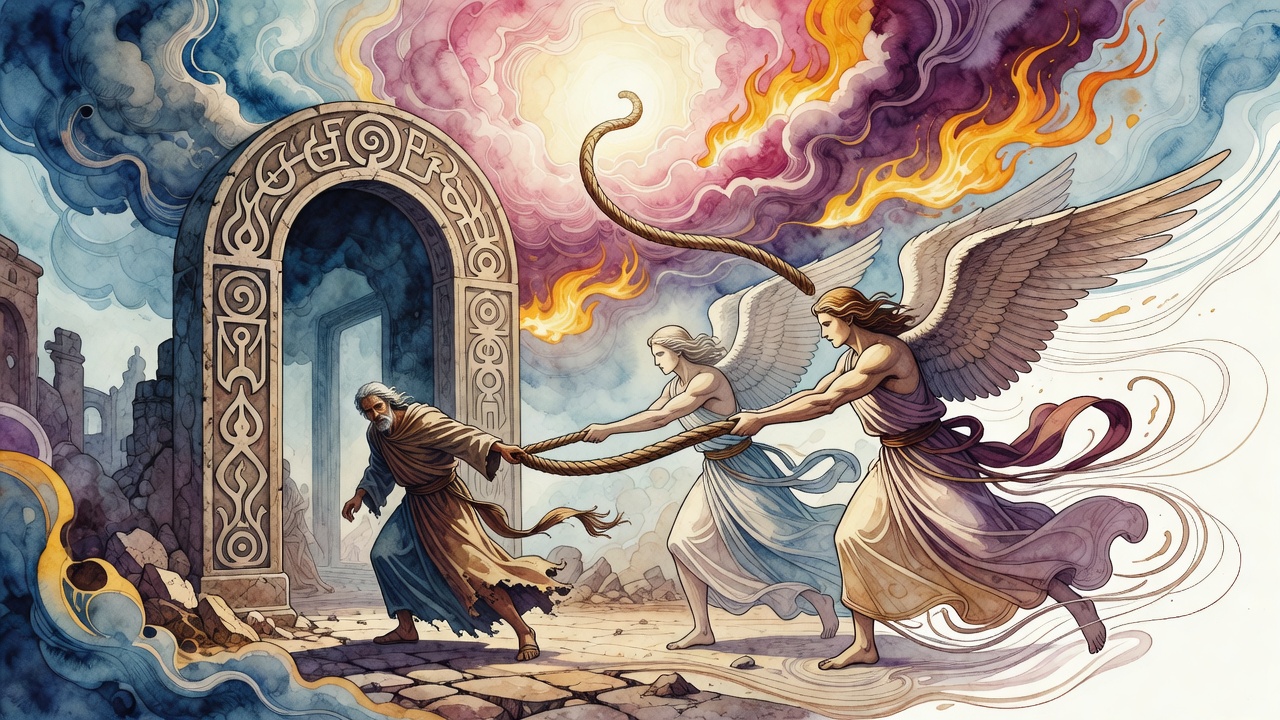
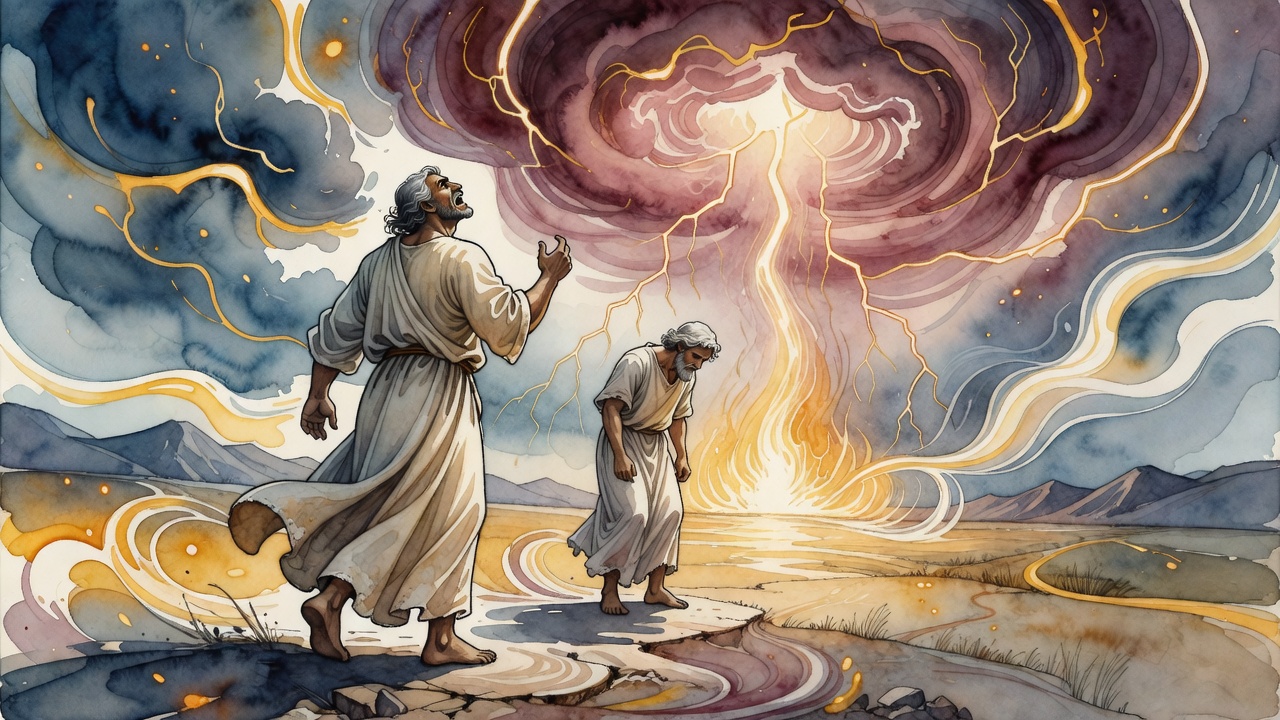
The chest stood open on the table. An angel took him by the wrist anyway, and the rain behind them was already burning as it fell.
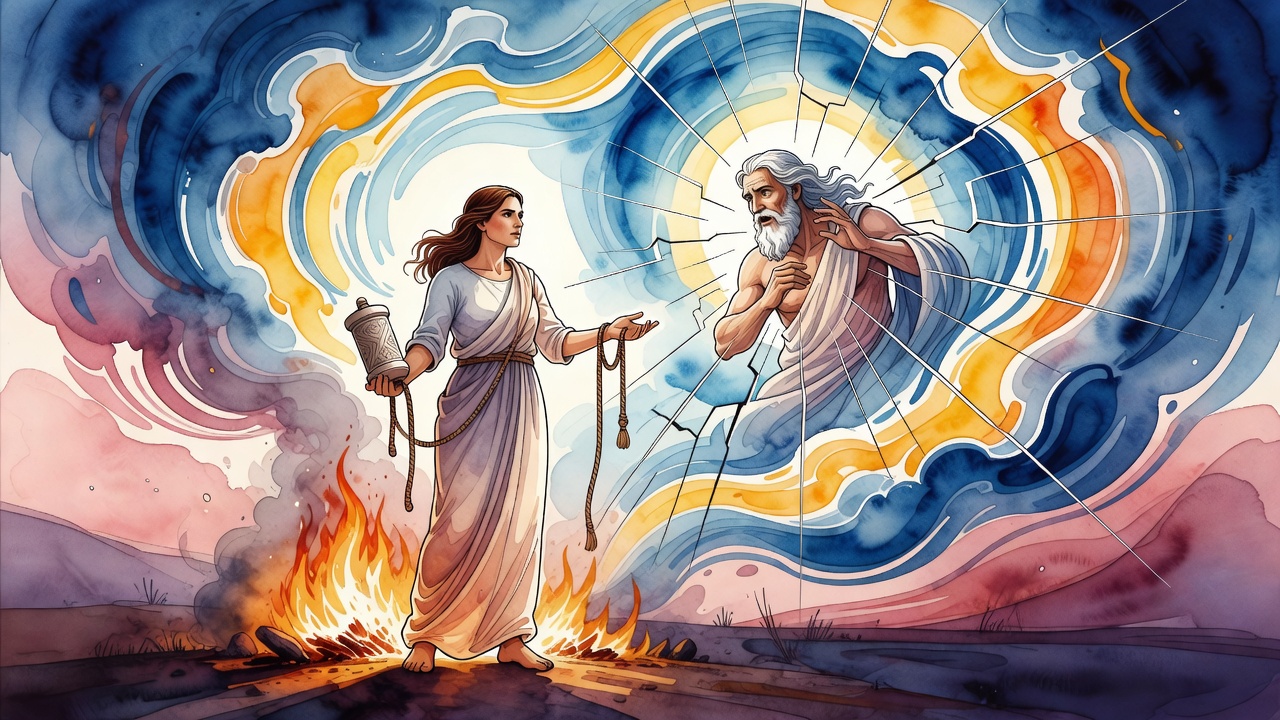
Tamar stood by the stacked wood with Judah's seal in her sleeve. She sent it privately. She did not shout his name into the fire.
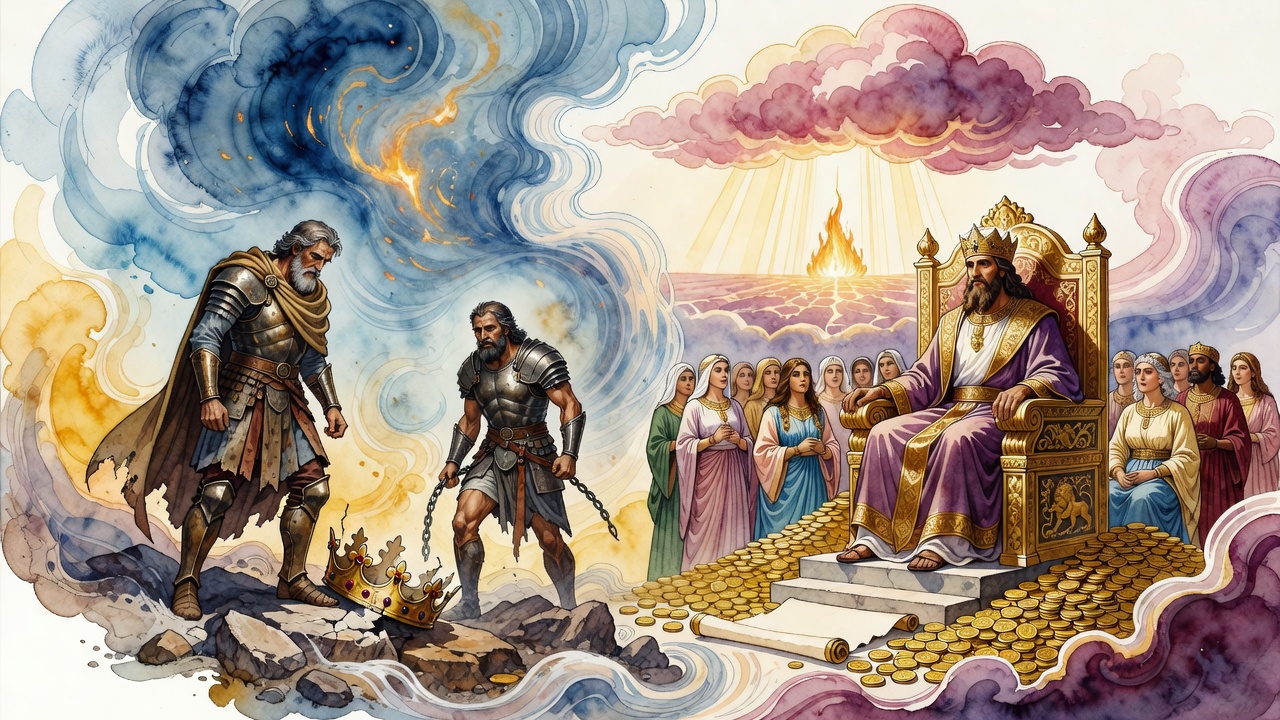
Agag was still breathing when the voice came down. Do not be more righteous than your Creator. Years later the same mouth ordered priests killed.
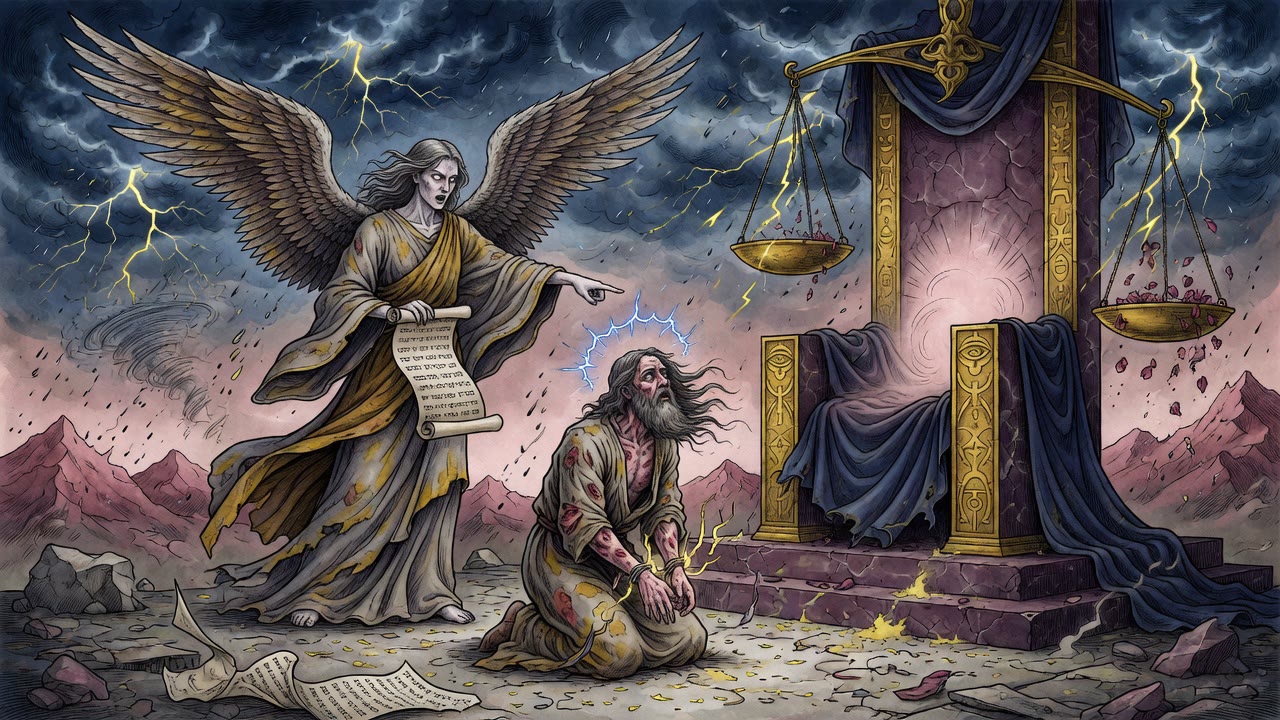
Jacob would not release the stranger until the sky paled. Job, married into that house, demanded a hearing. Solomon set both faces on a lamp of gold.
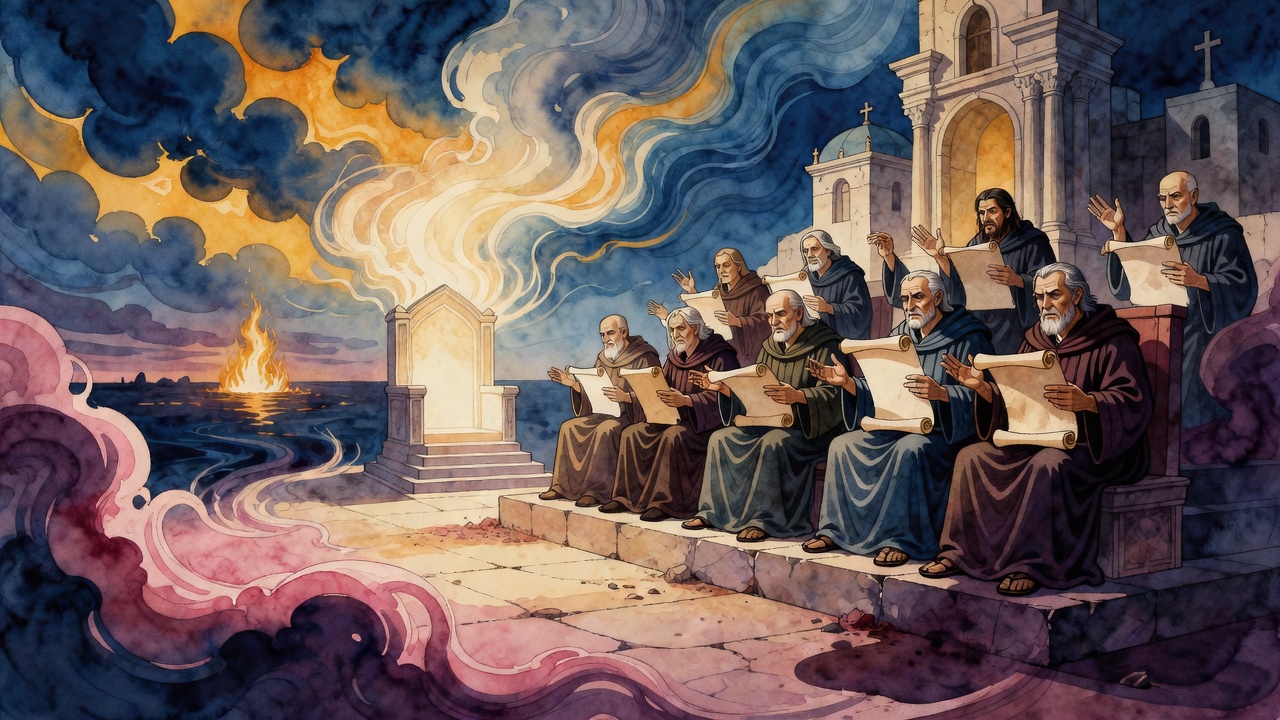
The four judges of Sodom were named Liar, Habitual Liar, Fabricator, and Perverter of Justice. Feeding a stranger got your clothes taken.
Ham came out of the tent and told his brothers what he had seen. They took a garment and walked in without looking. The curse missed him.
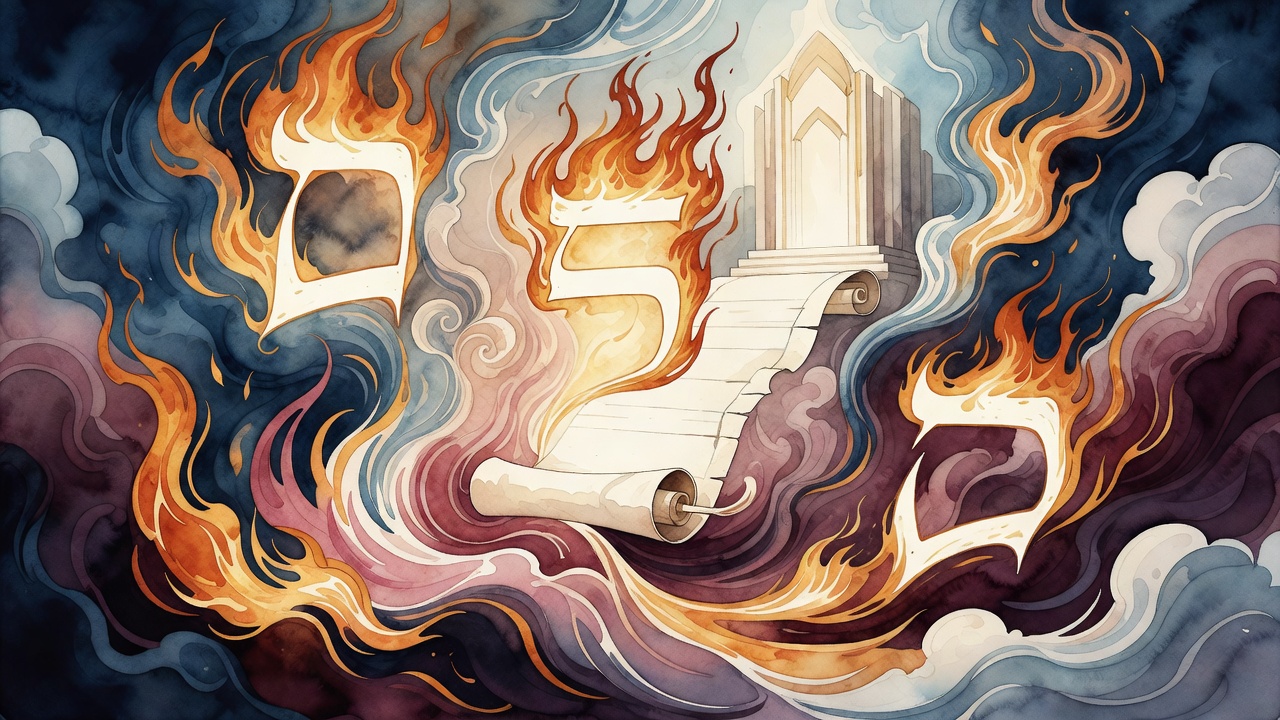
The nations were offered the law first and turned it down. God stood up and shook the earth, and the world came within one answer of ending.
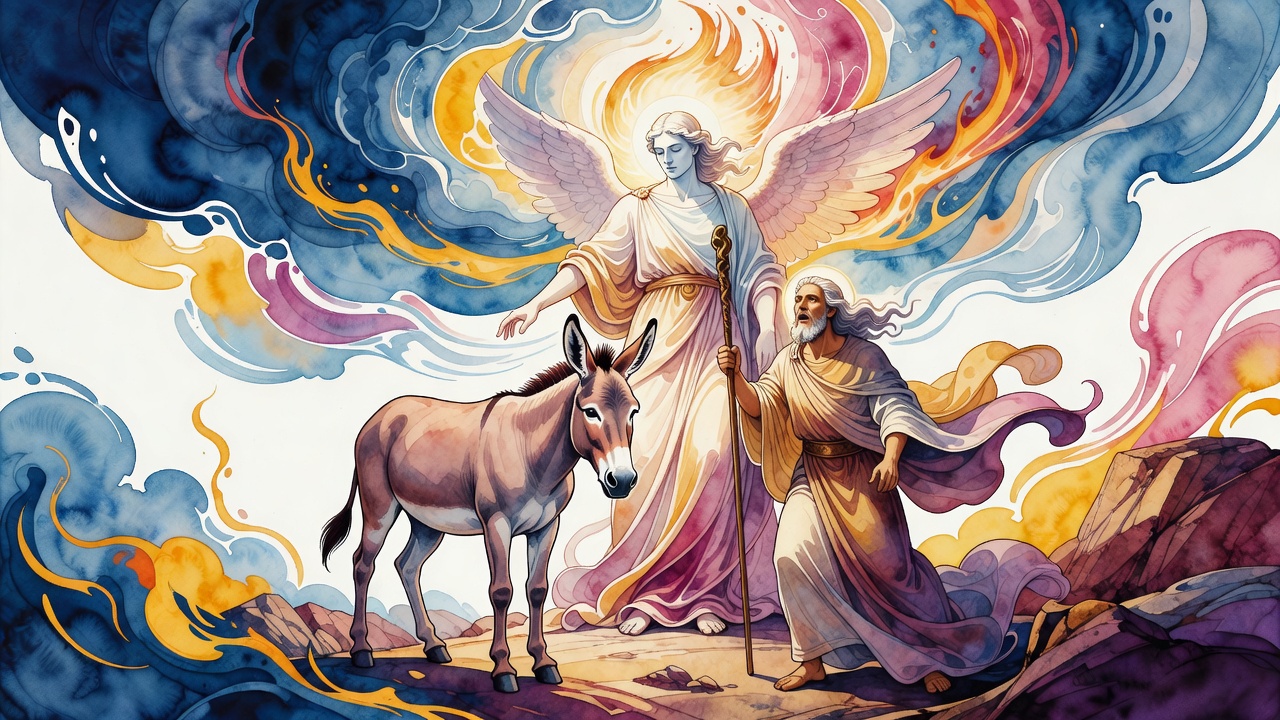
After Balaam's eyes were opened, the angel asked about the donkey first, not the curse. The answer reveals what God will do for an entire people.
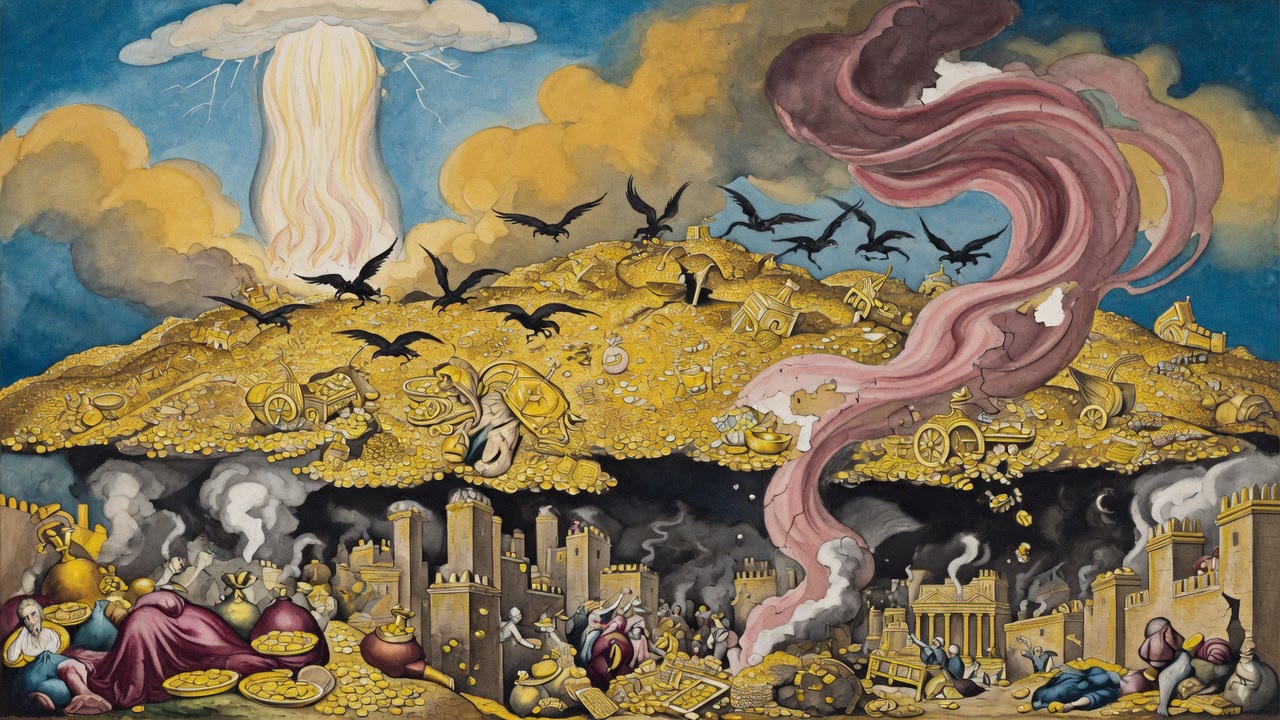
A girl carried bread outside the wall. They smeared her with honey and left her for the bees. Abraham still asked for ten names.
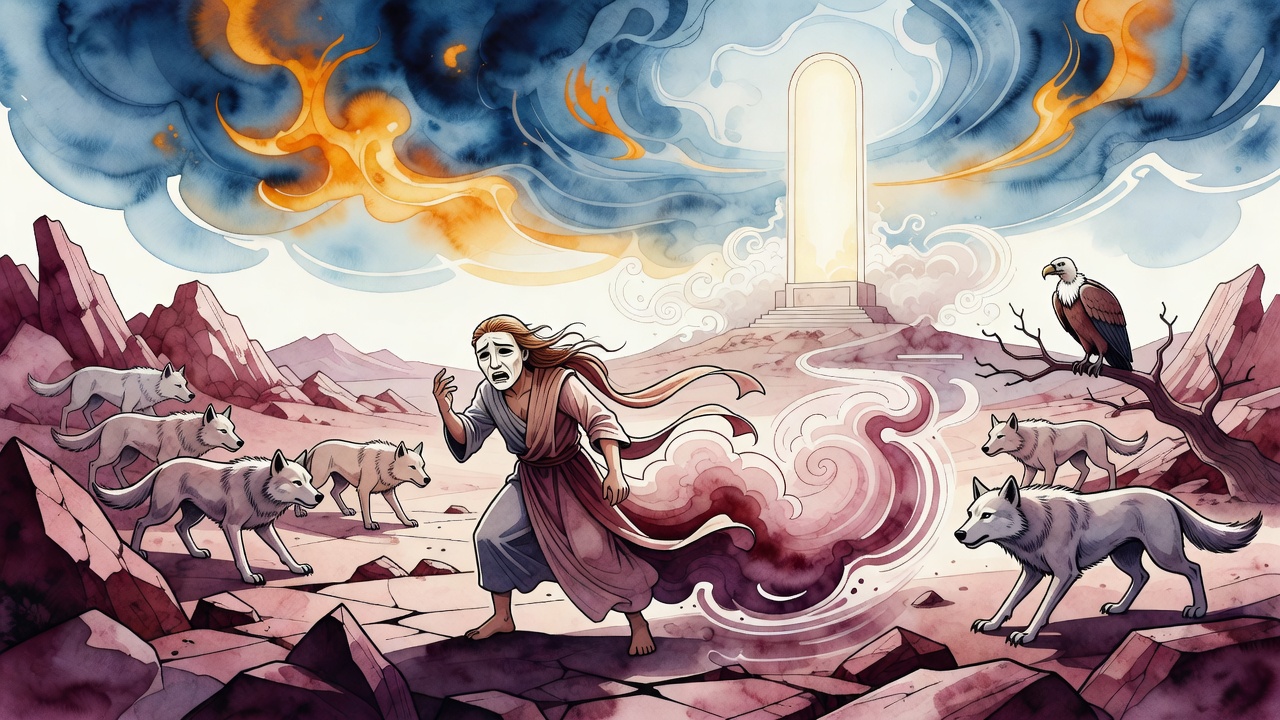
After the murder, Cain faced something harder than punishment. The world itself felt hostile, and the animals waited, and his own guilt pursued him.
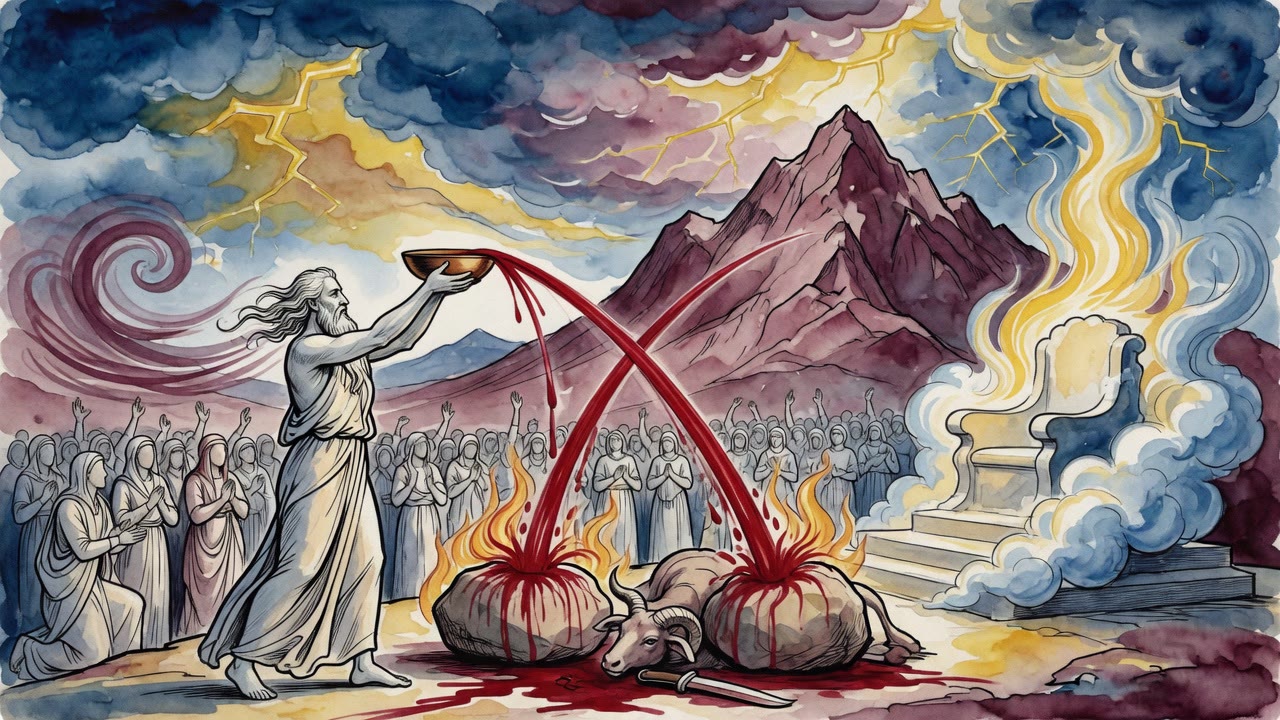
Moses divided the blood of sacrifices at Sinai in a ceremony that bound both Israel and God. The rabbis read it as a two-way oath sworn at sword-point.
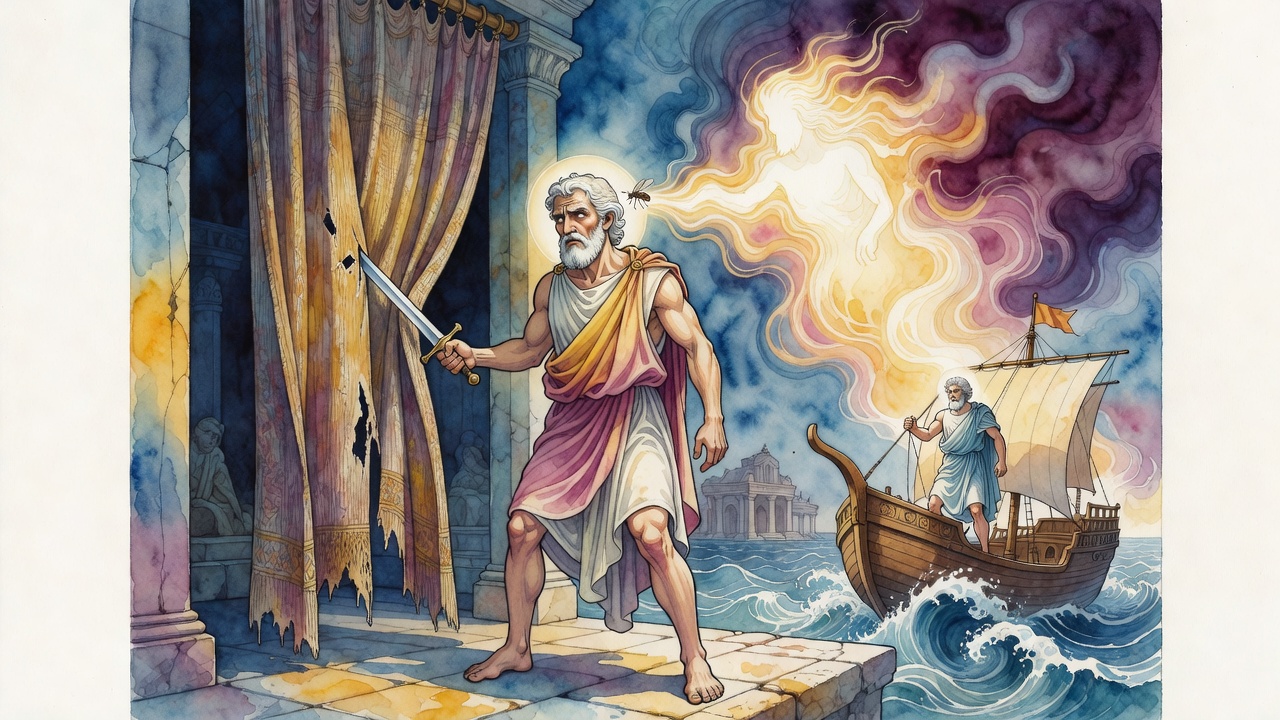
Titus defiled the Holy of Holies, stabbed the curtain, and sailed home victorious, but God sent a gnat into his nose that gnawed at his brain for thirty years.
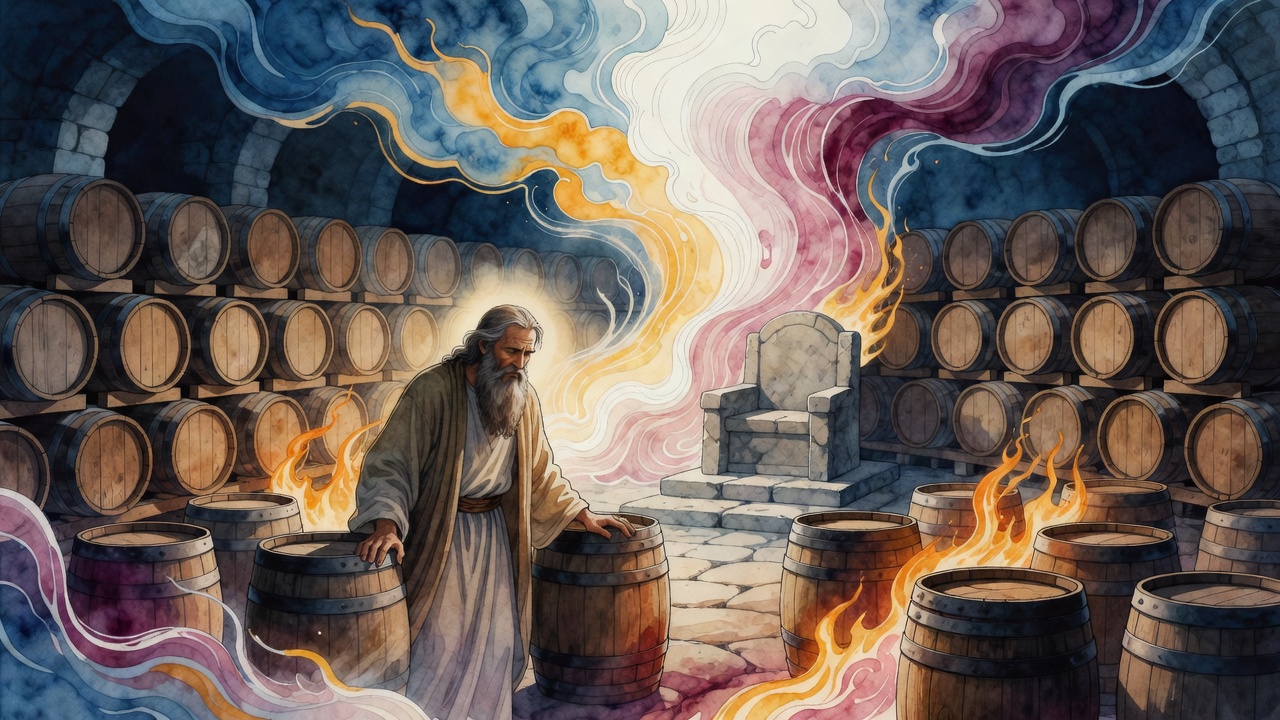
Four hundred casks of Rav Huna's wine soured without explanation, and the sages told him to look inside himself before looking inside the cellar.
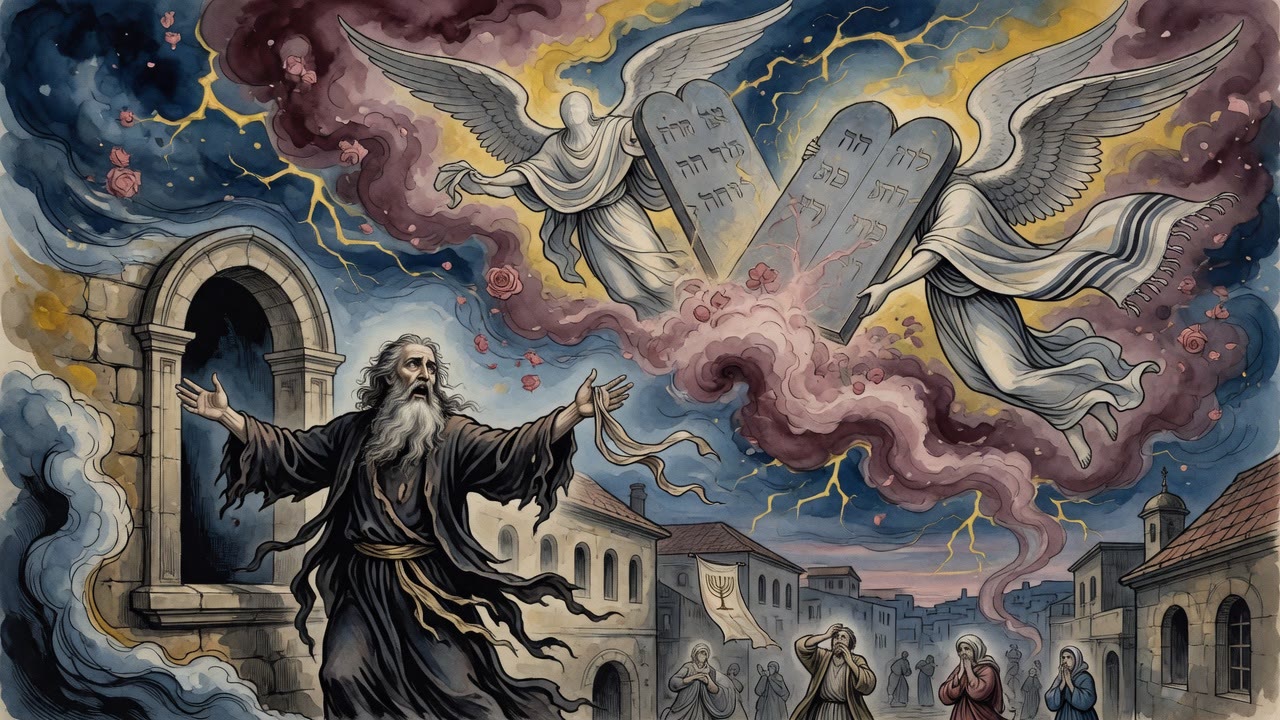
Abaye laid down a zuz. Rava stood empty-handed. Bar Hedya read the same night-images two ways, and both of those readings came true.
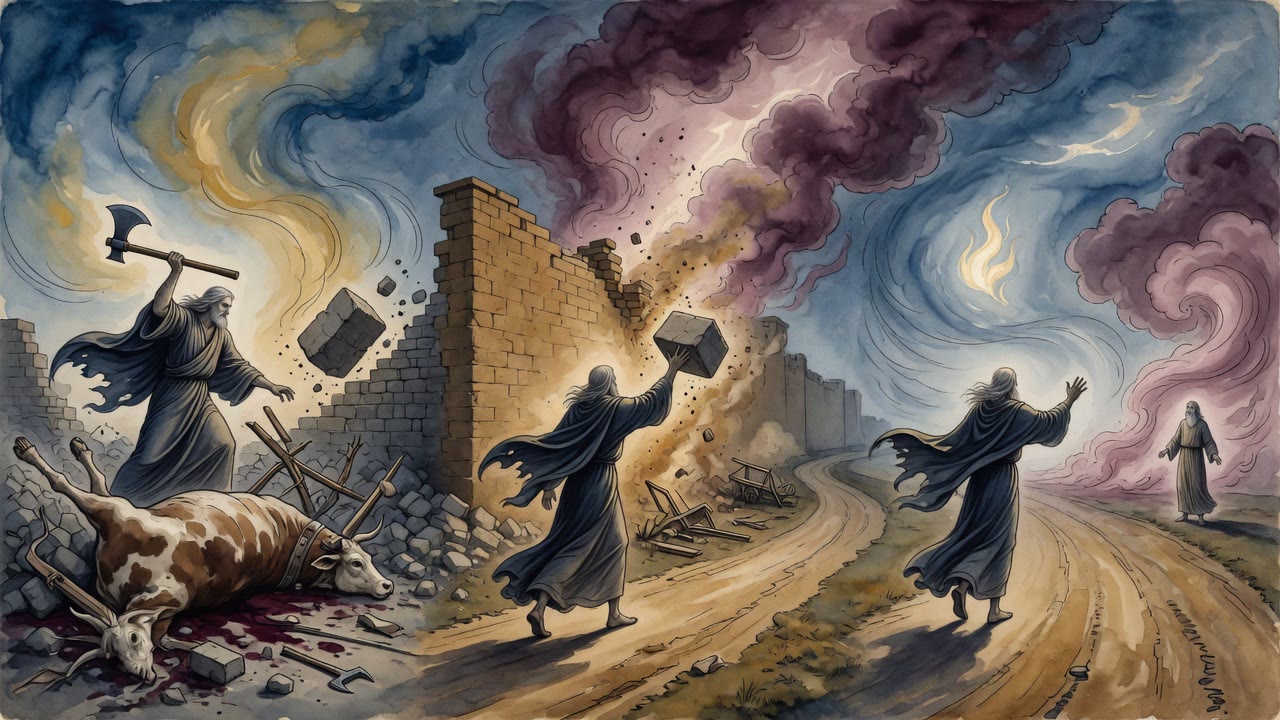
Rabbi Joshua ben Levi could travel with Elijah on one condition: never ask why. Their third host gave them his best food. In the morning his only son was dead.
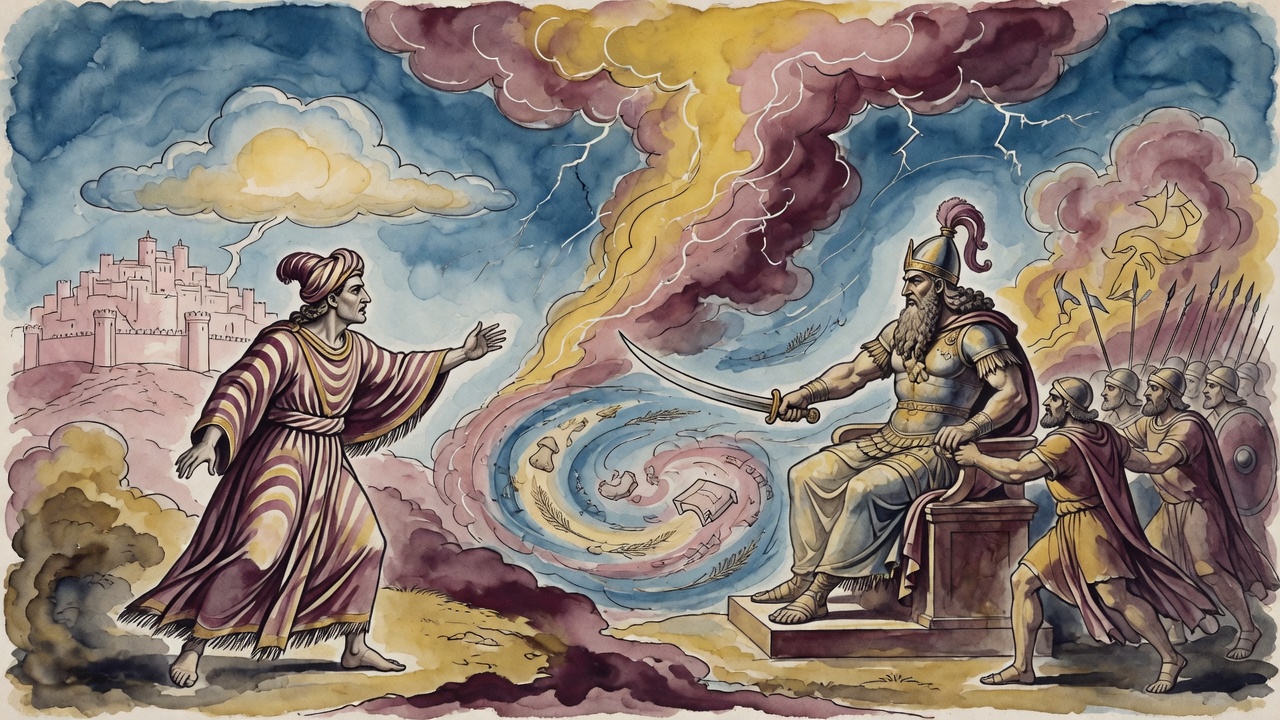
Achior told the general the truth in front of the whole staff. Holofernes had him tied to a tree below the city he had just tried to save.
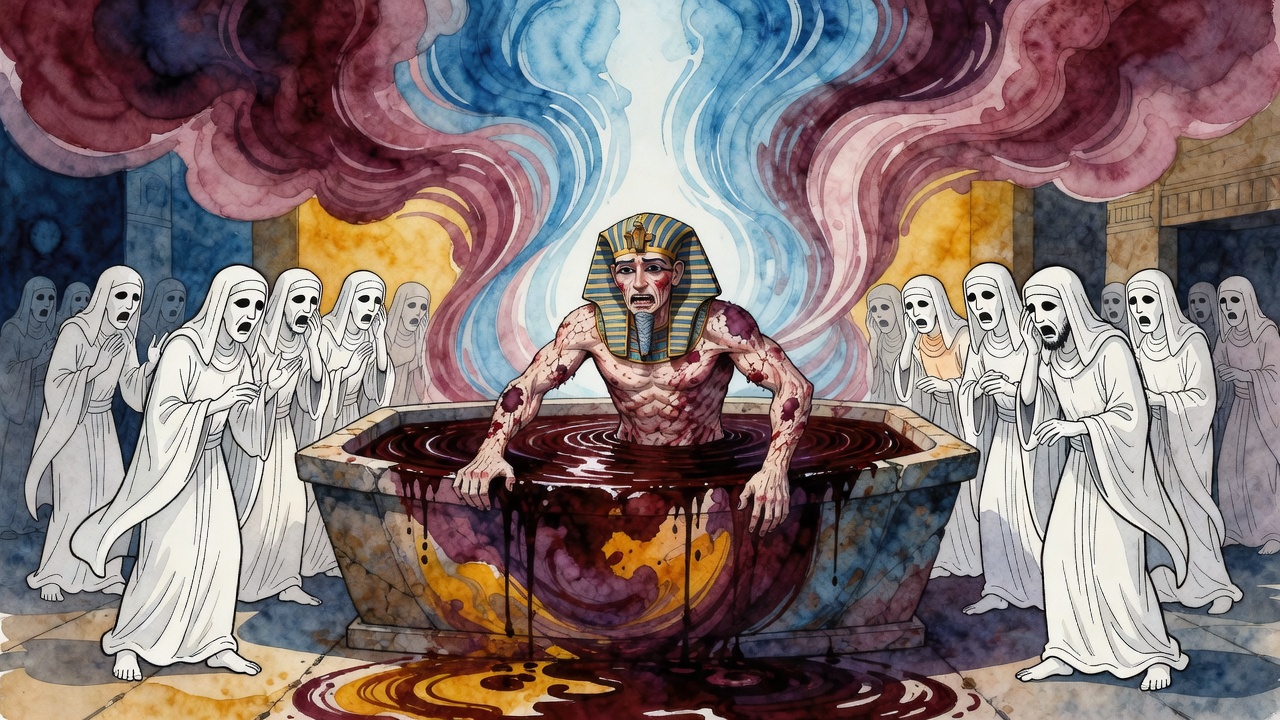
Pharaoh broke out in sores, and his doctors told him to bathe in the blood of Hebrew children. He signed the order for three hundred a day.
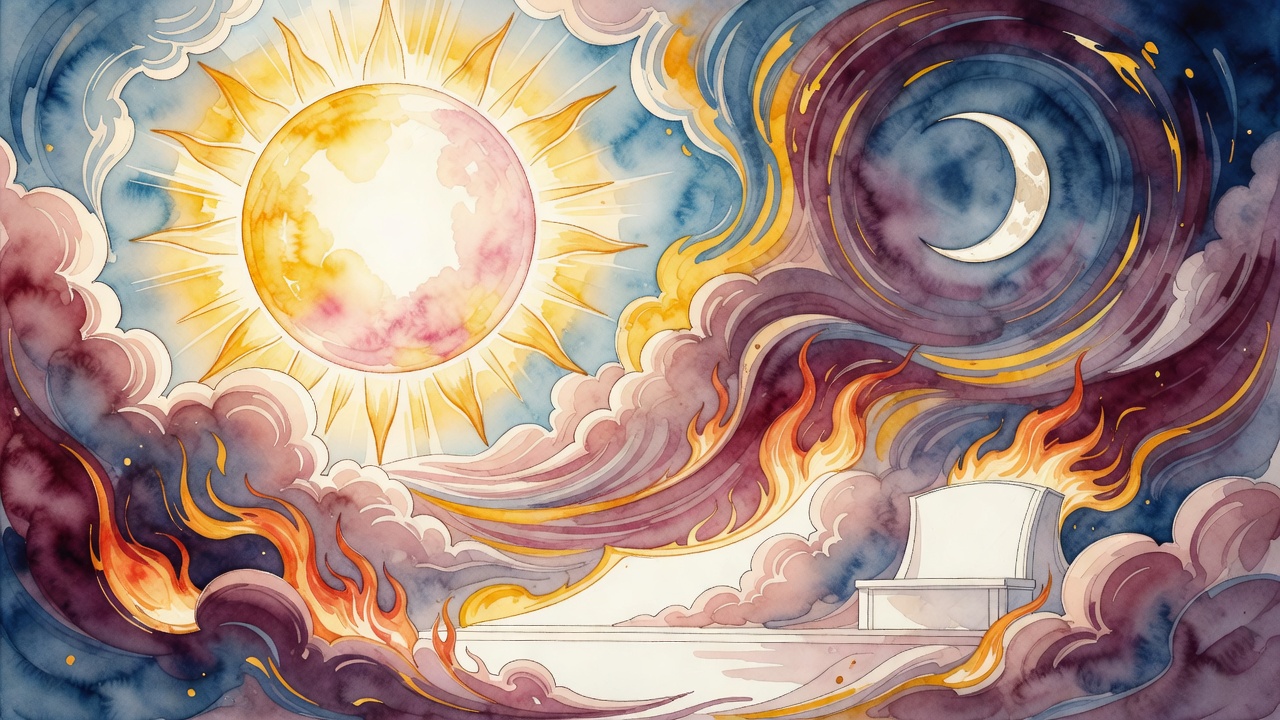
She went up to complain about sharing the sky and came back down smaller. Every month since, Israel burns a goat for a sin God says is His.
