185 myths · Page 5 of 7
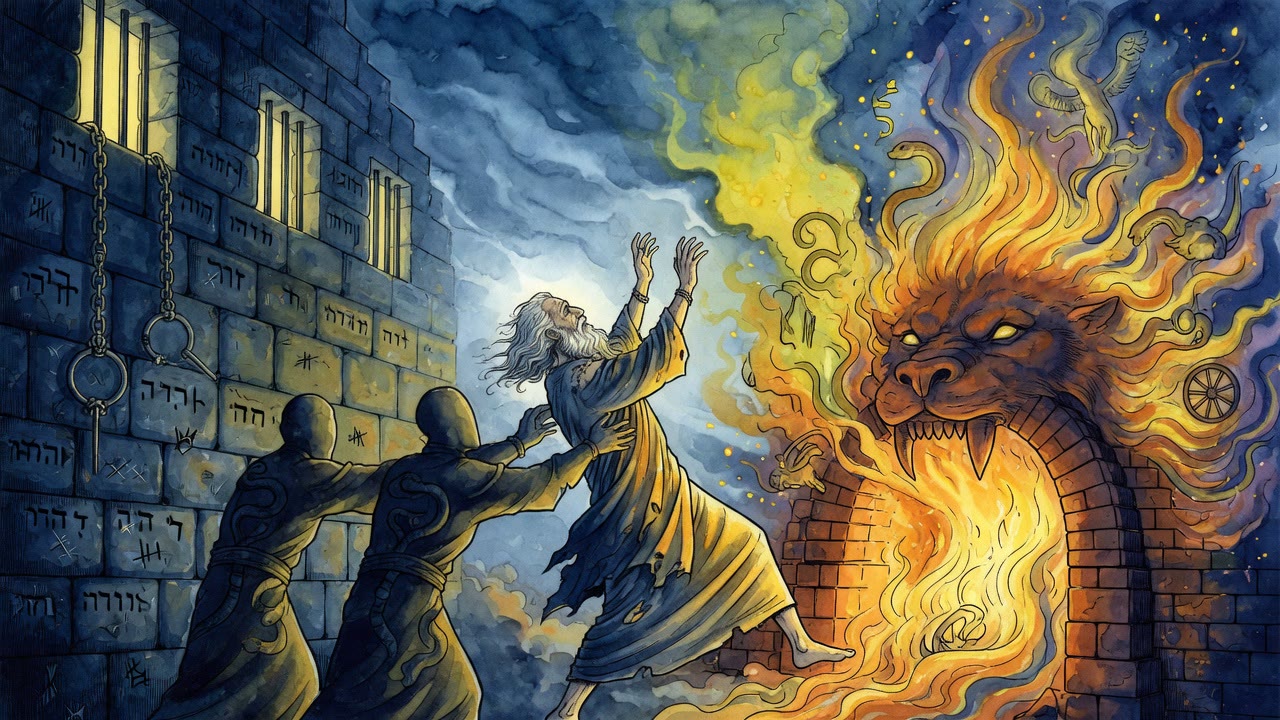
They took his thumbs and his big toes. He did not curse Judah. He said God had paid him in the same coin he had used on seventy kings.
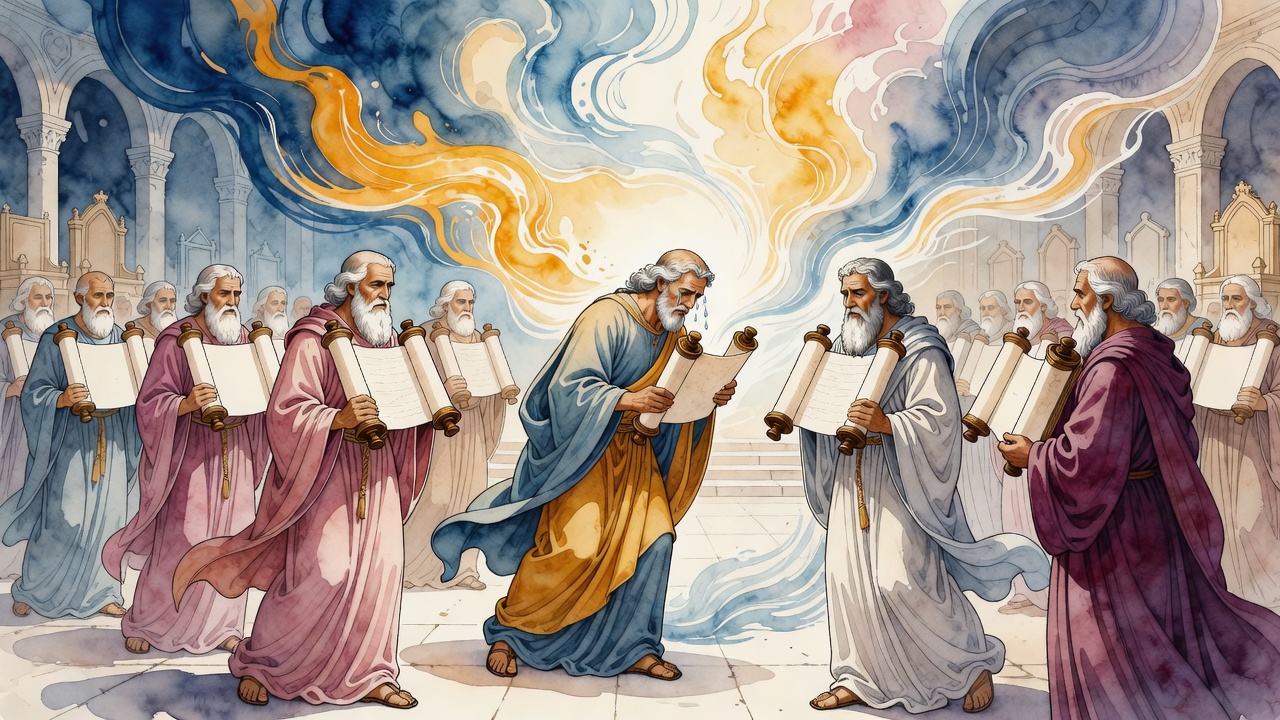
Seventy-two elders carried the Torah from Jerusalem into the Greek king's hall. He asked why no king before him had ever been given this book.
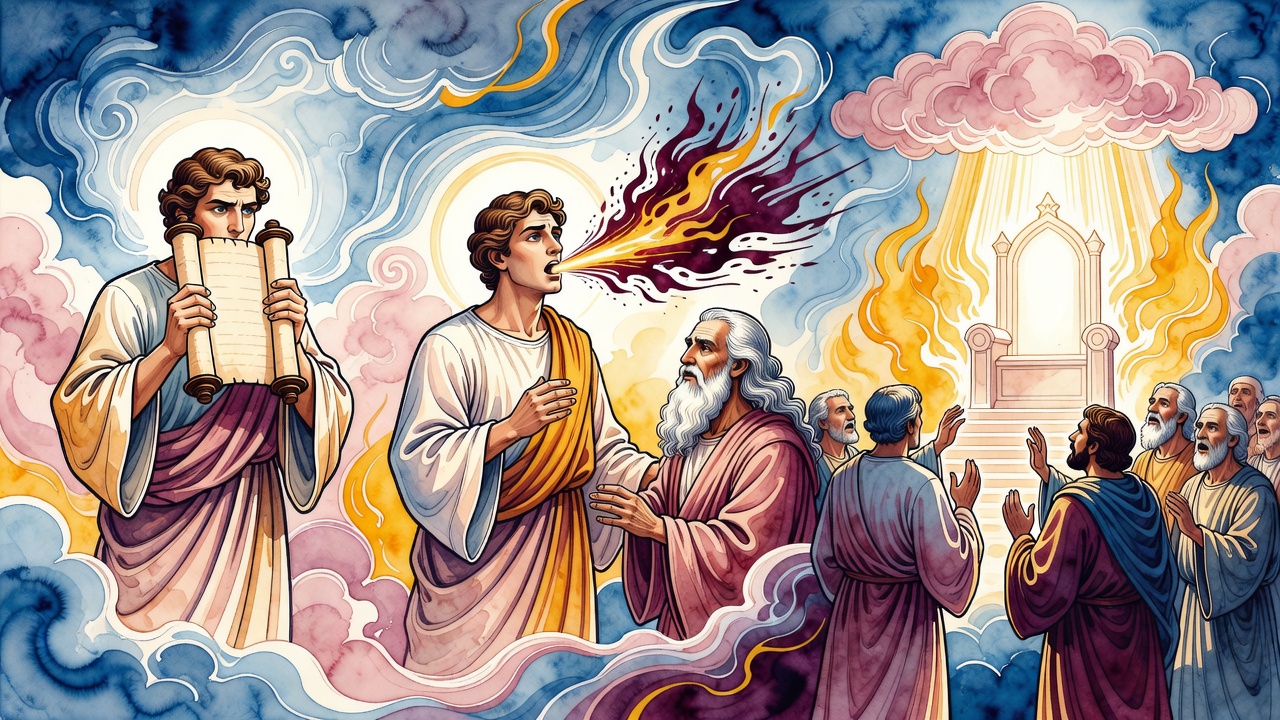
Saul confessed in the same words David used. Then he asked to be honored before the elders, and tore Samuel's robe grabbing after him.
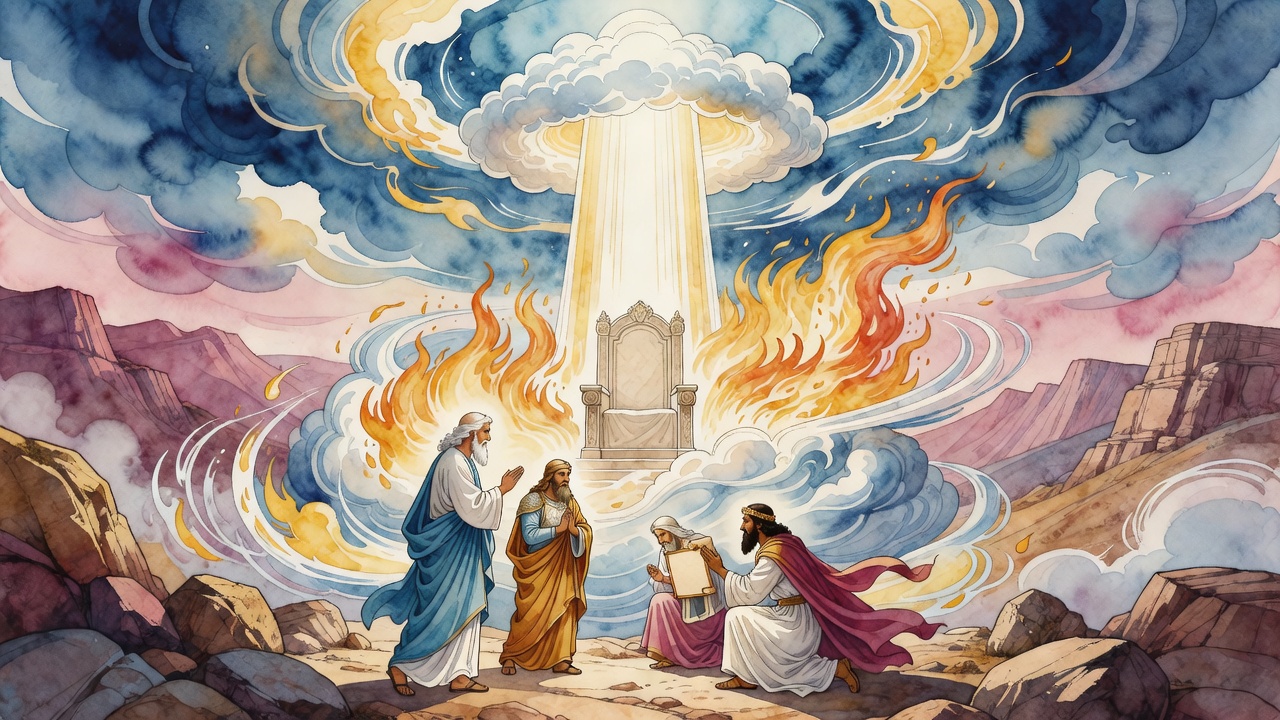
Shemot Rabbah places Moses, David, and Solomon before a God who lifts and lowers like a wheel, then demands that Torah and mercy govern the throne.
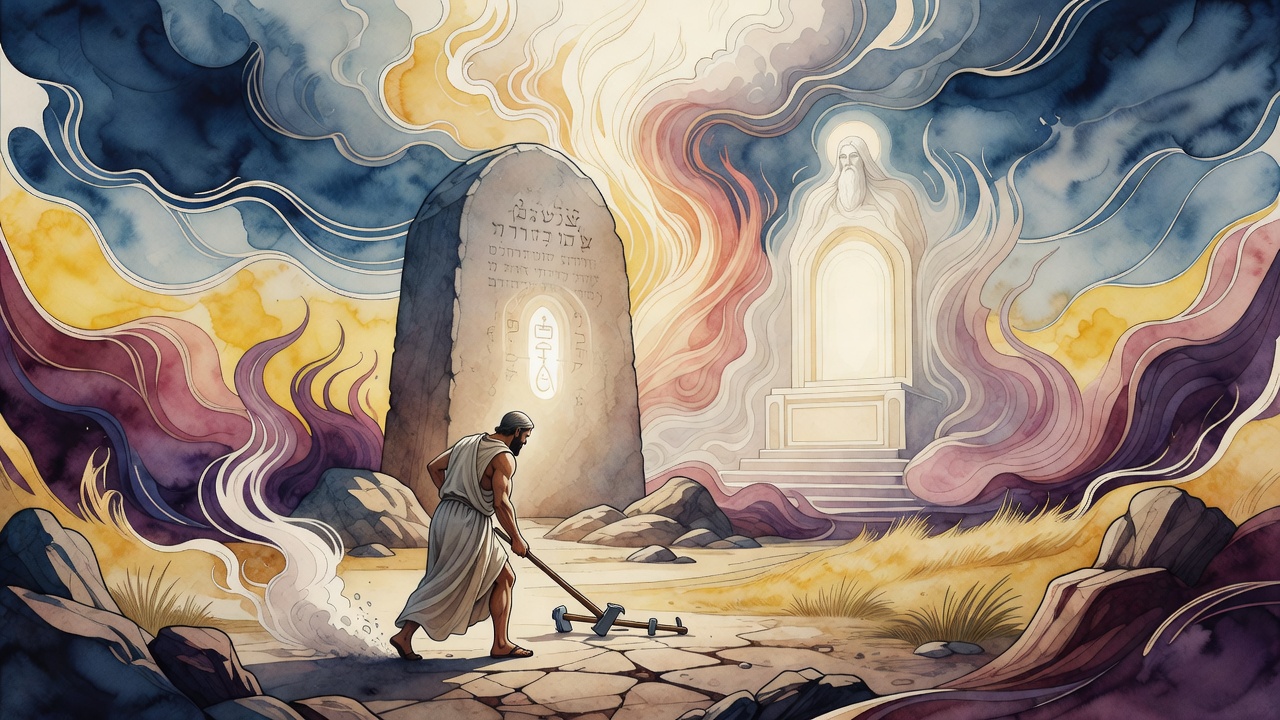
Rest on the seventh day is a sign between God and Israel. A man who picks up a tool in the street tears the sign, so the Torah puts him to death.
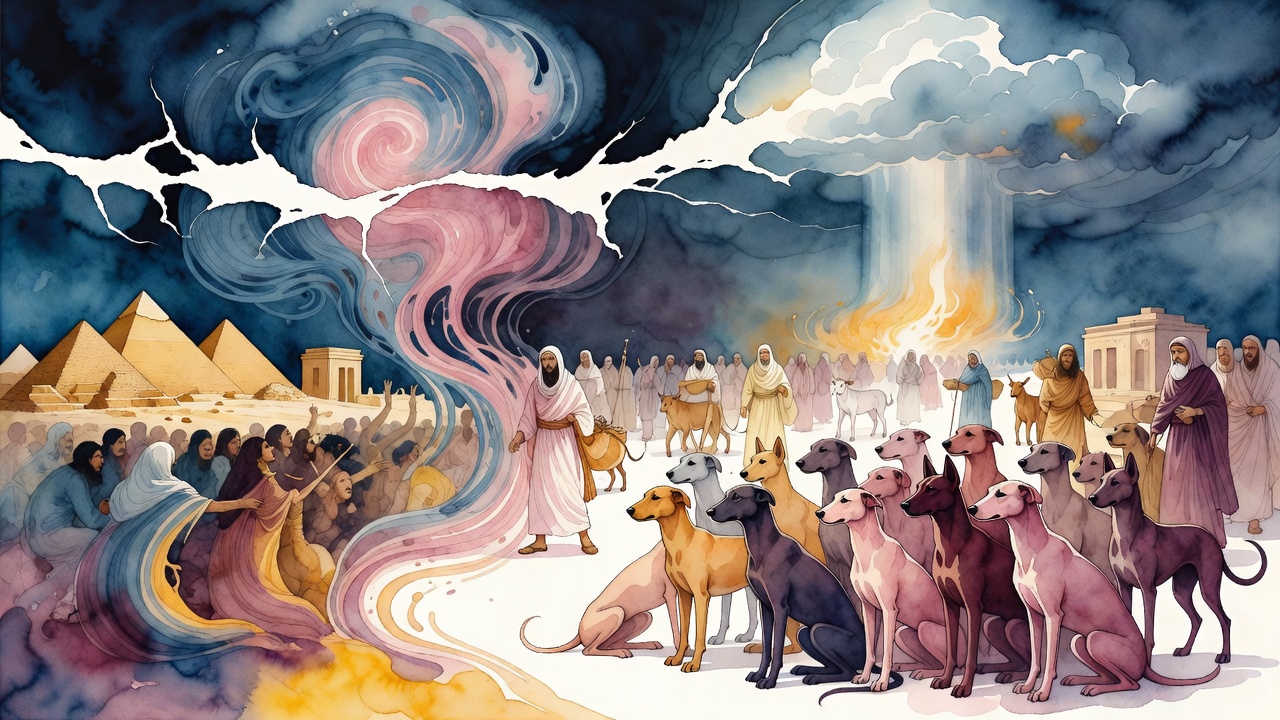
Moses walked out of the throne room burning. He had just told Pharaoh that the king's own servants would come and beg him to leave.
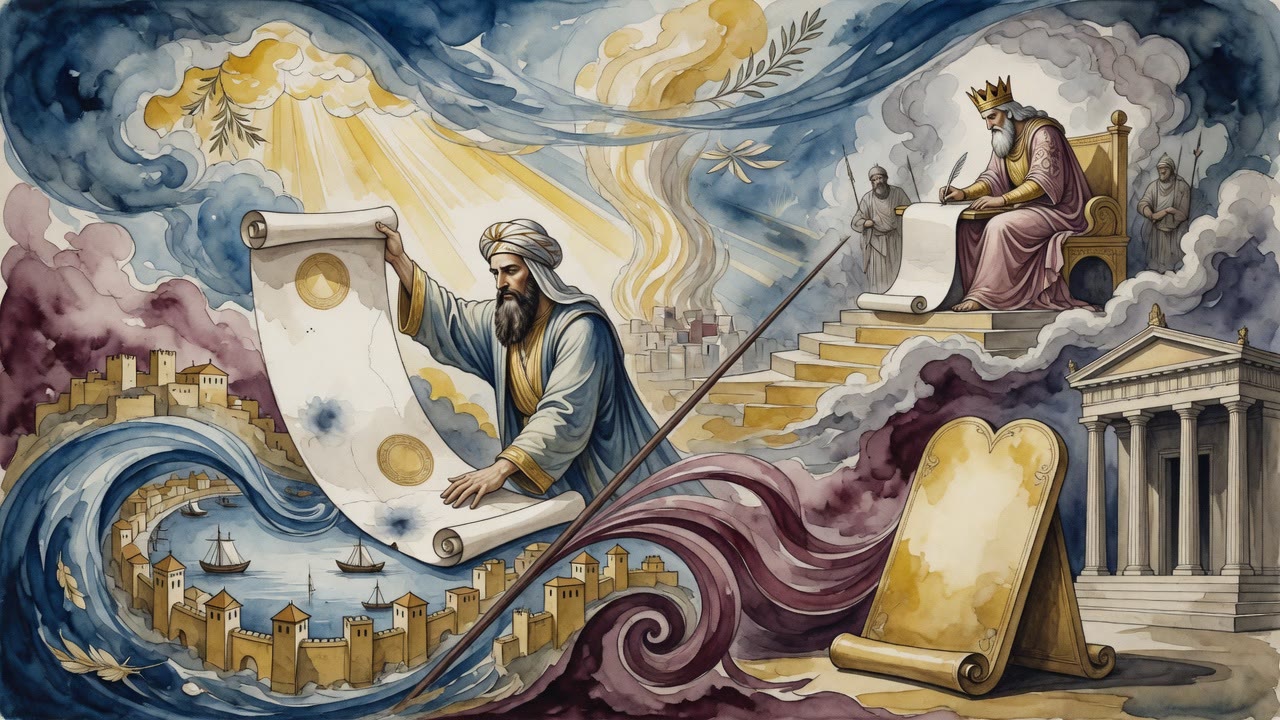
A Seleucid king signed the tribute away in purple. Simon still had to take Joppa and Gazera before that paper meant a thing on the ground.
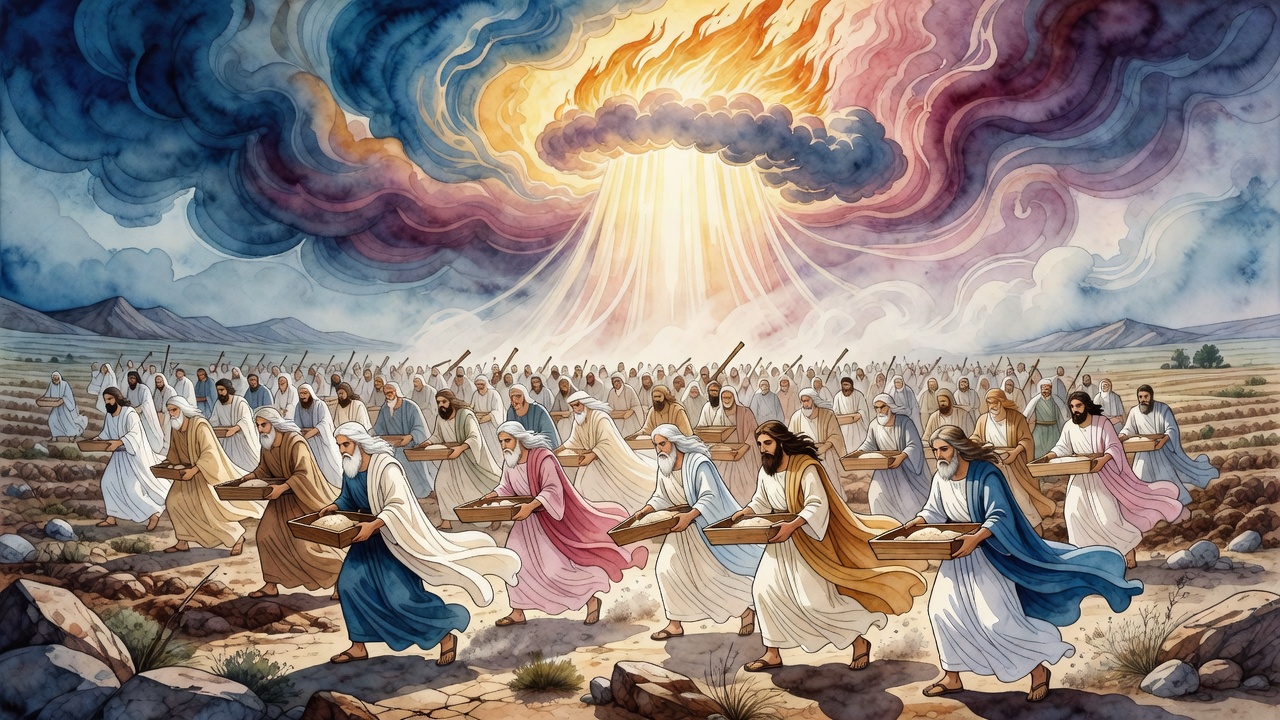
Israel leaves Egypt with kneading troughs but no food planned, and God remembers that trust as the love of a bride following into untilled land.
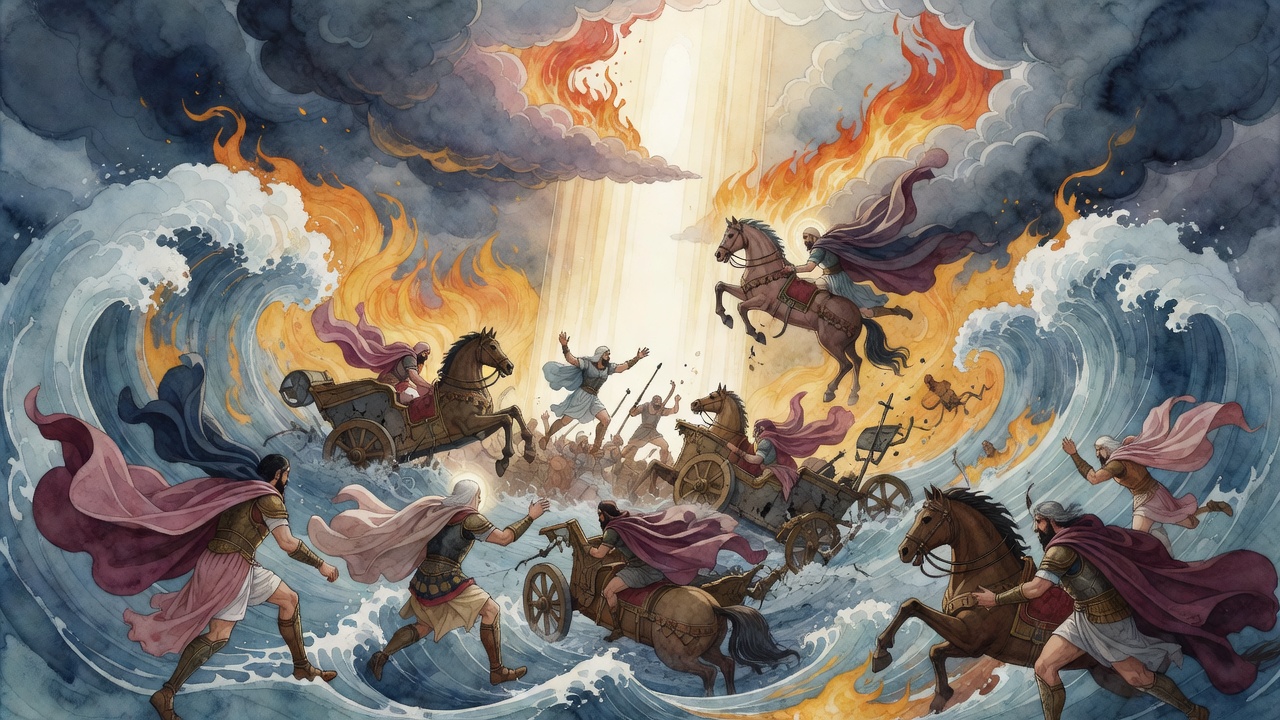
Two words in the Song at the Sea fight each other. One says God hurled the chariots down. The other says He lifted them. Both are right, in that order.
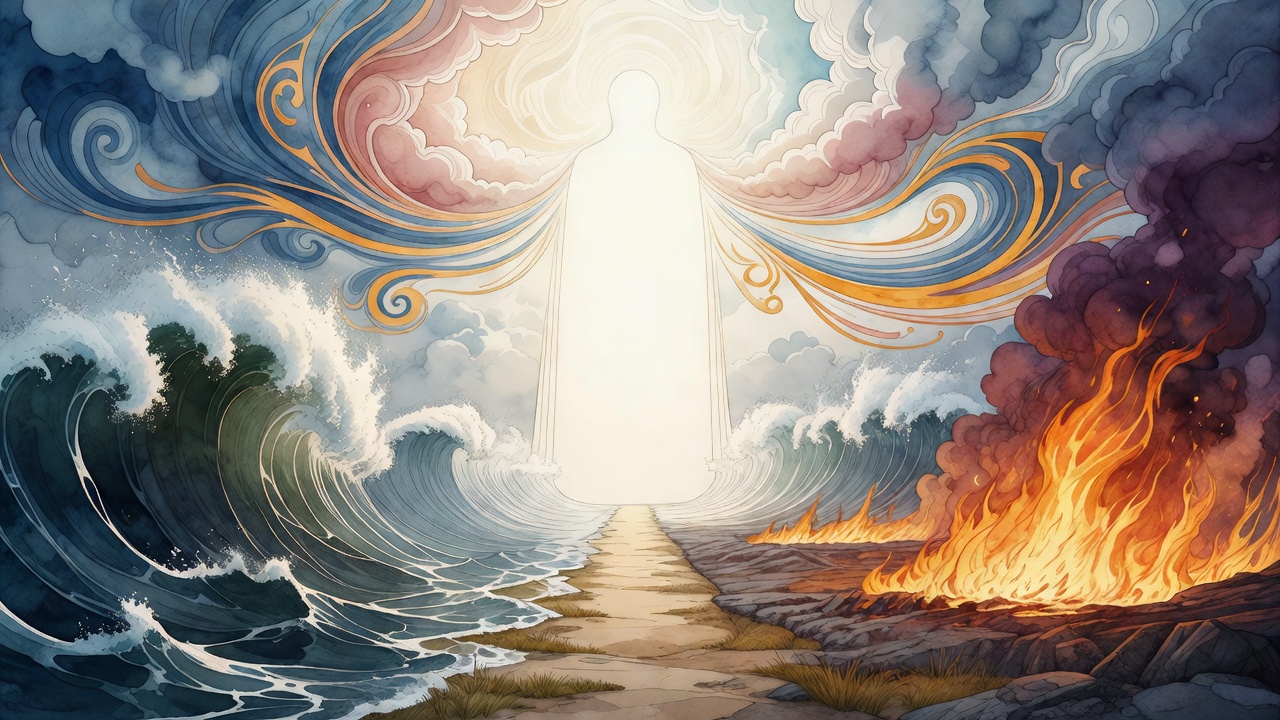
One wind blew all night at the sea. It dried a road for Israel and drowned Egypt in the same water. The rabbis called that one act, seen twice.
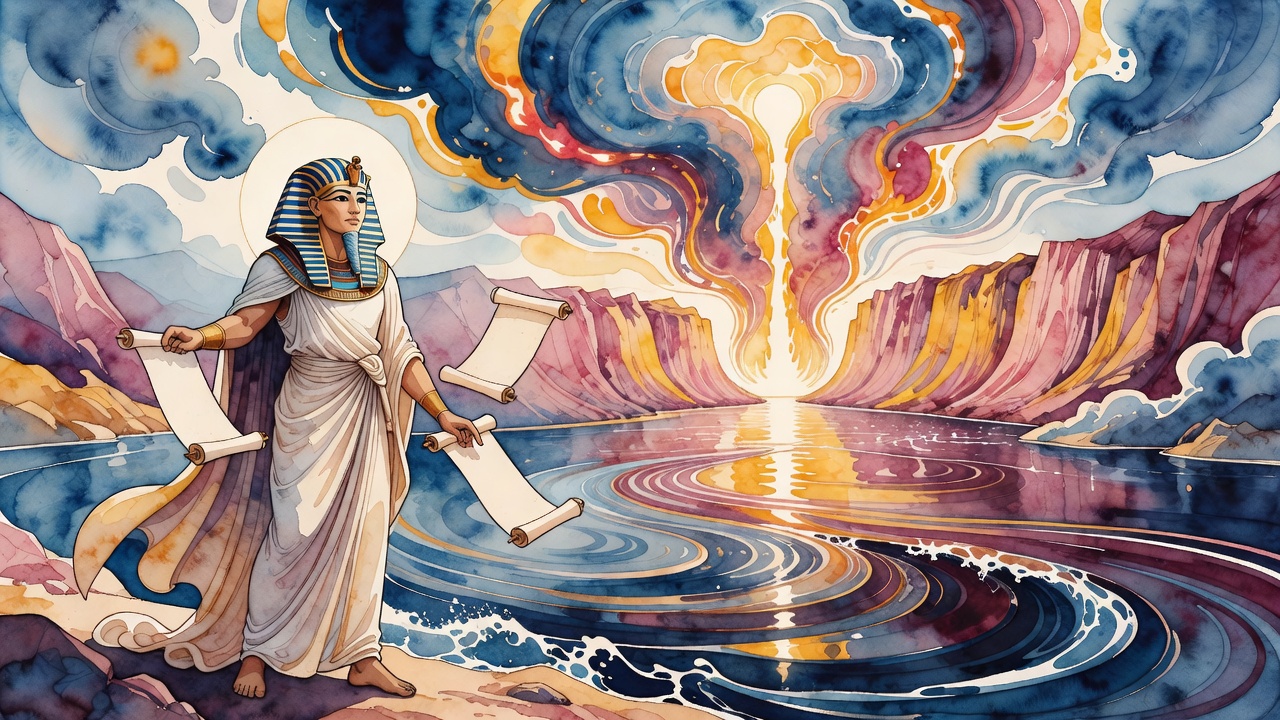
Pharaoh would not use the sword. God had already claimed that weapon. He sent the Hebrew boys into the Nile, sure the oath after Noah would keep heaven quiet.
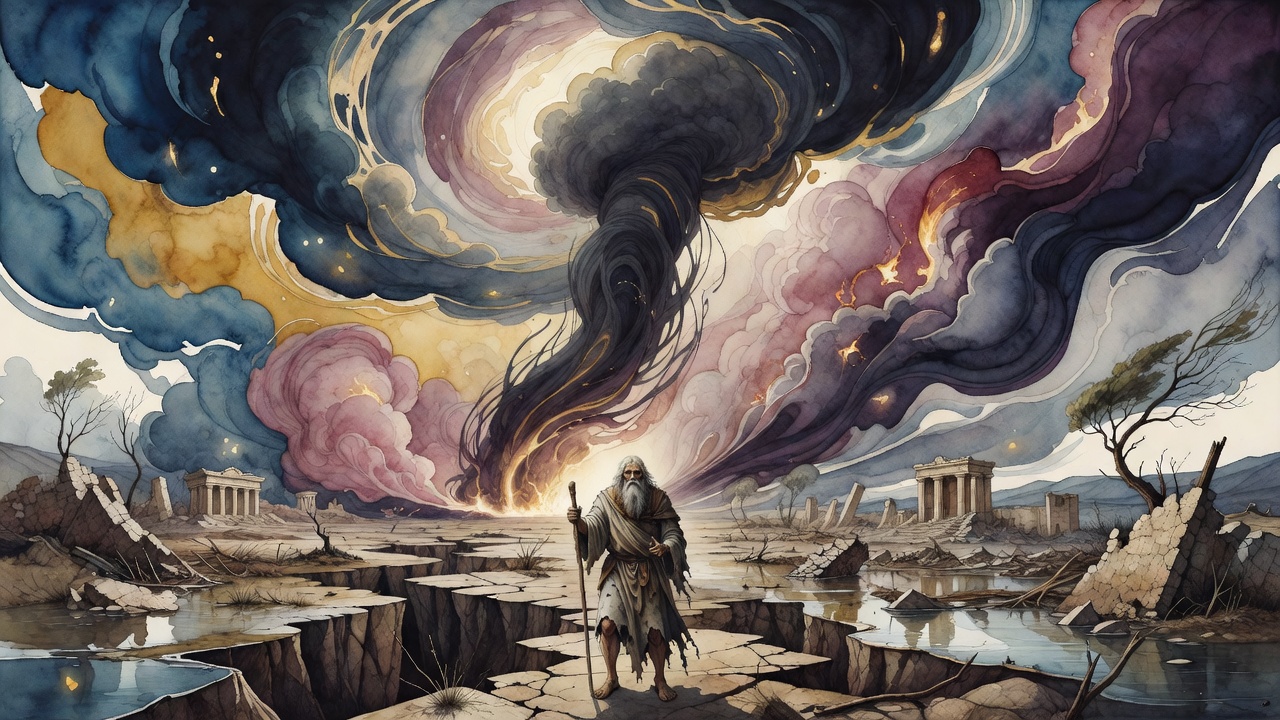
Noah stands at the edge of a ruined world while God names what broke it, injustice so thick it became the rod that struck creation down.
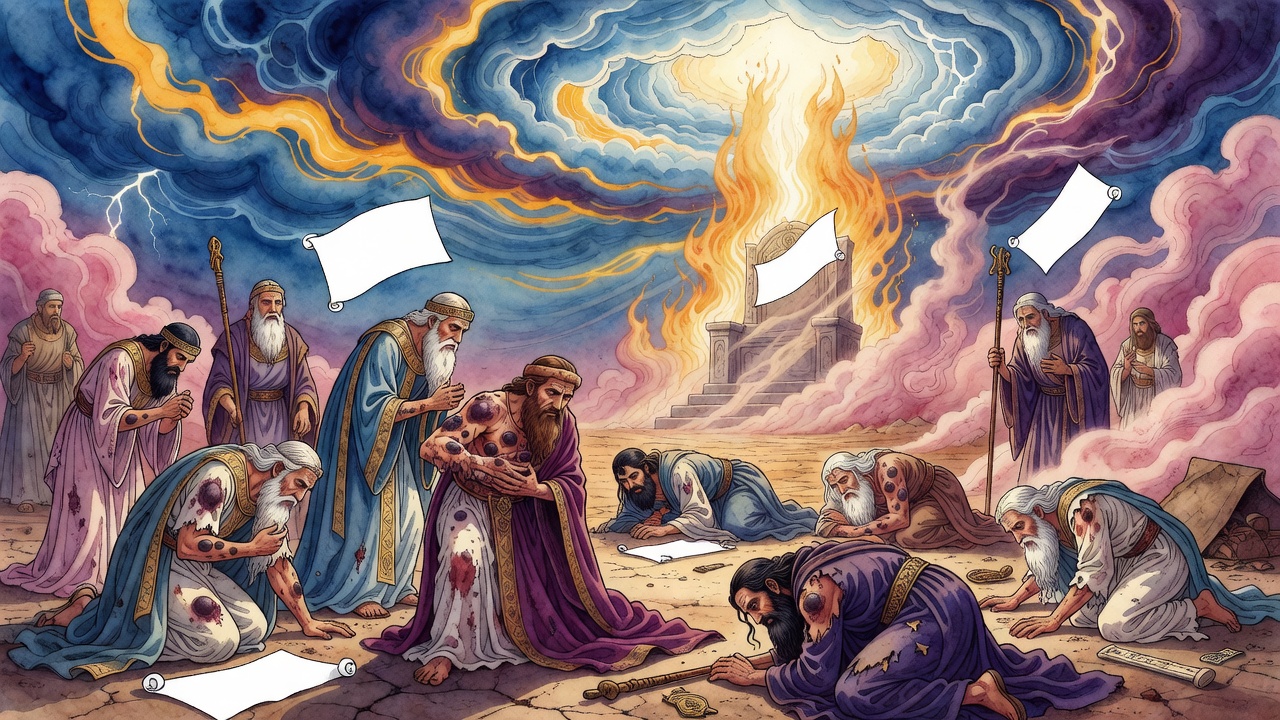
Balaam's sons copied the blood and the frogs. Dust would not become lice for them. When the boils came they could not even stand in the hall.
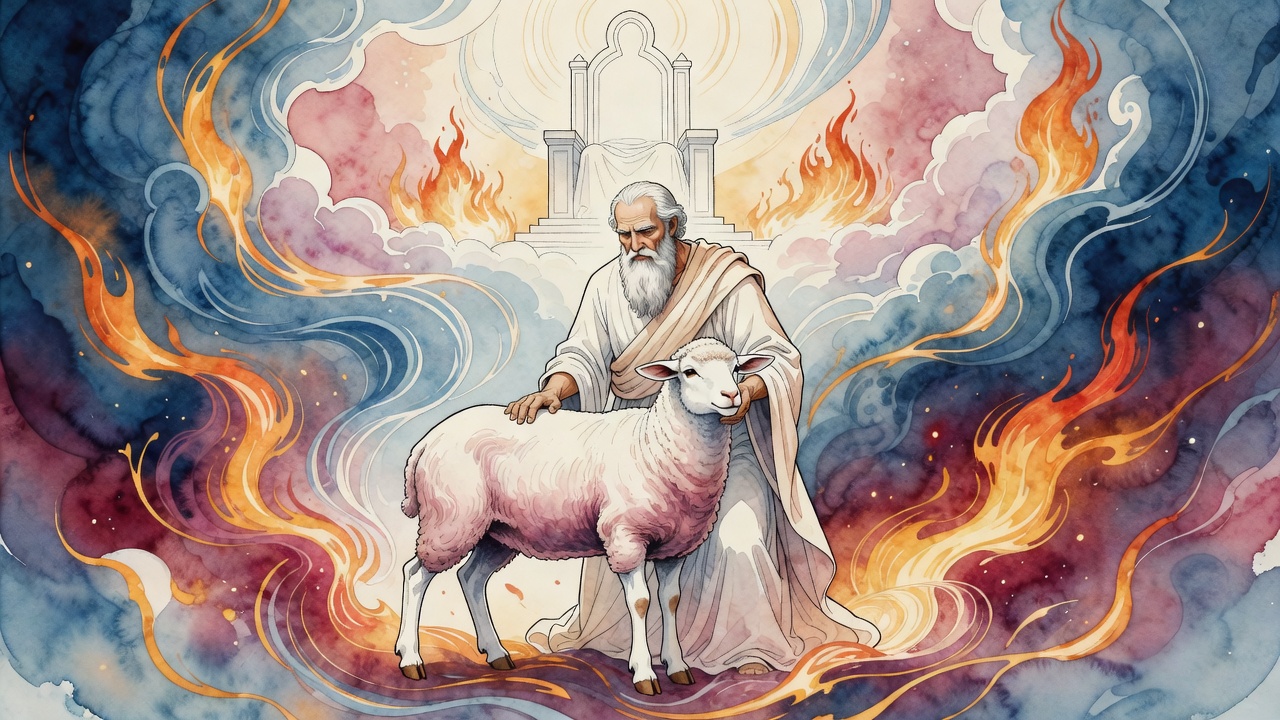
The sentence against the first man was handed down on a Friday. It was not carried out until Saturday night, and he spent the day in between shining.
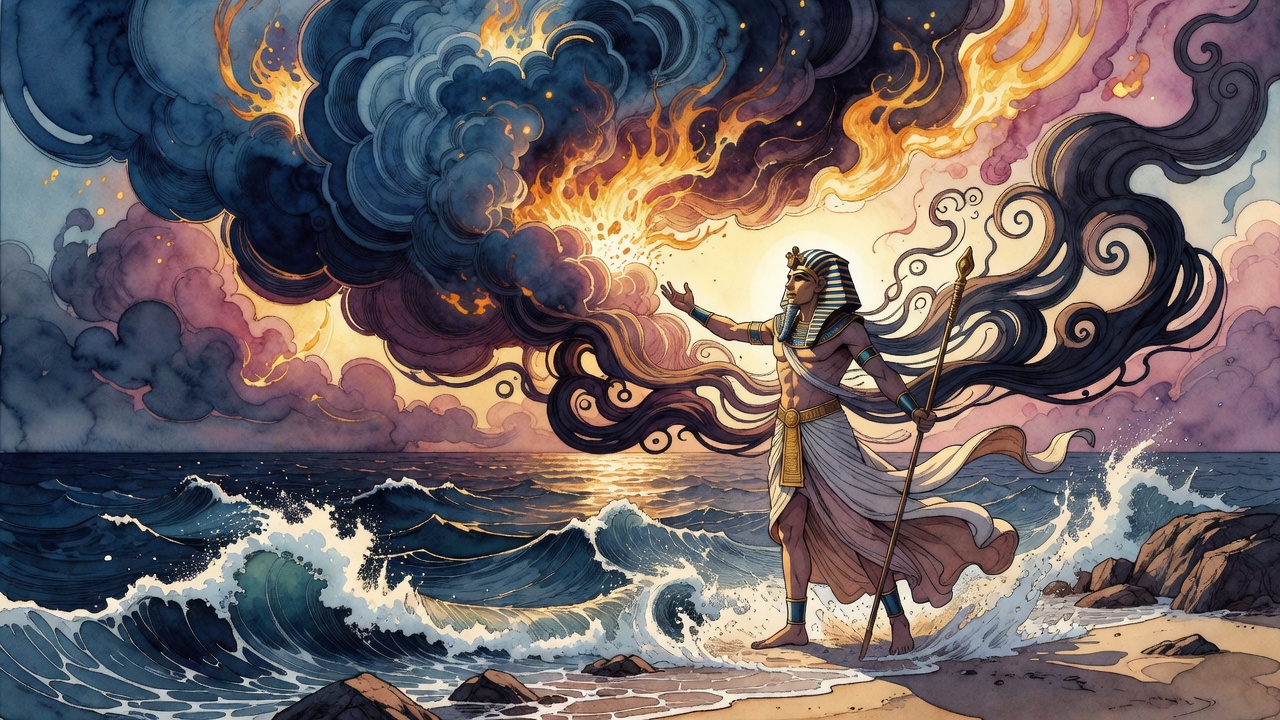
He told his own soldiers he had spent years holding them back out of royal manners. From tonight, he said, we all share alike in the spoil.
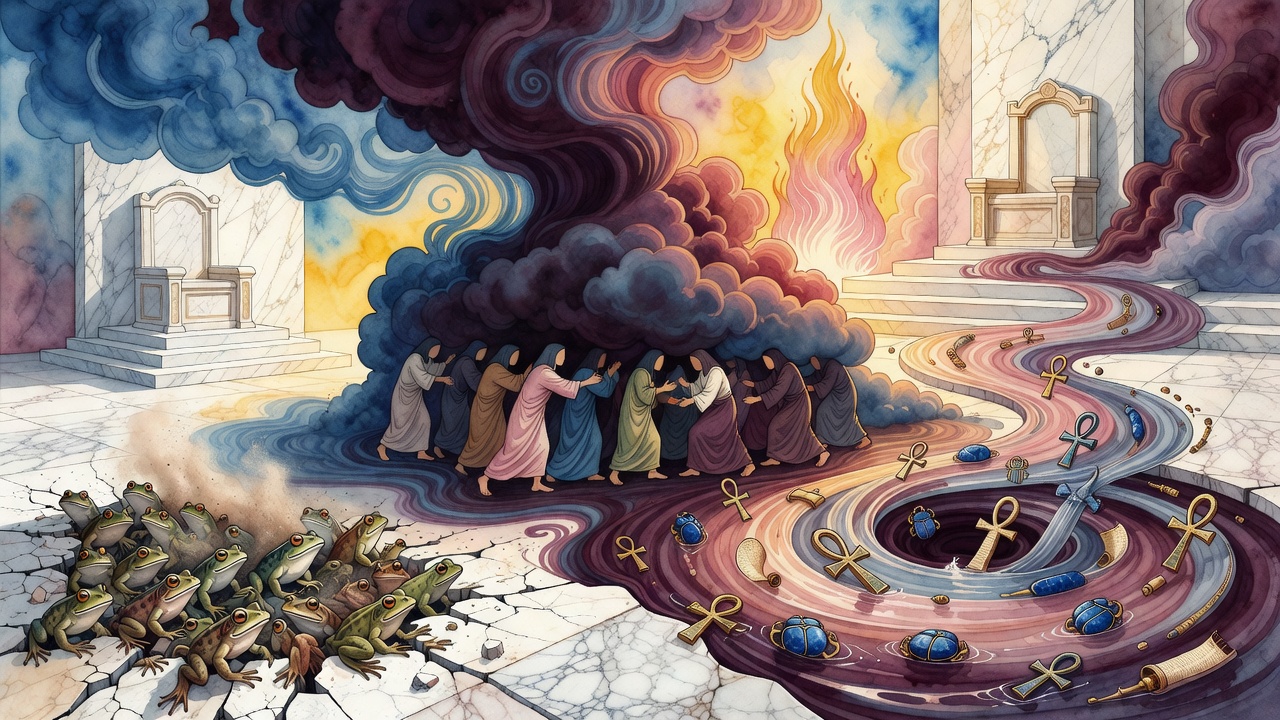
One frog whistled, and the marble floors split. Pharaoh watched a scratch on his palace wall until the hail came down and cut the trees.
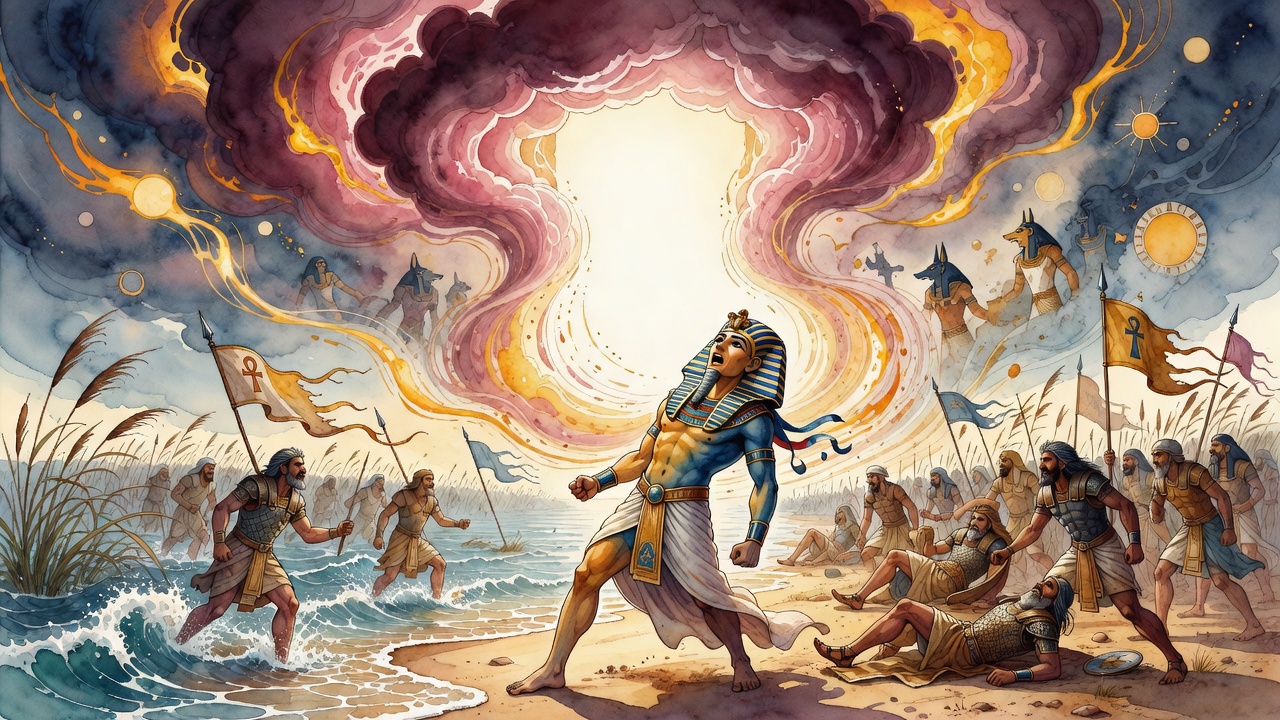
At the Sea of Reeds, Pharaoh's mouth was forced to confess, his army lost its banners, and the nations heard that Egypt's gods had been judged.
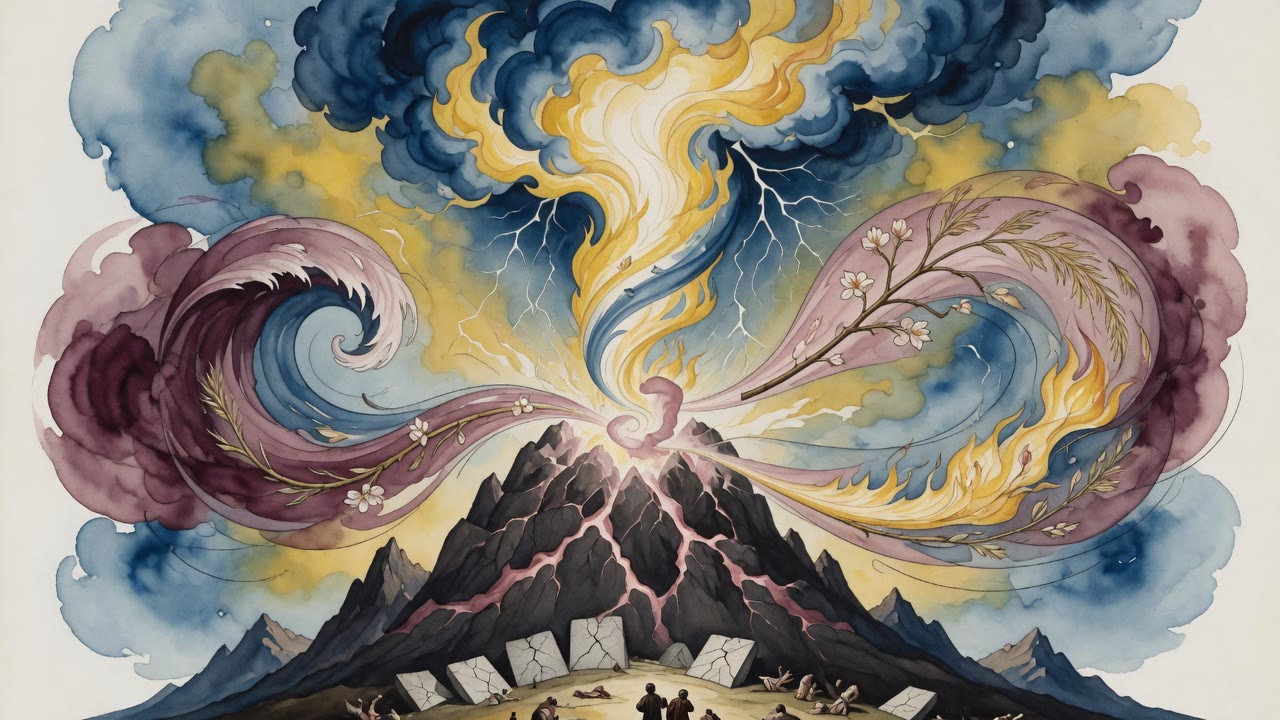
When the angels rose to sing as the Egyptians drowned, God stopped them with a sentence that cut through triumph and made mercy part of the judgment.
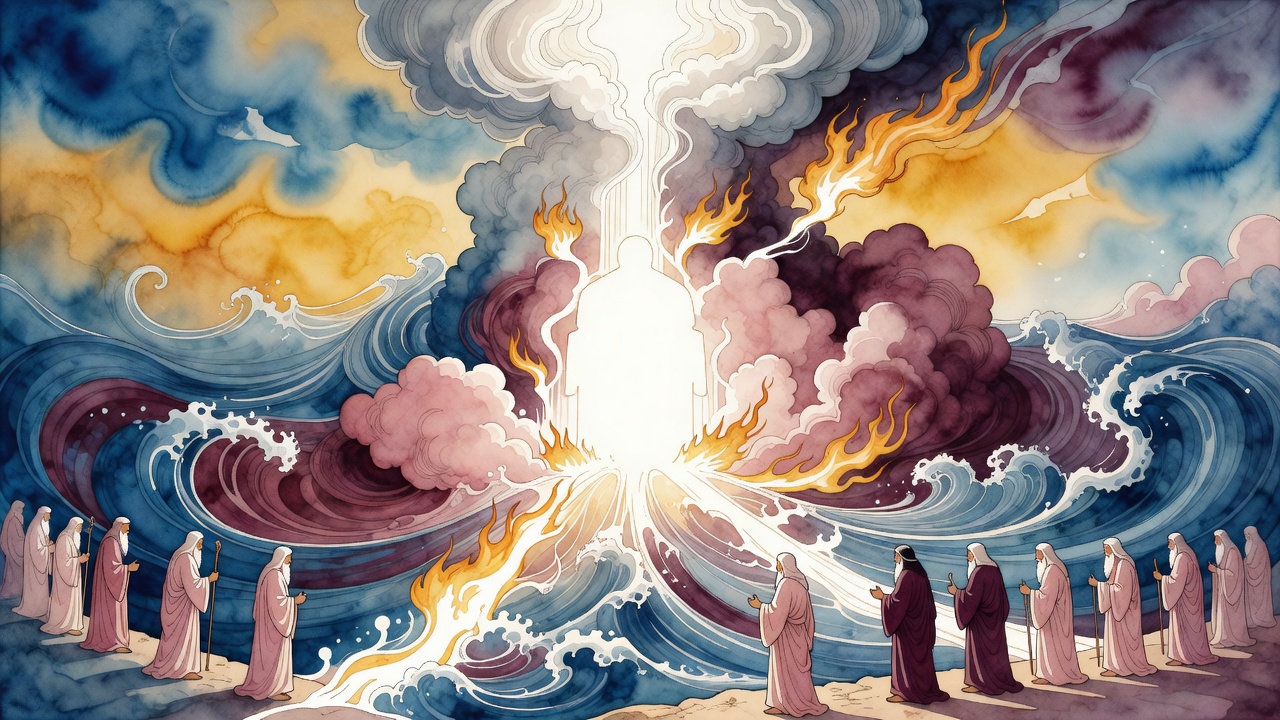
Every other day of the making ended with the word good. The second day did not, and the reason was a man who would not be born for centuries.
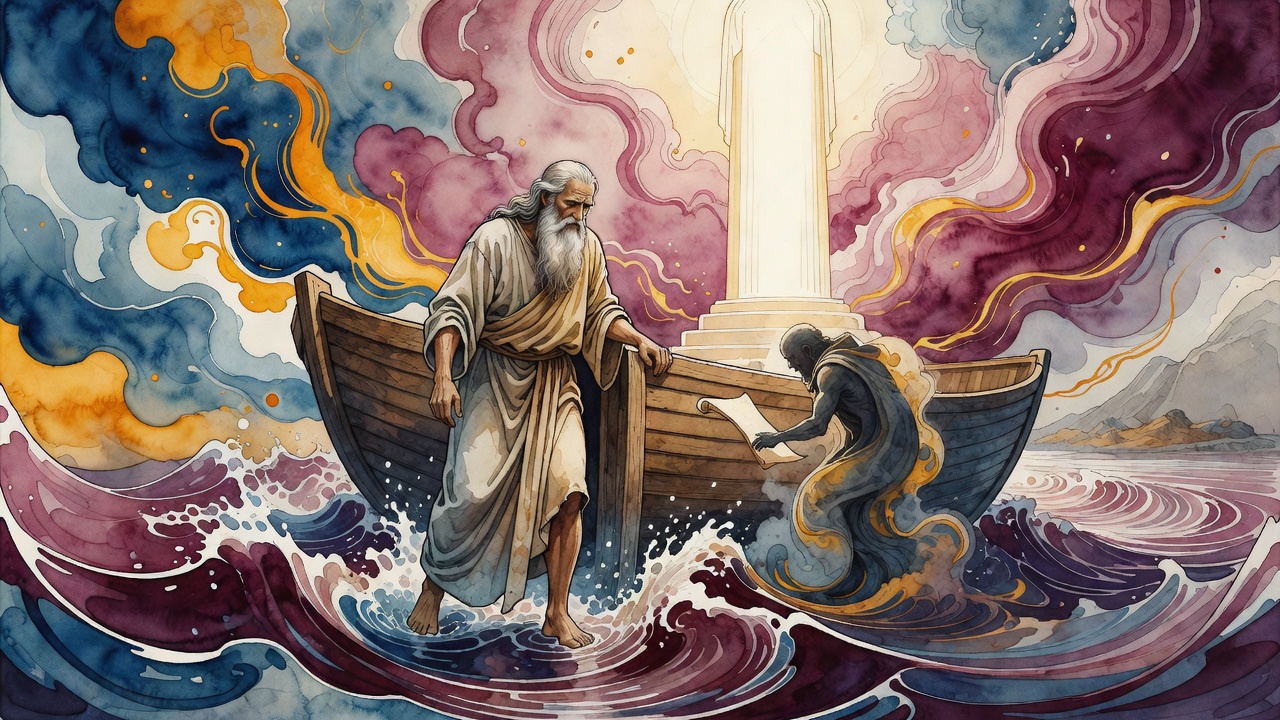
Rabbi Yohanan said Noah lacked faith and would not board until the flood reached his ankles, even as Falsehood waited at the door with a plan.
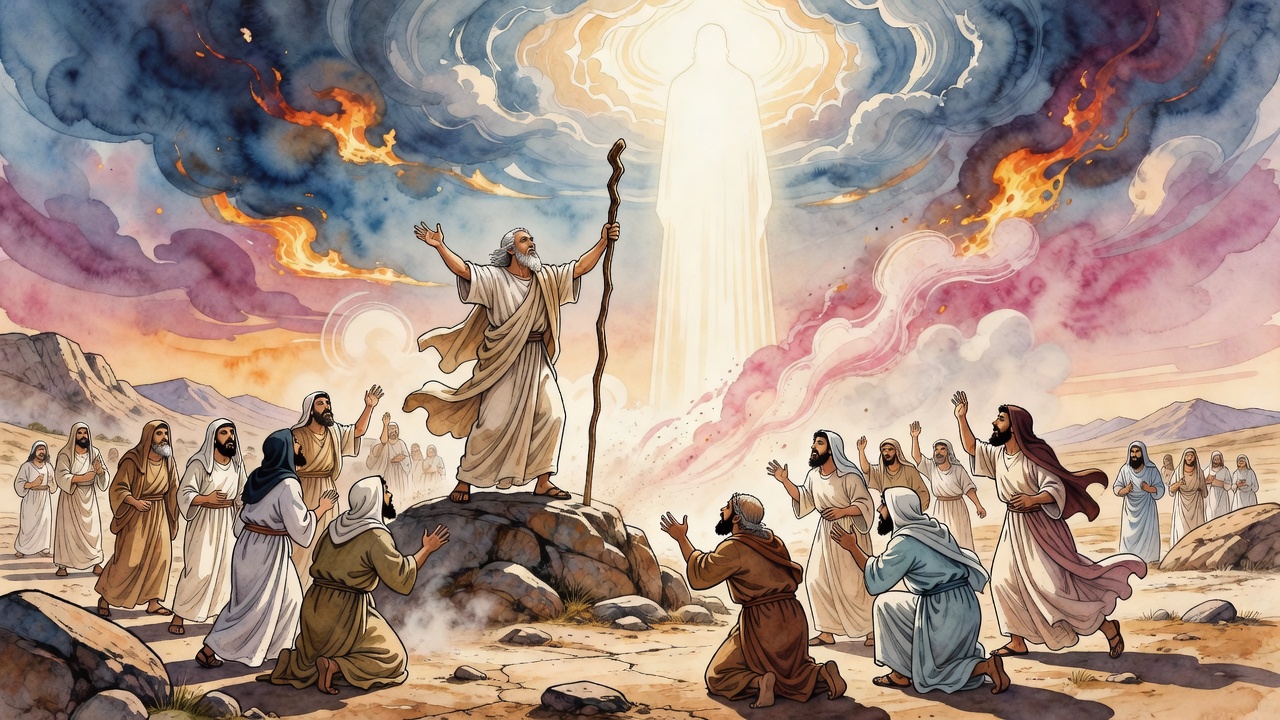
The camp was ready to stone Moses. God told him to pick up the staff they feared and walk ahead of them until the rock opened.
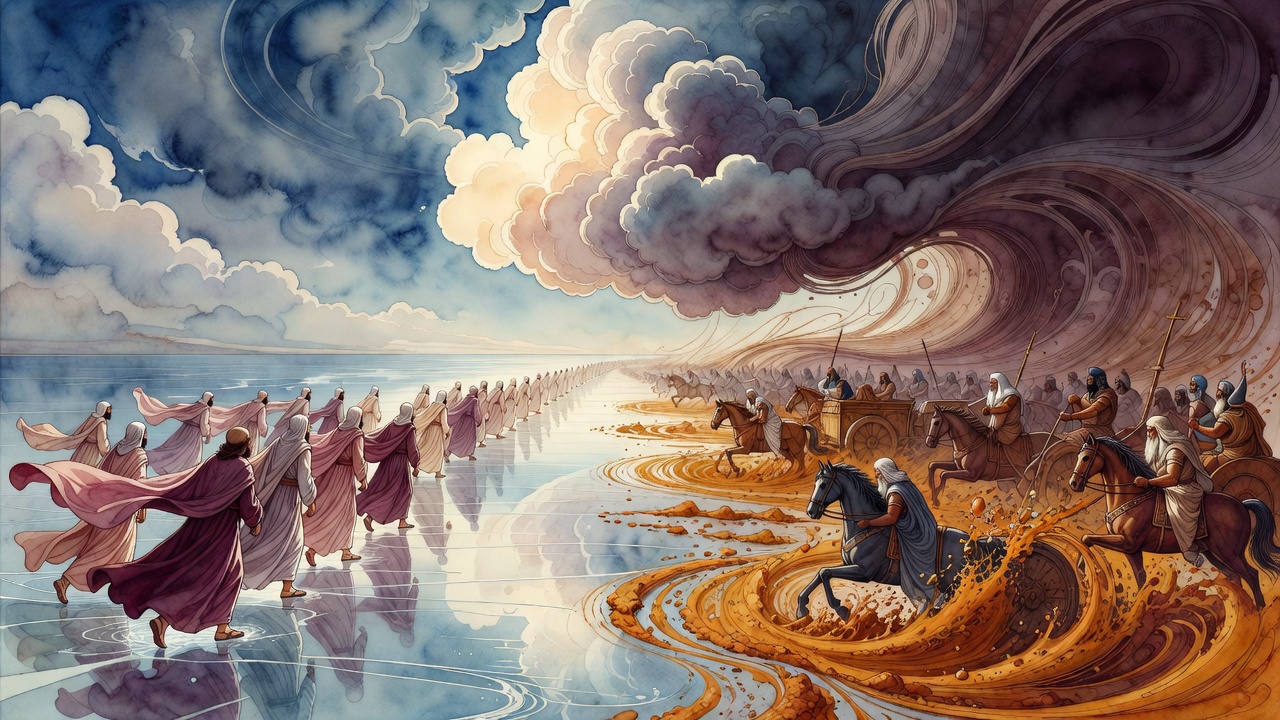
The same water that opened smooth as glass beneath Israel's feet turns to mud under Egypt, and one cloud becomes both lantern and blindfold at once.
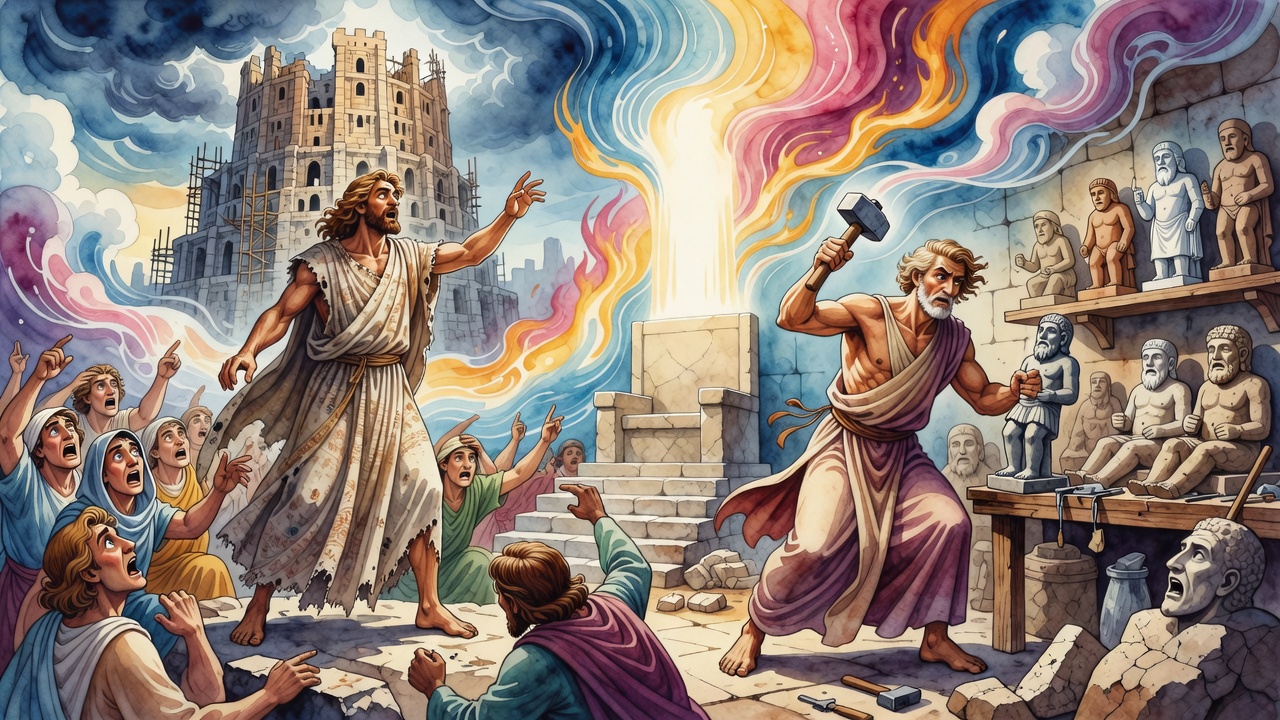
A brick fell off the tower and the whole work line sat down and wept. A man fell the same morning and nobody turned his head.
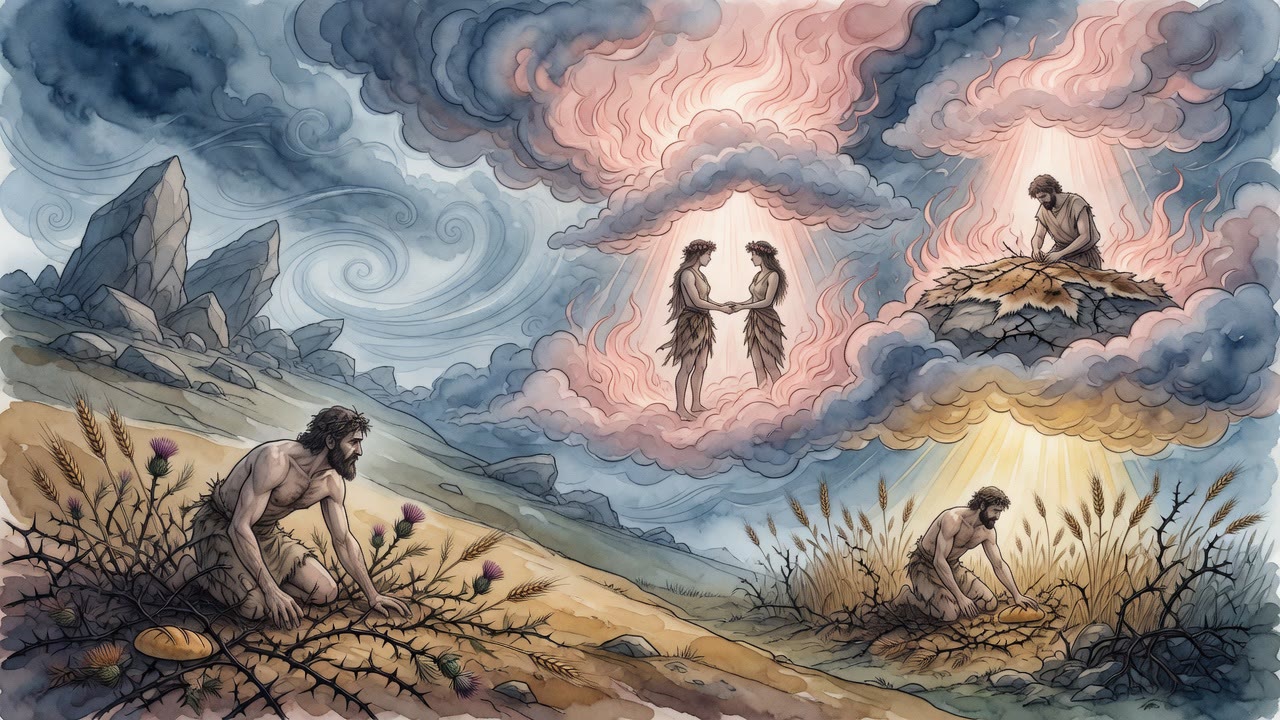
He wept when he heard about the thorns. Am I and my donkey going to eat out of one trough, he asked, and then God said the word bread.
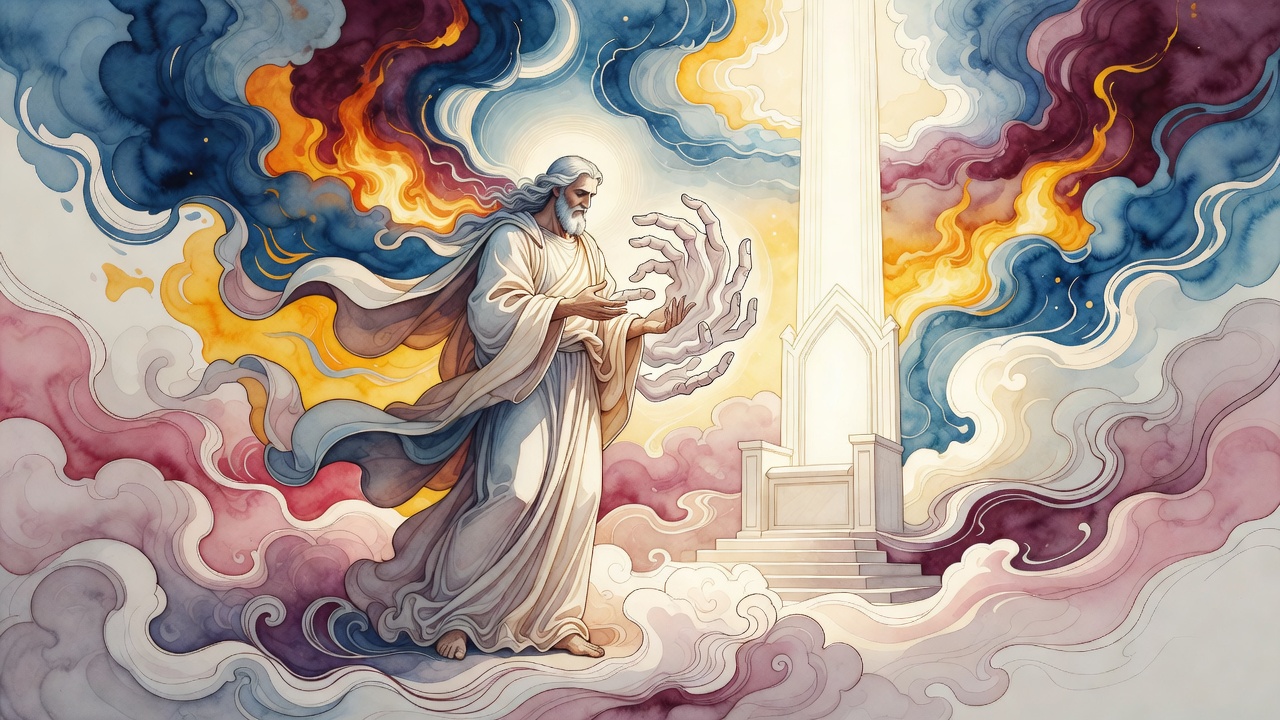
Nebuzaradan had orders to keep the prophet safe. He kept finding him in the road with his own hand pushed into a prisoner's iron collar.
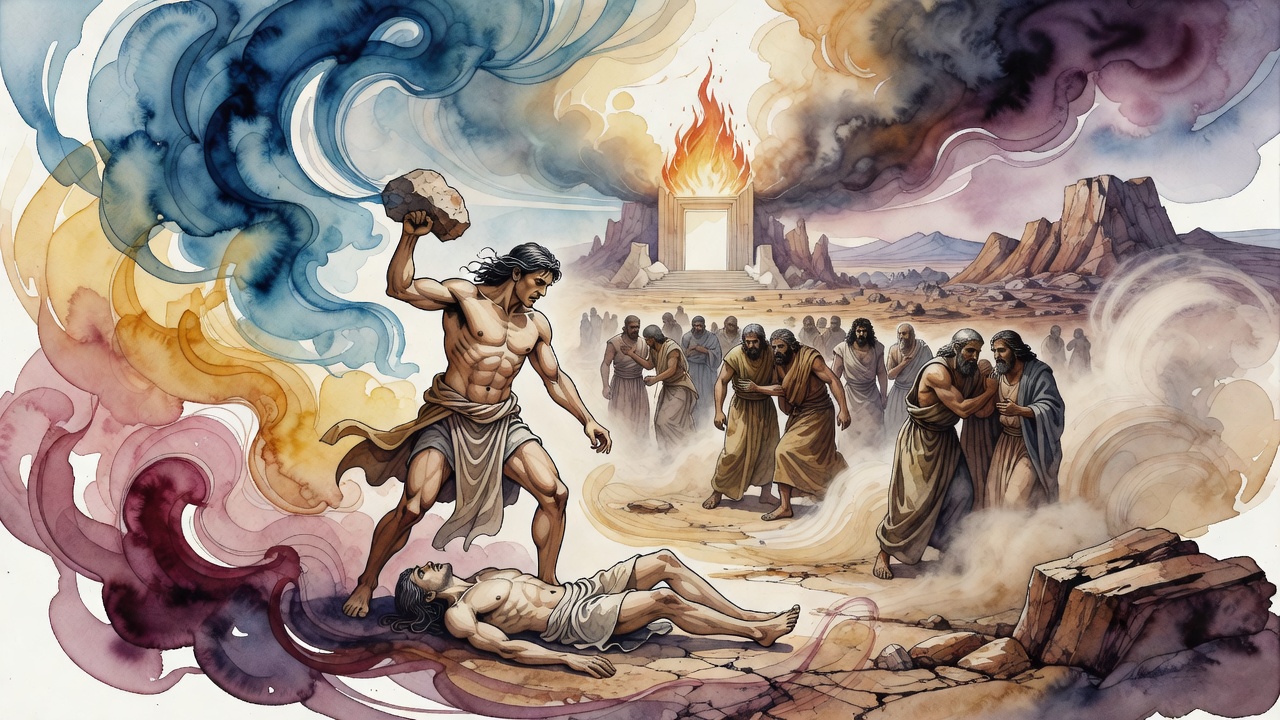
Abel had his brother pinned in the field and let him up. God did not count one death afterward. He counted every child Abel would never father.
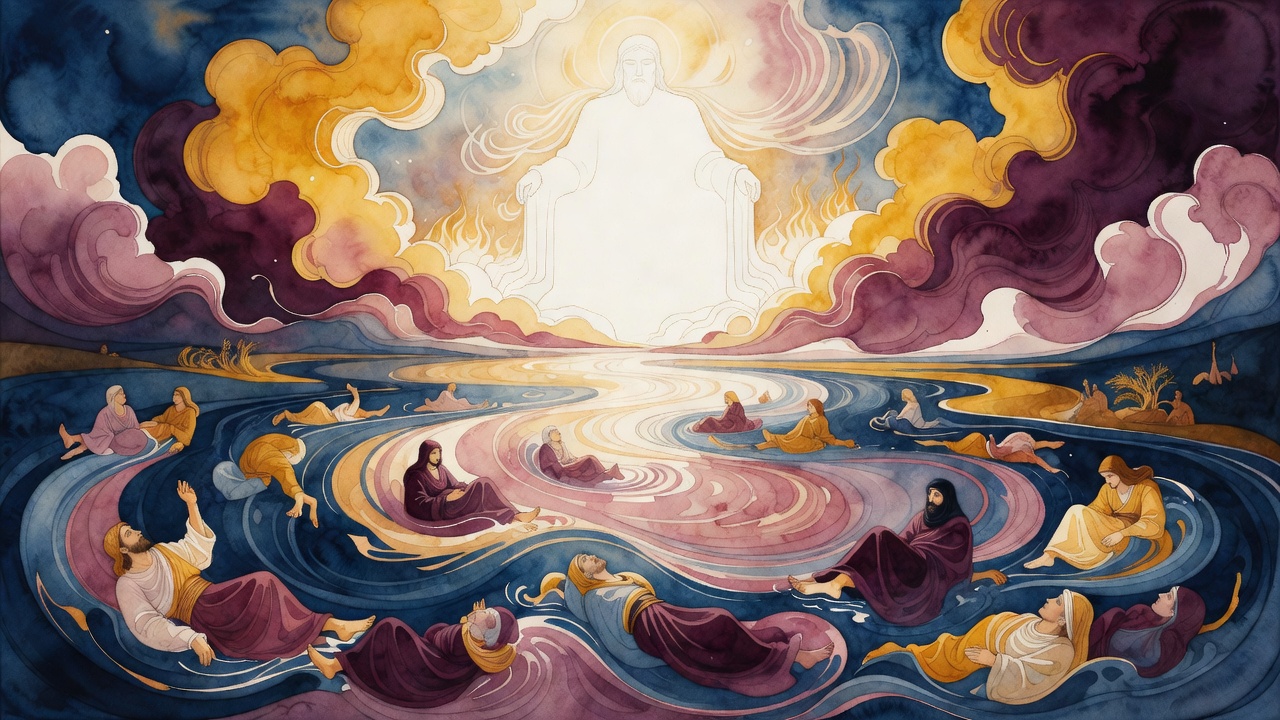
A horse's hooves found mud that would not let go. The water that had taken Hebrew boys now held Egypt's best chariots down.
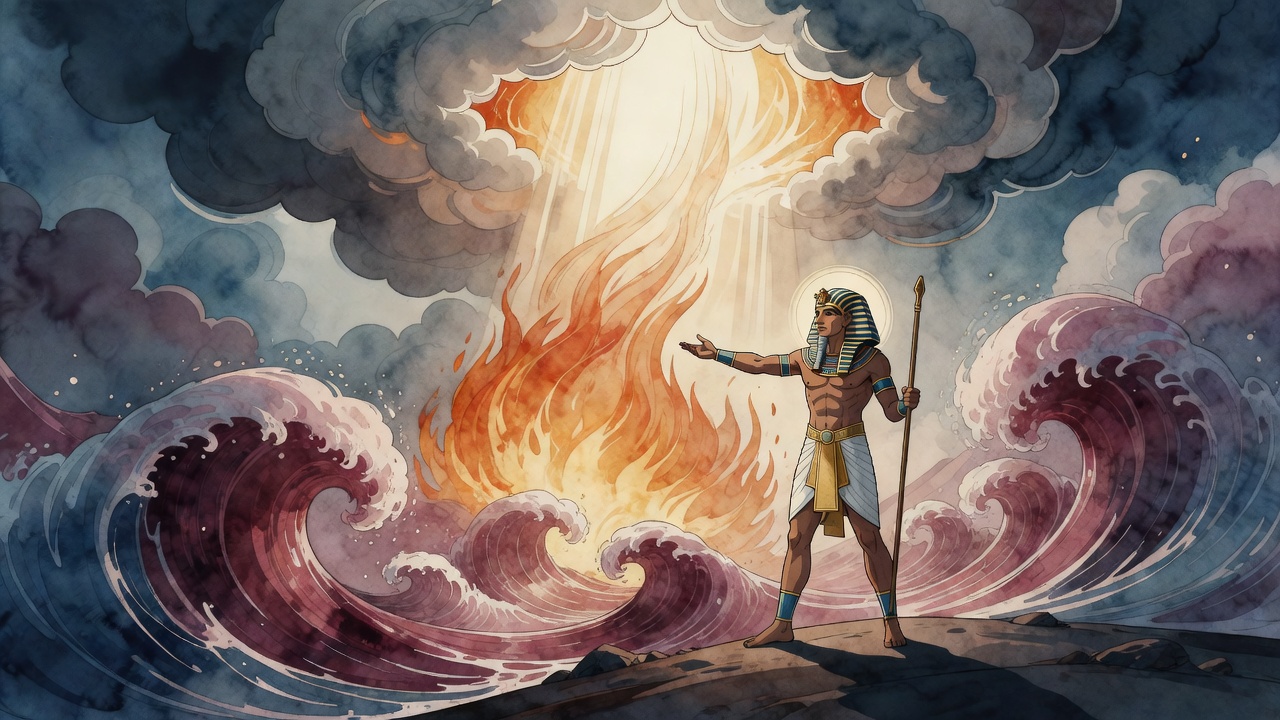
Pharaoh declared he would pursue and overtake and divide the spoil. The Yalkut Shimoni shows how each boast became the sentence he pronounced against himself.
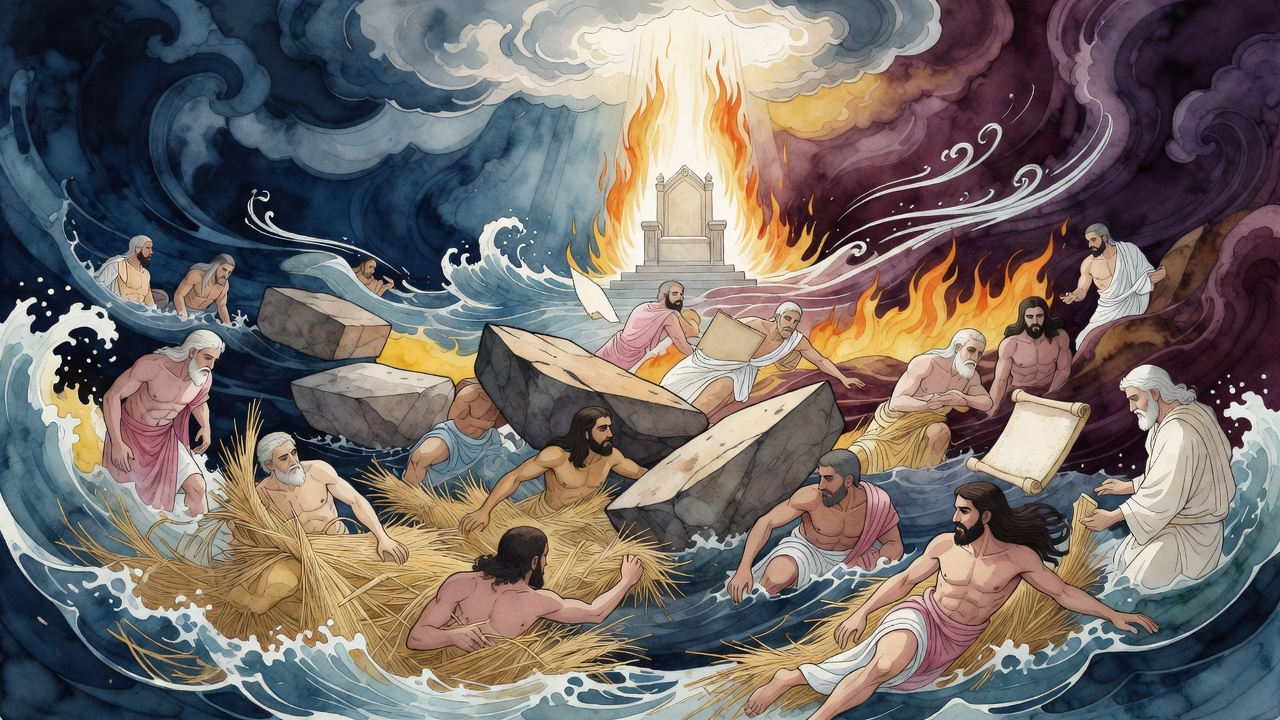
The Song of the Sea drowns Egypt three different ways. Straw, stone, and lead were not poetry but verdicts, each weight matched to its guilt.
Jacob held God's own promise yet trembled before Esau. His fear unlocked a question the sages carried all the way to Ezra's silent exile return.
