Translation of the source text.Torat Emet (Yalkut Shimoni) · CC-BY-NC
Another interpretation of "He has triumphed gloriously" (Exodus 15:1): He exalts Himself over all who exalt themselves, for by the very thing in which the nations exalt themselves before Him, He exacts payment from them. So it says of the generation of the Flood, "Their bull breeds and does not fail... they send forth their little ones like a flock... they take up the timbrel and harp" (Job 21:10-12). What is said there? "They said to God, Depart from us... What is the Almighty, that we should serve Him?" (Job 21:14-15). They said: Is it only a drop of rain? We have no need of it, for "a mist went up from the earth" (Genesis 2:6). The Omnipresent said to them: Fools of the world, with the good that I poured out for you, you exalt yourselves. With that very thing I will exact payment from you, as it is said, "and the rain was upon the earth" (Genesis 7:12). Rabbi Yose ben Durmaskit says: they set their upper eye upon the lower one in order to satisfy their desire, and the Omnipresent opened against them the springs from below and from above in order to destroy them, as it is said, "on that day all the fountains of the great deep were broken up" (Genesis 7:11).
So too you find with the people of the Tower, that by the very thing in which they exalted themselves, He exacted payment from them, as it is said, "Come, let us build ourselves a city and a tower, with its top in heaven, and let us make ourselves a name, lest we be scattered" (Genesis 11:4). What is written after it? "And the LORD scattered them from there" (Genesis 11:8).
So too you find with the people of Sodom, that by the very thing in which they exalted themselves before Him, He exacted payment from them, as it is said, "As for the earth, out of it comes bread... the stones of it are the place of sapphires... no bird of prey knows that path... the proud beasts have not trodden it" (Job 28:5-8). The Sodomites said: We do not need anyone to come to us, for food comes out from among us, and silver, gold, precious stones, and pearls come out from among us. Come, let us make foot traffic forgotten from among us. The Holy One, blessed be He, said to them: Fools of the world, with the good that I poured out for you, you exalt yourselves, and you say, let us make foot traffic forgotten. I too will make you forgotten from the world, as it is said, "He breaks open a shaft away from where people dwell; they are forgotten by the foot" (Job 28:4), and "He who is ready to slip with his feet is like a despised lamp in the thought of one at ease... the tents of robbers prosper" (Job 12:5-6). Who caused this for them? "He who brought God in his hand" (Job 12:6). So too it says, "They were haughty and committed abomination before Me" (Ezekiel 16:50). [Buber reads: What] caused it for them? "Therefore I removed them when I saw it" (Ezekiel 16:50). And so it says, "Behold, this was the iniquity of your sister Sodom" (Ezekiel 16:49). What caused it for them? "She did not strengthen the hand of the poor and needy" (Ezekiel 16:49).
So too it says, "before the LORD destroyed Sodom and Gomorrah" (Genesis 13:10). What is written afterward? "And they made their father drink wine" (Genesis 19:33). From where did they have wine in the cave? Rather, the Holy One, blessed be He, prepared wine for them, as in the matter that is said, "in that day the mountains shall drip sweet wine" (Joel 3:18). If the Omnipresent prepared this for those who angered Him, all the more so for those who do His will.
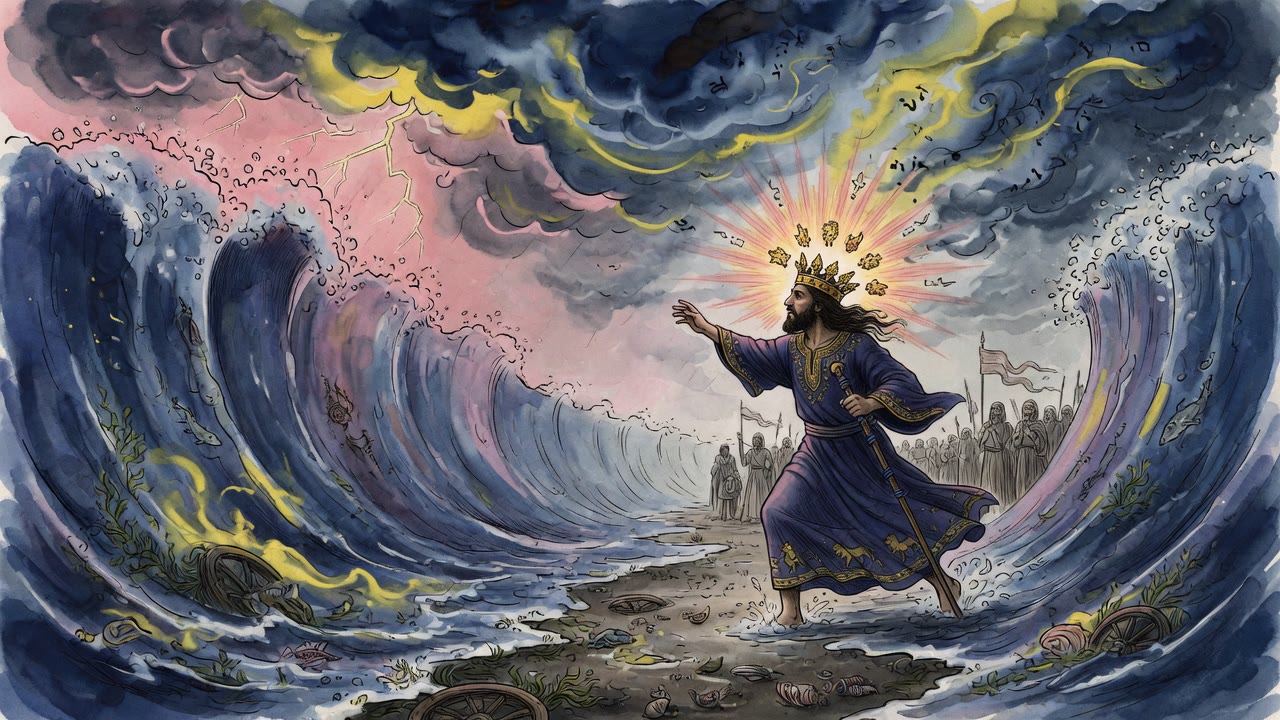
So too you find with Egypt, that by the very thing in which they exalted themselves before Him, they fell, as it is said, "and he took six hundred chosen chariots" (Exodus 14:7), and afterward it is written, "Pharaoh's chariots and his army He has cast into the sea" (Exodus 15:4). So too you find with Sisera, that by the very thing in which he exalted himself before Him, He exacted payment from him, as it is said, "Sisera gathered all his chariots" (Judges 4:13). What is written afterward? "From heaven they fought" (Judges 5:20). So too you find with Samson, that by the very thing in which he exalted himself before Him, he fell and payment was exacted from him, as it is said, "Samson said to his father, Get her for me, for she is right in my eyes" (Judges 14:3). What is written afterward? "The Philistines took him and put out his eyes, and brought him down to Gaza" (Judges 16:21). Rabbi Yehudah says: the beginning of his corruption was in Gaza; therefore his punishment was in Gaza.
So too you find with Absalom, that by the very thing in which he exalted himself, payment was exacted from him, as it is said, "In all Israel there was none to be so much praised as Absalom for his beauty," and "when he cut the hair of his head... at the end of days" (II Samuel 14:25-26). Rabbi Yehudah says: he was a permanent nazirite and would cut his hair once every twelve months, as it is said, "at the end of forty years Absalom said to the king... for your servant vowed a vow" (II Samuel 15:7-8). Rabbi Yose says: he was a nazirite of days and would cut his hair once every thirty days, as it is said, "at the end of days, on the days when he cut it" (II Samuel 14:26). Rabbi says: he cut his hair every Sabbath eve, for that is the way of princes, to cut their hair from Sabbath eve to Sabbath eve. And so it says, "Absalom met the servants of David, and Absalom was riding upon the mule" (II Samuel 18:9).
So too you find with Sennacherib, as it is said, "By your messengers you have reproached the Lord" (II Kings 19:23), and it is written, "I have dug and drunk water." What does it say? "The angel of the LORD went out and struck in the camp of Assyria" (II Kings 19:35). They said: the greatest among them was appointed over one hundred eighty-five thousand, and the smallest among them was appointed over no fewer than two thousand, as it is said, "How then will you turn away the face of one captain of the least of my master's servants" and "I will give you two thousand horses" (II Kings 18:24). And it says, "This is the word that the LORD has spoken concerning him: the virgin daughter of Zion has despised you and laughed you to scorn... Whom have you reproached and blasphemed?" (II Kings 19:21-22). And it says, "This very day he will halt at Nob" (Isaiah 10:32).
So too you find with Nebuchadnezzar, that by the very thing in which he exalted himself, he fell, as it is said, "You said in your heart, I will ascend into heaven" (Isaiah 14:13), and "I will ascend above the heights of the clouds" (Isaiah 14:14), and afterward it is written, "Yet you shall be brought down to Sheol" (Isaiah 14:15). So too you find with the city of Tyre, that by the very thing in which it exalted itself, payment was exacted from it, as it is said, "You have said, I am perfect in beauty; your borders are in the heart of the seas" (Ezekiel 27:3-4), and it is written, "Behold, I am against you, Tyre, and will cause many nations to come up against you, as the sea causes its waves to come up" (Ezekiel 26:3). So too you find with the prince of Tyre, as it is said, "Son of man, say to the prince of Tyre... because your heart is lifted up, and you say, I am a god" (Ezekiel 28:2). What does it say? "You shall die the deaths of the uncircumcised by the hand of strangers" (Ezekiel 28:10). Thus, by the very thing in which the nations of the world exalt themselves before Him, He exacts payment from them, as it is said, "for He has triumphed gloriously" (Exodus 15:1).
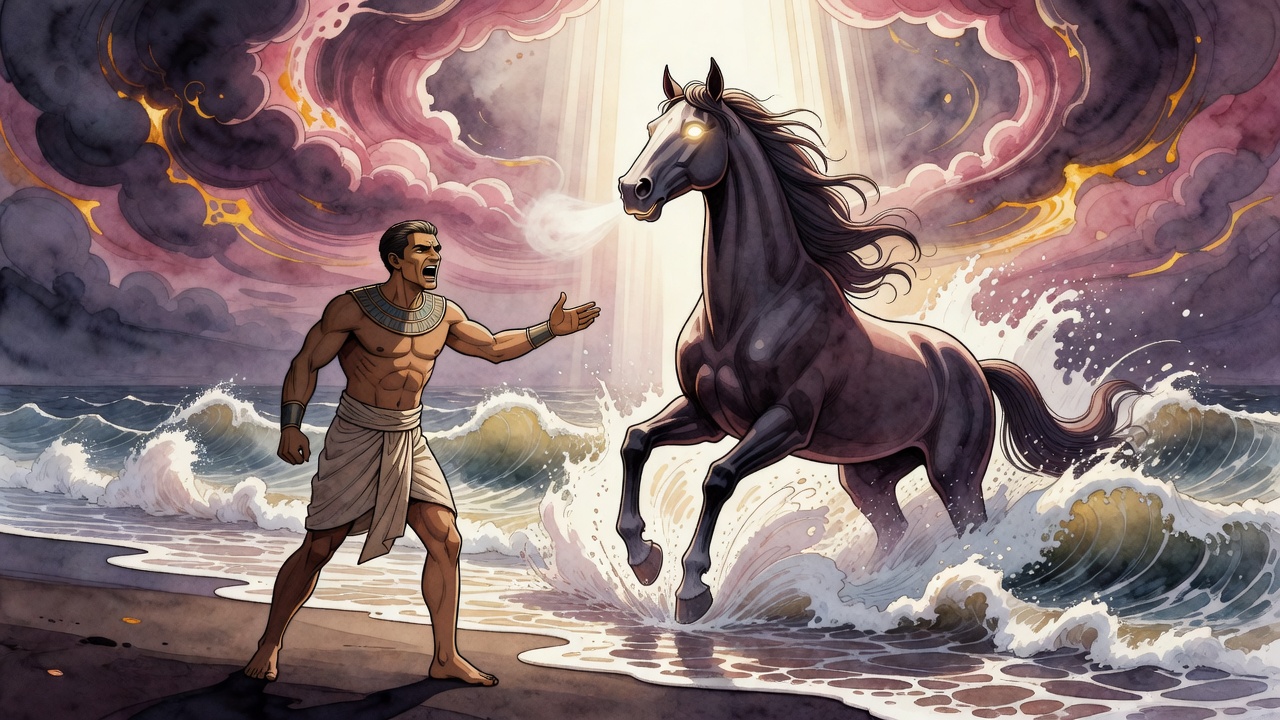
Rabbi Chama bar Chanina said: At the hour when Israel went out of Egypt, the prince of Egypt stood and prostrated himself before the Holy One, blessed be He. He said before Him: Master of the universe, You created Your world with the attribute of mercy, and now You exalt Yourself with force. Immediately the Holy One, blessed be He, called all the princes of the nations and set out the whole event before them. He said: Judge now between Me and this one. At first My children went down to Egypt only to sojourn, as it is said, "They said to Pharaoh, To sojourn in the land we have come" (Genesis 47:4). Pharaoh stood and subdued them as slaves. First he made them shepherds, as it is said, "if you know any able men among them" (Genesis 47:6). Then he made them builders, as it is said, "they built storage cities" (Exodus 1:11), in order to diminish them from being fruitful and multiplying. Then he decreed against them, "Every son that is born" (Exodus 1:22), and again said, "If it is a son, you shall kill him" (Exodus 1:16).
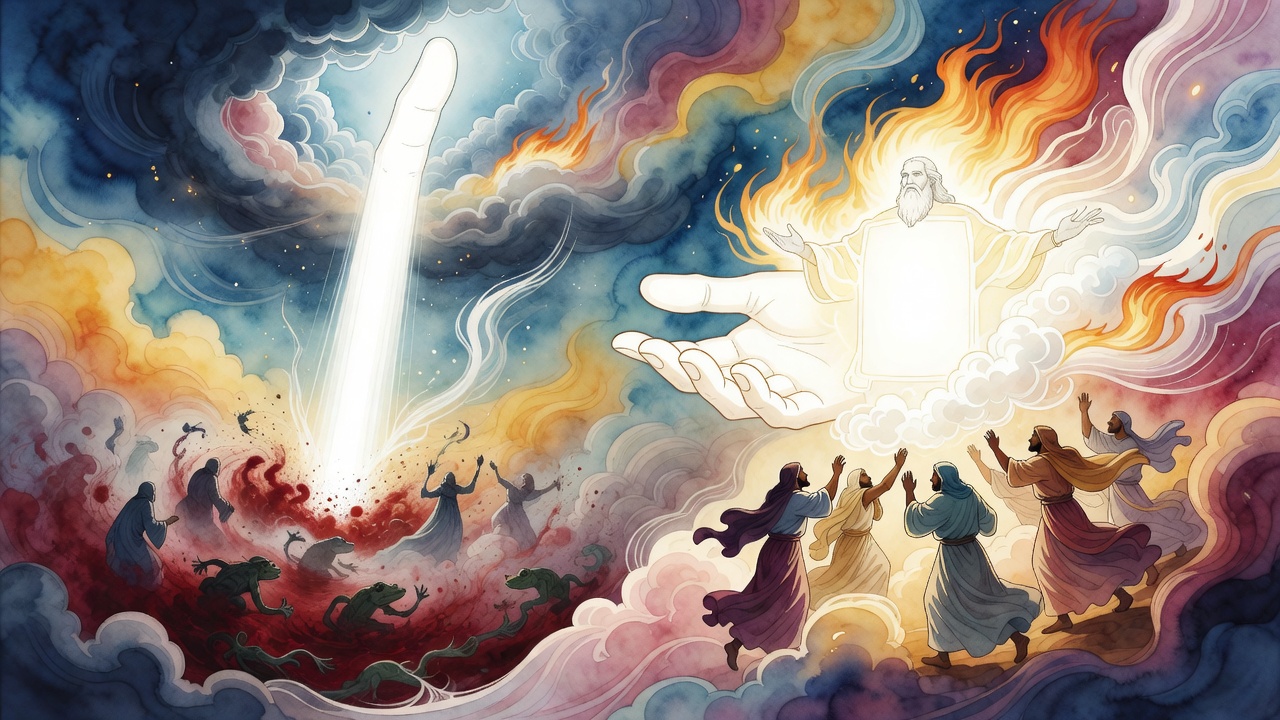
The prince of Egypt said before Him: Master of the universe, justice is with You and truth is with You. Only, if it is Your will, save Israel and do not destroy Egypt. Rabbi Yehoshua ben Levi said: When Michael saw that the princes of the nations were arguing in defense of Egypt, he signaled to Gabriel. Gabriel flew to Egypt in a single flight and pulled out a brick with its mortar, together with one child whom they had embedded in the building. He stood before the Holy One, blessed be He, and said before Him: Master of the universe, in this manner they enslaved Your children. When the attribute of justice saw it, it said: Do judgment for Your children against Egypt, for most of them are guilty. Immediately the Egyptians drowned, as it is said, "You trampled the sea with Your horses, the heap of mighty waters" (Habakkuk 3:15). That very mortar which Gabriel brought caused the Egyptians to be drowned.

 Click for full size