God Offered to Use Sunlight to Mark Who Had Bowed to Baal Peor
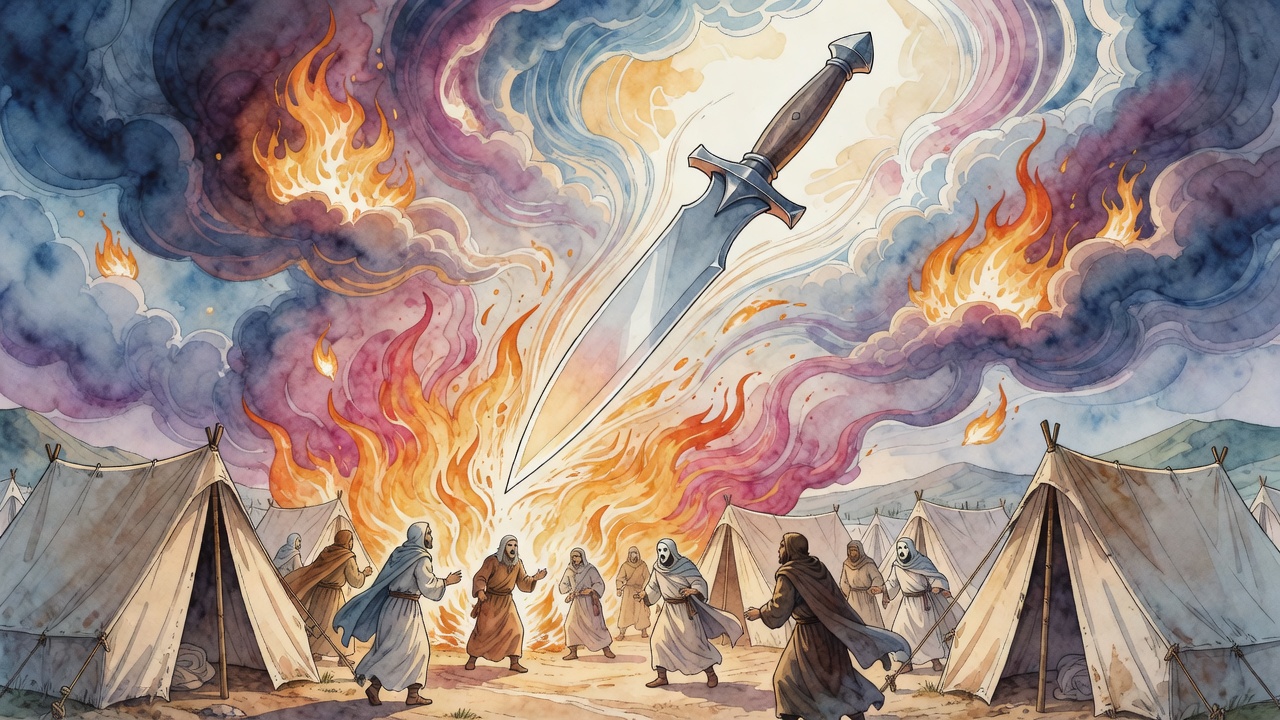
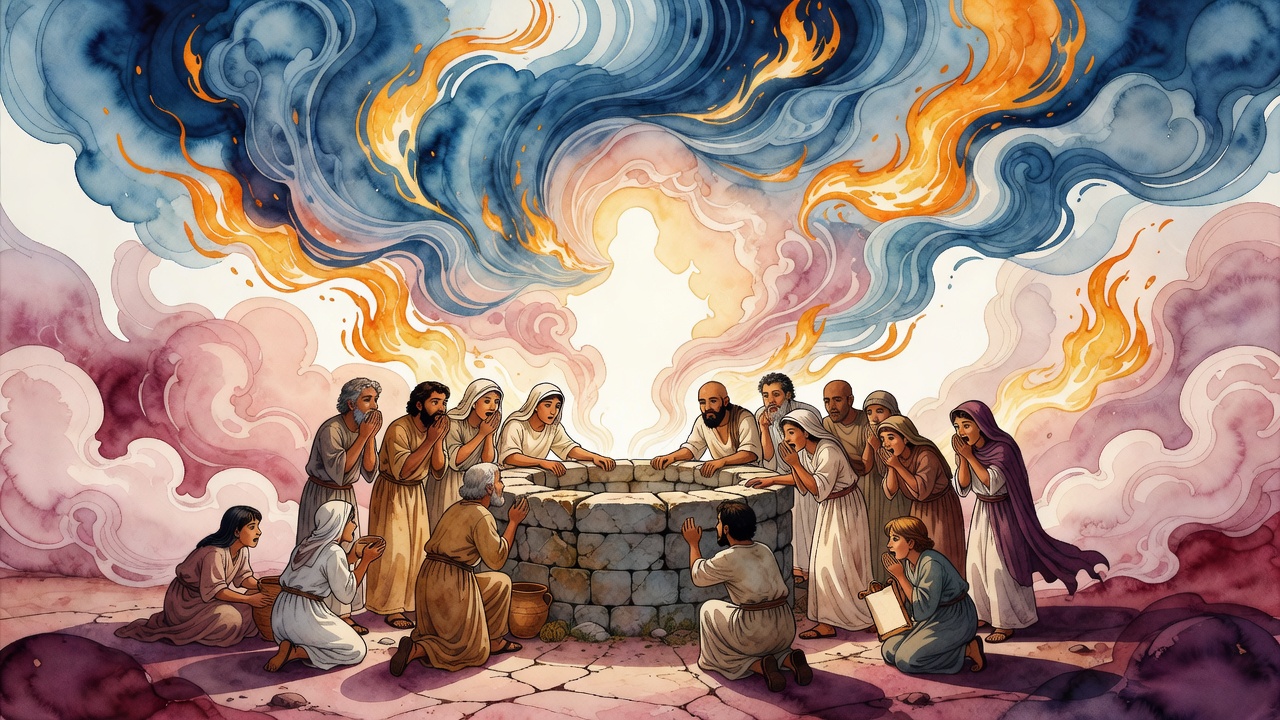
When Moses asked how to find the Israelites who sinned at Peor, God proposed peeling back the cloud so the sun would mark the guilty.
Table of Contents
 Click for full size
The Problem Moses Brought to God
The plague was already running through the camp. Twenty-four thousand would die before Phinehas ended it with a spear through two bodies at once. But before the plague could complete its work, there was a prior question: who, exactly, had sinned? The camp held hundreds of thousands of people. The Moabite women had operated across the whole width of the settlement. How do you find the specific individuals who crossed the line into the shrine of Baal Peor?
God told Moses to take all the heads of the people and impale them before the Lord in the sun (Numbers 25:4). The verse is terse and violent and ambiguous in ways that kept the rabbis arguing.
Rabbi Judan's Reading: The Leaders Failed
Midrash Tanchuma, Balak 19, preserves two readings of the verse, and they pull in opposite directions. Rabbi Judan read it straightforwardly and harshly: the leaders were to be hung because they had not protested. They had watched the moral collapse happening directly under their authority and chosen silence. They had seen the camp's men following Moabite women into the shrine and had said nothing. The sun beats down on the executed men as public spectacle, and the punishment fits the crime precisely. They who stood in prominence without using their prominence to prevent what was happening now stand publicly and permanently exposed.
Silence, in this reading, is a specific form of culpability. A leader is not a bystander. A leader who watches and does nothing is a participant in what results.
Rabbi Nehemiah's Reading: God Marks the Guilty
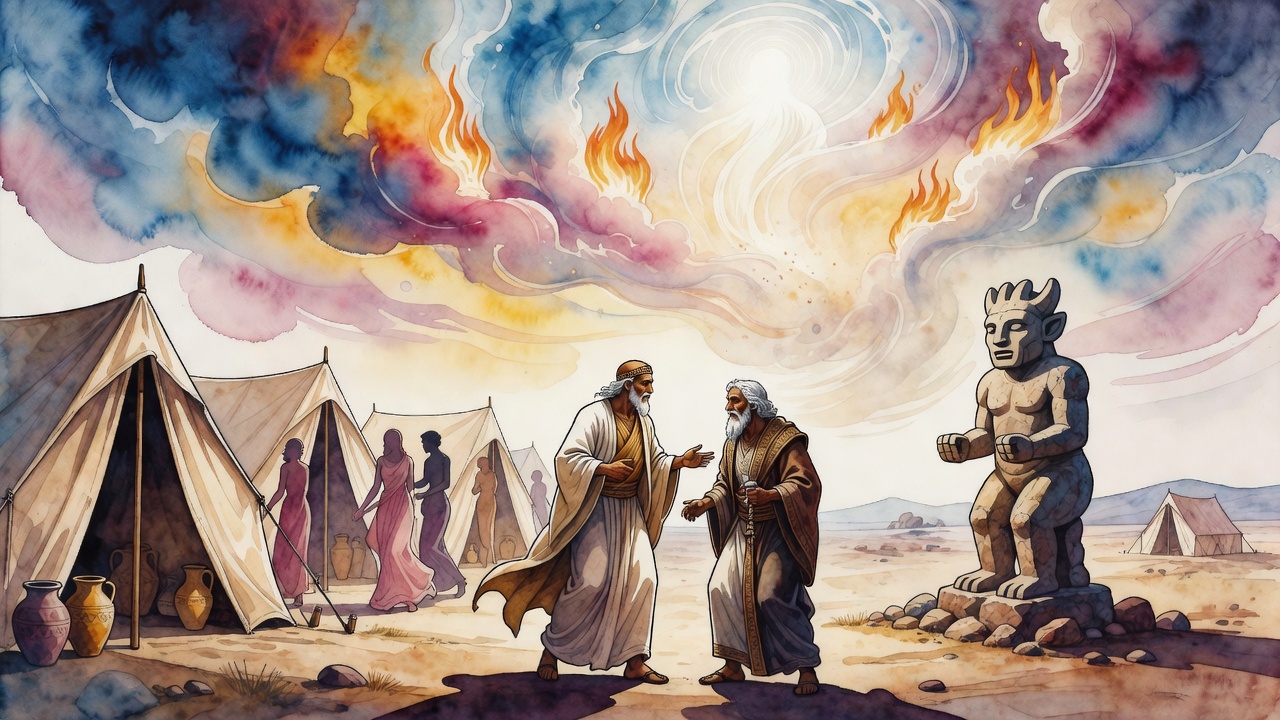
Rabbi Nehemiah read the same verse in a completely different direction. The leaders were not to be hanged at all. God said to Moses: appoint Sanhedrin judges (members of Israel's high court) over the people and let them judge whoever went to Peor. Moses raised the practical objection immediately: but who will identify them? The sinners were not wearing marks. They would blend into the general population. Any trial would require witnesses, identification, proof.
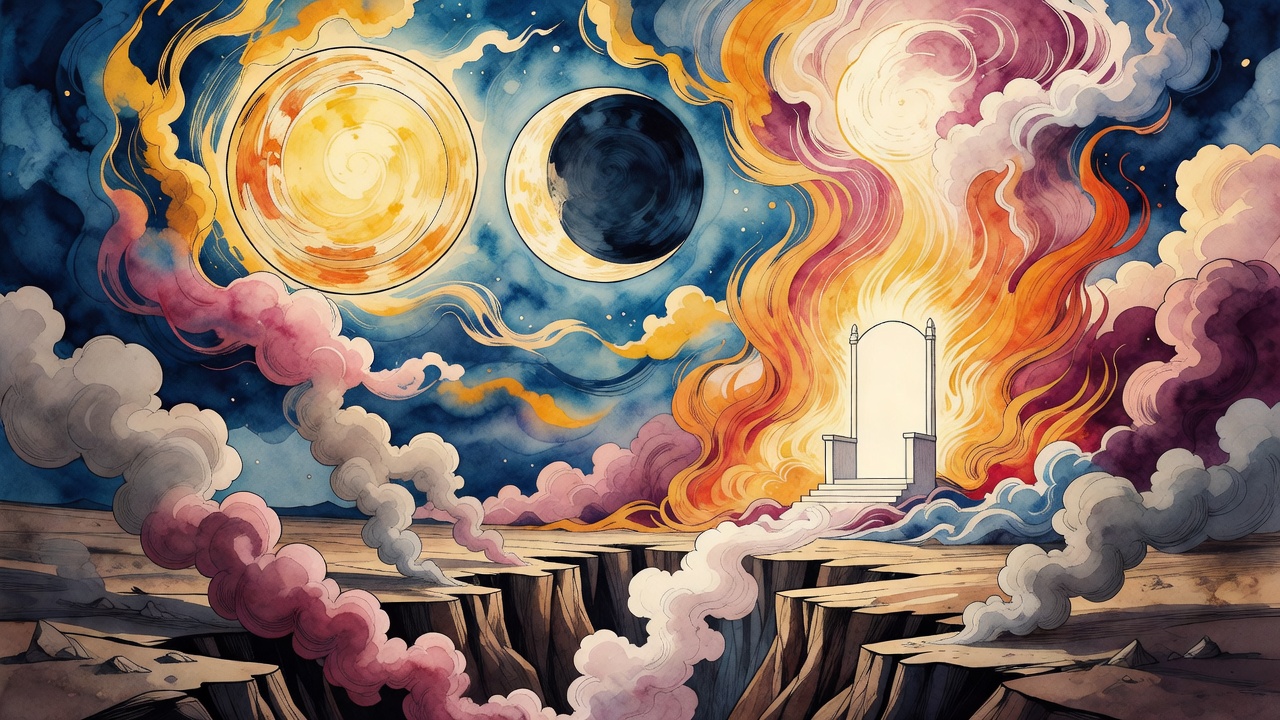
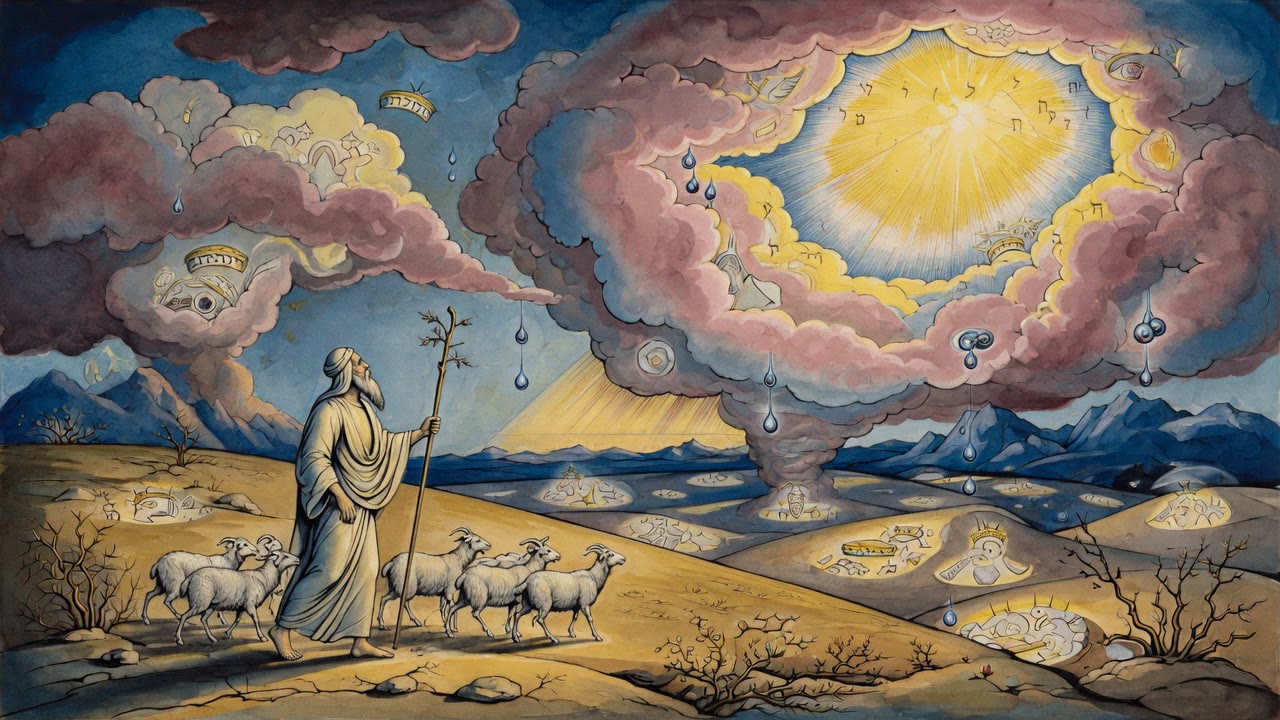
God's answer was direct: I will expose them. Whoever has gone astray, the cloud will be peeled back from above him, and the sun will shine upon him in the midst of the congregation. The cloud of divine presence, which normally covered the camp as a whole, would withdraw locally, precisely, over the person who had bowed to Baal Peor. The sunlight would mark him in front of everyone, identification without ambiguity, evidence without testimony.
What the Nations Made of the Fall
Legends of the Jews preserves the reaction of the surrounding nations to Israel's failure at Peor. They gloated. They had understood, on some level, that Israel had been chosen precisely because of moral character, not because of favoritism. Now, they said, the crown has been taken from Israel's head. Their pride is departed. They are no better than us. The same special status that had separated them was now forfeited, in the nations' reading, by this one catastrophic failure.
Bamidbar Rabbah adds the internal dimension. The women of Moab had not acted spontaneously. They had been organized. Each woman was assigned to a tent, each tent stocked with the fine linen the Israelites had acquired in Egypt, each transaction planned to draw a man deeper into obligation and at last into the shrine. The seduction was systematic, not opportunistic.
← All myths