How the Levites Earned Their Place in the Sanctuary
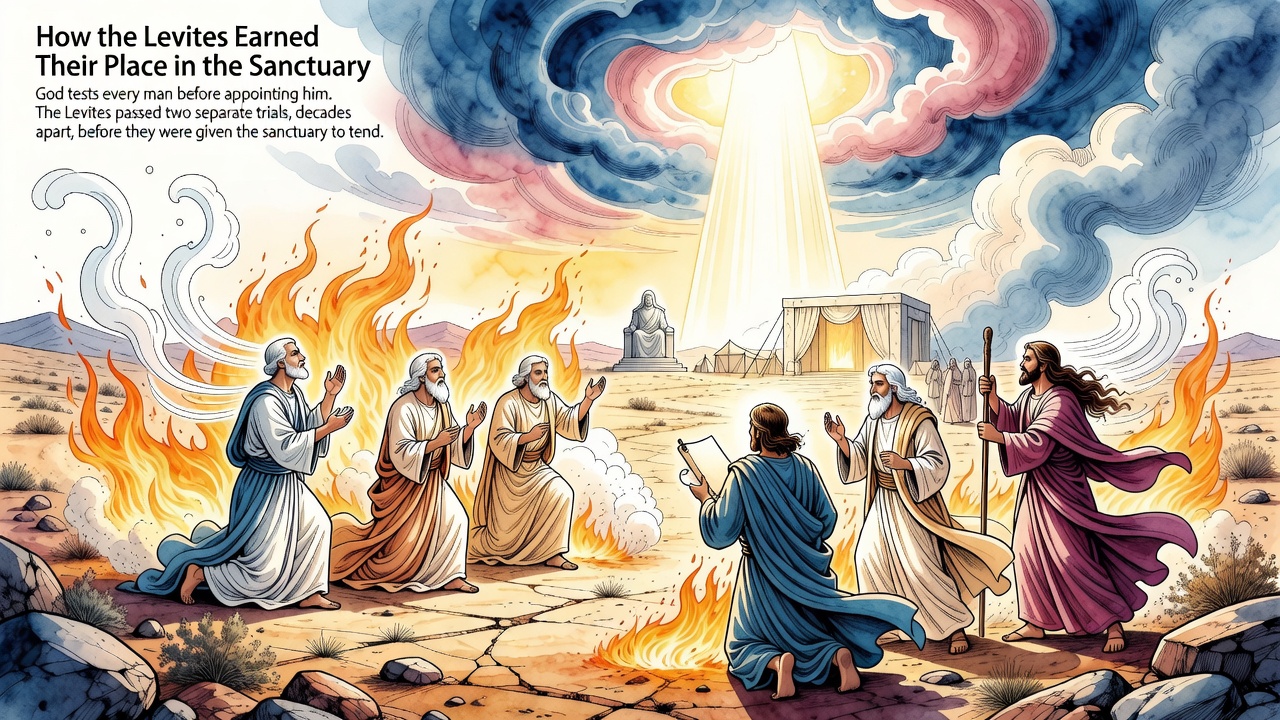
God tests every man before appointing him. The Levites passed two separate trials, decades apart, before they were given the sanctuary to tend.
Table of Contents
 Click for full size
The Principle Behind the Choosing
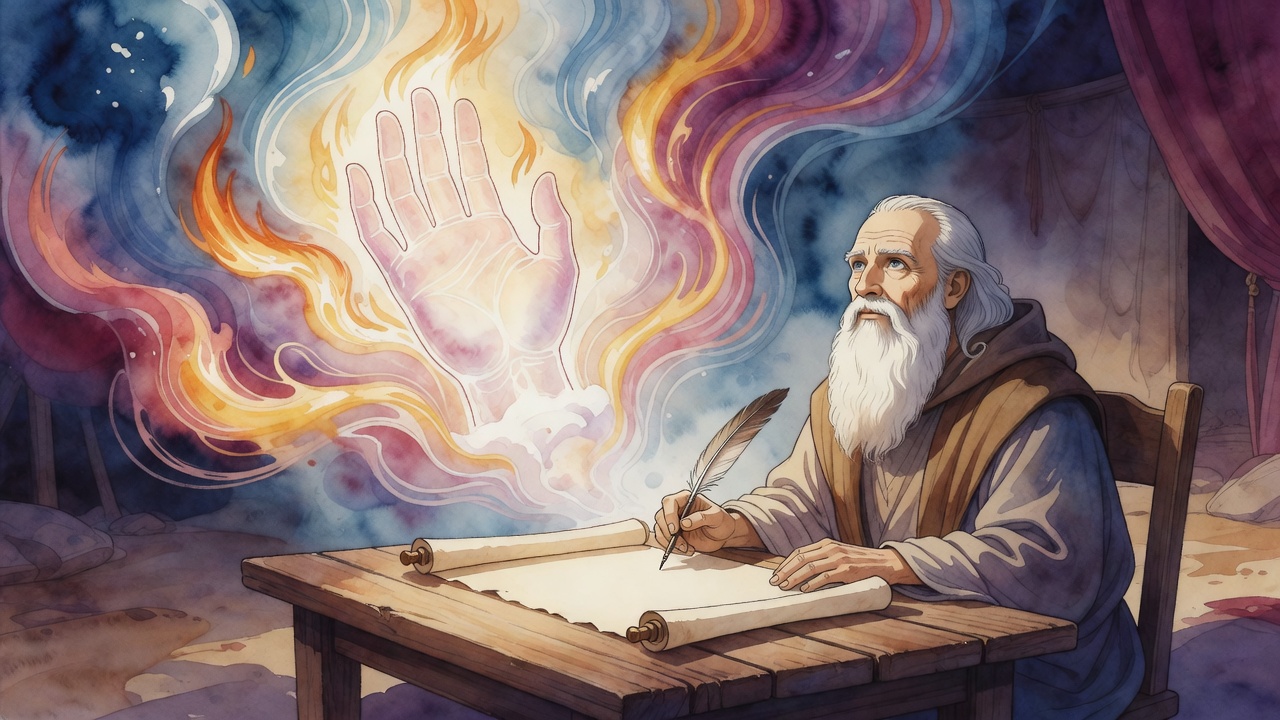
God elevates no one to office without first trying him and finding him worthy of his calling. This was the principle behind the Levites' appointment, preserved in the tradition without softening. The tribe did not receive the sanctuary as a birthright. They were not selected because of genealogy, though genealogy played its part. They were selected because they had been tested, twice, and had held.
The tests were not close together. They were separated by the full arc of Israel's time in Egypt, and each one required a different kind of courage from a different kind of pressure.
The First Test: Egypt and the Mark on the Body
The first test took place in Egypt, quietly, without witnesses, over the course of generations. The Israelites had been in Egypt long enough to absorb its civilization, long enough to blur the lines between their own practices and the practices of the people around them. Among the things that blurred was the covenant Abraham had made in his own flesh: circumcision, the mark cut into the body of every male child to signify that this family was bound to something older than any empire.
Most tribes let the practice lapse. Egypt did not require it of them. Their neighbors did not do it. The pressure to conform, to blend in, to make the covenant invisible was not dramatic. It was the ordinary erosion of a practice that required constant choice to maintain.
The Levites maintained it. Not the whole tribe in perfect unanimity. But Levi held the practice while others abandoned it, kept the mark on the body while the social pressure argued against it, and preserved a covenantal identity through the simplest and most intimate act available to them: the ritual performed on every eighth day after a son was born.
The Second Test: The Calf at the Mountain
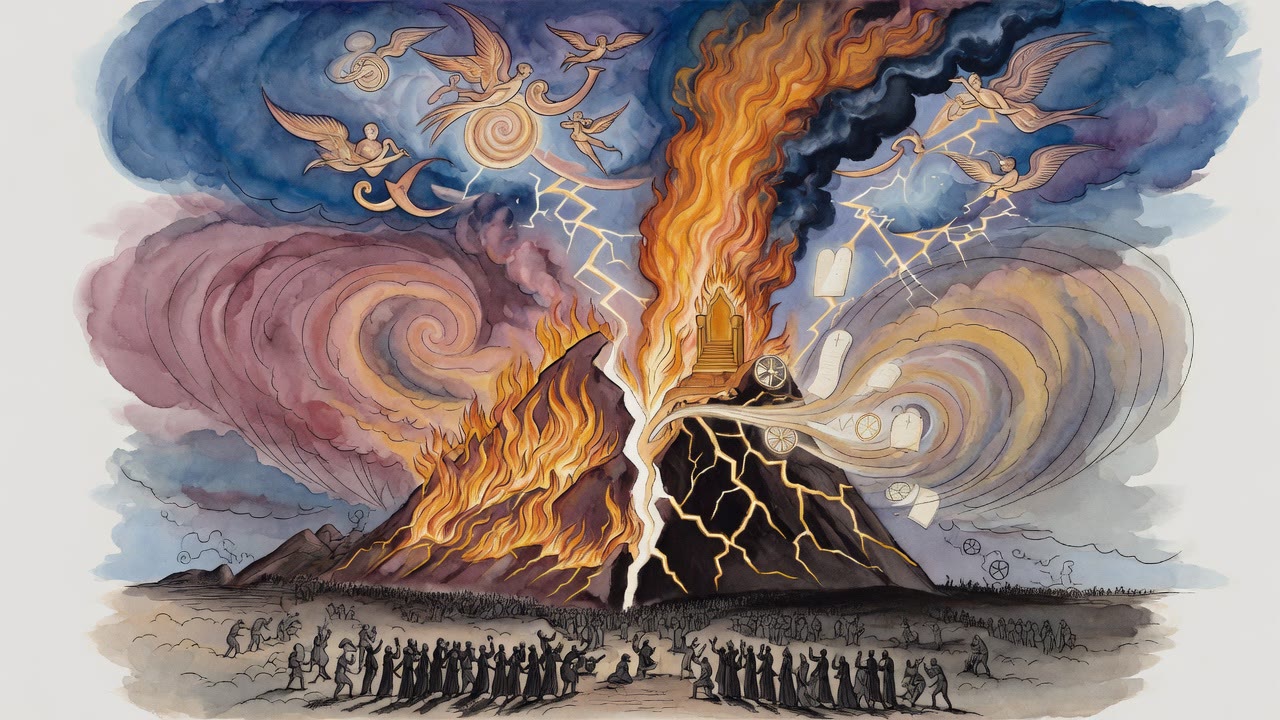
The second test came at Sinai, and it was not quiet. Moses had been on the mountain for forty days. The people who had watched him walk into the cloud and not come back had reached the point where waiting felt like abandonment. They wanted something they could see. They built a calf of gold and called it holy.
The tribe of Levi did not join them. When Moses came down from the mountain and stood at the gate of the camp and called out for everyone on God's side to come to him, the Levites moved. They crossed the line that the rest of the people would not cross, and they carried out what was required. It cost them. It cost them people they knew and bonds they had built. But they held the line when every other tribe had broken it, and that holding was what made them the tribe of the sanctuary.
The Manna and What It Taught
The tradition also preserved a secondary argument about why the Levites merited what they received. The manna that fed Israel in the desert was not simply bread from heaven. It was bread earned through Torah. Israel had been sustained by study; the Levites, as the guardians of that study, carried the logic of the manna in their calling. They tended what the people's survival depended on, even if the people did not always recognize the dependence.
← All myths