Why God Kept Reshuffling Who Came First in Egypt
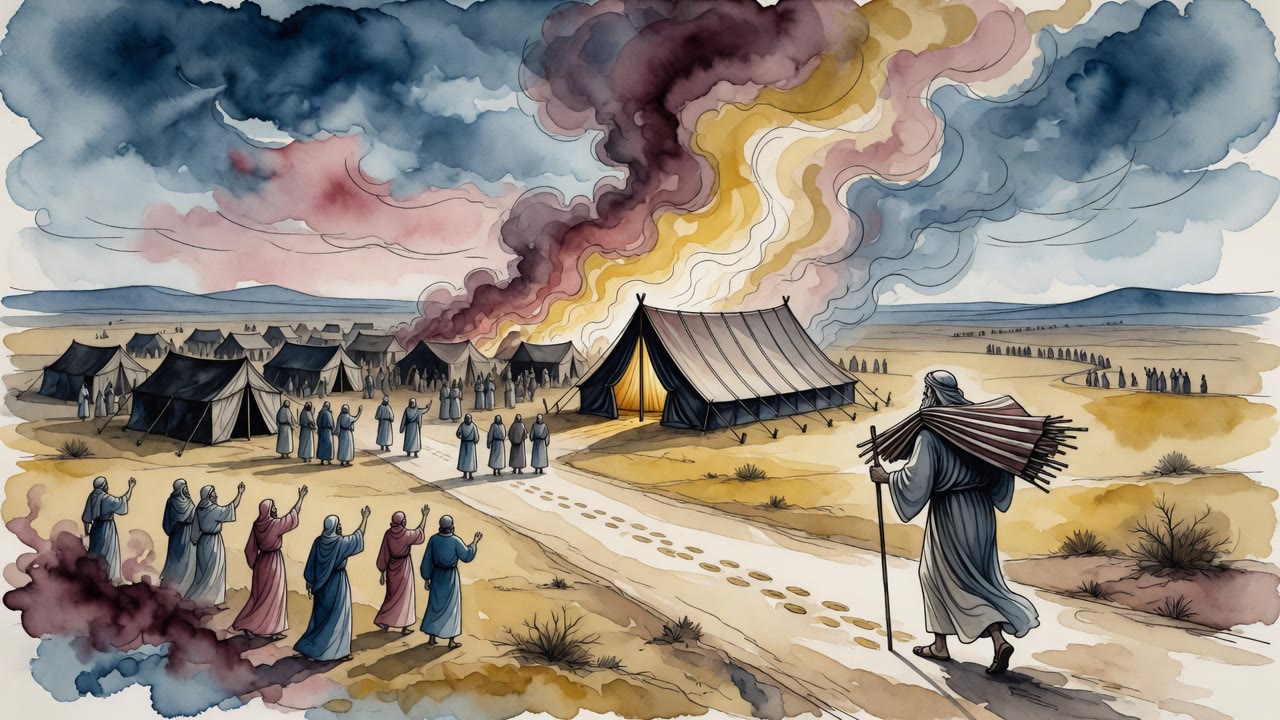
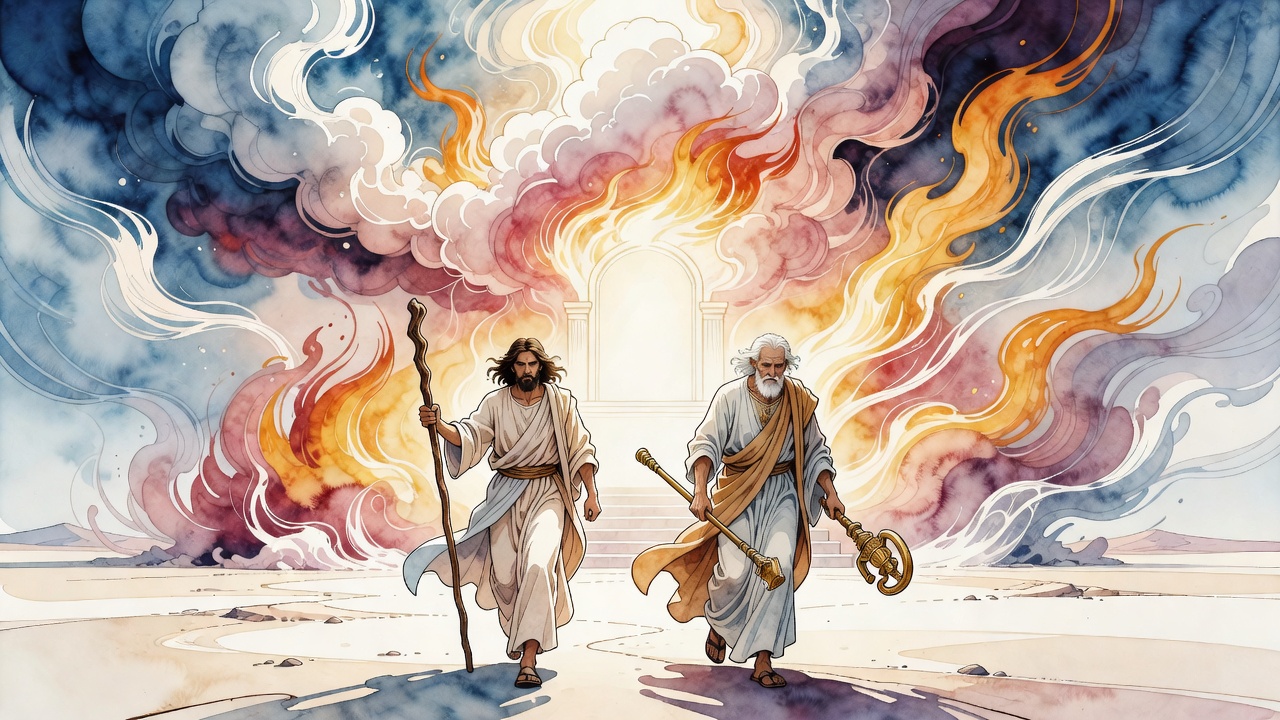
Moses the younger walked in front of Aaron the elder. A shepherd's staff outranked a scepter. God spent the Exodus tearing up every rule of rank.
Table of Contents
 Click for full size
The Man Who Looked Around and Found No One
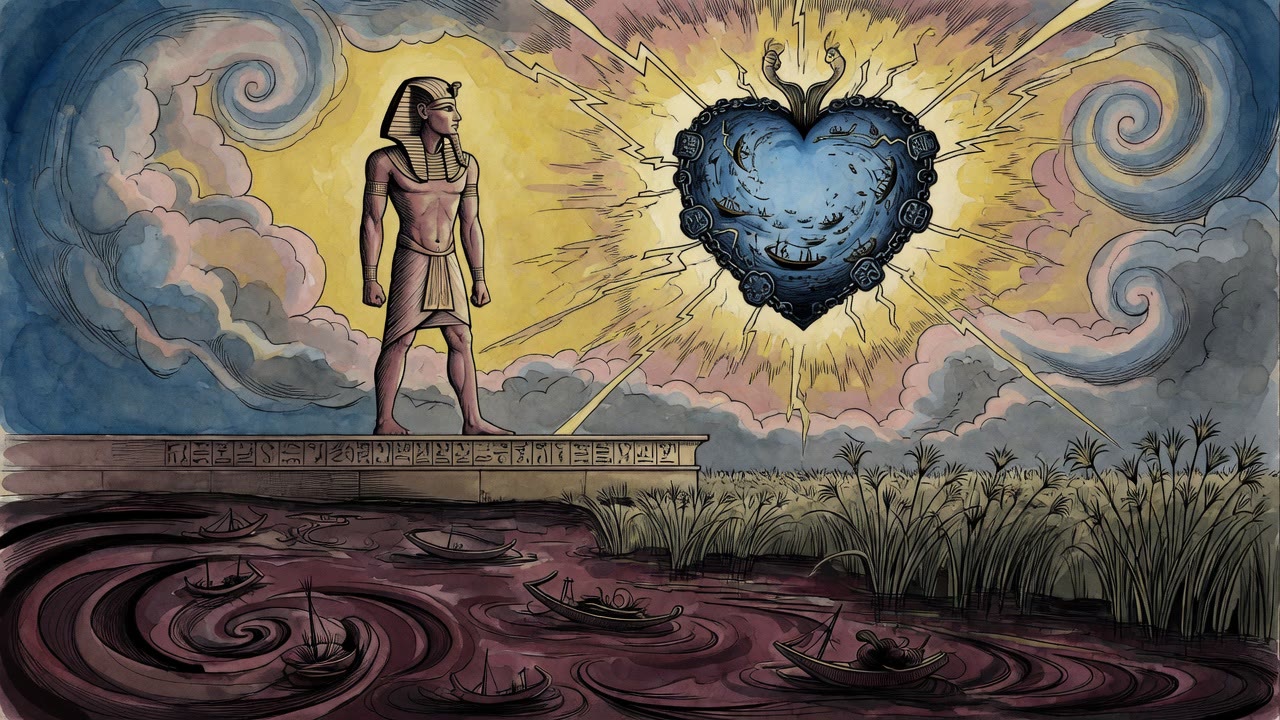
Moses was still a prince of Egypt when he saw an Egyptian beating a Hebrew slave. The Torah says he looked this way and that and saw that there was no man, and only then struck the Egyptian down. Shemot Rabbah refused to read that phrase as a simple check for witnesses. The rabbis asked what Moses was actually looking for when he turned his head.
Rabbi Yehuda said Moses saw there was no man willing to be zealous for God and act. Rabbi Nechemya said Moses saw no one righteous enough to invoke the divine name first and then strike. Others said Moses consulted the angels themselves about the Egyptian's case, asking whether this man deserved death before moving against him. The verdict came back: yes.
This was not how princes of Egypt normally operated. Princes did not take surveys of bystanders' righteousness before disciplining a slave master. But Moses was not acting as a prince. He was acting as the person he was in the process of becoming, and the process required that kind of precision. He was not impulsive. He was deliberate. He did not strike first and ask later. He asked first. He found that no one else was going to act. Then he acted.
Moses's Staff Entered the Palace Before His Title Did
God told Moses to go back to Egypt and confront Pharaoh. Moses brought a shepherd's staff. This was the object he was going to use to demonstrate divine authority in the court of the most powerful ruler in the known world. A piece of wood from the Midianite desert against the full institutional weight of Egyptian civilization.
The midrash preserved a tradition about that staff that located its origin before Moses was born. The staff had passed through hands, from Adam through Noah through Abraham through all the patriarchs, arriving at Jethro's household by a route the tradition documented. Jethro had planted it in his garden and it had remained there, rooted, until Moses came and pulled it out. No one else had been able to move it.
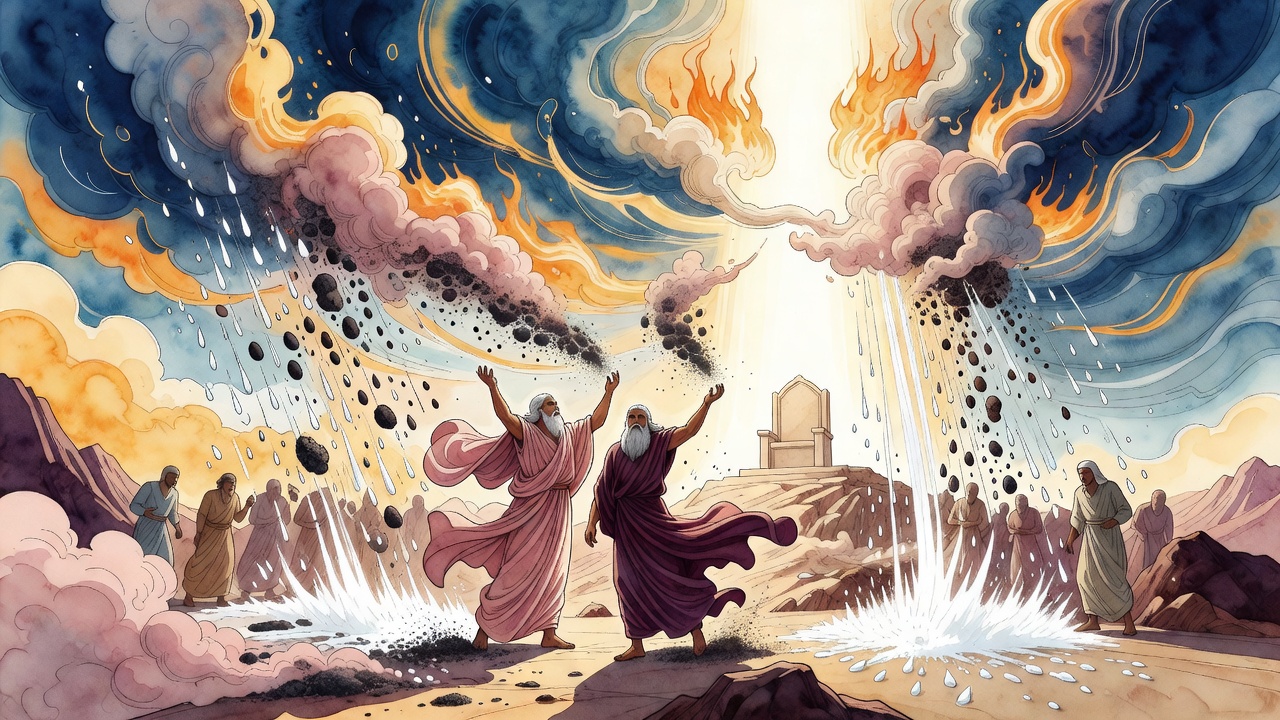
When it performed its signs in Pharaoh's court, swallowing the staffs of the Egyptian magicians, what was performing was not Moses's personal authority. It was the accumulated weight of every hand the staff had passed through. The younger brother who should not have been leading anything was carrying the instrument that was older than the Egyptian kingdom.
The Younger Walked in Front of the Elder
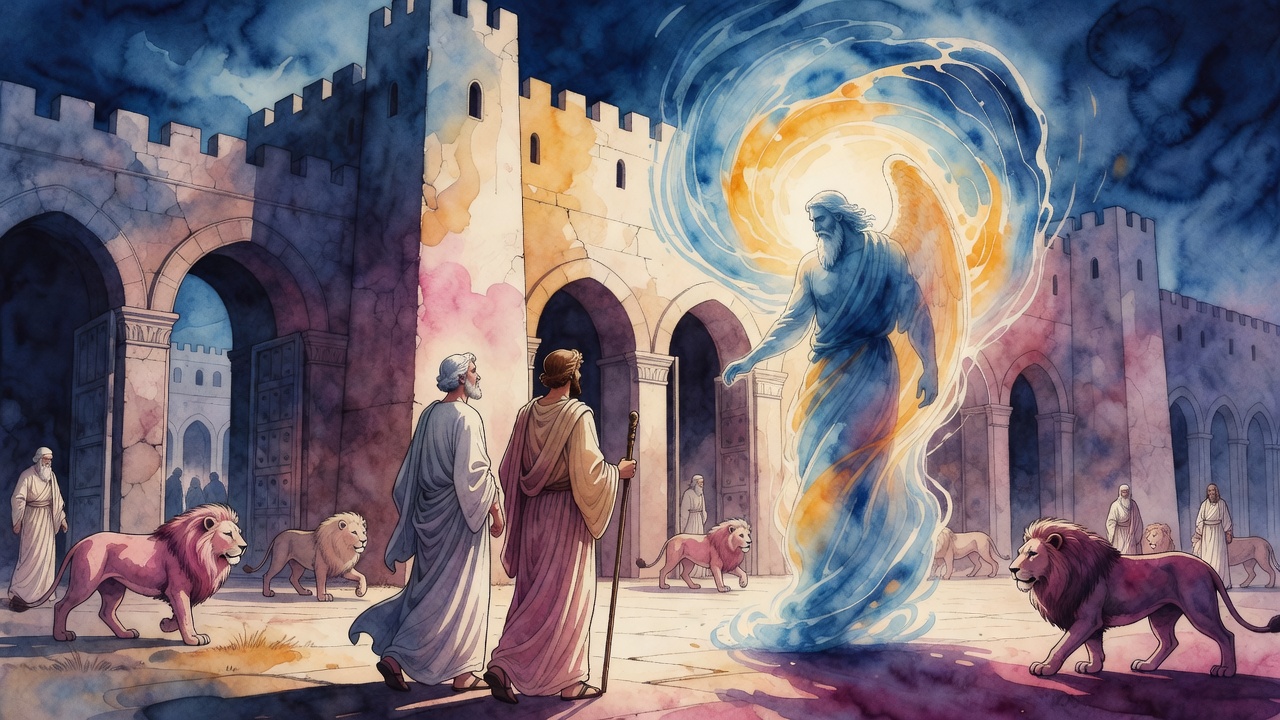
Moses and Aaron are listed in different orders in different verses of Exodus. Sometimes Moses comes first. Sometimes Aaron comes first. Shemot Rabbah noticed this variation and read it as deliberate. God kept the list from settling because the question of who came first was exactly what was at issue in the whole story.
The Torah's inheritance law gave the firstborn a double portion and the right of precedence. The patriarchal history kept violating it: Isaac over Ishmael, Jacob over Esau, Joseph's dreams above his brothers' practical authority, Ephraim's hand over Manasseh's. The Exodus was not a break from this pattern. It was the pattern made explicit and systematic. God was answering a question across generations: which kind of priority is real?
Aaron was older. Aaron was an eloquent speaker. Aaron was, in many ways, the more conventionally qualified leader. Moses was the younger, the one with the stammer, the one who had spent forty years in the wilderness herding sheep. And Moses walked in front. Not because the rules of rank were wrong but because the mission required the person God had chosen for the mission, and that person was not selected by the rules of rank.
The Firstborn's Connection to the Exodus
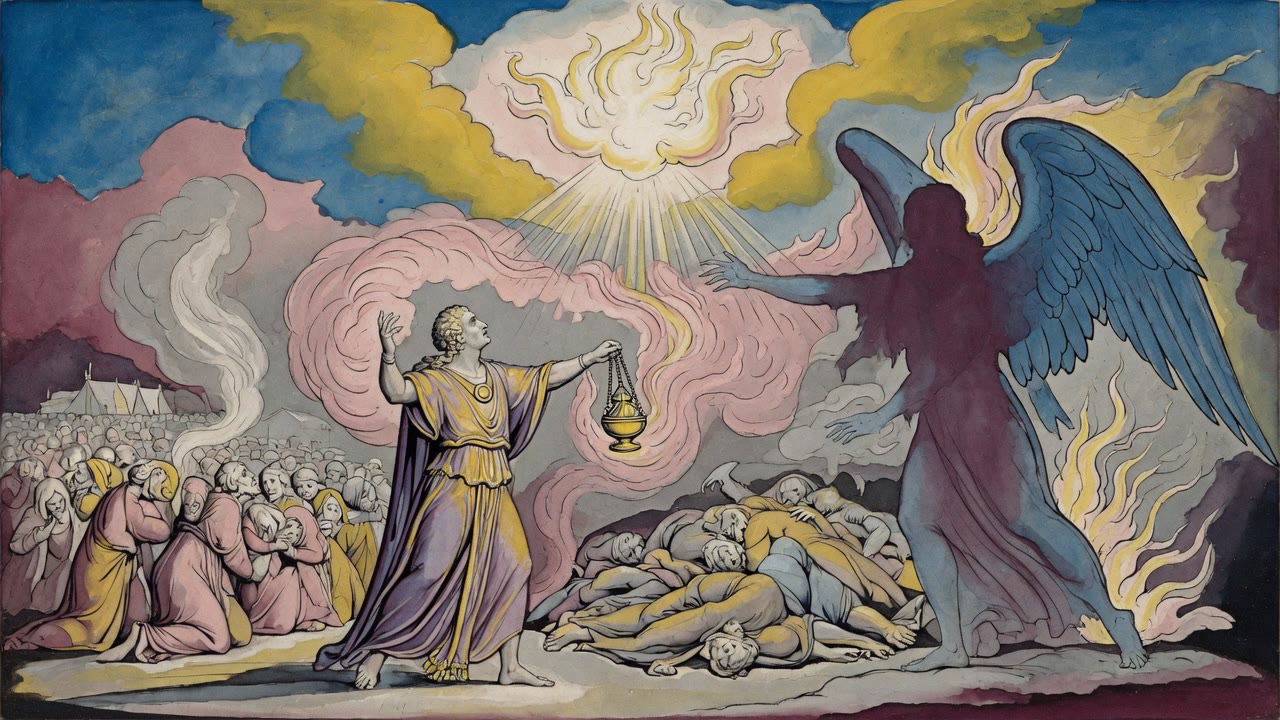
The last plague killed the Egyptian firstborn. But it sanctified the Israelite firstborn. From that night forward, every Israelite firstborn son belonged to God in a special sense, set apart by the fact that on the night the Egyptian firstborns died, the Israelite firstborns lived because of something that had been done at a threshold marked in blood.
The sanctification of the firstborn was another inversion of the normal inheritance logic. The firstborn was not set apart because of what he would inherit or accumulate. He was set apart because of what he had survived without knowing it. His status was not earned. It was granted at a moment he could not remember. The youngest brothers who walked in front of their elders carried the same structure. Their priority was not the result of a competition they had won. It was the result of a selection they had not made.
God kept reshuffling the deck because the deck the world was using was measuring the wrong things. Birth order is a fact. It is not a verdict. The Exodus was God's extended argument that the verdict had to come from somewhere else, and that the somewhere else was a place that did not appear on any register of precedence the Egyptians were keeping.
← All myths