David Wanted the Temple and God Counted the Want
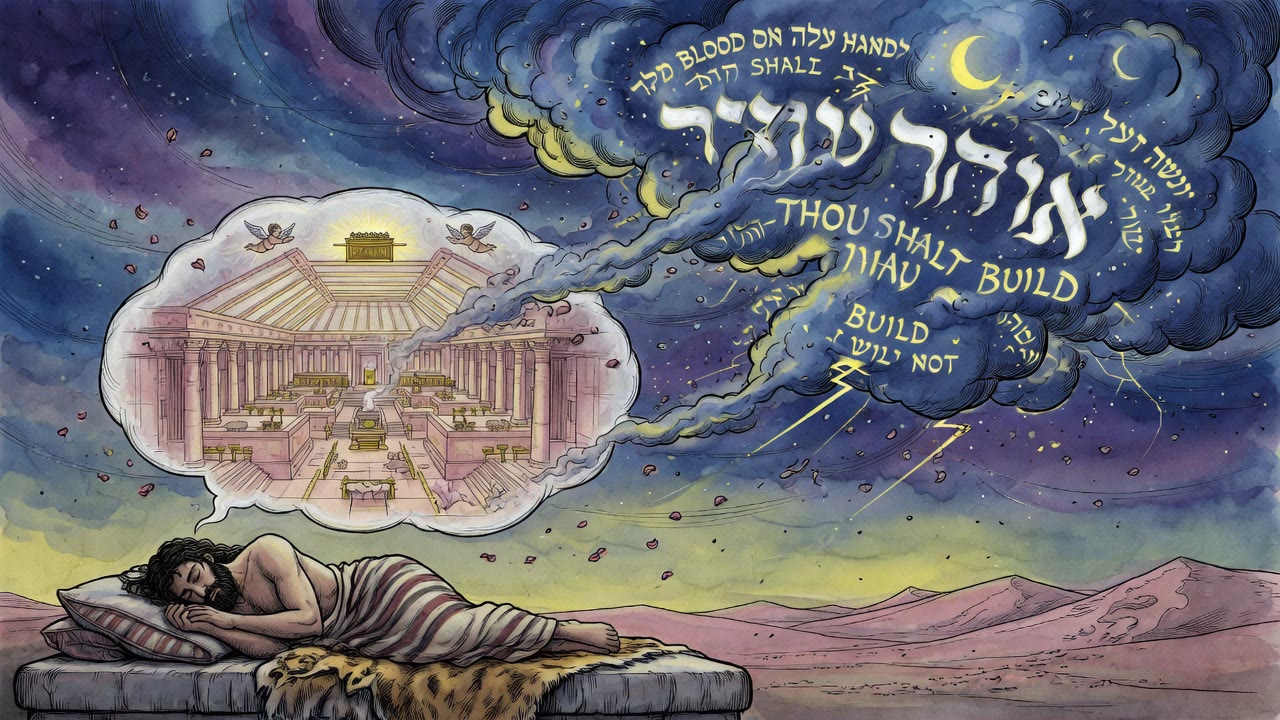
David cannot build the Temple but cannot stop wanting it, and God credits the longing as if stone had already been laid on stone.
Table of Contents
 Click for full size
David Stood Before an Unbuilt House
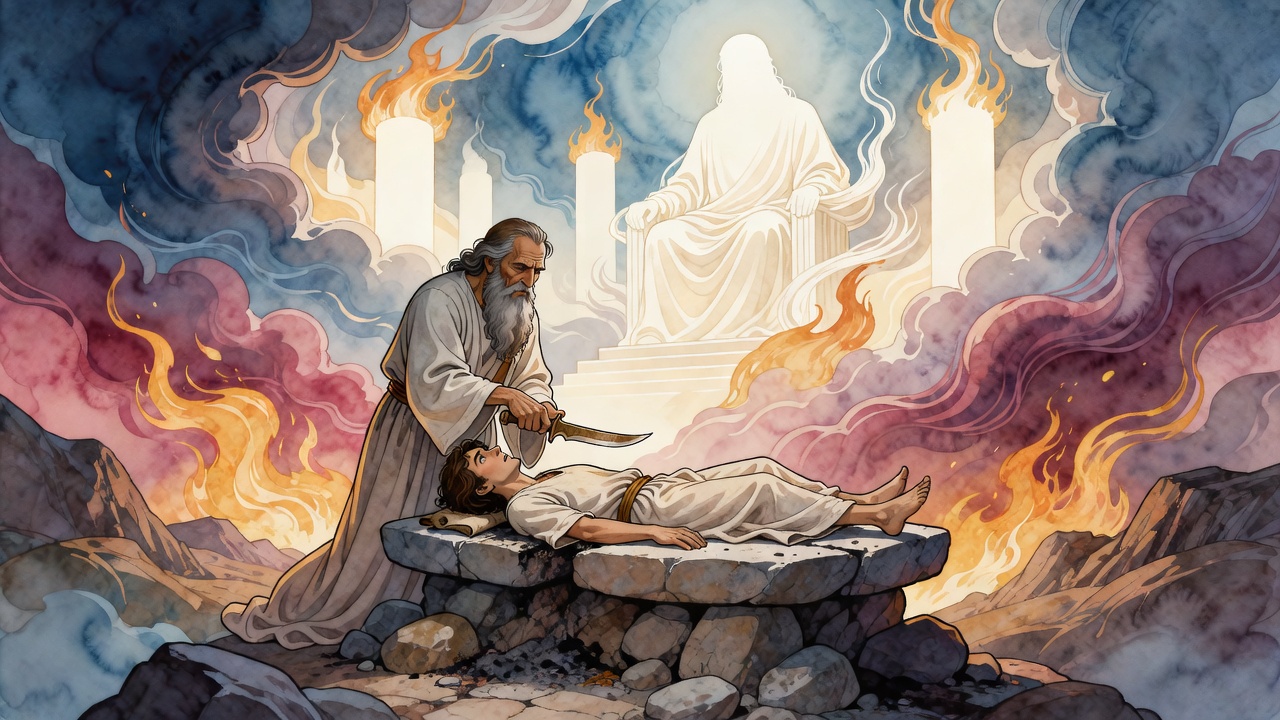
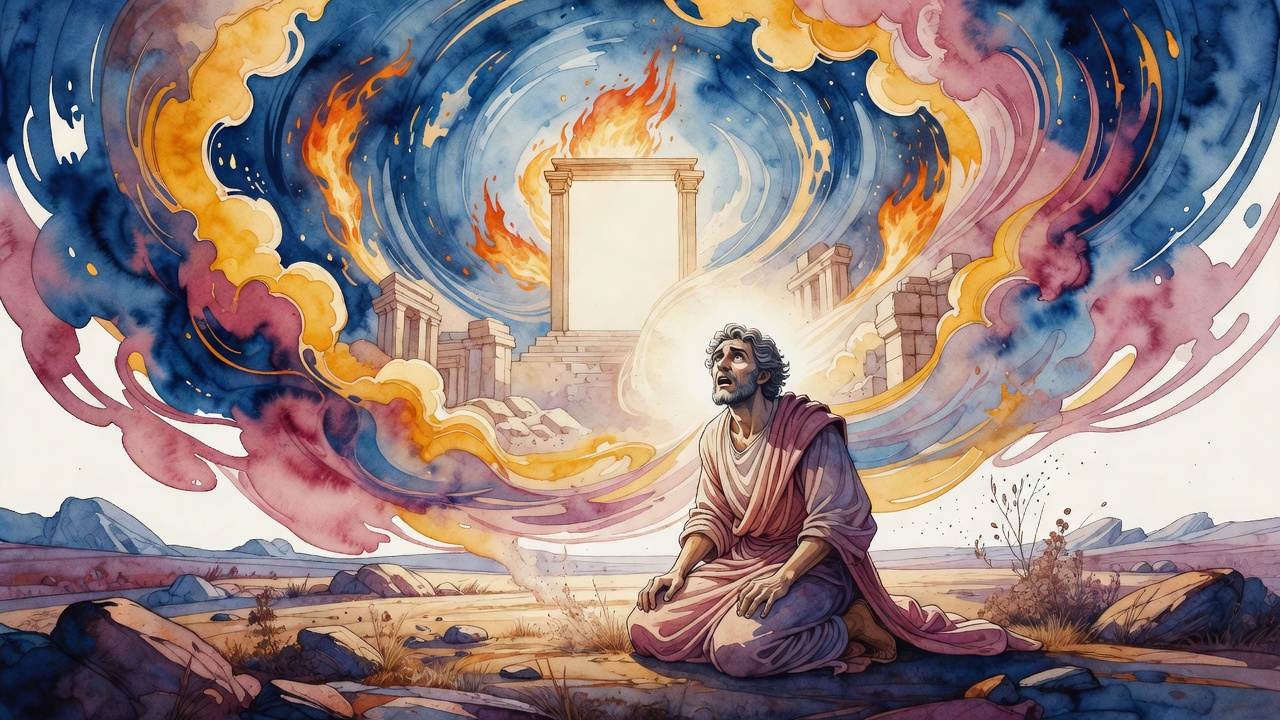
The psalm's heading says it belongs to David: a psalm, a song for the dedication of the House. The problem is obvious to anyone who knows the story. David prepared. Solomon built. David gathered the silver, the gold, the cedar, the iron. He made all the arrangements he could. Then God told him he would not be the one to lay the first stone, and Solomon became the builder, and the House was dedicated under another king's name.
Midrash Tehillim 30:4 does not soften the problem. It asks why the psalm belongs to David. The answer the midrash gives is the one that runs through everything it says about David: because he wanted it. The wanting was so total, so constitutive of who David was, that when Solomon dedicated the House, the dedication belonged to the one who had poured his life into preparation for what he would never live to complete.
Heaven counts more than what a person finishes. It counts what a person wanted so badly that it became part of their name.
David Taught Prayer Before the Temple Existed
Midrash Tehillim 29:1 hears David teaching Israel how to begin. Not how to begin building. How to begin prayer. The sons of the mighty, the Psalm says, the interpreters translate as the sons of Abraham, Isaac, and Jacob. David stands before Israel and says: bring to God, O sons of the mighty, bring to God glory and strength. Begin with the patriarchs. Begin with what you come from. Begin with the name that carries weight before you have contributed your own.
Prayer in this telling is not a private transaction between an individual and God. It is an act performed inside a lineage, inside a covenant older than the speaker. David who could not build the Temple could still teach Israel how to stand before God, which is what the Temple was built to make visible and accessible. The building houses the practice. The practice is older than the building.
Doeg Chose Wrong and Lost What He Chose
Midrash Tehillim 52:6 places David opposite Doeg, the man who chose correctly, in worldly terms. Doeg had power. He had Saul's favor. He had information that made him useful and therefore safe. He used his position to destroy the priests of Nob and increase his standing with a king who needed someone willing to do what soldiers refused to do.
The midrash watches what happens next. Doeg's olive tree is uprooted. The Tree that roots in God's house, the Psalm says, flourishes in the courts of God. Doeg chose the tree that had roots in Saul's court, in wealth, in Saul's favor, and when Saul fell, everything Doeg had planted fell with it.
David's olive tree had different roots. David chose wrong in the matter of Bathsheba and Uriah, and paid a heavy price. But the core of what David was, the wanting that went toward God and toward the Temple and toward the prayer that teaches Israel how to begin, was rooted in something that outlasted any individual king's reign.
The Want Was Credited as Work
What Midrash Tehillim assembles from these three passages is a theology of intention. The person who wants the right thing with the right intensity, who pours preparation and longing into a goal that circumstance prevents them from completing, does not end up credited with nothing. Heaven counts the want.
This is not a consolation for failure. It is a precise claim about what is being evaluated. David did not fail to build the Temple. He was prevented by a divine decision based on the blood of David's wars. But the wanting was genuine, the preparation was real, and the psalm for the dedication carries his name because the dedication stood on everything he had gathered and longed for.
← All myths