30 myths
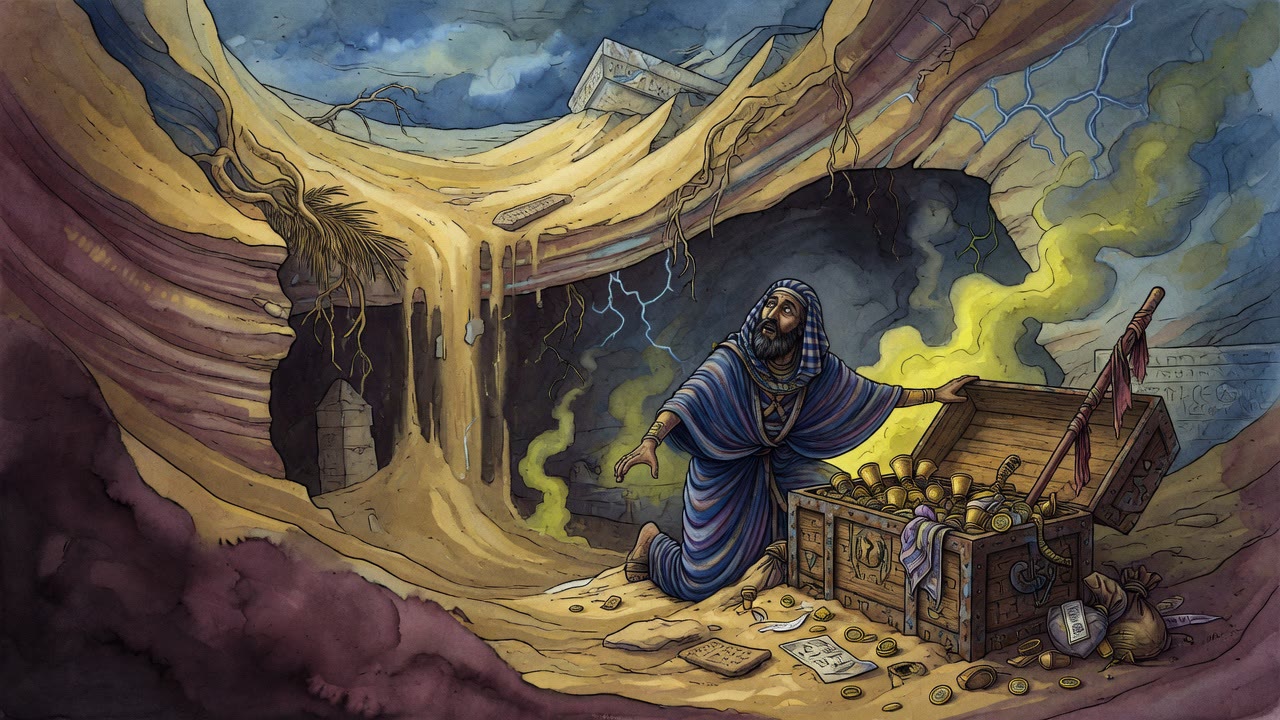
Three hundred white mules carried only the keys. Korah had opened one of Joseph's buried rooms, and the earth was already waiting.
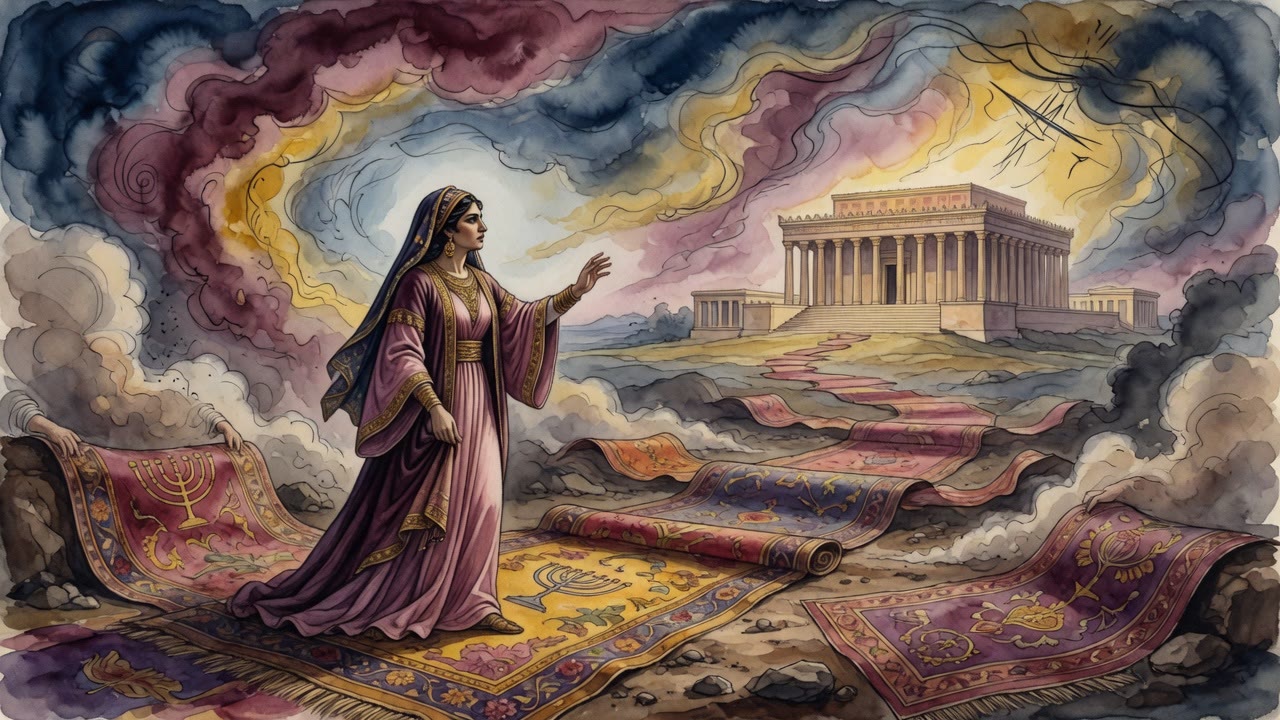
The richest woman in Jerusalem lays carpets from her door to the Temple so her feet never touch the ground, until one day they must.
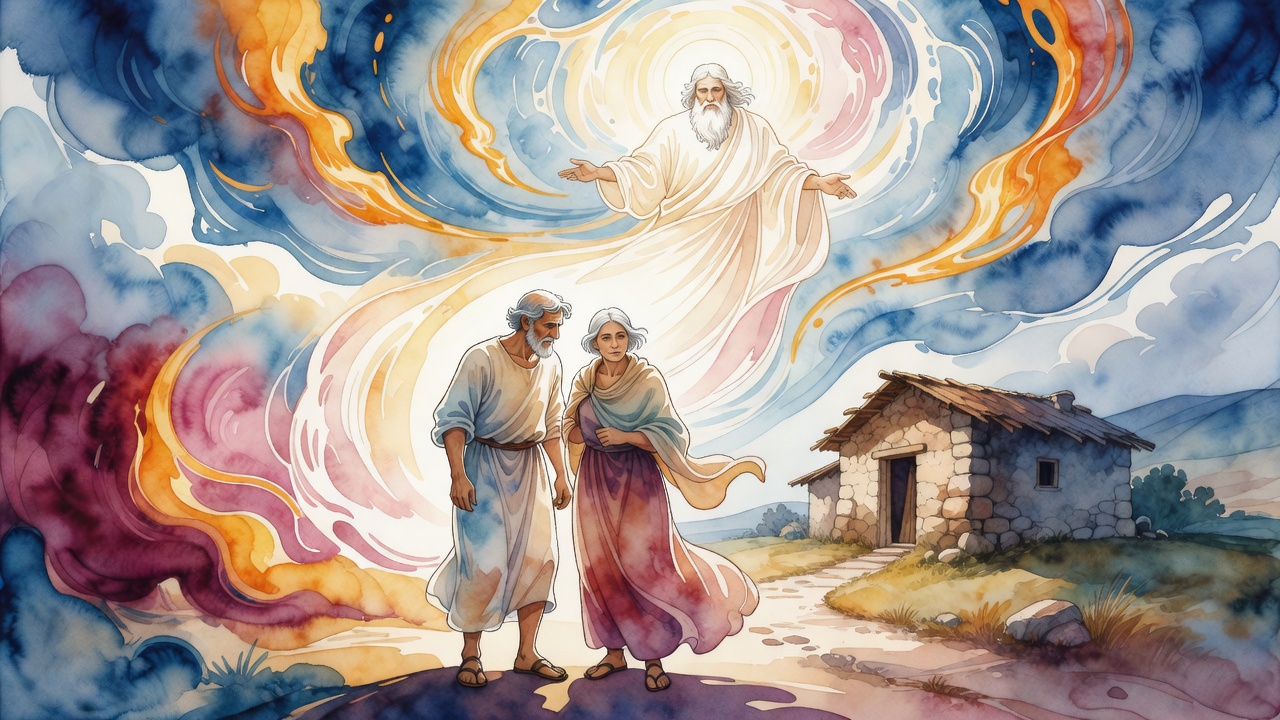
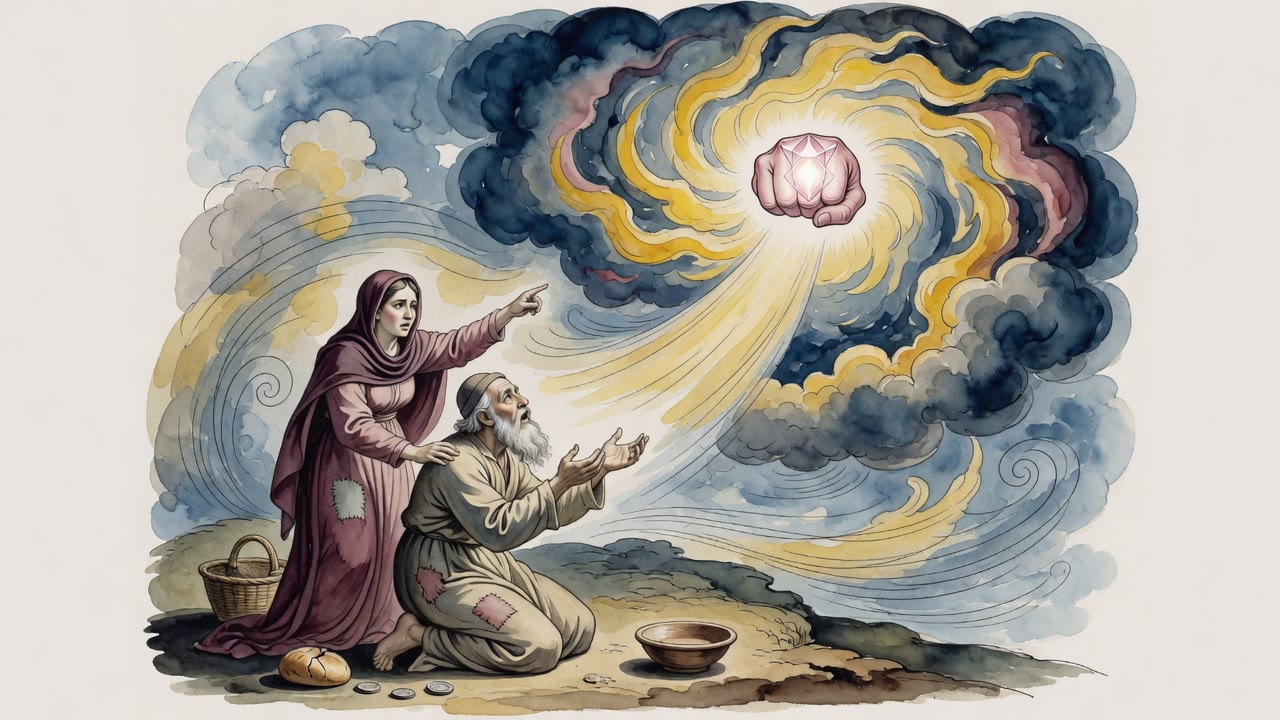
A stranger offered a destitute laborer the timing of seven good years. The wife said spend them on charity. Elijah came back to see what they had done.
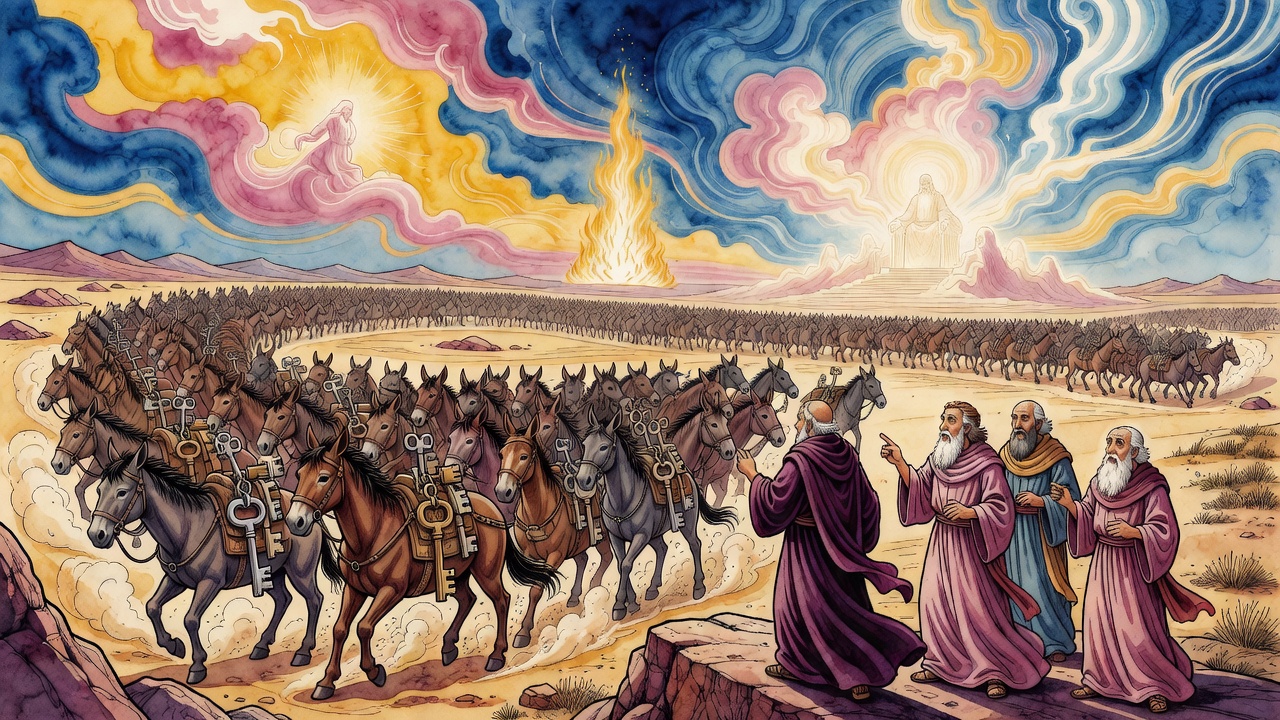
Three hundred white mules carried only the keys to his vaults. Korah came home shaved from the Levite rite, and his wife named it disgrace.
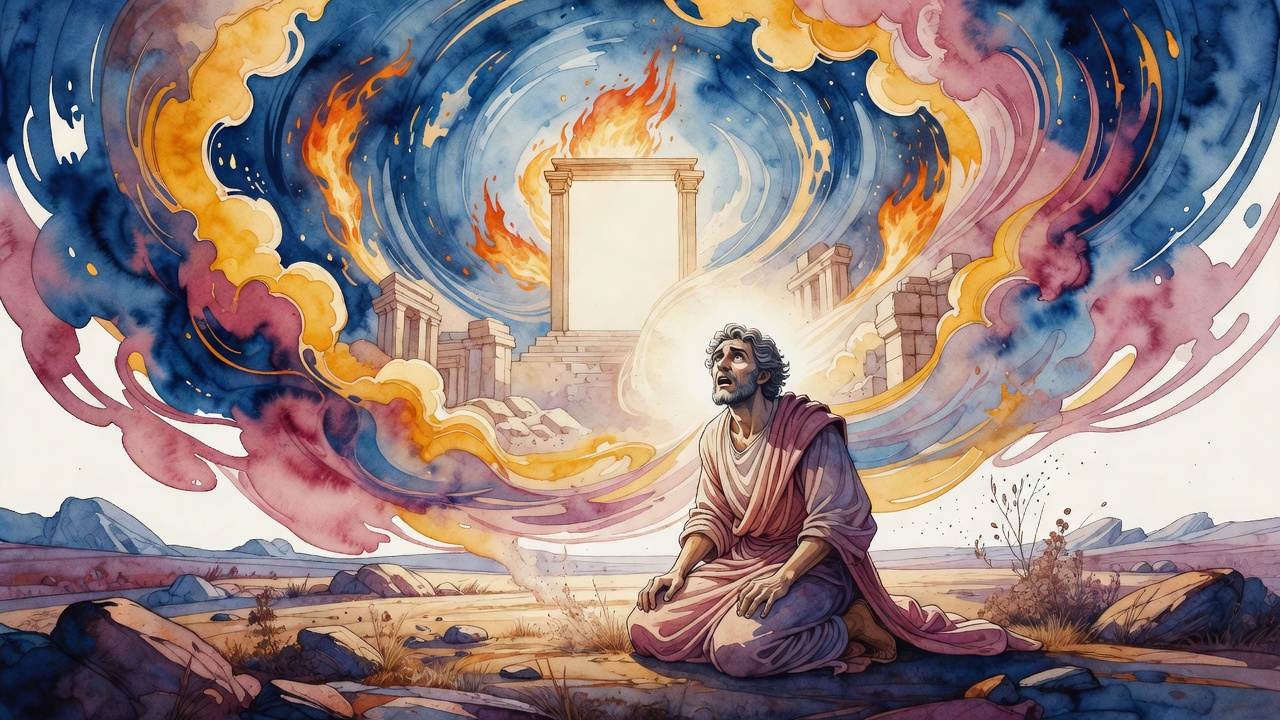
David cannot build the Temple but cannot stop wanting it, and God credits the longing as if stone had already been laid on stone.
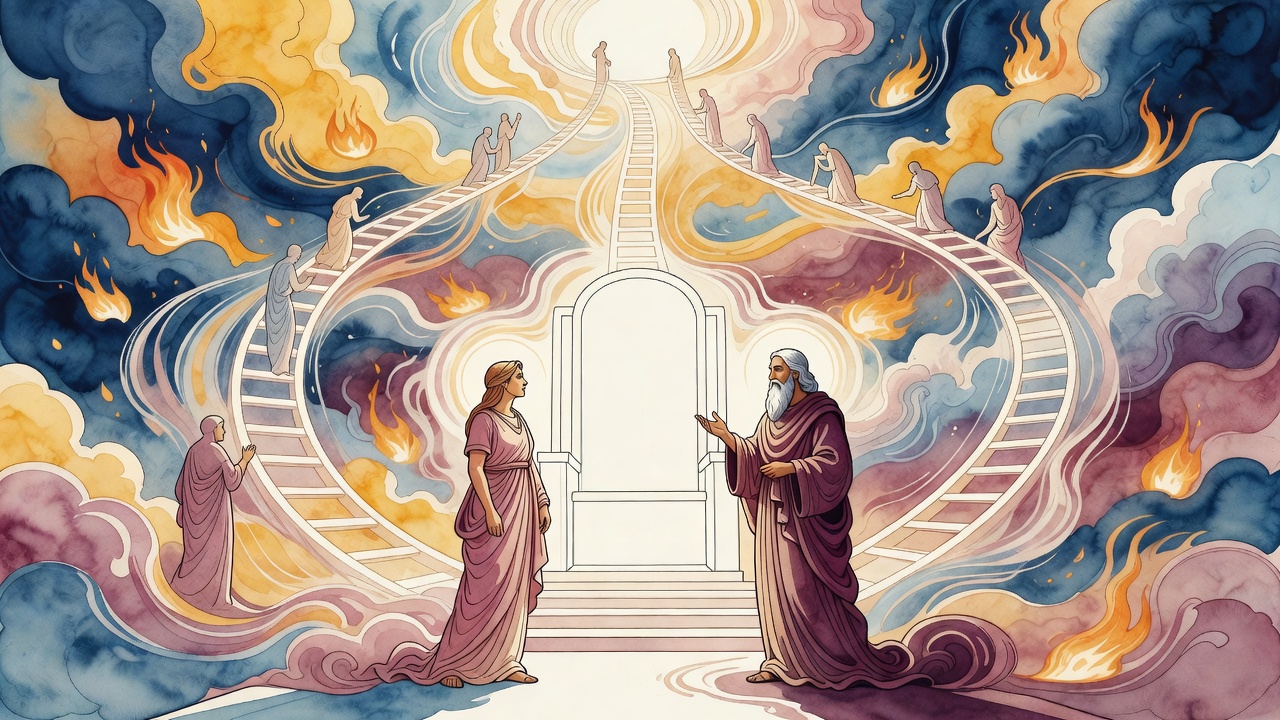
A Roman noblewoman asks Rabbi Shimon what God does all day. He answers without hesitation: God builds ladders and moves people up and down them.
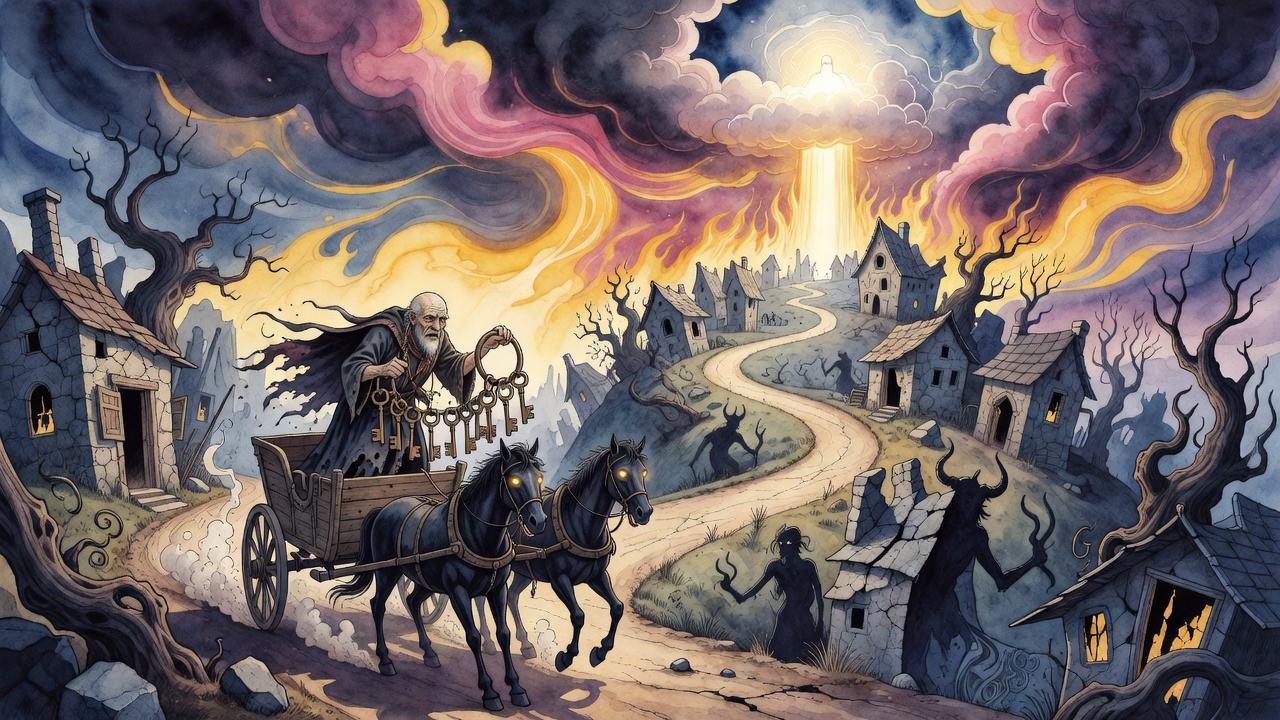
A woman in a strange village pulled him aside. Eat nothing here, she said. The host was not a man, and the food would put a chain on him.
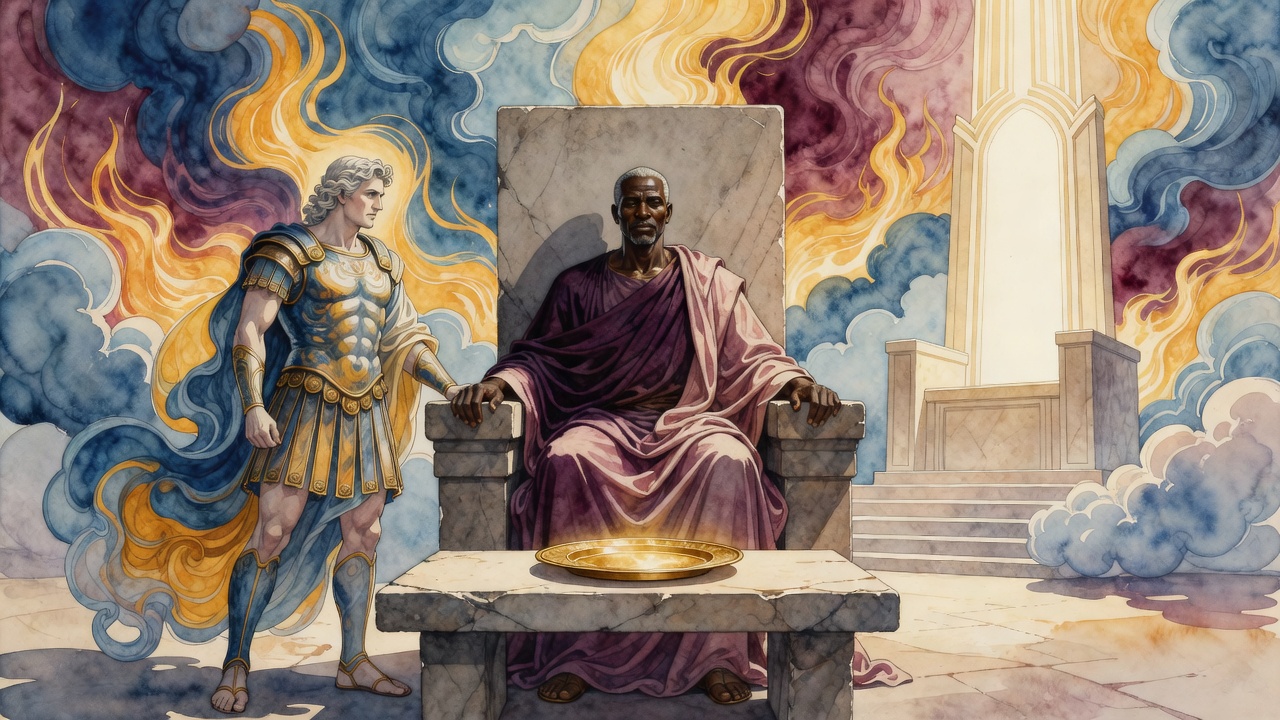
Alexander rode south to plunder Afriki and was sat before a feast he could not eat, then judged by a verdict that exposed his whole empire.
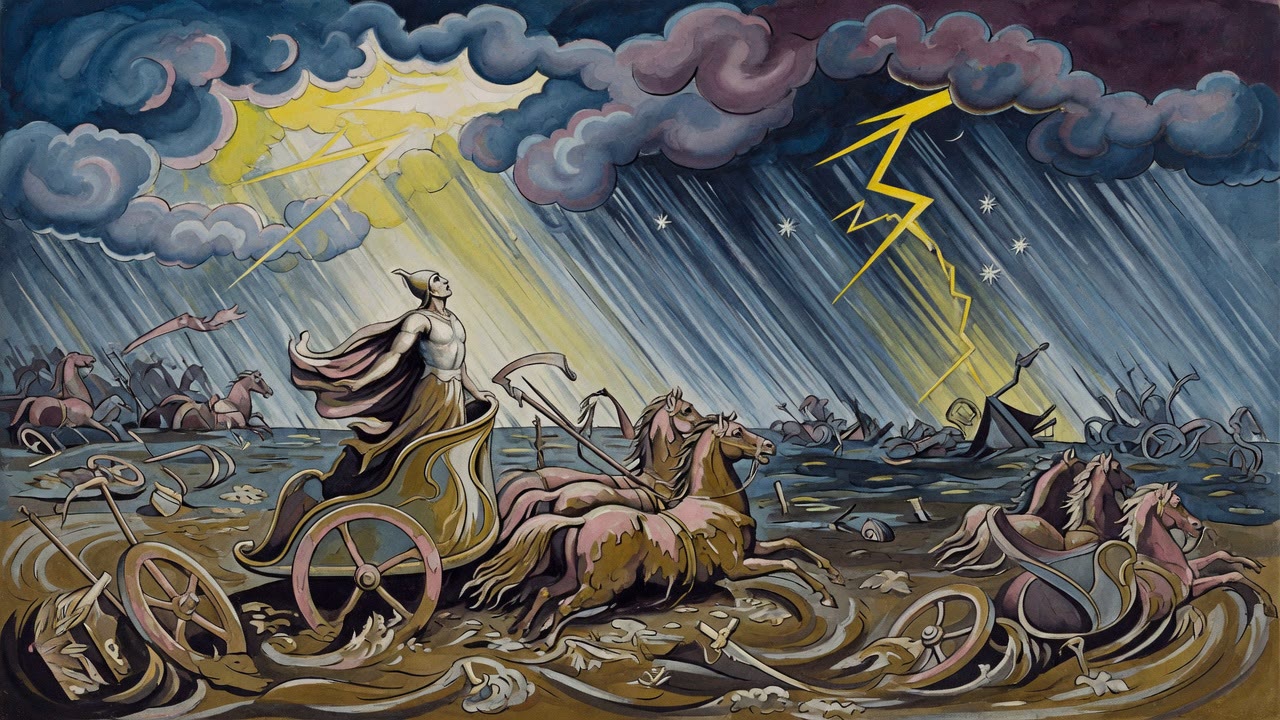
Solomon multiplied wives, horses, and gold against the king's law. Heaven sent an angel wearing his face, and the real king ate grits.
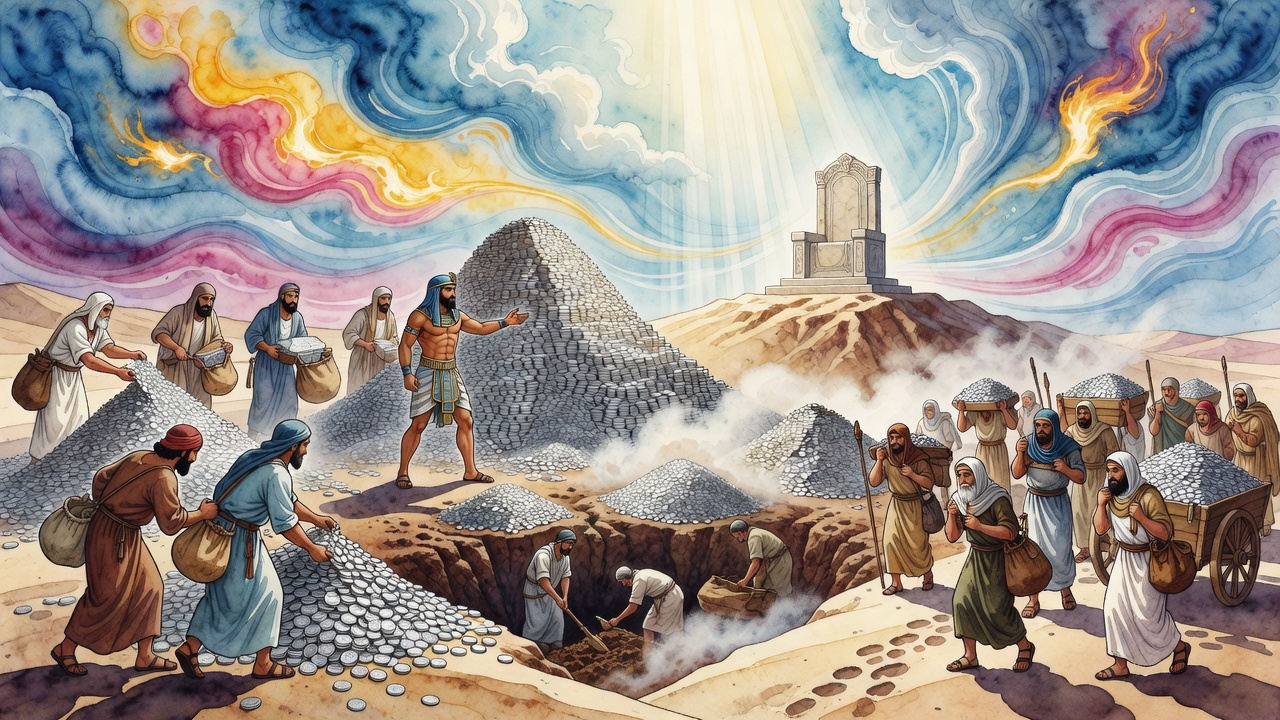
Nations empty their purses for grain. Joseph stacks the earth's silver in Egypt, buries three hoards, and later Israel carries the treasure out.
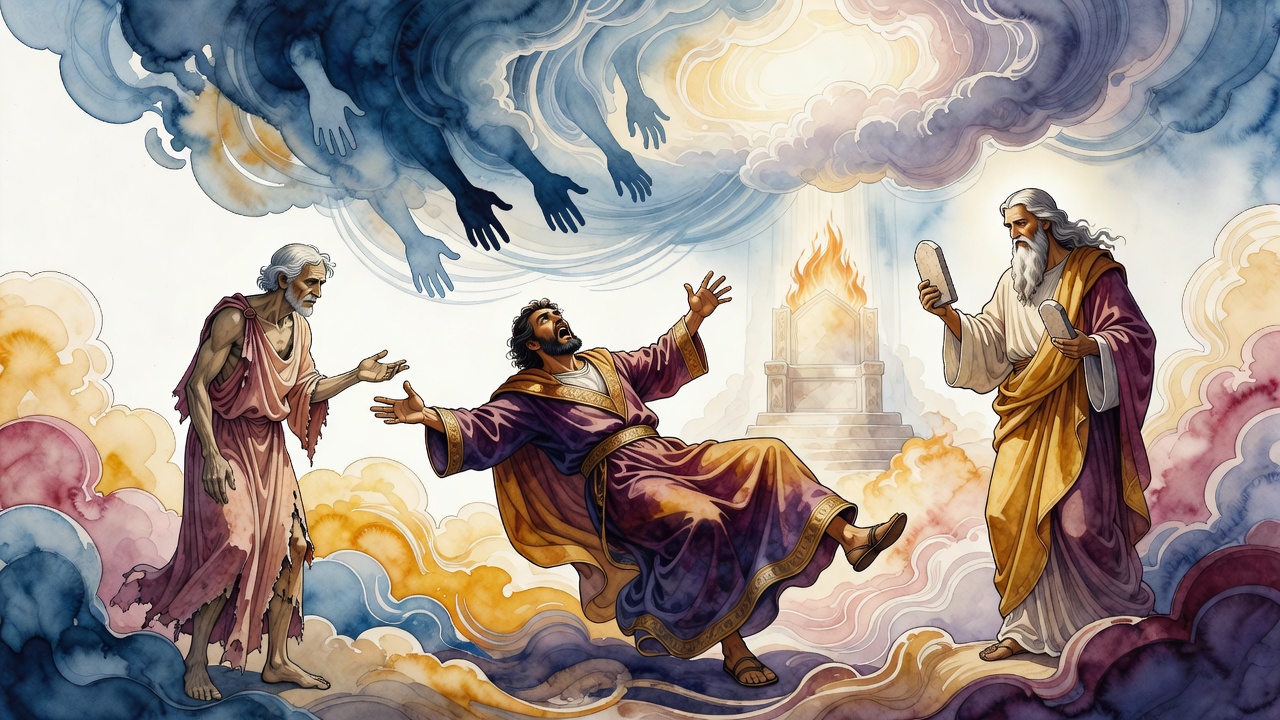
A poor man asked for help and a rich man mocked his body. Heaven answered the sneer with empty hands, while Moses warned that any brother can sink.
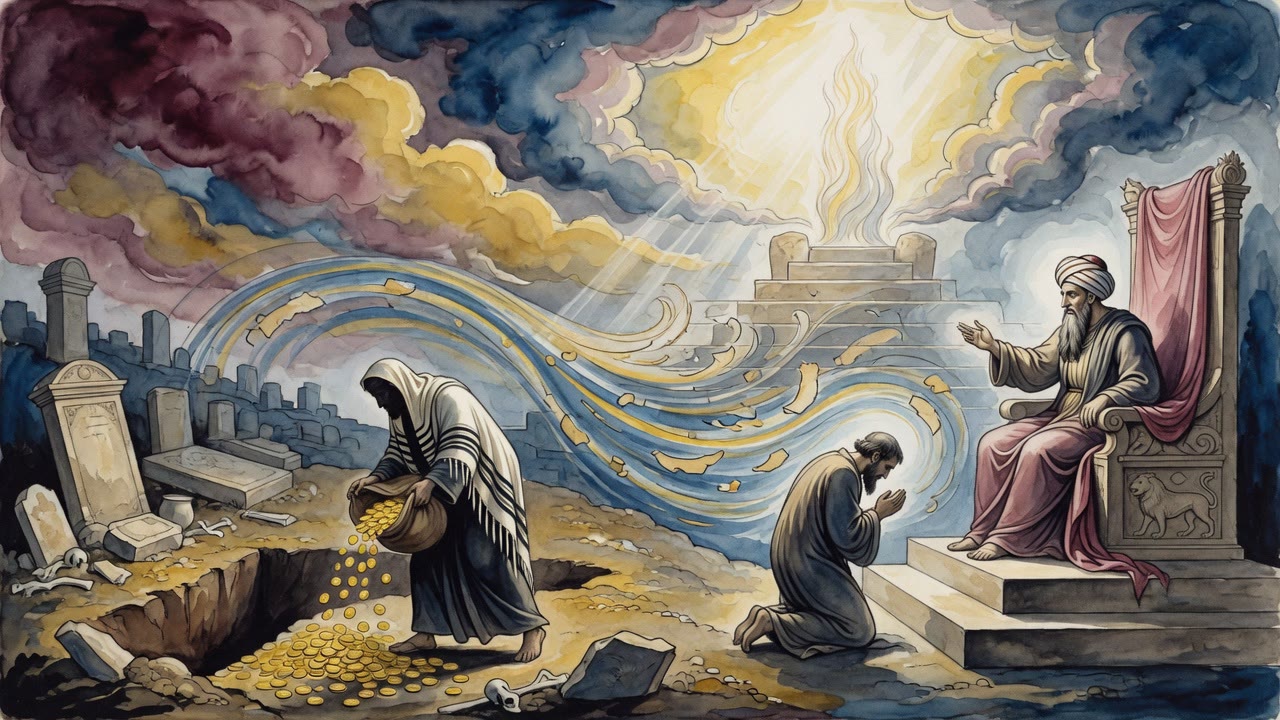
He offered the bags to a man in rags. The man said only the dead have lost hope, so the gold went into cemetery soil at night.

He sailed to bankrupt himself on purpose. Providence filled every box, and the road kept every stone he threw away.
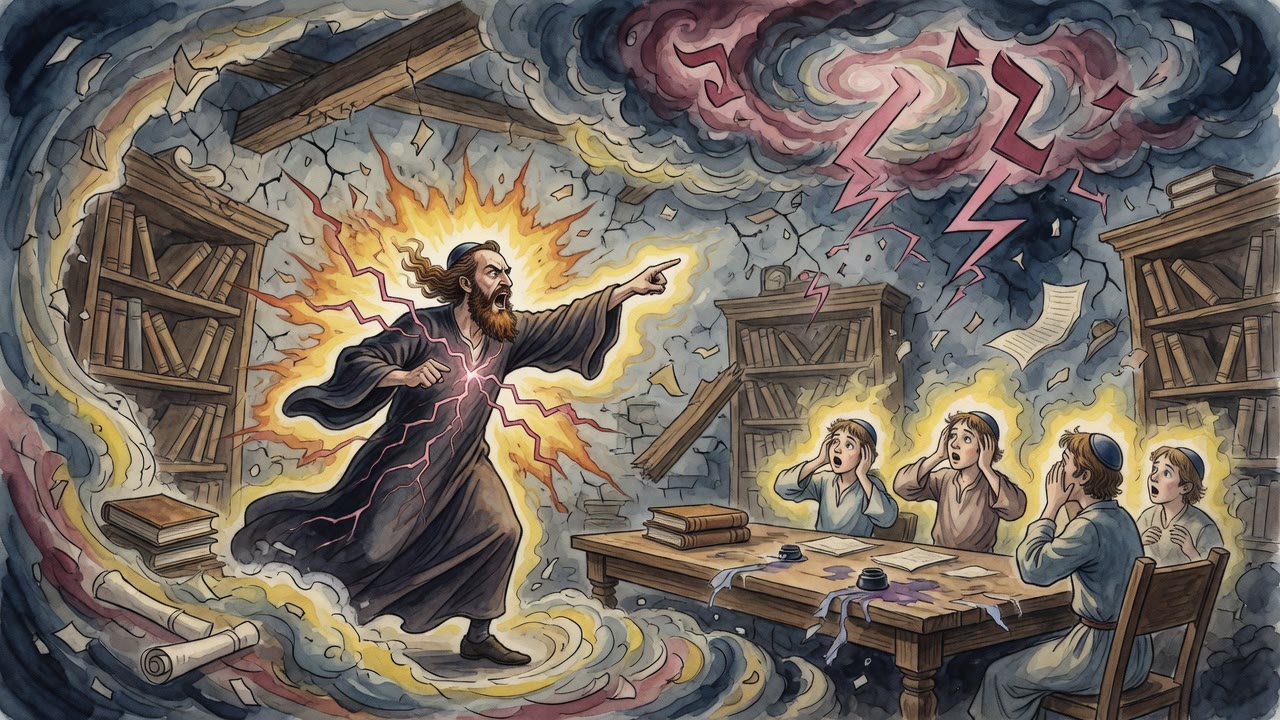
Rabbi Yochanan handed the eulogy to Reish Lakish. He called the dead man a garden that God walked into. Yochanan chose shrouds neither white nor black.
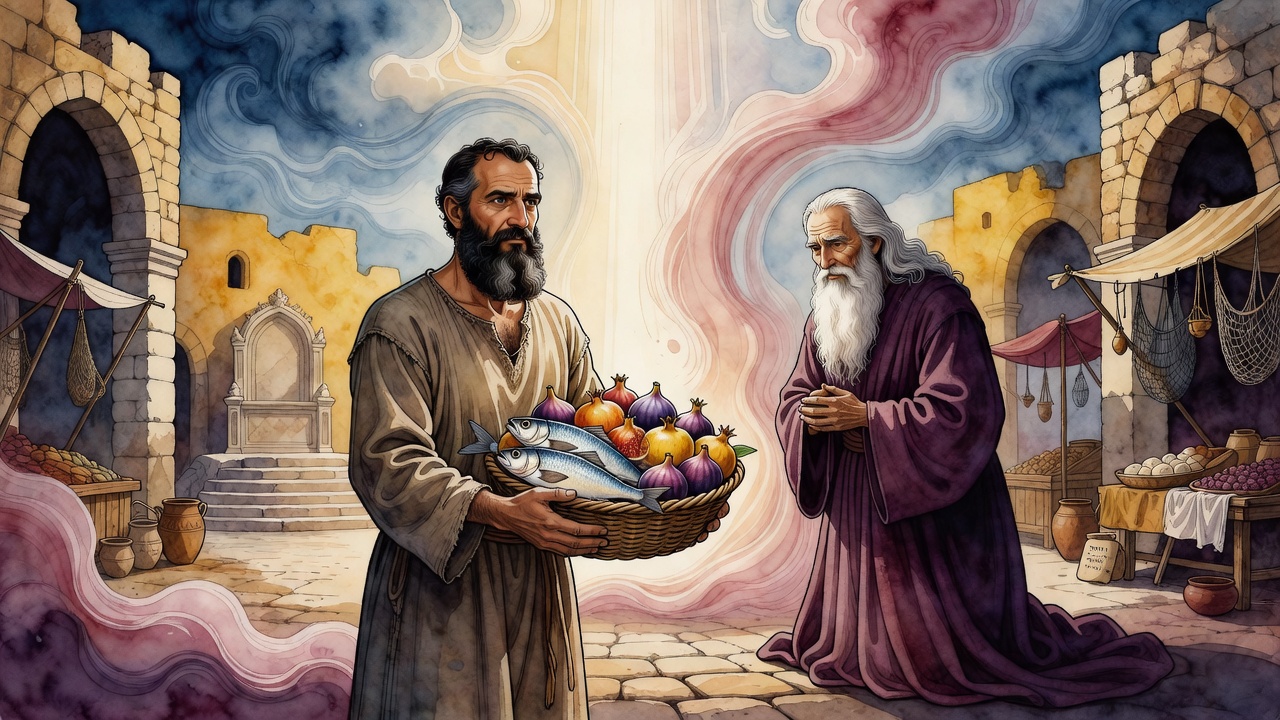
He set aside the best fish on Sunday and the good meat on Thursday, and ate none of it before Friday night. The neighbors laughed until he grew rich.
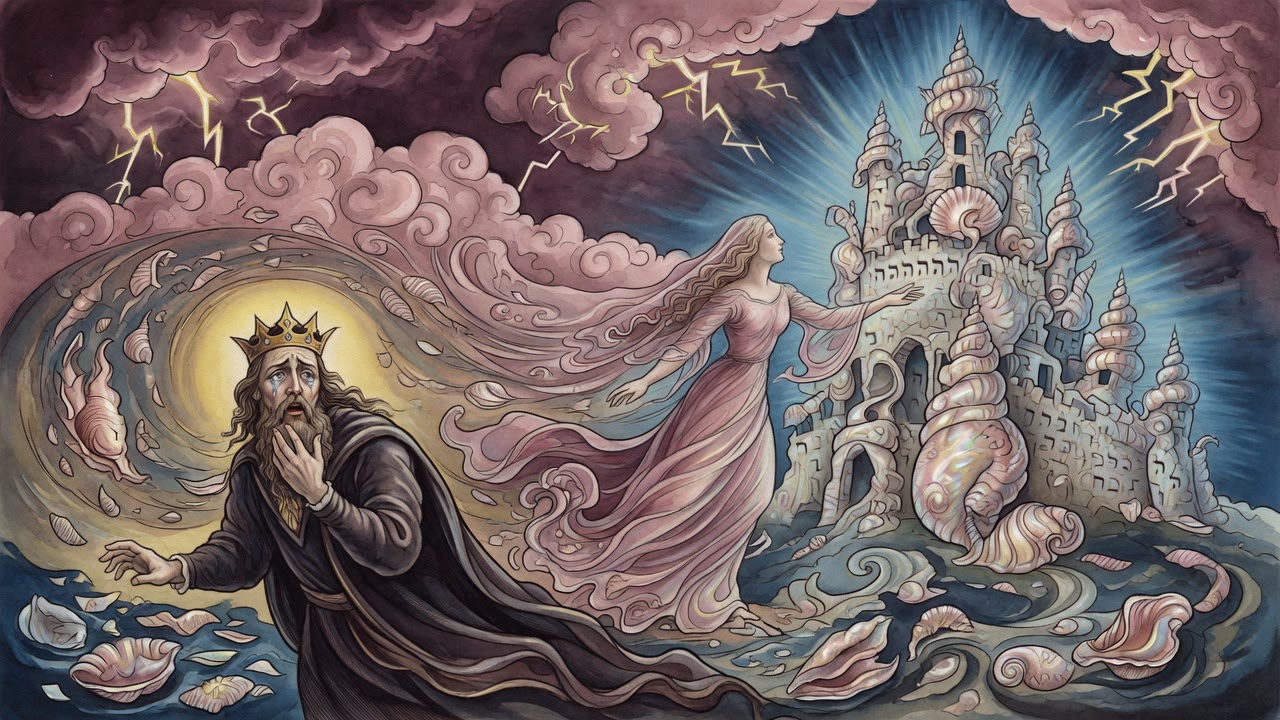
A merchant's son sent a woodcutter into an inn before him, then divided pigeons at a table where greed and a sealed dream of swapped fortunes both waited.
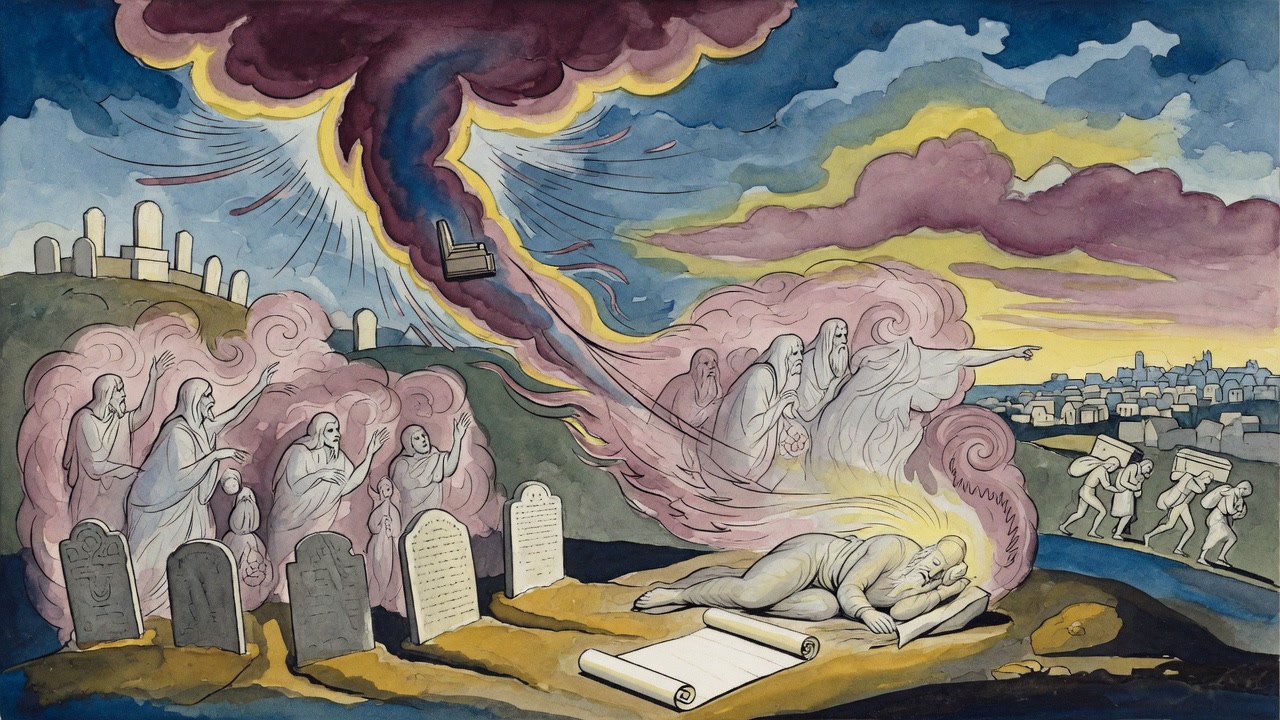
A rich man buried gold among the graves after a beggar refused it, then met that same beggar as governor when he dug for despair.
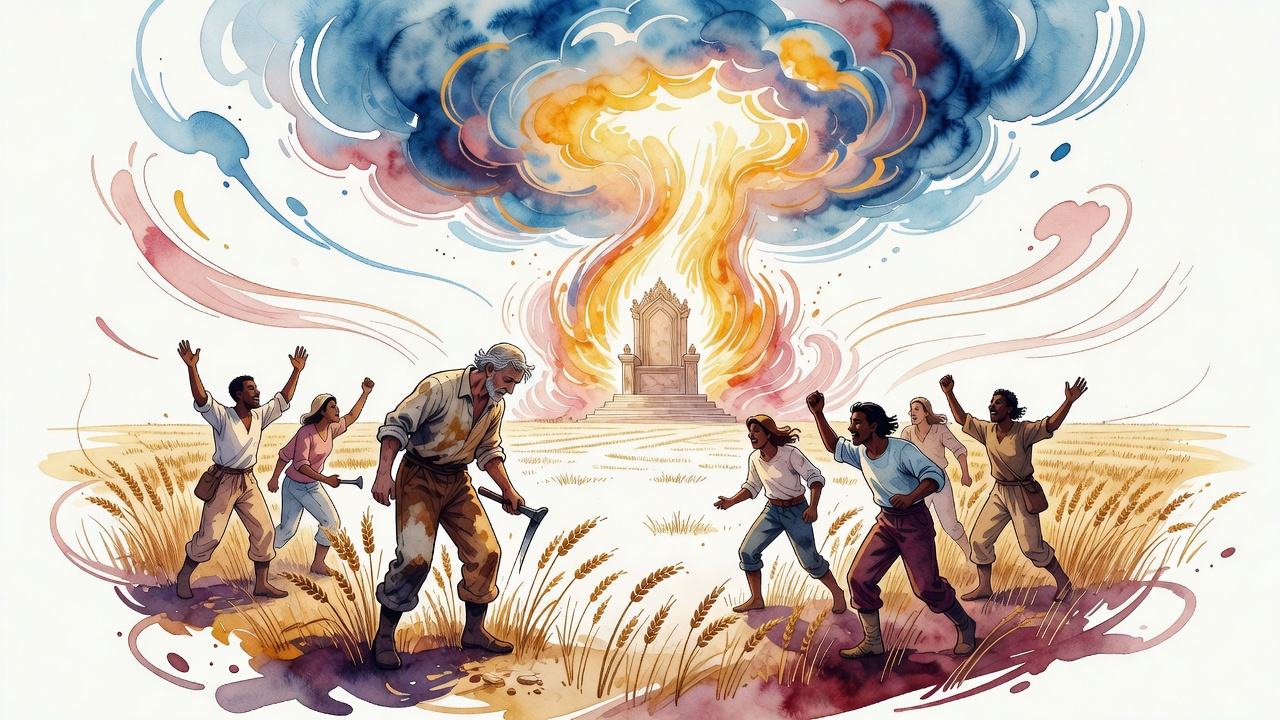
He shaved the tithe year by year until the harvest came in at a tenth. In the market his friends congratulated him. God, they said, was the landlord now.
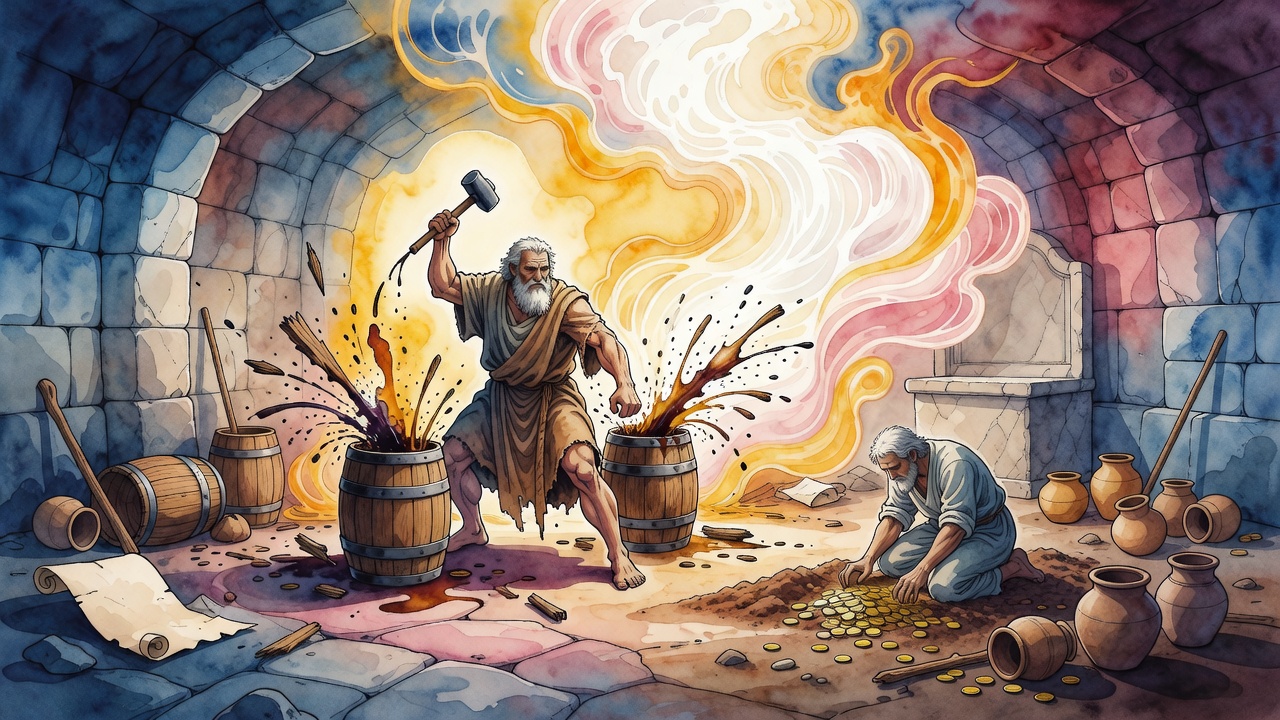
A harvest lord smashed his own casks rather than give the tithe, while another man buried gold in clay and returned to empty jars.
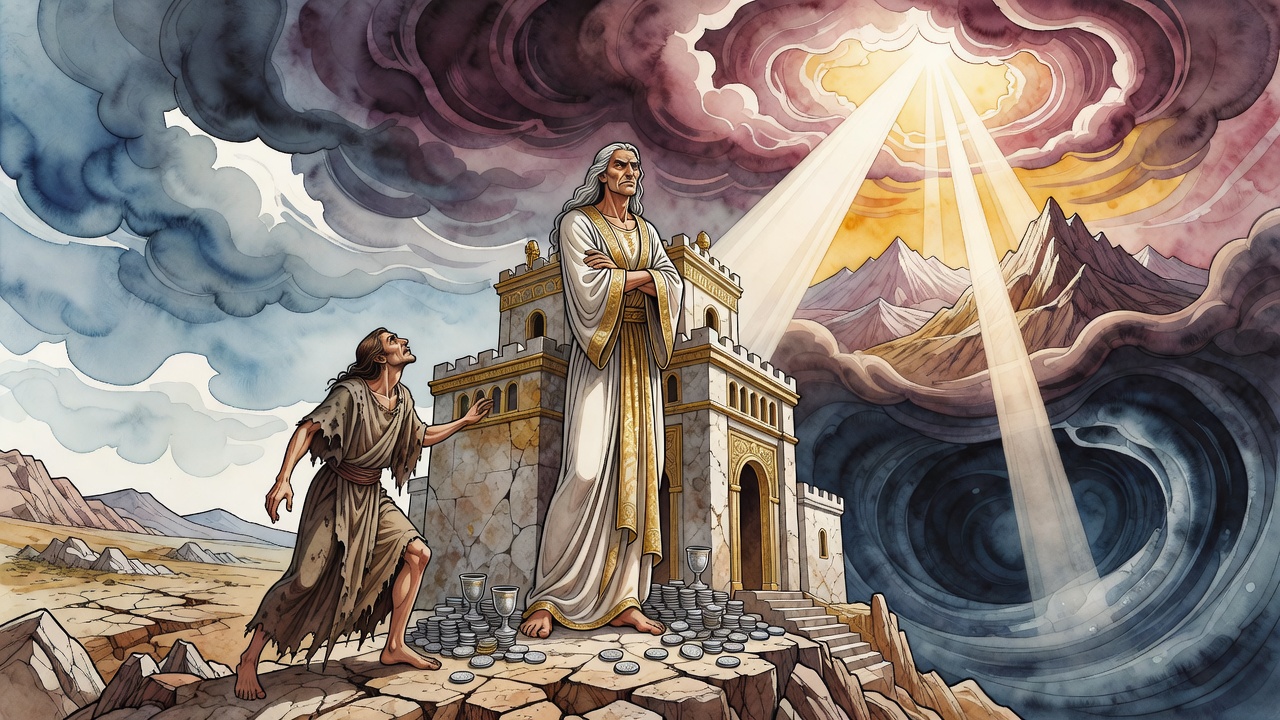
In Pahu the floors shone and servants walked softly. Hadar looked at the chests of gold and asked what they were even for.
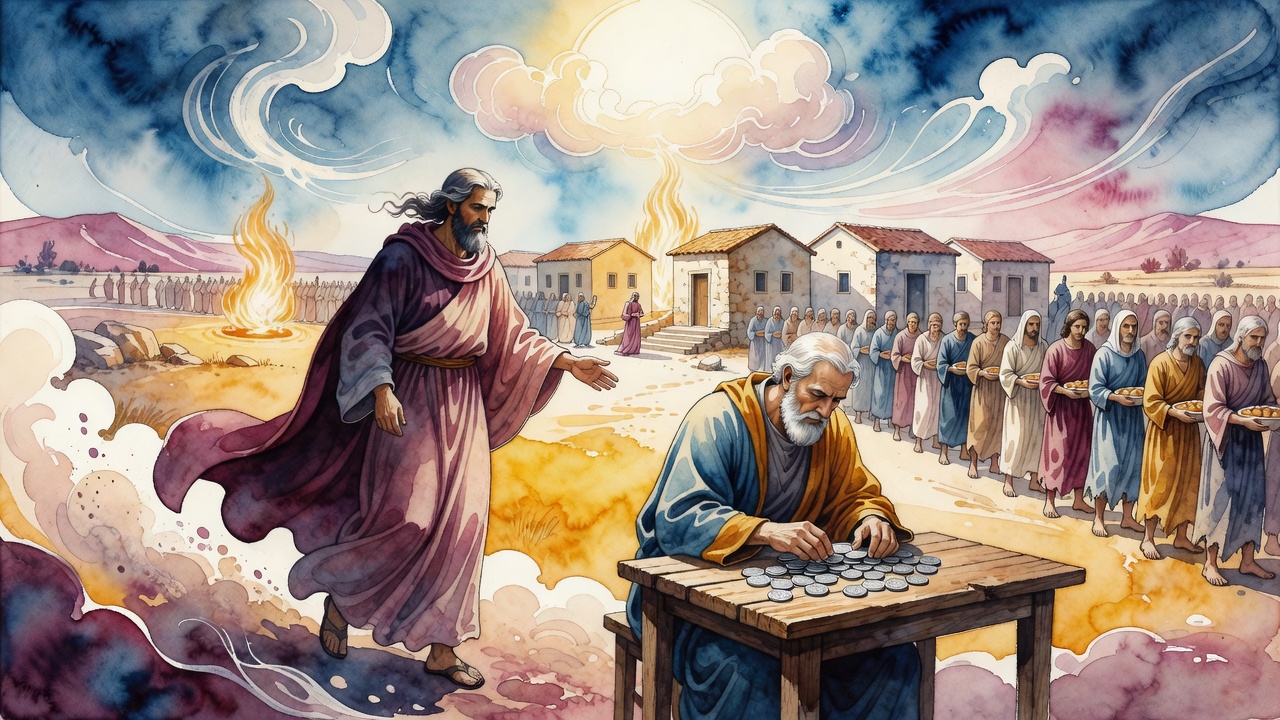
Tarfon counted coins for a safe investment. Akiva led him to schoolhouses and bread lines and named them a town.
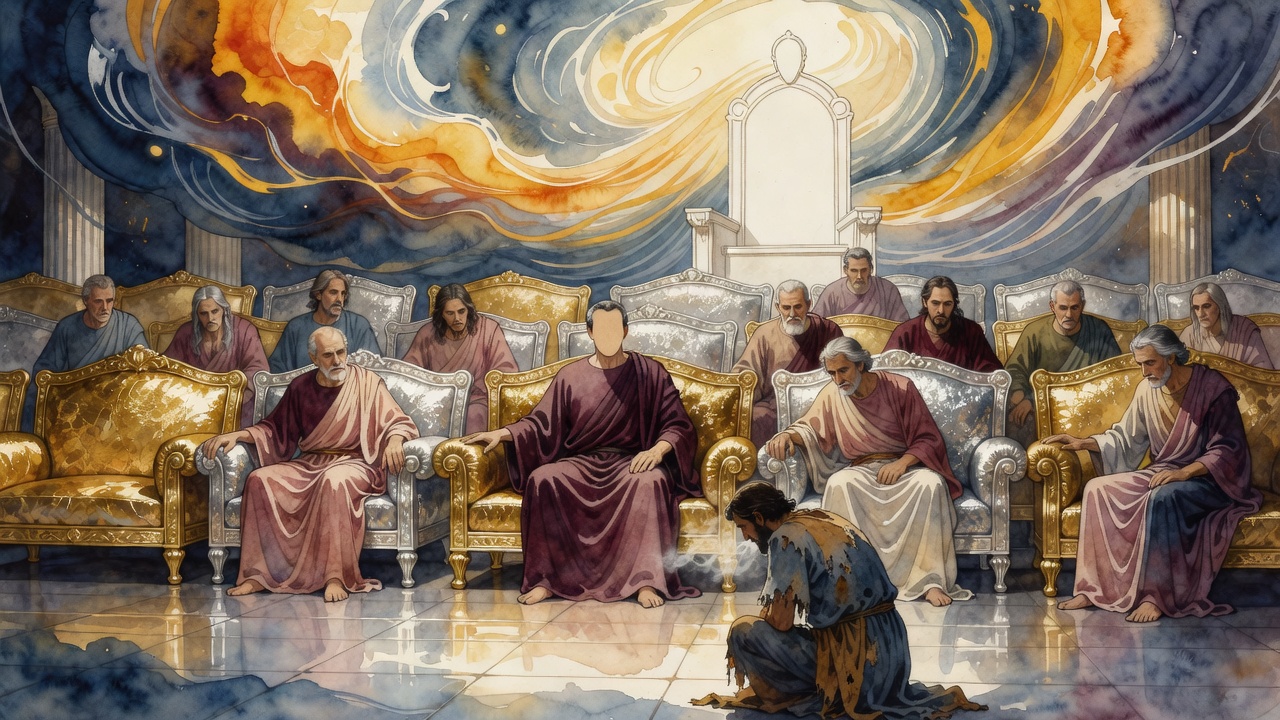
A satrap paused at the gold couches and did not ask where wisdom sat. He asked which metal would keep him from shame.
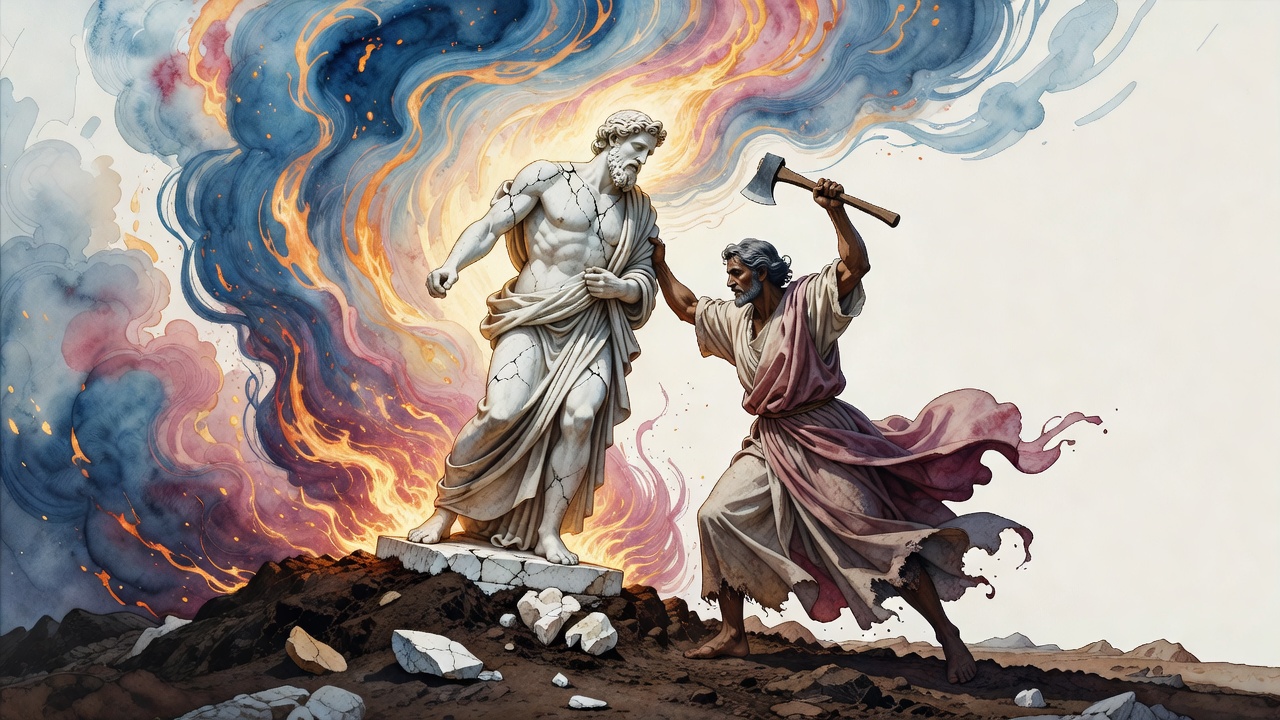
The statue asked for a lamp. The pious man understood the courtesy at last, and the demon inside the marble began to bargain.
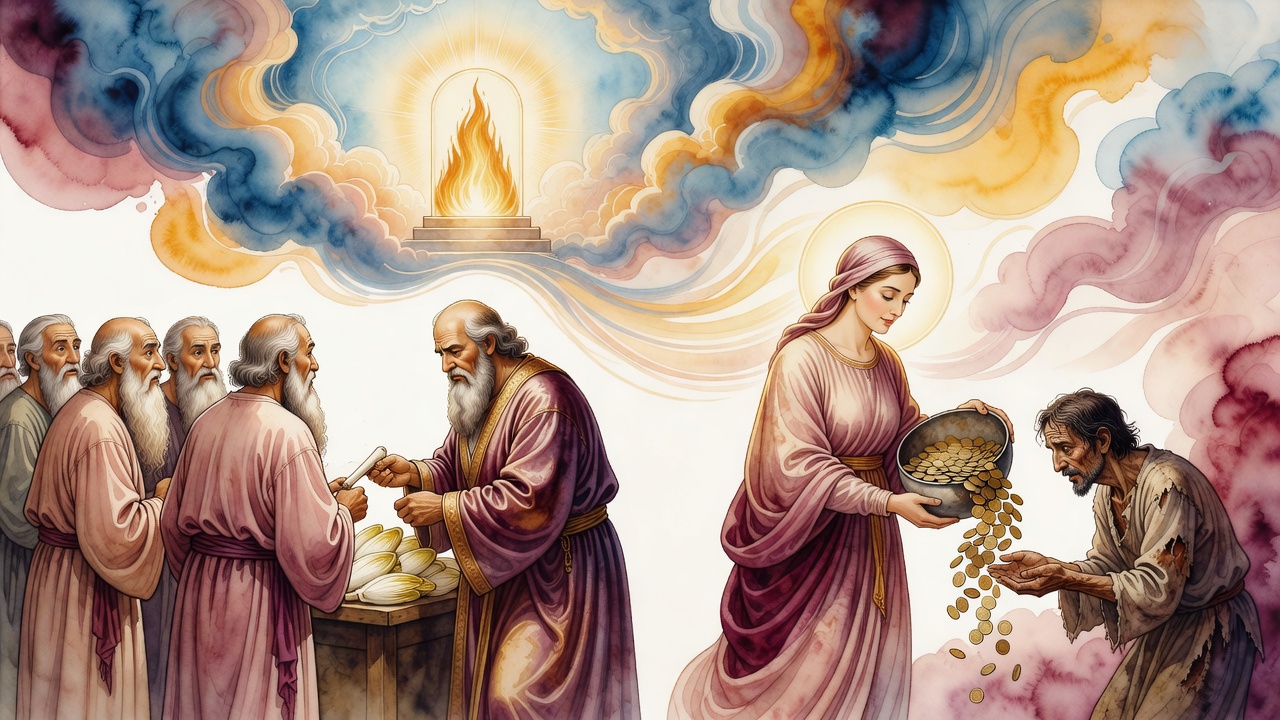
Sages overheard a rich man order wilted greens, walked away, then found his wife pouring a heaped measure of dinars for charity.
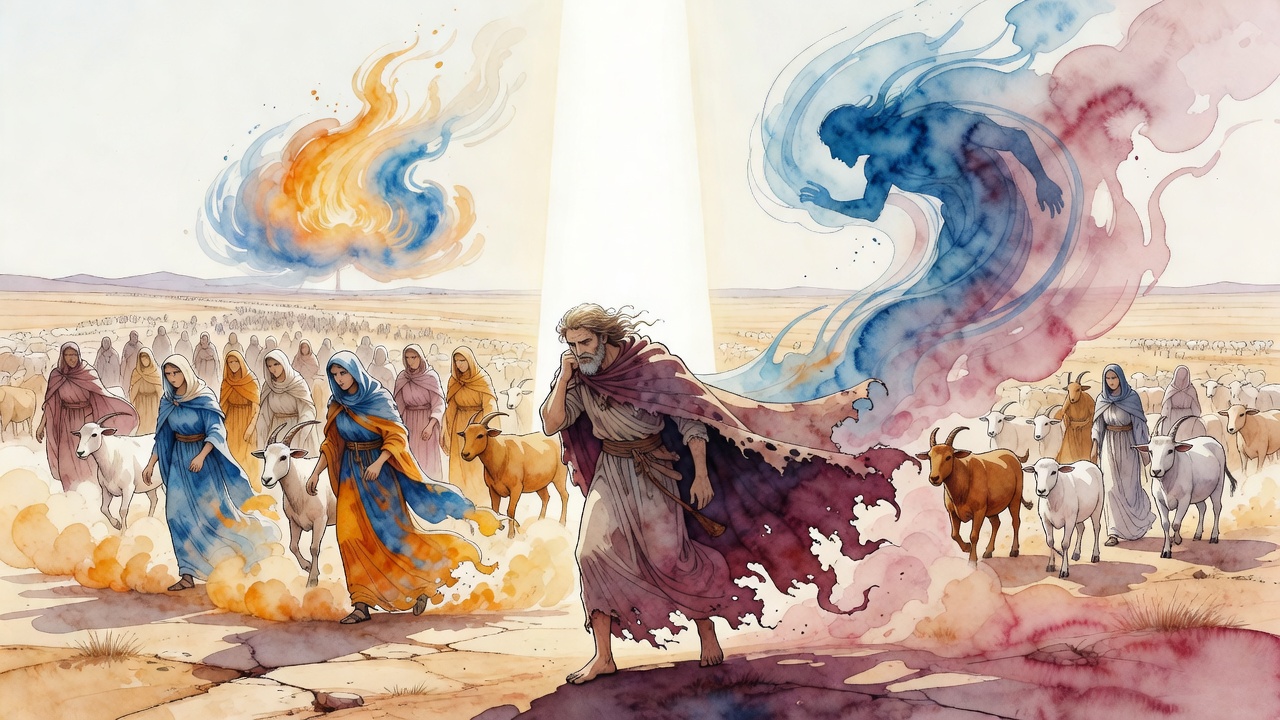
Esau packed wives, herds, and shame and left Canaan though no army chased him. The midrash hears the wicked fleeing a pursuer only they can see.
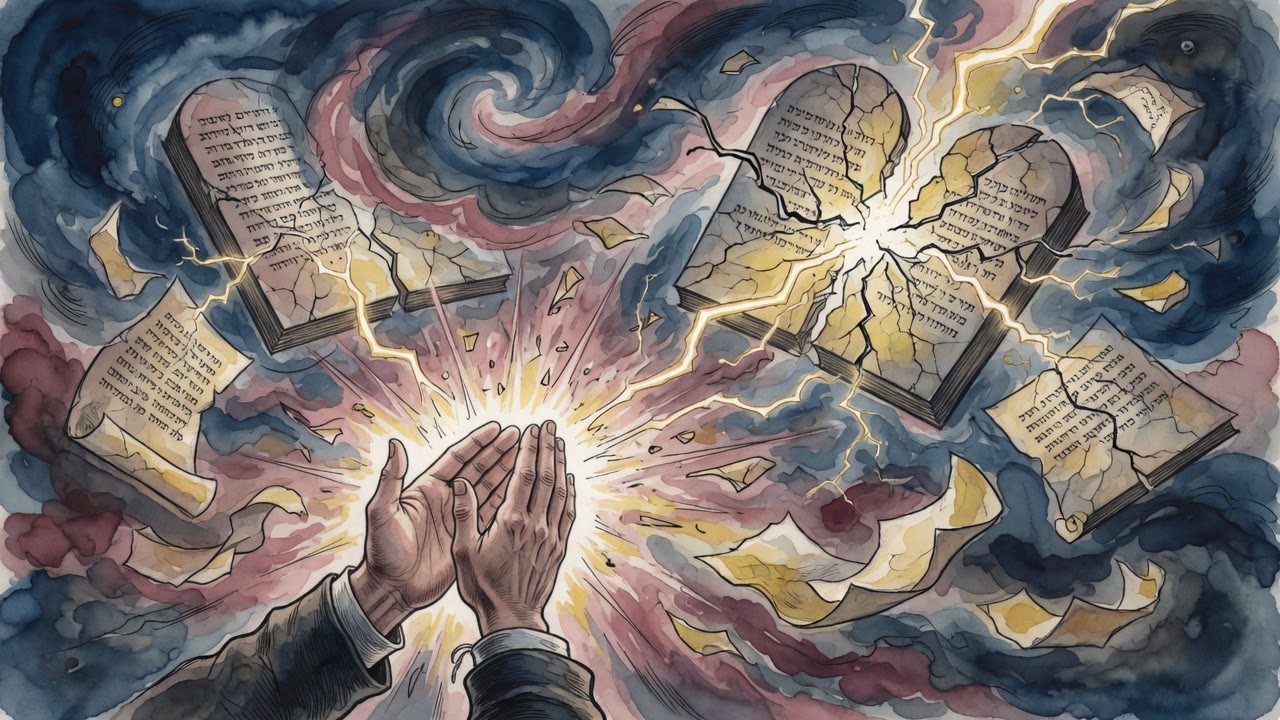
A ragged prayer leader walked into a country that ranked people by wealth as gods or animals, and spoke until some left their coins for the wilderness.
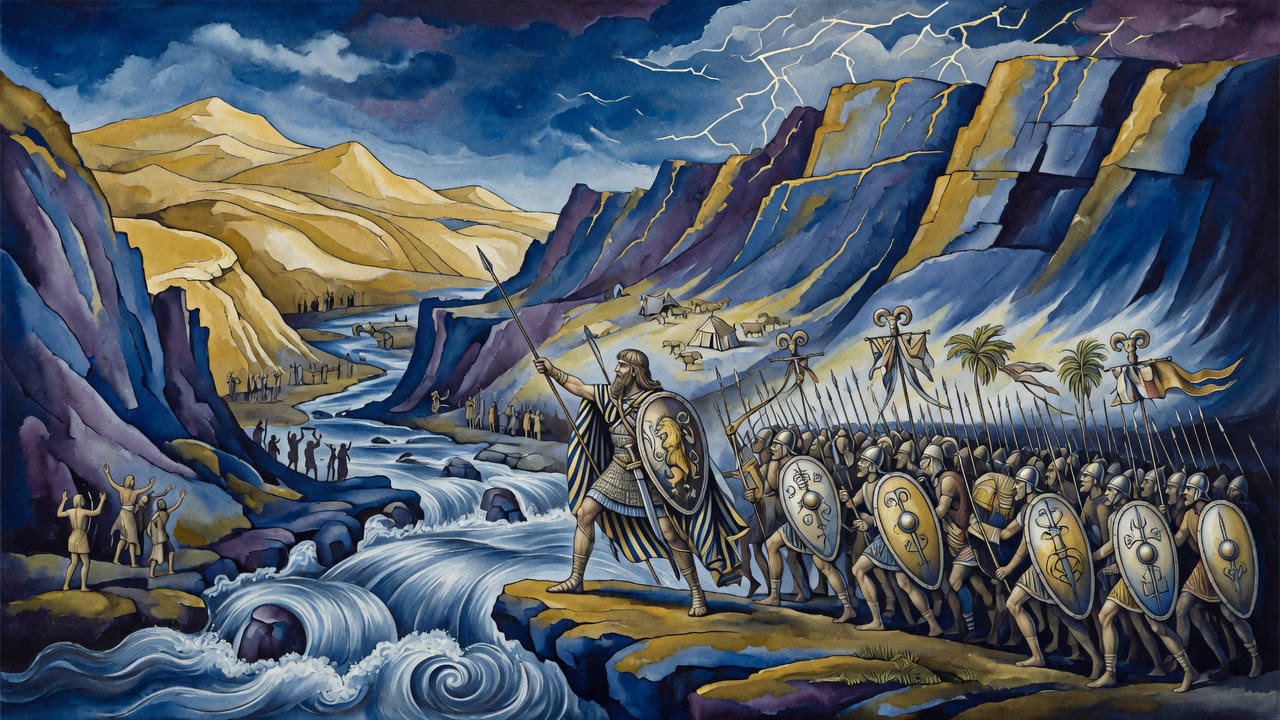
Reuben and Gad counted fat herds east of the Jordan and settled for pasture, then the midrash names them first to exile when wealth is seized without Heaven.
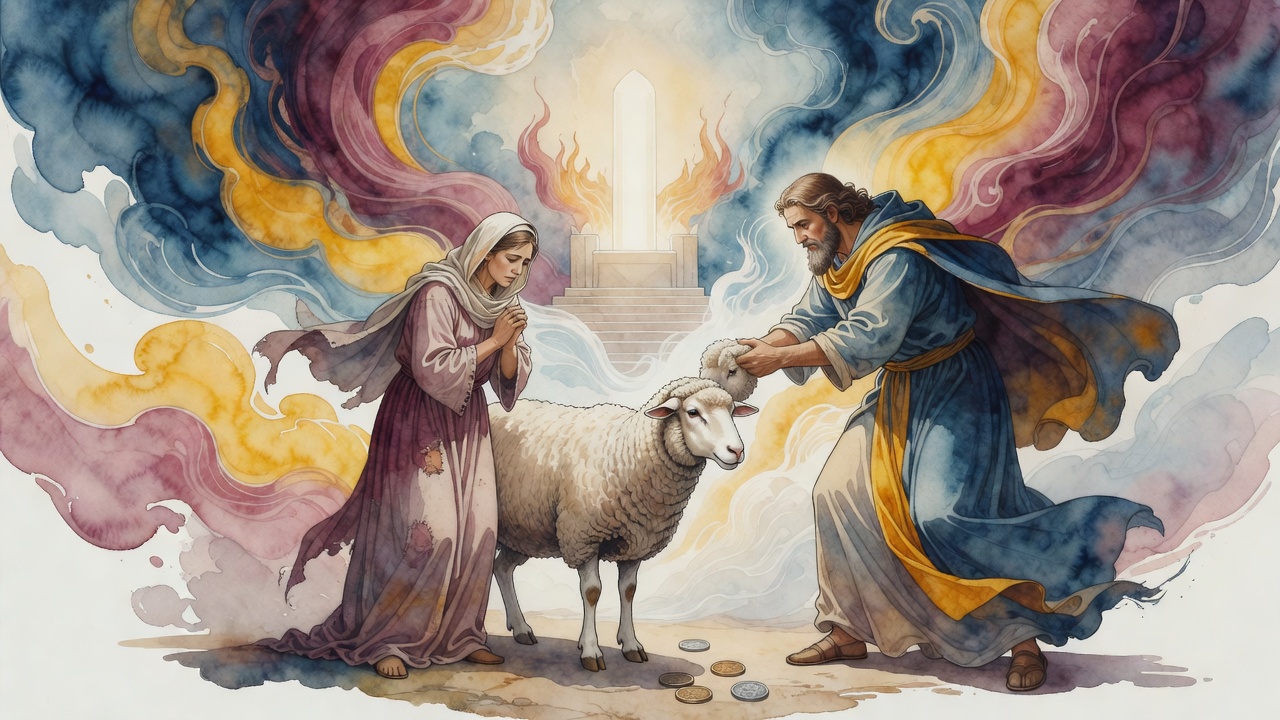
A widow owned one ewe. Aaron took the wool, the firstborn, the portions, then the meat. Korach paid her four coins and still lost the fight.
With nothing for the Sabbath, Rabbi Shimon ben Halafta prays until heaven drops him a jewel, and his wife warns what a borrowed treasure will cost.
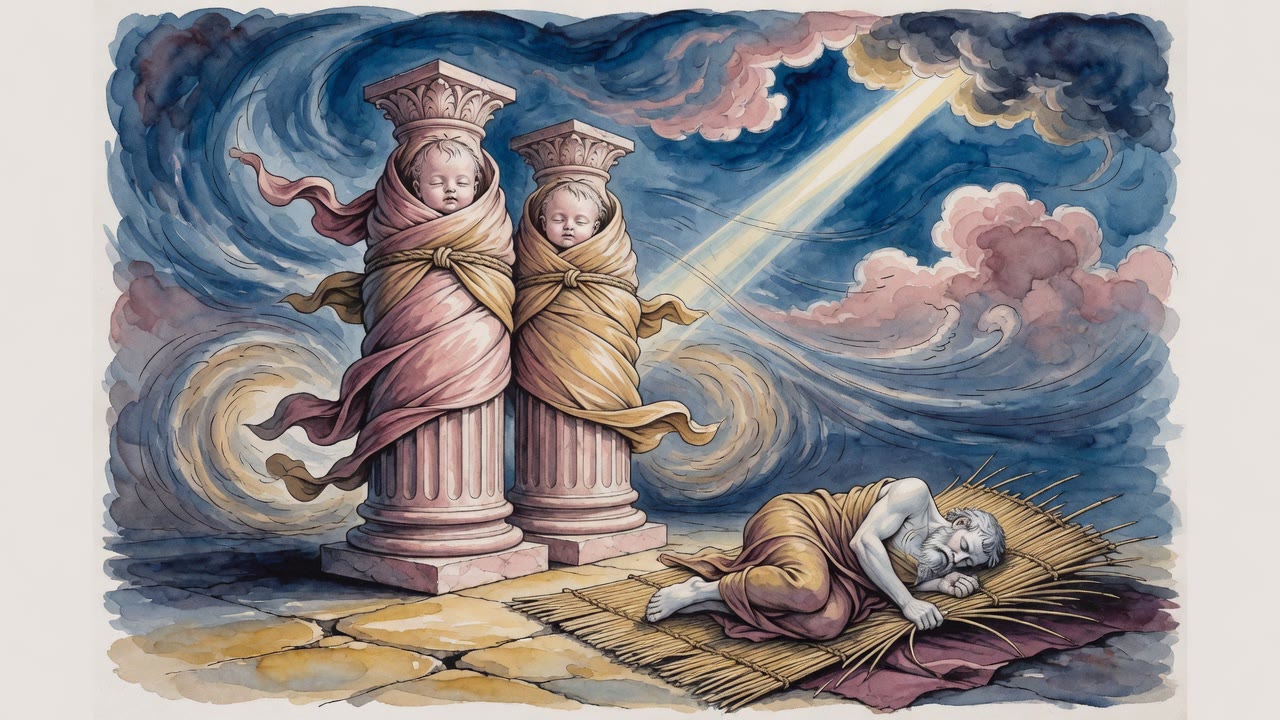
Rabbi Joshua ben Levi found two marble pillars wrapped against the cold in Rome, and a living man a few steps away under reed mats.
