Isaiah Told Them to Clothe the Naked Man Before the Furnace
Three men walked toward a door of fire in Babel and did not bow. Later a city street had to clothe a man before anyone asked his name.
Table of Contents
Three men walked toward a door of fire in Babel and did not bow.
 Click for full size
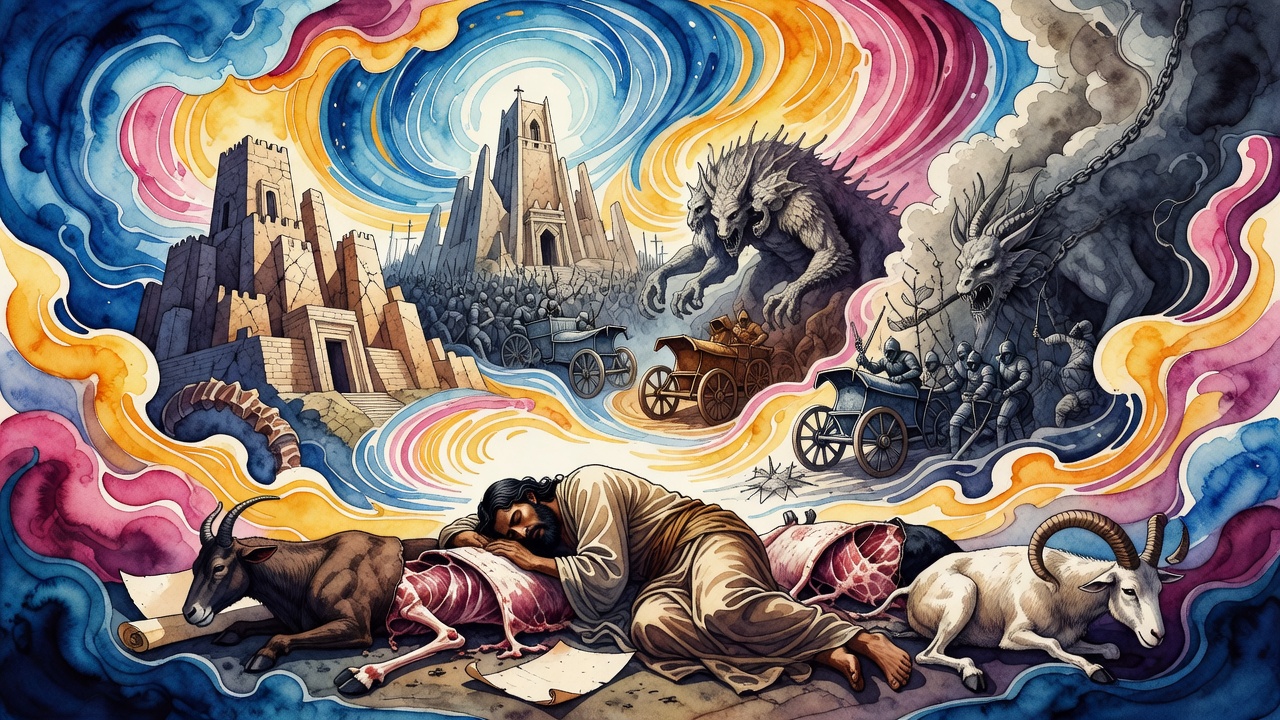
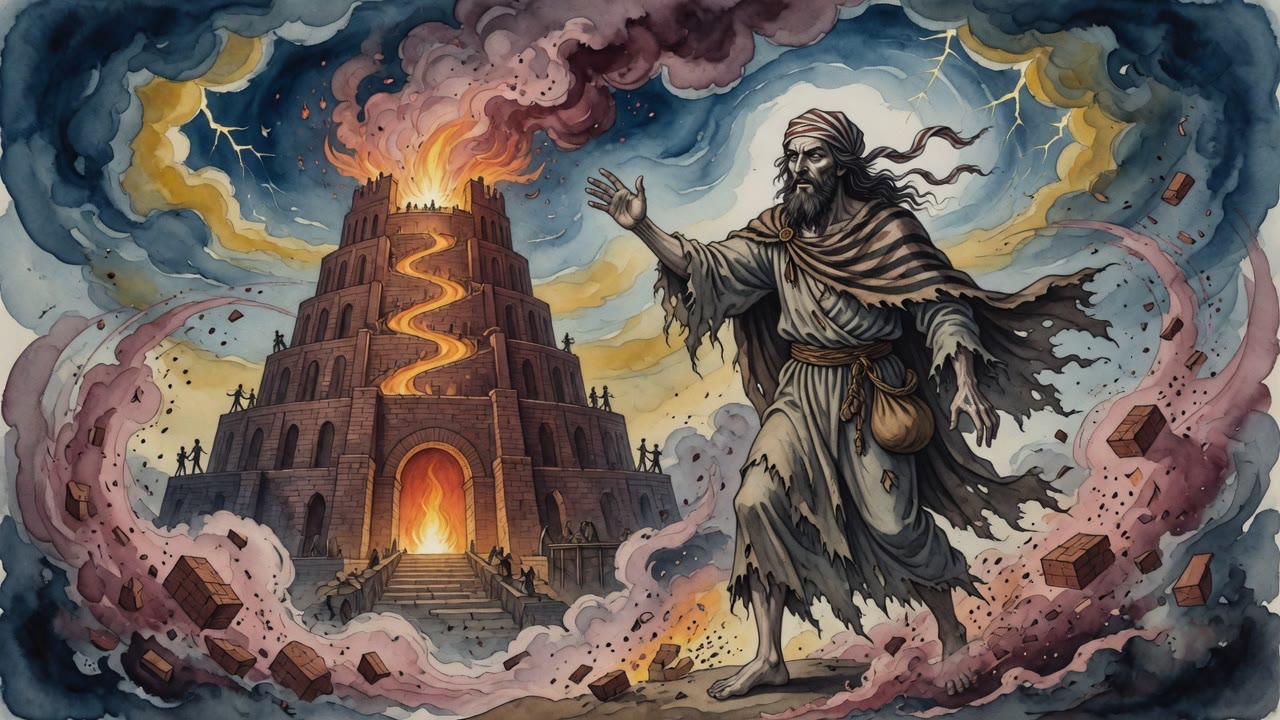
Nebuchadnezzar had set an image high and ordered every back to bend when the music sounded. Hananiah, Mishael, and Azariah kept their spines straight. The king's face twisted. Rage moved through him until one furnace was not enough.
The Furnace Roared in Babel
"Heat it seven times hotter," he said. Bind them tighter. One cord became seven cords. The ropes doubled and doubled again until they bit the three men's arms. The fire was no longer only punishment. It was a public argument, a king declaring that flesh could be crushed until it forgot the Name.
The three men answered with their bodies. If God saved them, God saved them. If not, they would still not bow. "We will not serve your gods, and we will not worship the golden statue that you have set up." (Daniel 3:16-18)
Officials watched the crowd for the smallest refusal. The image stood. The music sounded. The furnace roared. The three men walked.
Frogs Went Into the Ovens First
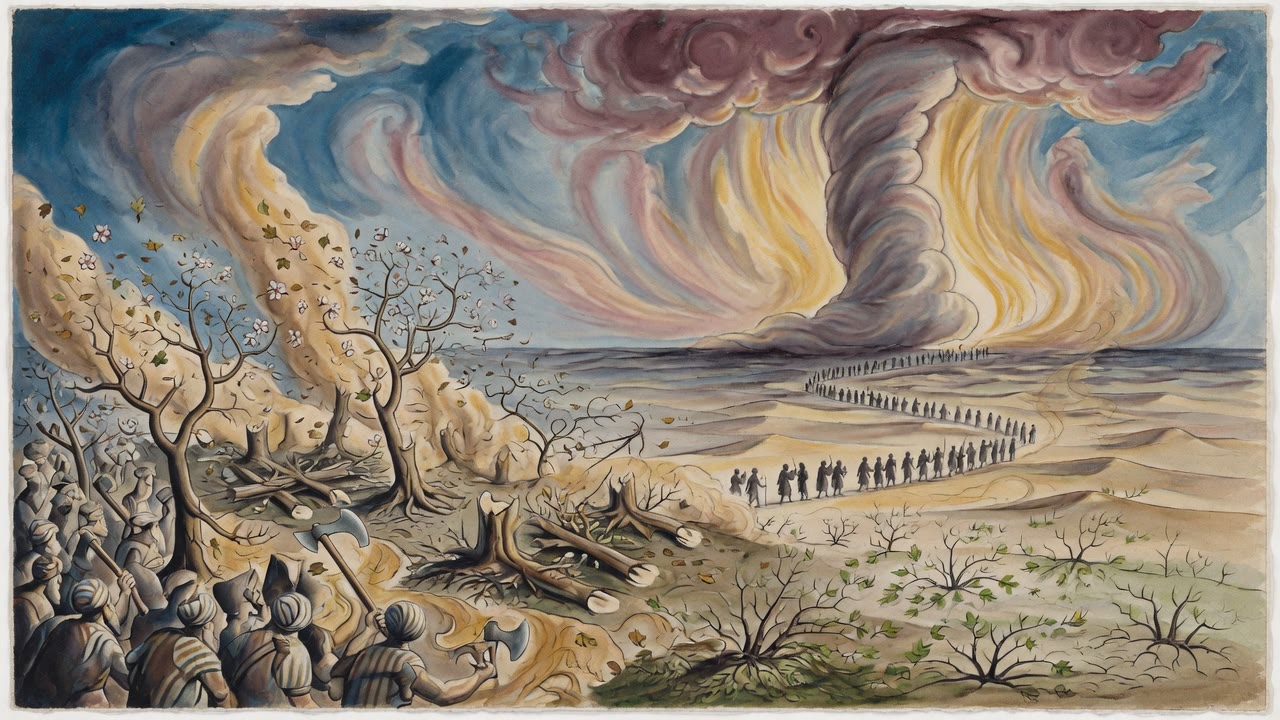
Courage like that had a smaller teacher. In Egypt, frogs leapt into ovens because Heaven had sent them there. Kneading bowls sit near ovens only when bread is being made and the heat is alive. The frogs jumped into that heat and did not die there.
A frog has no ancestry to boast of, no merit from Abraham, Isaac, and Jacob, no covenant cut into flesh. Still they entered fire for the decree. The men in Babel learned from small wet bodies in Egyptian kitchens. If frogs could enter flame for the command of God, Israel could enter flame rather than bow to an image.
Ropes could bite their arms. Heat could take the air from their throats. The king could command a furnace. He could not command worship from a body already given to Heaven.
A Garment Could Not Wait
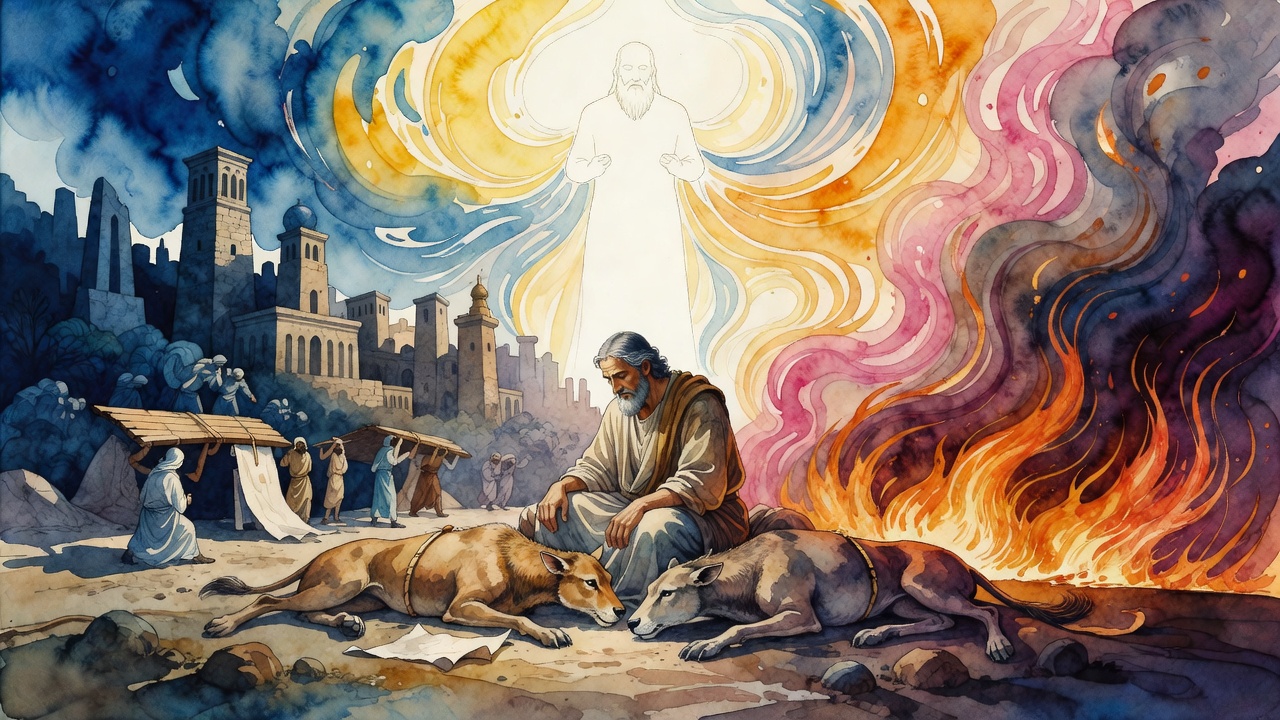
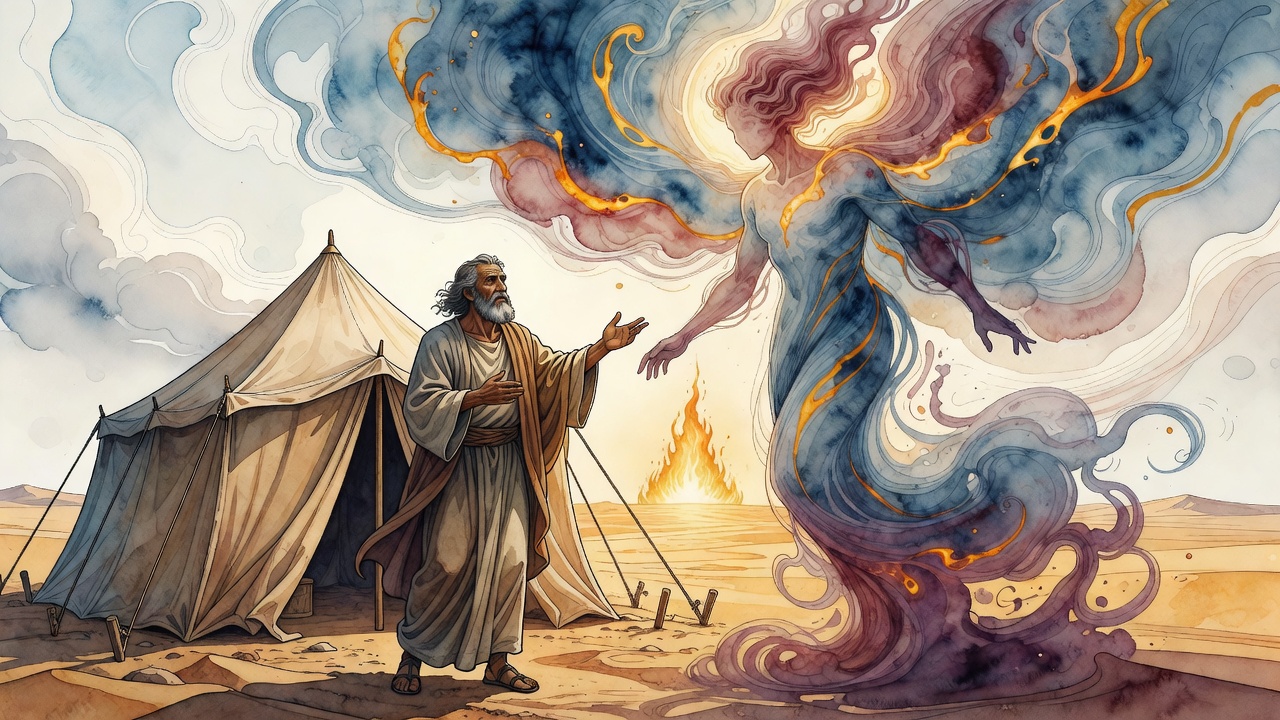
A body that would not bow in fire was still a body that could be shamed in a street. Isaiah had given the command in plain words. "When you see the naked, you clothe him." Do not hide from flesh that is also yours. (Isaiah 58:7)
Food was urgent because the belly collapses. Clothing was urgent because shame burns too. One voice allowed questions over garments. The others pushed harder. Even clothing could not wait, because Abraham's covenant had marked the body itself. To let that body stand exposed was not thrift. It was disgrace.
Bar Kappara pressed the knife deeper. See his flesh as your flesh. Poverty does not remain politely outside the door. If it does not reach a man, it may reach his son. If not his son, then his grandson. The naked man is not an exception to the community. He is the community in a different hour.
The Divorcee Led a Blind Man
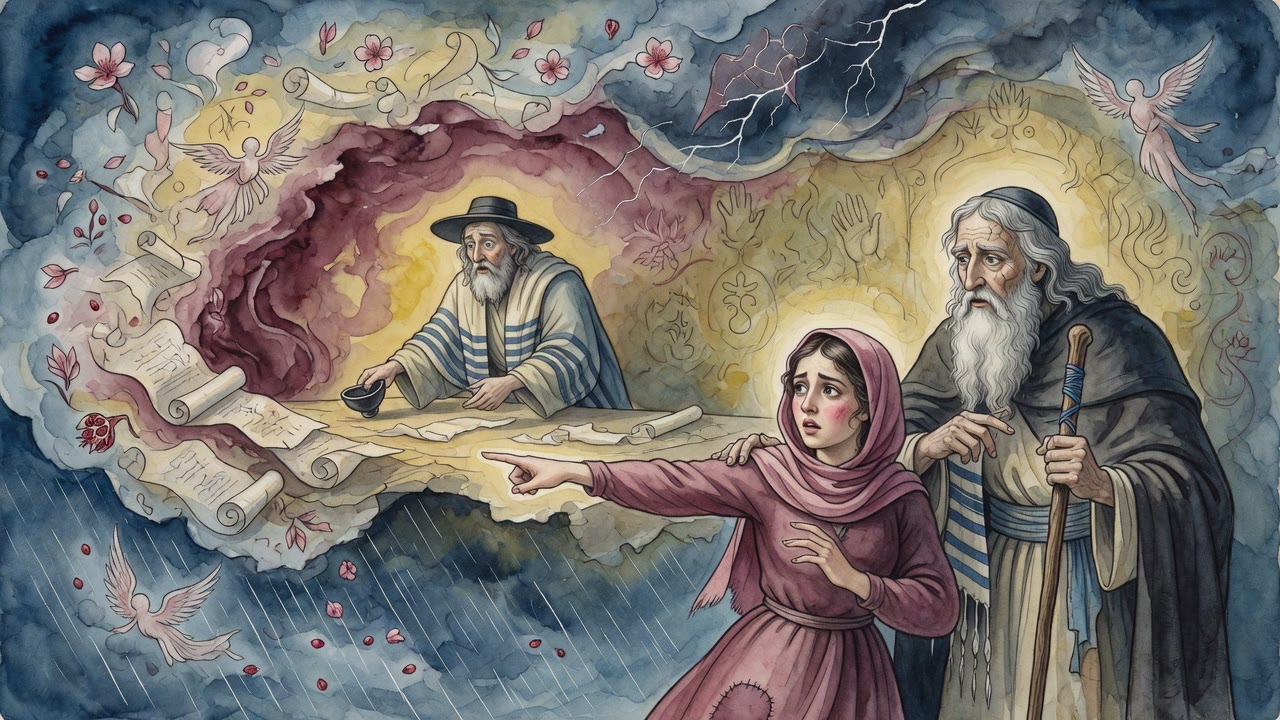
Rabbi Yosei HaGelili had a wife who shamed him before his students. He lacked the money to pay her marriage contract, so he endured it until Rabbi Elazar ben Azarya saw the bitterness with his own eyes. A pot promised vegetables and held chicken. A lie sat on the stove. The wealthy sage paid the contract, and the marriage ended.
She married the town watchman. Later the watchman went blind, and she led him through the streets for charity. She avoided Rabbi Yosei's neighborhood out of shame, but the blind man knew the city and forced the path. Their voices rose. The street gathered.
Rabbi Yosei stopped. The students behind him went quiet. The woman who had lied over a pot of chicken was holding a blind man's sleeve in the dust of his own street. He did not turn his face to the wall. He opened his house. He gave them a roof and supported them until the end of their lives. He did not hide from his own flesh.
Rain After the Street Gift
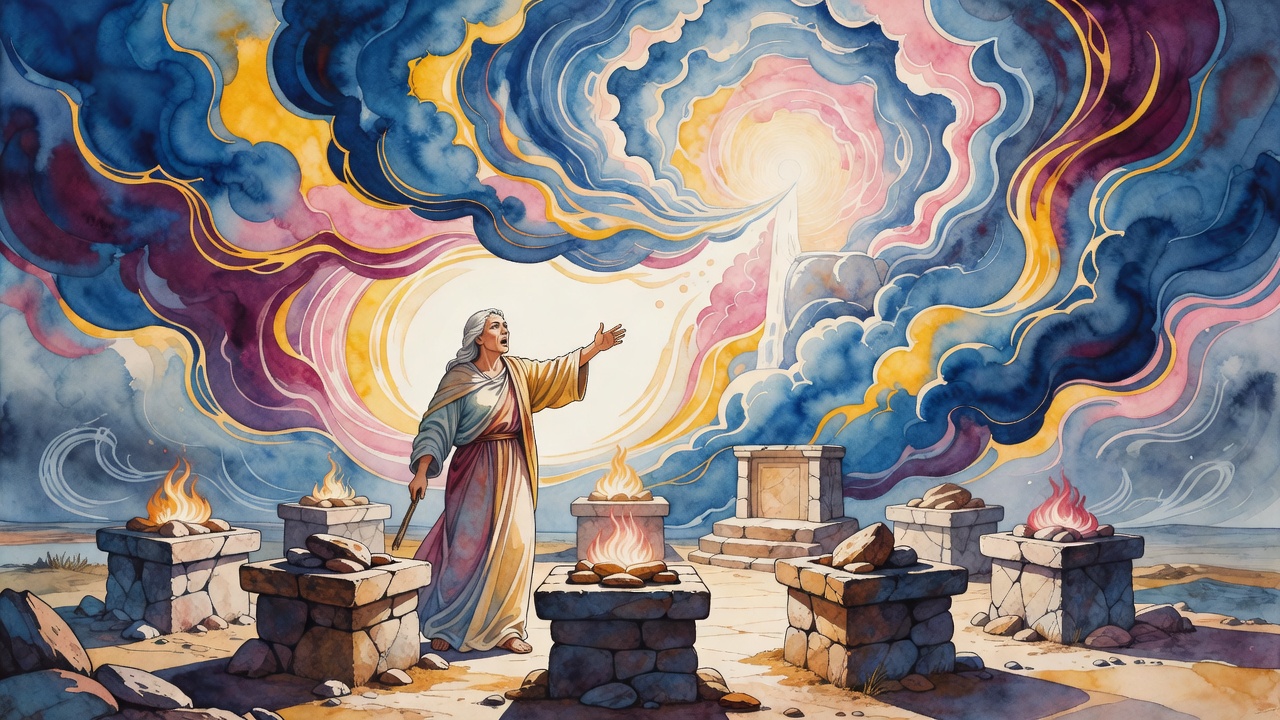
In the days of Rabbi Tanchuma, the sky shut itself. The people fasted once. No rain. Twice. No rain. On the third fast, he told them to give charity.
A man took money from his house and met his divorcee in torn clothing. She had known no goodness since leaving him. Mercy rose in him, and he gave. Another man saw the exchange and carried suspicion to the rabbi. Rabbi Tanchuma called the giver in. The accused man did not hide. He had heard the command not to disregard one's own flesh, and he had obeyed it in the street.
Rabbi Tanchuma lifted his face toward heaven. If a man of flesh and blood showed mercy to a woman whose support no longer rested on him, then Israel could ask God for mercy while the whole world cracked with thirst.
The rain came. It did not wait for another fast. It fell on a city that had finally clothed its own flesh.
← All myths