34 myths · Page 1 of 2
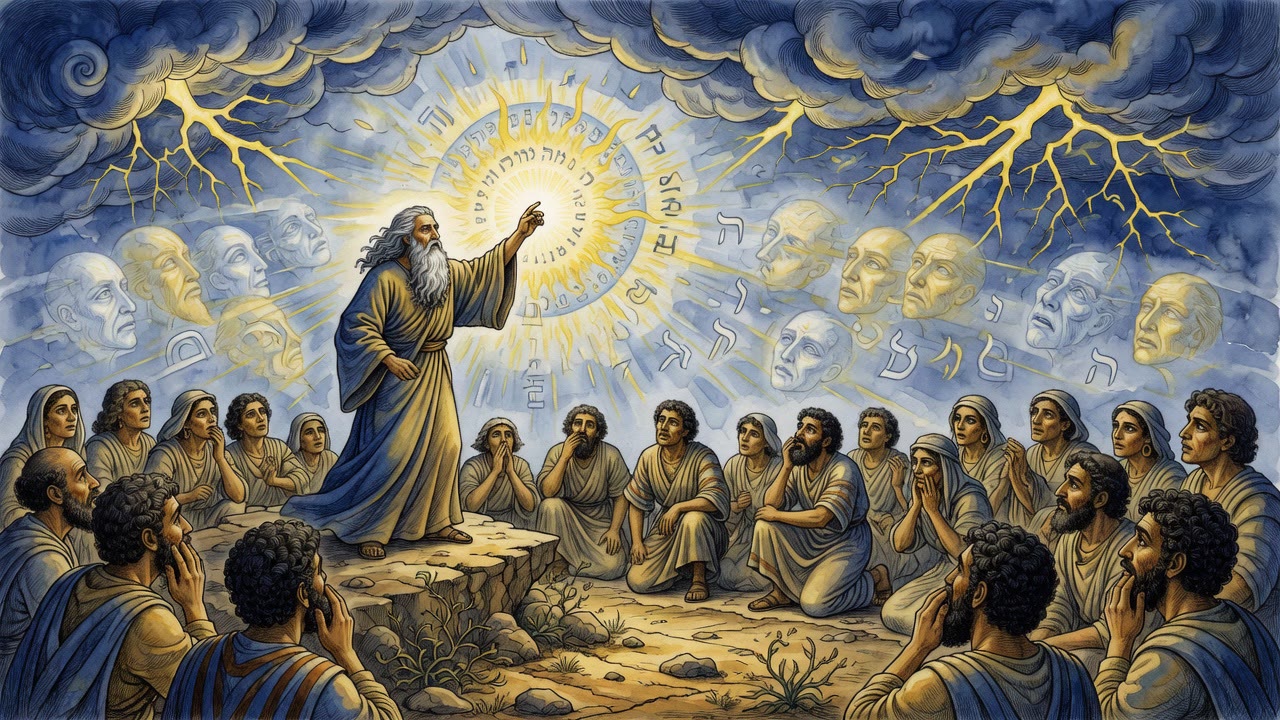
Enoch had thirty days left on earth. He told his children that God made every human face like his own, so to spit on a man is to spit on God.
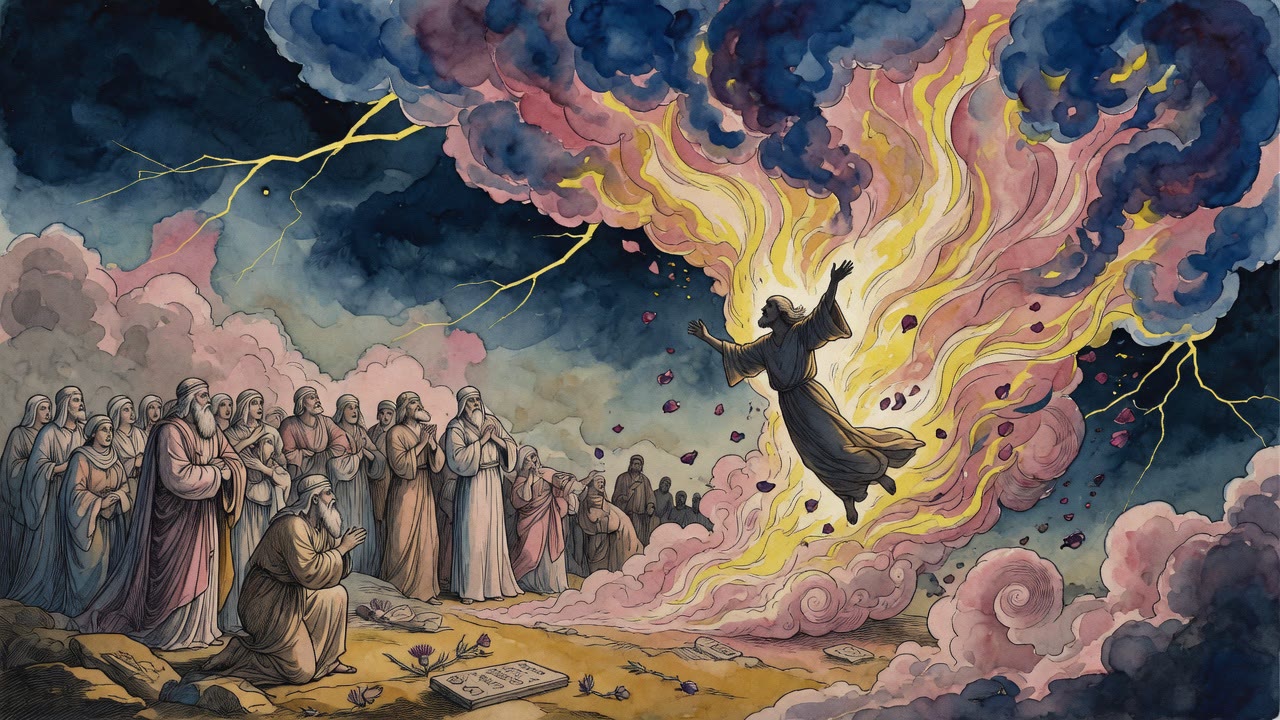
Methuselah asked what to cook before his father left the earth. Enoch said the oil of glory had ended hunger. He wanted nothing from any kitchen.
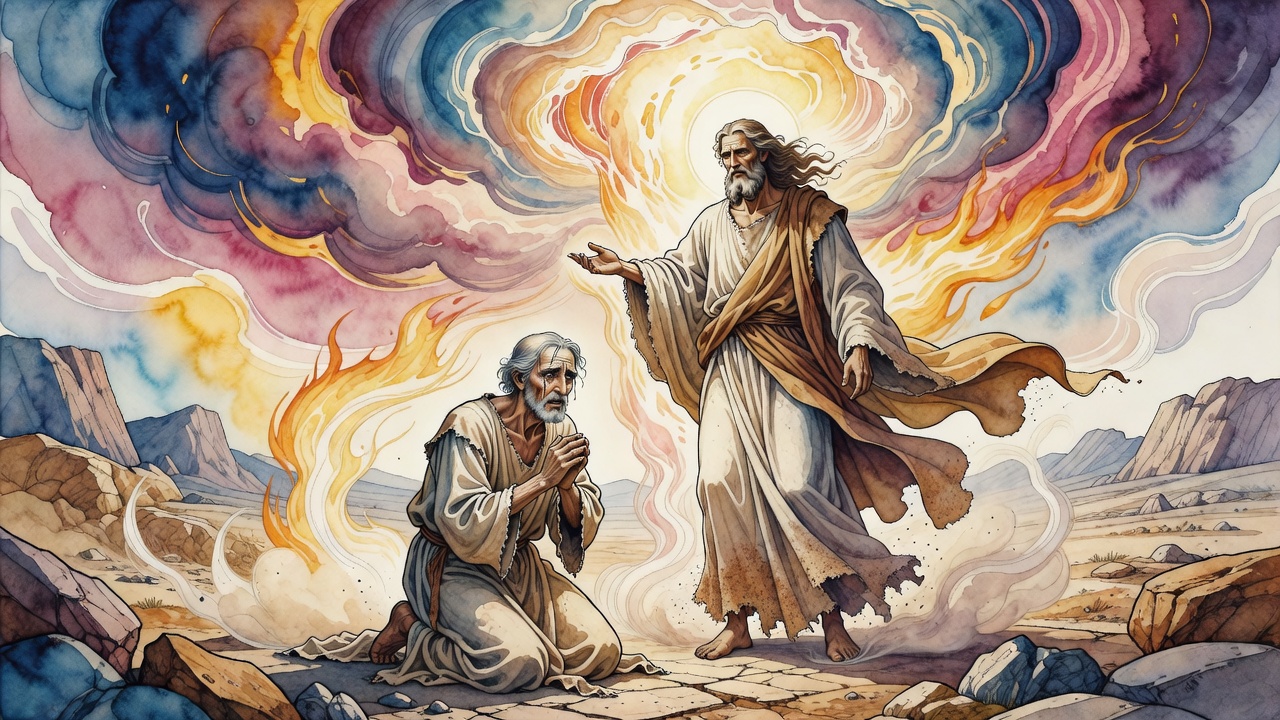
A poor father prayed for death instead of hunger. Elijah appeared, let himself be sold for eighty denarii, and turned bondage into rescue.
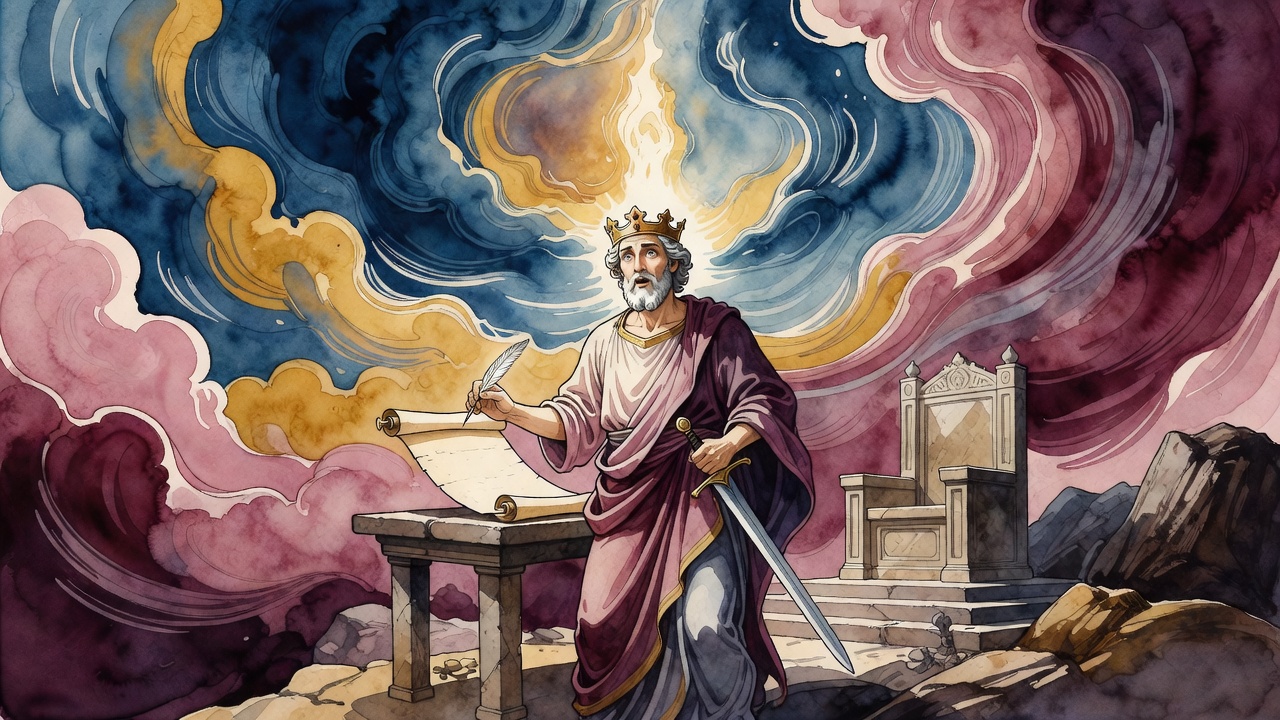
David had taken the crown of kingdom and filled rooms with silver. He sat down to Torah and said the scholars were worth more than both.
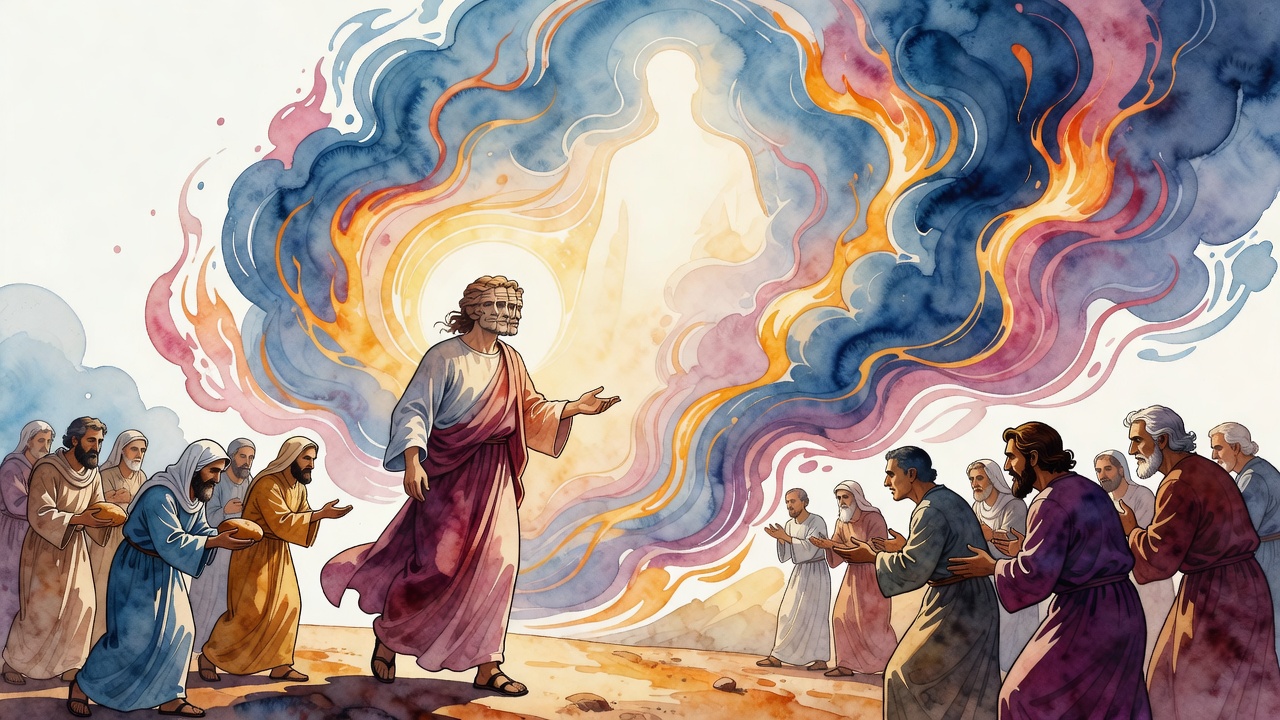
After Carmel, Elijah put on other faces and walked into the world. He came for the charitable and the contemptuous alike.
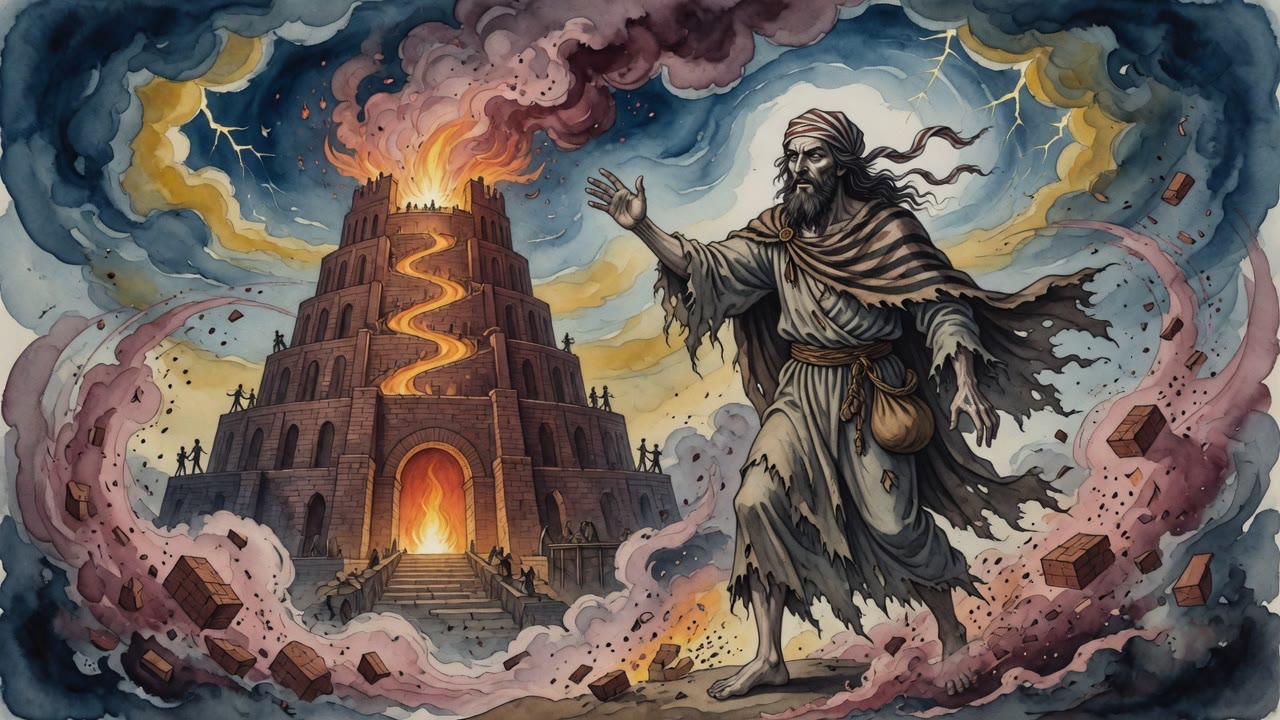
Three men walked toward a door of fire in Babel and did not bow. Later a city street had to clothe a man before anyone asked his name.
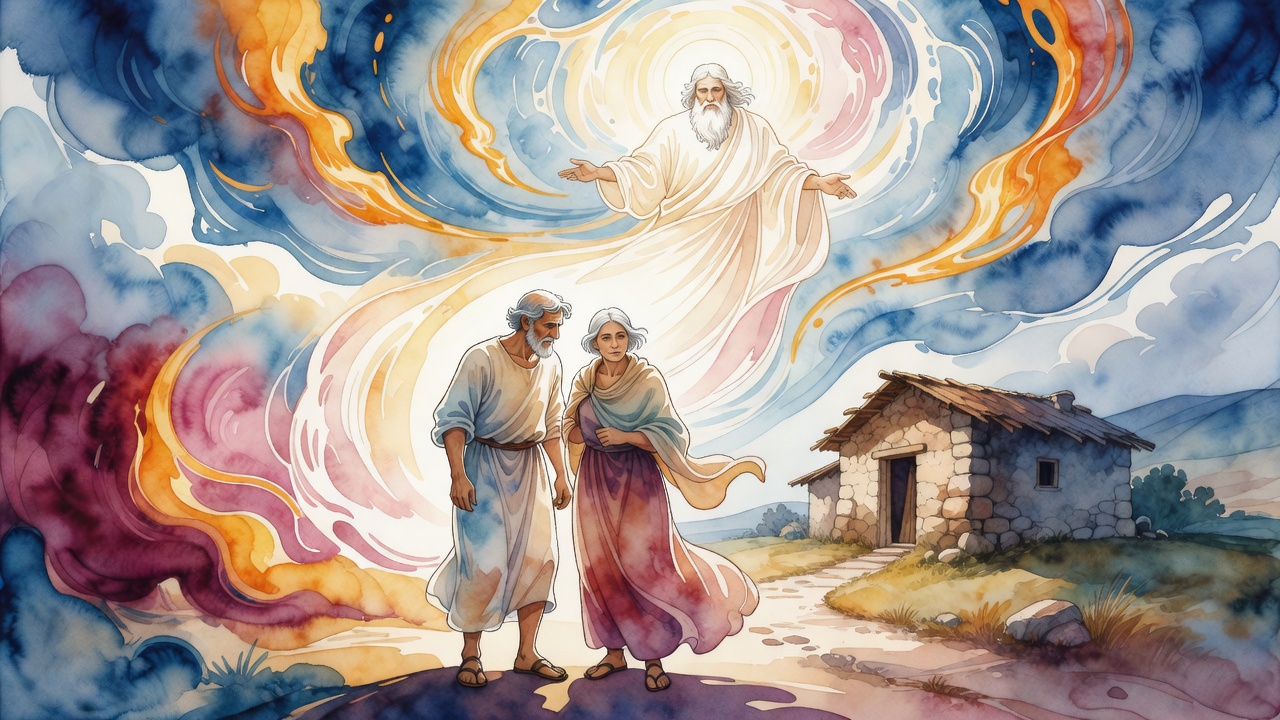
A stranger offered a destitute laborer the timing of seven good years. The wife said spend them on charity. Elijah came back to see what they had done.
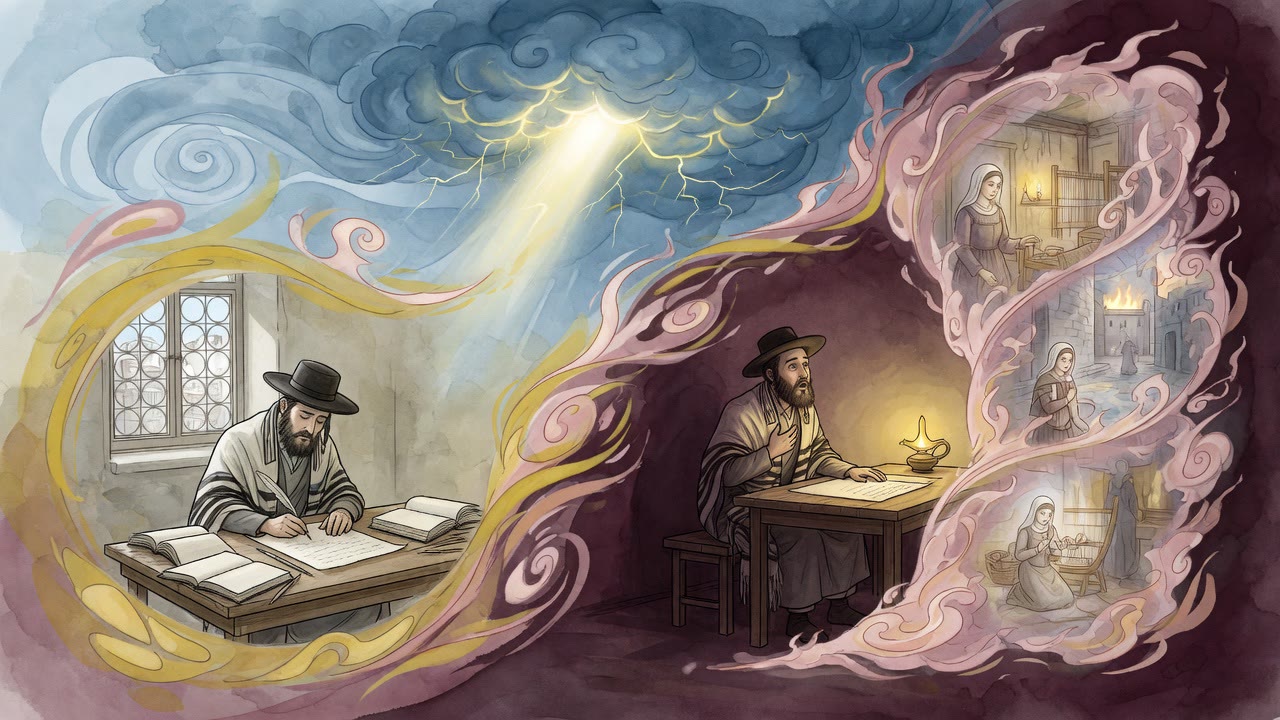
Rabbi Joseph Karo wrote the Shulchan Aruch by day and received a heavenly visitor by night. One night the maggid explained his wife's past life to him.
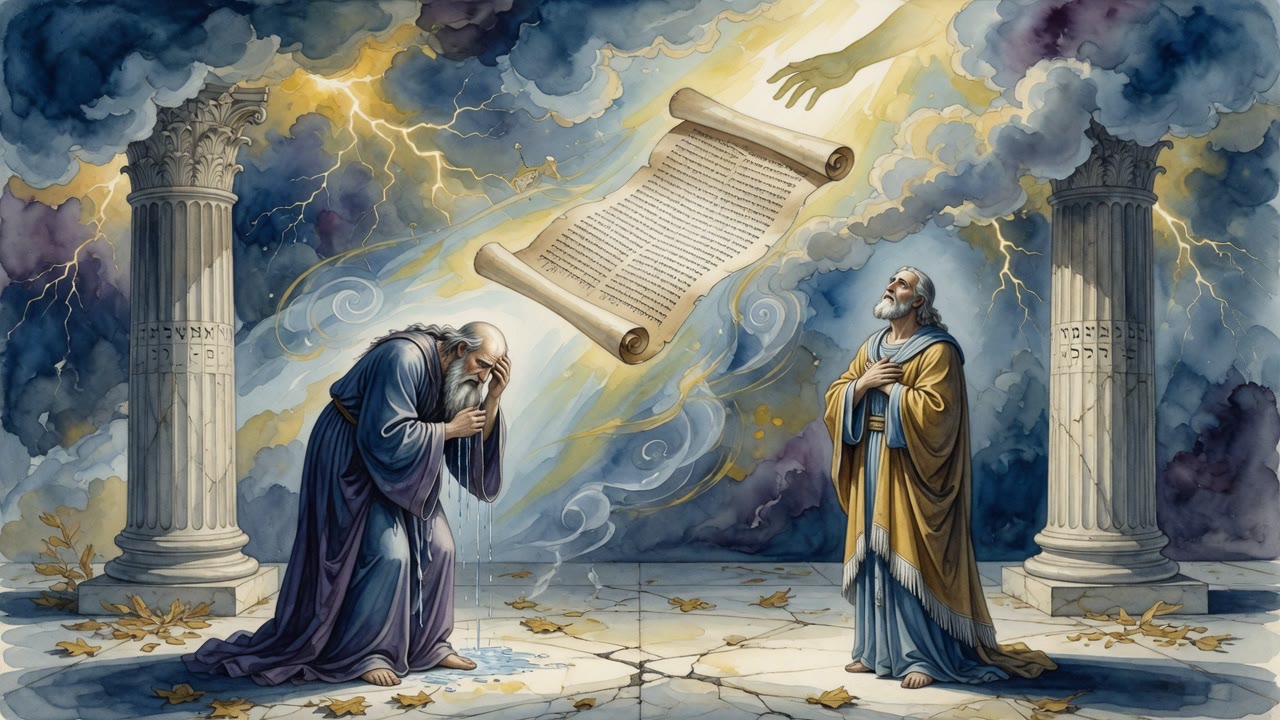
Rabban Shimon walked in Roman chains and wept because he could not name his sin. Rabbi Ishmael, bound beside him, told him to listen.
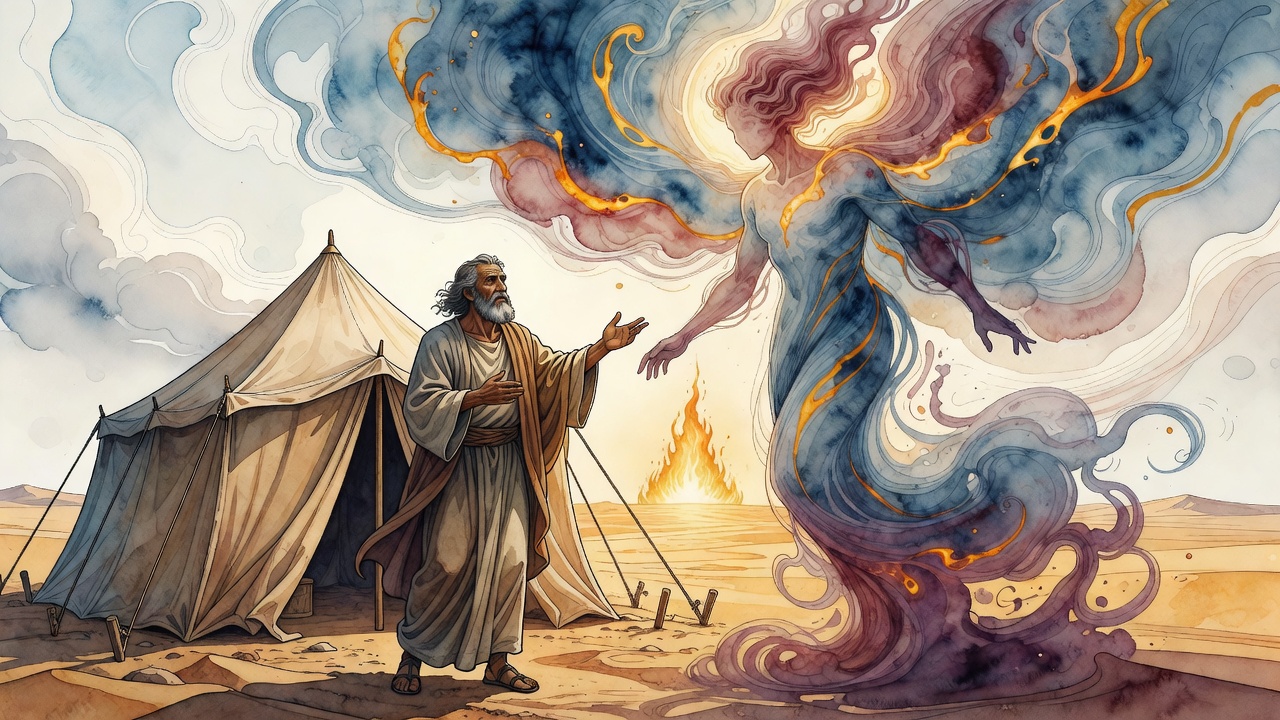
The Angel of Death arrived at Abraham's tent in his most beautiful form on God's orders. What happened next neither heaven nor the angel had anticipated.
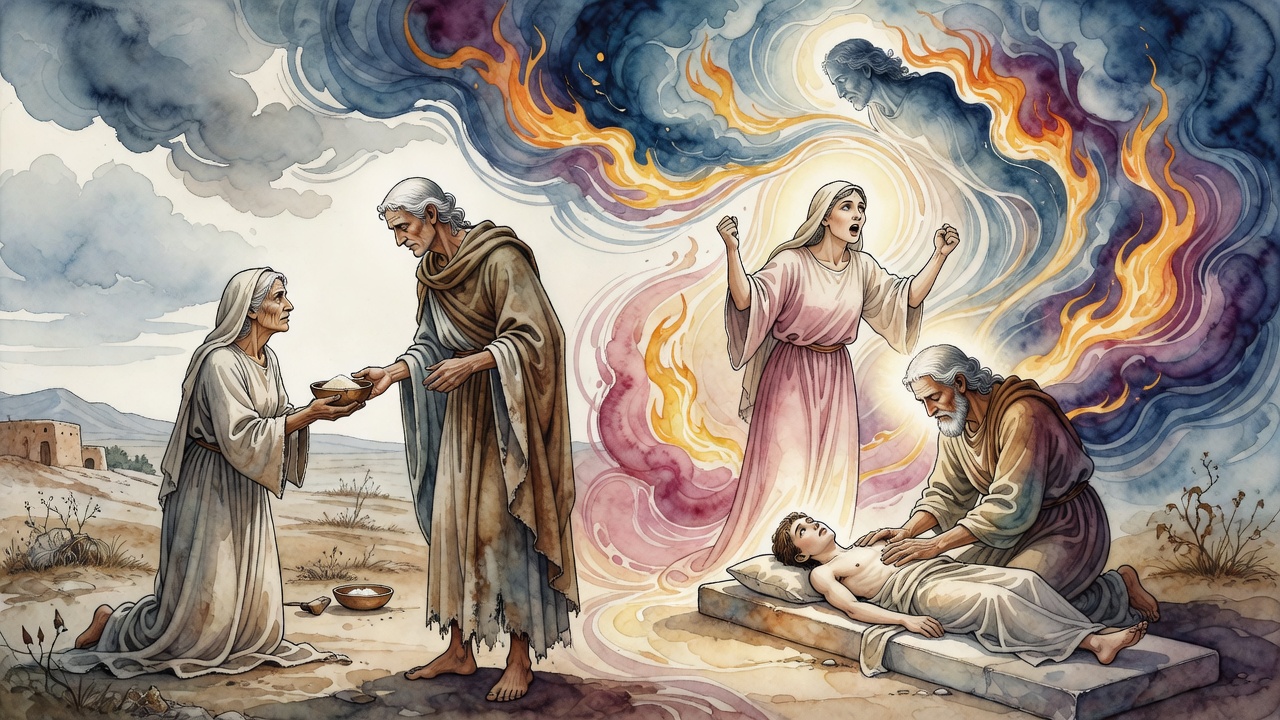
The widow of Zarephath fed Elijah from her last meal during a famine. When her son died anyway, she demanded an explanation, then his life back.
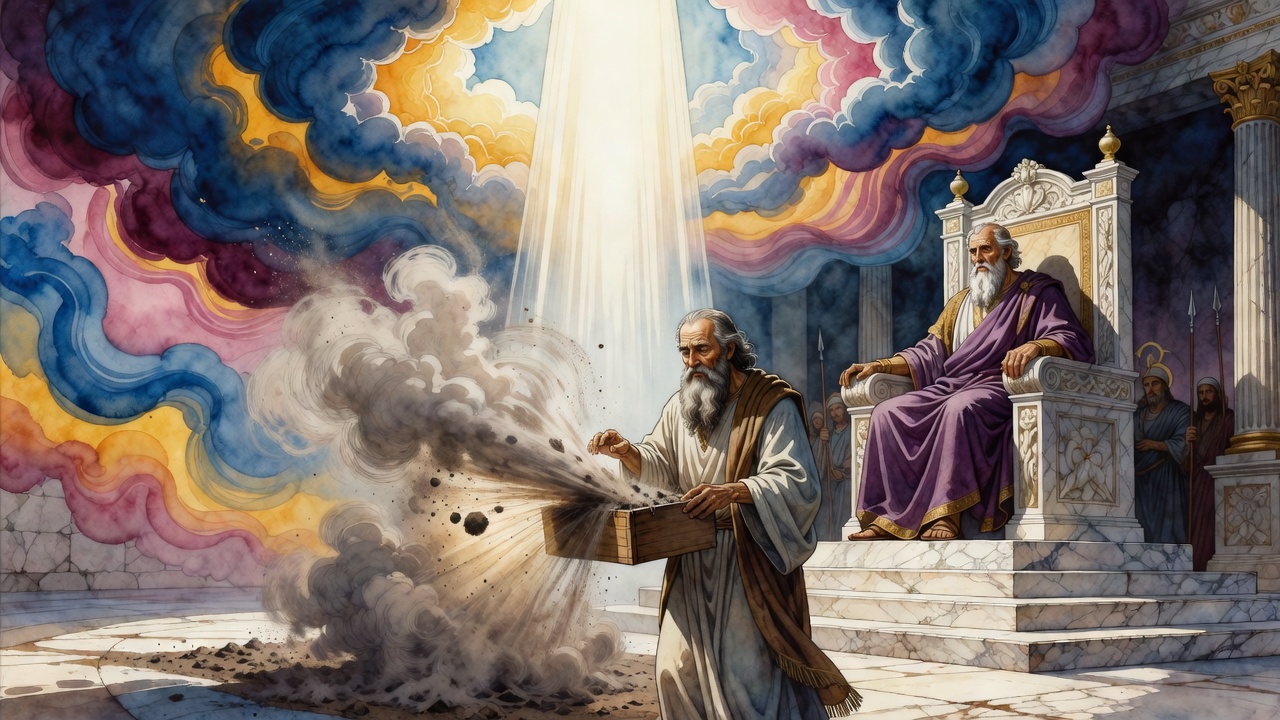
Innkeepers swapped the jewels for dirt. In the palace he said the sentence he always said, and Elijah walked in as a court man.
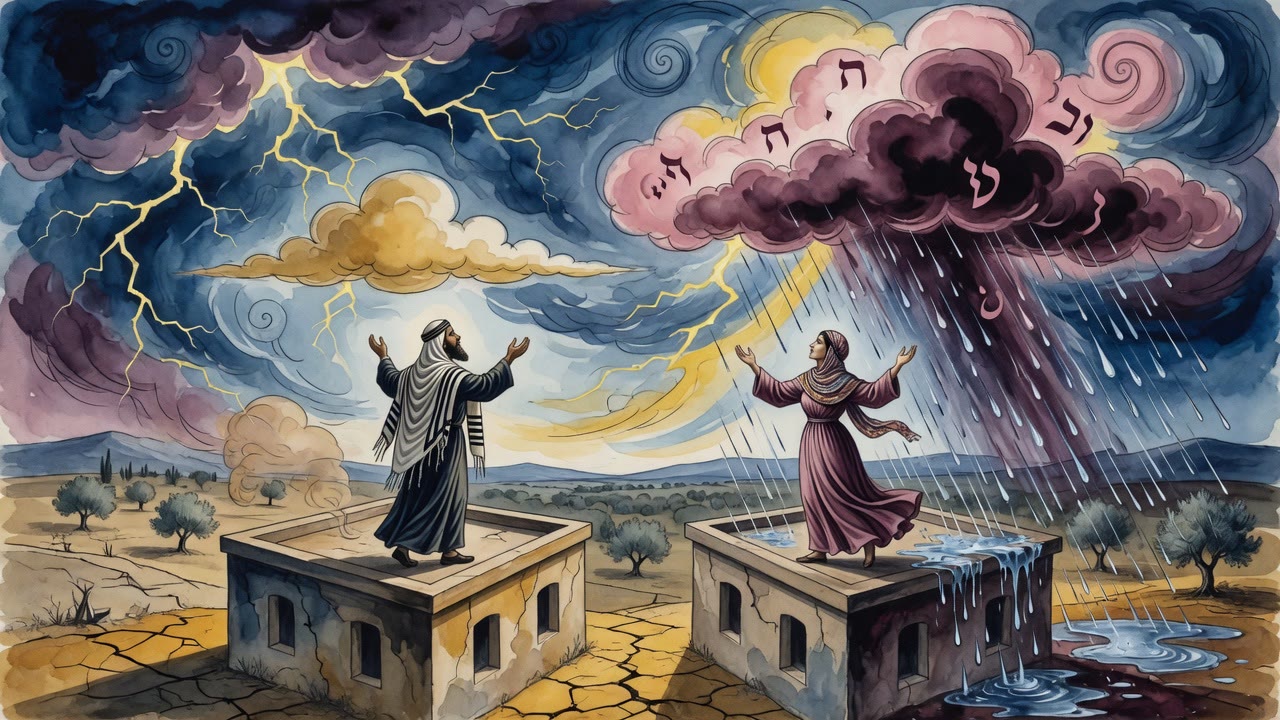
Two scholars walked out to a field to beg a man for rain. He would not return their greeting, so they followed him home to find out why.
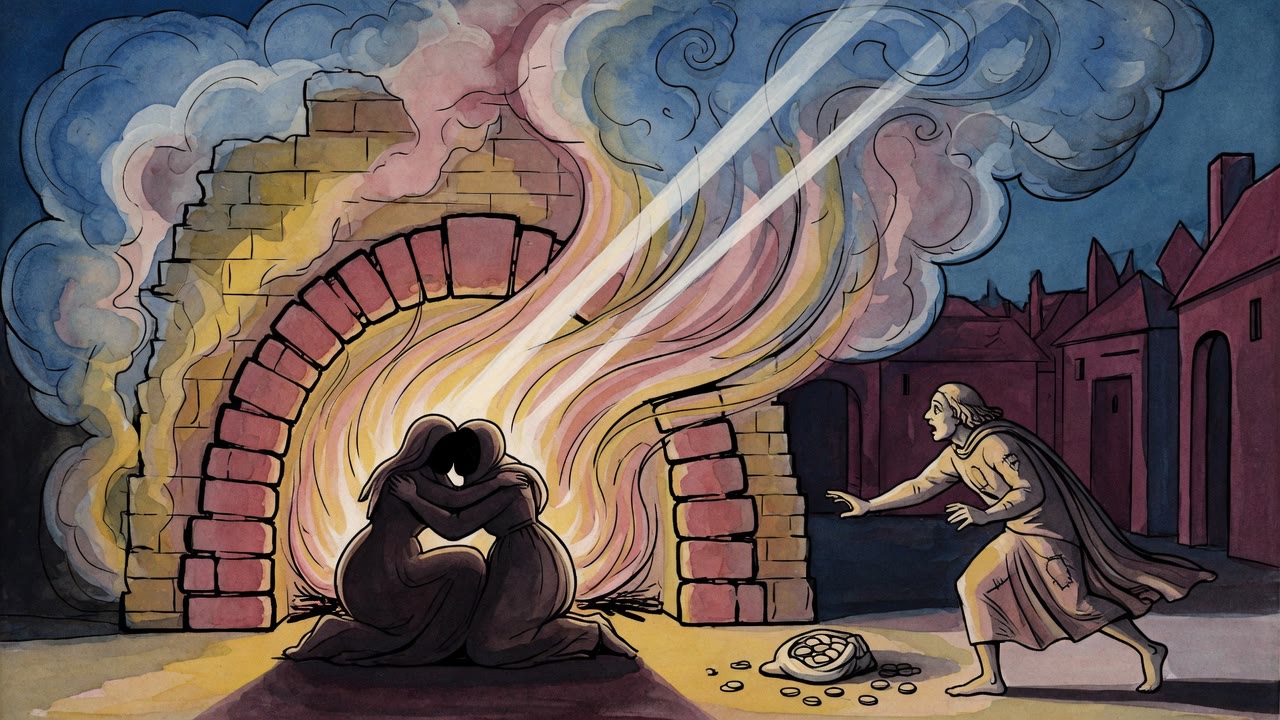
Coins appeared under a doorpost for years. Then the poor man opened the door, and the giver ran toward a furnace still hot from the day's fire.
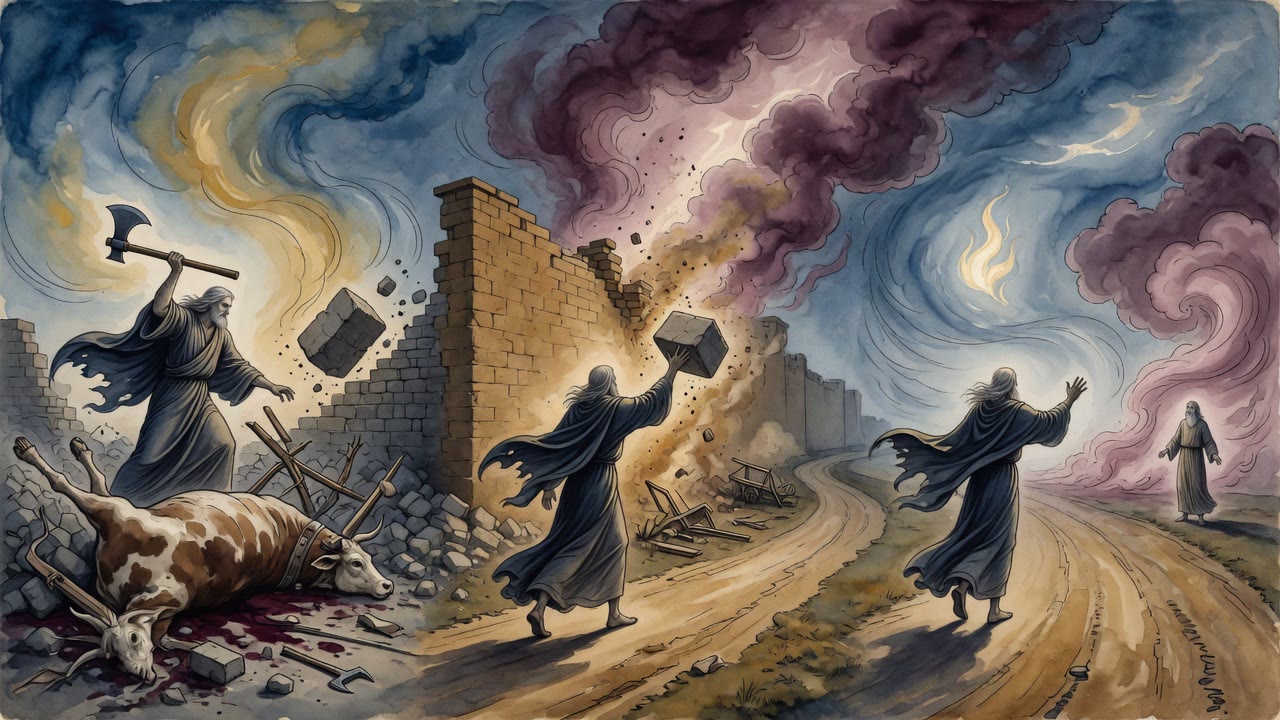
Rabbi Joshua ben Levi could travel with Elijah on one condition: never ask why. Their third host gave them his best food. In the morning his only son was dead.
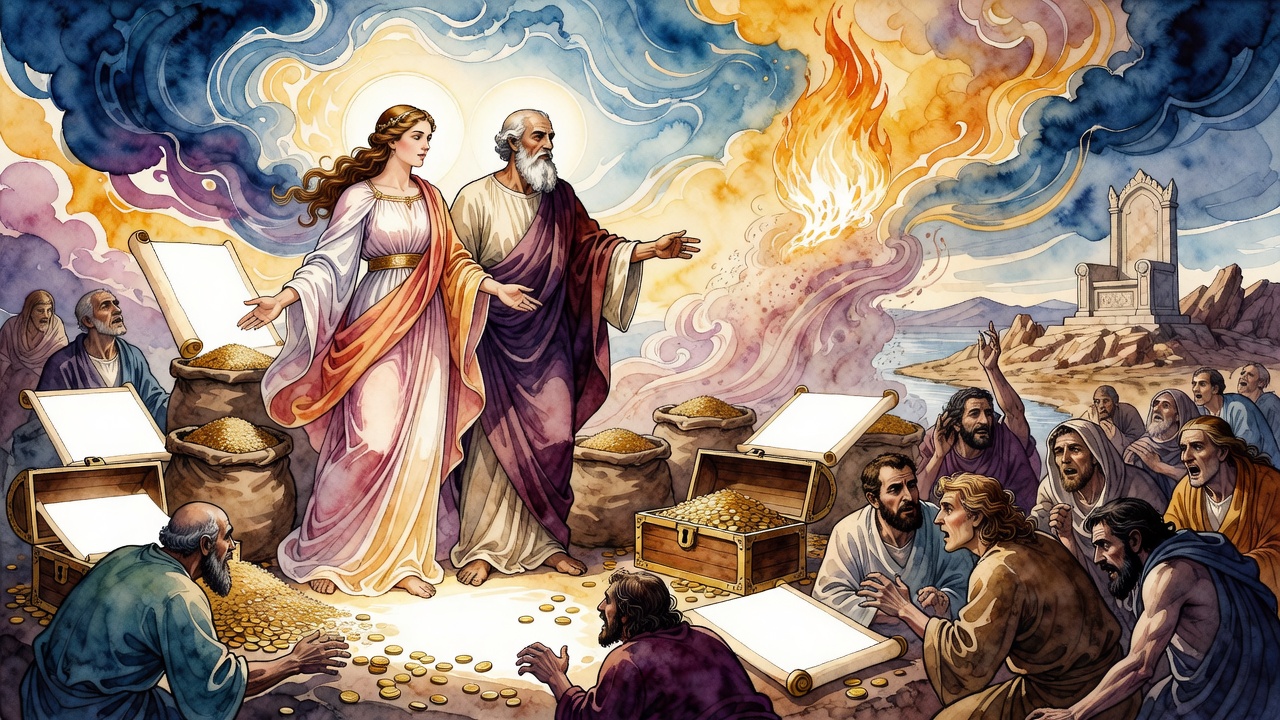
The king of Adiabene fell asleep with his hand on his wife's pregnant belly, and a voice told him to move it. The son she was carrying was named Izates.
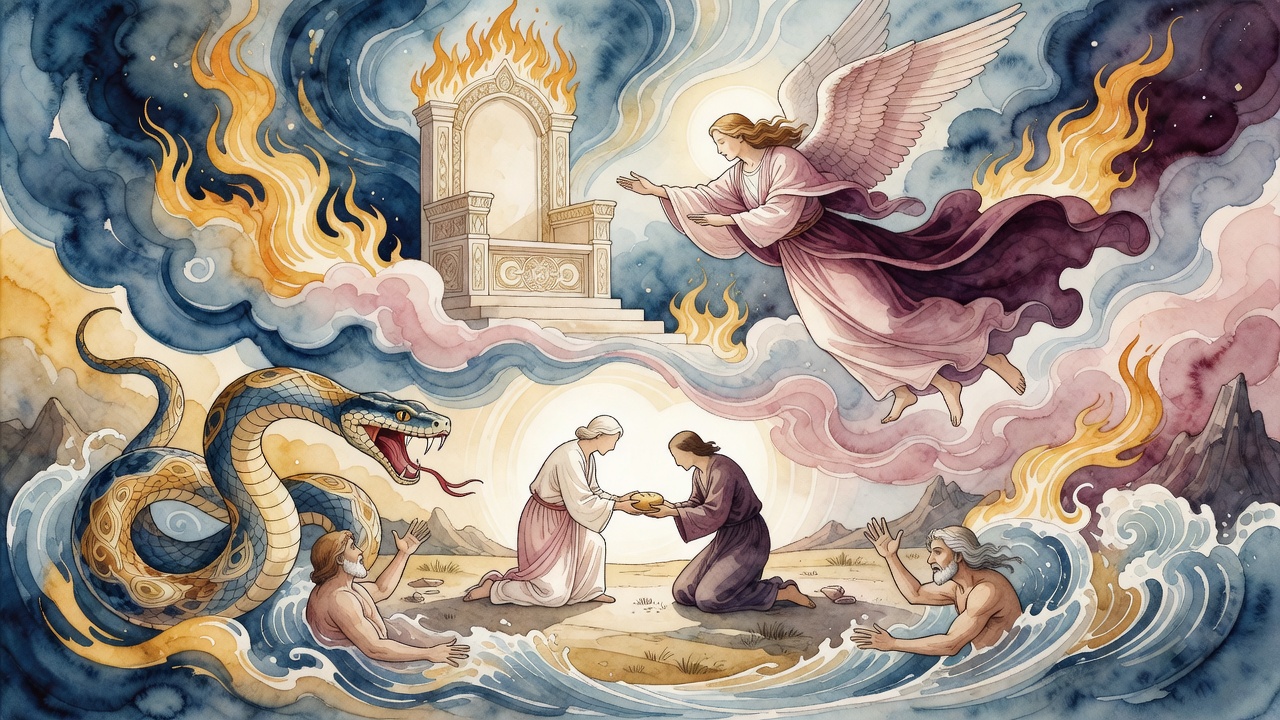
A snake, a drowning man, and an angel's argument before God are all interrupted by the same force: a quiet act of giving to someone in need.
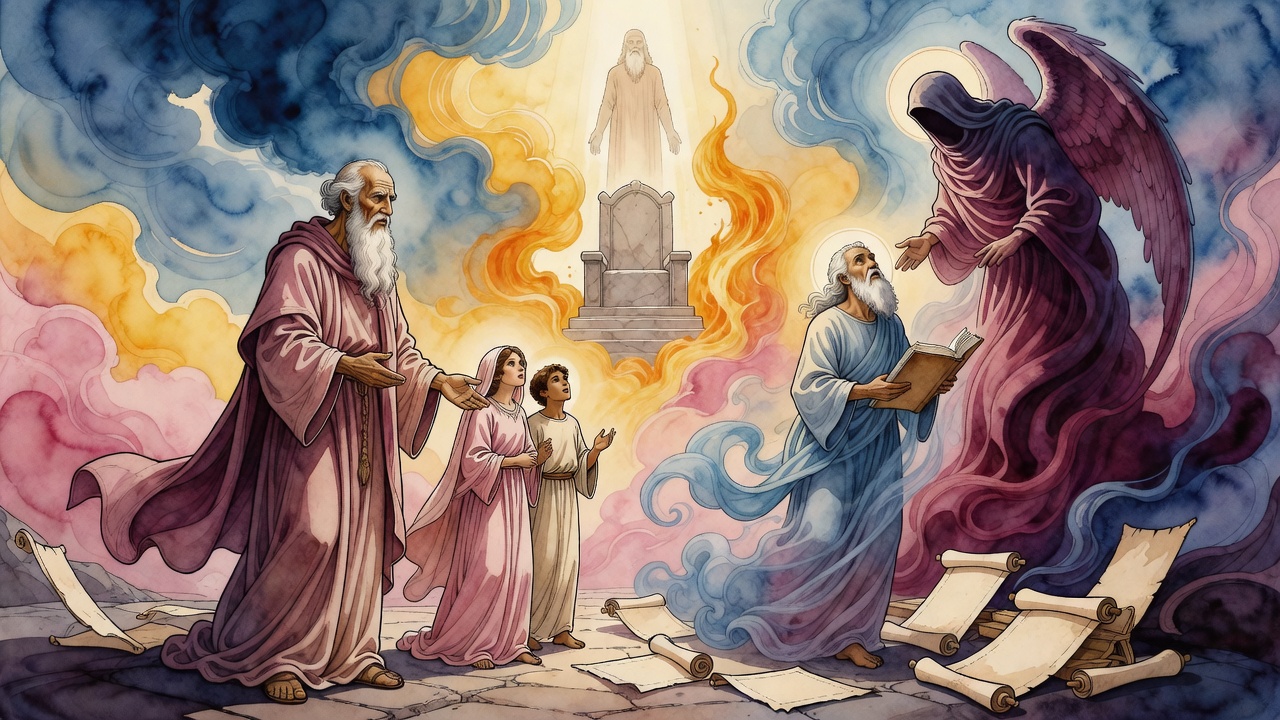
Ben Sabar earned two hundred more years by helping an orphan marry. A younger sage was taken mid-study, desired above, and mourned for three days.
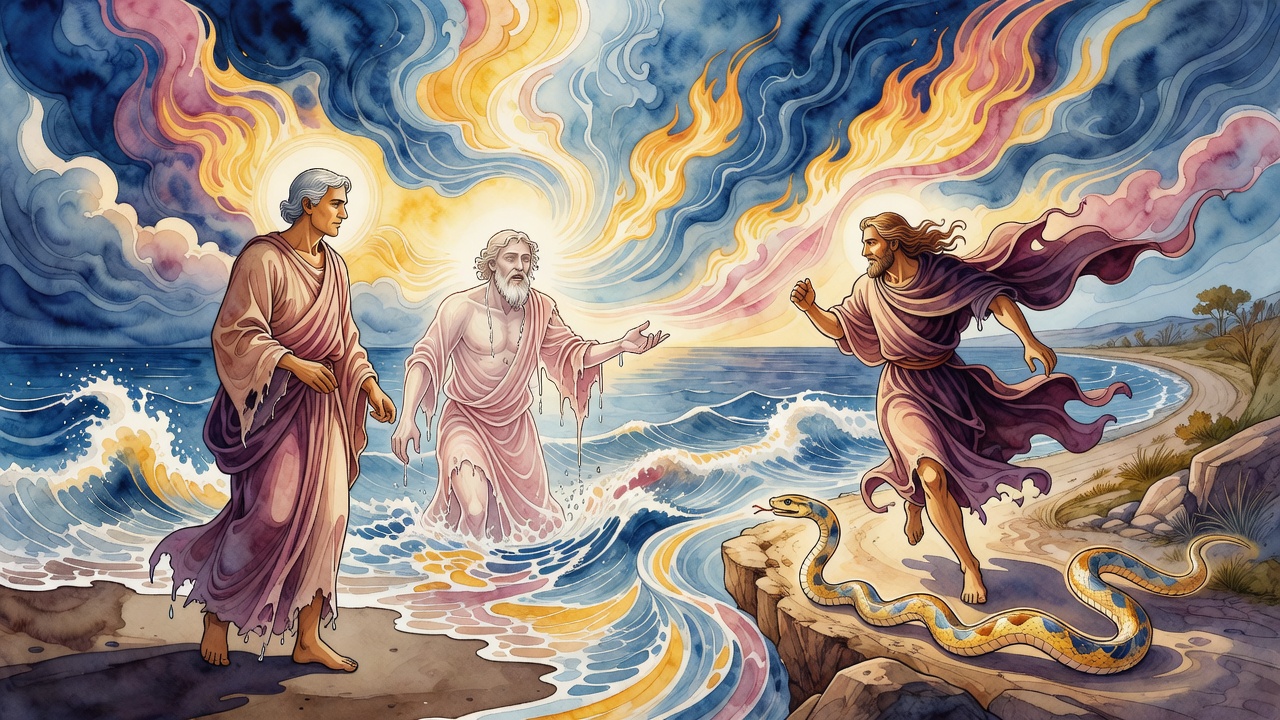
The ship broke in front of Akiva. Weeks later the drowned man walked toward him dry, and named the loaf he had given away.
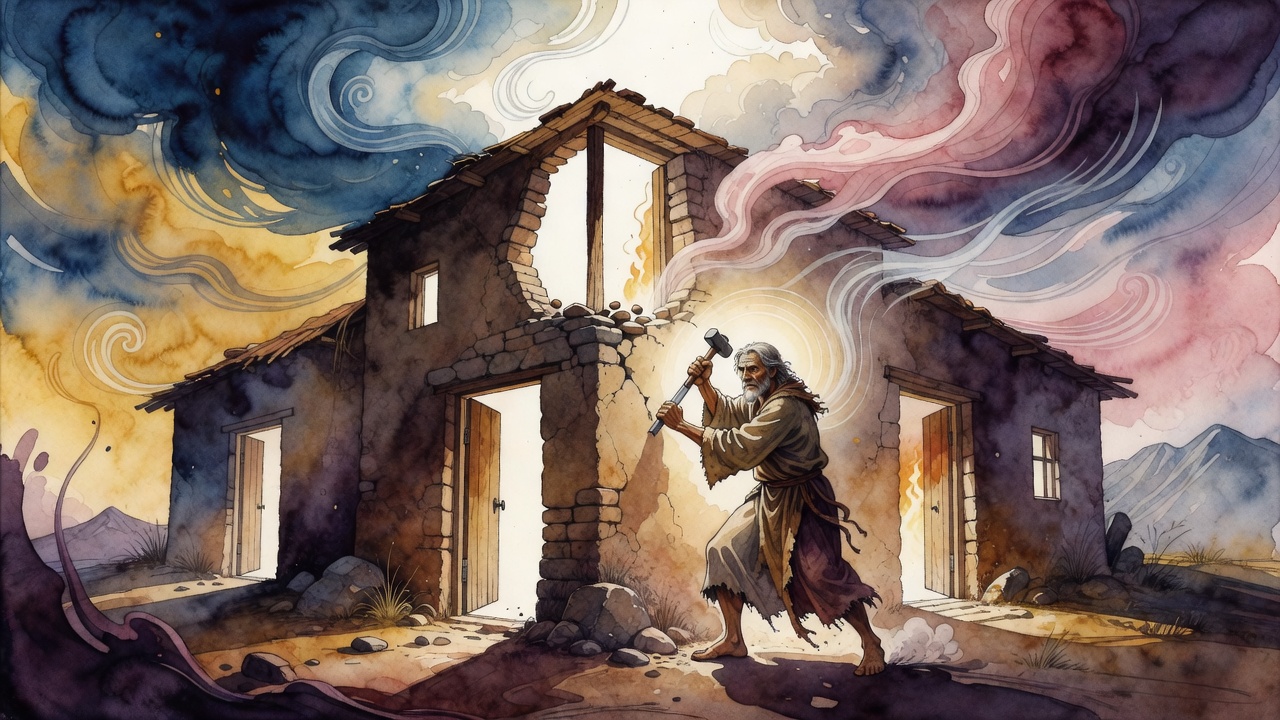
Two beggars met on a road. One was leaving Job's house. The other was walking toward it, naming the place the way a man names a town.
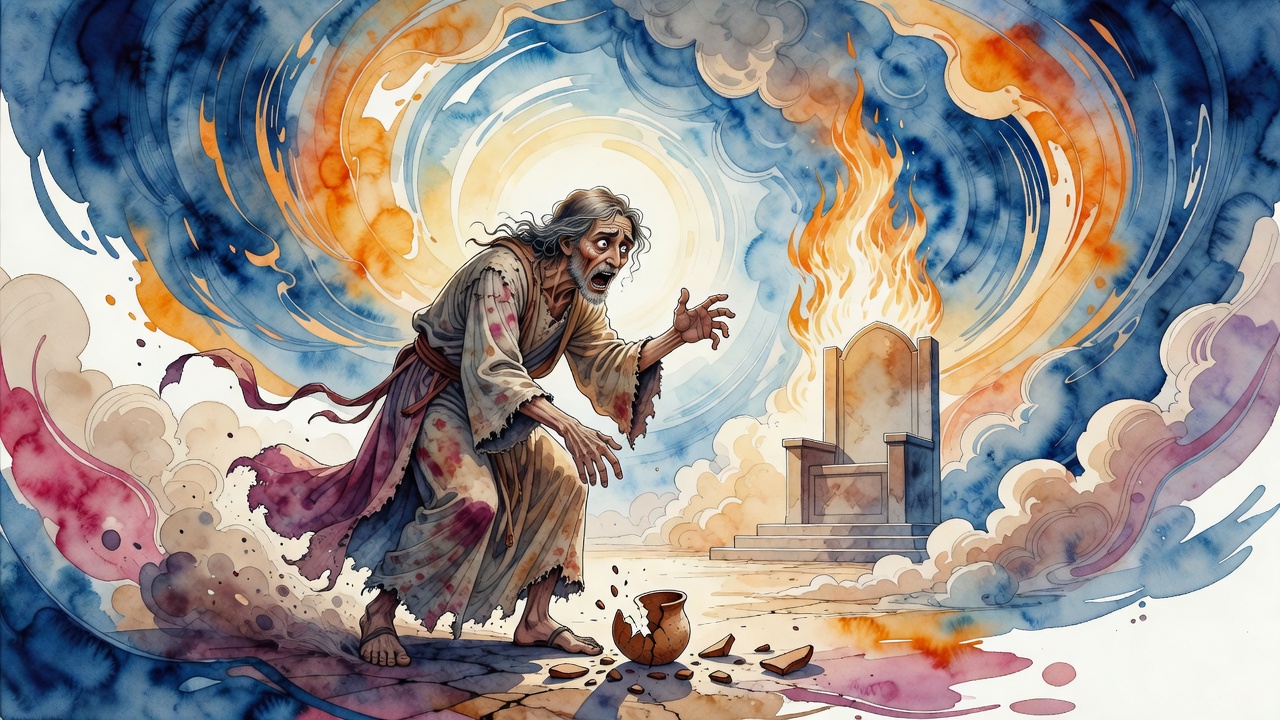
Akiva had watched the ship go down. He came to court so the man's widow could remarry, and the man he had seen drown walked in and stood in front of him.
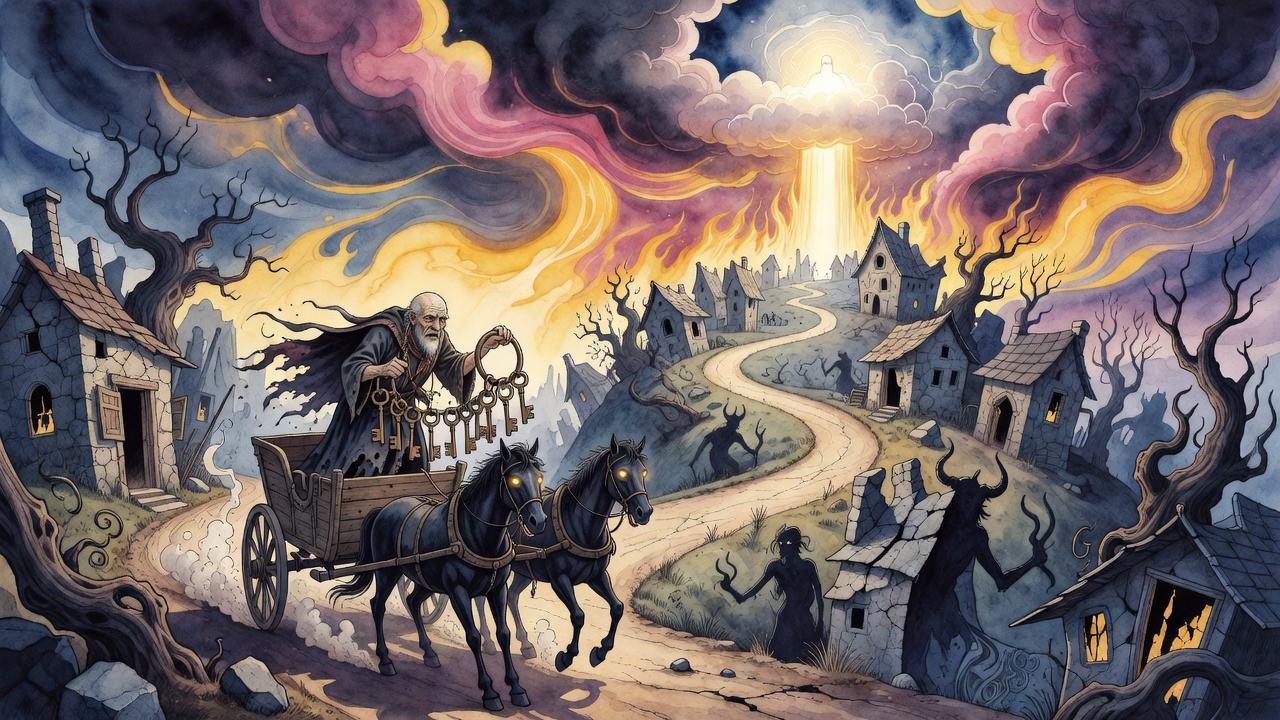
A woman in a strange village pulled him aside. Eat nothing here, she said. The host was not a man, and the food would put a chain on him.
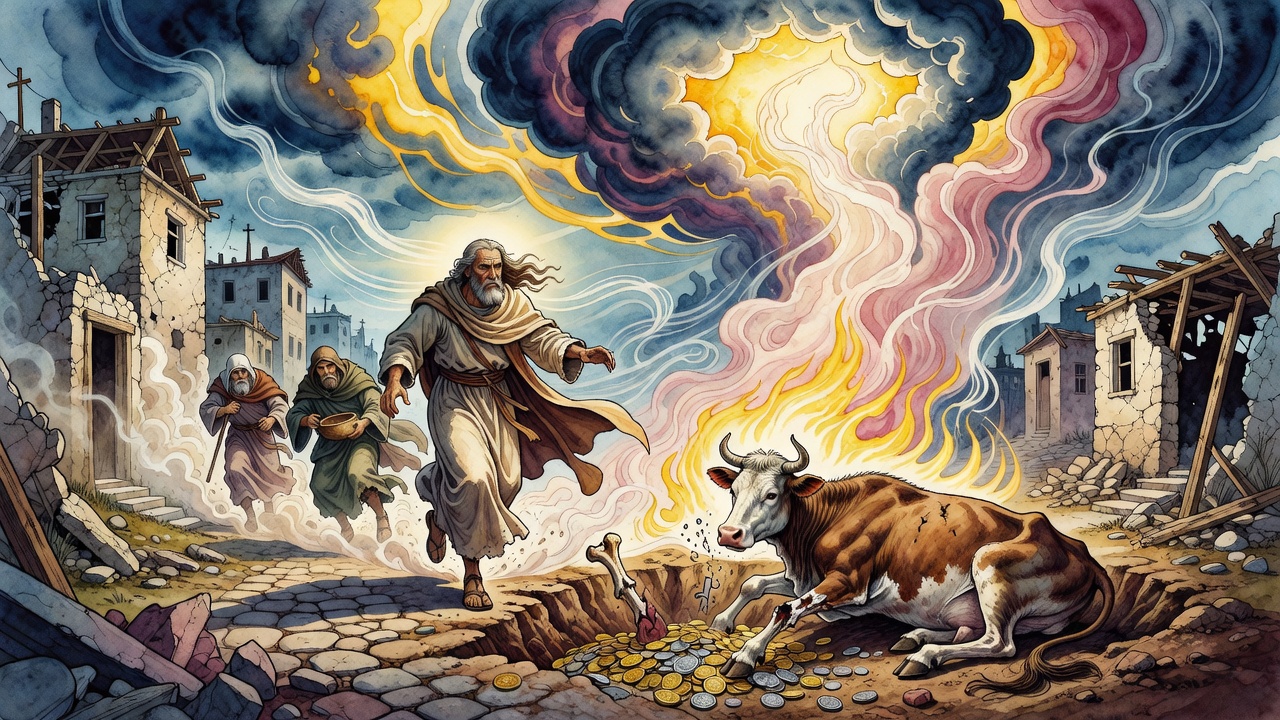
He chased the alms-collectors down his own street to give before they passed, until ruin left him one cow that broke its leg into a buried fortune.
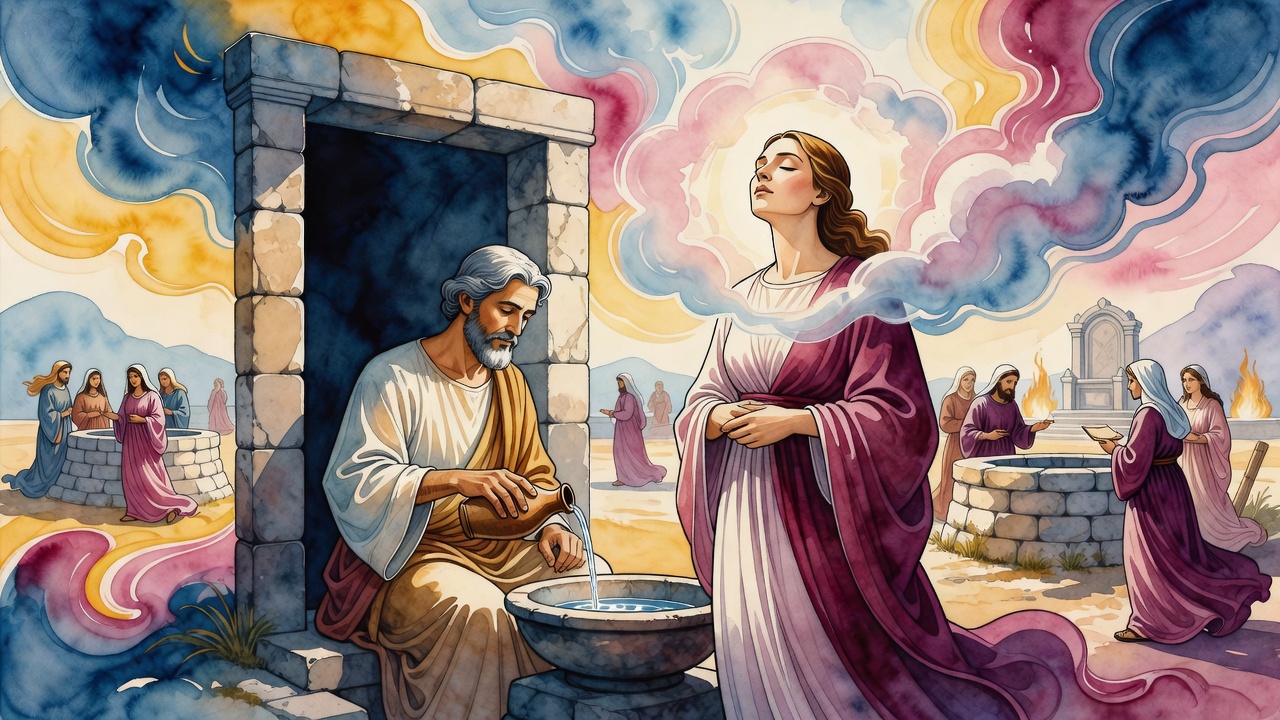
Travelers arrived with dust in their throats. Shallum sat at the city gate with a full bottle. He was not selling anything.
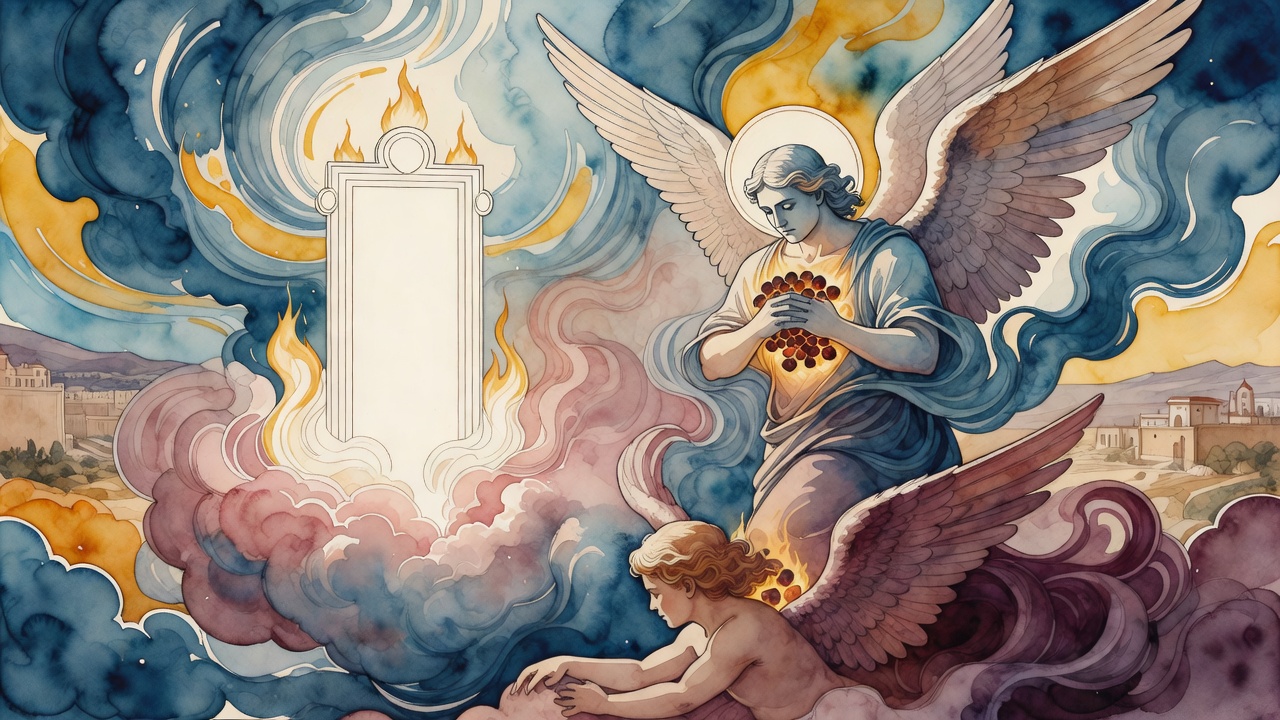
Gabriel cooled the cherub's coals against his chest for six years, waiting for Israel to turn, until mercy stayed his arm for the sake of kindness.
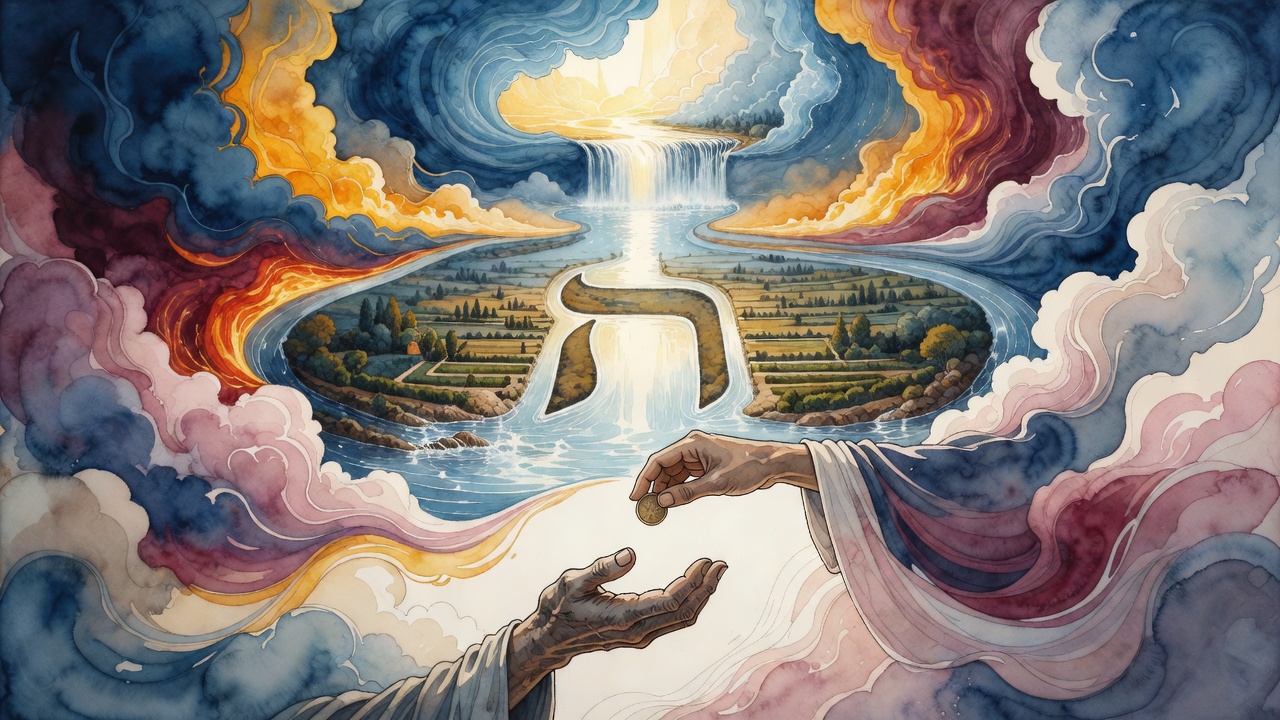
A beggar held out a cracked palm. Copper left a householder's fist. Above the street, a river left Eden and went looking for a garden.
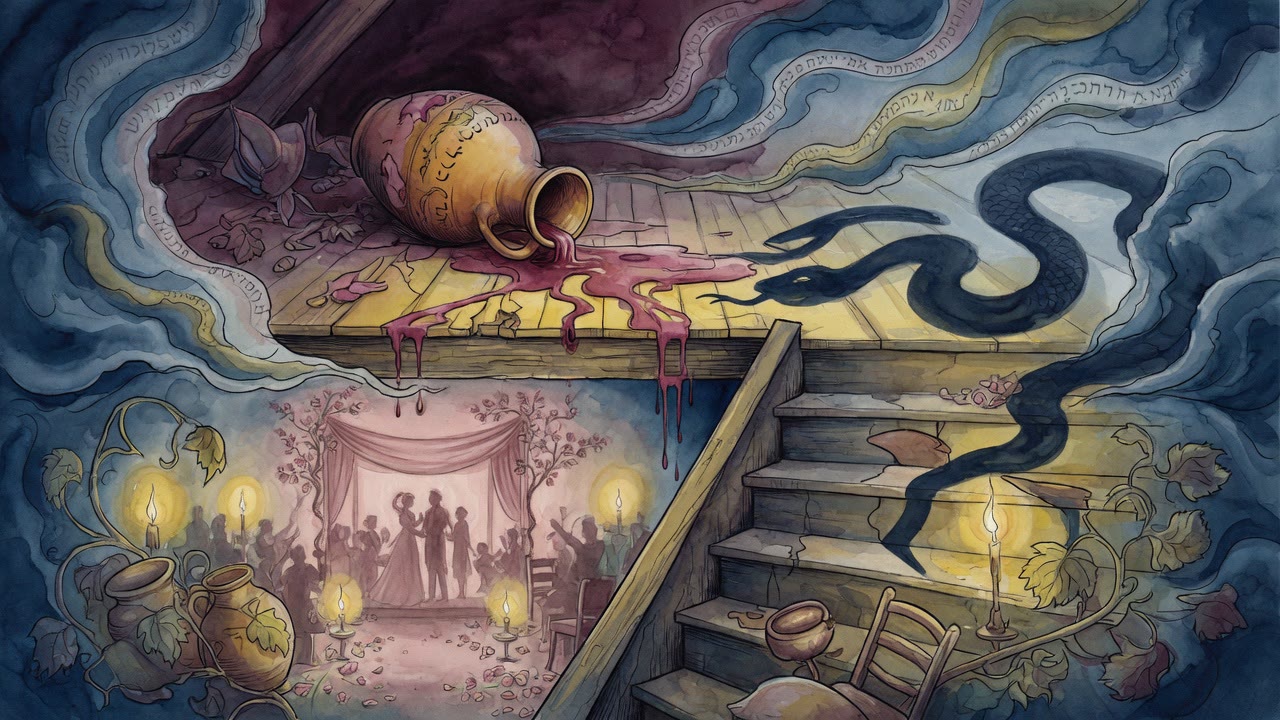
A town banned charity on pain of death. A pious man fed the sea, sank on Yom Kippur eve, and a great fish offered treasure or seventy languages.
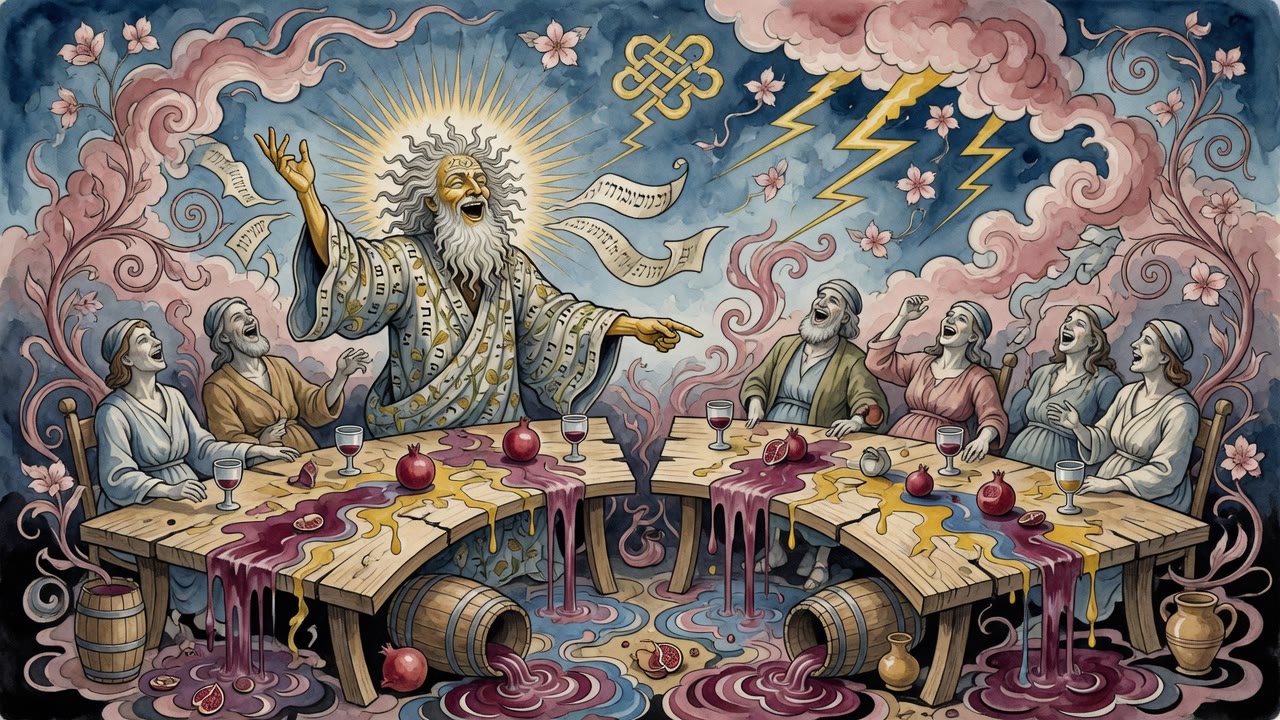
Drums pulled the air sideways outside the study hall. Rabbi Judah closed his book. The bride would not wait for a finished line of Torah.
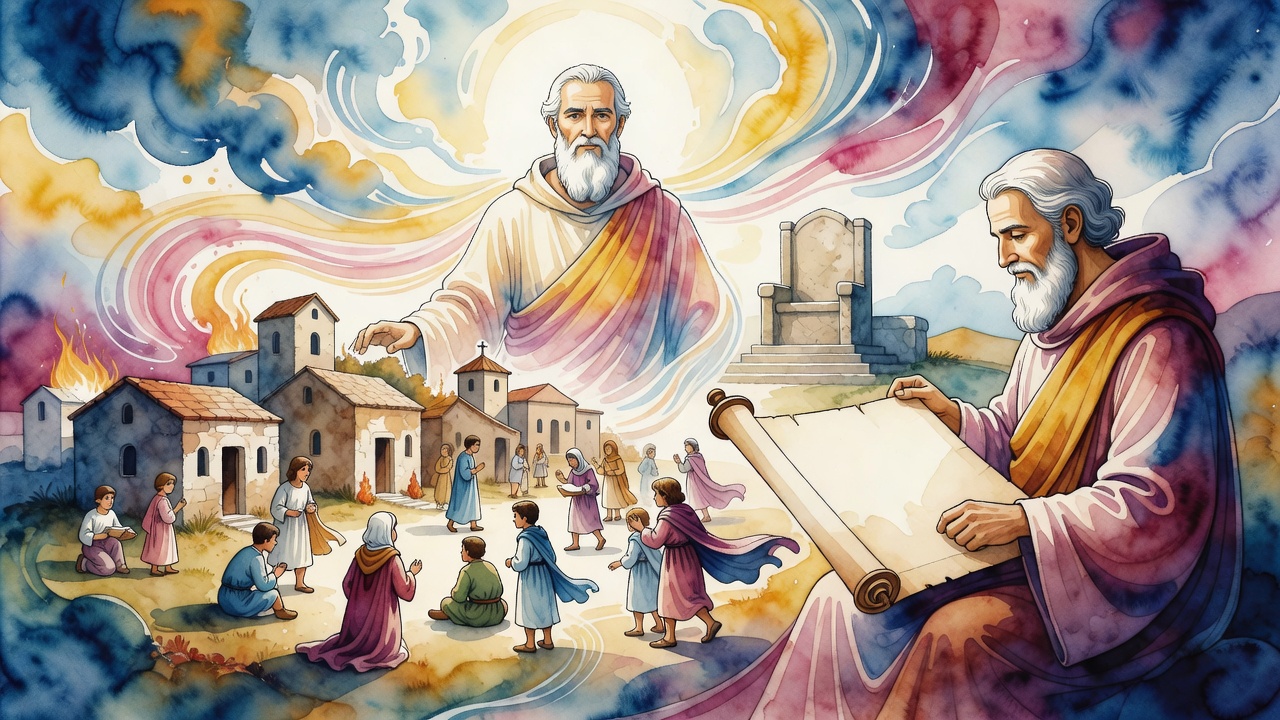
Weeks passed and no deed arrived. When Tarfon demanded his property, Akiva walked him through rooms of children bent over letters and orphans in new cloth.
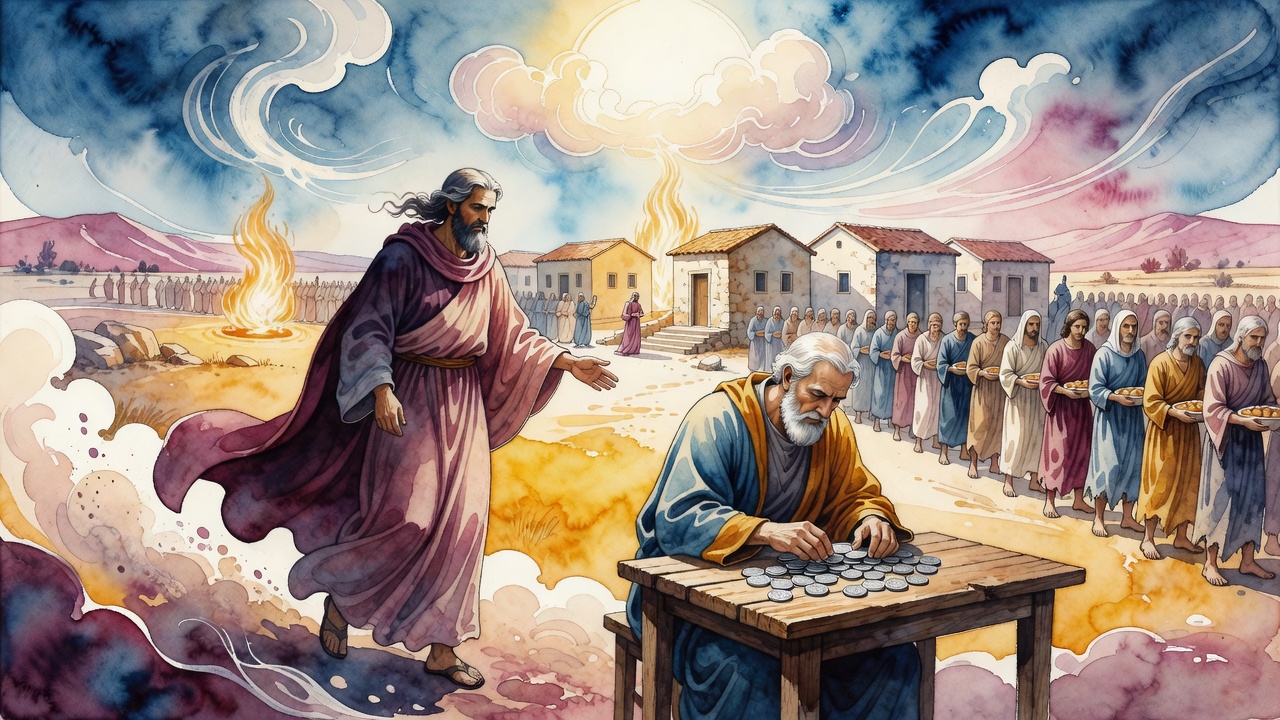
Tarfon counted coins for a safe investment. Akiva led him to schoolhouses and bread lines and named them a town.
