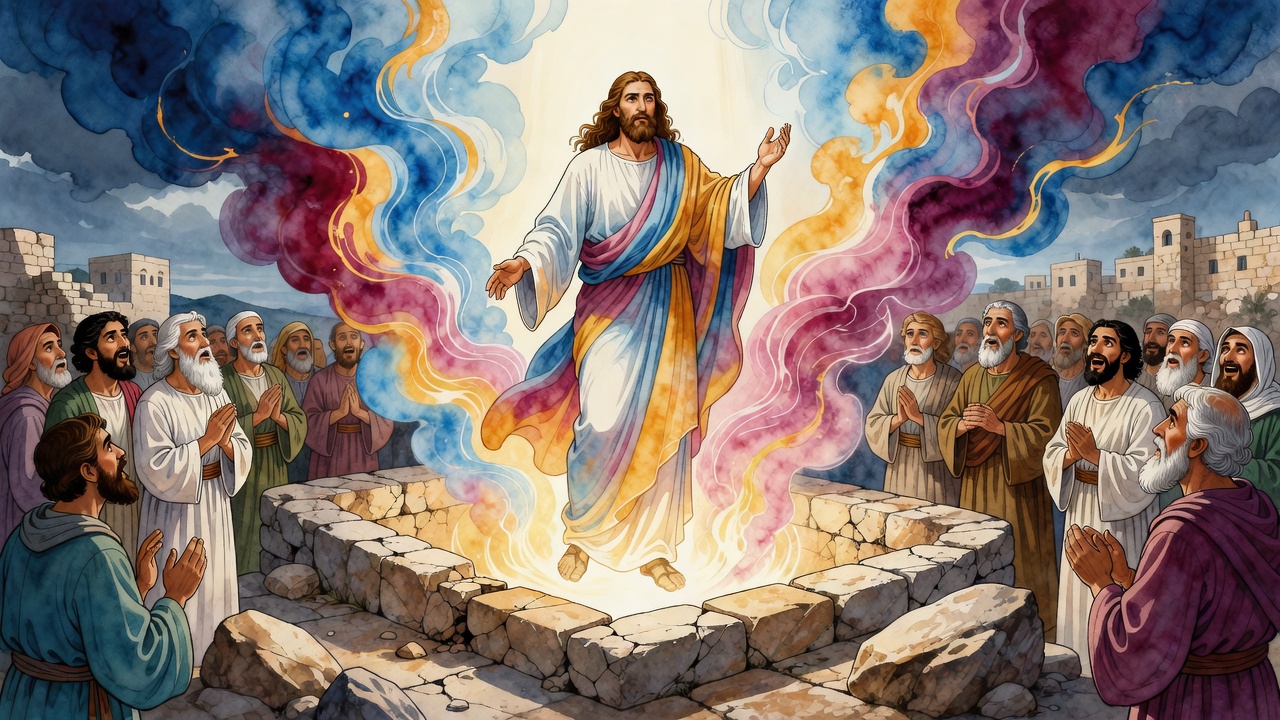
Abraham Asked Because God Had Already Said Ask
Eliezer still ran the house. Abraham looked at the dark and asked what was left to give. Years later a king came to the well for peace.
Table of Contents
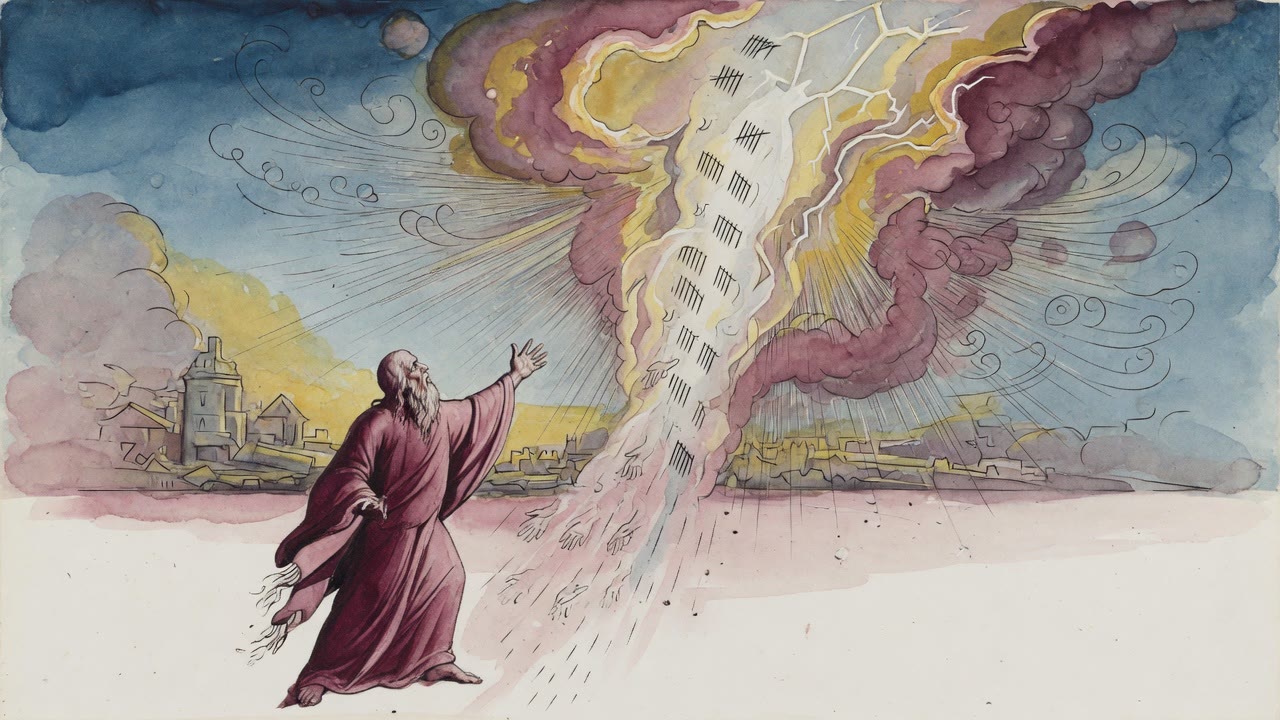
Abraham stood in the dark with no child and a steward named Eliezer of Damascus, and he opened his mouth. "My Lord God, what will You give me, seeing that I go childless?" (Genesis 15:2).
 Click for full size
Sarah's tent was quiet. Eliezer's footsteps faded toward the house he still ran. The stars were out, and the promise felt thinner than the night. It was not a polite question. It was a man putting the whole promise on the table and asking whether the table was empty.
The Invitation Already Spoken
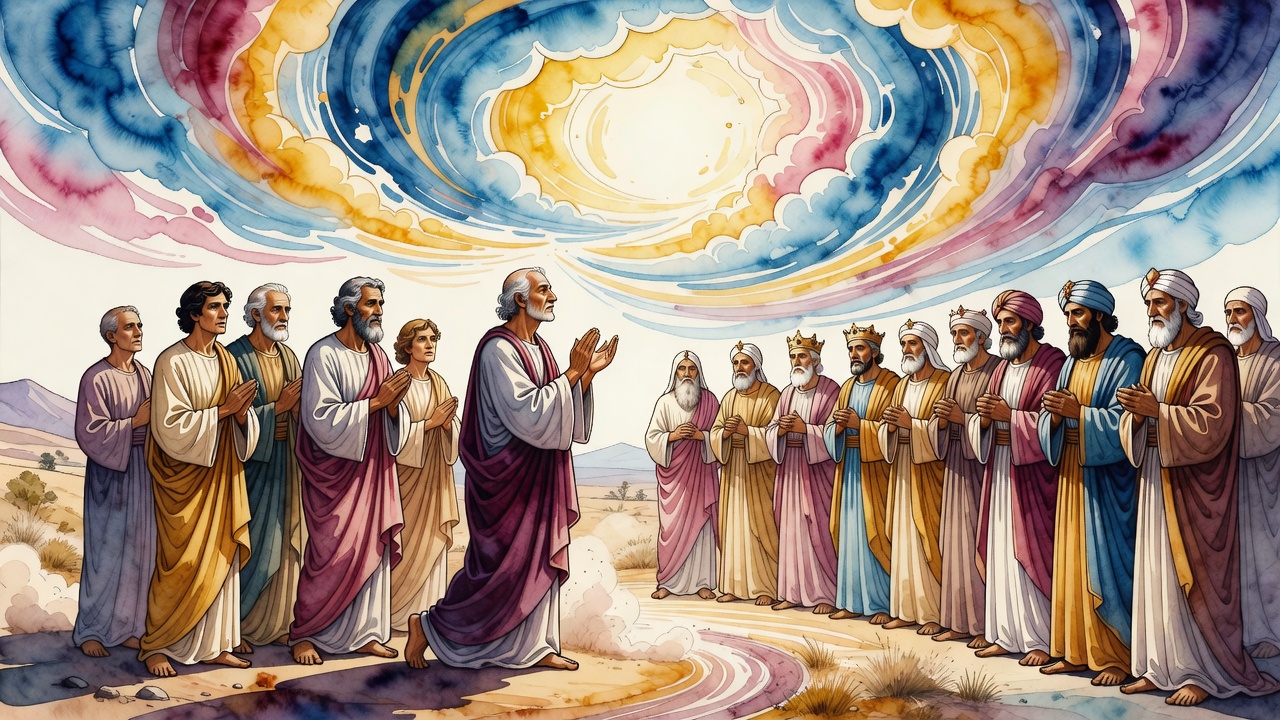
He would not have said "What will You give me" unless God had already said, "Make a request." Rabbi Yonatan counted the mouths that were told to ask. Solomon at Gibeon, in a dream: "Request what I shall give you" (I Kings 3:5). Ahaz, even Ahaz: "Request a sign for yourself from the Lord" (Isaiah 7:11). The king still to come: "Ask of Me, and I will make the nations your heritage" (Psalms 2:8).
Rabbi Berekhya and Rabbi Aha, in the name of Rabbi Shmuel, added two more from the older stories. Abraham. Jacob, who vowed a tithe of everything given him (Genesis 28:22) because the giving had already been offered. A man does not tithe a gift no one has placed in his hands.
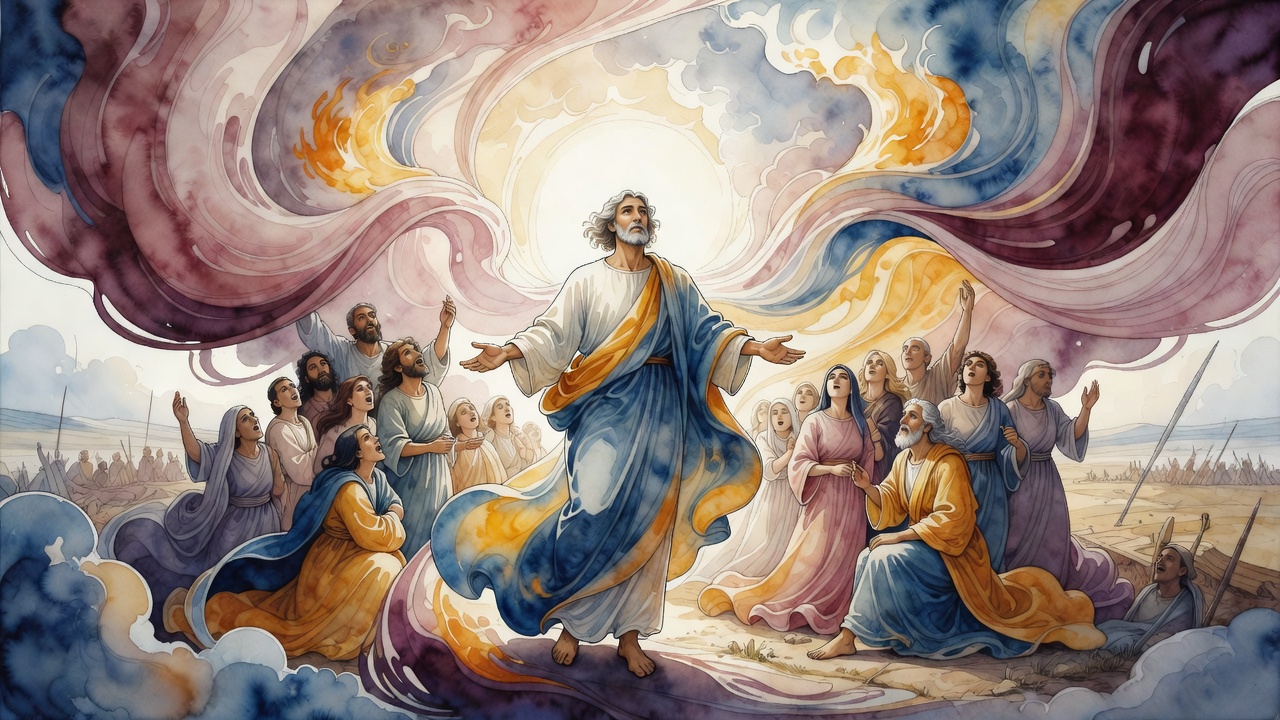
Abraham asked because he had been invited. God had not grown smaller. God had come close enough to be petitioned. He waited in the dark for an answer that would have to be a person, not a speech.
The King at the Well
Years later Avimelekh came to Beer-sheba with Phicol, captain of his army. Dust on the horses. Armor that had once belonged to a raid. "God is with you in everything that you do" (Genesis 21:22). He wanted an oath. He wanted a treaty. The man who had taken Sarah and been warned in the night now stood at Abraham's well and asked for peace.
When the Lord is pleased with a man's ways, He causes even his enemies to make peace with him (Proverbs 16:7). Avimelekh was the enemy in that verse, walking in under his own flag, asking not to be left outside the blessing.
Abraham did not have to bargain God down to get a treaty. The treaty arrived because God had not been bargained down. Water came up from the well. Phicol's hand left the sword hilt. The oath was spoken in a place where an enemy had decided to stop being only an enemy.
A Philosopher Brings Leftovers
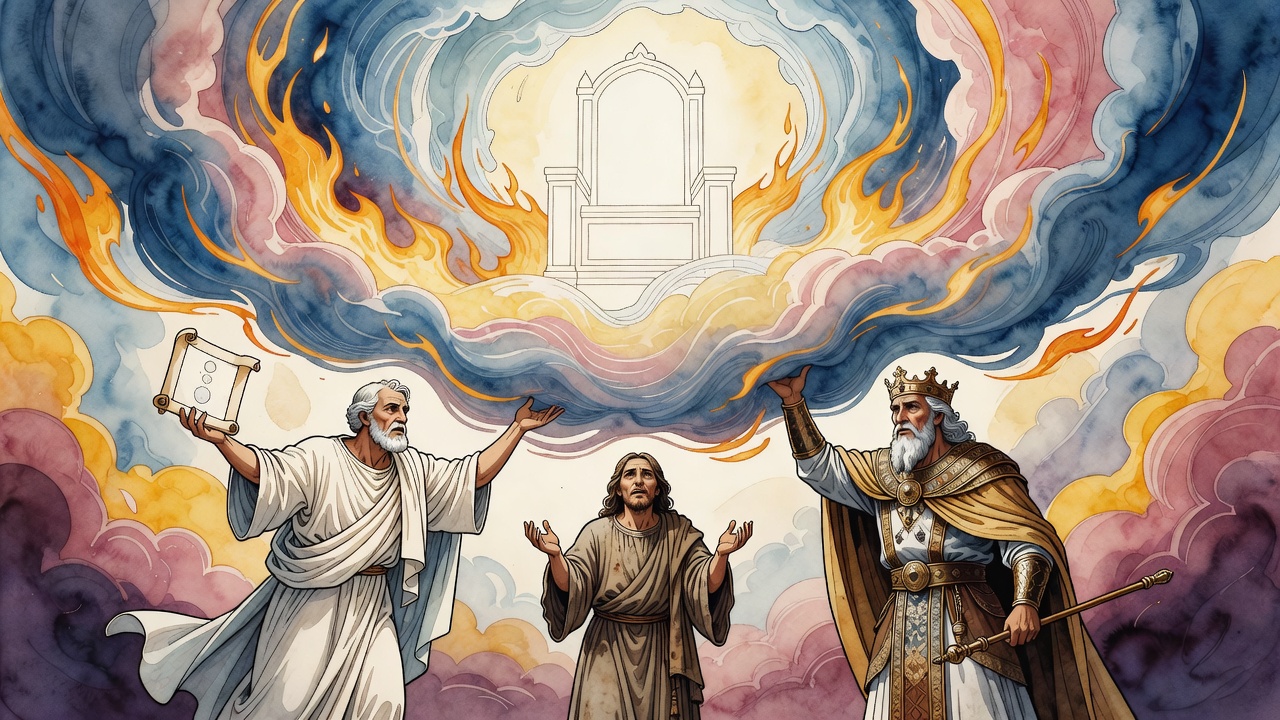
Centuries later a philosopher sat with Rabban Gamliel and tried a compliment that was a trap. "Your God is a great artist," he said. He tapped the table as if counting leftover stock. "Every artist needs material. The chaos, the void, the darkness, the deep water. Those were already there. God arranged what existed. He did not create."
Gamliel did not grant him the leftover clay. He did not smile. He reached for verses the way a man reaches for tools when the room has been insulted.
He went to Isaiah: I form light and create darkness, I make peace and create evil (Isaiah 45:7). Not arrange. Create. Then Amos: He forms the mountains and creates the wind (Amos 4:13). Then Proverbs: when there were no depths, I generated them (Proverbs 8:24). Then Psalms: He commanded, and they were created (Psalm 148:5).
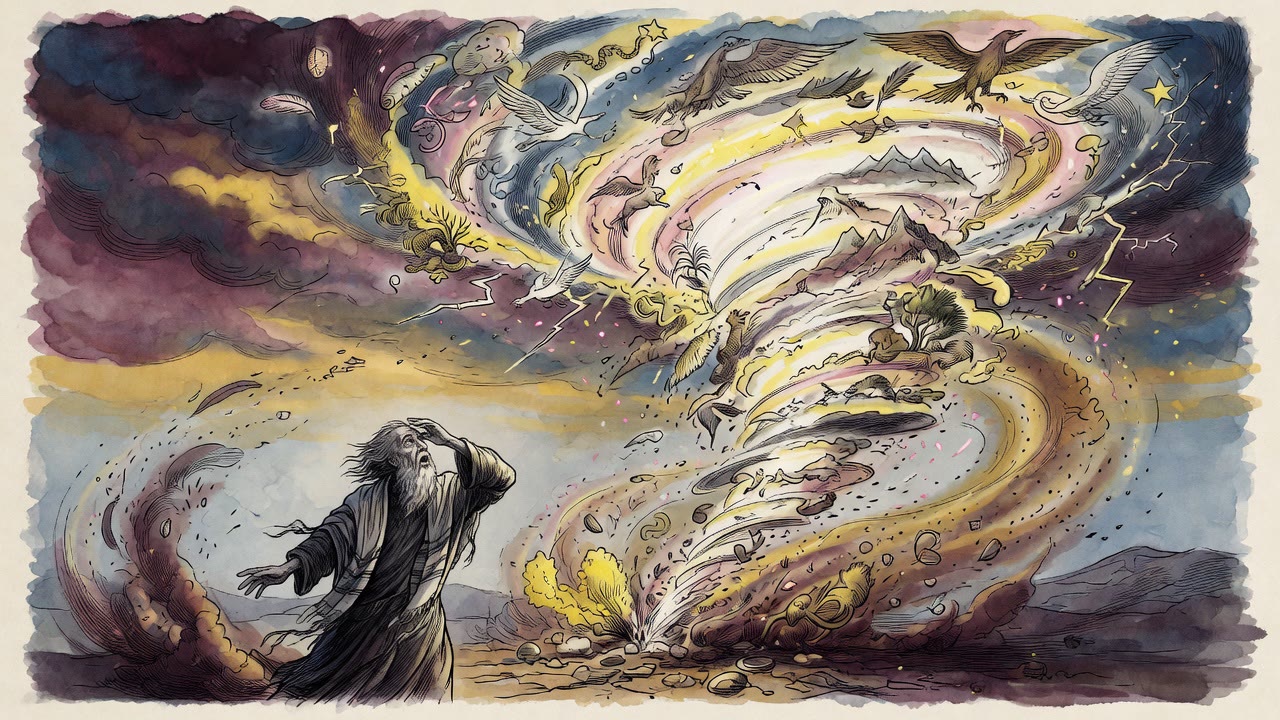
Tohu and bohu (תהו ובהו), the waste and the void, were not a warehouse God found. Darkness was not a leftover. The deep was not waiting like unused timber. Nothing was lying around when God started.
The Room Was Not Older Than God
Abraham had asked for a son as if the Giver still had more to give. Avimelekh had come to the well as if a blessing could not be fenced by a border. The philosopher had tried to make God a craftsman among craftsmen, skilled, limited, working with what the room already held.
Gamliel would not let the room be older than God. If the void itself was made, then a childless man may ask, and an enemy may find himself walking toward a well he did not expect to need.
Abraham's question stayed in the air. What will You give me. The answer was not a smaller God. The answer was a son, a treaty, and a world that had never been leftover clay.
The philosopher left with his compliment unused. Gamliel kept the verses on the table like stones that would not be moved. At Beer-sheba the well was still a well. In the dark where Abraham had stood, the invitation had not been withdrawn. A childless mouth had been told to ask. An enemy had been turned. Leftover clay had been refused.
← All myths