477 myths · Page 8 of 16
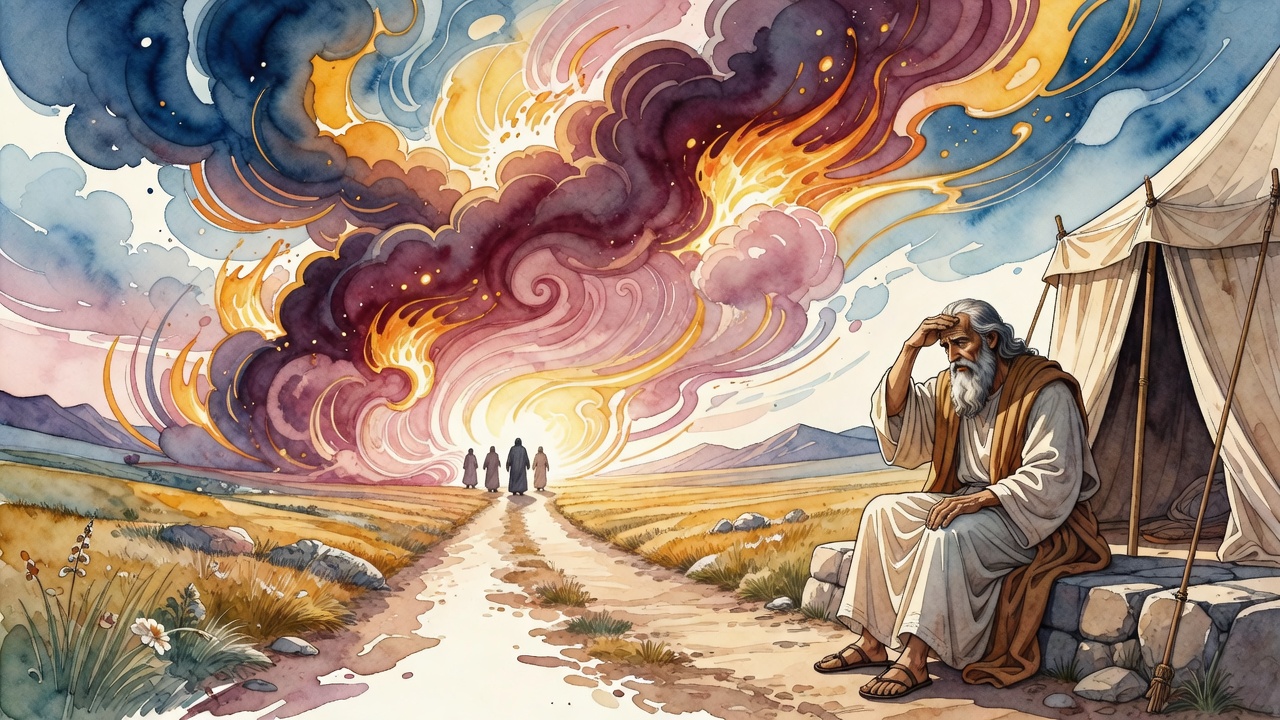
Sodom burned people for putting bread into a beggar's hand. Lot fed two strangers anyway, after dark, and then his wife refused them salt.
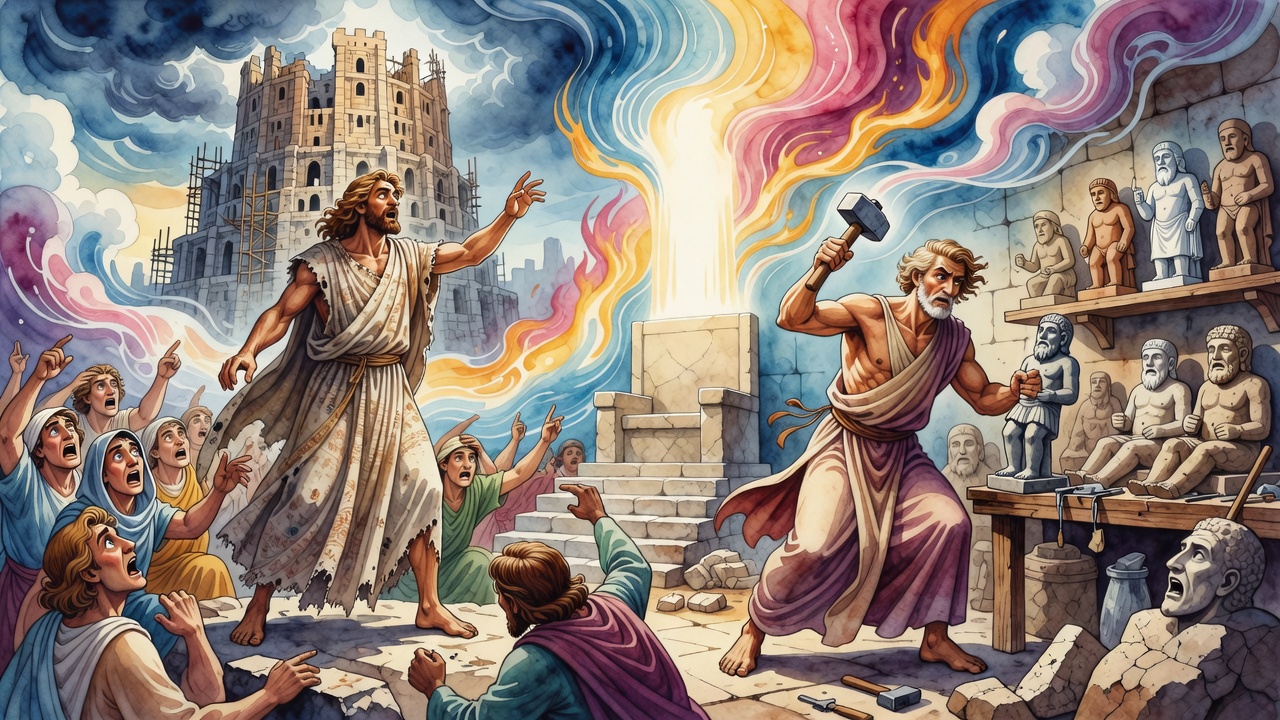
A brick fell off the tower and the whole work line sat down and wept. A man fell the same morning and nobody turned his head.
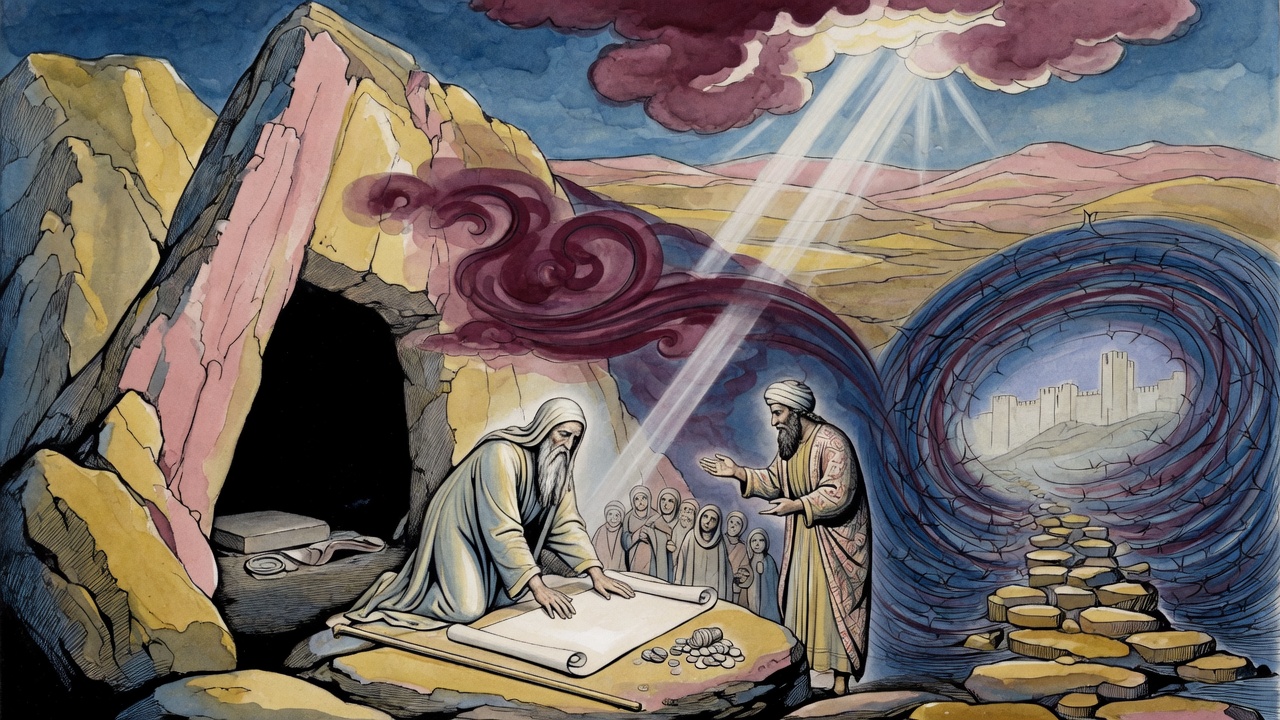
Abraham paid for a grave and signed a secret deed. His descendants could not take Jerusalem for a thousand years because of what he promised that day.
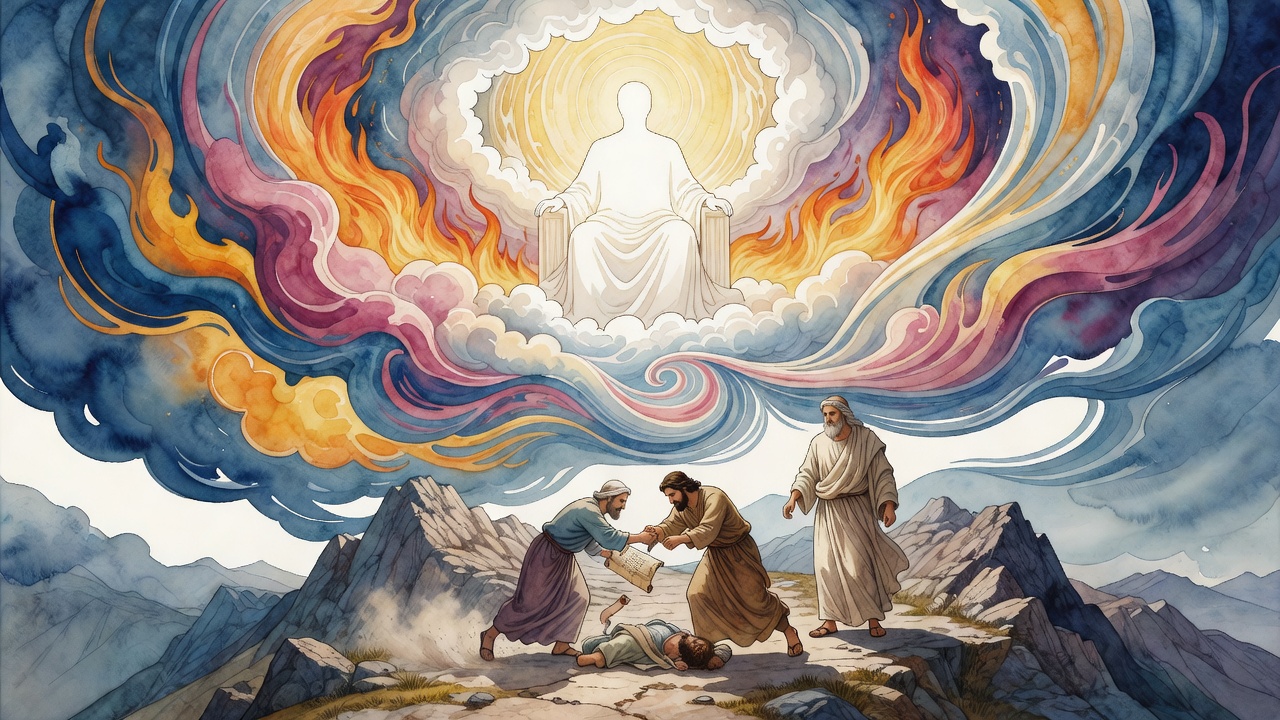
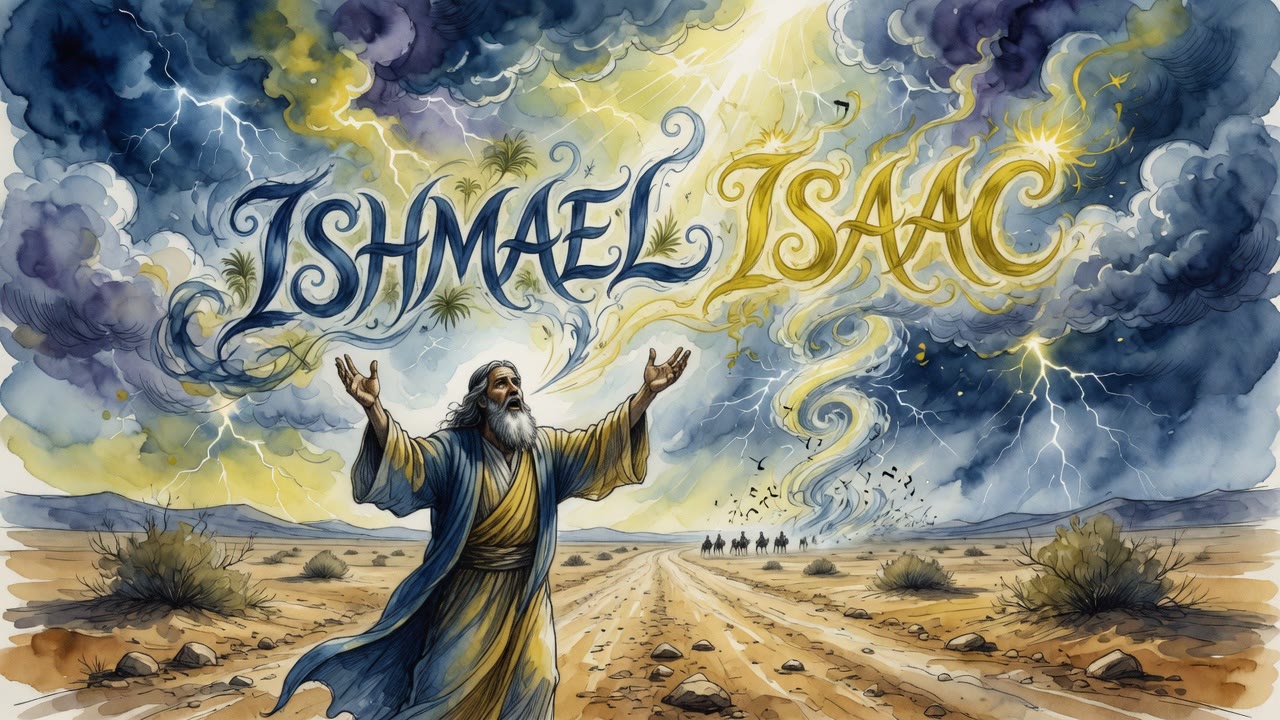
Ishmael had been telling his brother for years that he was the braver son. Isaac was thirty-seven when he finally answered him out loud.
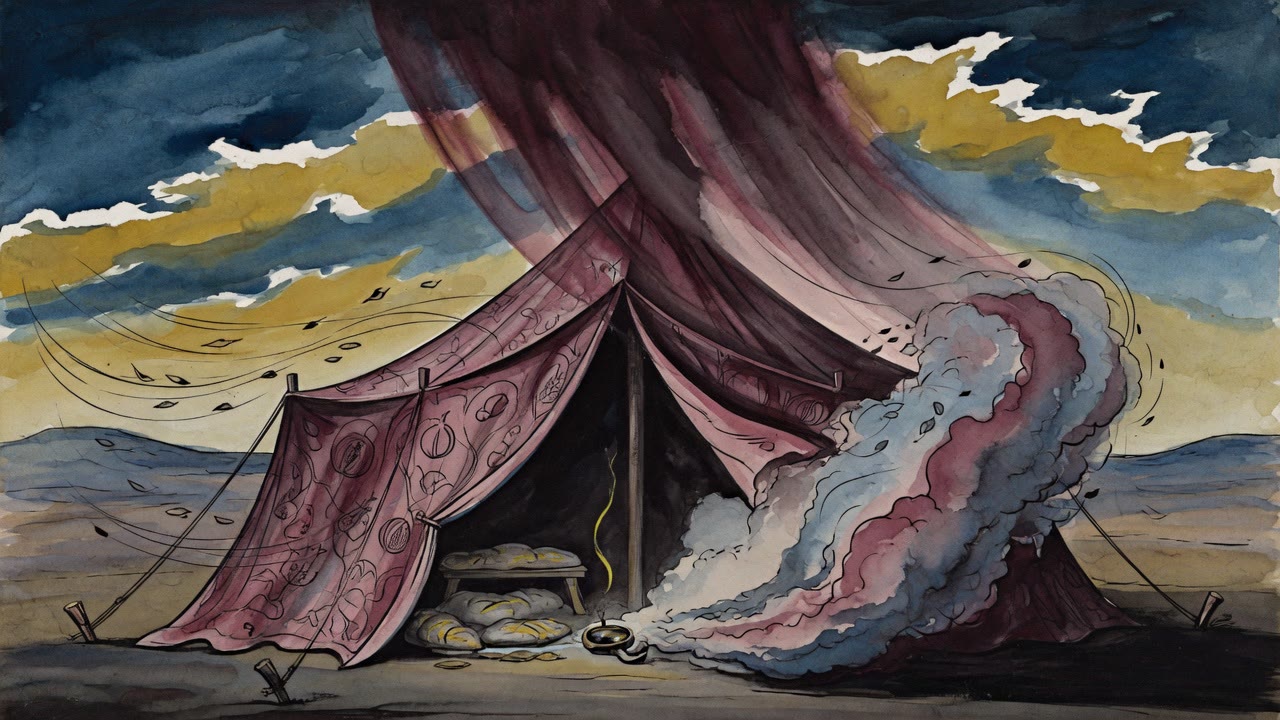
The knife came down on nothing. When Abraham looked up, an animal was fighting free of one thicket only to catch in the next, and it would not stop.
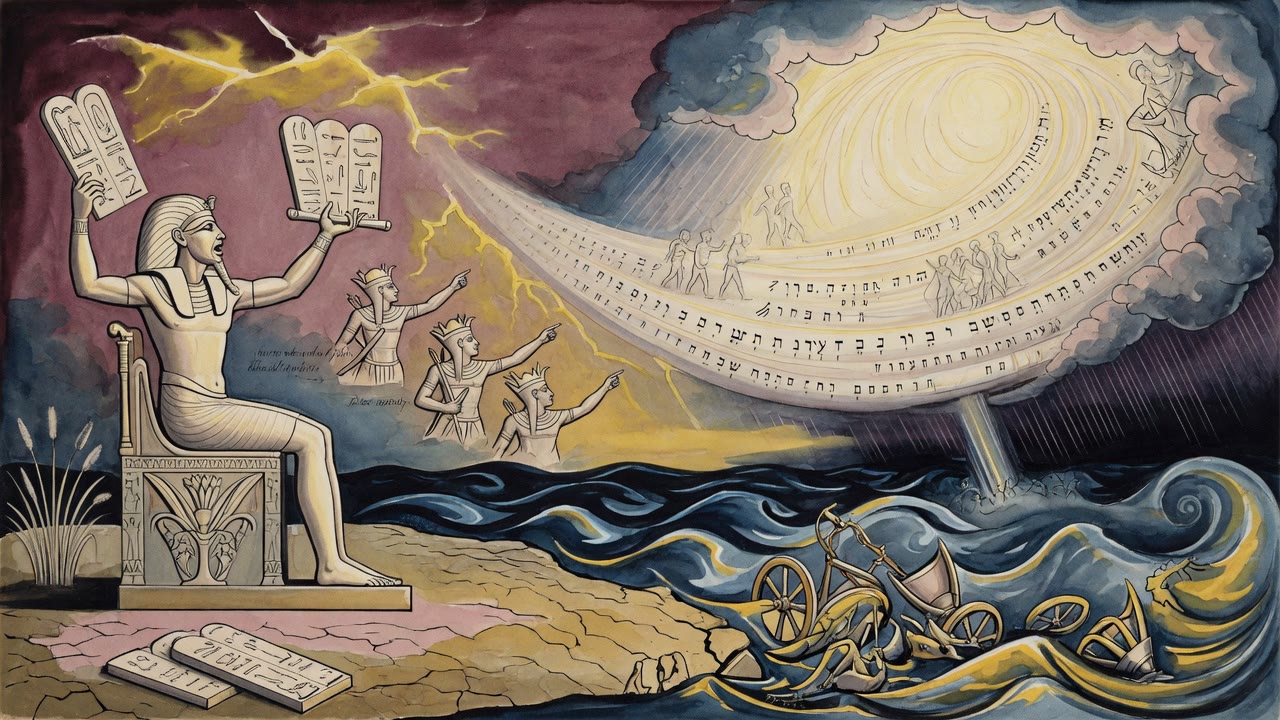
On one mountain two patriarchs were shown the same house in three tenses at once: standing, in ruins, and rebuilt in a time still to come.
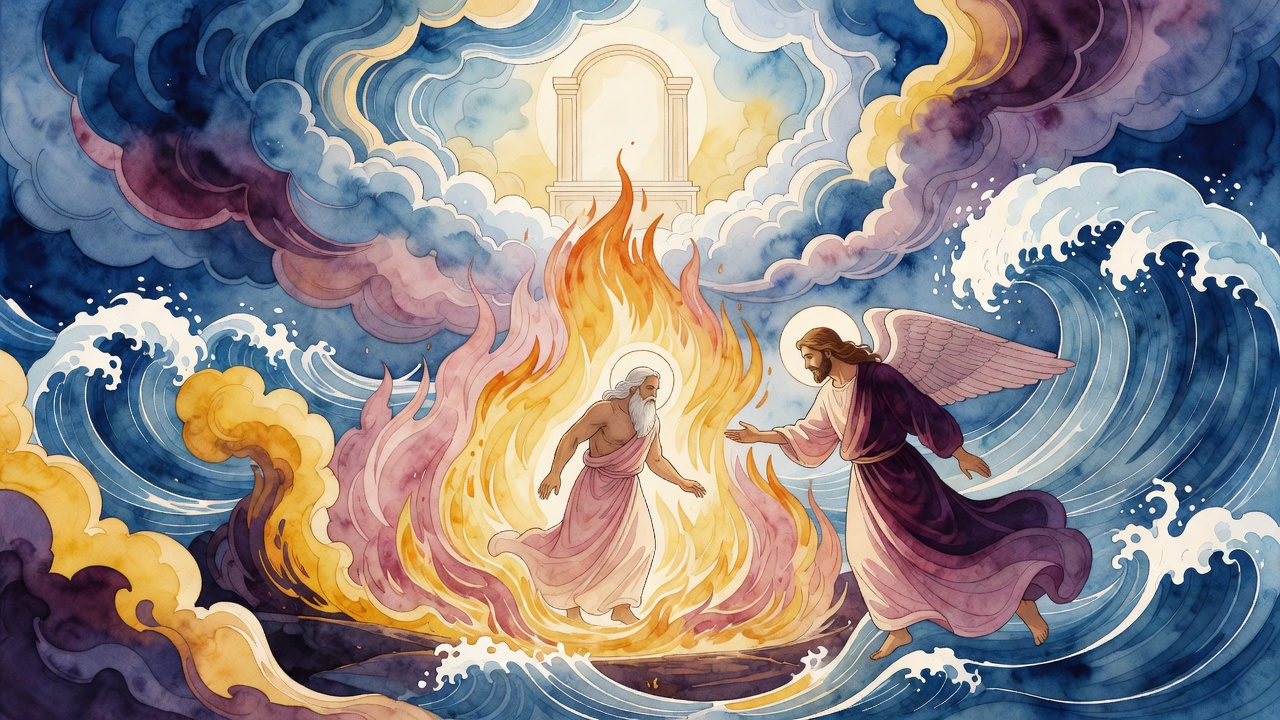
Gabriel offered to pull Abraham from the furnace and God refused. Some rescues cannot be handed to a deputy, and the sea split because of what came before it.
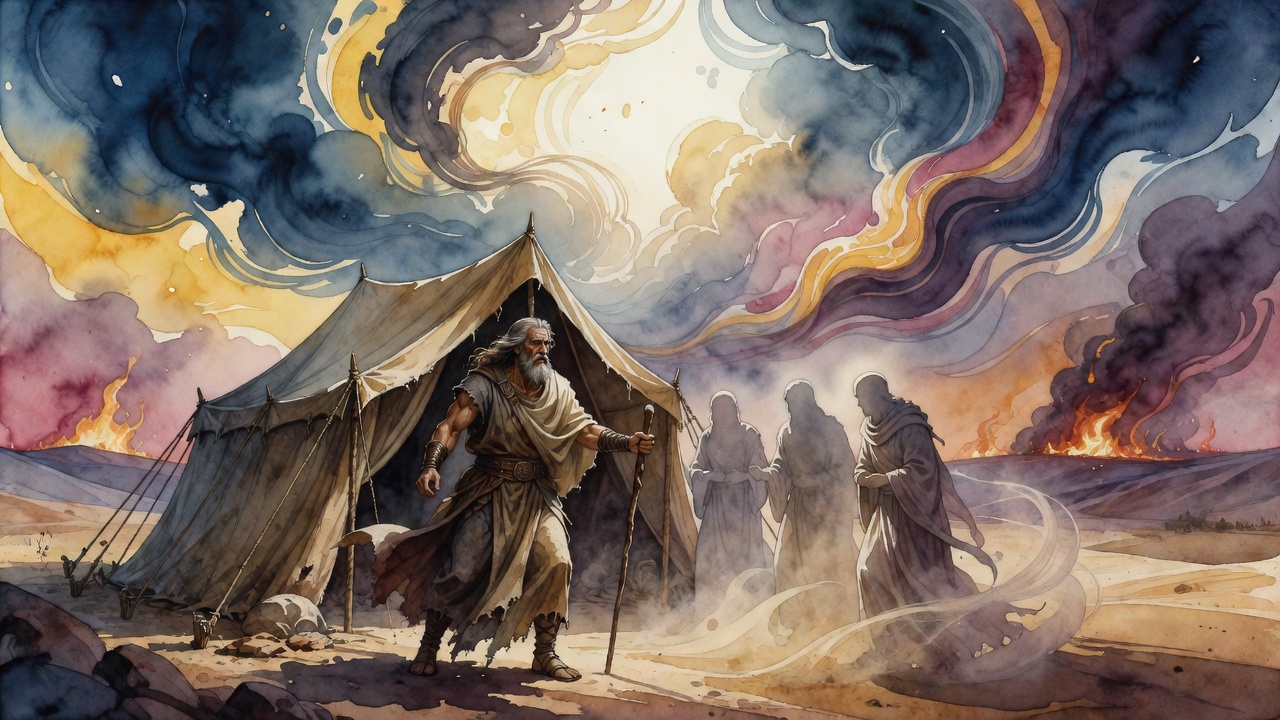
He routed an army of eight hundred thousand, then begged three travelers to stop for bread. The same man did both, and that is the whole point.
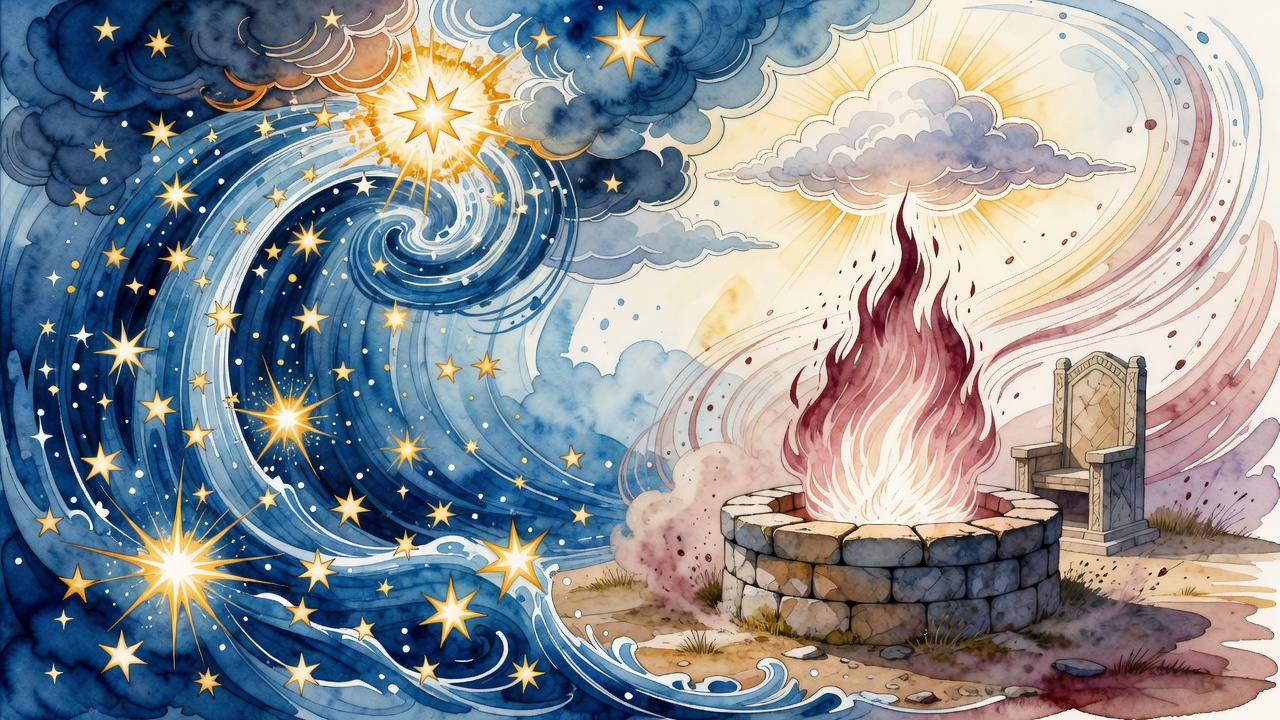
The same God who pulled stars from the sky to drown the world later swore an oath beside a well, and both acts bound heaven to earth.
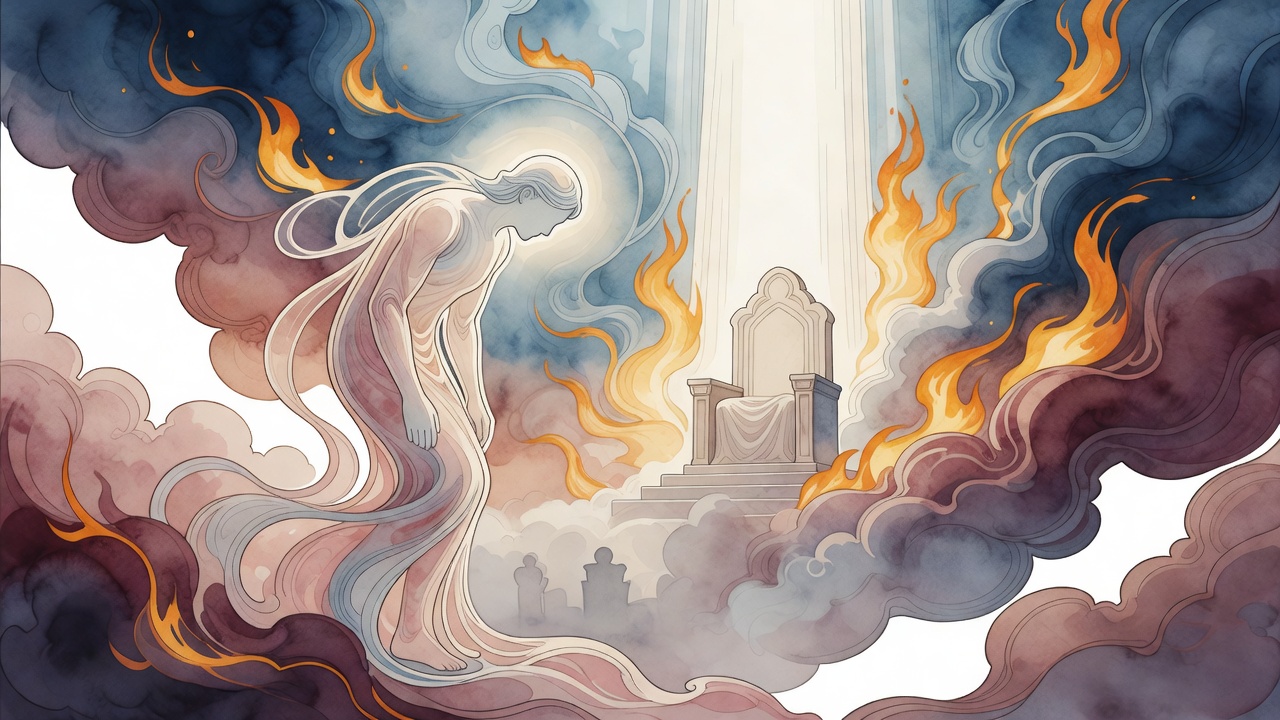
The soul opened her mouth and asked to stay. God sent her down anyway. A boy in Ur would forget that plea before his first cry.
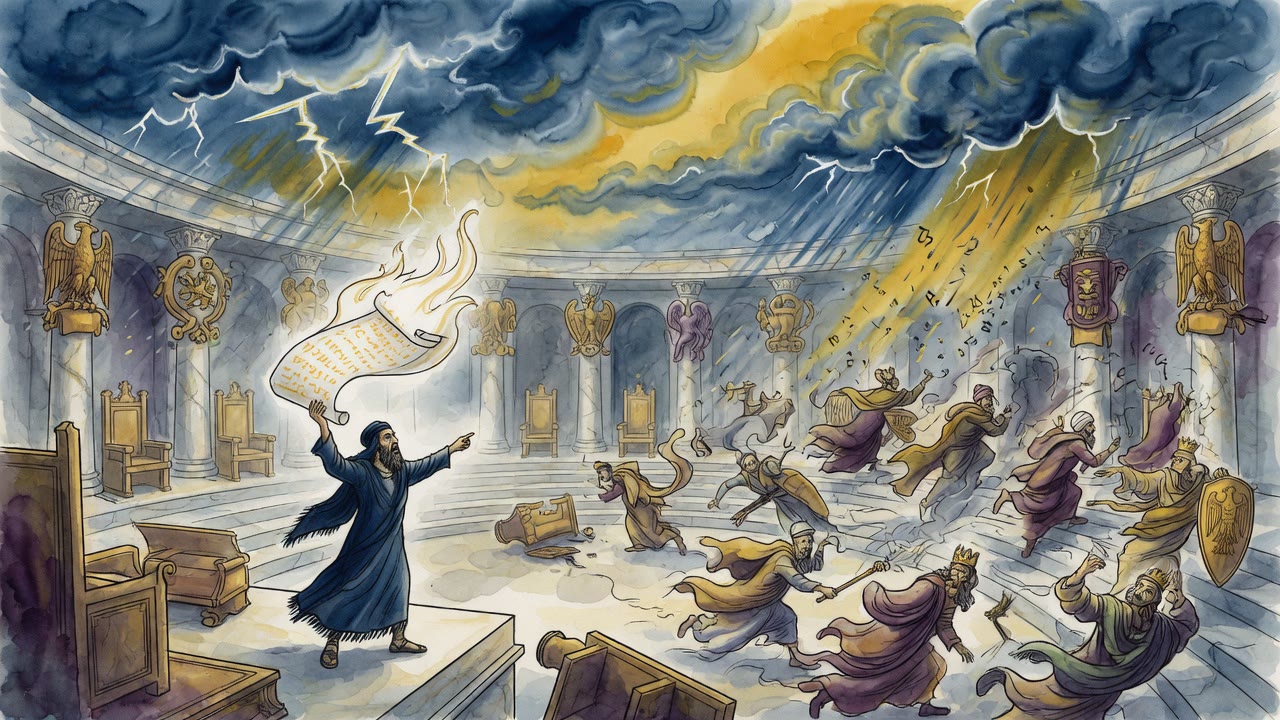
Three delegations reached Alexander in one week. They quoted Israel's book against Israel. A man the elders barely counted asked to speak first.
On Moriah the ministering angels broke into weeping above the bound boy, and their tears dropped into Isaac's eyes and stayed there for life.
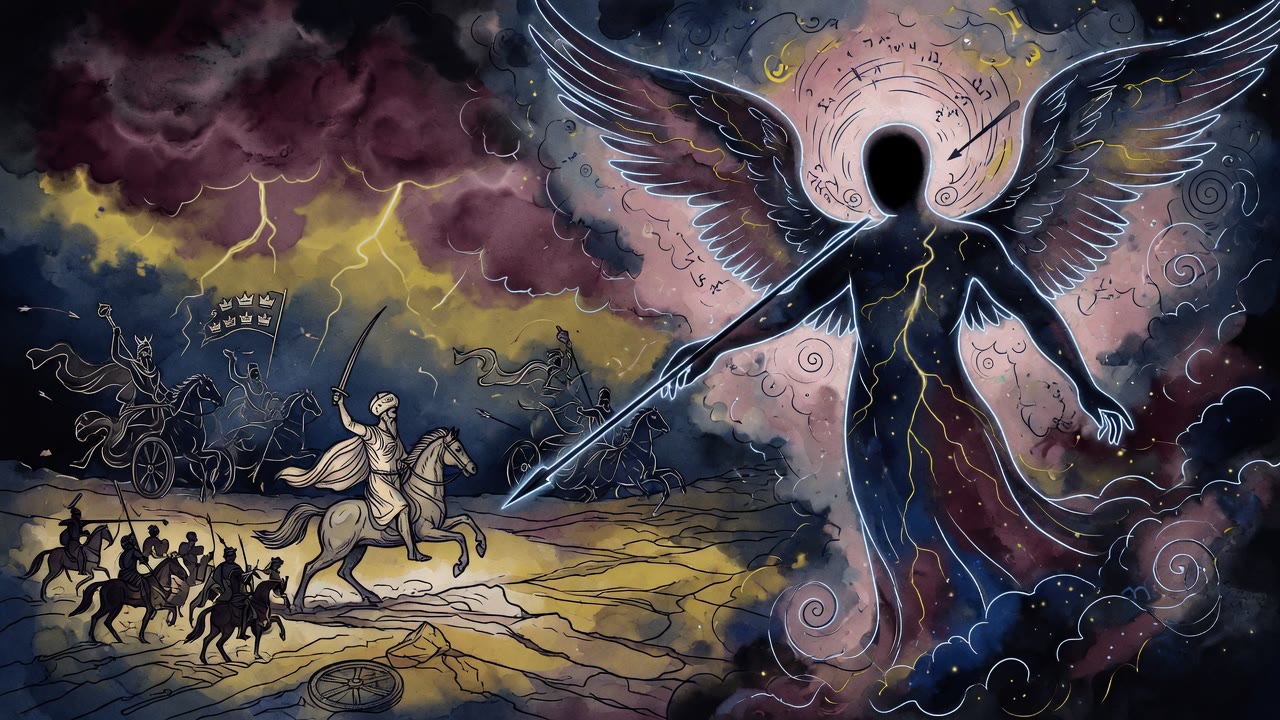
Abraham rode against four kings with too few men, so the sages named who fought in the dark beside him, an angel called Night.
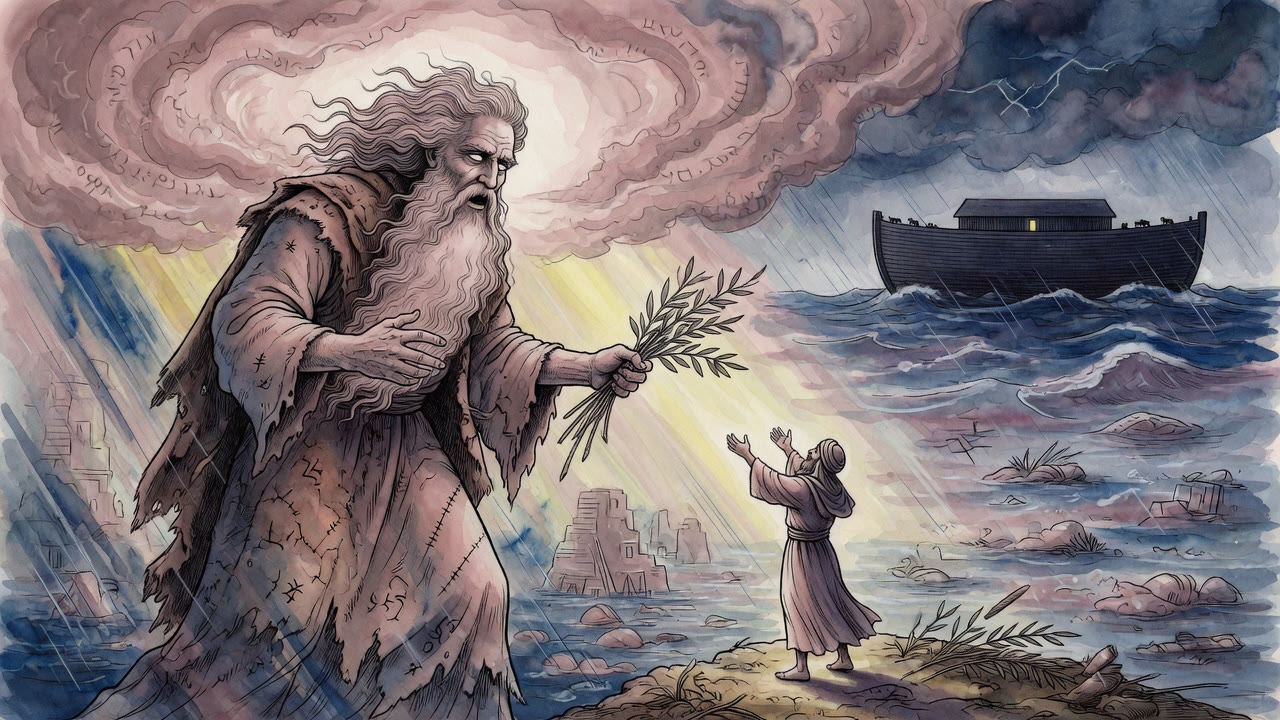
The lone survivor of the Flood walked out of the drowned earth and into the tent of Abraham, carrying news that would send a patriarch to war.
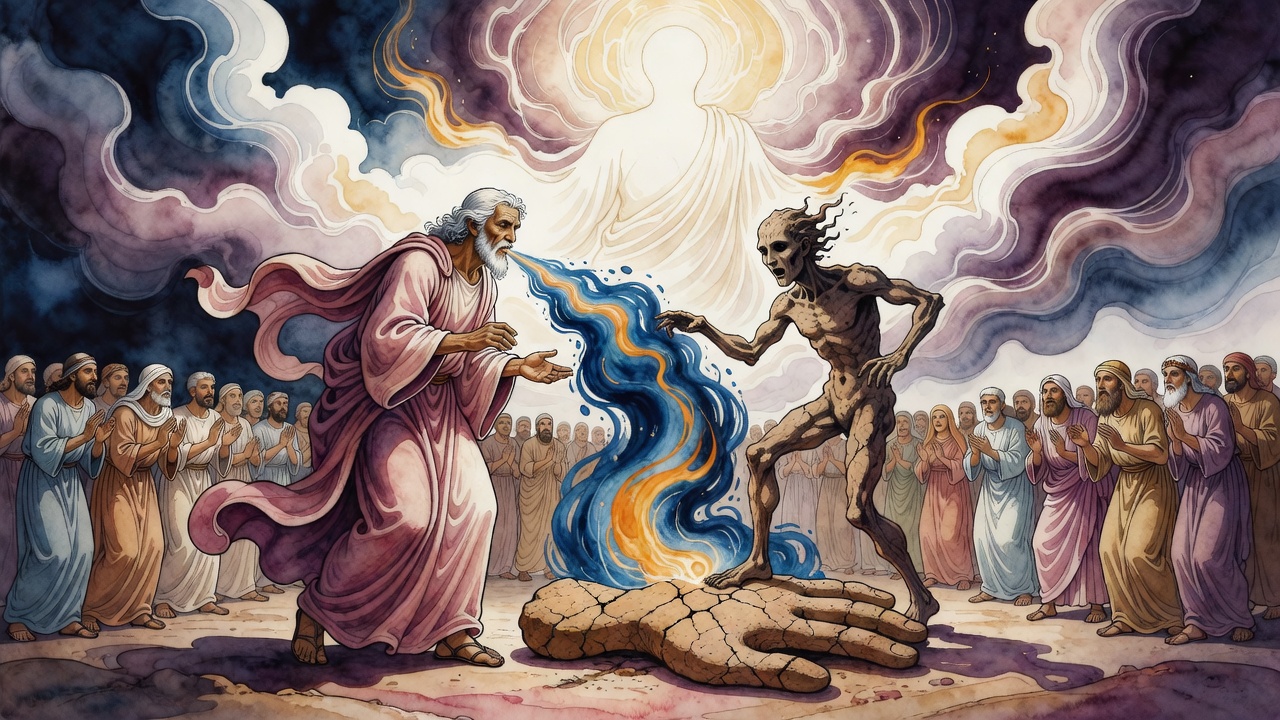
When the crowd demands proof of how God made man, Enosh breathes into clay, Satan enters it, and the first idol rises to its feet.
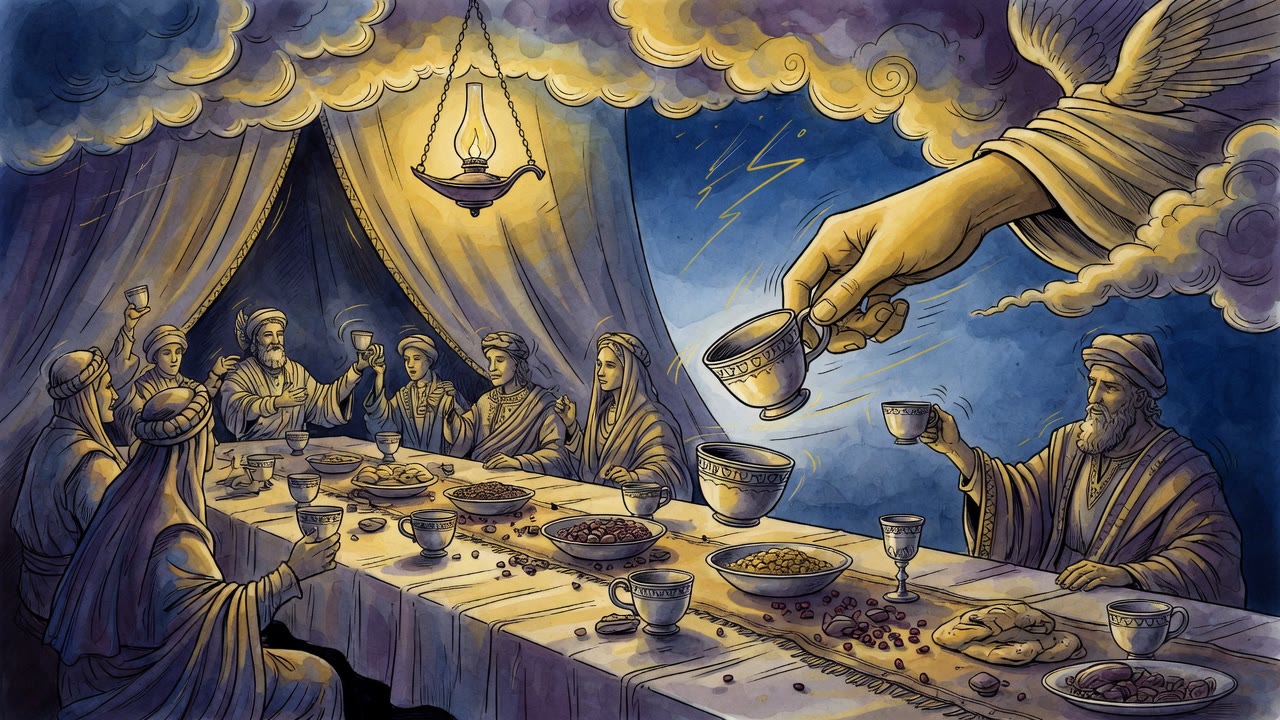
Bethuel laid poison for Abraham's servant, but an unseen angel turned the deadly cup so the host drank his own death before dawn.
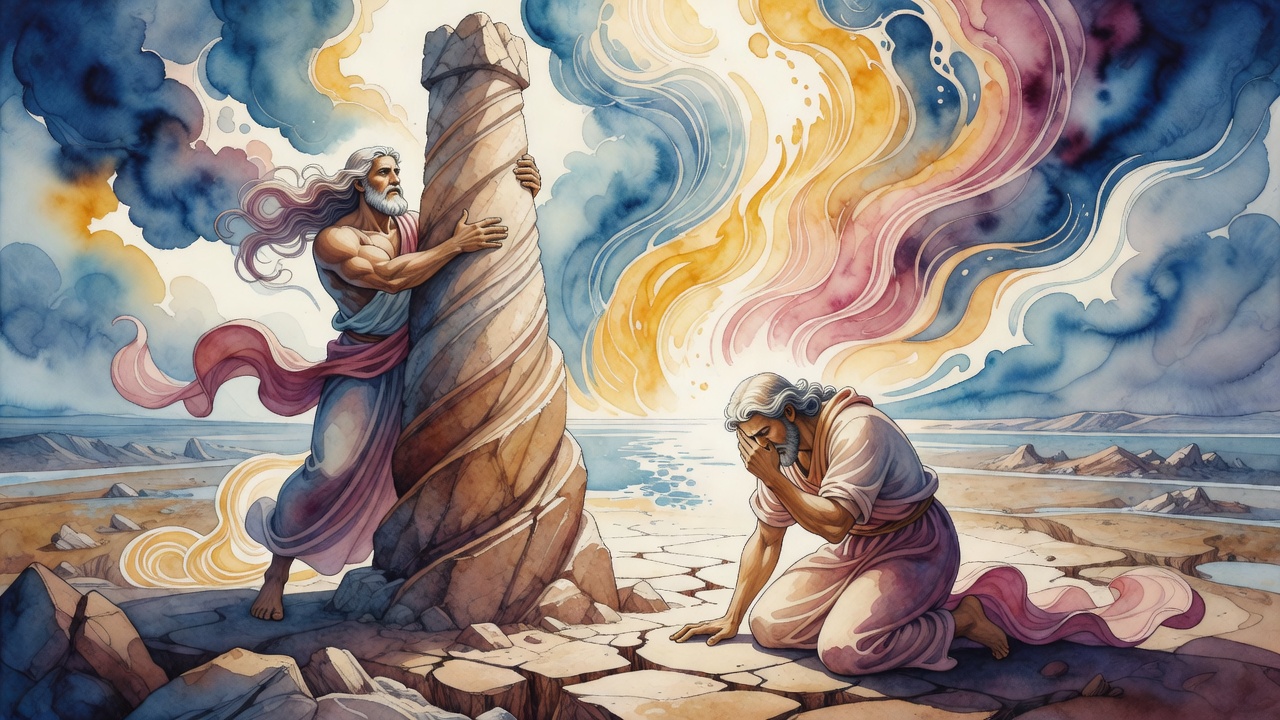
The flood left the earth blank, and the sons of the ark began writing on it, one prince raising a tower, one grandson earning a curse of his own.
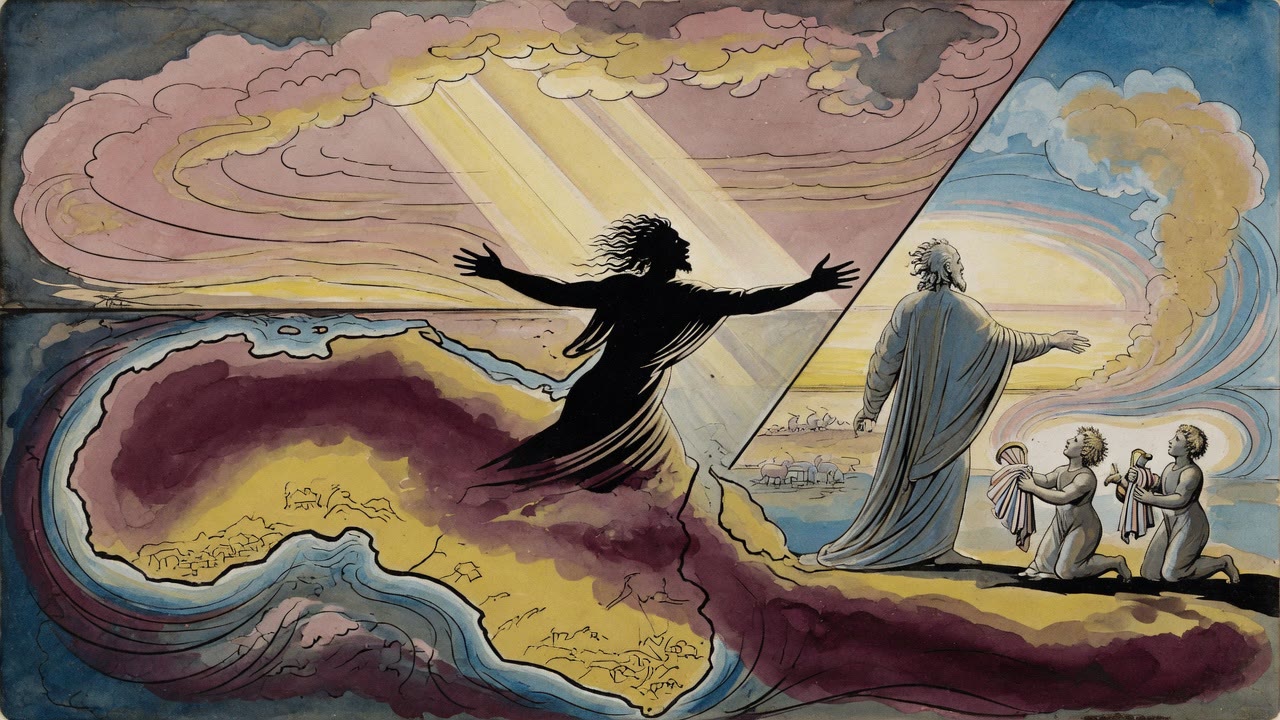
Abraham gave his youngest sons gifts and sent them east, but one grandson turned back toward the sunset and swallowed a continent.
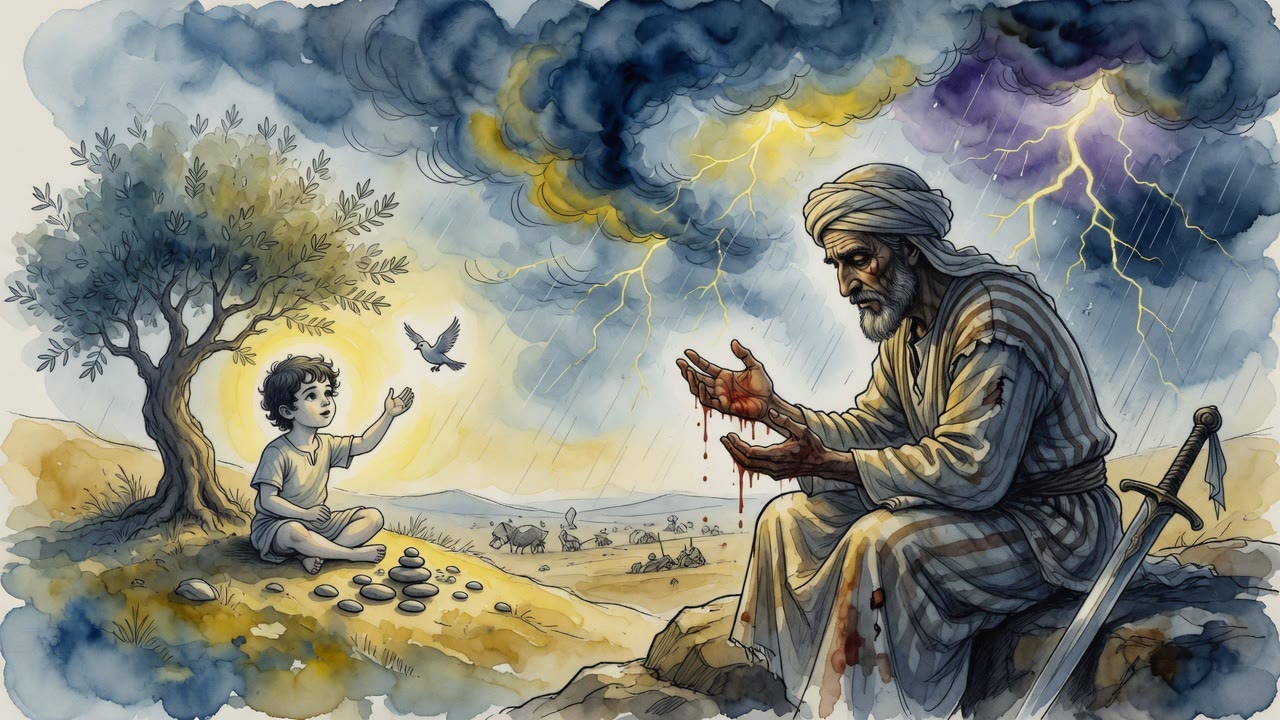
Twice the man the world remembers as unshakably certain lay awake and doubted himself, once a cave-born child, once a warrior sick with blood.
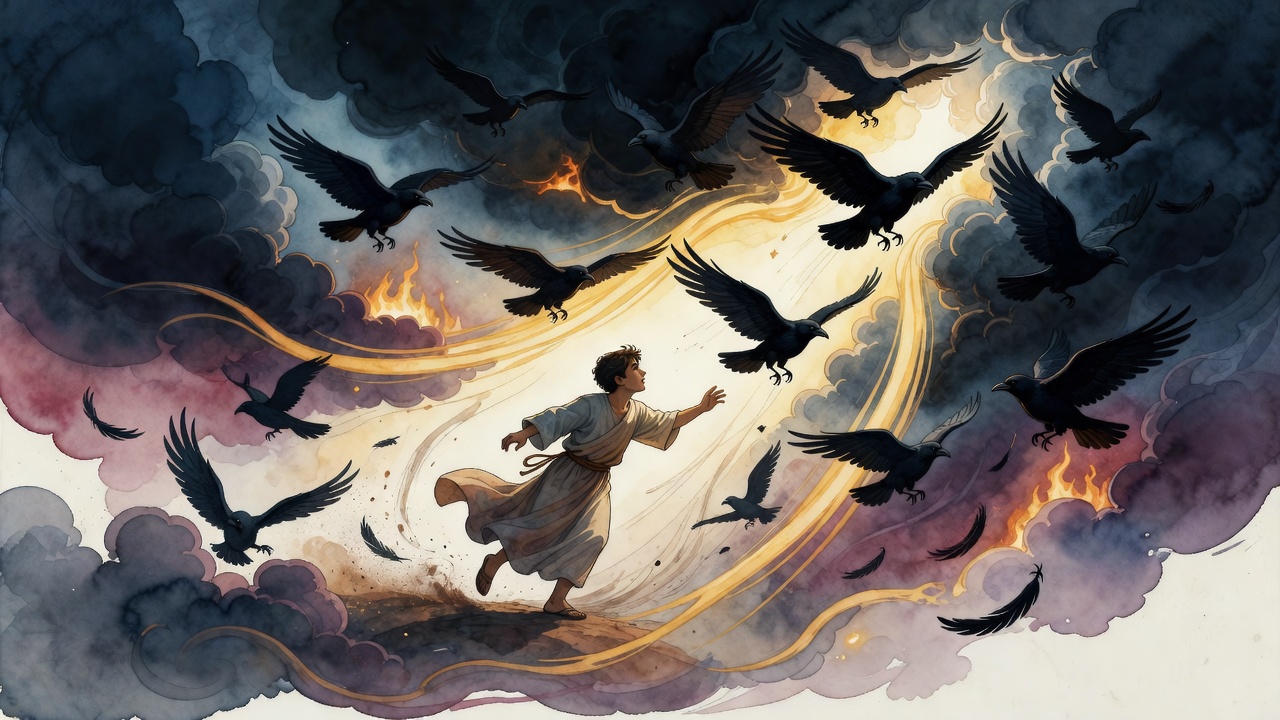
In the dark years after the Flood the world forgot God, until a boy of fourteen ran at Mastema's ravens and turned the black sky back.
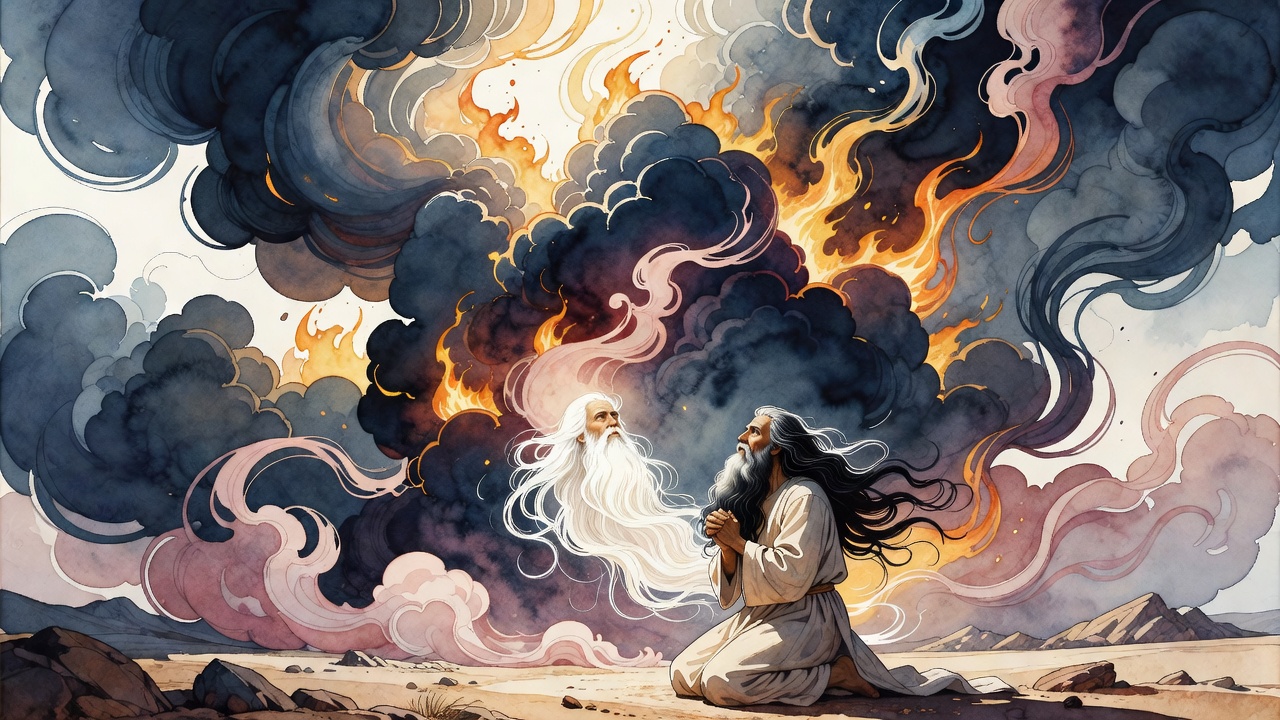
Before Abraham, no man's hair ever turned white and no elder was honored for his years, so he prayed to be marked by age, and heaven answered.
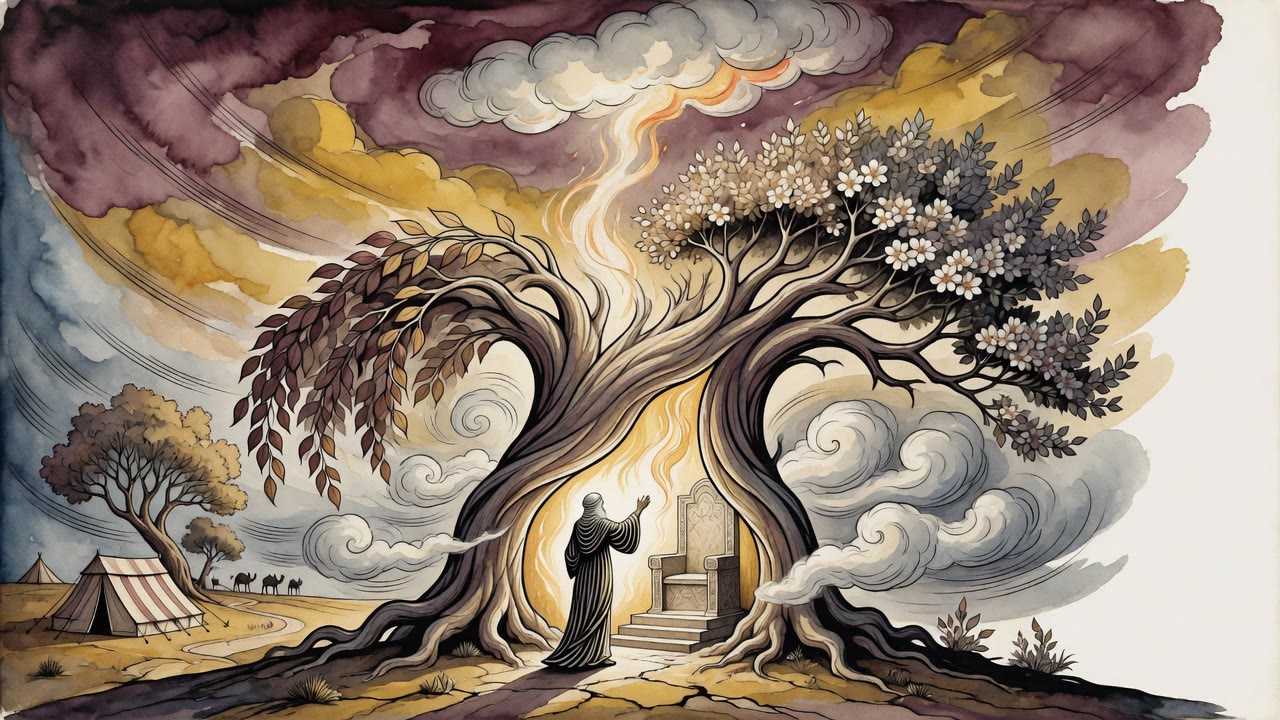
Wherever Abraham pitched his tent he planted one tree, and its branches rose or fell according to the soul that stood in its shade.
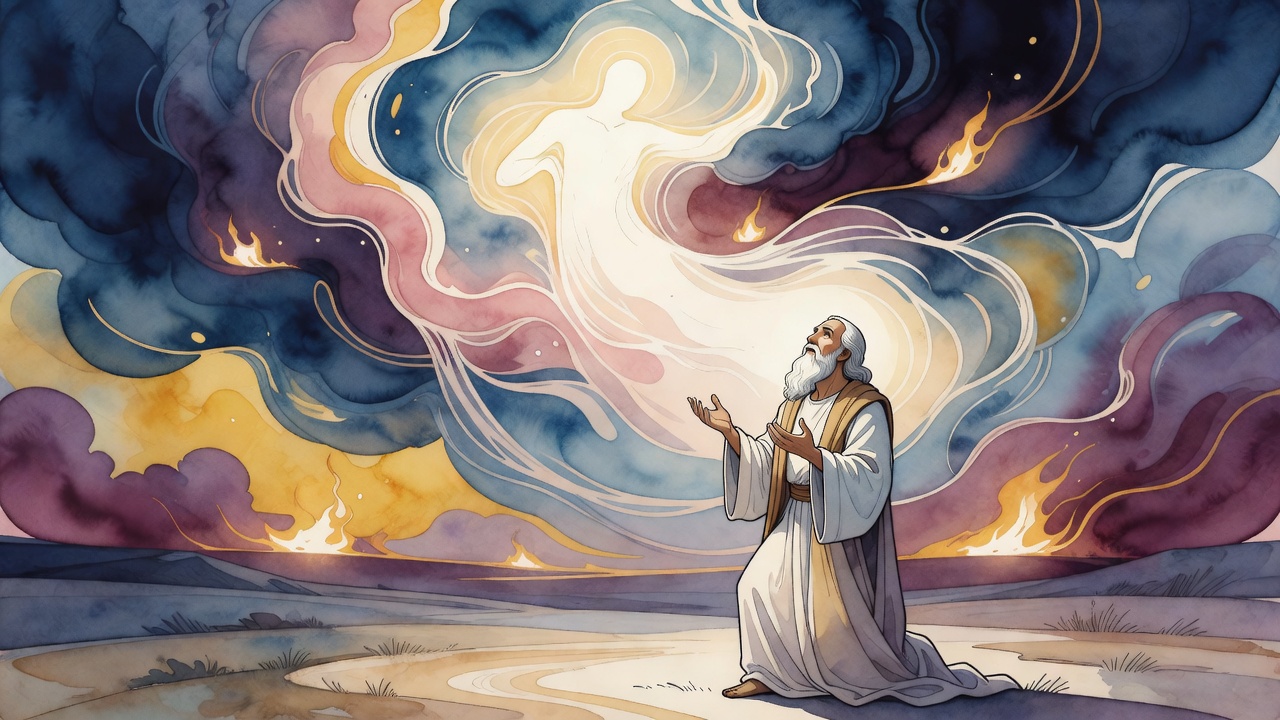
Sarah was still inside the tent when the promise landed. The cry from the plain came second. Abraham spent that hour on other people's houses.
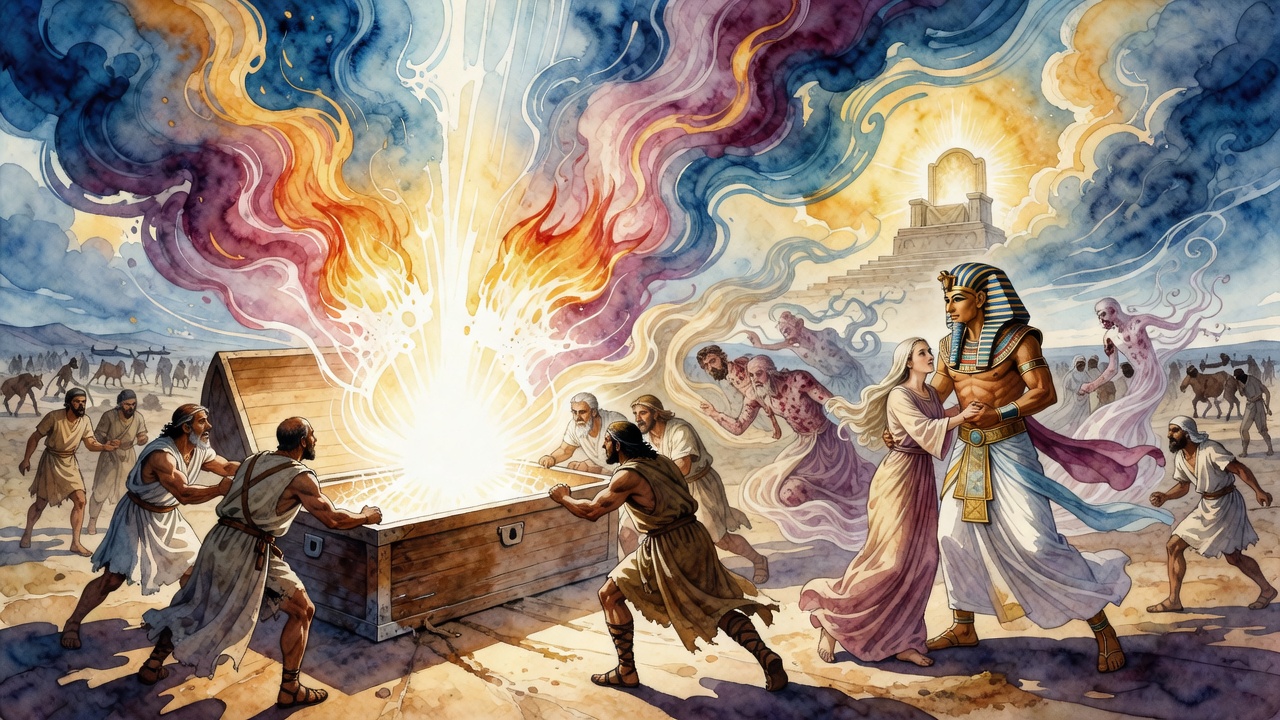
He paid for barley, then wheat, then gold. They forced the lid anyway. An angel waited in Pharaoh's room with a stick.
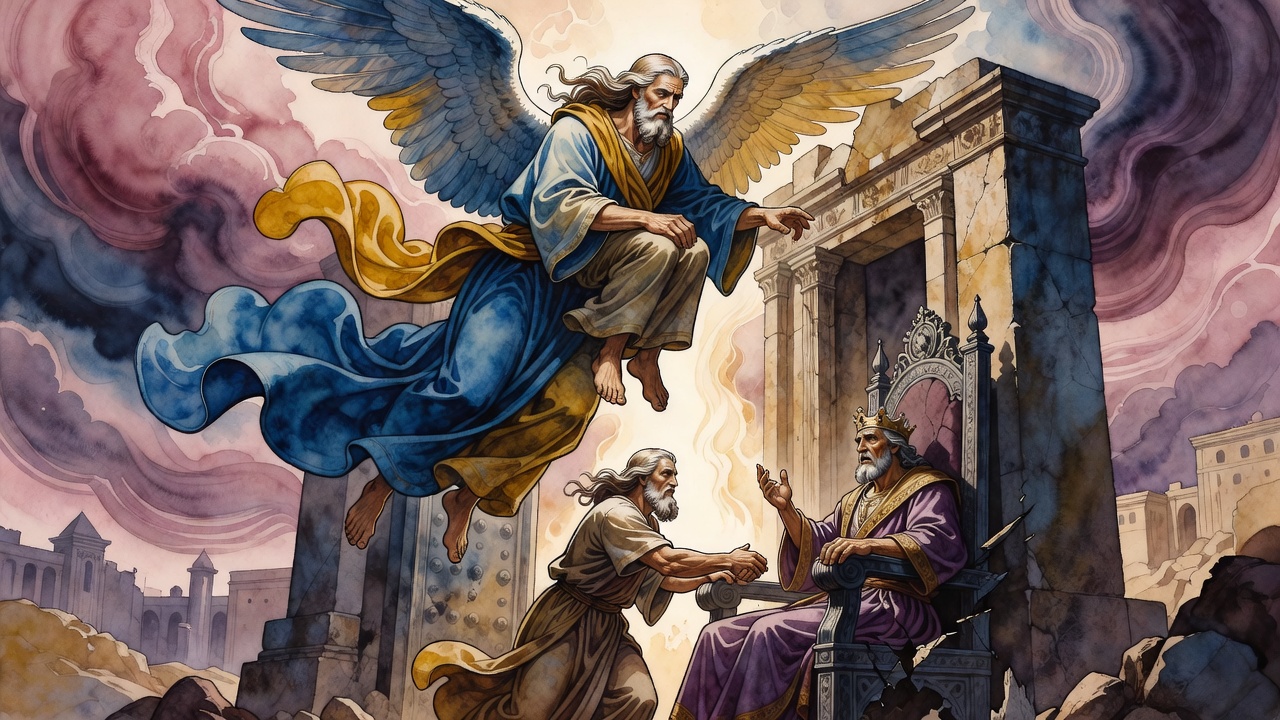
Abraham protested he had no army. The angel Gabriel set him on a shoulder, set him at Babylon's gate, and watched him shake a king's throne barehanded.
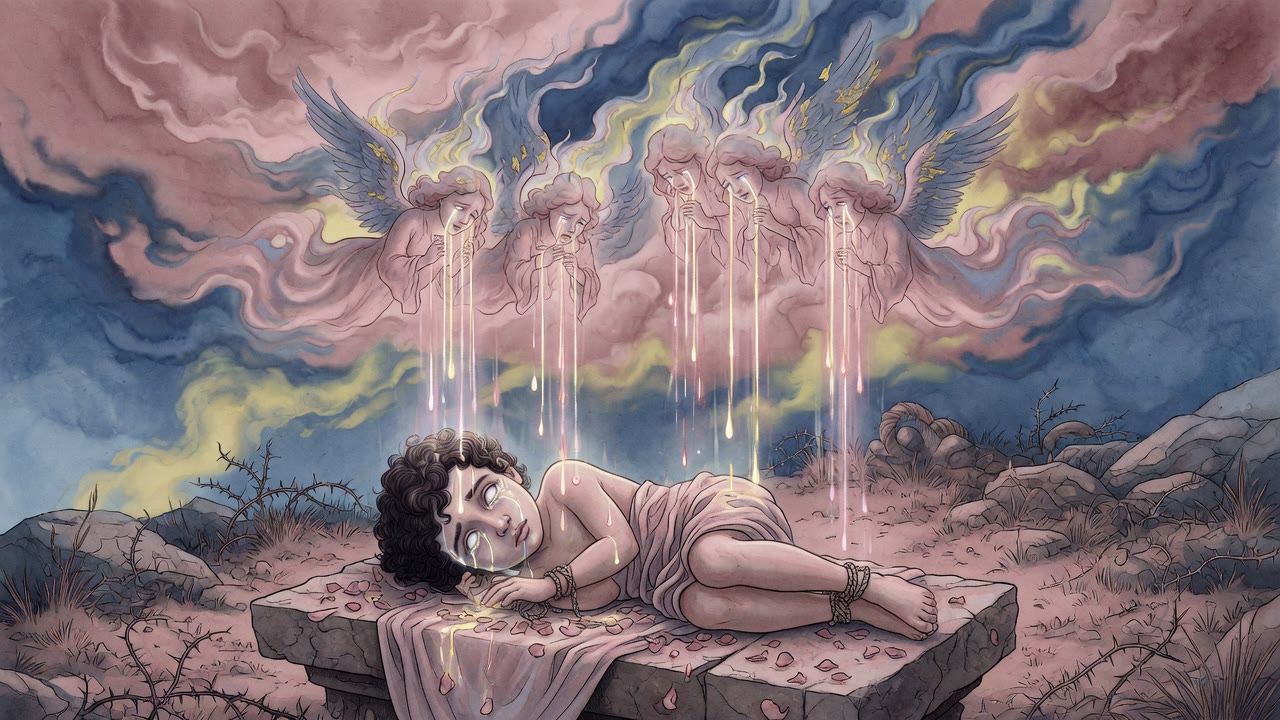
Take your son, your only son. Abraham answered with two names until Heaven spoke Isaac, then walked three days past a river Satan raised.
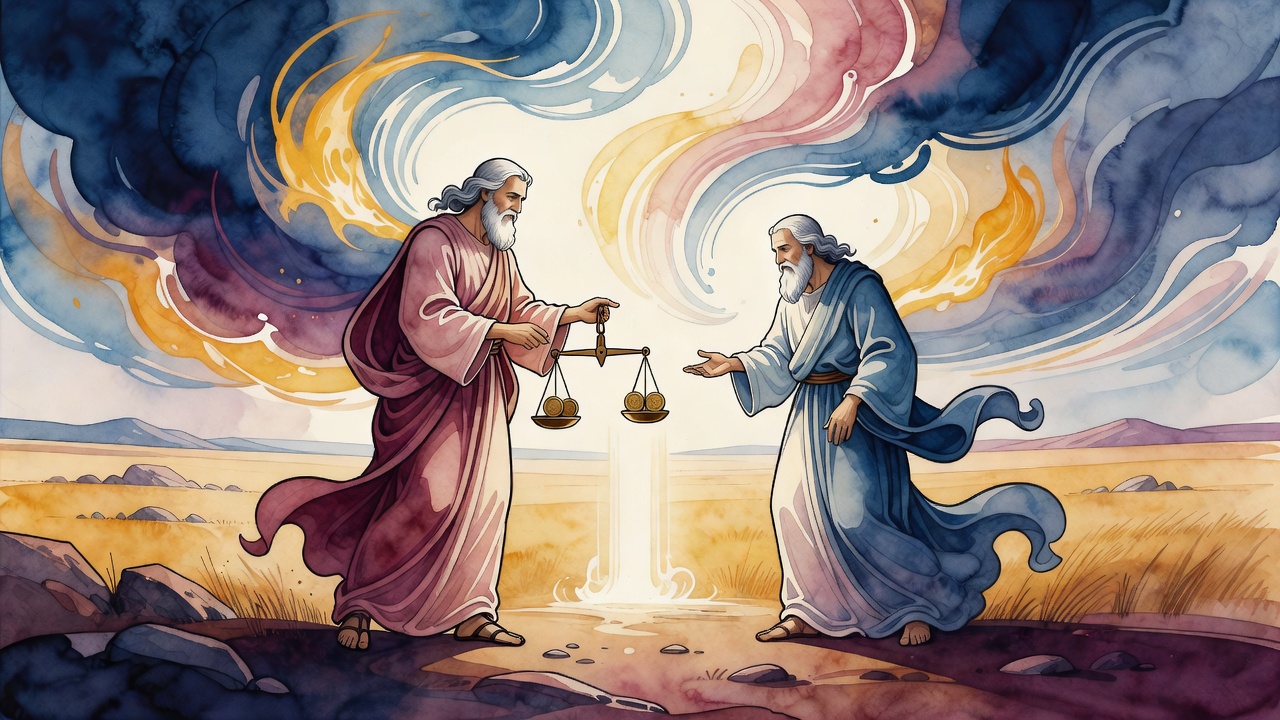
Ephron offered Sarah's burial field as a gift, then named four hundred shekels between friends. Abraham weighed full coin for the first lasting foothold.
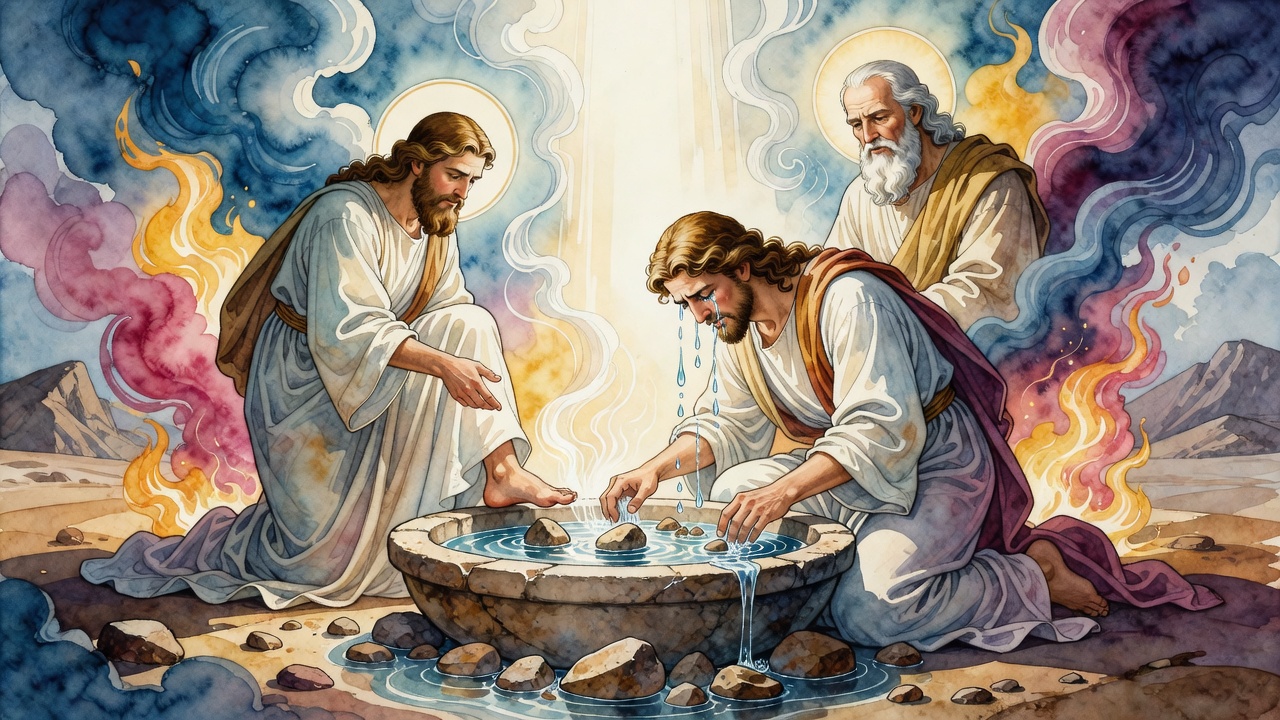
Isaac set the basin down. Abraham looked into the water and said he would never wash a guest's feet again. Michael's tears hit it.
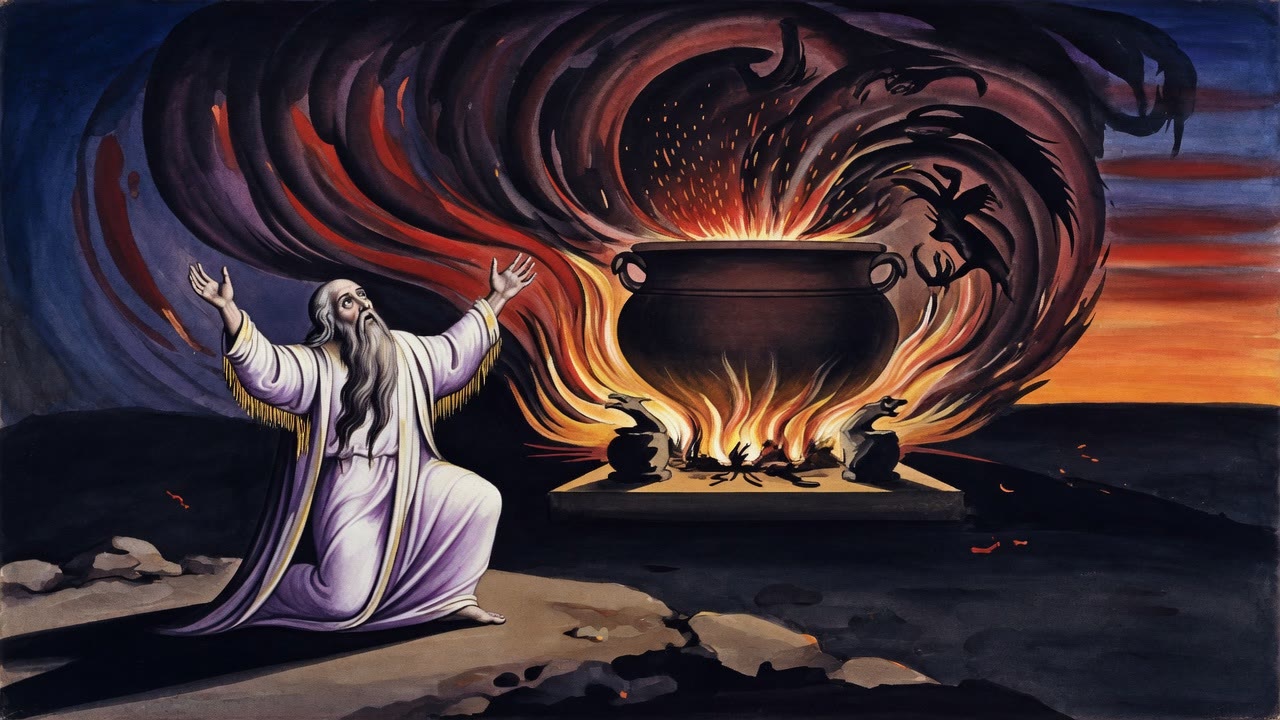
Heifer, goat, and ram lay cut in halves, and the birds of prey came down for them. Abraham drove the birds off and sat with the meat until sundown.
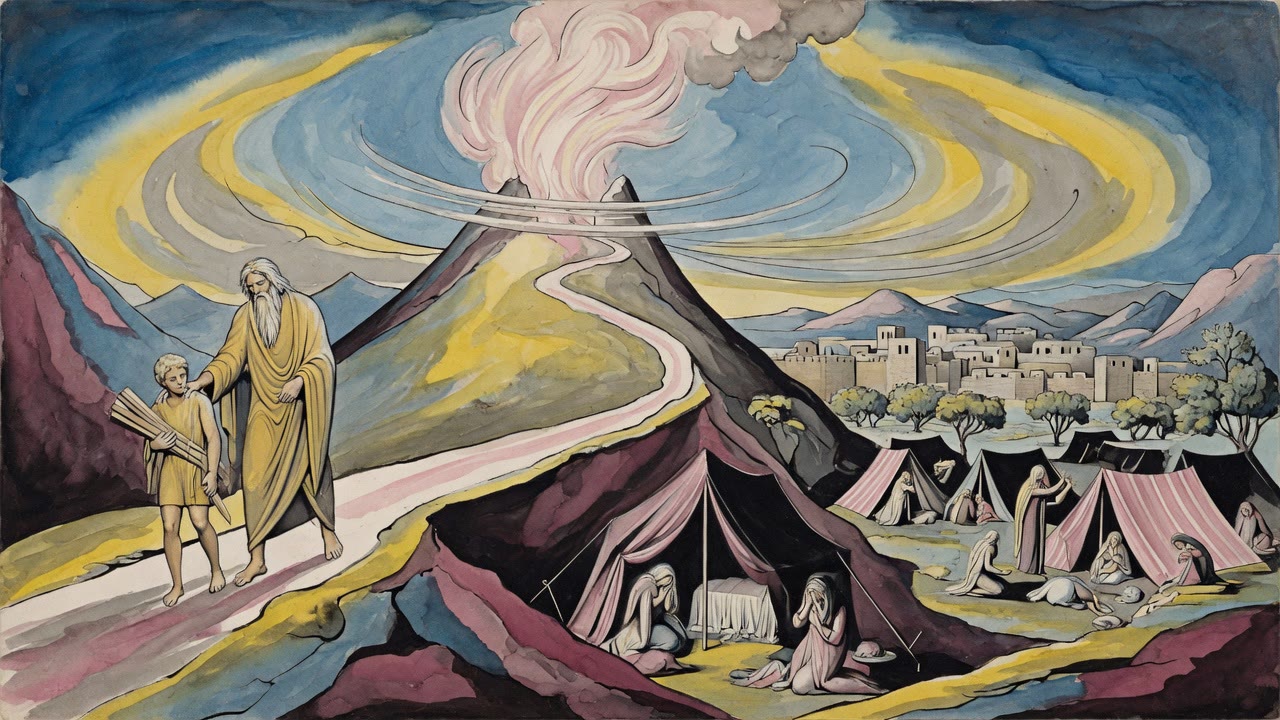
On the day Ephron became chief of Heth, Abraham sealed the Cave of Machpelah with silver, after a covenant that Israel would not seize Jebus by force.
