390 texts · Page 7 of 9
Rachel had watched her sister enter the wedding canopy and had not envied her — not then. But when the children came, one after another from Leah's womb, Rachel's patience broke. "...
Hannah vowed at Shiloh — if God gives her a son, she will give him back (1 Samuel 1:11). Rabbi Berachiah used this verse to address four theological objections that people raise ag...
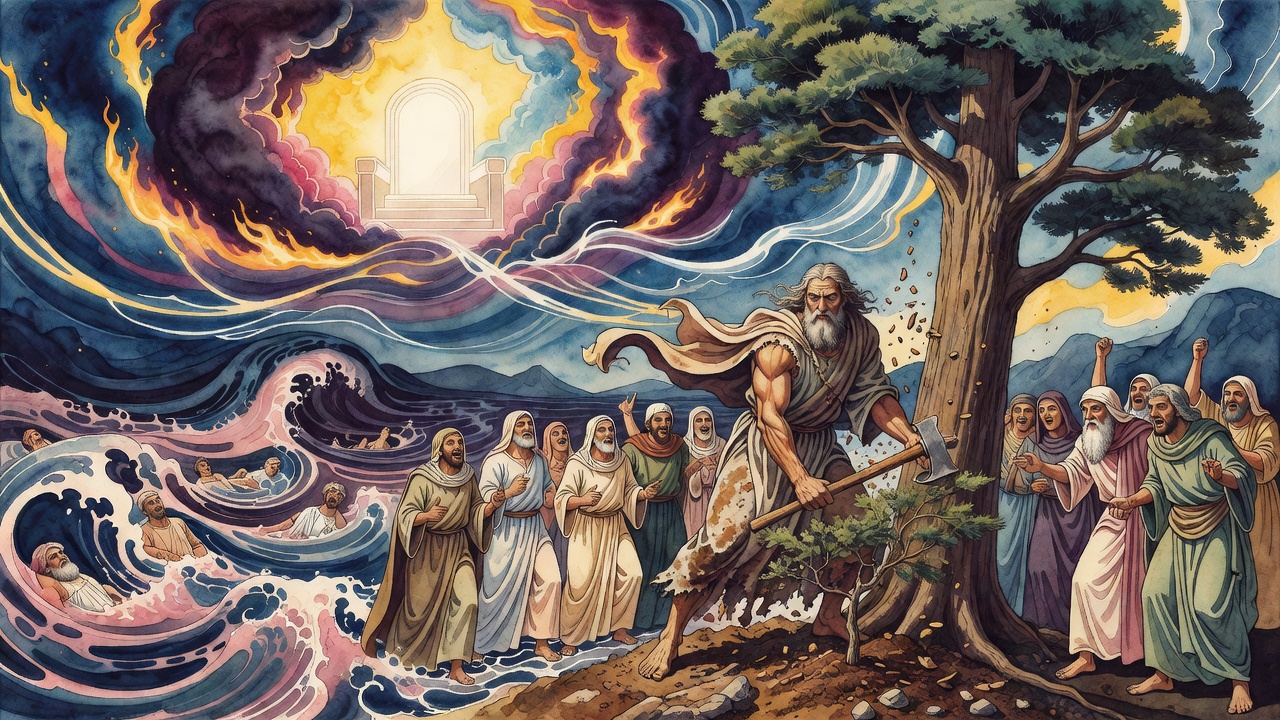
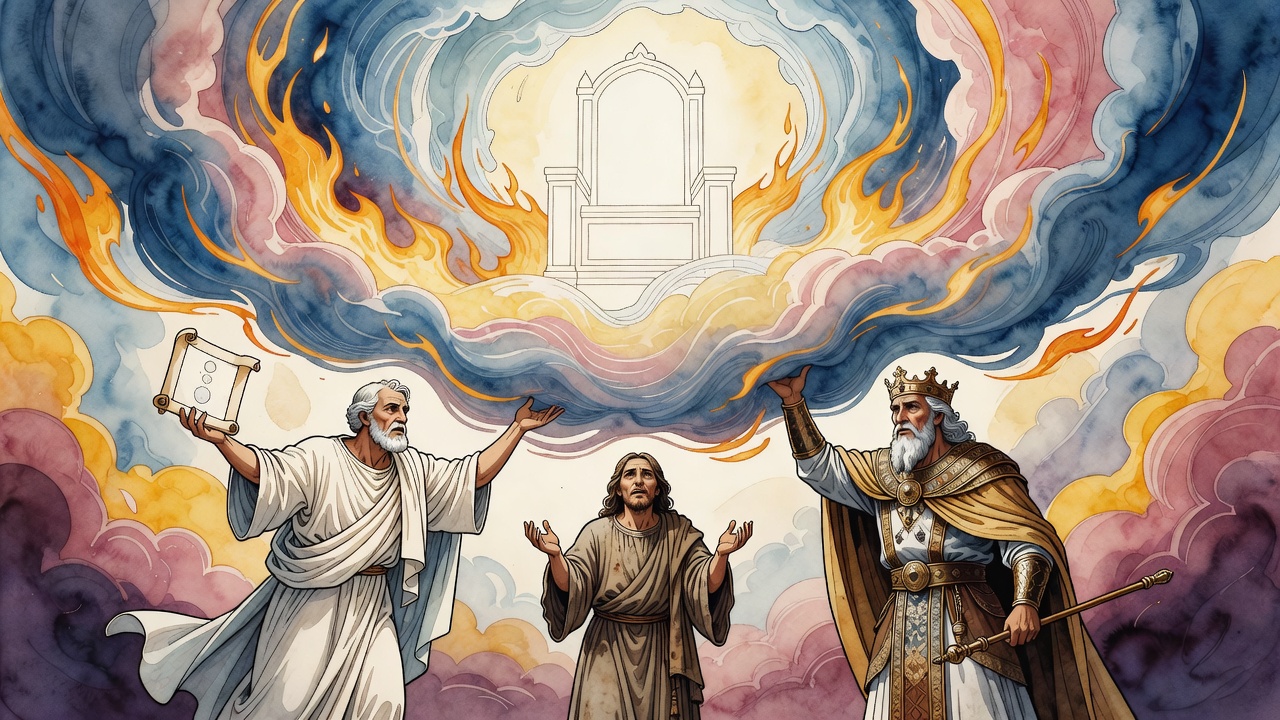
When the final redemption comes, God will redeem Israel from one place only: Zion. Not from the desert, not from the waters, not from any place of exile — from the Temple Mount. "F...
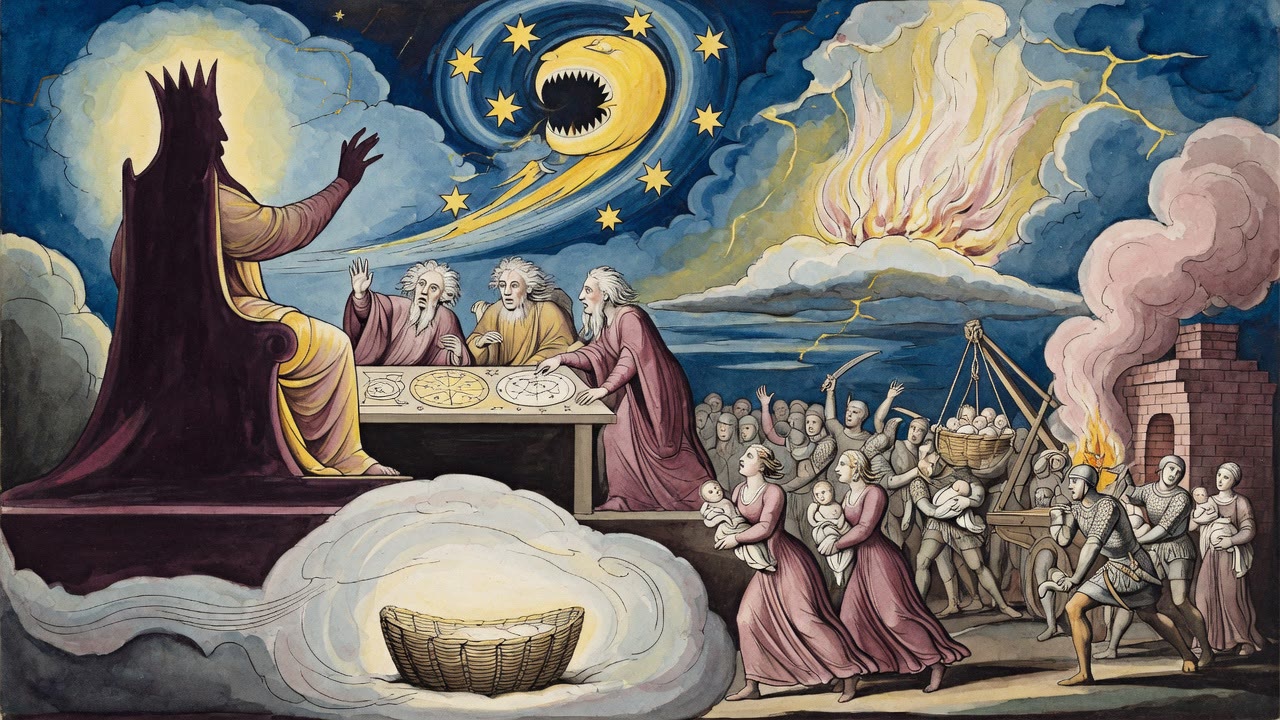
Zechariah saw a horseman in a vision of the night (Zechariah 1:8). The rabbis identified this figure as the prince of Edom — the heavenly guardian angel of the nation that had rule...
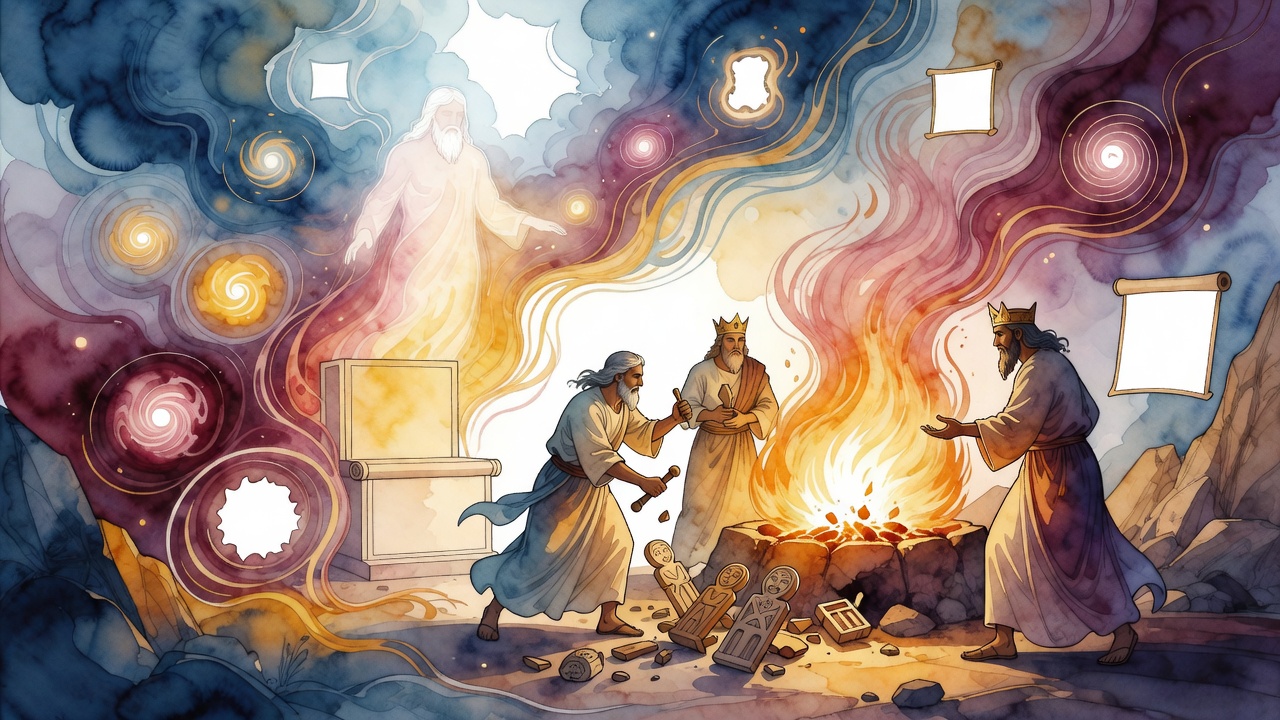
Jacob saw the leaders of Esau listed in the Torah — king after king after king (Genesis 36:31-43) — and was afraid. "How can I stand against all of them? I am one man." The Holy On...
The pattern repeats. Israel suffers, God rescues, and Israel sings. Then the singing stops, and the same behavior that caused the original suffering returns. The Holy One watches t...
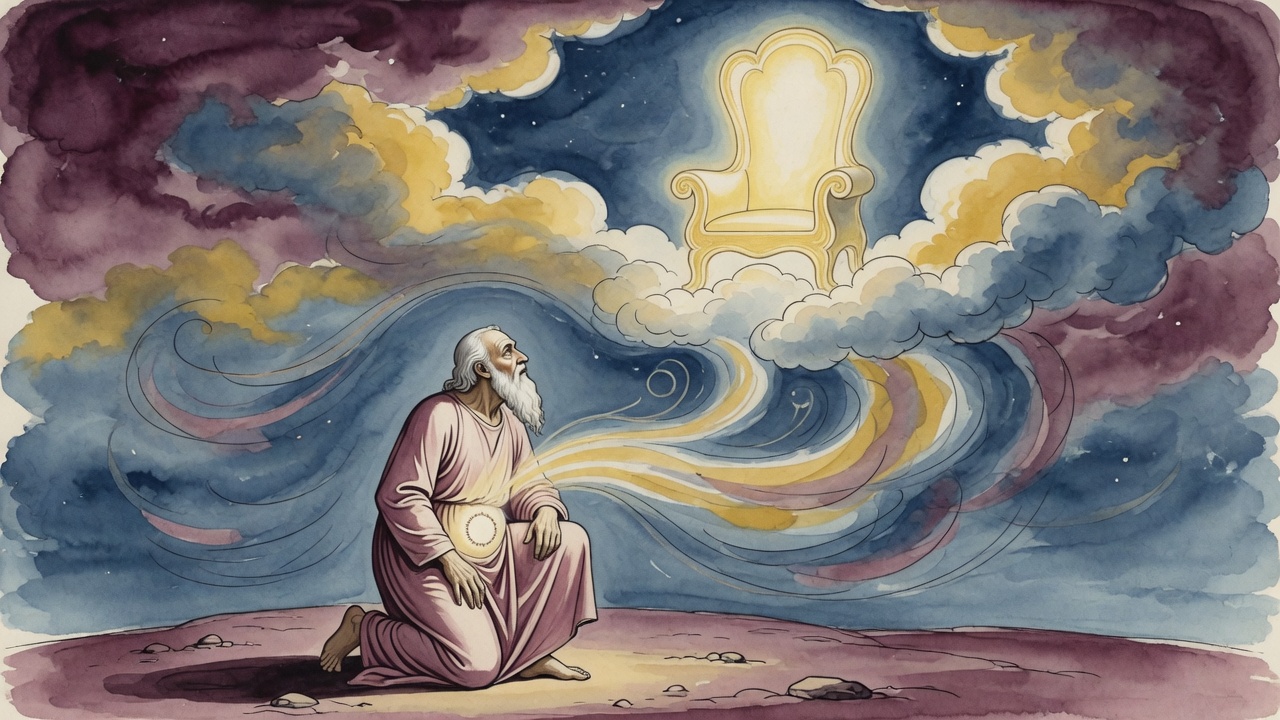
Jacob said: "My way is hidden from the Lord, and my justice has passed away from my God" (Isaiah 40:27). This was Israel speaking — the whole nation's complaint condensed into one ...
"Many peoples have afflicted me from my youth" (Psalm 129:1). The Assembly of Israel — the collective voice of the nation — says this as a Song of Ascents, sung while ascending to ...
"And it came to pass at that time that Judah went down" (Genesis 38:1). The rabbis heard in "went down" more than geography. Judah left his brothers, married a Canaanite woman, and...
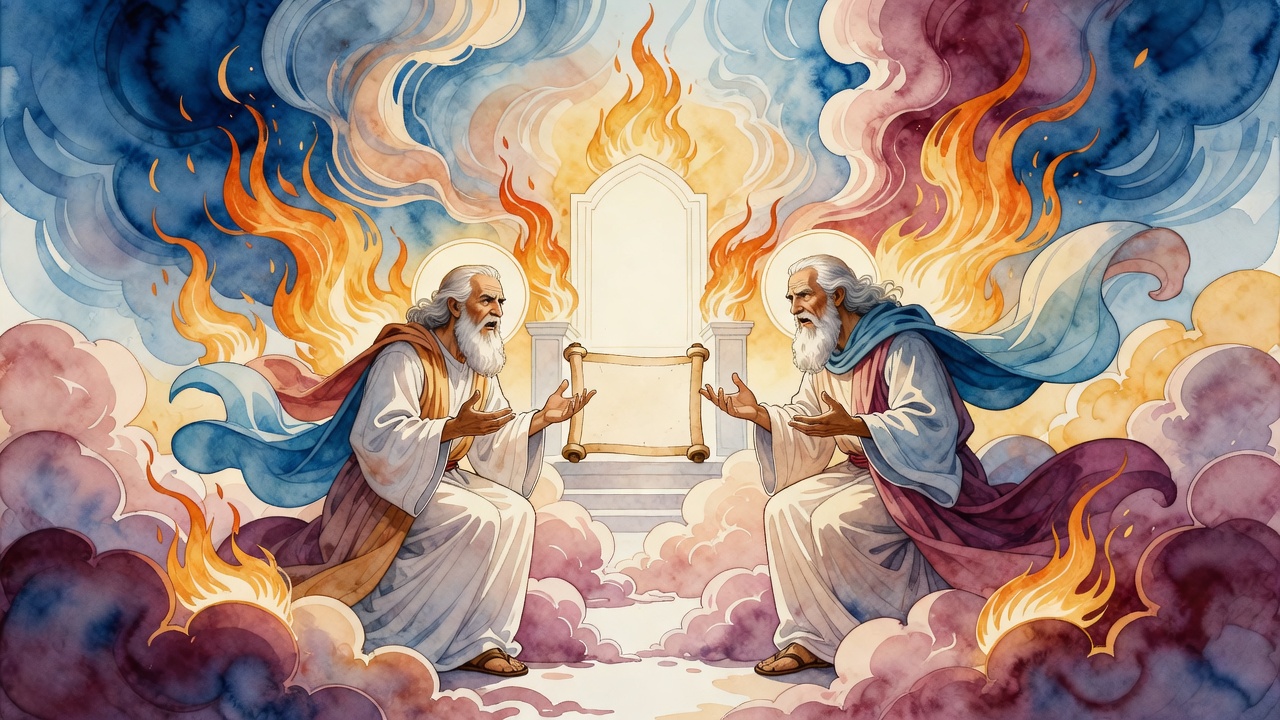
"Do not be hasty with your words, and let your heart not rush to bring a matter before God" (Ecclesiastes 5:1). Jacob had said: "My way is hidden from the Lord." The rabbis found t...
The Assembly of Israel in exile cries out: "See, O Lord, the distress I am in! My heart is in anguish; outside the sword deals death; inside, the plague" (Lamentations 1:20). There...
A voice cries in the wilderness: "Prepare the way of the Lord; make straight in the desert a highway for our God" (Isaiah 40:3). The Aggadat Bereshit connects this voice — the hera...
"In all their affliction, He was not afflicted" (Isaiah 63:9). The midrash reads this as conditional: if Israel does the will of God in their troubles, then He is afflicted with th...
"And the El Shaddai grant you mercy" (Genesis 43:14). Jacob is sending Benjamin to Egypt — his youngest, his only remaining connection to Rachel, the son he can least afford to los...
"Hear the word of the Lord, O house of Jacob" (Jeremiah 2:4). Not the word of Jeremiah. Not the word of the priesthood. The word of the Lord — direct, unmediated, demanding attenti...
God is known in this world by bringing judgment upon those who need it. This is Aggadat Bereshit's uncomfortable claim: "The Lord is known for executing judgment; the wicked are en...
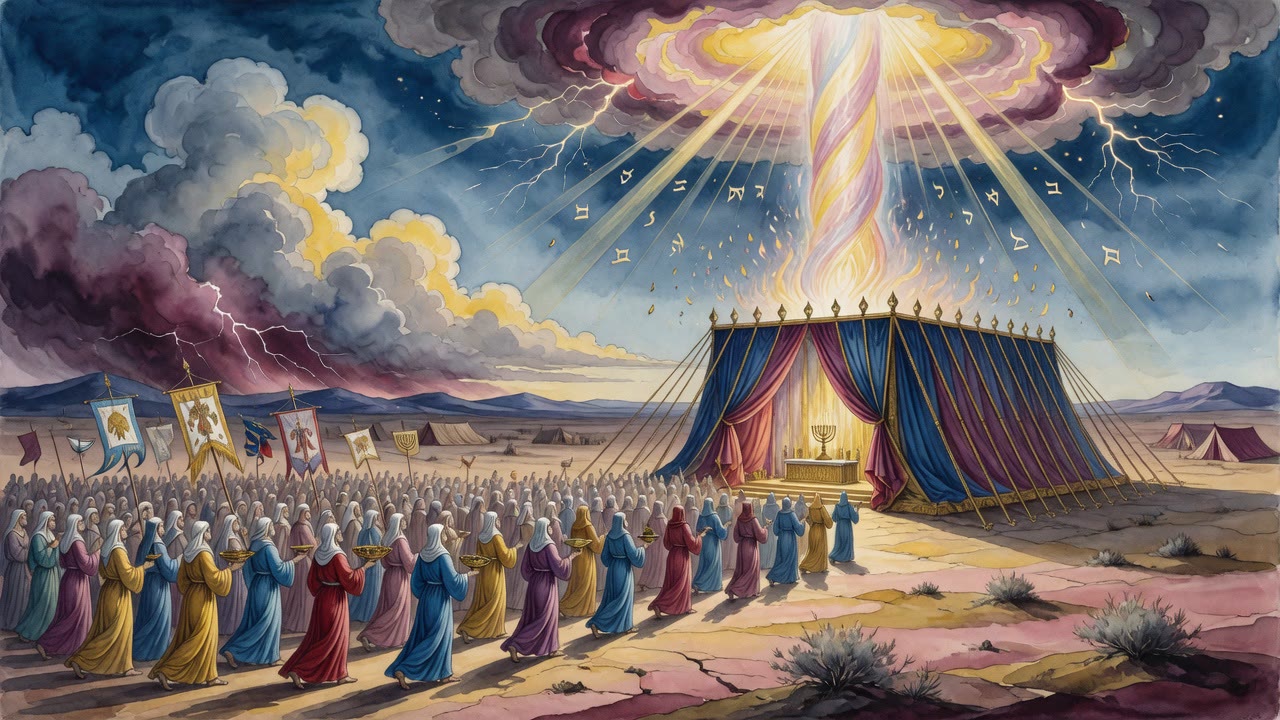
When the offering was completed (1 Chronicles 18:26), the midrash reads it through Song of Songs: the thread of crimson, the image of the veil that separated the holy from the prof...
"I will make my opinions widely known" (Job 36:3). God called Abraham from the east — "calling a bird of prey from the east, a man of my counsel from a distant land" (Isaiah 46:11)...
"And Jacob called unto his sons" (Genesis 49:1). The Torah records the great final blessing — all twelve sons gathered around the dying patriarch, each receiving something tailored...
"Listen to Me, O Jacob, Israel, whom I have called: I am He — I am the first, and I am the last as well" (Isaiah 48:12). God speaks with the full weight of eternity — before everyt...
The verse in (Numbers 5:28) states: “And if the woman was not defiled, and she is pure, she will be absolved and will conceive offspring.” Seems straightforward. But the rabbis of ...
Bereshit Rabbah, a classic compilation of Rabbinic interpretations on the Book of Genesis, offers a stunningly beautiful image to explain Abraham’s rise to greatness. It all starts...
But maybe… maybe there’s more to it than meets the eye. The verse in Genesis tells us there was a big ol' argument brewing between the shepherds of Abram (later Abraham) and the sh...
Turns out, that impulse might be older – and more significant – than you think. We’re talking about land, about ownership, and about the very act of claiming something as your own....
We all know the story: Lot gets captured, Abraham bravely rescues him, and then… what happens to the spoils? (Genesis 14:16) tells us, "He returned all the goods, and also his brot...
We find this powerful verse in (Genesis 15:7), where God says to Abraham, "I am the Lord who took you out of Ur of the Chaldeans, to give you this land to inherit it." It seems sim...
Our sages certainly did. And they found a fascinating answer, tucked away in the very words God used when speaking to Abraham. The passage we're looking at comes from Bereshit Rabb...
The story centers around (Genesis 31:53), where we find the line: "The God of Abraham, and the god of Nahor, the god of their father, will judge between us. Jacob took an oath by t...
The text asks, “How upright [yashiryan] are the ones You love?” (Shir HaShirim Rabbah 4). The answer? The patriarchs! They are the epitome of uprightness, of unwavering devotion. R...
It's not just a love poem, you see. It’s an allegory, a conversation between God and the people of Israel. Rabbi Berekhya paints a powerful picture. He says the congregation of Isr...
Rabbi Elazar, in Vayikra Rabbah 35, offers a powerful comparison. He says, "The way of the world is that a king issues a decree; if he wishes to fulfill it, he fulfills it, and if ...
A certain Cuthite passed himself off as an interpreter of dreams. Rabbi Yishmael ben Rabbi Yosei heard and said: Shall I not go and see this foolish Cuthite who deceives people? He...
A certain Cuthite said: ‘I will go and see a certain Jewish elder40Rabbi Yishmael ben Rabbi Yosei. who mocks people.’ He came and sat near him. He said to him: ‘I saw in my dream f...
"I am the Lord thy God who brought thee out of the land of the Chaldaeans to give thee this land for an inheritance" (Genesis 15:7). It's not just a generic "Hey, I'm God!" introdu...
Even Abraham, the patriarch of faith, had moments of doubt. Our question comes from the Midrash of Philo, an exploration of the Hebrew Bible through the lens of the writings of Phi...
Sometimes, those tiny details hold the biggest secrets. Take (Genesis 15:10), for example. It’s a verse about Abraham, and God's covenant with him. Seems straightforward. "And he t...
Our ancestor Abraham felt it too. The Torah tells us, in (Genesis 15:12): "About the time of the setting of the sun a trance fell upon Abraham; and lo, a great horror of darkness c...
The Torah, in its unflinching honesty, doesn't shy away from these tough questions. to one particularly weighty example. In (Genesis 15:13), God tells Abraham – Avraham, the patria...
Our question comes from (Genesis 16:4): "When she saw that she had conceived, her mistress was despised in her eyes." Seems simple enough. Hagar, Sarai’s maidservant, becomes pregn...
We find him in (Genesis 17:3), and the Torah tells us, "Abraham fell on his face." But... why? What was going on in that moment that caused Abraham, the patriarch, the man of faith...
We often take them for granted, but in the ancient world – and particularly in the Jewish tradition – names held incredible power. They weren't just labels; they were reflections o...
The question centers around a powerful promise God makes to Abraham in (Genesis 17:6): "I will greatly increase thee, and set thee among the nations, and kings shall proceed from t...
The question is: Why? (Genesis 17:17) tells us that after God tells Abraham (who was then still called Abram) that his wife Sarah (then Sarai) will bear him a son, he "fell on his ...
One such moment comes to us in (Genesis 17:18). Abraham, after hearing God's promise of a son, Isaac, through Sarah, turns to God and says, "O may my son Ishmael live before thee!"...
And God remembered Noah (Gen. 8:1). May it please our master to teach us the benediction recited upon witnessing a rainbow. Thus did our masters teach us: Upon seeing a rainbow, on...
And he planted a vineyard (Gen. 9:20). Noah was one of four men who introduced four things. Noah introduced planting, as it is written: And he planted a vineyard; cursing when he s...
And the Lord said unto Abram: “Get thee out of thy country” (Gen. 12:1). May it please our master to teach us whether an Israelite is permitted to take upon himself the yoke of the...
Get thee out of thy country, and from thy kindred (Gen. 12:9). R. Berechiah opened the discussion with the verse: We have a little sister, and she hath no breasts; what shall we do...