477 myths · Page 6 of 16
Three men appeared at Abraham's tent. The Aramaic tradition says each was an angel sent for one task, because no divine messenger can carry two missions.
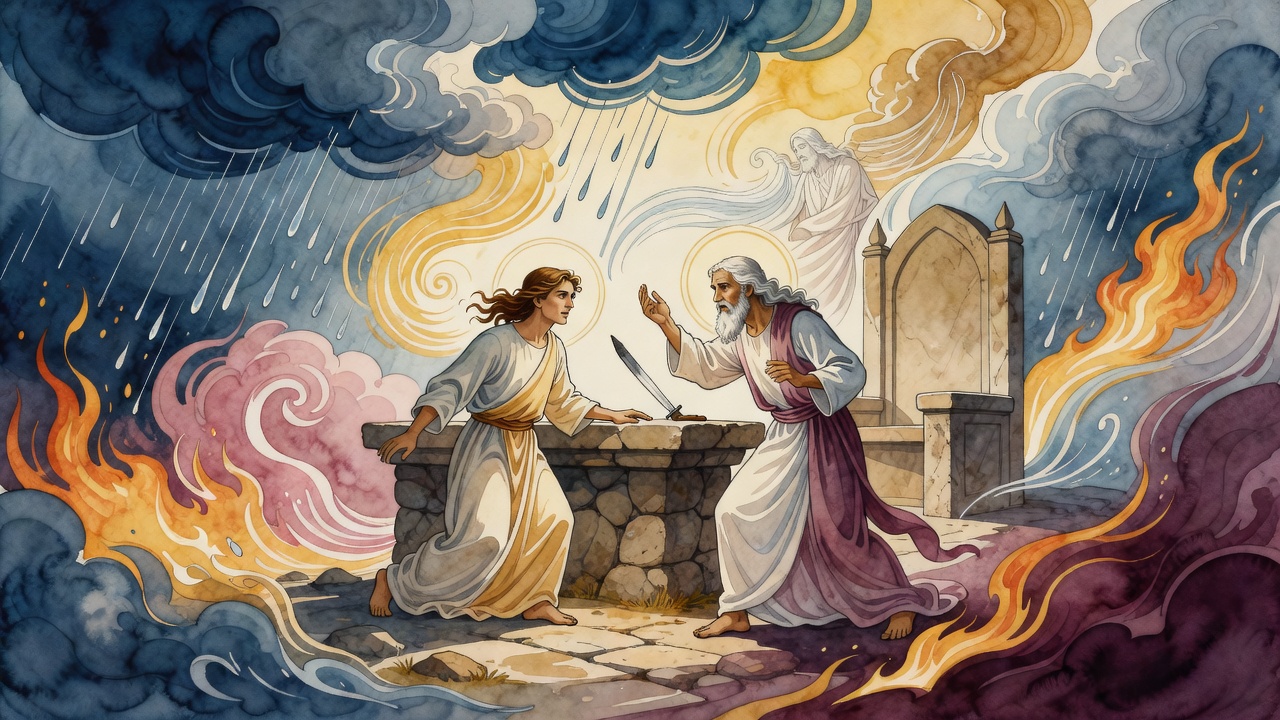
The Akedah was not only Abraham's test. In the Aramaic tradition, Isaac offered himself willingly, heaven wept, and the knife became useless.
The terms of Jacob's judgment were set inside the covenant God made with Abraham. Every blessing he received came with an obligation he had not chosen.
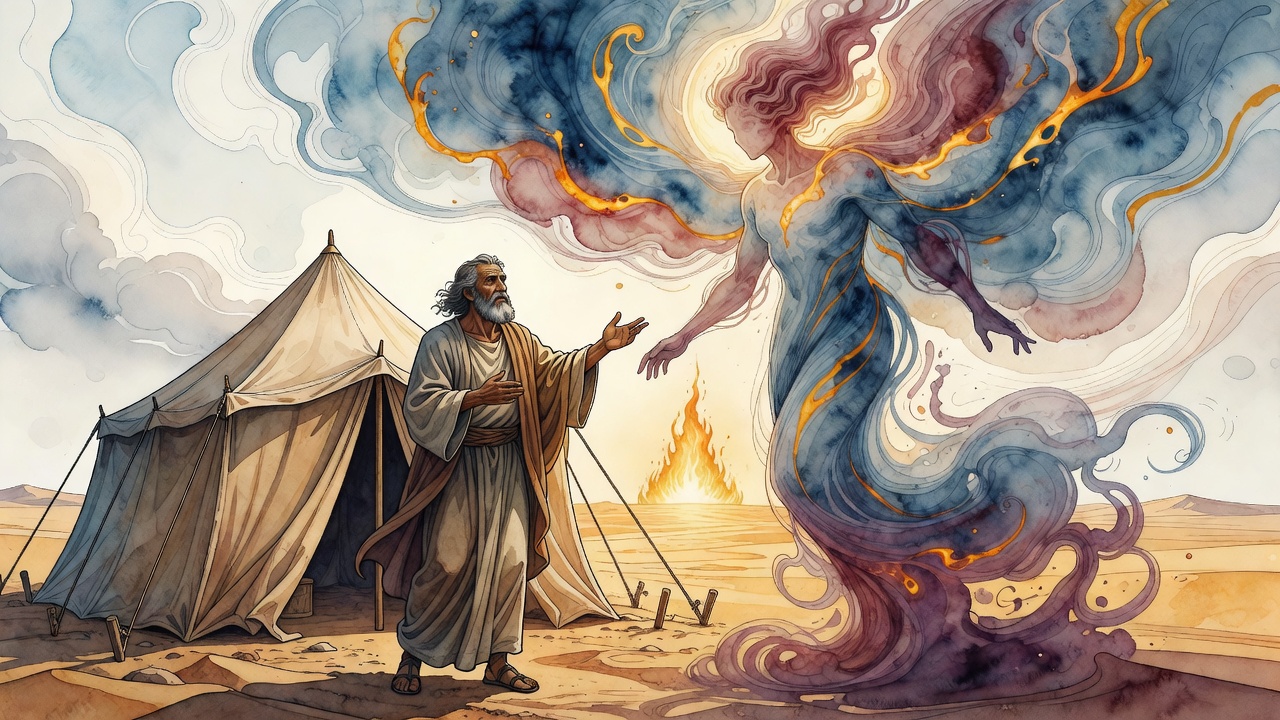
The Angel of Death arrived at Abraham's tent in his most beautiful form on God's orders. What happened next neither heaven nor the angel had anticipated.
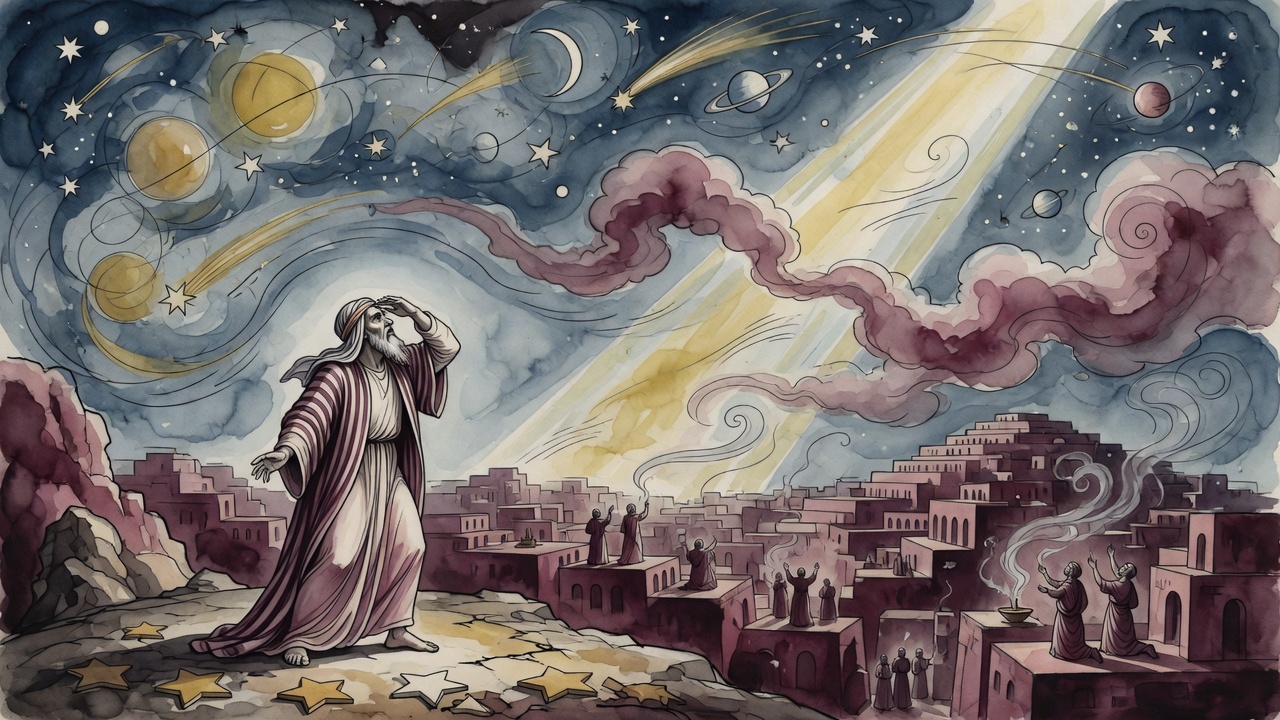
Nimrod threw Abraham into the furnace and Abraham walked out alive. What followed the miracle was the part the tradition cared about most.
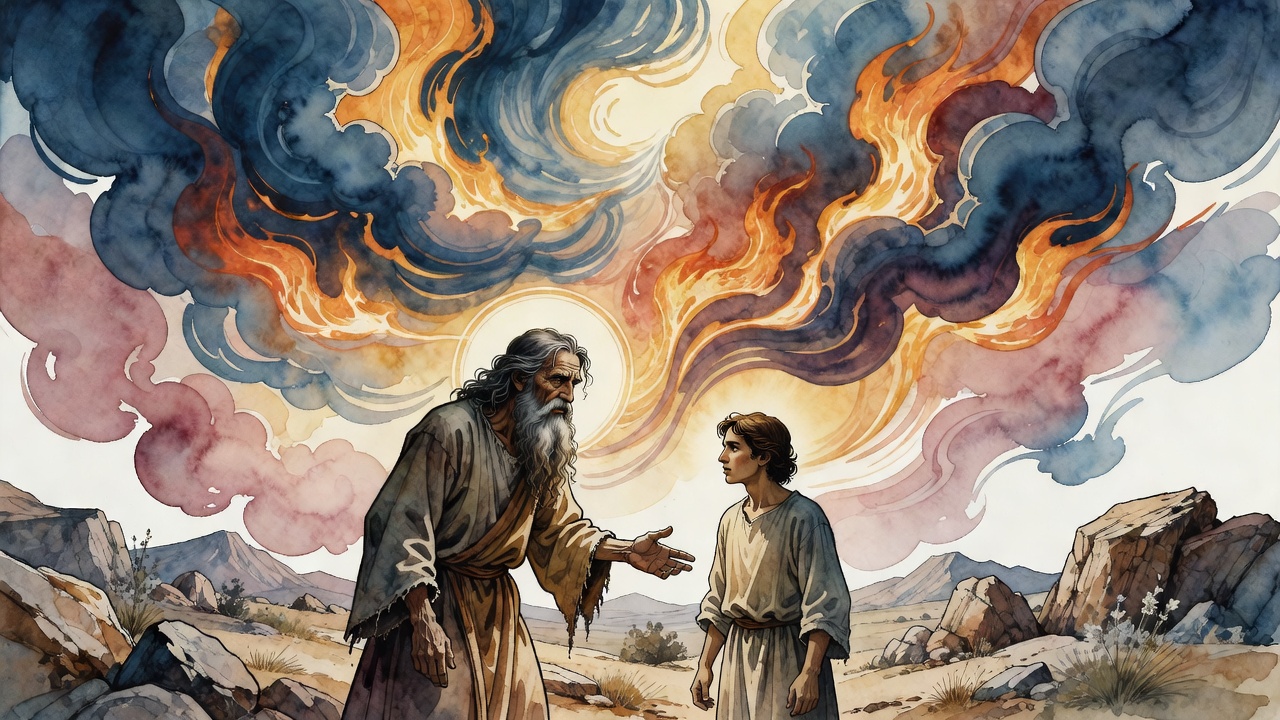
Ishmael shot arrows toward Isaac and called it play. When the water ran out in the wilderness, Hagar set him under a bush and walked away.
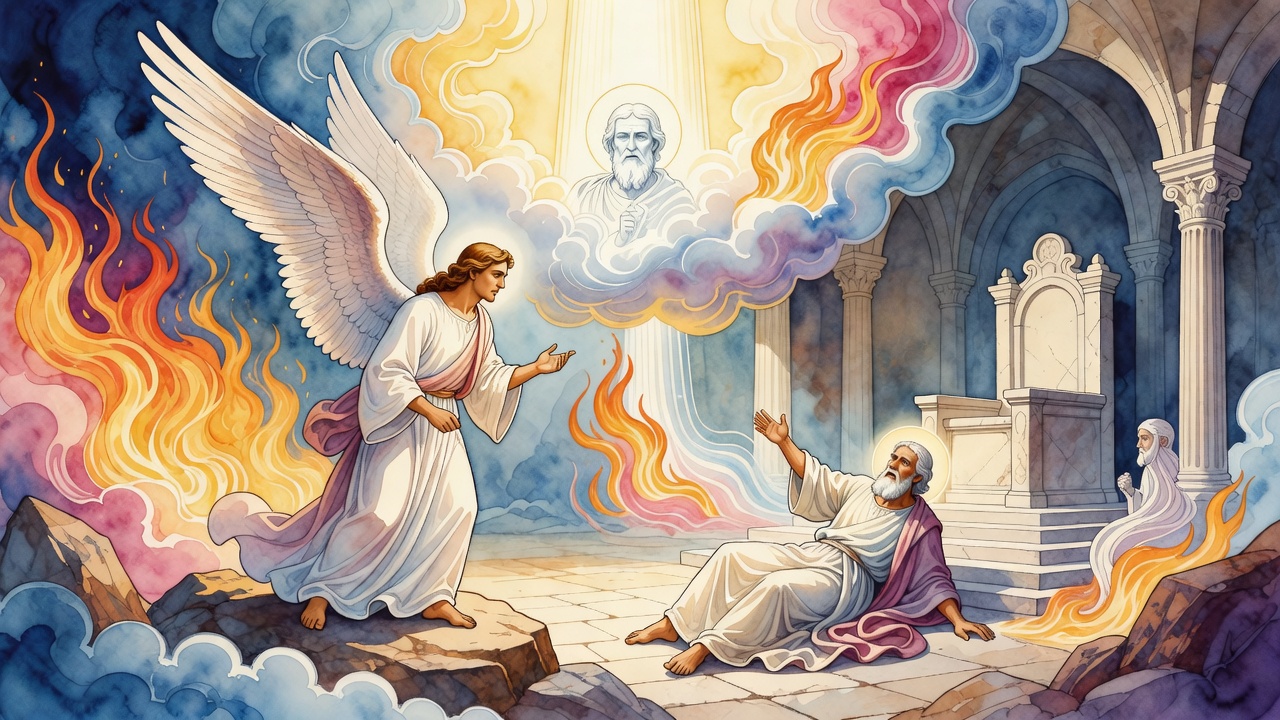
Michael sat through the whole meal and could not say why he had come. Abraham washed the visitor's feet and asked to see the gates first.
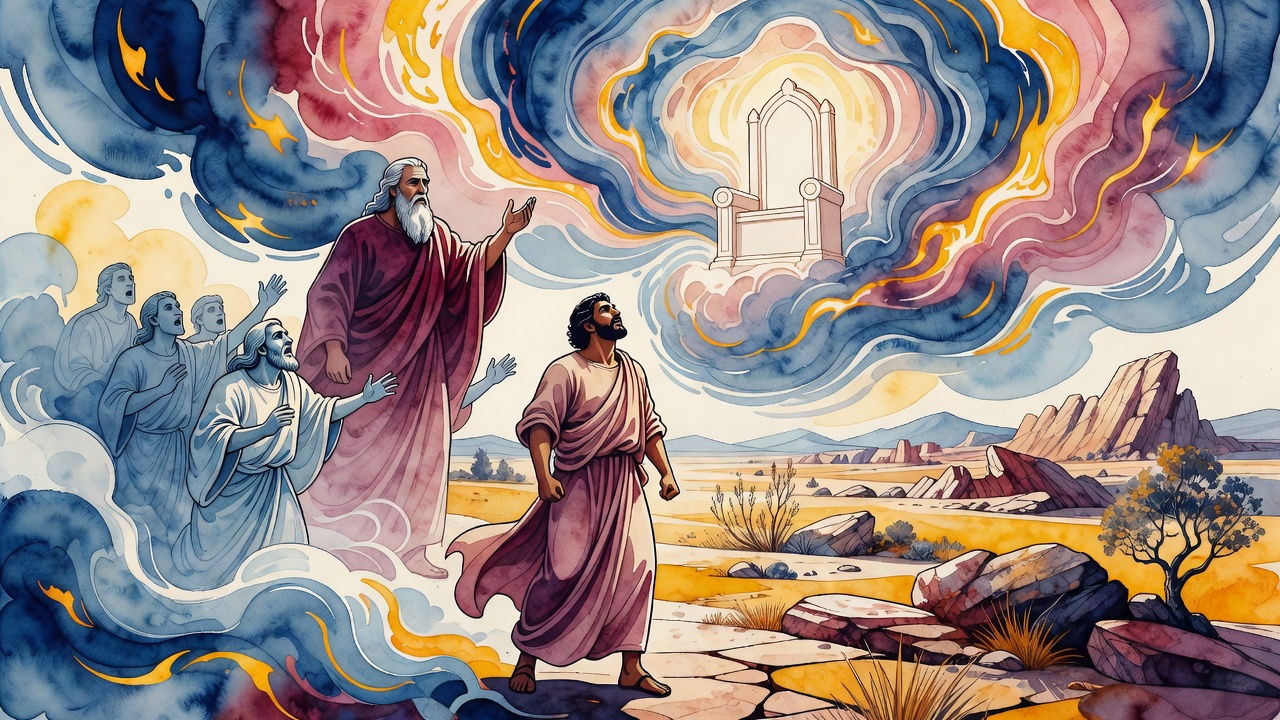
Every son of Noah swore to the boundaries out loud. Canaan moved inside Shem's share anyway, and his grandchildren still held it when Abraham came.
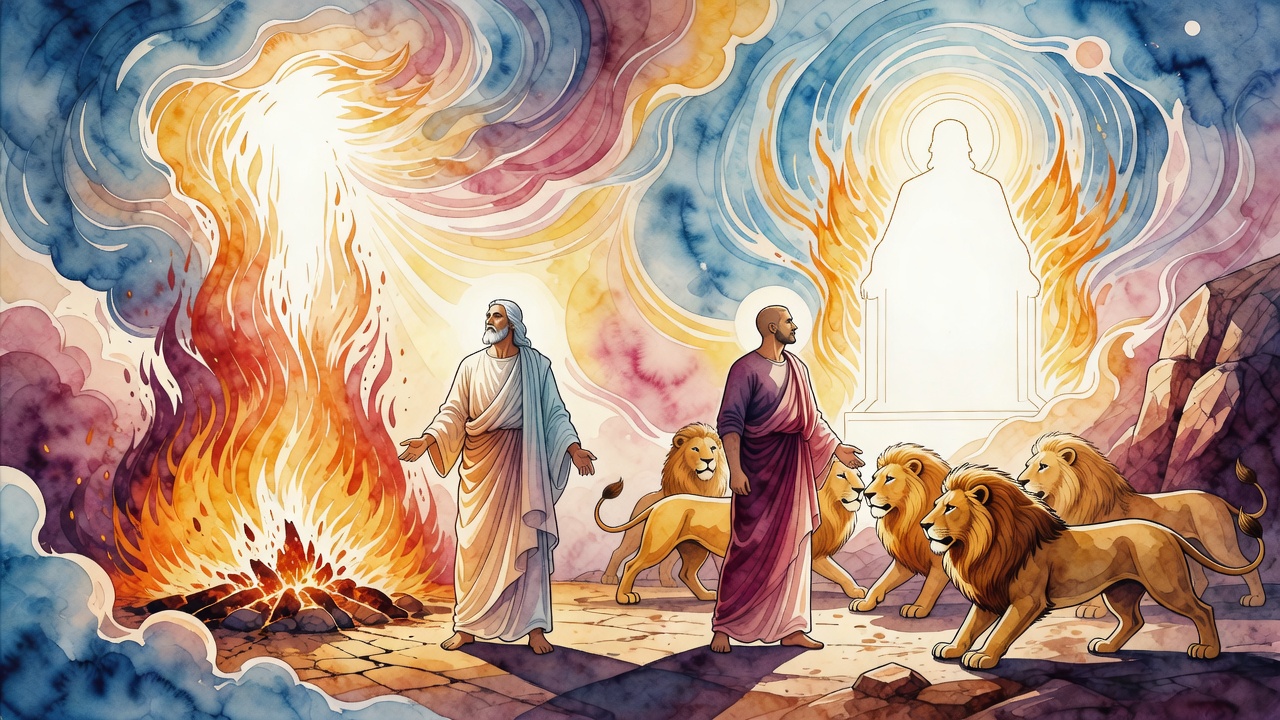
Abraham faced Nimrod's furnace before Daniel faced the lions. Both were the same divine test given to men prepared for it.
Abraham prayed, and a foreign king's house filled with infants. Sarah walked home with silver and empty arms until the angels refused to keep quiet.
Two thousand years before there was an earth, a voice was already calling out for people to come back. There was nobody yet to come back from anything.
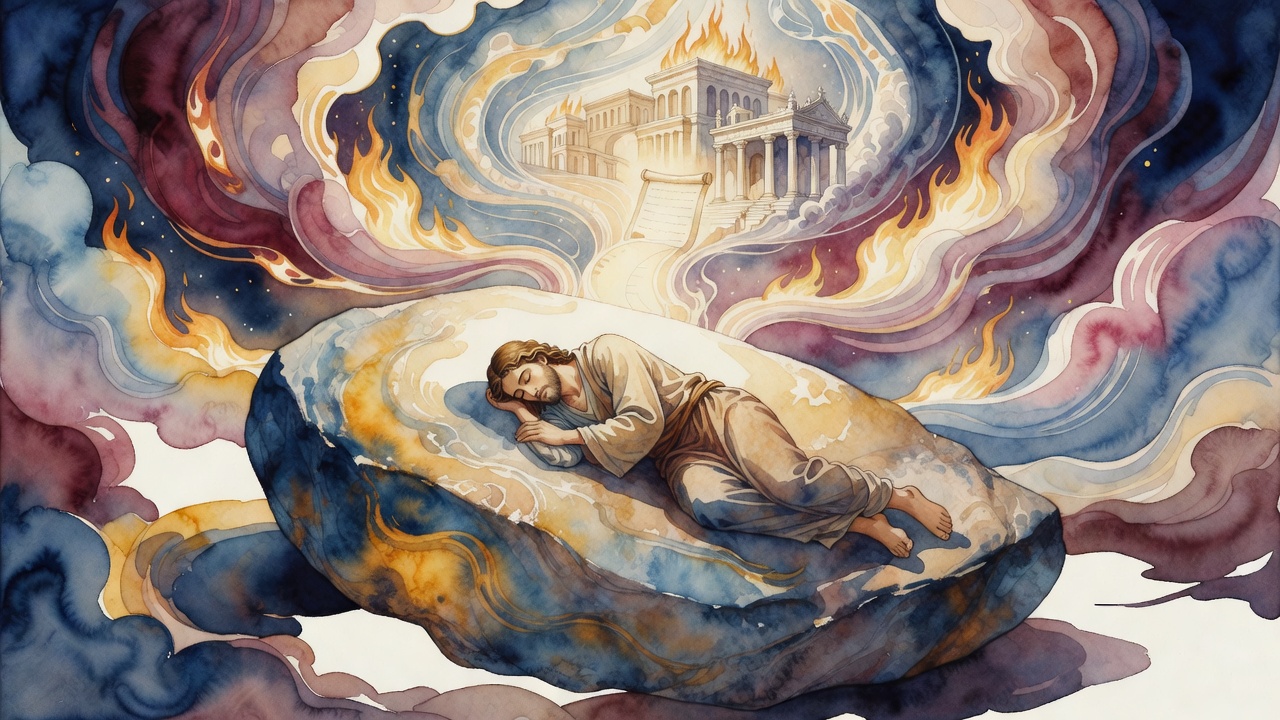
The stone Jacob used as a pillow at Bethel was the stone from which God had spread all creation outward. Jacob's dream showed him what would be built there.
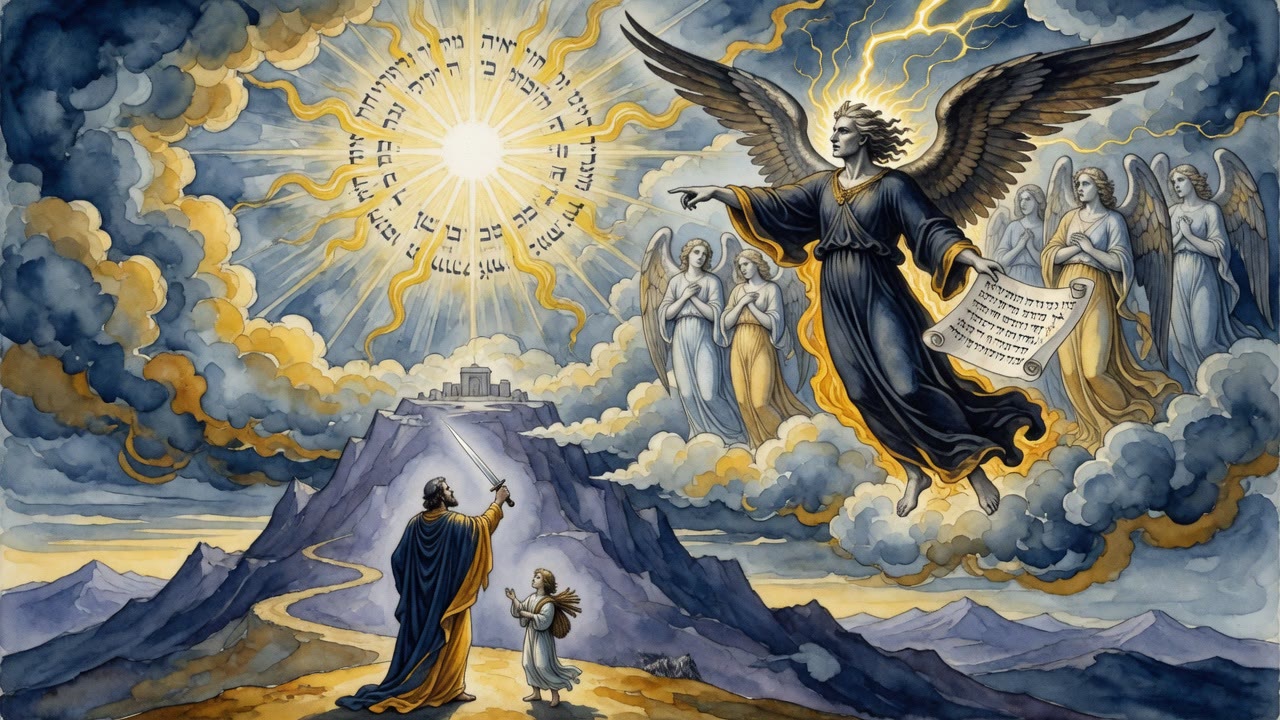
Prince Mastema asked if Abraham would still obey. God said yes. Three days later the ram was already waiting in a thicket on the mountain.
Abraham was ninety-nine and already had a son he loved. He asked God to let that boy carry the promise. The answer to him began with the word yes.
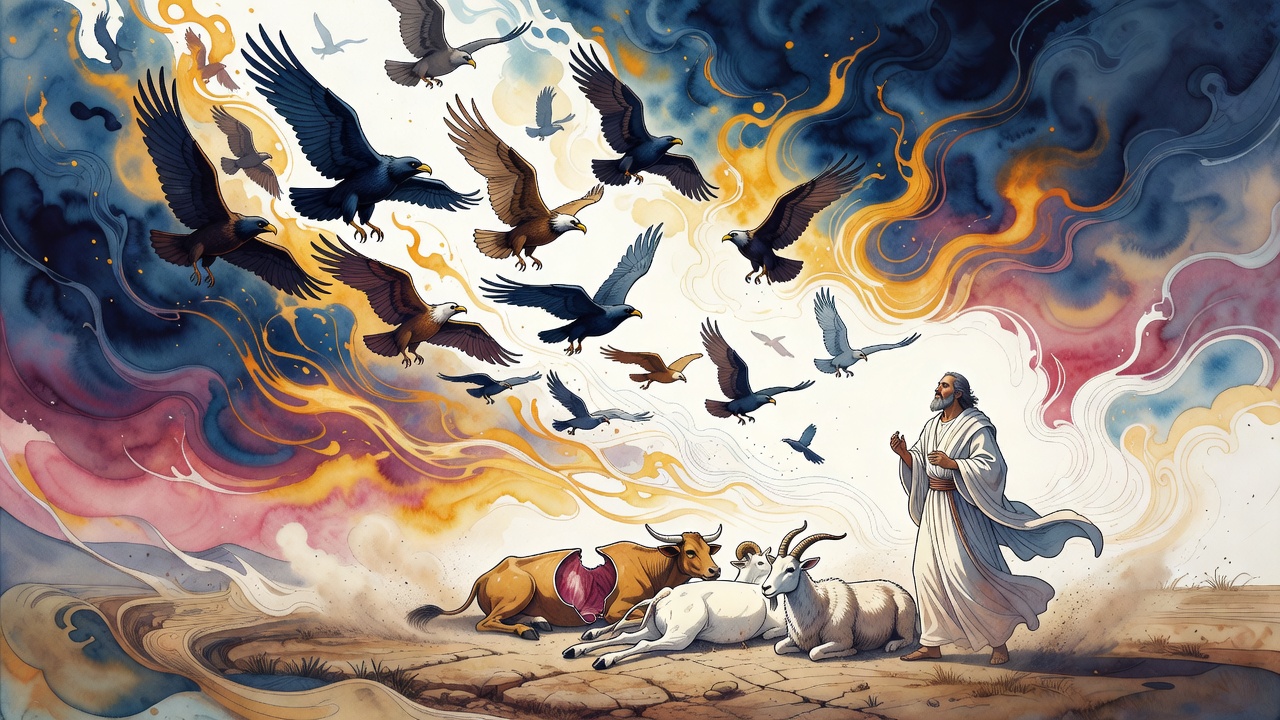
Abraham cut the heifer, the goat, and the ram and laid the halves facing each other. Then the birds came, and God had not yet passed.
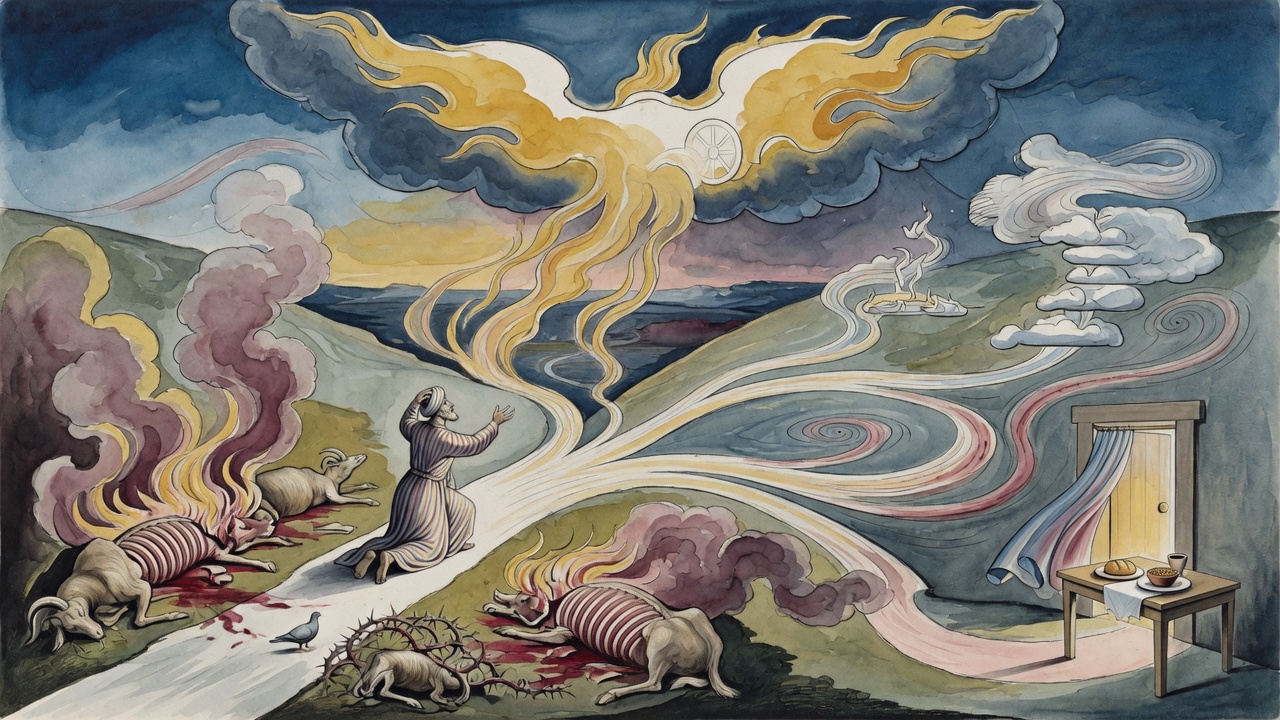
Abraham saw the covenant animals as a map of future sacrifice. Vayikra Rabbah opens a second gate, made of flour and confession, hidden from even Abraham.
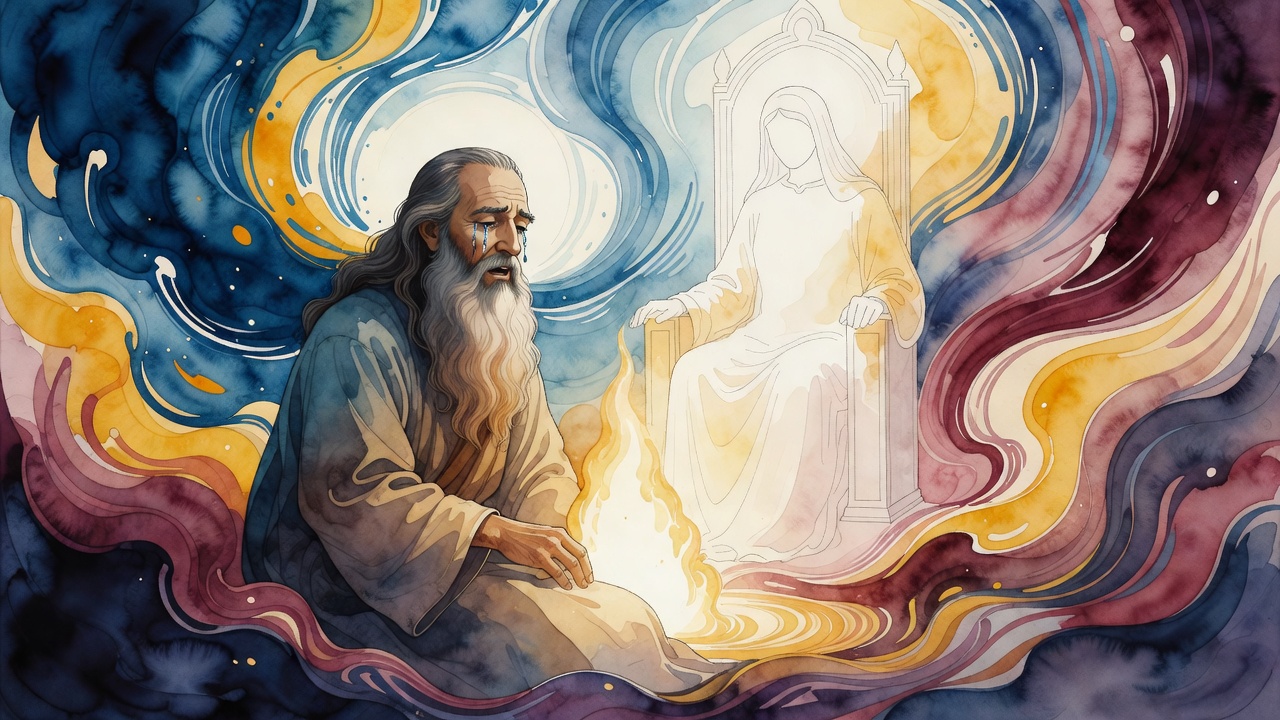
A hundred and twenty-seven years of marriage to account for, and the words he found were an old poem about a capable wife. Every line pointed at him.
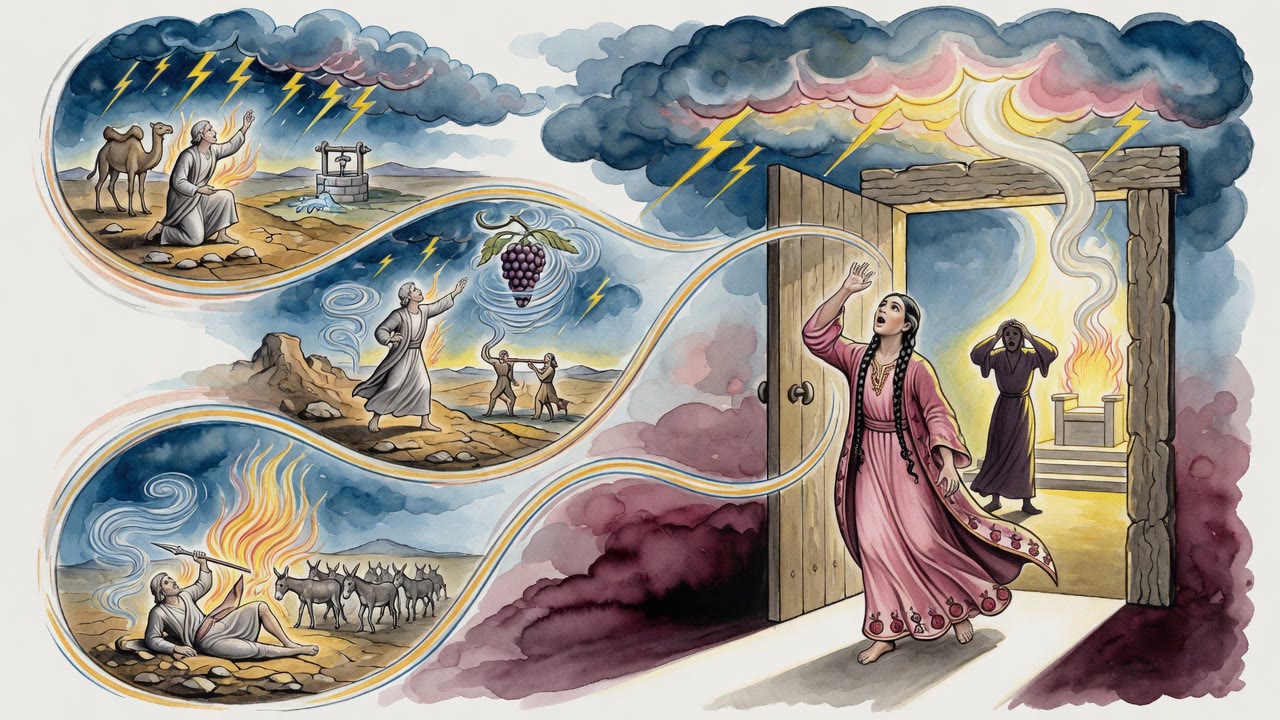
The Angel of Death came with orders to be generous. Rabbi Joshua asked to borrow the sword, then jumped the wall into Paradise while still alive.
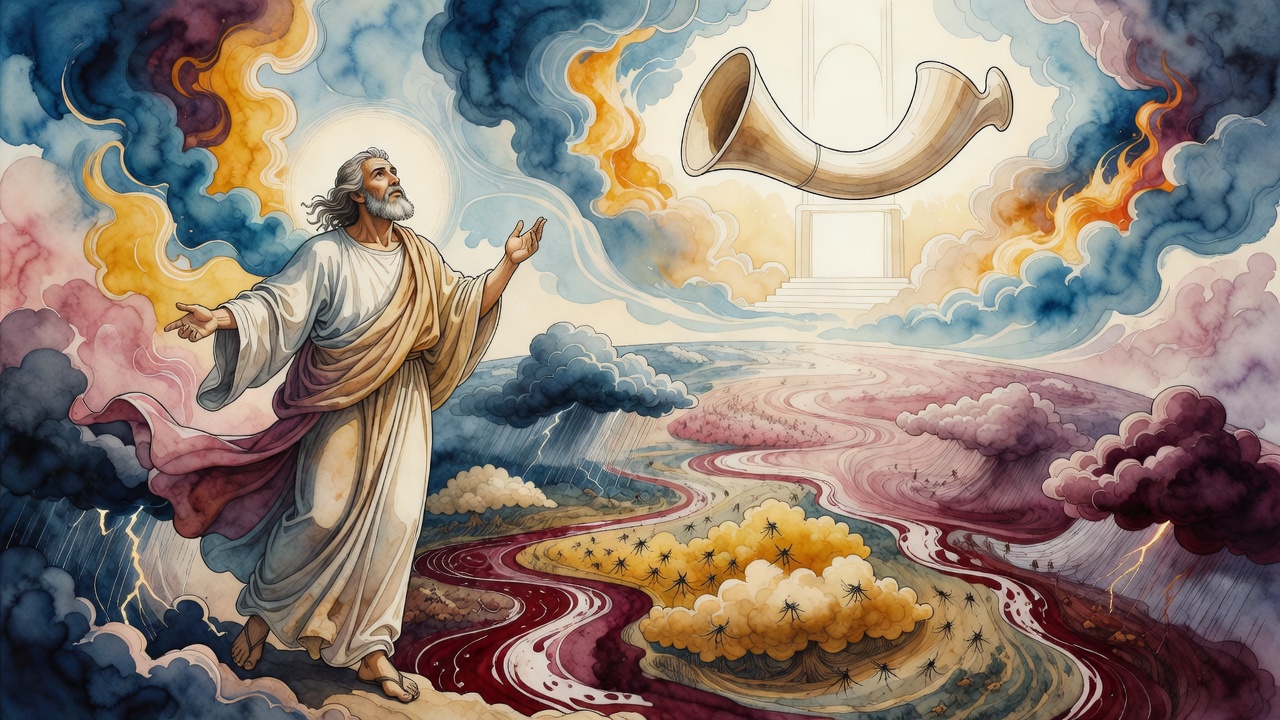
Lifted above the earth in vision, Abraham asks how long suffering will last and watches the age unwind in plagues, measures, and a heavenly trumpet.
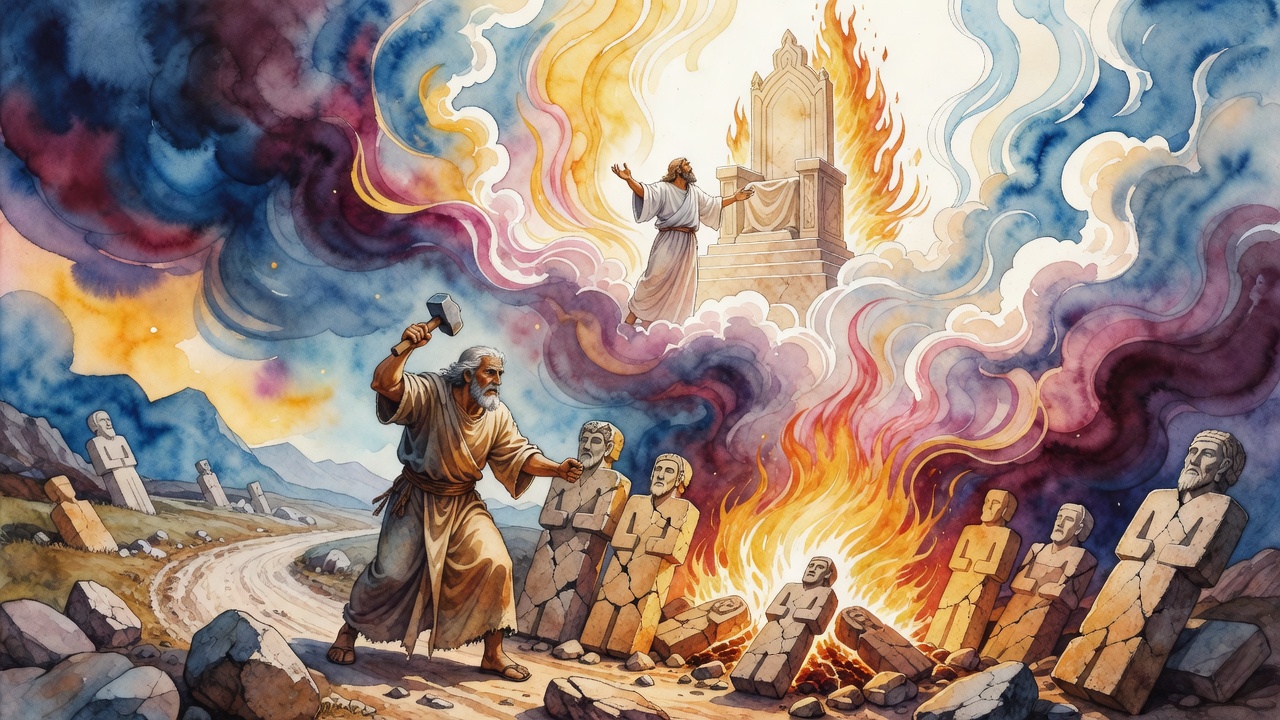
Terah's donkey threw five wooden gods into the road. Three shattered. Abraham threw the fragments in the river, and the river did not answer.
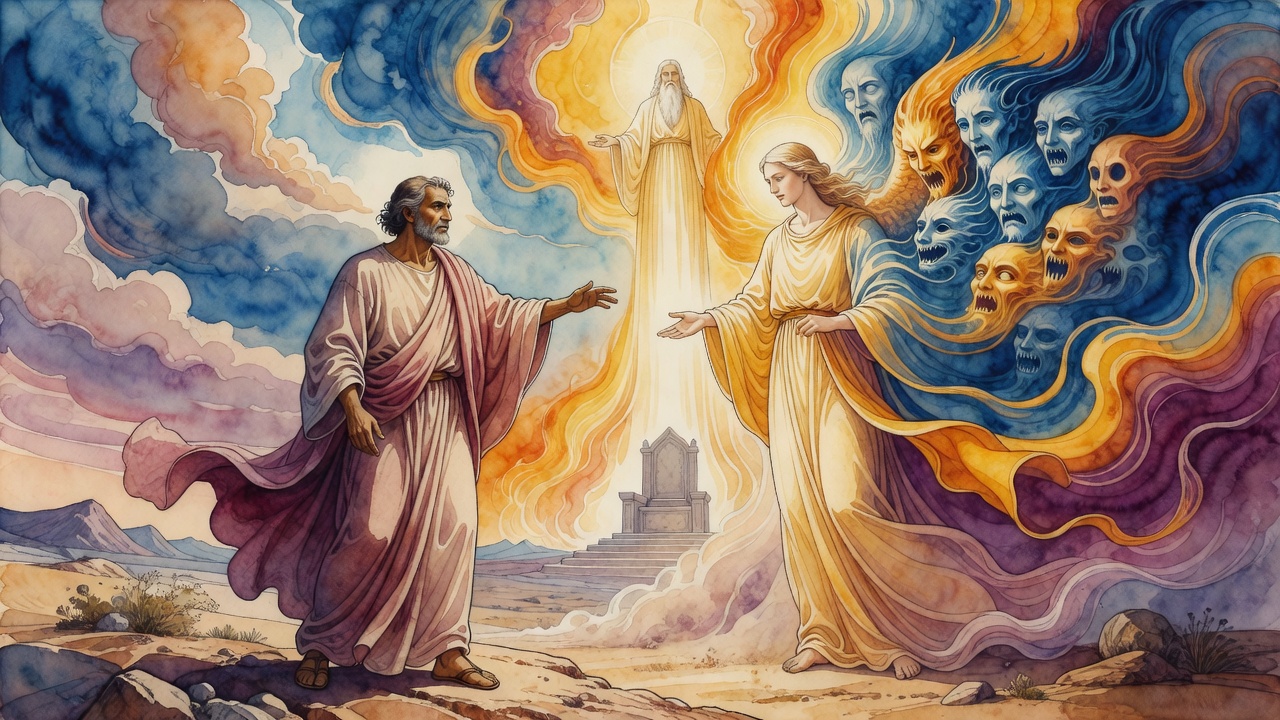
Death knelt at Abraham's tent smelling of paradise. Abraham asked to see the other face. The servants around him fell before he did.
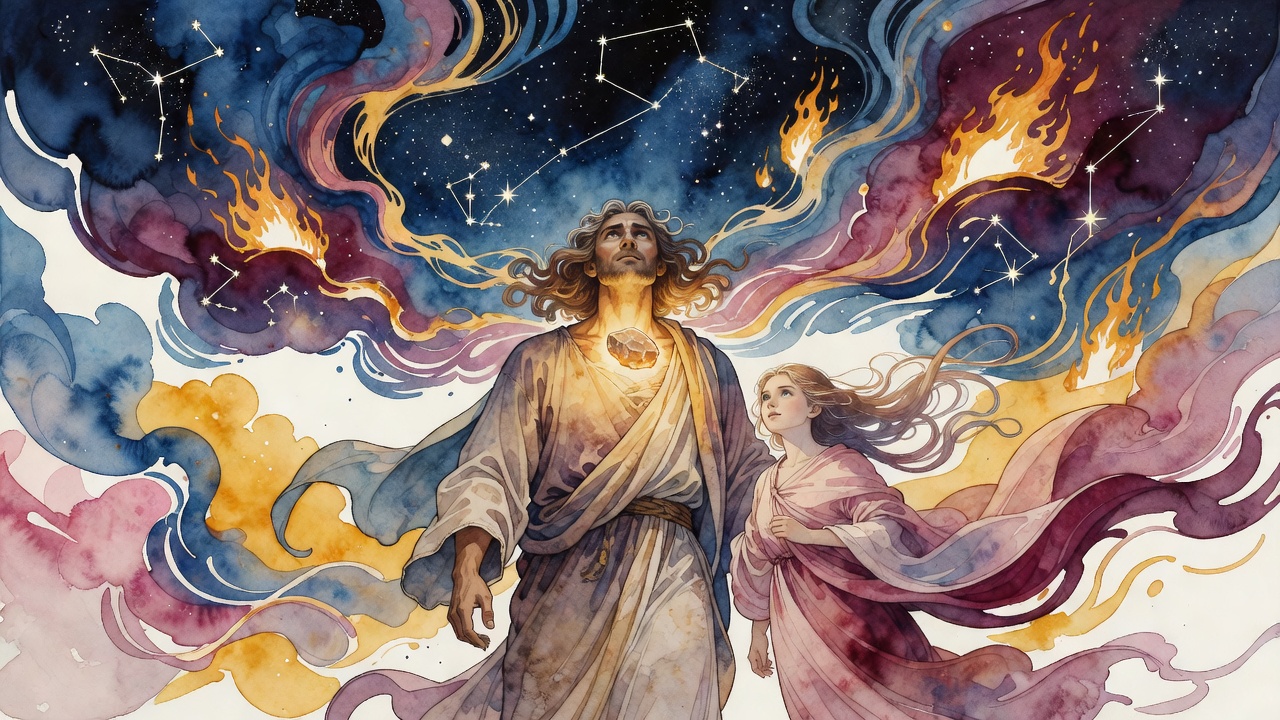
Sick men looked at the stone on his throat and stood up well. When Abraham died, God hung that stone on the wheel of the sun.
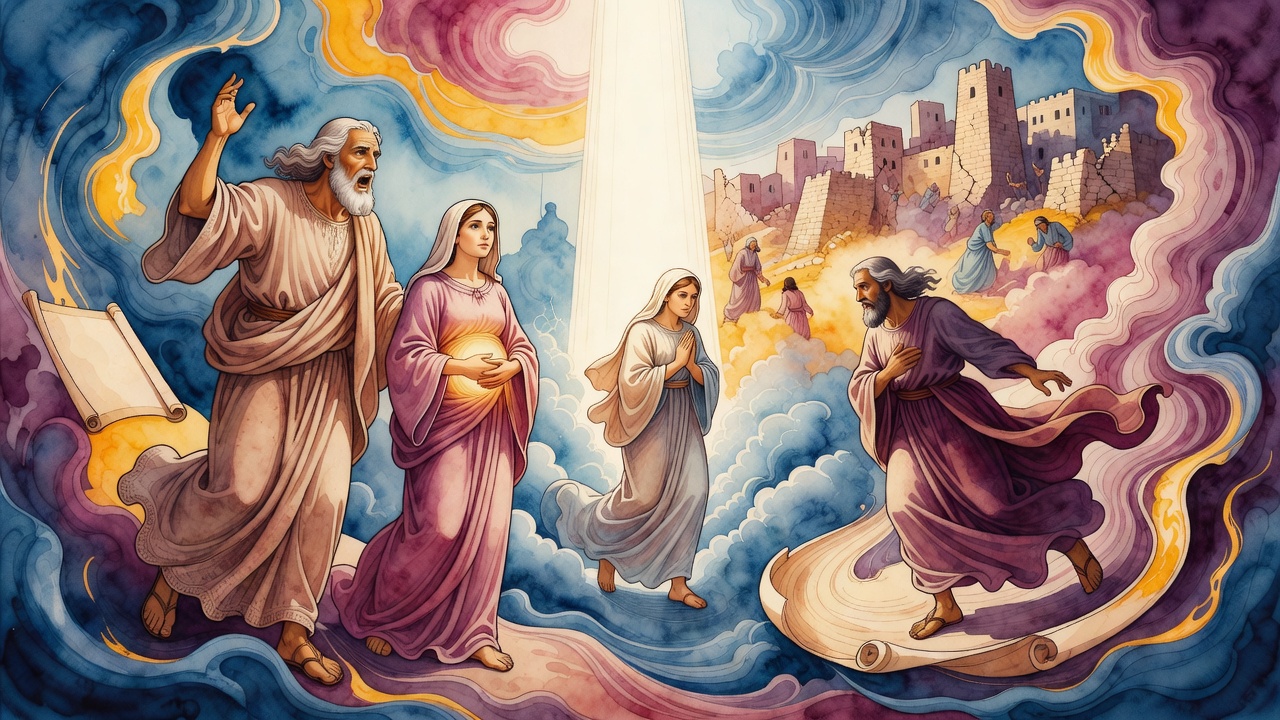
Jacob left home and the ground shortened under his feet. The sun set early so he would sleep at Bethel. The stones under his head gathered into one.
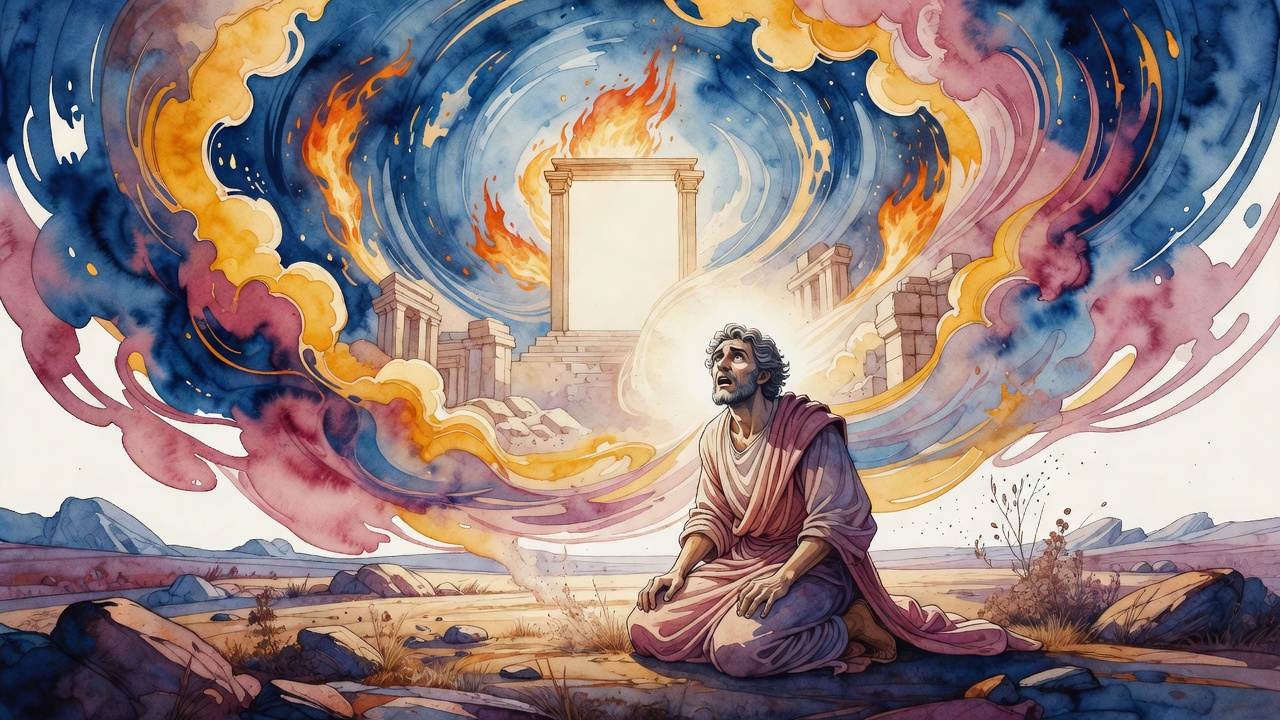
David cannot build the Temple but cannot stop wanting it, and God credits the longing as if stone had already been laid on stone.
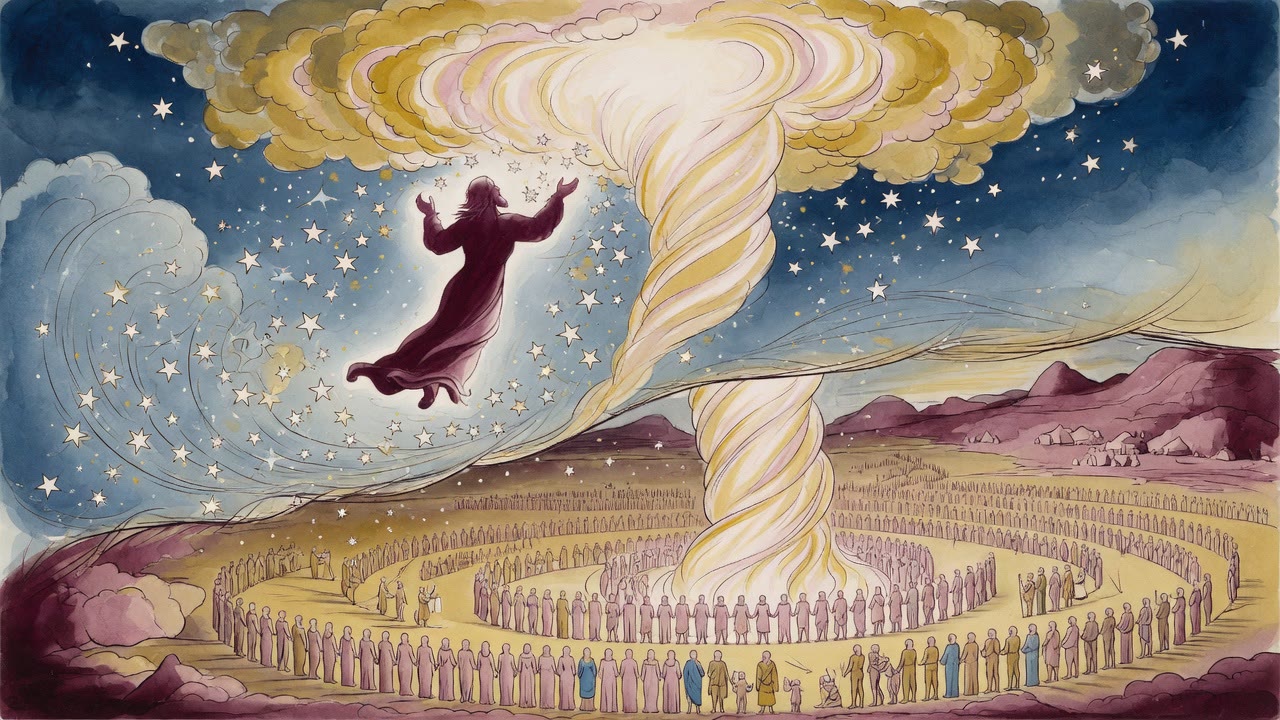
God lifts Abraham above the stars to count them, then the census of the wilderness counts Israel as love made visible in numbers.
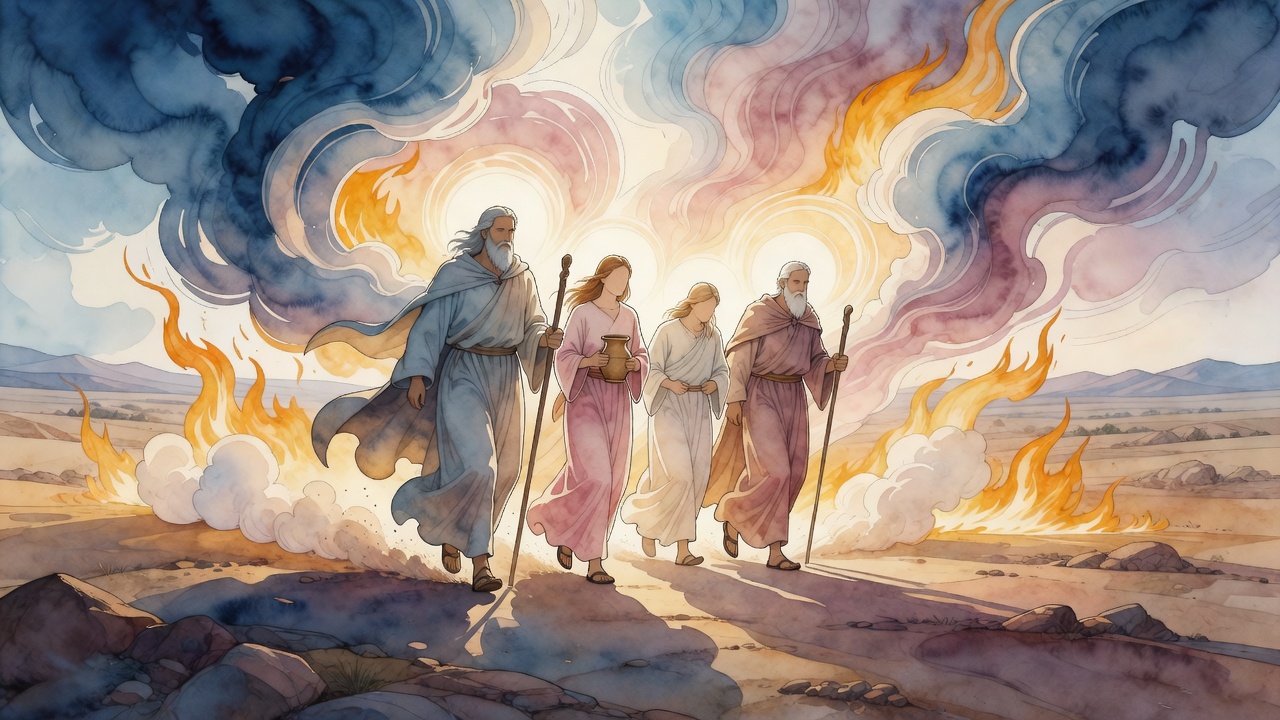
Abraham was seventy-five when he walked away from his father's house toward a land he had not seen. Isaac sowed in a famine year and reaped a hundredfold.
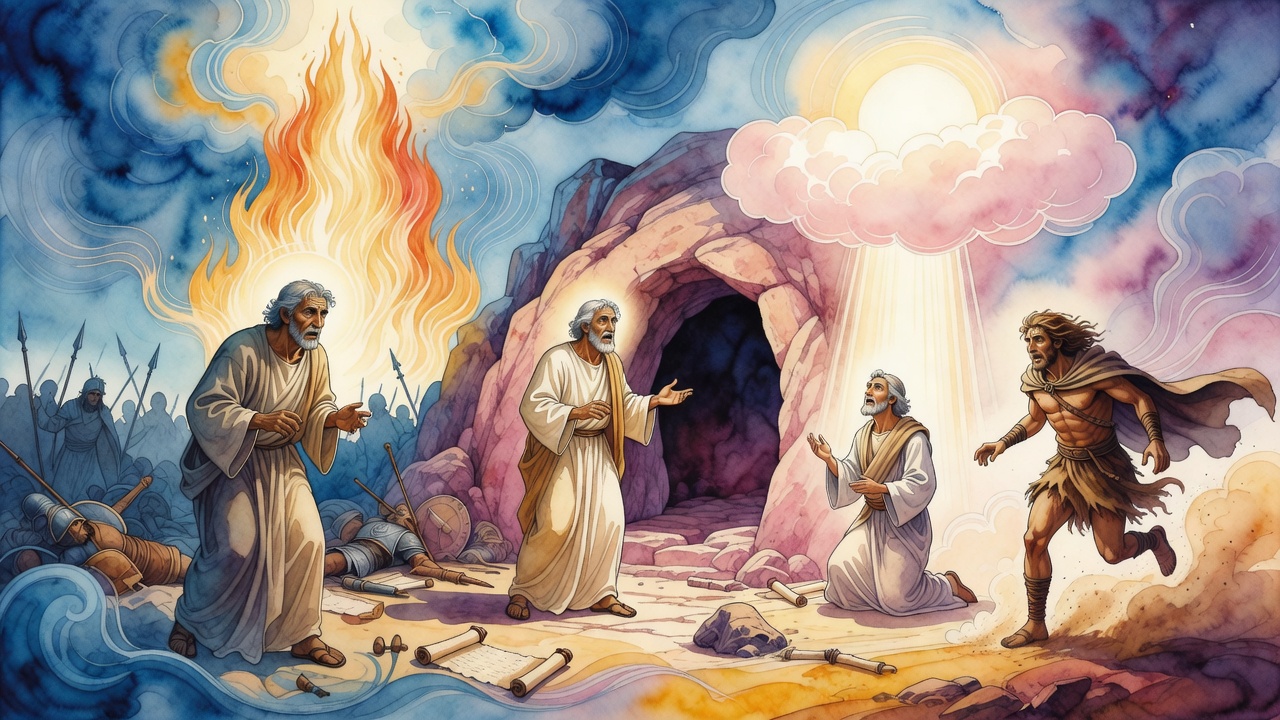
Sarah died at Hebron and Abraham owned no ground to bury her in. Ephron called the field a gift, then named a price: four hundred shekels of silver.
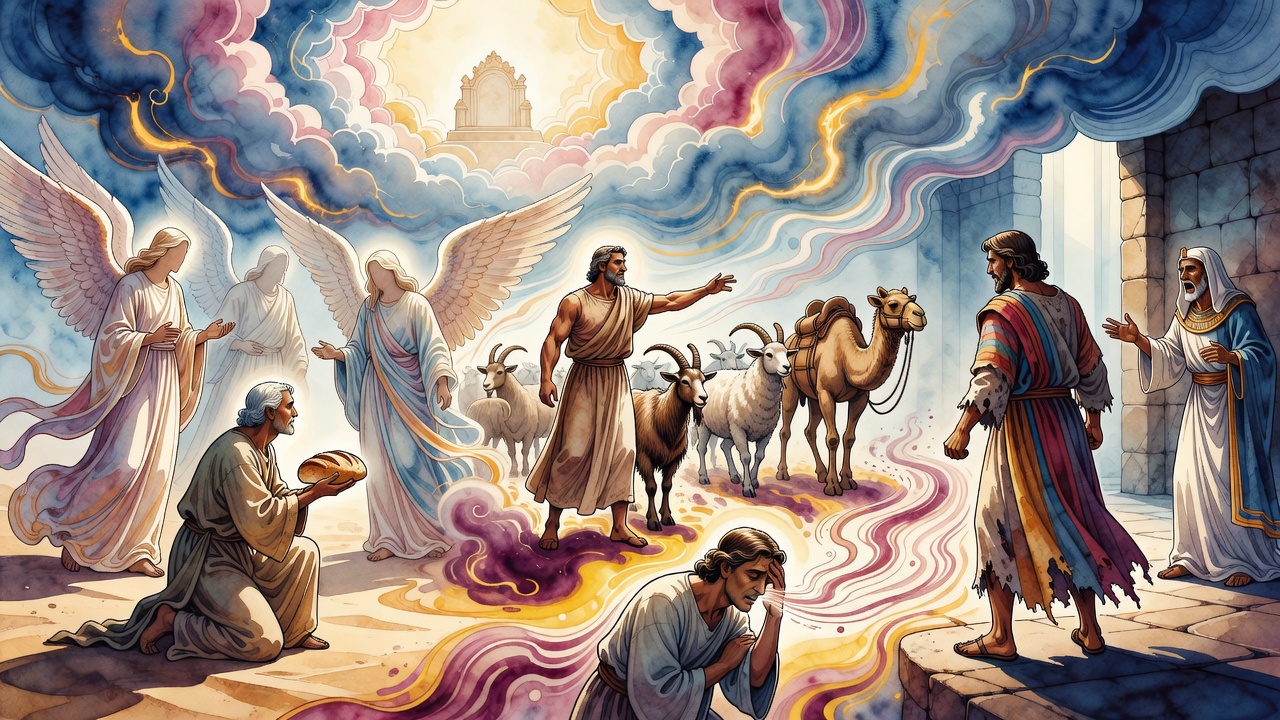
Joseph read the butler's dream correctly and asked him for one favor, a word to Pharaoh. The butler walked free and forgot him for two years.
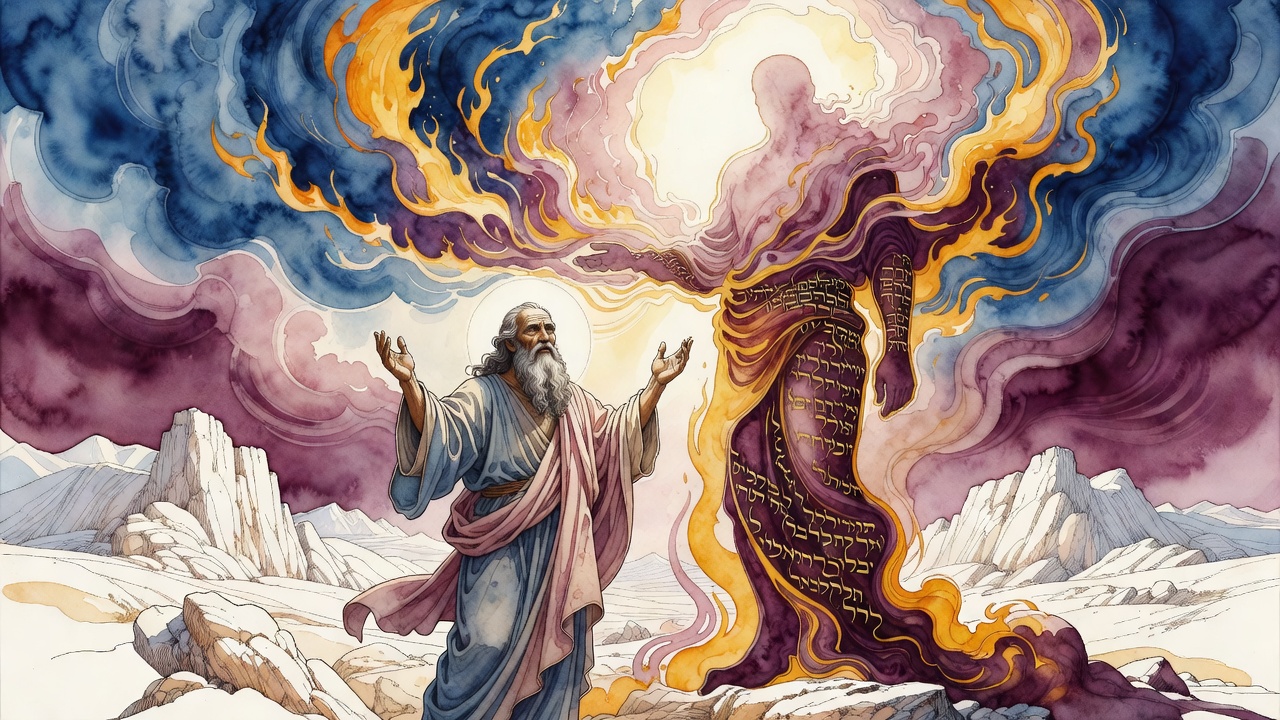
Moses blessed Israel at the edge of his life, and Devarim Rabbah says he was not standing alone. Torah stood beside him, and God stood beside Torah.
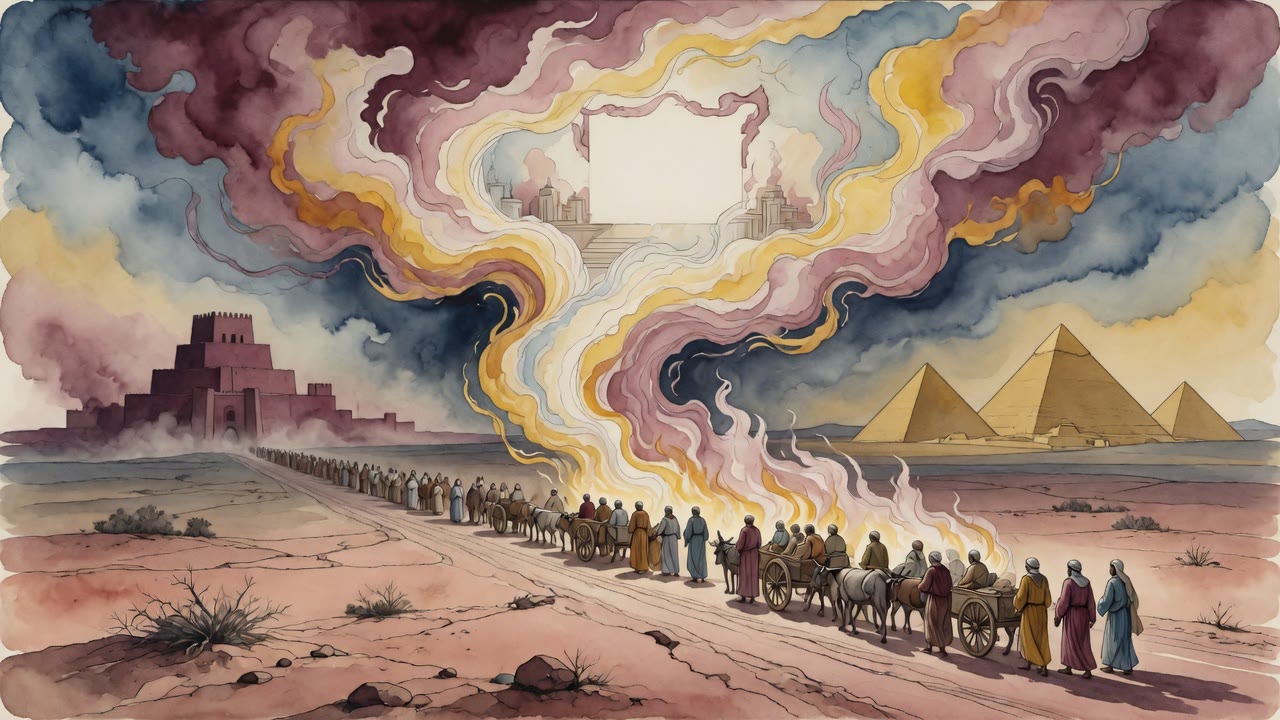
Abraham was ninety-nine and still sore from circumcision when three travelers came. He asked God to wait at the tent door until he had fed them.
