The Soul That Begged Not to Be Born Into the World
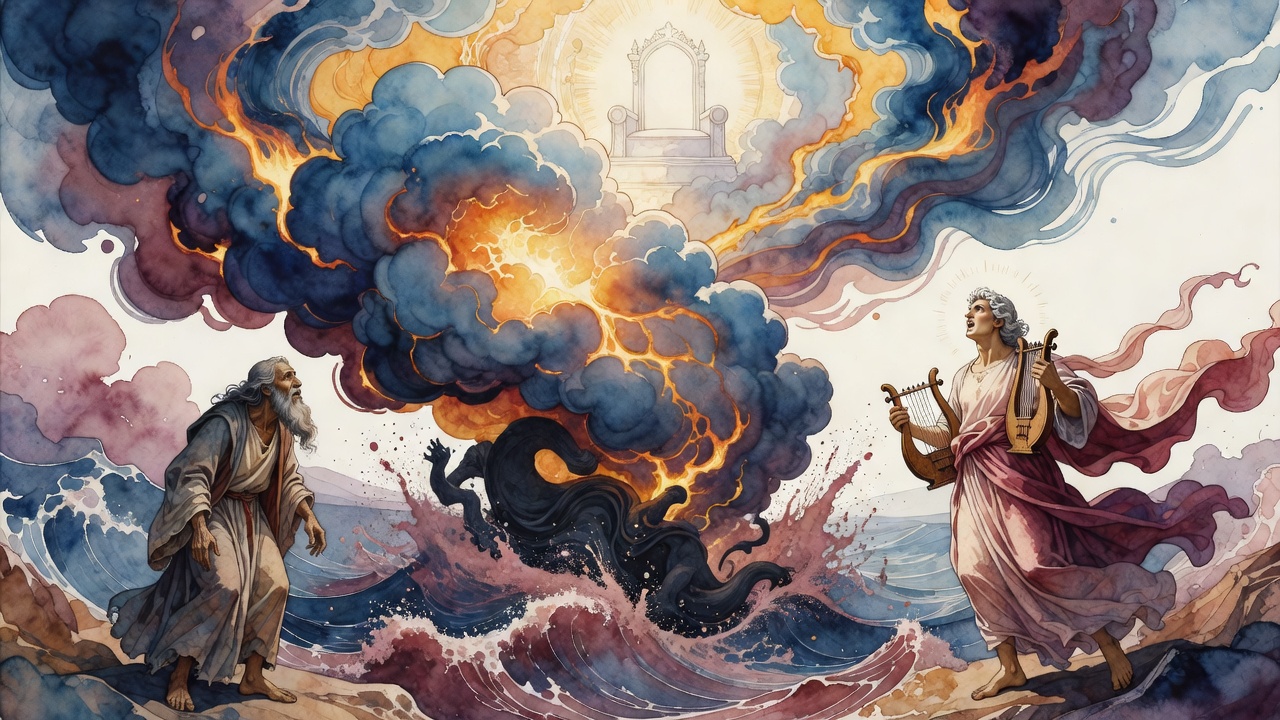
The soul opened her mouth and asked to stay. God sent her down anyway. A boy in Ur would forget that plea before his first cry.
Table of Contents
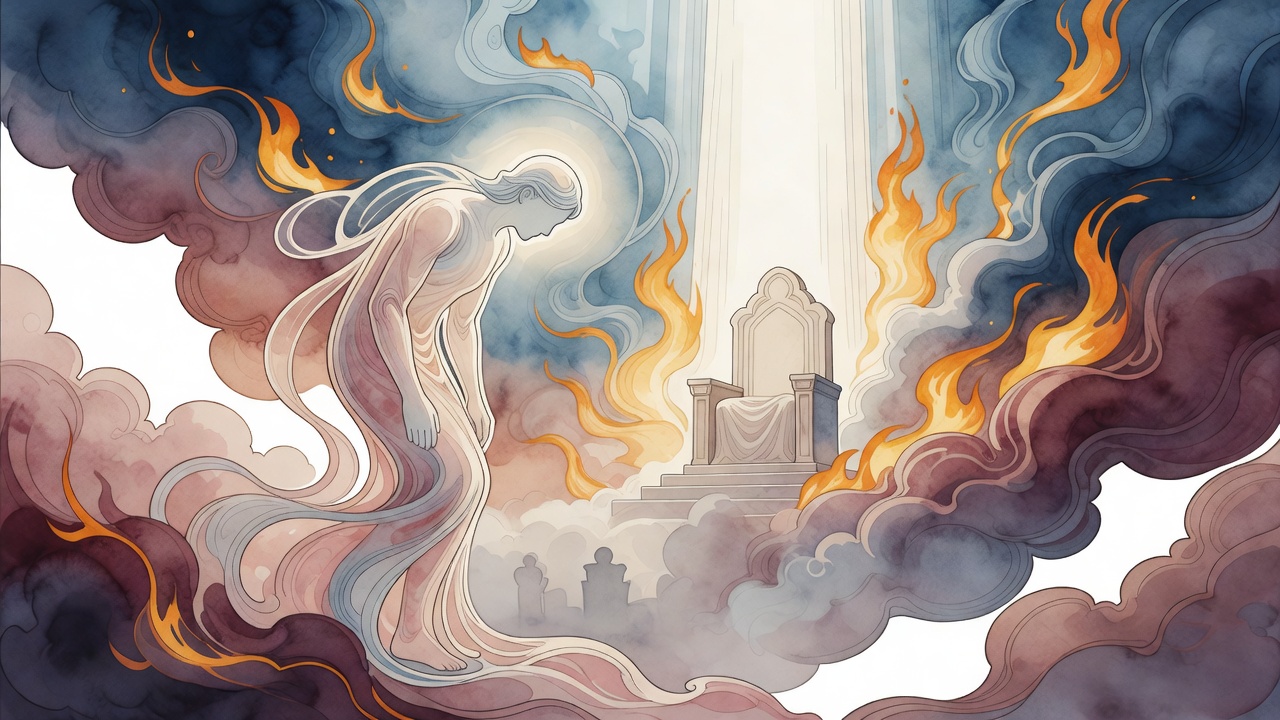
The soul bowed, then opened her mouth.
 Click for full size
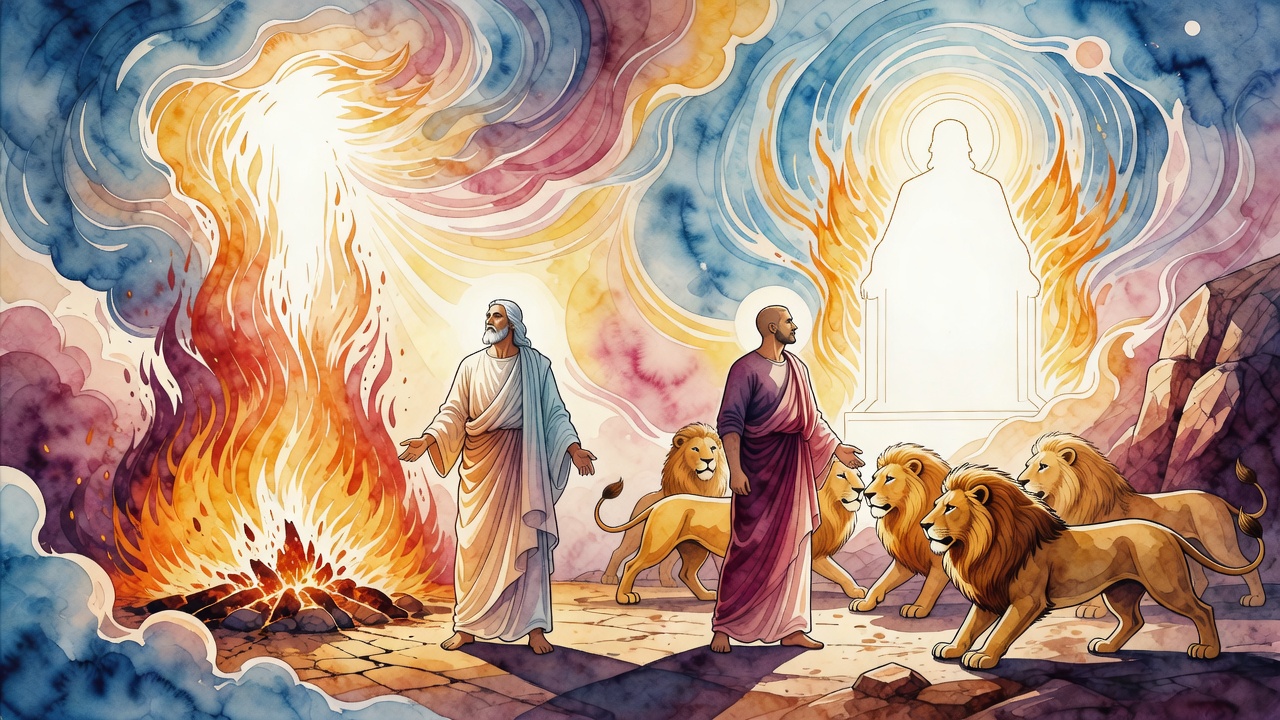
God had already made the sign. Bring Me the soul so-and-so, hidden in Paradise, whose name is this, whose form is that. The angel appointed over the souls fetched her from the promptuary in the seventh heaven, where every generation waited in store, and she prostrated herself because that is what a soul does in that room.
Then the command came: enter this seed.
The Soul Bowed and Refused
She did not enter. She pleaded.
"O Lord of the world, I am well pleased with the world in which I have been living since the day You called me into being. Why do You now desire to have me enter this impure seed, I who am holy and pure, and a part of Your glory?"
The care God had taken with the body was nothing beside the care He had taken with her. The soul of man, they said, was created on the first day, the spirit of God moving on the face of the waters, so that the last creature was in fact the first work. She had been shaped. She had been kept. She did not want the descent.
God consoled her. "The world which I shall cause you to enter is better than the world in which you have lived hitherto, and when I created you, it was only for this purpose."
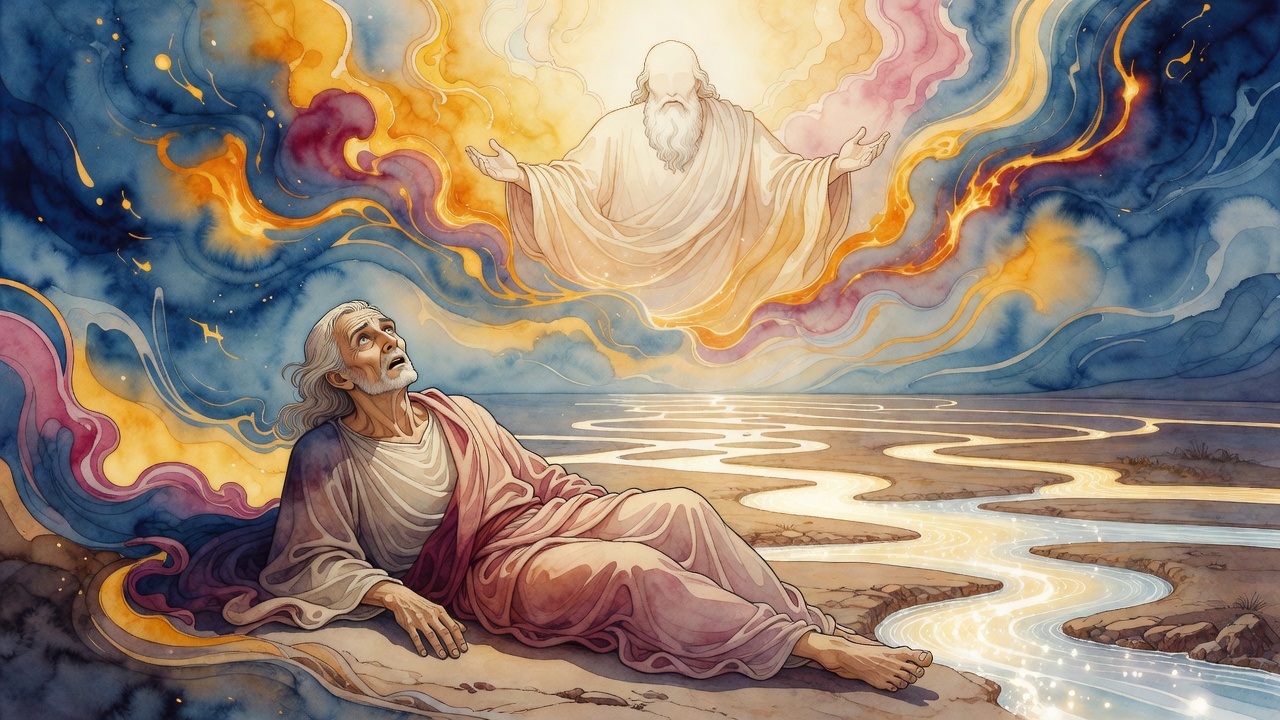
She was forced in against her will. Lailah, the Angel of the Night, carried her back to the womb.
A Light Over the Womb
Two angels were detailed to watch that she should not leave it, nor drop out of it. A light was set above her head, and by that light she could see from one end of the world to the other.
In the morning an angel carried her to Paradise and showed her the righteous sitting in their glory, crowns on their heads. "Do you know who these are?" She did not. "These were formed, like you, in a womb. When they came into the world they kept God's Torah. You will leave the world below one day. If you keep it, you will sit with them. If not, the other place."
In the evening the same angel took her to the fire. Sinners cried Woe under the scourges of the Angels of Destruction, and no mercy was shown them. "These were created like you," the angel said. "Be just, and not wicked."
Between morning and evening he carried her around the whole world. He showed her where she would live, where she would die, the place where she would be buried. Then he put her back in the womb, and she remained there nine months, seeing everything, owning none of it yet.
The Angel Struck the Nose
When the time came to go out, the same angel addressed her. "The time has come for you to go abroad into the open world."
The soul demurred. "Why do you want to make me go forth?"
"Know that as you were formed against your will, so now you will be born against your will, and against your will you shall die, and against your will you shall give account of yourself before the King of kings."
She still would not leave. Then the angel fillipped the babe on the nose, extinguished the light at his head, and brought him forth against his will.
Immediately the child forgot all his soul had seen and learnt. He came into the world crying, because he had lost a place of shelter. The argument was over. He would spend a life not remembering that he had lost it.
A Boy Behind the Counter
In Ur of the Chaldees, Terah fell ill and sent his sons to mind the shop. Haran did as he was told. Abraham was twenty, and he turned the family business into a demolition.
A customer would come in. Abraham would quote a price, three manehs, five, then ask the man's age. Thirty. Forty. Fifty. "You are fifty years of age, and you would bow to an object I carved this morning?" The man would leave without buying. Abraham would watch him go and wait for the next one.
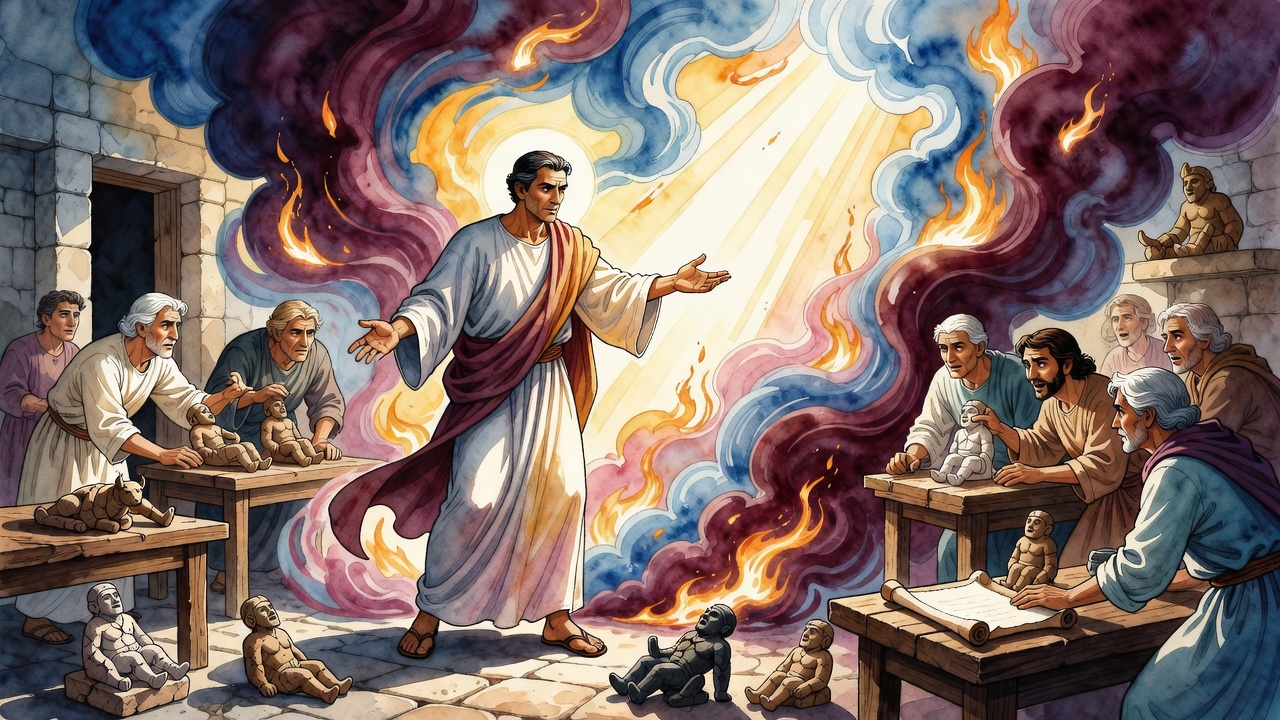
He dragged two idols through the street with a rope around their necks, faces in the dust, crying that they had mouths and did not speak, eyes and did not see. An old woman came to buy a big one to love. He asked what had become of the last big one she had bought from Haran. Thieves, she said, while she was at the bath. "If it cannot save itself from thieves," he said, "whom is it going to save?"
He did not remember the treasury. He remembered how to ask a man his age.
The Axe in the Largest Idol's Hand
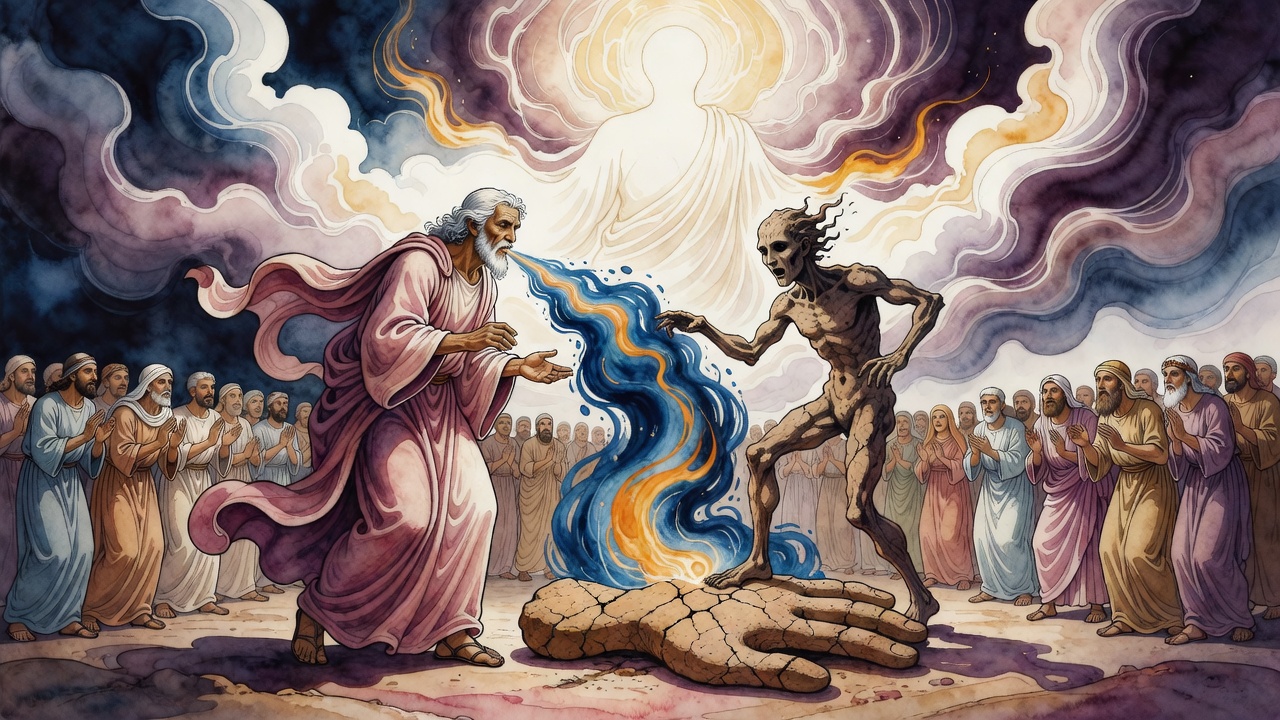
Nimrod held a seven days' feast and told Terah to bring the boy. Abraham refused the court. He agreed only to sit with the idols in his father's absence. Alone with them he took an axe. He started with the biggest and ended with the smallest. He hacked off feet. He beheaded one. He struck out eyes. He crushed hands. When all the rest were ruined, he put the axe into the hand of the largest and walked away.
The king returned, saw the wreckage, and summoned him. Abraham said, "I did not do it. The largest shattered the rest. Do you not see the axe still in his hand? Ask him. He will tell you."
The soul that had begged not to enter an impure seed now stood in a shop full of wood and stone, forcing a king to admit that his gods could not even hold an axe. She had seen Paradise and the fire and the house where she would be buried. She had forgotten all of it. The work she had been sent for was this counter, this rope, this blade in a dumb hand.
God had told her the world below would be better. She had not believed Him. In Ur she still did not remember being told. She only knew, without knowing why, that a thing carved this morning was not going to receive her bow.
← All myths