Terah Died With His Boots On Halfway to Canaan
Terah was the one who packed the household for Canaan. He set out first. Then he stopped at Haran and the land was good and he never left.
Table of Contents
 Click for full size
The Name He Gave to Nimrod
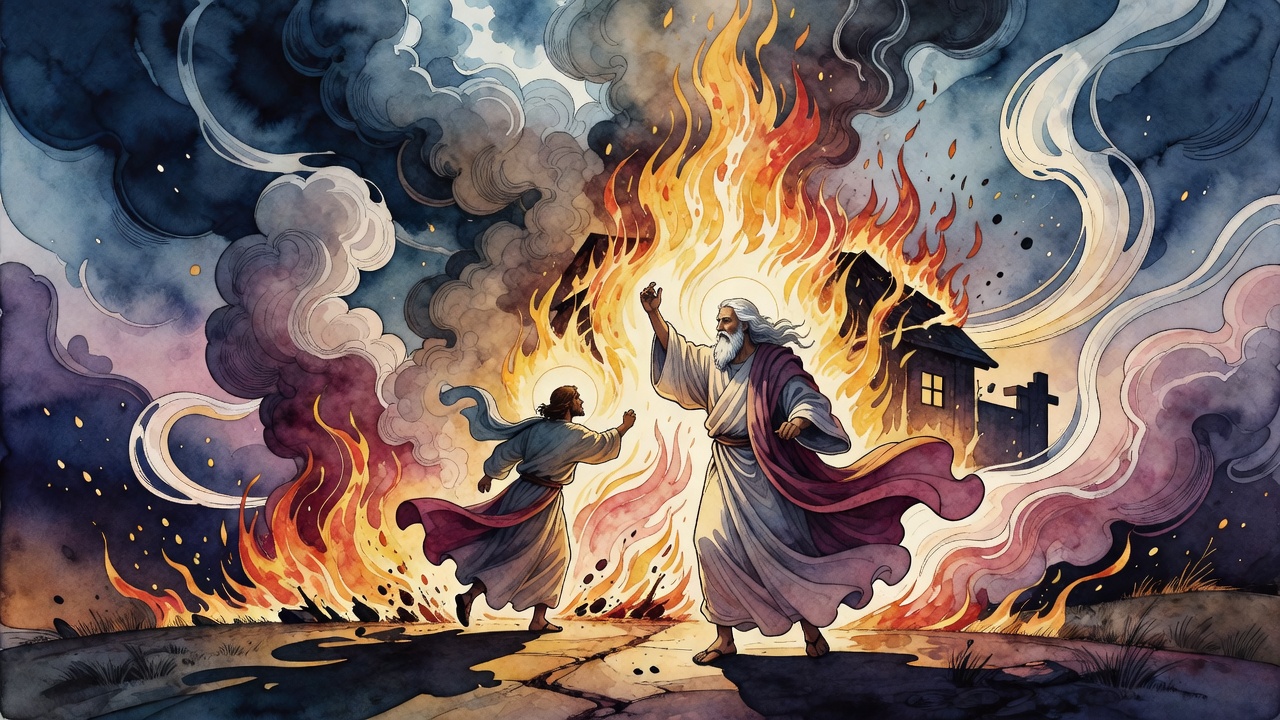
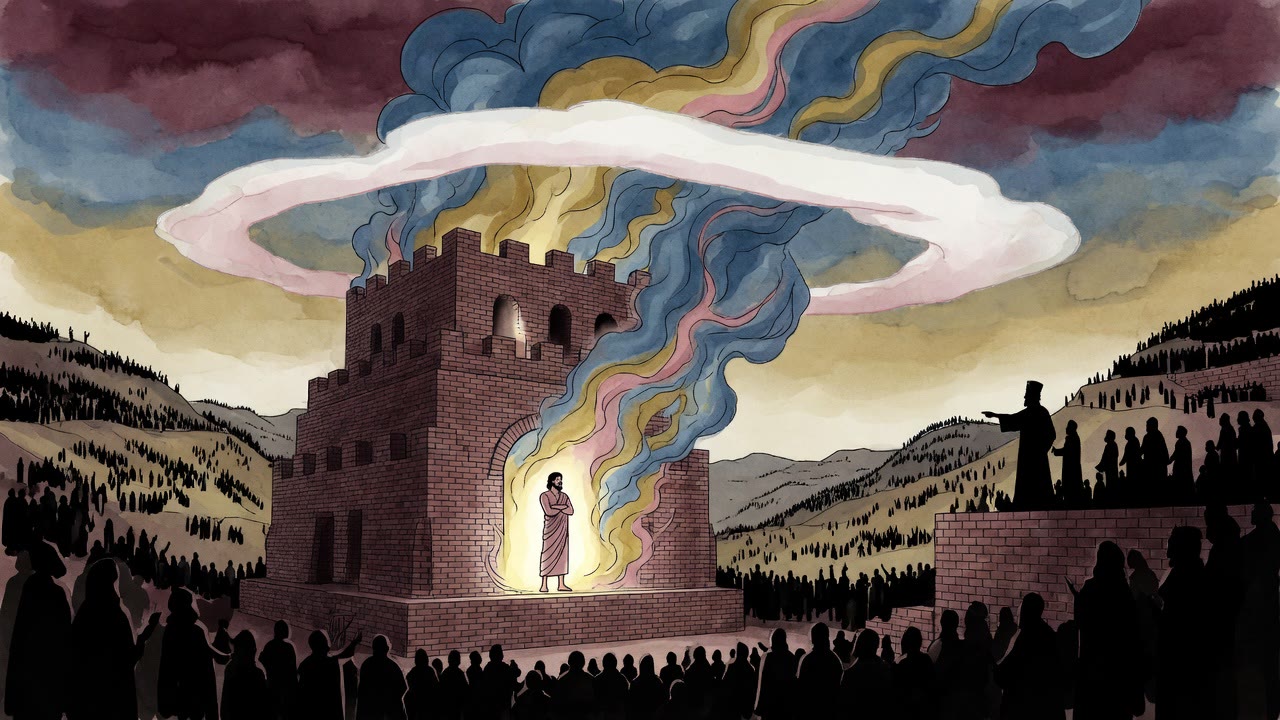
Nine hundred thousand people came out to watch Abram burn. They packed the ground around the furnace at Casdim, the women and children went up on the roofs for a better view, and Nimrod had the fire built high enough to be worth the trip.
Then the king's conjurors got a proper look at the prisoner and started shouting. This was the child from fifty years ago, the one born under the star that swallowed four other stars, the one they had warned him about at the time. Nimrod had ordered that child killed. The child was standing in front of him, fifty years old and unburned.
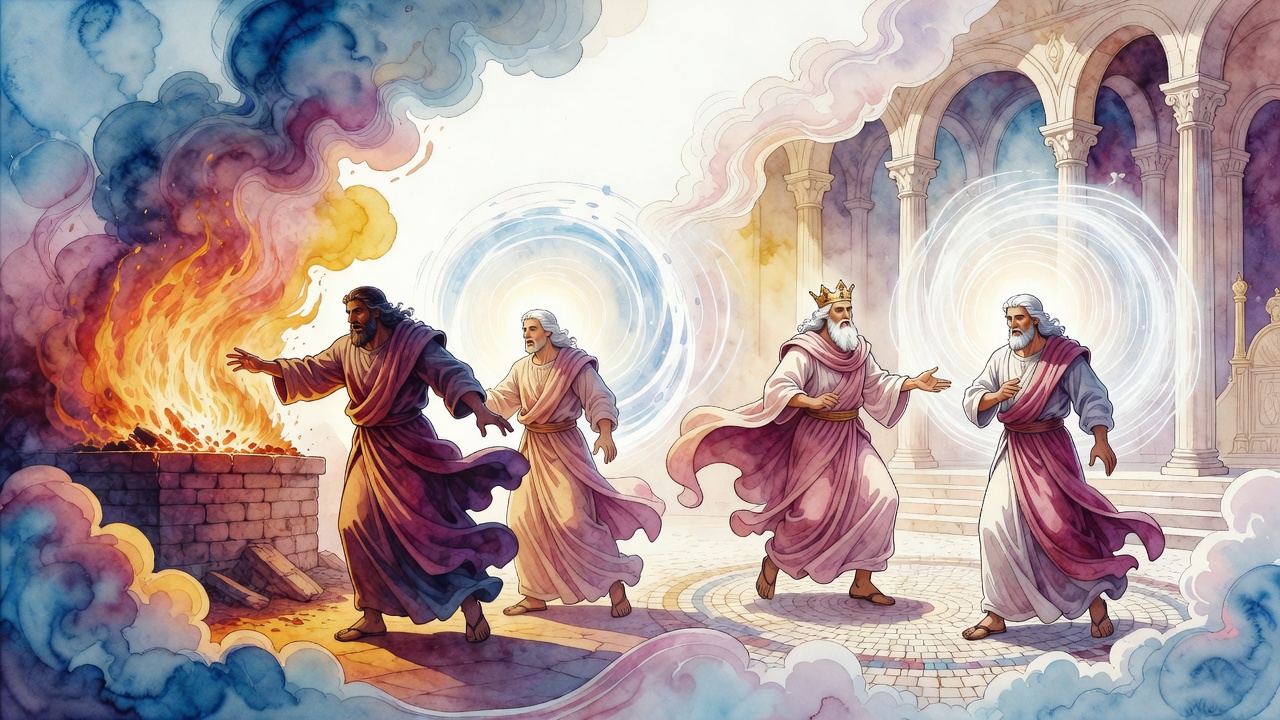
So the king turned on Terah, who had handed over a different baby back then and kept his own. Terah stood in front of a man who had just been made a fool of in front of his entire kingdom. He had a moment to decide what to say. What he said was that the swap had been his eldest son's idea, and he gave Nimrod the name Haran.
Haran was somewhere in that crowd. He had been thinking the matter over for a while and had settled on a position: if Abram came through the fire he would go with Abram, and if the king came through it he would go with the king. Nobody had asked him. Now they threw both brothers in.
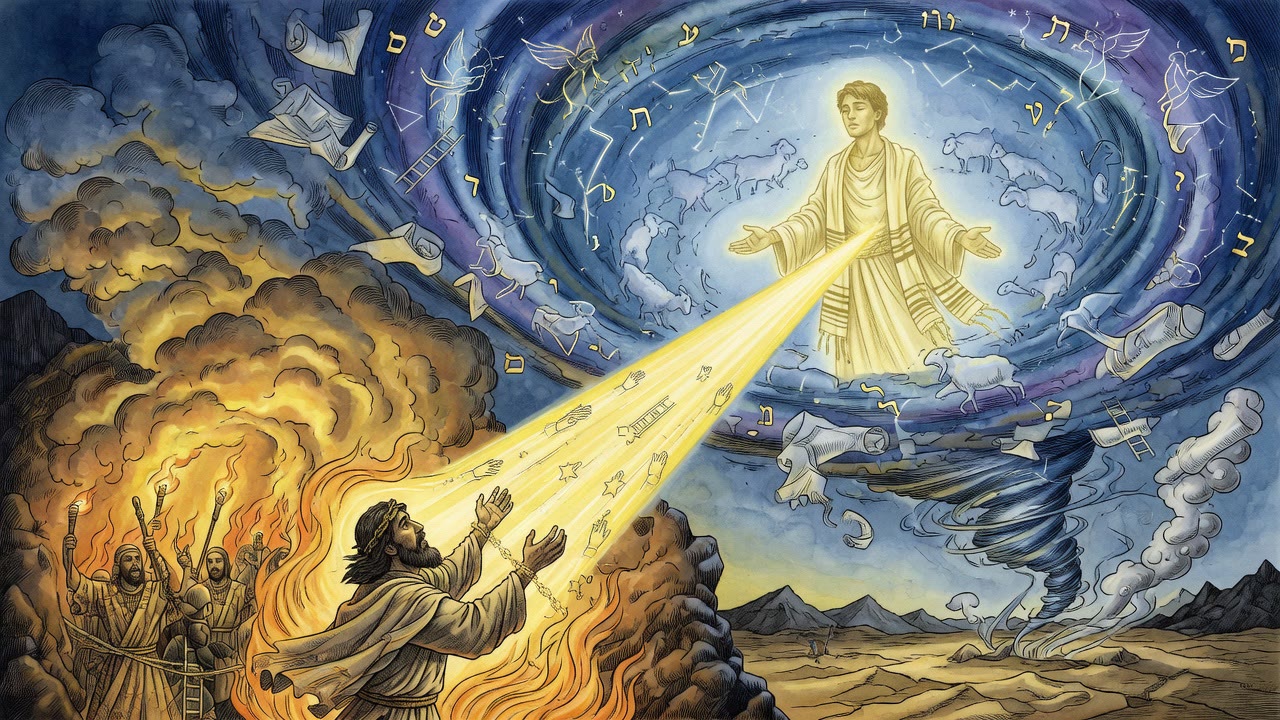
The cords on Abram burned off and nothing else did. He walked around inside the furnace for three days and three nights while the servants stood there unable to account for it, and twelve of the men who had thrown him in died of the heat coming off the mouth of it. Haran's heart was not whole with the Lord, so the fire took him where he stood. Nimrod called Abram out, asked how he had not burned, and got the answer that the God of heaven and earth had delivered him. The crowd went down on their faces in front of Abram until he told them to get up and bow to the God who made them. The king gave him gifts and two servants, Oni and Eliezer. Terah buried Haran in Ur.
He Packed the House Himself
Two years later Nimrod dreamed that Abram came out of the furnace with a sword, and that an egg fell on the king's head and turned into a river that drowned his army, and his interpreter told him to kill Abram before the dream could arrive. Eliezer heard the order being given and got word to his master, so Abram hid in the house of Noah and Shem, and from there he worked on his father until Terah agreed to get out of Nimrod's kingdom.
Then Terah did the thing nobody remembers him for. He took Abram his son, and Lot his grandson, and Sarai his daughter-in-law, and every soul of his household, and he went out from Ur of the Chaldees to go into the land of Canaan. He named the destination. He gave the order to load. In the Aramaic the city he left is Ura of the Kasdai, which carries the old word for furnace inside the name of the place, and he walked his whole family out of it.
The Land Was Good for Grazing
They got as far as Haran and stopped.
The reason on record is not complicated. The land there was good for grazing, the flocks did well, and the household had come a long way, so they pitched and stayed. Genesis says it without a word of explanation: they came unto Haran, and dwelt there (Genesis 11:31). Canaan was still roughly two months further south, so the man who called the destination got halfway to it and stopped.
The town was called Haran. So was the son he had buried in Ur.
His Son Kept Going
Abram did not settle the way his father settled. People in Haran saw that he was good and upright with God and men and that the Lord was with him, so they attached themselves to his household and stayed. After three years God told him to arise, take his wife and everything he had, and go to Canaan, and he went at fifty and pitched his tent among the Canaanites and built an altar.
Later he came back to Haran to see the family and stayed five years, and seventy-two more men joined him in that time. God spoke to him again there and repeated what had been said twenty years earlier, leave your land and your birthplace and your father's house. He was seventy-five. He took Sarai and Lot and everything they had acquired and all the souls they had made in Haran, and he went south for the last time.
Terah stayed. So did Nahor. Abram had lived beside his father in that town for fourteen years, and in all that time the old man never packed again.
Two Hundred and Five
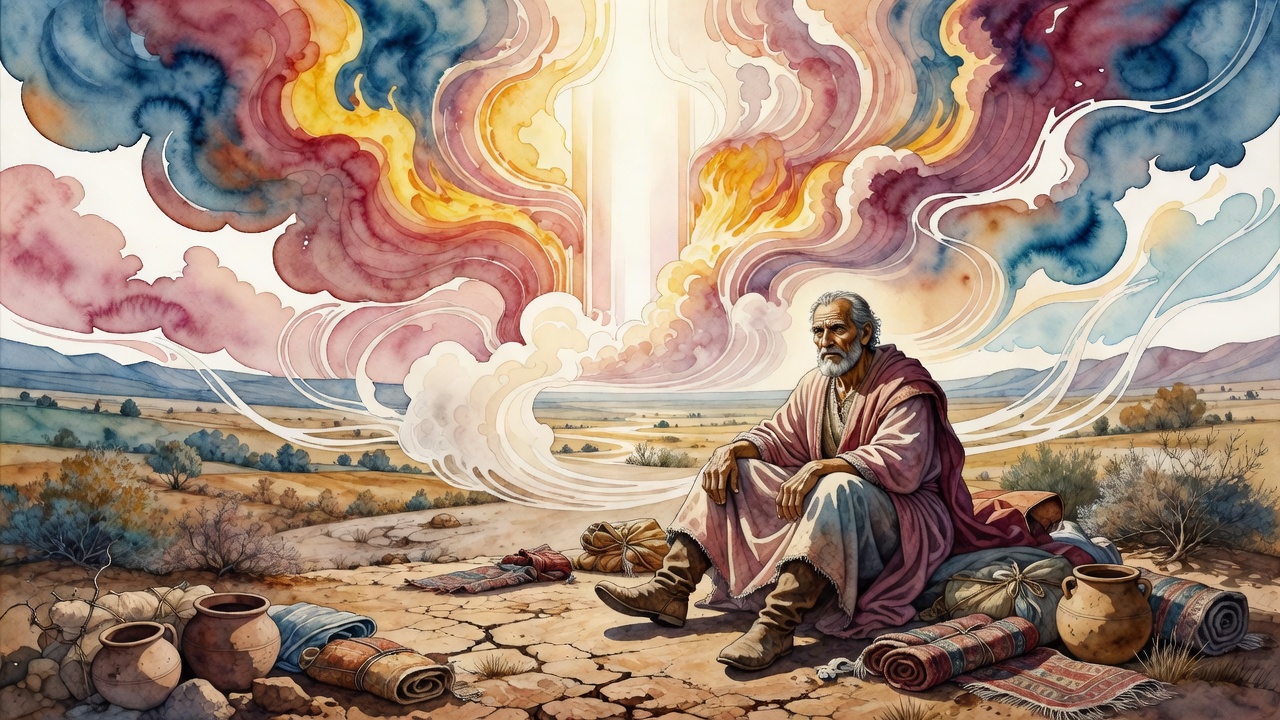
Terah died in Haran at two hundred and five years old (Genesis 11:32), in a town carrying his dead son's name, on a road he had chosen himself and had not finished. He had made idols for a living, given one son to a king's fire to save his own skin, and led the other out of the furnace-city toward a land he could name and never saw.
Canaan stayed where it was, two months south, unchanged in the way places are unchanged when someone stops short of them. His son had already walked the length of it and put up altars at Shechem and between Bethel and Ai.
← All myths