Abraham Gave Lot First Choice and Watched the Quarrel Kill Him
Abraham had every right to the pasture. He gave it to Lot. The sages traced every disaster that followed to the moment the herdsmen first quarreled.
Table of Contents
 Click for full size
The Herdsmen Who Started Everything
The quarrel was about grass. Abraham's herdsmen and Lot's herdsmen were competing for the same pasture in Canaan, and the land could not support both herds at full strength. The conflict was practical and easily resolved by anyone willing to move.
What was not easily resolved was the direction of the settlement. Lot looked toward the Jordan valley and saw that it was well-watered, like the garden of the Lord, like Egypt. He chose it. He moved his tents toward Sodom, where the men were wicked and sinners against God to an extreme degree. The text places these facts side by side without comment. The beautiful land. The terrible city. Lot walked into both of them simultaneously.
The teachers of Roman Palestine looked at that walk and said: the quarrel started it. Peace does not come from strife. Strife goes somewhere, and where it goes is usually somewhere the parties involved would not have chosen if they had seen it coming.
What Abraham Did Not Do
Abraham was the elder. He was the patriarch. He was the man to whom God had already promised the whole territory. He had every legal and moral claim to any piece of Canaan he wanted, and he could have exercised that claim against a nephew who was alive only because Abraham had rescued him from the eastern kings. The Sifrei Devarim, working through Deuteronomy 25:11, used Abraham's choice as its first exhibit in an argument about conflict resolution: peace does not proceed from strife.
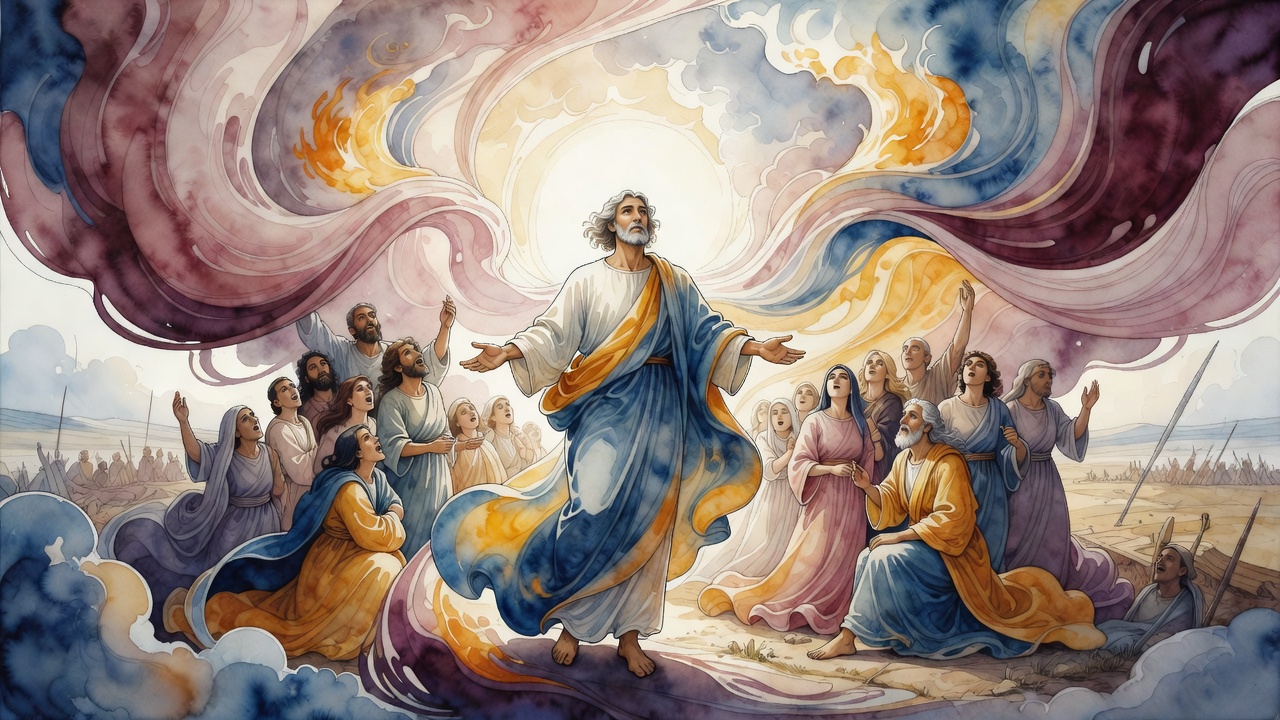
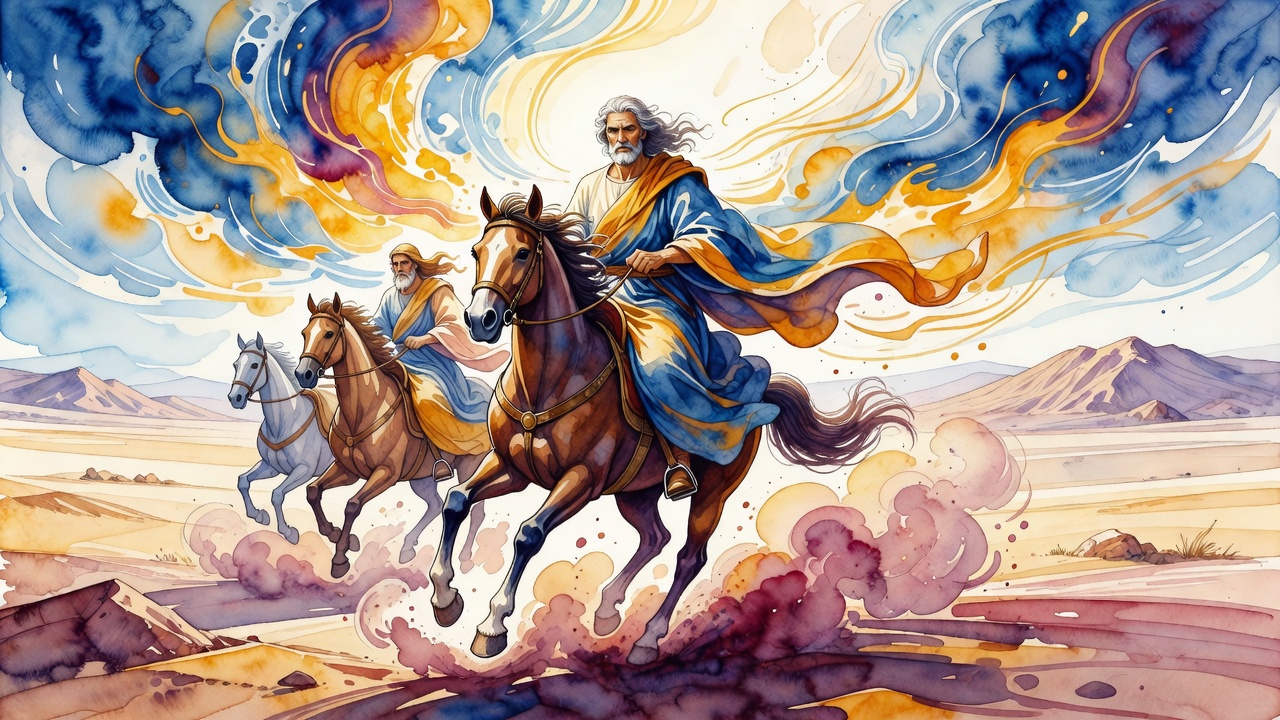
He walked over to Lot and said: please, let there be no strife between you and me, between your herdsmen and my herdsmen, for we are brothers. Look at the whole land before you. If you take the left, I will take the right. If you take the right, I will take the left. You choose first.
He gave away the right of priority. He gave away the advantage of age. He gave away the claim that God's promise gave him. He gave Lot the choice because he preferred the resolution of strife to the exercise of rights.
Where the Quarrel Led
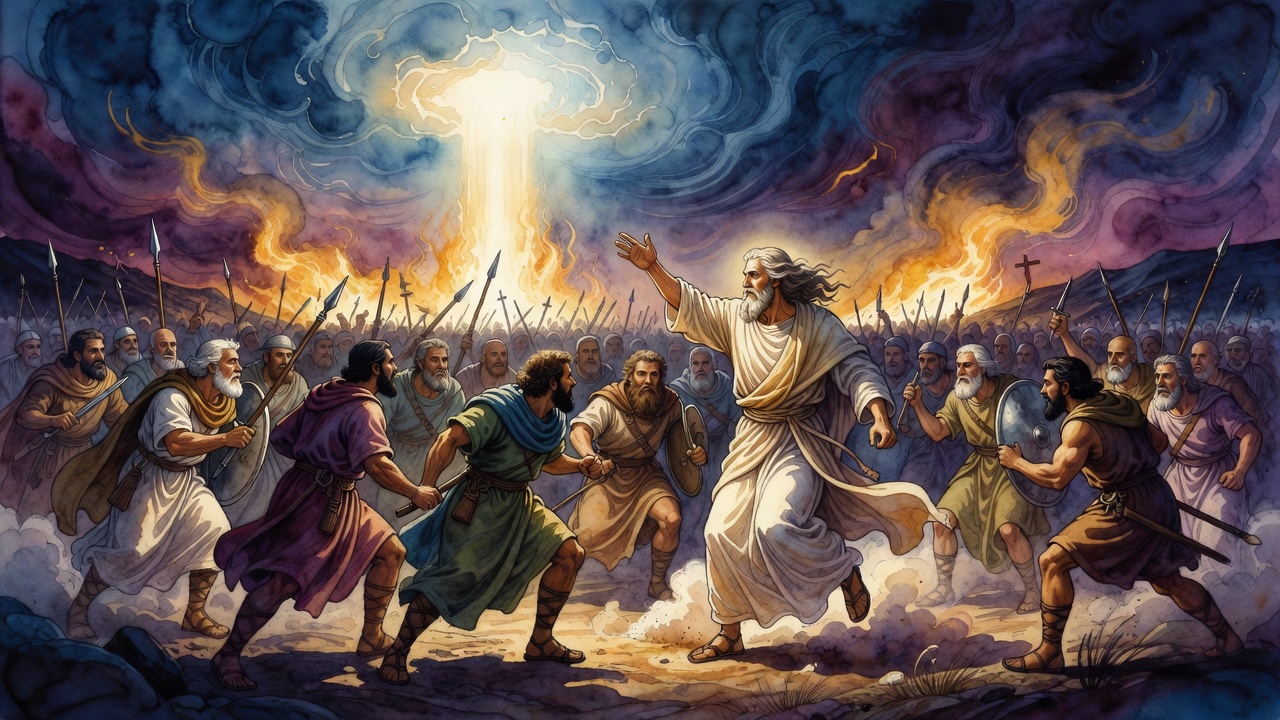
Lot chose the valley. He moved east. He pitched his tents toward Sodom and then he moved inside it. When the four kings raided the five, Lot was taken captive with everything he owned and carried into the north. Abraham received word, armed his trained men, pursued to Dan, and brought Lot back along with all the goods and people who had been taken.
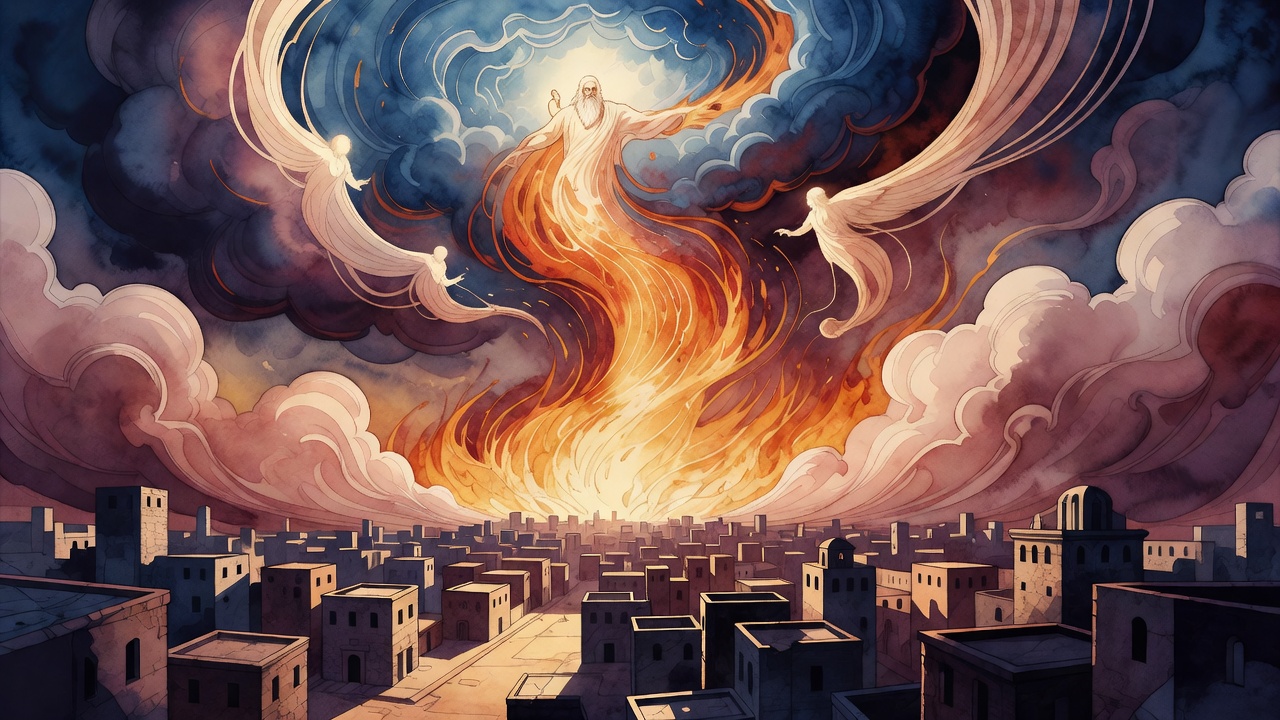
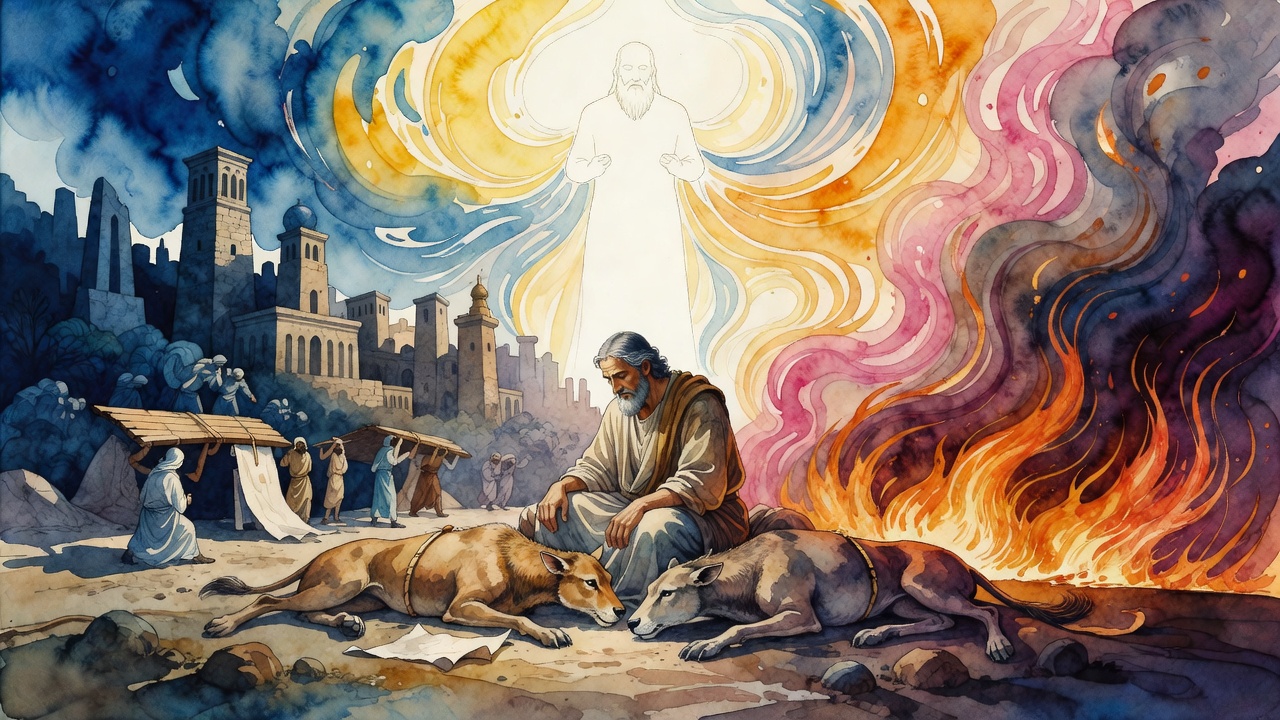
Then Sodom fell. The angels came, the cities burned, Lot's wife became a pillar of salt looking back at the destruction, and Lot escaped to a cave in the mountains with his two daughters. What happened in that cave the Torah records without comment. The daughters of Lot became the mothers of Moab and Ammon.
None of this would have happened if Lot had not chosen the Jordan valley. He chose it because the herdsmen quarreled. The quarrel set the trajectory, and the trajectory ended in a cave above burning cities.
The Well Before the Covenant
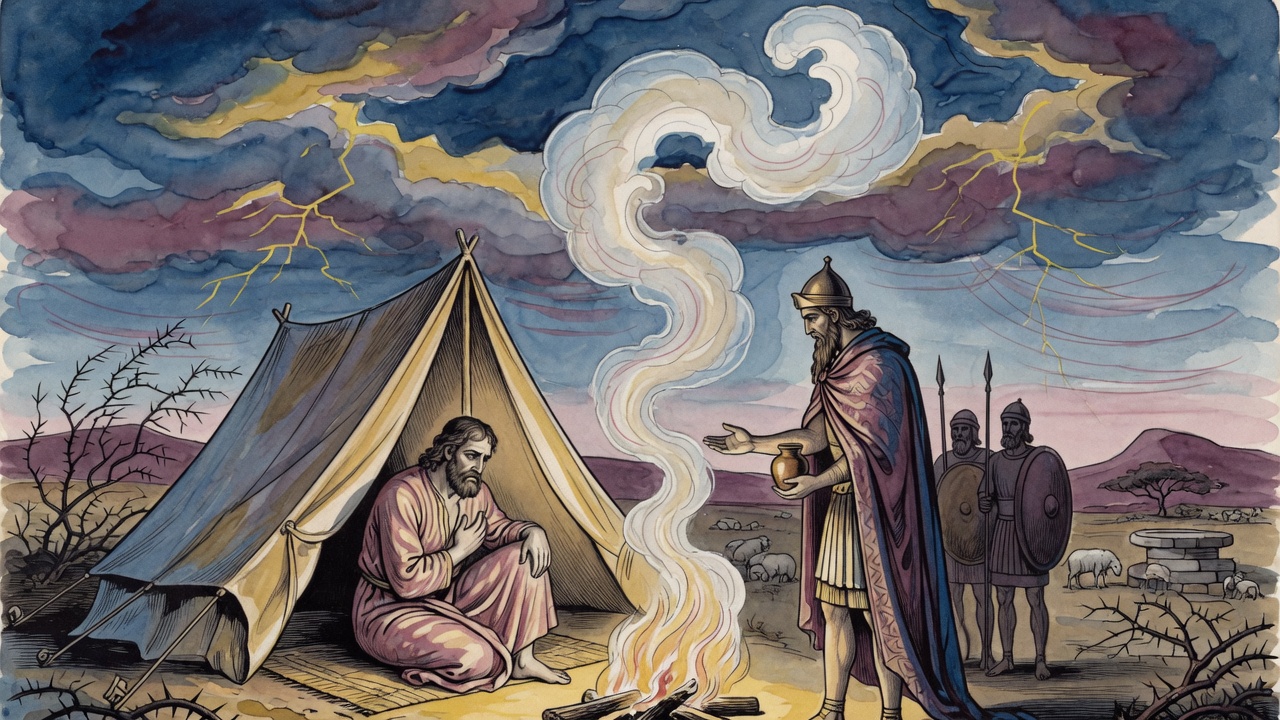
When Abraham made his covenant with Abimelech, he did not rush to seal it. He stopped first and corrected Abimelech about a well that had been wrongfully seized by Abimelech's servants. He reproved before he reconciled. The tradition reads this as an instance of the same principle: correction leads to love, and there is no lasting peace without honest confrontation of the wrong that preceded it.
Abraham's peace with Lot was also genuine, but it required no correction because Abraham absorbed the loss himself. He gave Lot first choice and took the remainder. The peace was real because the sacrifice was real. Abraham did not negotiate a settlement that left both parties feeling slightly aggrieved. He conceded entirely and walked toward Hebron and the hills while Lot walked toward the valley and the disaster waiting inside it.
← All myths