Abram Stood Under the Stars and Asked God for a Son
The king of Sodom offered Abram every pack from the war. Abram would not take a thread. That night he still had no son of his own.
Table of Contents
 Click for full size
Not a Thread From Sodom
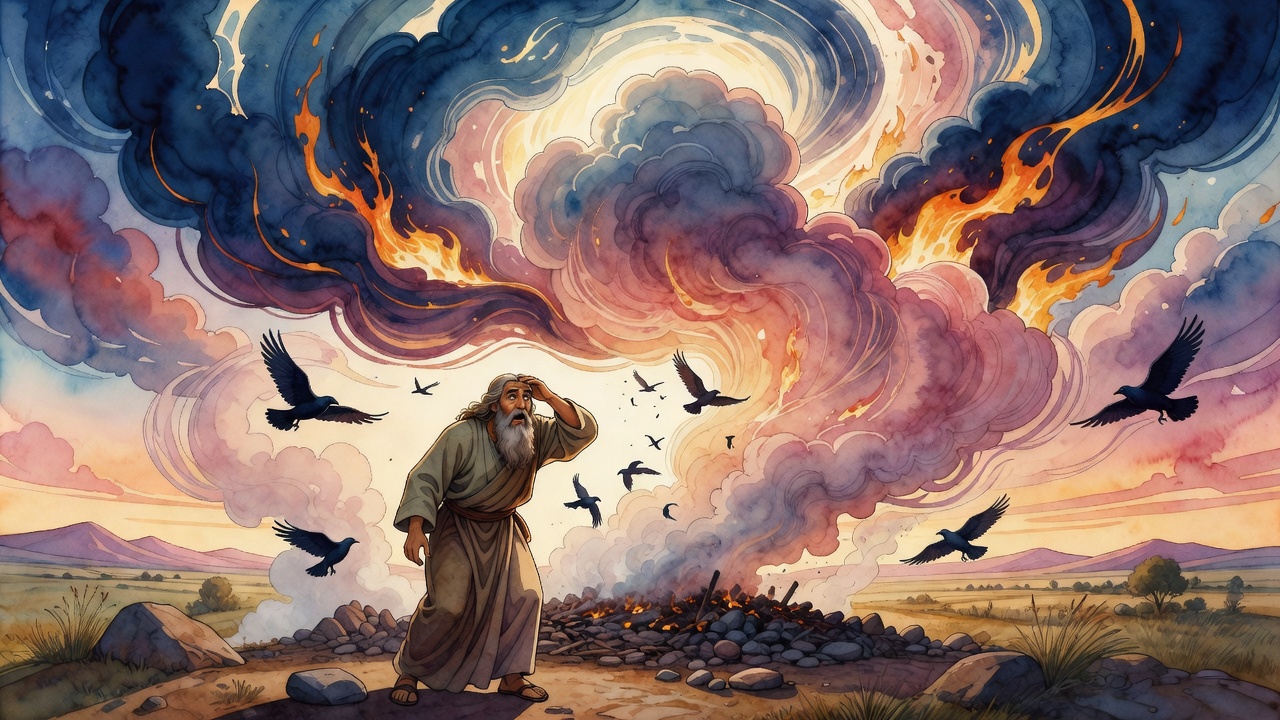
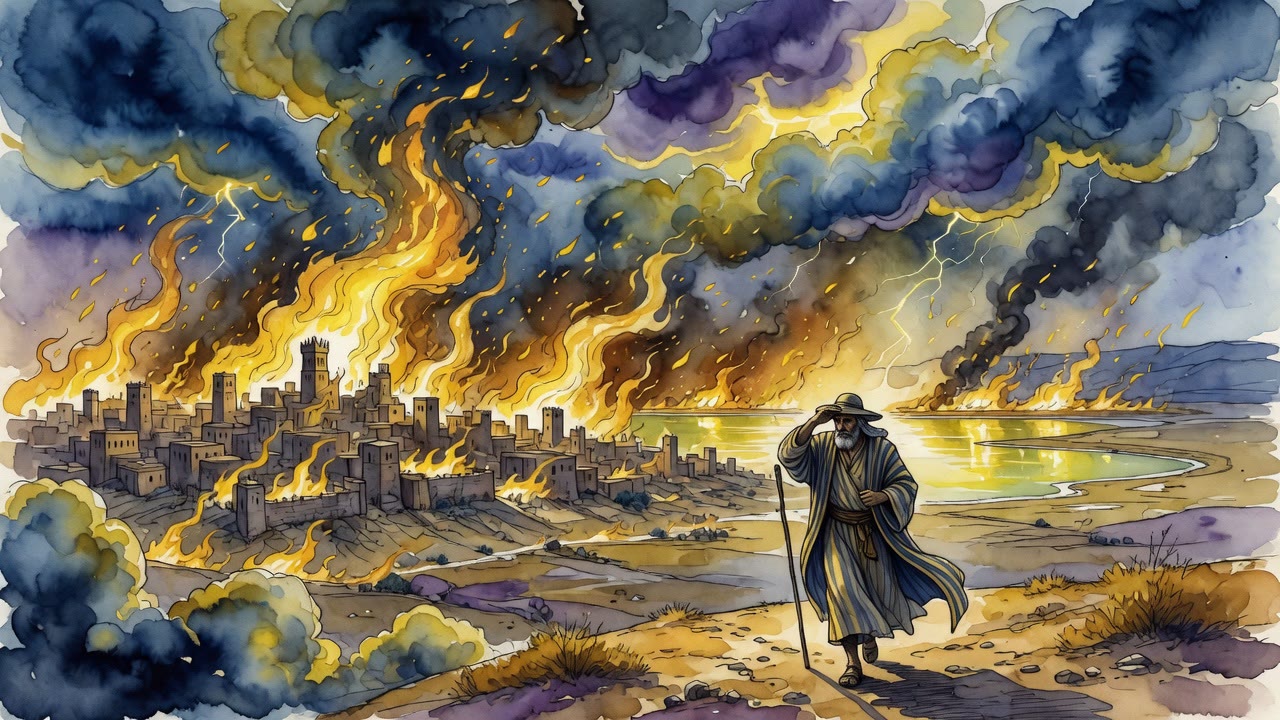
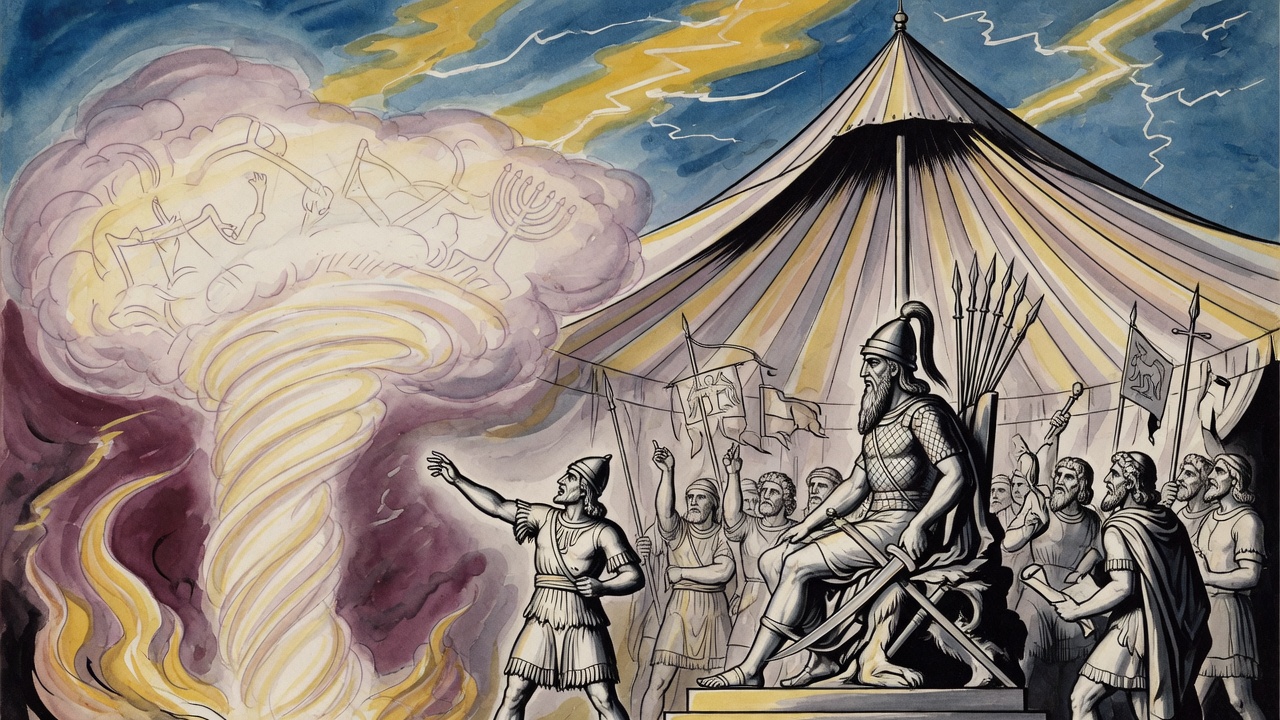
The king of Sodom came with his hands open. Keep the people, he said. Keep every pack. Abram had just brought Lot out of the four kings' wreck, three hundred and eighteen men at his back, and the king thought plunder would settle the account.
Abram lifted his hands to the Most High. Not a thread. Not a sandal-strap. He would not let Sodom say it had made him rich. Aner, Eshcol, and Mamre could take their share. The young men could keep what they had already eaten. That was all.
He had already given a tenth to Melchizedek, priest of God Most High, before this offer even arrived. The tithe was done. What remained in Sodom's mouth was a debt he refused to open.
The House Without a Son
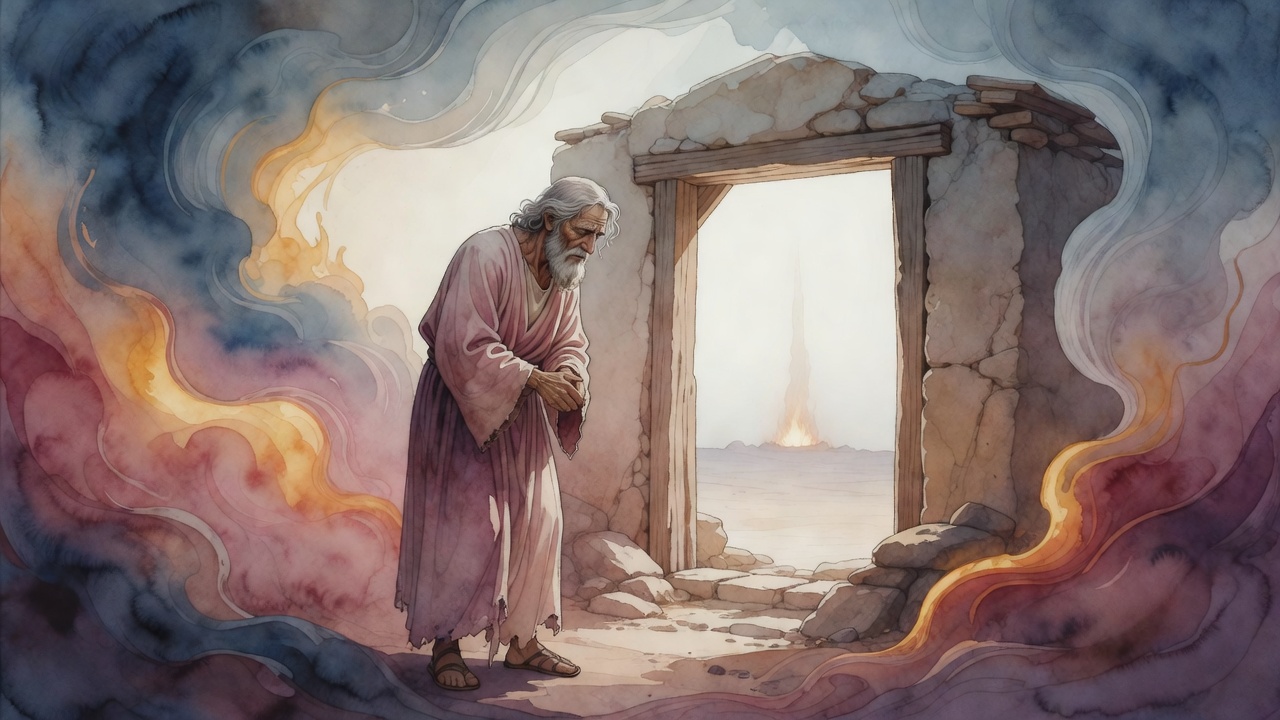
Then he went home. The house was quiet. The war was over. There was still no son.
The word of the Lord came to him in a dream. "Fear not. I am your defender. Your reward will be exceeding great." The words were comfort. They also named the hole. A great reward sat in front of him, and he could not touch it.
Abram answered straight. "Lord God, what will you give me? I go childless. The heir of my house is Eliezer of Damascus. You have given me no seed." The man who inherits everything he has is someone he hired.
Lot Chose the Plain
The grief had an older name. When Lot separated from him and chose the Jordan plain and the cities there, it grieved Abram in his heart that his brother's son had parted from him. He had raised Lot as a son. He had brought him from Ur. He had just pulled him out of four kings' hands. The rescue had not changed the choice. Lot went back to Sodom, back to the place he had picked over his uncle's company.
God saw that grief and spoke. "Lift your eyes. North, south, east, west. All the land you see, I give to you and to your seed forever. Your seed will be like the dust of the earth. Rise, walk through the land in its length and breadth. It shall be yours." Abram rose and walked. He came to Hebron and dwelt near the oak of Mamre, and he built an altar there.
Land without a son was a promise with a hole in it, and Abram knew it. Dust is a cruel comparison if the seed itself does not exist.
Count the Stars If You Can
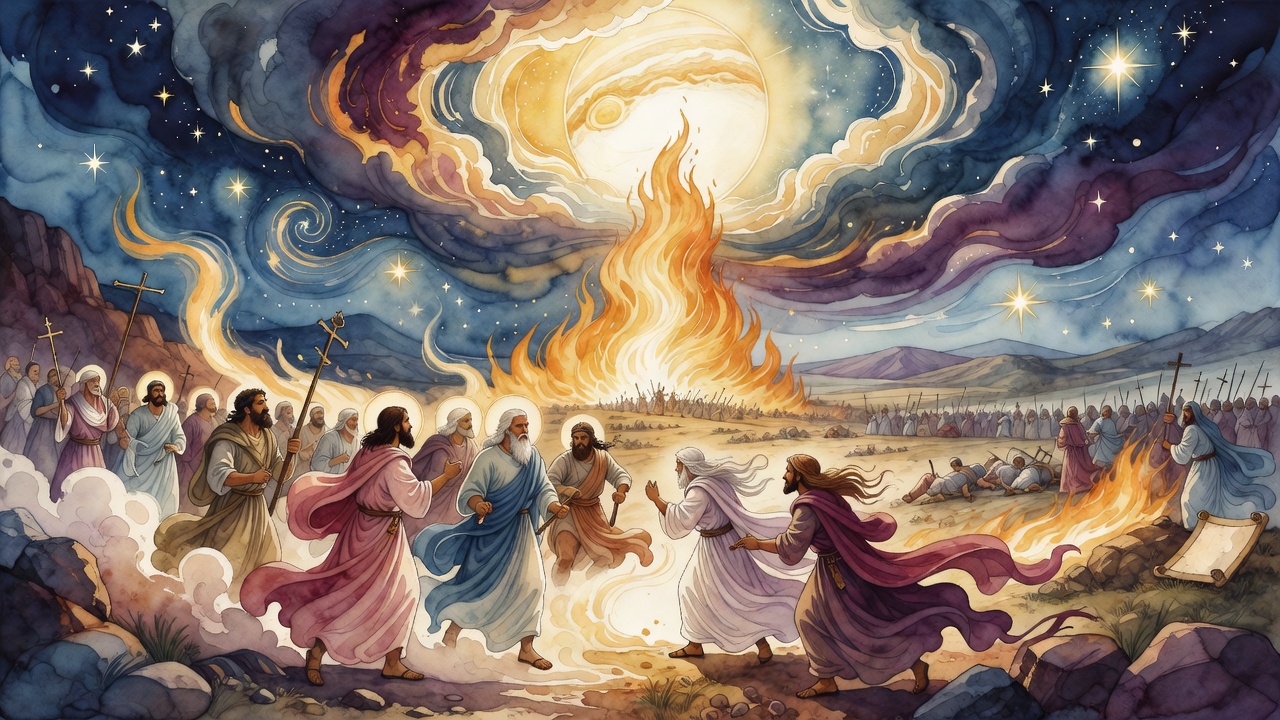
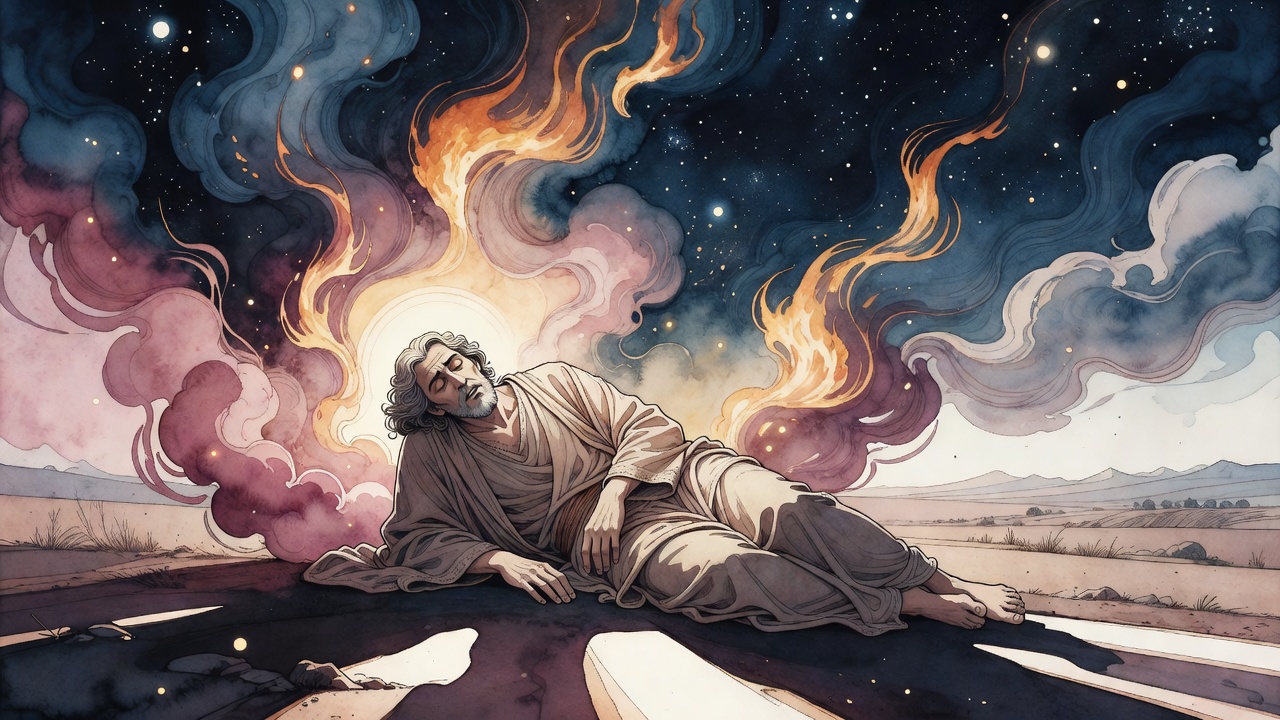
So after the battle, after the refusal of Sodom's treasure, God brought him outside into the night. "Count the stars, if you can count them. So shall your seed be" (Genesis 15:5).
Abram looked up. He tried. The sky would not finish for him. One cluster, then another, then a smear of light so thick it stopped being countable. He believed the Lord. Not he nodded. Not he accepted a formula. He believed. And the Lord counted that belief as righteousness. The man who had come home from a victory with a grief he could not spend went outside, stared at a sky he could not number, and chose to take those lights as descendants.
This Man Will Not Inherit You
God was blunt about Eliezer. "This man will not inherit you. One who shall come from your own body, he will inherit you." No substitute. No hired son in his place.
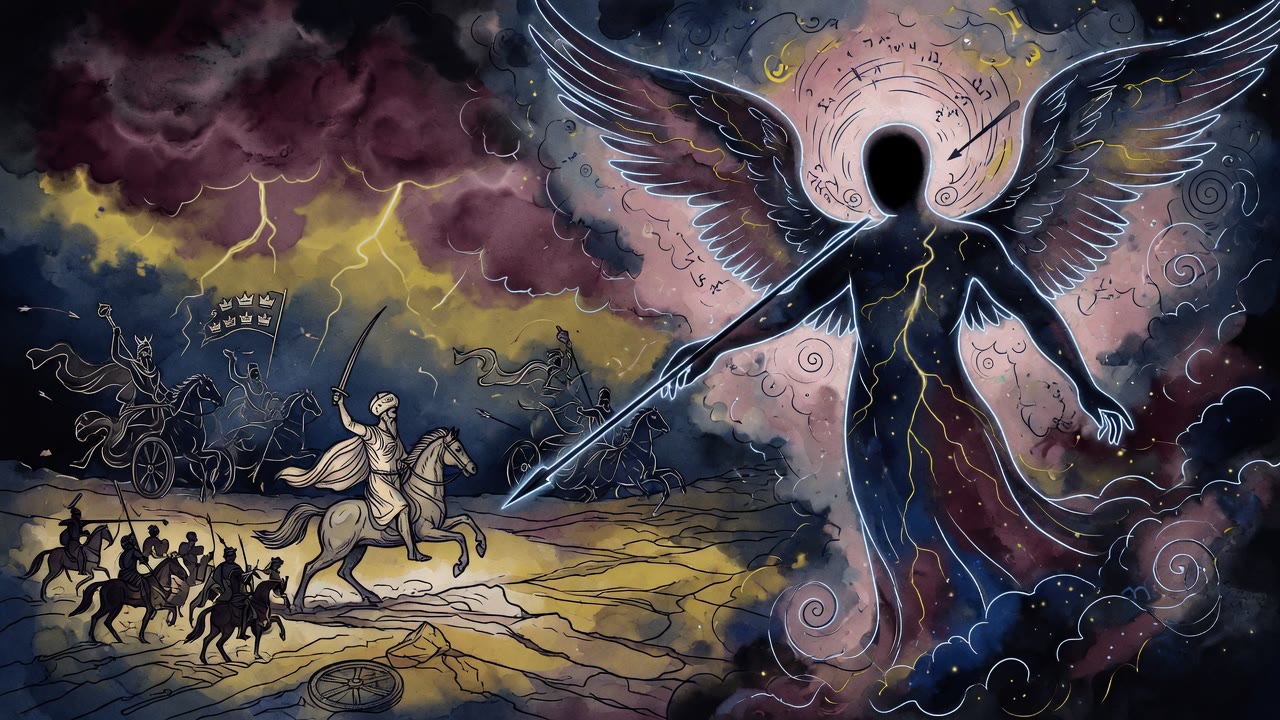
The speech did not arrive as a single whisper. "I and three angels will reveal ourselves to you," the word ran, "and we all say to you: the accursed Lot will not inherit Abram." A company said it. Lot, loved, rescued, gone back to Sodom, would not be the seed. The land would not pass through a nephew who had already chosen the plain.
Abram stood under the stars with that sentence in the air. He had refused a king's packs. He had walked the length of a country that was not yet his. He still had no boy in the house. Eliezer kept the books. Lot kept Sodom. Abram kept looking up. He had a sky he could not count, and a promise that the counting was the point.
← All myths