22 myths
Each story names the sources it was written from.
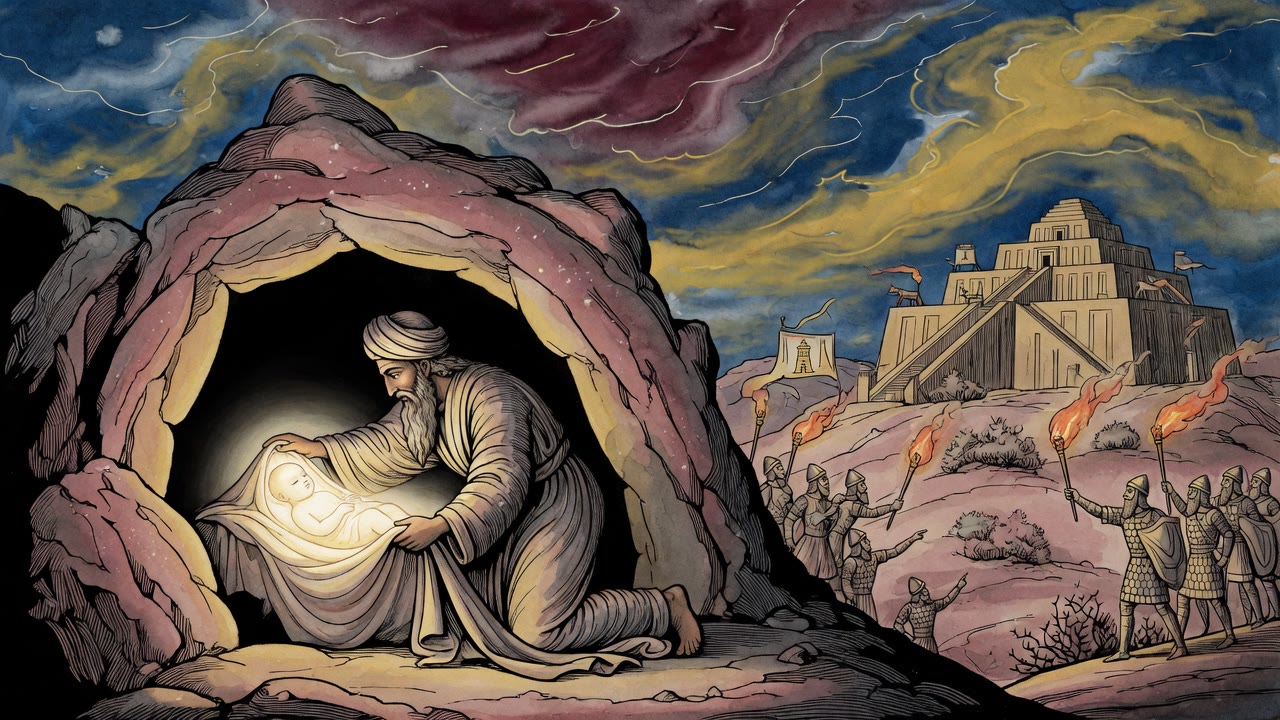
The Torah introduces Abraham as a grown man. The older traditions say his father had already saved his life once by swapping him for a slave child.
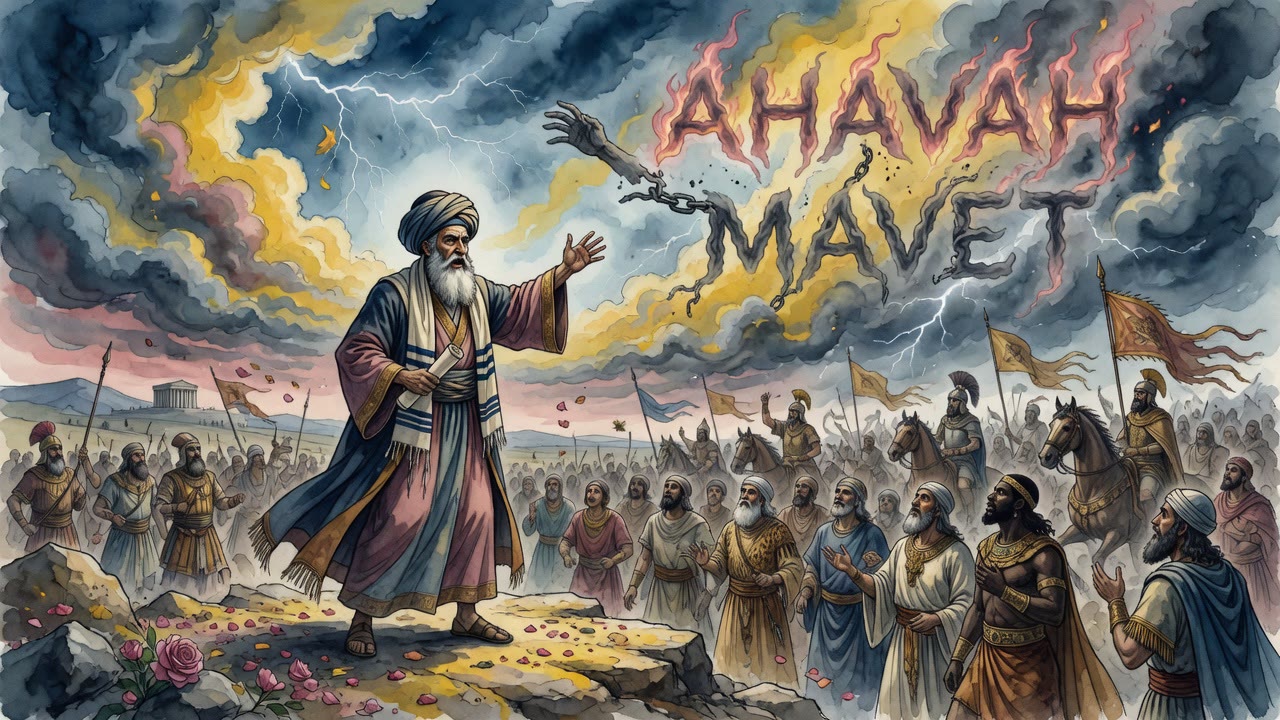
The nations asked Rabbi Akiva why a beautiful, strong people would die for an invisible Beloved. He answered from a love poem, reading one word as above death.
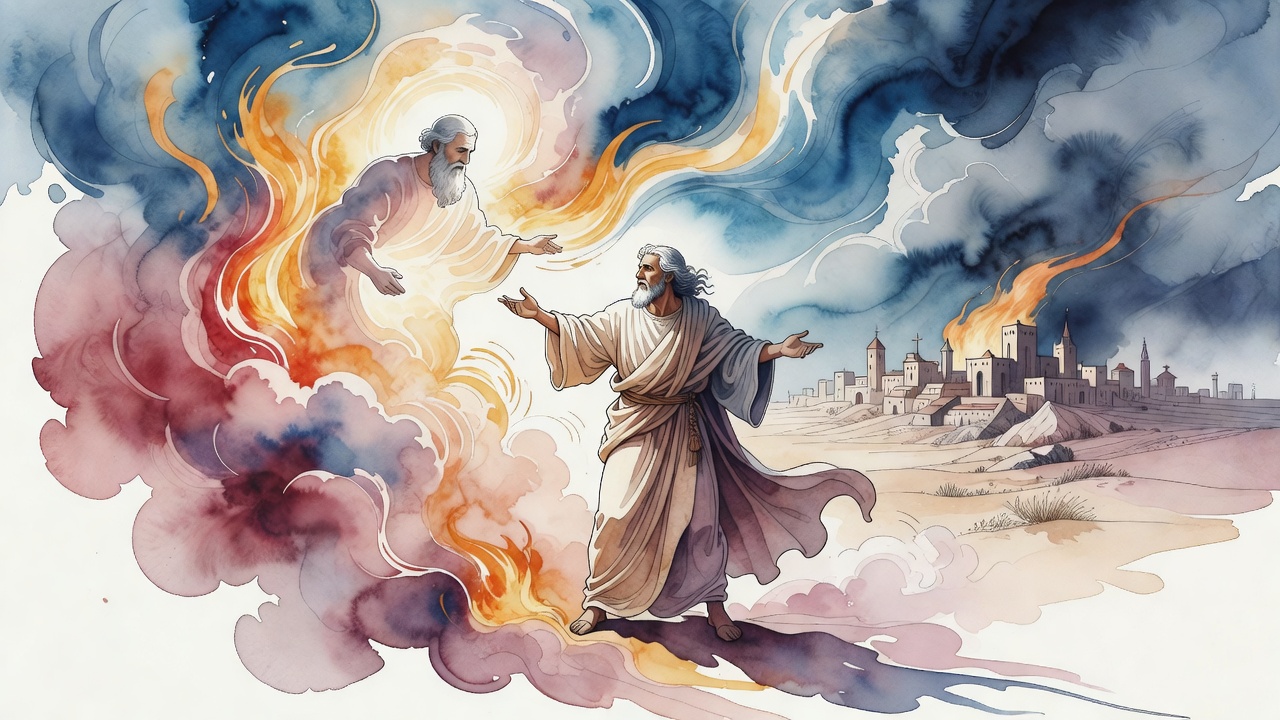
Abraham accused God of slipping out of His own oath. God answered by offering to march every generation He had ever destroyed past him, one at a time.
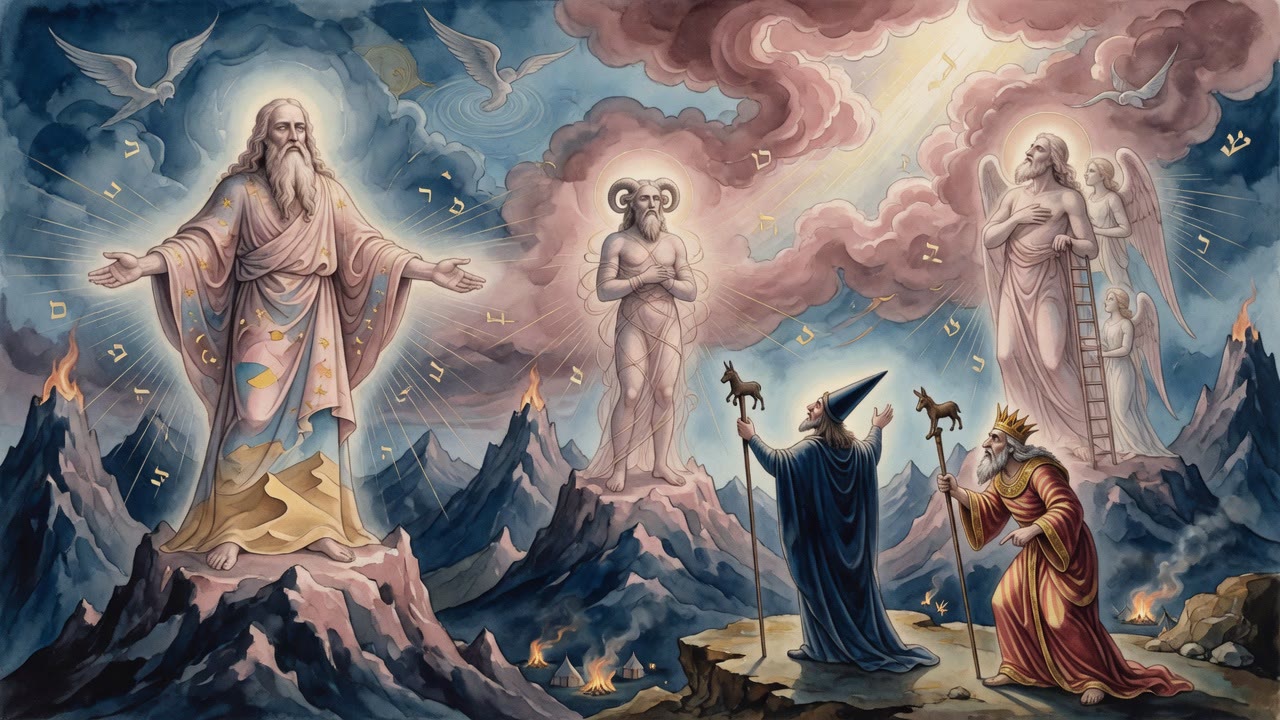
Balak paid for a curse and waited below the hill. Balaam came down and told him to stand. The fathers of Israel were already up there.
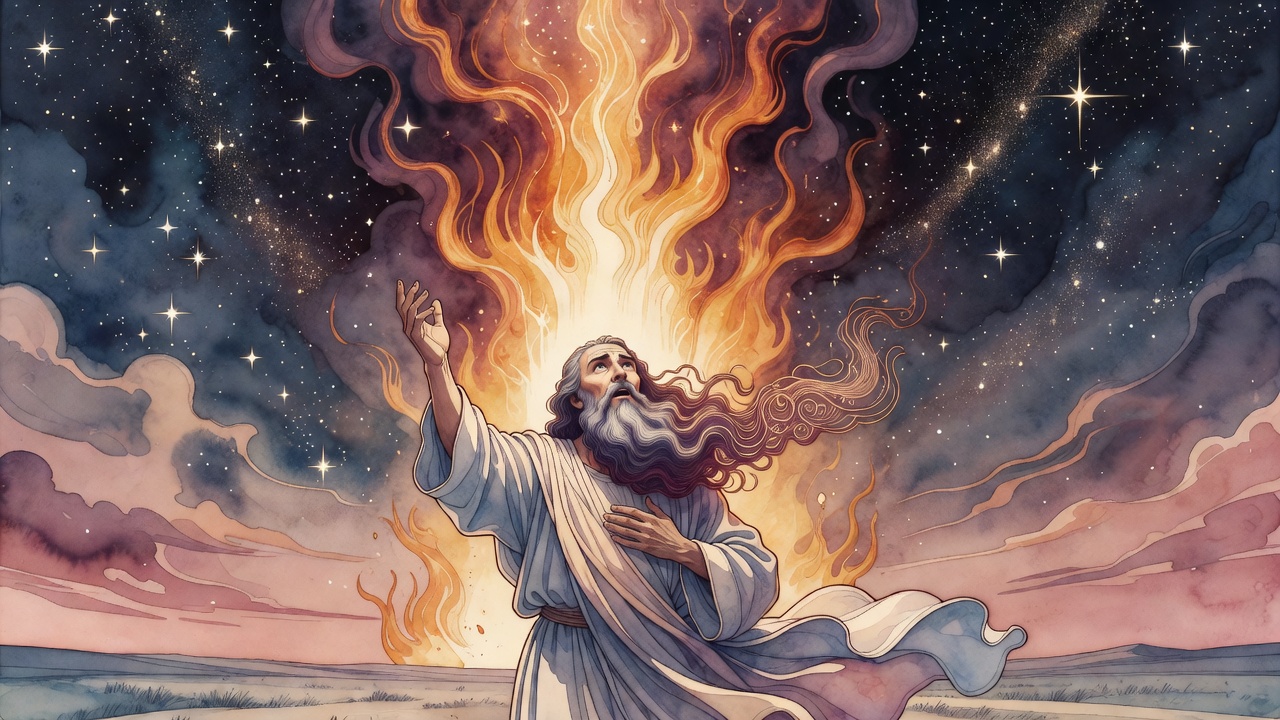
God took him outside on Passover night and told him to count the stars. Abraham looked up, then asked if heaven's troops had a limit.
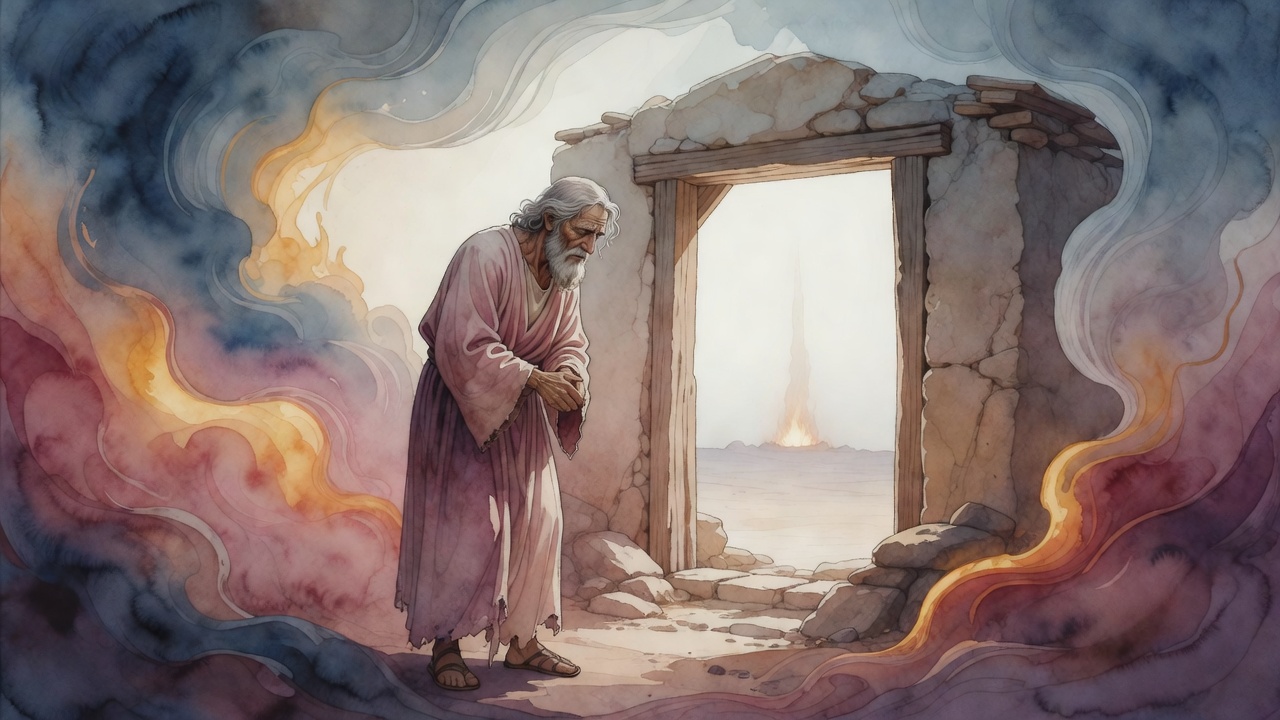
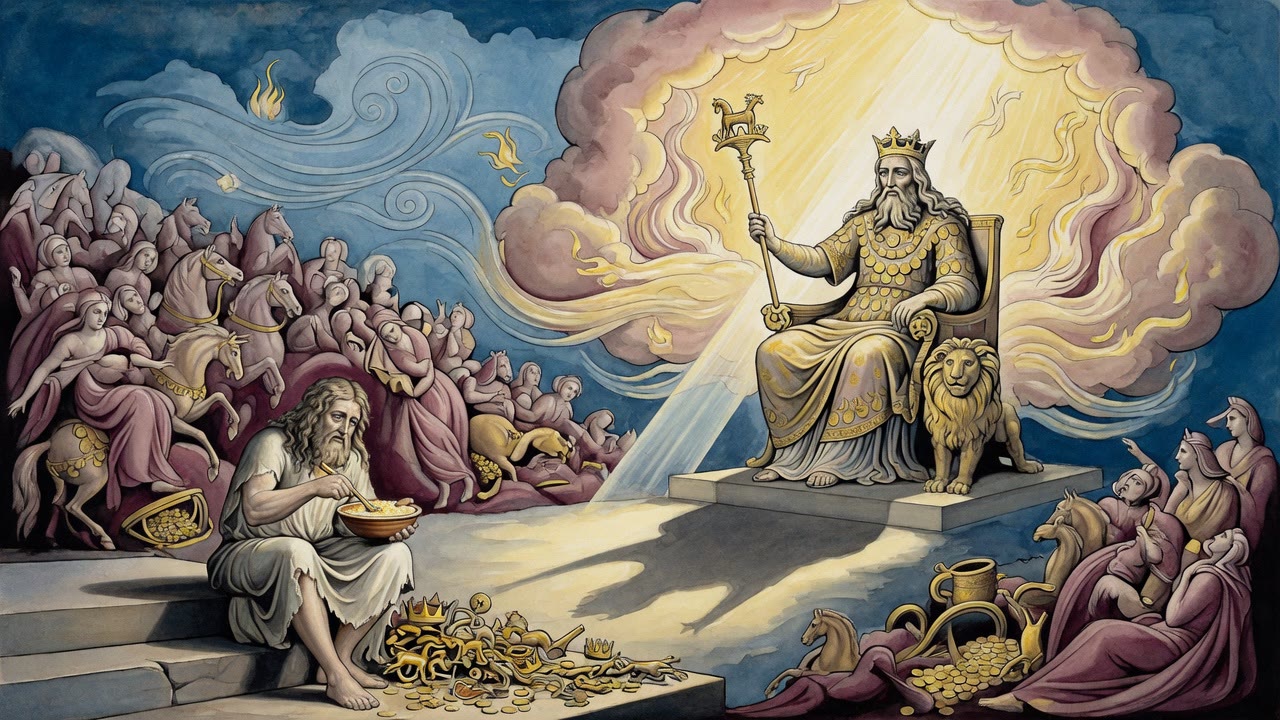
The king of Sodom offered Abram every pack from the war. Abram would not take a thread. That night he still had no son of his own.
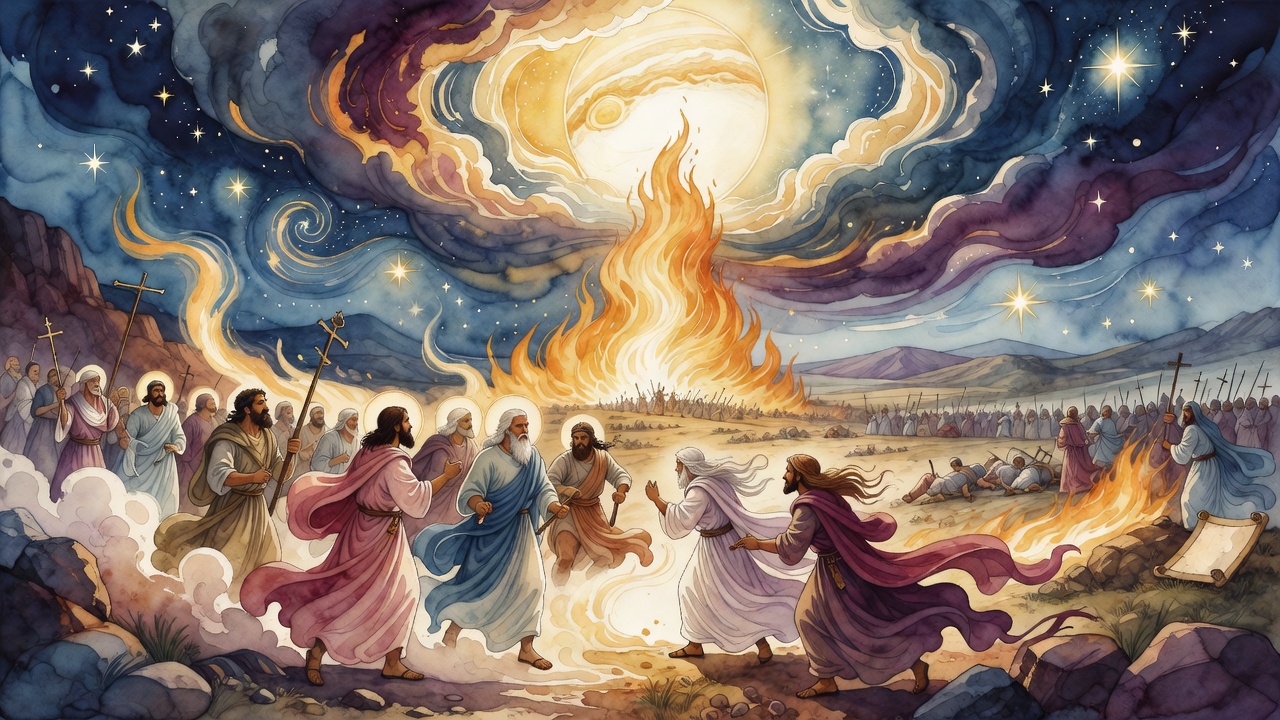
Lot was taken with Sodom's spoils. Abraham rode that night with 318 men. Overhead a planet burned like a torch over the valley.
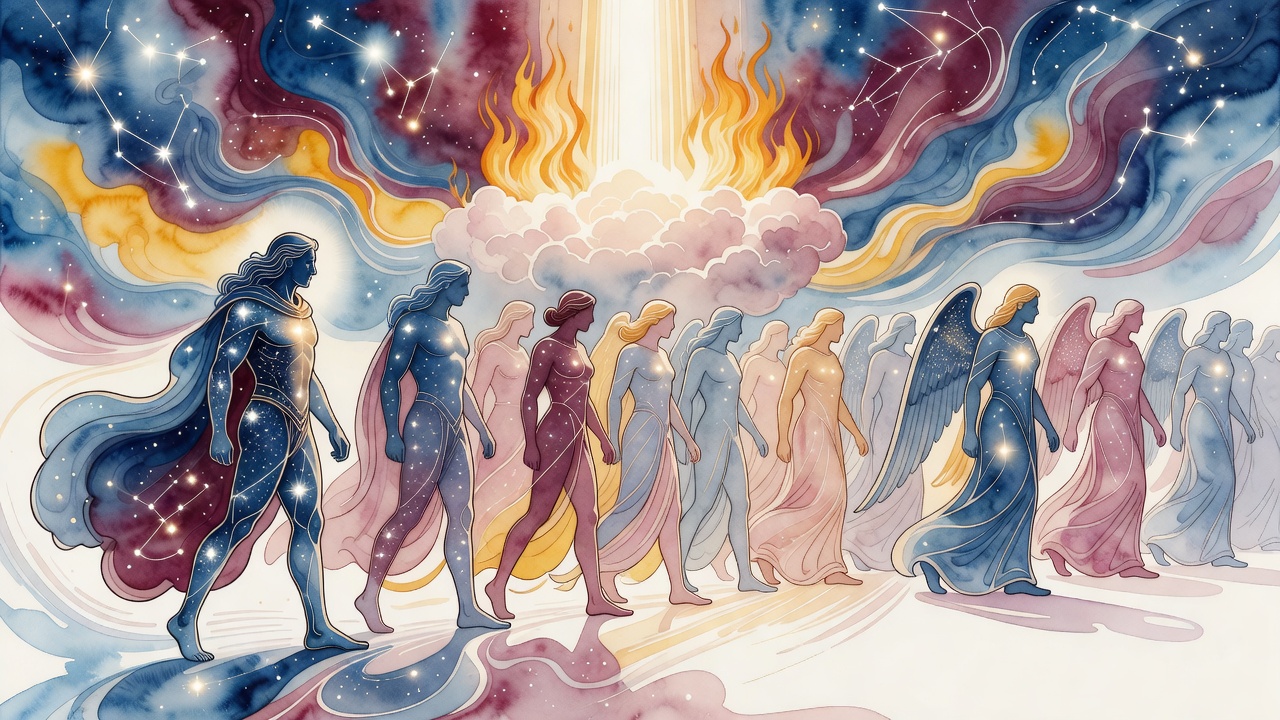
On the first Shabbat all creation paraded before the throne, and the constellations took their place in line beside the angels.
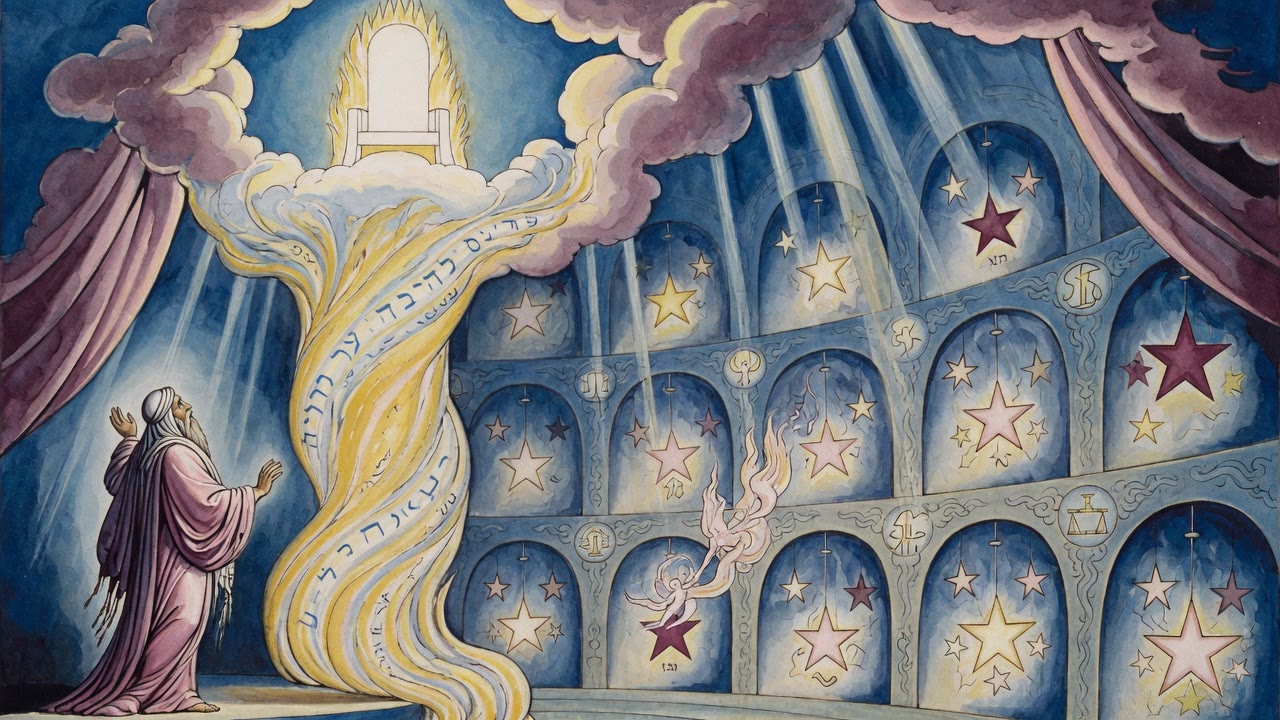
Metatron clapped his hands and the stars flew off the Throne on flaming wings. He named every one of them while Rabbi Ishmael watched.
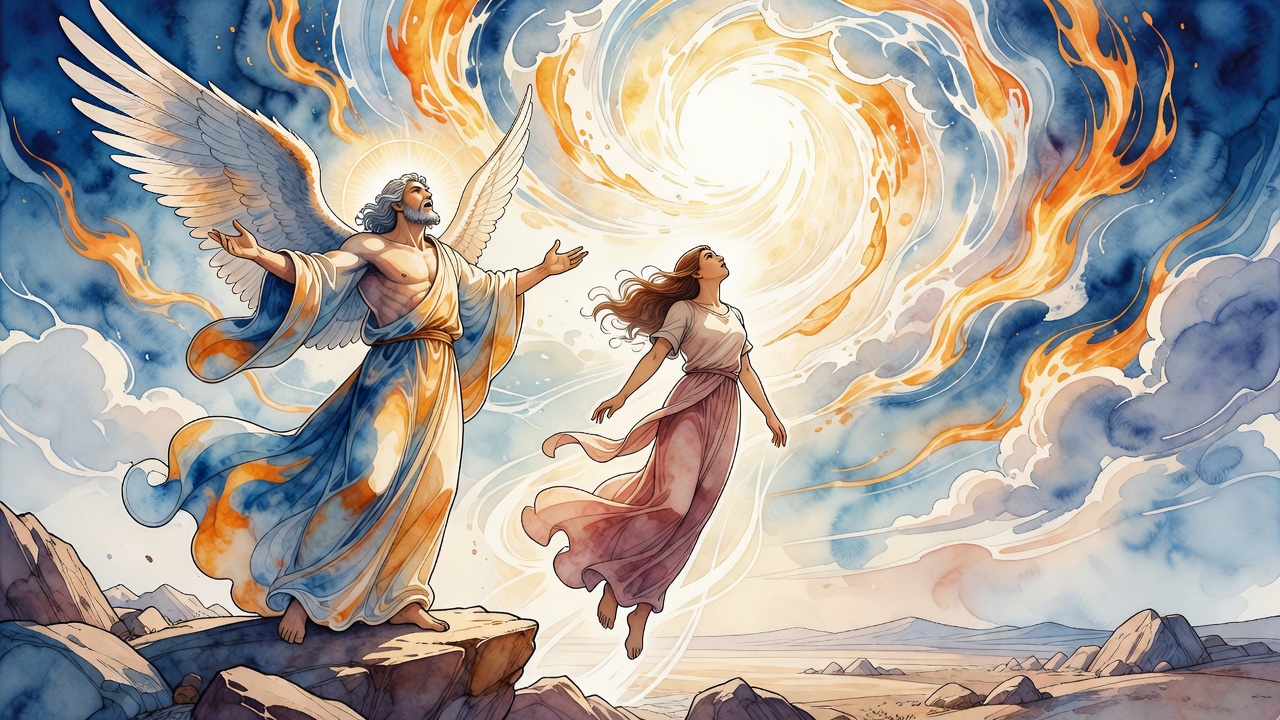
When the angel Shemhazai demands her love, Istehar agrees on one condition: teach her the Name. She speaks it and rises into the sky forever.
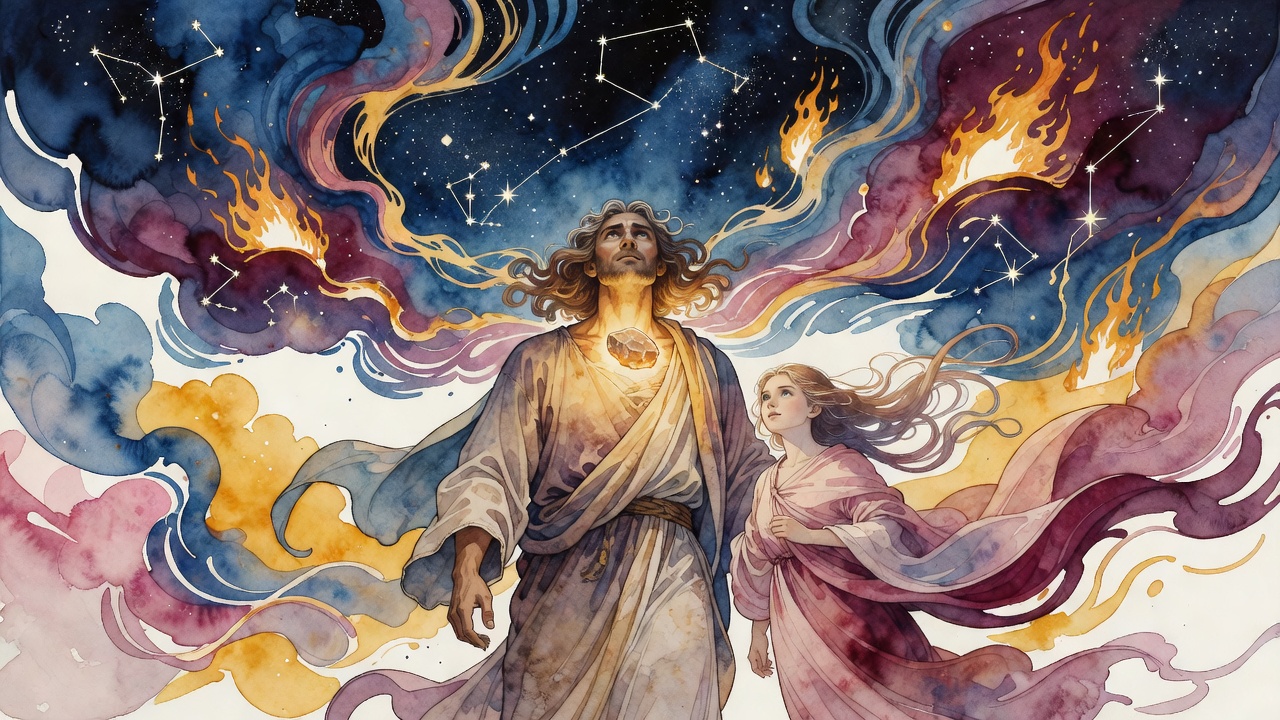
Sick men looked at the stone on his throat and stood up well. When Abraham died, God hung that stone on the wheel of the sun.
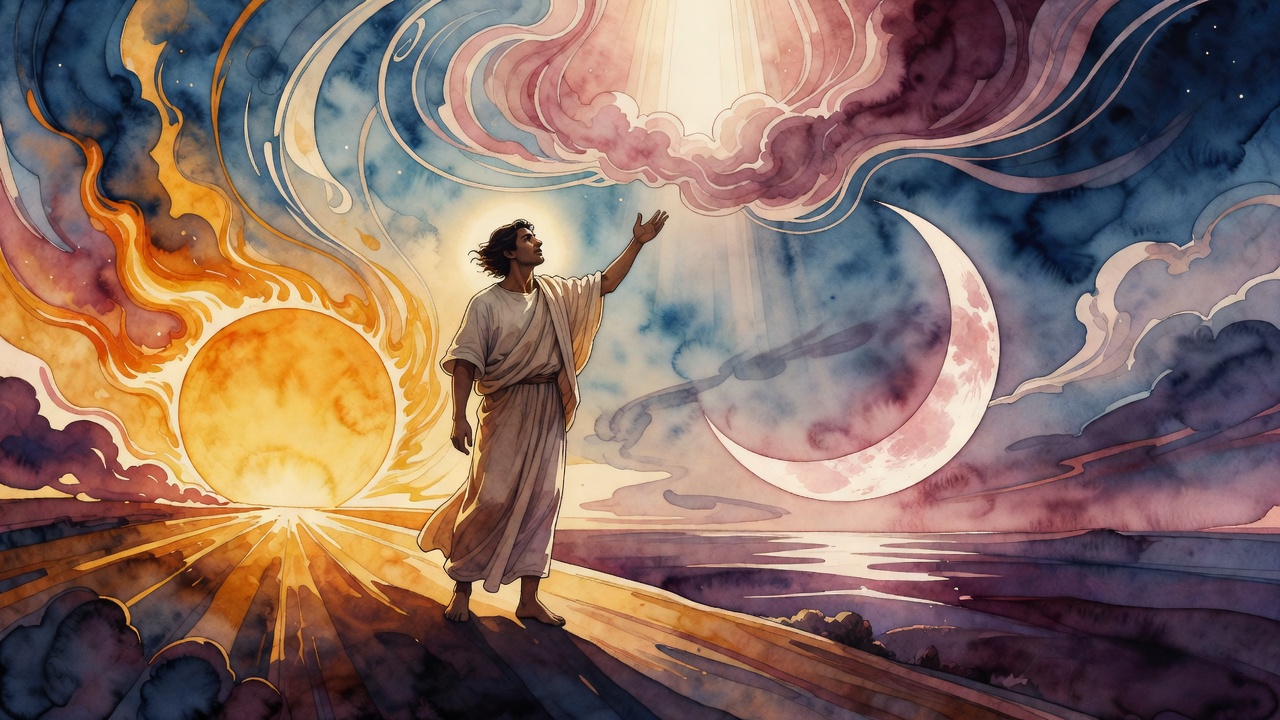
Young Abraham serves the sun until it sets, then serves the moon until it sets, and understands that anything replaceable cannot be God.
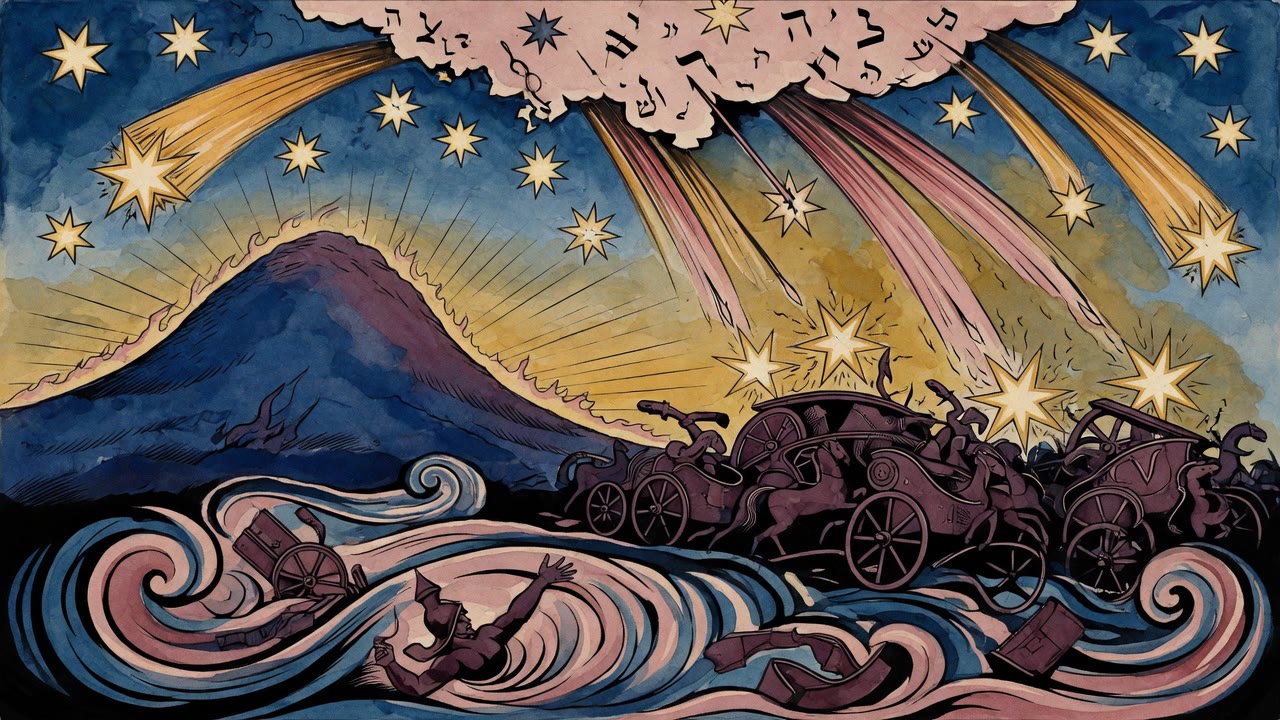
Nine hundred iron chariots rolled against Israel, and the constellations climbed down from heaven to drown a general in his own flood.
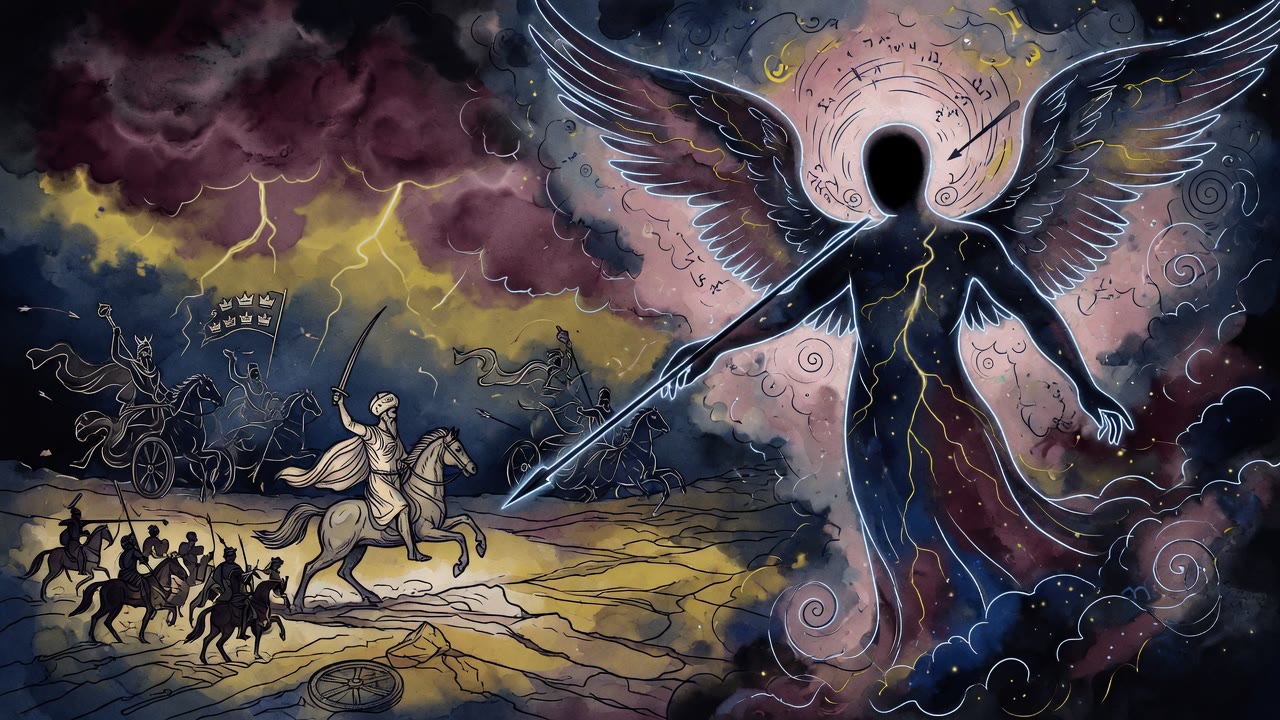
Abraham rode against four kings with too few men, so the sages named who fought in the dark beside him, an angel called Night.
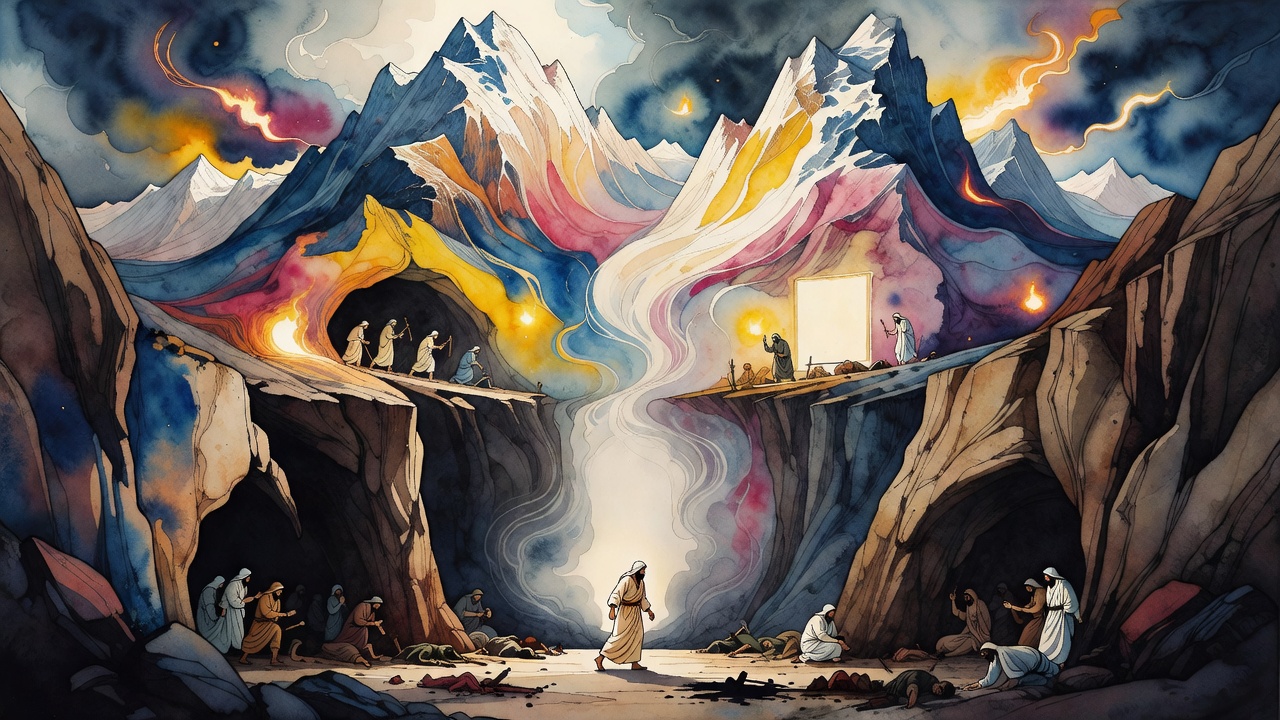
Nations hide in cliff caves above the gorge. The peaks lean together. Israel walks on level ground over a slaughter they never see.
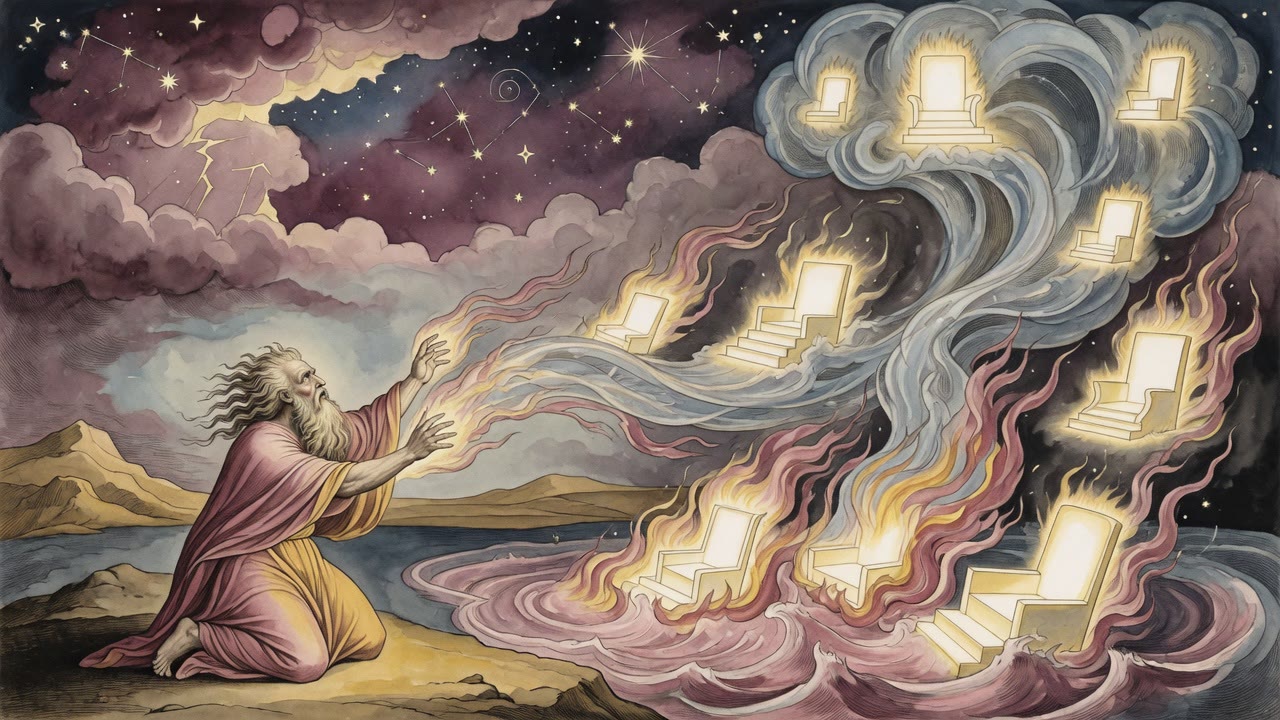
Under a sky full of foreign stars, Abraham learned creation's grammar. Spirit became air. Air became water. Water became fire and thrones.
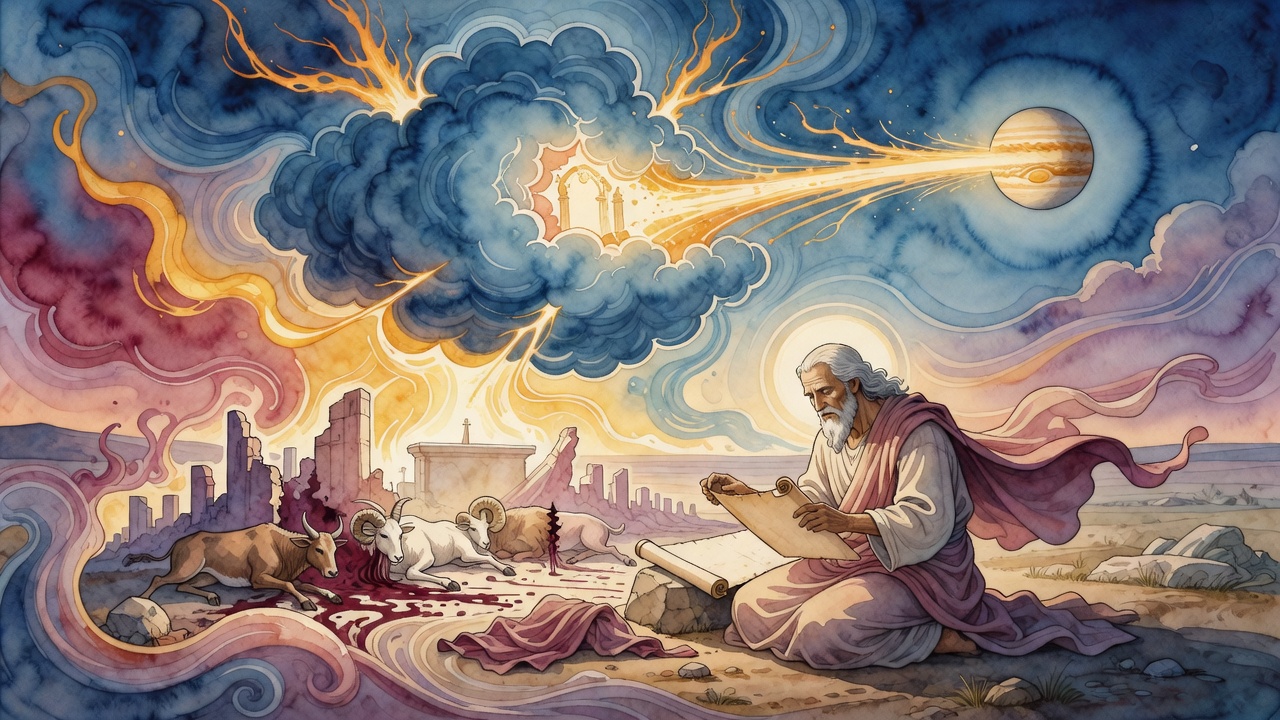
Melchizedek came out with bread and wine and blessed Abraham before he blessed God. For that order, the priesthood left his line and passed to Abraham.
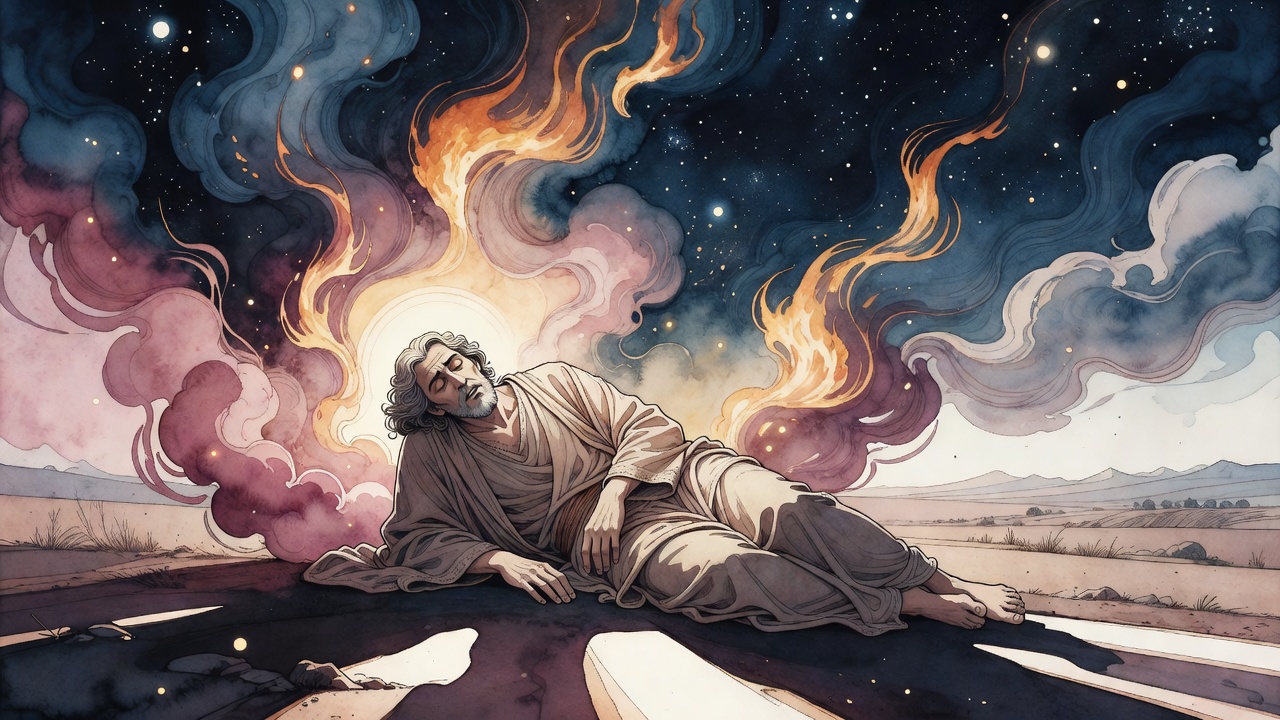
He was brought out of the tent and told to count the stars. He got partway and gave up, and the silence was written down as merit.
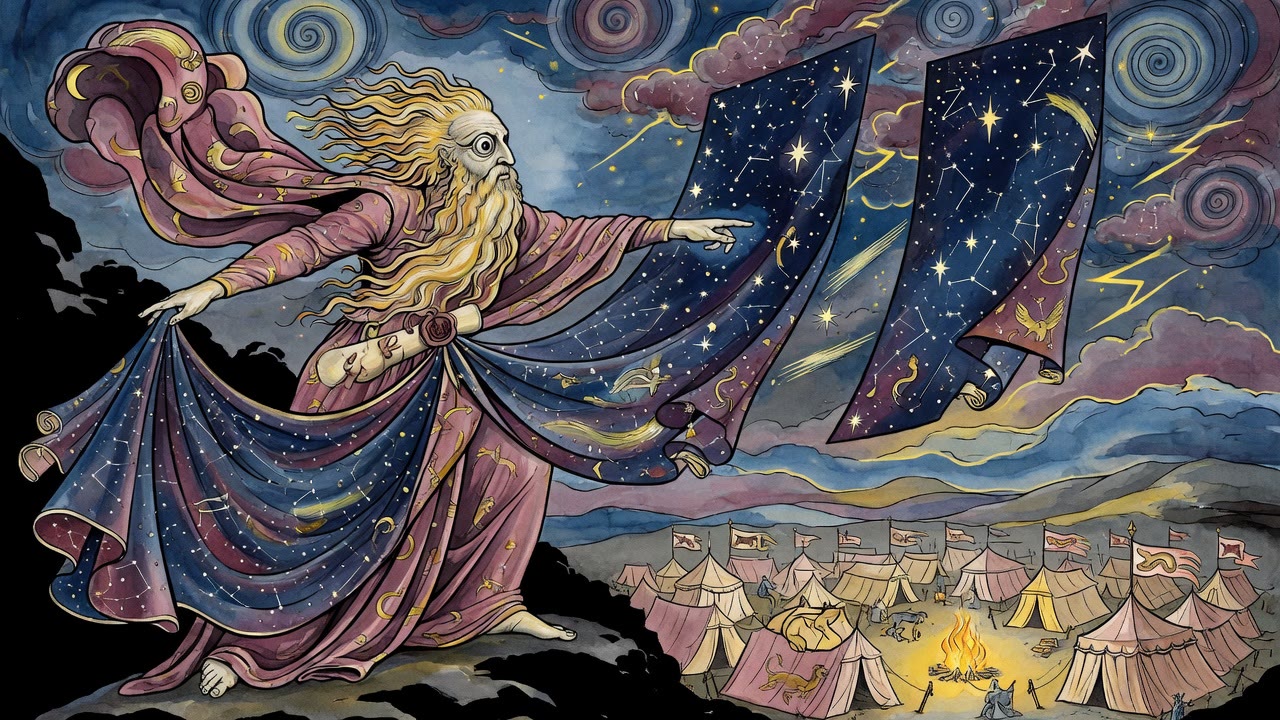
Sages calculating the new moon stopped when the teaching split creation in two. One word built the heavens. Breath alone labored out the host of lights.
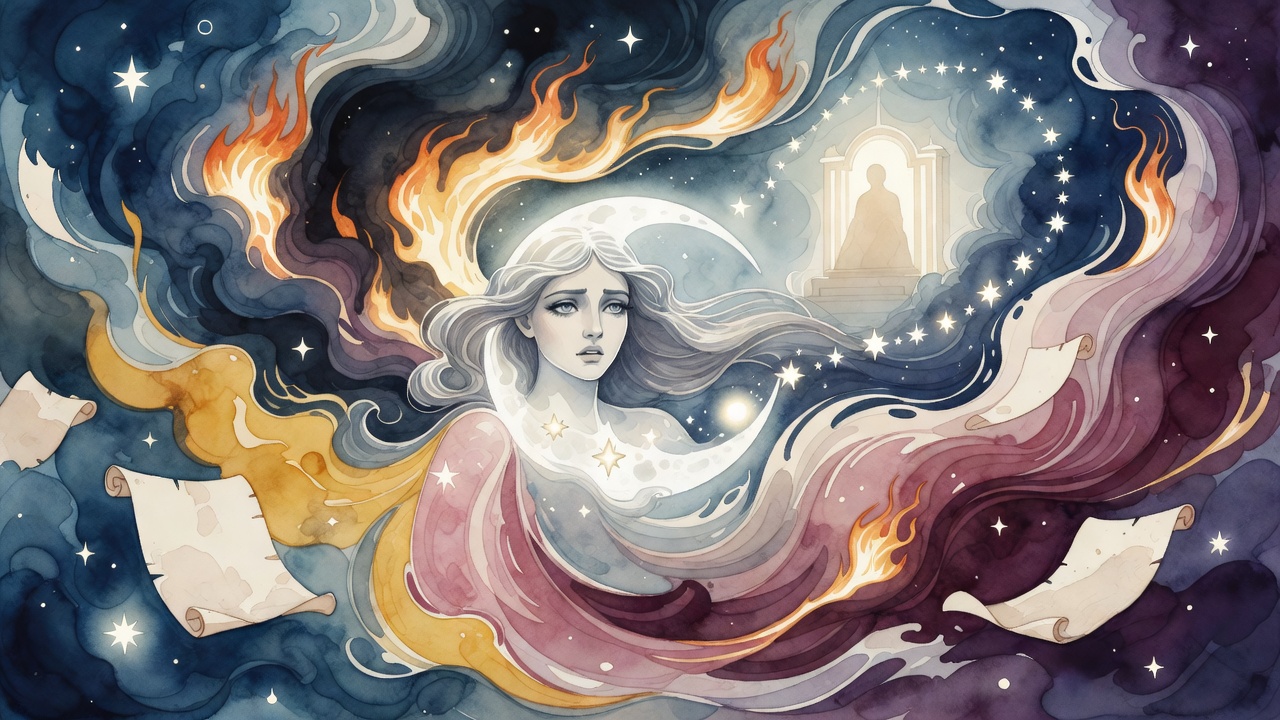
The moon goes dark after speaking out of turn, bargains hard with God for her stolen brightness, and will not rest until stars walk beside her.
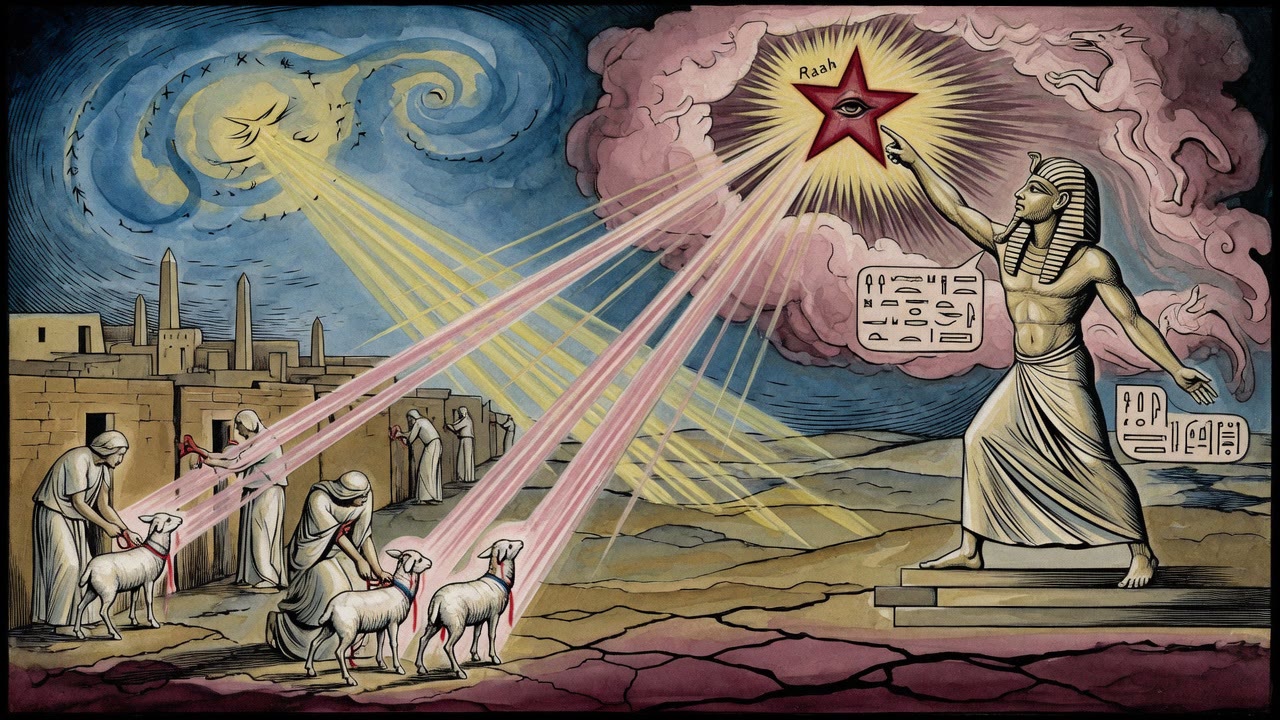
Pharaoh read a star called Raah and promised blood in the desert. Israel tied lambs in Egypts sight, and the blood that came was covenant, not slaughter.
Sisera counted nine hundred iron chariots as invincible armor until rain and stars turned his pride into a swamp of broken wheels.
