Istehar Tricked the Watcher and Became a Star
When the angel Shemhazai demands her love, Istehar agrees on one condition: teach her the Name. She speaks it and rises into the sky forever.
Table of Contents
 Click for full size
The Angel Descended Sure of Himself
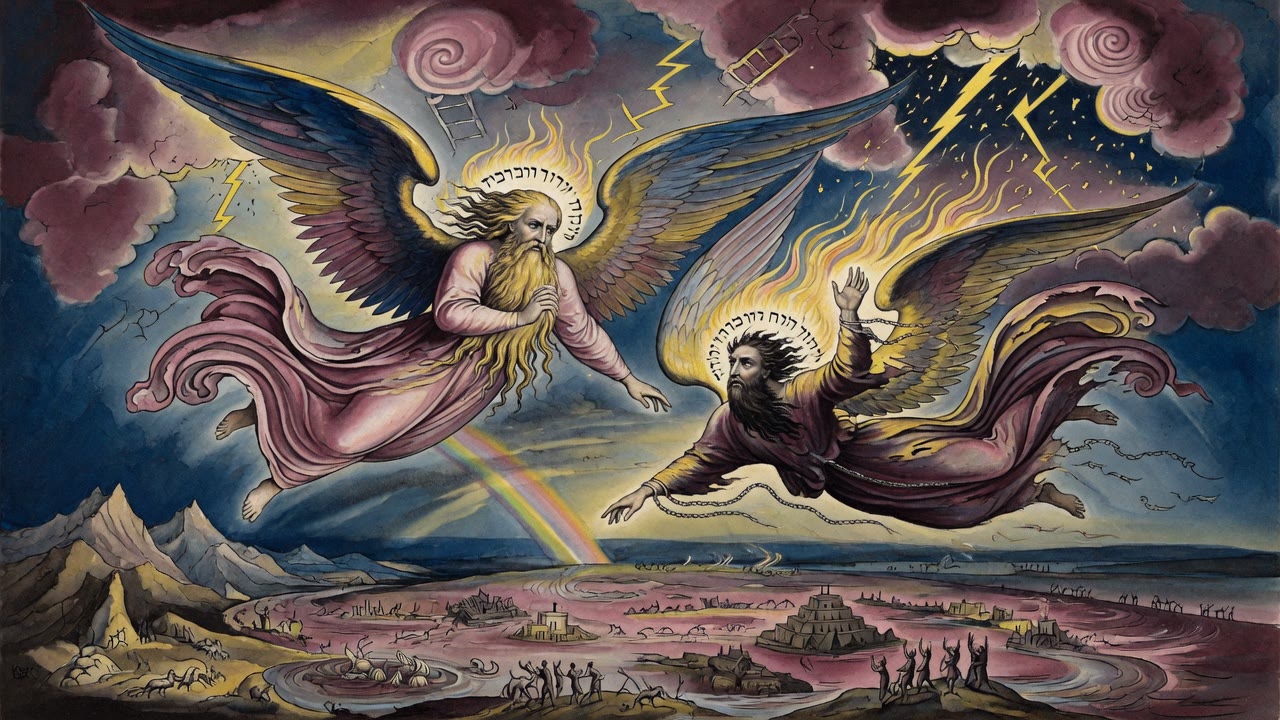
Before the Flood, two angels stood in heaven and argued that they could resist the pull of earthly desire better than any human. God warned them. The inclination that pressed on people from the inside was something they had never felt. They had no bodies, no hunger, no beauty pressing against them. They did not understand what they were volunteering for.
They descended anyway. Their names were Shemhazai and Azazel, and their confidence lasted until they arrived among human women.
Shemhazai saw Istehar and wanted her.
She Named Her Condition
Istehar did not refuse him with force. She did not run. She listened to what he offered and thought about what she needed in return.
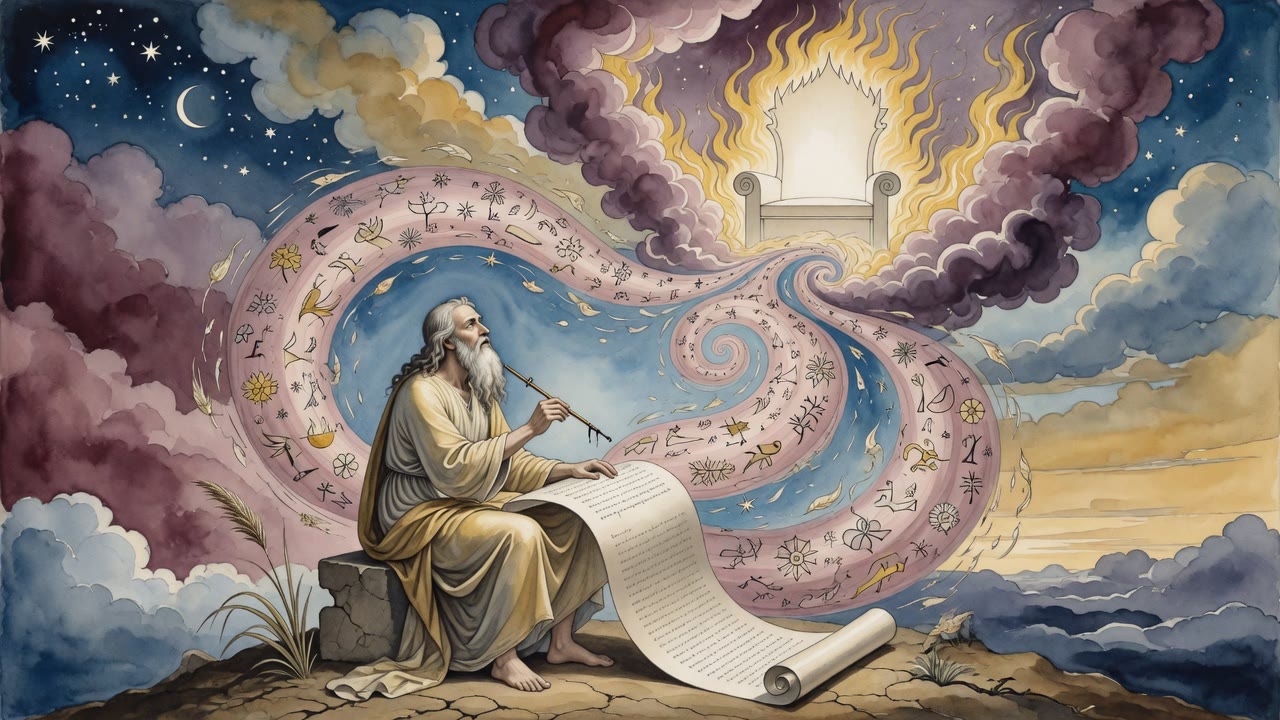
She told him she would agree, but first he had to teach her the divine Name, the Name that opened heaven and gave the speaker passage through the gates above.
The angel should have recognized the shape of the request. He was a celestial being. He knew what names were worth. But desire had already begun to operate the way God had warned, pressing from the inside, making the wrong decision feel like the natural one.
He taught her the Name.
She Spoke It and Left the Earth
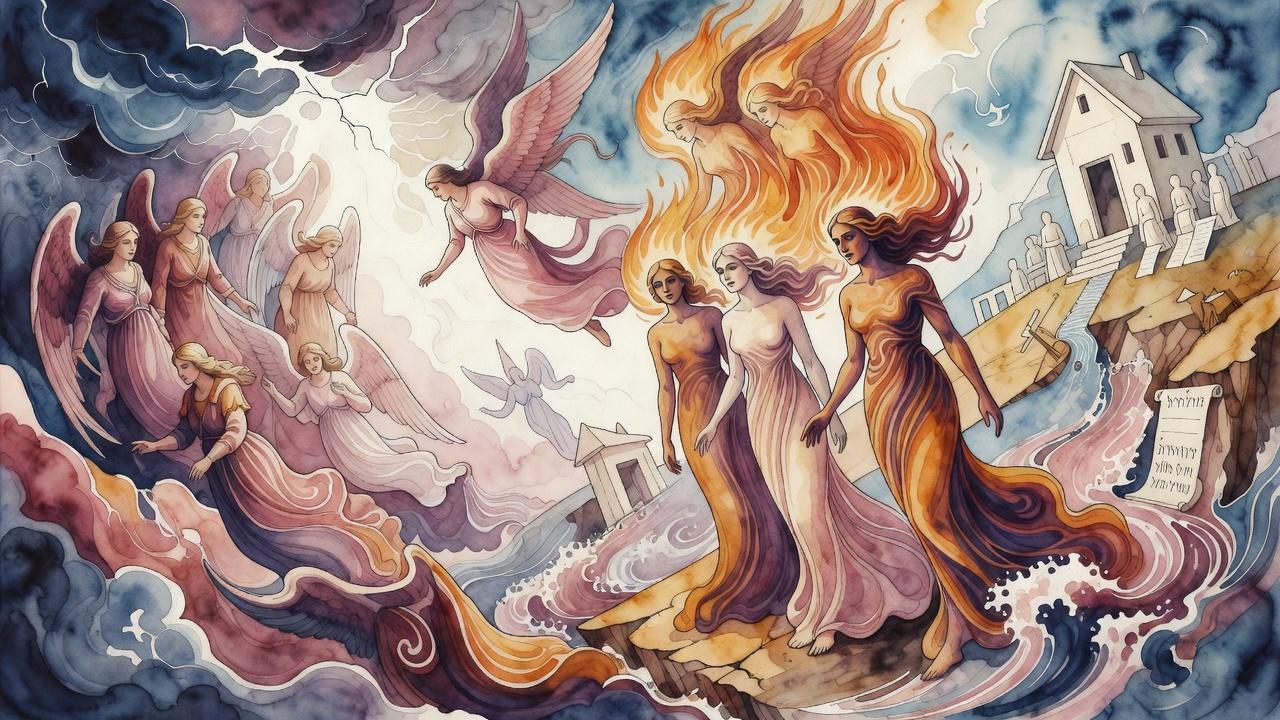
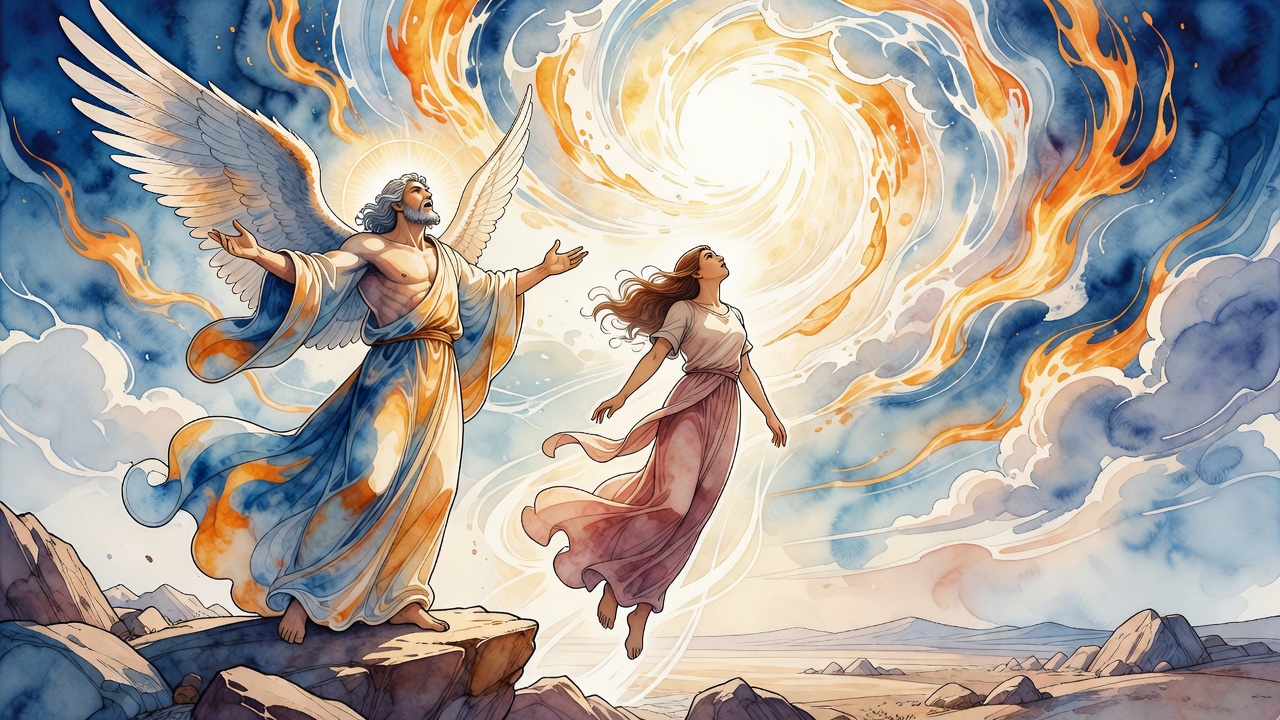
Istehar pronounced the Name and rose. She did not hesitate once she had what she needed. She ascended through the heavens and was placed among the stars, fixed there beyond the reach of any descending angel.
Shemhazai stood below her, looking up.
He had come down from heaven to take something from the earth, and the earth had sent a woman up to heaven instead. The transaction was reversed. He had given the highest thing he possessed. She had used it to go where he could no longer follow her.
What Happened to the Angels After
Azazel took a different path. Where Shemhazai was undone by desire, Azazel taught human women how to ornament themselves and men how to forge weapons of war. He spread the technology of vanity and violence.
The two angels became the poles of a catastrophe. One gave away the sacred to pursue beauty and lost both. The other distributed the knowledge of adornment and destruction to a generation already straining toward ruin.
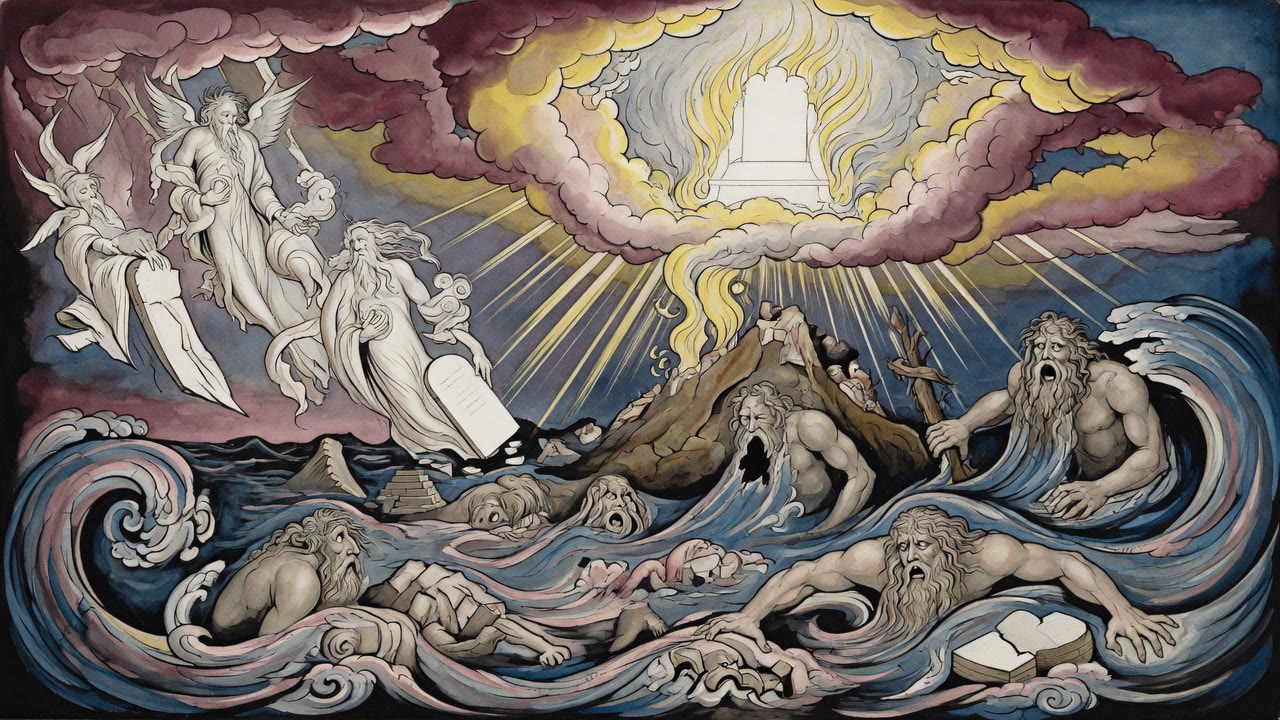
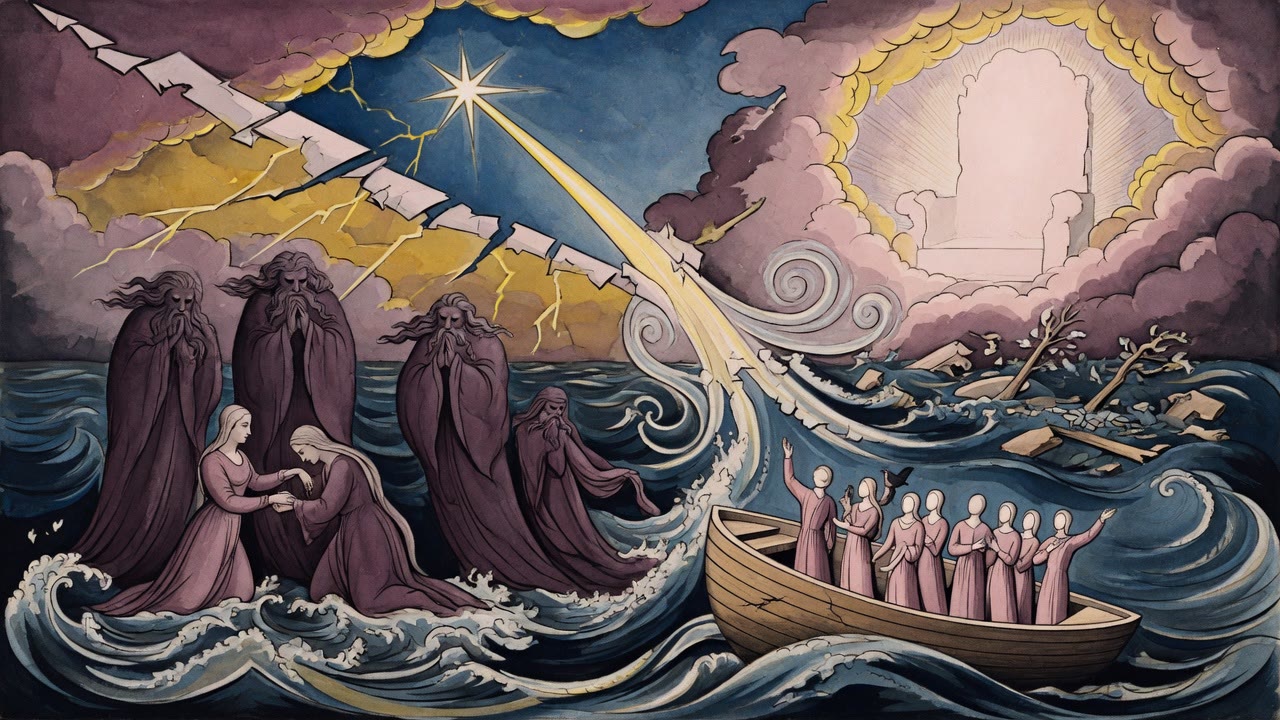
The Flood came. The corrupt generation drowned. The sons of Shemhazai, the giant Nephilim, were destroyed with everything else.
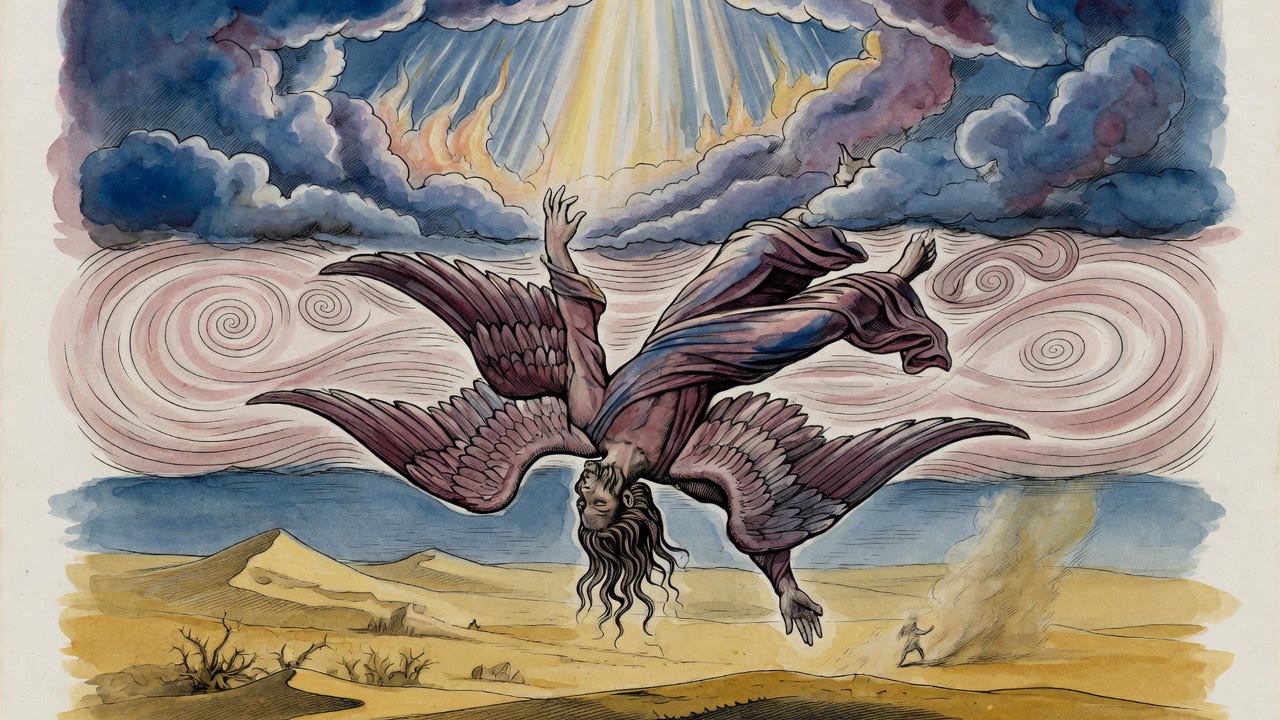
Shemhazai, consumed by grief and guilt, hung himself between heaven and earth, suspended upside down in the sky, unable to ascend because of what he had done, unable to descend because the earth that accepted his sin had been washed clean. He became a constellation, held there by his own shame.
What Istehar Kept
She had come into the night as the target of an angel's desire. She remained in it as a fixed point of light, lifted past every gate, past the constellation hanging upside down beneath her in its shame. The one woman who turned a Watcher's gift into her own ascent was set in the sky and left there.
No voice from above named her righteous. No voice named her a righteous person. The record kept only what she did and where it put her, and let that height stand as the verdict.
← All myths