The Stars Have Their Own Hidden Place in Heaven
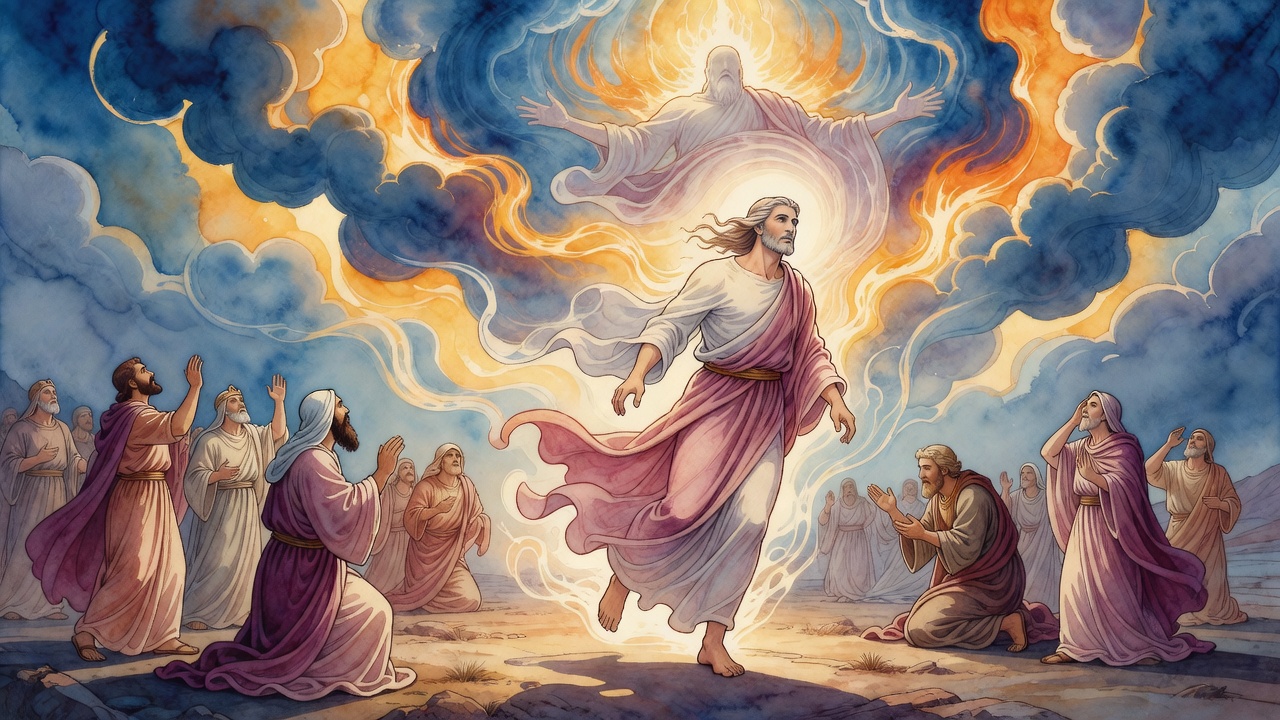
Metatron clapped his hands and the stars flew off the Throne on flaming wings. He named every one of them while Rabbi Ishmael watched.
Table of Contents
 Click for full size
Metatron Took Him by the Hand
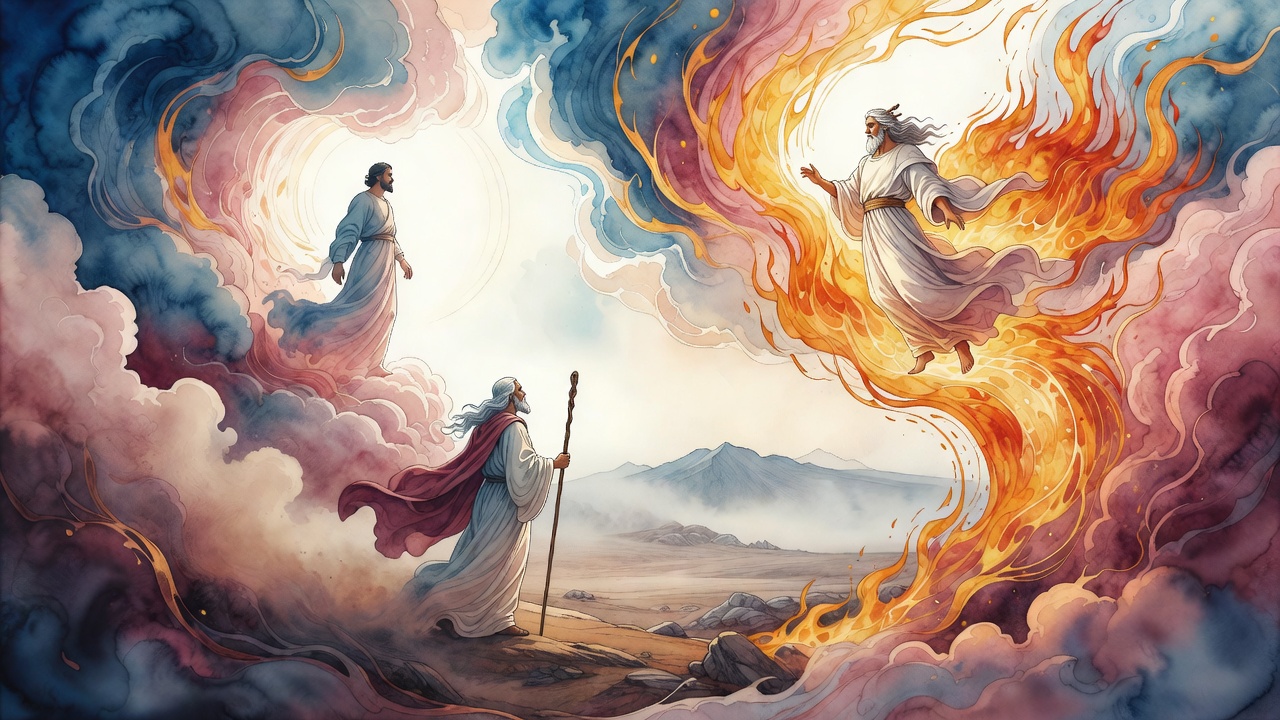
Rabbi Ishmael had climbed past the point where a man can pretend he is still standing on the ground. Beside him walked Metatron, the prince who had been a man once and now stood nearest the Throne. "Come," Metatron said. "I will show you where the stars stand at night."
They went. Metatron kept hold of his hand the whole way, the way you hold a child near a fire, and when they arrived he explained nothing. He pointed. He lifted a finger and drew it slowly across the dark, and Ishmael followed it, and one by one the lights came into focus and stopped being lights.
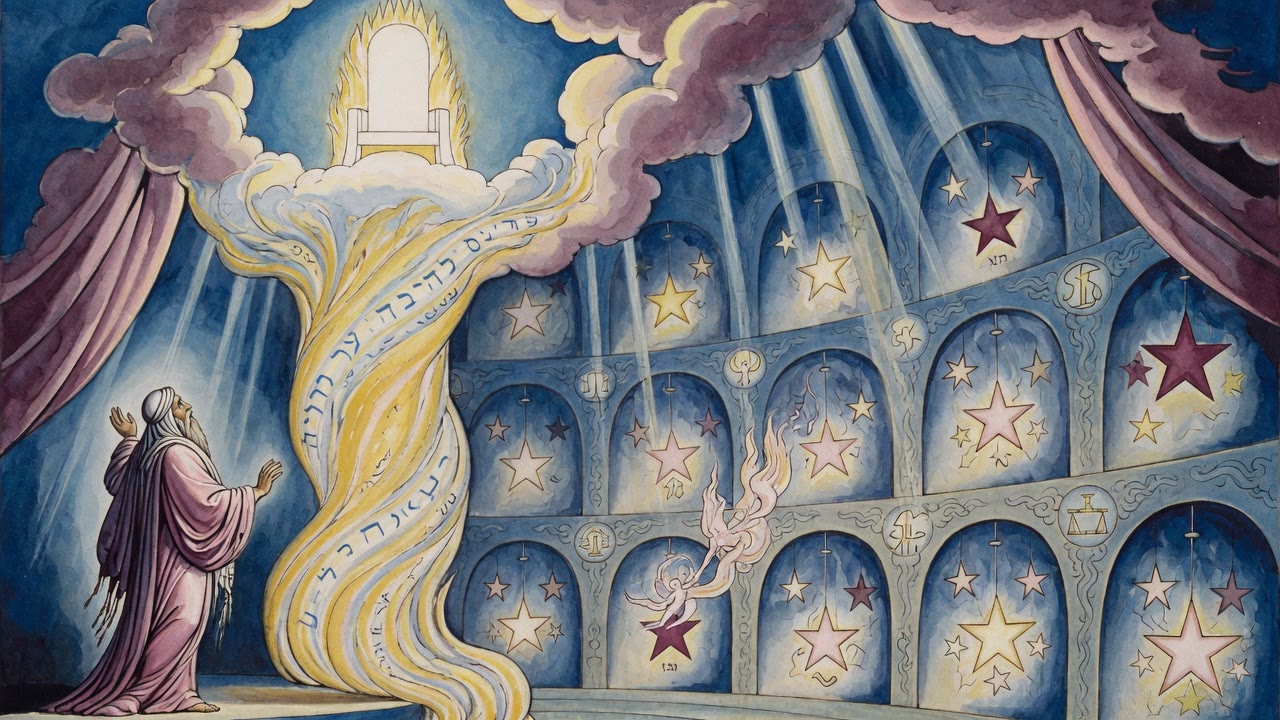
They were standing. That was the first strange thing. Each of them stood on a spark of flame, and the sparks were ranged in a ring around the chariot of the Almighty, and every one of them was trembling. Not glittering. Trembling. They stood there night after night in fear of the One who made them, waiting to be told where to go.
The Clap That Scattered the Sky
Then Metatron clapped his hands.
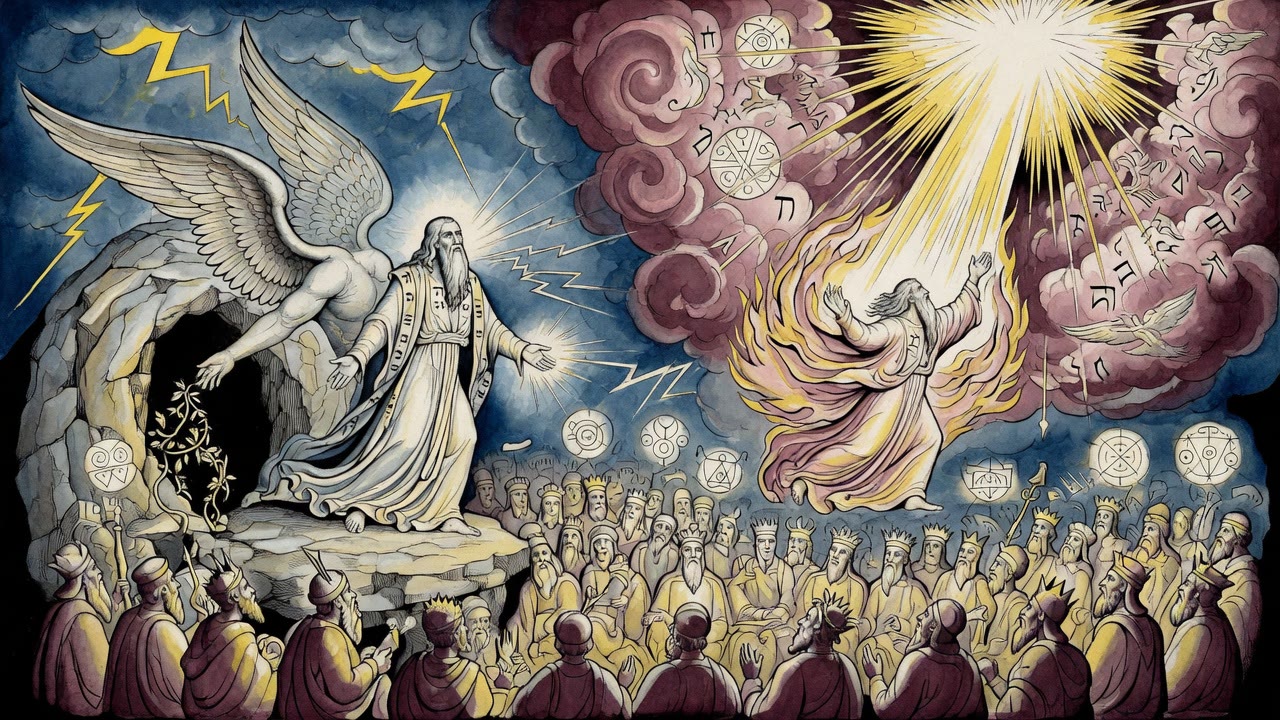
The ring broke. Flaming wings opened where Ishmael had thought there was only fire, and the stars rose off their places and fled, pouring away from the four sides of the Throne like a flock put up out of a field. A man can watch the sky his whole life and never once hear it move.
And while they went, Metatron named them. Not a count. Names. He said one name after another after another, and he did not stop, and he did not hesitate over a single one, and Ishmael stood in the middle of the noise hearing a line he had recited since childhood turn from a poem into a report. God counts the number of the stars, and to every one of them He gives a name.
Ishmael had prayed that line for thirty years without once considering that somebody up there had to keep the list.
The Man Who Wrote Down the Sky
Metatron kept the list because he had earned it from the other side of the firmament.
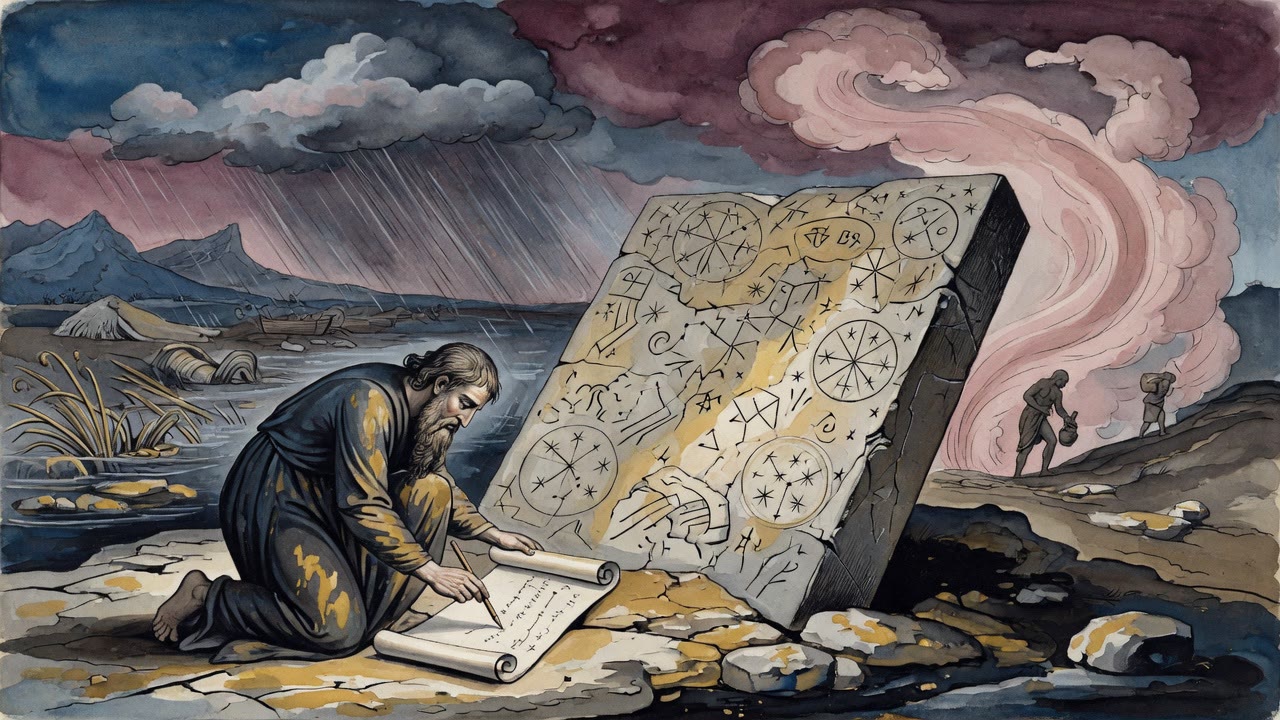
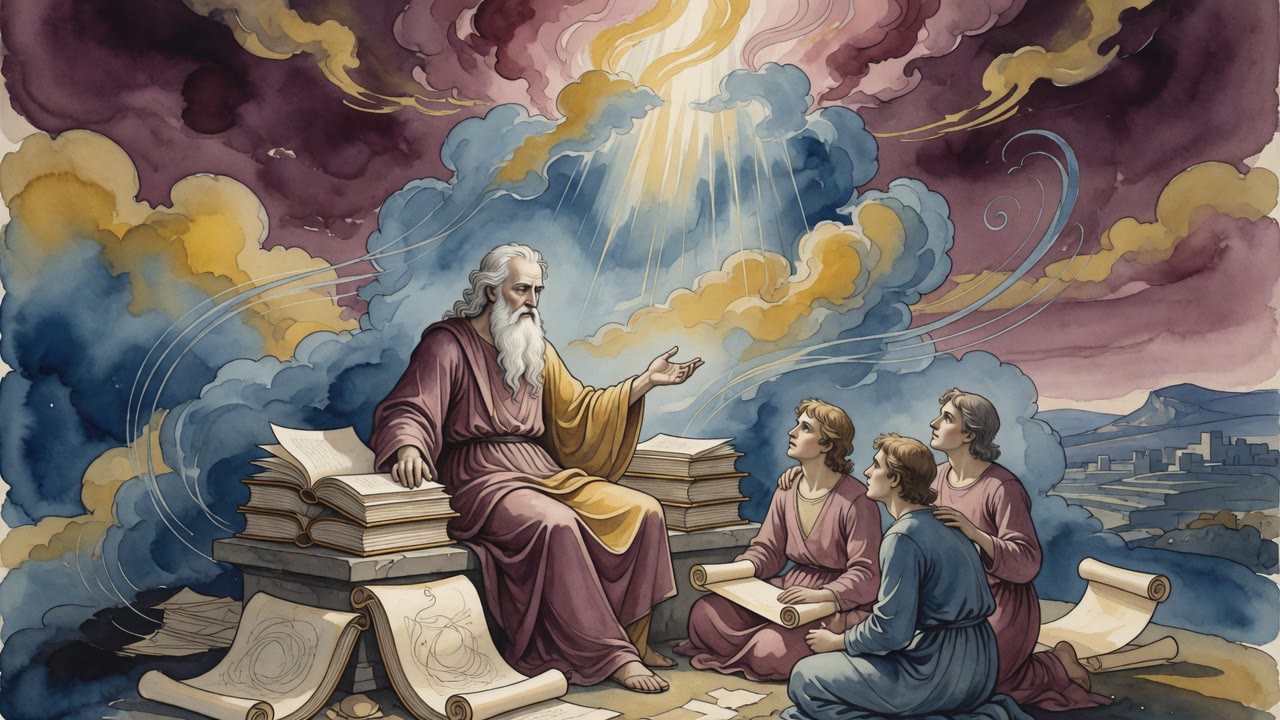
Before the name and before the Throne he was Enoch, and Enoch worked the way scribes work, patiently and by poor light, correcting himself. He wrote down the signs of heaven month by month. He set the order of the seasons so that a farmer in a village who would never meet an angel could still know when to plant and when to cut. He wrote out the weeks of the jubilees, the sabbath years stacked seven on seven, and he read the whole reckoning aloud to his children so it would not die with him.
Then he slept, and in his sleep they showed him what had been and what would be, straight through to the day of judgment, and he woke and wrote that down as well.
The scribe who once copied the sky into a book now emptied it with a clap of his hands. Ishmael stood beside him at the exact place where that promotion had been made.
A Spirit Was Given the Sky to Hold
Nothing above the world runs itself. On the second day, when the waters above had to be pulled off the waters below, God did not reach down and part them with His own hand. He made a spirit for the work and gave it the order, and the spirit went and did it, and it has never been relieved. The firmament is a shift that has not ended.
The stars answer to an angel named Rahatiel, who counts them. They come out to be counted, and they sing while he counts, which is the only thing that makes such a tally bearable, and then they go back to their places.
Even the sun holds a commission. It was appointed a great sign upon the earth, to mark out the days, the sabbaths, the months, the feasts, the years, the sabbath years, the jubilees, and every season of every year. It divides the light from the darkness so that whatever shoots and grows on the earth can grow. The sun does not shine. The sun works.
What the Stars Will Sing
Ishmael came back down, and the sky was ruined for him in the ordinary way, the way a room is ruined once you have met the people who clean it. He knew the arrangement now. He knew the lights were standing, and trembling, and waiting to be sent somewhere.
One thing more was told to him before he went. The stars burning over him were not the final set. In the time to come God will make them over, new, and they will open their mouths, all of them at once, and sing.
← All myths