Abraham Built an Iron City in the East for Keturah's Six Sons
Abraham had six sons by Keturah. He gave them a gem that outshone the sun, taught them secret arts, and built them an iron-walled city in the eastern lands.
Table of Contents
 Click for full size
The Ones Nobody Remembers
Isaac carried the covenant. Ishmael was in the wilderness becoming the ancestor of desert nations. Those two sons of Abraham are the ones who appear in every version of the story. But Abraham had six more. Their mother was Keturah, the woman he took after Sarah died, and their story sits at the edge of the tradition: half-remembered, specific in its details, strange in what it reveals about the old patriarch's sense of what his children were owed.
The Book of Jubilees calls Keturah a third wife and places her within Abraham's household among the daughters of his servants, noting that Hagar had already died before Sarah. Some midrashic sources identify Keturah with Hagar herself, returned to Abraham's life after Sarah's death, which would make Ishmael a full brother of the six in the deepest sense. The names of the six are specific: Zimran, Jokshan, Medan, Midian, Ishbak, and Shuah.
Gifts Greater Than Gold
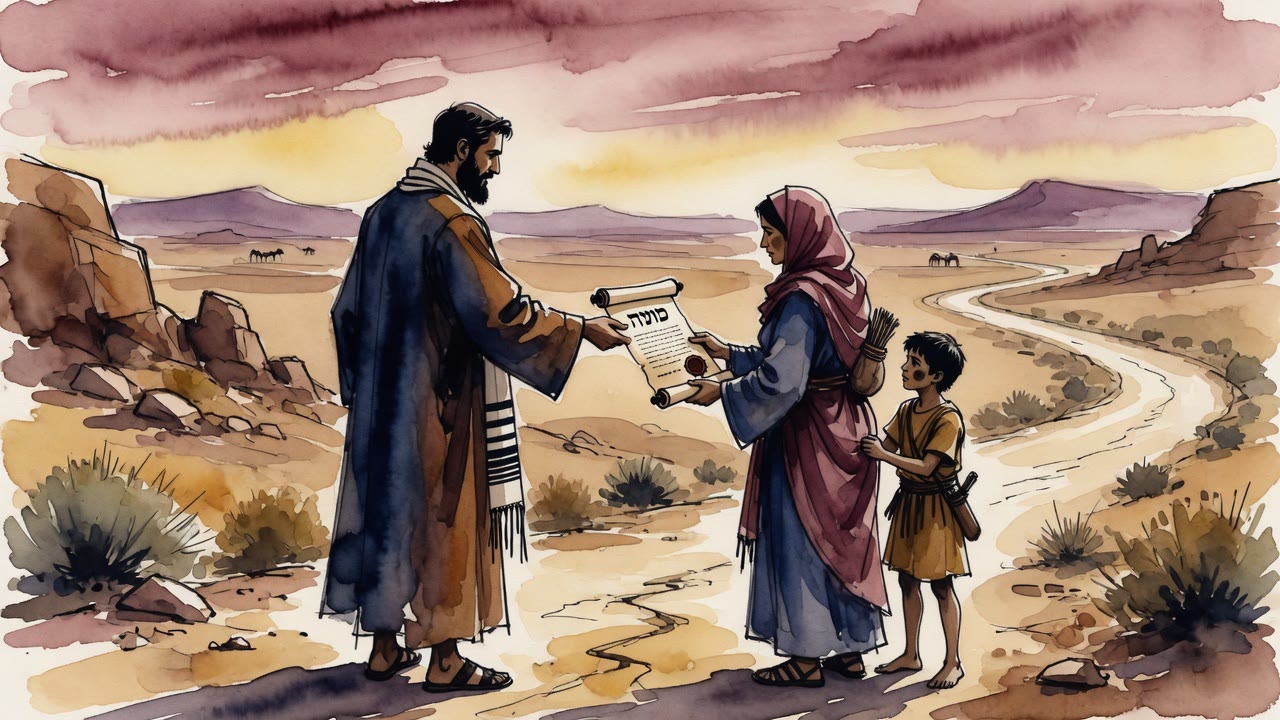
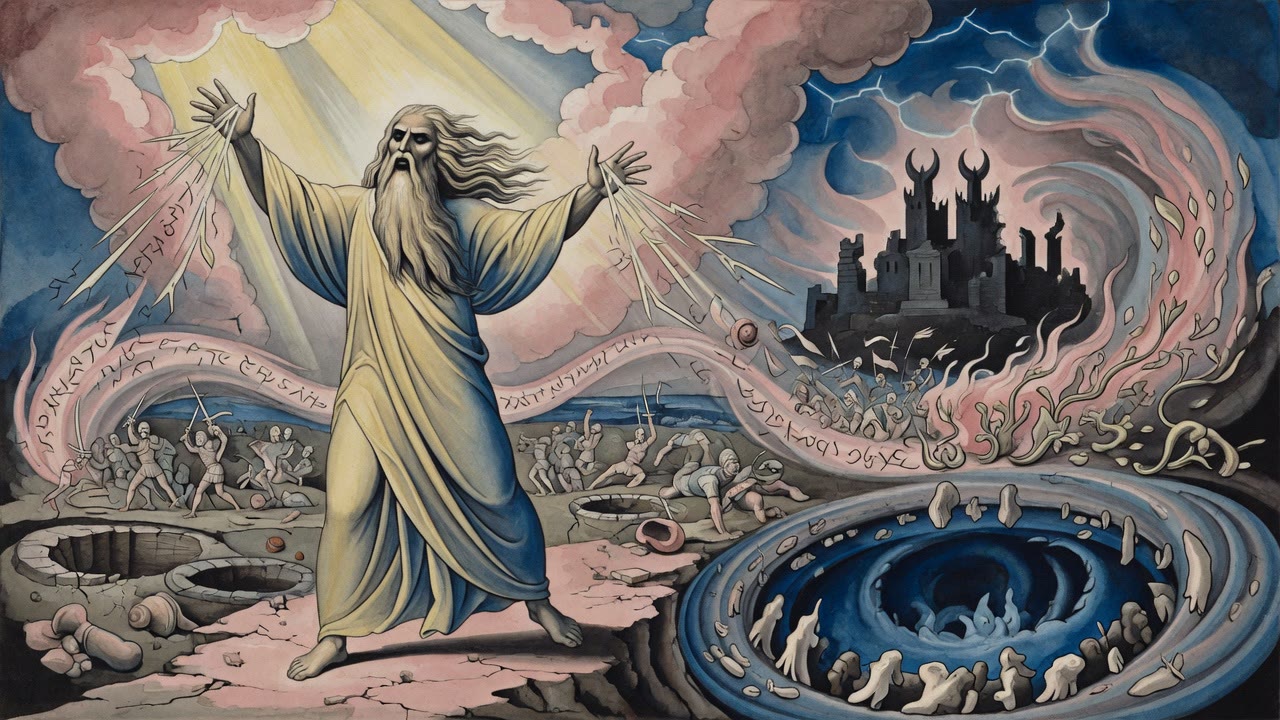
Before the six sons left Abraham's household, he gave them gifts. Not the kind that could be inventoried and loaded onto camels easily. He taught them the secret sciences, the knowledge of roots and stones, the practical mysticism that operated at the edge of what the tradition called sorcery. The precise nature of these arts is not specified, only that they were transmissible as knowledge, that they constituted a form of power, and that Abraham considered them appropriate parting gifts for sons he was sending away.
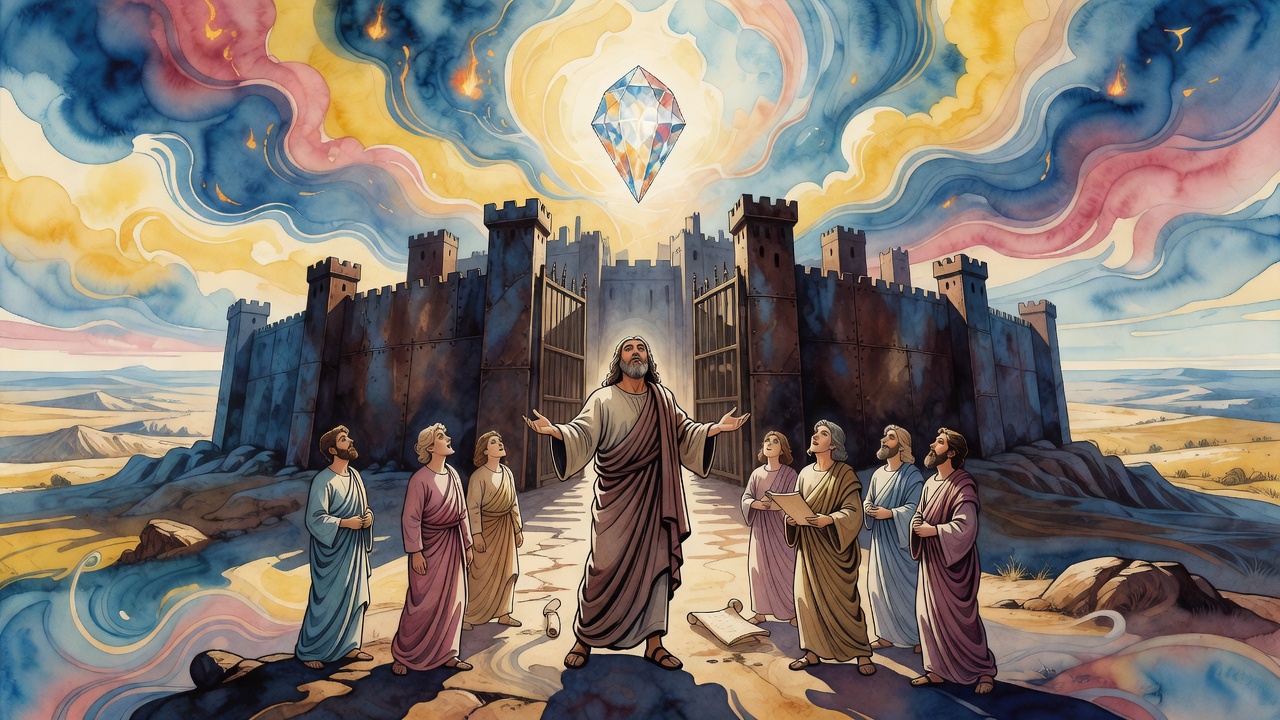
He also gave them a gem. One stone, a single jewel, described in the sources as shining with a brightness that outstripped the sun. The tradition does not name it or categorize it. It sits in the account as an anomaly, a gift from a man who had spent his life in the company of the divine, capable of producing light that belonged to a different register than ordinary mineral radiance.
The City of Iron
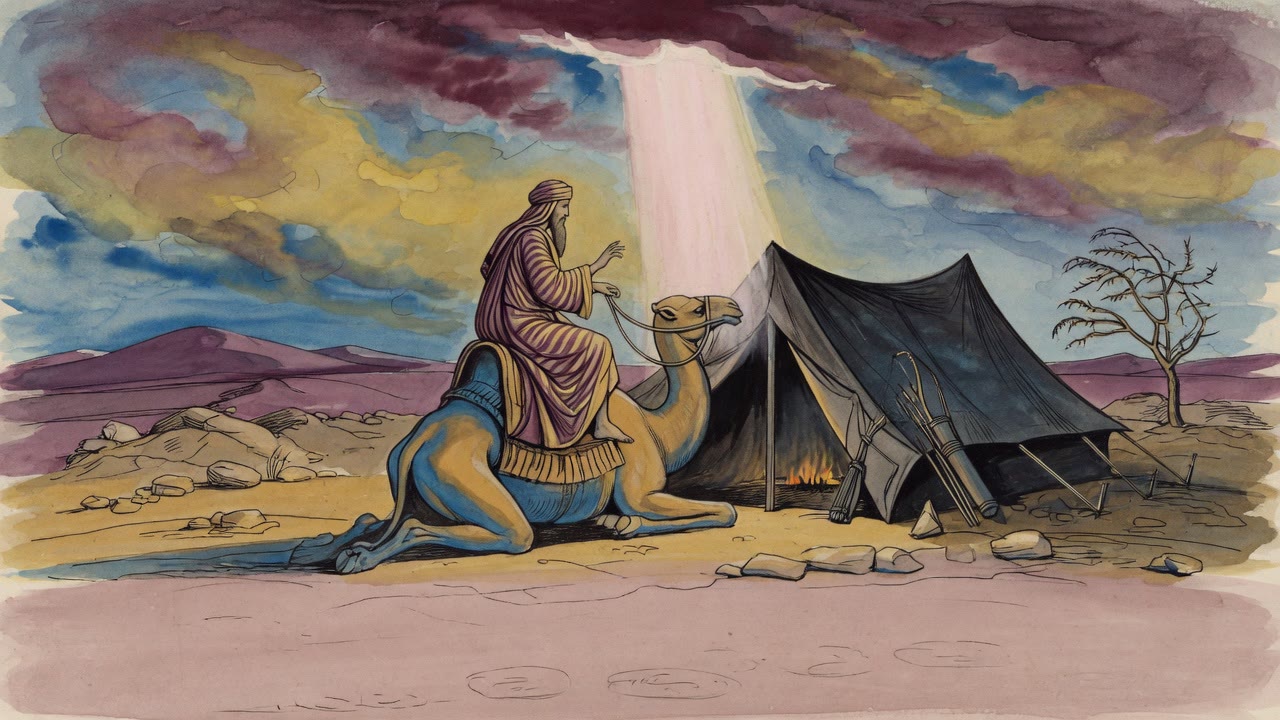
He built them a city. In the east, in the direction they were being sent, he constructed a walled settlement with walls of iron and placed his six sons and their descendants inside it. Iron walls in a tradition that had begun with skin tents and adobe cities. The choice of material says something specific: this was not comfort, it was defense. The sons of Keturah were being given a stronghold, a place that could not be easily taken, a base from which their line could persist.
The city sat east of Canaan, in the territory that would remain outside the land of the covenant. Abraham was not extending his inheritance to these sons; he was equipping them for a different kind of existence, one outside the specific territory and promise that ran through Isaac. They received wisdom, they received light, they received iron walls. They received everything necessary for a long and independent life in the world that was not the promised land.
The Division That Clarified Everything
The tradition reads this as an act of love rather than exclusion, though the exclusion is real. Abraham had watched God remove Ishmael from the household and watched the violence that tore apart his own relationship with Hagar. He did not want the same fracture to happen again. He organized the departure of Keturah's sons himself, in his lifetime, with gifts and provision and a place to go. He was alive when they left. He could bless them and send them properly.
Isaac received the covenant and the land and the promise. The sons of Keturah received the east and the iron city and the mysterious gem and the dangerous knowledge. Both sets of sons were Abraham's. The difference in what they received was not a verdict on their worth but a recognition of what each line would need: one for a specific land and a specific people, six for the wide world that lay beyond it.
← All myths