477 myths · Page 2 of 16
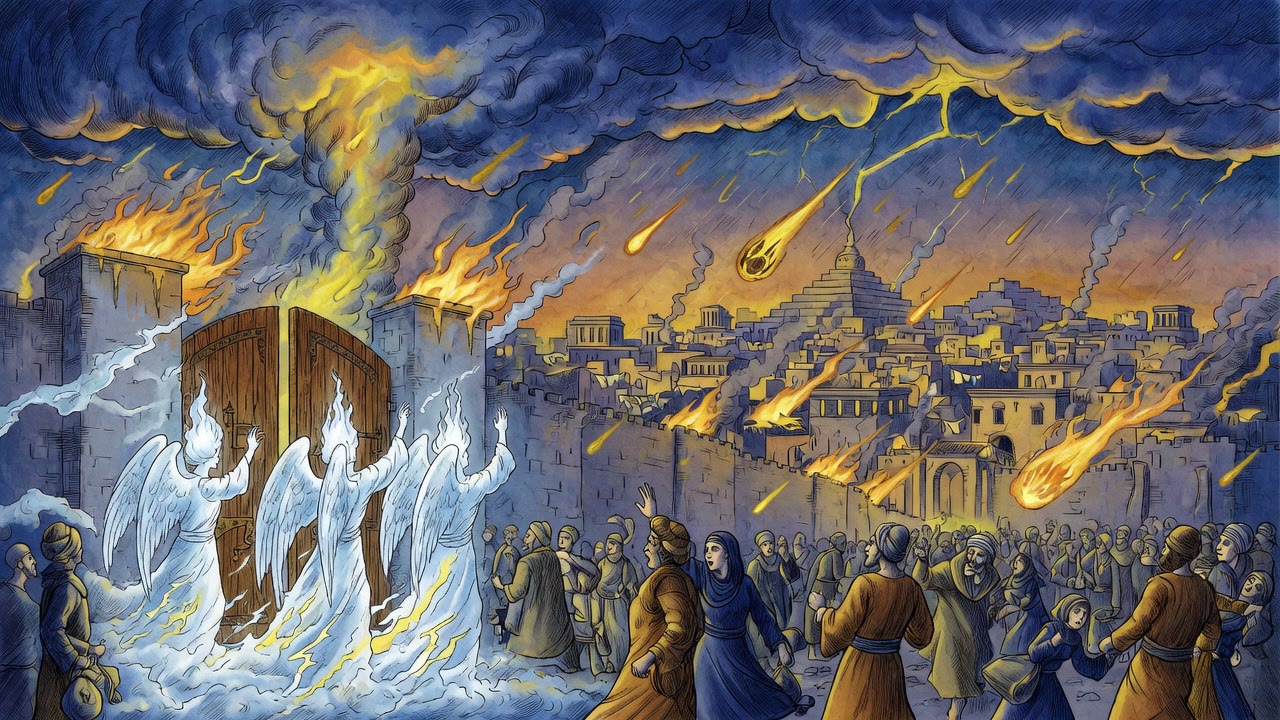
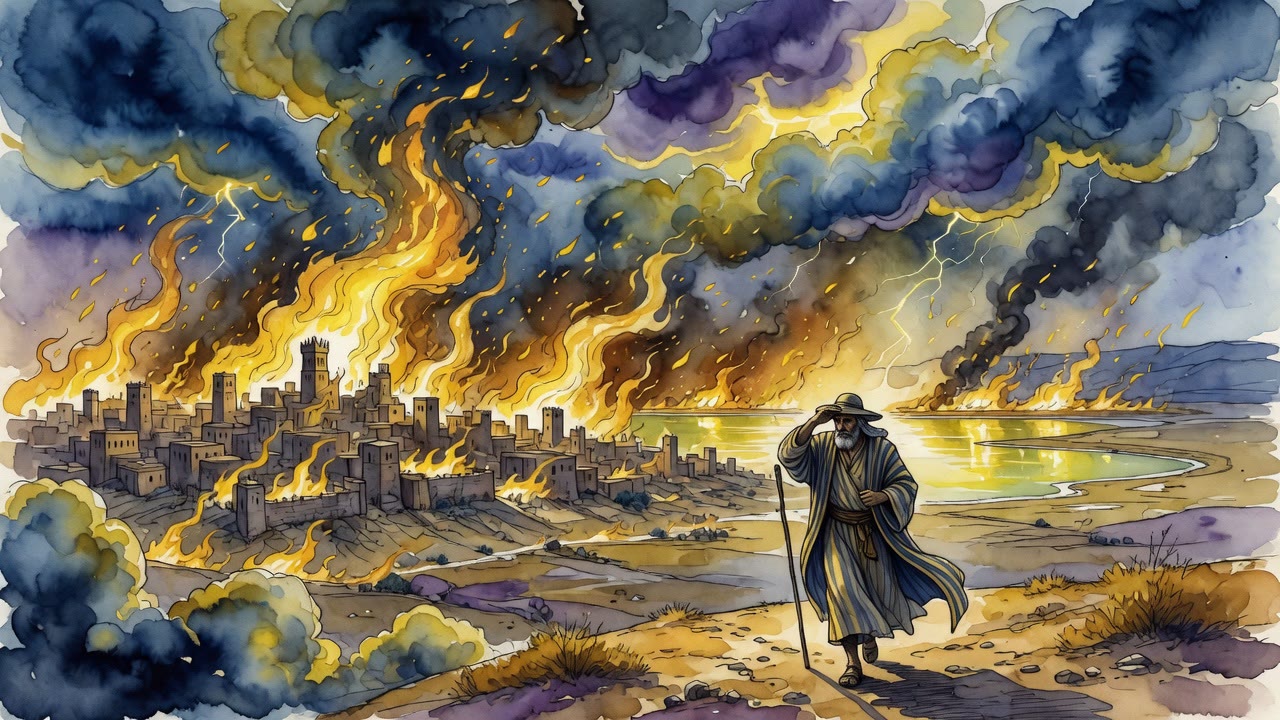
God said he would rain down on Sodom. The rabbis found a hidden offer in that word: rain can be water or fire. Sodom chose fire.
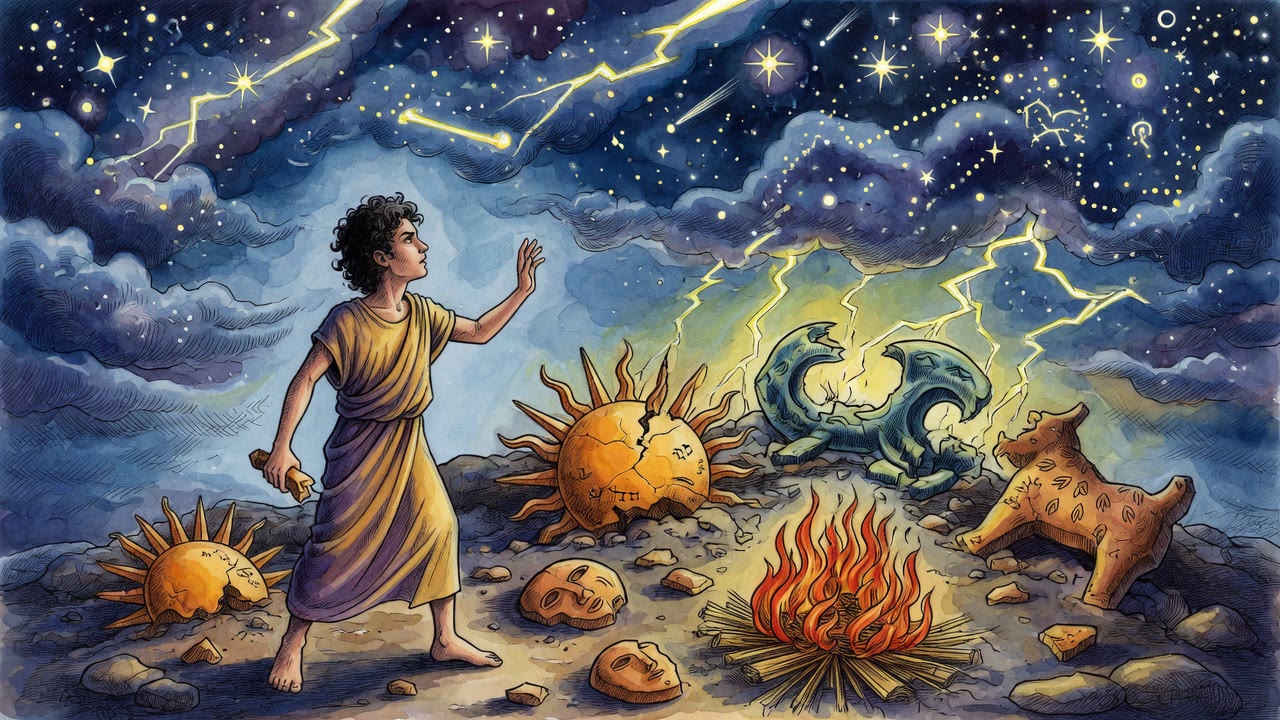
Before God called Abraham, Abraham was already thinking. He worked through fire, water, earth, and the sun one by one until he found what none of them could be.
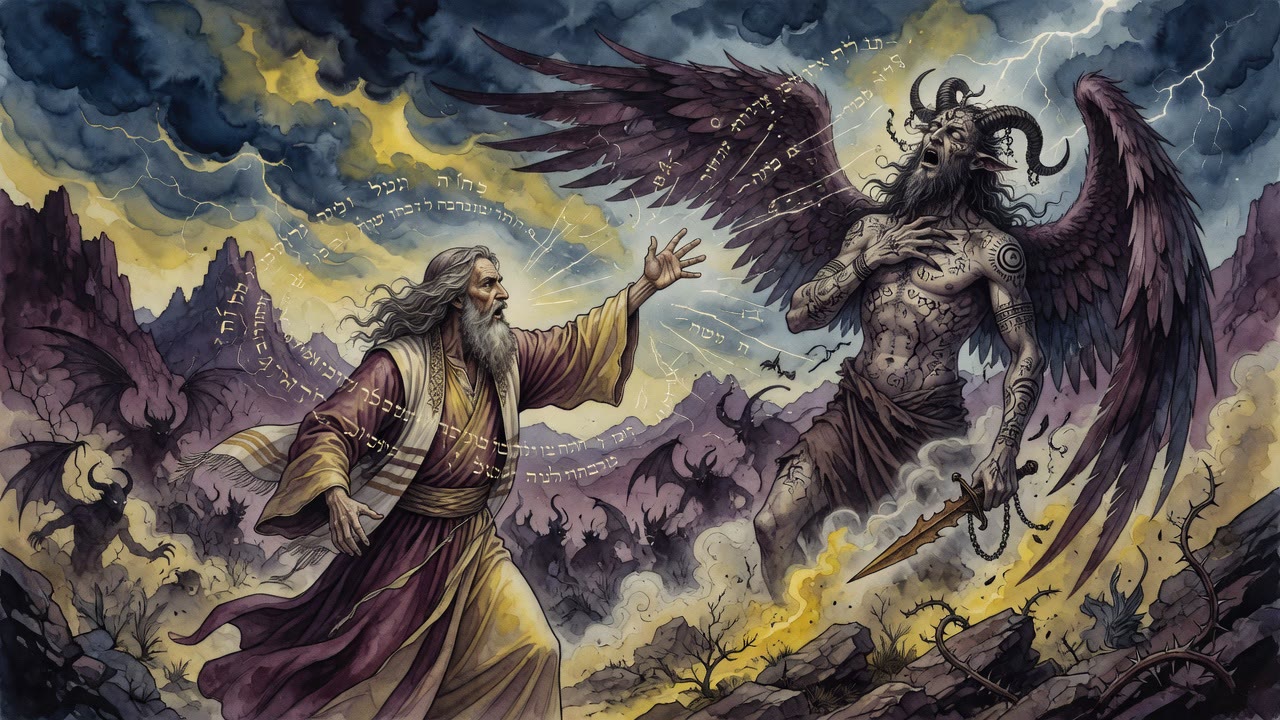
On the way to heaven, Azazel appeared and tried to turn Abraham back. The angel Iaoel gave Abraham the only words that would work.
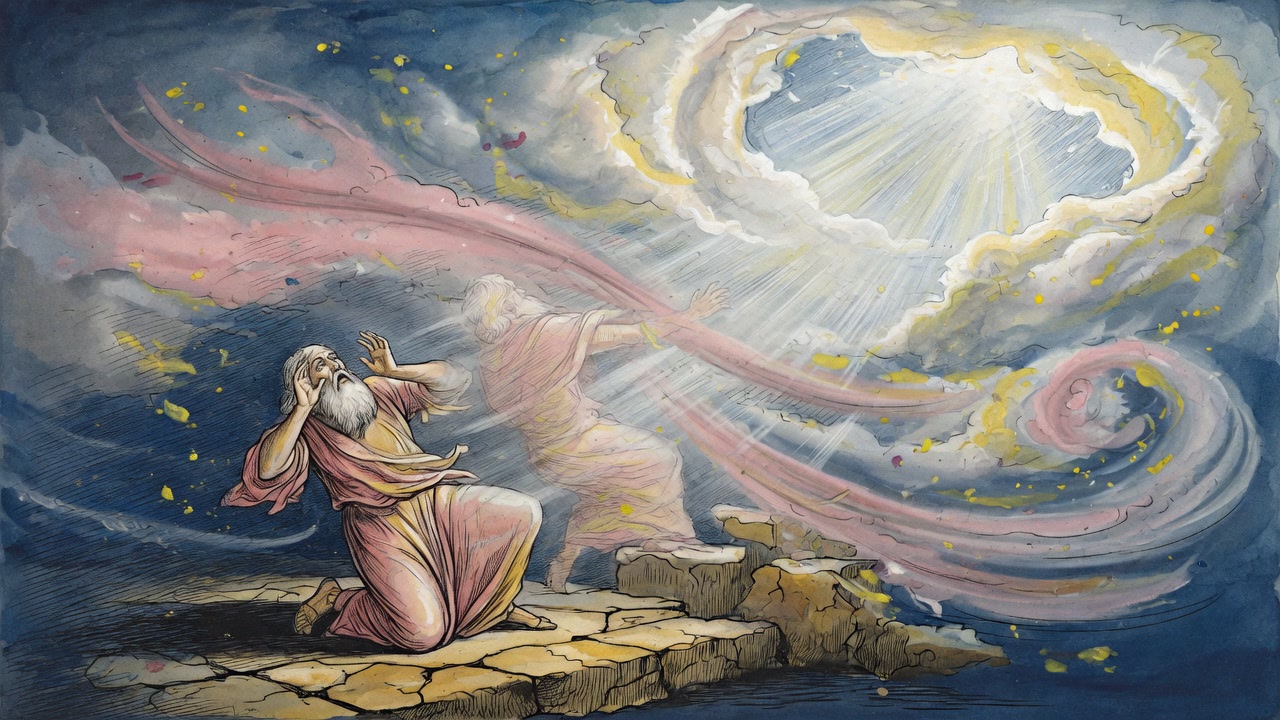
Abraham could not see. His knees were going. Iaoel held him and said the One coming loved him, and that he would not see God Himself.
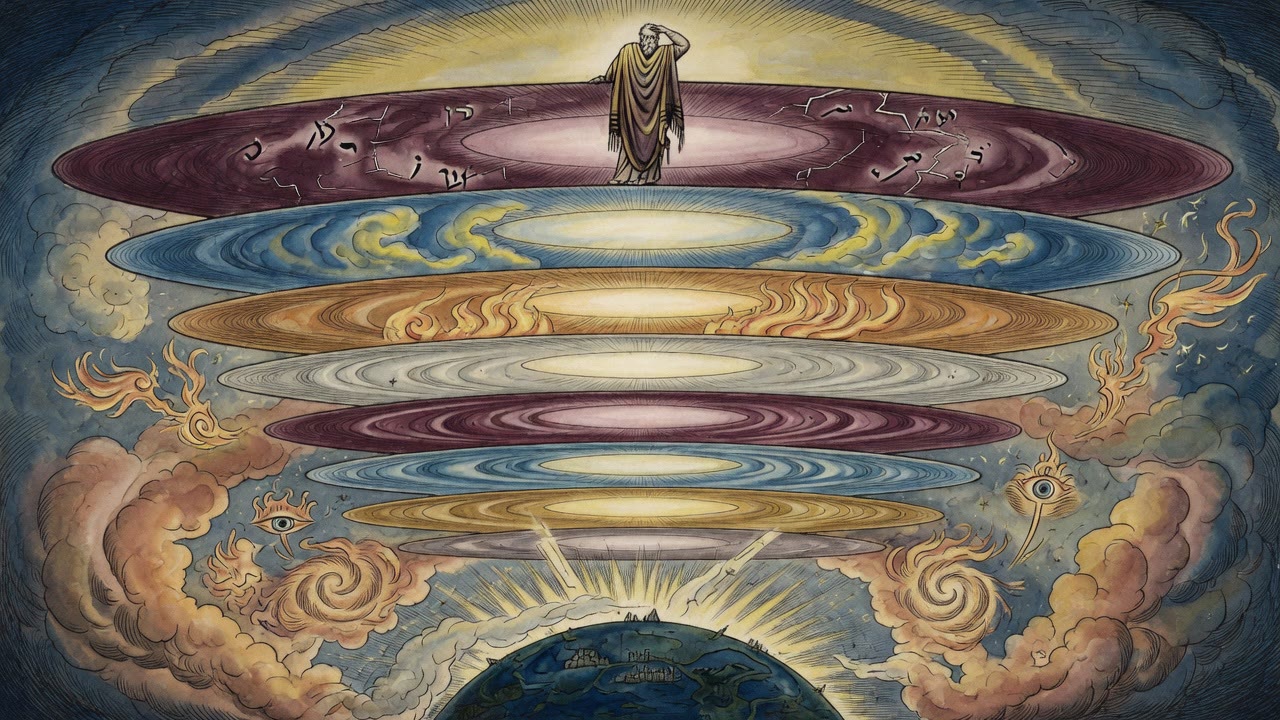
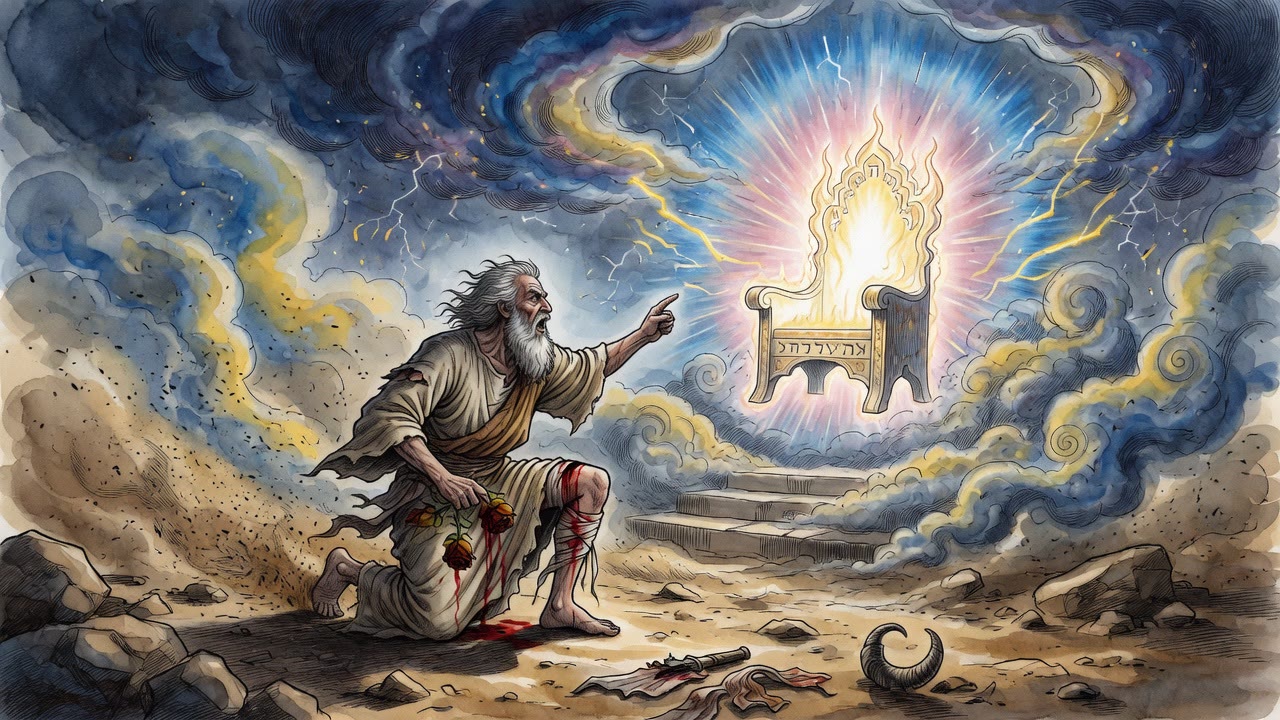
Abraham could not see. The angel held him upright. Then a voice from the fire told him to look down through the floors of heaven.
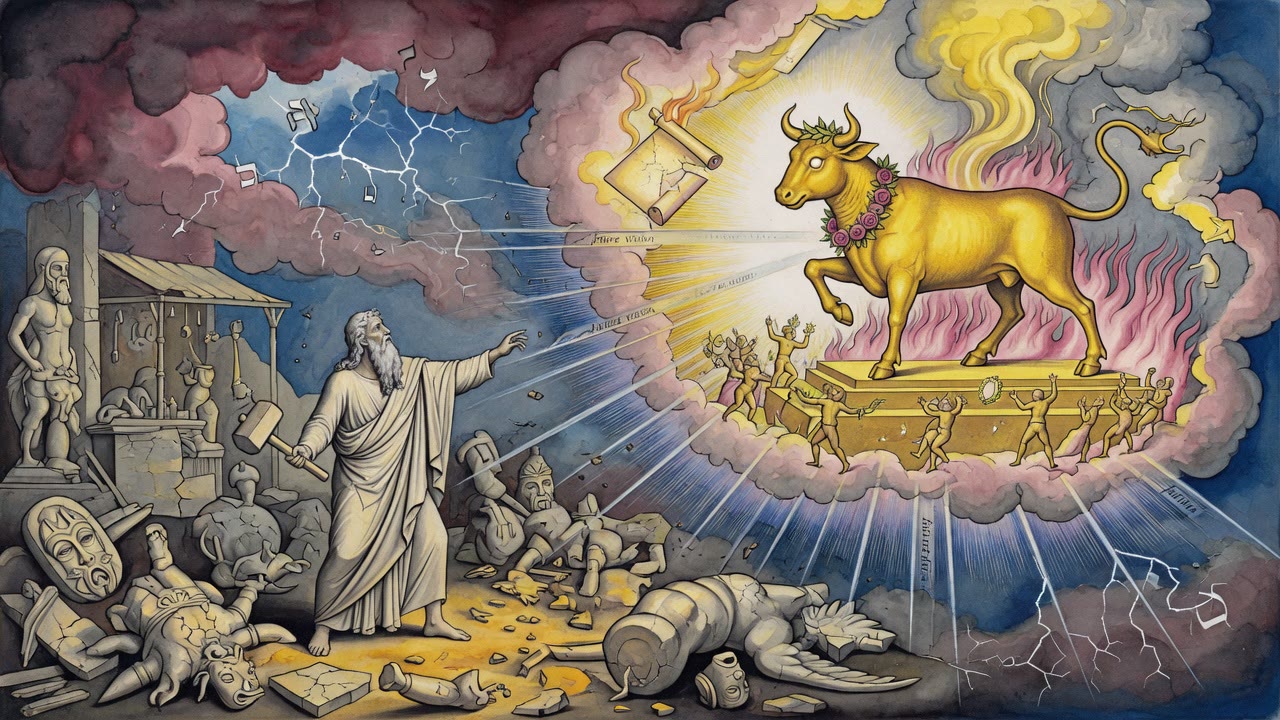
Abraham smashed his father's idols his whole life. Then God showed him a vision of an idol standing inside the Temple his descendants would one day build.
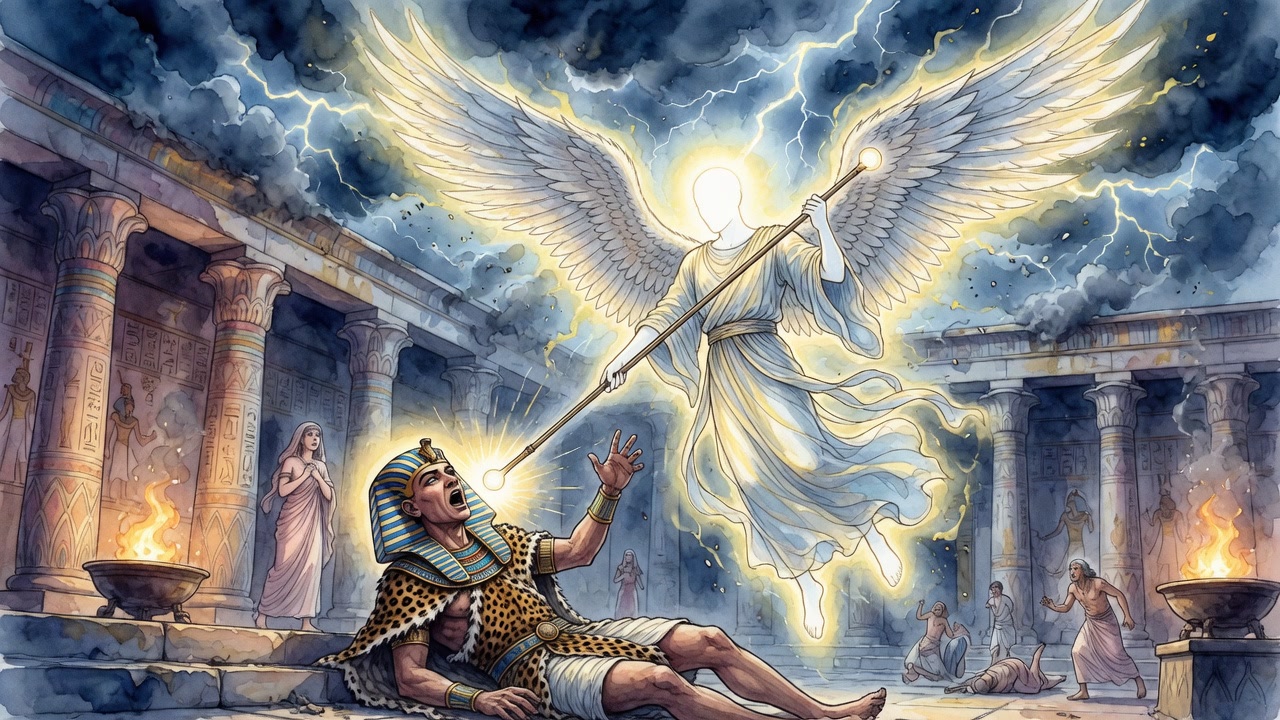
Pharaoh reached for Sarah's shoe in the palace dark. The angel raised the rod and waited for her to say whether it should fall.
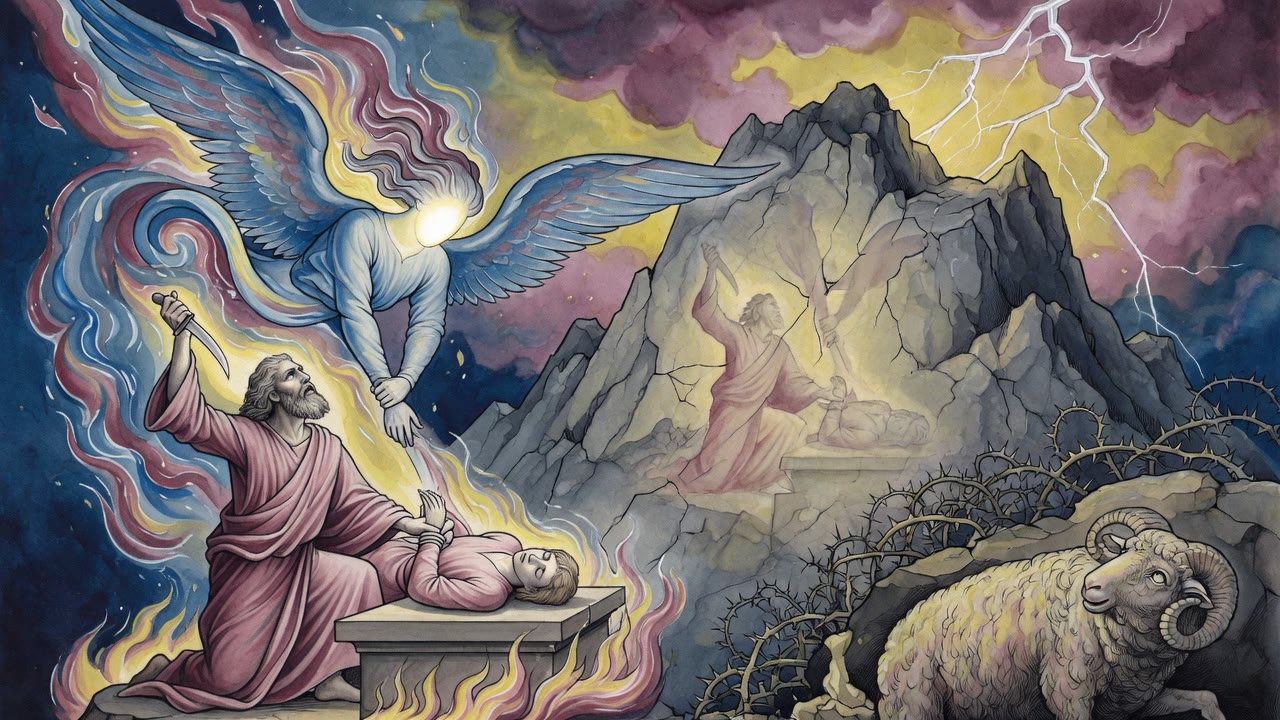
Abraham told his servants that he and the boy would both come back down. Mastema watched to see if the father would break. The ram was already in the thicket.
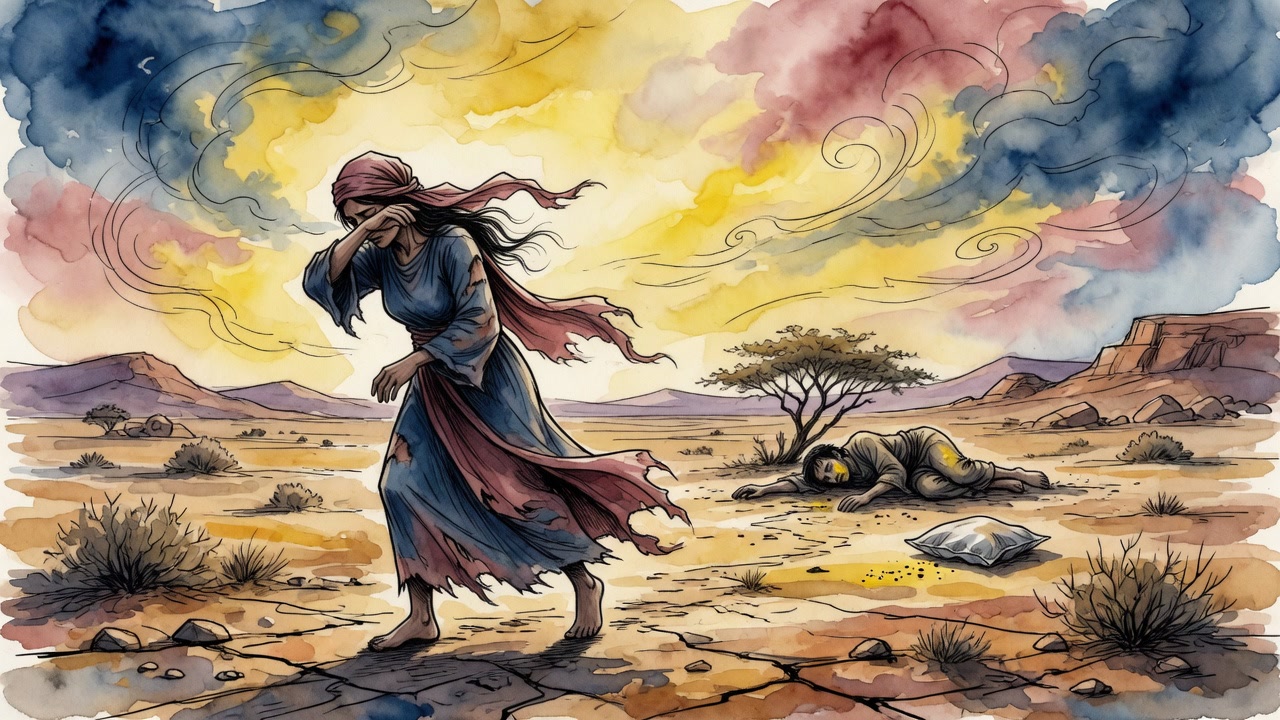
When the water ran out in the wilderness, Hagar put Ishmael under an olive tree and walked a bow-shot away. She could not watch him die.
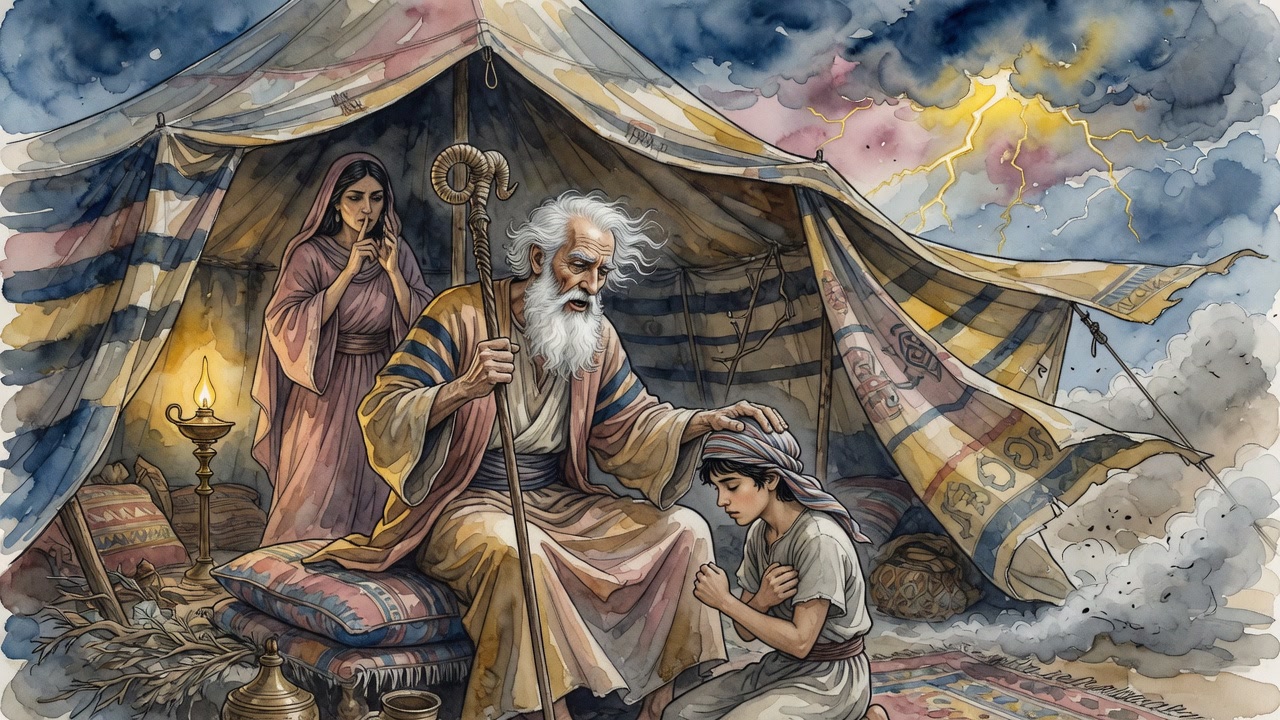
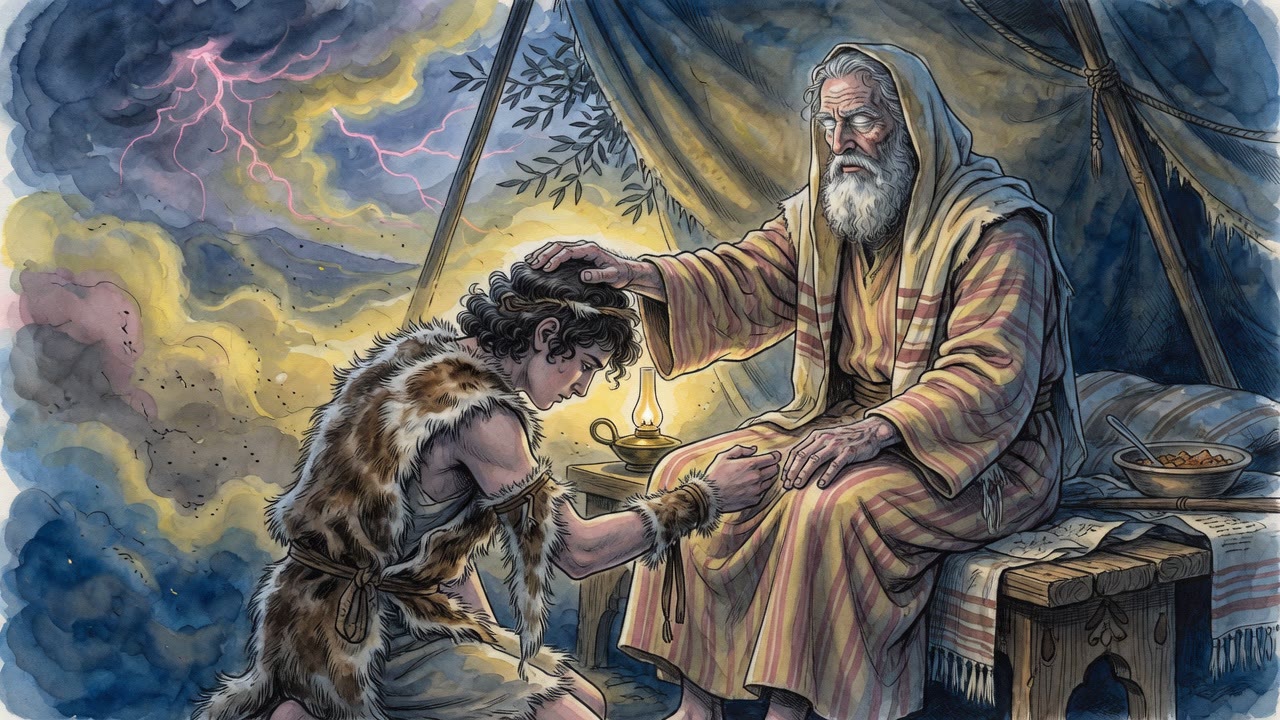
Old Abraham passes the tent flap and calls not Isaac but young Jacob to Rebecca's side, to hand him a blessing reaching back to Adam.
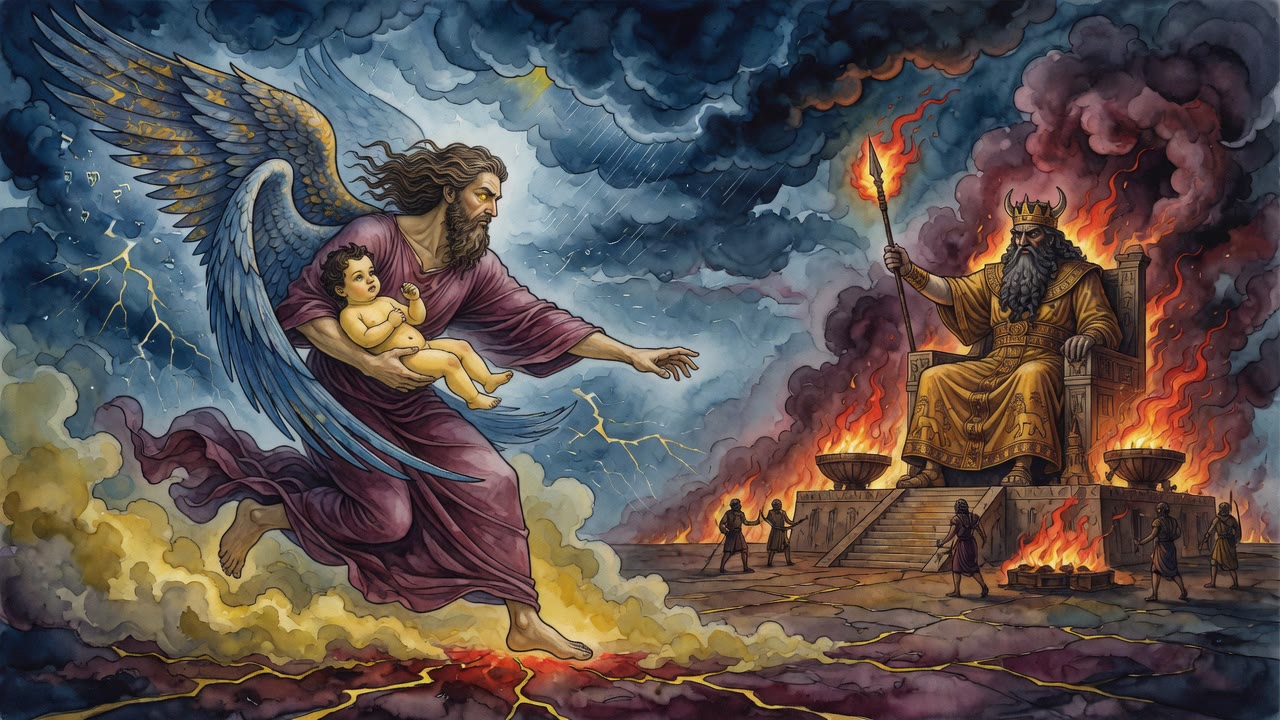
Gabriel made milk flow from his finger for the abandoned infant Abraham. Decades later he carried the same man on his shoulder into Nimrod's capital.
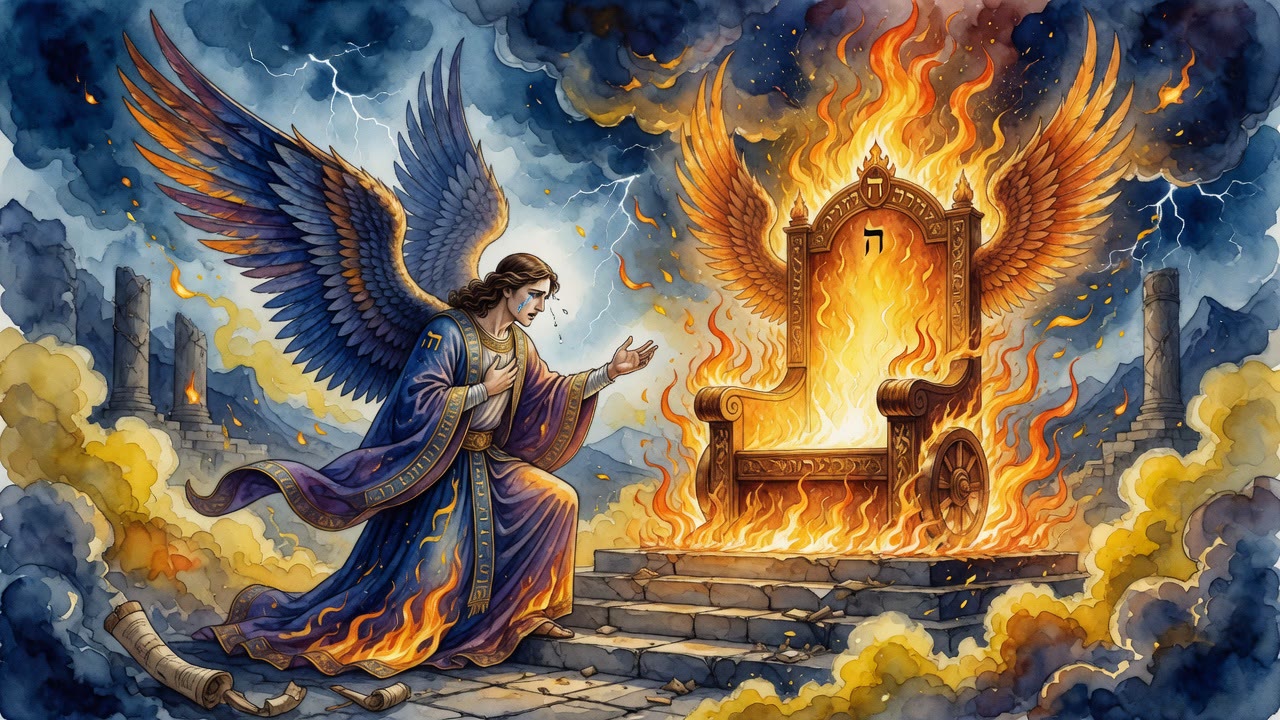
Michael rose from the meal and stepped outside. Before the next breath he stood in heaven, asking God to send someone else.
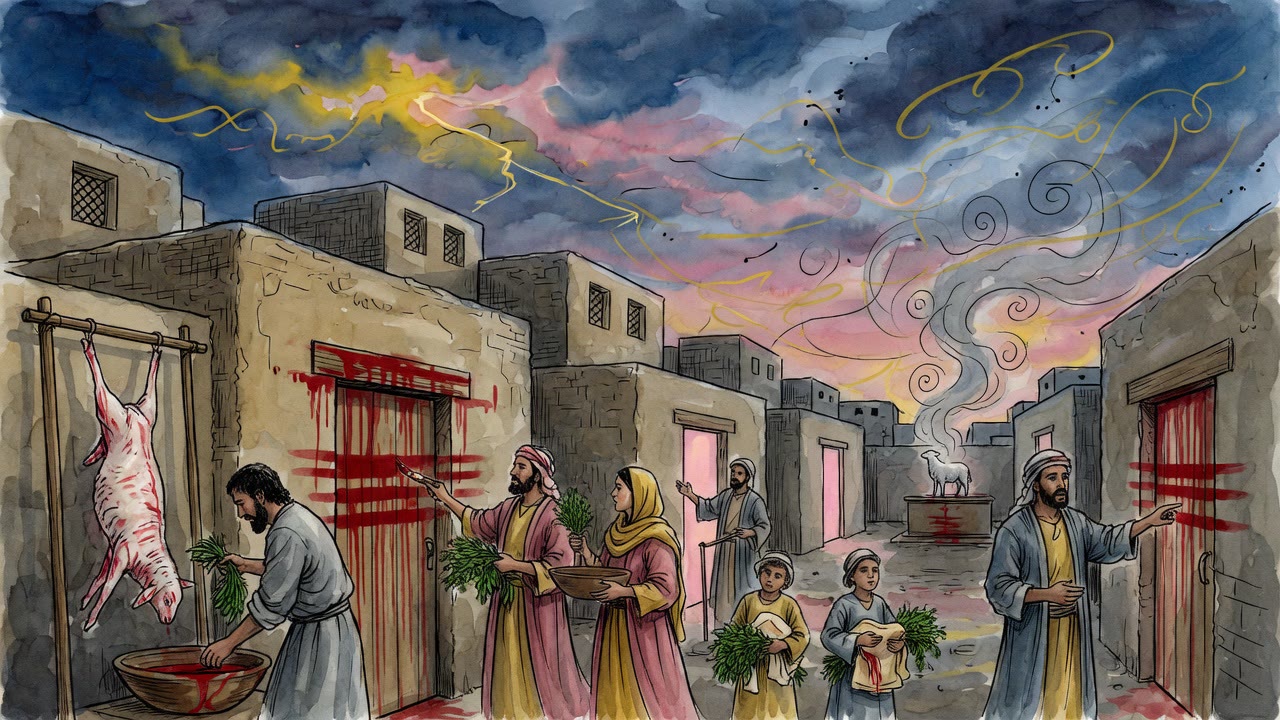
Three words hide inside the rules for the Paschal lamb. They point past the blood on the doorpost toward a land promised before a single plague fell.
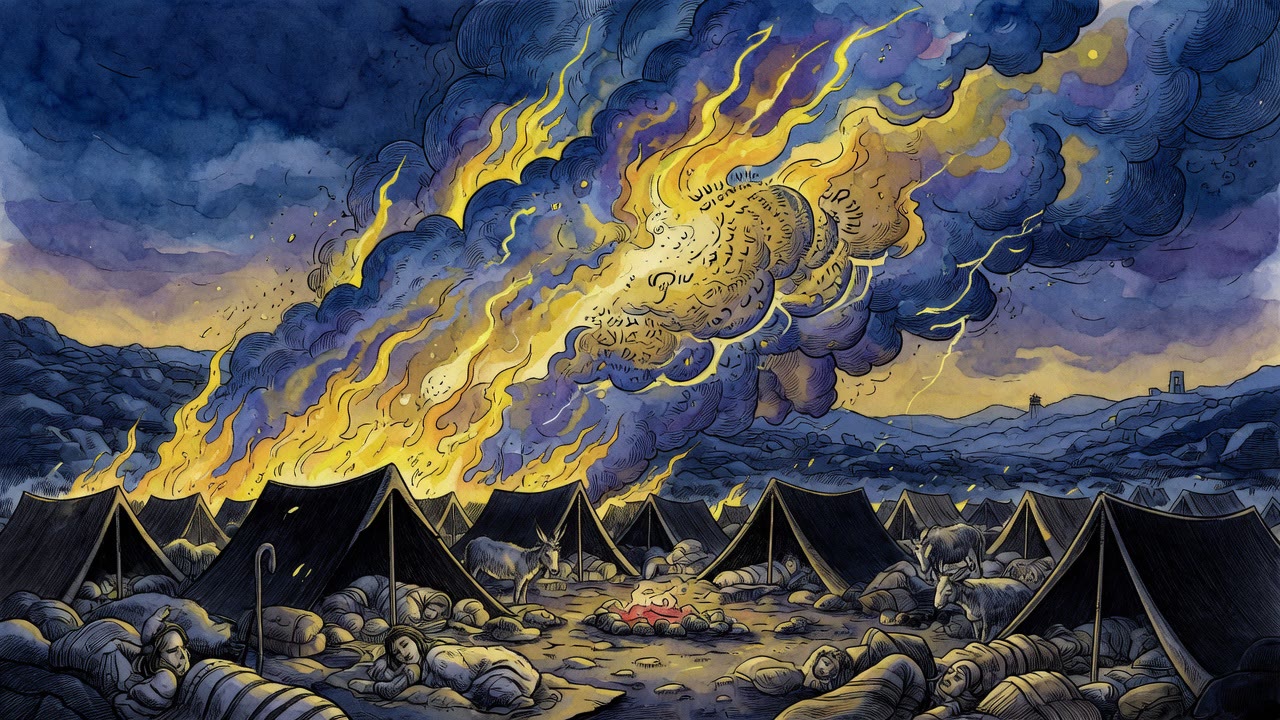
Every nation has its angelic prince standing watch. Israel has no such guardian, and the keeper who keeps it will not slumber or sleep.
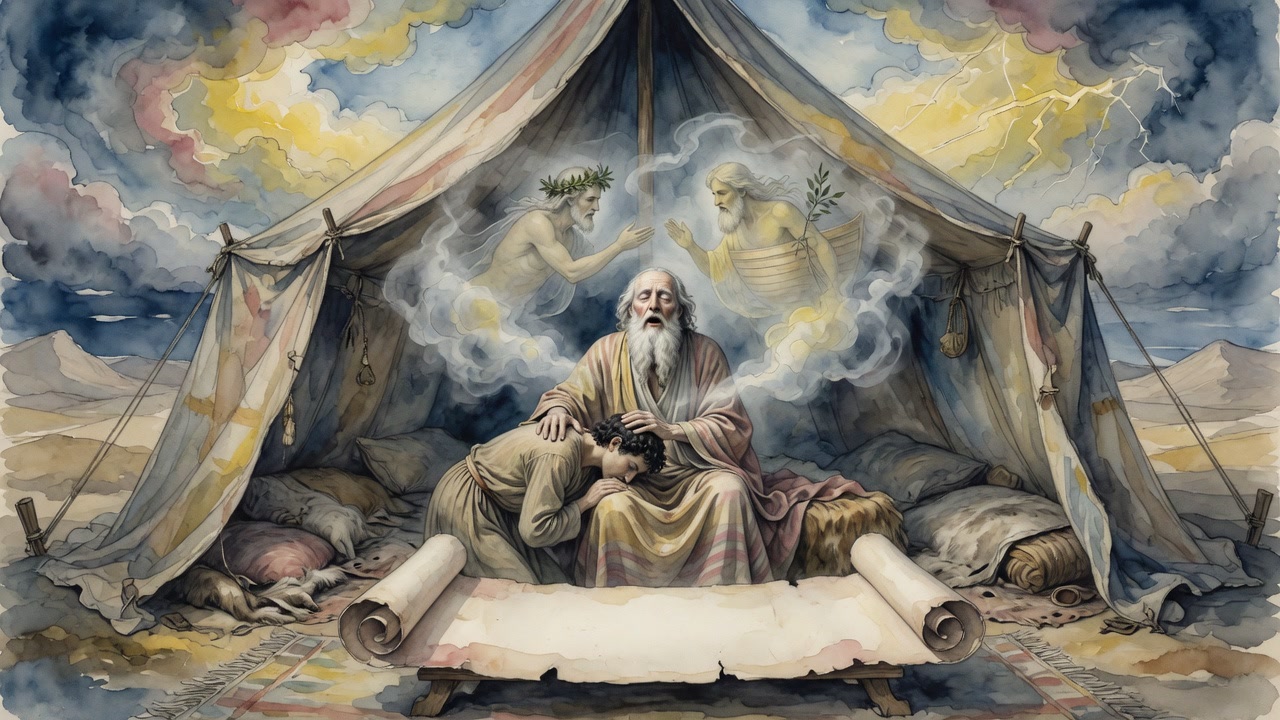
The blessing Isaac spoke over Jacob at Beersheba was not new. The same words had been spoken twice before, first to Adam, then to Noah, now to Jacob.
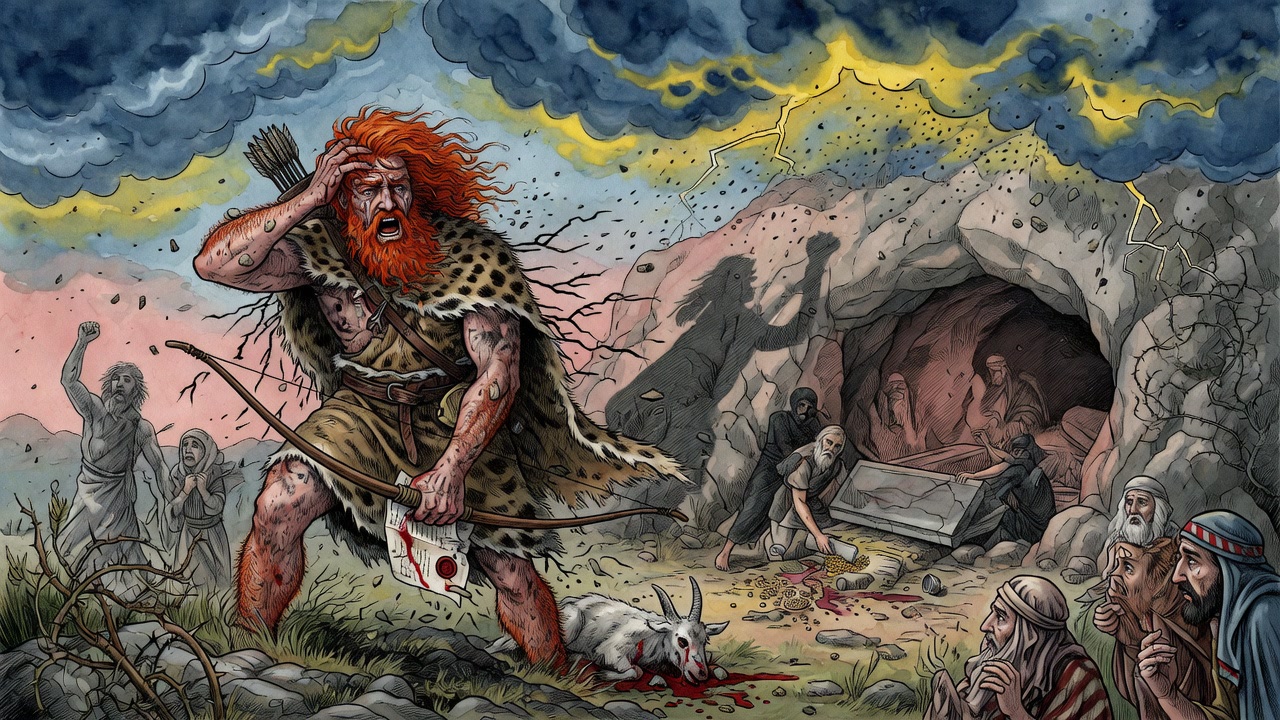
Jacob cooked lentils the morning Abraham died, food for a silent house. Esau came in from the field with the day already on his hands.
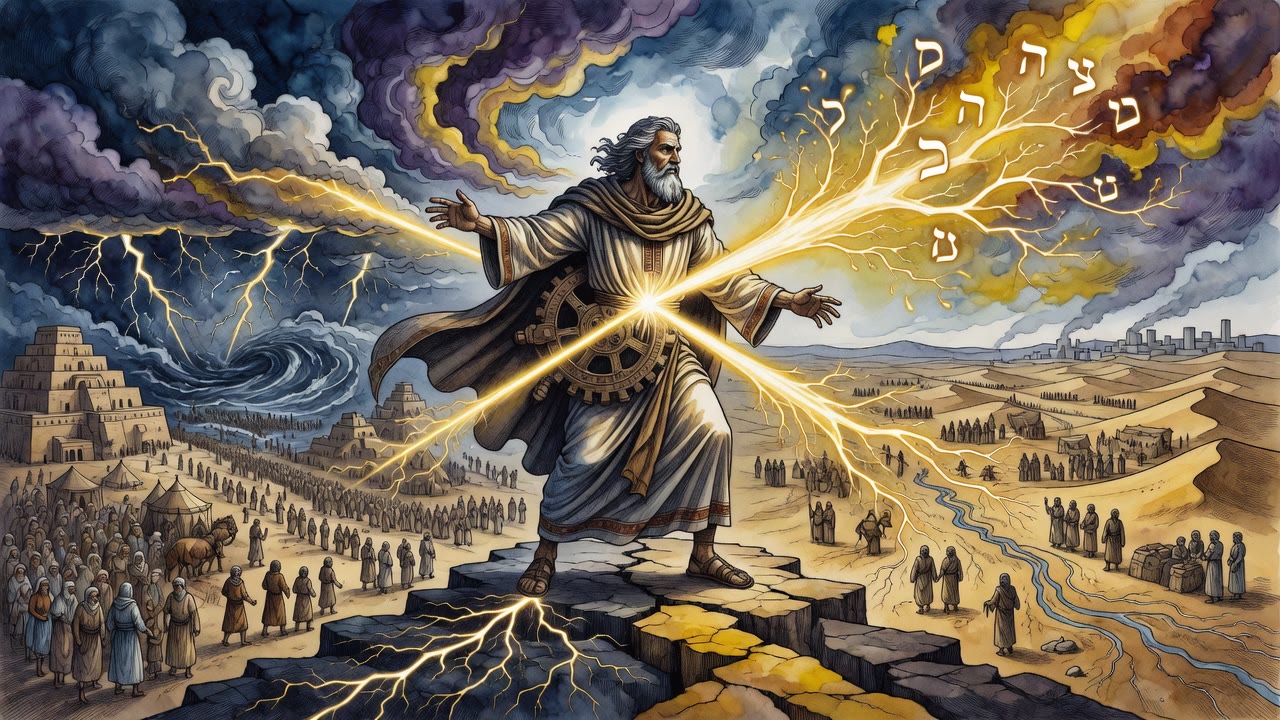
He looked up at the stars and believed a childless old man would father a nation. He was thrown into Nimrod's furnace for refusing idols and walked out alive.
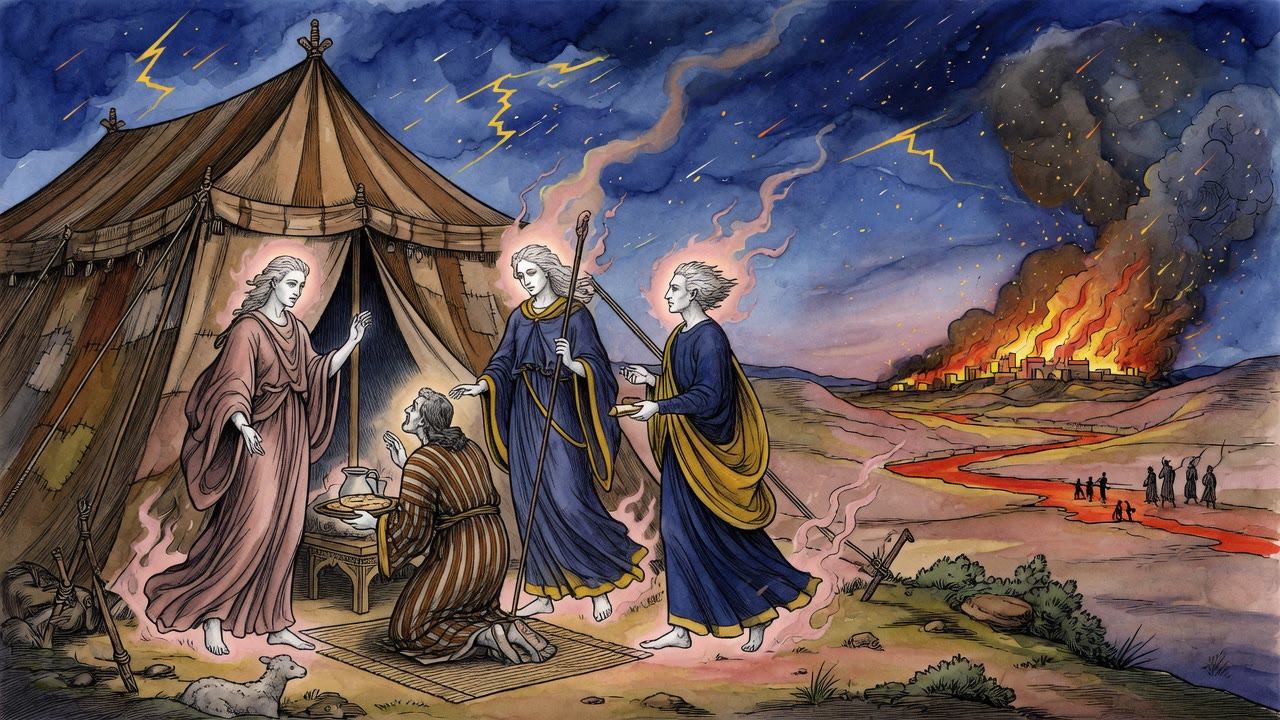
Abraham was ninety-nine and three days past his own circumcision, sitting in the midday heat. He got up and ran to fetch butter, milk, and a tender calf.
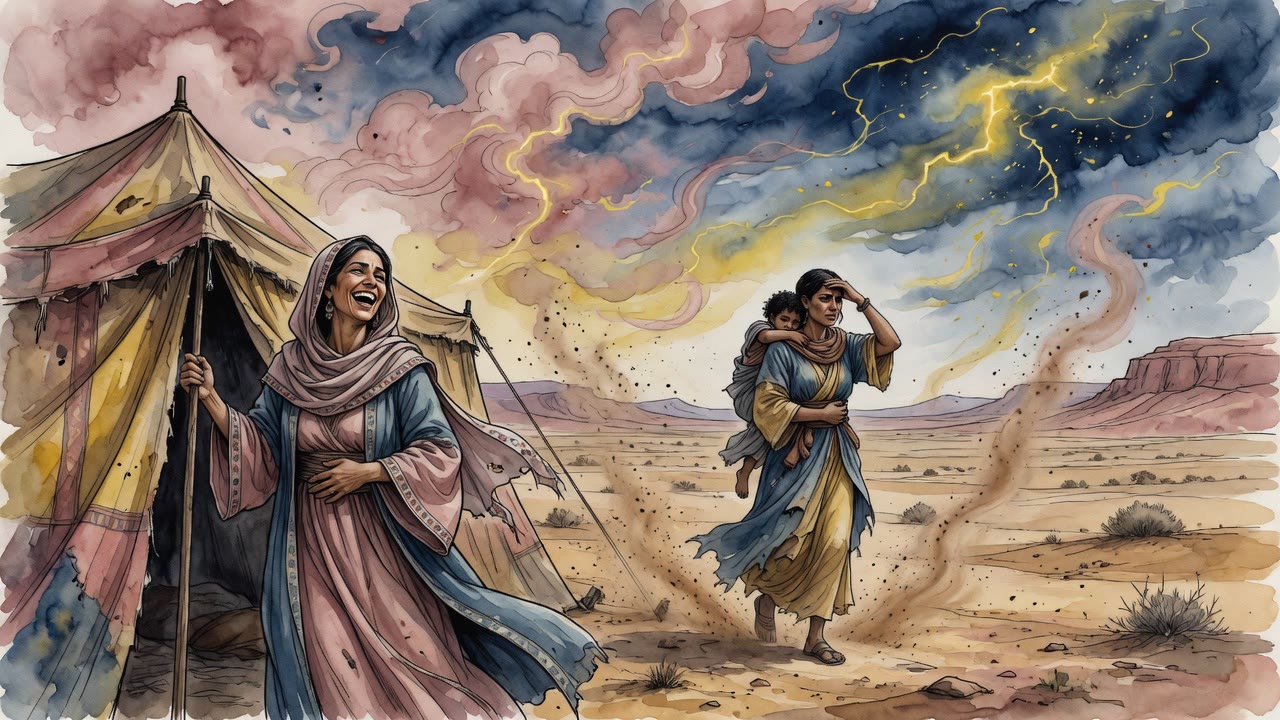
Abraham put bread and a water-skin on Hagar's shoulder. When it ran dry she set Ishmael under a bush and sat far enough not to watch him die.
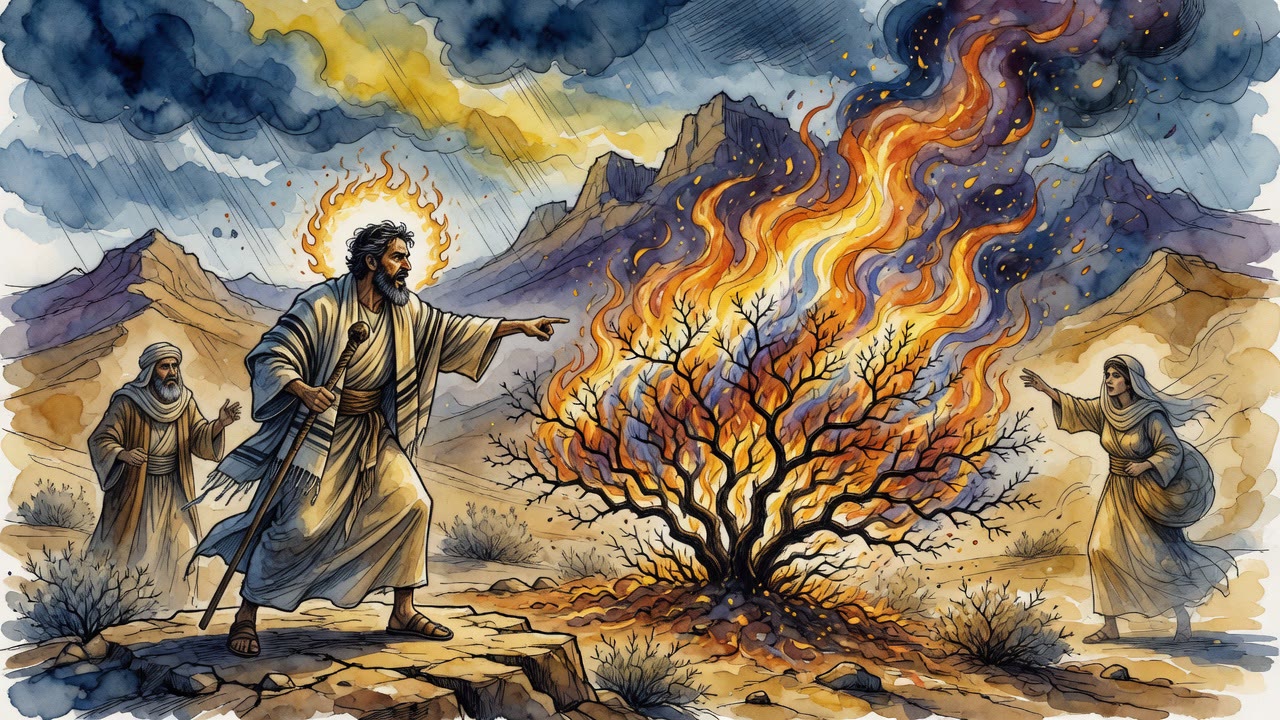
Fire moved through the thornbush and the leaves stayed green. A voice said his name twice. He answered, then he started to argue.
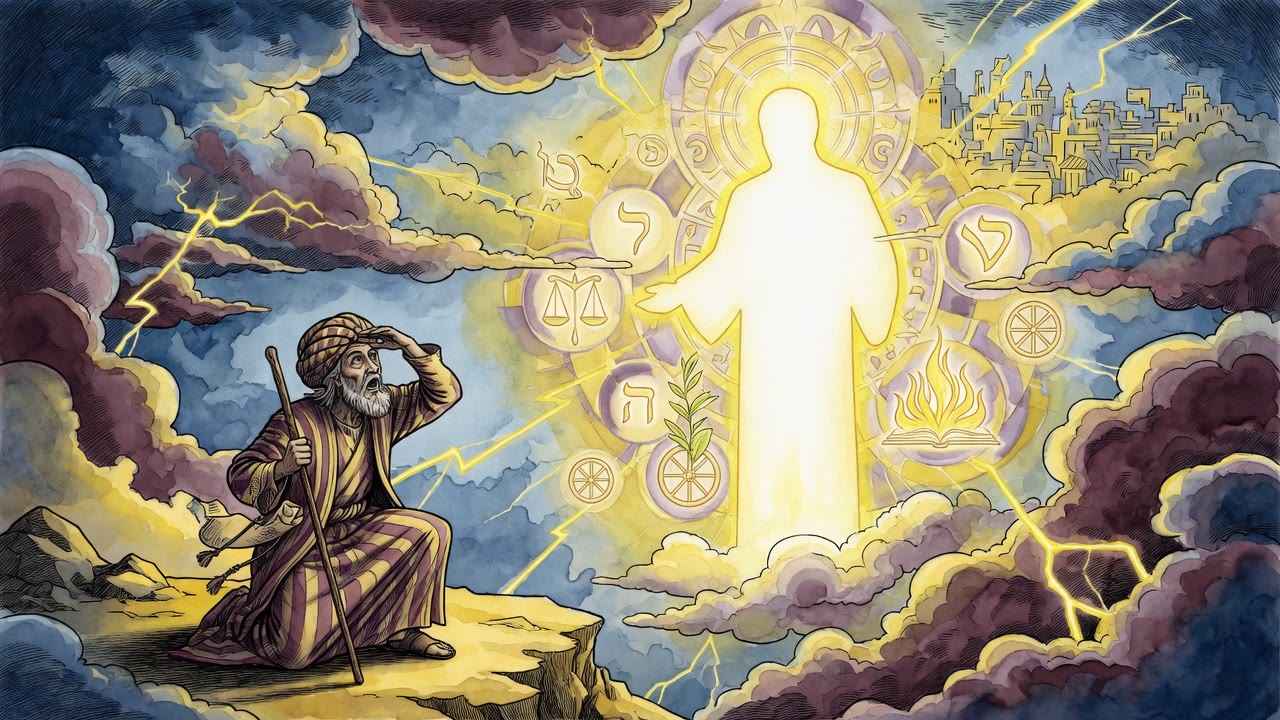
An unclean bird landed on the split carcasses and told Abraham to run before the fire took him. He stayed, and learned how long the age had left.
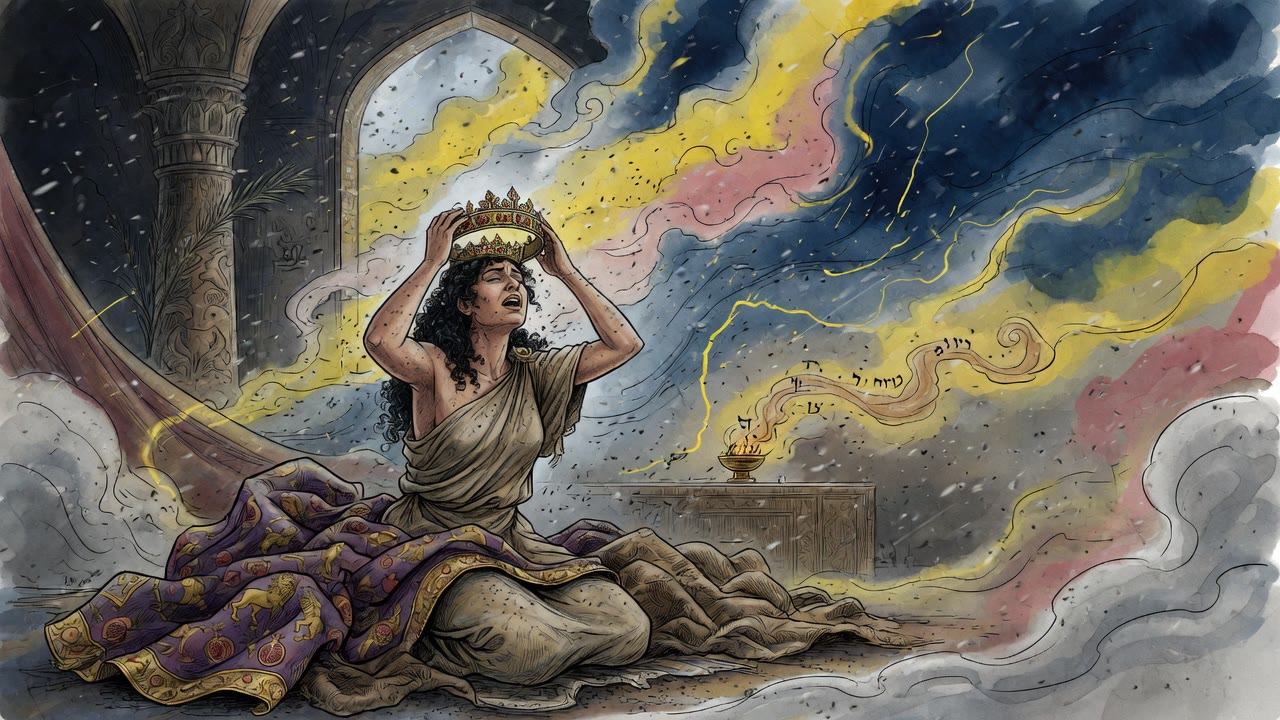
Three days without food. The decree was already on the road. On the palace floor Esther named herself an orphan and began with Abraham.
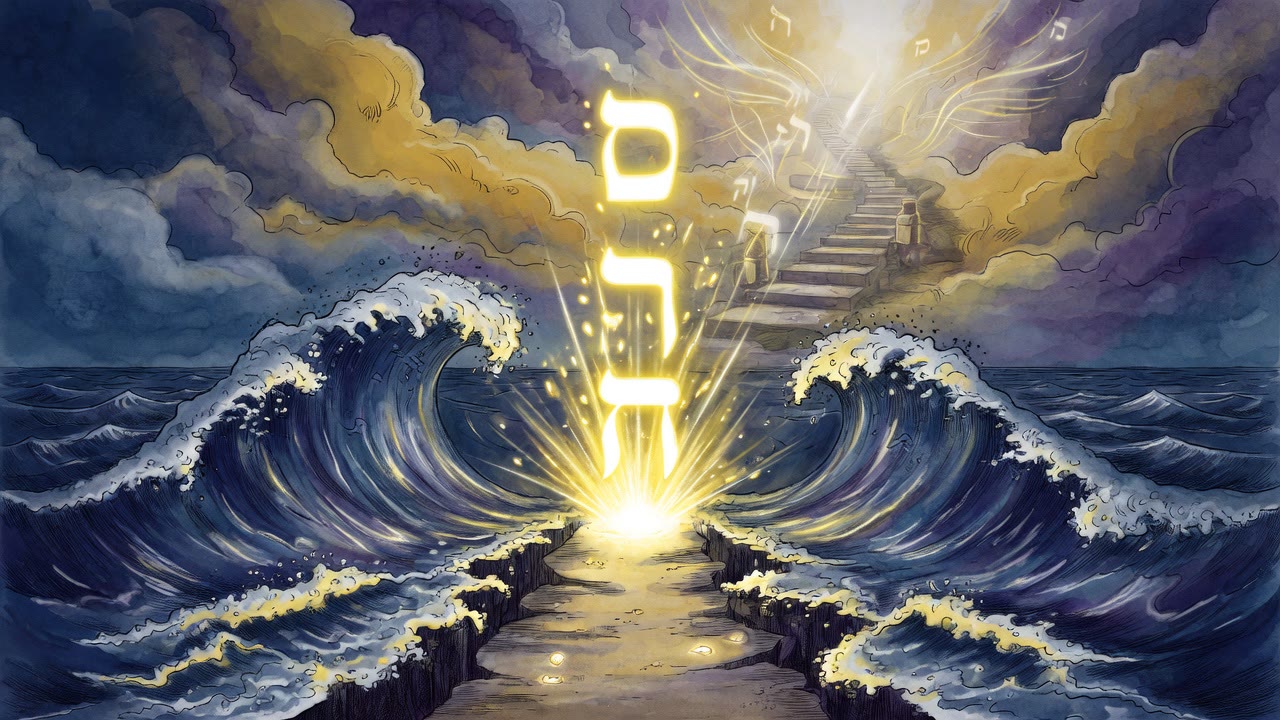
The sea did not split for the crying people at the water's edge. It split because of one word God spoke at Beth-el, long before.
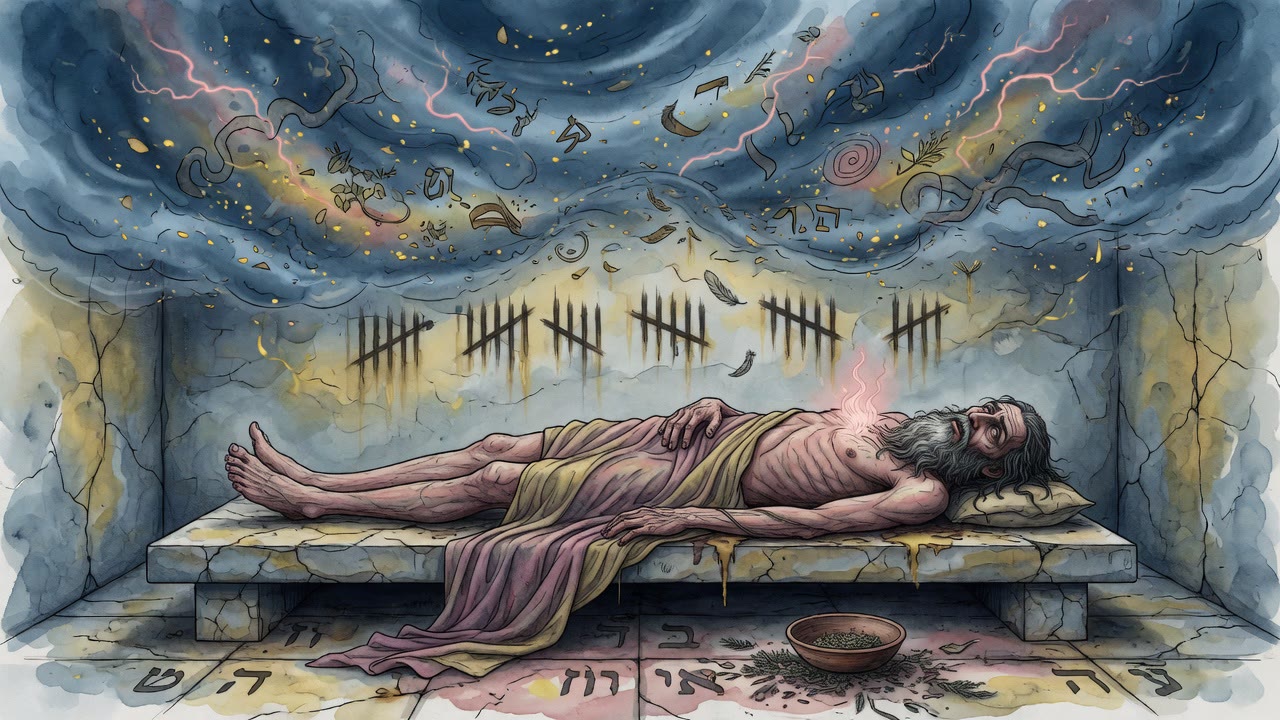
Seven sheep were laid against David each day for warmth, and none of it reached him. He had counted Israel, and seventy thousand men died in the plague.
Esau tied a deer and went after the next. When he came back the cord lay empty. The Accuser had been walking the field behind him.
The cut was three days old. Abraham sat in the tent door in the heat. God came to the sick man before any stranger reached the road.
Abraham pitched his tent where Sodom's gates could still be smelled. Travelers reached him first. After the fire, he packed the ropes and moved.
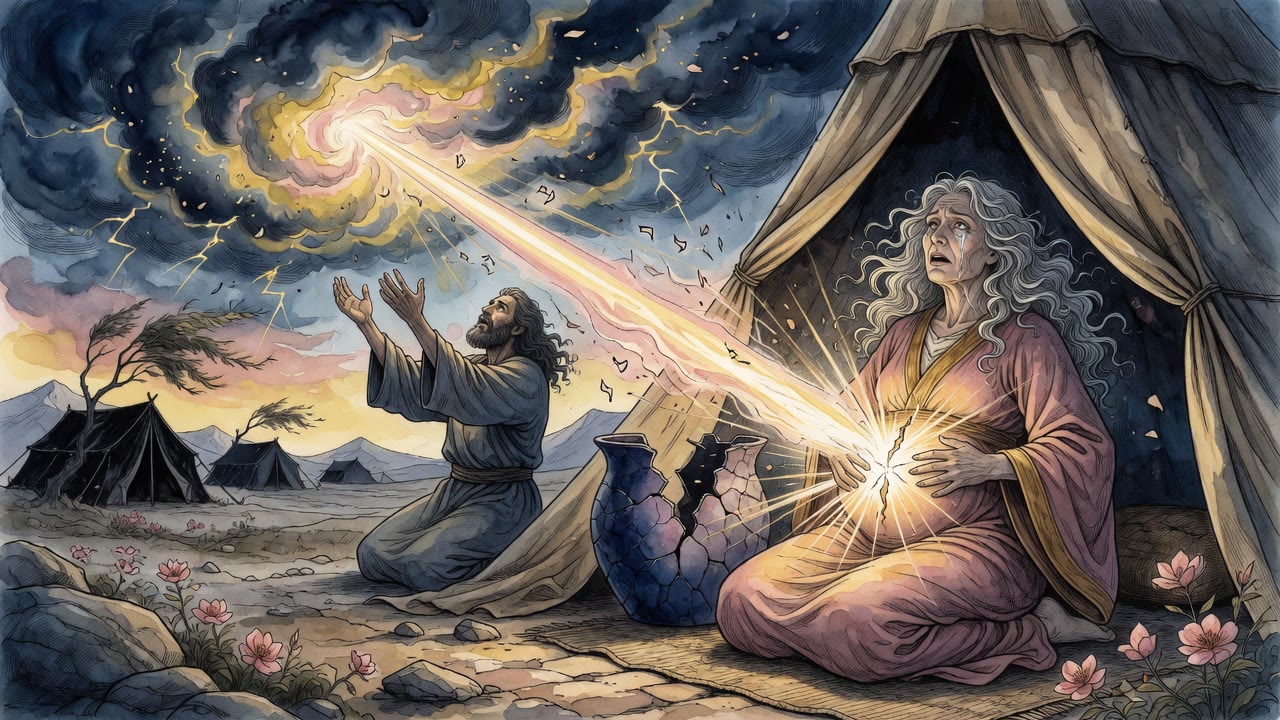
Sarah stood in a palace where every womb had shut, even the hens. Abraham prayed for that king, and the next name heaven spoke was hers.
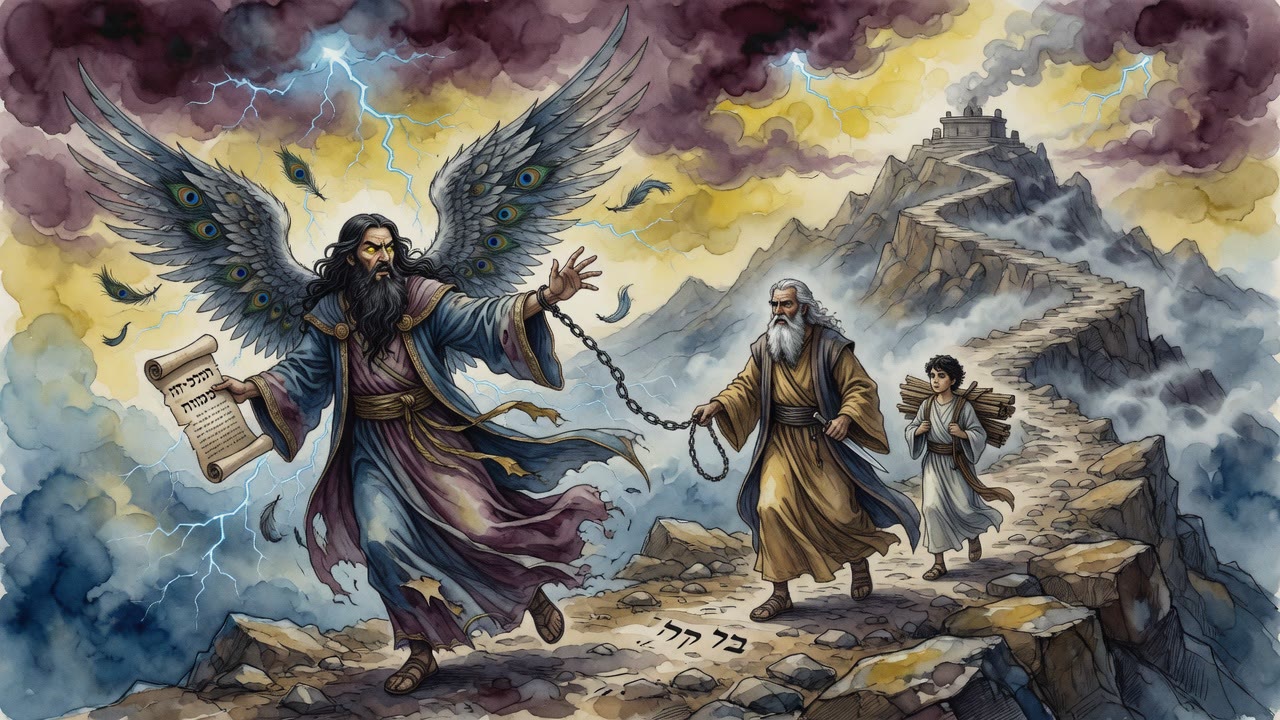
Old man, Samael said, will you slaughter the son you got at a hundred? Abraham kept walking. So the Accuser tried the boy instead.
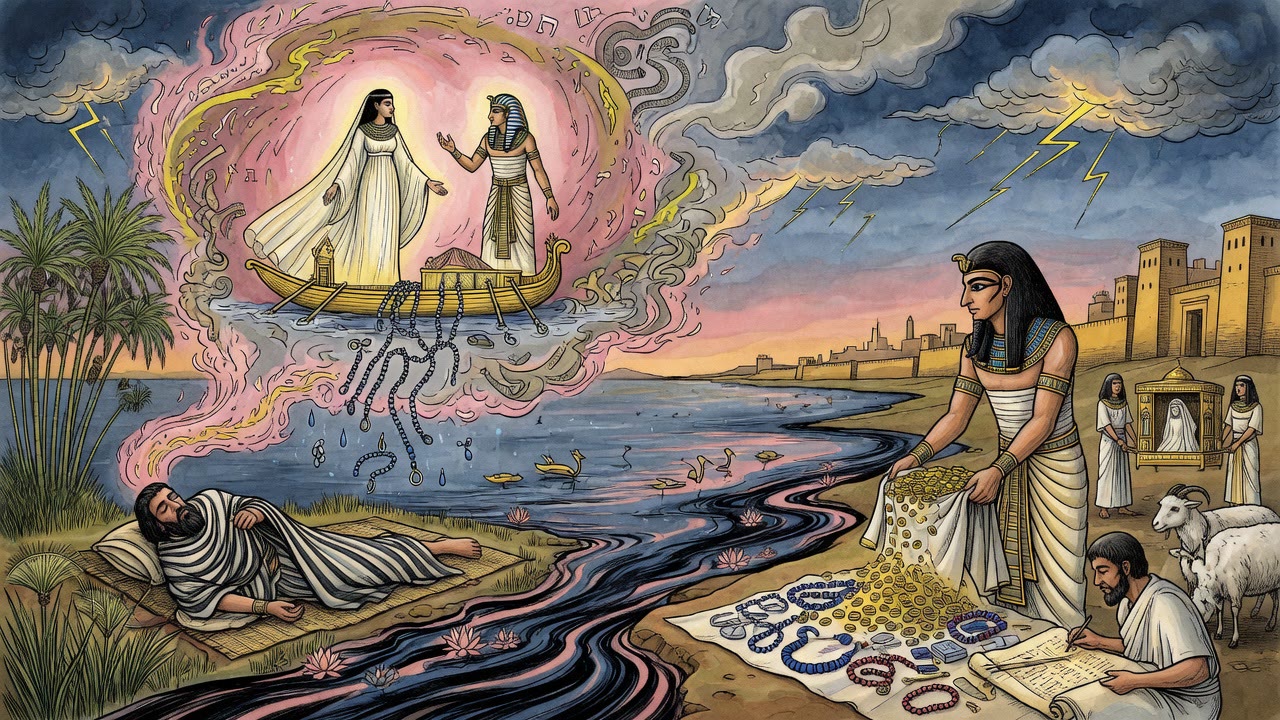
Hebron had no bread left in the famine. At a branch of the Nile, a palm spoke in Abraham's sleep and bargained for the cedar beside it.
