The World Where One Sneeze Killed You Until Jacob Prayed
In the early generations a sneeze emptied a man of his soul on the spot, until Jacob begged Heaven for sickness so he could bless his sons.
Table of Contents
A merchant in the old world stood in the market with a fistful of dates, arguing over the price, and then he sneezed once and dropped dead between the stalls before the seller could answer him.
 Click for full size
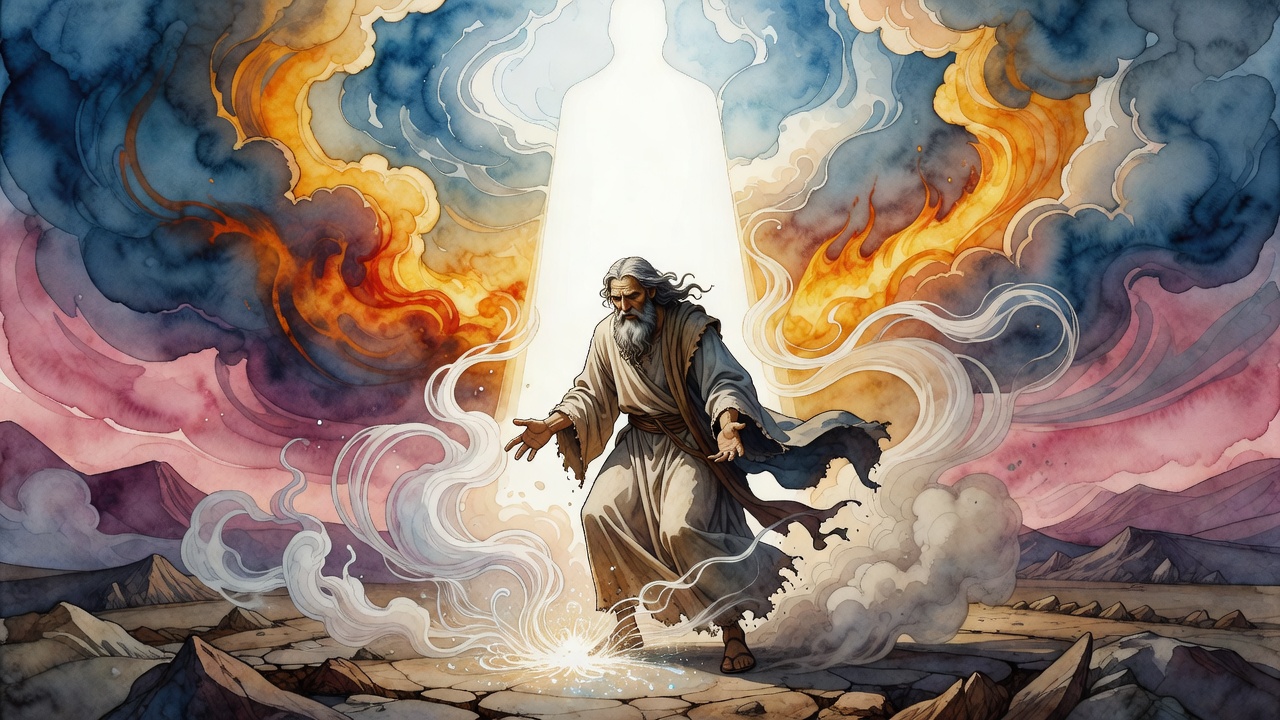
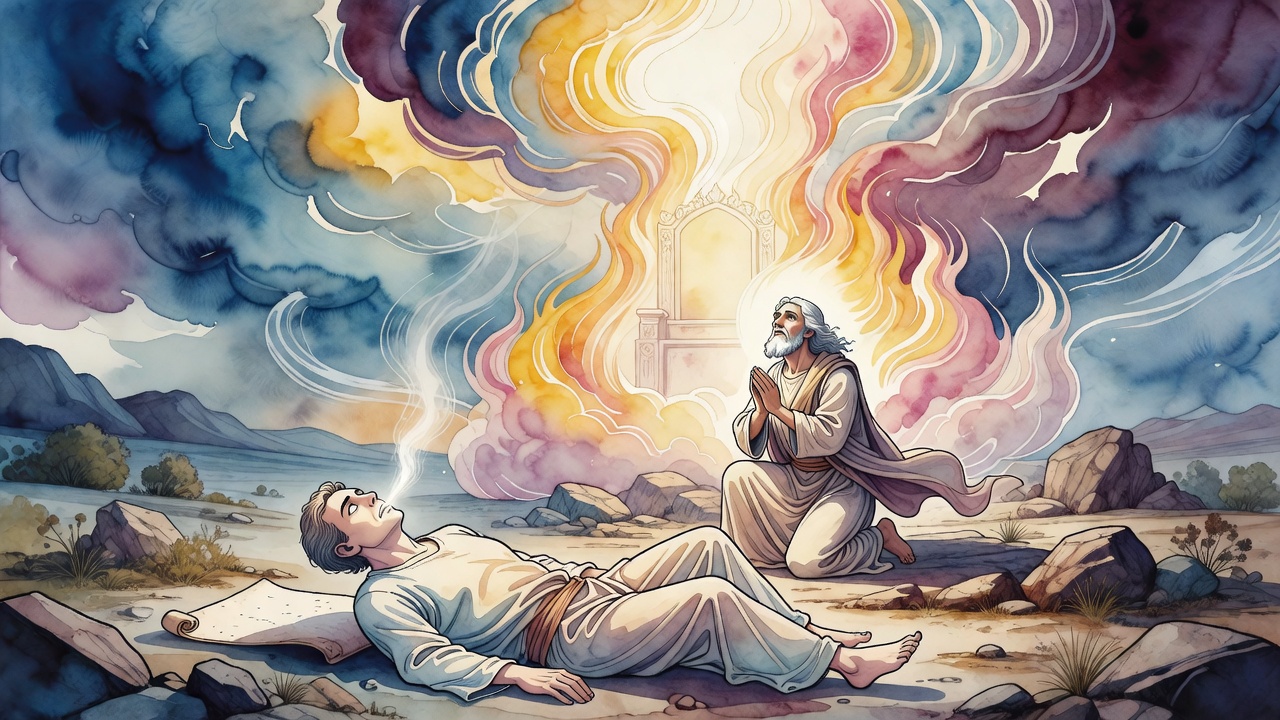
No one ran for a healer. There were no healers. In the first generations after Eden, sickness had not yet entered the world, and a body that fell did not fall from fever or wound. It fell because the sneeze had opened the nostrils and the soul had gone straight out through them, the way breath leaves a bellows, and there was no calling it back. A man could be whole at dawn and a corpse by noon with no swelling, no cough, no slow fading to warn him. The sneeze was the whole of it. One sharp breath, and the standing became the dead.
A Death That Left No Time to Speak
This was a terror that had nothing to do with pain. The fear was the suddenness. A father would be holding his youngest on his knee, mid-sentence, mid-promise, and then the breath would catch and he would be gone, the unfinished word still warm in the air. Nothing was settled. No inheritance named, no quarrel forgiven, no charge laid on the children about how to live once he was under the ground.
The early generations learned to dread the smallest tickle in the nose. A sneeze coming on was the body's only announcement, and it announced not a cold but the end. People stiffened when they felt one rising. They braced. And then most of the time they died.
Jacob Counts the Cost of a Sudden End
Jacob had wrestled an angel at the ford of the Jabbok and walked away with a limp and a new name. He had buried a wife on the road to Ephrath and raised twelve sons into a quarreling, dangerous, beloved tribe. He had a household that would become a nation, and he carried inside him the blessings and the warnings that nation would need, the words that belonged to Reuben and to Judah and to Joseph and to all of them, each one different, each one his to give.
And he knew the law of the world. A sneeze would take him without warning, and all of it would die in his chest unspoken. The tribe would be left fatherless and unguided in a single breath. The thought of it pressed on him harder than the wrestling angel ever had.
The Prayer That Asked for Suffering
So Jacob did a thing no one before him had thought to do. He asked God for sickness.
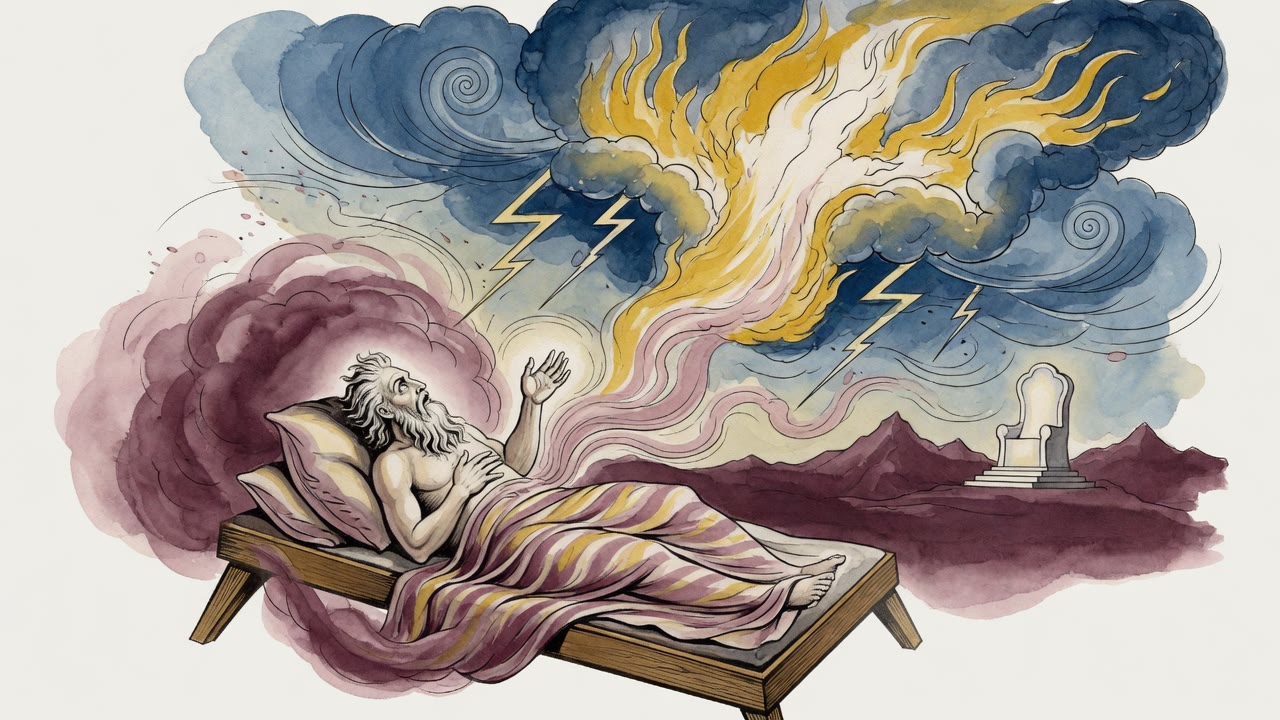
"Sovereign of all the worlds," he prayed, "do not take my soul from me until I have charged my sons and my household." He was not asking to live forever. He was asking only for warning. For a span of days between the first weakness and the last breath, a corridor of time in which a dying man could call his children to his bed and put his hands on their heads and say what had to be said. He asked, in plain words, to be allowed to grow ill before he died.
And God was entreated of him. The change came not as a decree announced from the sky but as a quiet line that runs through the story of his old age. Word reached his favorite son in Egypt. Someone came to Joseph and said, "Behold, your father is sick." Four words that had never been spoken about any human being before. Jacob was sick. He had not dropped dead in the market. He was lying down, weak, fading, alive, and there was time.
The Kings of the Earth Hear of It and Wonder
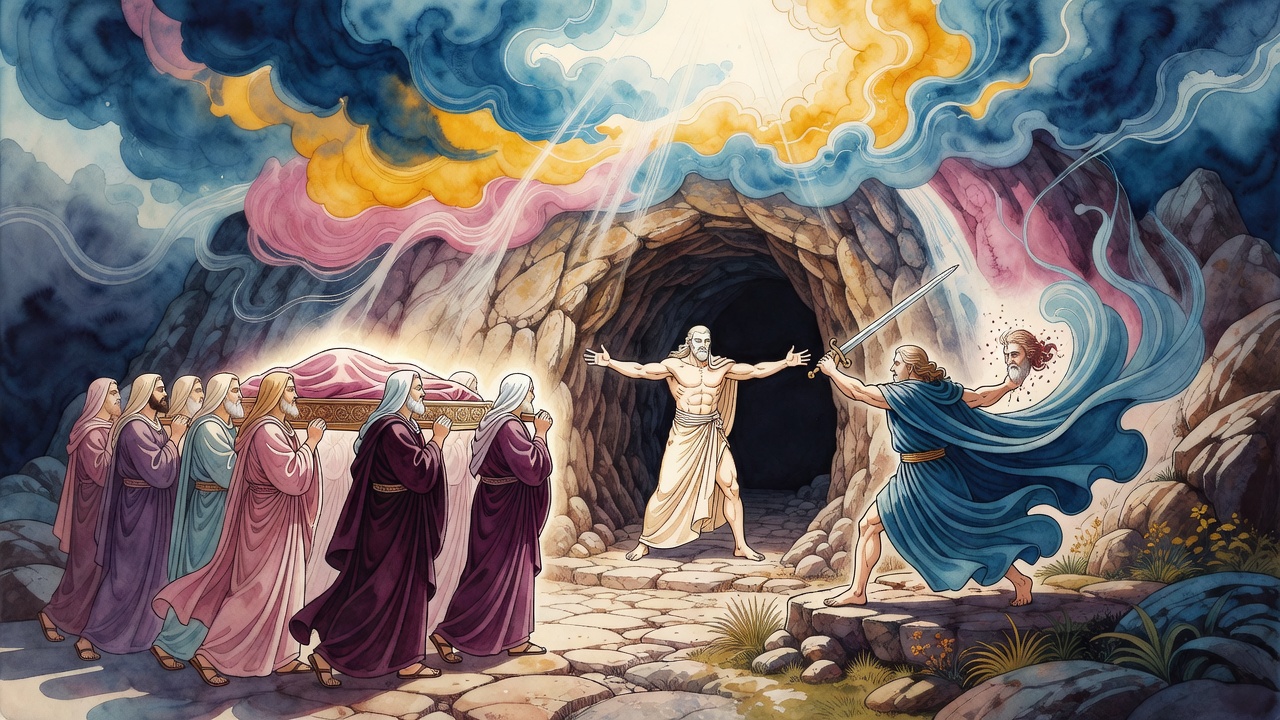
The news traveled past Joseph and past Egypt. The kings of the earth heard that a man was lying ill and had not yet died, and they were astonished. Such a thing had never happened in any kingdom. A body that weakened by degrees instead of collapsing all at once, a dying that took days and gave a man room to put his affairs in order, this was unheard of. They marveled at this new slow door out of the world that Jacob's prayer had pried open.
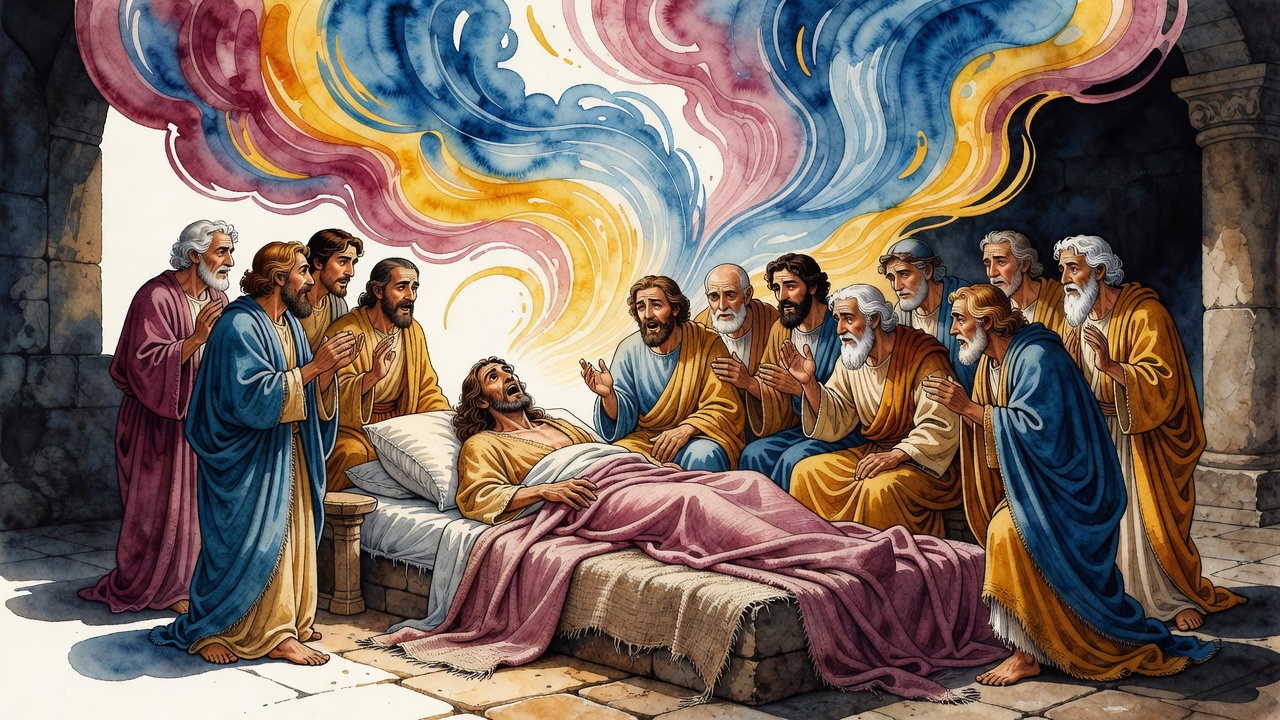
And in the corridor of days he had bought, Jacob did exactly what he had asked for the chance to do. He gathered his sons around the bed. He blessed Joseph's two boys, crossing his hands so the younger took the elder's portion. He called the twelve to him one by one and spoke over each of them the words that fit only that son. Then, the charge finished, the household set in order, he drew his feet up into the bed and breathed out for the last time, on his own terms, with nothing left unsaid.
How the Killing Breath Became a Blessing
Because of Jacob, the sneeze stopped meaning death. It still came sudden and sharp, that involuntary catch and burst of breath, but the soul no longer rode out on it. The body had been given a different alarm, a small built-in courtesy that warned a person of his own needs and spared him shame, a sign of design rather than a sentence.
So a custom was laid on every person. When a man hears his fellow sneeze, he is bound to answer him, and the old word for the answer was not a polite reflex but a declaration thrown against the memory of that first world. "Life," he says. Life, because the breath that once carried the soul out now carries nothing but air, because the death of the world was turned to light, because a man who sneezes today will still be standing in a moment and can be wished more of the same. The sharp breath that emptied bodies became the occasion for one person to bless another and mean it.
← All myths