The Angel Totrosiyah at the Seventh Palace Gate
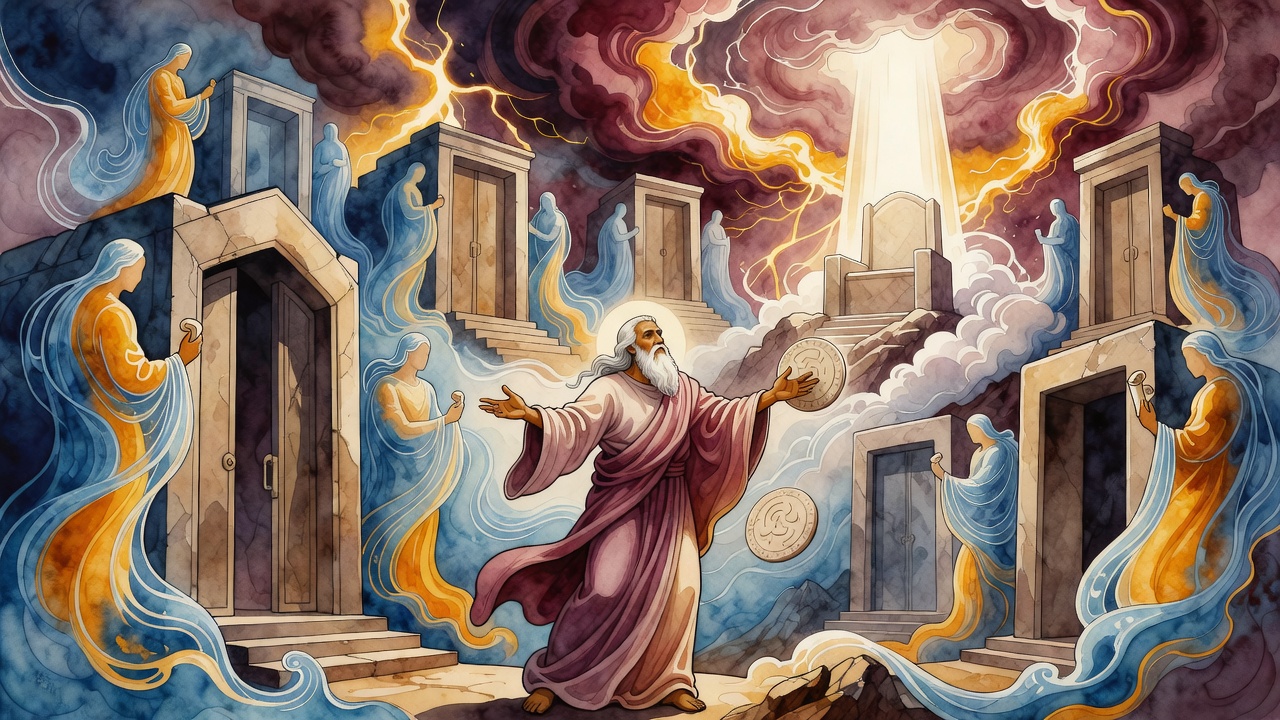
Seven palaces stand between a mystic and God's throne, each with a named guard. At the last gate you need two seals, one in and one out.
Table of Contents
 Click for full size
The Road to the Throne Was Not Open Country
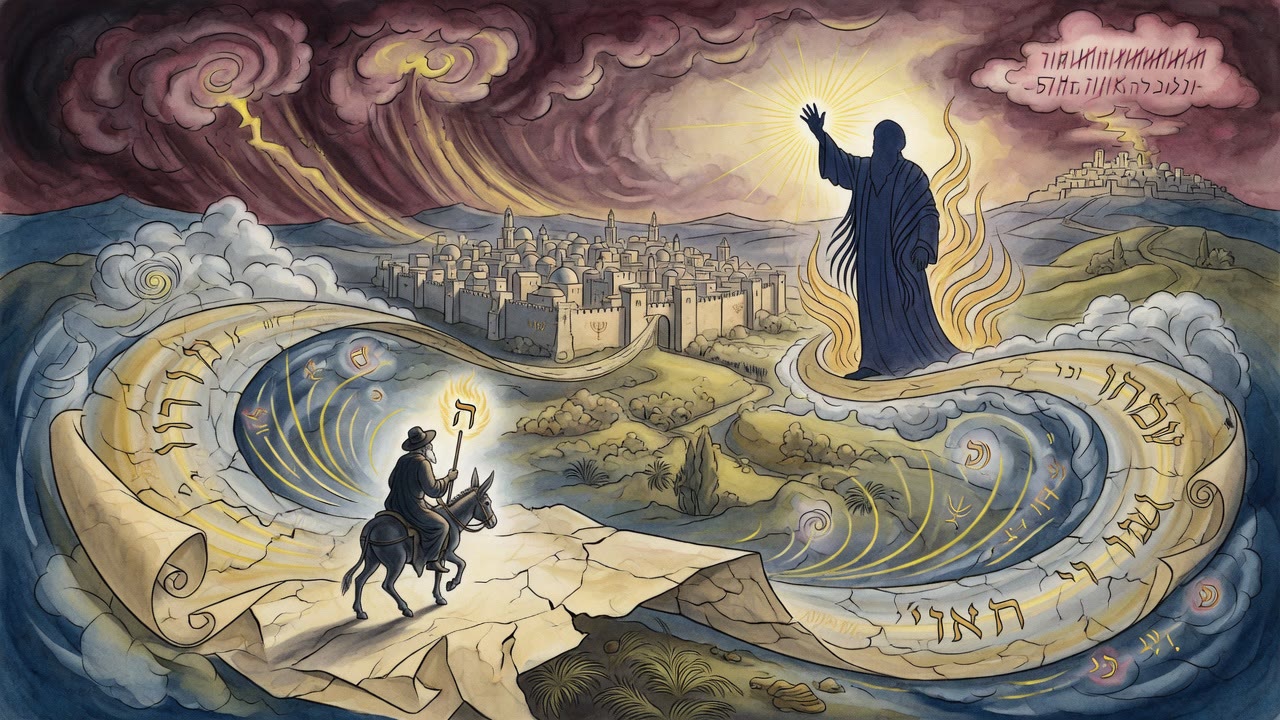
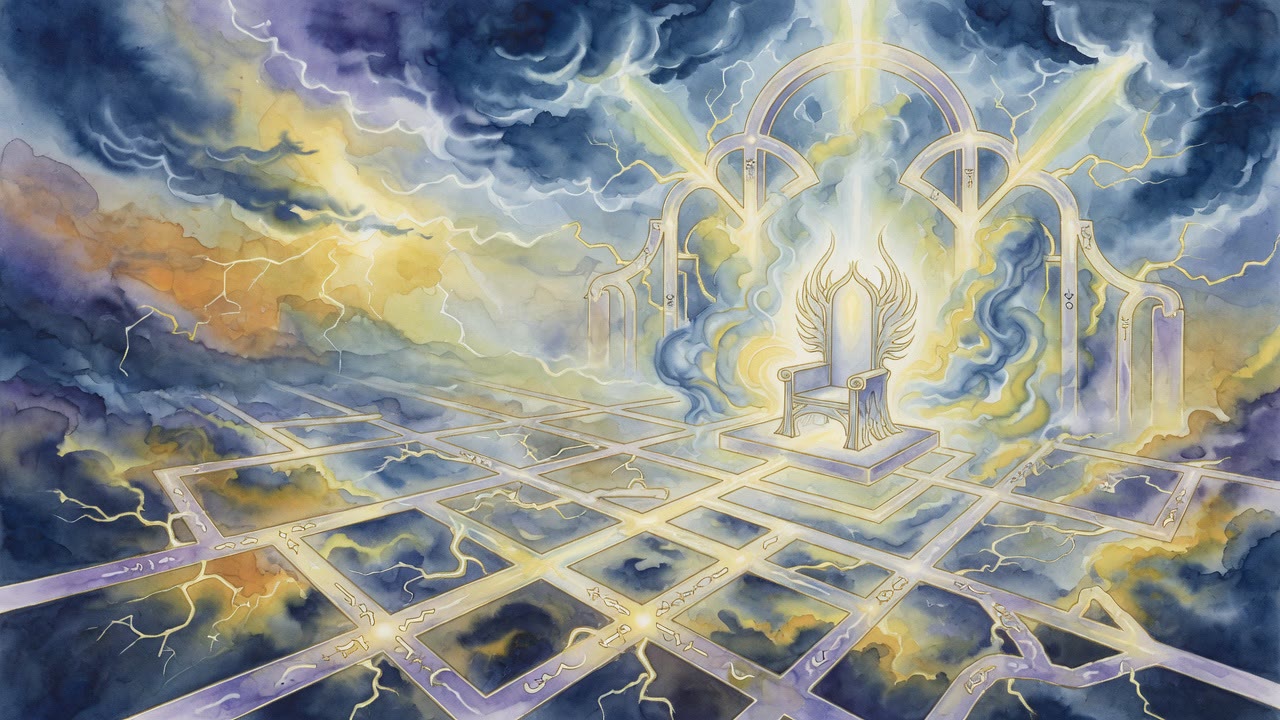
A person who sought the Merkavah, the divine chariot-throne, did not simply close his eyes and arrive. He entered a road with gates, guards, names, and credentials. At each gate, something was demanded. At the seventh gate, the demand was total.
The palaces of the heavenly ascent are not metaphors for spiritual states. In the Heikhalot imagination, they are places with geography, staffing, and rules. The mystic who prepares himself, who fasts and purifies and learns the correct names and seals, still arrives at each gate as a stranger being examined. Holiness does not grant automatic passage. It grants the right to be examined.
Named Guards at the First Palaces
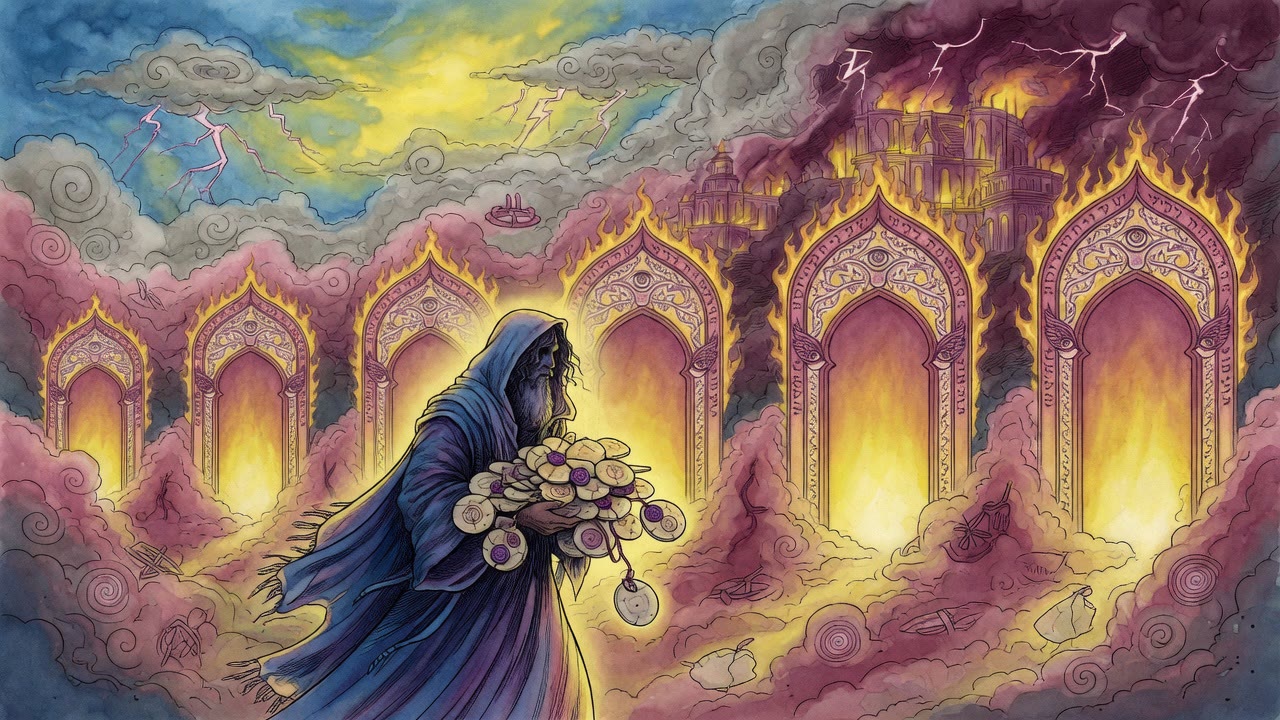
From the outermost palace inward, every gate has its guardian. Lahabhiel, Kashrael, Gahoriel, Zekhuthiel, Tophhiel, Lahariel, Mathkiel, and Shuwael, each name is a lock and a map at the same time. In Jewish mystical writing, a name can hold a boundary, because names are not merely labels. They define the nature of what they name.
A guard whose name means something like the one who burns light cannot be circumvented by a traveler who does not understand fire. A guard whose name means something like merit-of-God cannot be passed by someone who has not grappled with what merit means. The names are the examination.
The outer palaces can be difficult. But the outer palaces are also practice. The fourth palace already thickens with danger. The fifth requires more. By the sixth, the tradition records that even worthy mystics have been turned back, struck with trembling, or made unable to speak.
Beyond the Firmament
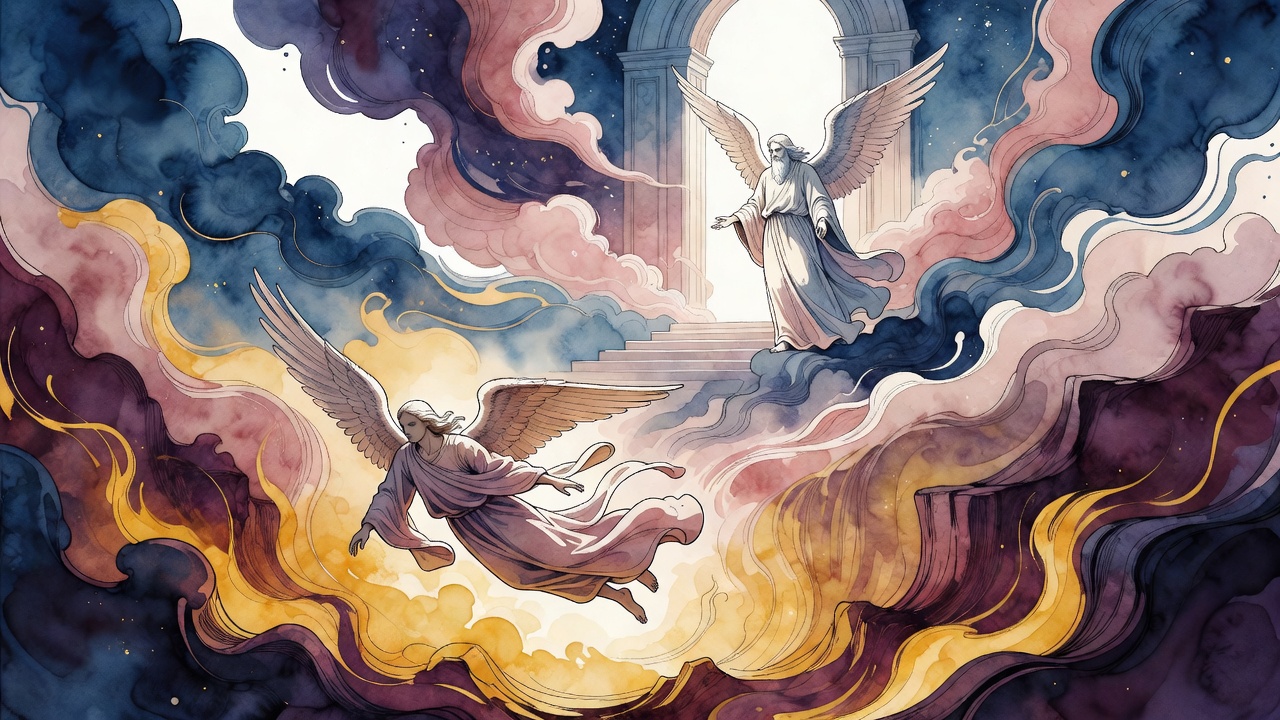
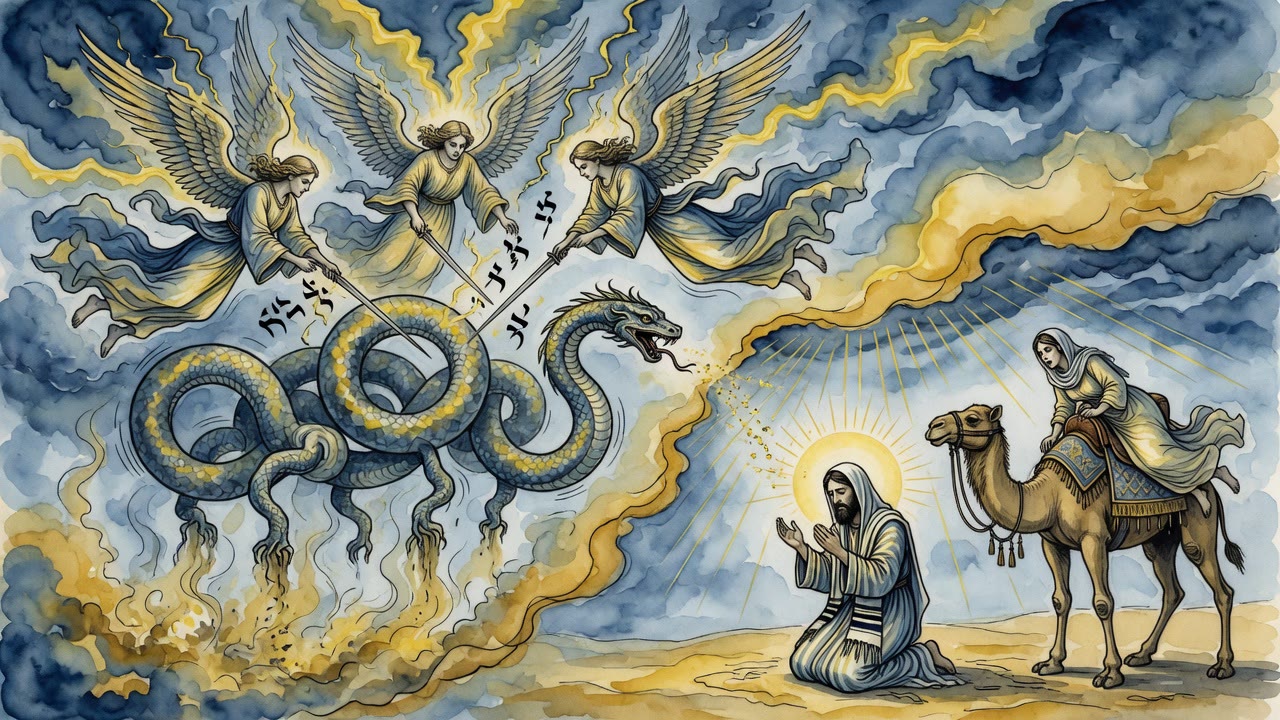
Totrosiyah stands beyond the firmament, in the space between the sixth and seventh palaces where ordinary heavenly geography gives way to something the texts struggle to describe. The angel is not merely a guard. Totrosiyah is a presence so intense that the atmosphere around it is described in terms of fire and blood-clouds, light and redness together, the colors of a world where the boundary between holiness and destruction is thinner than breath.
The mystic who reaches Totrosiyah must present the two seals: one for entry and one for departure. Both matter equally. The ascent to the divine throne is not complete until the mystic has also negotiated the return. Entry without the return seal is a one-way door.
The tradition is insistent on this. The ascent is not a self-annihilation. The goal is not to dissolve into divine fire. The goal is to approach the throne, witness the Merkavah, receive the vision, and come back, intact, able to speak, carrying what was seen back into the world of Torah and community.
Dumiel Tests What the Others Cannot
Dumiel, whose name carries something of silence and judgment, examines the mystic's worthiness at the point where all external credentials have been presented. The seals are shown. The names have been spoken. And still Dumiel asks a deeper question: is this the kind of person who ought to see what is on the other side?
This is the gate that cannot be prepared for by study alone. The prior gates tested knowledge. Dumiel tests the person beneath the knowledge. A scholar who has memorized every seal and every name may still not pass. What passes is something harder to describe than learning, something closer to the integrity between what a person believes and what a person is.
Those who pass look up and see the seventh palace: fire and light and the beginning of the presence they have traveled through seven gates to reach.
← All myths