Ahab and Zedekiah Used God's Name to Get Into a Bedroom
Two false prophets use matched lies to seduce women in exile. When they try the scheme on Nebuchadnezzar's wife, the furnace becomes their verdict.
Table of Contents
 Click for full size
The Scheme That Required Two Voices
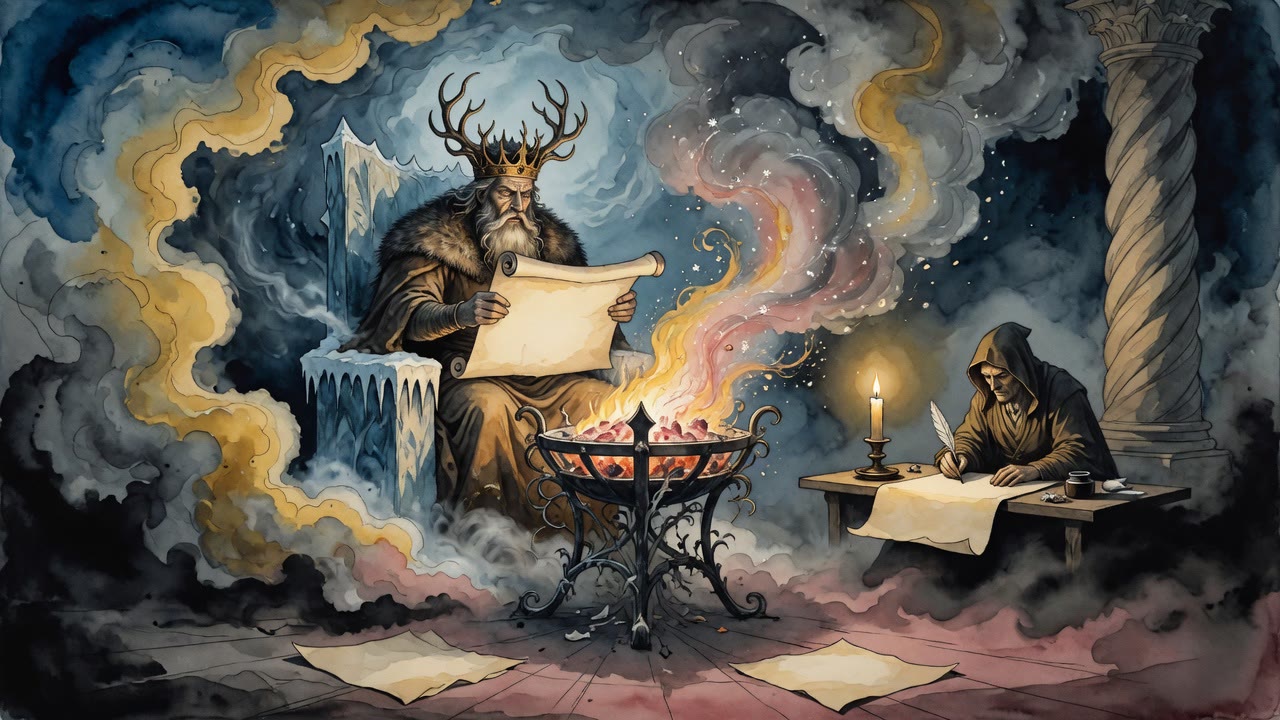
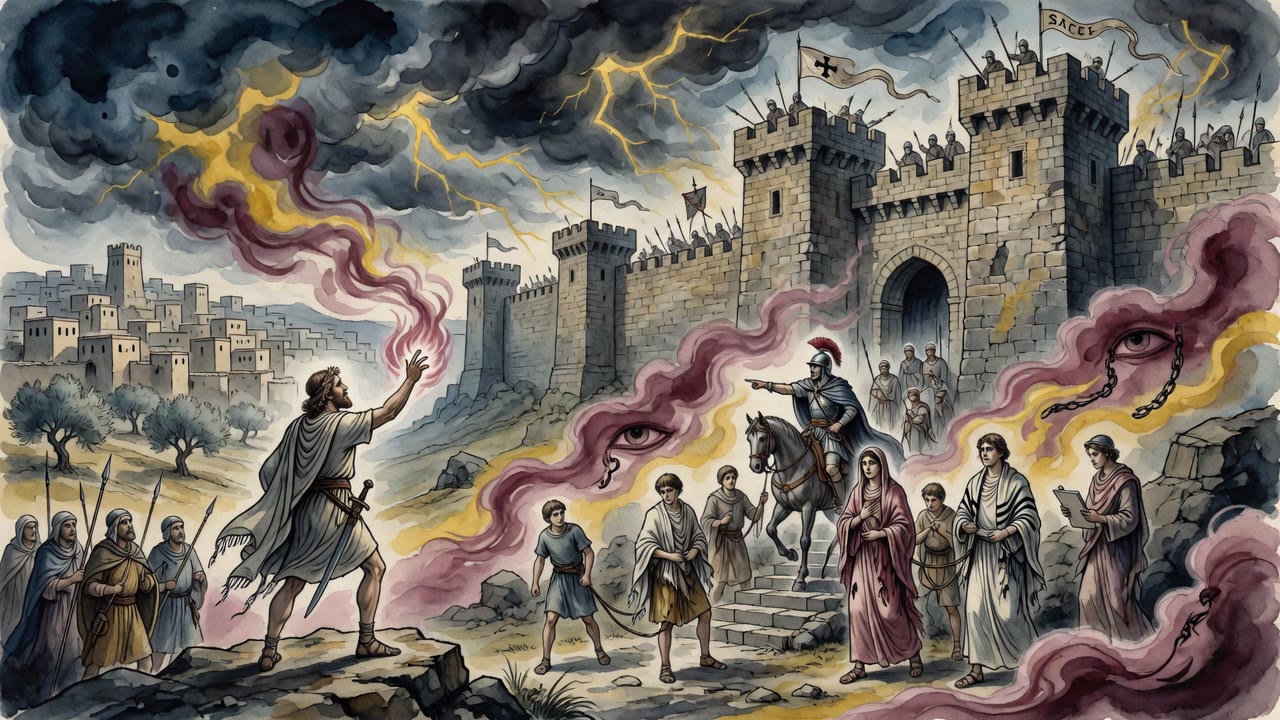
Ahab ben Kolaya and Zedekiah ben Maaseiah had been running the same scheme in Jerusalem before the exile, and they kept running it in Babylon. One would go to a woman and tell her that God had commanded her to yield to the other. The other would deliver the same message in reverse. Two witnesses, two divine commands, one mutual arrangement.
The trick required repetition. Used once, it might be doubted. Used consistently, against enough households, the pattern became its own authority. These men spoke in God's name constantly. They called themselves prophets. In the confusion of exile, when every institution of Jewish life had been disrupted and there was no Temple court to check credentials, the title carried weight.
Midrash Tanchuma says they had been doing this for years, each pimp for the other's sin, before the catastrophe that ended them.
The Furnace They Invoked
They brought the scheme to the wrong household. Zedekiah went to Nebuchadnezzar's wife with his divine message. Ahab went after him with his. The princess reported both men to her father.
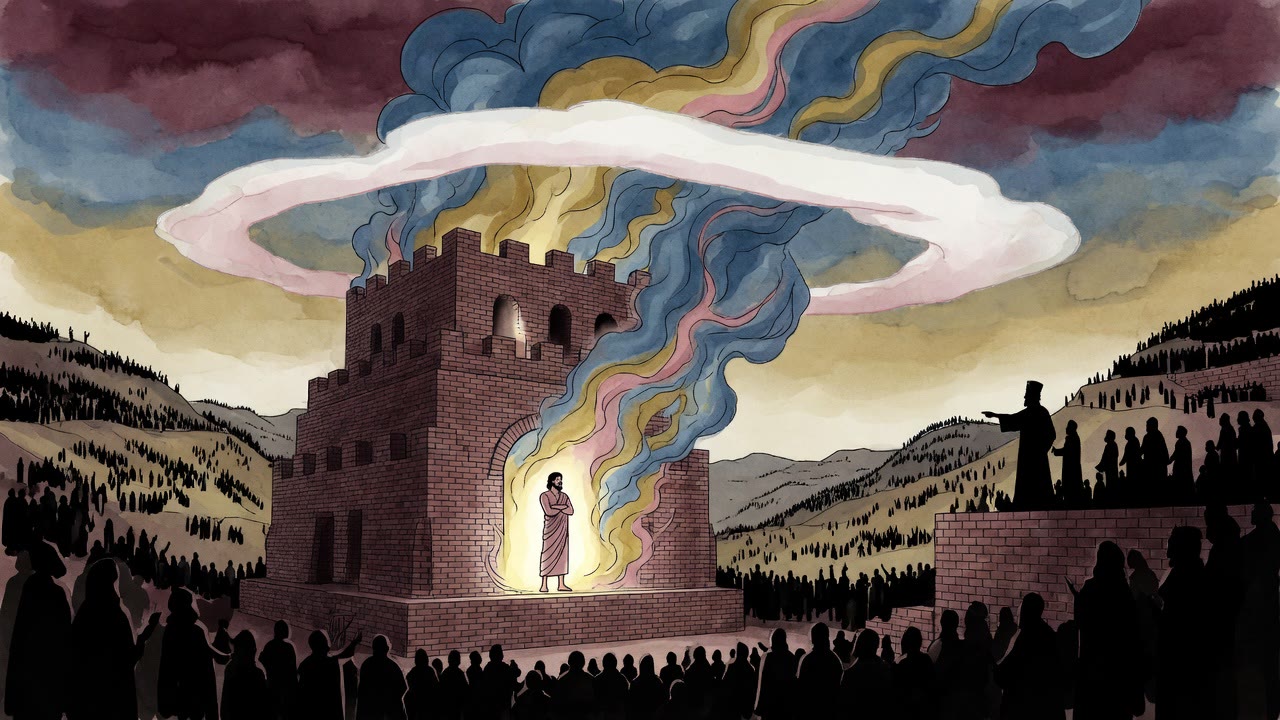
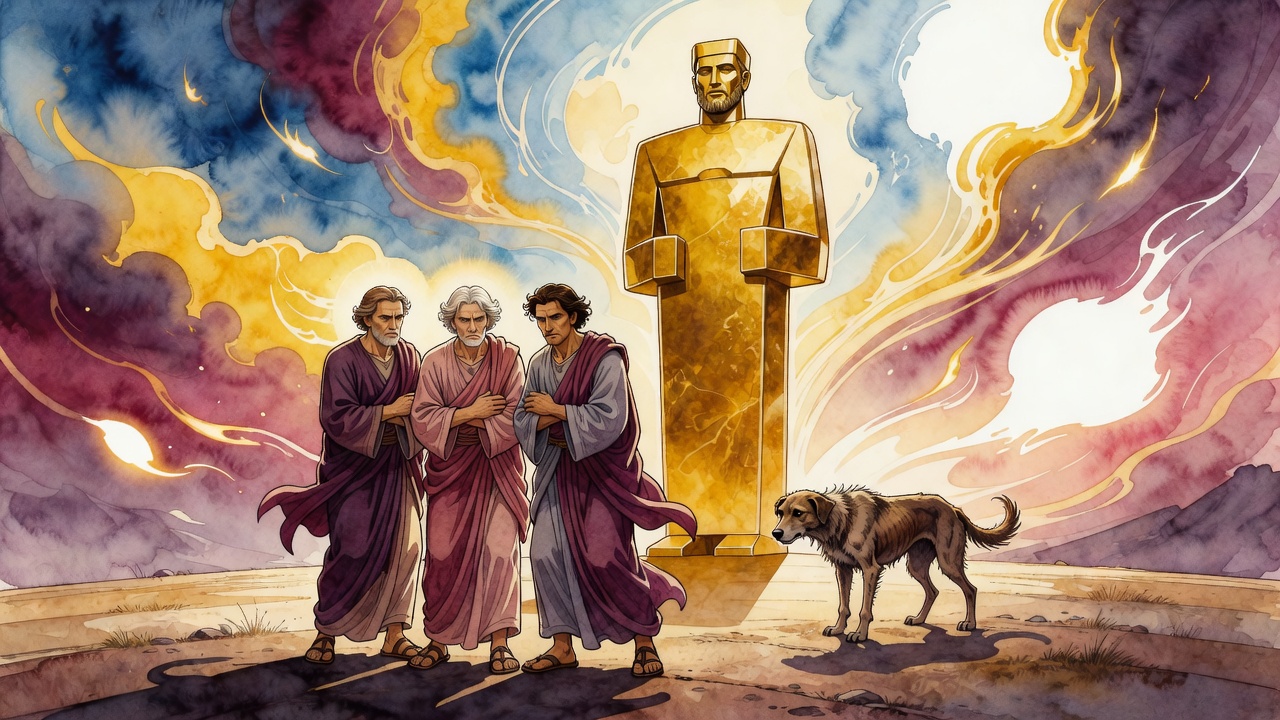
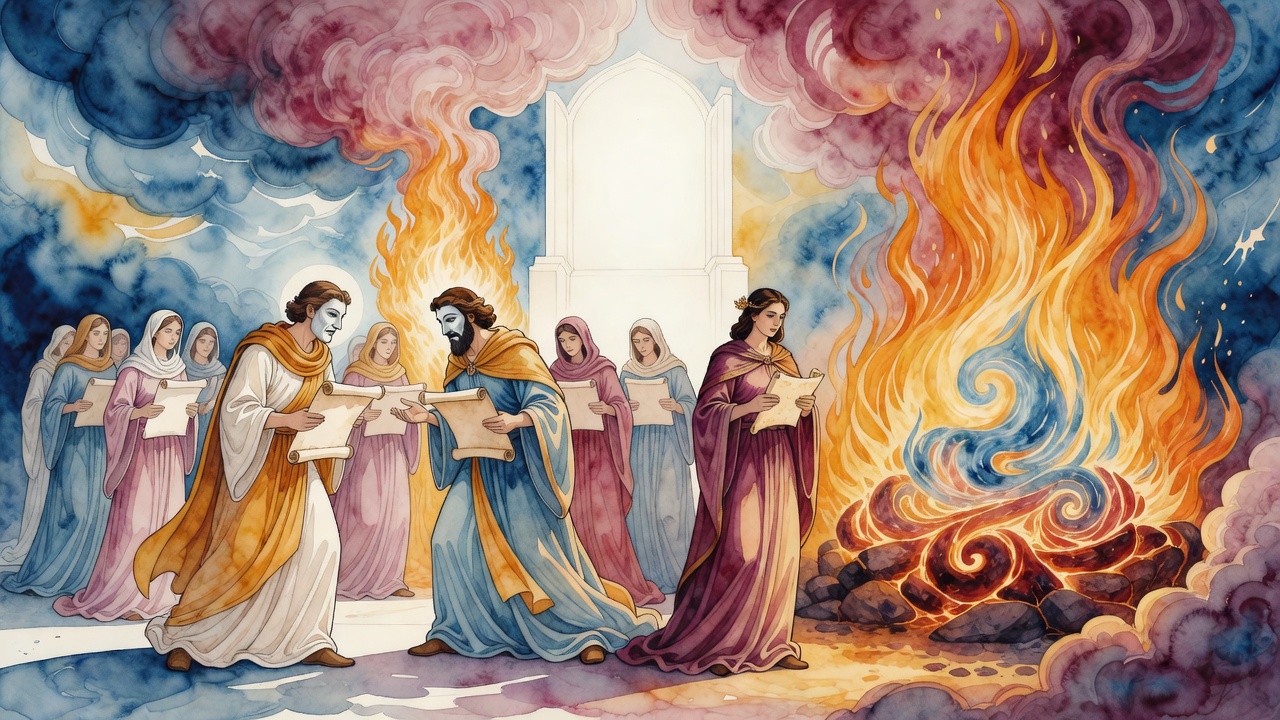
Nebuchadnezzar called them before him and gave them the most direct test available: if you are true prophets, walk into the furnace. He had done this before, after all, with Hananiah, Mishael, and Azariah. Those three had survived. The two false prophets could not claim to be their equals. They admitted it openly. "We are not righteous like those three," they said. "We might need a righteous man with us."
The admission is everything. They have just told the king that they know they are unrighteous. They have asked him to provide a righteous man to accompany them through the fire as if his proximity could substitute for their own integrity. It cannot. Nebuchadnezzar calls the test what it is, and the furnace takes them.
They Tried to Borrow Joshua's Merit
Before they died, Ahab and Zedekiah made one more request. "Let Joshua the High Priest walk into the furnace with us," they said. His righteousness might balance the scale.
In Ginzberg's telling, Joshua son of Jehozadak was known to have married a woman whose ancestry was compromised. The tradition notes that his own sons had done things that should have cost them their priestly standing. The Pesikta de-Rav Kahana records that God testified against the two false prophets directly, citing them as examples of the kind of wickedness He will witness against: adultery, false prophecy, deception carried out under divine authority.
The furnace is not random. It is the same furnace where Jewish faith was proven by Hananiah, Mishael, and Azariah. Ahab and Zedekiah are placed in it not merely as a punishment but as a test that measures them against the standard they had been borrowing. They claimed the same divine mandate as every true prophet. The furnace clarifies the claim.
Jeremiah Had Named Them First
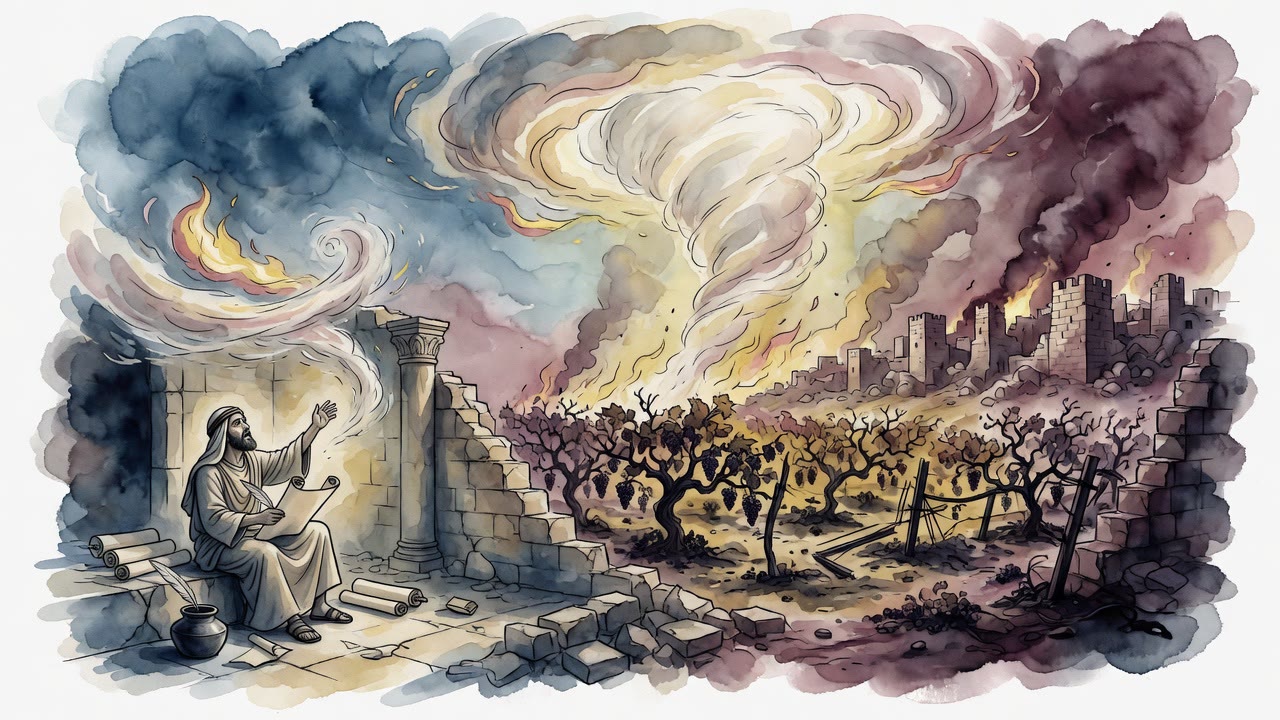
None of this is a surprise in Jewish memory, because Jeremiah had already named these men. In Jeremiah 29, he addresses the exiles in Babylon and tells them specifically: "Ahab ben Kolaya and Zedekiah ben Maaseiah have spoken lies in my name. Nebuchadnezzar will roast them in fire, and their names will become a curse among all the exiles."
The prophecy is precise. The names are in the text. The method of death is specified. The tradition of later sources filling in the scene is not invention. It is the expansion of what Jeremiah compressed into two verses: two men, false prophets both, who used the divine Name as a key to open doors it had no business opening, and who were finally burned in the furnace that their own borrowed rhetoric had described as the proof of prophetic truth.
← All myths