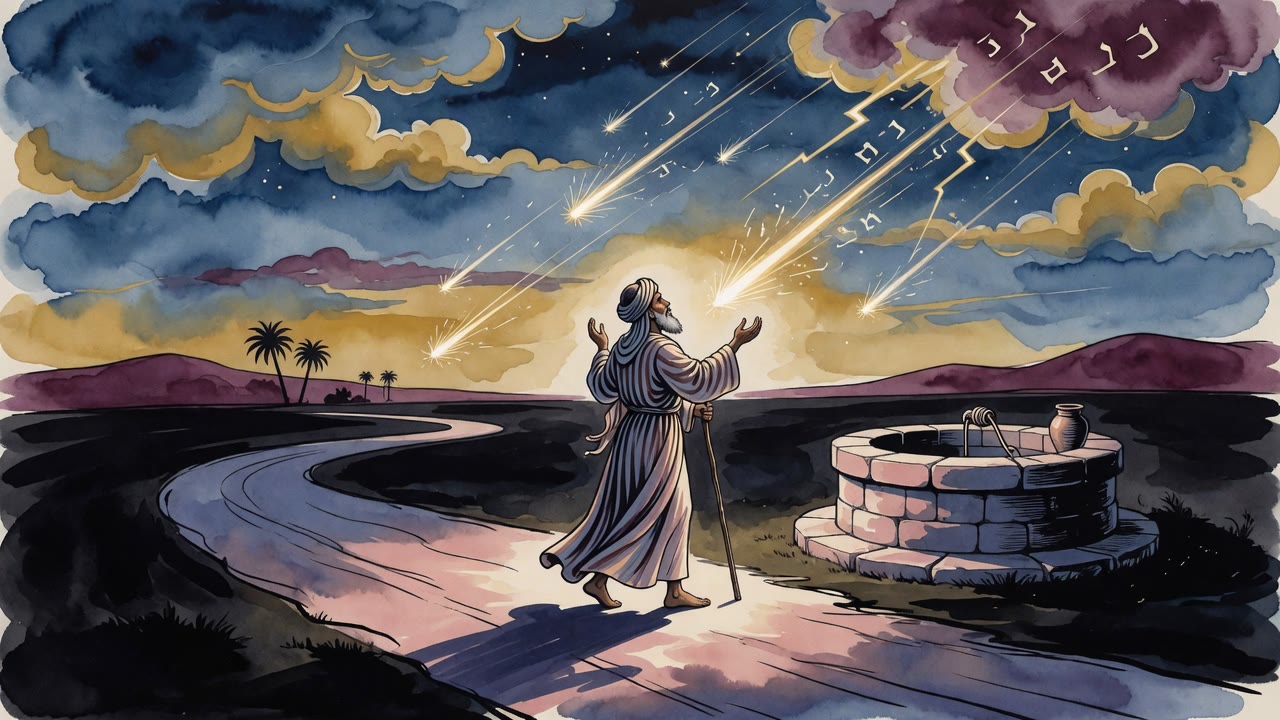
Isaac Swore Peace With Abimelech and Admitted He Felt Forced Into It
When Abimelech came seeking a covenant, Isaac agreed. But Jubilees records what the Torah omits. That night, Isaac said plainly he had sworn under constraint.
Table of Contents
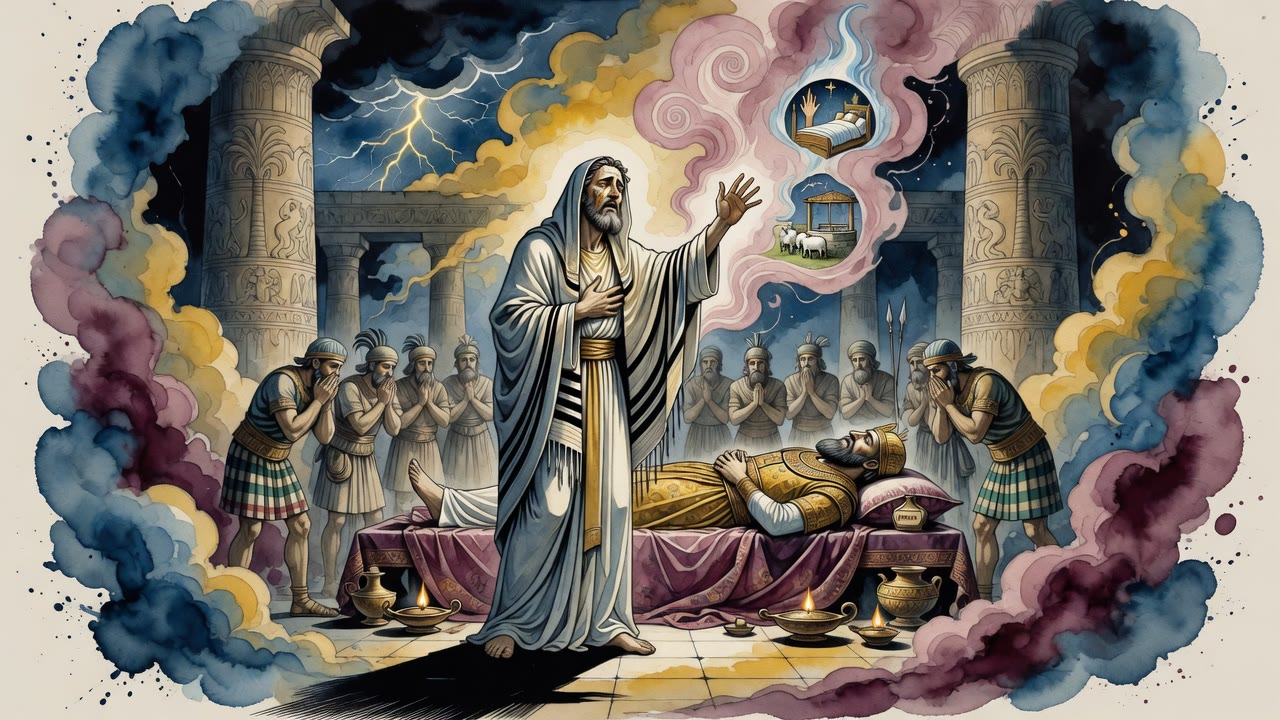
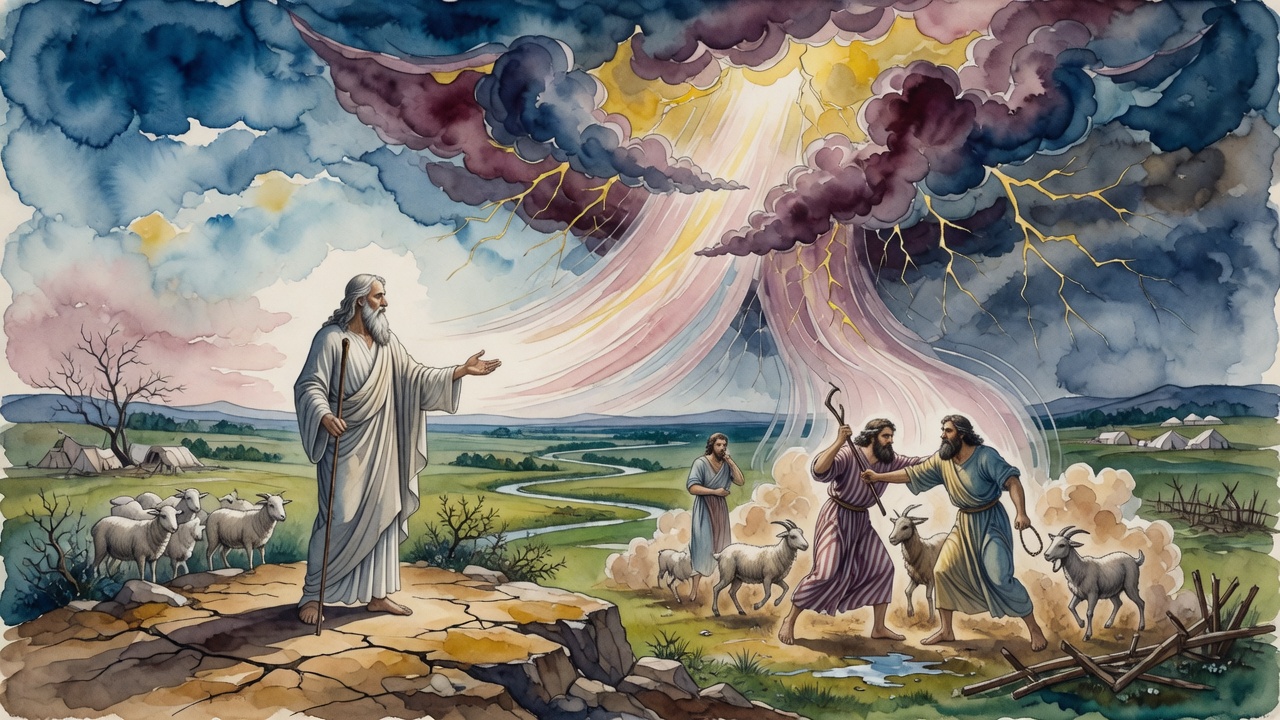
Abimelech came with an entourage. That was the first signal. When a king brings his closest advisor and the commander of his army to pay a call on a shepherd who has just been asked to leave his territory, he is not coming to exchange pleasantries. He is coming to negotiate from organized strength and he wants the other party to notice the organization.
 Click for full size
Isaac noticed. He said to them directly: "you hated me and sent me away from you. Why have you come to me now?" The question contained everything, the wells they had quarreled over, the expulsion from Gerar, the long patience of a man who had been pushed out of place after place and had named each lost well for what was done to him and moved on without revenge. All of it was compressed into one question.
The Honest Reason for the Peace
Abimelech's answer was, in its own way, candid. The rabbinic tradition preserved in Ginzberg's compilation, drawing on Bereshit Rabbah and midrashic literature from the fourth and fifth centuries CE, records the speech as unusually direct about its own motivation. "We have convinced ourselves that the Shekinah, the divine presence, is with you," Abimelech said. "We desire that you renew the covenant your father made with us, that you will do us no hurt, as we also did not touch you."
The tradition noticed something strikingly honest in that claim. The Philistines were asserting credit for not harming Isaac, which revealed that they had wanted to harm him and had restrained themselves. This was not the speech of people who had been innocent bystanders. This was the speech of people who had wanted to hurt someone, decided against it for strategic reasons, and were now asking to be thanked for their restraint. The covenant they were requesting was a warranty against the future consequences of what they had already decided not to do.
The Oath Isaac Gave
Isaac made the feast. He fed them and they ate. They swore oaths to each other, and Abimelech rose early in the morning with his party and departed. The covenant was concluded. But the Book of Jubilees, composed in the second century BCE, preserves what happened after Abimelech left, the moment the Torah does not include.
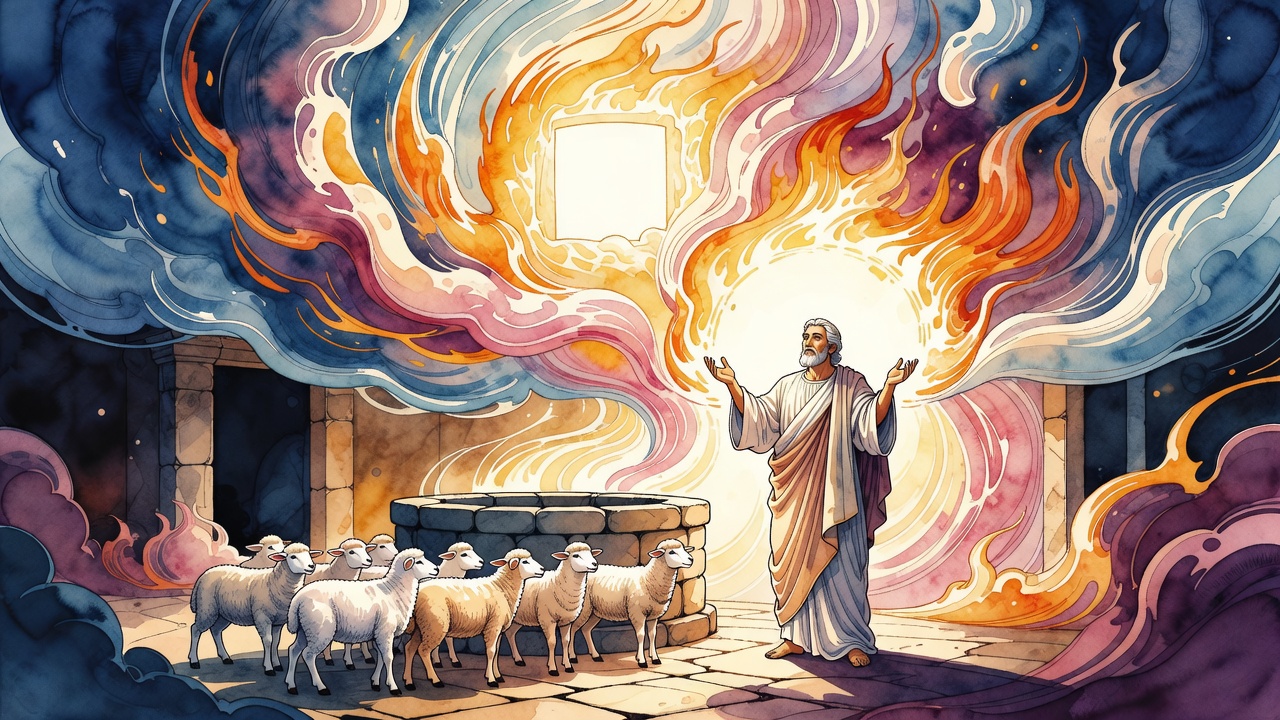
That same day, Isaac's servants came to him and said: "we have found water." Another well. Beersheba, the Well of the Oath, was certified by its own water. God appeared to Isaac that night and said: "I am the God of Abraham your father. Fear not, for I am with you." And Isaac built an altar there and called on the name of the Lord and pitched his tent.
The Well That Appeared the Same Day
Whatever else happened on the day Abimelech left, God did not wait to confirm his presence. That same evening, Isaac's servants came to him and said: "we have found water." The well at Beersheba appeared the day the covenant was concluded, as though to mark the occasion not with a formal sign but with a practical one. Isaac had agreed to terms he had not chosen. The Lord responded with water, which in the arid Negev was the only kind of confirmation that mattered. He built an altar at Beersheba and called on the name of the Lord, and he pitched his tent, and his servants dug the well, and the place held the name of the oath for all the generations that came after. What had been given under constraint was sealed by a covenant from above that no one had coerced.
The Complaint He Made in the Dark
But before the altar and after the oath, Isaac said something that Jubilees records and the Torah omits entirely. He said he had made the covenant against his will. He had sworn it because he had no choice, because the king had come with soldiers and his closest advisor and there was no way to refuse without risk. The oath had been given under constraint, and Isaac knew it and said so, speaking into the dark after Abimelech had gone.
The tradition preserved this detail because it answers a question the plain Genesis text does not ask: how does a righteous man make peace with someone who wronged him? The answer is: sometimes under constraint, while knowing it is under constraint, and naming that clearly to himself if not to the man he made peace with. Isaac's honesty about the coercion was not a violation of the oath. He kept it. But he was not required to pretend he had given it freely.
← All myths