Six Hundred Thousand People Sat Still for a Week Waiting on Miriam
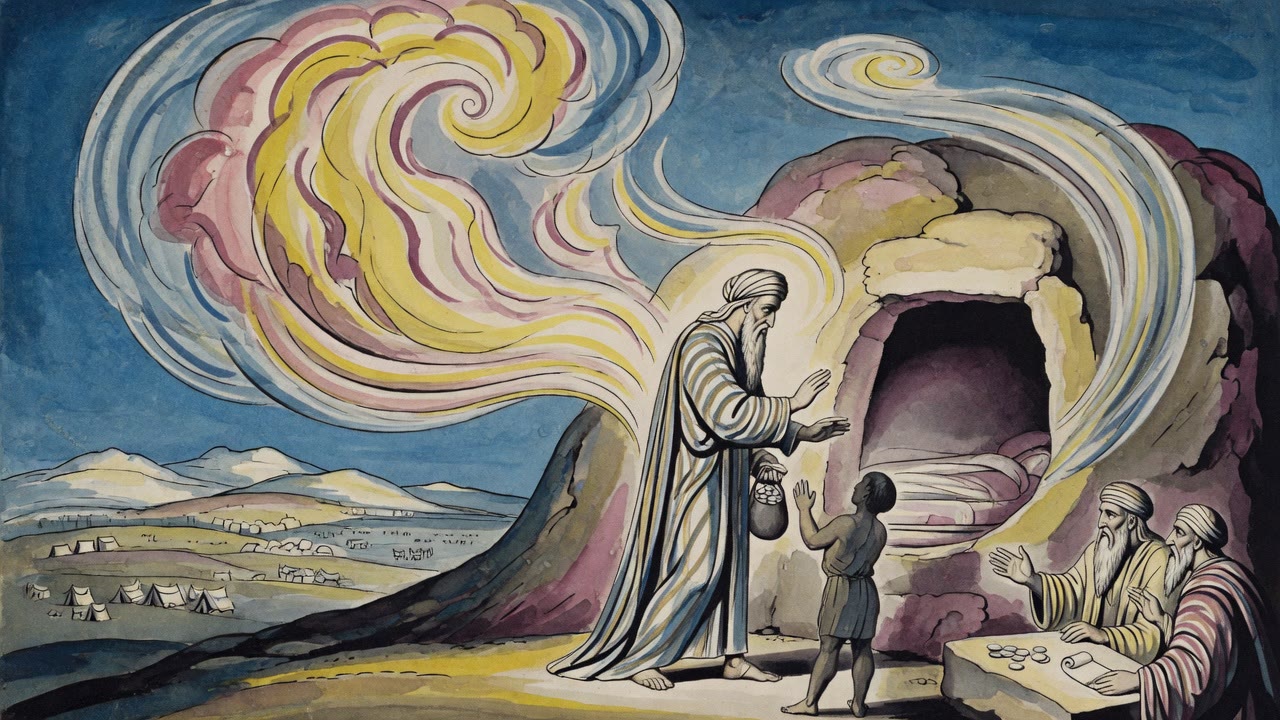
The beasts were saddled and the camp was ready to march when the pillar of cloud failed to move. Moses was missing. So was the well.
Table of Contents
 Click for full size
What the Two of Them Said About Their Brother
It started as talk about a woman.
Years before, on the run from Pharaoh, Moses had been given the queen of Cush as a wife, and he had sent her away again. Miriam and Aaron got onto the subject of that marriage and did not stay on it long, because what actually bothered them was underneath it.
"Has the Lord spoken only with Moses, that he has to be separated from married life?" they said. "He has spoken with us too."
Their brother had stopped living with his wife. He had decided that a man who might be called at any hour had to stay ready at any hour, and he had arranged his whole life around it, and his brother and sister thought this was a performance. They were prophets. They had not left their beds.
Moses heard about it and let it go. He was more bowed down in his own mind than any person alive on the face of the earth, and he did not answer them.
It was heard somewhere else.
Come Out, You Three
"Come out to the tent," God said. "All three of you."
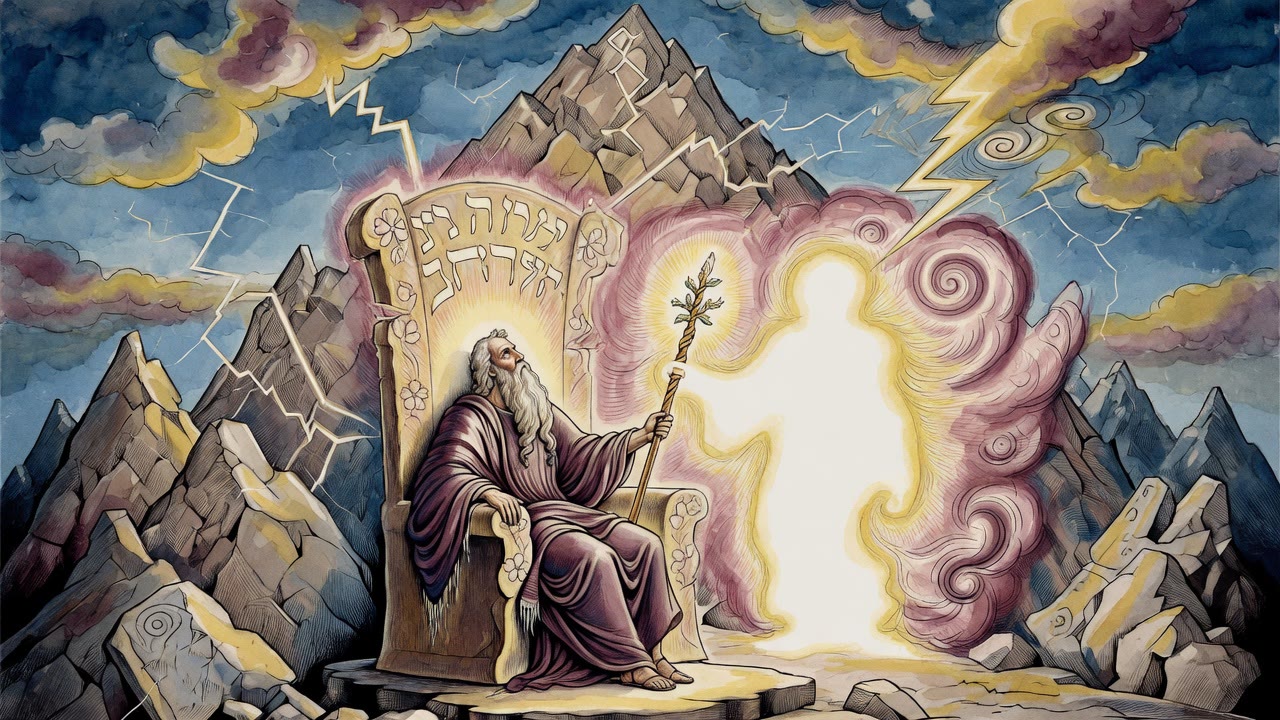
They went. The Cloud of Glory came down and stood in the door of the tent, and out of it He called two names, Aaron and Miriam, and those two stepped forward alone while their brother stayed where he was.
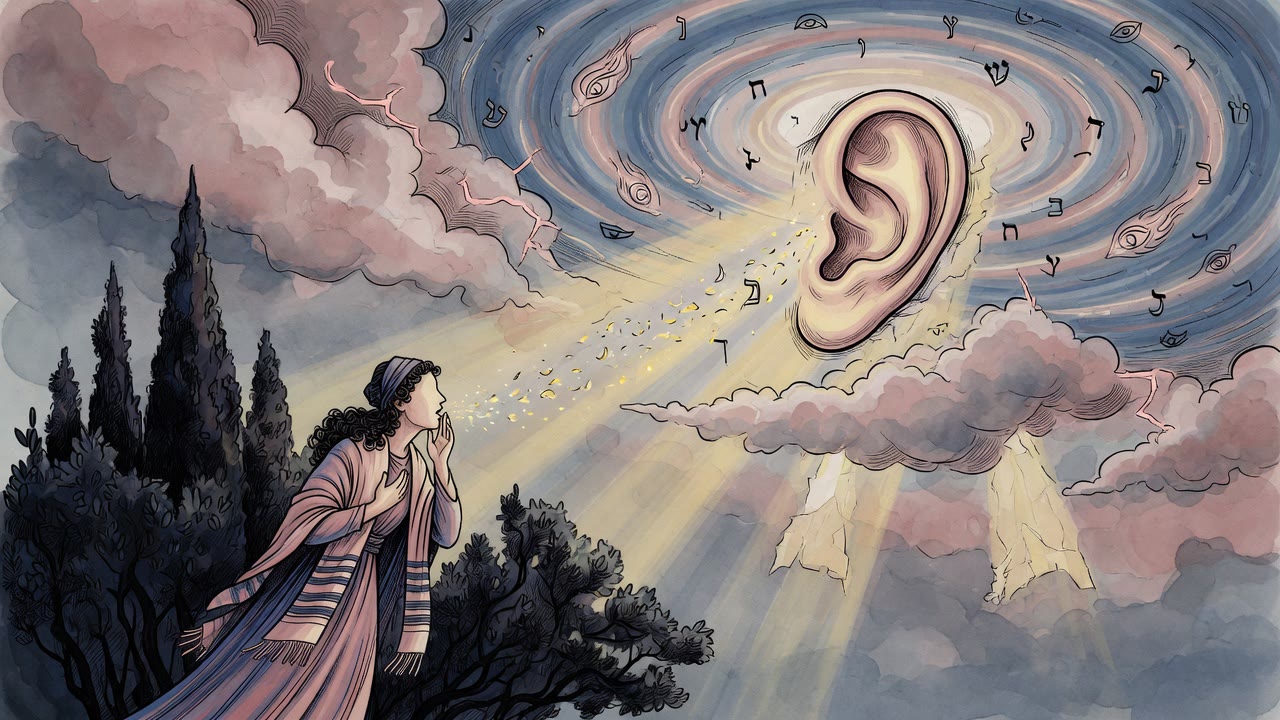
"Listen to what I am telling you. Has any prophet since the beginning been spoken to the way this man is spoken to? To the rest of them I show up in a picture. I talk to them in a dream. Not with Moses. With Moses I speak the way one speaker speaks to another. He is the one who separated himself from married life, and I revealed Myself to him at the bush without riddles, and he looked at the likeness of My Presence. So how were you not afraid to open your mouths about him?"
The Cloud went up off the tent and left.
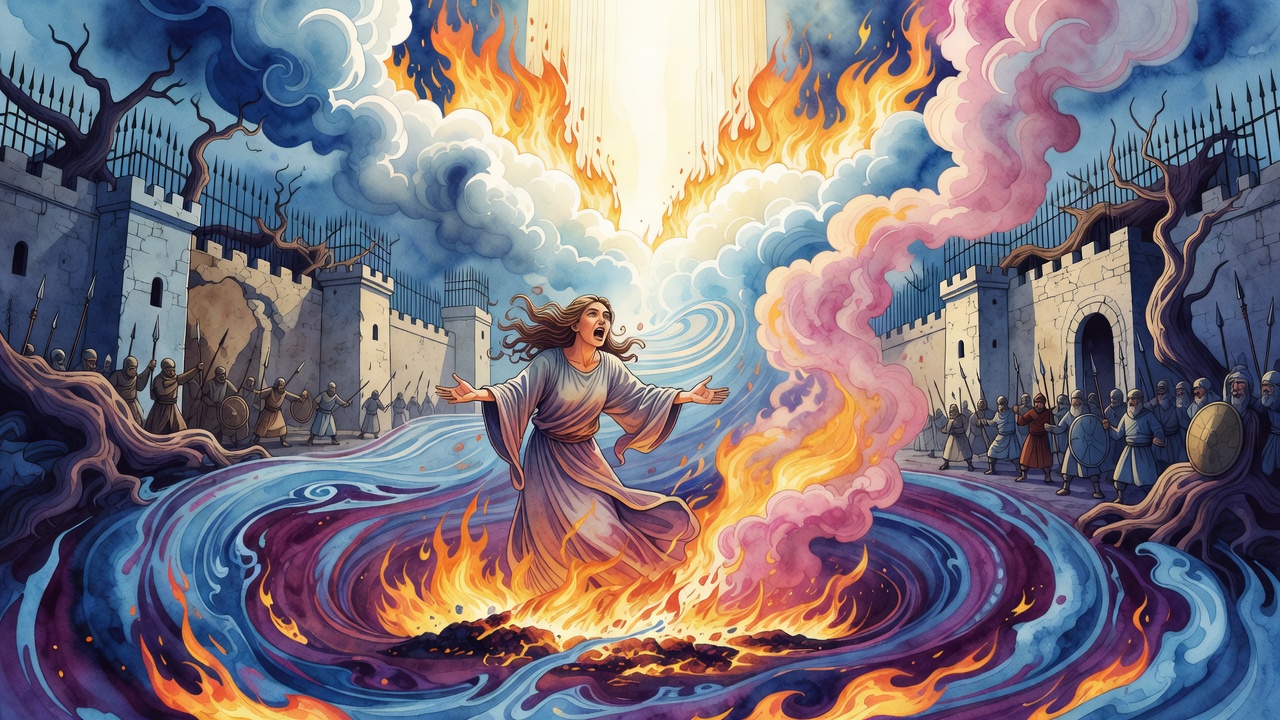
Aaron turned around and his sister was white with leprosy.
Like a Baby That Dies at the Door of the Womb
Aaron went straight to Moses. Not to God. To the brother they had just been discussing.
"My lord, I beg you, do not put this sin on us. We did a stupid thing and we crossed a line." And then, because it was his sister standing there, he lost the formal register altogether. "Do not let her be defiled with this in the tent like a corpse. She is like a baby that goes the full term in the womb and dies coming out. She was with us in Egypt. She saw the captivity, she saw us scattered, she saw the slavery, all of it, and now the moment comes to walk out and take the land and this is where she gets left behind. Pray for her. Do not let her righteousness come to nothing in front of the whole congregation."
Moses prayed for the sister who had just talked about him behind his back.
"I ask this through the mercies of the merciful God. Master of the life of all flesh. Heal her."
Seven Days, and the Camp Would Wait
The answer came back with the arithmetic showing.
"If her own father had corrected her," God said, "would she not have been ashamed and shut out for seven days? I am the one correcting her, so by rights it should be fourteen. Seven will do."
Then He added something Moses had not asked for.
"Because of your righteousness," He said, "I will make the Cloud of My Glory wait. And the tabernacle. And the ark. And all Israel. Nobody moves until she is healed and brought back in."
They put her outside the camp.
The Morning Nothing Moved
Next morning the camp broke as usual. Tents down, packs tied, beasts saddled, everyone standing in line facing forward the way they did every time.
They looked up for the pillar of cloud that always went first.
It was not there. They looked down the column for Moses and Aaron and could not find either of them. Then somebody noticed that the well was gone too, the well that had followed them through the wilderness and given them water at every stop, and there was no trace of it anywhere in the camp.
They unsaddled and sat down.
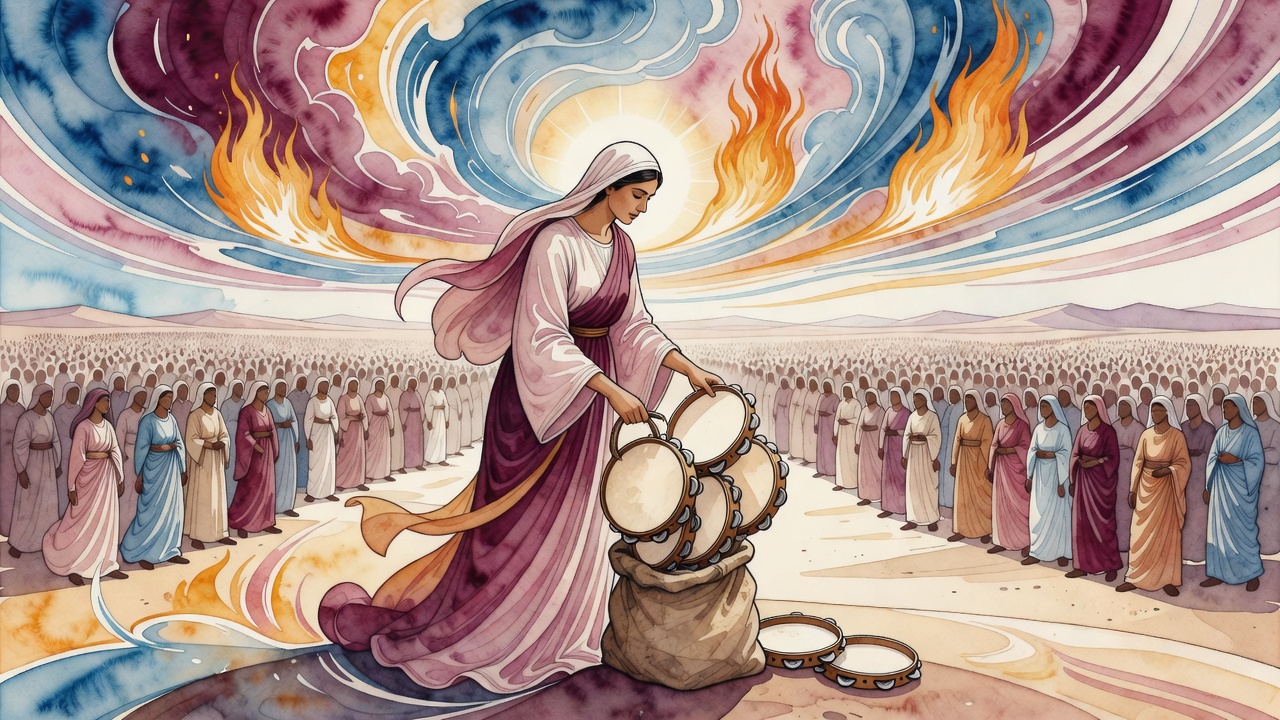
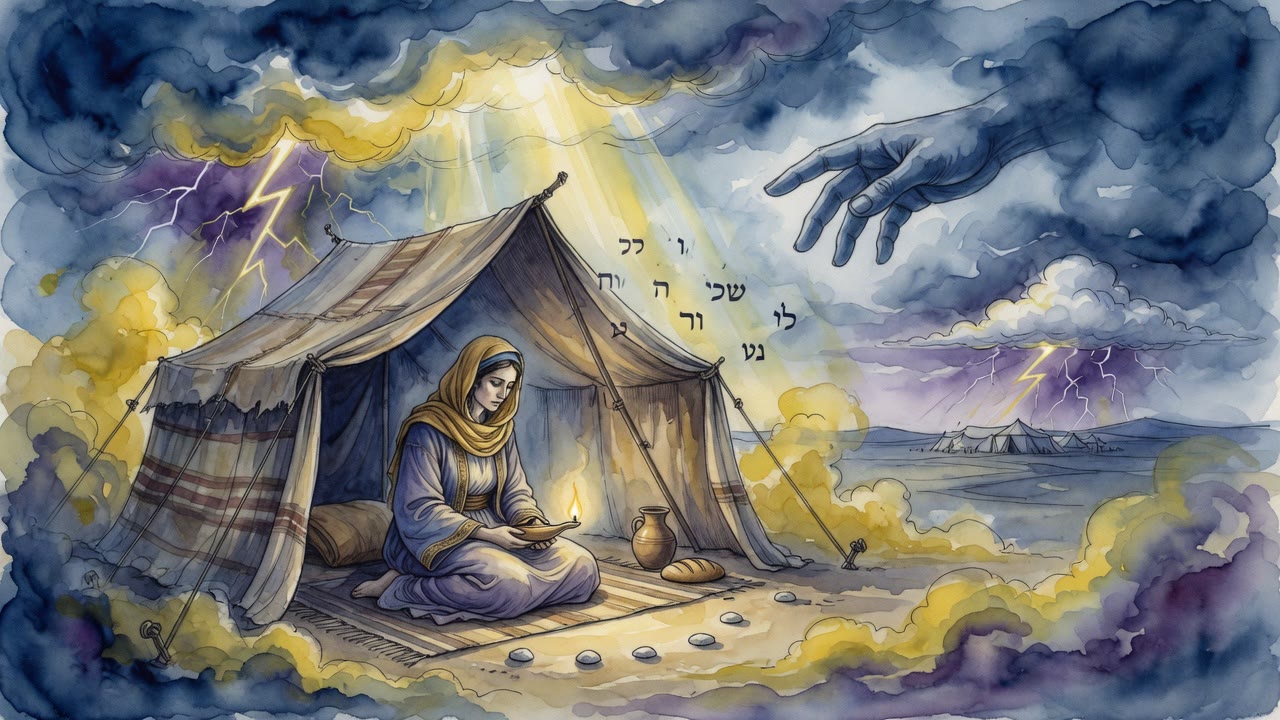
Six hundred thousand men, and the clouds, and the sanctuary, and the well, all of it parked in one spot in the desert for seven days with the sun going over, because one woman was sitting outside the perimeter with a skin disease.
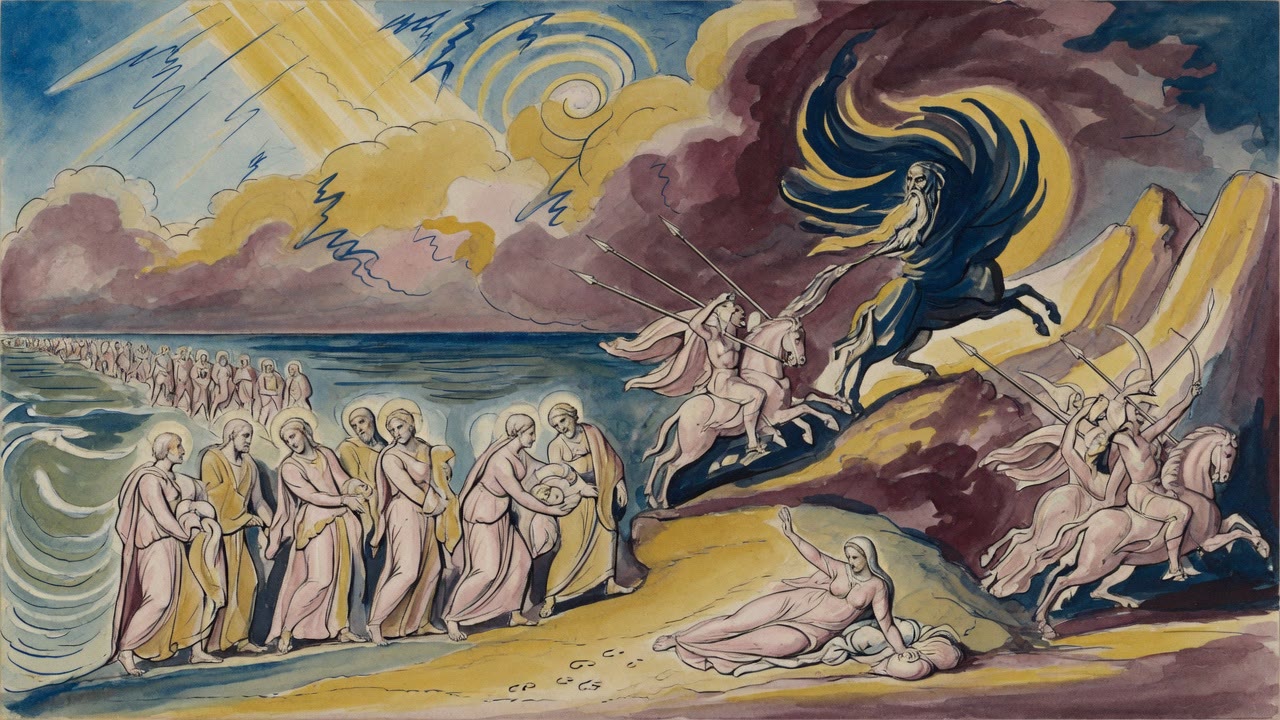
She had done this before. She had stood on a riverbank in Egypt for the better part of an hour, keeping her eyes on a basket in the reeds, waiting to see what would happen to her baby brother. She had waited on him. Now a nation waited on her, in the dirt, with nothing to do, until she was well.
On the eighth day they brought her back in. The pillar of cloud lifted and started moving, and the whole camp got up and followed it out of Hazeroth into the wilderness of Paran, and every single one of them knew exactly why they had been sitting there.
← All myths