Noah's Sons Drew Slips of Parchment to Divide the Earth
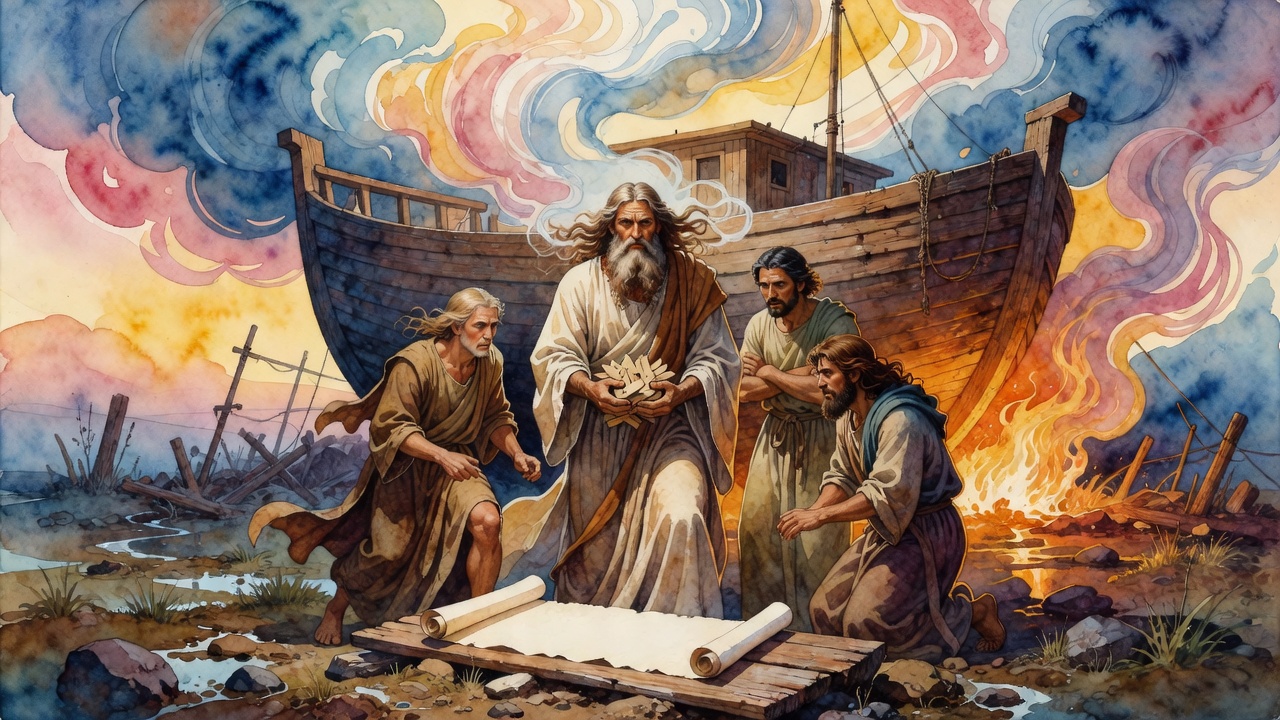
In year 1569 after creation, Noah's sons each drew a slip from their father's robe before an angel. The world was divided and given away forever.
Table of Contents
 Click for full size
The Year the World Was Parceled Out
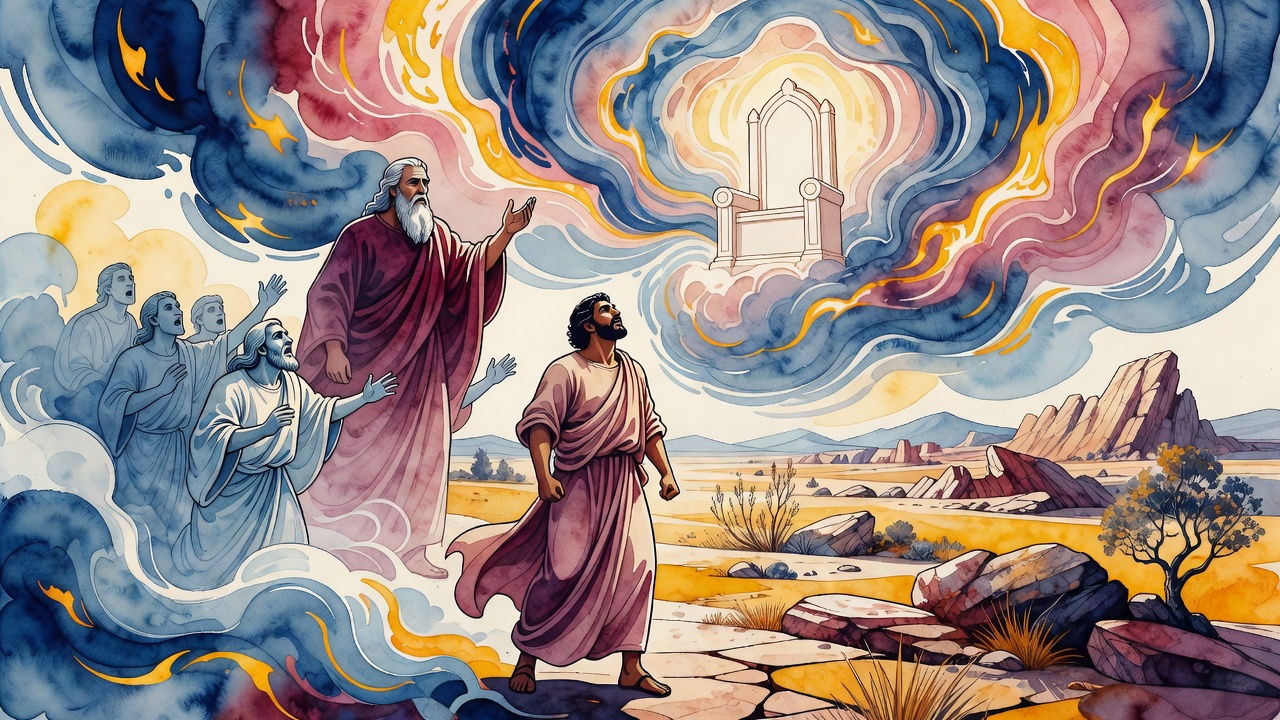
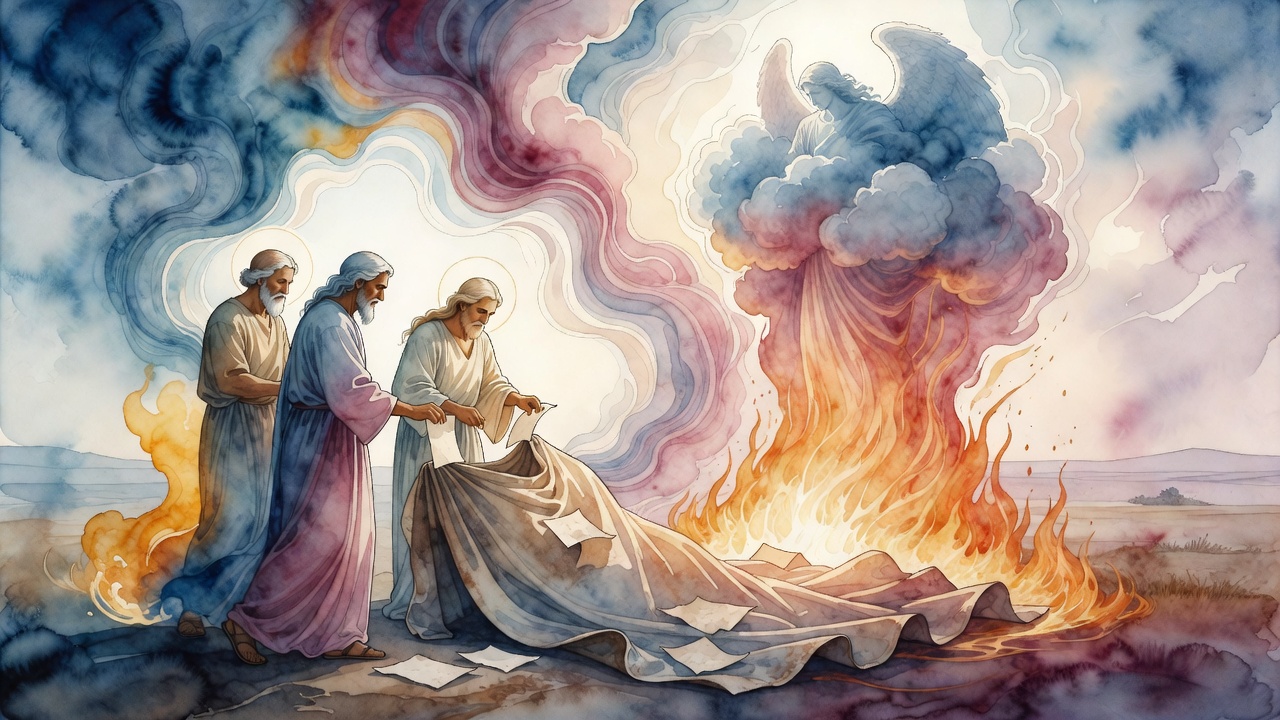
In the year 1569 after the creation of the world, Noah gathered his three sons and told them the time had come to divide the earth. Not by his preference. Not by negotiation. By lot, in the presence of an angel who had come to witness it.
Each son reached into his father's bosom and drew out a slip of parchment. The slips had been inscribed before the drawing began. What came to each son came by something larger than Noah's wishes, and Noah knew it. The angel standing in the tent knew it. The sons who drew their portions knew it. The earth was not being parceled out by a patriarch exercising his authority. It was being assigned by a process that left no room for dispute because it left no room for preference.
What Each Portion Contained
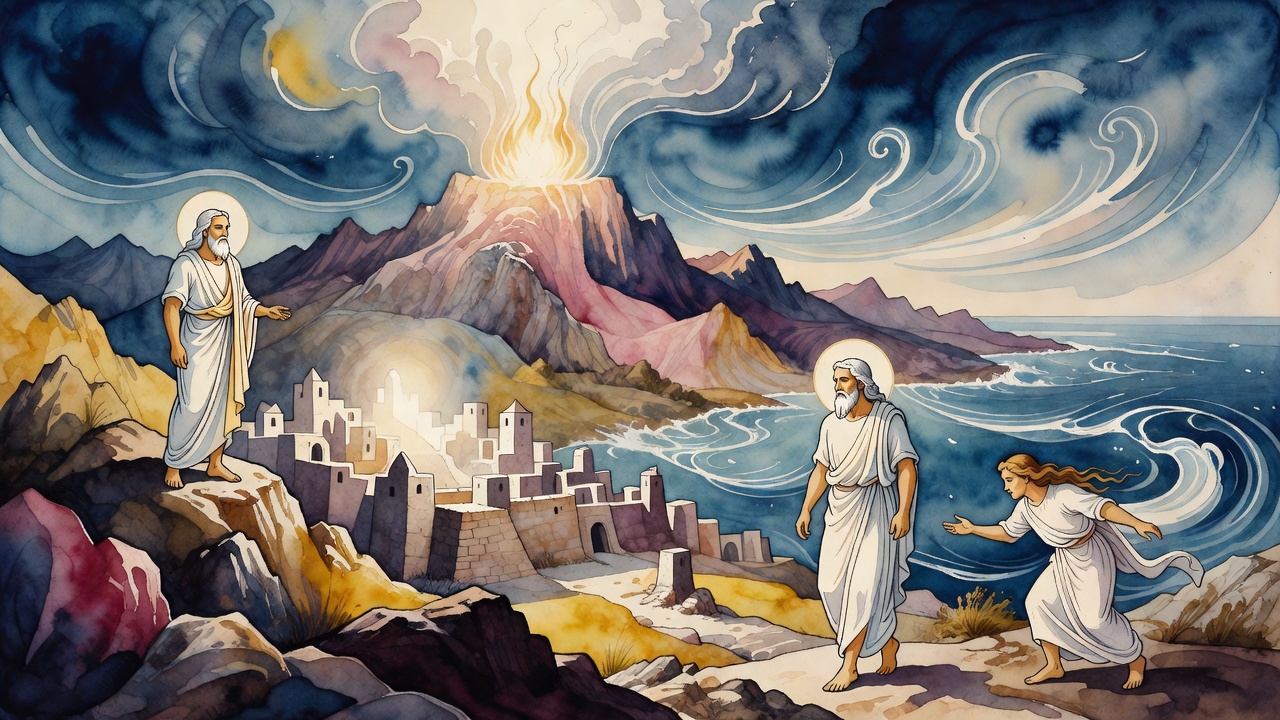
Shem's portion was the middle of the earth. Not the largest. Not the richest in material resources. But the middle, the temperate center, and within it every place that would ever be called holy. Three sacred sites fell within Shem's inheritance: the Holy of Holies at the heart of the Temple, Mount Sinai at the center of the desert, and Mount Zion at what the tradition calls the navel of the earth. The Garden of Eden, the original dwelling of God with humanity, also fell within Shem's portion.
Noah did not hide his response when he saw what Shem had drawn. He rejoiced. Not because Shem's portion was the largest or the most materially advantageous, but because Noah understood what the holy sites meant. His son had drawn the part of the earth that God would return to, the part that contained the places where heaven and earth touched. He knew that Shem's descendants would be the people around whom the central story of the world would turn.
Ham and Japheth and the Edges of the World
Ham drew the south. Hot, fertile, ancient Africa, the lands where the Nile floods and the sun is directly overhead and nothing is temperate. His portion was large and warm and already old when he received it. Japheth drew the north: cold, vast, forested, the lands that extended toward the edges of the known world. Each portion reflected something about the nature of the inheritance each son was receiving, though the tradition does not say the reflection was punishment or reward. The lots fell where they fell.
The borders were drawn by the angel. Three languages were assigned: Shem's family would speak one tongue, Ham's another, Japheth's a third. The linguistic division of humanity that the Tower of Babel would later produce was already prefigured in the division Noah oversaw at the end of his life.
What Noah Did After
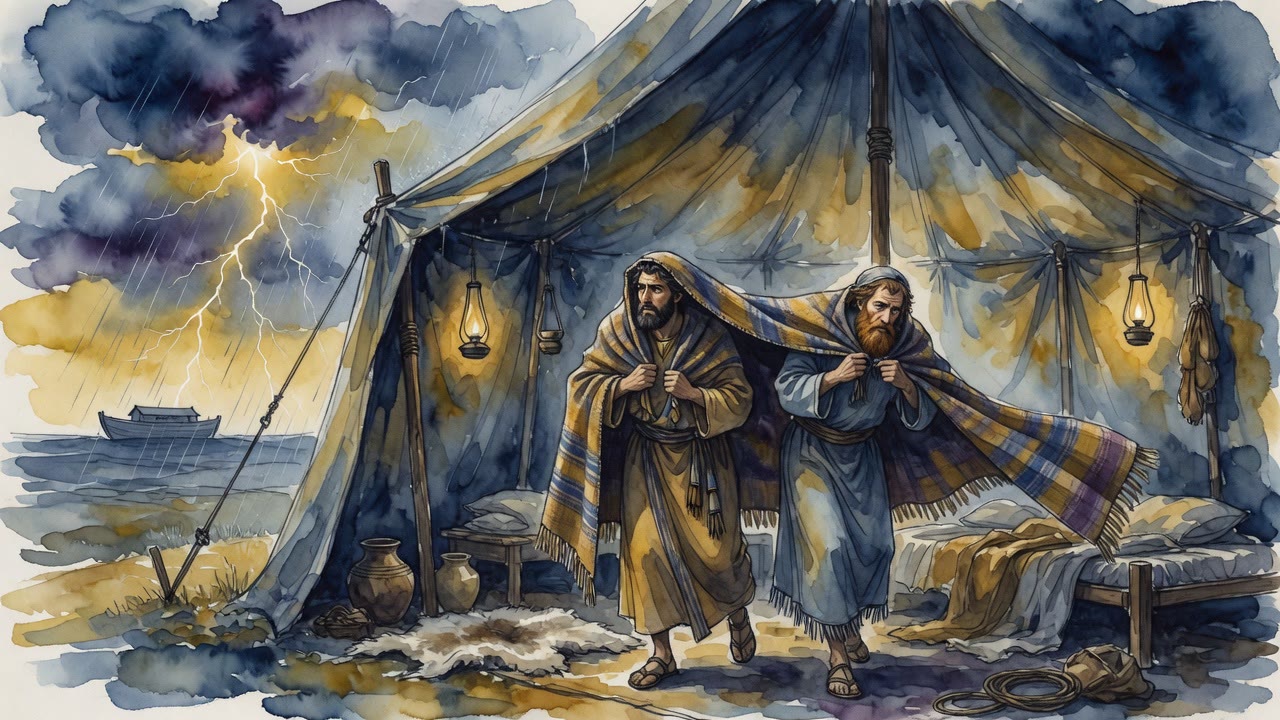
Noah planted a vineyard, as the Torah says. He tasted his wine and was overcome by it, lying uncovered in his tent, the consequences of that afternoon rippling through the blessing and curse he issued when he woke. But the division of the earth had already been accomplished. The parchment slips had been drawn, the angel had witnessed it, and the shape of the post-flood world had been fixed in the year 1569 before any of the events that followed.
The tradition preserves the year with the same precision it preserves the dates of the flood. Time in the rabbinic imagination is not a vague sequence of events. It is a calendar with entries, each significant action located at a specific point, the world running according to a schedule that was written before any of the participants could read it.
← All myths