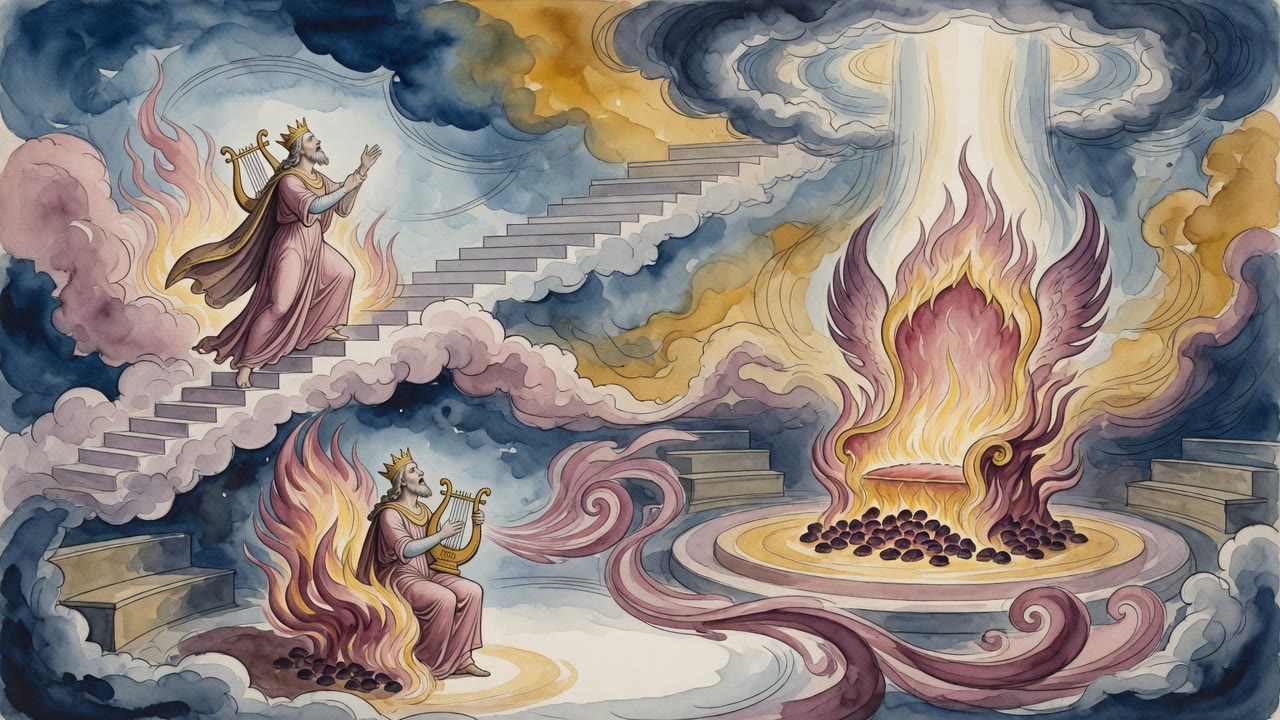
Zoharariel Came Crowned to the Throne and Every Angel Shook
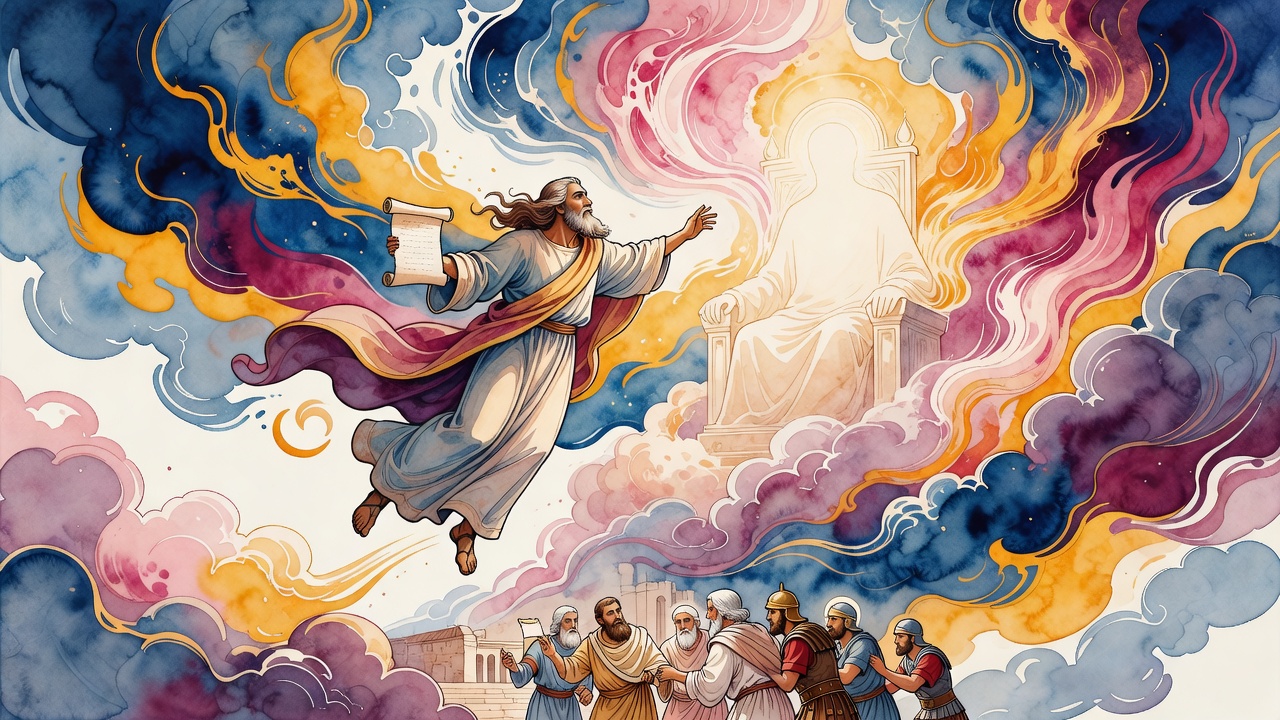
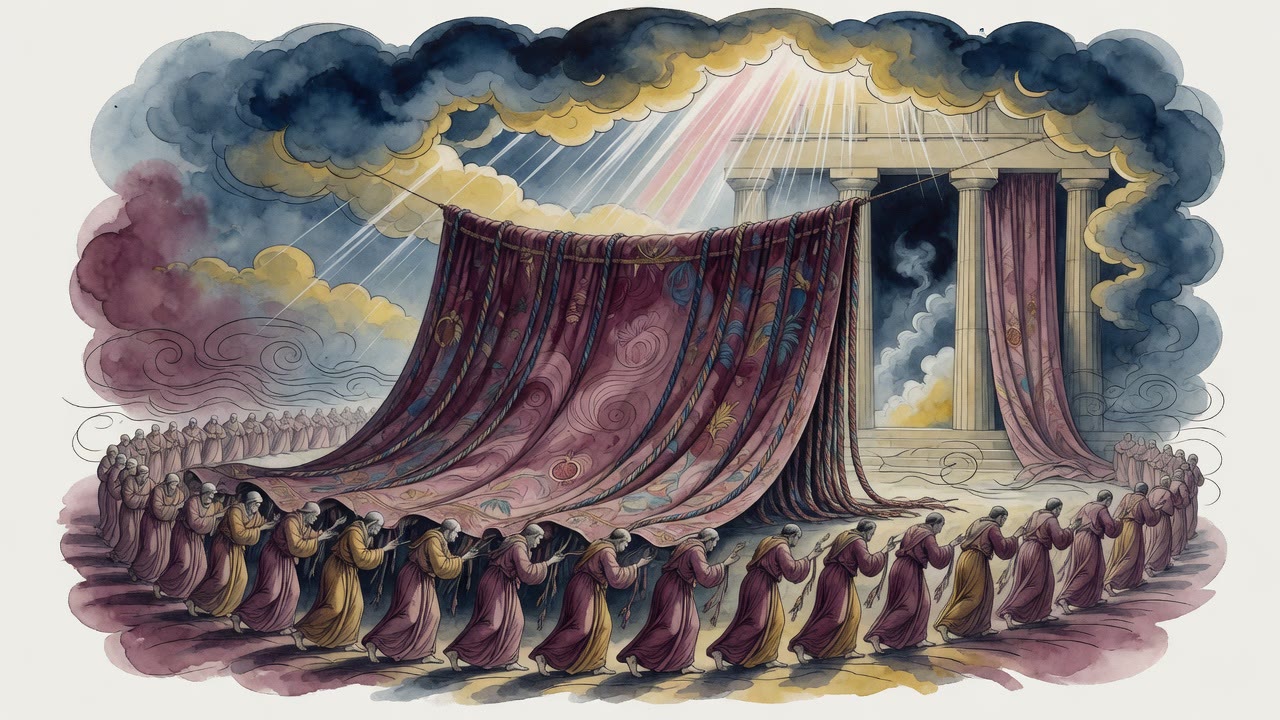
Zoharariel approaches the throne on his knees, shaking, while other angels tremble and the measure of his garment exceeds all bounds.
Table of Contents
Why should a faithful servant be frightened?
 Click for full size
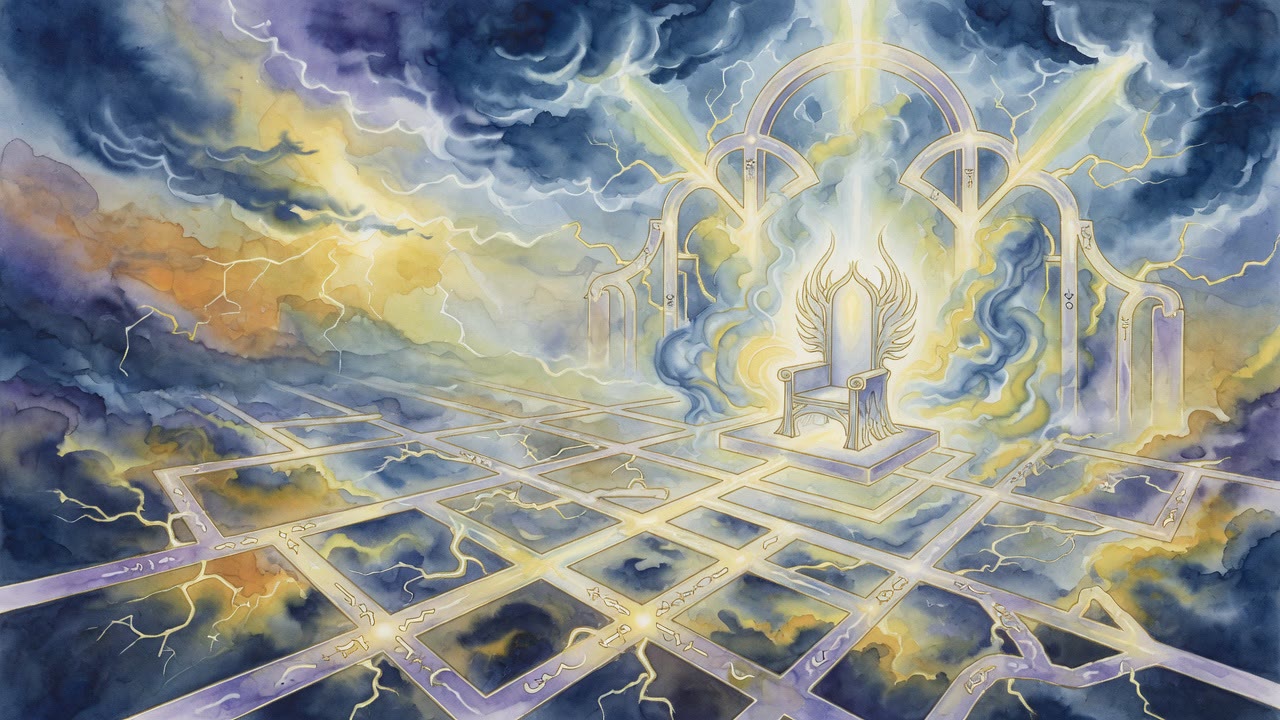
The voice asked the question directly, addressing Zoharariel. The question came from the palace above, from inside the world that Heikhalot Rabbati, the Great Book of the Heavenly Palaces compiled between the sixth and eighth centuries CE, describes in its central testimony about what it costs to stand near God.
Zoharariel answered: If I am not afraid, who should be? I am dragged on my knees each day before the Omnipotent. I am brought before the throne of glory for hours every day until I touch the hem of it. If a servant who stands that close is not afraid, what does afraid mean?
The answer silences the question. Fear at that proximity is not weakness. It is the only honest response to what is actually present.
The Garment Measures What Cannot Be Named
The second vision in the Zoharariel material asks about the garment. What is the measure of the garment of Zoharariel? The tradition's answer is not a number. It is a consequence. The palace mystic who stares at the garment without proper preparation, who tries to hold the measure in his mind without the capacity to contain it, is destroyed. The text is measuring holiness not by describing it but by describing what happens to those who approach it wrongly.
This technique is the signature of the Hekhalot tradition (Jewish mysticism of ascent through the heavenly palaces). Rather than saying God's glory is infinite, it says: the garment of the figure crowned to the divine throne has a measure that cannot be held by unprepared beings. Rather than saying holiness is absolute, it says: three times a day the throne of glory addresses God and asks to be sat upon, because its burden is a delight to it and does not weigh heavily. The throne speaks. It calls God by the name Zoharariel, Lord God of Israel, and begs for the divine presence to rest on it. The object of worship speaks to the object it worships.
Rabbi Ishmael Stood Before the Throne and Received
Rabbi Ishmael, the central figure who moves through the Hekhalot (the heavenly palaces) texts as both traveler and teacher, stood before the throne of glory and received a revelation whose content the text does not spell out directly. What it records is the aftermath: when he shared what he had seen and heard with his colleagues, they were overwhelmed. The revelation was not doctrine. It was presence, organized into forms his colleagues could feel in their bodies when he reported it.
The Hekhalot tradition preserves the secrecy of the revelation even while transmitting it. This is not contradiction. The tradition knows that some kinds of knowledge cannot be stated plainly without losing the quality that makes them worth knowing. Rabbi Ishmael's ascent and return survives only as a brief report, because a brief report is what can be transmitted. The full experience was his, and the full experience was the throne.
Zoharariel Faces the Wrath at Sammael
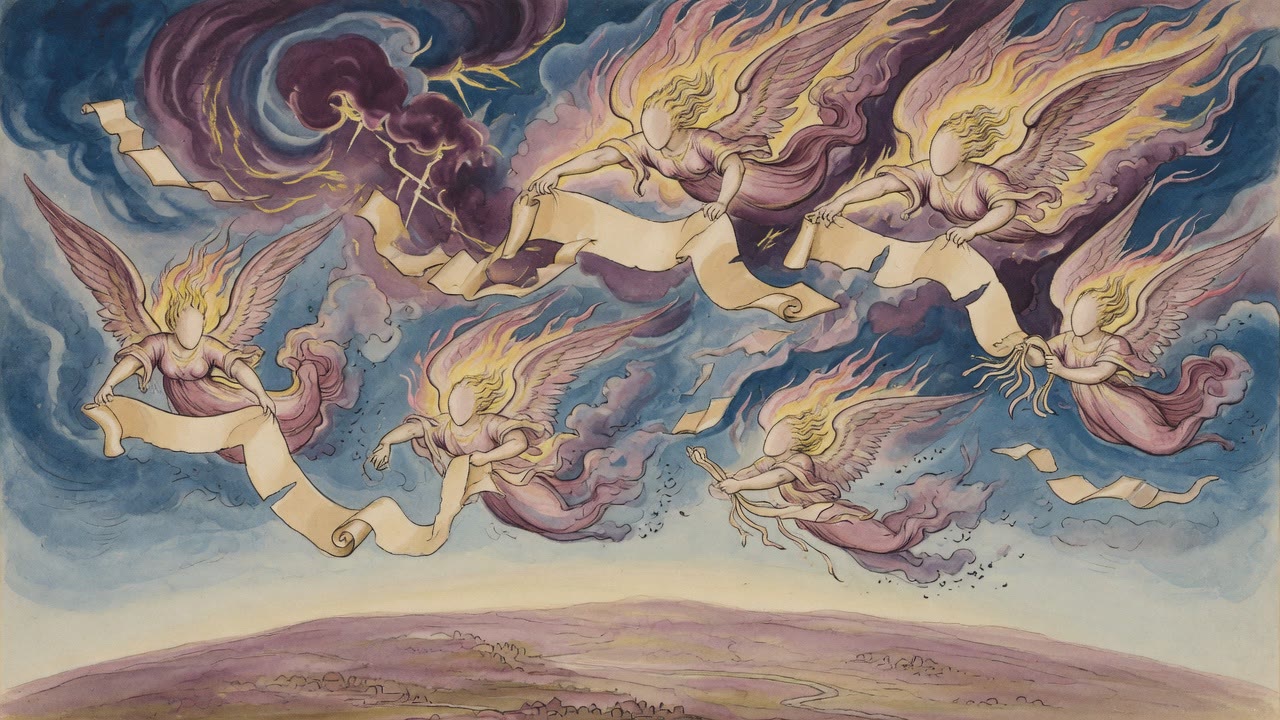
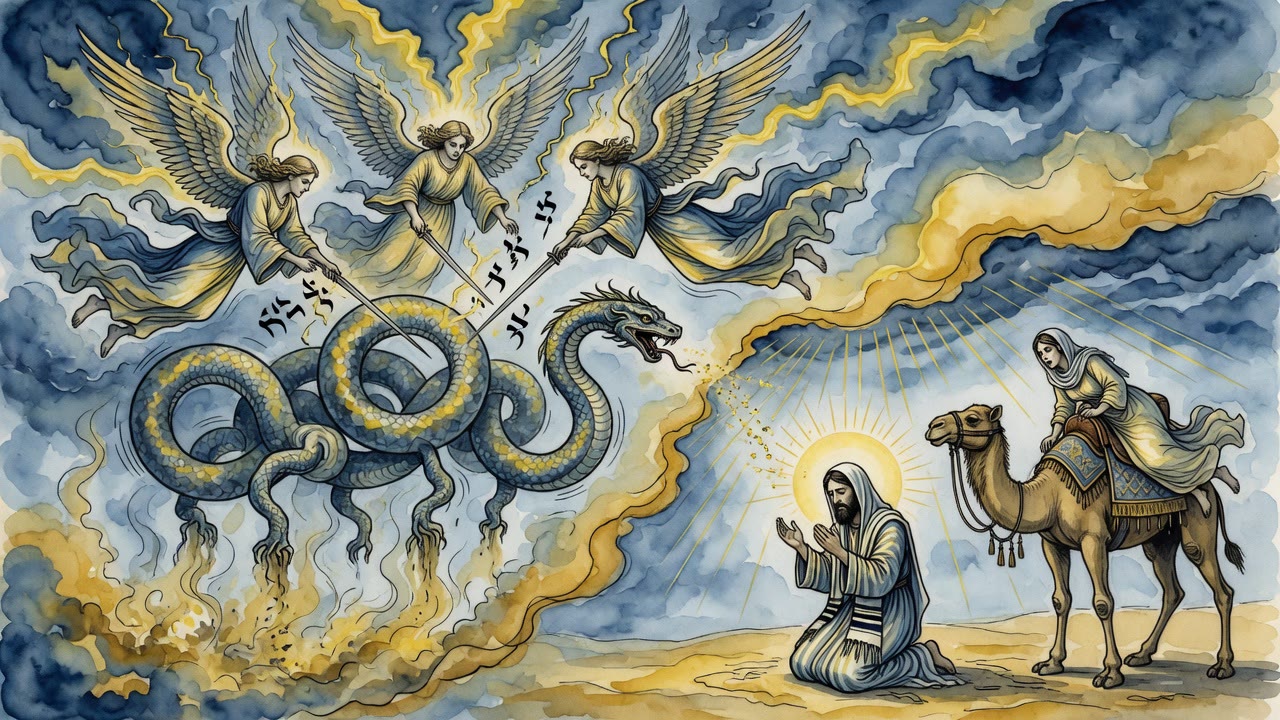
The Zoharariel material in Heikhalot Rabbati includes a scene where God's anger at Sammael, the accusing presence, reaches its maximum intensity. The anger is not expressed through words or decrees. It is expressed through action so direct that the palace tradition almost loses its breath describing it. God does not instruct another angel to carry out the judgment. The patience of the divine finally ends, and what follows is what happens when patience ends in heaven.
Zoharariel witnesses this. He stands in the place where the heavenly court operates at maximum force, and he testifies to what he sees. The tradition places him there because a witness who trembles is more trustworthy than a witness who is calm. His fear is the sign that what he is reporting actually happened at the scale he claims.
The Secret Teaching and the Seals
The final strand of the Zoharariel tradition in Heikhalot Rabbati concerns the mechanism of ascent. There is a practice, organized around specific names and seals, by which the palace mystic makes himself visible to the beings of the upper worlds. The seals are not decorations. They are the credential system of heaven. An angel who stops the ascending mystic to demand identification will accept the right seal as proof of authorization. A mystic who arrives without the right seals encounters guardians who have no reason to let him through.
Zoharariel's name appears in these instructions as part of the invocation sequence. Calling his name correctly, as part of the correct formula, is part of how the legitimate mystic identifies himself to the palace world. The name is protection. It is also acknowledgment: the mystic who invokes Zoharariel correctly is claiming kinship with the figure who already stands, trembling, at the edge of what the throne room demands.
← All myths