233 myths · Page 2 of 8
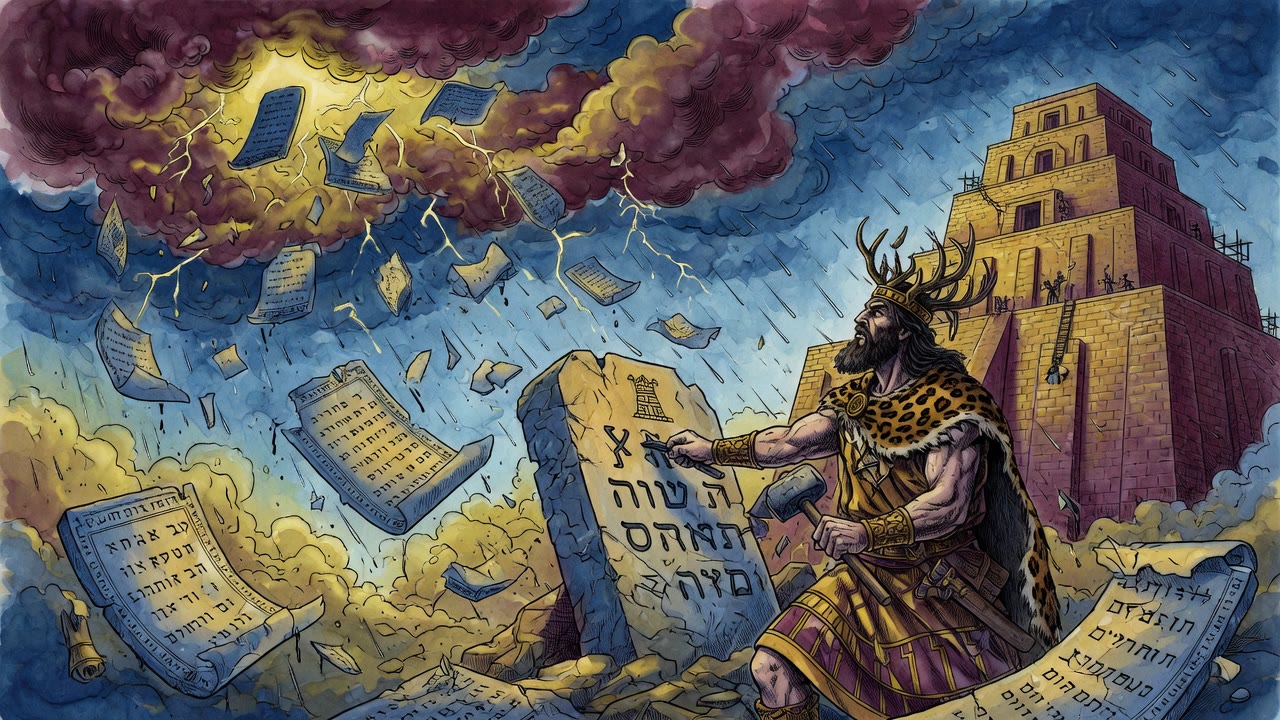
After Eden, forty decrees fell on Adam, Eve, the serpent, and the earth, and later Nimrod tried to rule birth by decree.
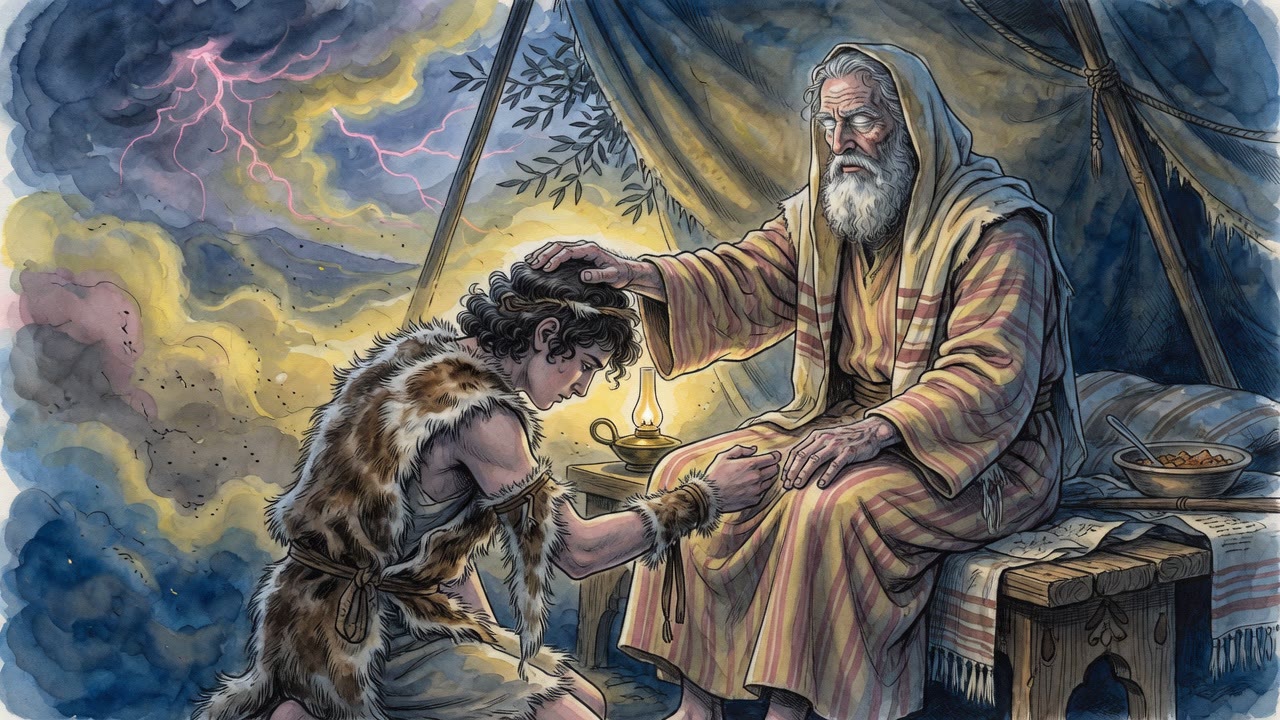
Esau tied a deer and went after the next. When he came back the cord lay empty. The Accuser had been walking the field behind him.
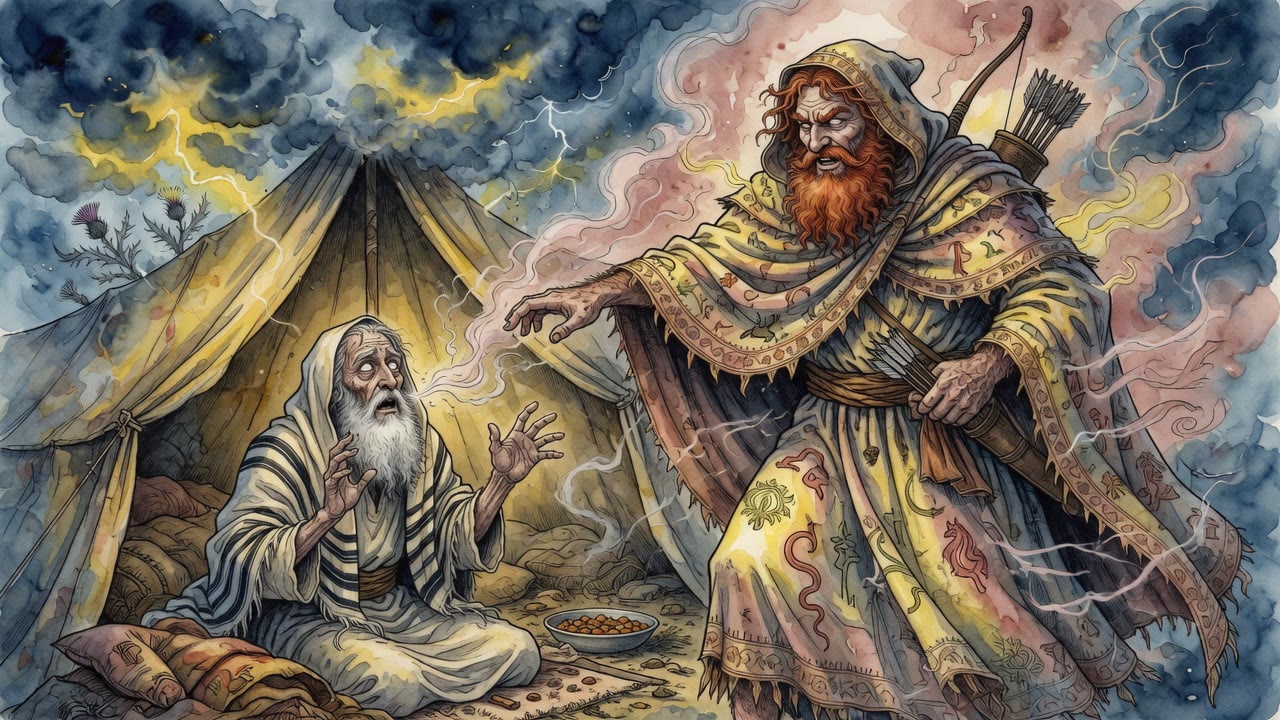
The clothes Rebecca put on Jacob were not costumes. They carried Adam, Nimrod, Esau, and the terror of power passing hand to hand.
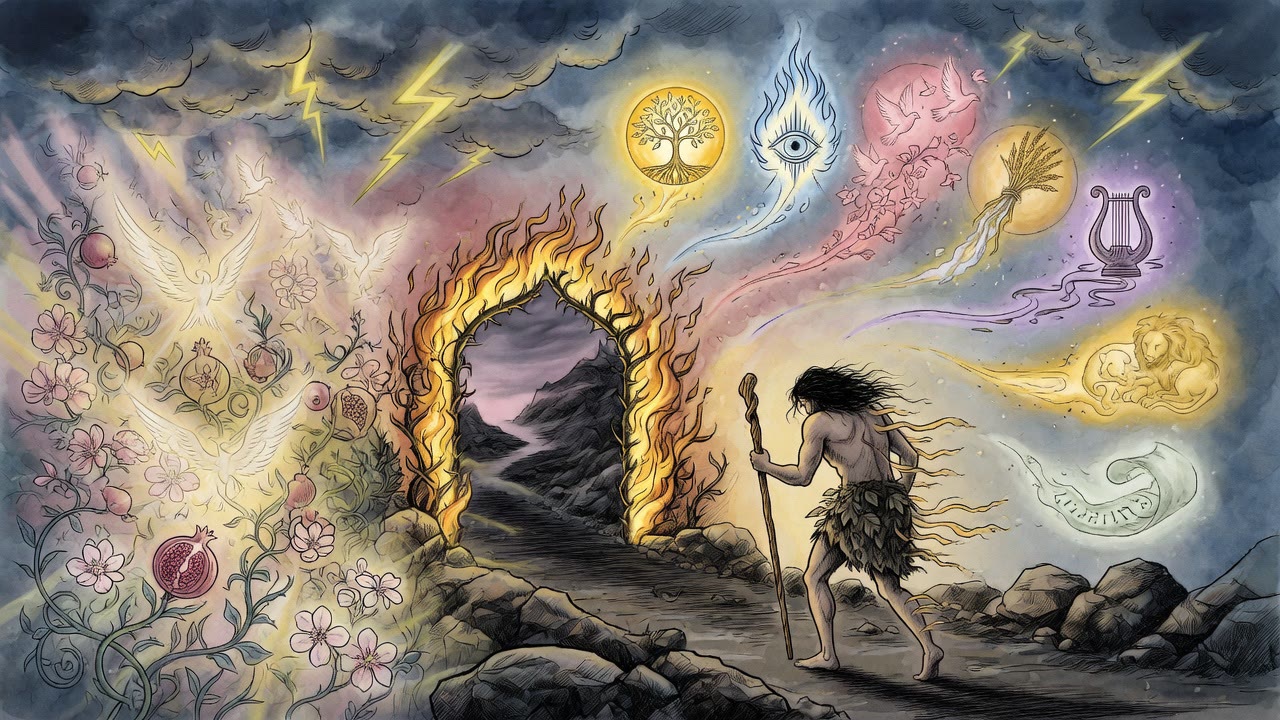
The angels nearly bowed to Adam, mistaking him for God. He was formed in the first hour and driven out by the twelfth. Then his skin stopped glowing.
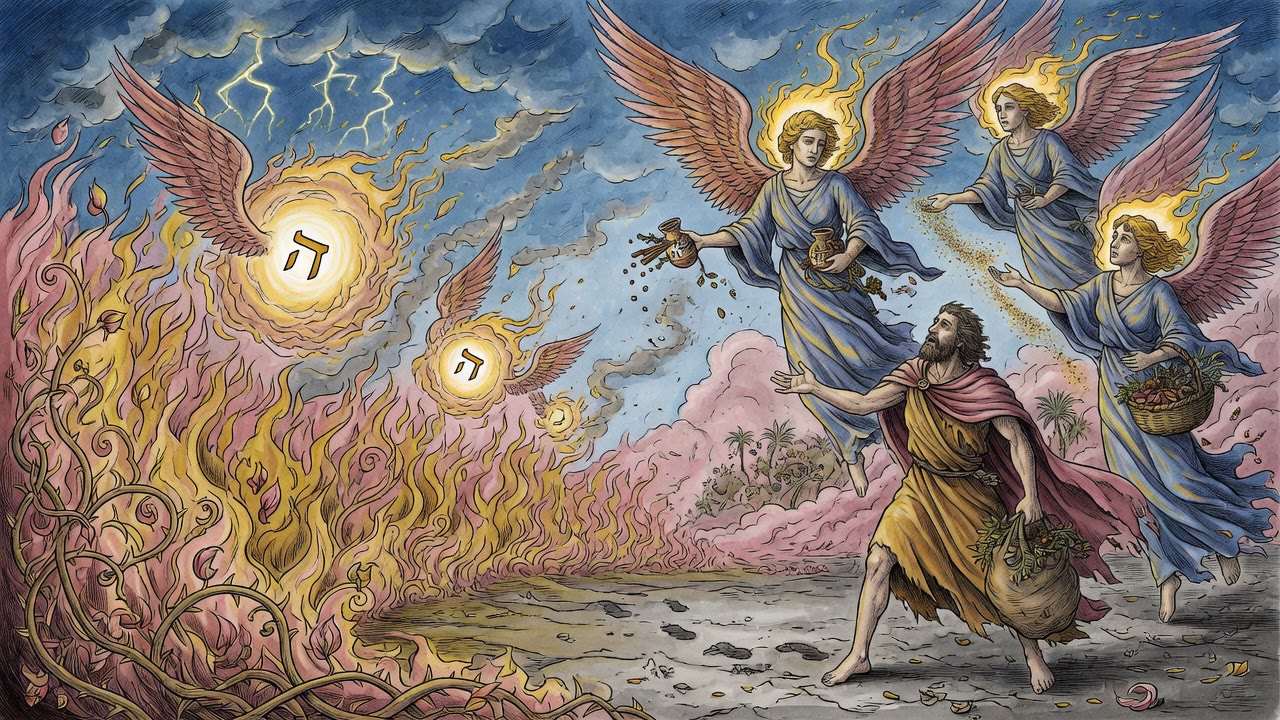
Driven from the Garden in the twelfth hour, Adam wept and begged the angels for one thing before the gates closed: spices, so he could still pray.
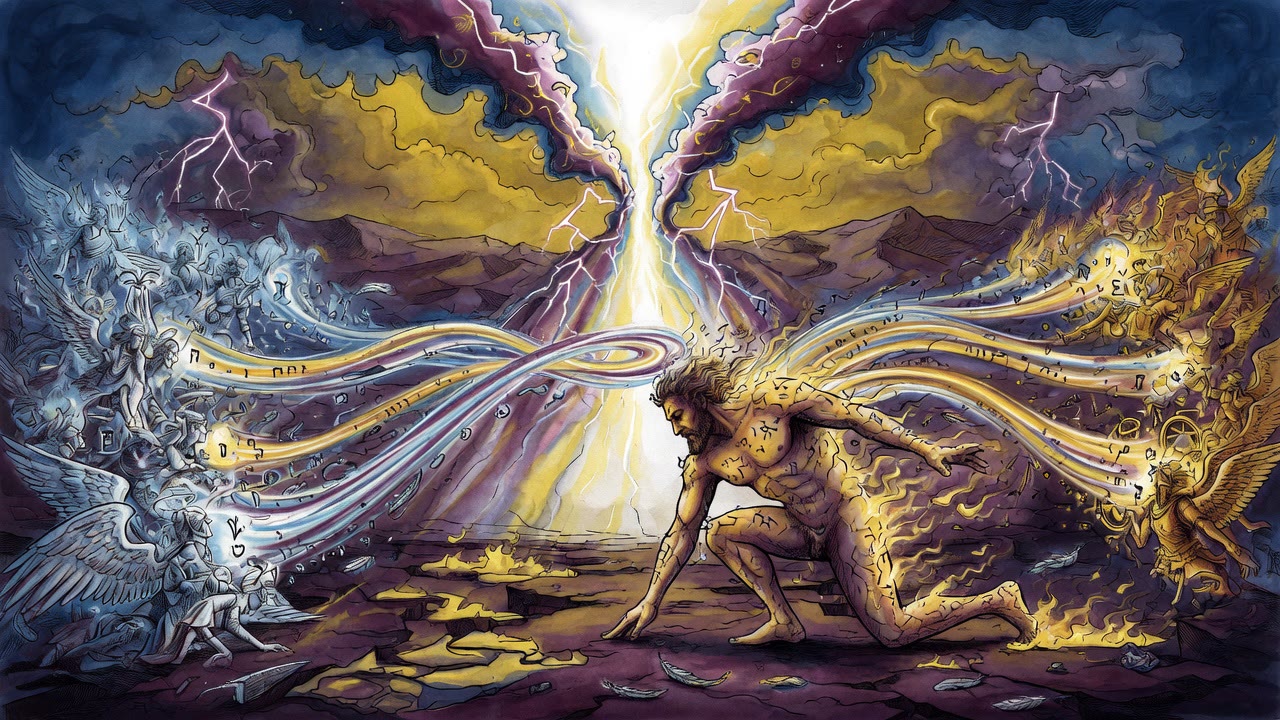
Two whole companies were gone before Boel's turn came. He pulled his own host aside and told them exactly what to say when the question reached them.
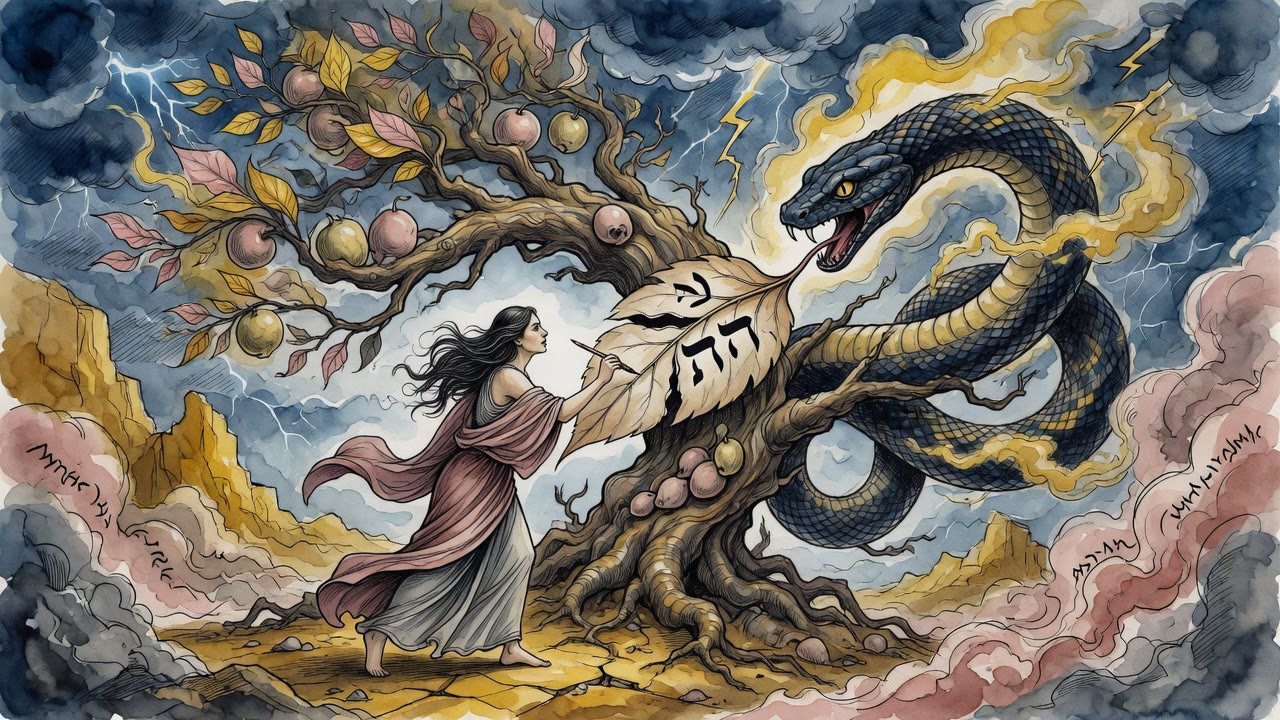
God said do not eat. Eve told the serpent do not touch. The rabbis traced Eden's fall to that single addition and were not unsympathetic about it.
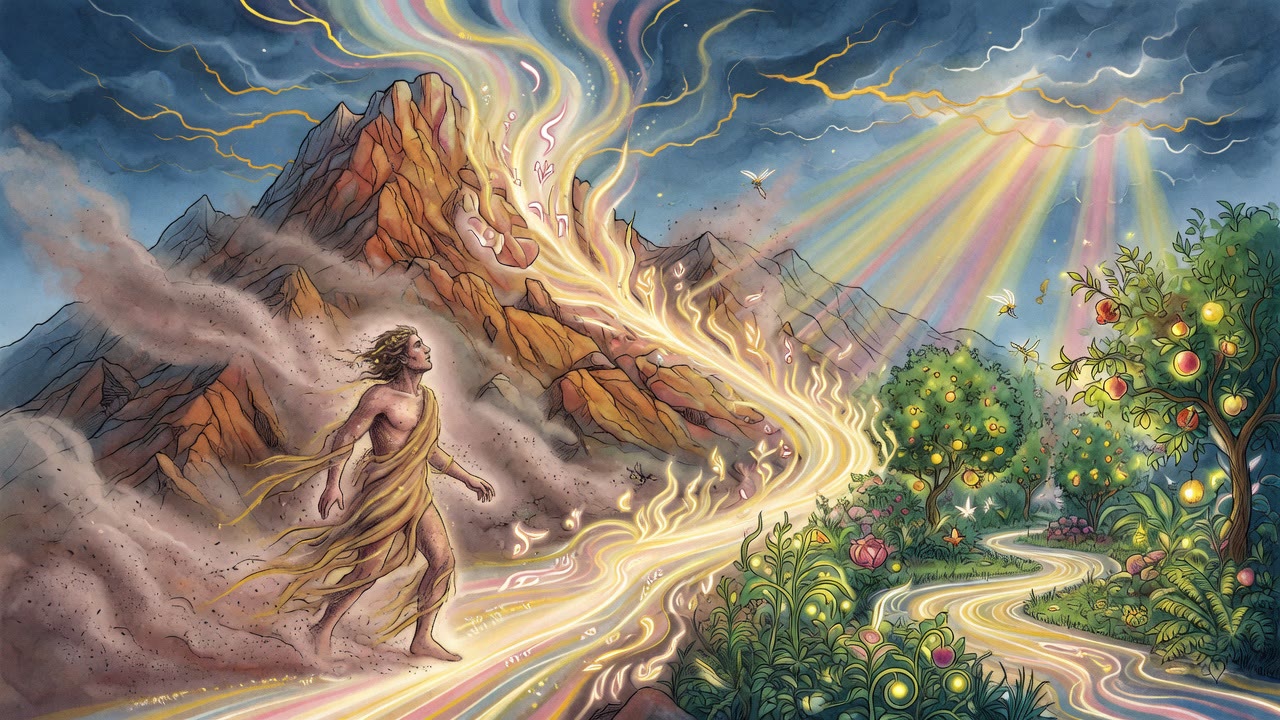
Angels brought Adam his meat and his wine. Animals ate out of his hand and understood every word he said. All of it ran backward in a single afternoon.
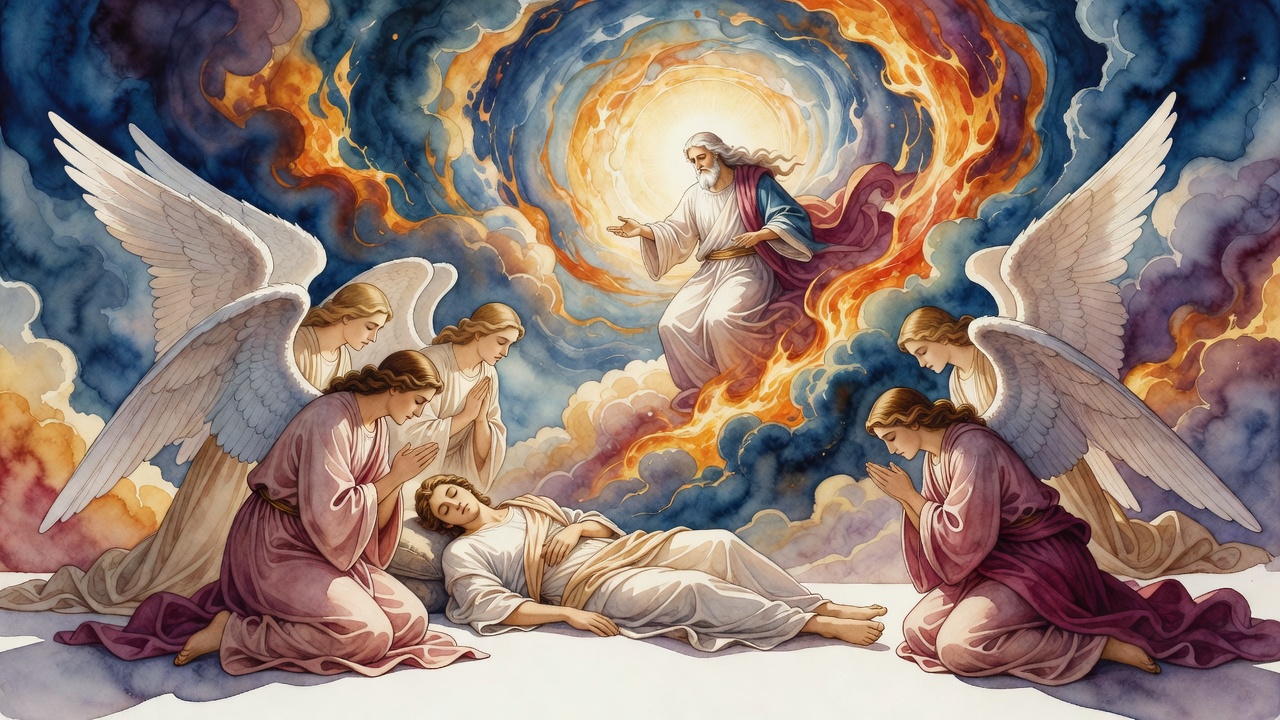
The ministering angels were one breath from crying Holy over the new man, using the word kept for God alone. God put Adam to sleep in front of them.
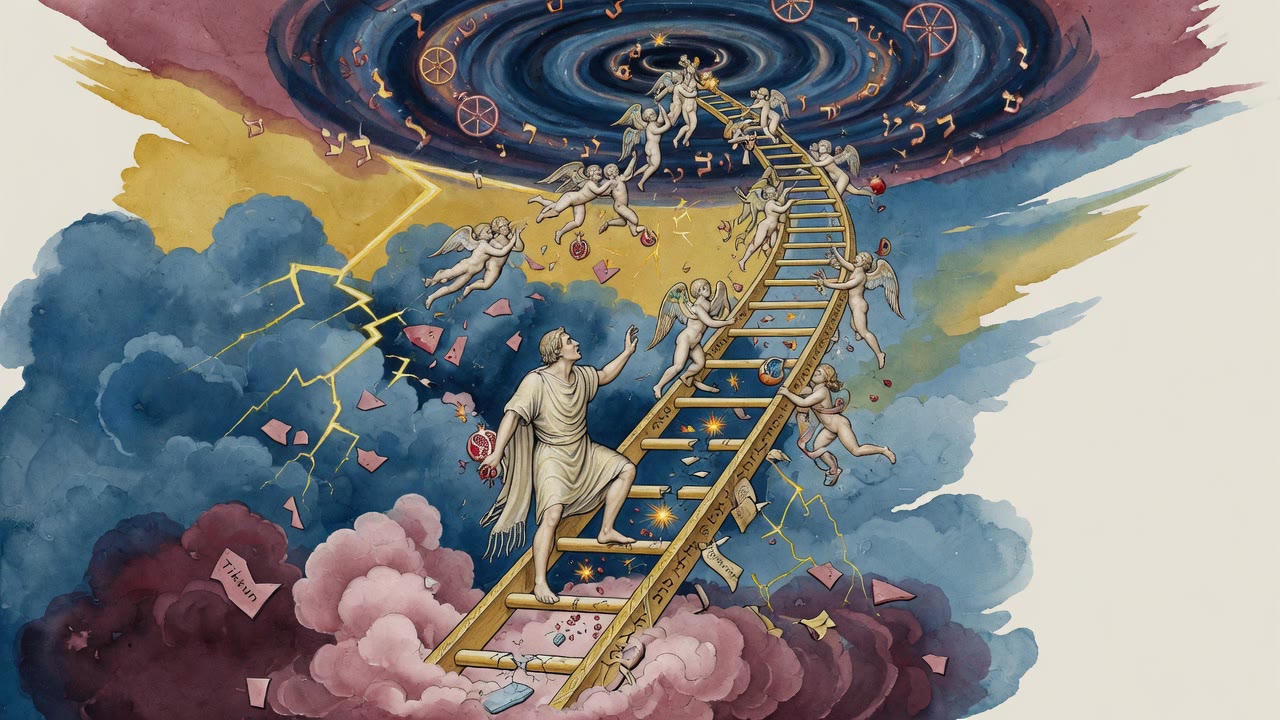
Adam's soul was older than the dust of his body. It descended through worlds before breath entered the form at earth's center.
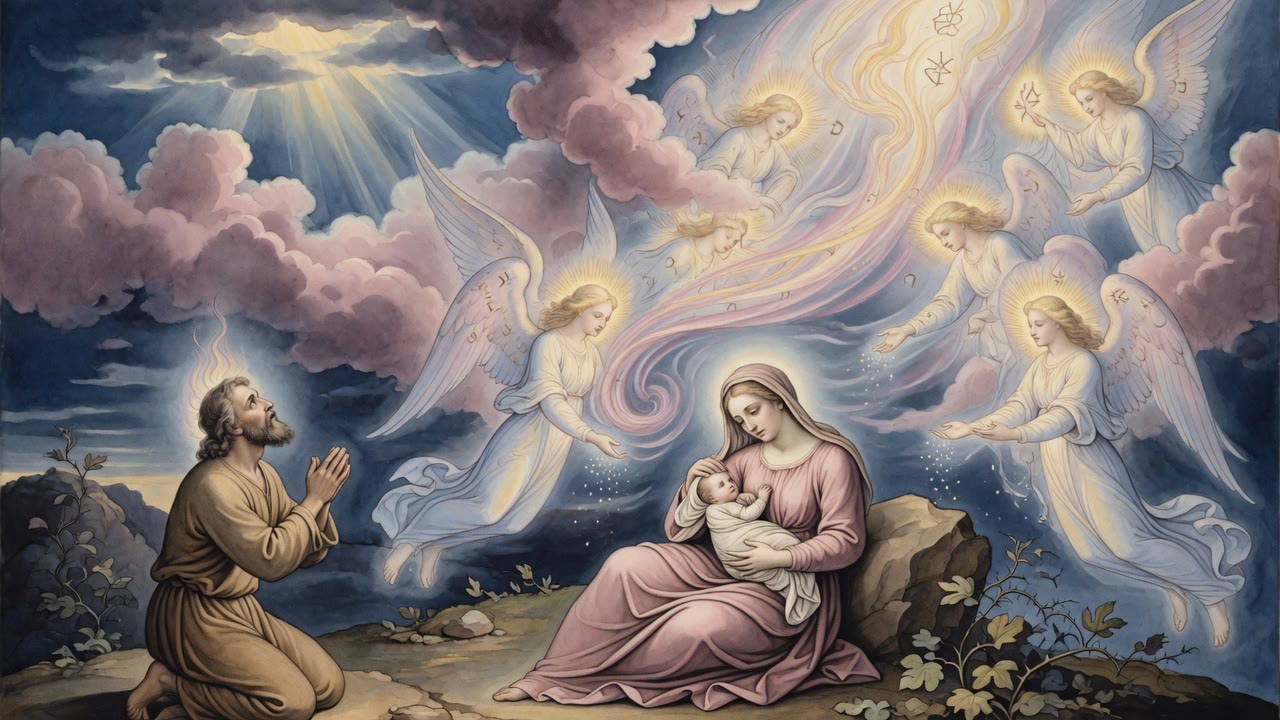
When Eve went into labor with the first child ever born, no one had ever survived it before. Adam prayed and God sent angels down to help.
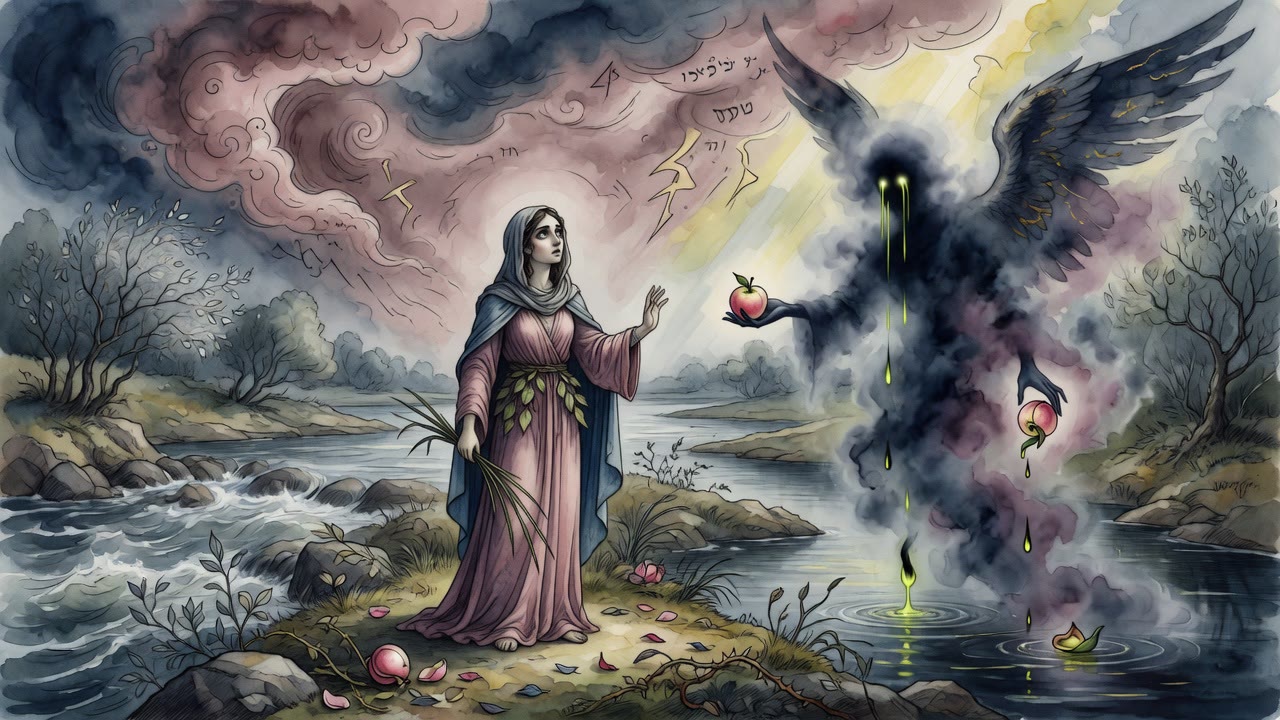
Eighteen days in the Tigris without bread. A stranger wept on the bank and told Eve that heaven had already said yes.
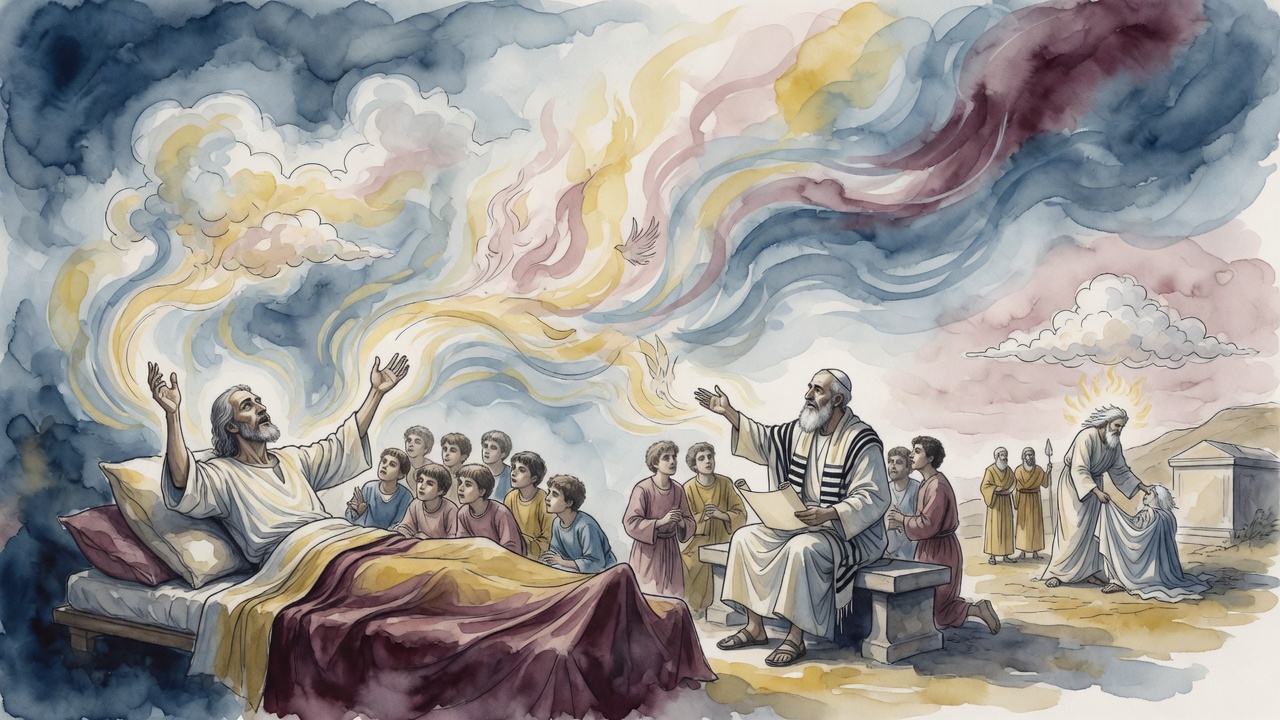
After Abel's blood soaked the ground, Adam fled Eve for 130 years. Female spirits found him there, and grief took on bodies.
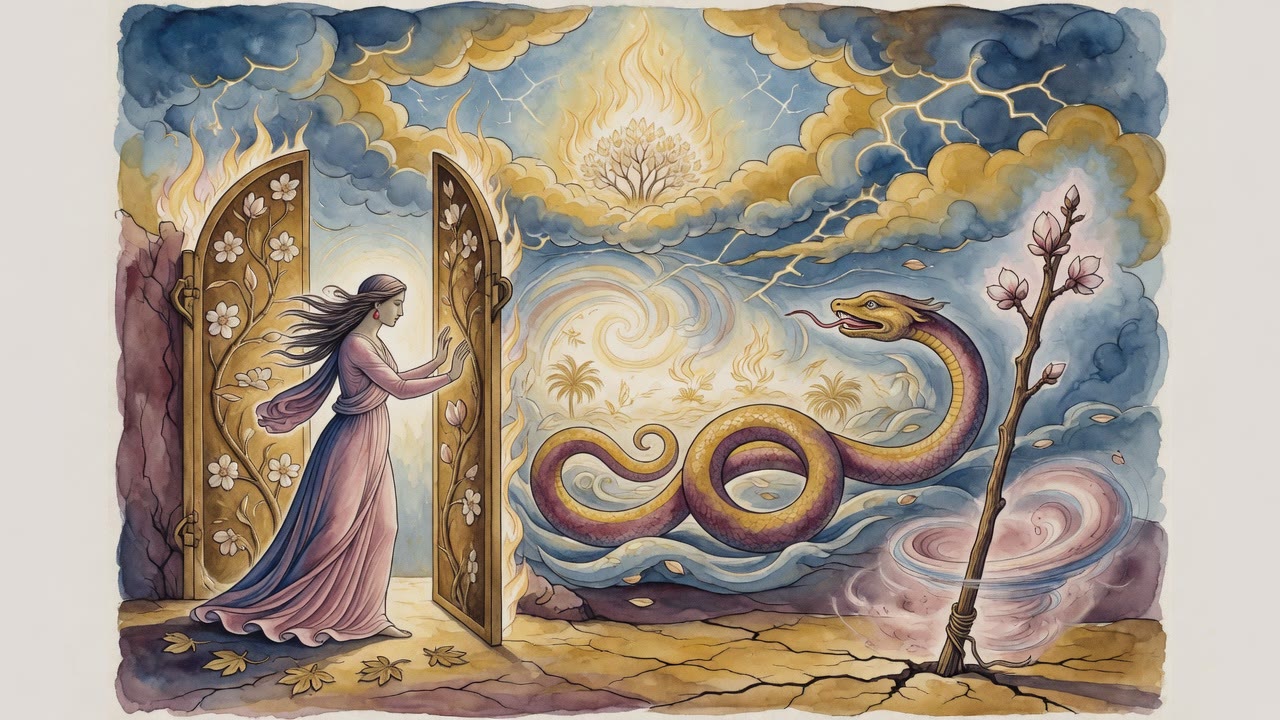
Eve opened the gate of Paradise for a lying serpent; in that same final hour, the staff that would split the sea entered the world.
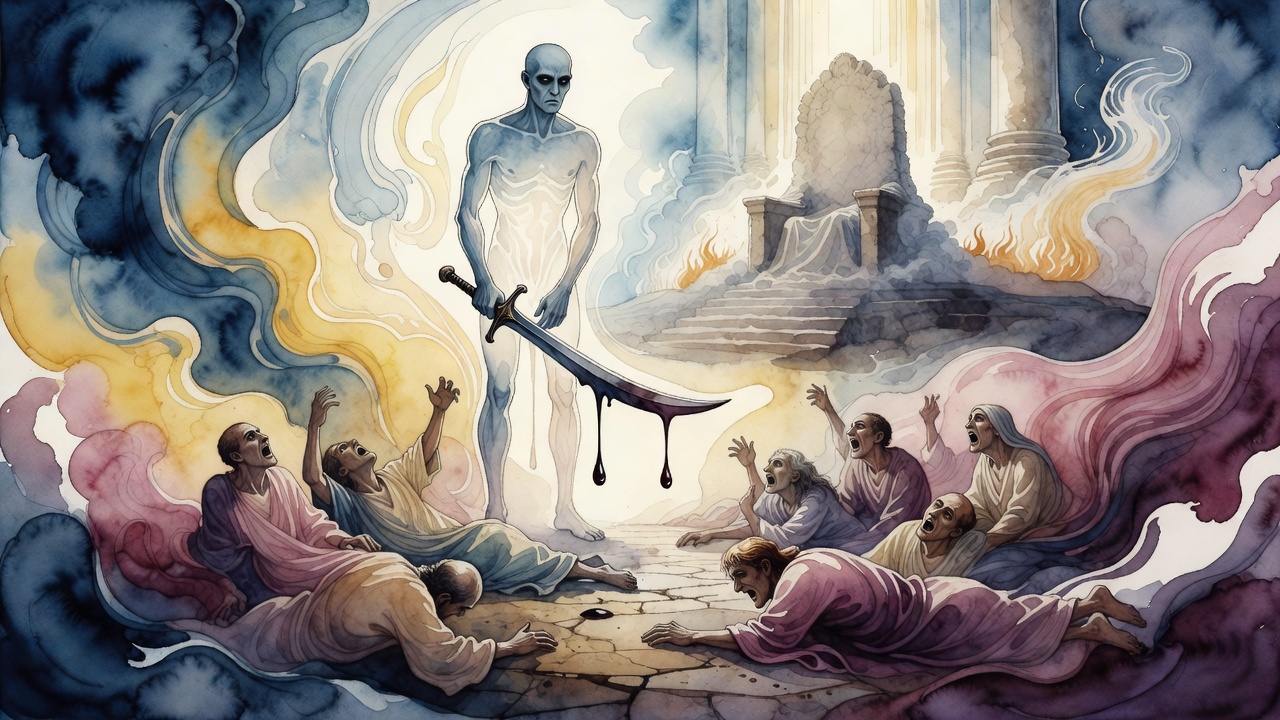
Adam put on sackcloth after Abel died. A voice spoke from inside his chest. Samael still stood in the room, and God would not send him away.
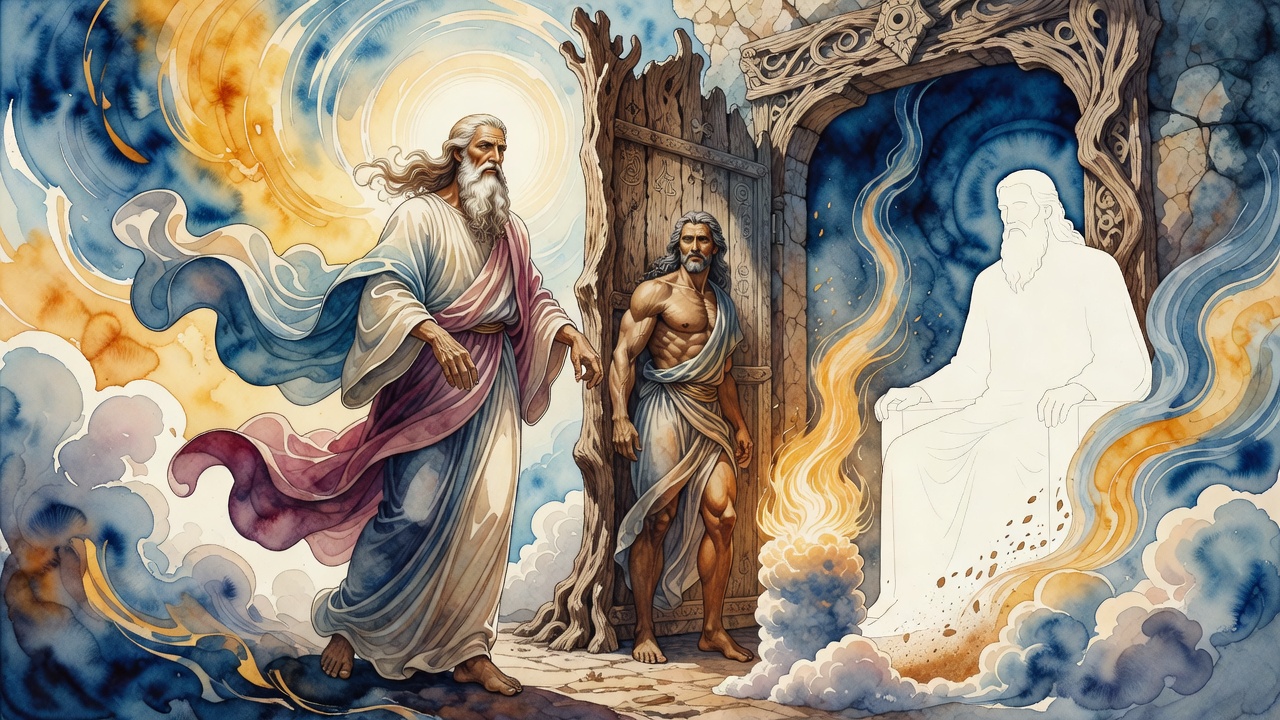
Moses arrived at Eden's gate with his face still shining, and Adam was waiting at the threshold with a claim no mortal had ever answered.
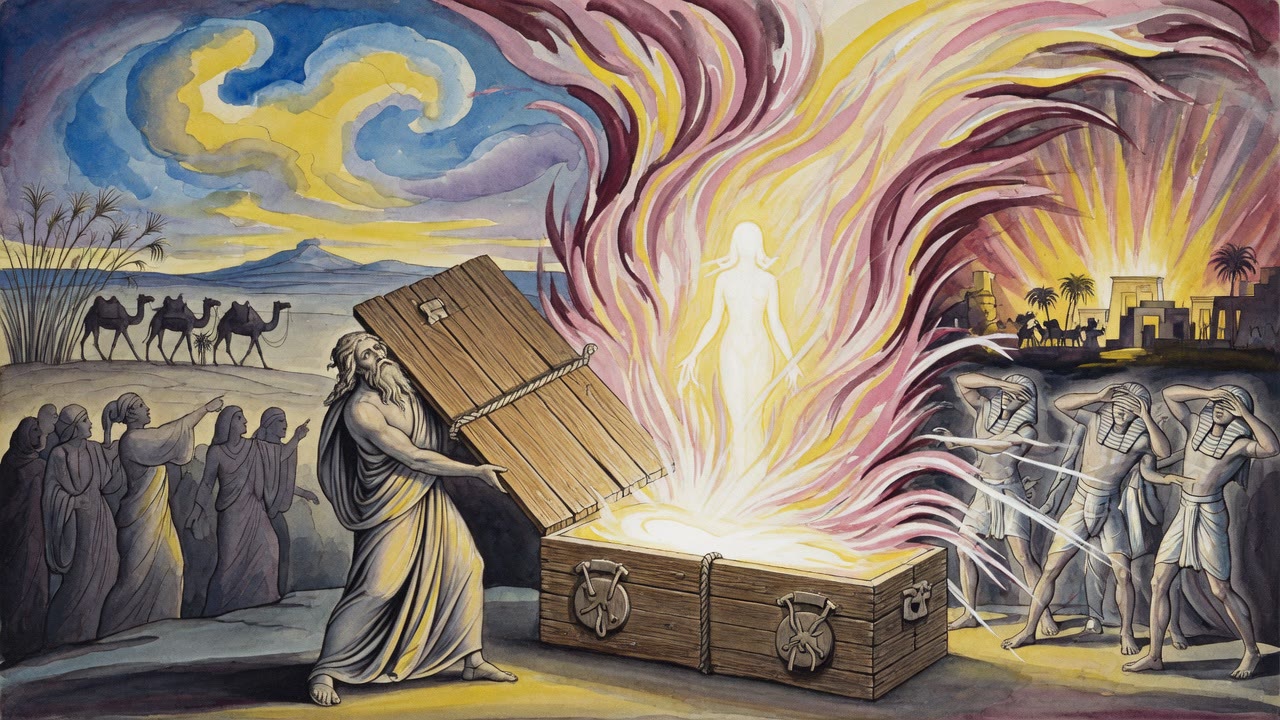
Abraham had been married to Sarah for years before her reflection in a stream stopped him. At the border he paid the tax on gems rather than open the lid.
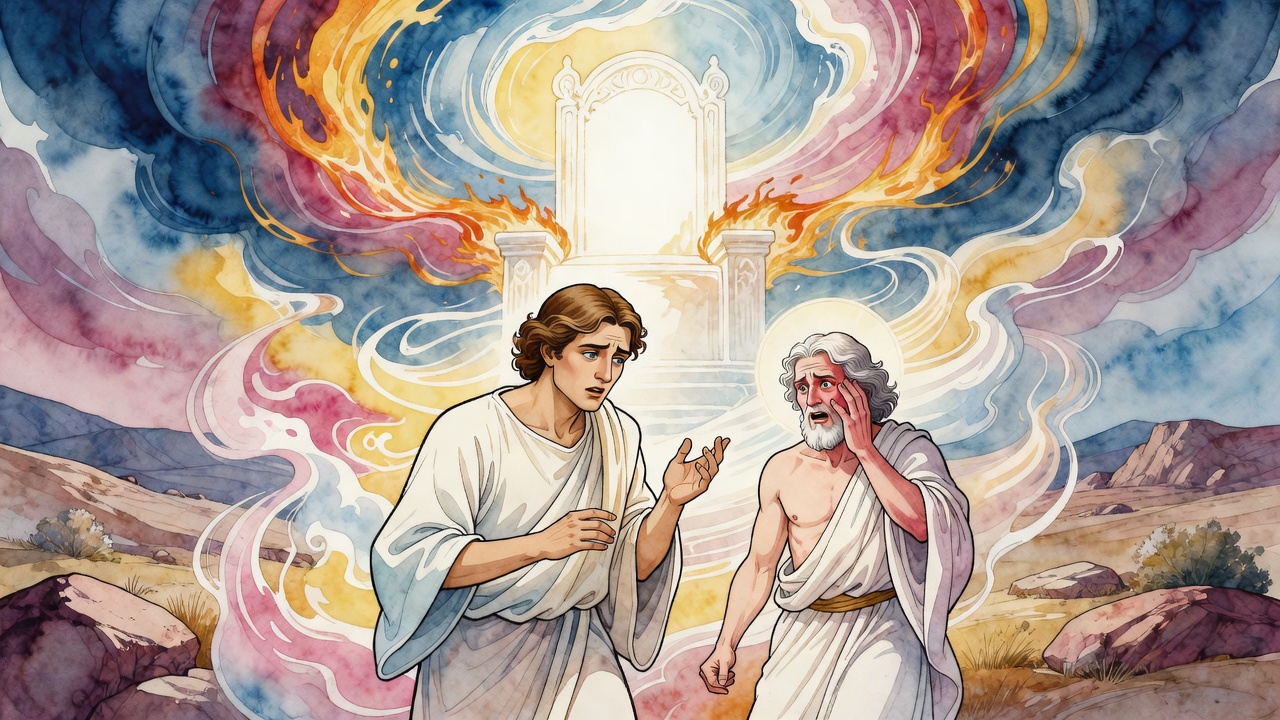
Cain killed his brother and then, the rabbis say, invented repentance. Adam heard about it and struck his own face. He had not figured it out yet.
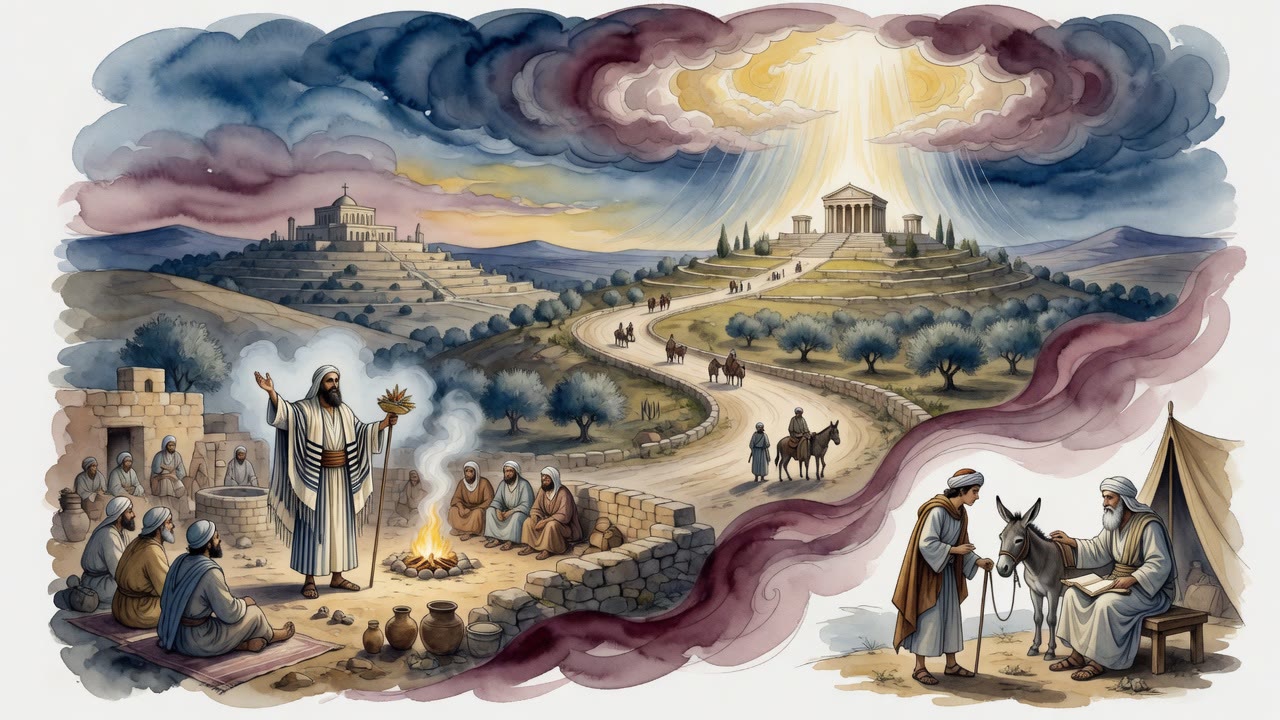
Adam lay dying after 930 years with no predecessor, no tradition of how to die. His final plea to God was not for himself but for those who would blame him.
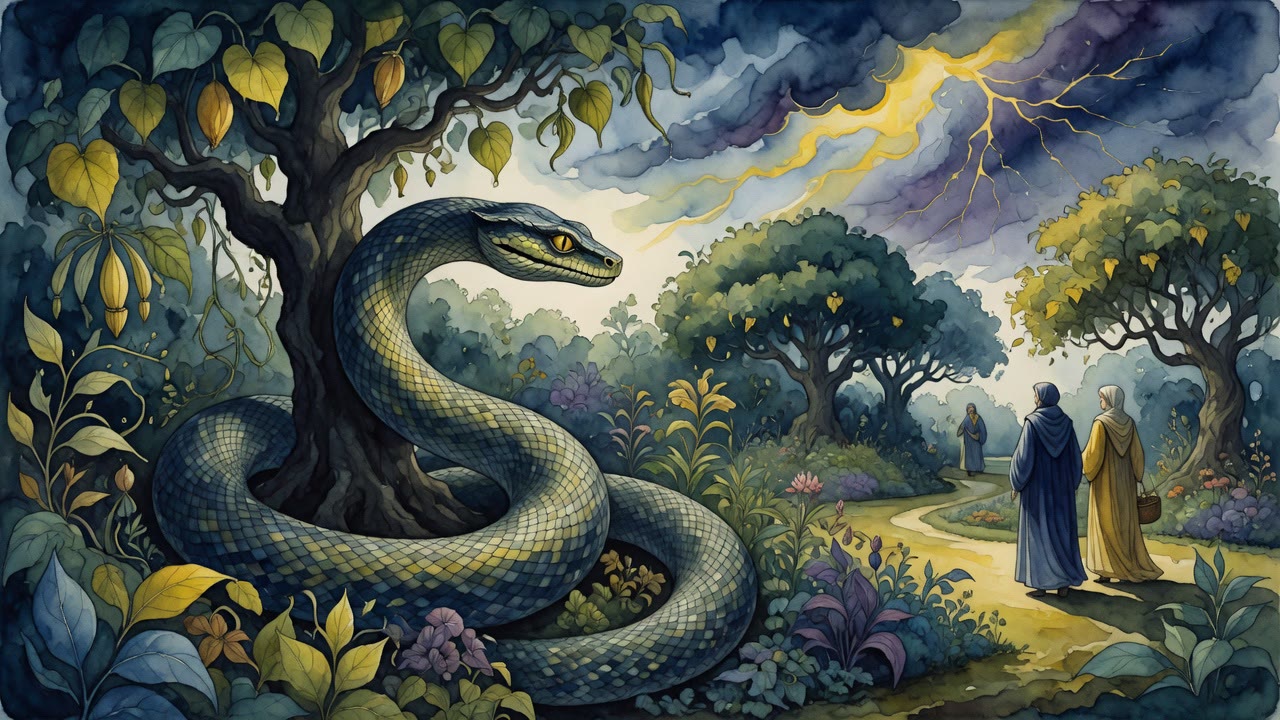
Adam and Eve had seven full years in paradise before the serpent chose his moment. He considered Adam first, then chose Eve, and had his reasons for both.
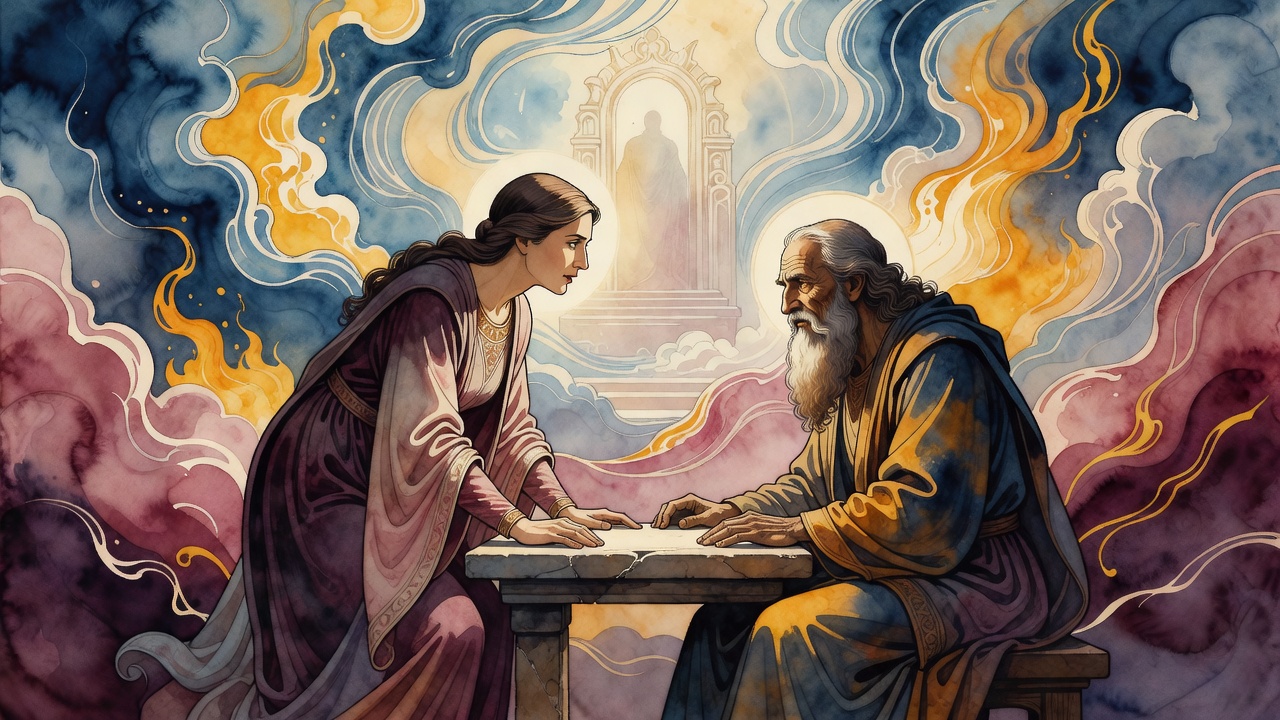
A pious couple split up, childless. He married a wicked woman and his piety thinned. She married a wicked man, and in that house words were weighed.
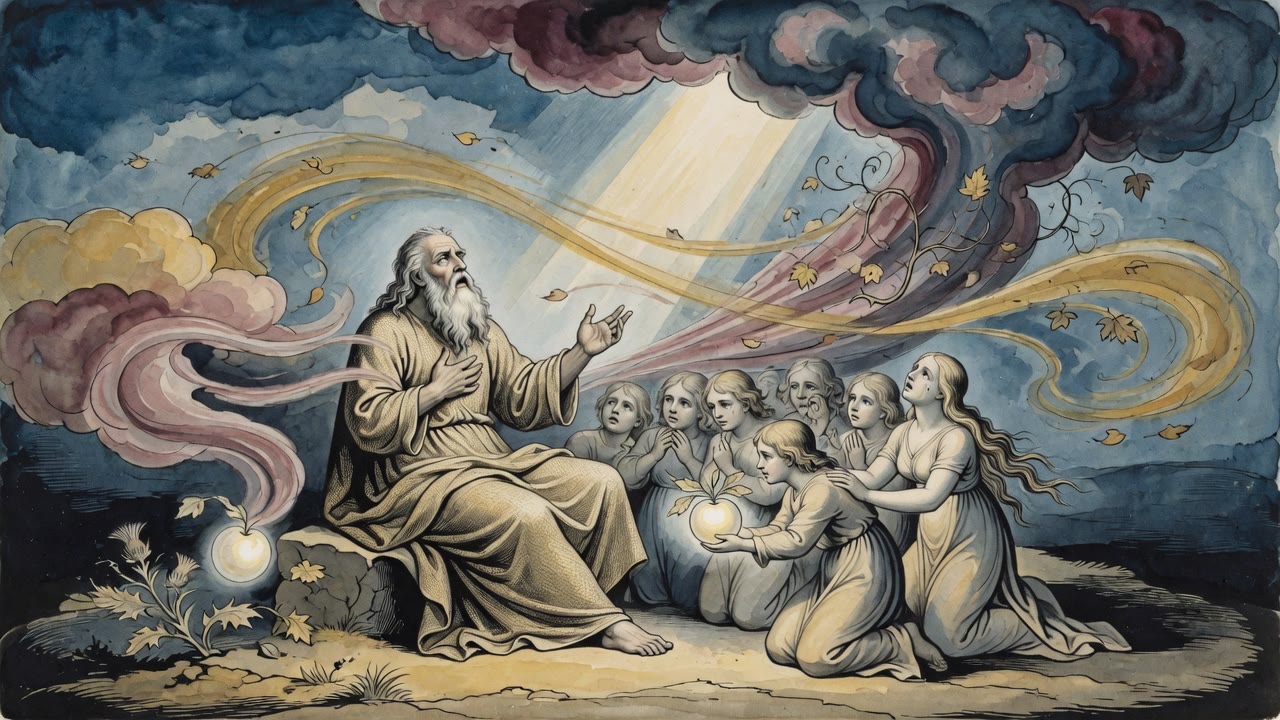
After Abel died, Seth was born into a wounded house and raised a line that carved its wisdom into stone before the Flood.
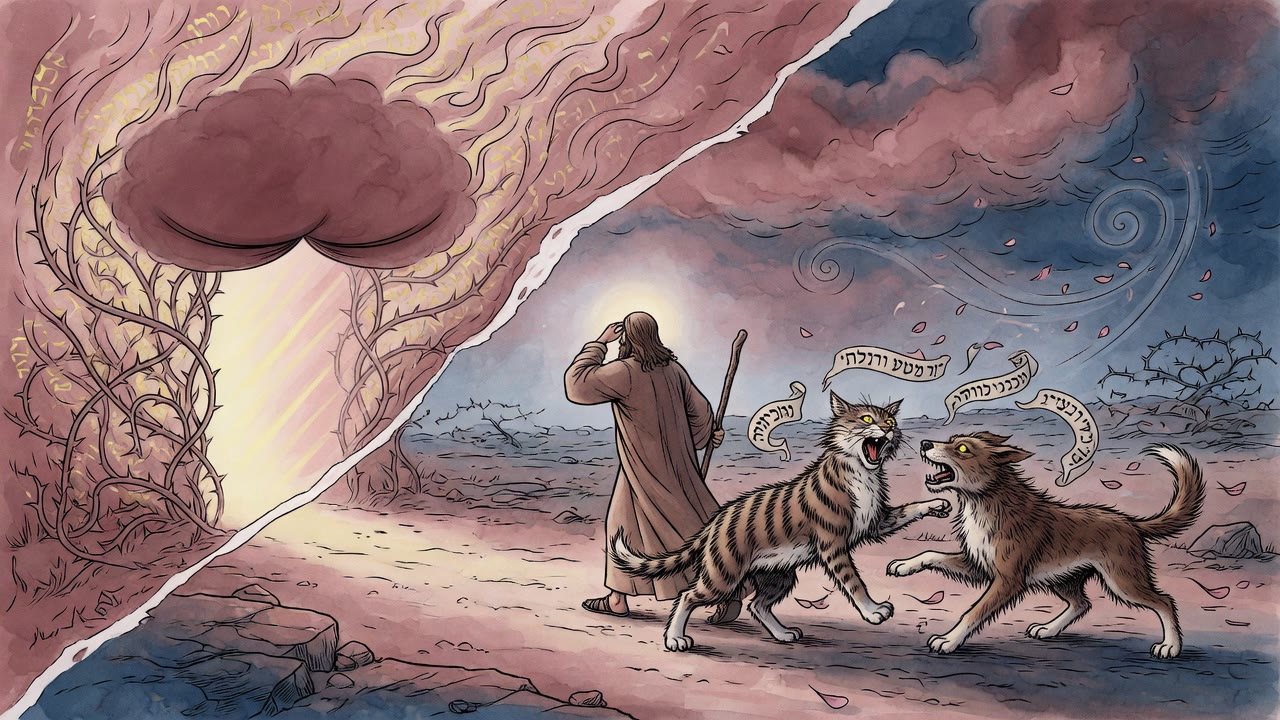
They put their paws together and swore never to share a house. The dog starved his way to Adam's door. The cat was already inside.
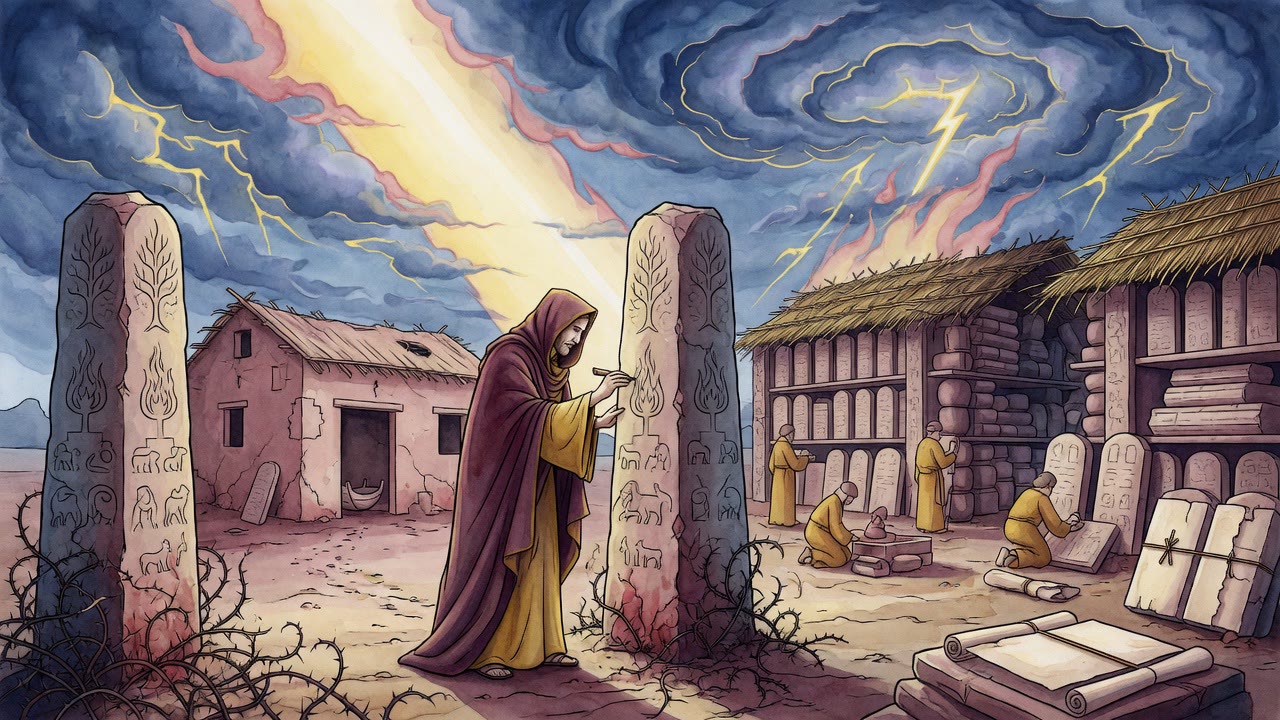
At 930, Adam called his children close as sickness entered the world. Seth offered Paradise fruit, and Eve begged to share the pain.
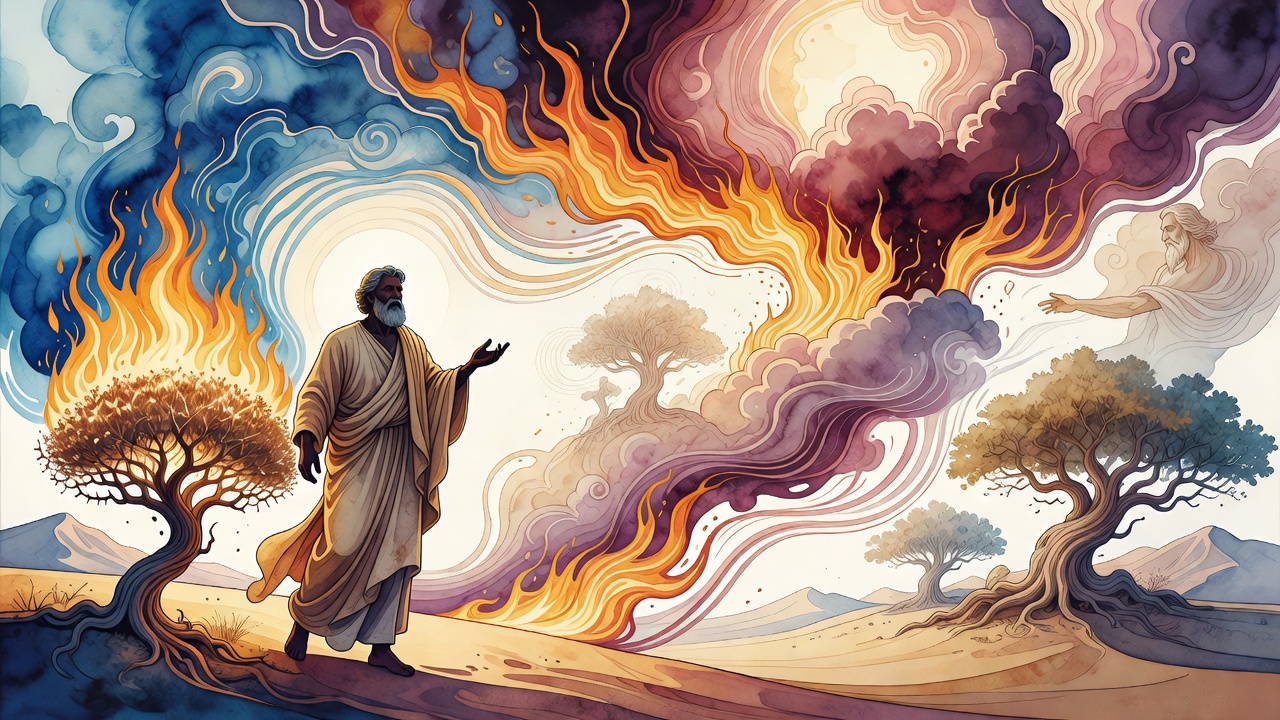
Moses pleaded to enter Canaan by recalling the bush where he was sent. God answered by tracing Moses's mortality back to Eden and the first refusal.
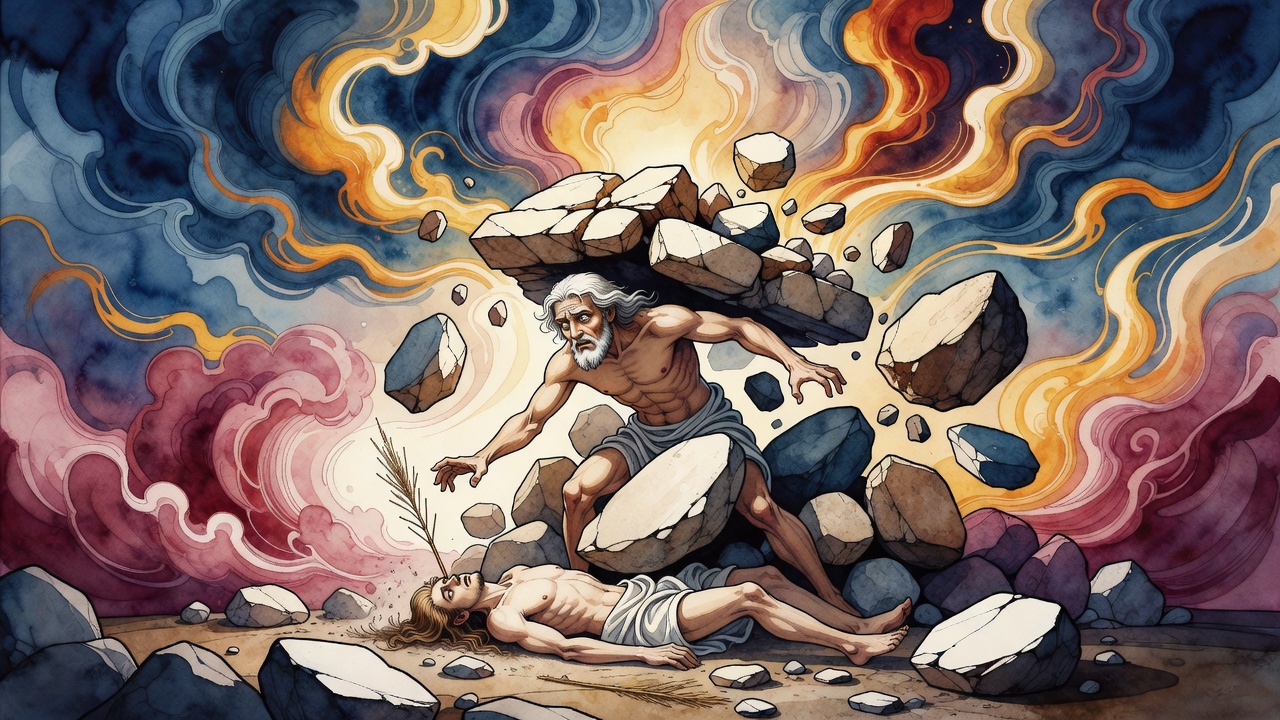
Twelve angels still stood around the bed. The child was already standing. His first gift to Eve was a stalk he had taken from the ground.
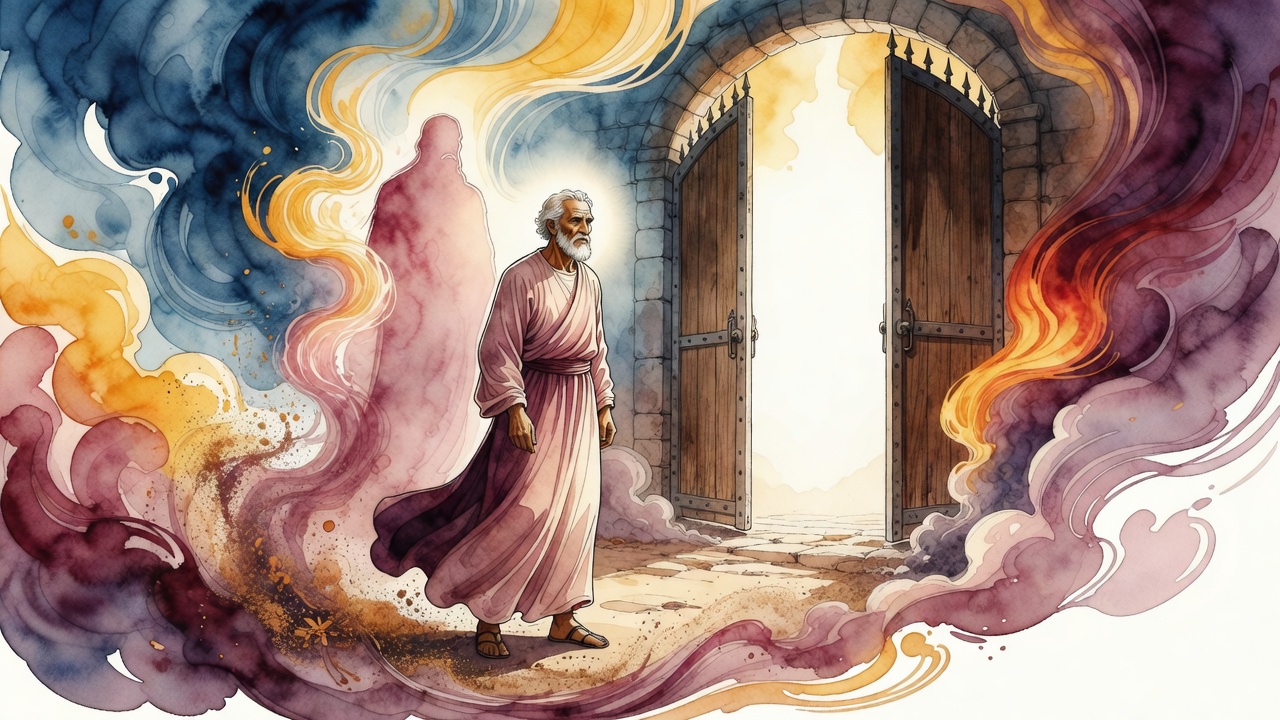
Every back in the courtyard bent when Haman crossed it. The servants crowded the one man still standing and asked why. He told them Haman had a mother.
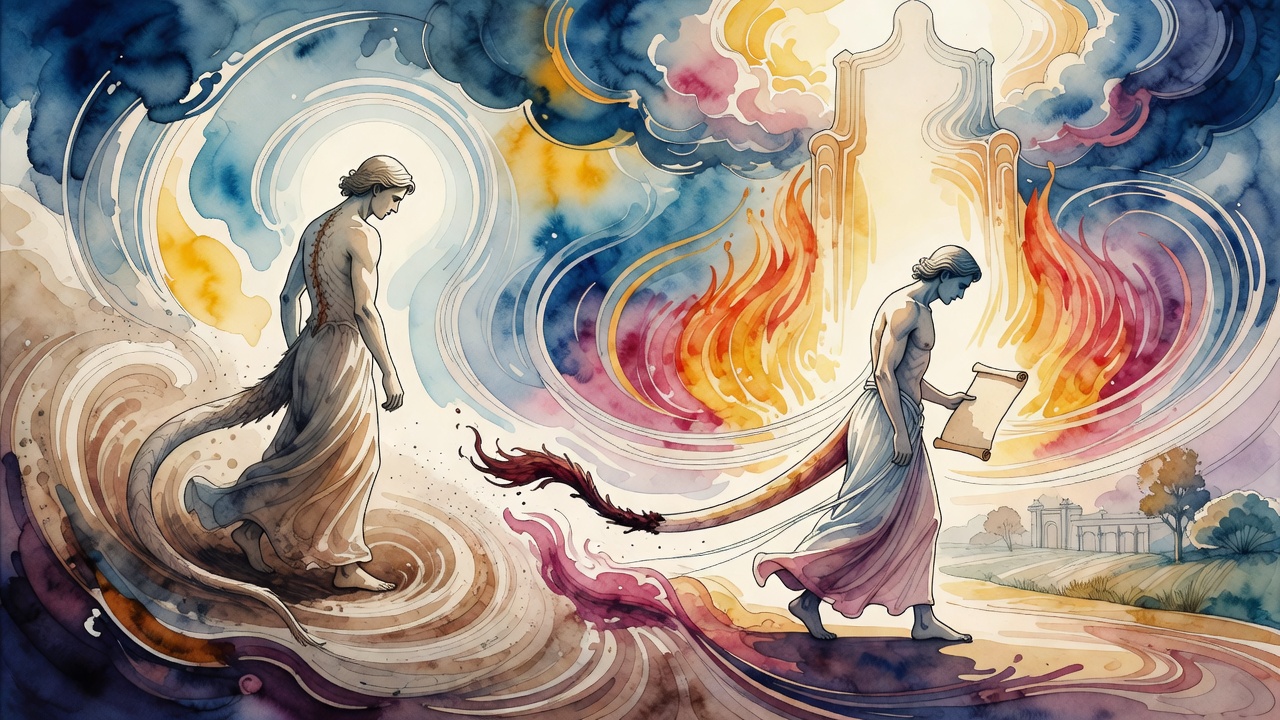
Adam stood among the beasts with a tail still on him. God cut it away for dignity. At the Garden gate a written bill of divorce came next.

God reached for dust while a warning already named Adam's anger. After the fruit, Adam pointed at Eve and would not confess.
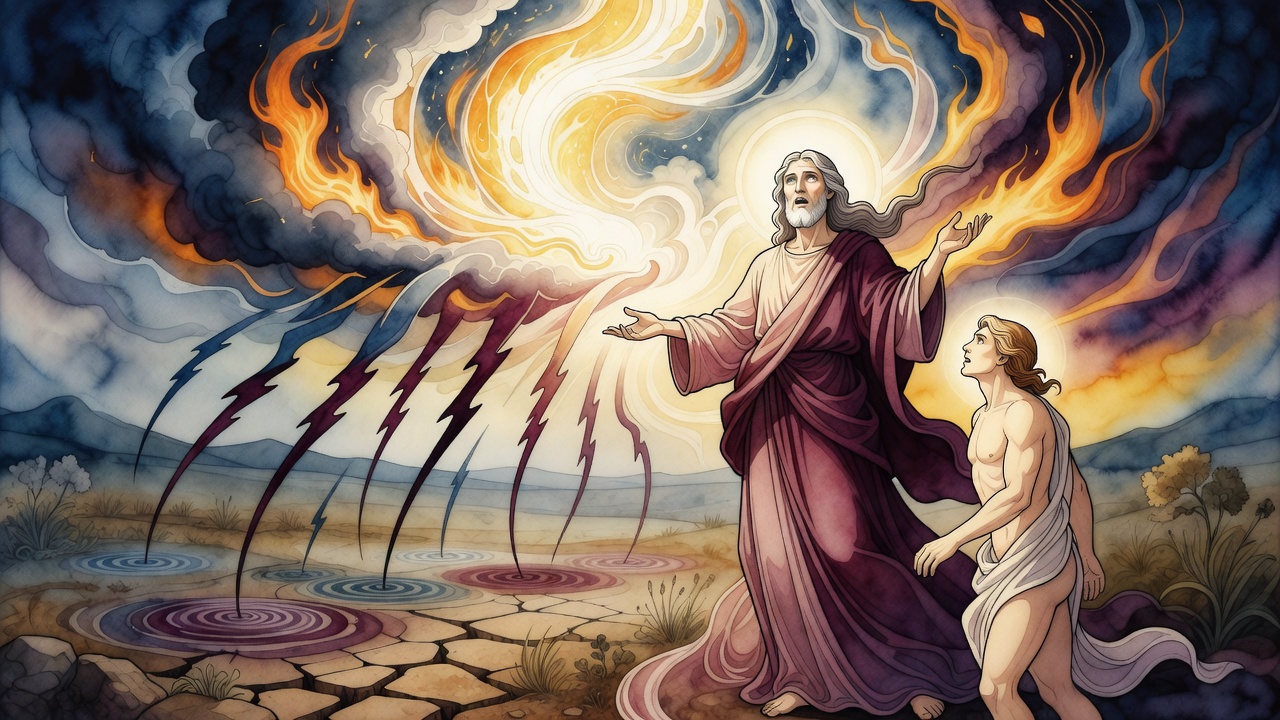
Before Adam was cursed and expelled, Shabbat stepped forward and argued against the first death. Then nine curses fell, and the silent earth received one too.
