233 myths · Page 8 of 8
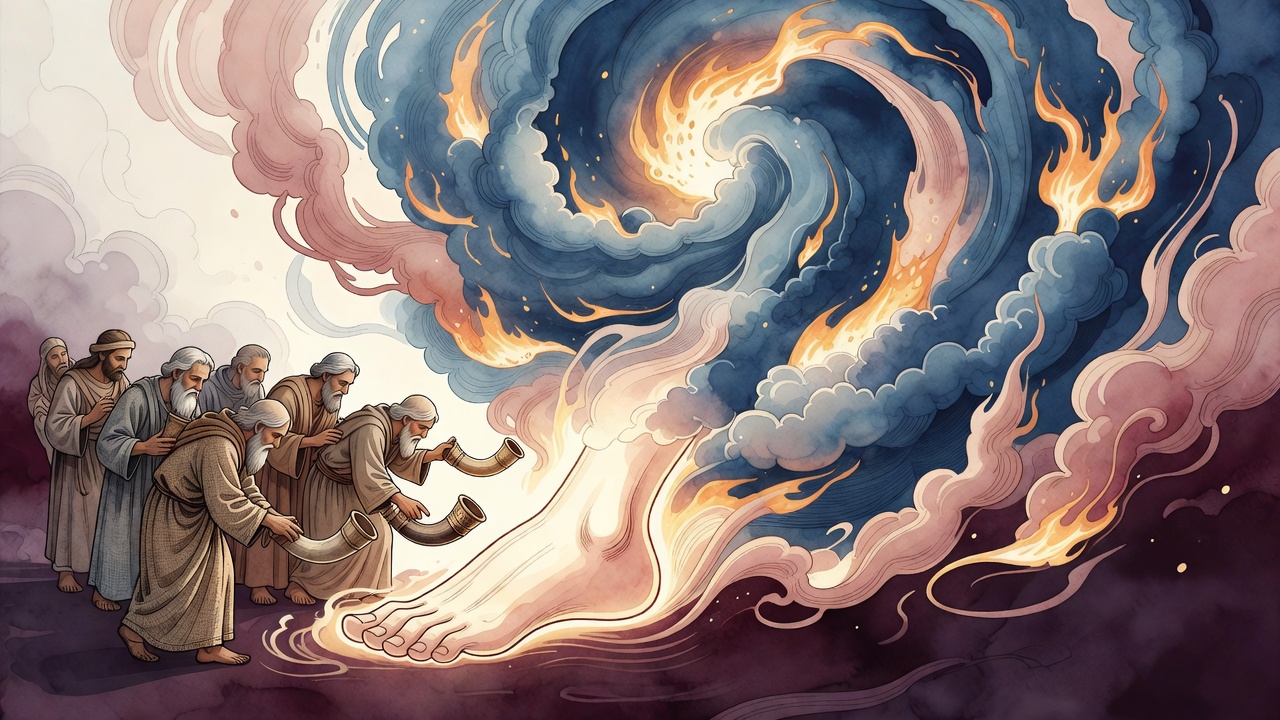
Adam's heel outshone the sun, then he was told he was dust. At the table a man set his cup down while the wine was still sweet.
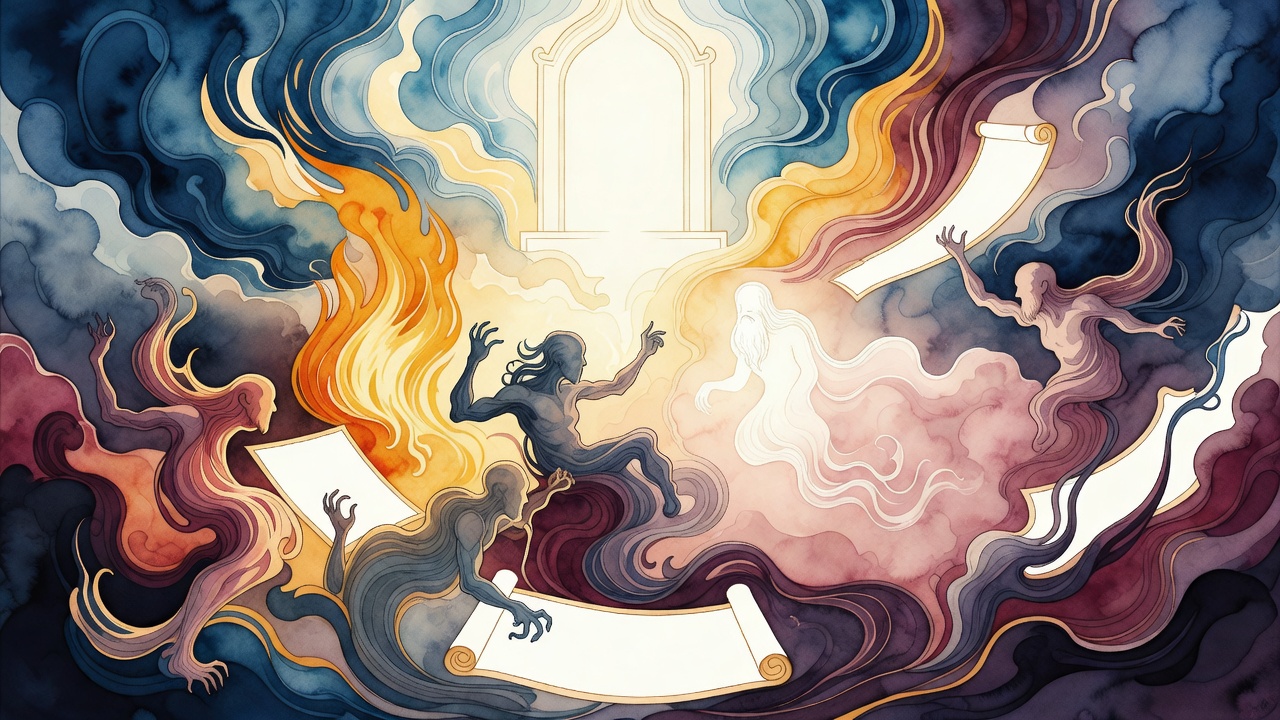
Four kinds of spirit were ordered. Three bodies stood up. The fourth waited for skin, and Friday's last light shut the door on hands they never got.
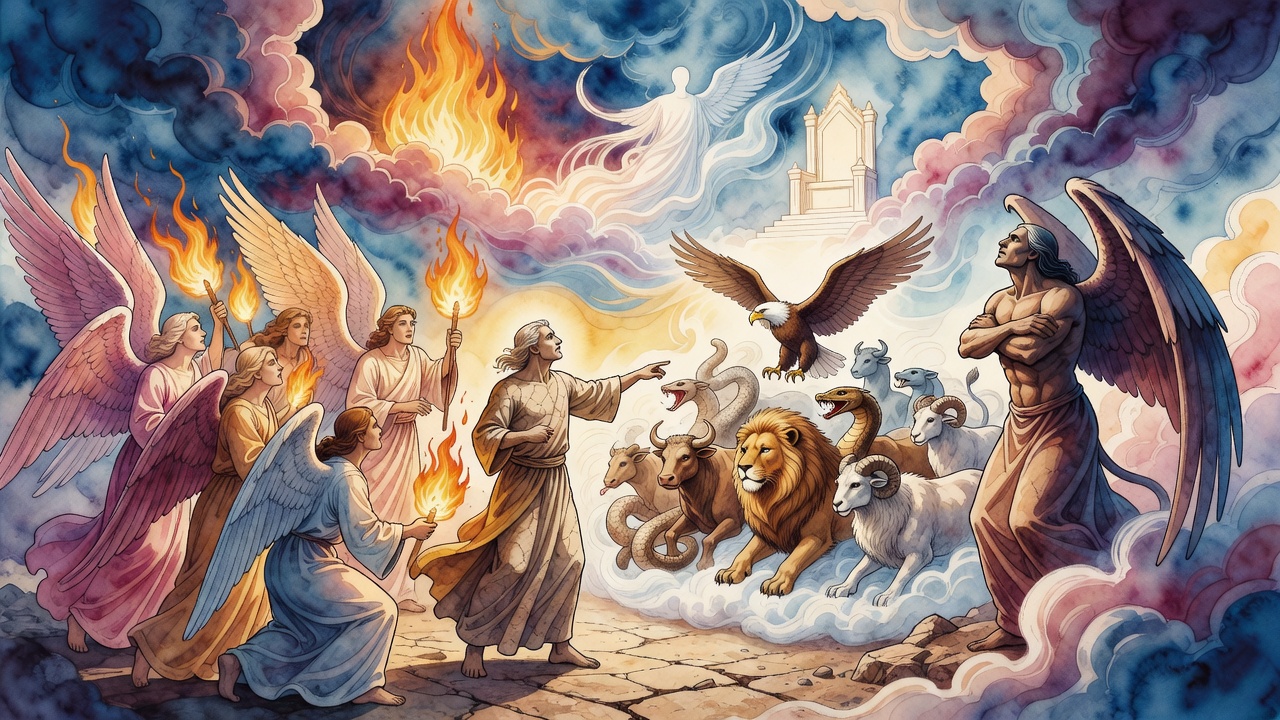
The beasts waited, breathing. The greatest angel opened his mouth and found the world without handles. Only dust could name them.
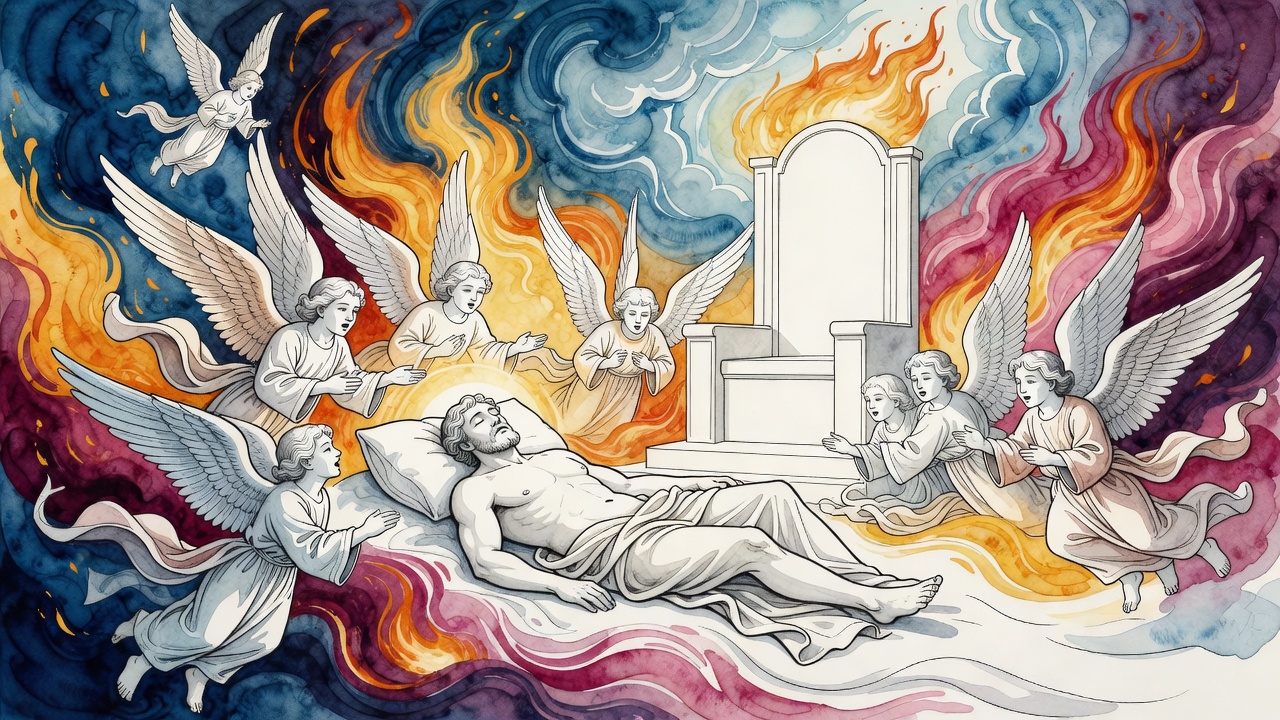
The angels nearly sang Holy to the first man. God dropped Adam into sleep so heaven could tell dust from the Throne.
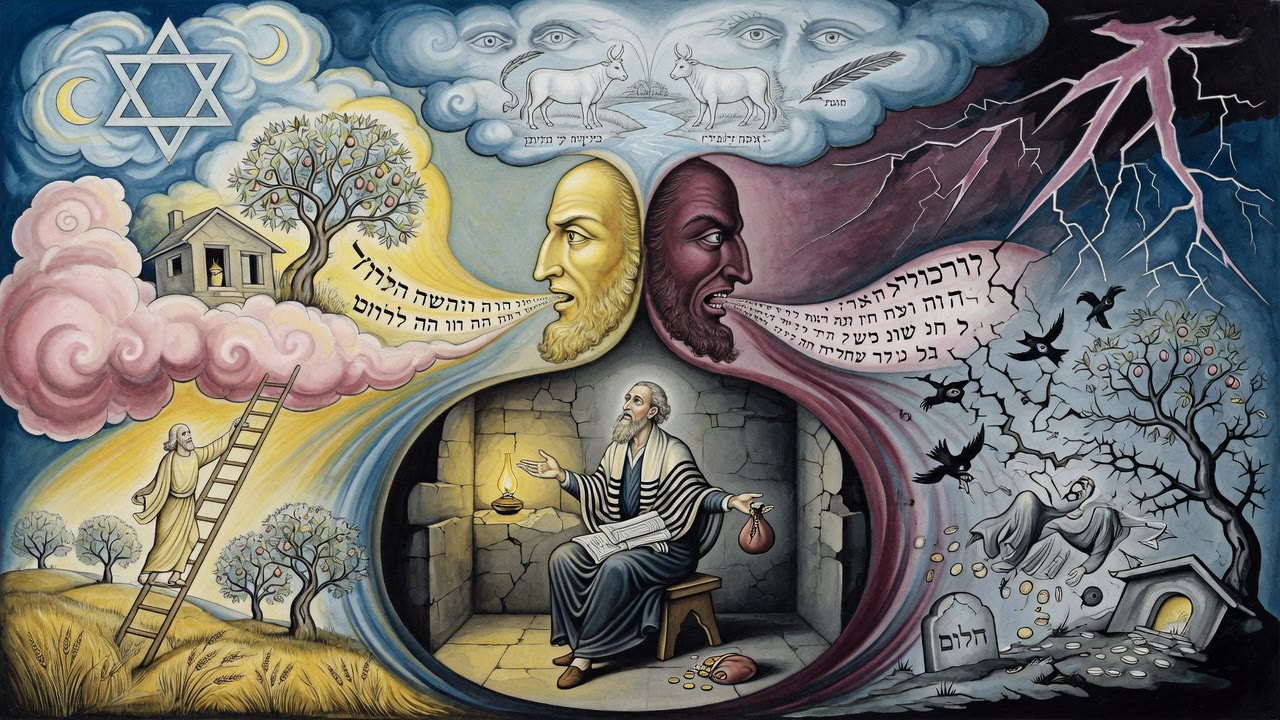
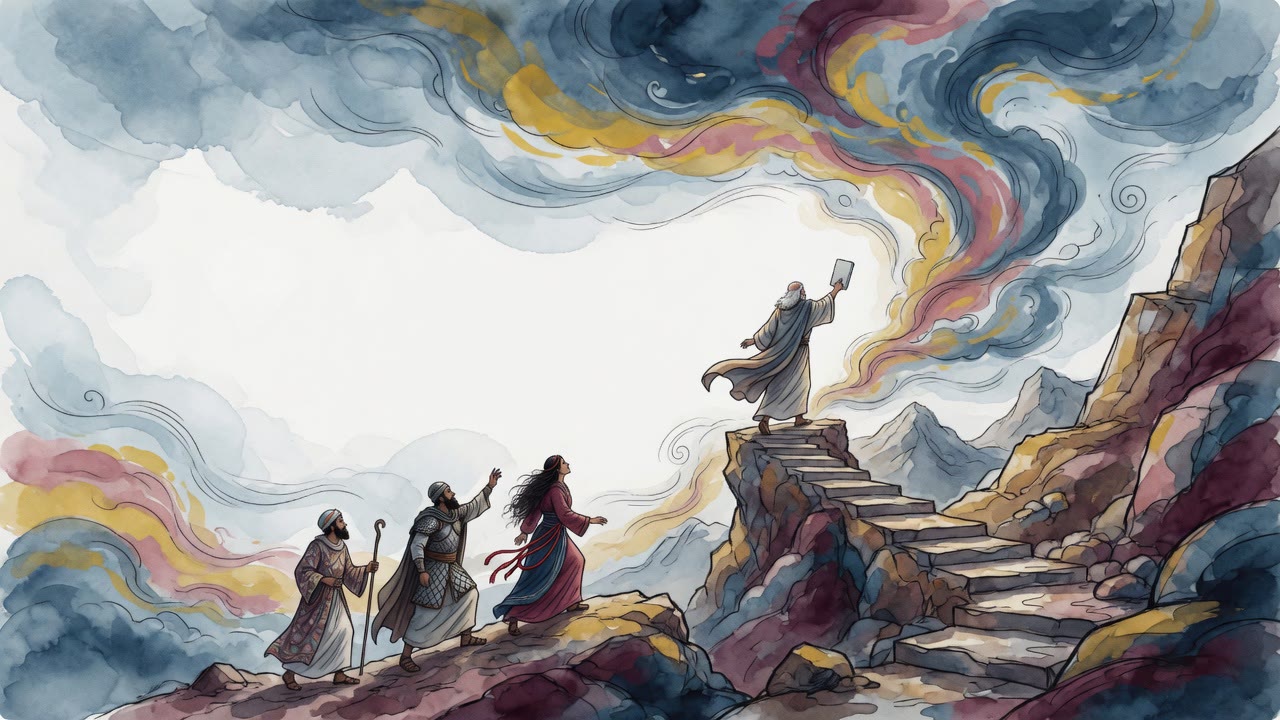
Tzippori banned anyone from saying the Rabbi had died. Bar Kappara tore his clothes at a window and spoke of angels snatching Tablets until the city understood.
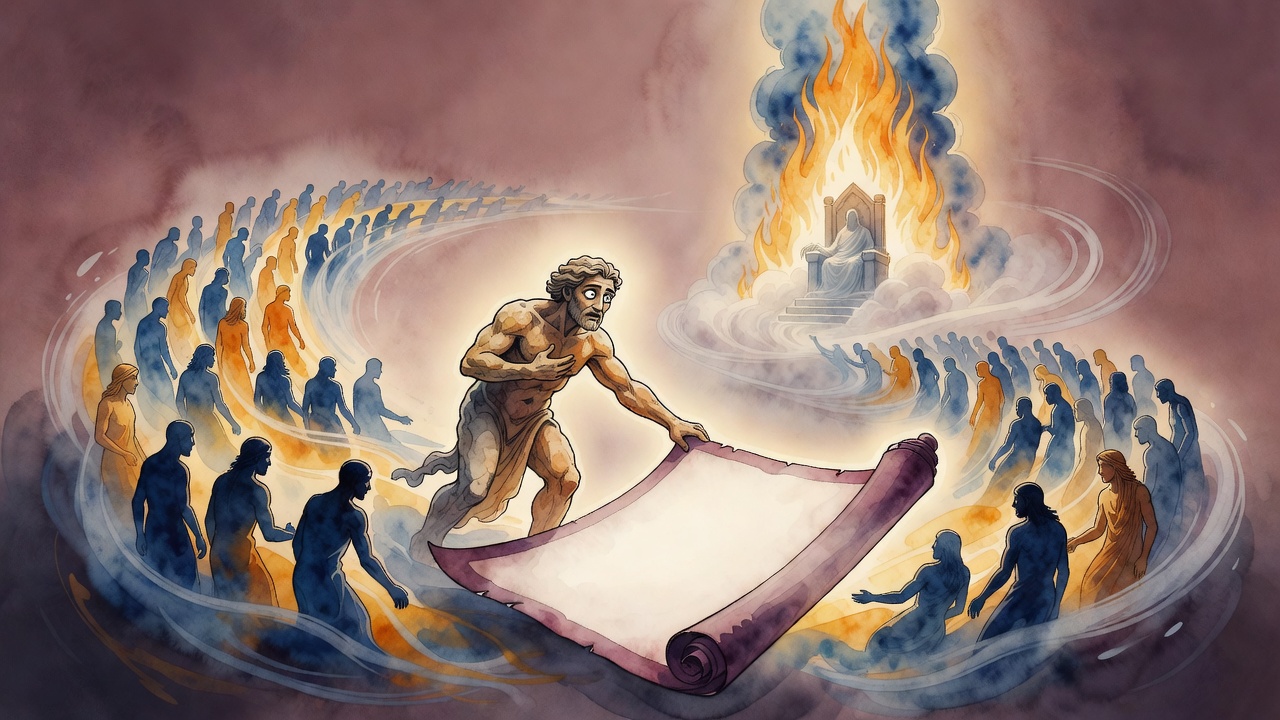
Newly formed Adam sees every generation scroll past. Worthy of Torah and the tribes, he stumbles on six commands and the gift waits for his children.
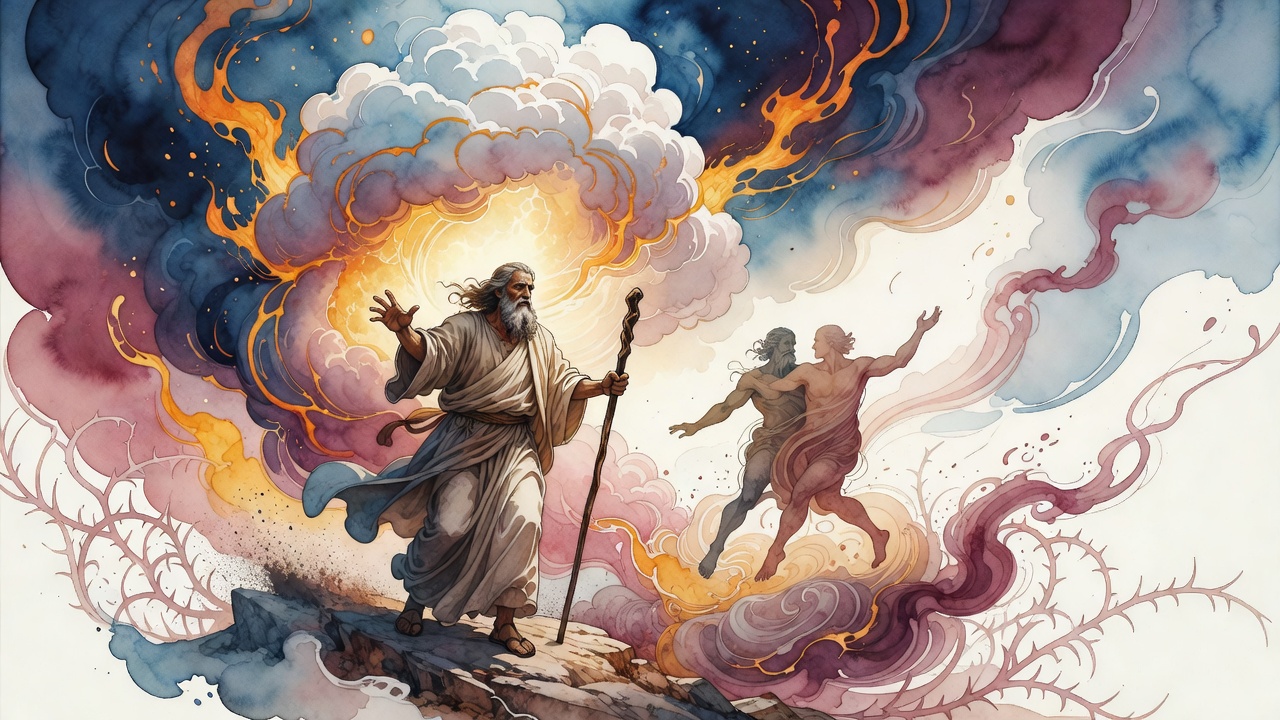
Cloud clung to the rock. Moses wanted the map, not a soft word. He could not stomach a marketplace where the wicked laughed. A stone rolled under his sandal.
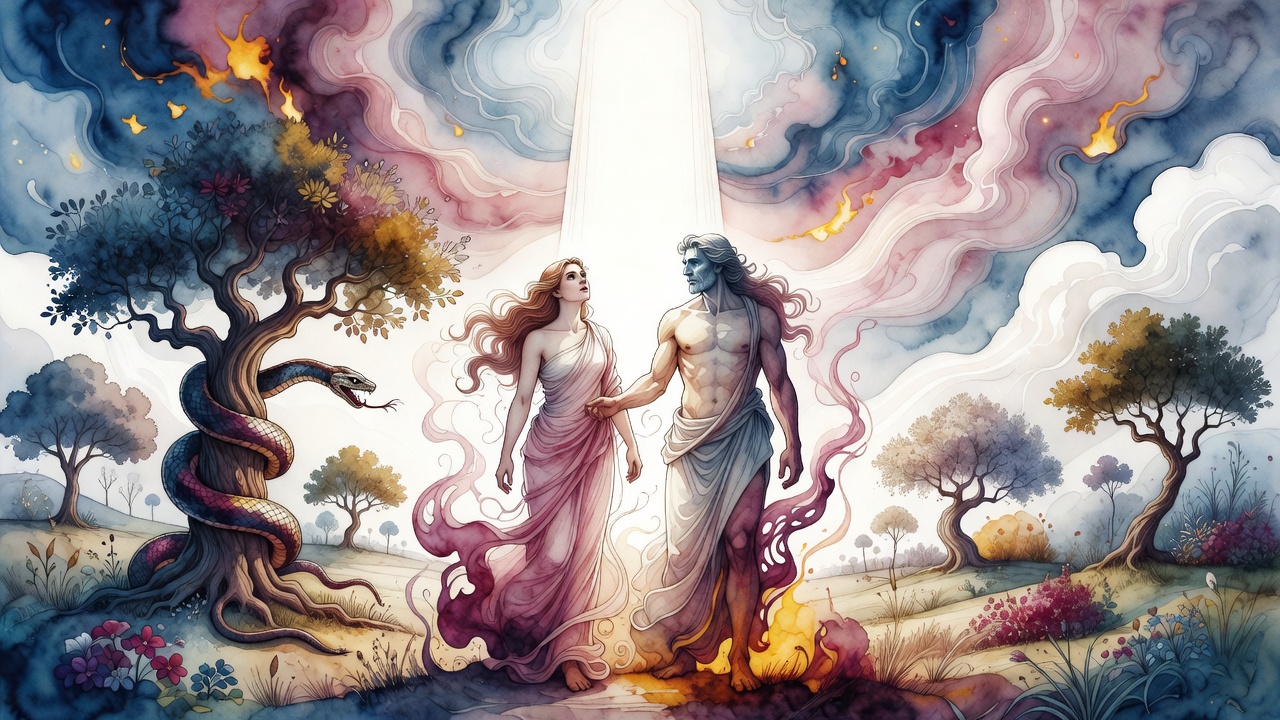
He had a word for every beast that filed past him. He woke with a hollow in his side. His mouth would not make a name.
Heretics demand how many gods made the world. Rabbi Samlai walks them through singular verbs, then faces students who want the real answer.
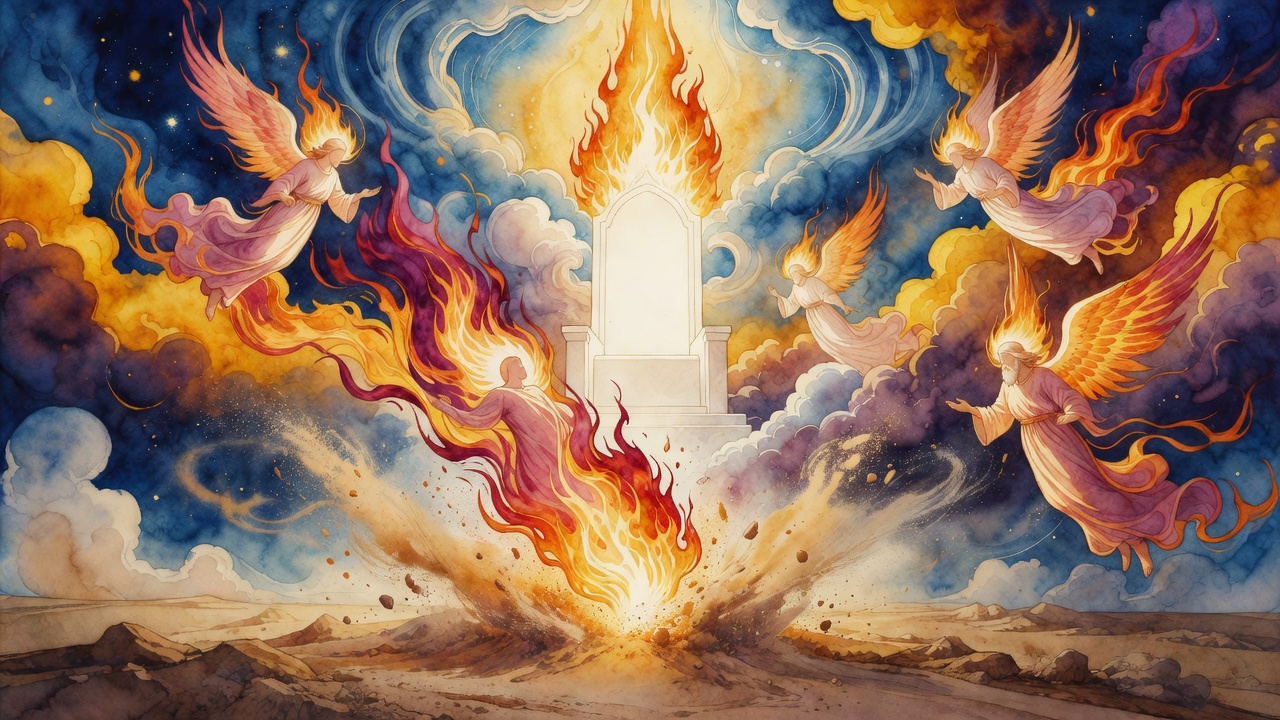
Love spoke for the first human. Truth would not. God threw Truth down, and while he lay in the dirt, clay took a first breath.
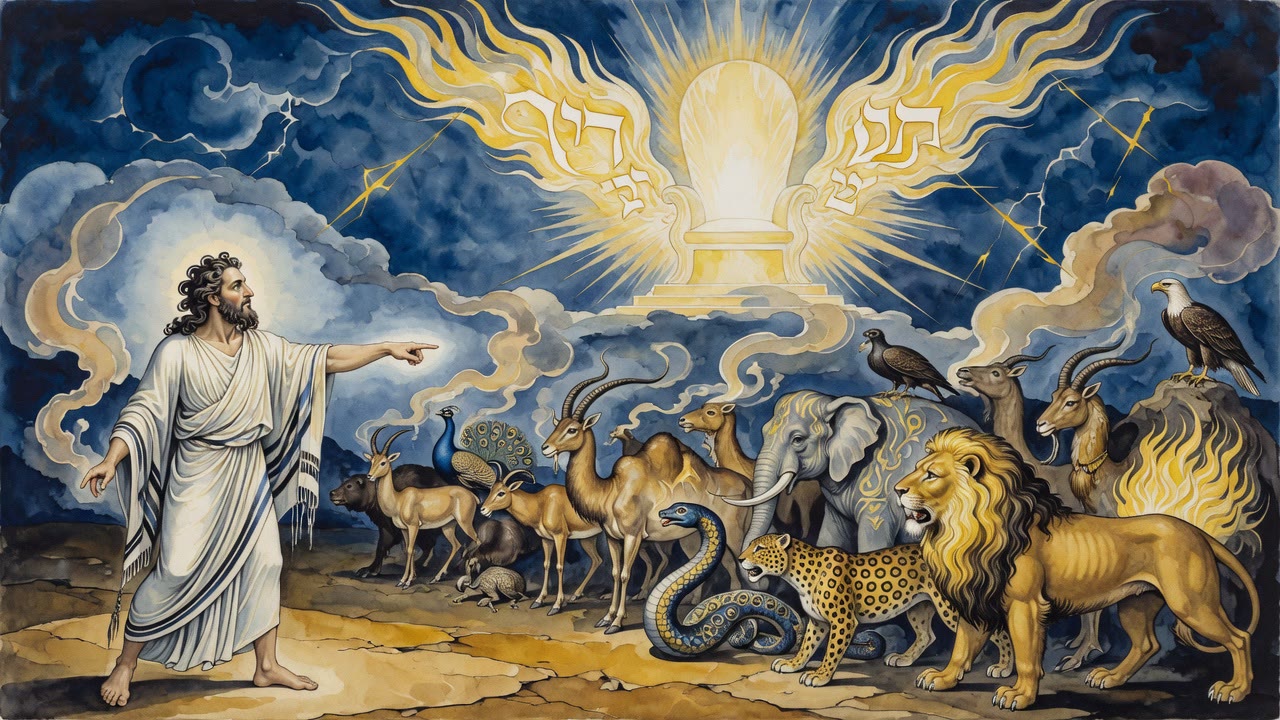
God brought every living creature to Adam, not from doubt, but to watch his mind choose. The names held, and free will stood on the ground.
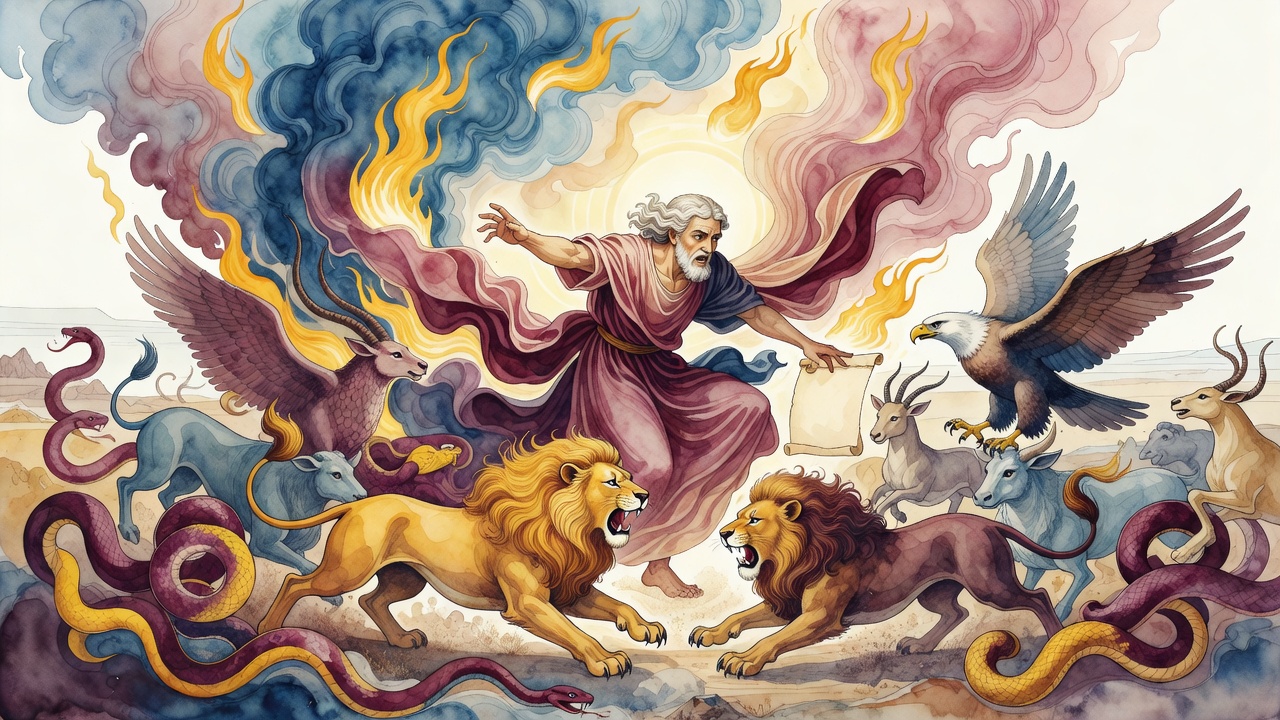
A stone took a name and stayed stone. A beast ran past Adam's shin, hungry and changing, and the next word had to catch it moving.
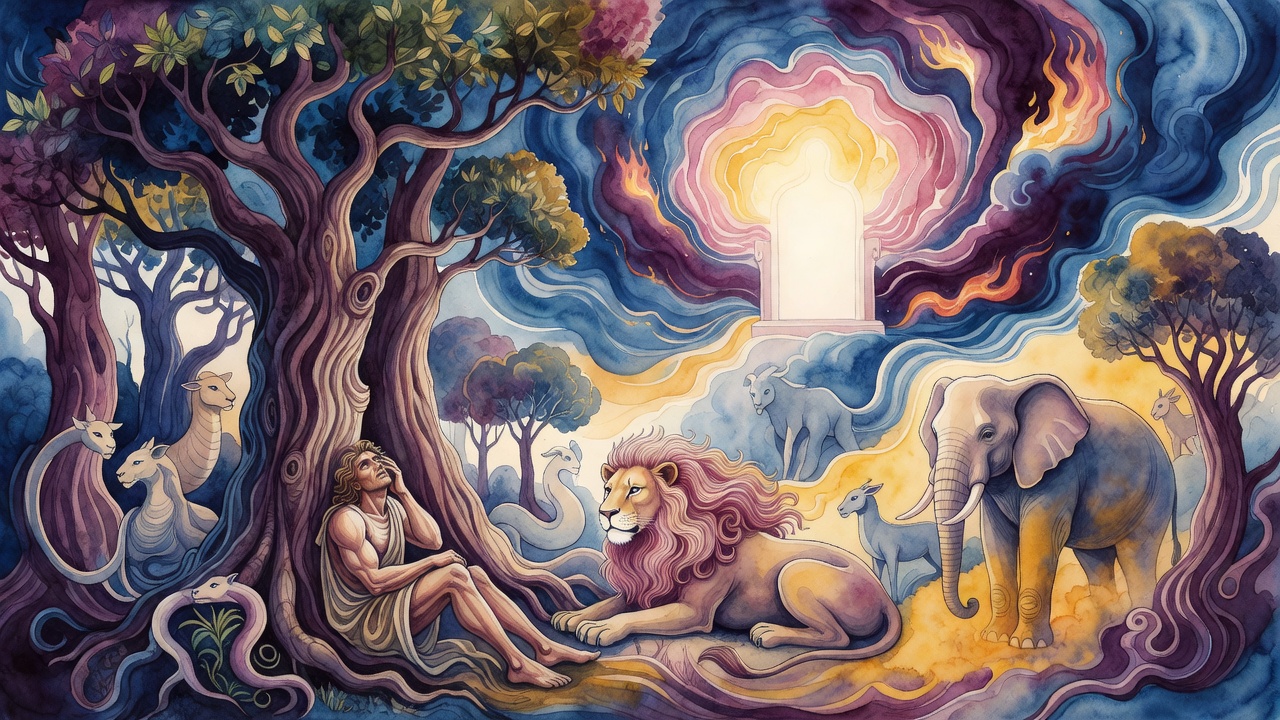
The ox took its name and walked on. When God asked where Adam was, the answer came from the trees and pointed at Eve.
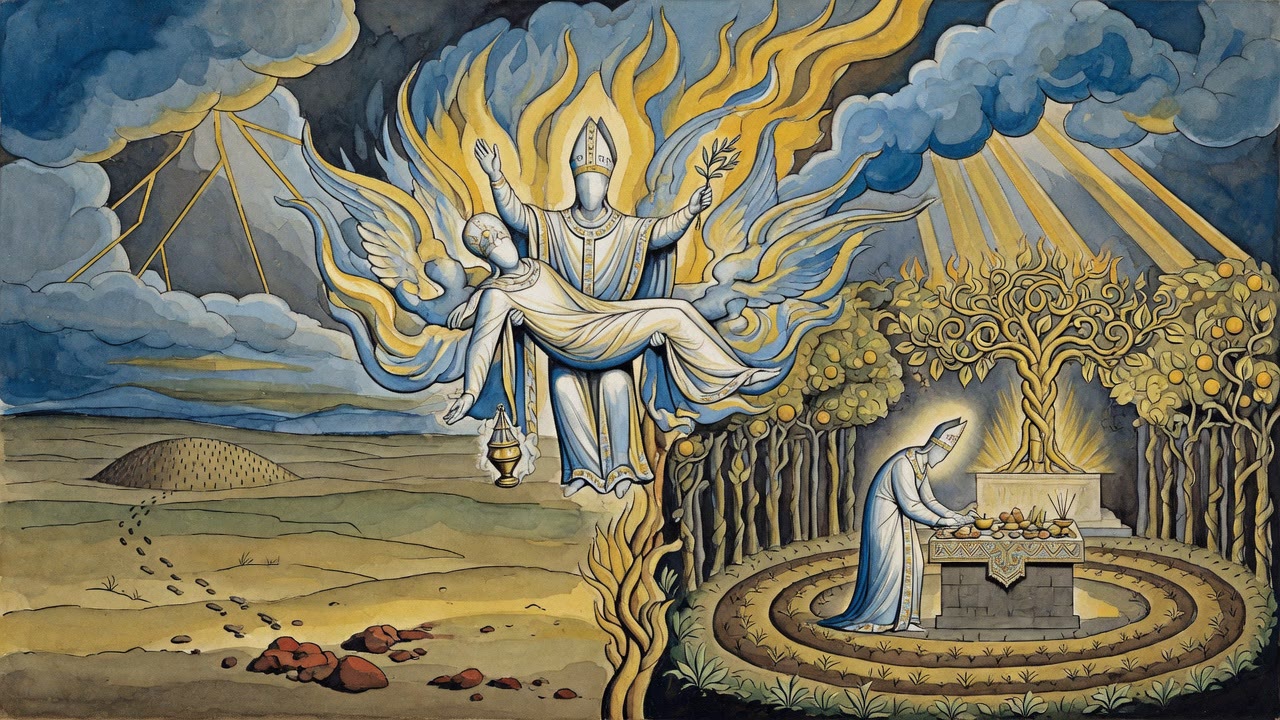
The garden had no weed to pull and no thief to watch for. Adam cut trenches around the roots anyway, and later he heard something walking.
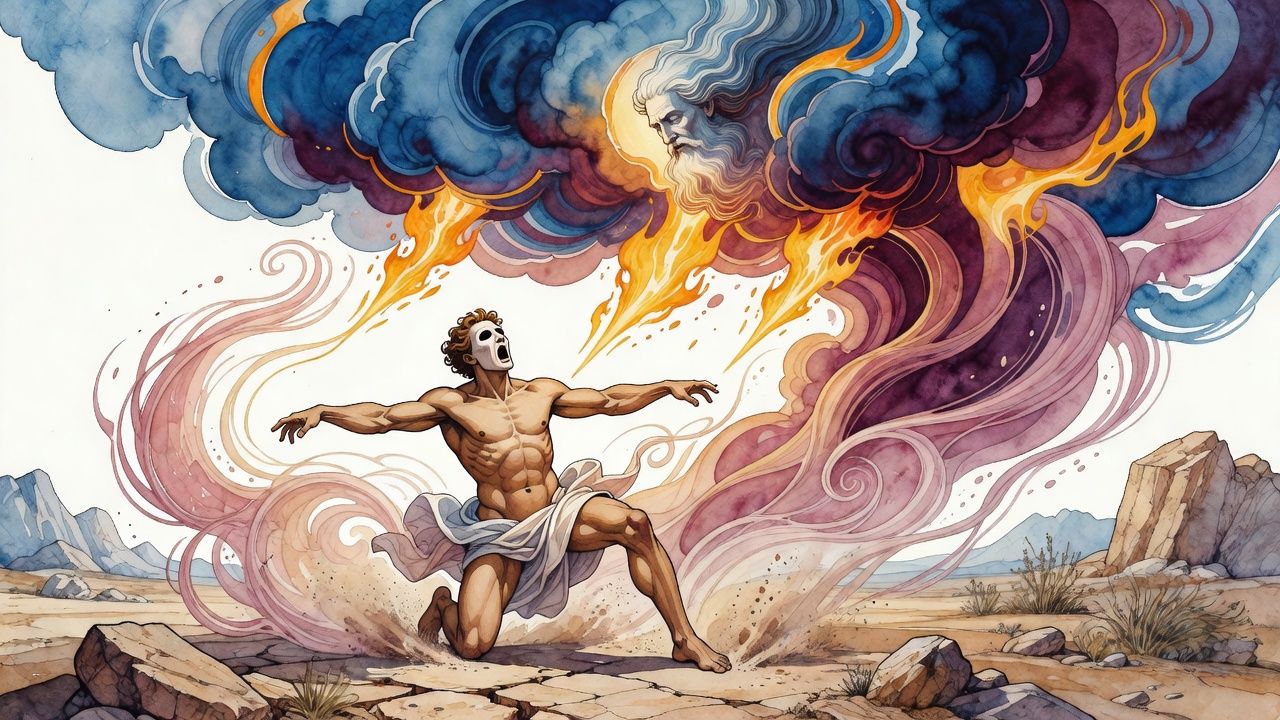
Dust to dust sounds like a fact about bodies. Adam had been made of earth and of heaven both, and the sentence named only the half he ran toward.
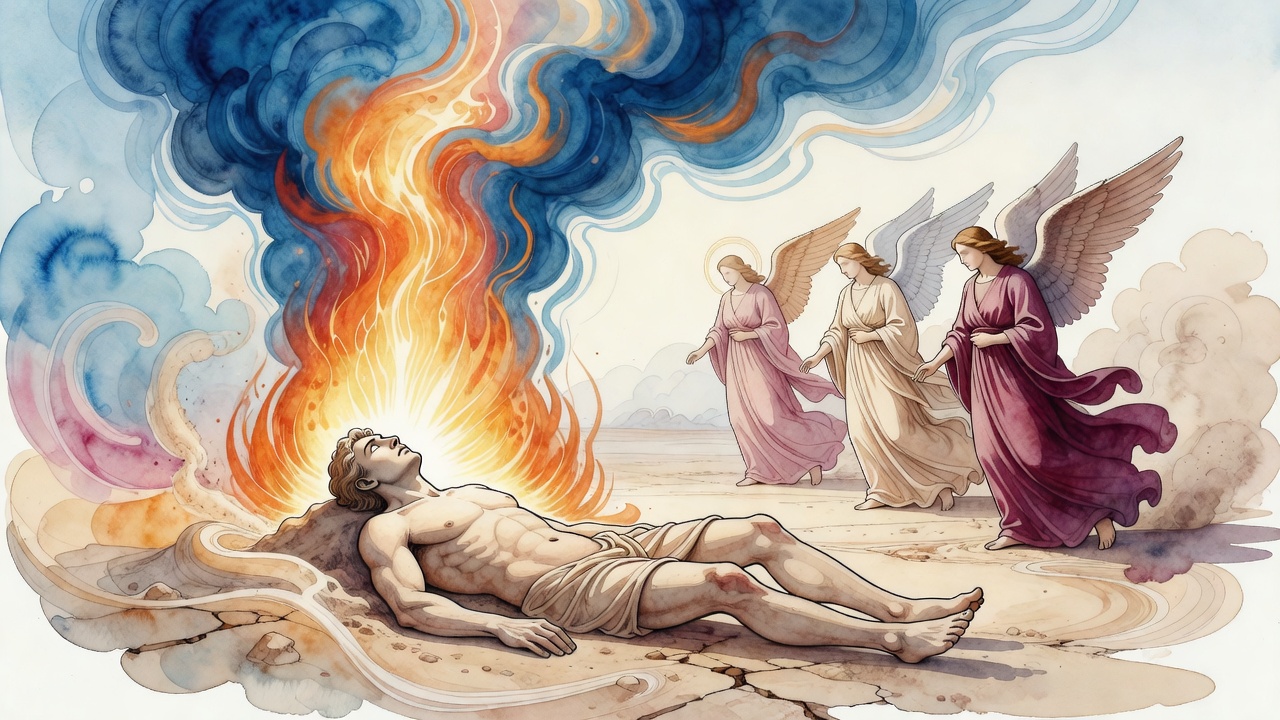
The body lay finished and empty, limbs shaped, face still. God looked at its mouth and heard the slander it would one day spread against a neighbor.
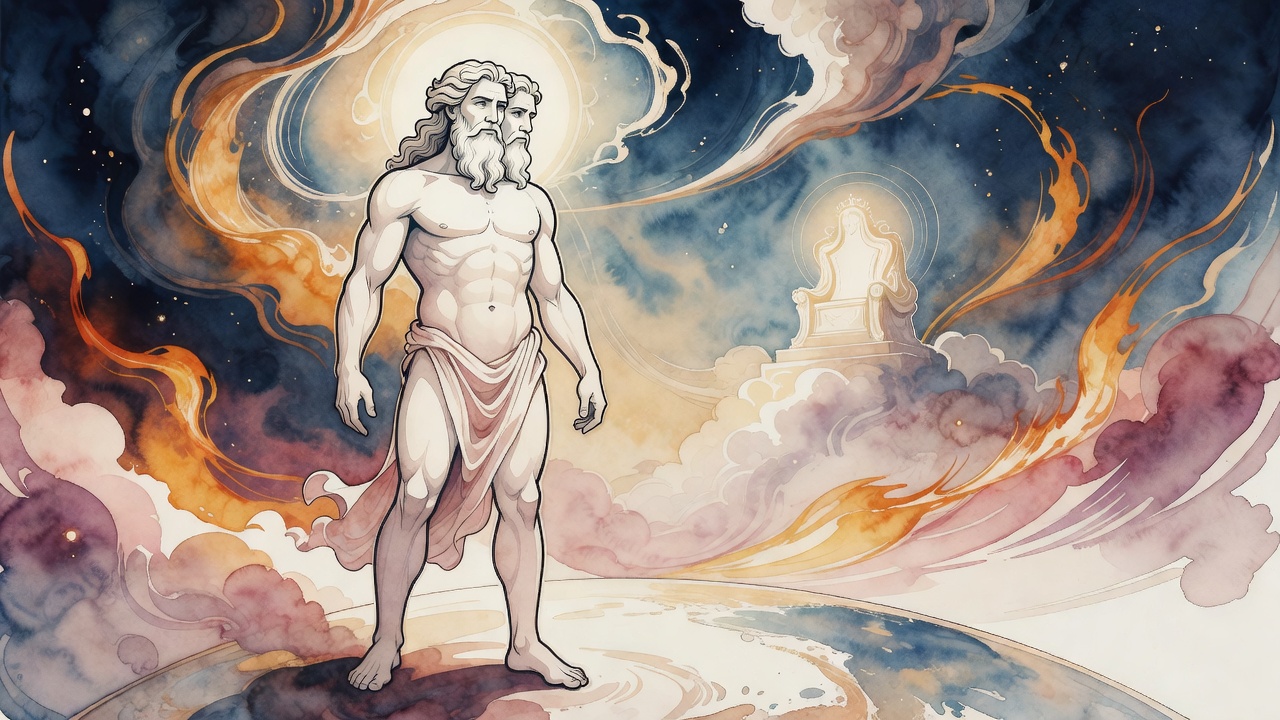
Before the man of clay there was an Adam the size of the world, two faces stamped with God's image, king of all that served him and alone in it.
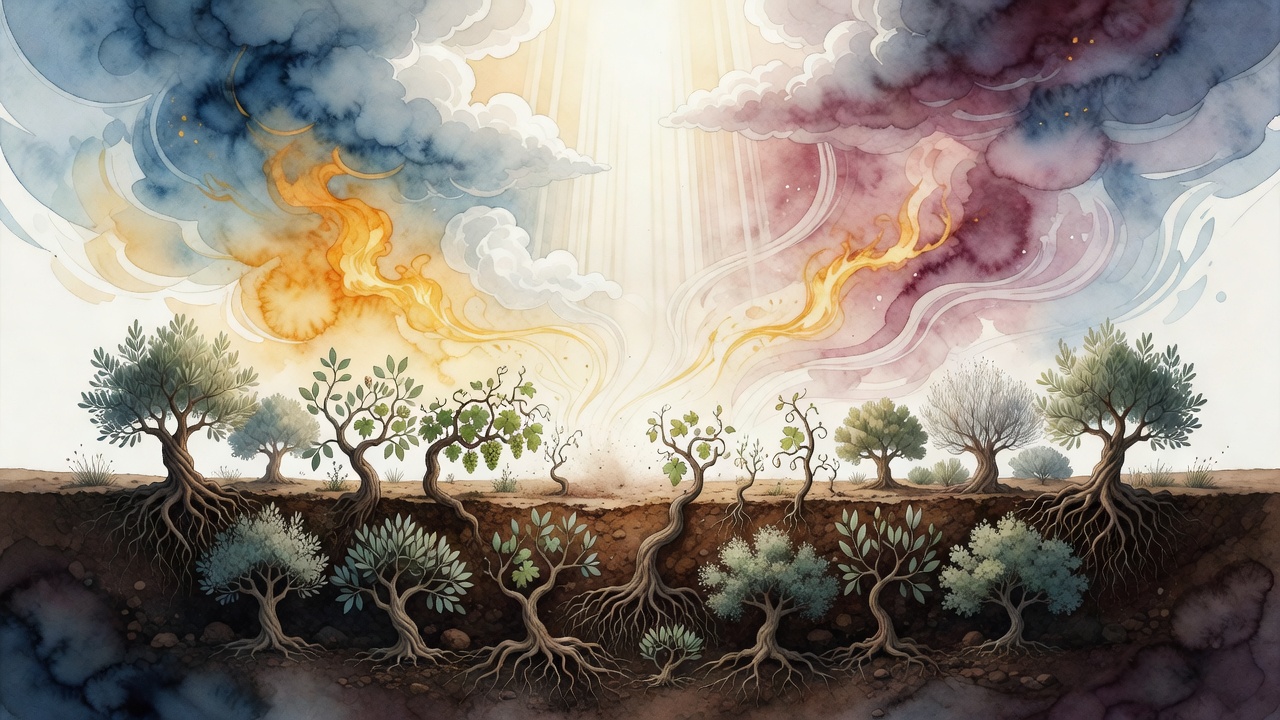
On the third day every plant rose to the lip of the soil and stopped, waiting beneath the ground for the first mouth that would know to ask heaven for rain.
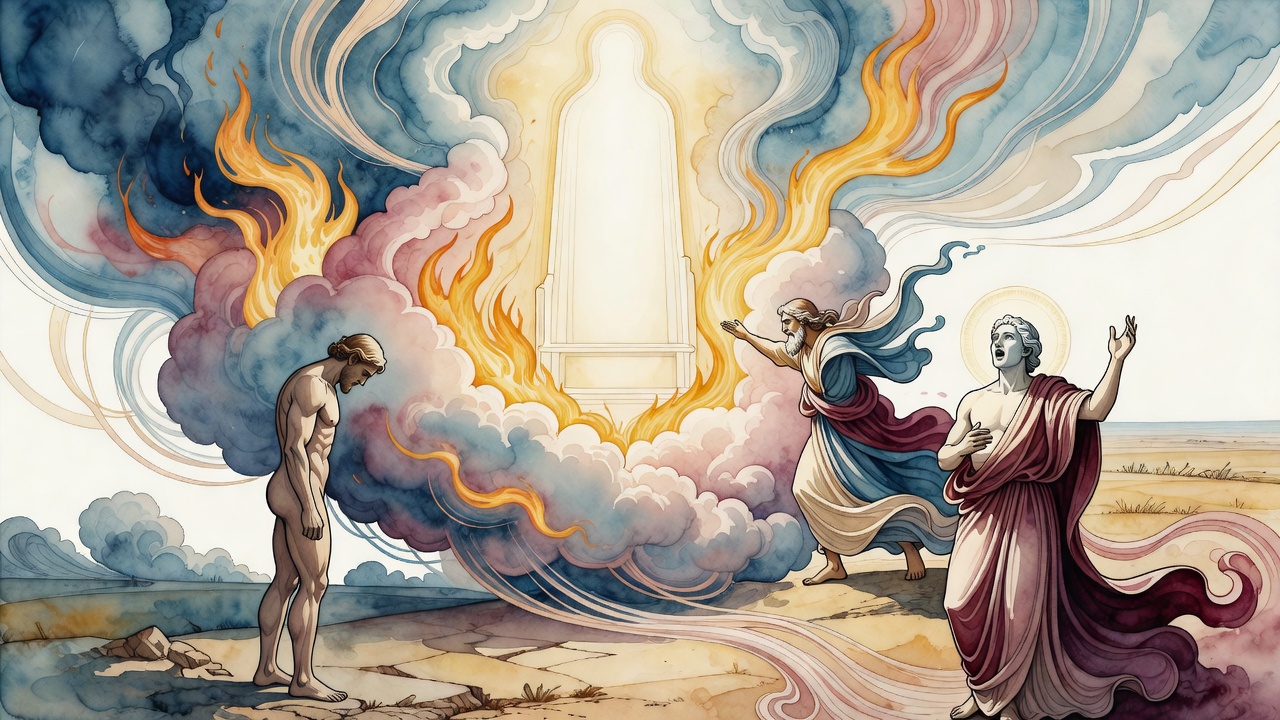
David sang that God's humility crowned him. The rabbis found the same stooping God waiting on naked Adam and beating Ezekiel to the plain.

No sculptor of flesh could shape a man front and back at once, or raise a whole child from a single white drop kept alive in the dark.
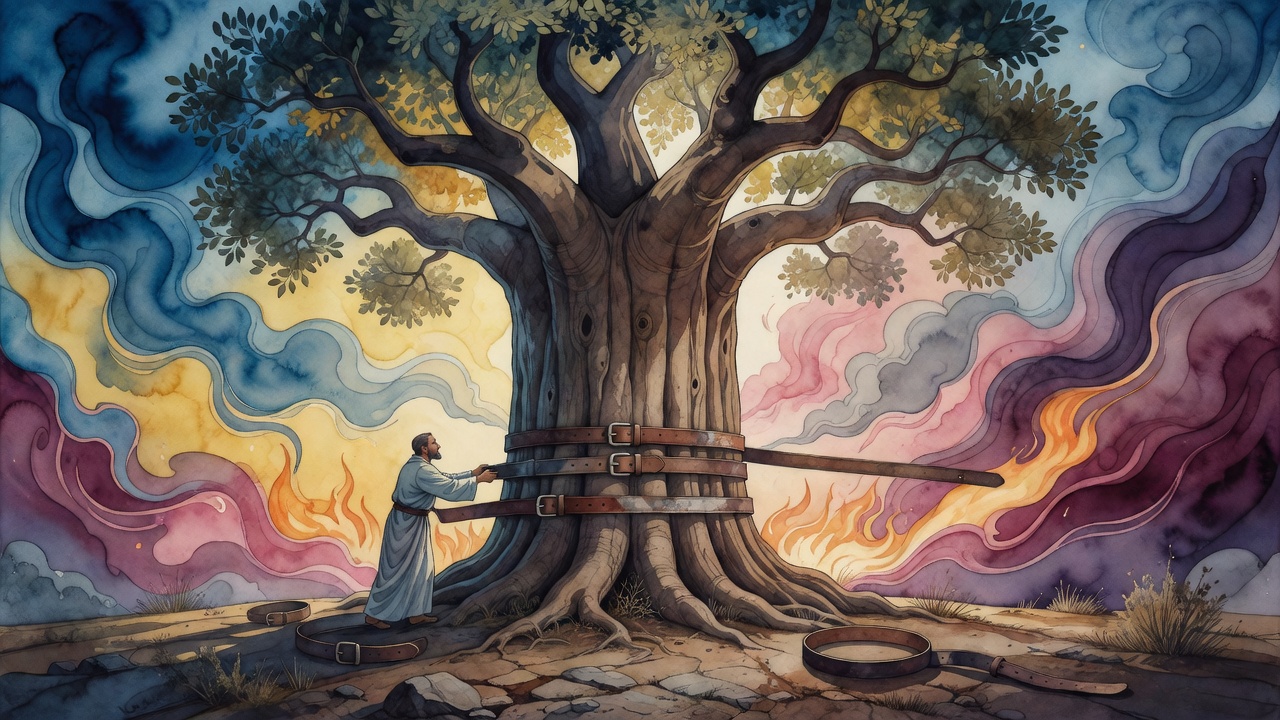
Rabbi Hanina set a knife to one dark pod and split it lengthwise. Honey filled the cup of his hand and spilled into the dust. No one tended that field.
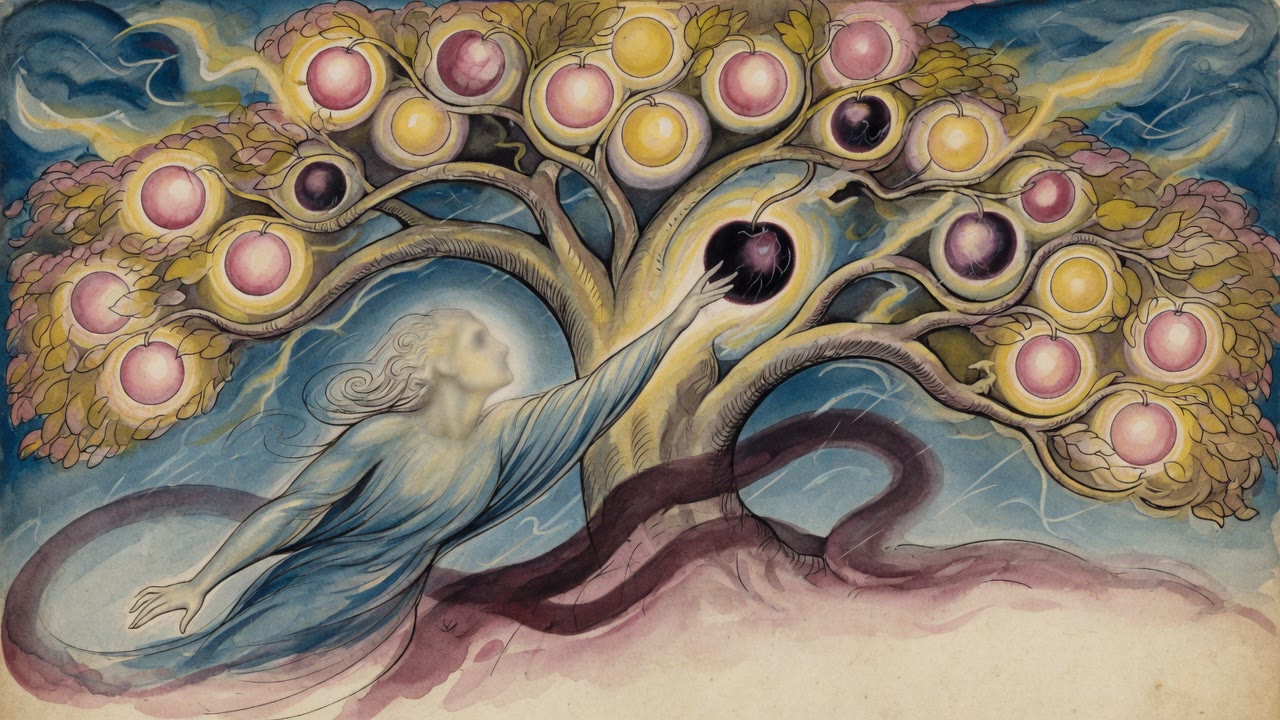
The youngest man bit the medlar while someone else was still talking. Two brown stones sat in his palm. Nobody reached for the wine.
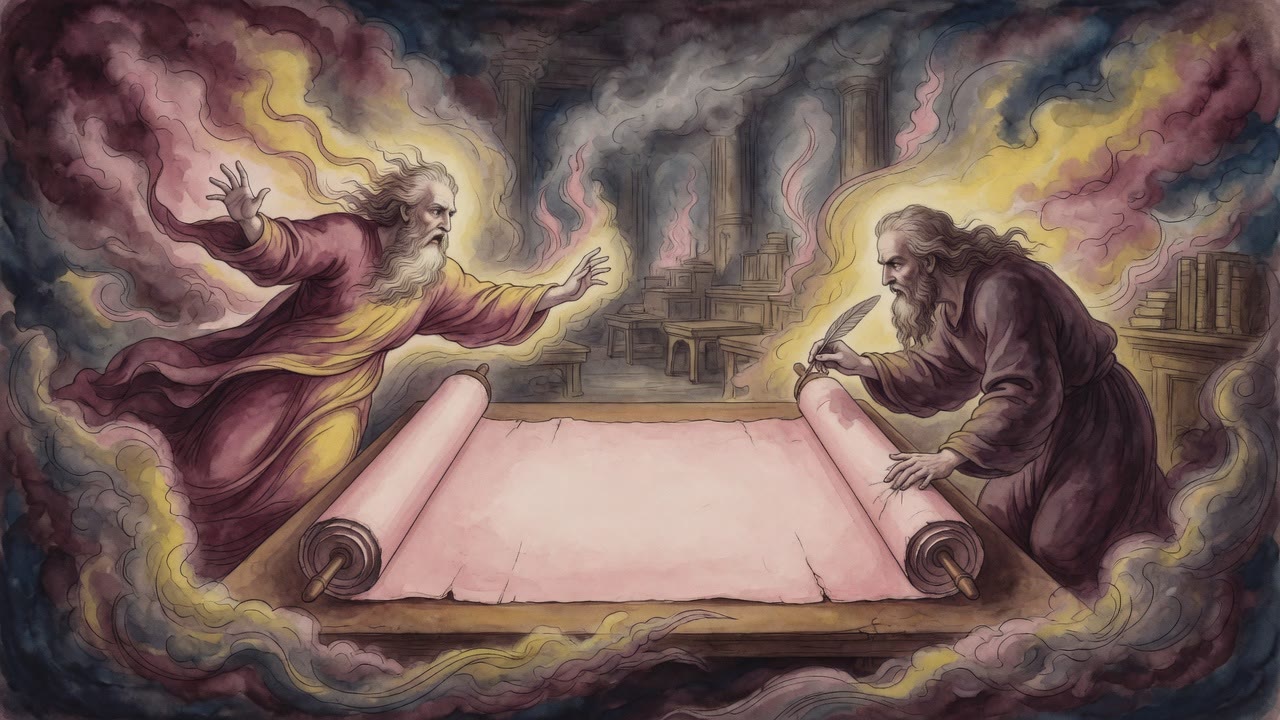
Pappus read Adam as an angel and the calf as a star. Akiva would not let either verse climb off the ground where the sin happened.
