233 myths · Page 7 of 8
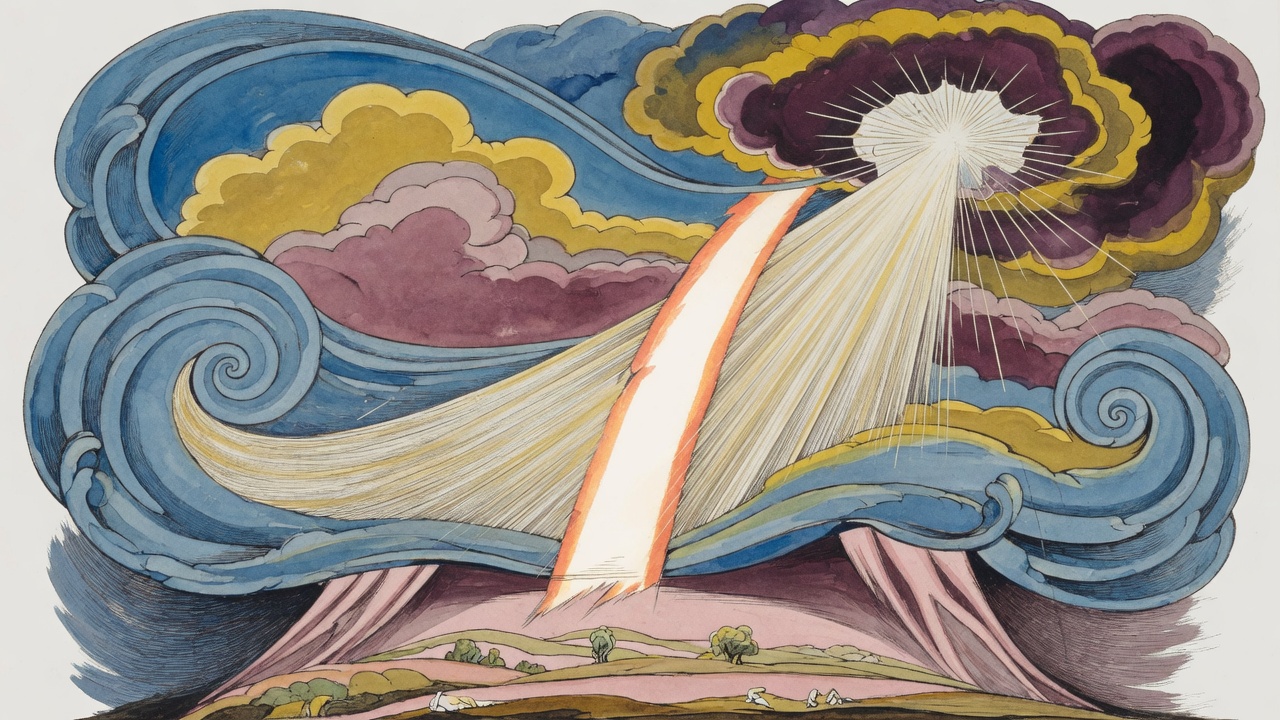
Adam watched a speck of Yod slip from the Aleph (the first Hebrew letter) of his making, and the first humans learned how a missing jot could unmake a world.
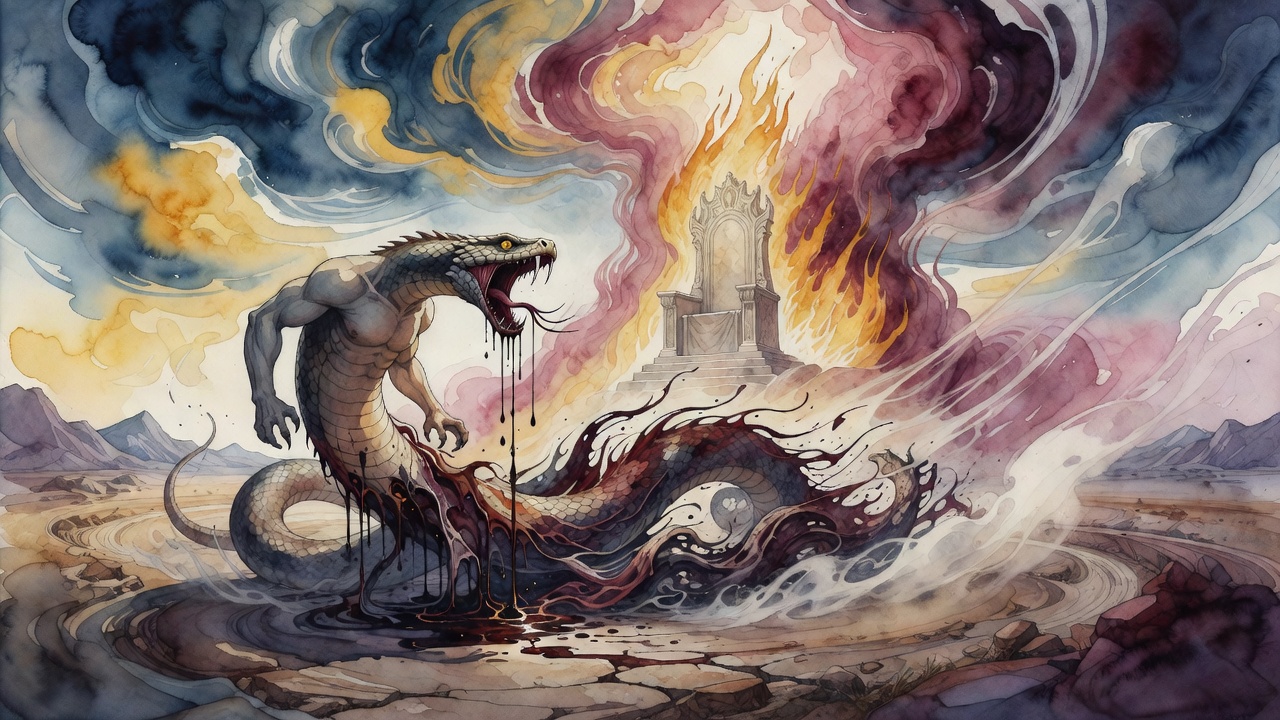
He came to Eve on feet, level with her eyes. After she ate, those feet were cut away, and death sat in his mouth as poison.
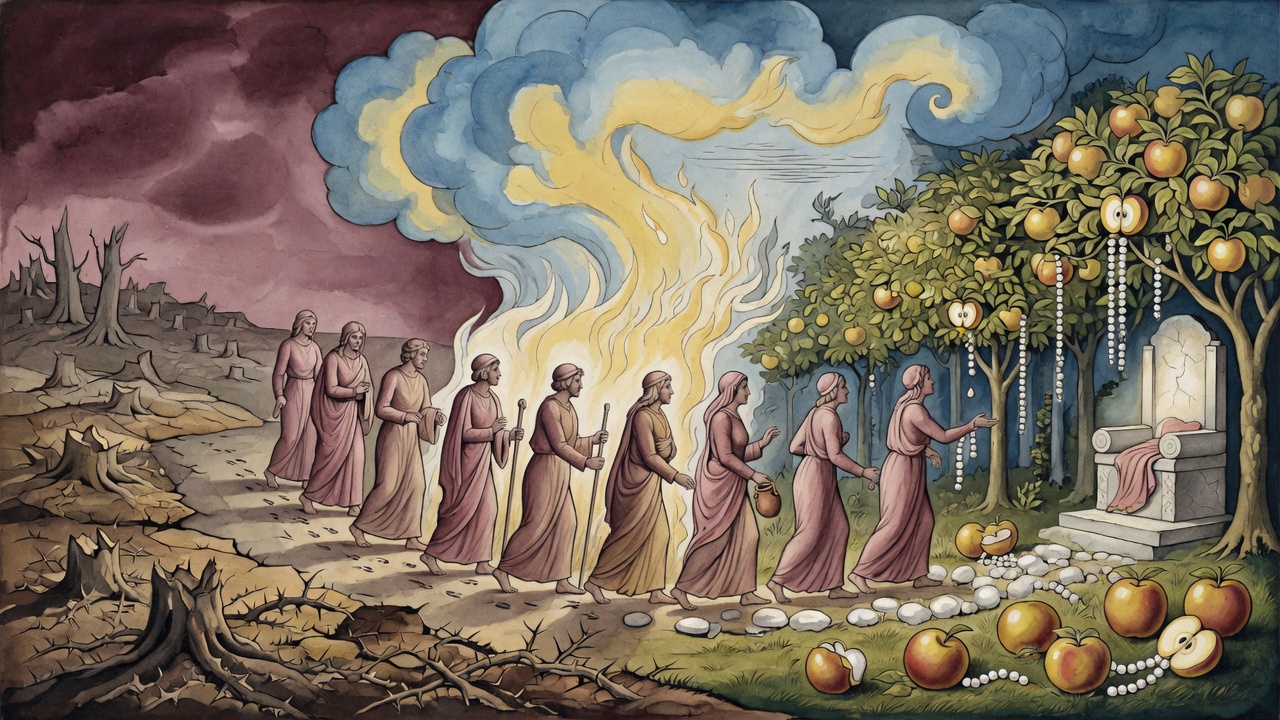
The first man rose from earth to firmament. Angels mistook him for a second power, until God pressed him down to a creature's height.
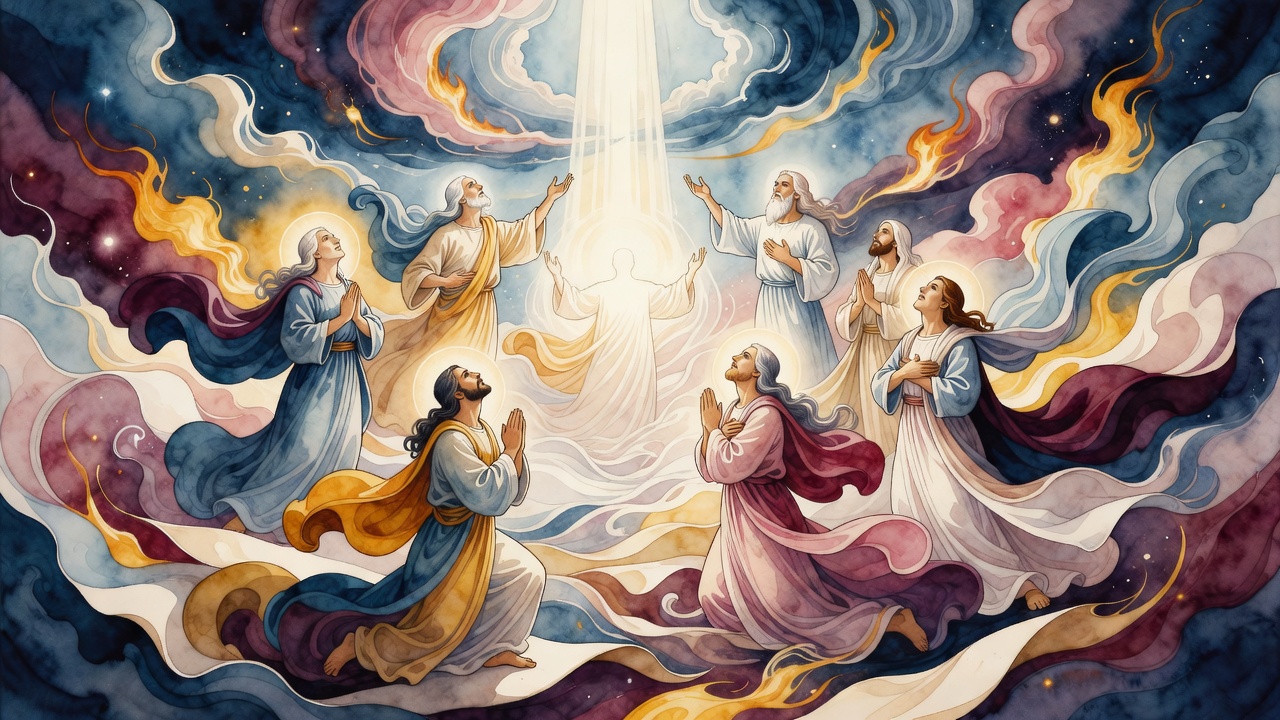
Methuselah died, and the rain began. Noah sat in the dark of the ark, pitch on the seams, and waited for a world that would not come back.
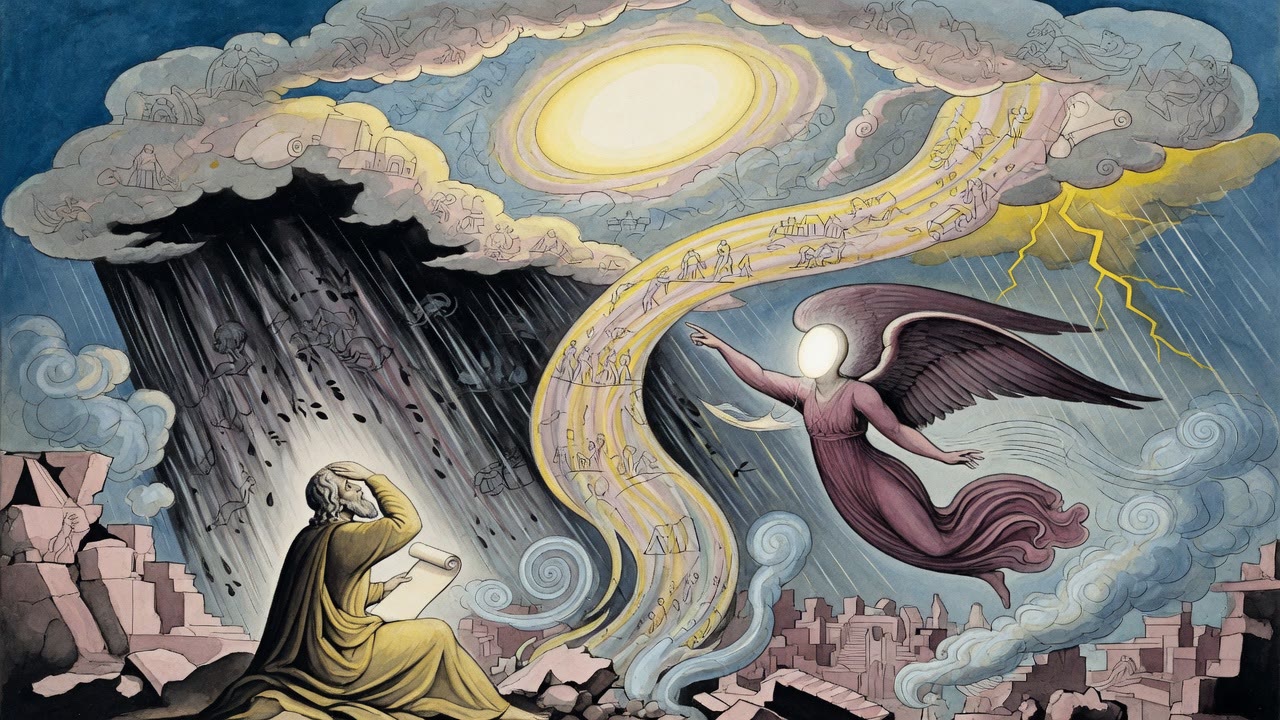
After Jerusalem falls, Baruch sees a cloud pour Adam's black waters and Abraham's bright ones. Ramiel names each flood until history itself becomes weather.
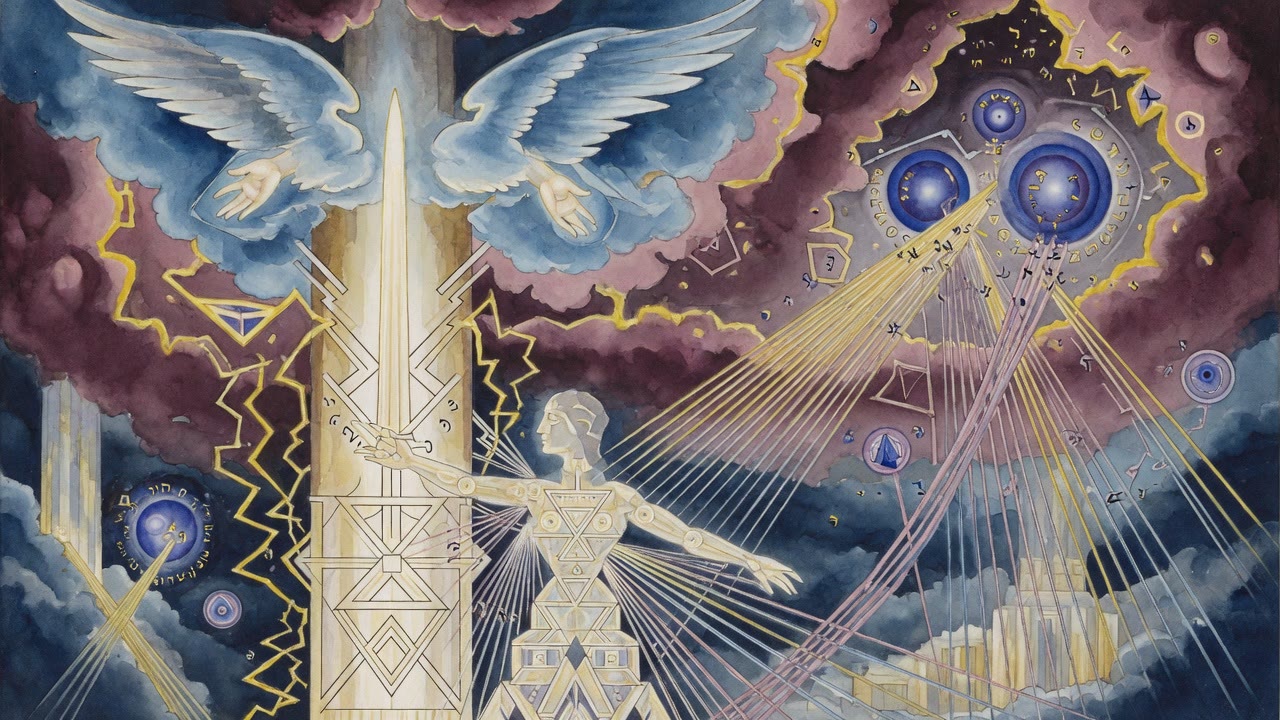
Zeir Anpin shoved the severities off his back. Nukvah was built from what he refused. Below, Adam slept through the surgery and woke to a face.
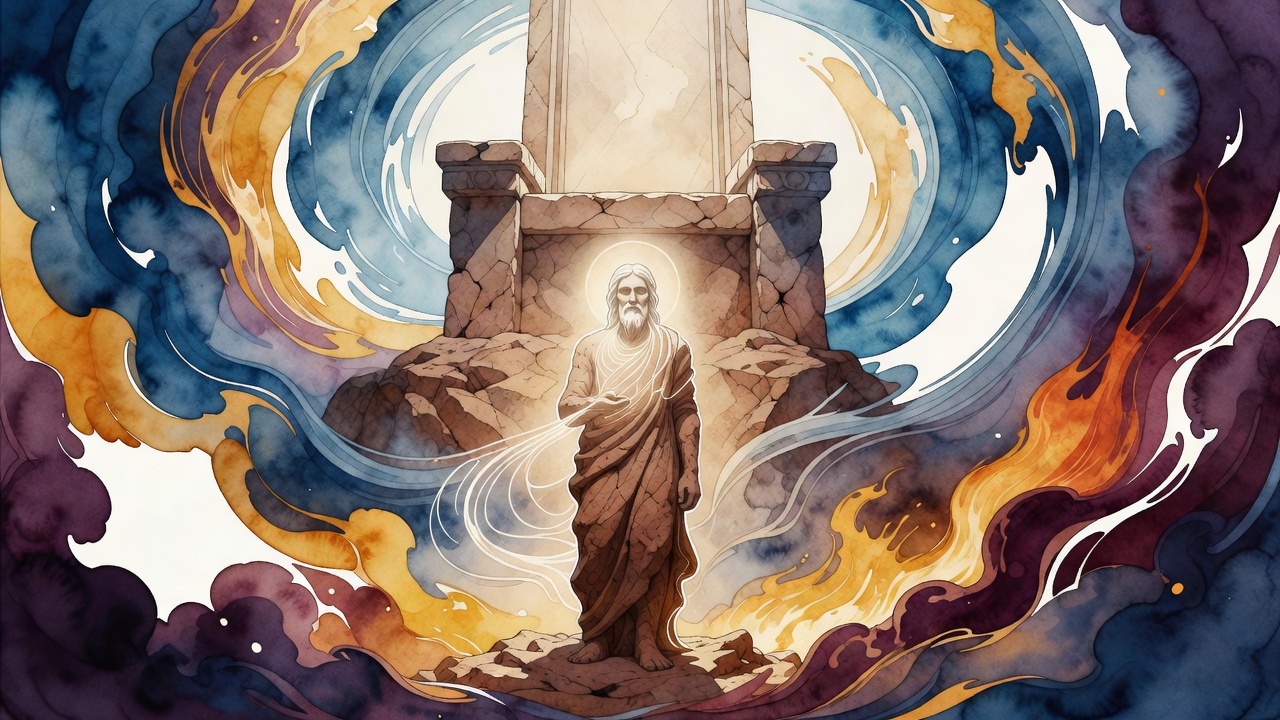
The clay stood because it was lifted. Breath came from under the throne, and Adam felt hunger already waiting in his hands.
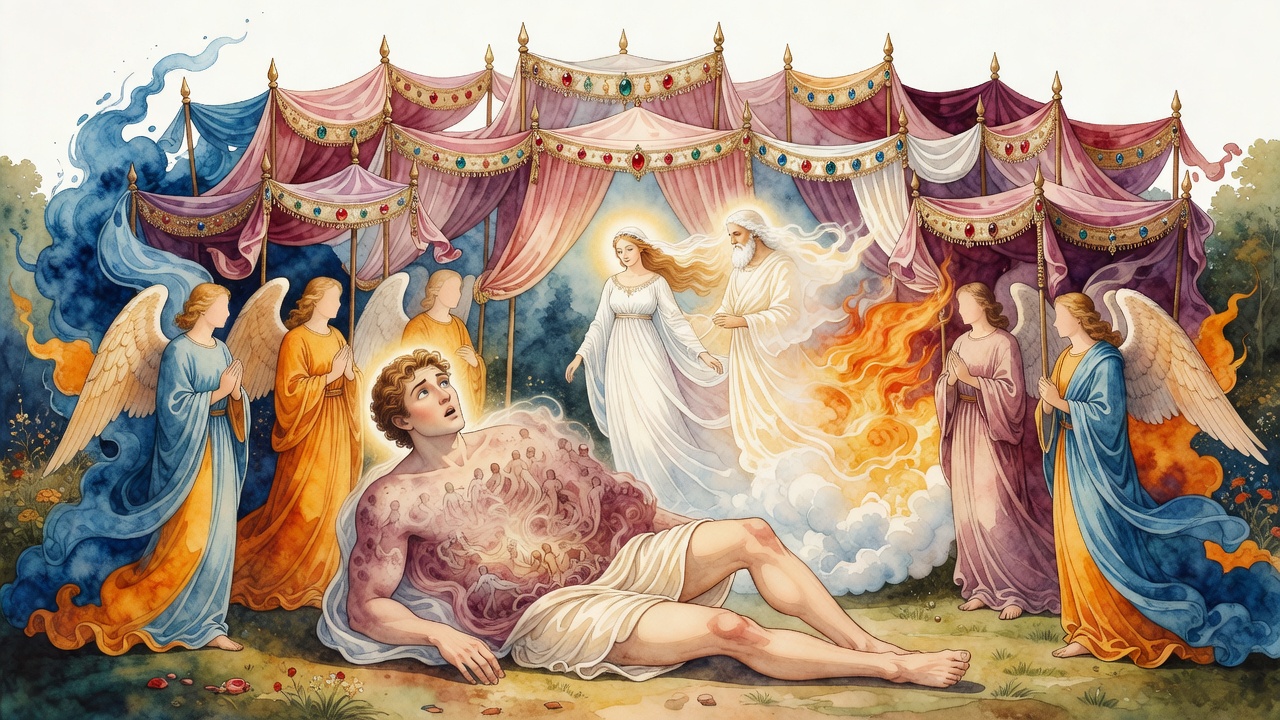
Adam woke from deep sleep to Eve under ten jeweled huppahs, angels as groomsmen, and God Himself leading the bride while all future souls waited in him.
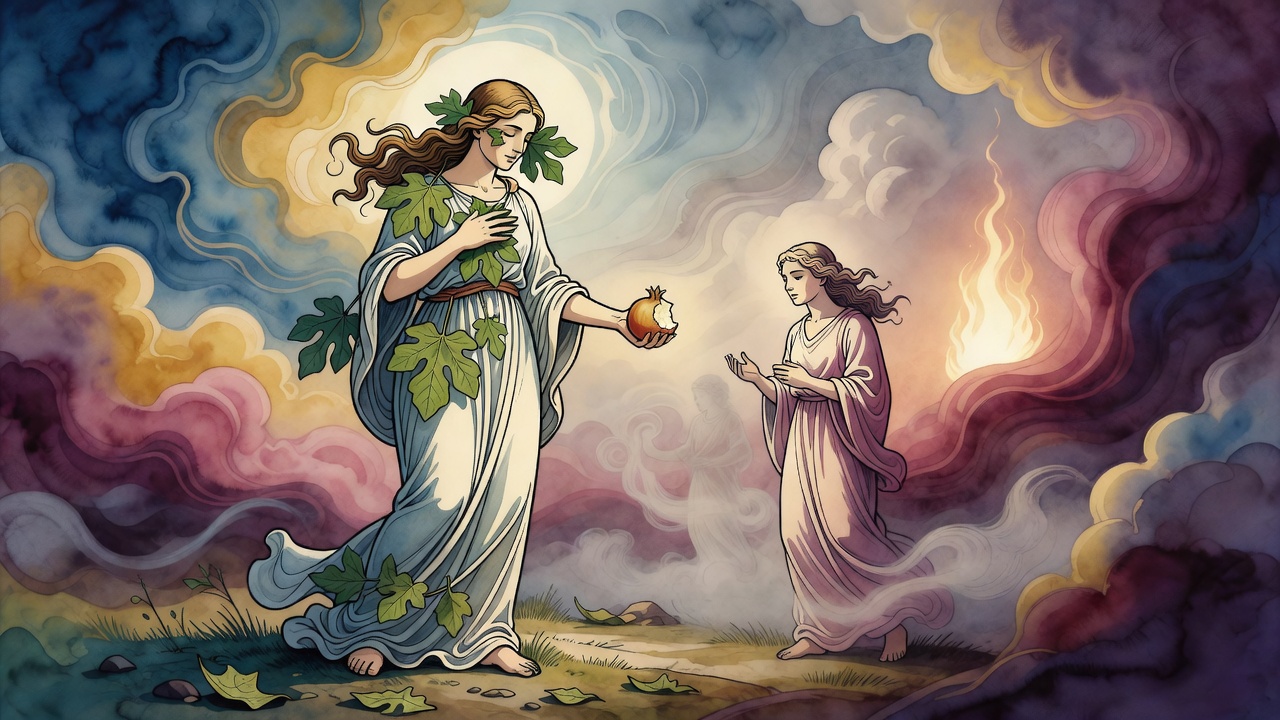
The serpent promised more than knowledge: you will be like gods. Eve ate and covered herself with fig leaves. Only then did she hand the fruit to Adam.
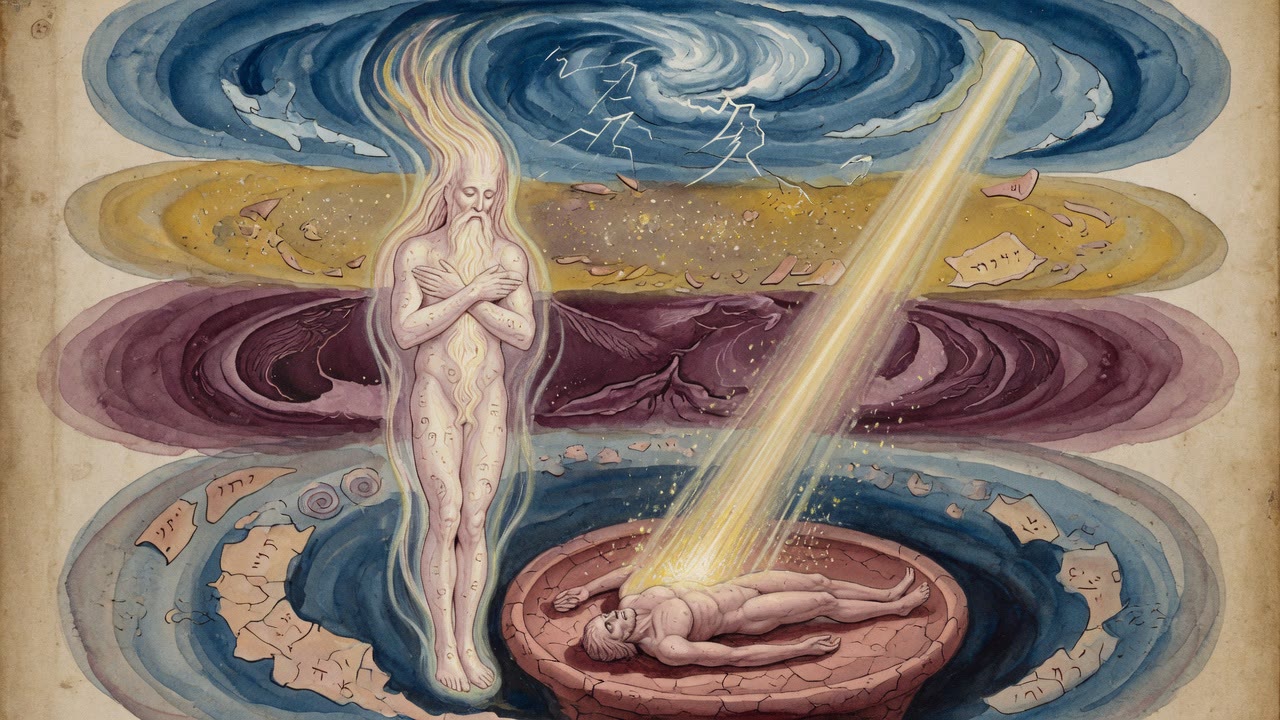
The fruit was still on Adam's teeth when the ladder under the worlds froze. Eve asked if he was cold. He said he was counting something that would not finish.
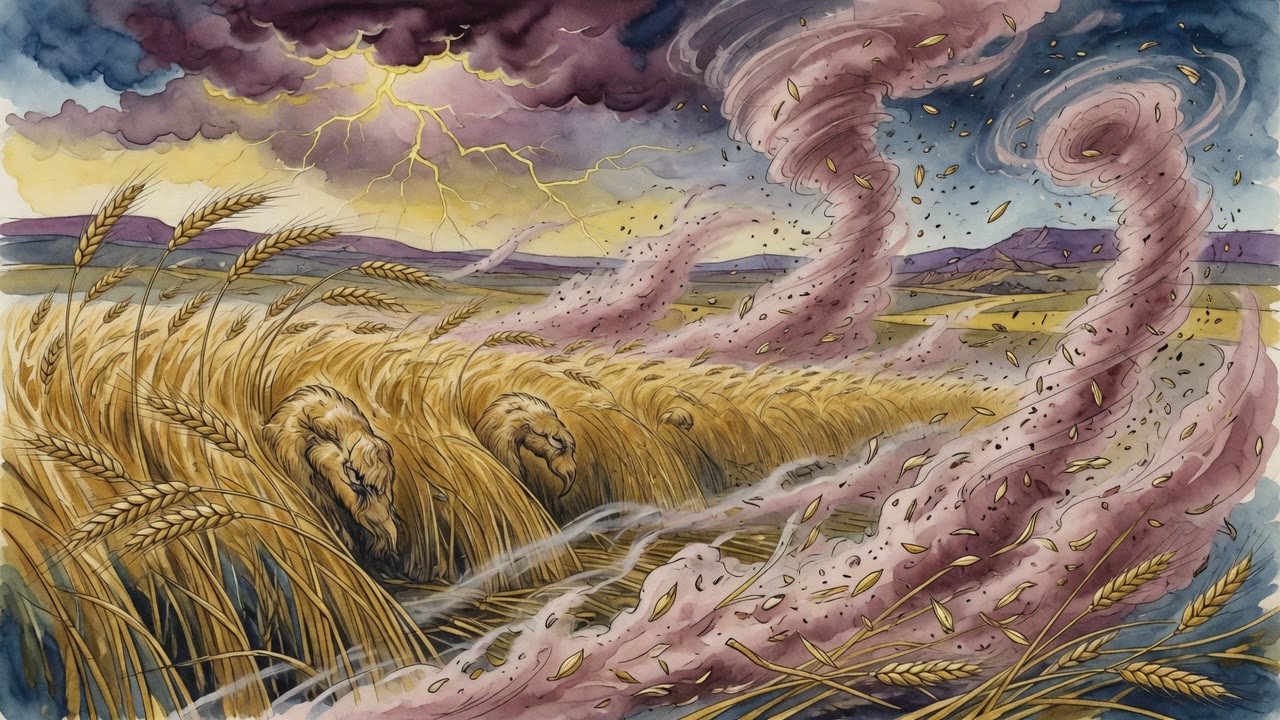
He would not lie down until God had a house. Gad sent him to a farmer's floor that still smelled of chaff, and older fire.
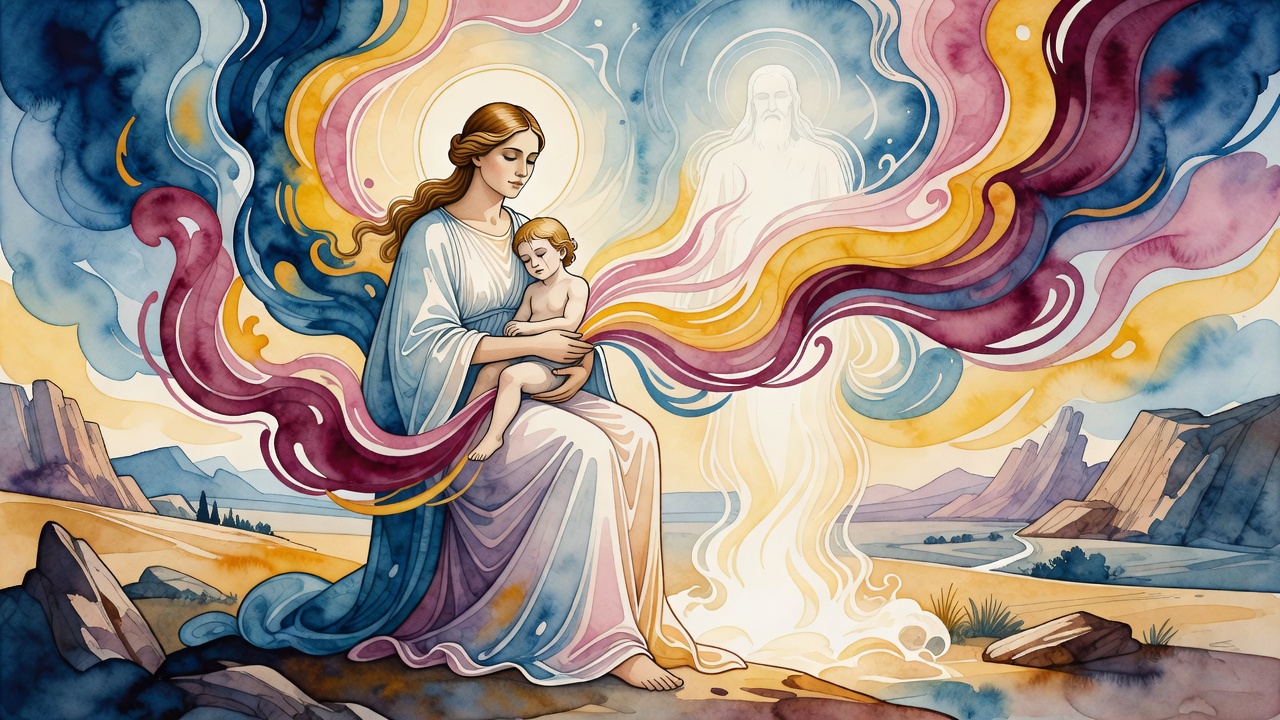
She looked at the first baby ever born and said it took three to make him. She and Adam gave the body. God gave the soul. The boy grew up to kill.
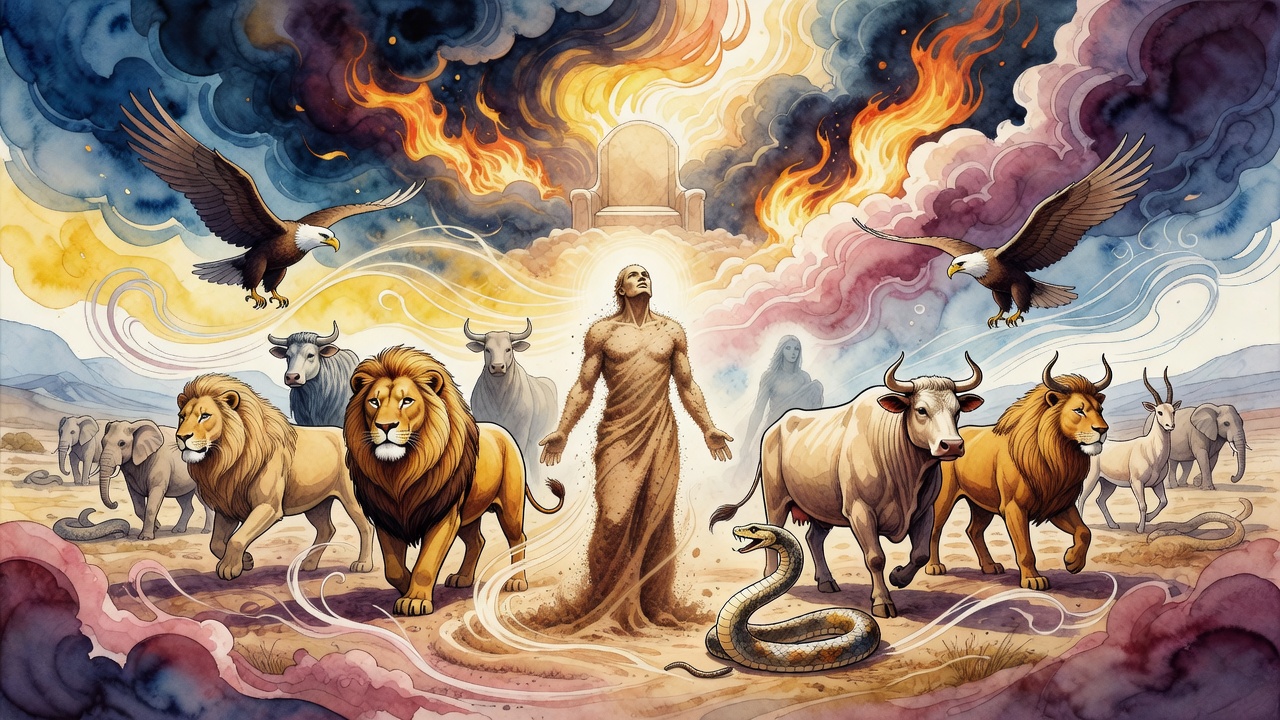
God scraped chosen dust into a pile that had no name. Beasts walked past him at noon. By night he had a wife, a wound, and a road east.
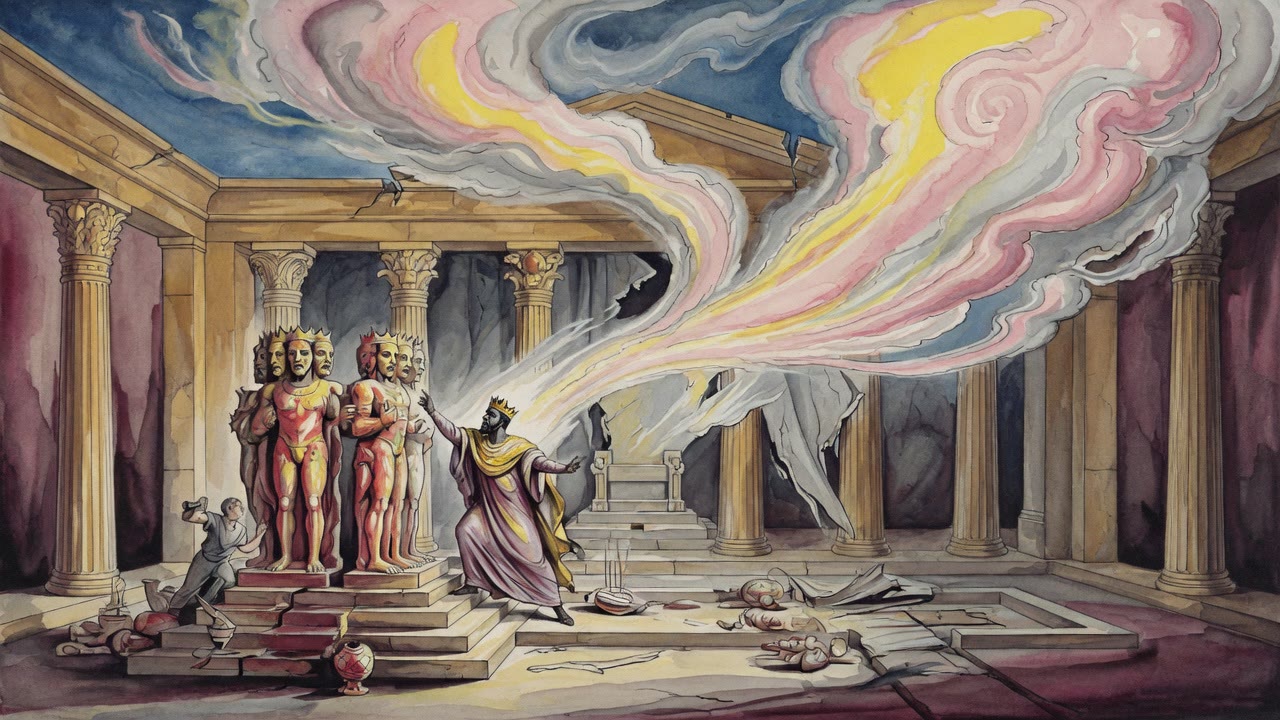
Manasseh dragged a four-faced idol into the innermost room. Wherever the Presence turned, stone stared back. God asked what He was doing there.
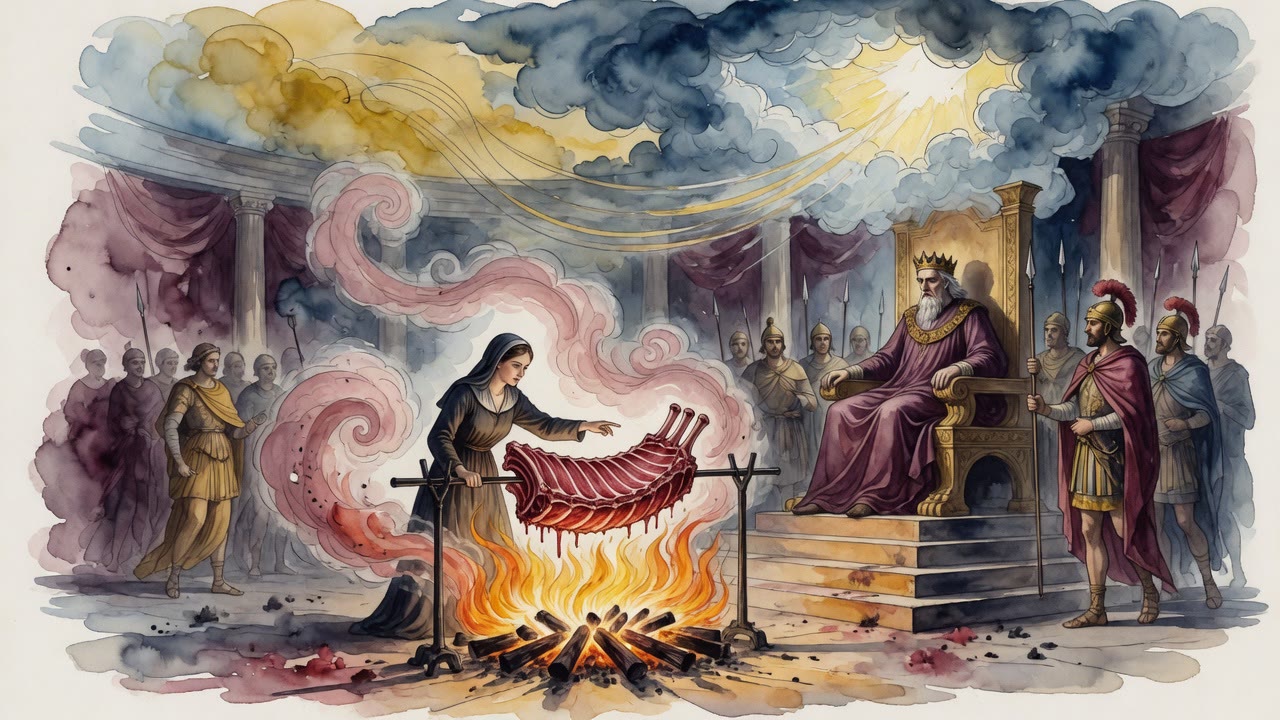
An emperor calls God a thief for taking Adam's rib; Gamliel's daughter roasts raw meat before his eyes until he understands the gift.
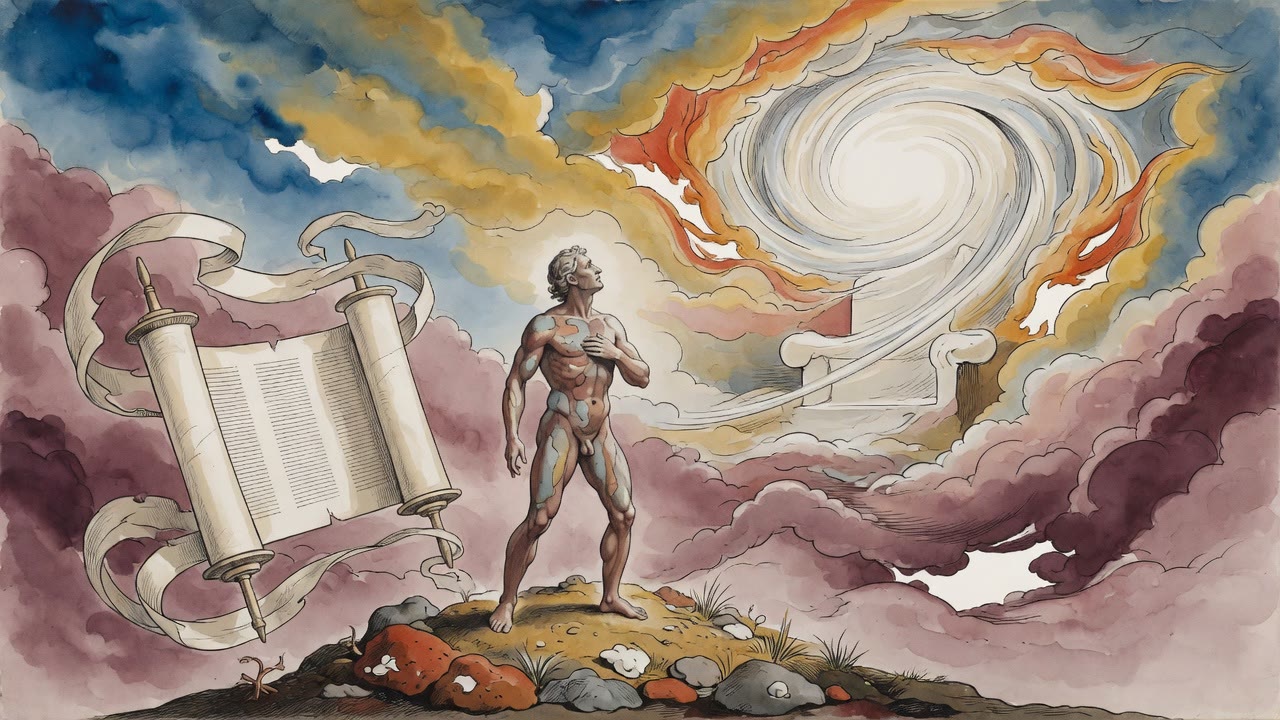
Juice still wet on his fingers, Adam heard the Voice that had formed him. By dusk he stood in judgment, still alive, still named.
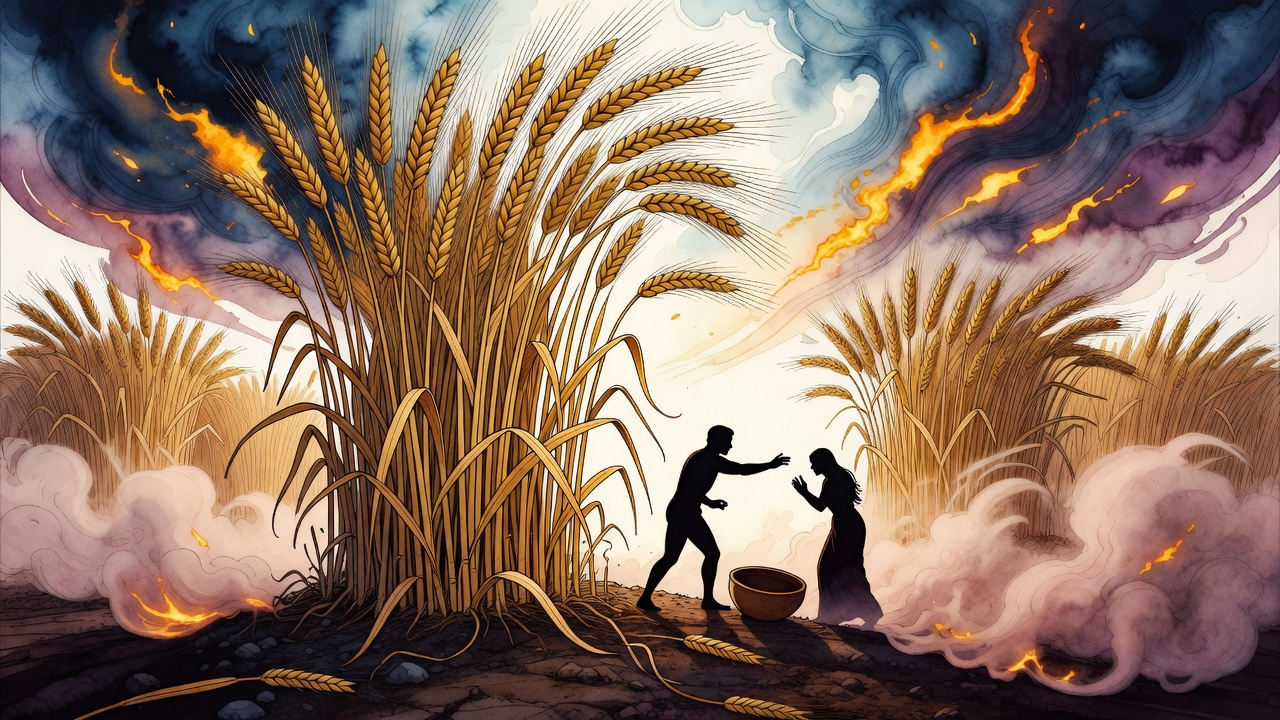
Call a man a fool, said Rabbi Meir, and someone answers that he has never eaten bread. Bread makes a person wise, and Eden's grain grew above Adam's head.
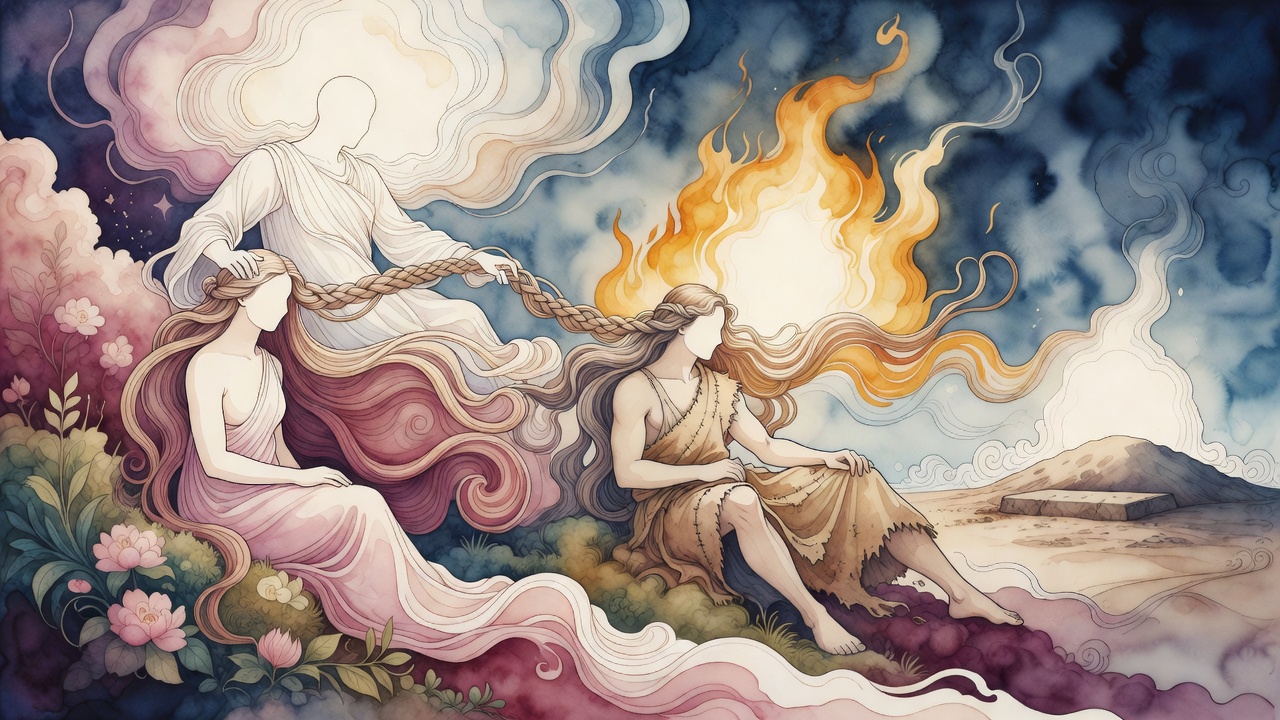
God did not shove her out from behind a tree. He braided her hair first. Adam waited, short a rib, with nothing to offer her but a name.
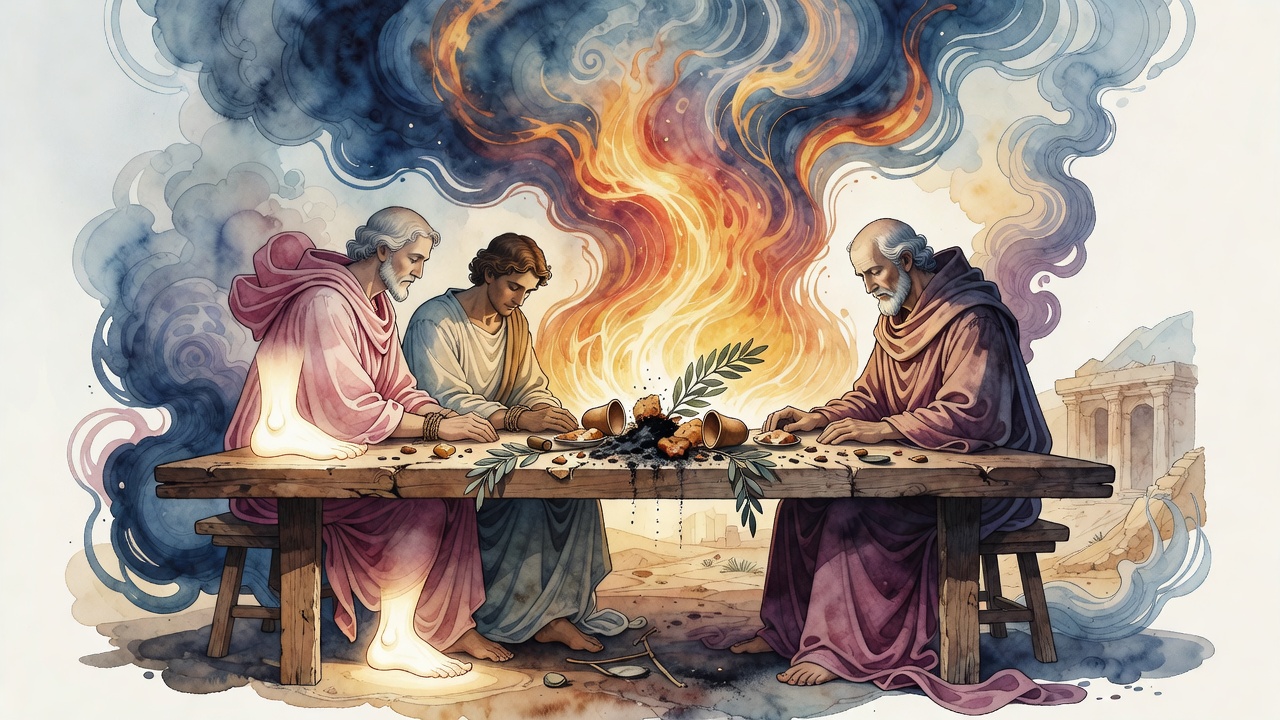
Fire killed two of his sons at the altar. The instructions that follow in the Torah tell their father how to walk into that same room once a year, alone.
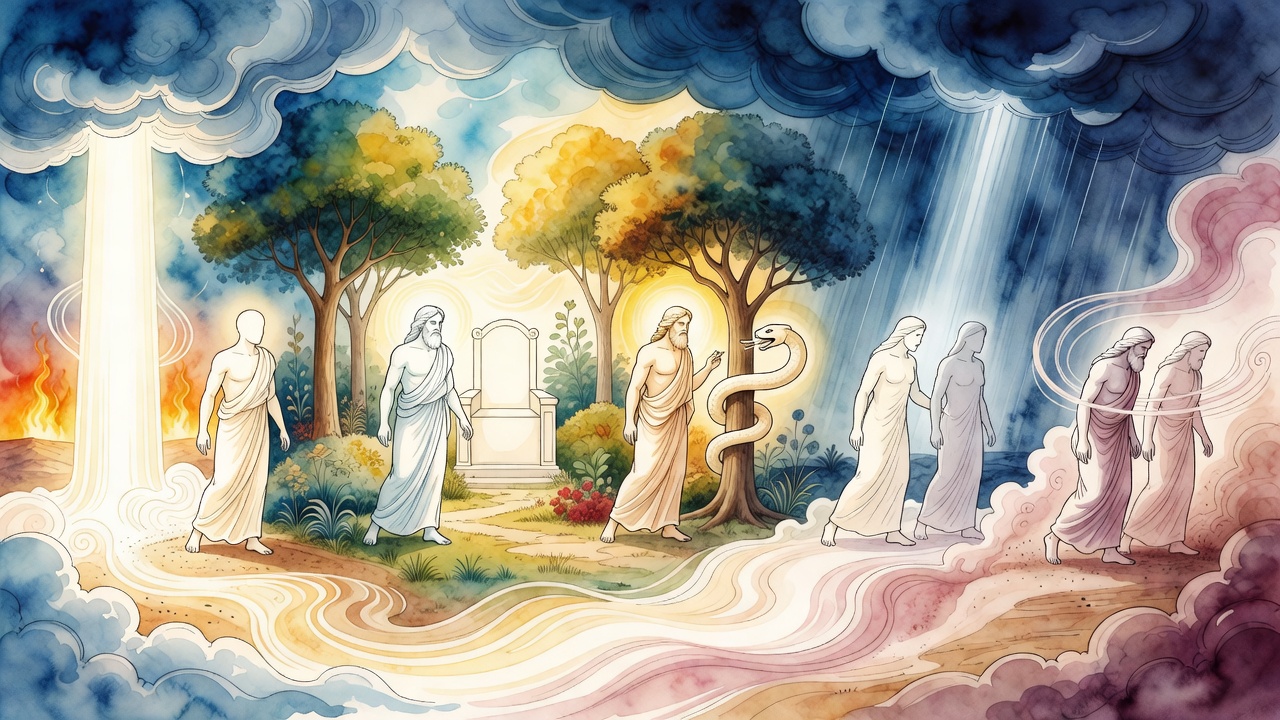
Dust in the first hour. Every animal named by the sixth. Cain was alive and breathing an hour before the one command was ever spoken.
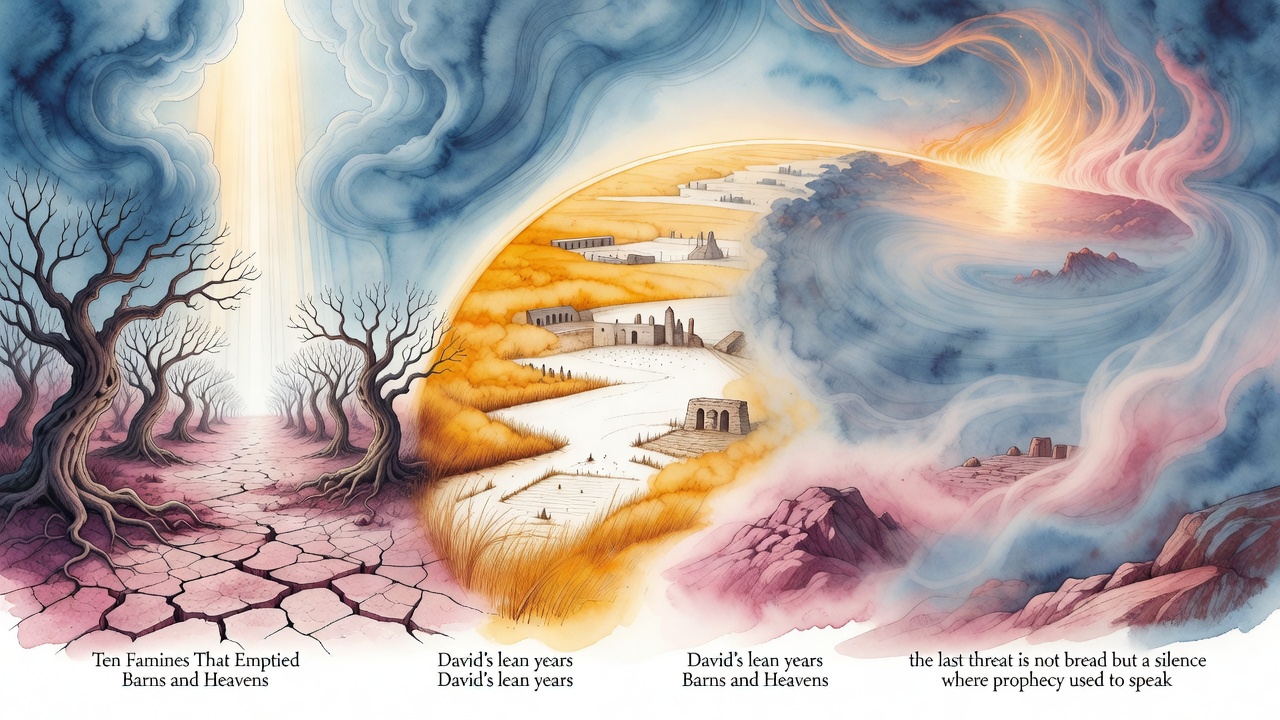
From Eden's cursed ground to David's lean years, the midrash counts ten famines. The last threat is not bread but a silence where prophecy used to speak.
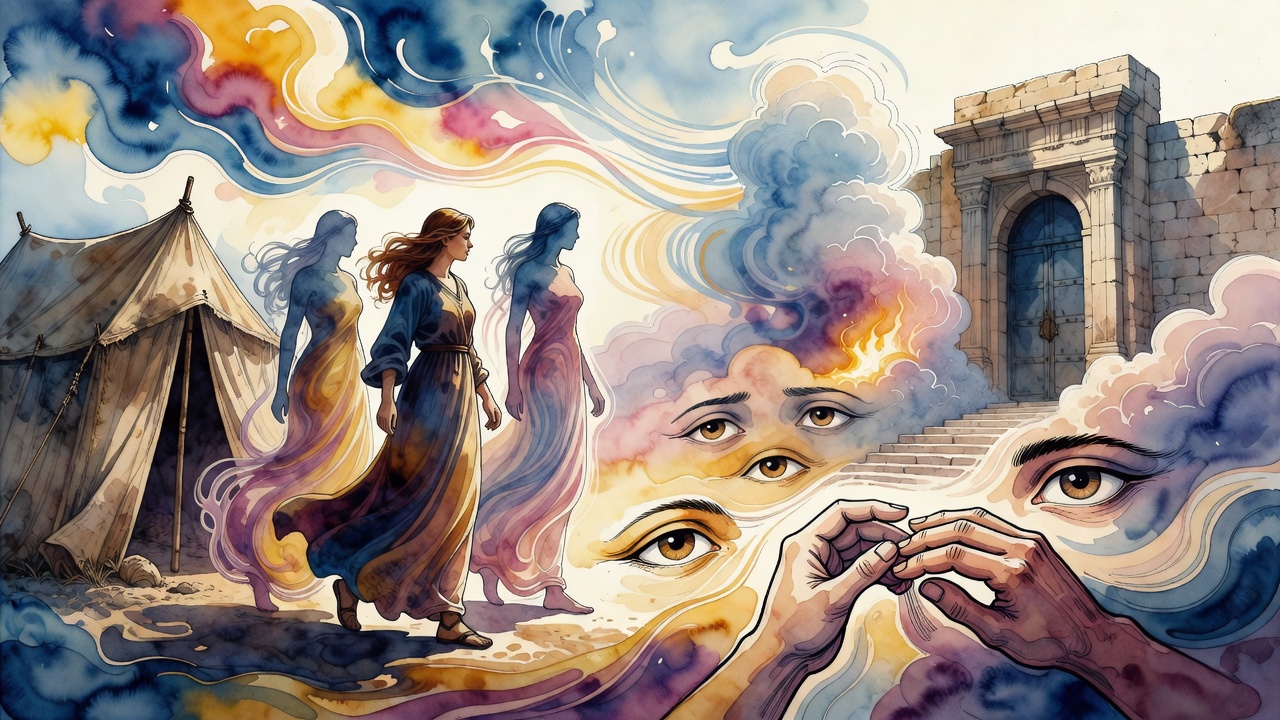
No one stopped her at the tent flap. The light outside was ordinary and the daughters of the land stood clustered near the city gate.
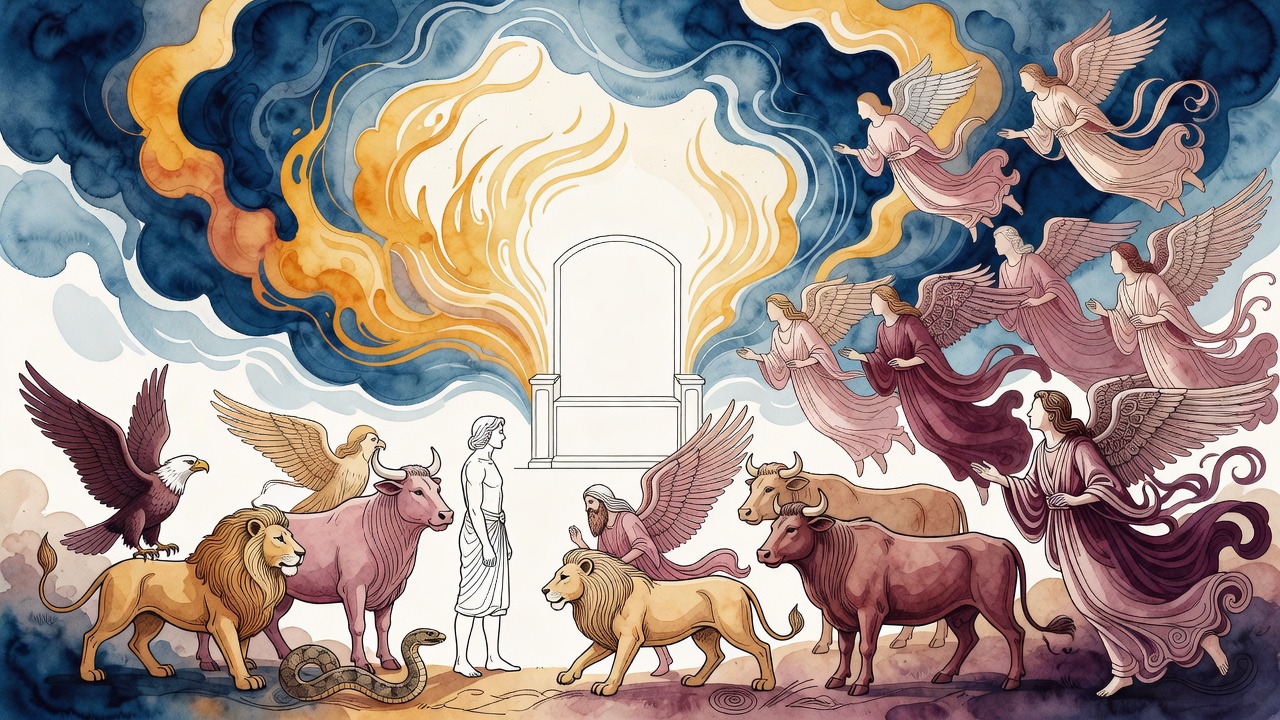
Angels watched Adam name every beast and went silent. God said human minds can grasp what fire cannot, and Ramchal made it a path of accounting.
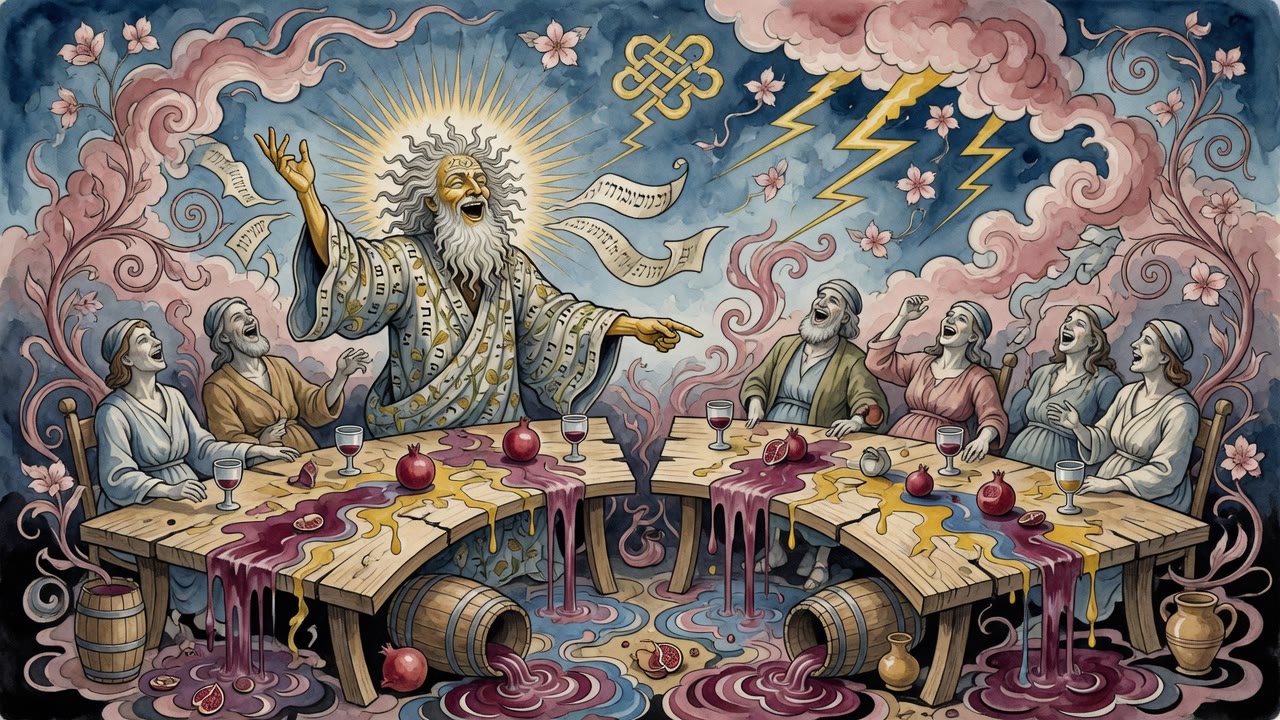
Drums pulled the air sideways outside the study hall. Rabbi Judah closed his book. The bride would not wait for a finished line of Torah.
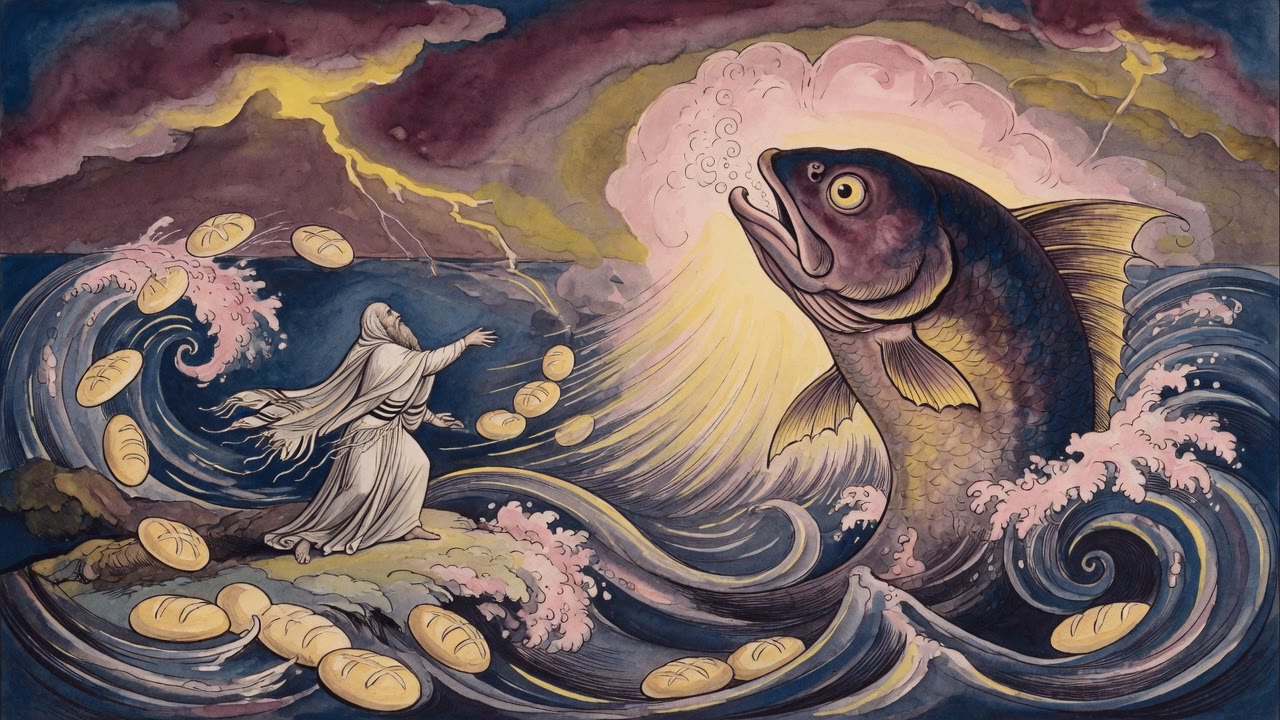
The cups were still full when the father climbed the attic stairs. He came back and asked the guests to finish eating before they buried his son.
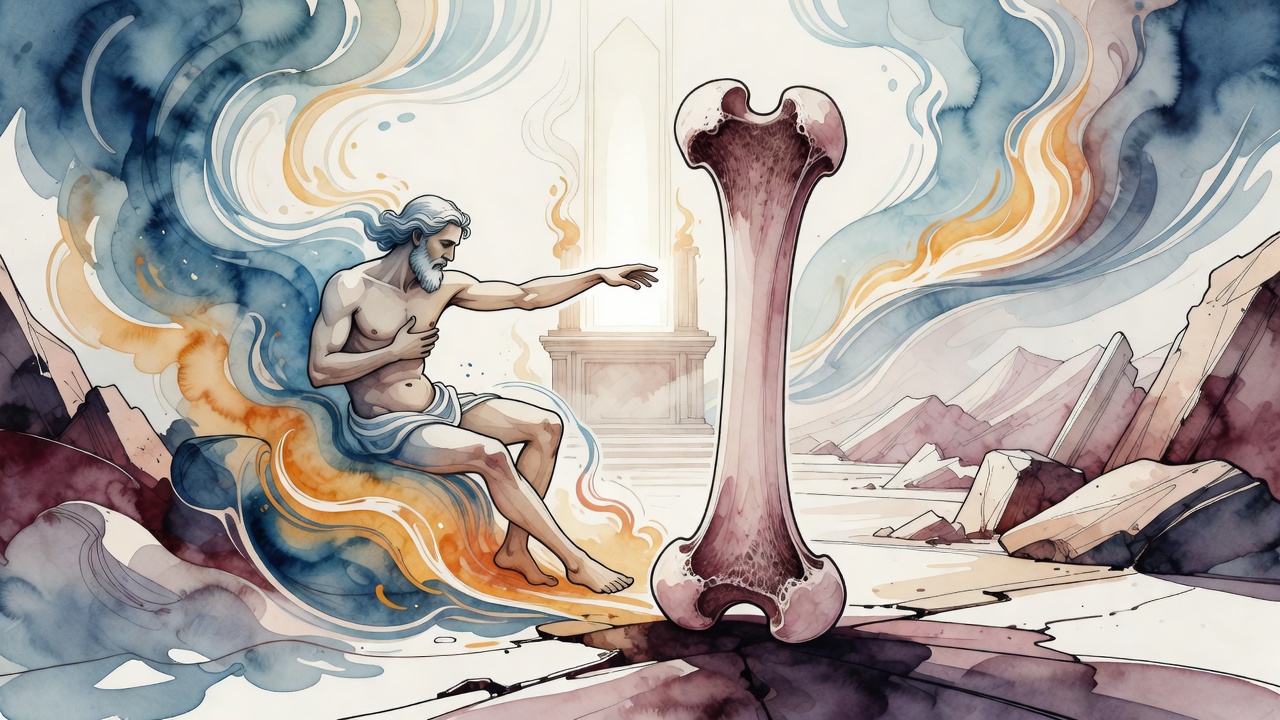
Juice was still on Adam's hands when he took the path of death. Hadrian set the sacrum on an anvil and struck. The hammer broke.
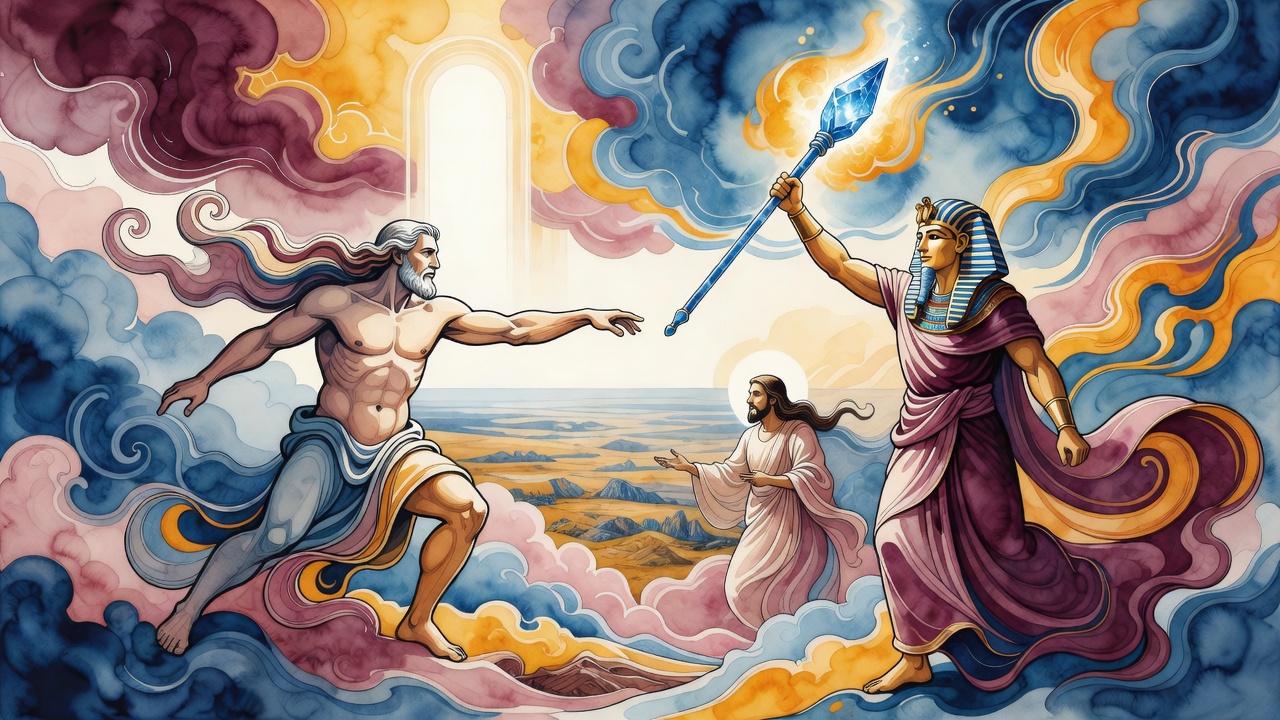
Adam ruled from end to end of the world, then fell by his own flesh. Pharaoh raised Moses, and the sapphire staff answered.
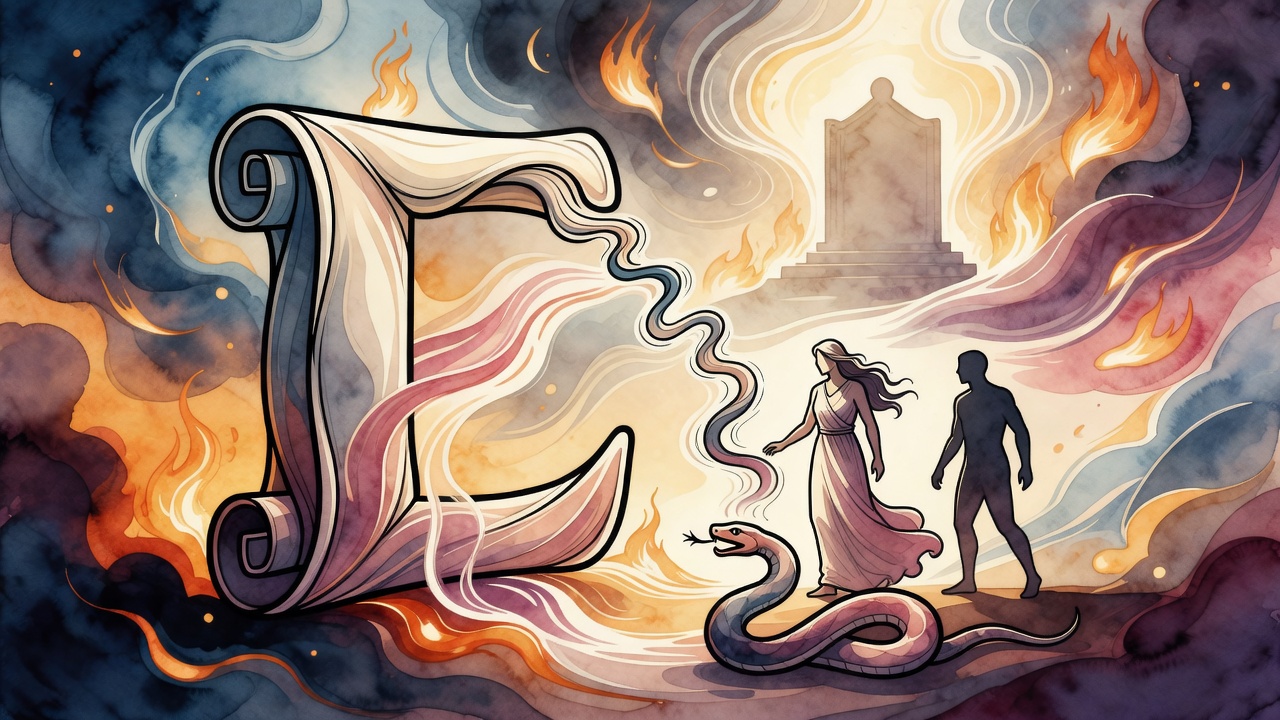
Adam blamed the woman. She blamed the snake. The snake had no one left to accuse, and the ground it was given became its road.
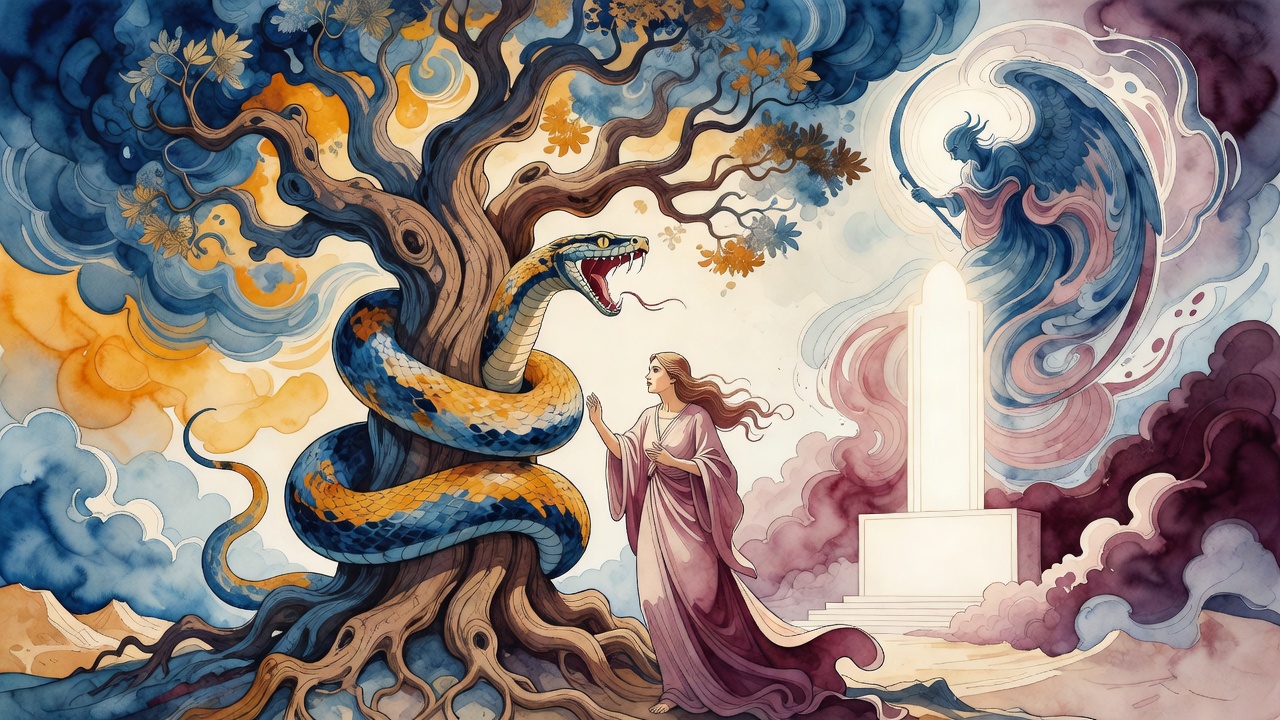
Eve saw the Angel of Death standing where the light broke through the leaves. She would not die alone and leave Adam another wife.
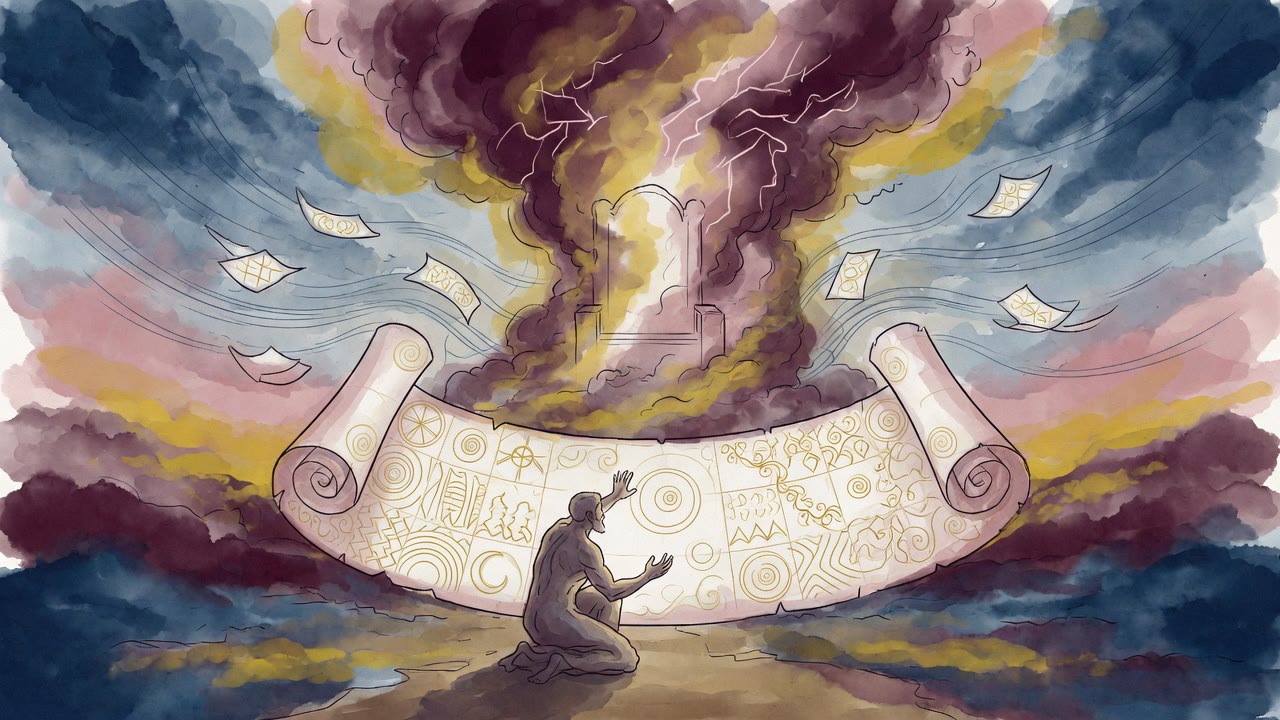
Before light and dark were split for human eyes, the years, months, and intercalation already stood before God, then passed to Adam.
