233 myths · Page 6 of 8
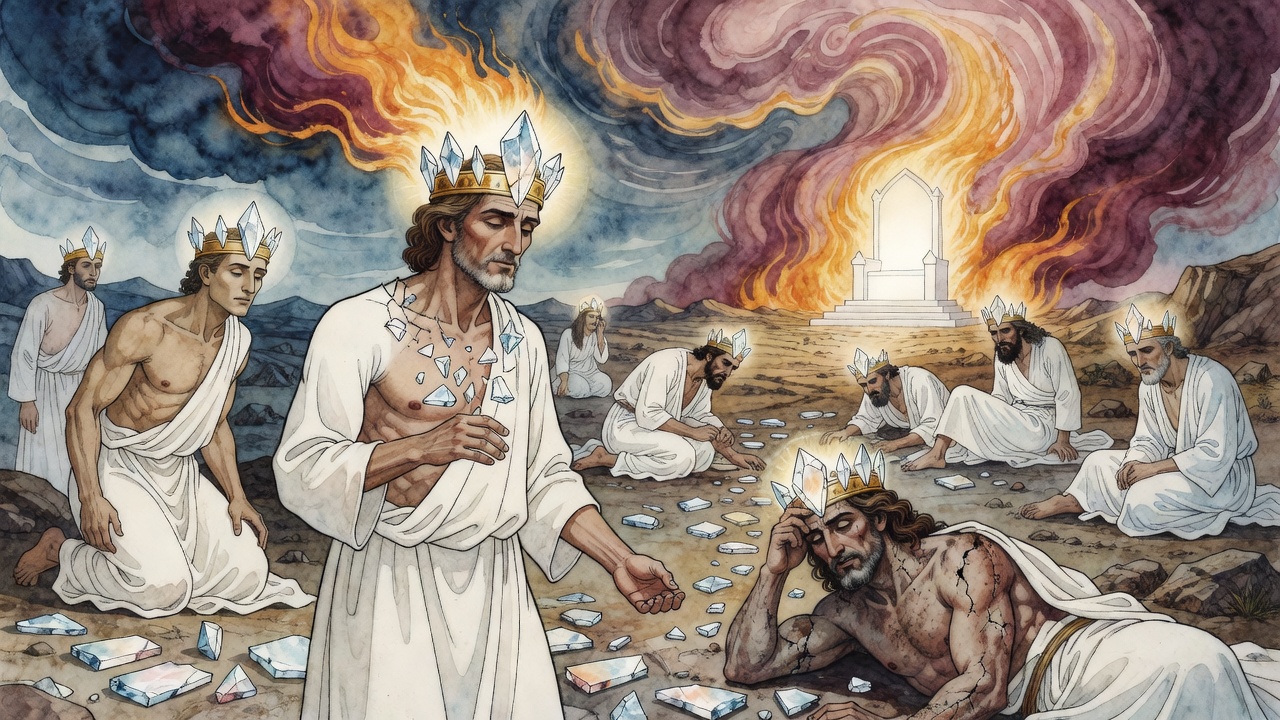
Adam's beauty broke into shards, and each man who caught one wore it like a crown until the same gift became the thing that killed him.
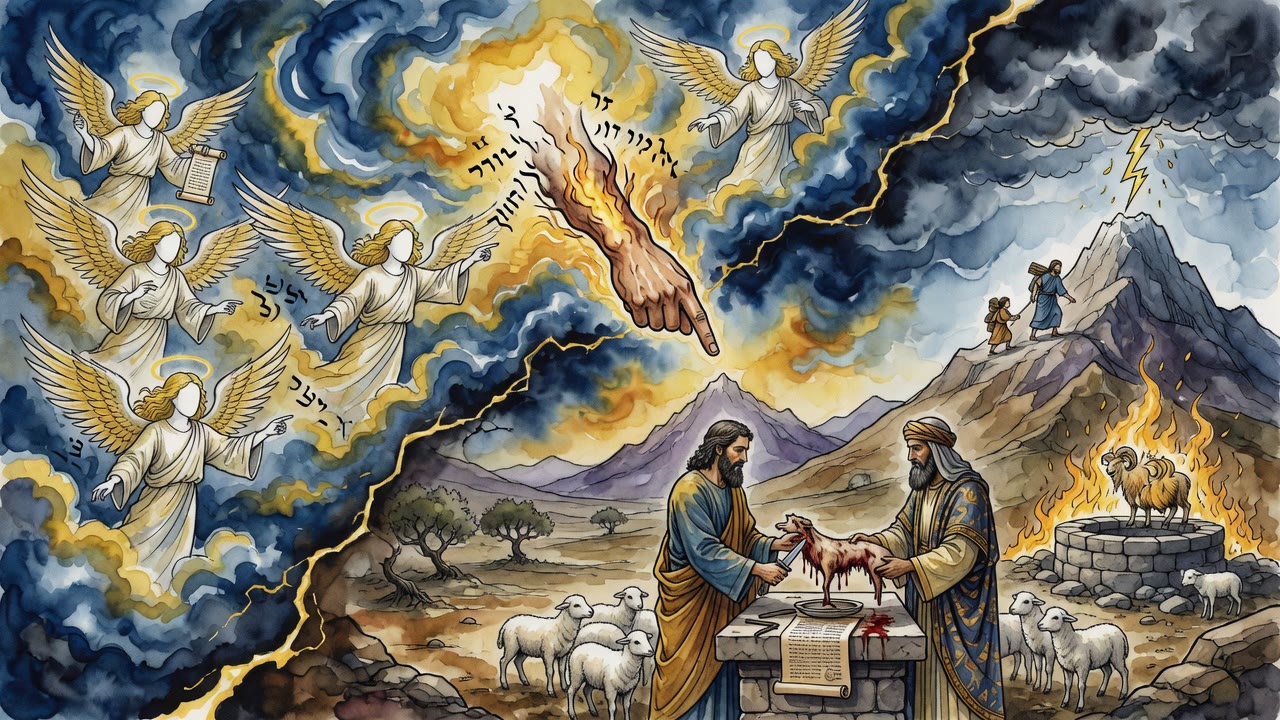
Adam named every pair that passed him and found no match. Above his head the two highest ranks of angels were already keeping still.
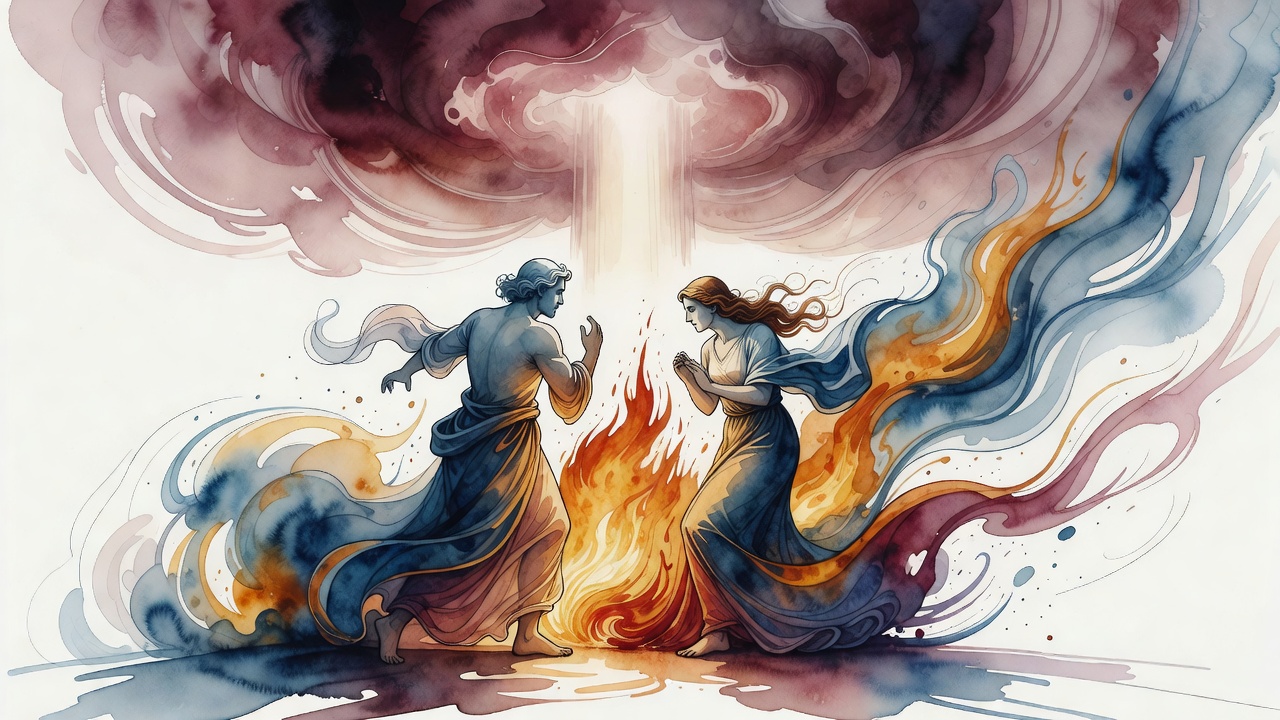
God set letters of His own name inside Adam and Eve. When they ate, the letters left, and the fire that remained threatened to burn them both.
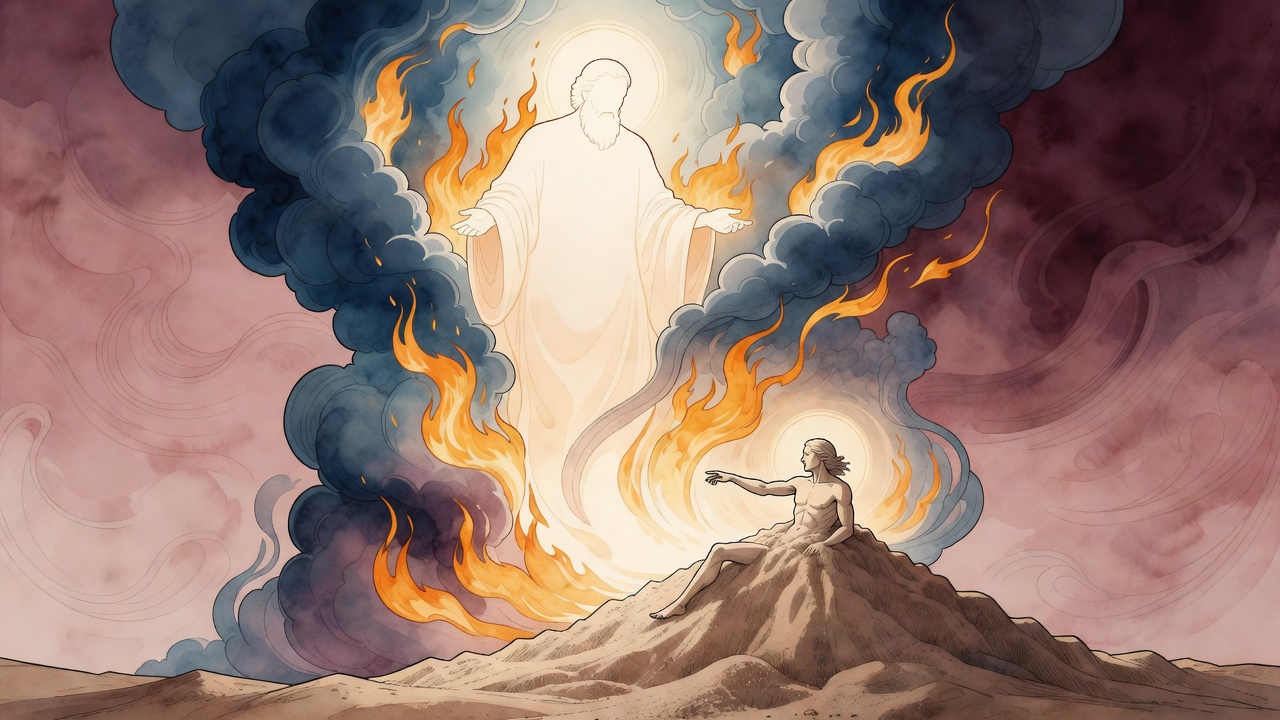
God reached for dust to make a man. Torah blocked His hand. Short days, it said, and a life of trouble, unless mercy came first.
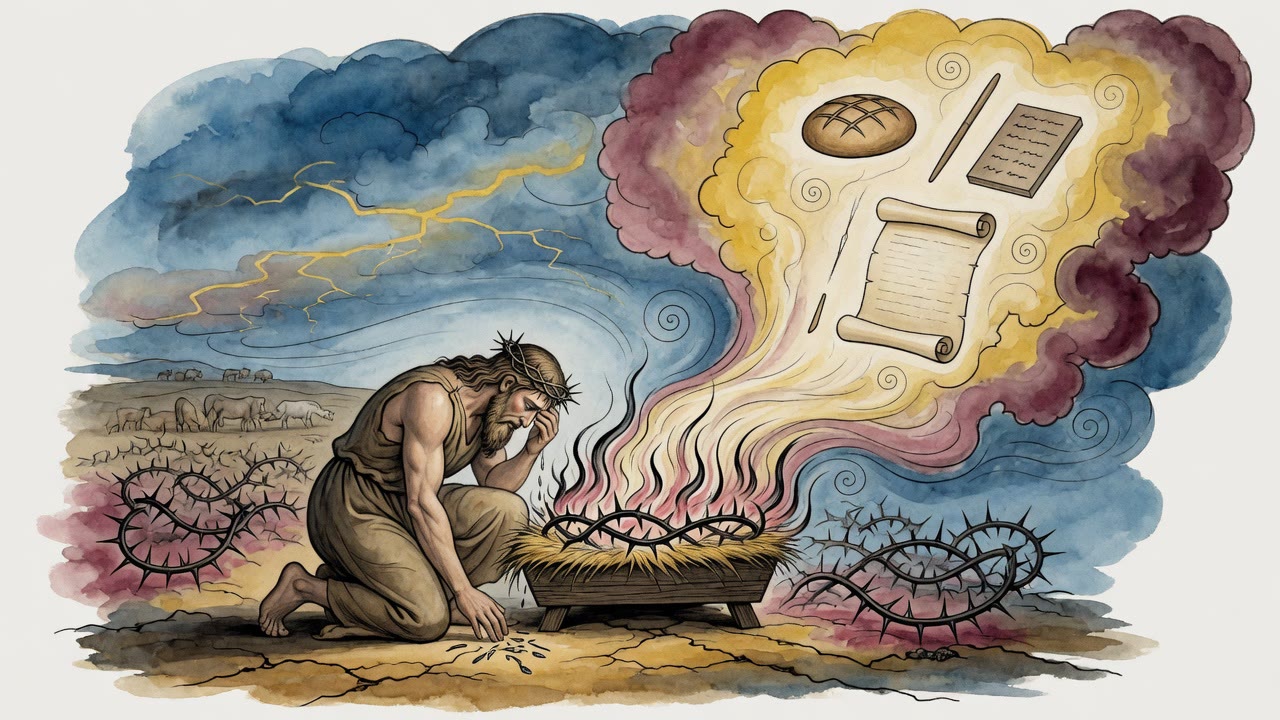
After the curse, Adam feared eating from the same manger as cattle. Heaven gave him bread, a book of secrets, and the first craft of writing.
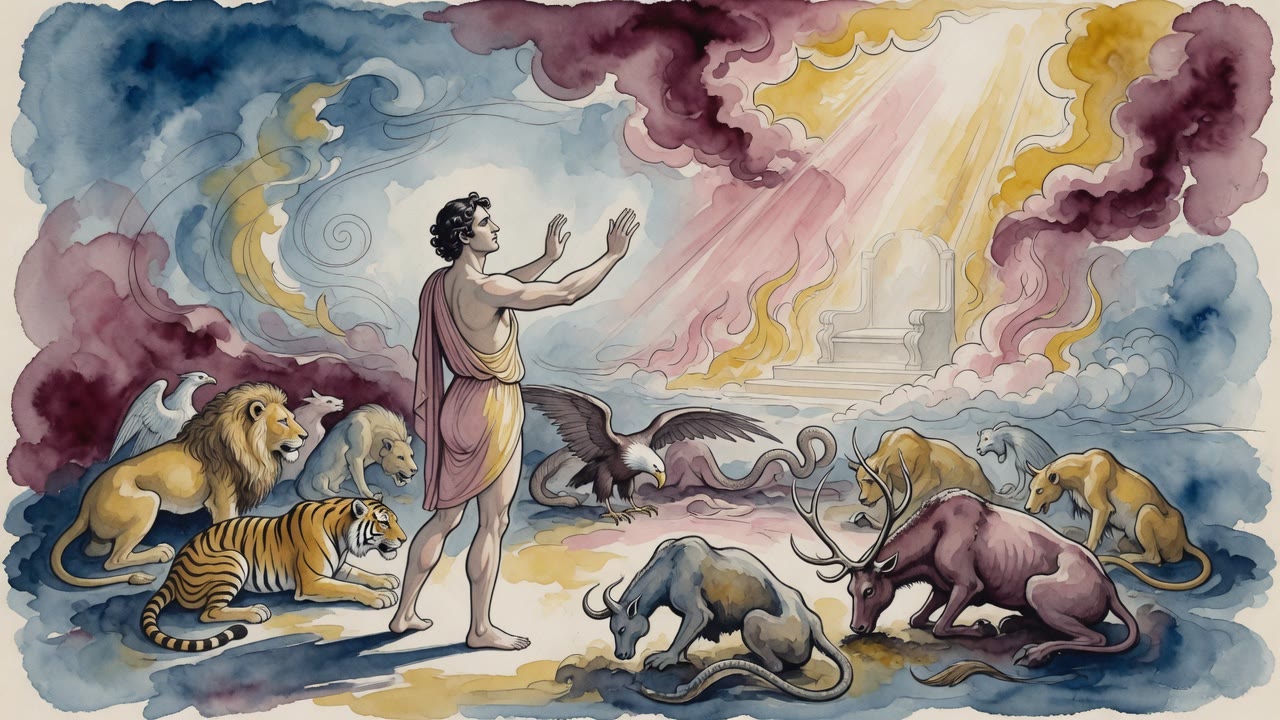
Every creature in the garden drew into a ring around the first man and went down on its knees. He had been alive for less than a day.
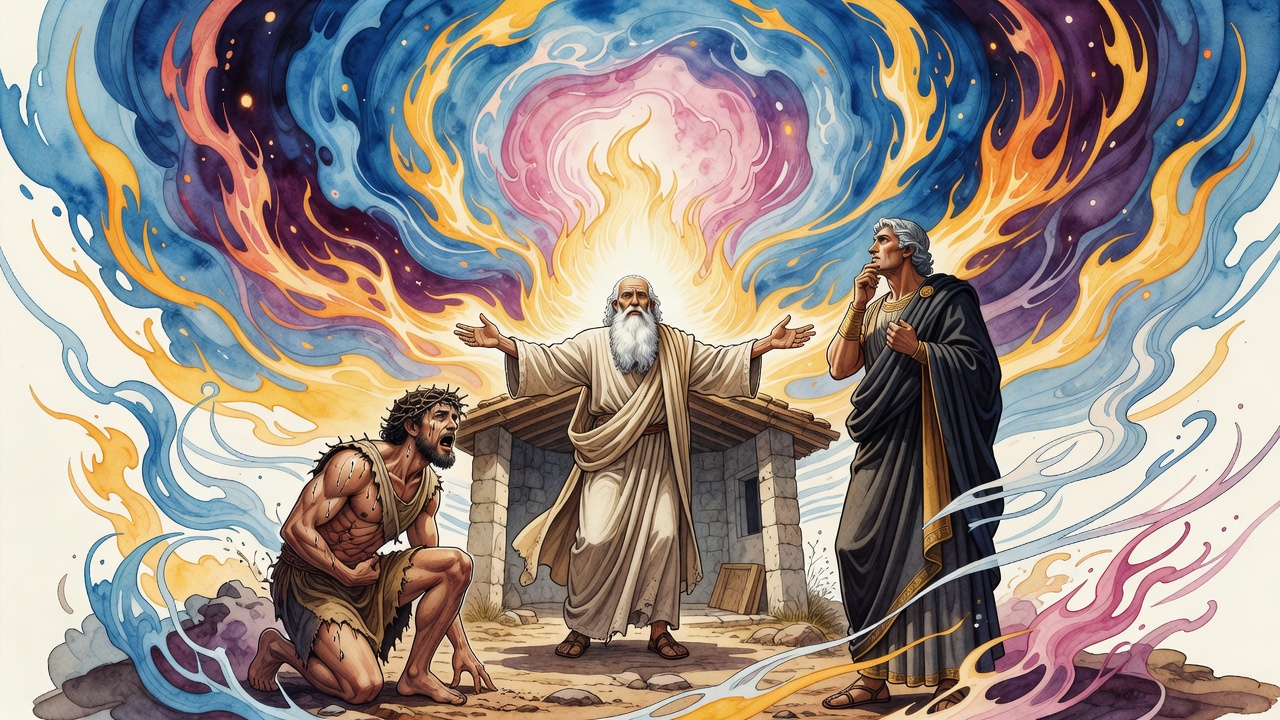
The emperor wanted to know how the world was made. Rabbi Yehoshua took him into a small house and told him to point east, west, north, and south.
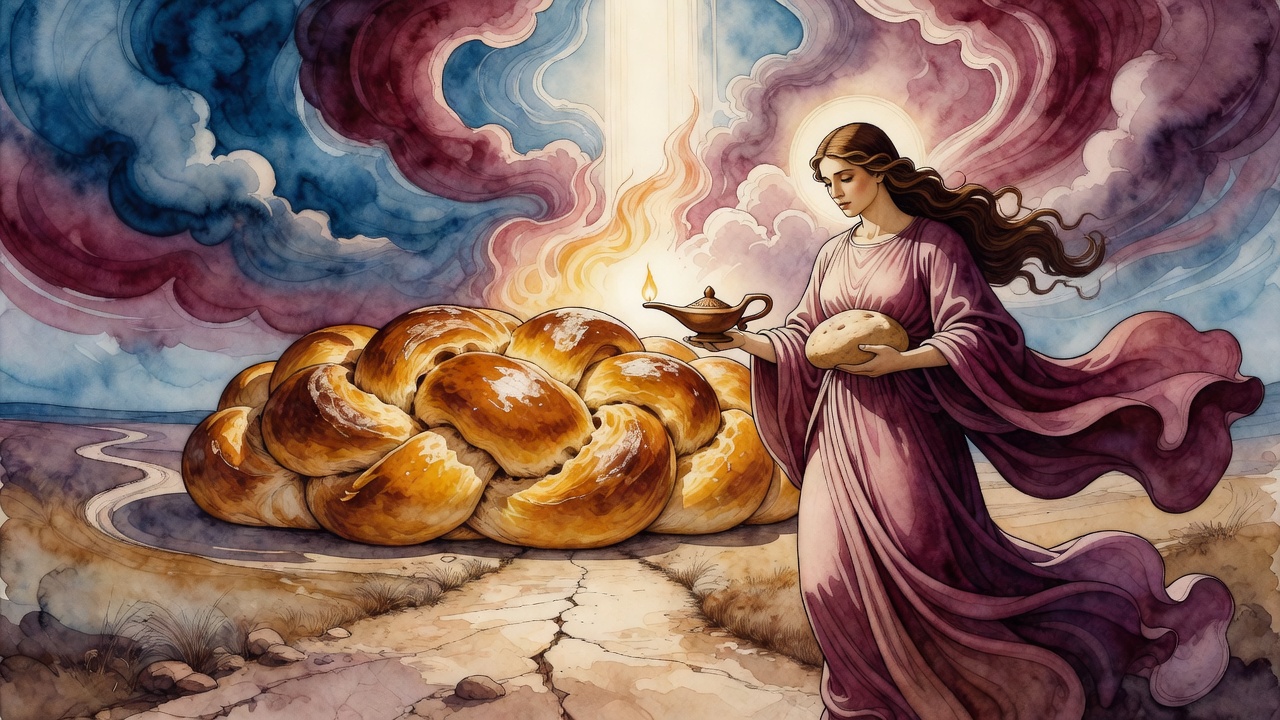
A woman pours water into dough and lifts out the first portion. God poured mist onto the earth and lifted Adam. He was the loaf, and the lamp too.
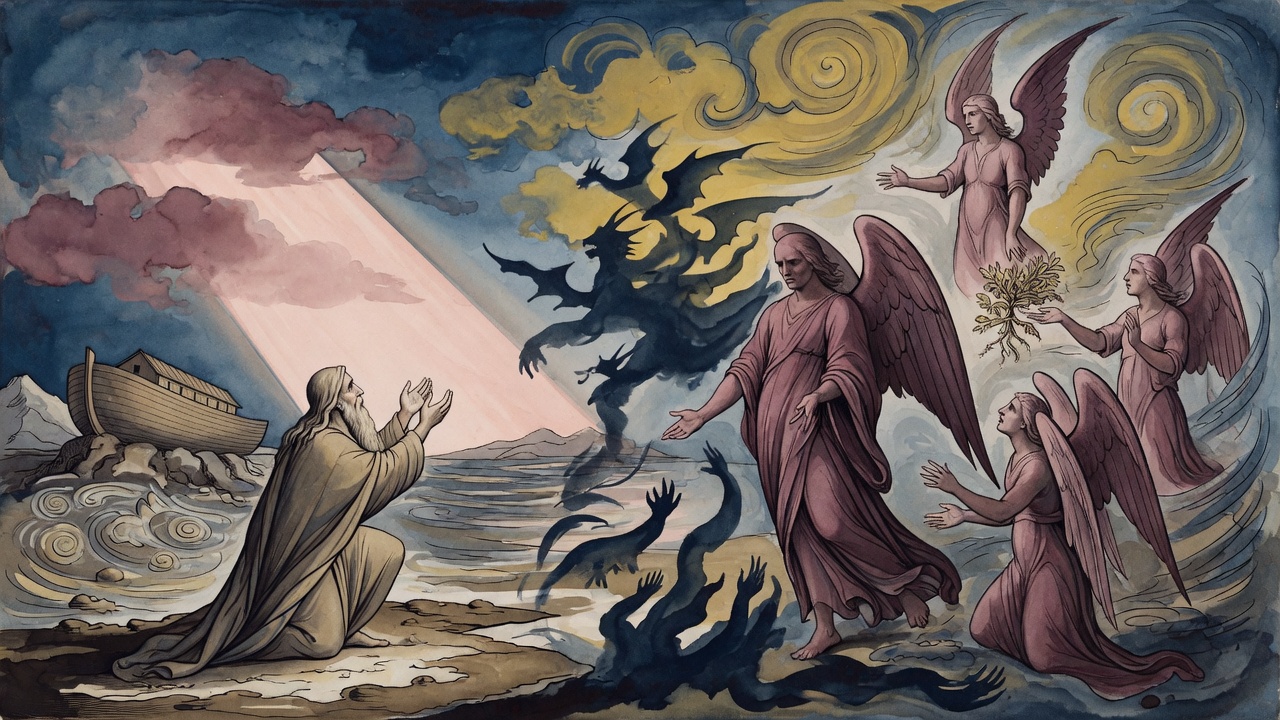
Adam once opened four riverheads with one spade. After the serpent, his face changed. By Enosh the divine image thinned and spirits found prey.
Adam hid among the trees with fig leaves on his skin. The voice at dusk did not hunt him. It asked where he was, and meant what he had become.
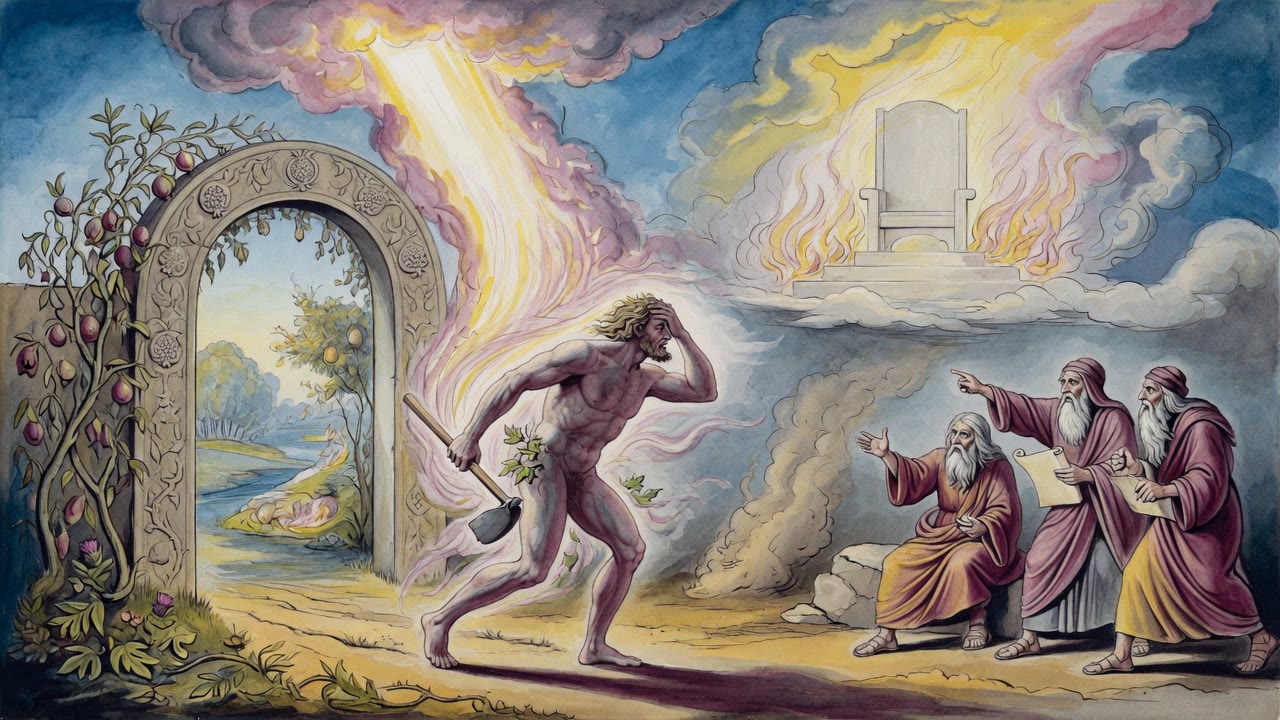
The soil inside had answered without sweat. Outside, the dust remembered it had once been him, and it would not yield easy bread.
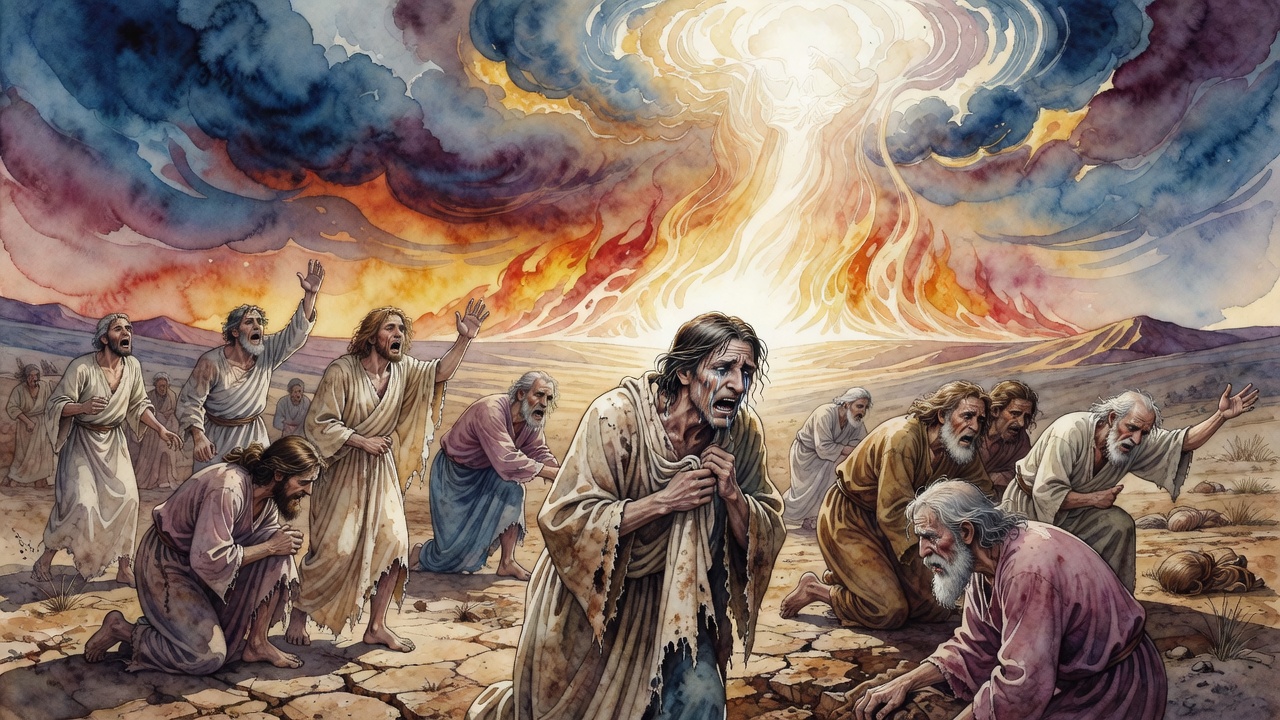
They stood from the dirt with new air and could not stop crying. The prophet had to tell them the last rising still held their names.
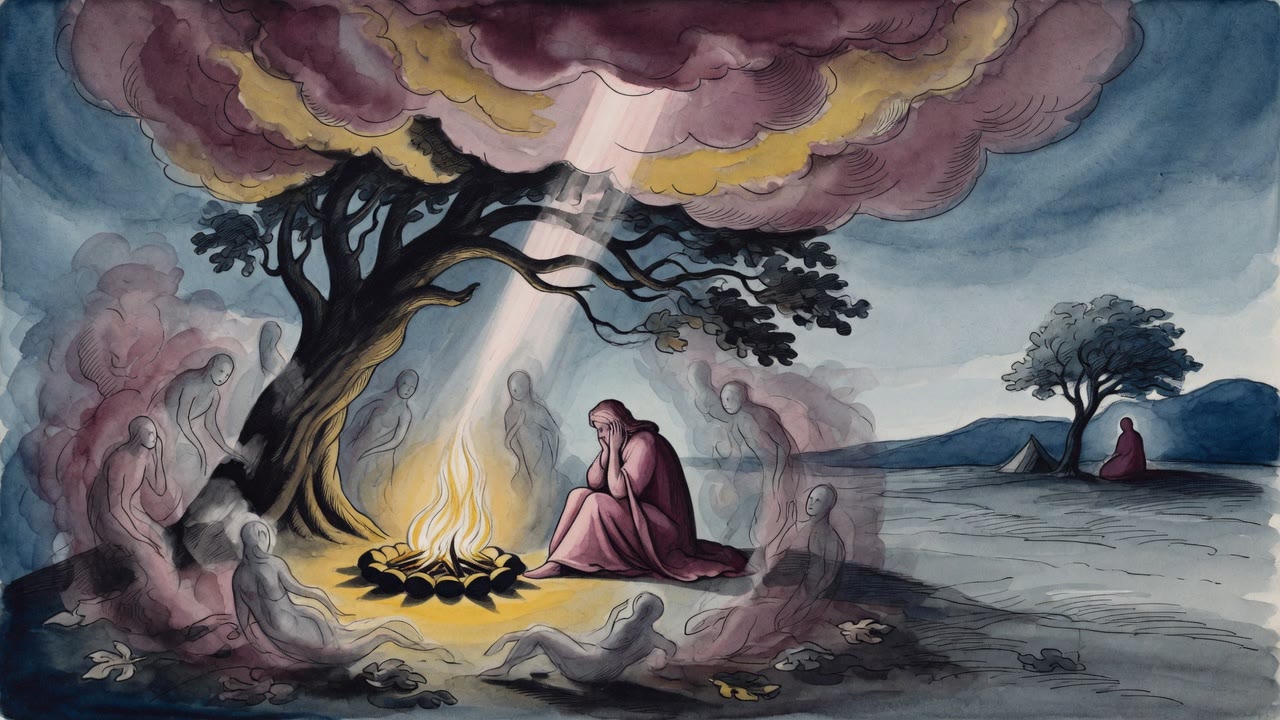
Rabbi Hanina paid a fortune for a silver dish and found a live frog inside. It ate everything he owned, then told him whose son it was.
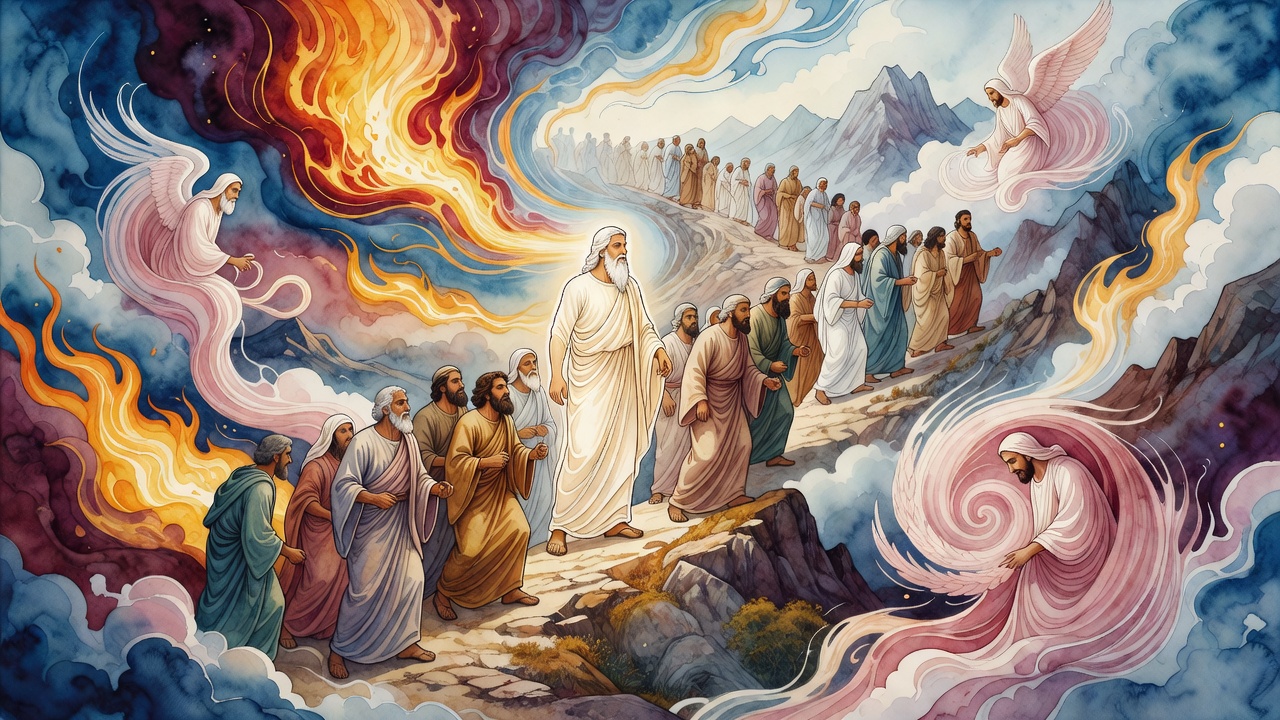
On his last day Moses did the arithmetic and it frightened him. Bilam was called a prophet too. Both of them were going to die.
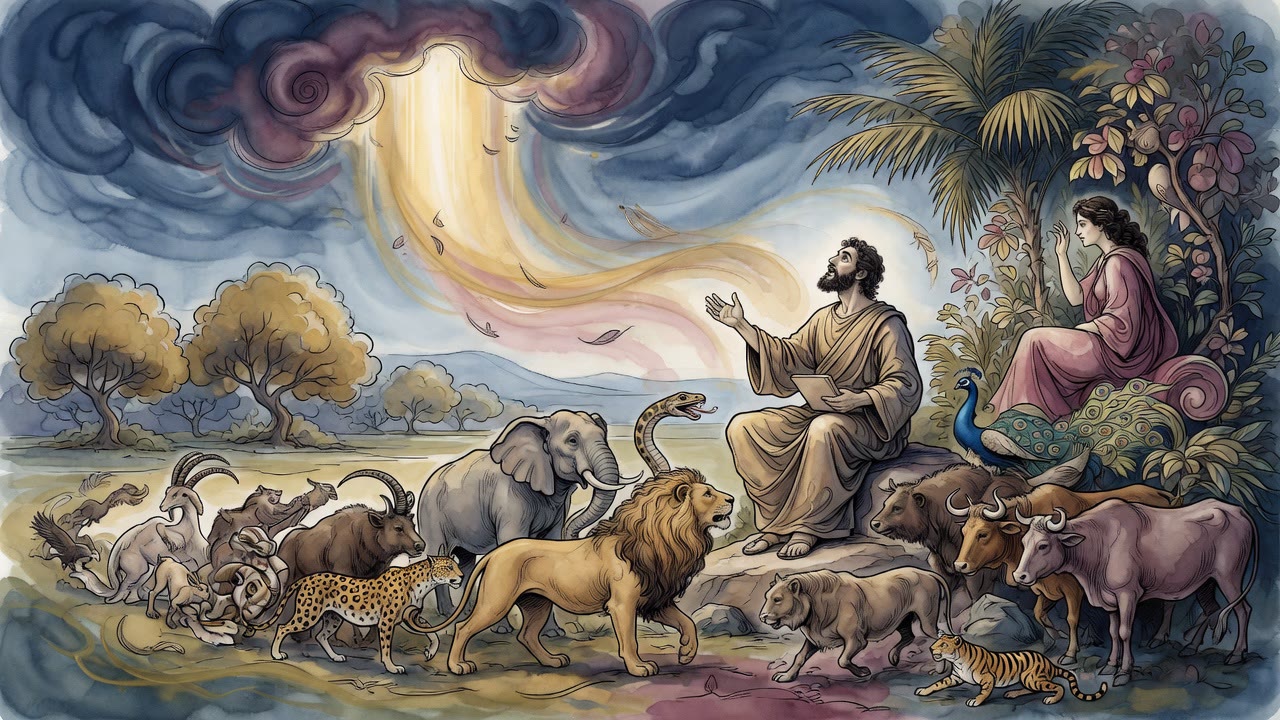
God walked the beasts past a man still new to breath. No list waited in heaven. A heavy animal received a heavy word from Adam's mouth.
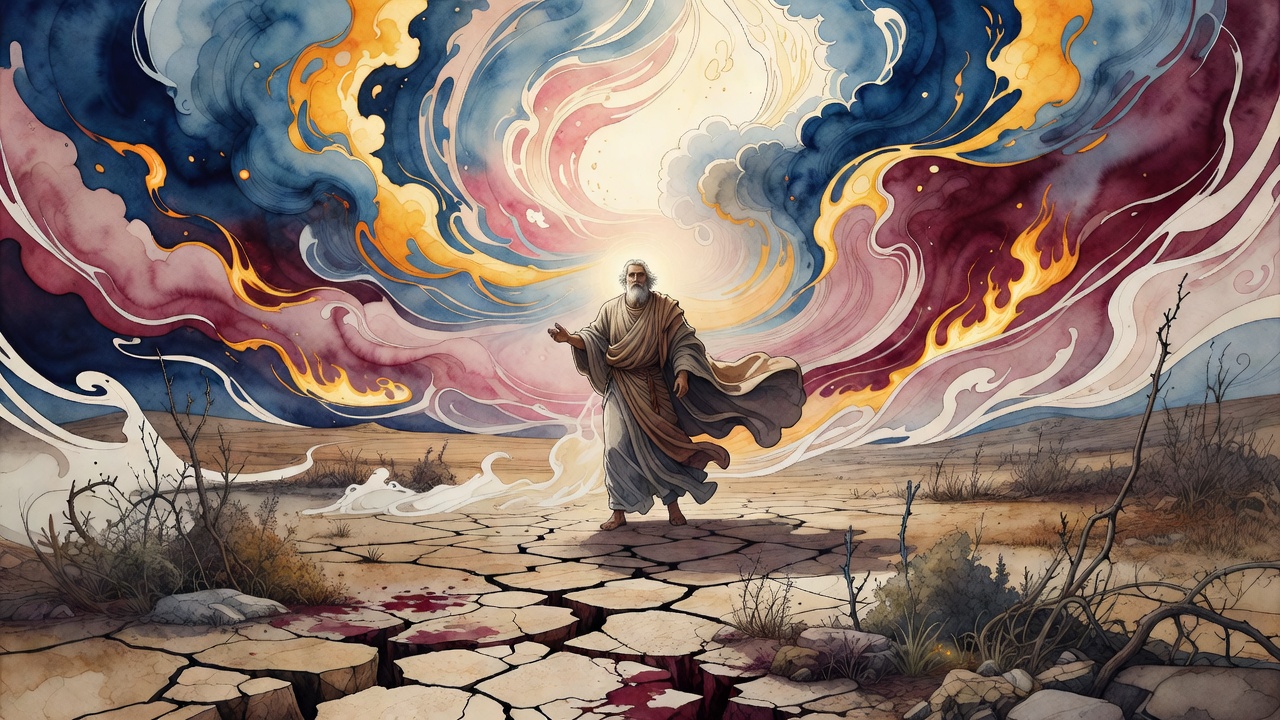
Eve's knees were in the dirt when the new boy came. The field still held Abel's cry. Cain walked the far furrow with the mark on him.
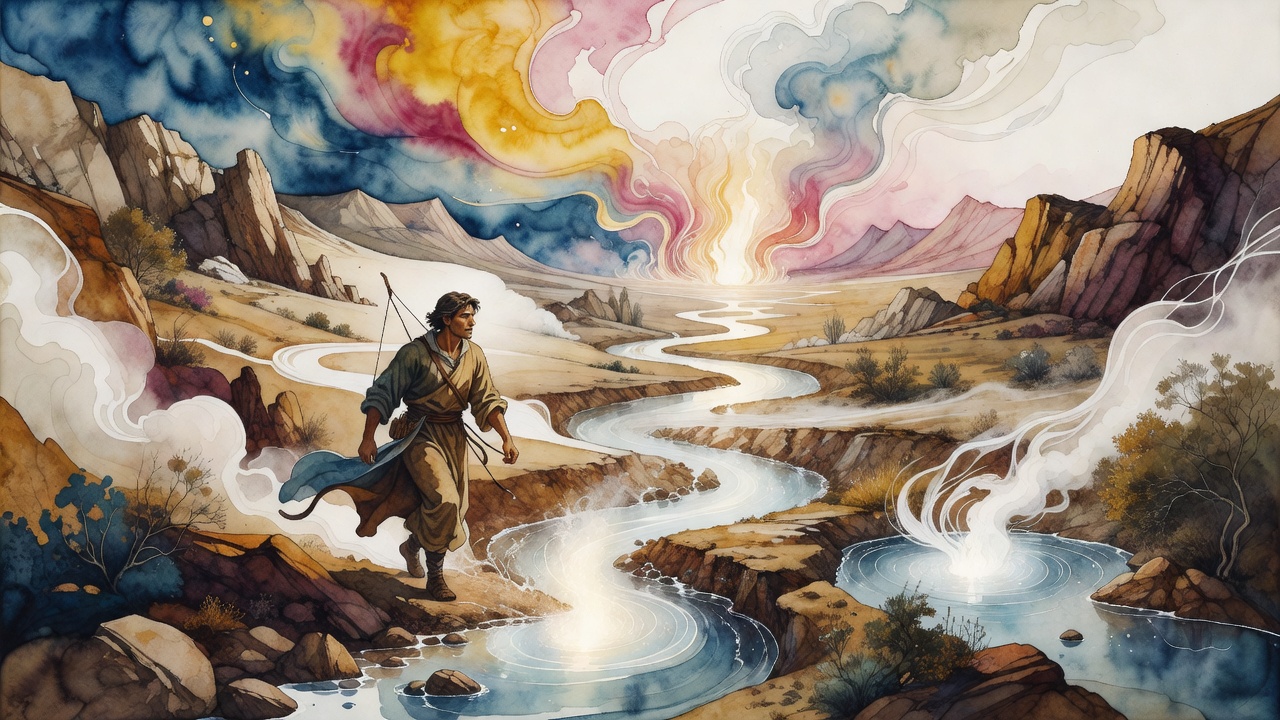
Shepherds pointed at a cold spring and called it the Tigris. He found goats, rock, and wind. No garden. He put Eden under the ground.
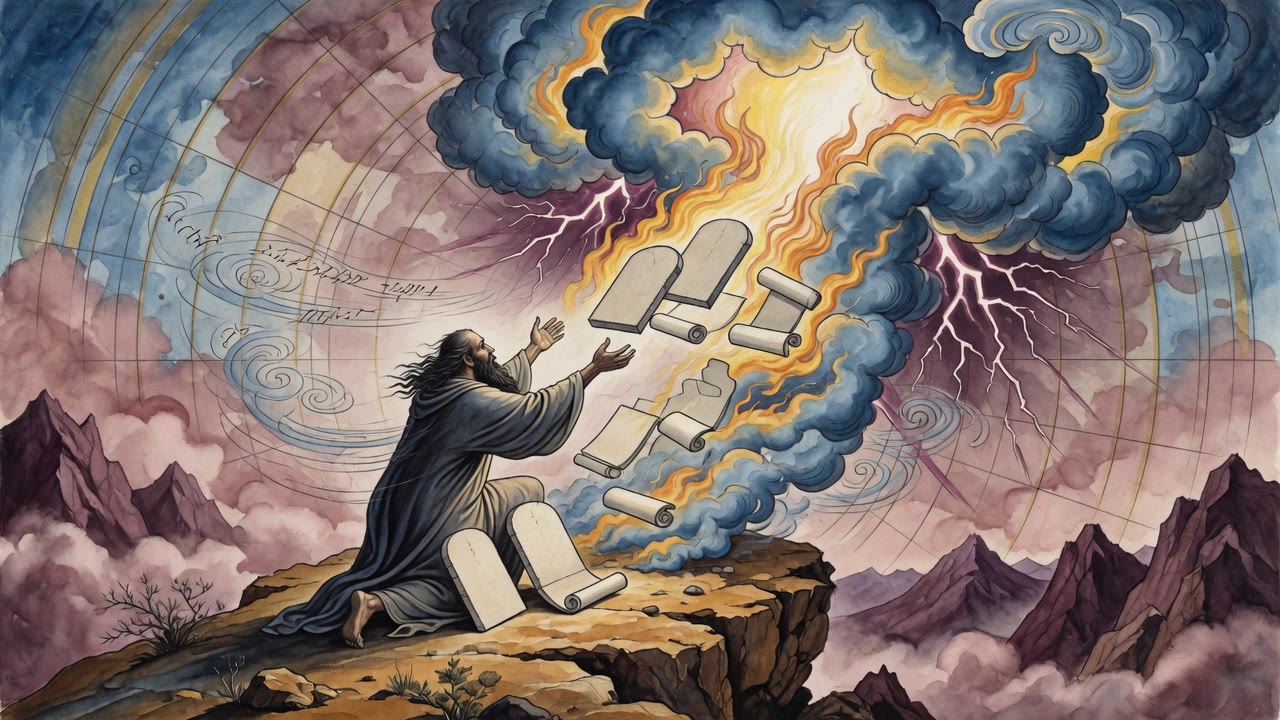
Adam had already eaten. He lived nine hundred thirty years and died inside a day that lasts a thousand. That same year Cain's house fell.
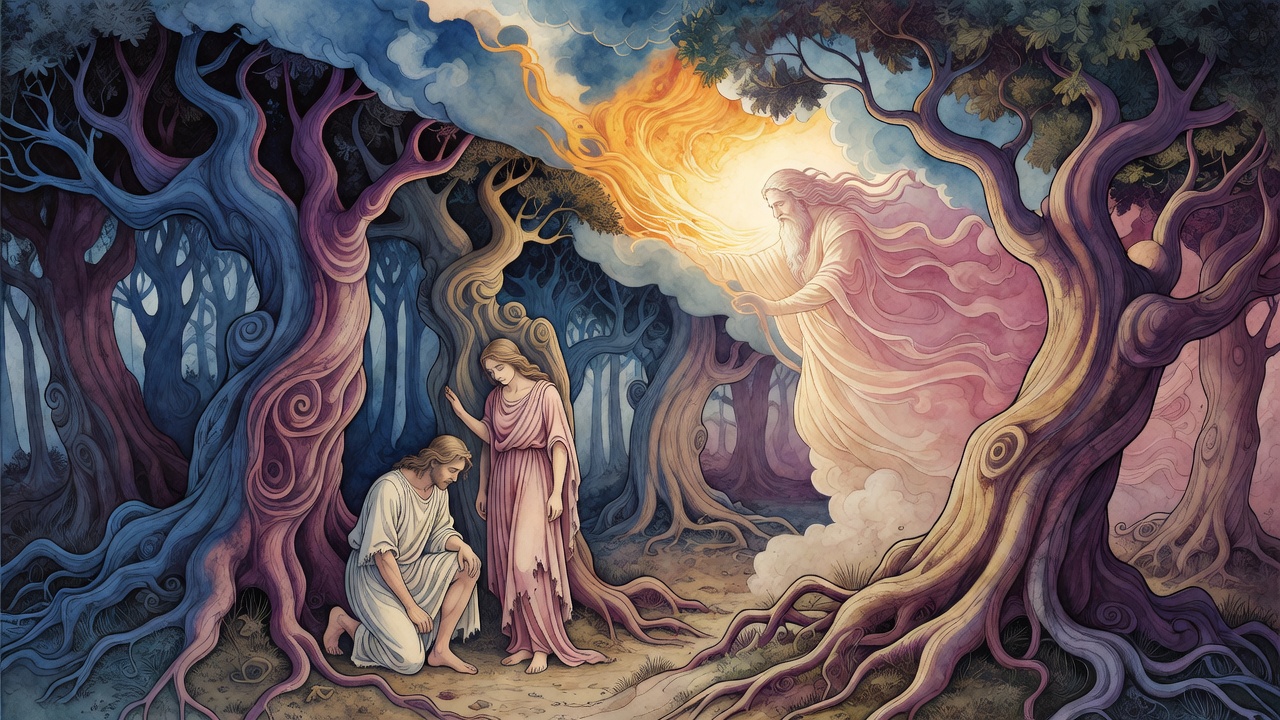
After the fruit, Adam and Eve stay among the same trees, God knocks like a guest, and a question that sounds like location is really grief.
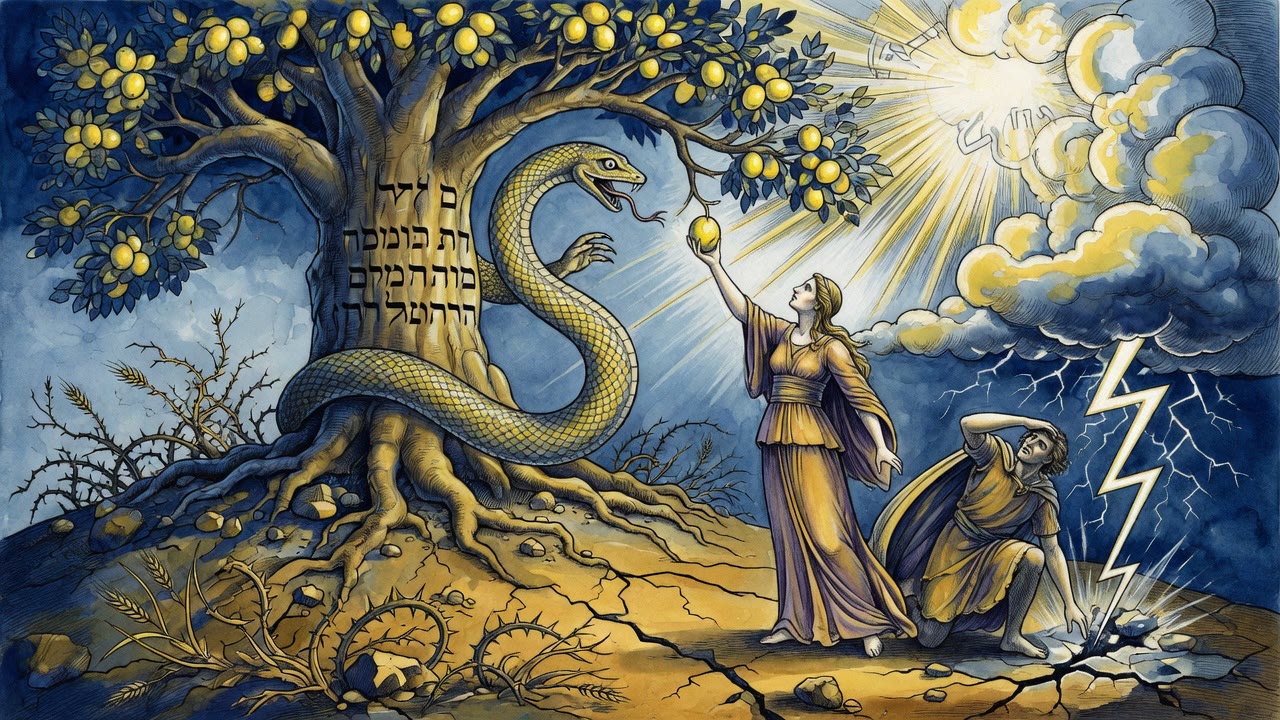
Beside the tree the serpent claims God fears rivals, Eve reaches, and judgment strikes the ground so Adam must earn bread from a resisting earth.
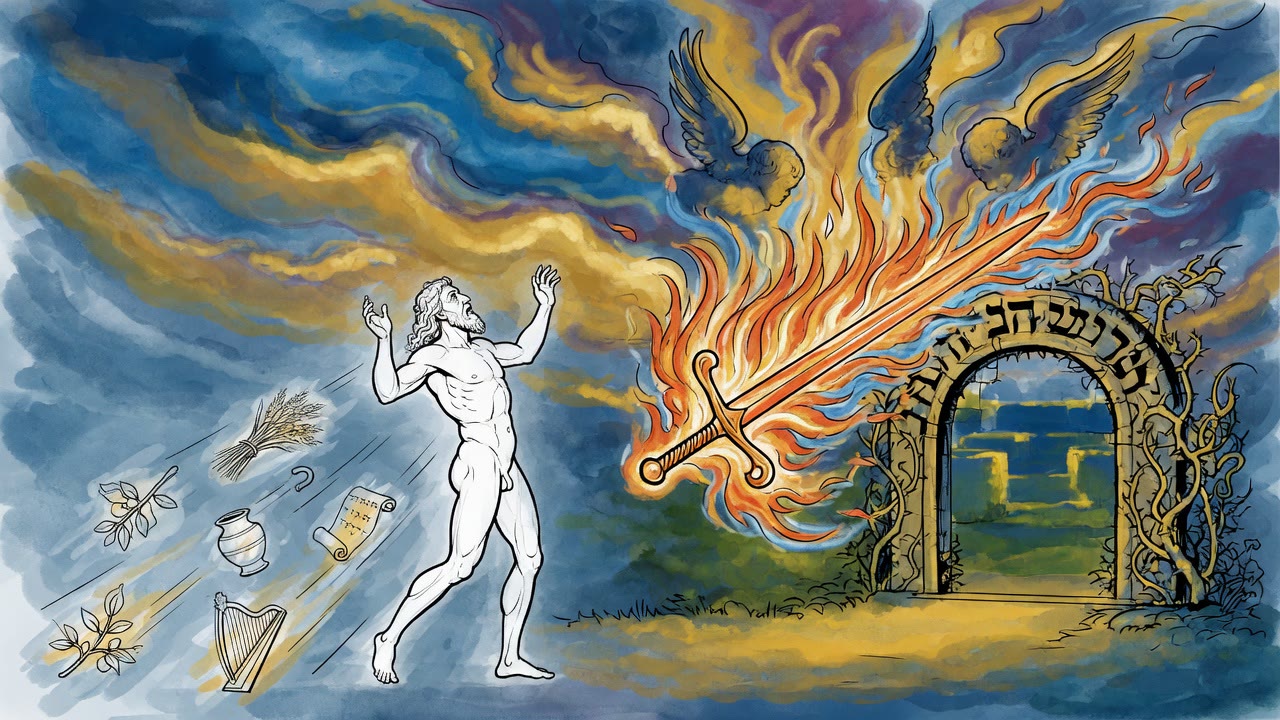
Adam asked for the fruit that would let him live forever. The angels wept and still drove him east, under a sword that would not hold still.
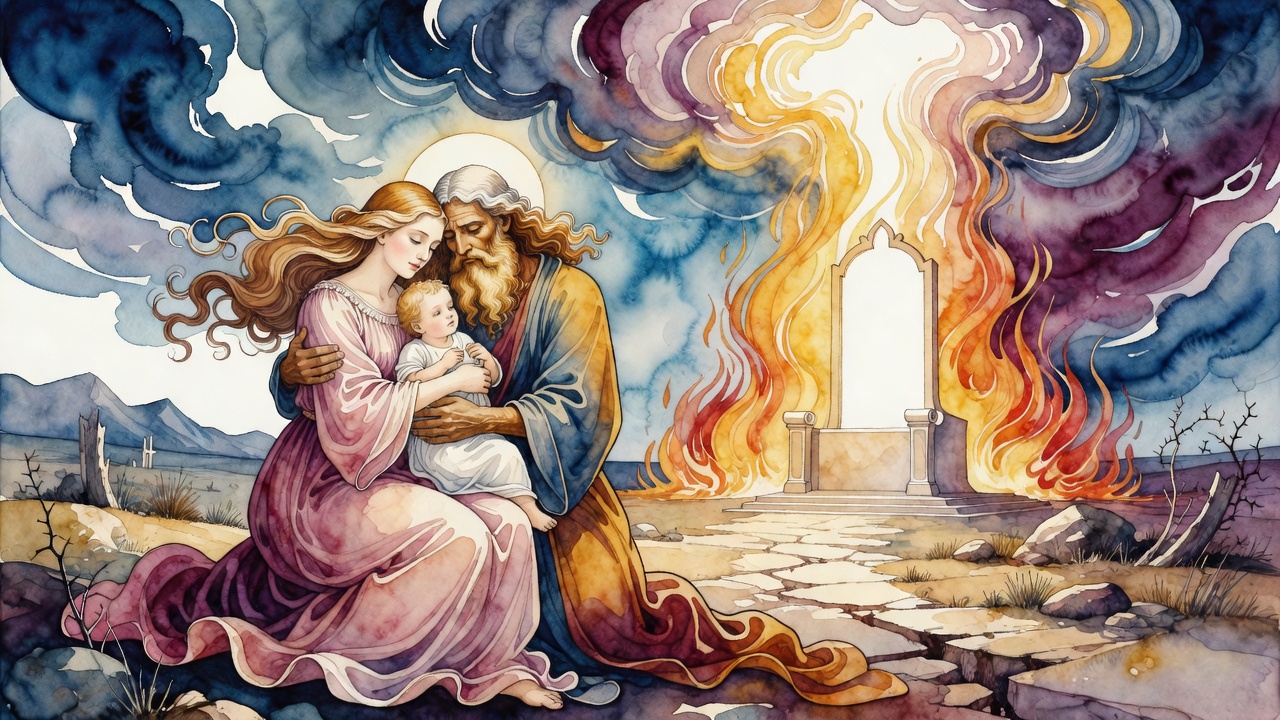
After Cain's murder, Adam and Eve cling closer, and at one hundred thirty years Eve names Seth another seed in Abel's place.
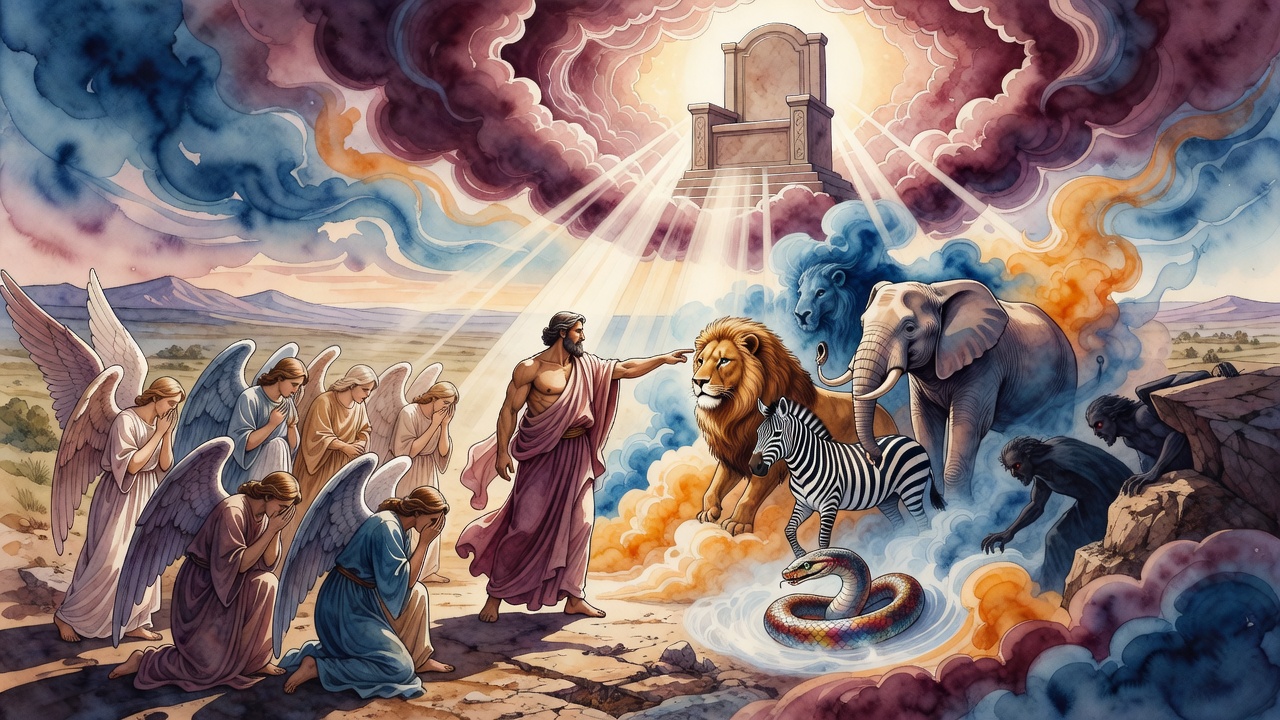
God asked the angels the name of a fox. They had none. He asked the man of dust. The word stuck like a joint in a bone.
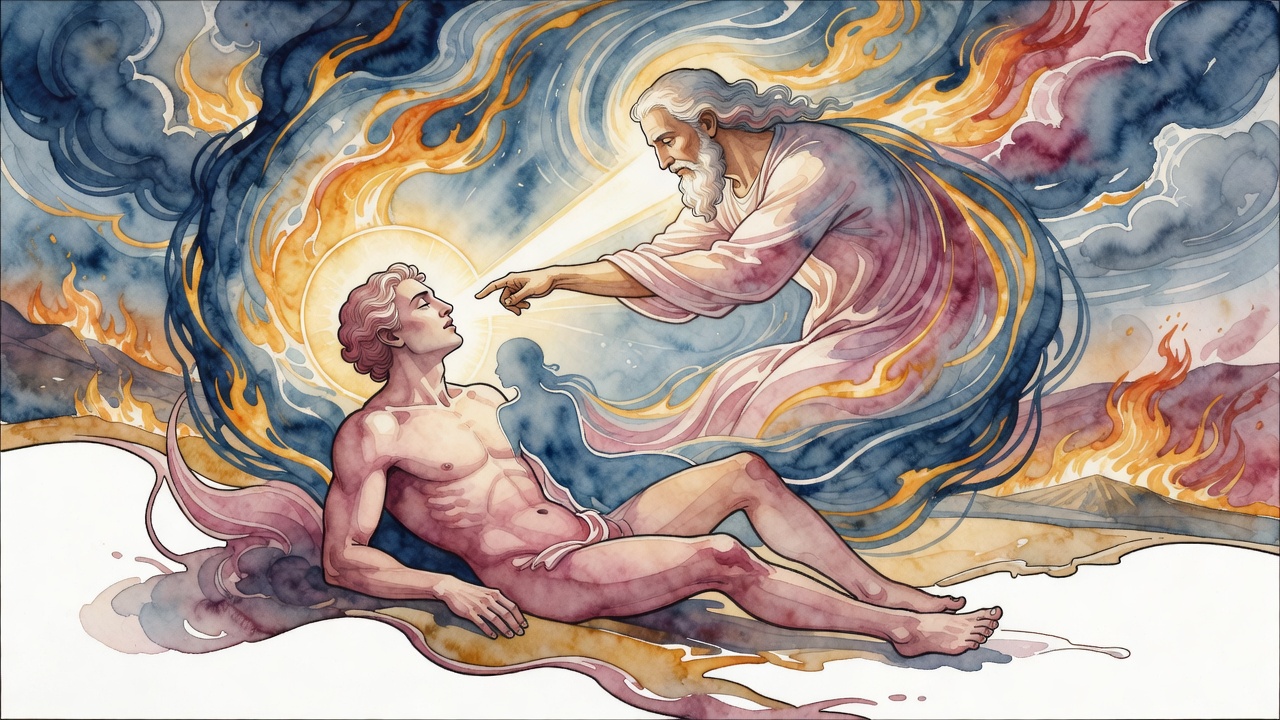
The body was finished and still empty. God leaned toward the face, not the heel, and later called one human being not enough.
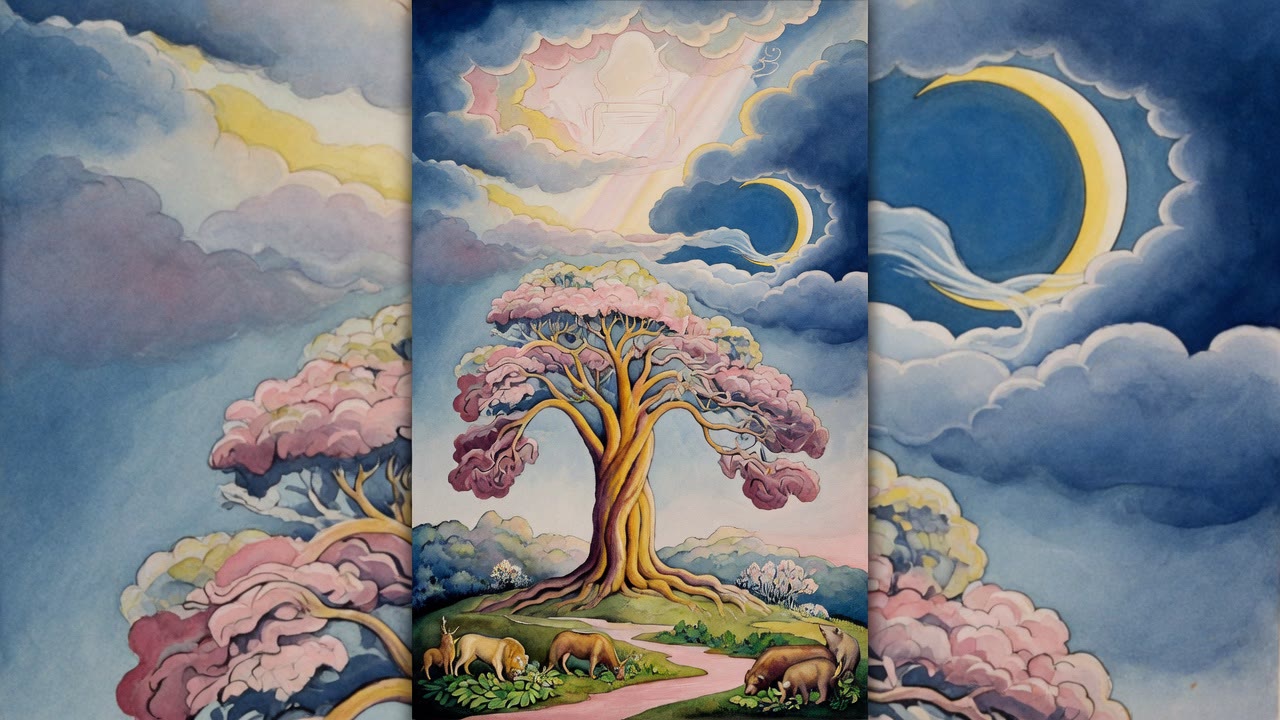
After the fruit, God speaks of Adam as one of us, angels ask if the edict is eternal, and exile bars the road to the tree of life.
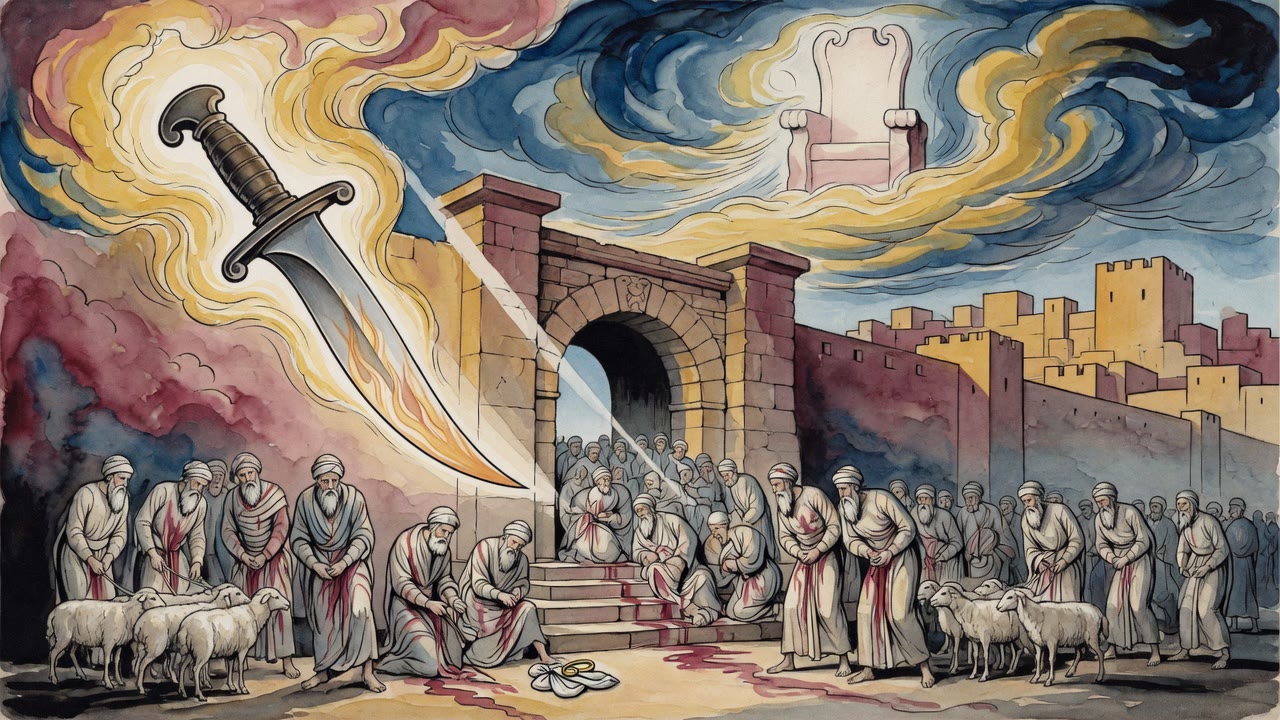
After Adam's bite the Presence leaves floor by floor. Abraham, Isaac, and Moses pull it back until the Tabernacle stands.
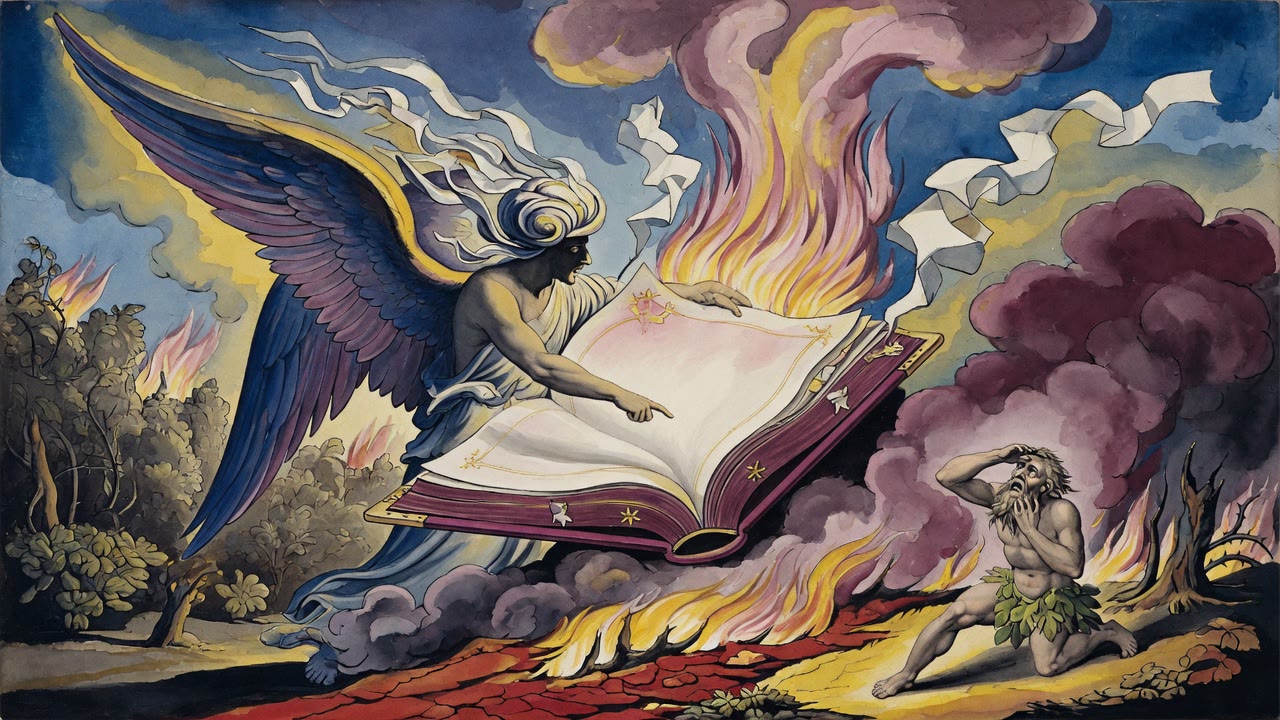
Outside Eden, Adam begs for lost wisdom. The angel Raziel opens a heavenly book, reads aloud, and leaves the first man shaking on a burning bank.
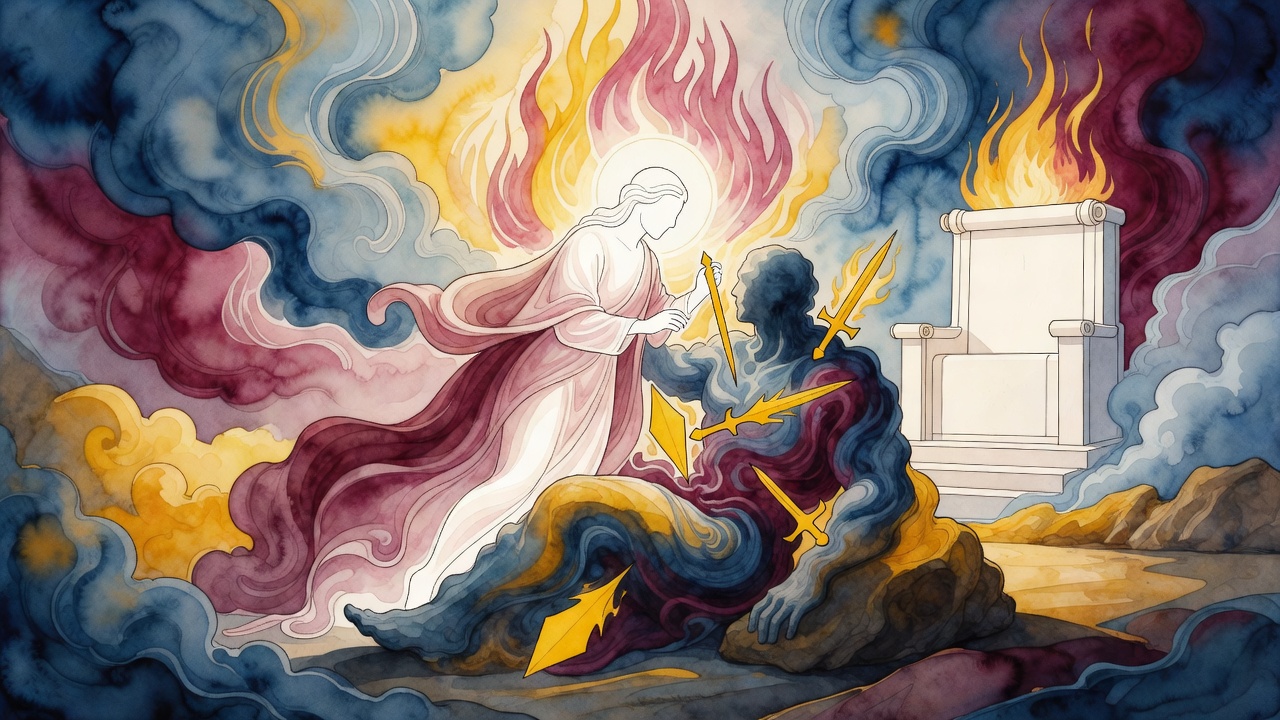
A soul hung above a still chest and refused the coarseness. The Holy One brought a garment cut to the limbs. Hunger arrived with it.
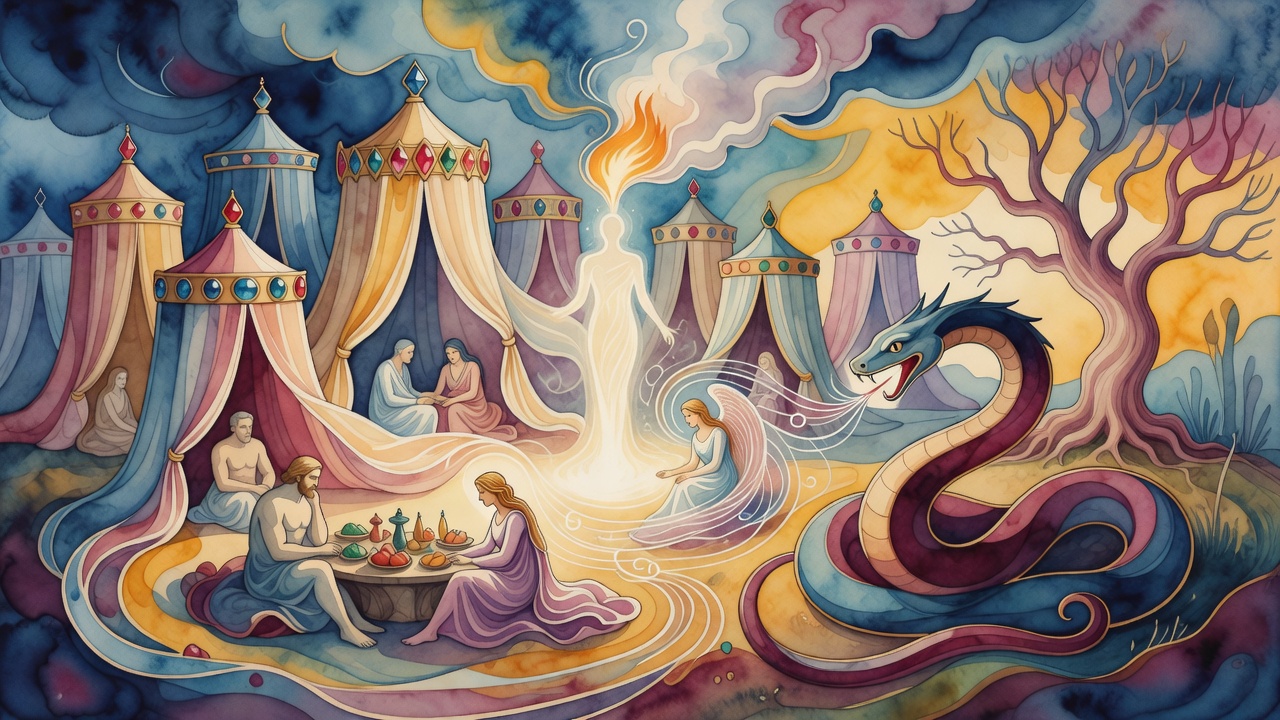
God built twelve jewel canopies for Adam and led Eve with angel music. After the feast the jealous serpent chose the tree.
They found Isaiah in the ruins and asked if the comfort was something he had invented. He pointed at a single tense in the verse.
