Seth Went Back to Eden for the Oil That Would Save Adam
Adam's children had never seen a body fail on its own. They asked what trouble was. Seth offered to fetch fruit with dung on his head.
Table of Contents
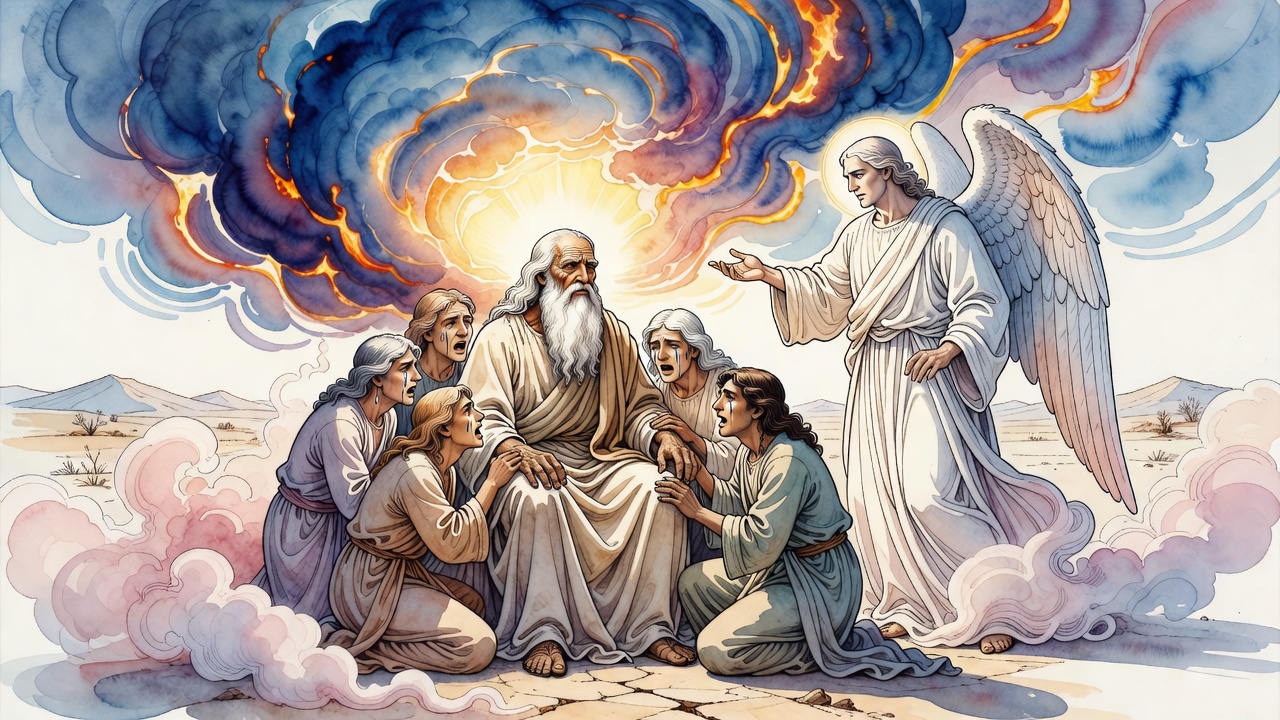
Adam lay on the bed and could not rise. Nine hundred and thirty years, and he had never been horizontal in front of his children. He sent word across a world already split into three parts. Thirty sons. Thirty daughters. Their children after them. Come while I can still see you.
 Click for full size
The Word His Children Did Not Know
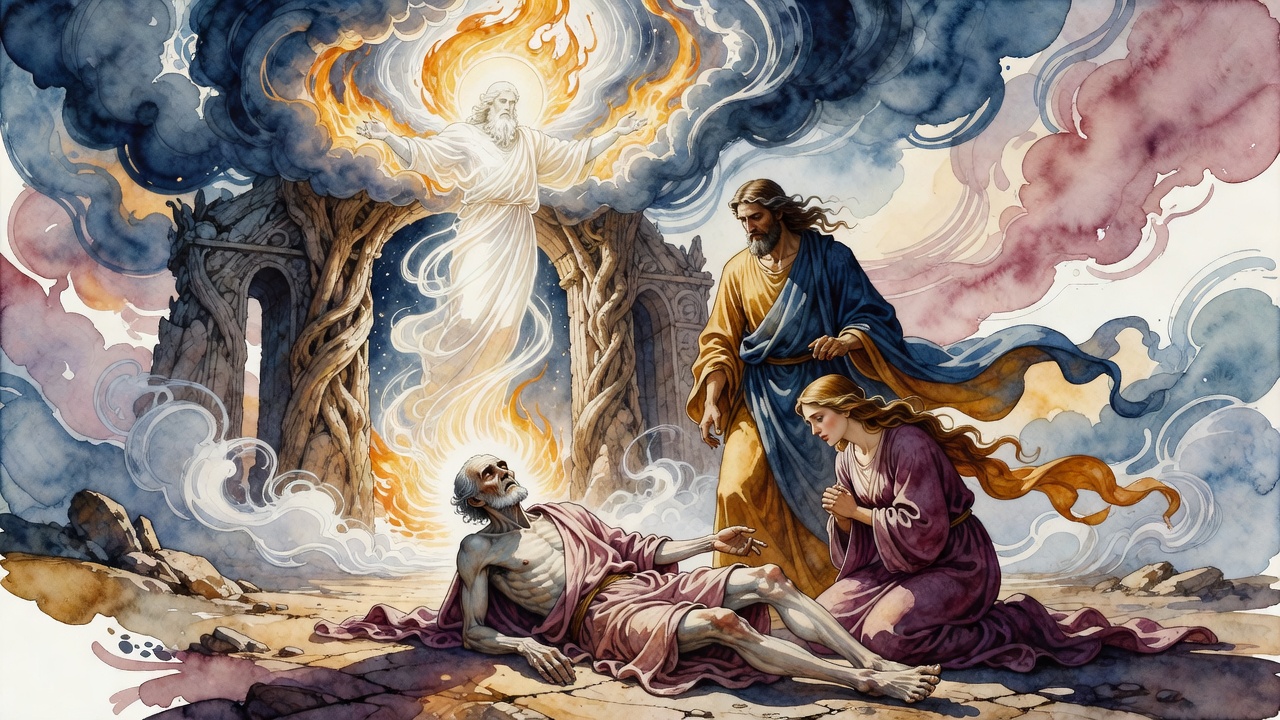
They found him down. Seth reached him first.
"Father, what is your complaint?"
"I am crushed," Adam said, "by the burden of trouble."
They looked at one another. A person could be stopped. They had seen Abel dead in a field with his brother's marks on him. Nobody had watched a body come apart on its own.
"What is trouble?"
Seth guessed at the only loss he could name.
"Is it the fruit? Are you sitting here missing the garden? Tell me and I will go. I will put dung on my head and weep in front of the gate and pray until God sends His angel out with a plant from inside. I will bring it to you and this will stop."
"No, my son," Adam said. "I have sickness. I have pain."
"How did it get into you?"
Seventy-Two Strokes
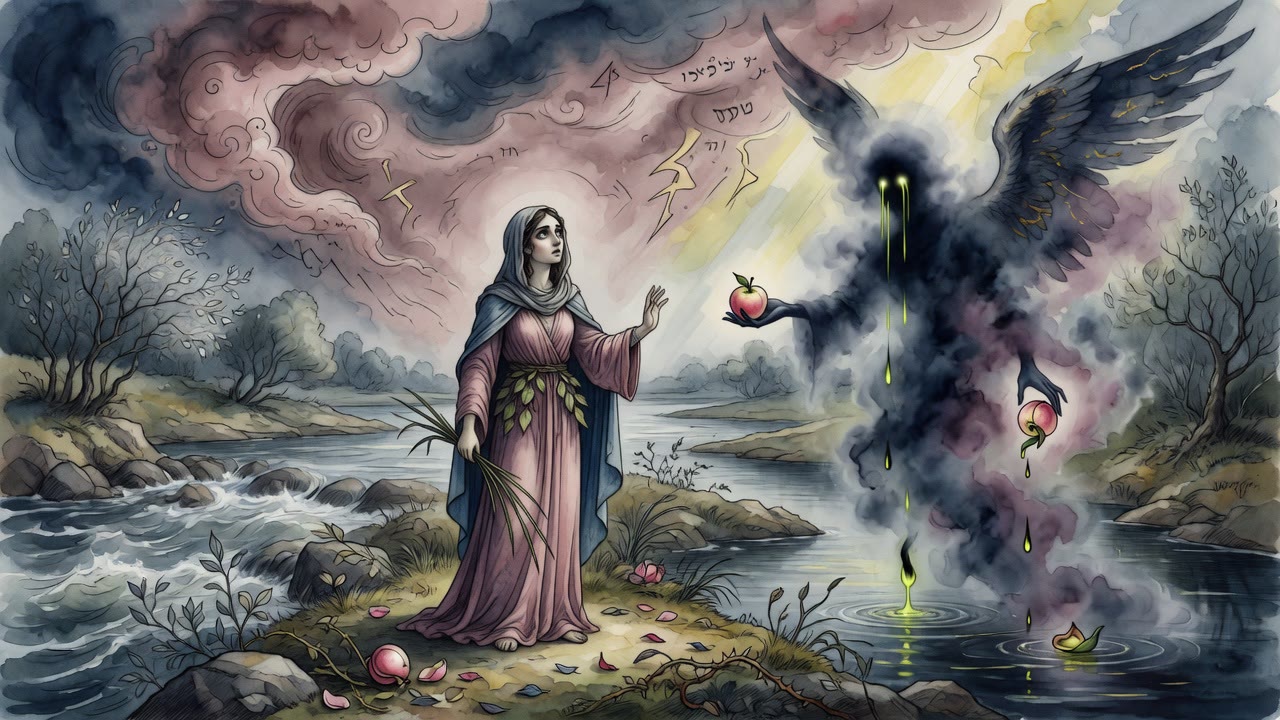
Adam told them. God gave the two of them every tree except one. The hour came when the angels who guarded Eve went up to worship. Adam was somewhere else. The enemy found her alone and got the fruit into her hand, and she brought it to him.
Then the voice came through the garden calling his name in a way he had never heard it used. Where are you? Why are you hiding your face from Me? Can a house hide from the man who built it?
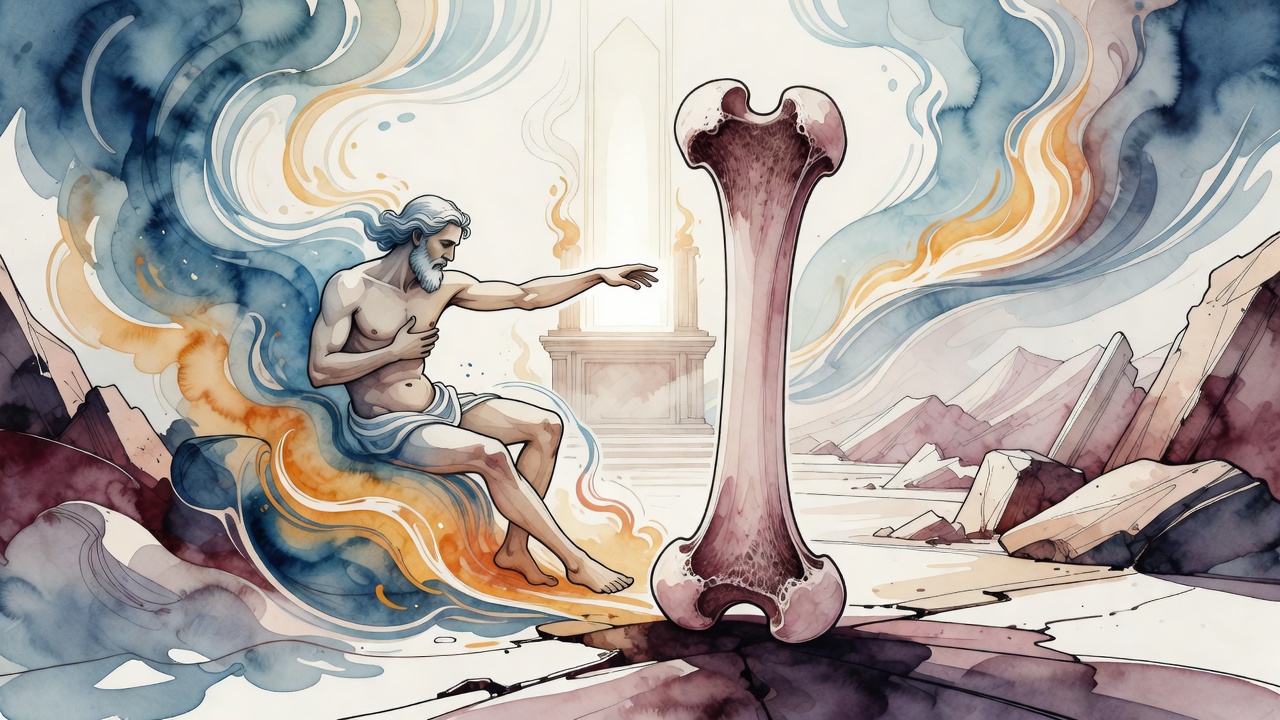
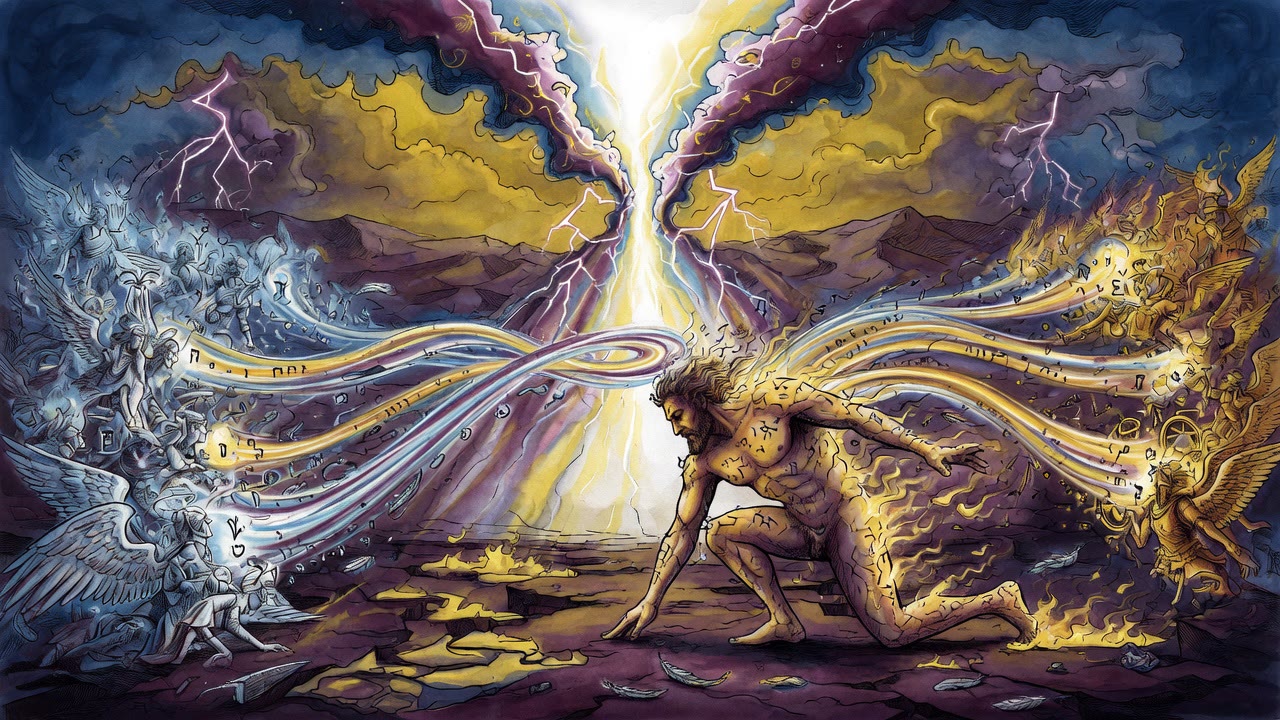
The sentence was not one blow. It was seventy-two of them, laid into his body one after another, to arrive across the rest of his life. The first stroke is a pain in the eyes. The second is the hearing going. After that they work down through him in order. He had been feeling them arrive for nine centuries. Now they had reached the end of the list.
Eve was sobbing. "Give me half of it. I will carry half of your sickness. This came on you because of me."
He could not give it. Nobody can hand pain across.
The Oil He Had Already Been Denied
What Adam wanted was oil, and he knew which oil, because he had asked for it before.
On the day they were driven out he had begged the angels for a little space to speak to God before he went. The angels stopped herding him. Then God asked them why they had stopped. Is it I who have done wrong? Is My judgment badly judged? They went down on the ground and agreed that it was not.
Adam asked, standing at the edge of it with the flaming sword already turning behind him: give me some of the Tree of Life before You put me out. God told him no. Not now. Keep yourself from evil like a man who knows he is going to die, and when the dead are raised I will raise you, and the Tree of Life will be given to you then.
Adam asked for one more thing and got it. He went back inside and gathered crocus and nard and calamus and cinnamon and seeds for food, and walked out of the garden carrying spices to burn so that God would go on hearing him.
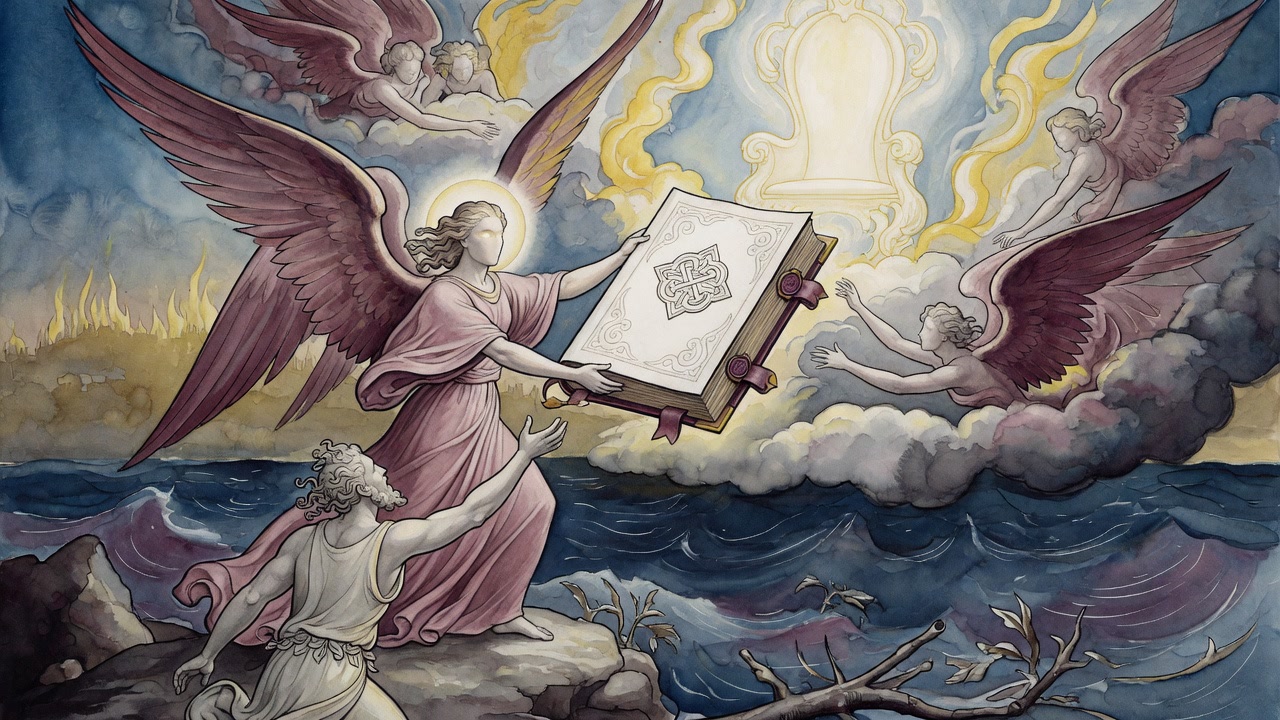
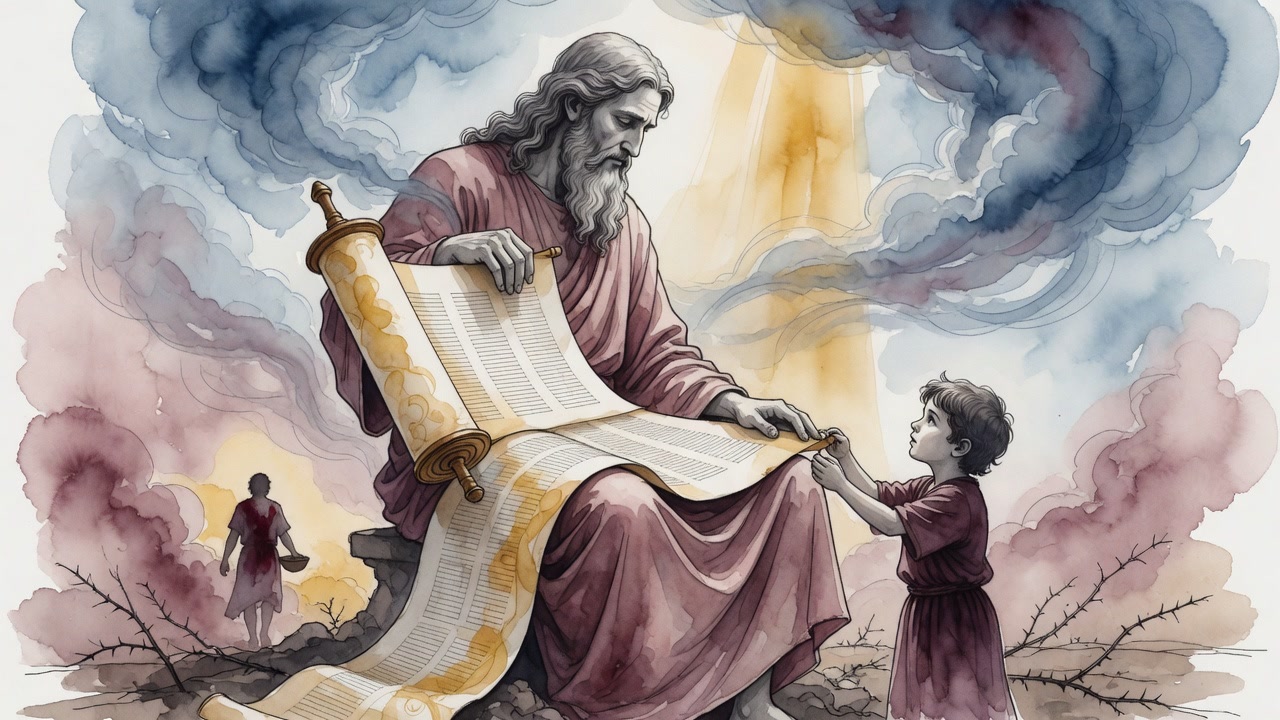
He had already been shown the generations that would follow him, names in a book of flame that frightened him when an angel read them aloud. He knew the list death would claim. Now he sent Eve and Seth back to the same gate to ask for the oil that runs from the tree of God's mercy. Anoint me with it, he said, and the pain will let go, and I will get some rest before the end.
The Beast on the Road
They went. The road to Eden had not been walked since the expulsion. Something came out of it at Seth.
Eve got in front of the animal and shouted at it. "How dare you open your mouth against the image of God?"
It answered her. "That is your own fault. If you had not opened your mouth to eat what you were told not to eat, my mouth would not be open now to destroy a human being."
Seth cut across it. "Shut your mouth. Get back from the image of God and stay back until the day of judgment."
The beast gave way. "See. I hold myself off from the image of God." It went and put itself back in its den, and let them past.
What They Carried Home Instead
At the gate they went down on the ground and cried and asked and cried again. They kept it up for hours, in front of a shut entrance nobody had opened in nine hundred years.
Michael came out. He had been sent to give them an answer, and the answer was no. The oil could not be had. Adam would be dead within days, and because he was going to die, so was every person descended from him. There would be oil when the dead are raised, and it would go to the ones who had earned it, along with everything else behind those gates. Not tonight. Not for this.
They walked back and told him. Adam turned his head toward Eve.
"Look what you brought down on us. Look at the anger you woke. Death belongs to our whole line now." Then he said, "Call the children in. Call their children too. Tell them how we sinned."
So while he lay there breathing, in front of everyone who would ever descend from either of them, Eve told them from the beginning: the tree, the angels going up to worship, the hour she was alone, the fruit, her own hand holding it out to her husband.
The oil stayed inside. The spices he had carried out still burned. The children now had a word for trouble, and the word was going to outlive them all.
← All myths