233 myths · Page 5 of 8
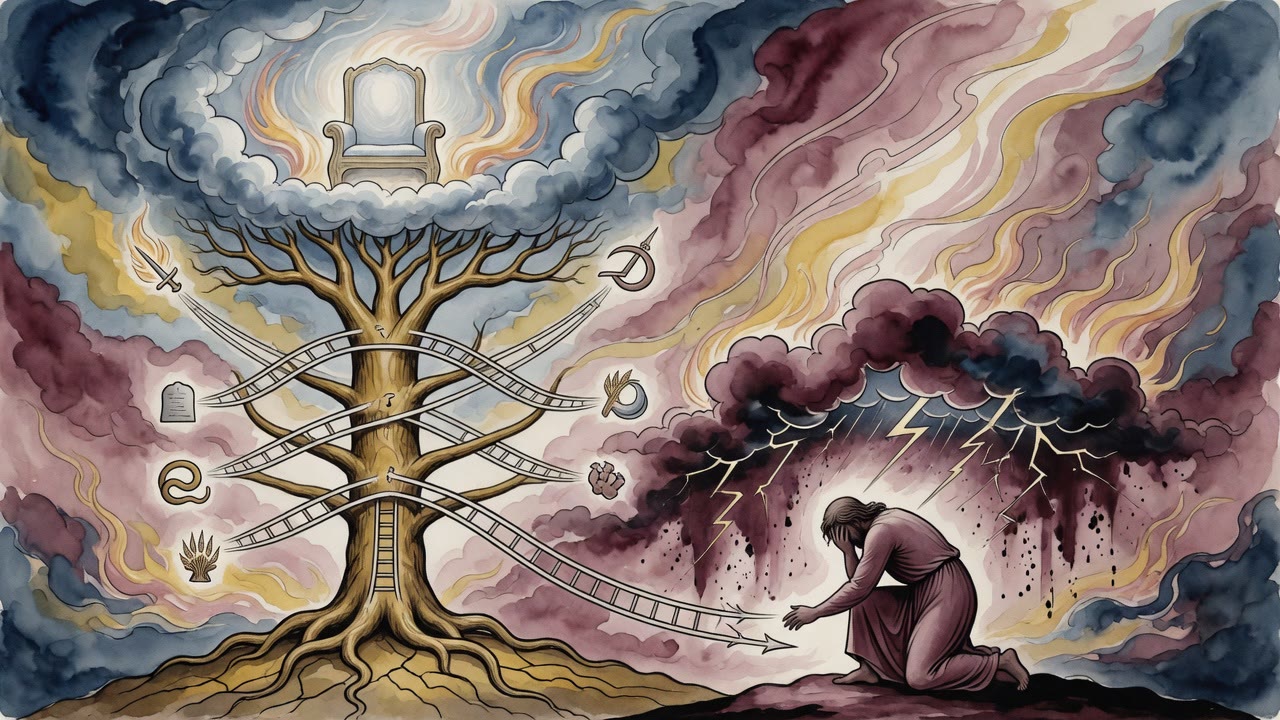
The Tree of Life holds twenty-two paths. Without them light cannot act, and without sweetened judgment, Adam cannot face what he has done.
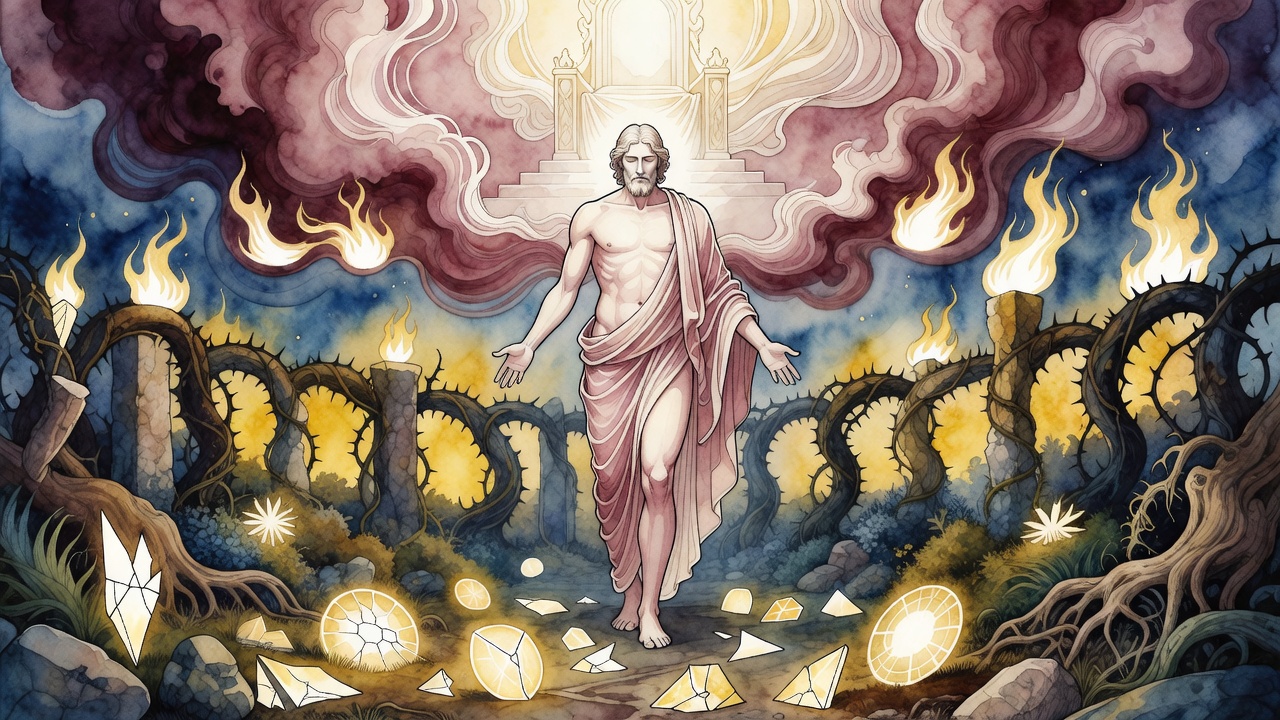
Adam was the ideal man, towering and luminous. He lost it all to one mistranslated fence, and the Garden has been collecting the pieces ever since.
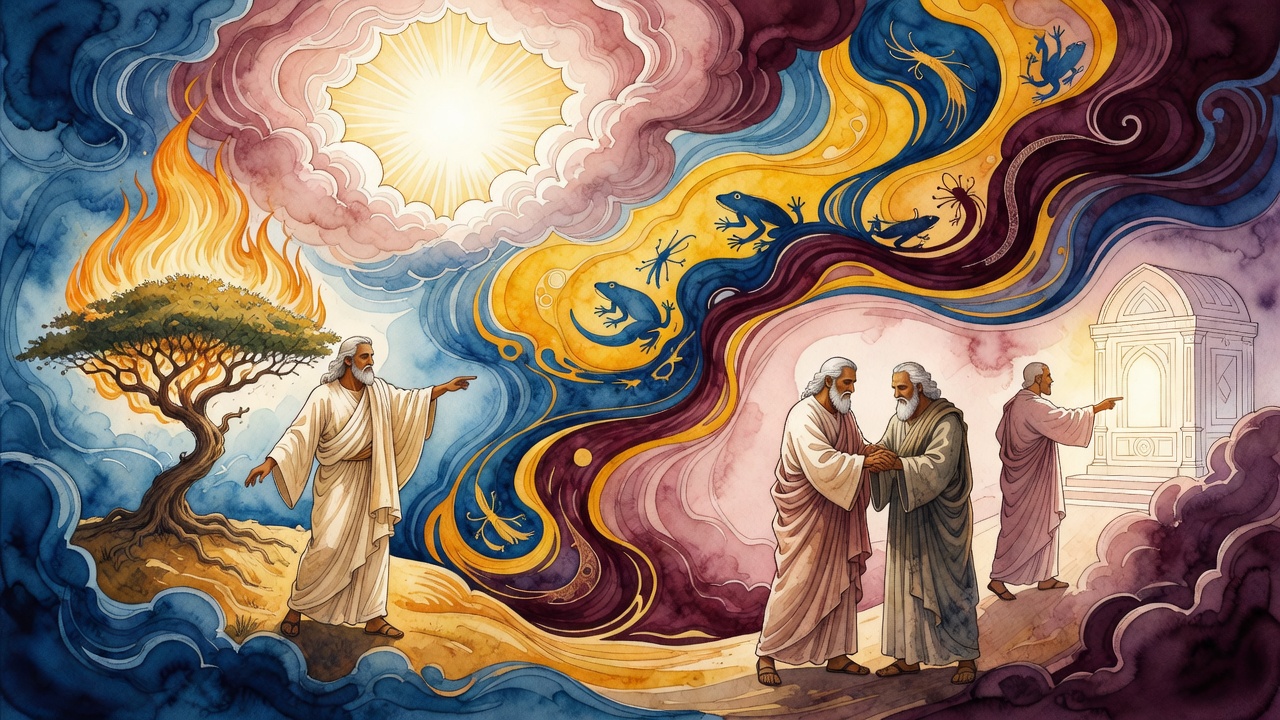
God had already told him the elders would listen. Moses said they would not. The staff hit the sand and became a serpent, and he ran from it.
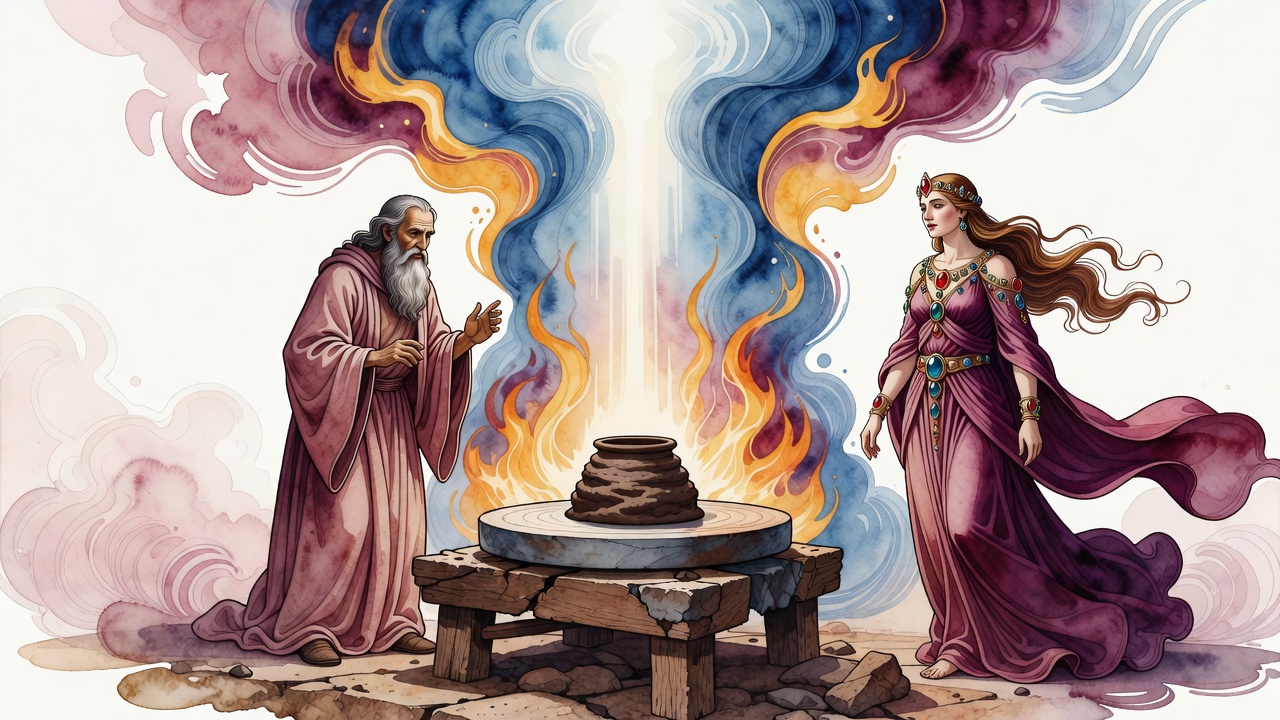
The wheel was still wet when He built her. The serpent wanted that woman, and the ground that fed them was cursed with them.
Righteous souls advised God before creation. God built extra understanding into Eve. Four humans stood before the divine and failed to use any of it.
The men of Sodom had Lot's door in their hands. At dawn, inside the house, a guest said we are destroying this place.
God took fire in one hand and water in the other and pressed them together until they held. Then a human body stretched across the whole sky.
David shouted at heaven to stand up five times and got nothing back. Then God named the one harm that would get Him off the ground.
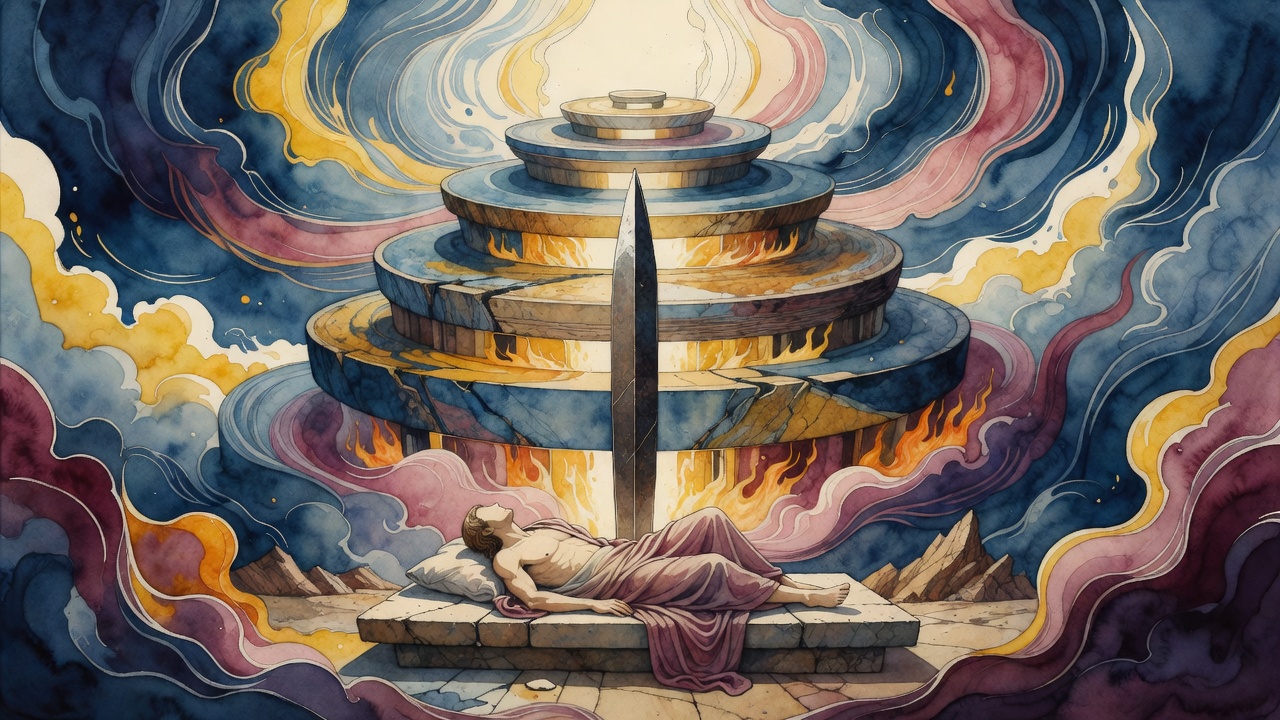
Adam was nine hundred and thirty years old and dying. He asked what came next. God sent Michael to say the dew that wakes the dead was already stored.
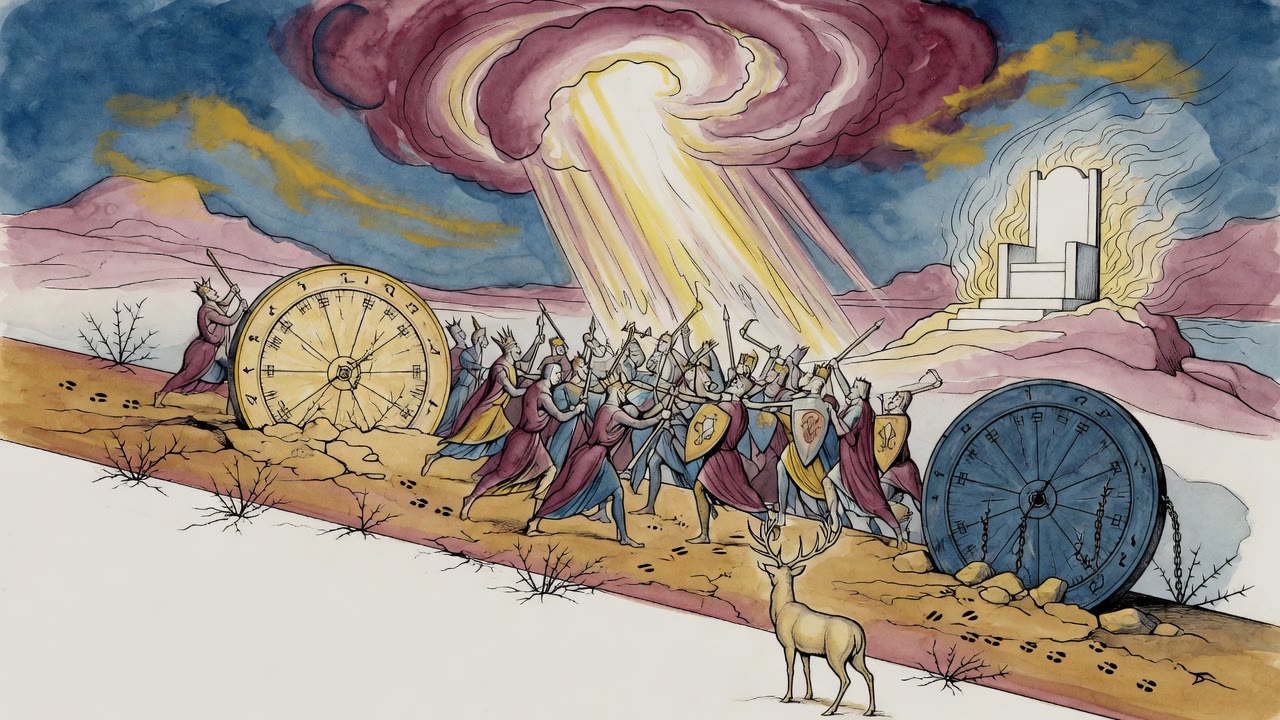
One afternoon in a garden bent every birth after it. God's presence climbed seven heavens away. Six righteous bodies slowly dragged it back down.
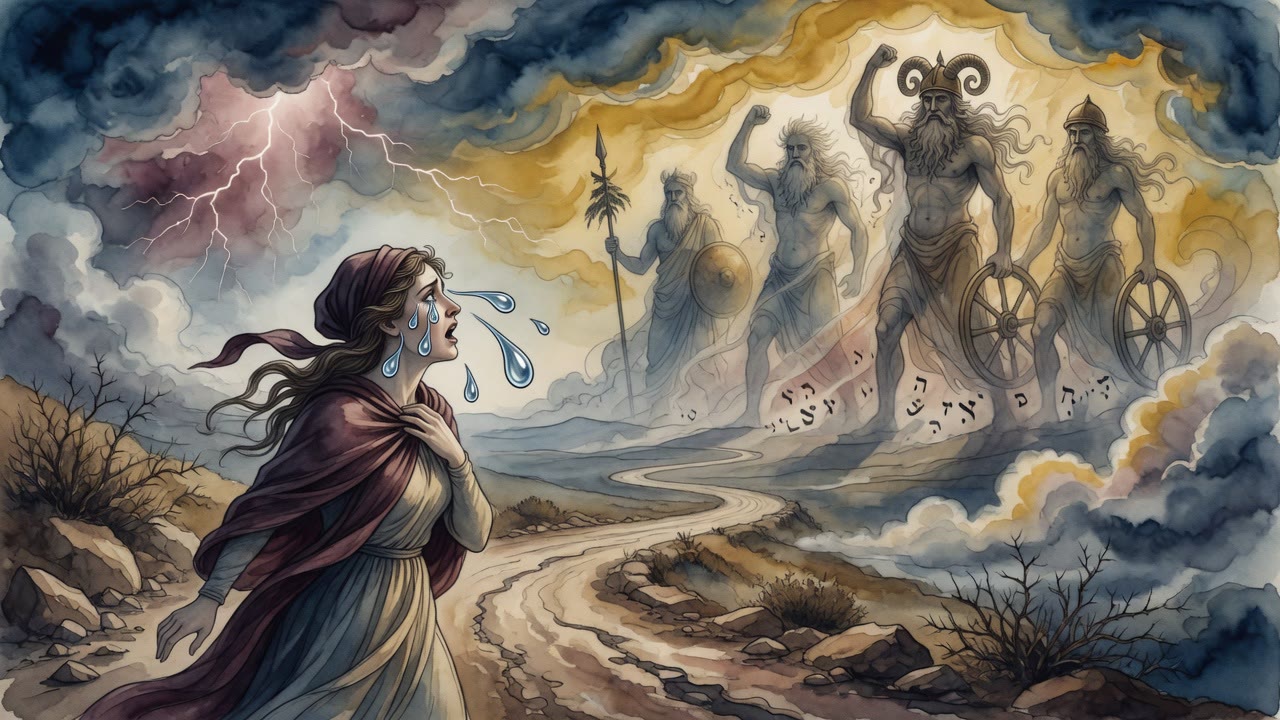
Bereshit Rabbah finds a human being concealed inside the word for very, and flips Moav's infamous birth into the ancestry of Ruth and David.
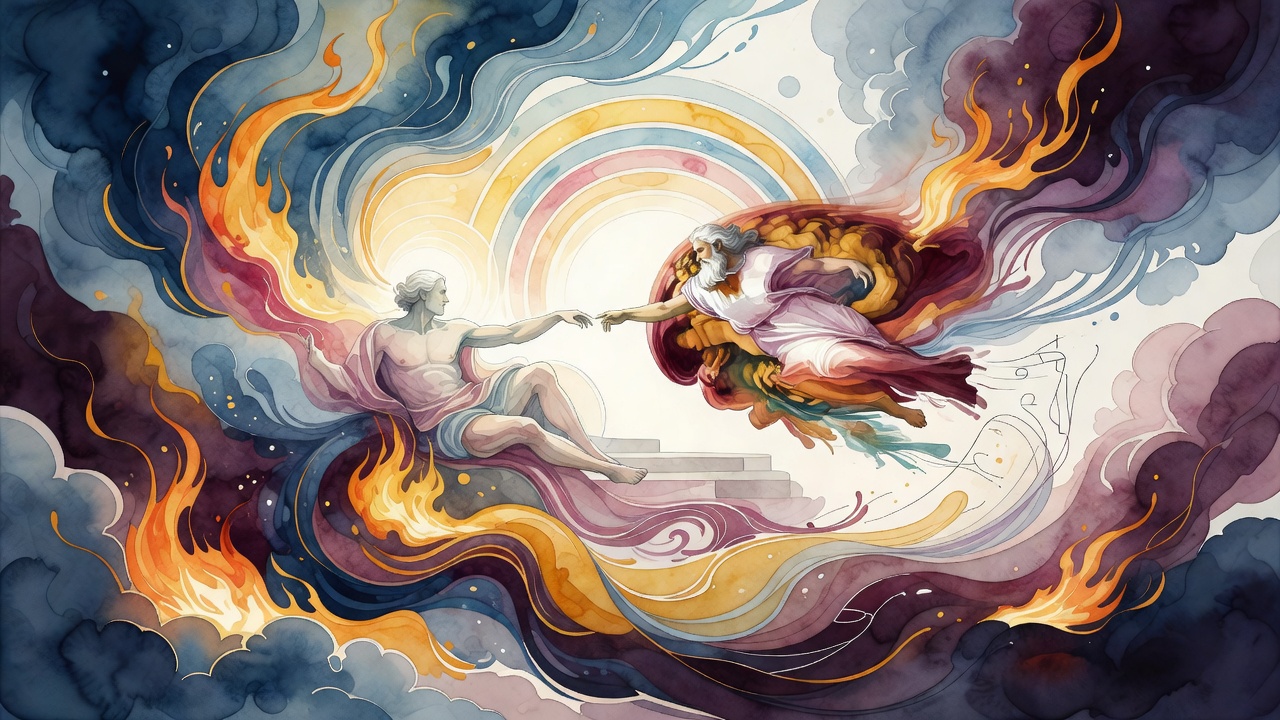
Adam stood in the river Gihon with the water up to his neck for a hundred and thirty years, waiting to hear whether the court had finished with him.
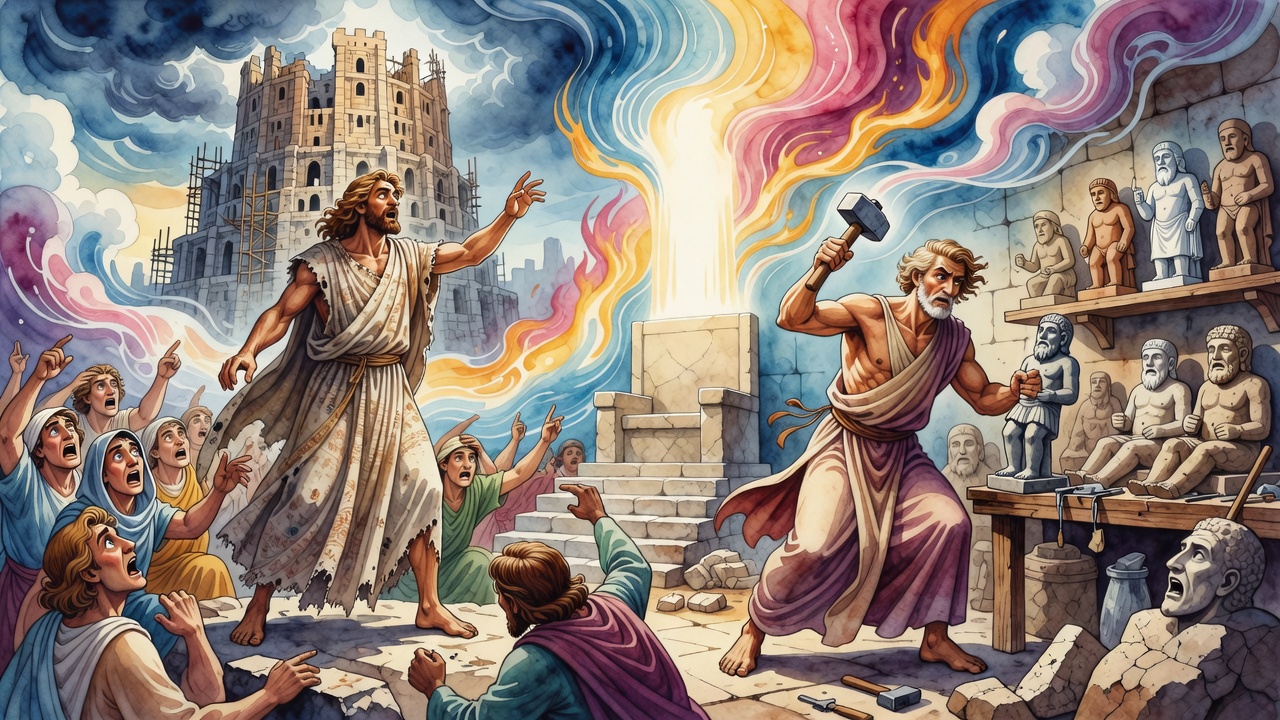
A brick fell off the tower and the whole work line sat down and wept. A man fell the same morning and nobody turned his head.
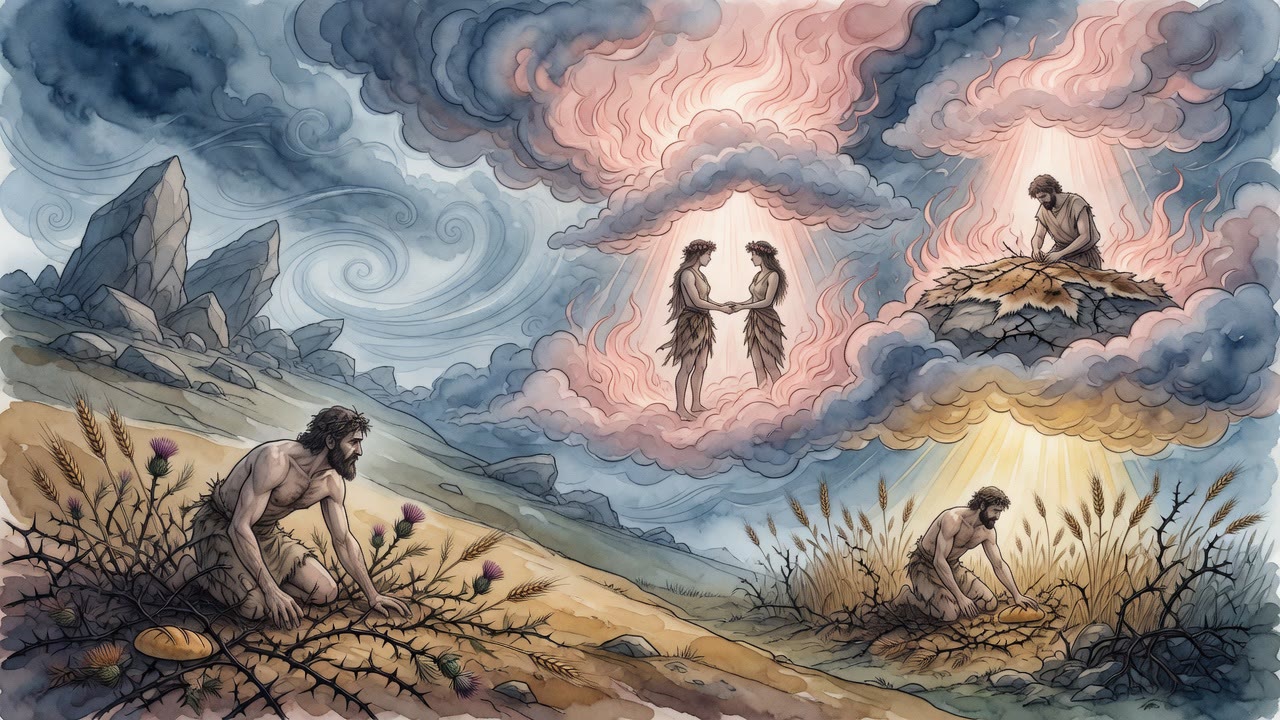
He wept when he heard about the thorns. Am I and my donkey going to eat out of one trough, he asked, and then God said the word bread.
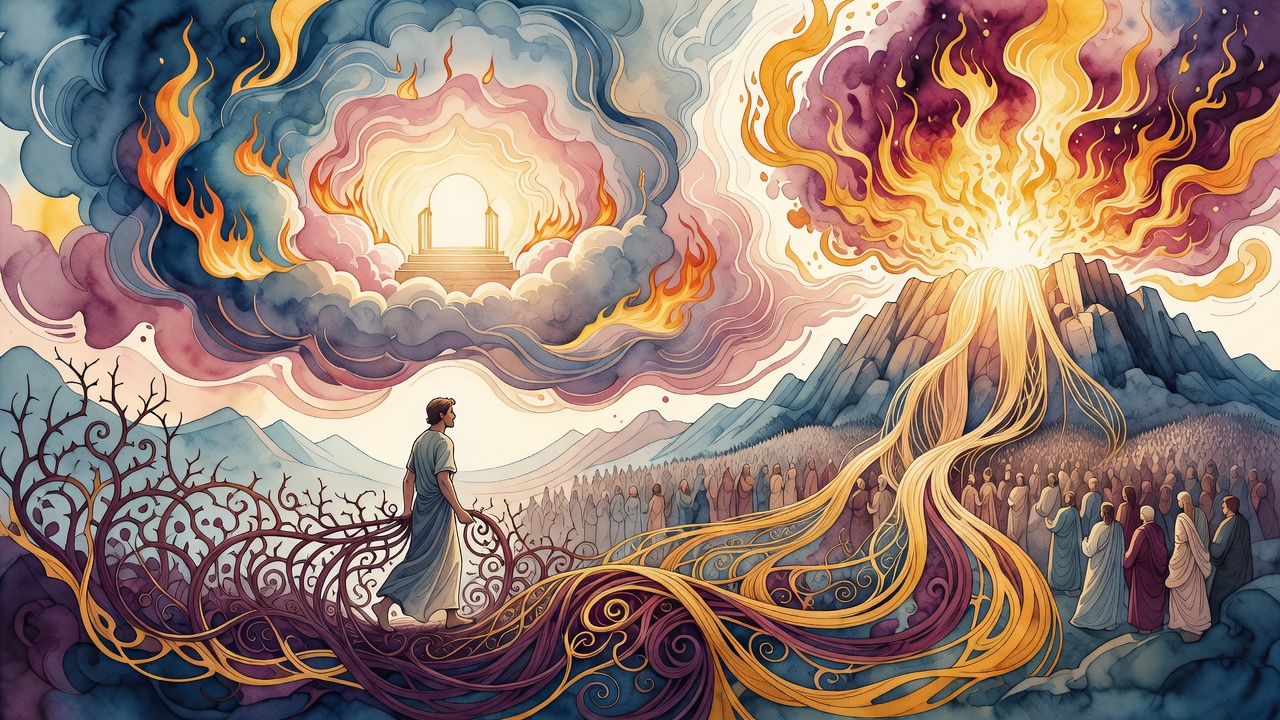
She set the last jar down and checked herself again. This time the blood was there. Rabban Gamliel went white in the doorway.
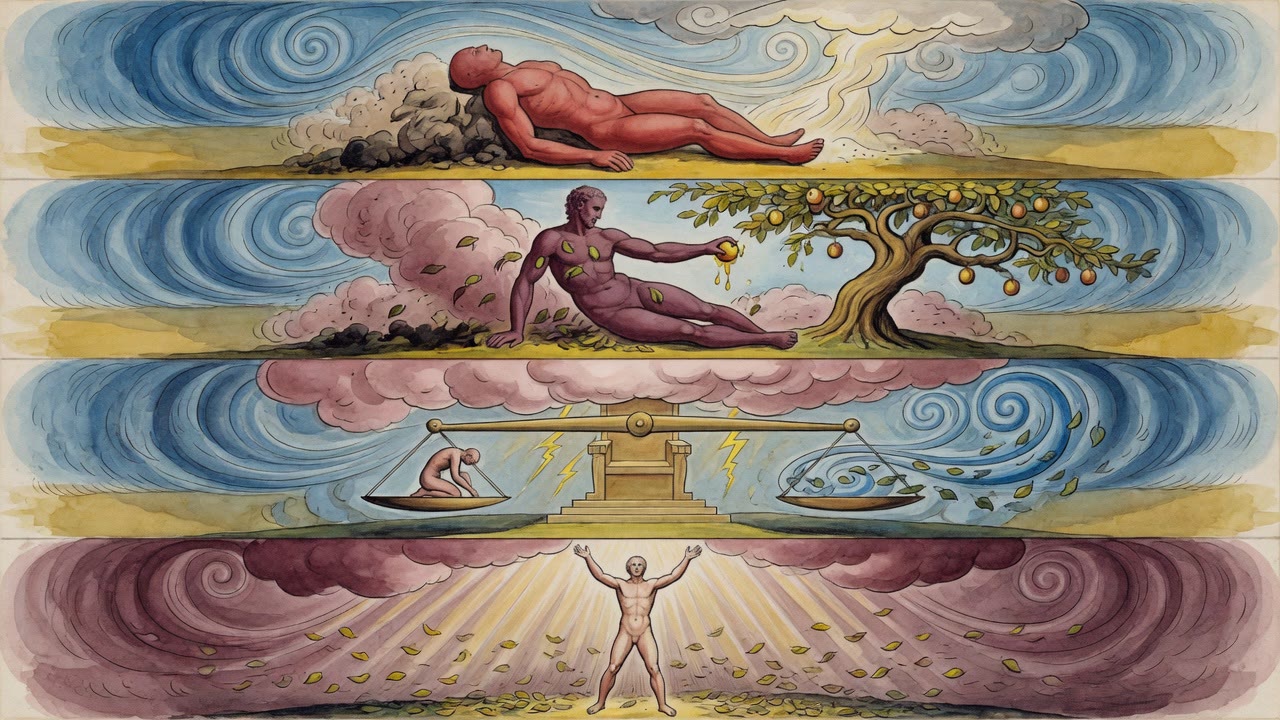
Before God shaped Adam from dust, the Torah argued against it. Adam came out anyway, built from four corners of the earth, already circumcised, lacking nothing.
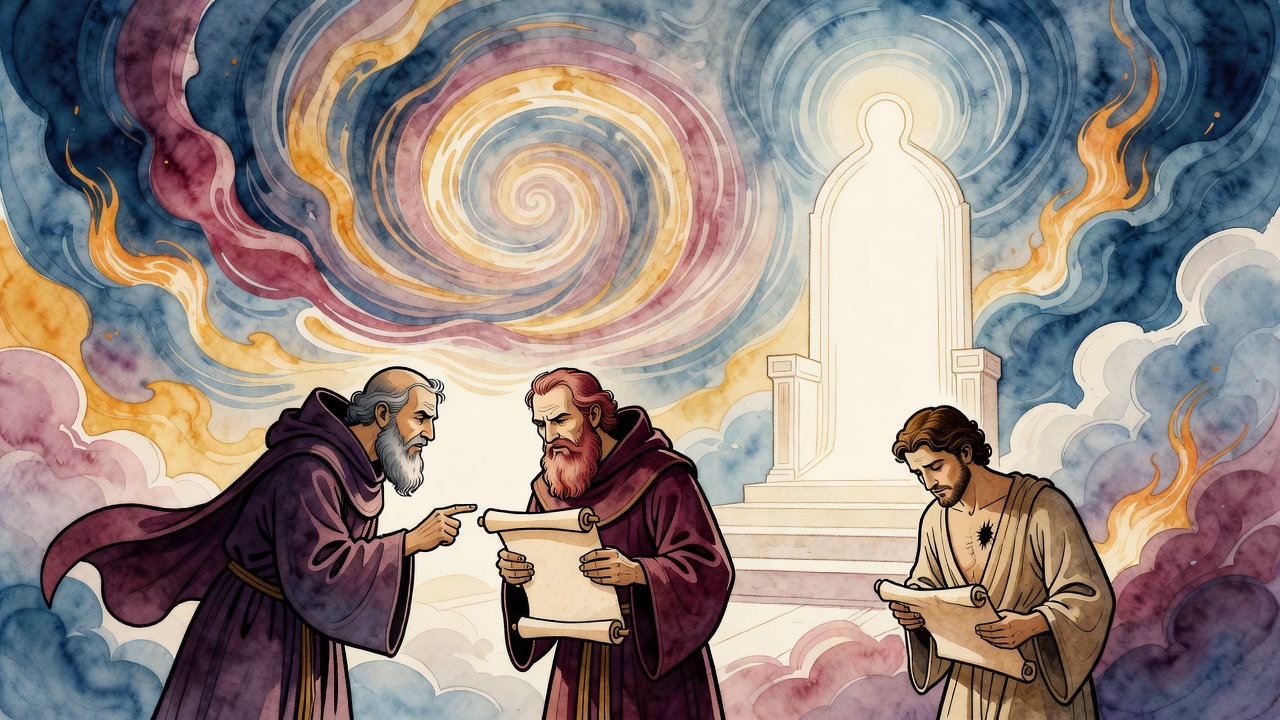
Two rabbis quarrel over a single word while the second day of creation swallows its own praise and the human carries a flaw God placed inside him.
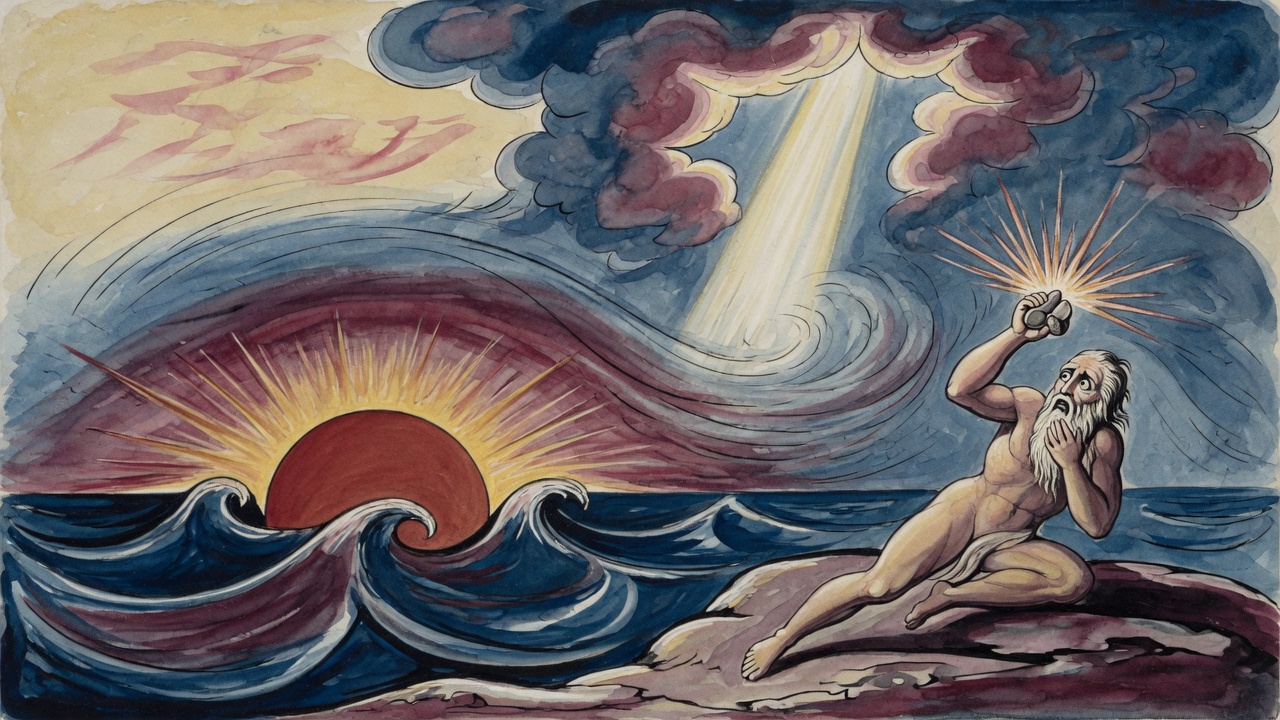
For a week the world never set. Then the first Sabbath ended, the sun drowned in the sea, and a terrified Adam struck two stones in the dark.
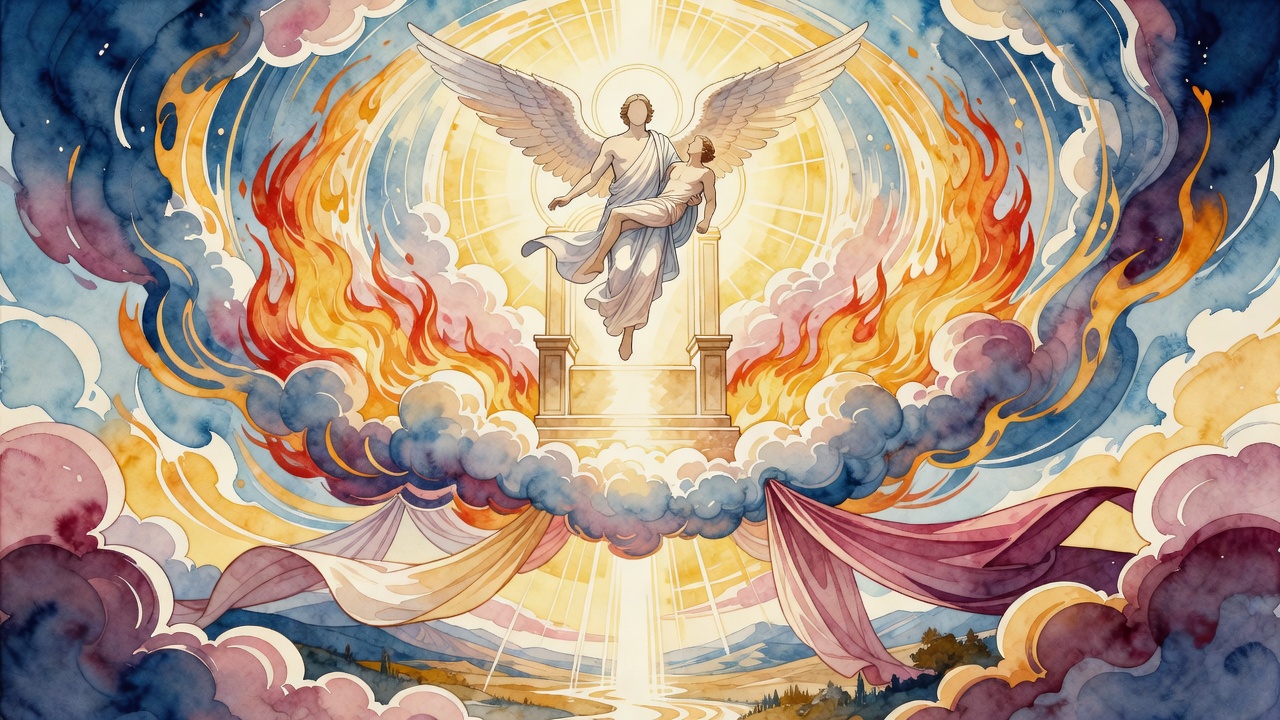
God carried Adam, one day old and still wet from the river of Eden, past every gate to the highest heaven. The first man sang his hymn to the day, not to God.
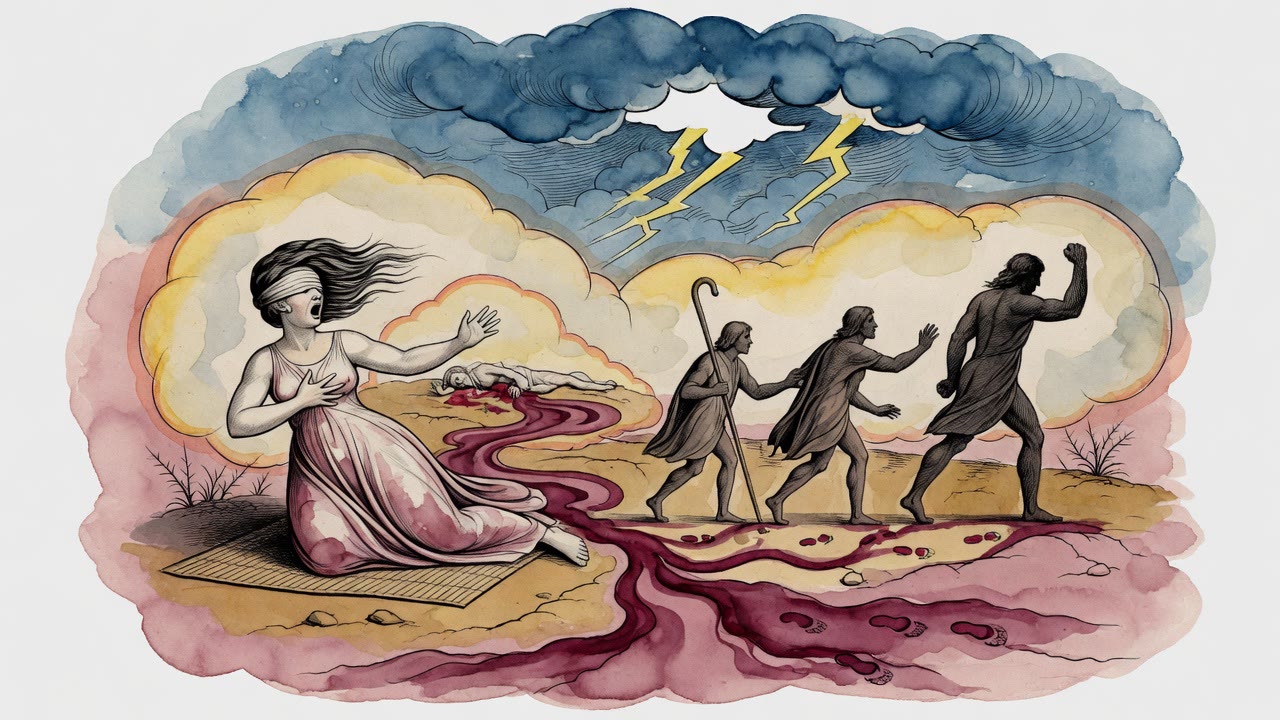
Eve wakes screaming from a dream of Abel's blood, and every step Adam takes to keep his sons apart only walks them toward the first murder.
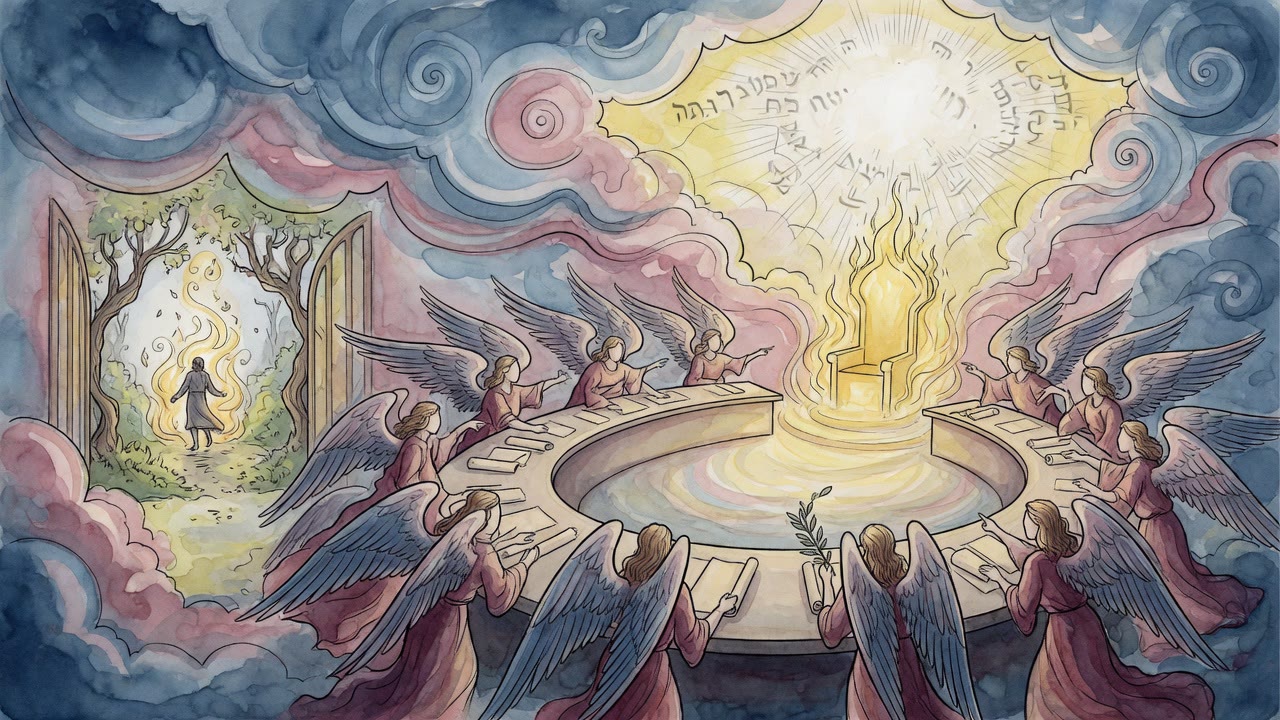
The same angels who heard God say let us make man are summoned back to the throne, and this time the council votes to drive Adam from the garden.
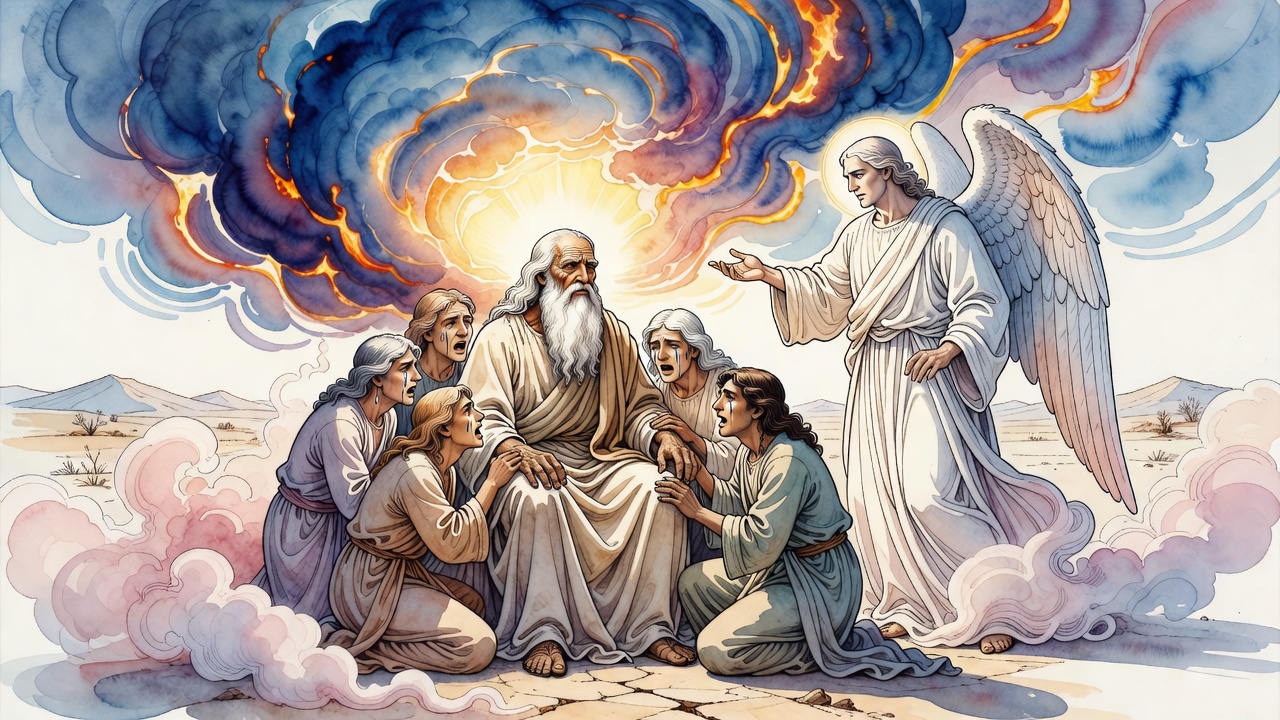
Nine hundred and thirty years old, Adam tells his weeping children the sixth day has come, and an angel keeps his body for a promised return.
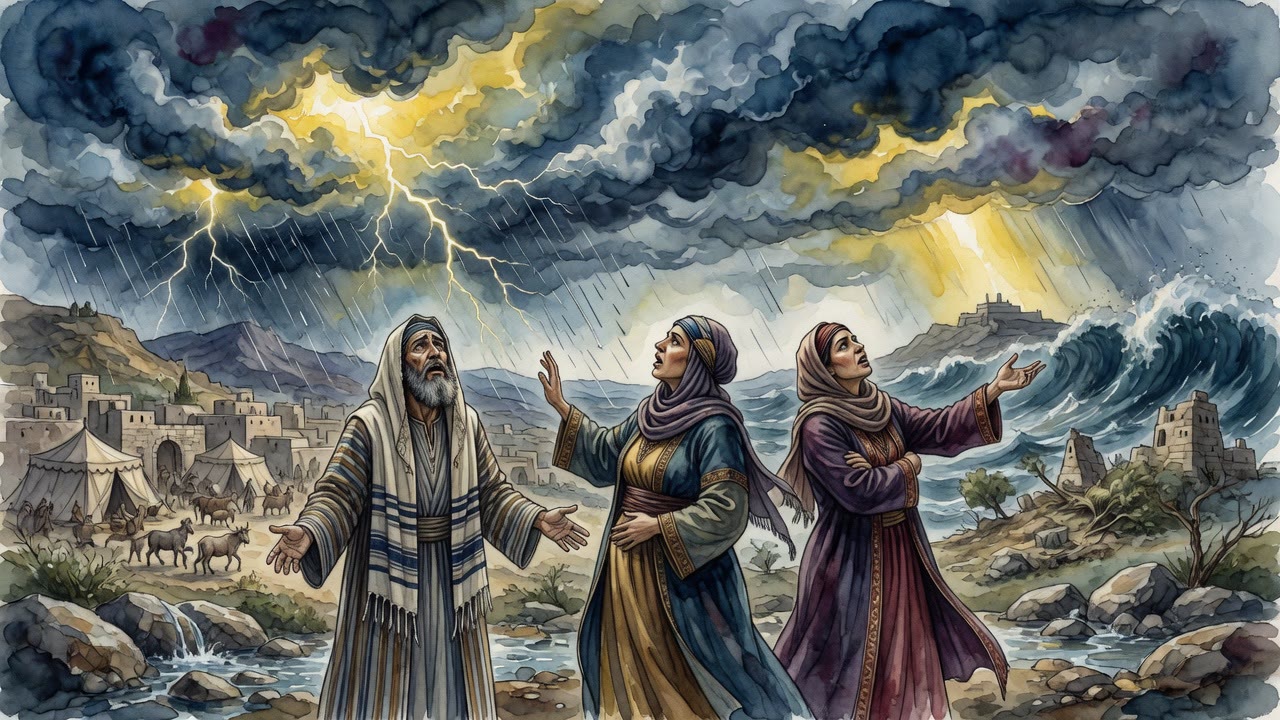
Lamech swore the boy in his arms would comfort a cursed world, but his wives had already decided no cradle was worth filling before the Flood.
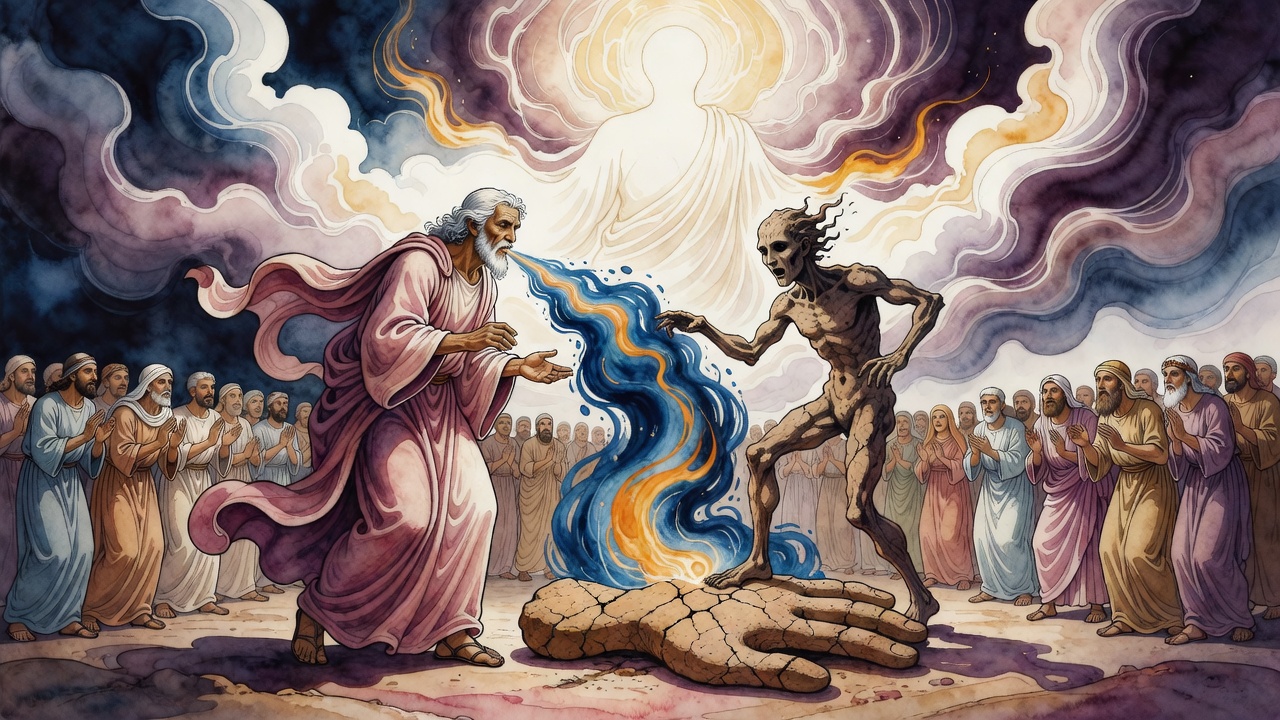
When the crowd demands proof of how God made man, Enosh breathes into clay, Satan enters it, and the first idol rises to its feet.
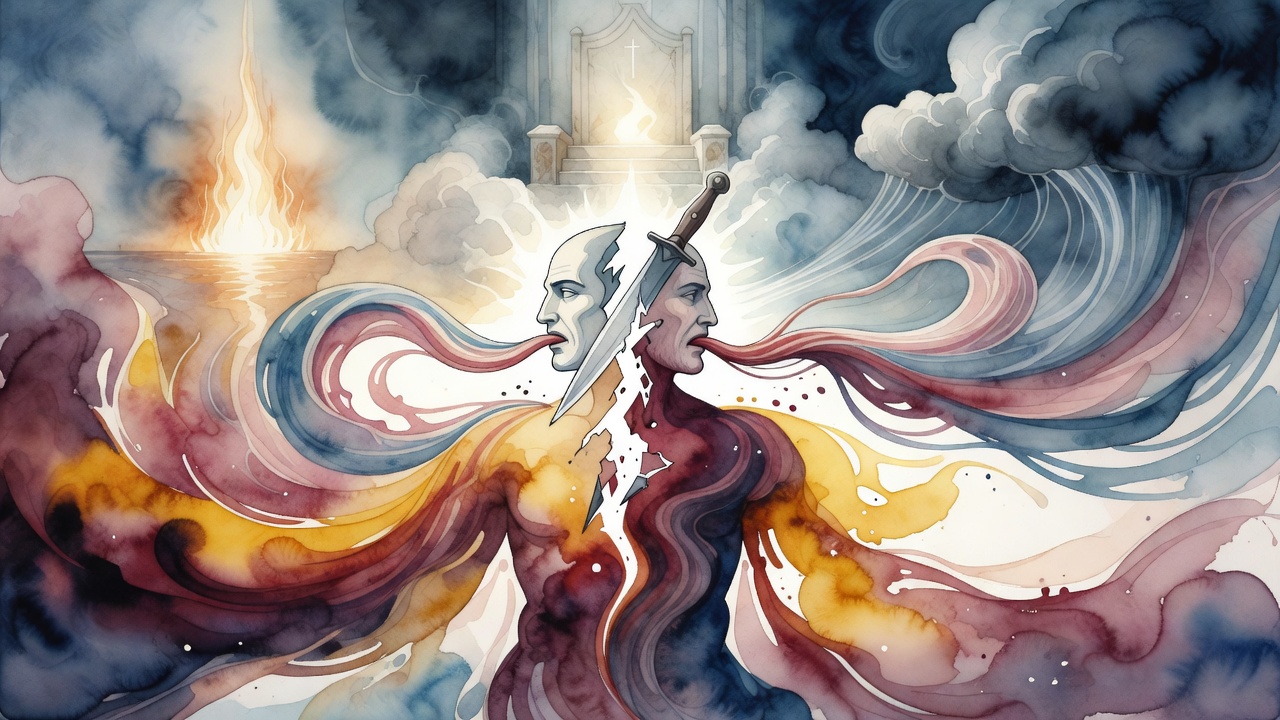
The companion was always there, warm against the back. Neither face could turn. God called that solitude, and reached for a rib.
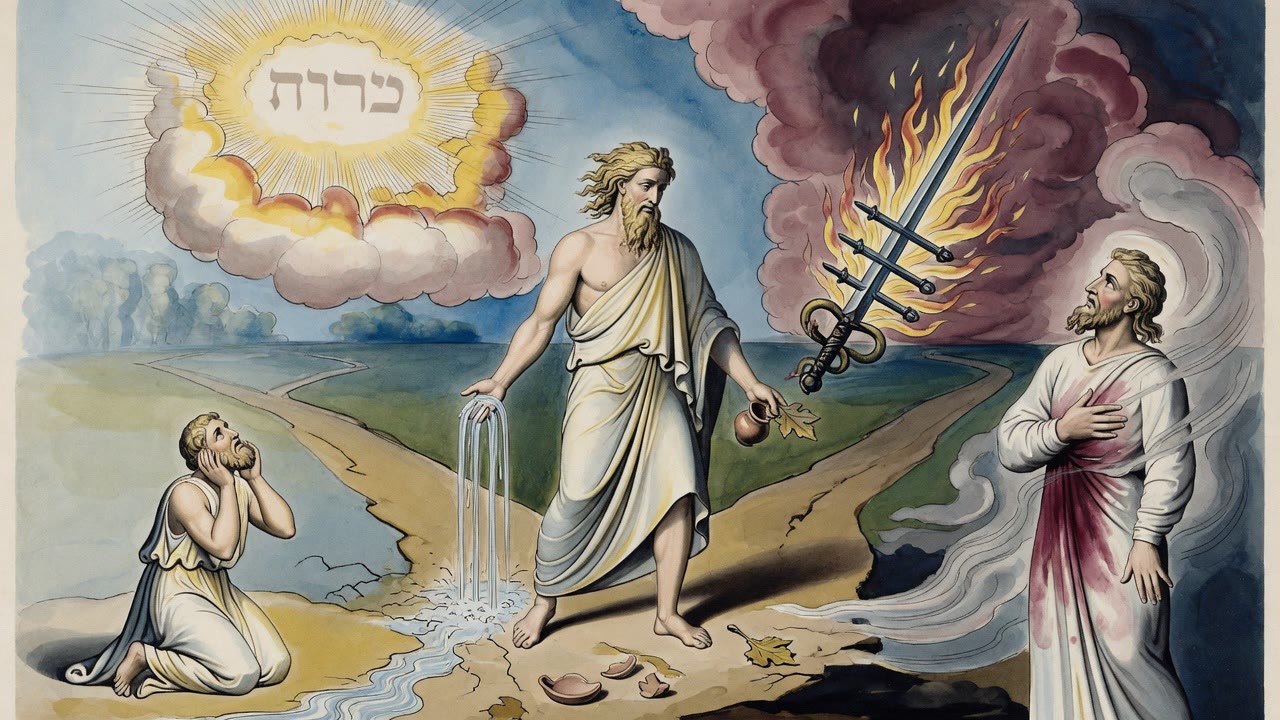
Pappias hears flattery in "like one of Us." Akiva hears a wound. Adam stood between two roads and let immortal water slip through his hand.
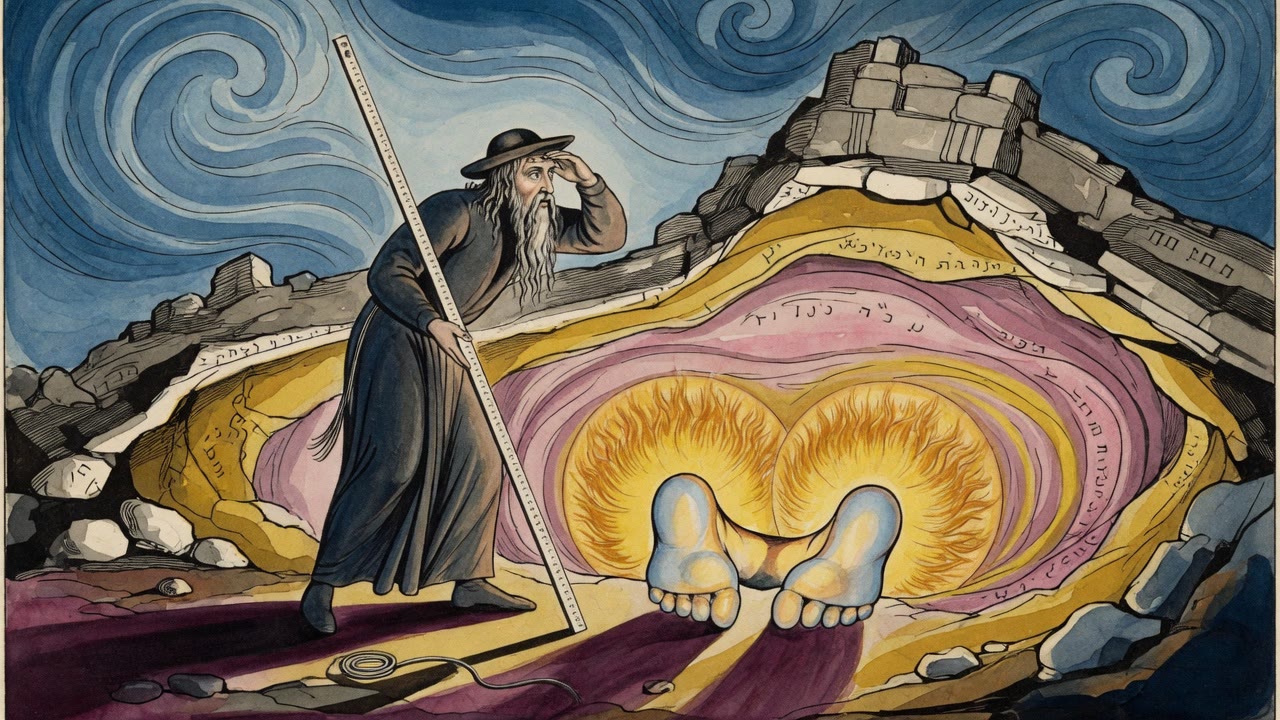
Rabbi Banaah measures the burial caves so the living do not stumble, and at Machpelah glimpses the heels of Adam blazing underground like the sun.
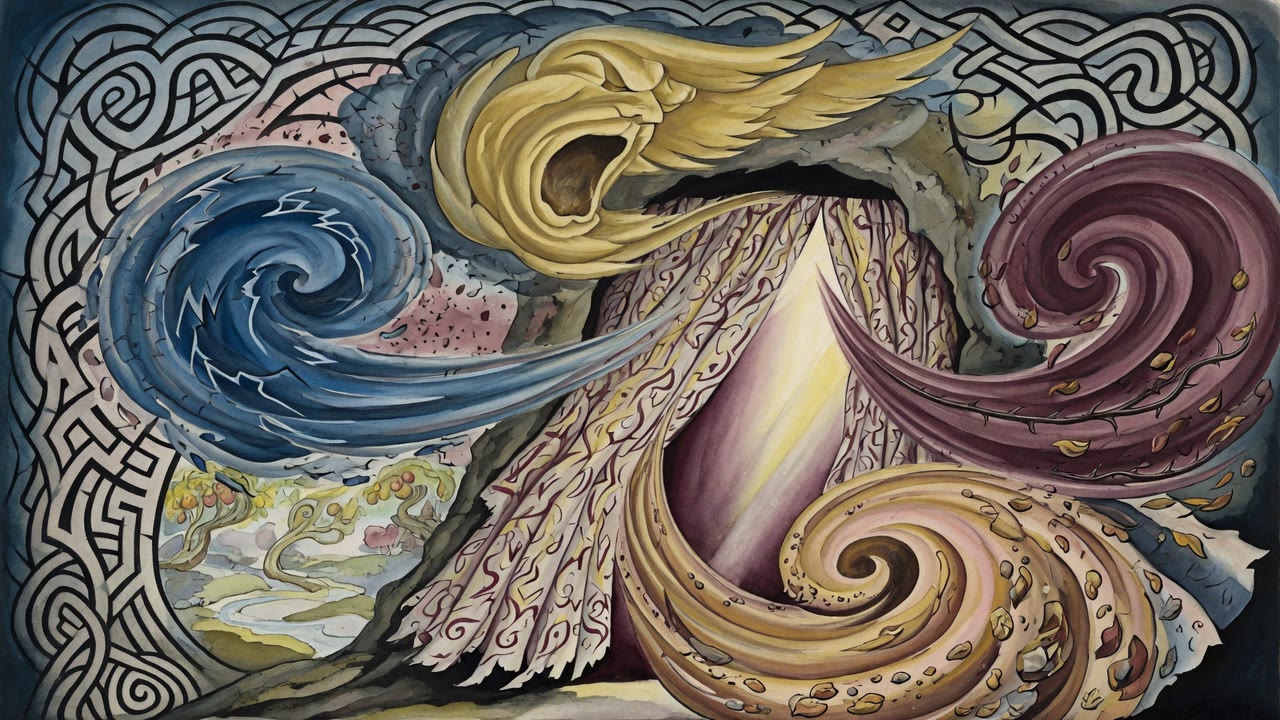
Adam knelt on dry ground and asked for rain. The garden grew. Behind a small cave's curtain, four winds waited to unmake the world.
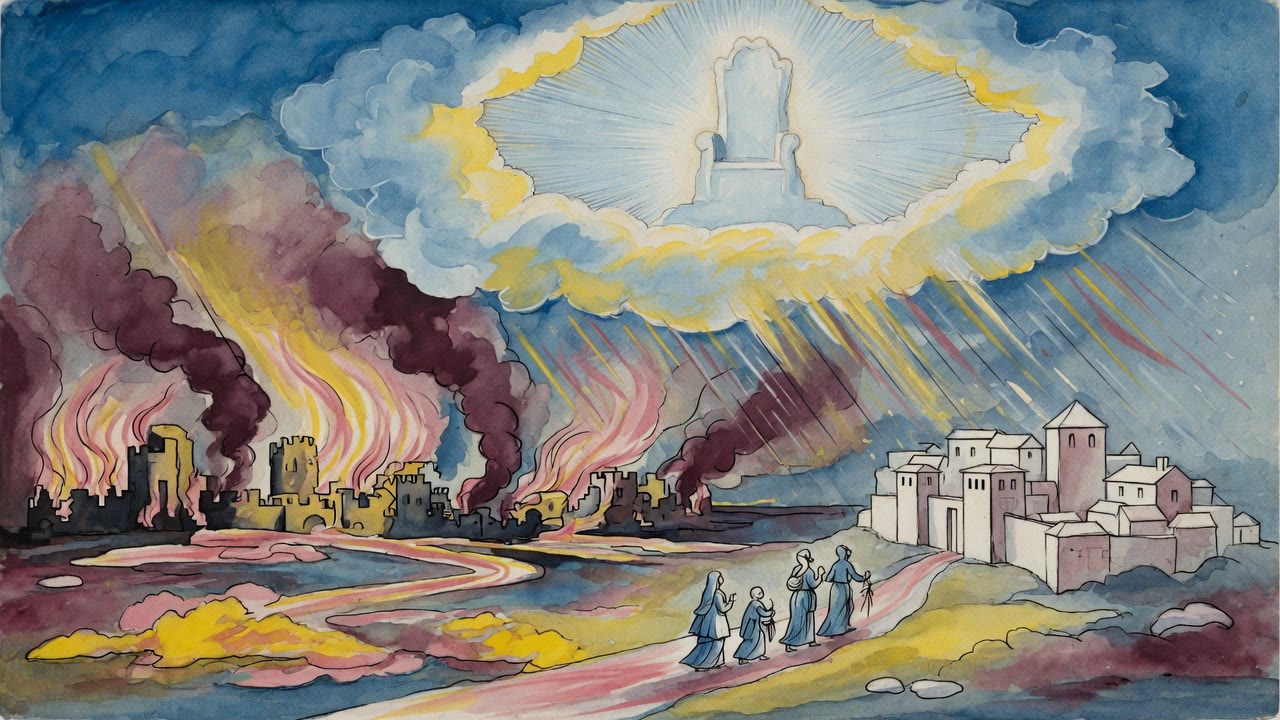
Before the first light, a radiant figure stood at God's side, and when the dust was ready to become a man, she waited to meet him as a bride.
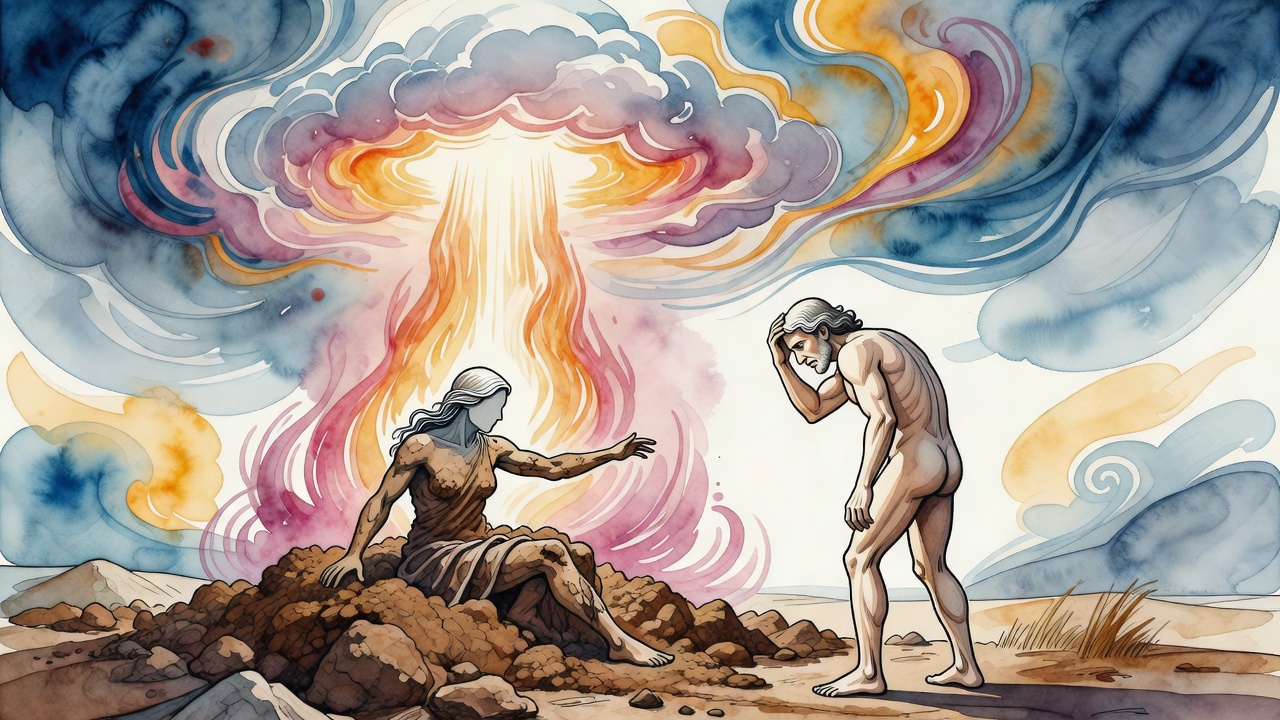
Before Eve, God shaped a first woman from the raw earth while Adam looked on. Repelled by her making, he turned away, and only sleep gave him a second bride.
