233 myths · Page 4 of 8
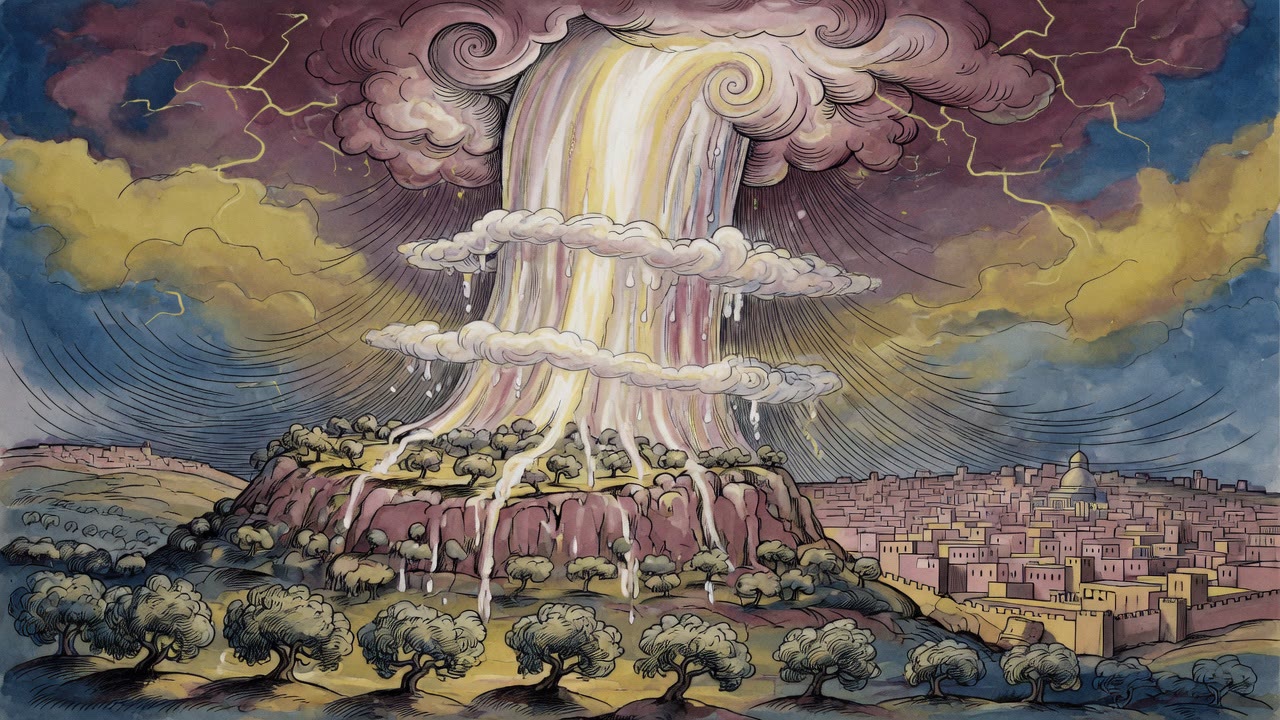
Adam saw from one end of the world to the other. God hid that light before the fourth day. Isaiah promised it was coming back.
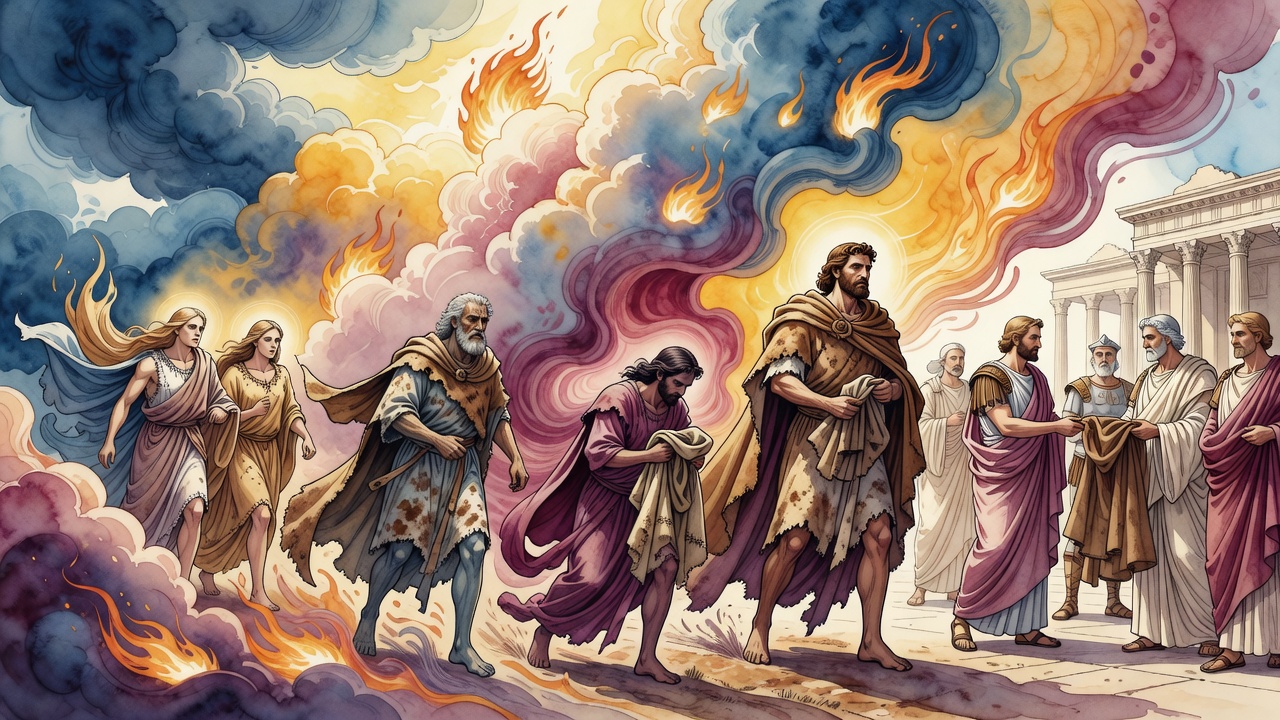
When Nimrod put on Adam's garments, the animals stood still for him. Esau killed him for them and stripped them off the body in the field.
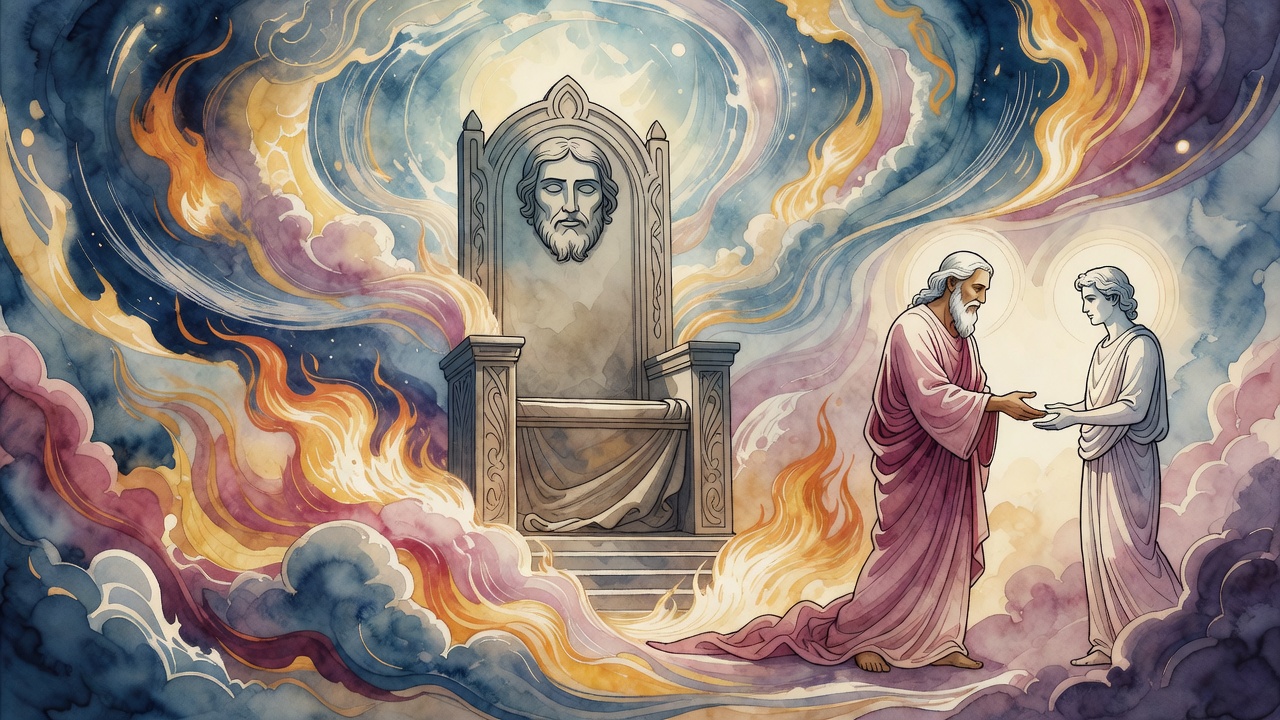
In Adam's vision of the generations, one soul had no years beside its name. Adam had a thousand of his own. He died at nine hundred and thirty.
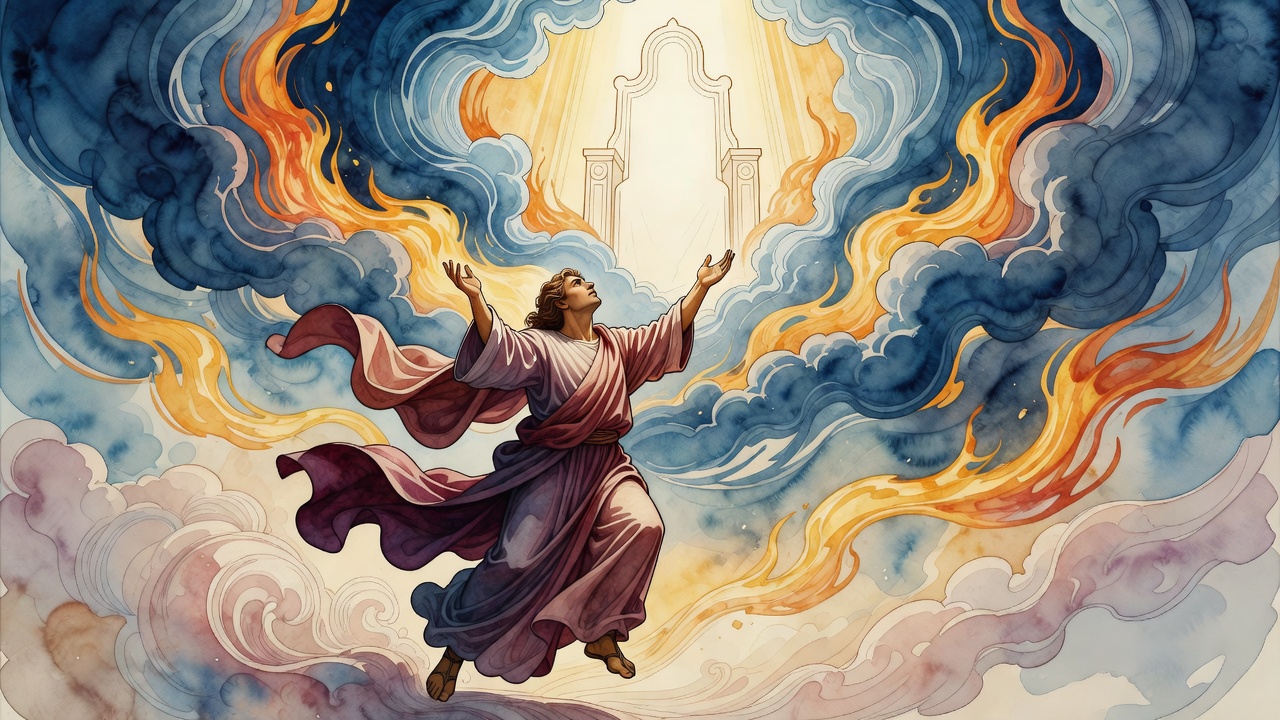
He was twenty, out with the flocks, when the sky opened and an angel told him to come in. On the road home he found the shield lying there.
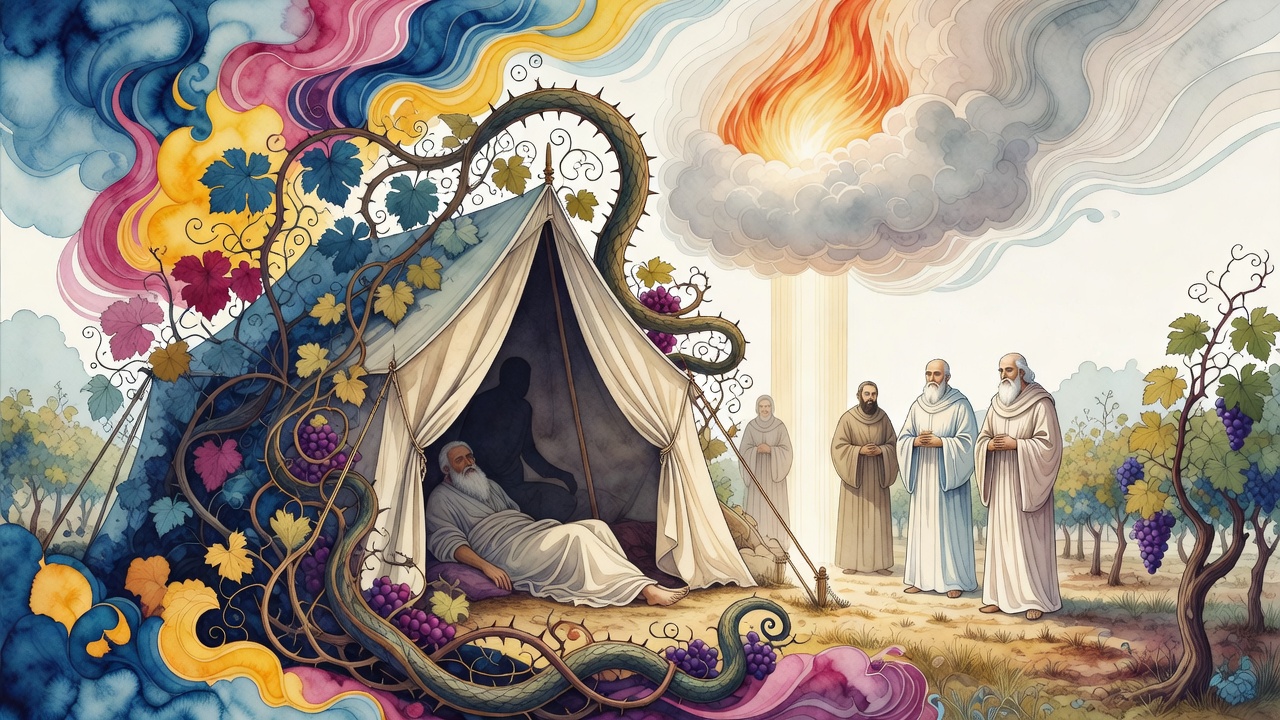
Noah woke up sober and went looking for the son who had done it. God had blessed all three brothers at the ark, so the one man he wanted was untouchable.
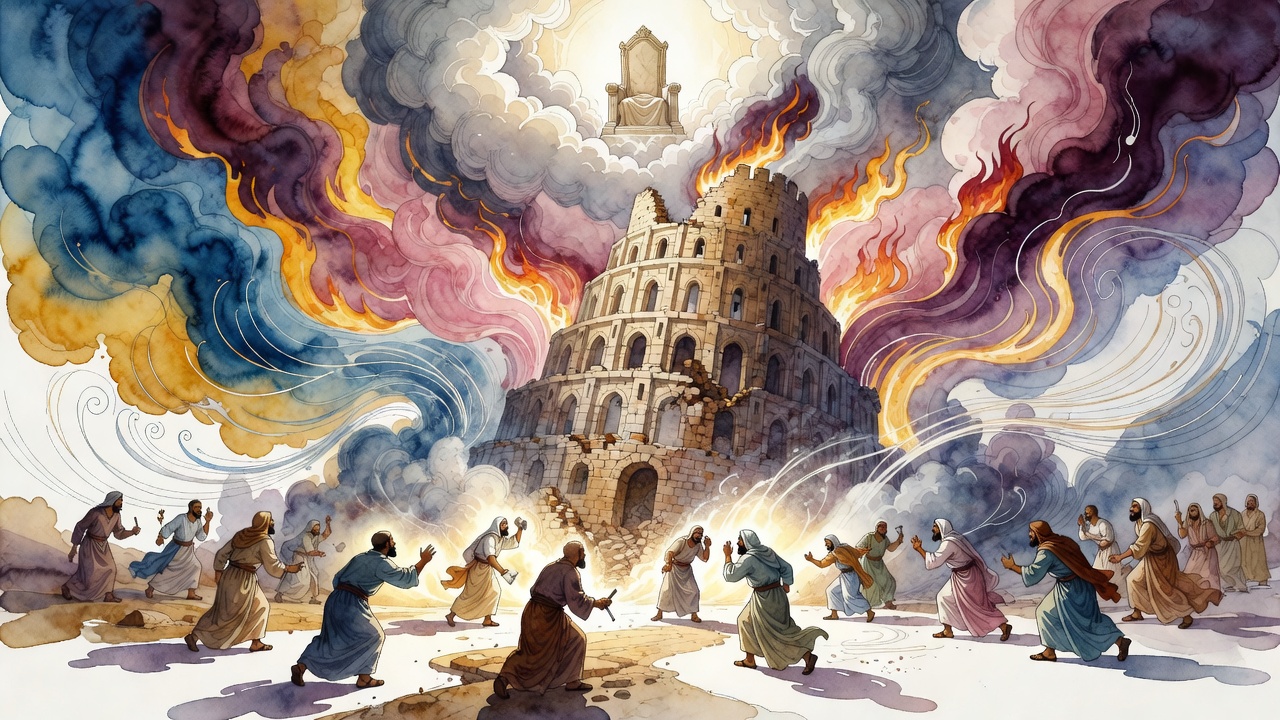
The builders of Babel spoke the tongue Adam used to name creation. When God scattered them, the world lost more than a common language.
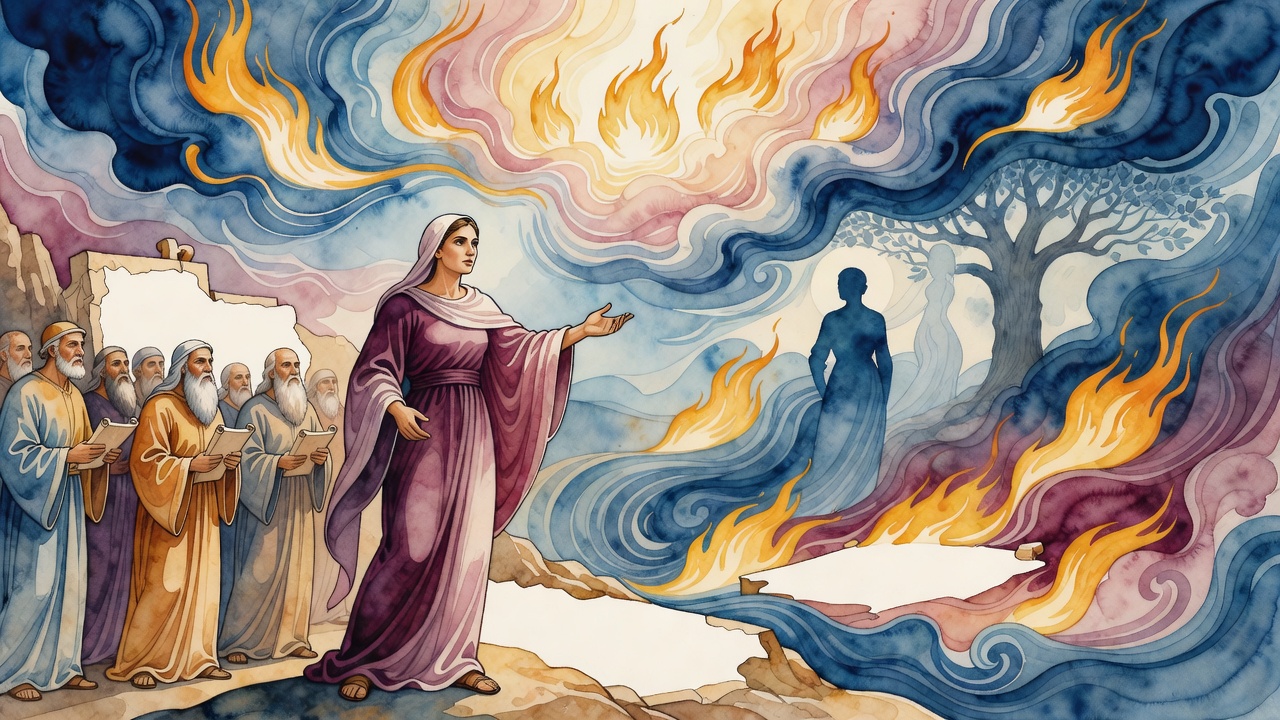
She kissed him and stopped. The goatskins were still on the kids in the flock. Adam had hidden in trees. She would not hide the blessing.
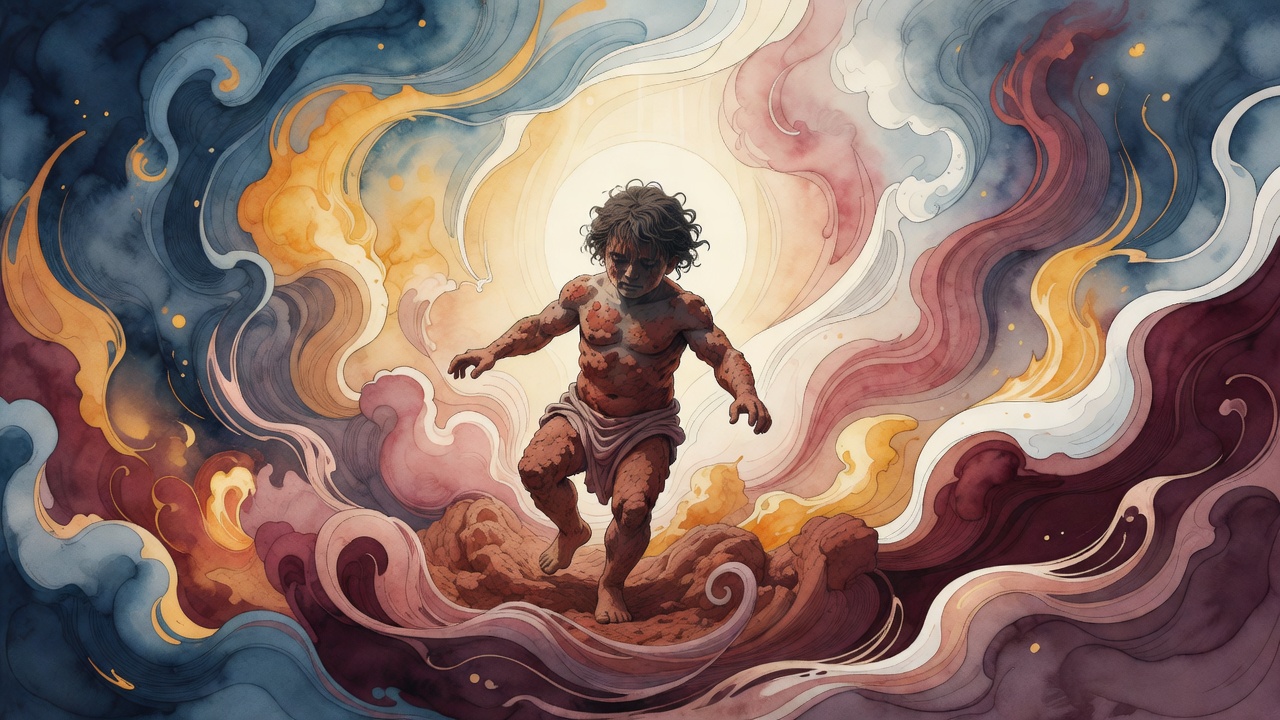
Rebekah's twins fought inside her, and one threatened to kill her to get out first. Shem told her why: her body was holding two nations.
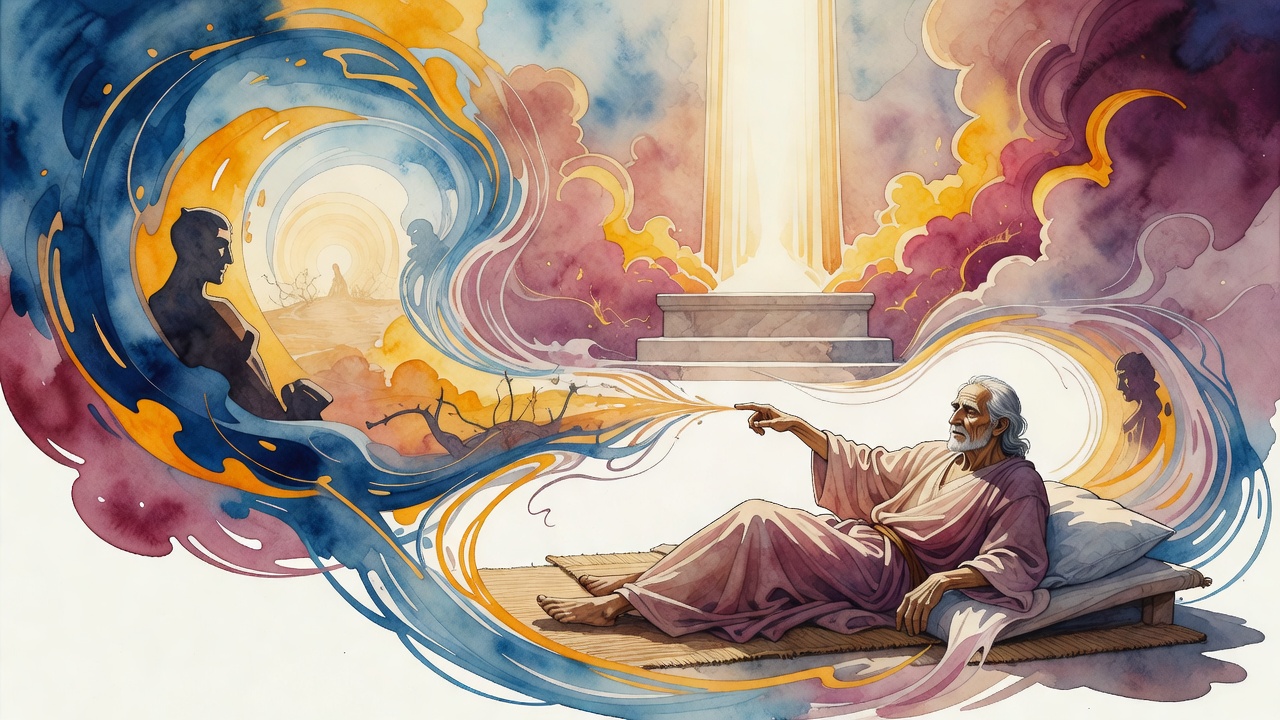
On his deathbed, Simeon confessed he had planned Joseph's murder in his heart and traced the same spirit back through Cain to the first morning of the world.
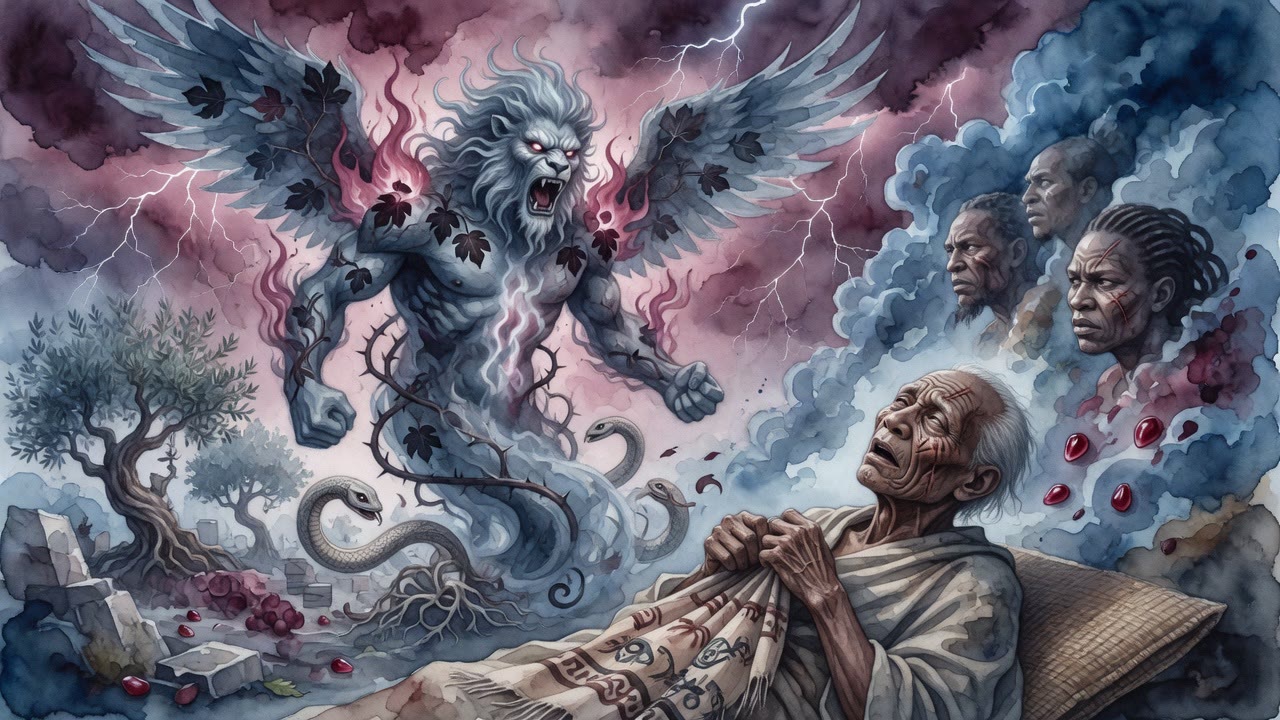
On his deathbed, Dan told his children where the spirit that nearly made him a murderer had come from. It was older than any of them knew.
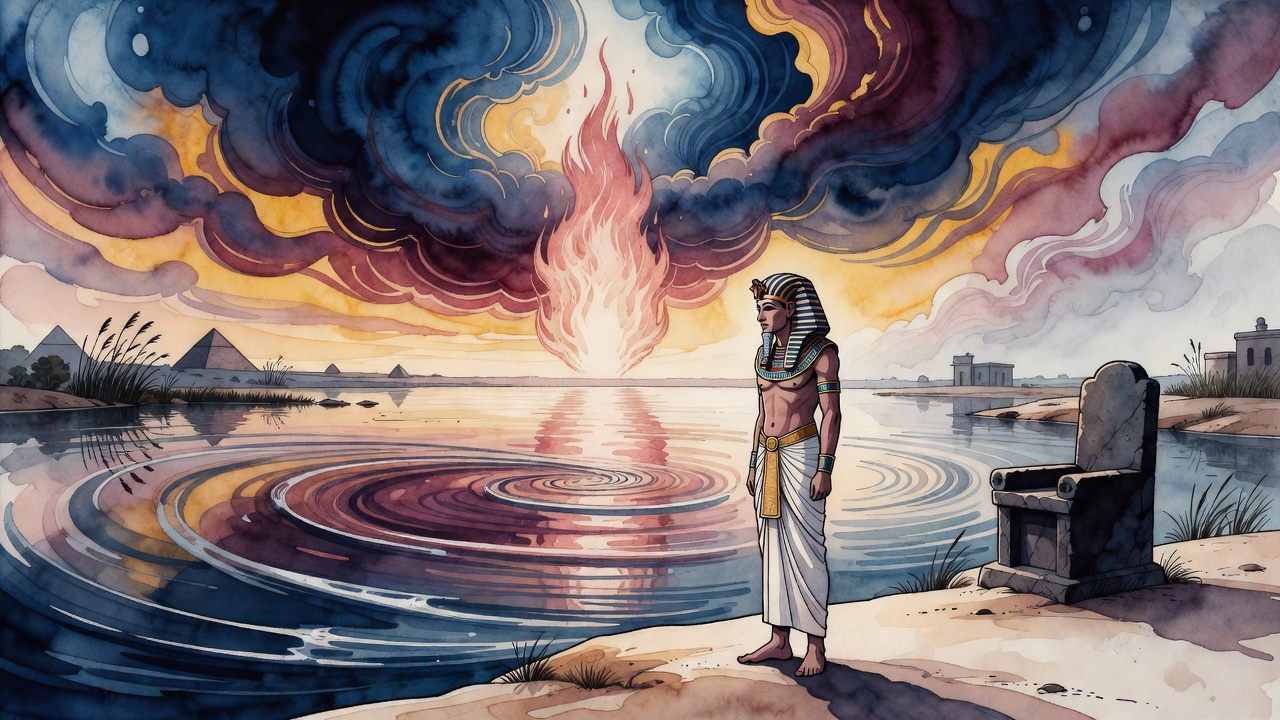
Before the court woke, Pharaoh walked to the Nile alone. A god, he told Egypt, does not need a bathroom at dawn.
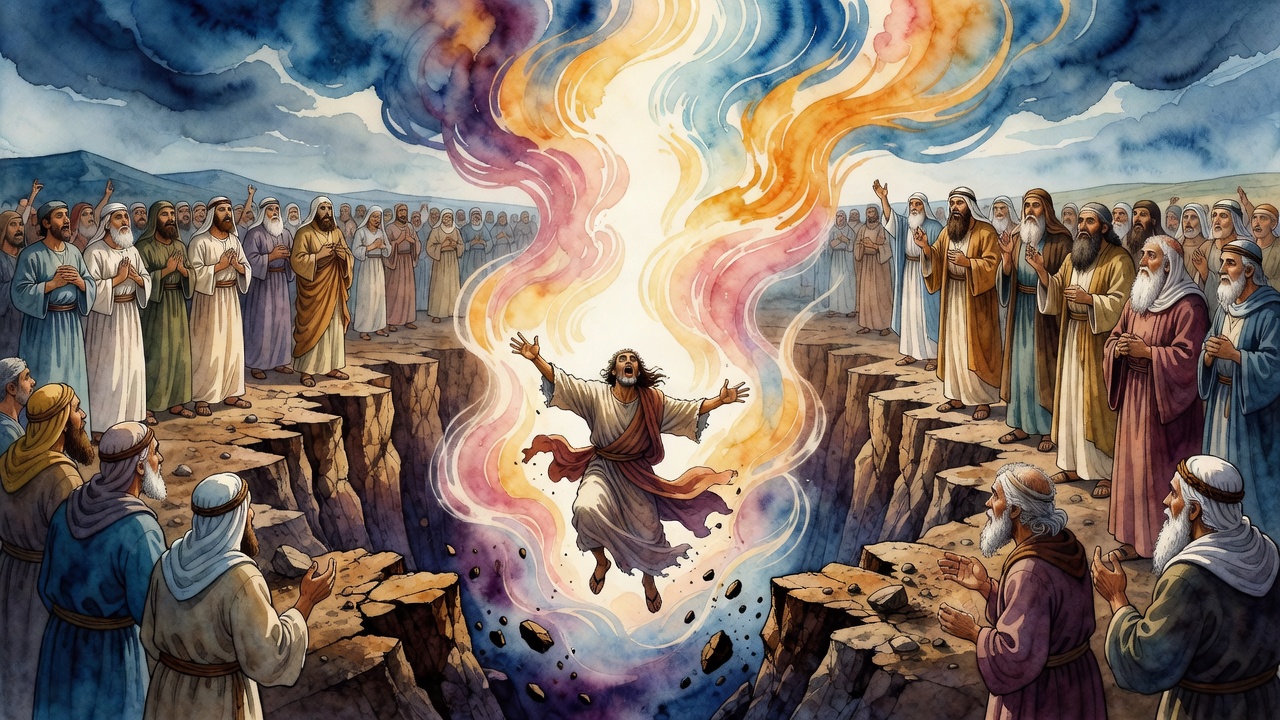
Joseph hid gold in empty country and told no one. A Levite named Korah found one cache. He spent it on a quarrel, and the ground opened its mouth.
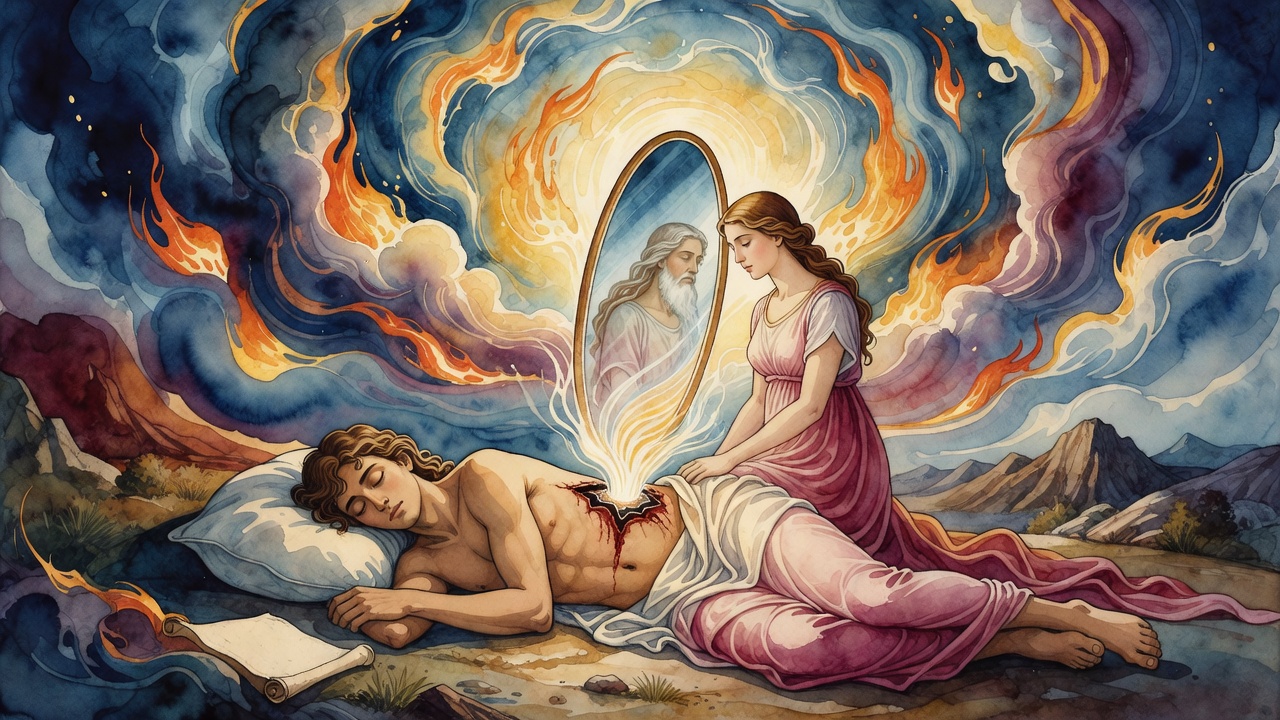
God opens Adam's side while he sleeps, and what emerges is not just a companion but a mirror the first human cannot look away from.
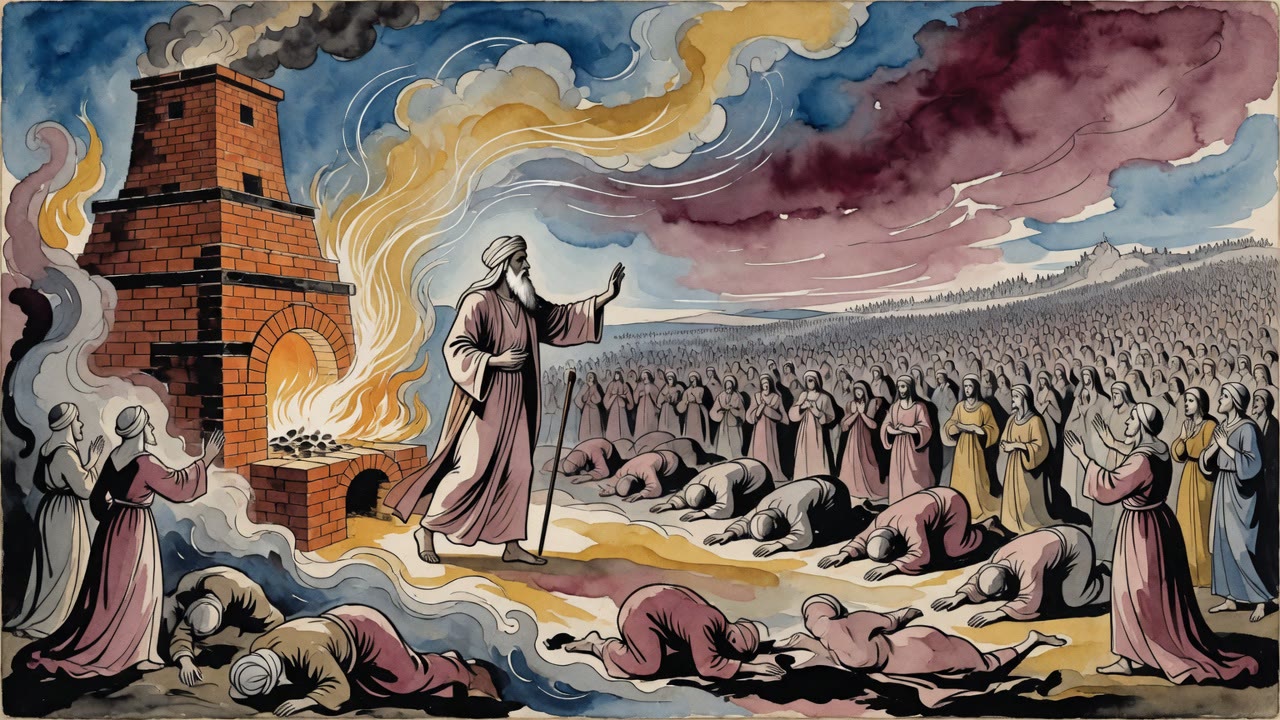
The serpent spoke a word no creature had ever said before. Philo of Alexandria argues that word, not the lie, was the real crime.
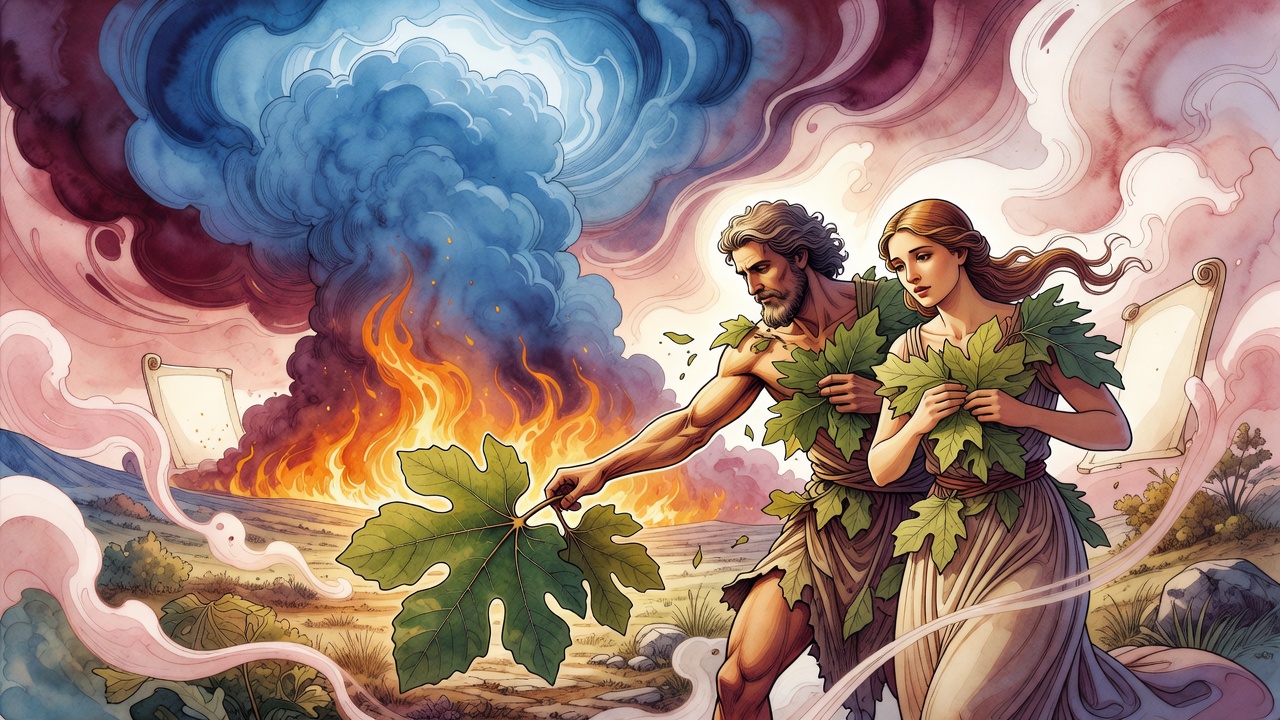
After the first sin, Adam and Eve reached for fig leaves. Philo says that choice explains everything about how pleasure works after Eden.
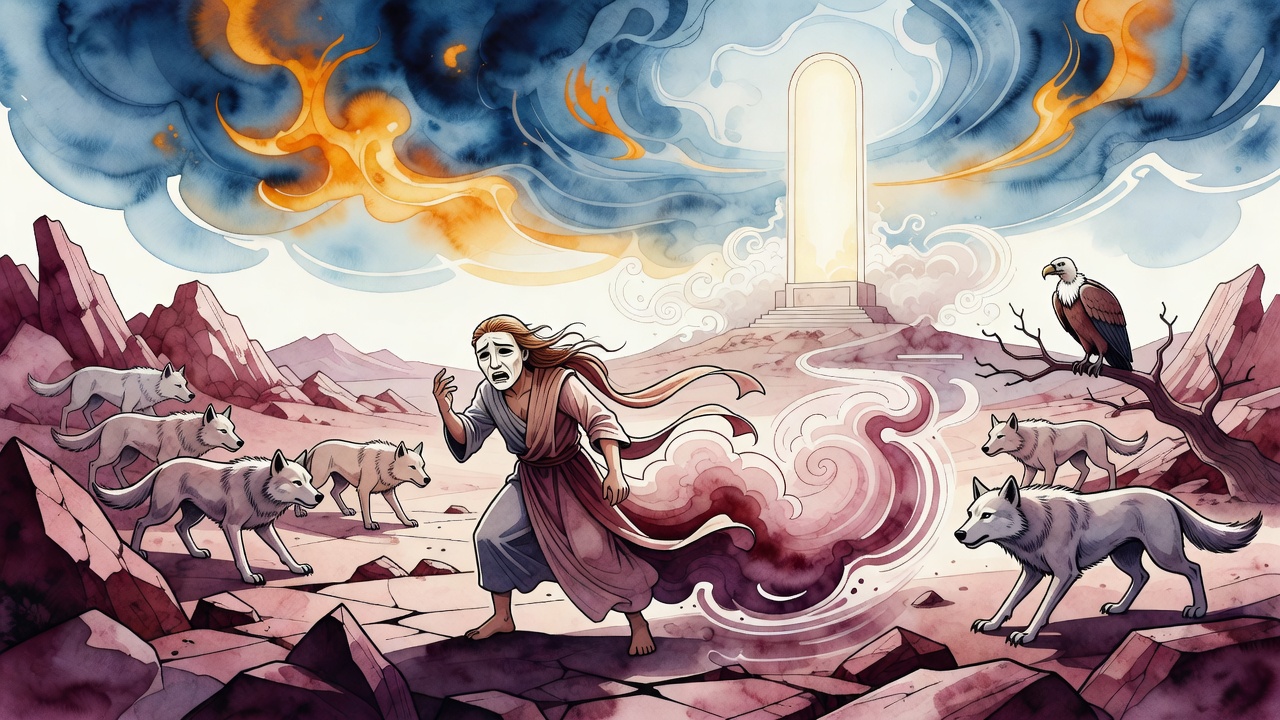
After the murder, Cain faced something harder than punishment. The world itself felt hostile, and the animals waited, and his own guilt pursued him.
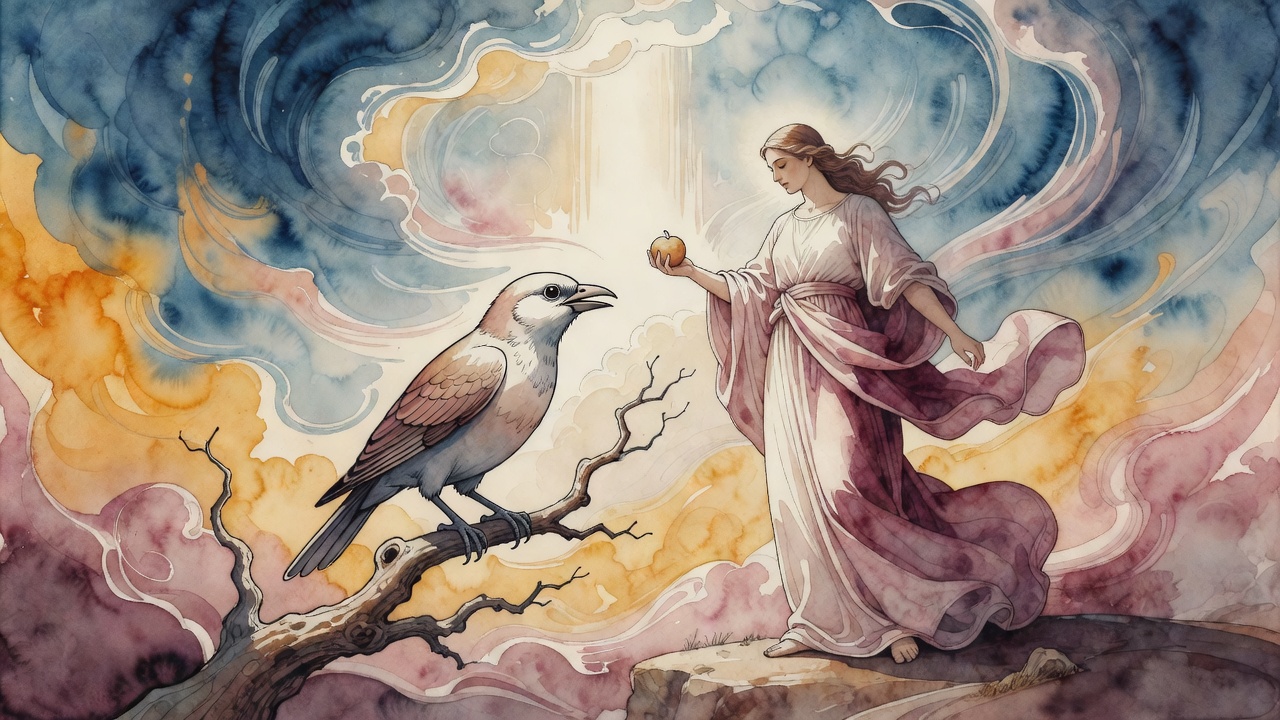
Eve fed the fruit to Adam, then to every animal and bird in the garden, so she would not die alone. One bird kept its beak shut.
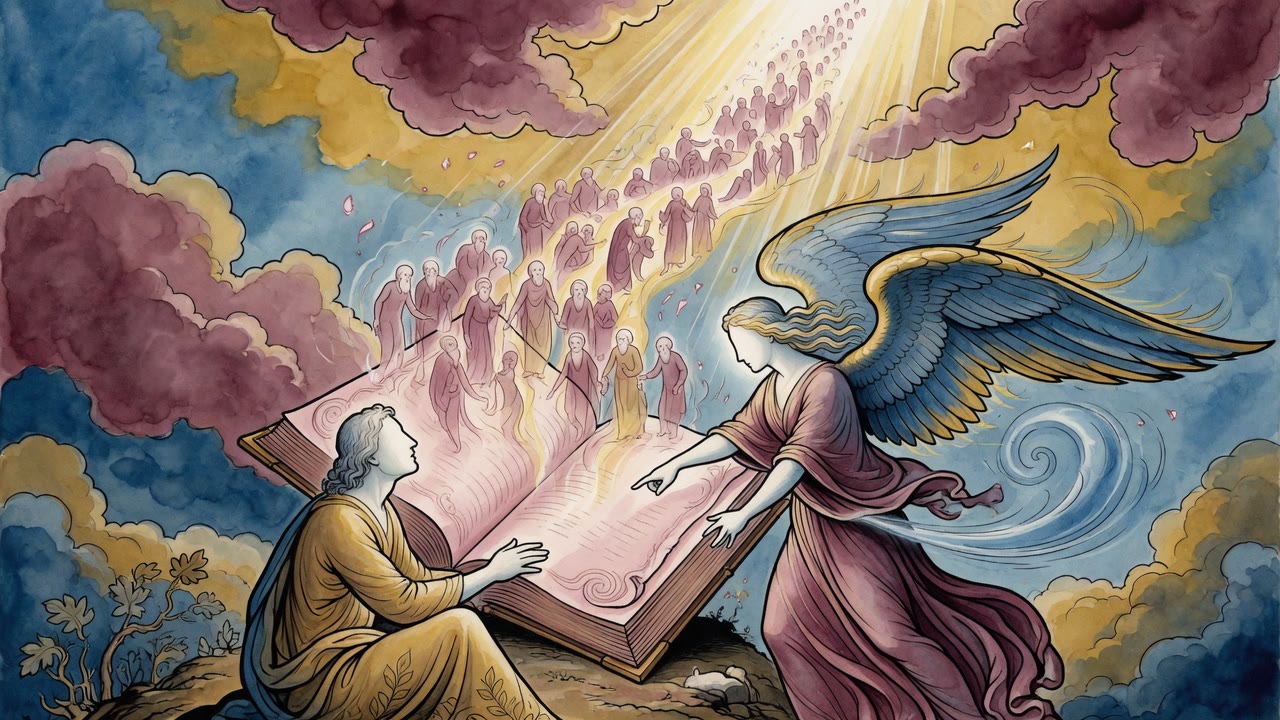
The plough stuck. The ox looked at him as at any other animal. Adam put his face in the dust and asked for his children's future.
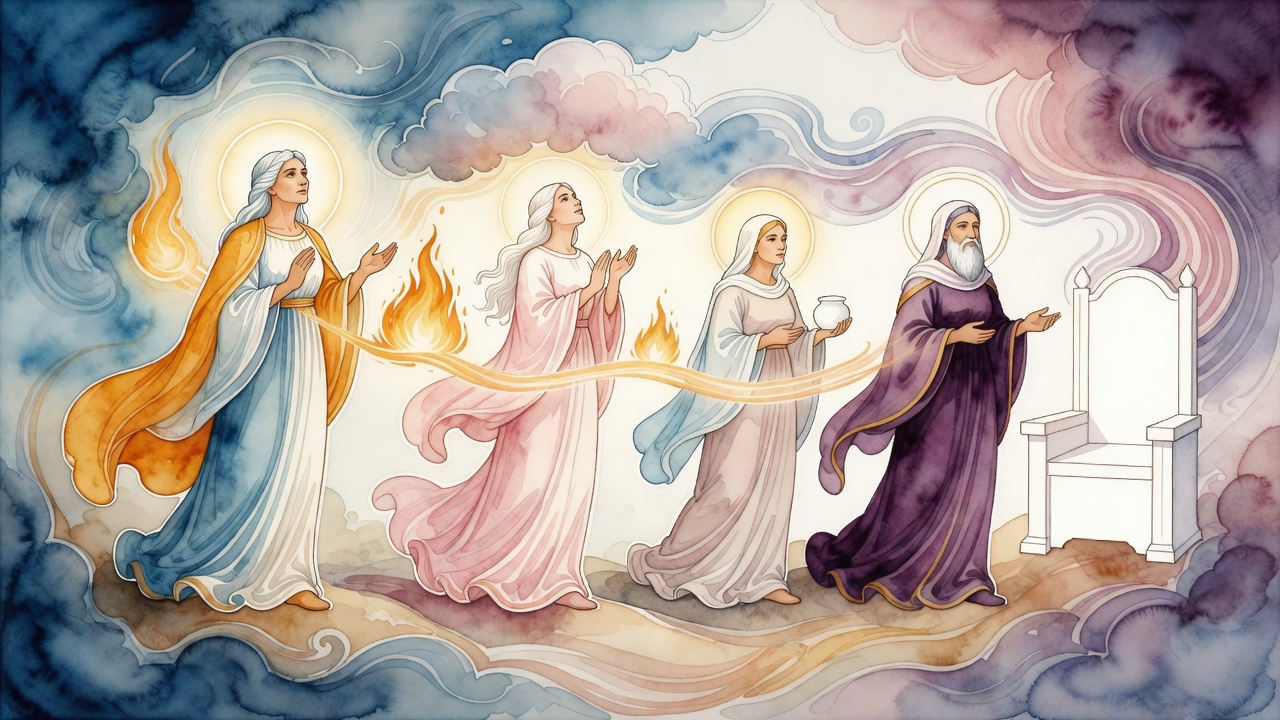
Eli watched Hannah's lips move at Shiloh without a sound and decided she was drunk. She told him she was a woman of sorrowful spirit.
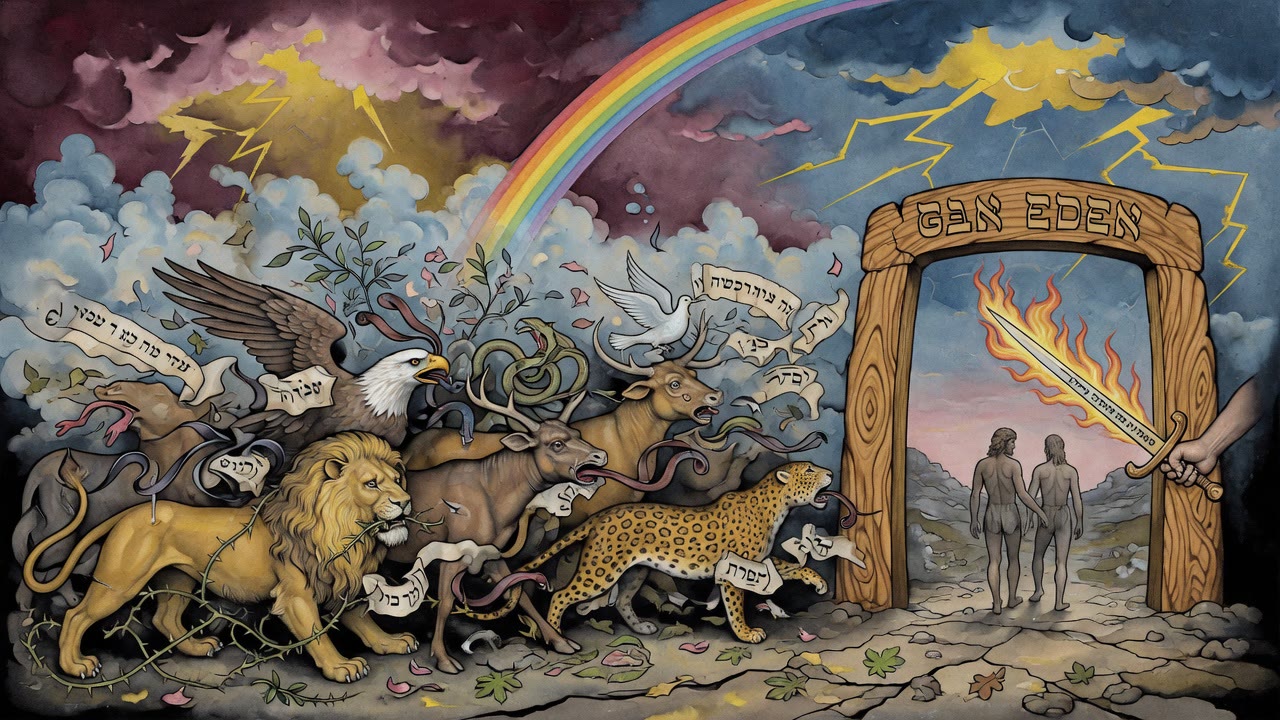
The serpent talked Eve into the fruit in the one language every creature shared. Not long after, every mouth in creation was closed but one.
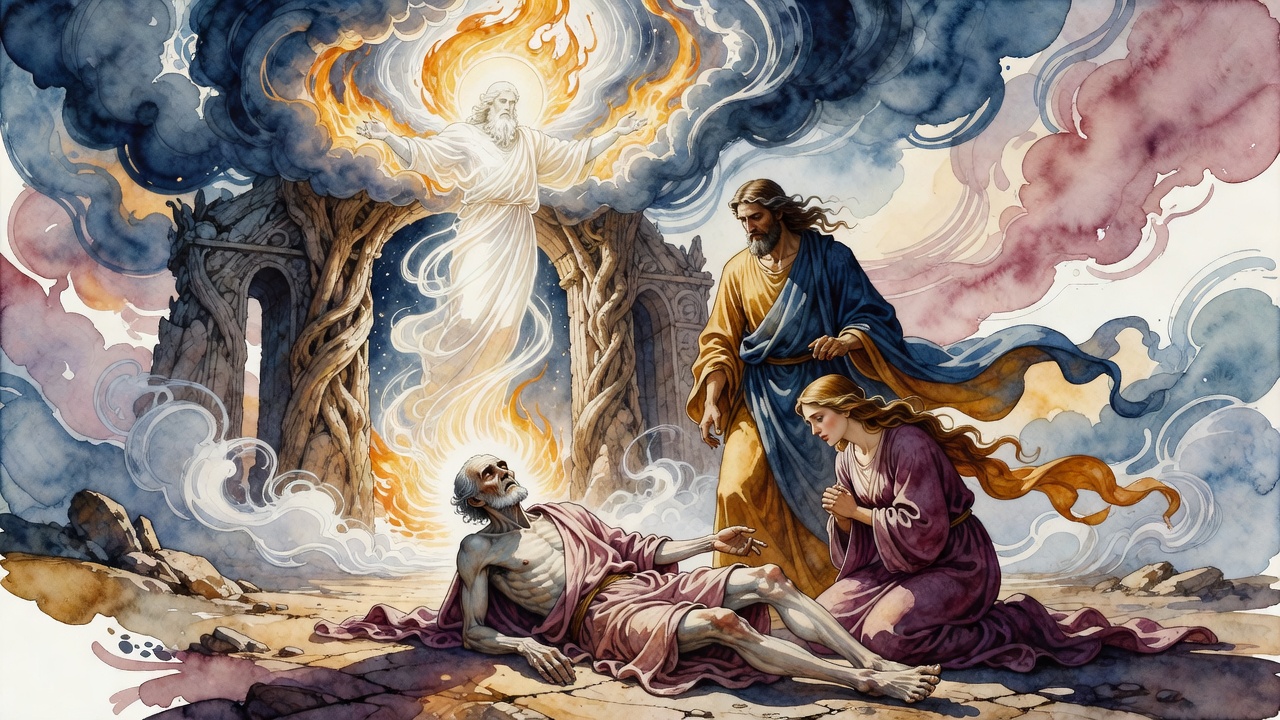
Adam's children had never seen a body fail on its own. They asked what trouble was. Seth offered to fetch fruit with dung on his head.
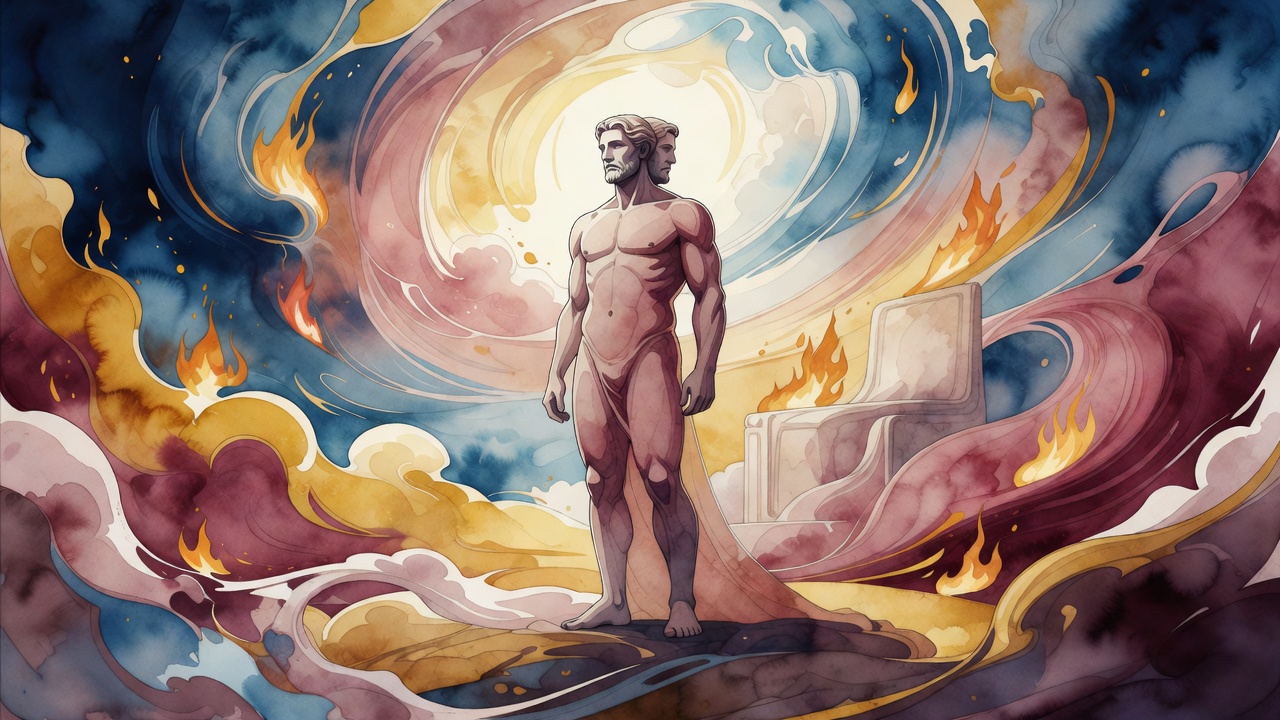
The rabbis say Adam's body waited silent through all of creation, was stamped from a single mold, and first walked with a second face at his back.

The sword met him east and west. In a country with no sun he walked into the river until the water sat under his chin and stayed there.
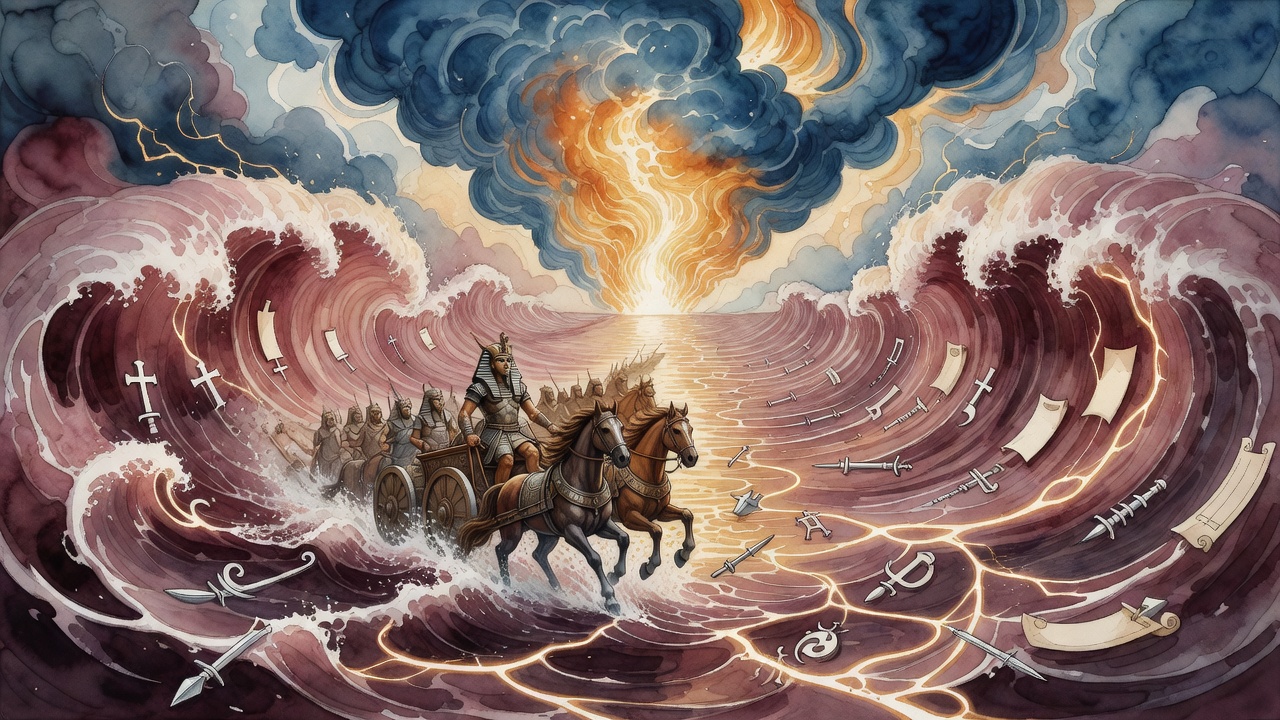
Pharaoh rides into the sea with horses and iron, and God answers every weapon in Pharaoh's own language before the waters close.
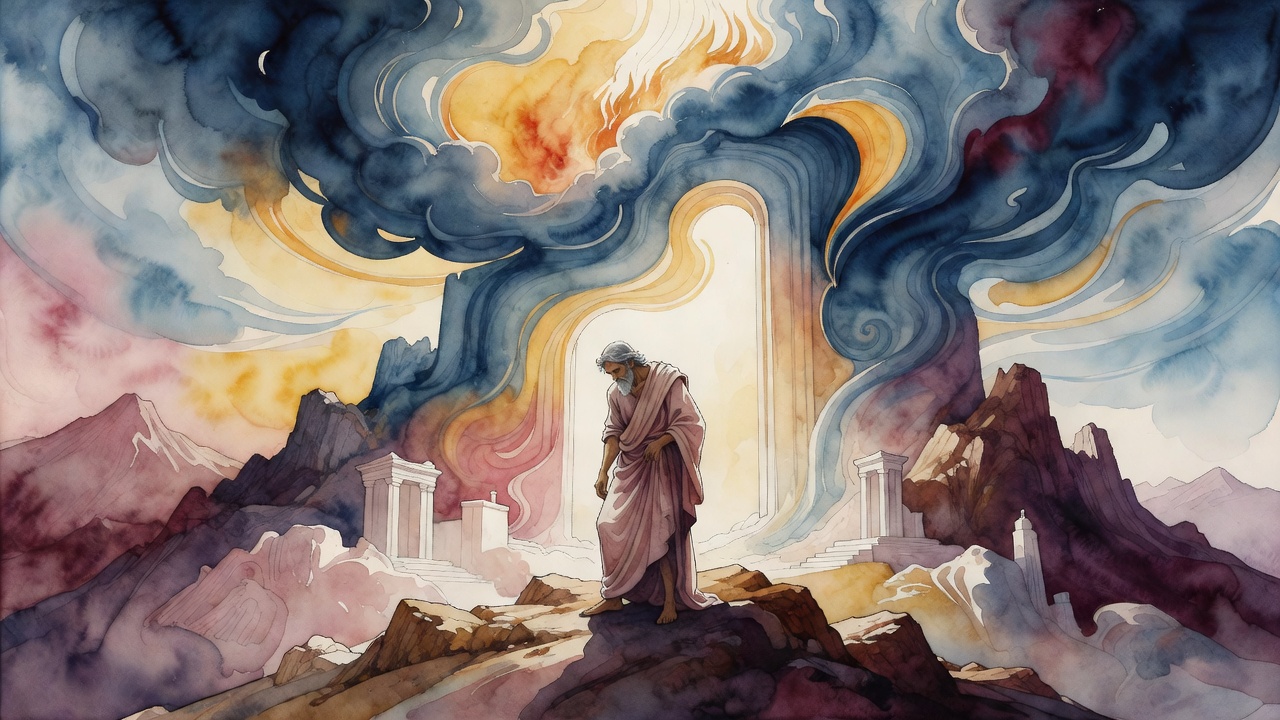
Adam settles on Mount Moriah after Eden because the gate he can no longer enter is close, and the place of return becomes the place of the Temple.
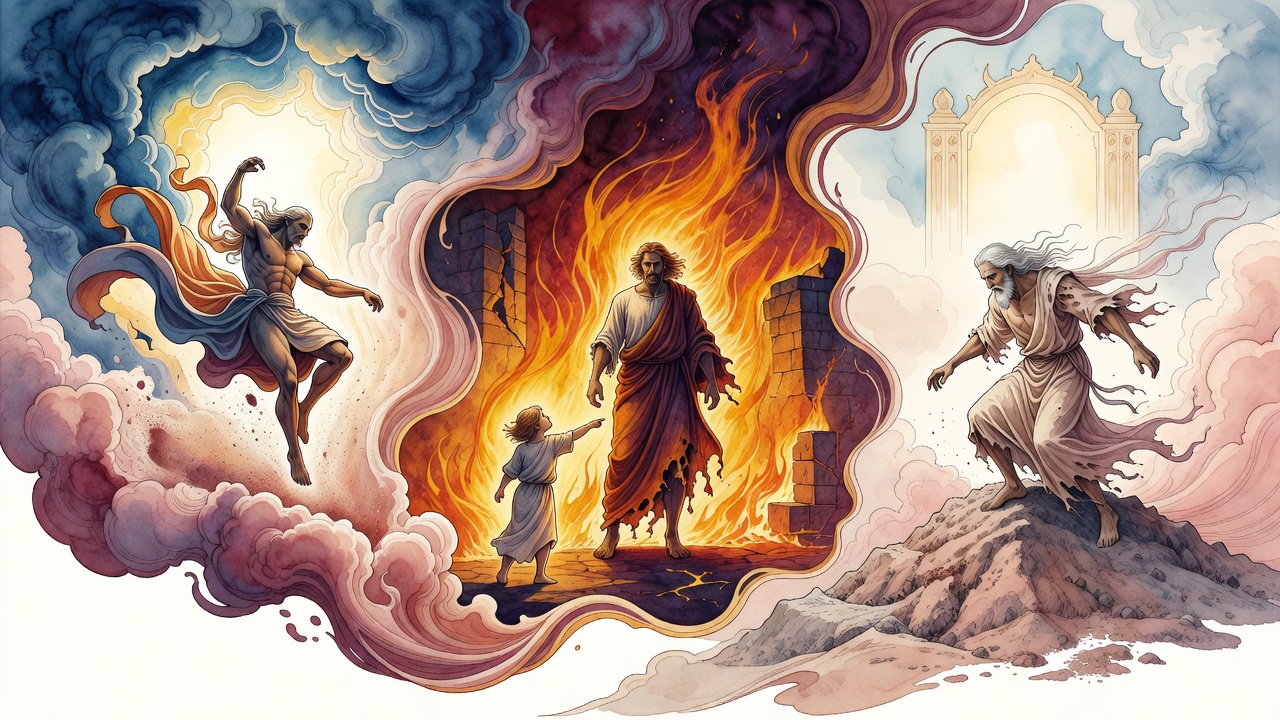
Abraham was twenty days old when he walked out of the cave, and his own mother did not know him. Nimrod heard about it and was afraid.
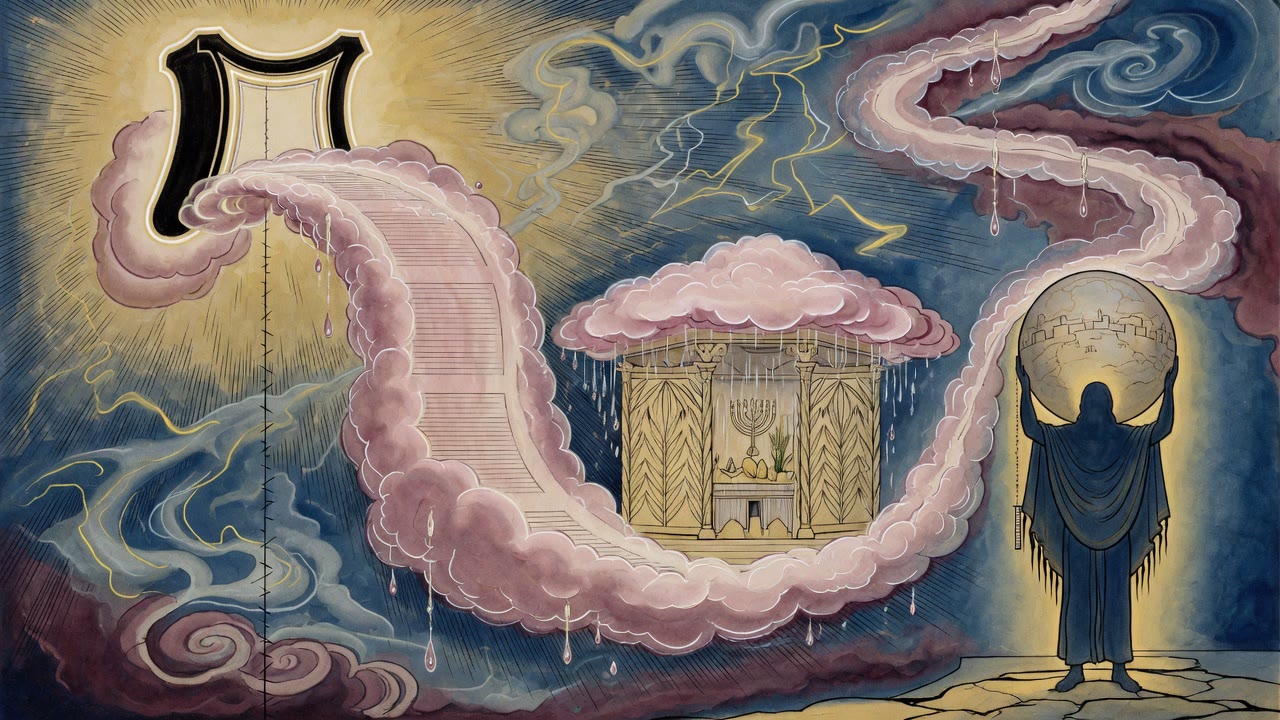
The etrog sat cool in a left hand. The Presence came down toward the righteous by measure, like manna poured, then went back up.
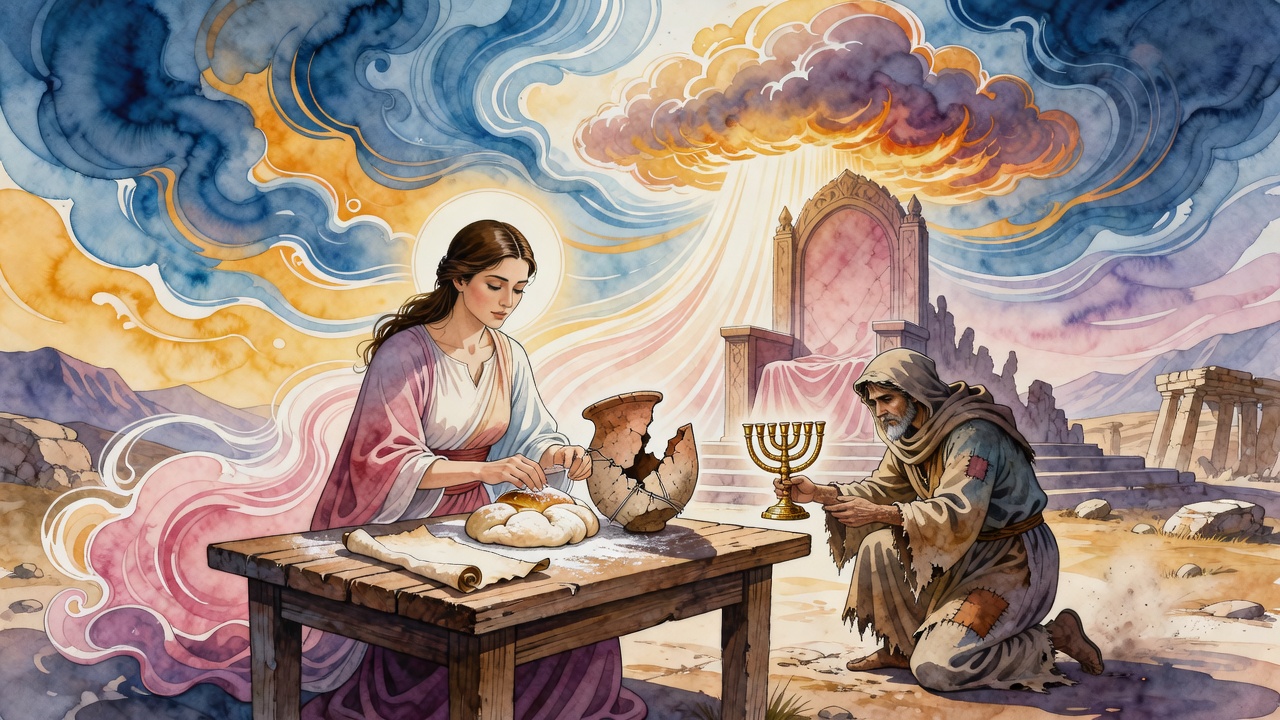
She pinched off a piece of dough before the loaf went into the oven. In another house a thief set a stolen cup back on the shelf.
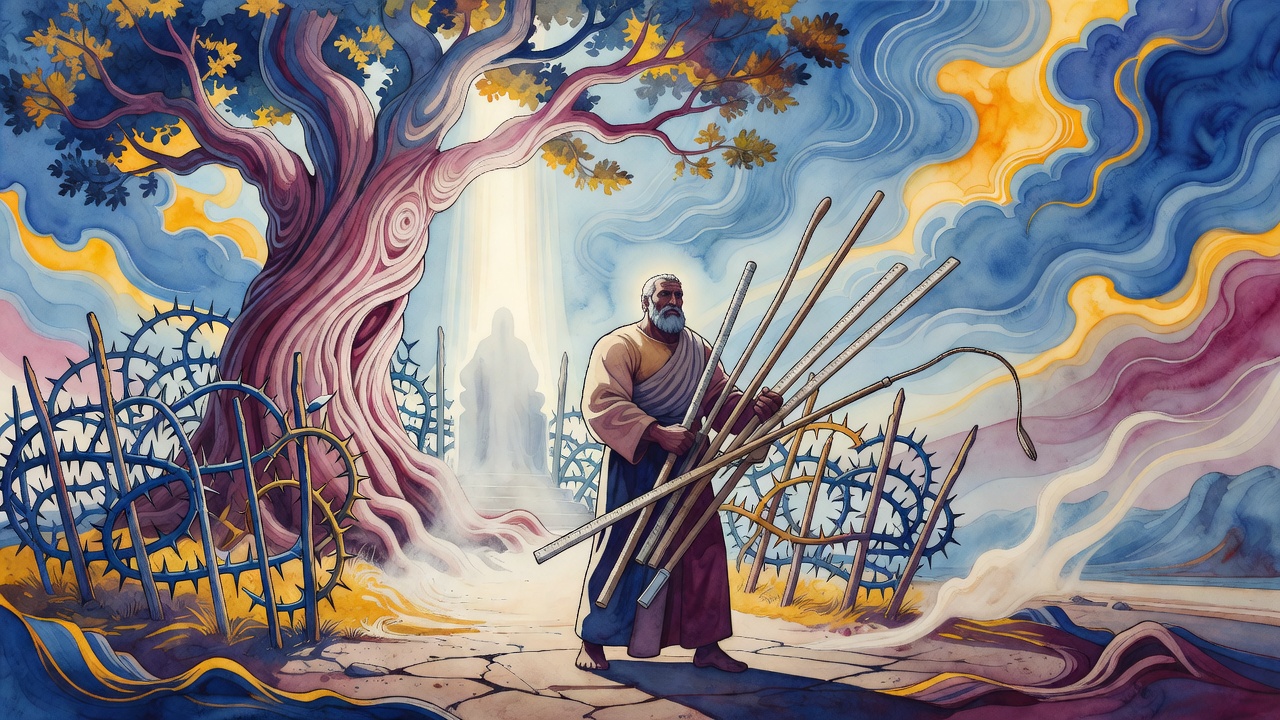
God walked Adam over the earth and showed him where to plant. At the tree, the serpent shoved Eve and waited for her not to die.
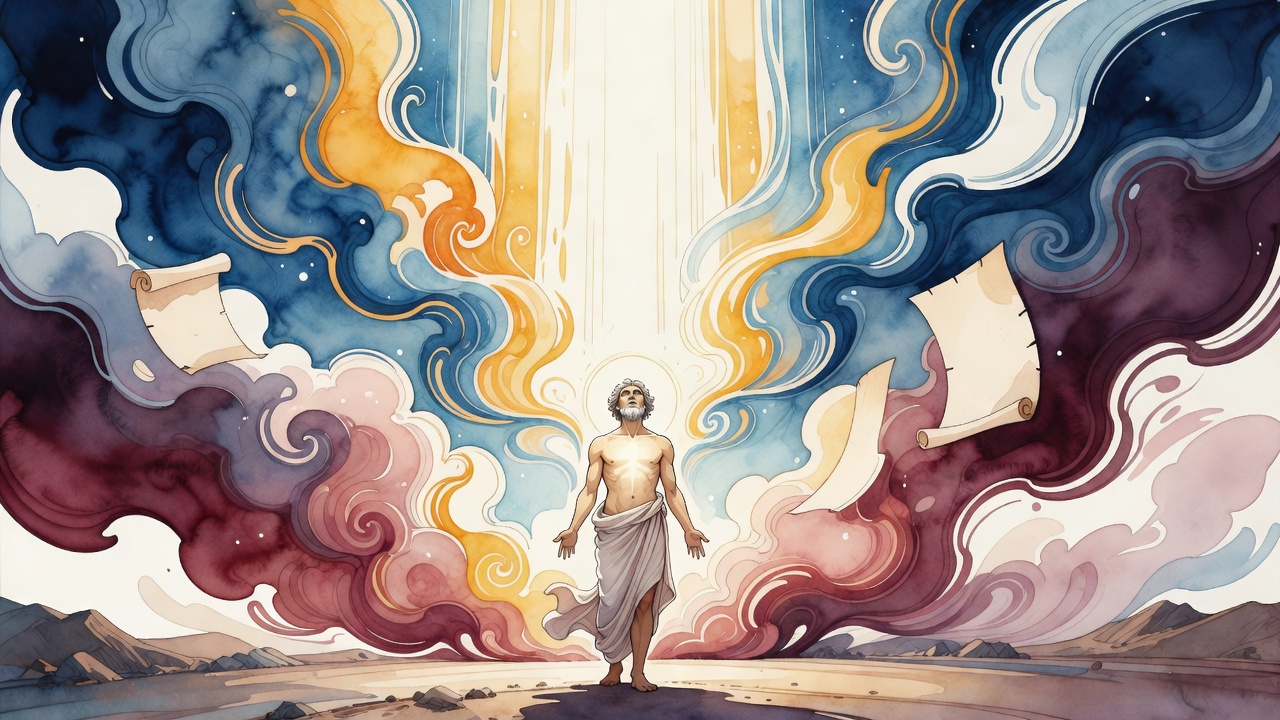
Adam stands under a divine image that hovers but does not fully enter him. The tzelem protects, guards, and descends by careful measure.
