Seth, the Pillars, and the Library Before the Flood
After Abel died, Seth was born into a wounded house and raised a line that carved its wisdom into stone before the Flood.
Table of Contents
The house of Adam went quiet after the blood hit the ground.
 Click for full size
Abel was dead. Cain had gone out marked and dangerous. The first parents, who had once heard the Garden breathe around them, now carried a grief with no older grief to teach it manners. For one hundred and thirty years, Adam and Eve lived under the weight of that rupture. The marriage that began with bone and wonder became a long room of silence.
The Silence After Abel
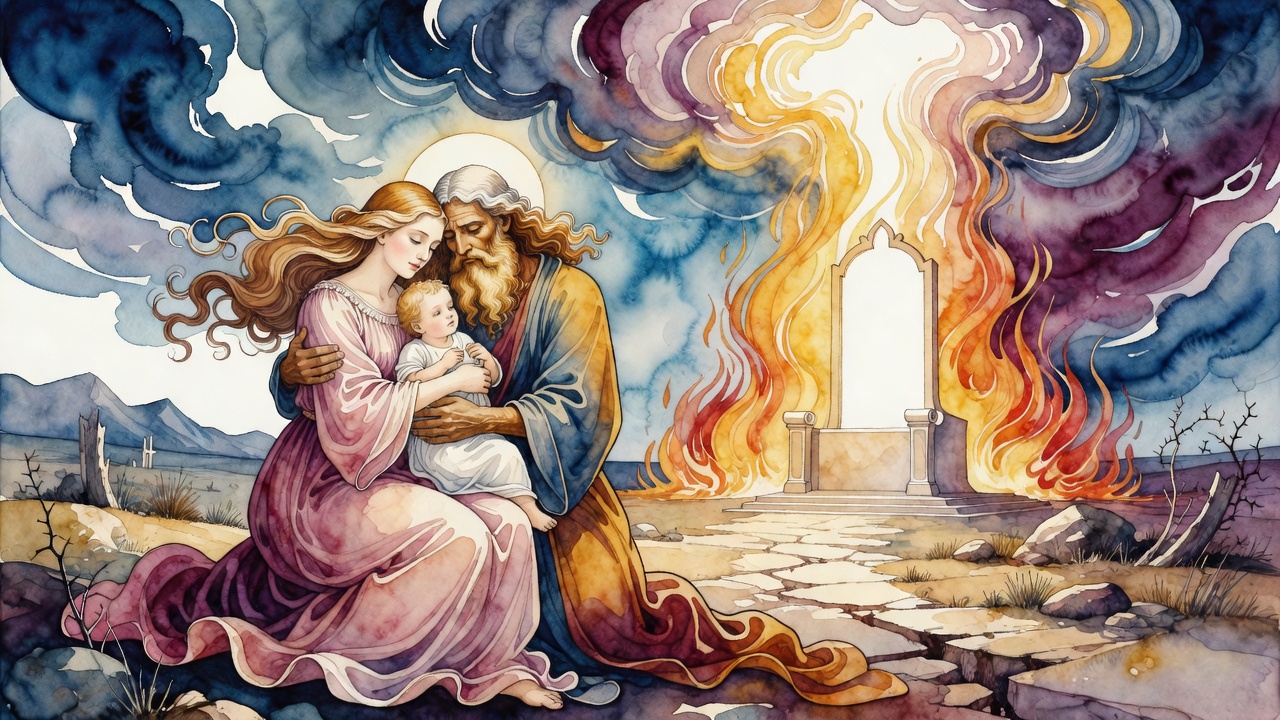
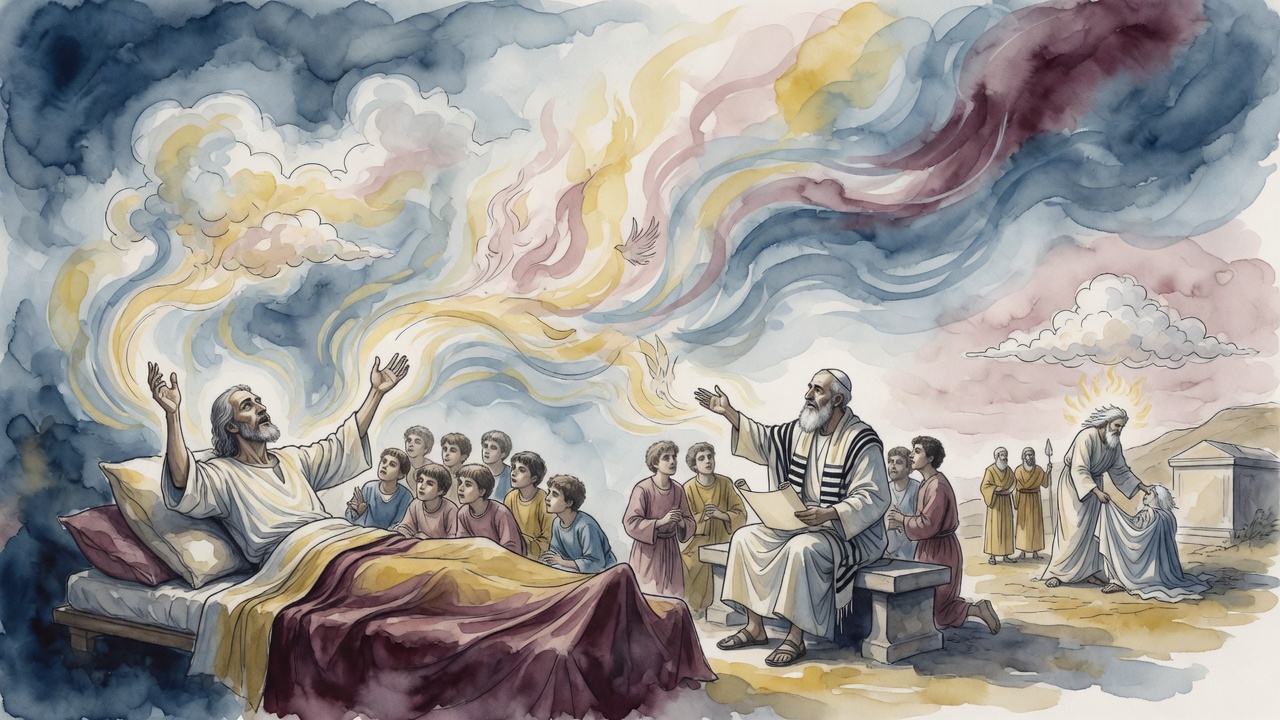
Then the silence broke. Adam returned to Eve, and the old love did not come back thin. It came back stronger, as if grief had burned away everything ornamental and left only need. Eve conceived again in the hundred and thirtieth year of Adam's life.
The child was named Seth. Eve named him with the precision of a wounded mother: God had appointed another seed in place of Abel, because Cain had slain him. She was not pretending the dead child had returned. No mother does that. She was naming continuity after murder. A line had been cut. Another line had been placed in her arms.
Adam looked at this son and found his own likeness there. Not merely a face, not merely the shape of a body, but the image that Cain had refused to carry. Seth arrived as a repair made of flesh.
The Child in Adam's Image
Seth grew into the kind of man his birth had promised. Some men are born with a wound they must spend their lives closing. Seth was born whole. The mark of covenant did not need to be cut into him, because tradition counted him among the few who entered the world already formed in a state of completion.
That did not make the world gentle around him.
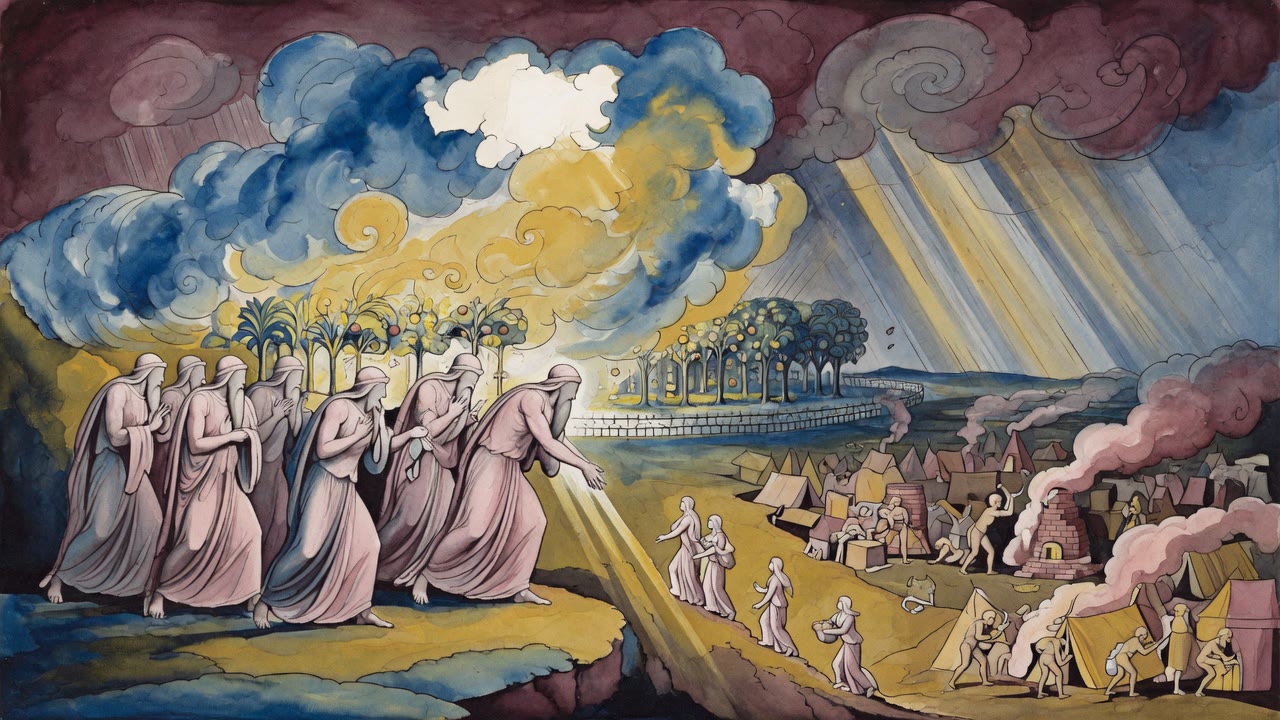
Cain's line multiplied with violence in its hands. Men became fierce in war, quick to rob, bold in injury for gain. A person could be slow to murder and still be rotten enough to ruin a town. Seth's line answered with another kind of force. His children lived together without dissension, and for a time prosperity did not poison them. They watched the heavens until the sky became a book. Stars, seasons, measures, the order of bodies above the earth. They learned because the world still had structure, even after Eden, even after Abel.
Knowledge became their inheritance.
The Earth Began to Break Again
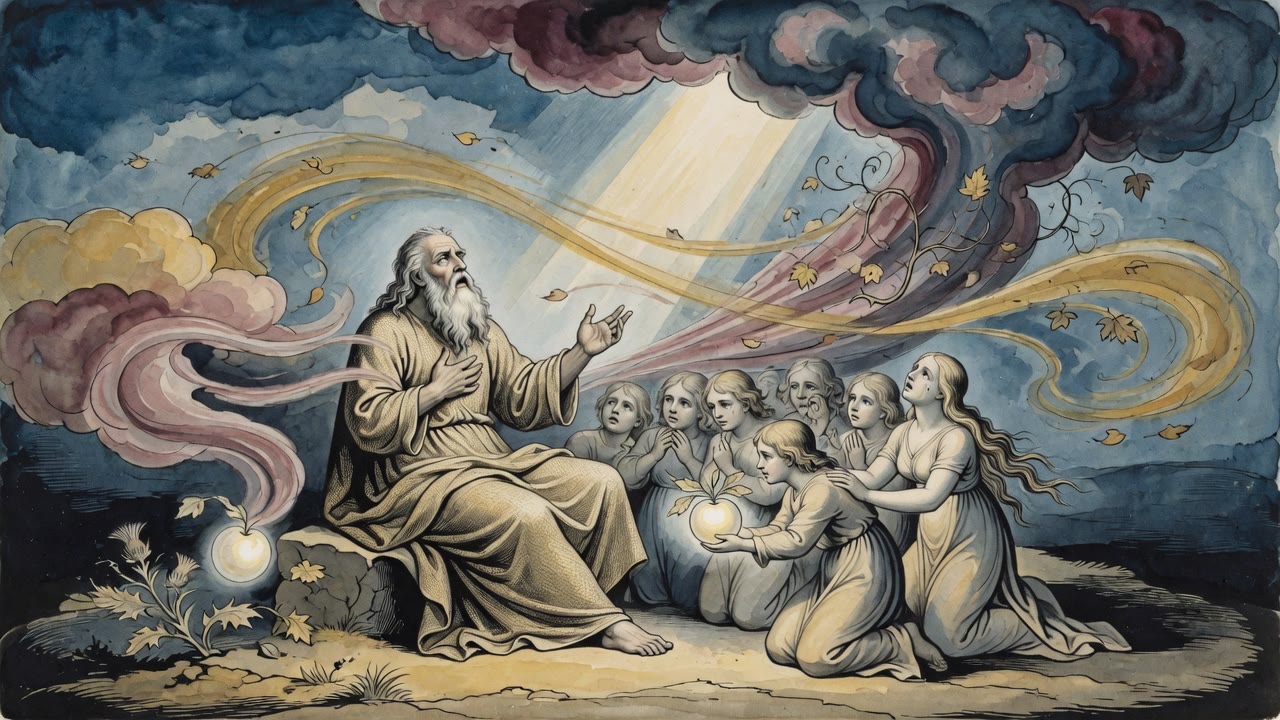
Then Seth's own descendants had to watch the human heart curdle again. In the days of Enosh, people multiplied and turned their souls against God. They made gods out of brass, iron, wood, and stone. Every man could have his own god now. That was the sickness of it. A hand could carve a thing in the morning and bow to it by evening.
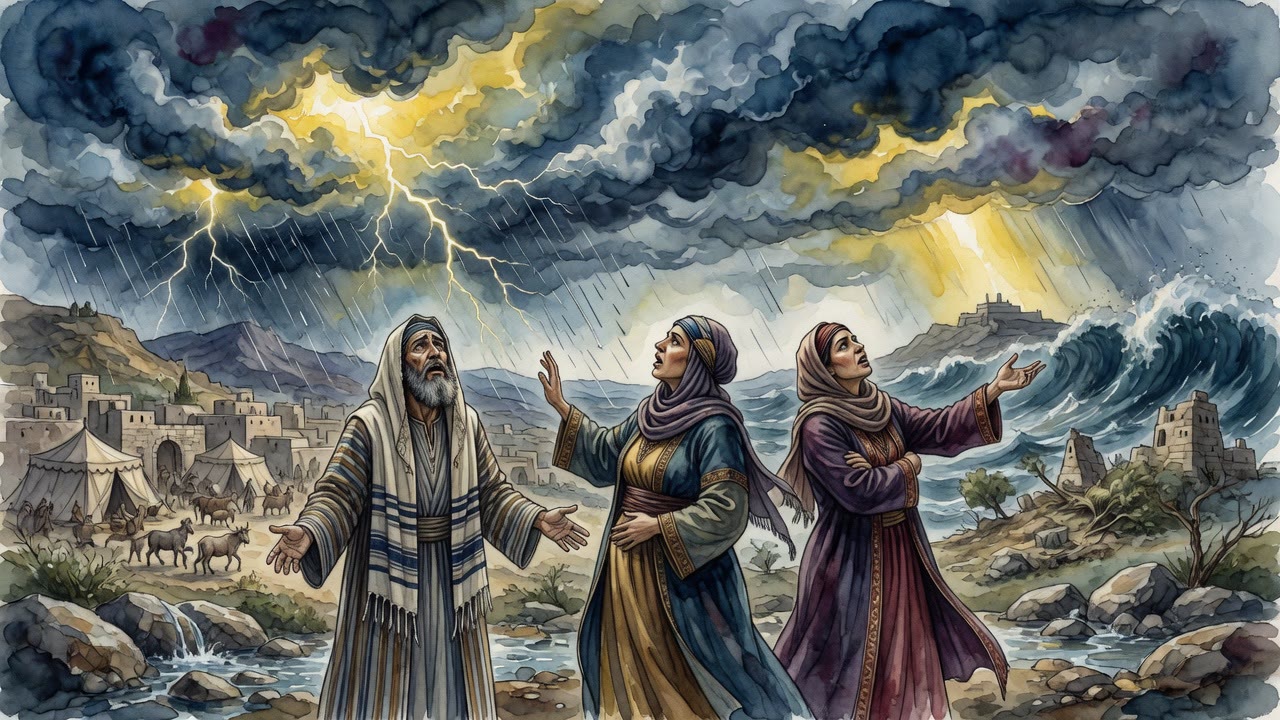
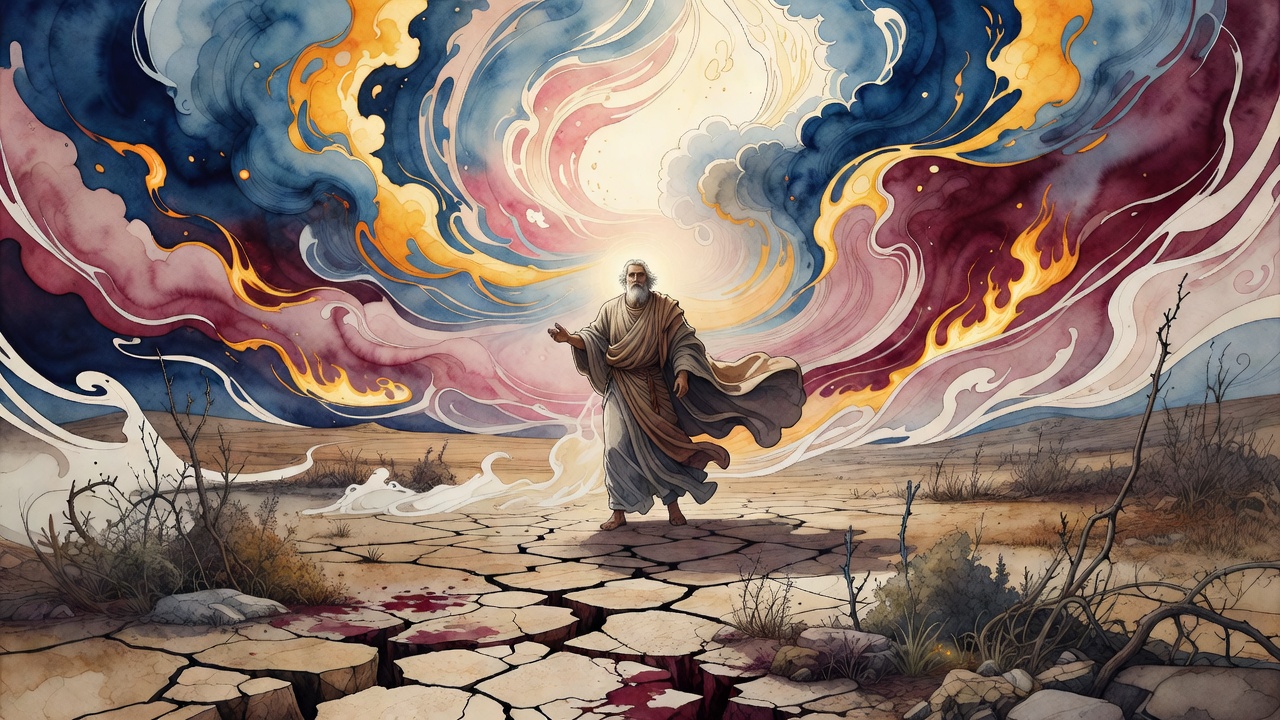
The river Gihon rose and tore through the earth. A third of the earth was destroyed. Still the hands of men stretched toward evil. Seeds sank into the ground and returned as thorns, thistles, and briers. Hunger walked through fields that should have held grain.
Cainan, a descendant of Seth, became wise at forty. He ruled with knowledge, even over spirits and demons, and he could read the direction of history with a cold eye. Water would come again. Not a river this time. A flood. He wrote what was coming on tablets of stone and hid them among his treasures, not because stone could stop judgment, but because stone could outlast panic.
The Pillars Raised Against Fire and Water
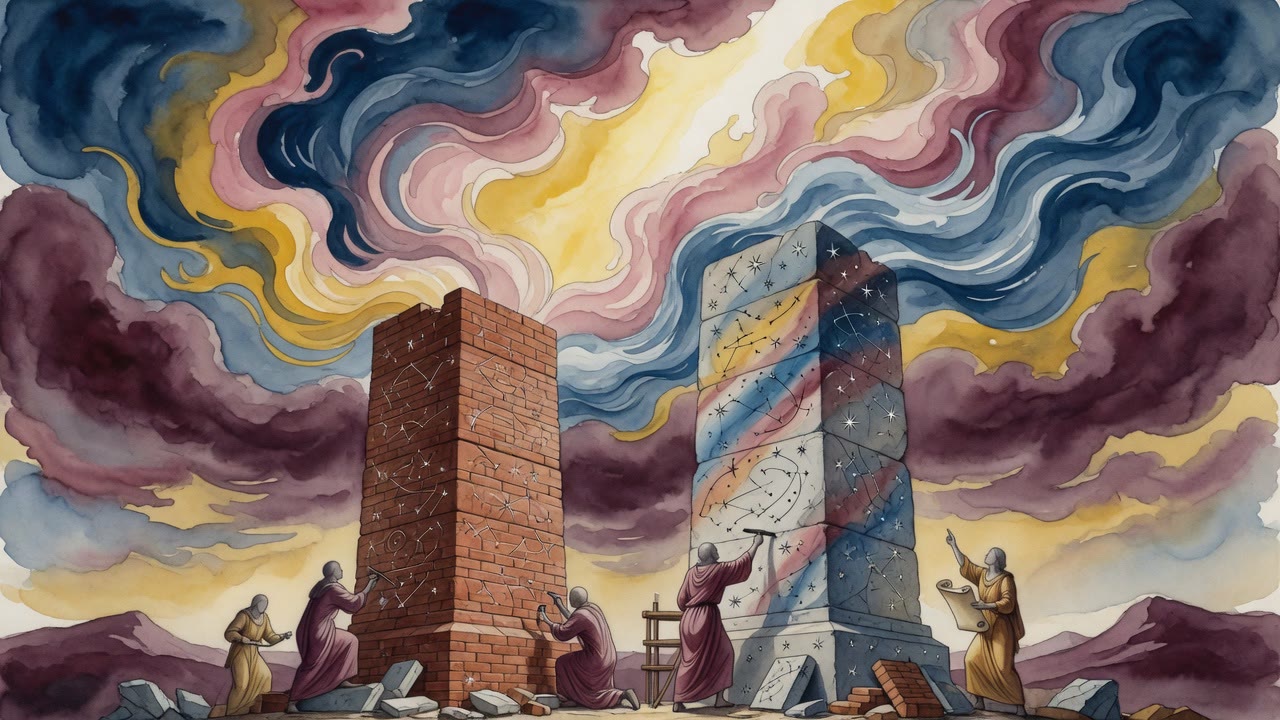
Adam had predicted two devastations: fire at one time, water at another. Seth's descendants believed him. They did not build a palace. They did not build a monument to their own names. They built a library that could survive the end of the world.
One pillar was brick. One pillar was stone.
Onto both they carved the wisdom of the heavens, the discoveries of a family that had tried to keep the sky readable while the earth below it grew worse. Fire might consume one material. Water might spare another. If the flood took the brick, the stone would remain. If flame came for stone's companion, the surviving pillar would tell the future that another witness had once stood beside it.
There is a fierce humility in that act. They did not assume they could prevent catastrophe. They assumed someone might live after it. Somewhere beyond the drowning, beyond the burning, beyond the generation that forgot God and the generation that remembered too late, a hand might touch carved letters and begin again.
Seth had been born because a murdered brother could not be the last word. His descendants carved pillars because a ruined world could not be the last word either. Brick and stone stood against fire and flood, waiting for the future to learn how much had nearly been lost.
← All myths