Adam's Demon Children Born in 130 Years of Grief
After Abel's blood soaked the ground, Adam fled Eve for 130 years. Female spirits found him there, and grief took on bodies.
Table of Contents
The first time Adam lay without a soul, a thousand spirits tried to take him.
 Click for full size
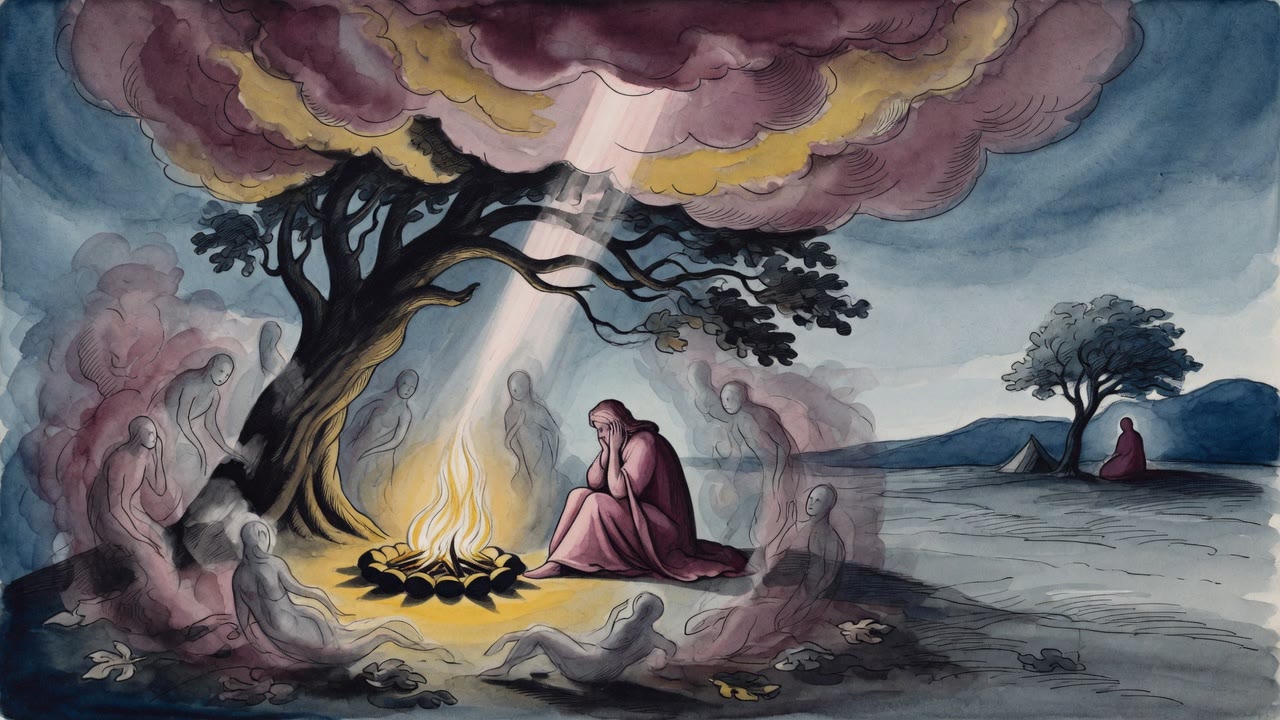
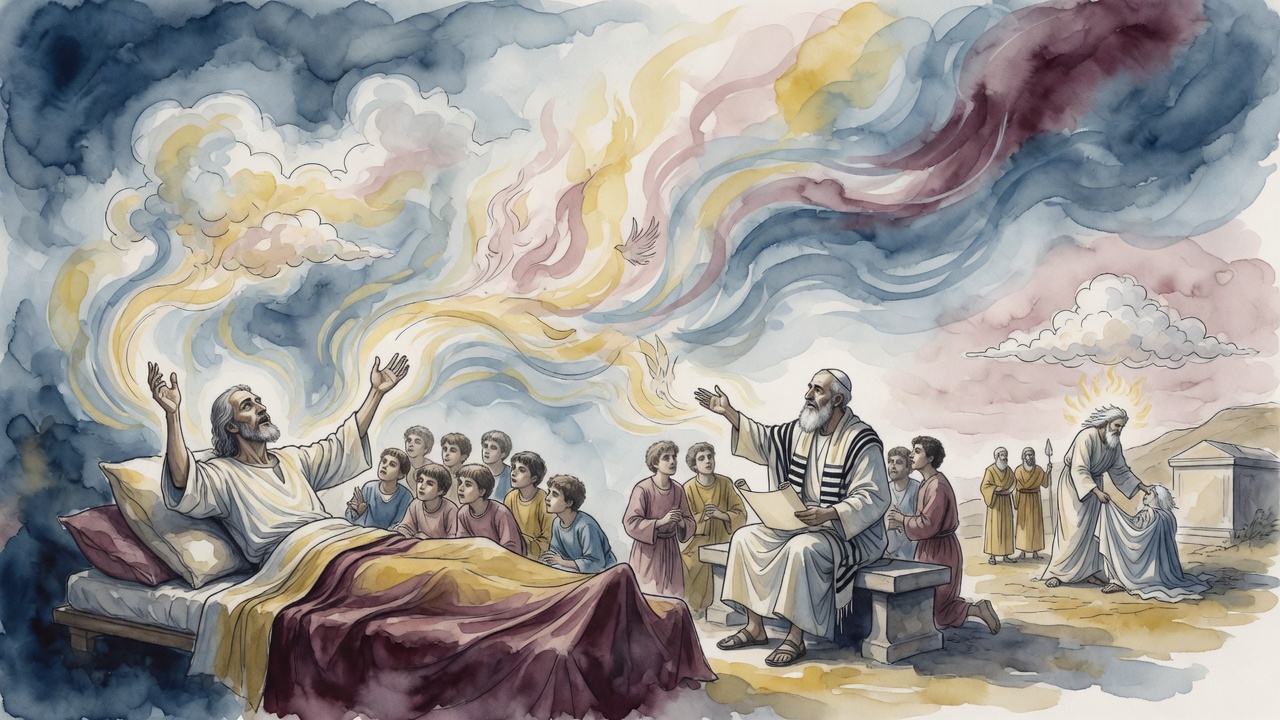
His body was there, shaped from earth and still green with the pallor of lifelessness. The vessel was perfect. The breath had not yet entered. Around him crowded ruchot (רוחות), spirits, each one pressing toward the same impossible opening. Each wanted to be the life inside the first human being.
A Cloud Guarded the Empty Body
The spirits came before Adam had a voice to refuse them. They came before his eyes opened, before the Garden had a keeper, before desire had a name. An empty body is not safe in a world full of hunger. Even a holy form can become contested ground.
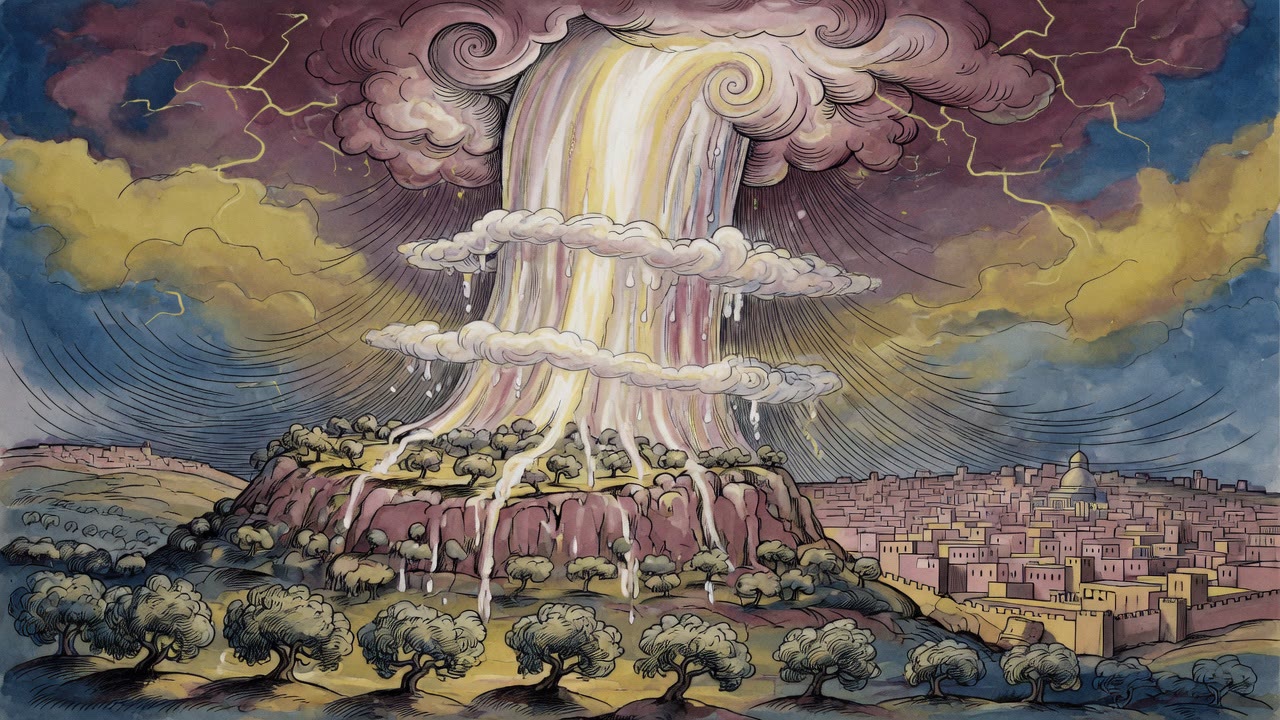
Then a cloud descended. It drove the spirits back. Only after the crowd had been scattered did God breathe life into Adam, and the first man rose with a soul that had not been stolen by the swarm. He began with protection. He began with a boundary.
That boundary would not always hold.
Abel's Blood Split the House
When Cain killed Abel, the ground drank a son's blood and the first parents learned a new kind of silence. Death was no longer a sentence pronounced outside Eden. It had entered the house. It had a brother's hand on it.
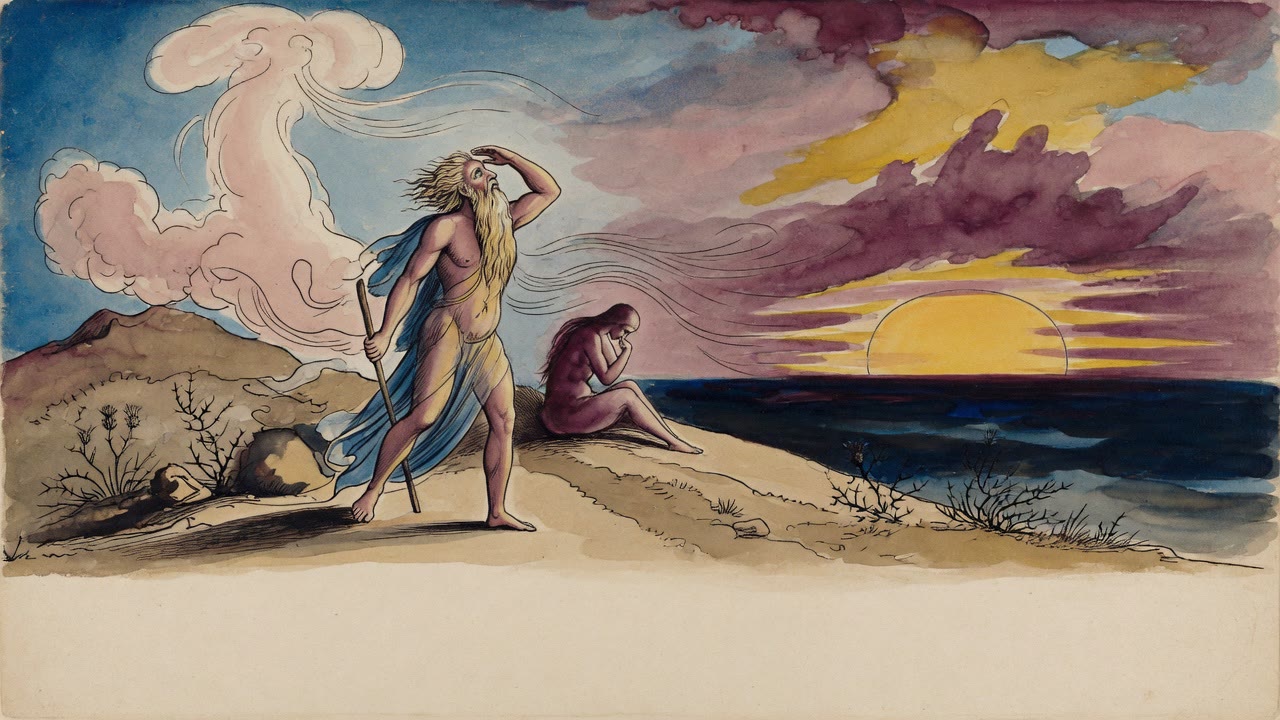
Adam looked at Eve, and the world before the murder stood between them. She was the mother of the living, and now she was also the mother of the dead. He withdrew from her. Not for a week. Not through one season of mourning. One hundred and thirty years passed with husband and wife separated, as if the bed itself had become a grave marker.
His reason had the cold logic of grief. Why bring more children into a world where children die? Better to close the door. Better to stop the line than watch it bleed.
The Nights Did Not Stay Empty
But emptiness attracts company.
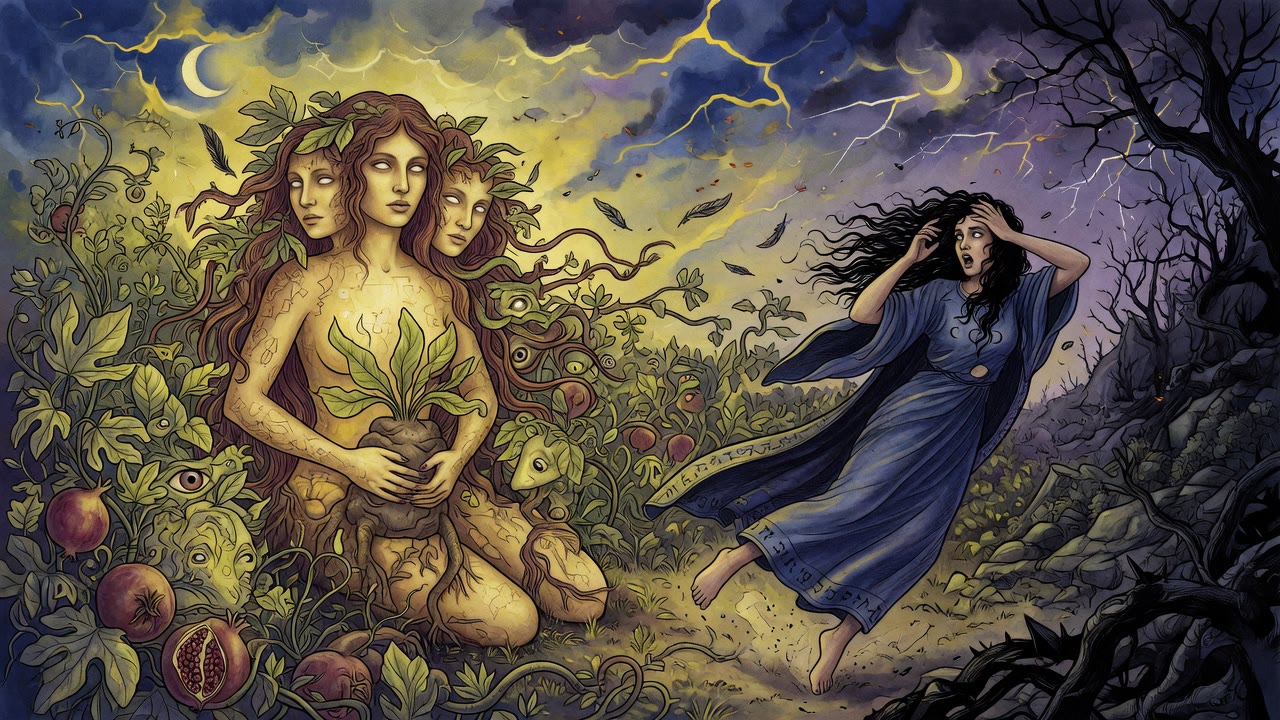
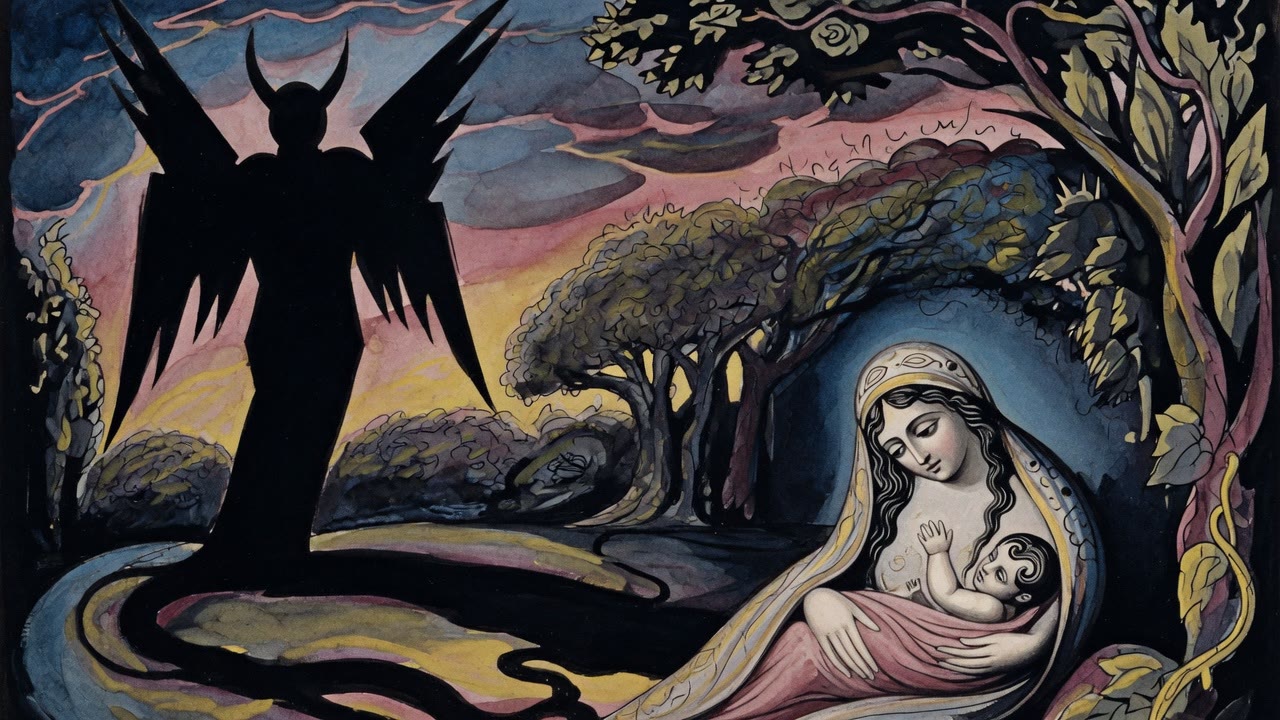
Adam could keep away from Eve. He could not turn himself back into untouched dust. In the lonely years, female spirits came to him in the hidden hours, where sleep loosens the guard and sorrow has no witnesses. From those unions came shades and demons, beings born from the first man's fracture.
They were not sons who would stand at a father's knee and receive a name. They were not children of covenant, table, field, or inheritance. They carried something of Adam without entering the human house. The old swarm had failed to enter him before life, but grief opened another door after death had entered the family.
A person can refuse life and still produce consequences.
Lamech's Wives Threw the Proverb
Generations later, blood returned through Lamech. He had killed Cain by accident, and his wives, Adah and Zillah, pulled away from him. The house of the first murderer had become the house of another death, and the women wanted no part in it.
Adam told them to return to their husband.
The answer hit like a thrown stone: physician, heal yourself. He had told wounded women to go back to a wounded man while he himself had lived apart from Eve since Abel fell. His instruction came dressed as wisdom, but his own house stood as the accusation. Adah and Zillah did not need thunder from heaven. They had the facts.
Adam heard them. The proverb entered where comfort could not.
Seth Entered a Crowded World
Adam returned to Eve. Nine months later, Seth was born.
That birth did not erase Abel. It did not gather the demon children back into nothing. It did not turn 130 years into a small mistake. Seth entered a crowded world, a world where grief had already made offspring of its own, where the first marriage had been split by death and forced back together by rebuke.
Adam knew repentance in his body. Earlier, after the Accuser had come close and vanished, he had stood forty days in the Jordan, asking God to remove the adversary who sought his destruction. He knew how water could hold a man in place until prayer became heavier than pride.
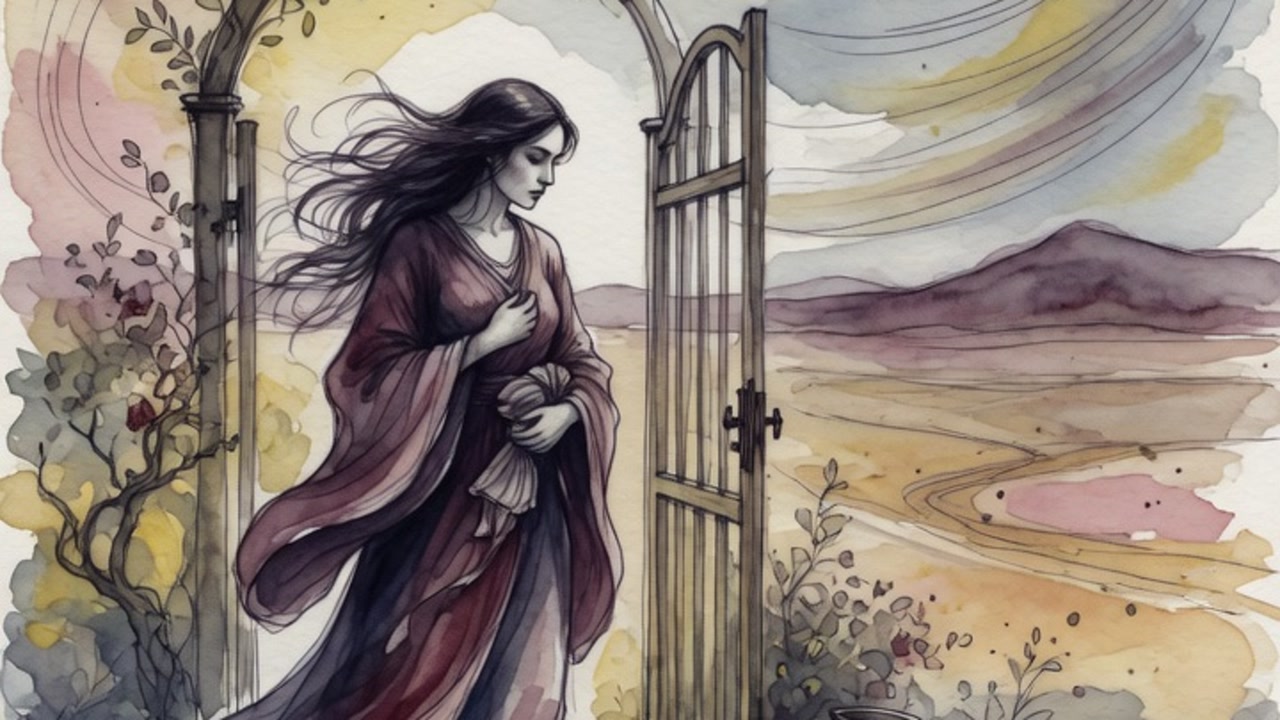
But the rebuke of Lamech's wives did what the river could not do in this wound. It sent him home. The first man, once guarded from a thousand spirits by a cloud, had to learn that holiness is not only keeping invaders out. Sometimes it is returning to the door that grief made unbearable and opening it.
← All myths