70 myths · Page 2 of 3
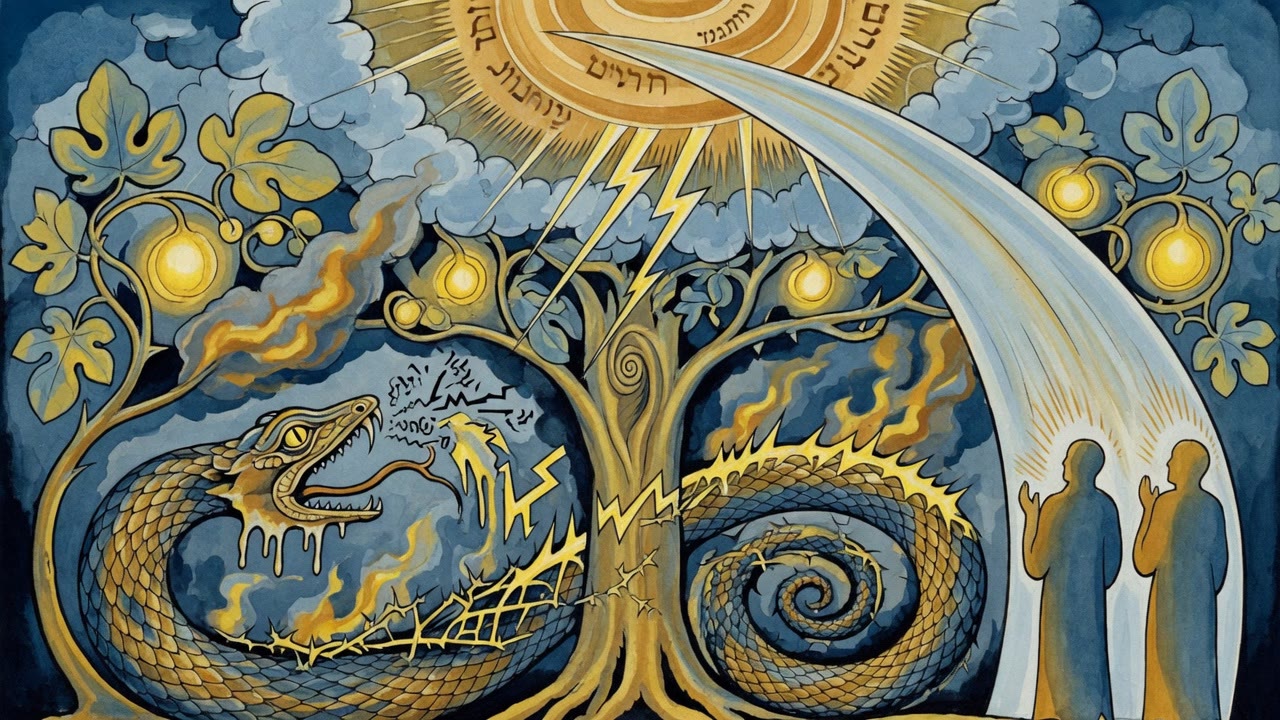
The Angel of Death came with orders to be generous. Rabbi Joshua ben Levi borrowed the angel's blade, vaulted the wall of Eden, and made heaven honor his oath.
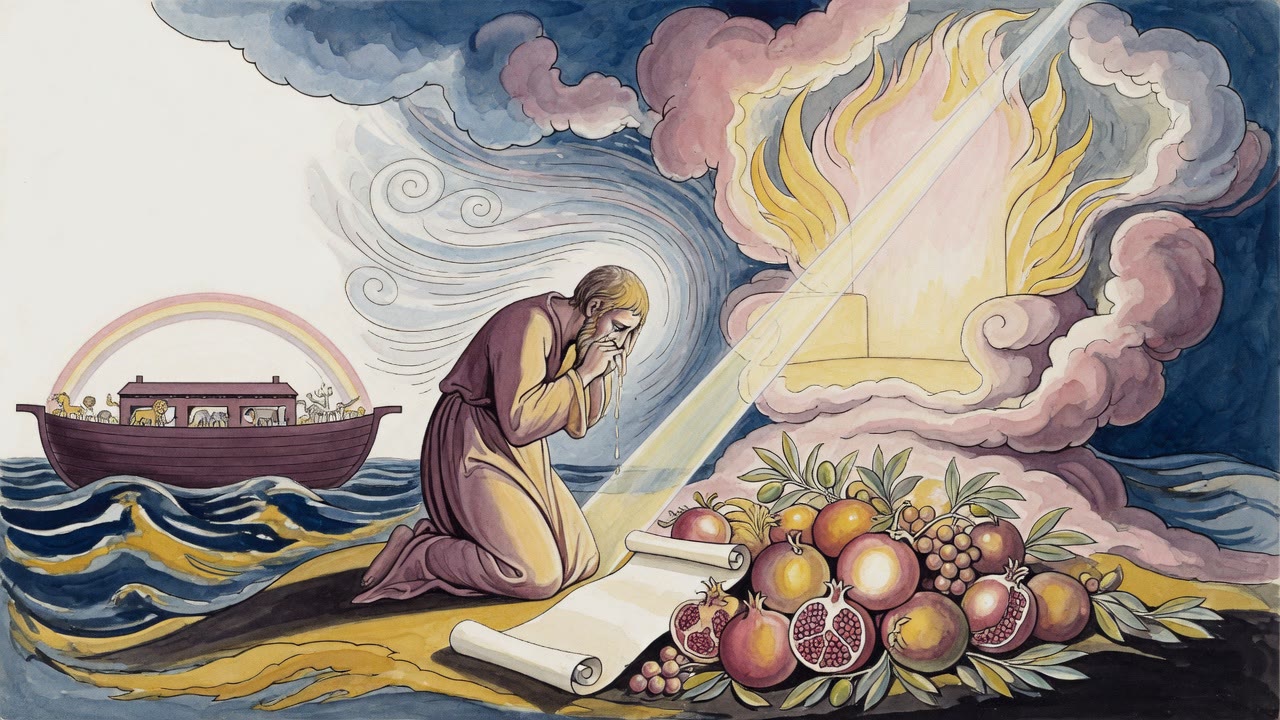
Noah had three sons. He also had twelve months of waking in the dark to feed every animal in the ark at its own hour, and he came out emaciated.
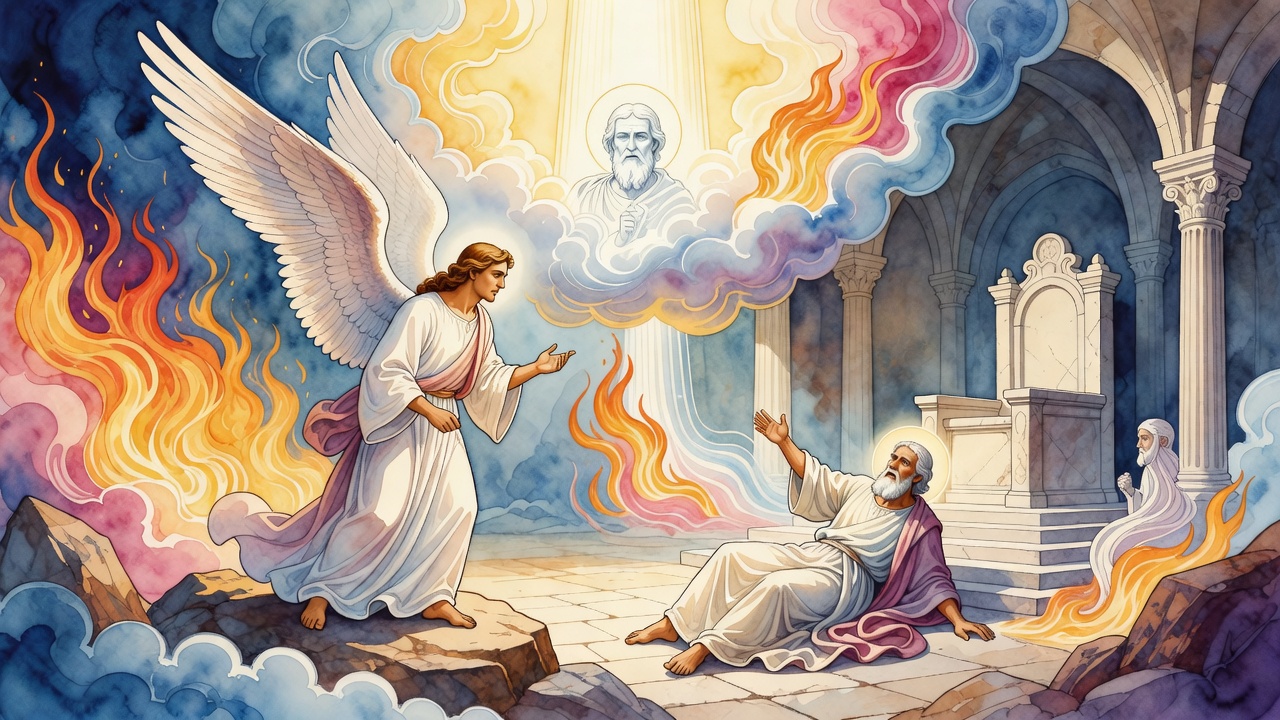
Michael sat through the whole meal and could not say why he had come. Abraham washed the visitor's feet and asked to see the gates first.
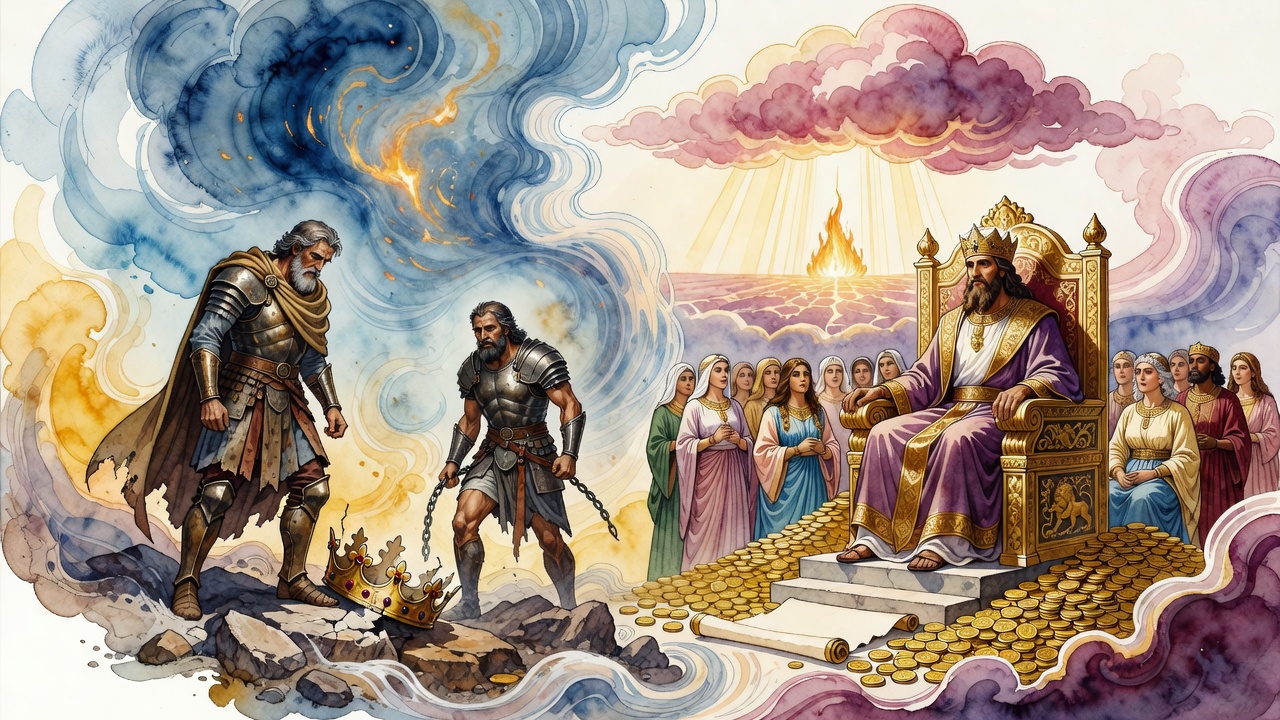
Agag was still breathing when the voice came down. Do not be more righteous than your Creator. Years later the same mouth ordered priests killed.
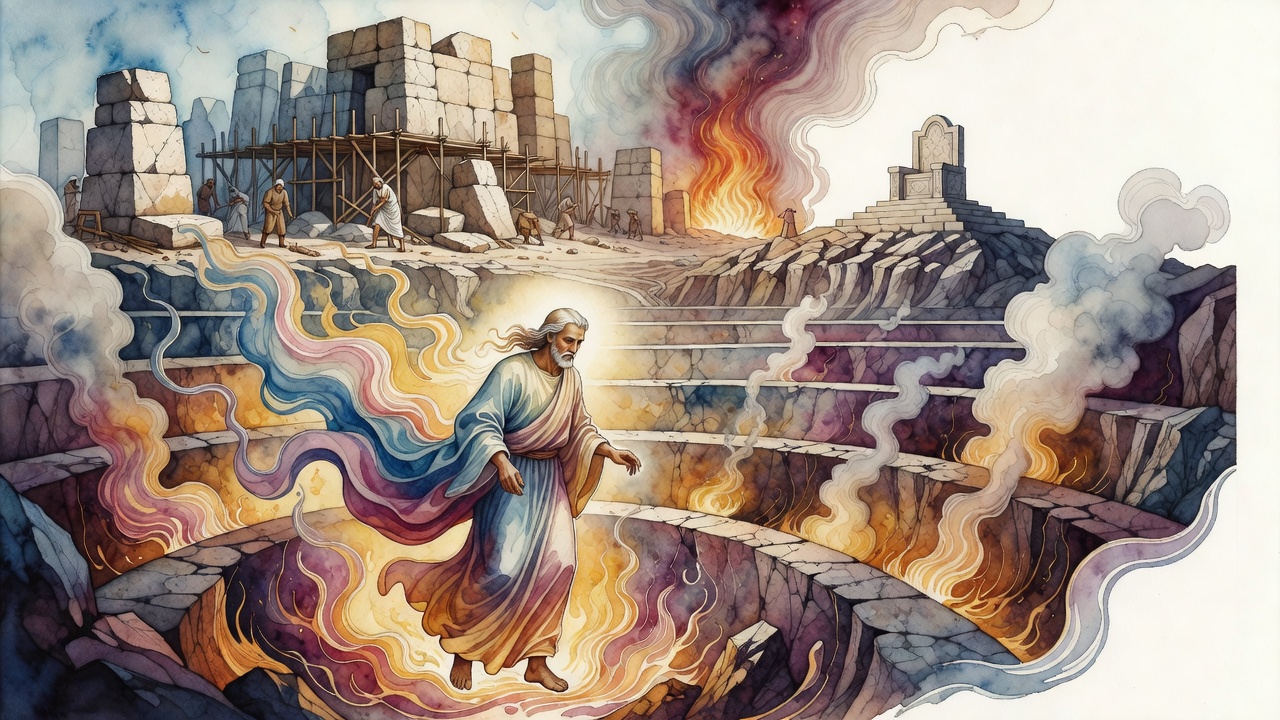
The Messiah would not take him down. Joshua walked the seven chambers anyway. Solomon built the House over the same mouth and never went in.
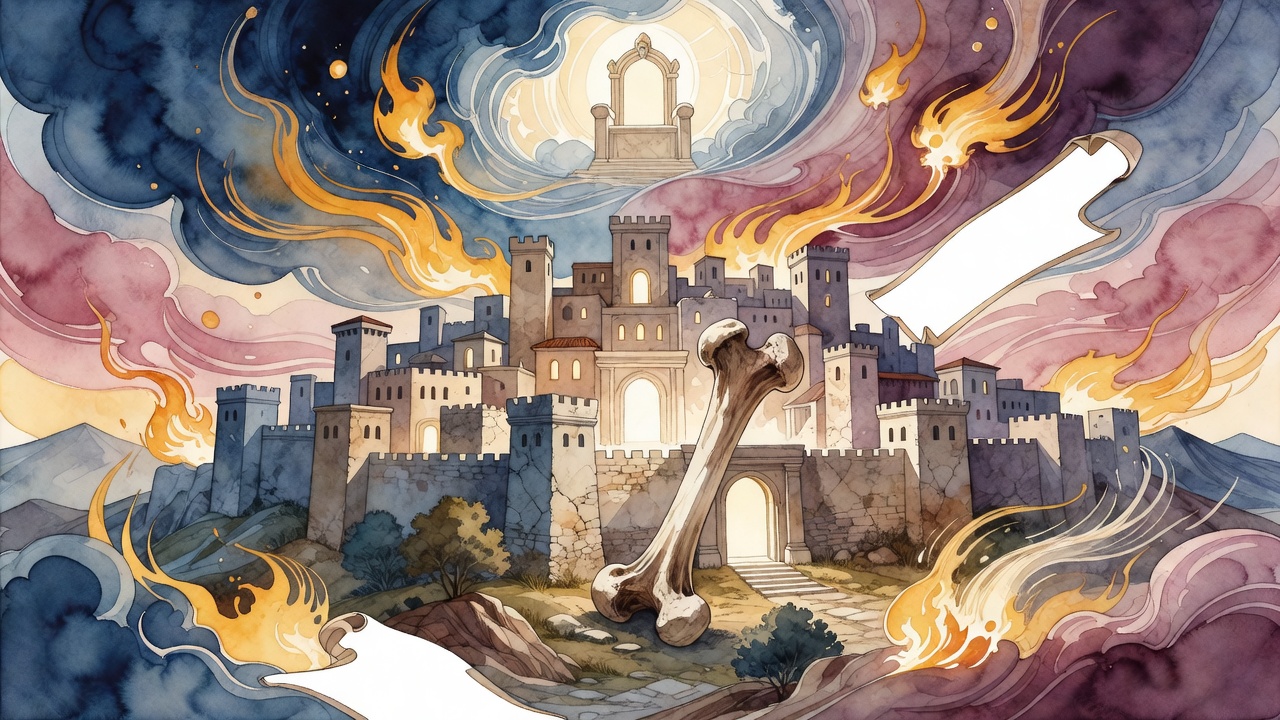
Solomon sent his scribes through the hollow almond tree. The Angel of Death was already waiting at the gate they thought was safe.
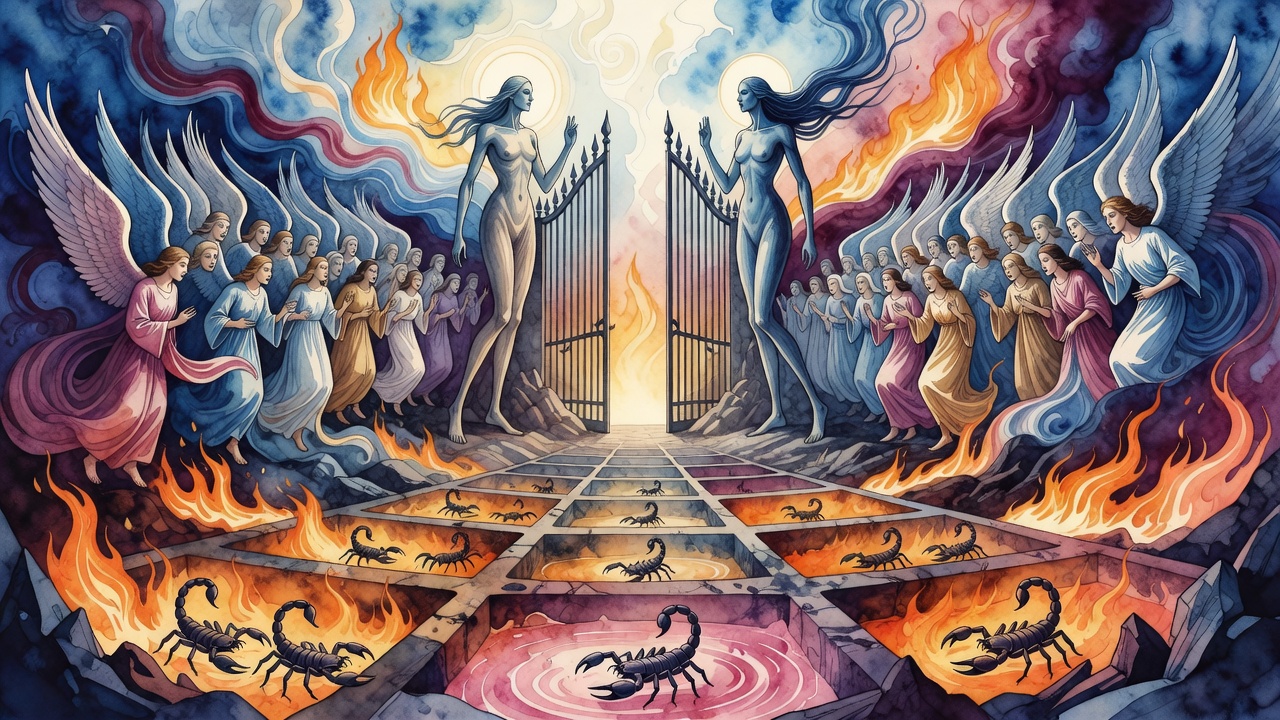
At the gates of Gehinnom (afterlife of judgment), two angel bands call out a single word forever, and beyond them lie seven named compartments of fire.
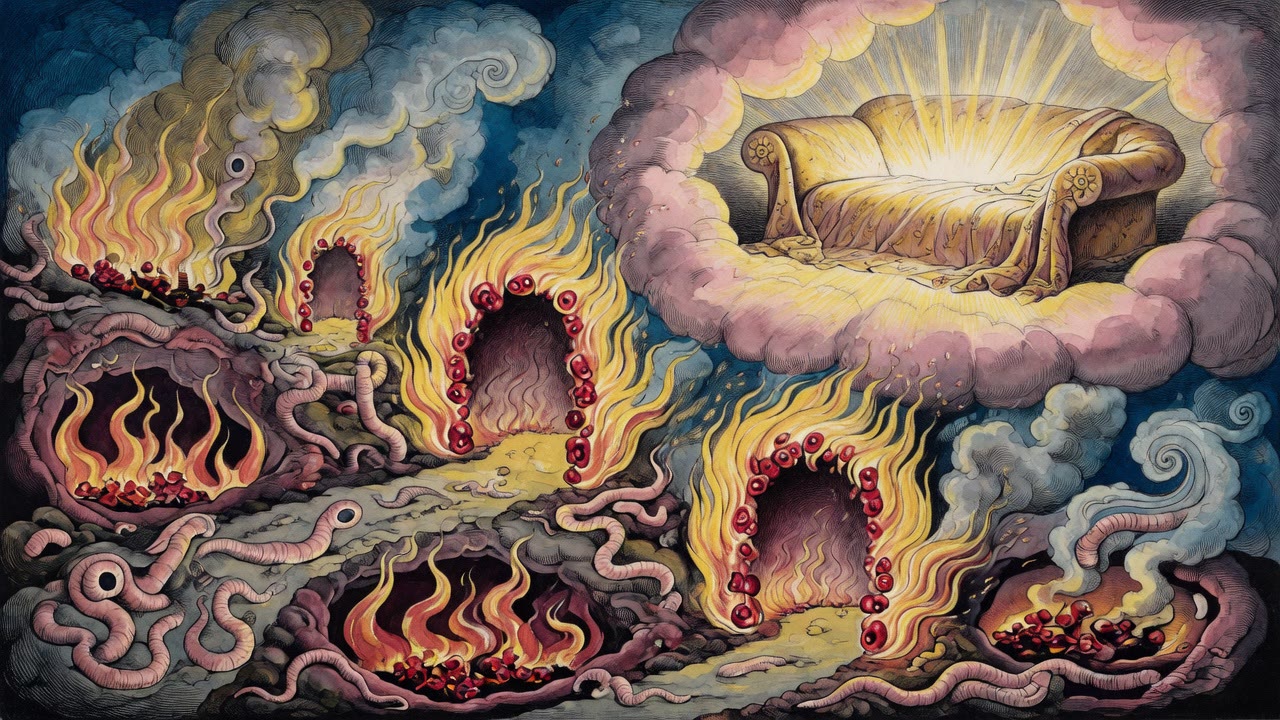
Chronicles of Jerahmeel says the righteous dead emerge from their graves each Shabbat eve to eat, drink, and praise God, then return before nightfall.
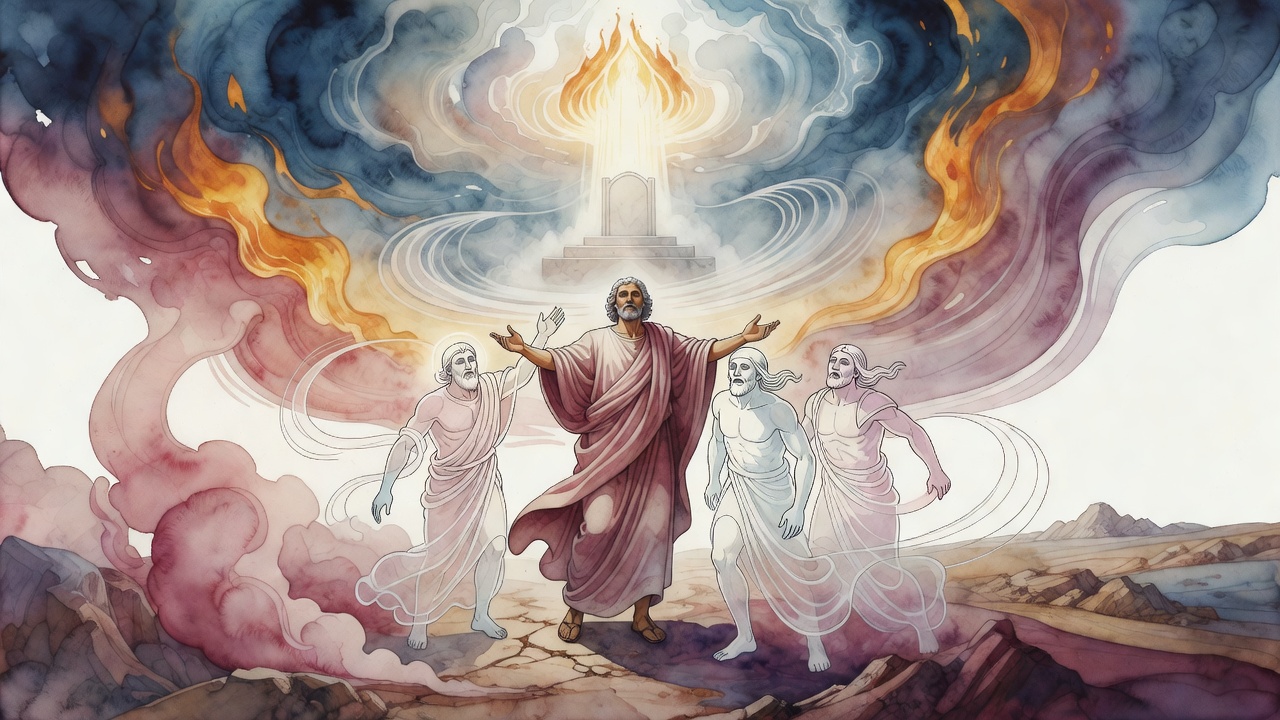
The emperor's nephew called Titus and Balaam up from the dead. He asked which nation is honored in the world to come. Both enemies said the Jews.
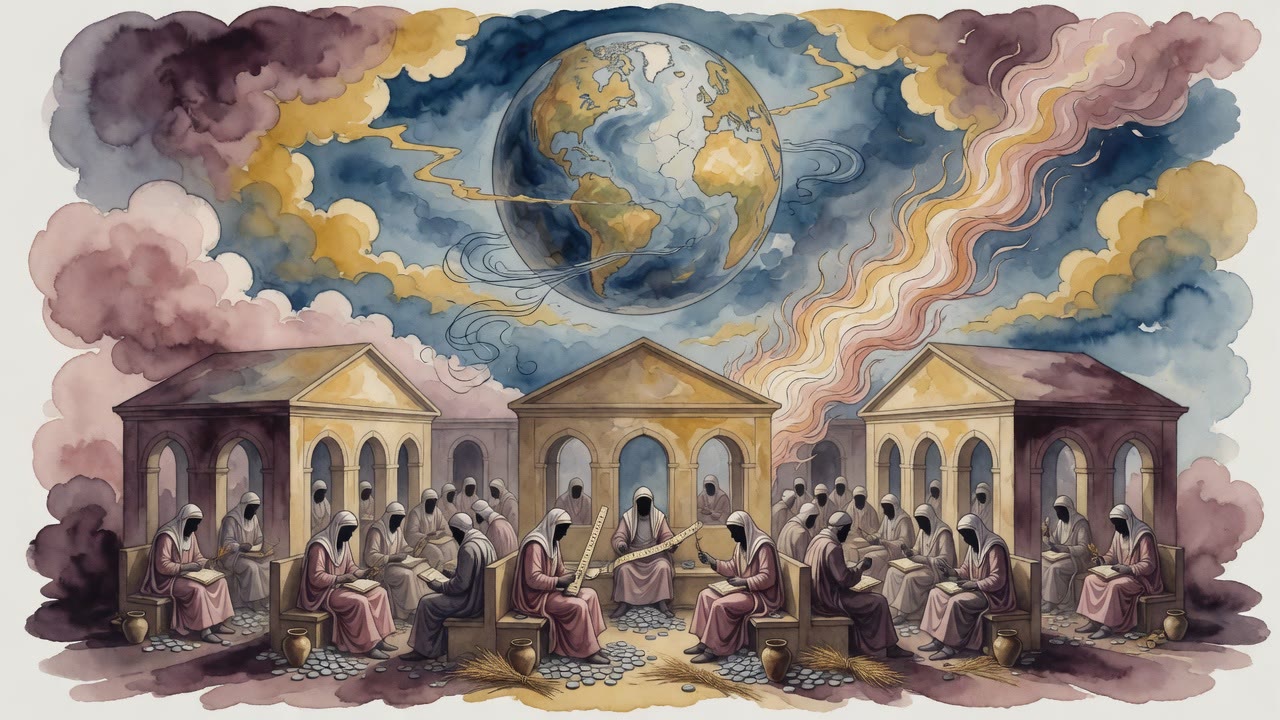
He washed his parents' faces before he opened the shop. Joshua ben Levi had asked Elijah for a name. The name was a butcher.
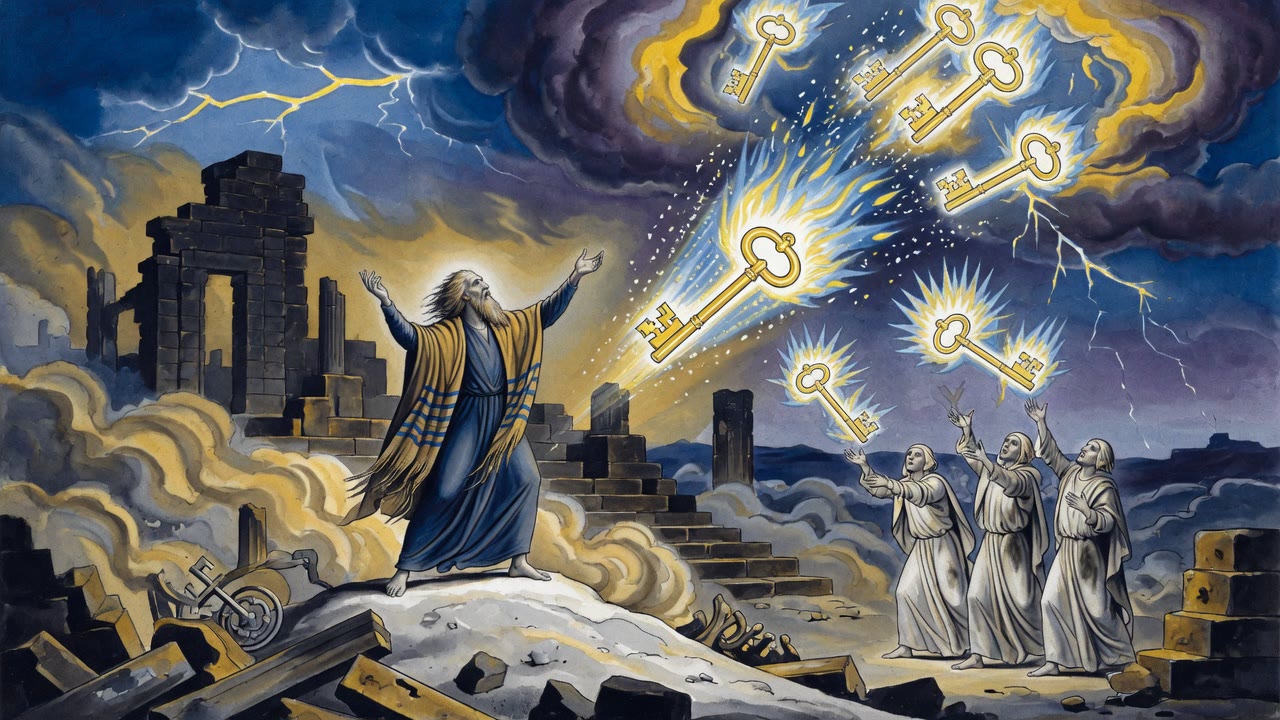
Jerusalem was still smoking. Baruch asked what shape the dead would wear. God said the earth would give them back as it had taken them.
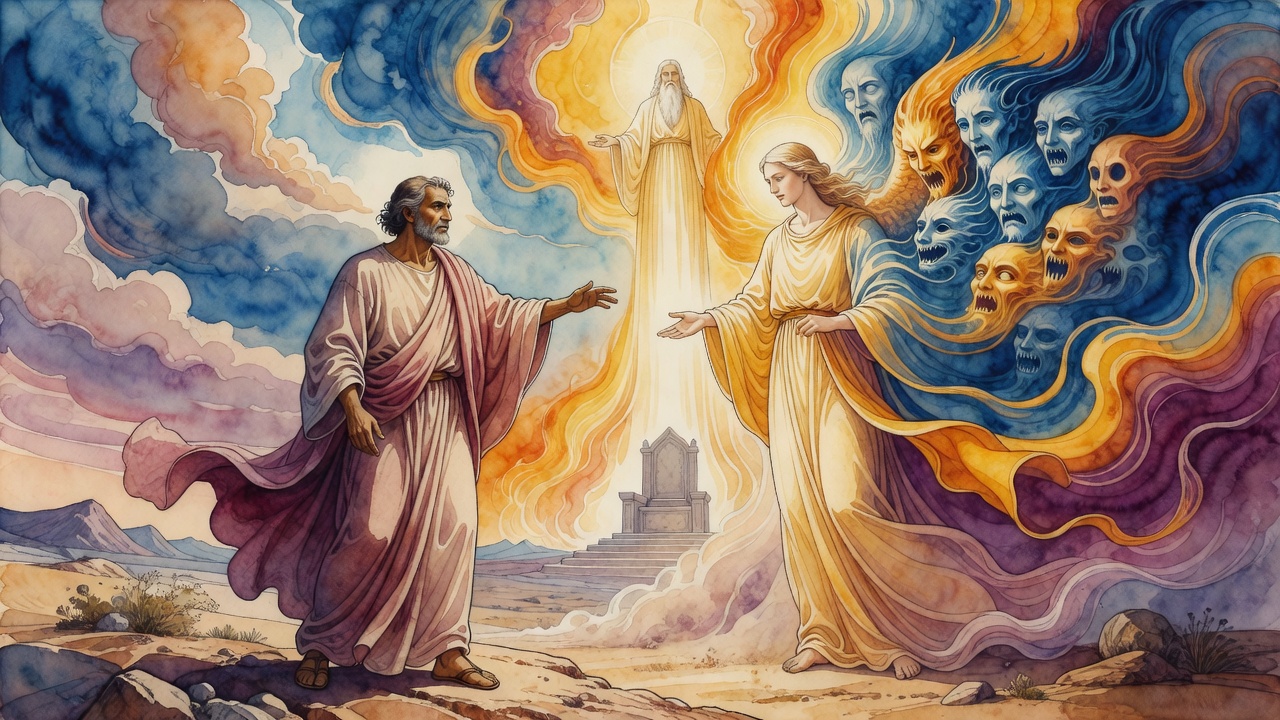
Death knelt at Abraham's tent smelling of paradise. Abraham asked to see the other face. The servants around him fell before he did.
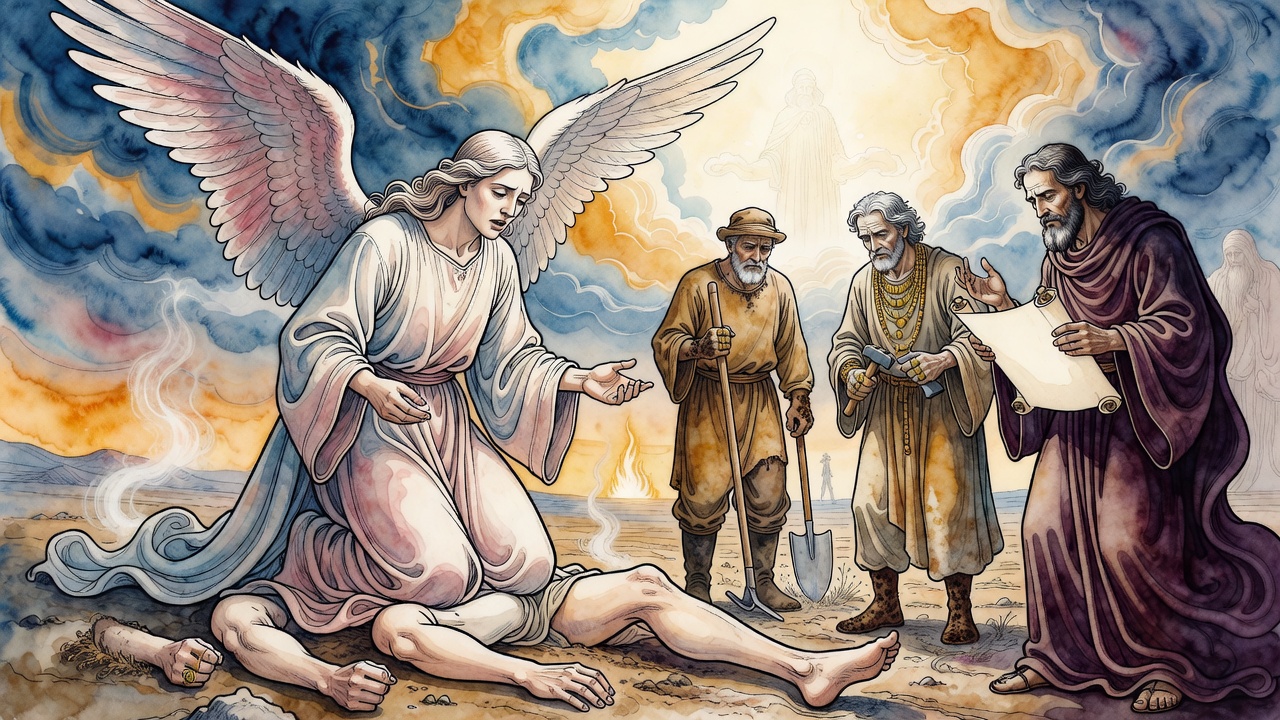
The angel did not comfort the dying man. It named his legs and his hands and wept. Each limb had already chosen its own road.
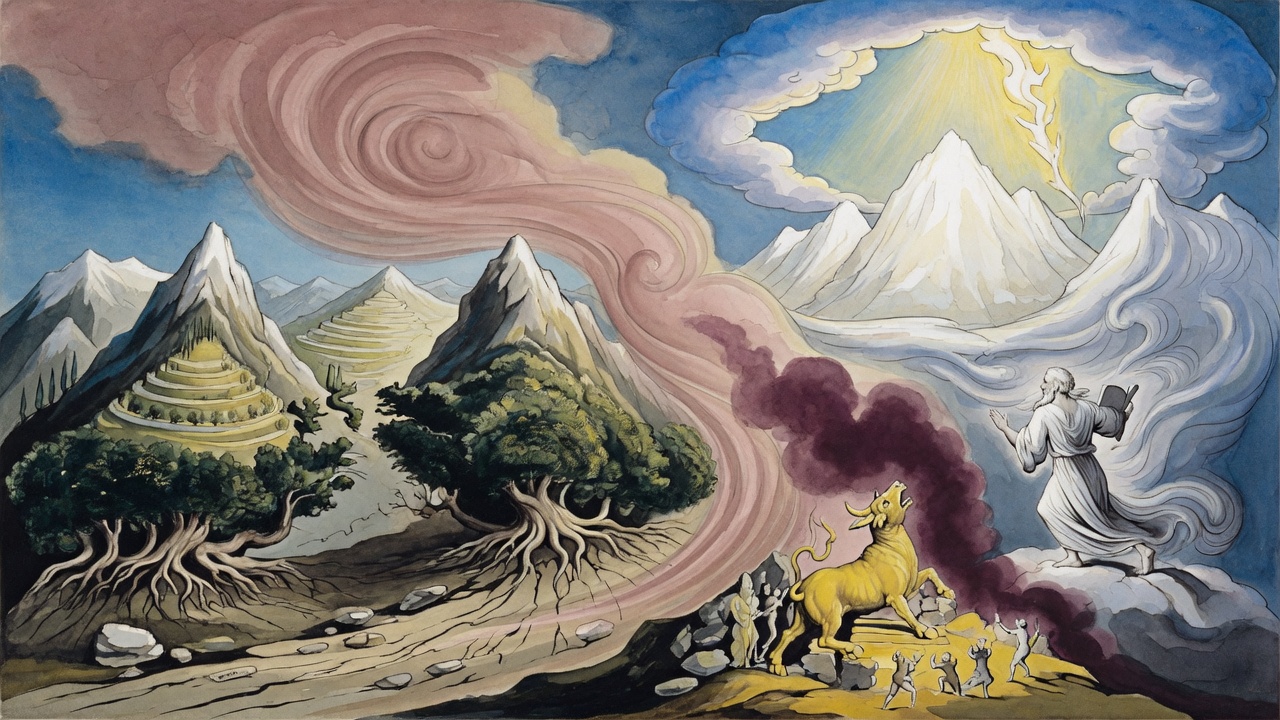
A man gathering firewood in the forest was dead. He burned in Gehinnom (afterlife of judgment) because of a shared sin, and only his son's voice in the.
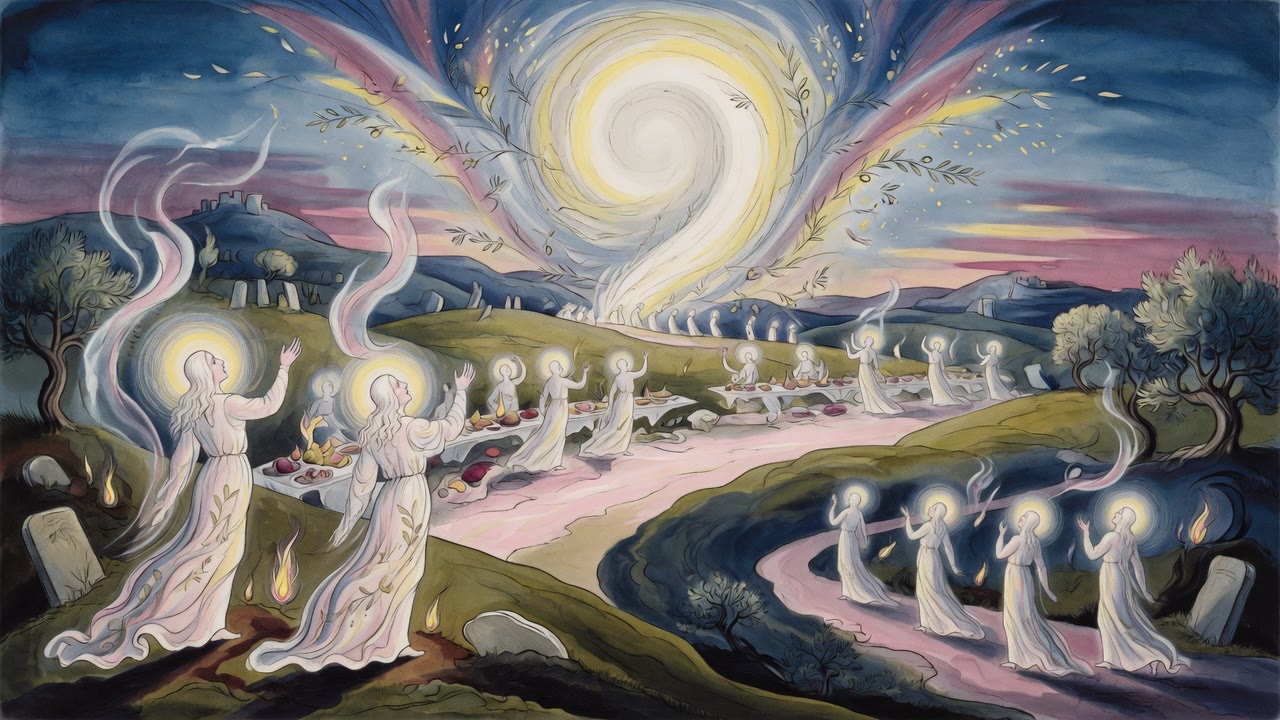
Two thousand scorpions crossed the backs of the sinners, each sting matched to a different sin. Higher up, angels bathed in a river of fire and came out new.
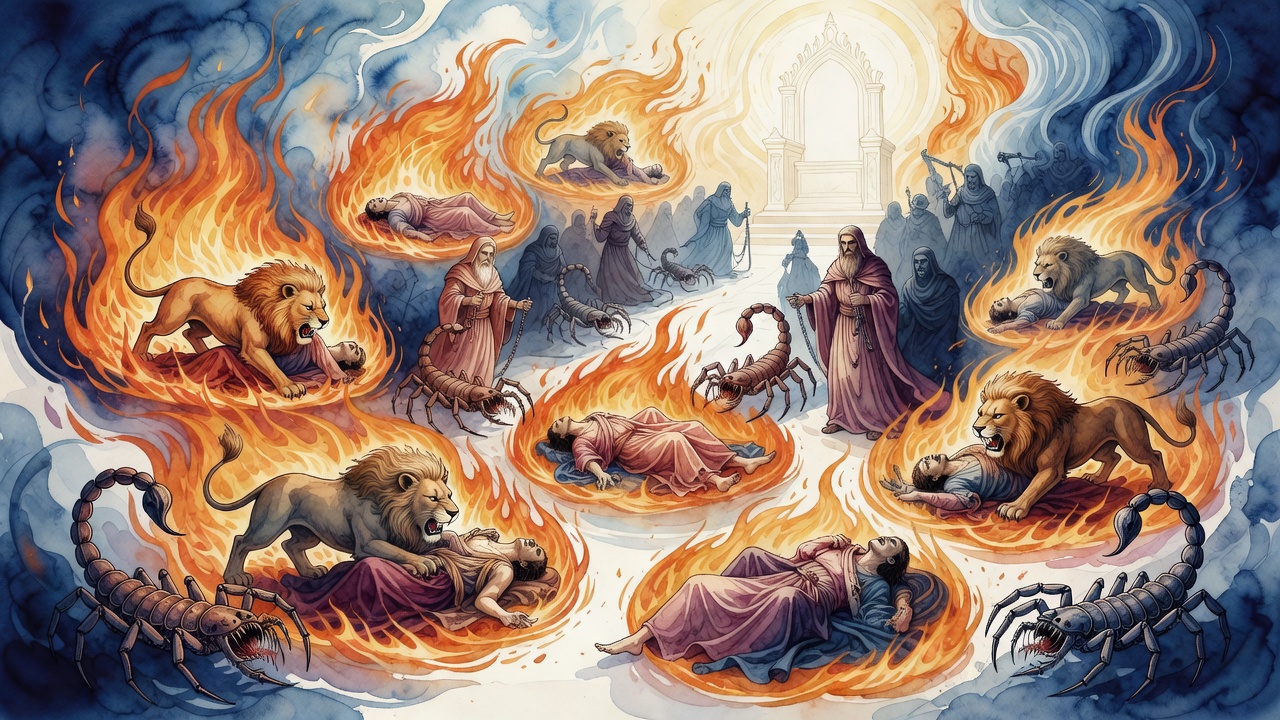
Seven fiery chambers where lions eat the dead and begin again, traitor-kings warden the nations, and scorpions with countless mouths lash the prostrate.
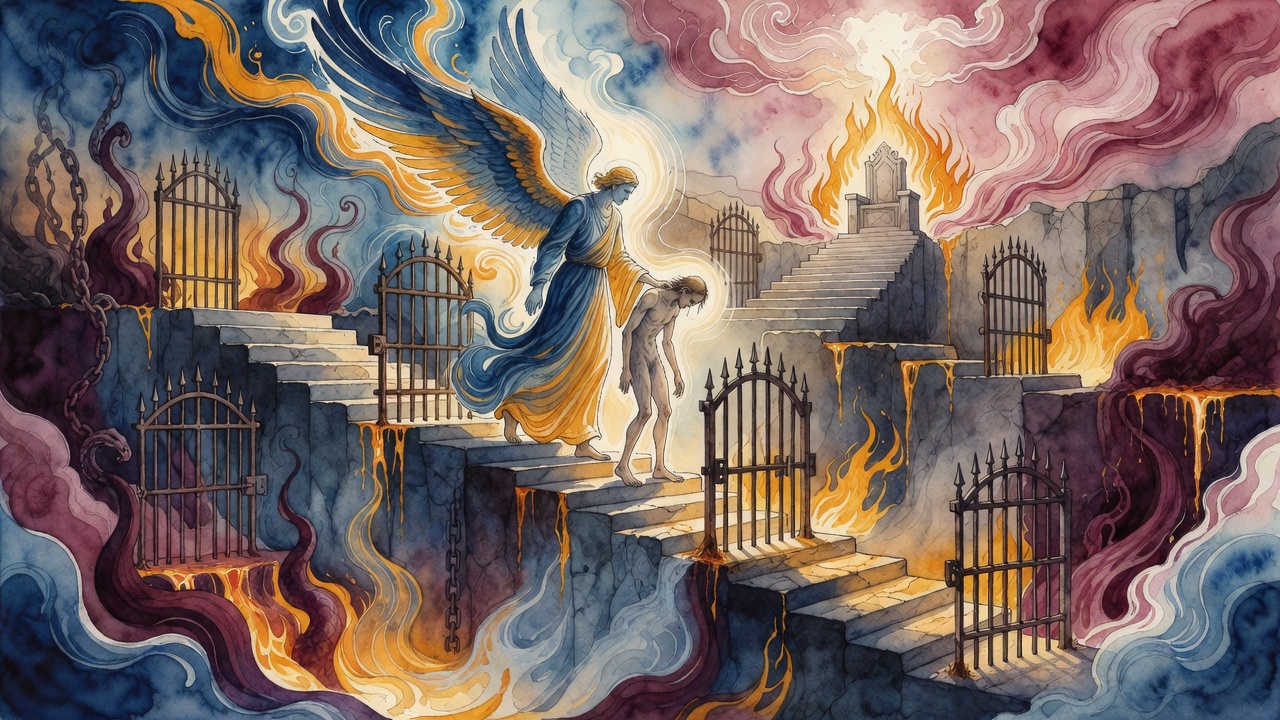
An angel walks a trembling soul down seven descending floors of fire, where the gates lock the feet and each punishment is cut to fit the sin.
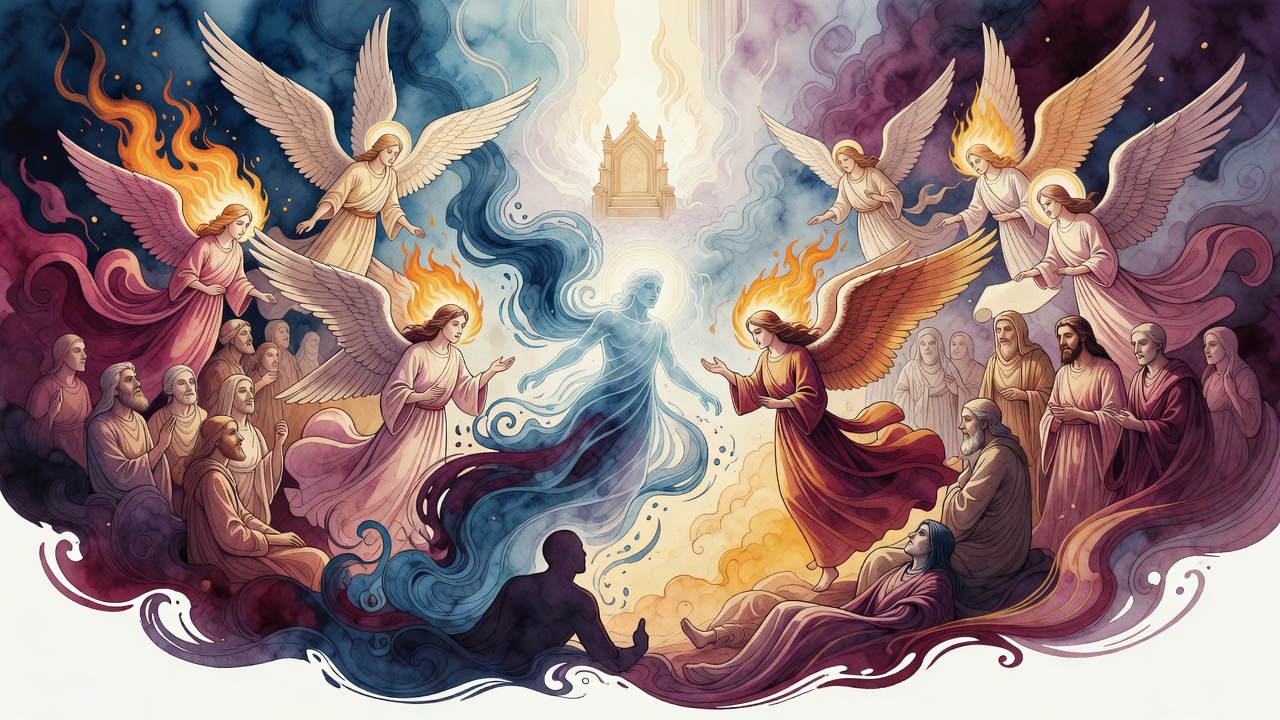
Angels stood by the bed before the man knew he was dying. His soul came loose at the feet, and his sight got sharper as it rose.
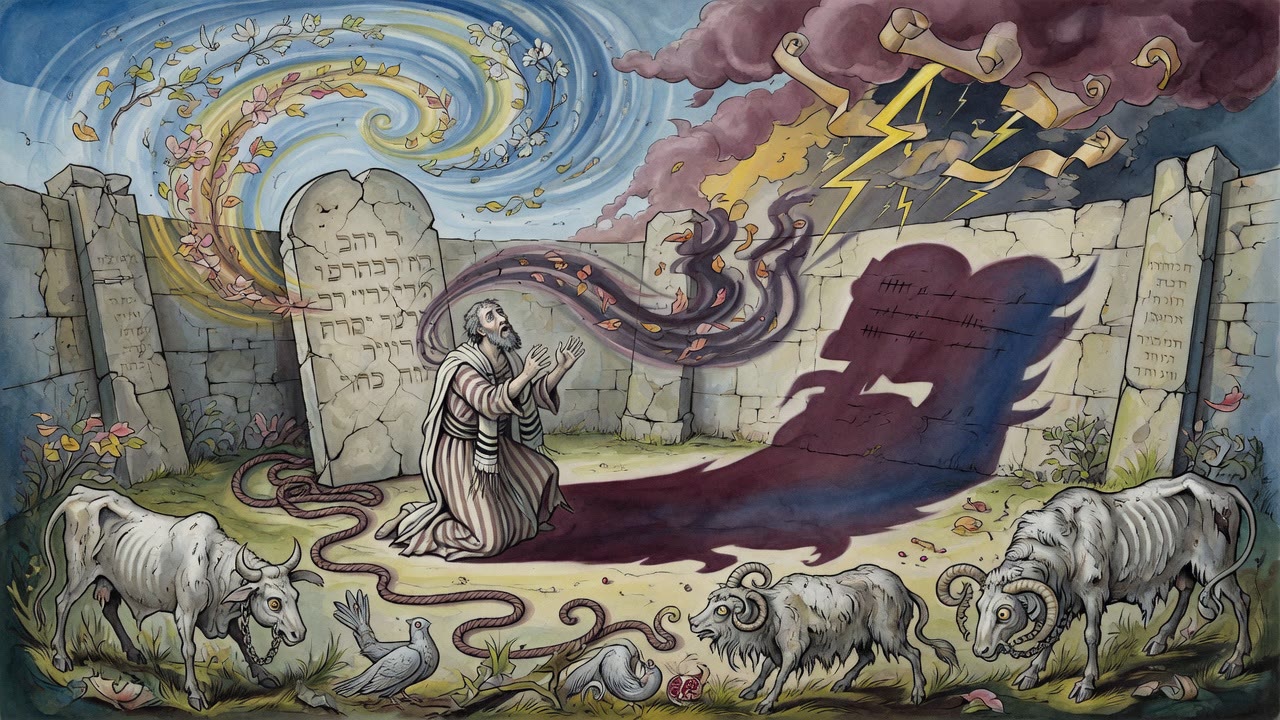
The elders who had thrown him out came back begging for a chief. He went. He died in pieces, a limb dropping as he walked, buried across the cities of Gilead.
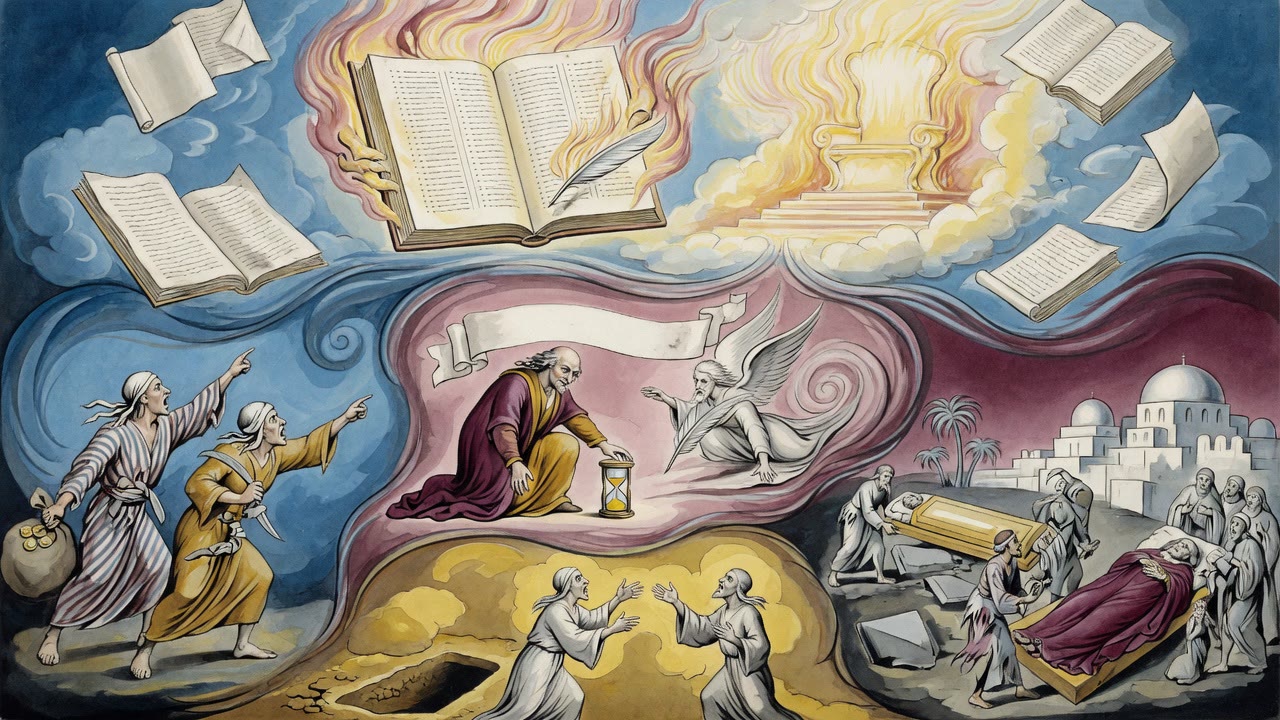
Two robbers cry favoritism, a wicked man buys eternity with one hour, and in Ashkelon two funerals carry the wrong men to the wrong graves.
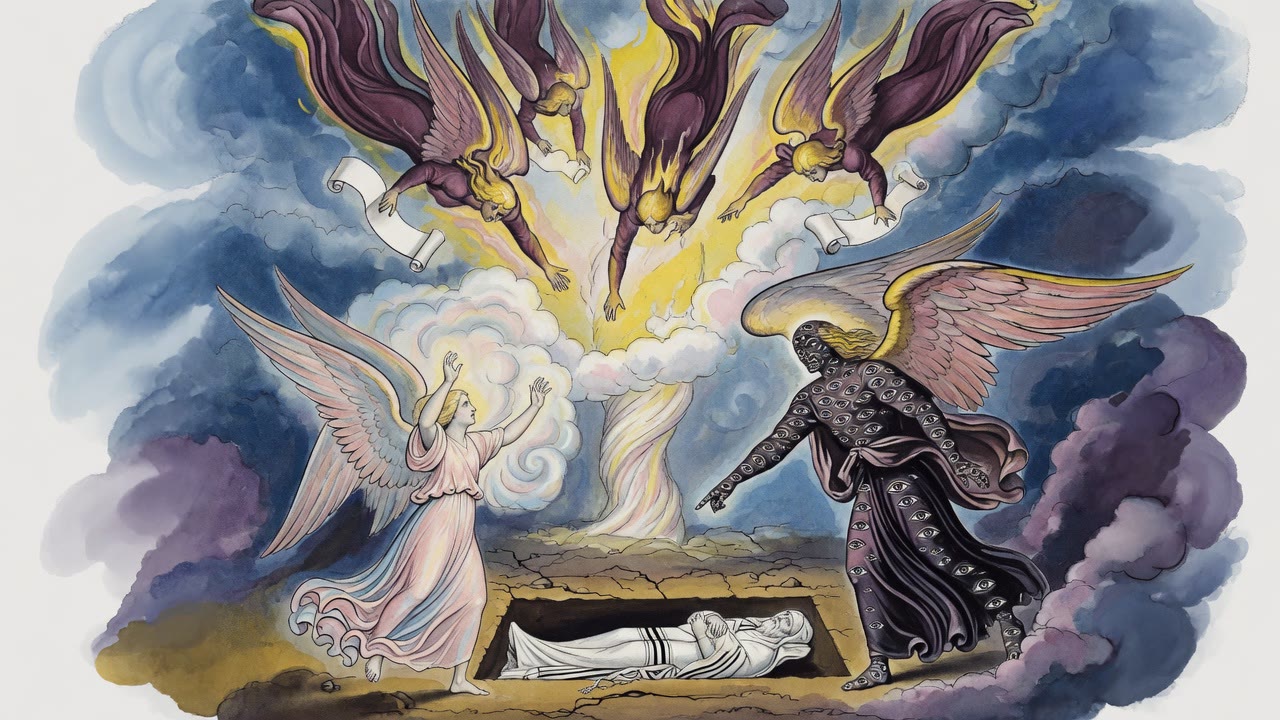
The dogs howled when the Angel of Death came through the door, covered in eyes. Then God asked the dead man what Torah he had studied.
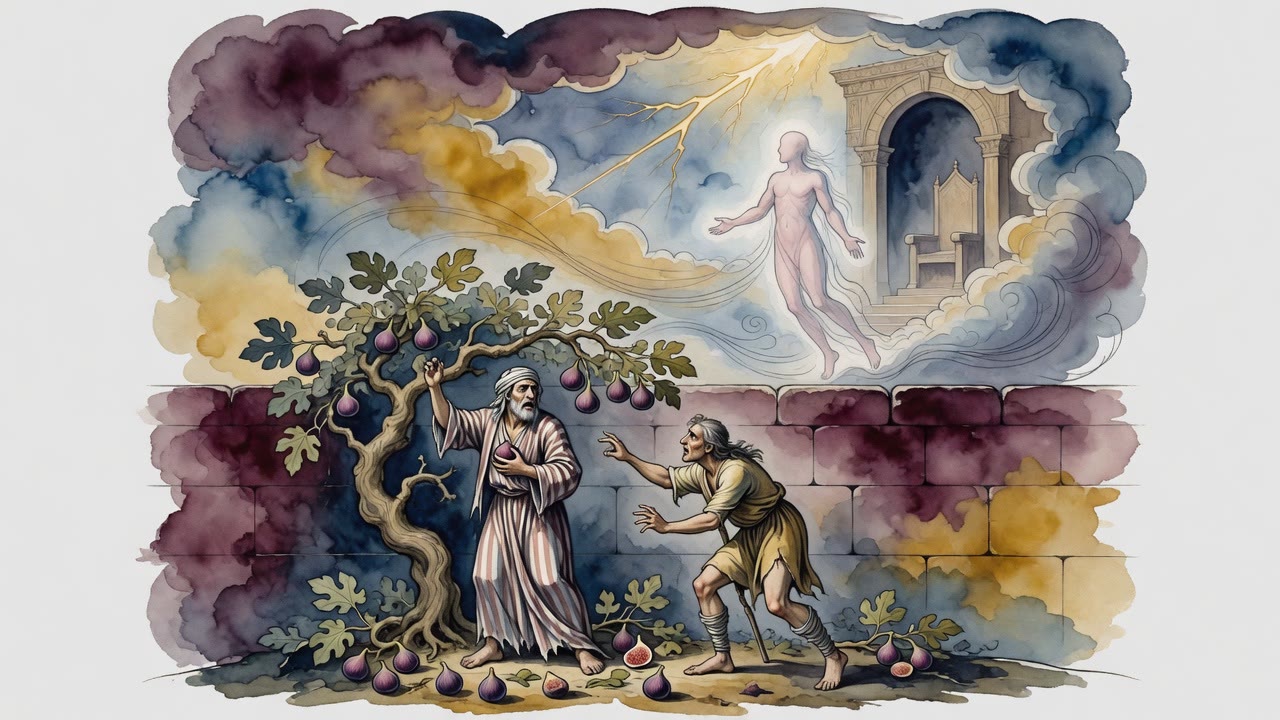
A blind man and a lame man strip the kings figs, then each blames the other. The soul tries the same defense and learns it grew up at court.
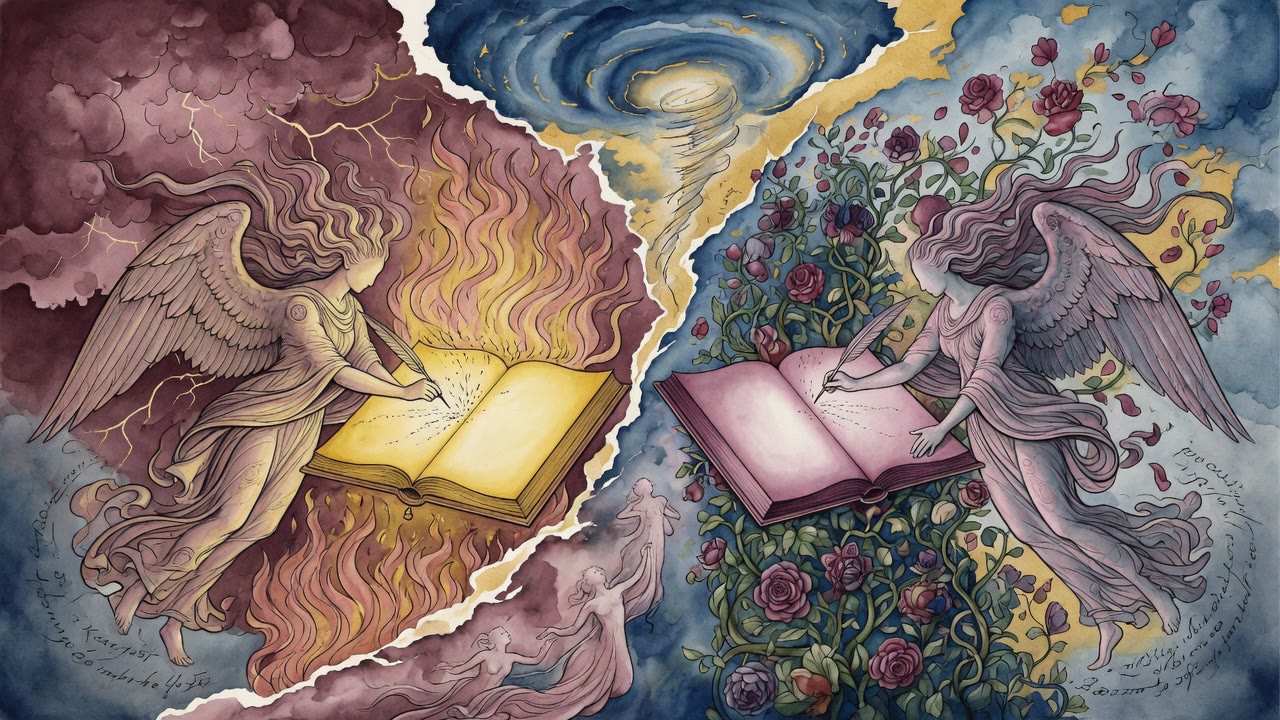
Two scribes write every name over a place in fire and in the garden before the soul is judged, and the verdict only decides which room you keep.
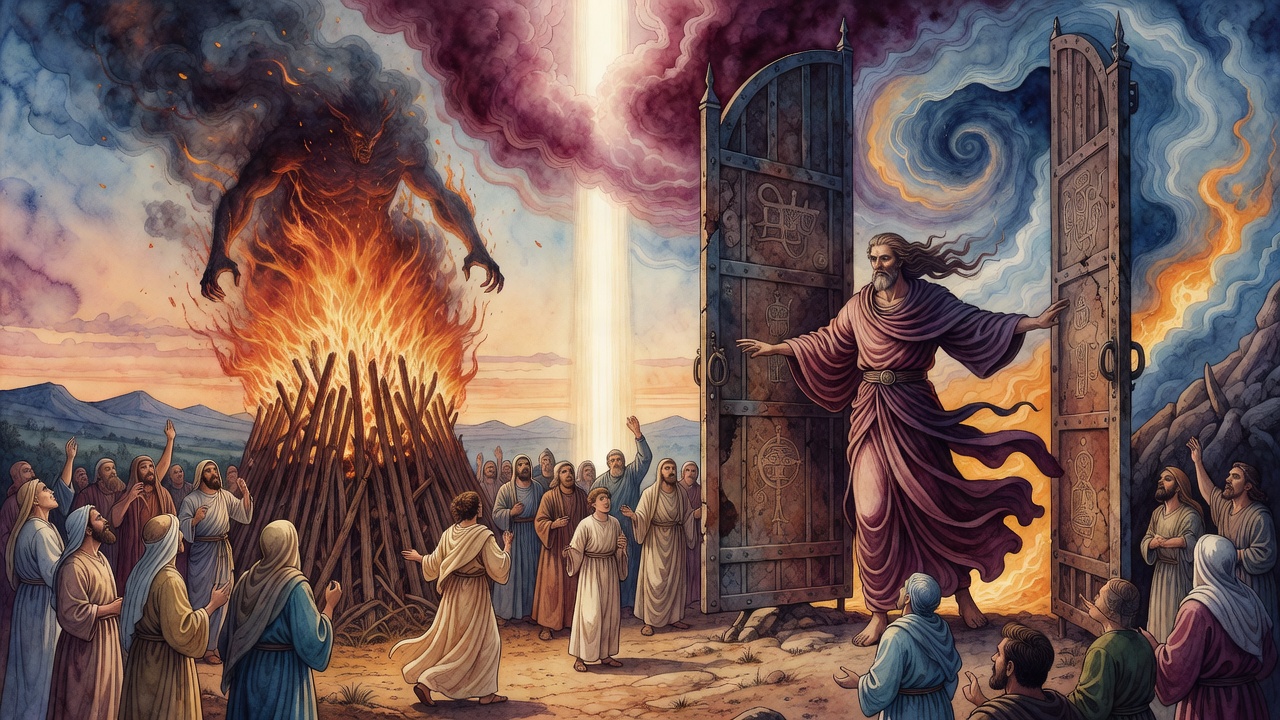
A nation that kindles a great stake at dawn and dusk meets the demon their fire was feeding, and Samriel opens the gate.
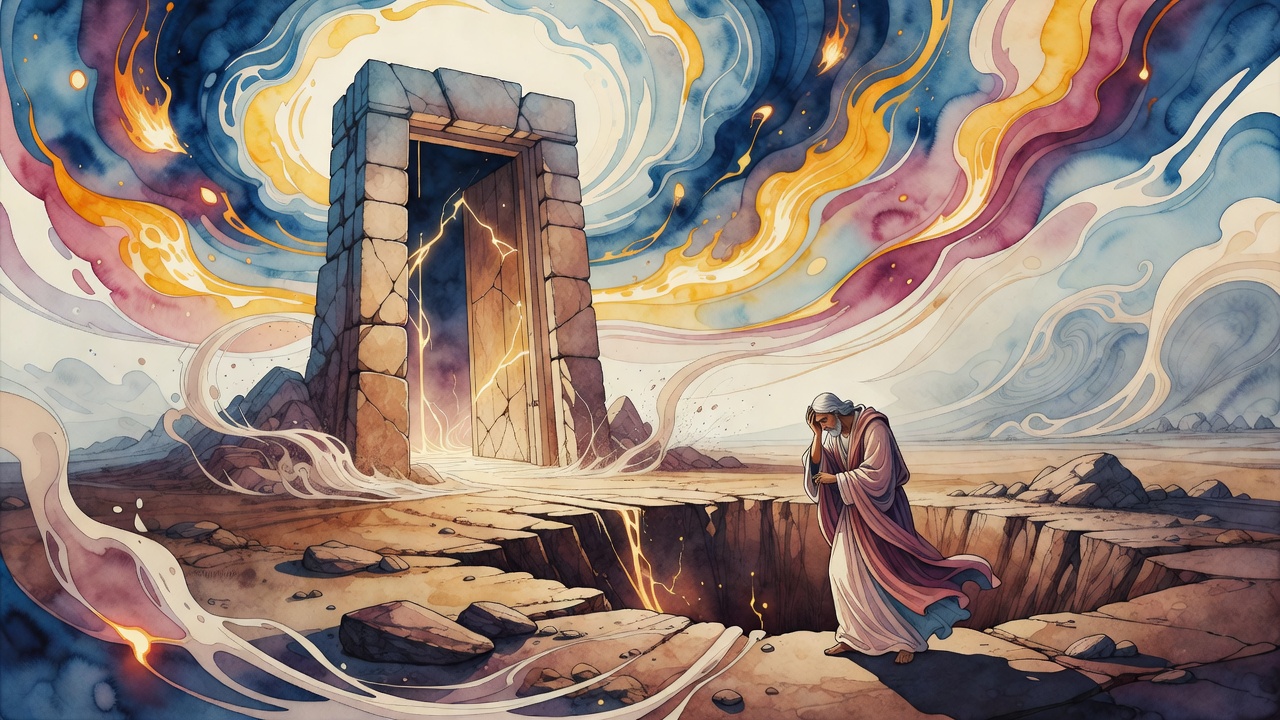
Between the garden and the fire the wall is three fingerbreadths thick. A door in that wall has a will, and it waits for a footstep the way a beast waits.
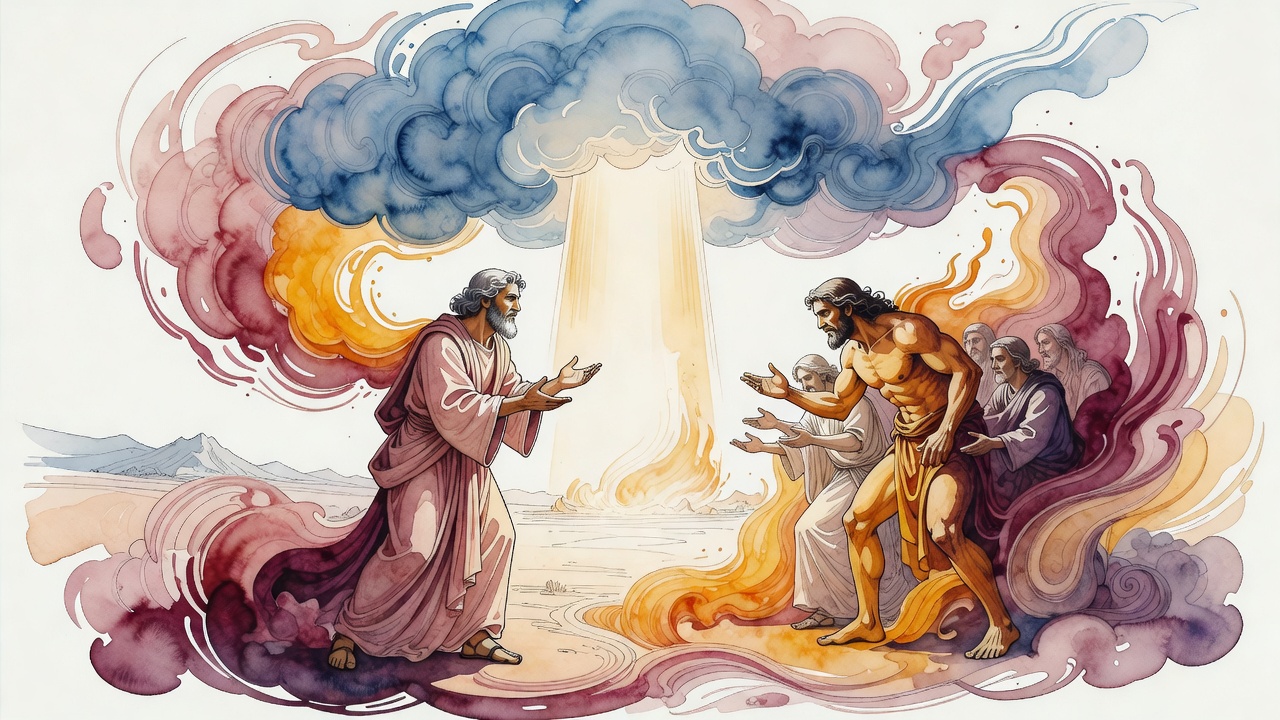
Jacob offered Esau the whole of this world for a share of the next, and Esau's friends counted the price in someone else's four hundred years.
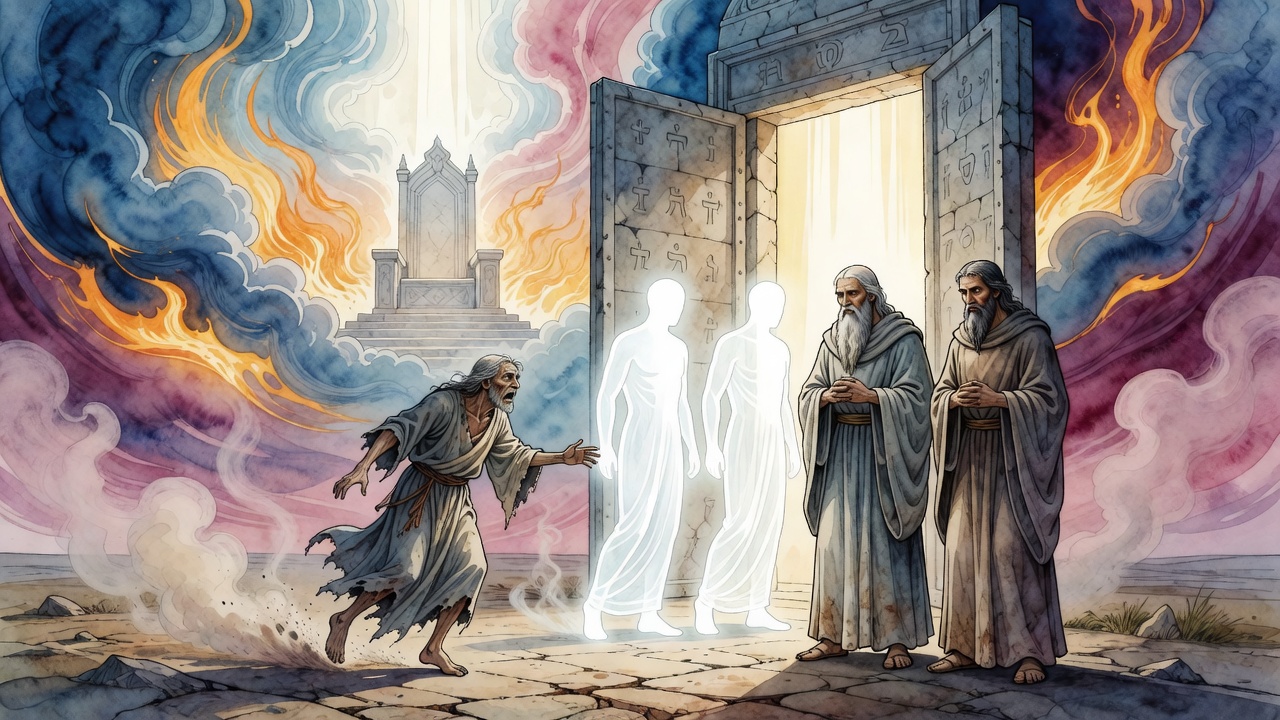
A dying man summoned before the King runs to his three lifelong friends, but only his good deeds pass the gate and walk in at his side.
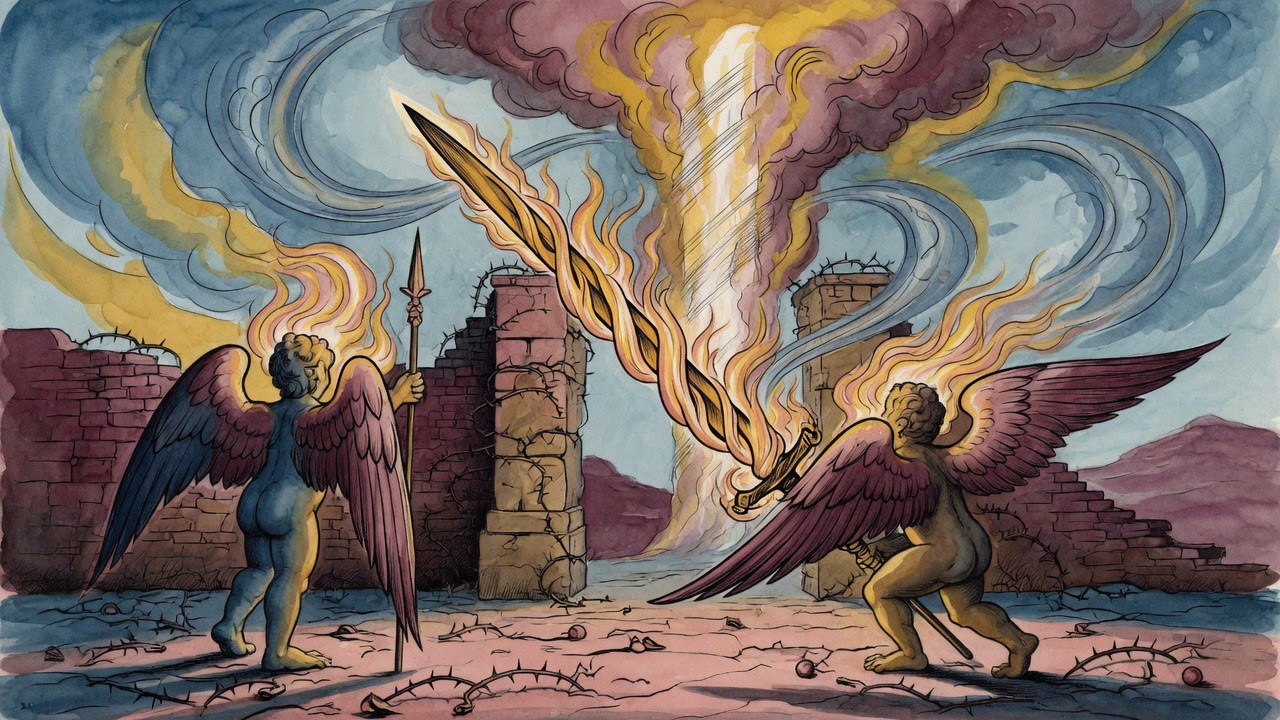
A dead soul faces Adam at Machpelah, the flaming sword at Eden, and the climb toward Arabot where the righteous become angels.
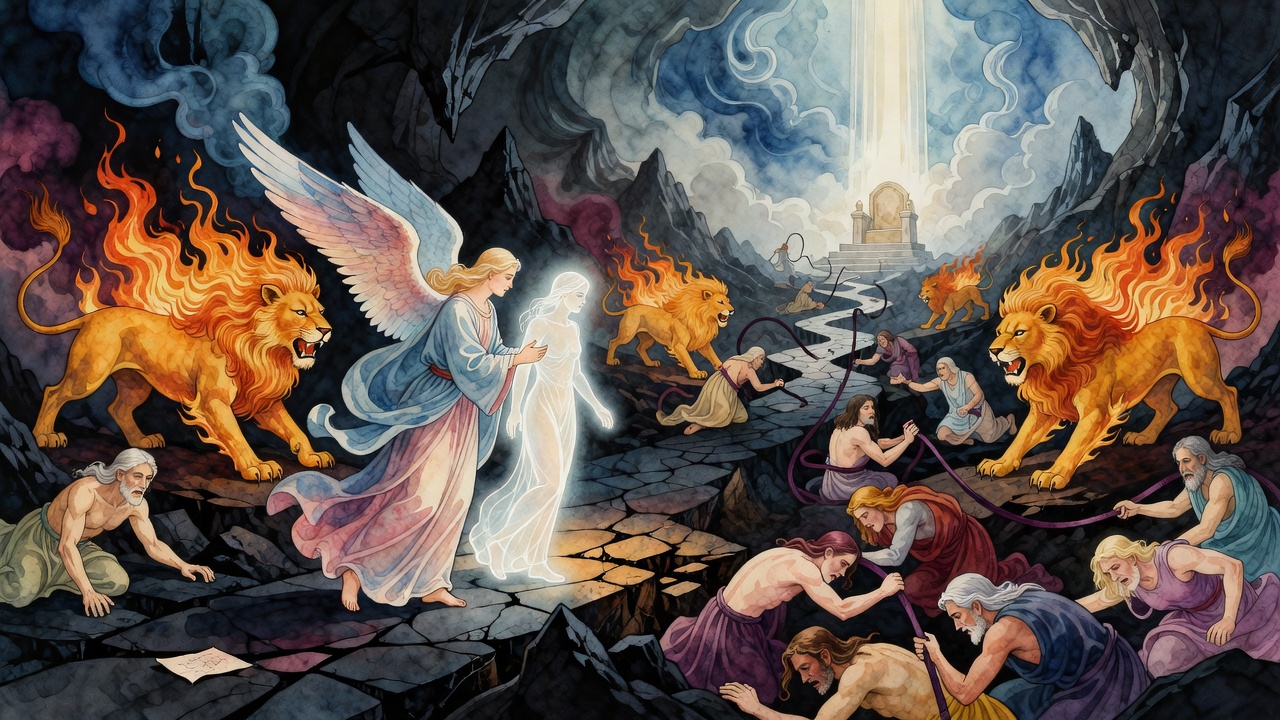
An angel walks a new soul past fire-lions and scourges in Gehinnom (afterlife of judgment), naming the damned as once-living people who ignored Torah.
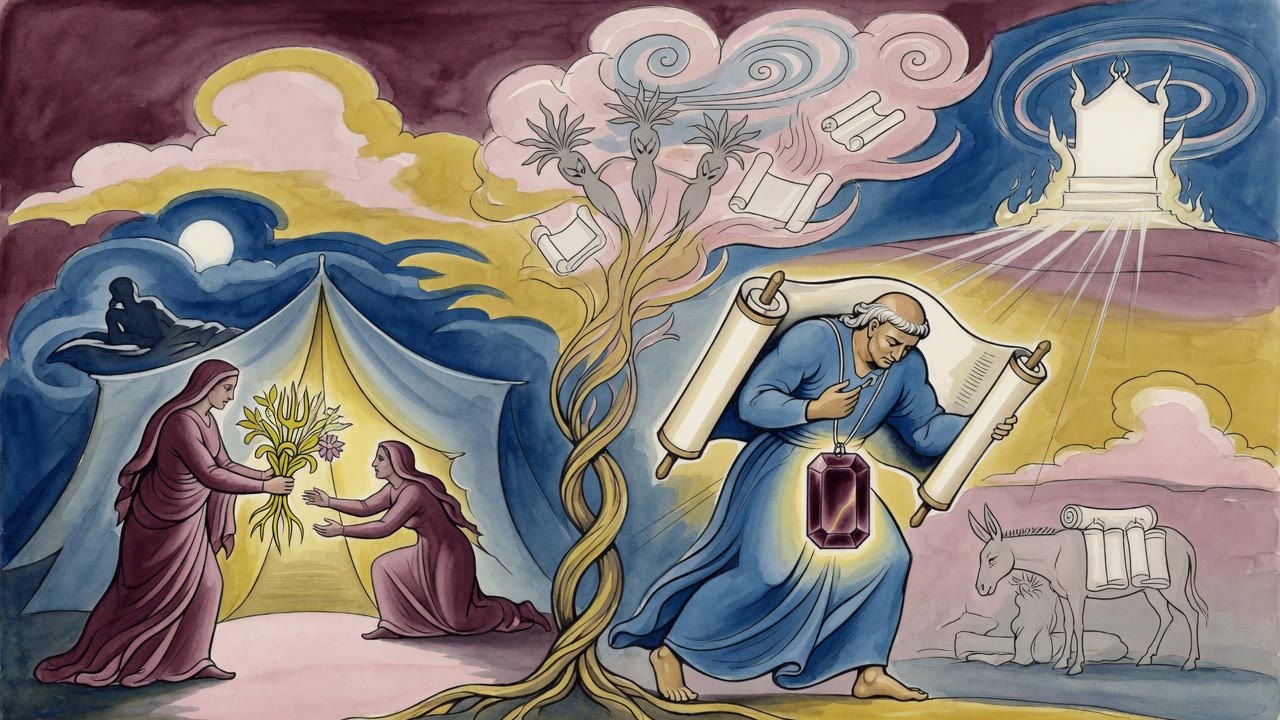
A guide who would not give his name asked the soul what it had loved most. It answered with one week: a coin given quietly, a page learned while tired.
