205 myths · Page 7 of 7
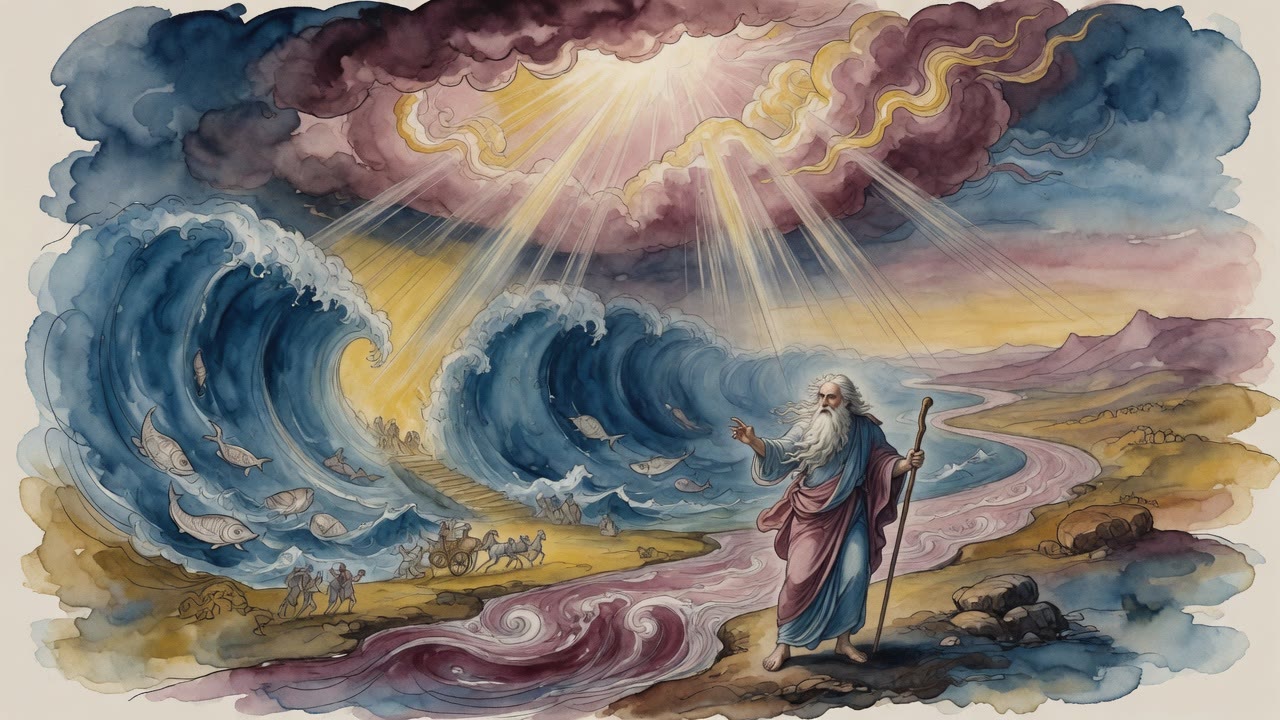
A sea had stood up in walls when he raised his staff. The Jordan in front of him was a morning's walk across, and God had told him he would not go over it.
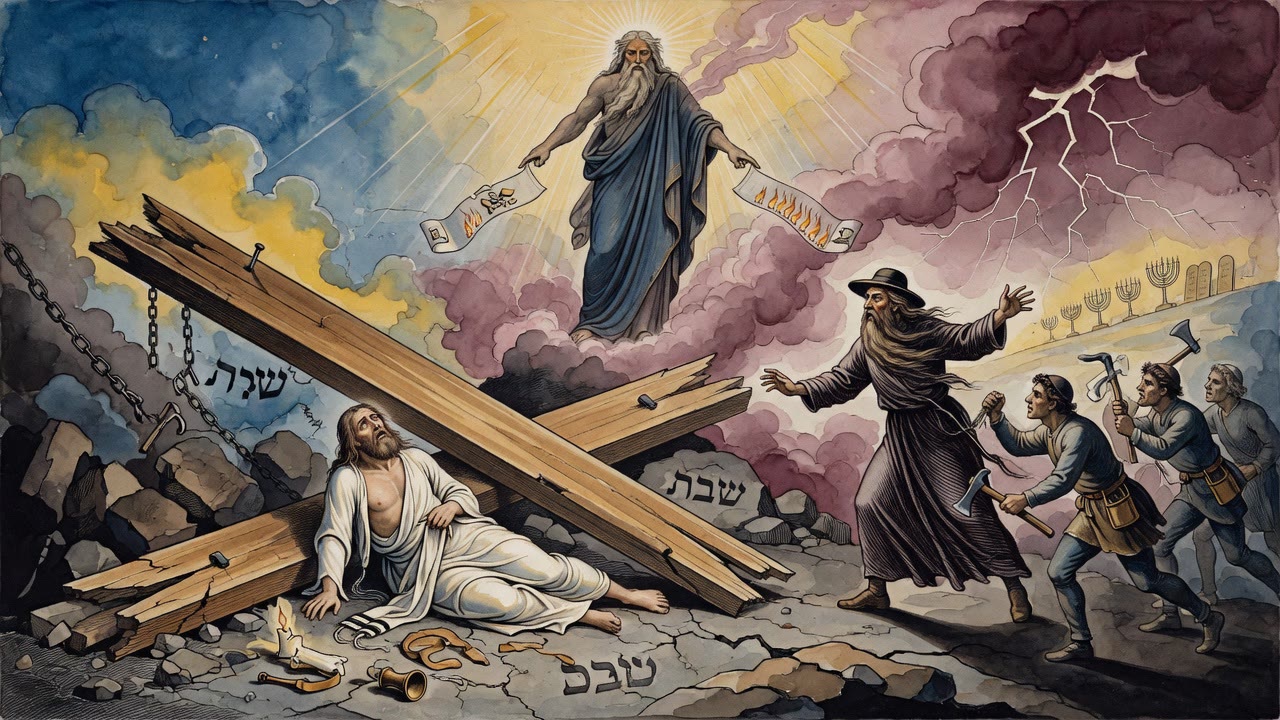
Dust filled his mouth under the beam. His chest still moved. Hands trained for rest dug anyway, while the sun kept sinking.
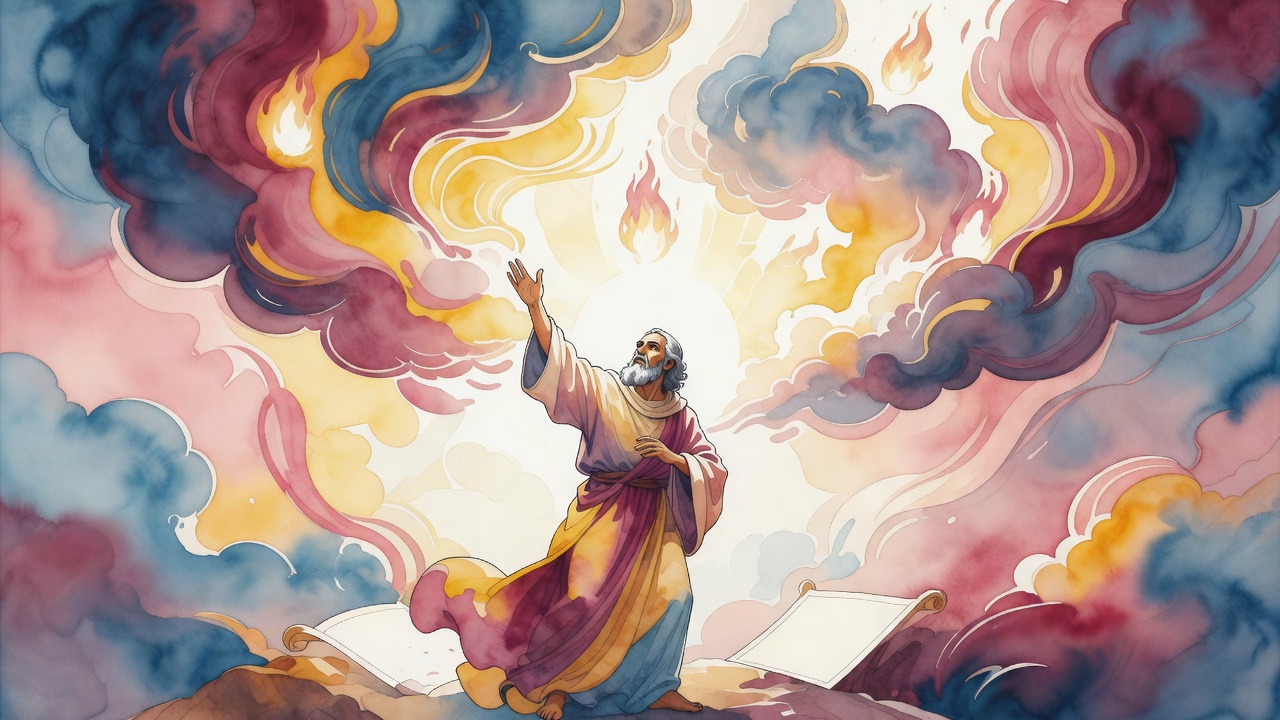
As Rabbi Shimon bar Yochai prepared to leave the world, he taught how hair covers the divine ear. Pull it back, he said, and the King will hear prayer again.
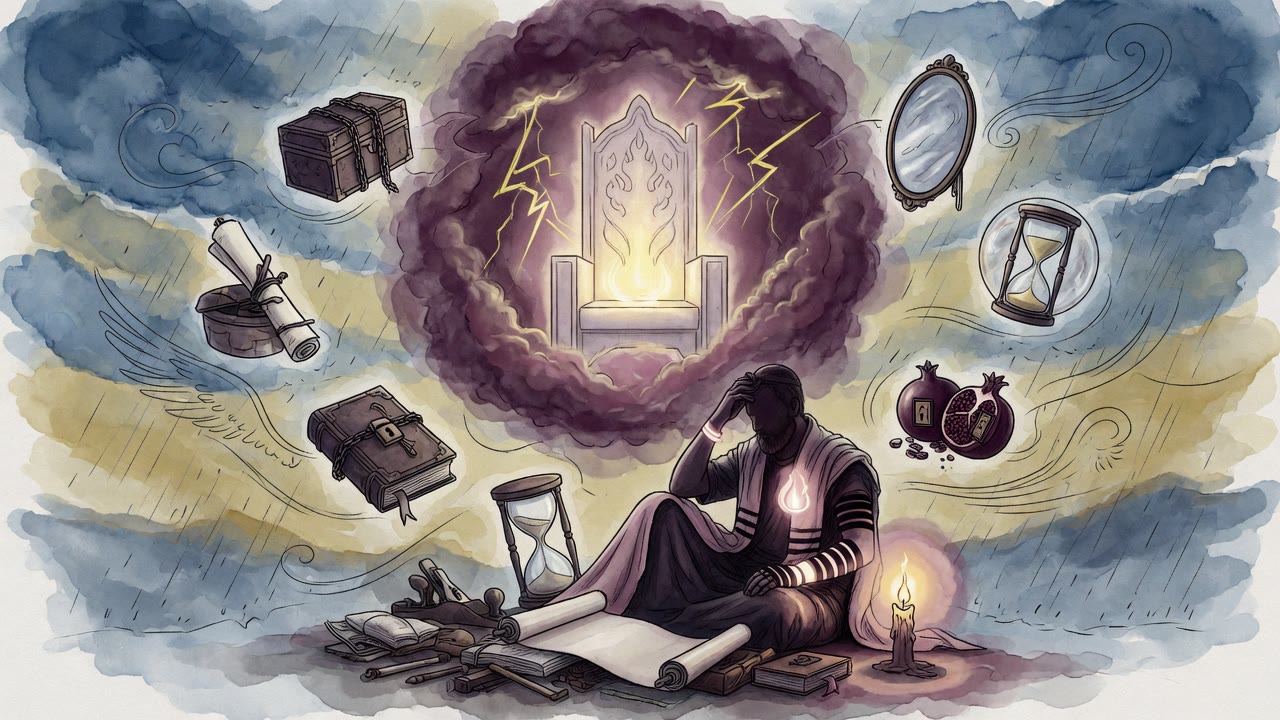
He wanted the hour of his death written down. The sage named seven things no eye owns. A Friday lamp still burned at week's end.
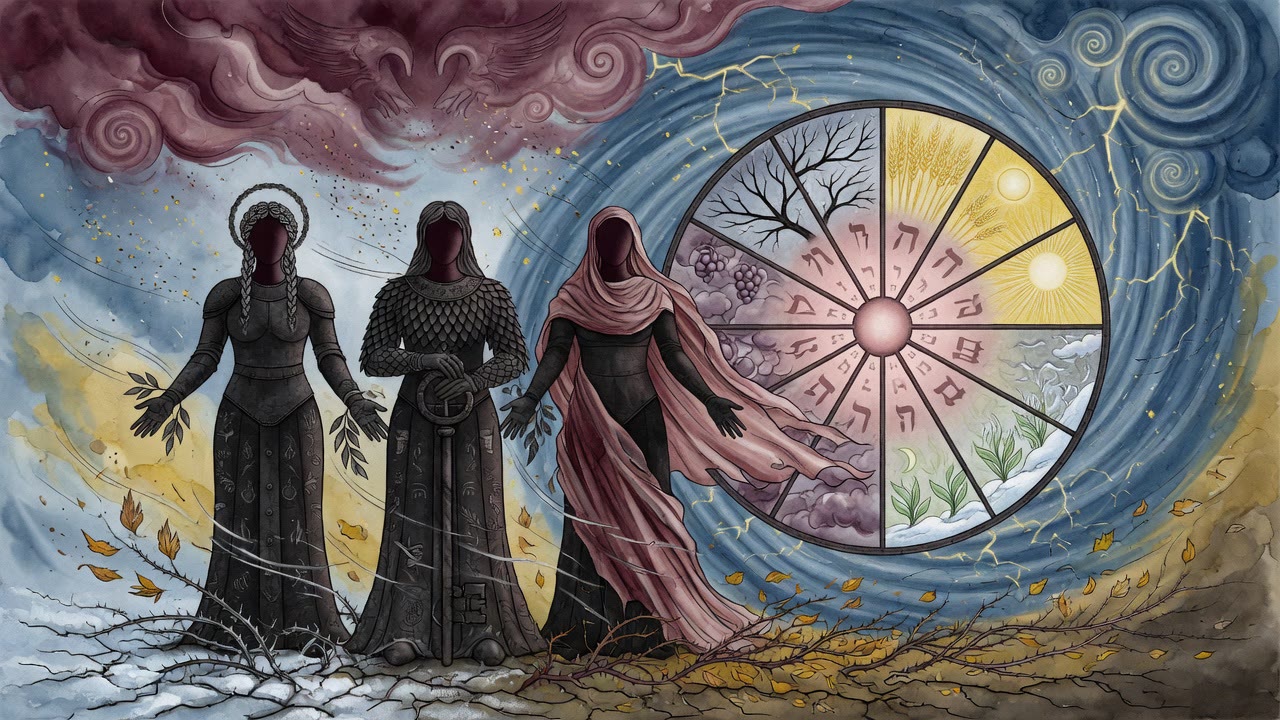
On his deathbed a patriarch bound his sons with an oath by the Name that made heaven and earth, and demanded affection that outlives the grave.
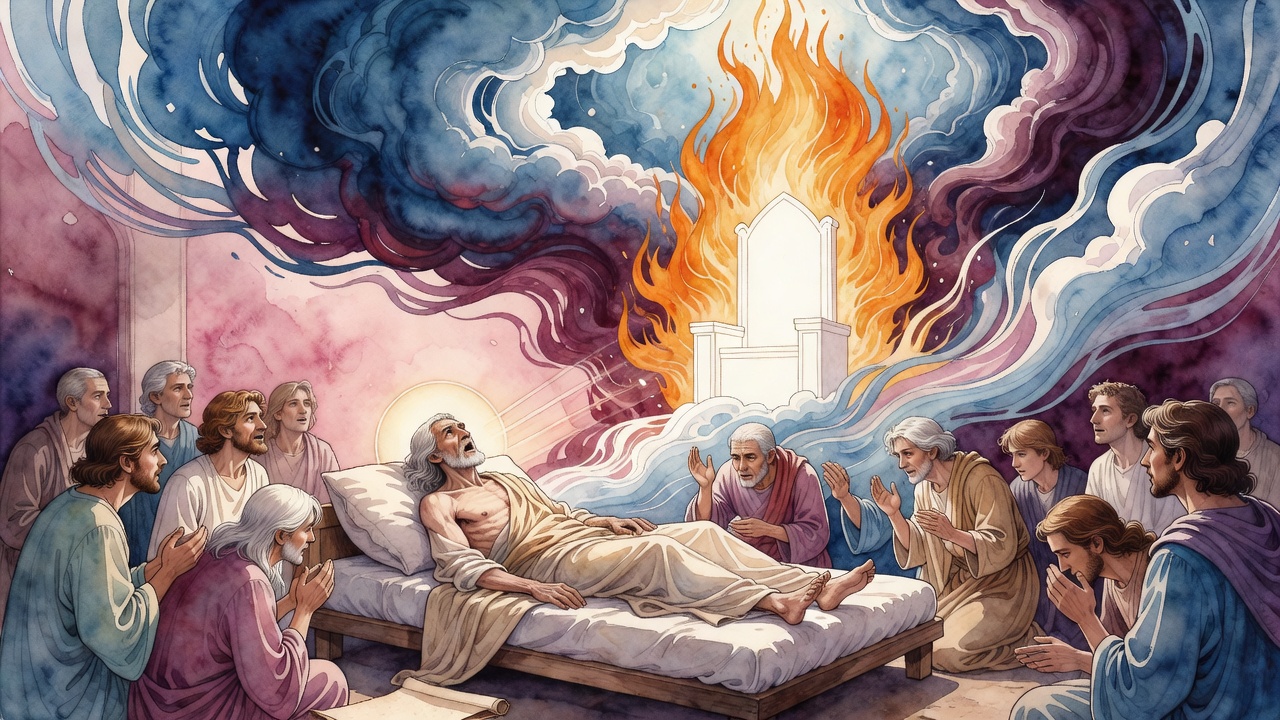
Joseph leaned closer, waiting for a date from his father. Jacob's eyes were clear. The hour of the End sat on his tongue and would not move.
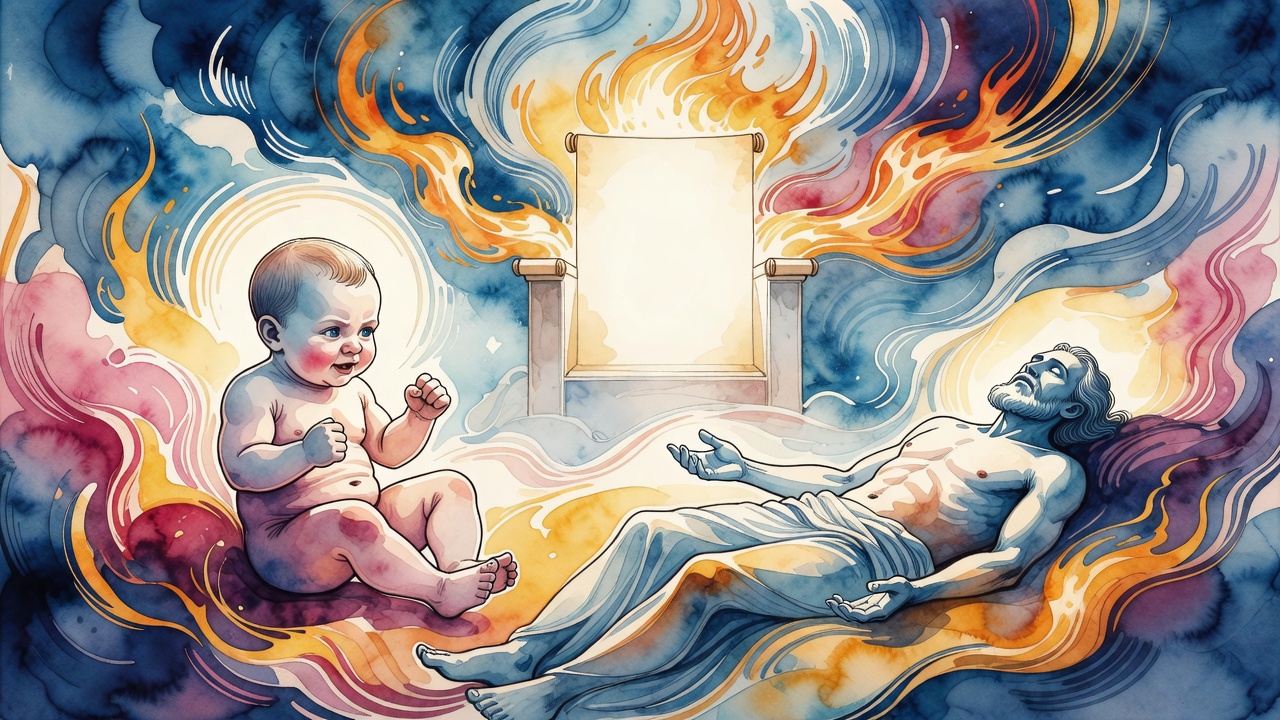
The infant's fingers would not uncurl. Years later the same woman washed those hands on a board. Nothing sat in the palms but air.
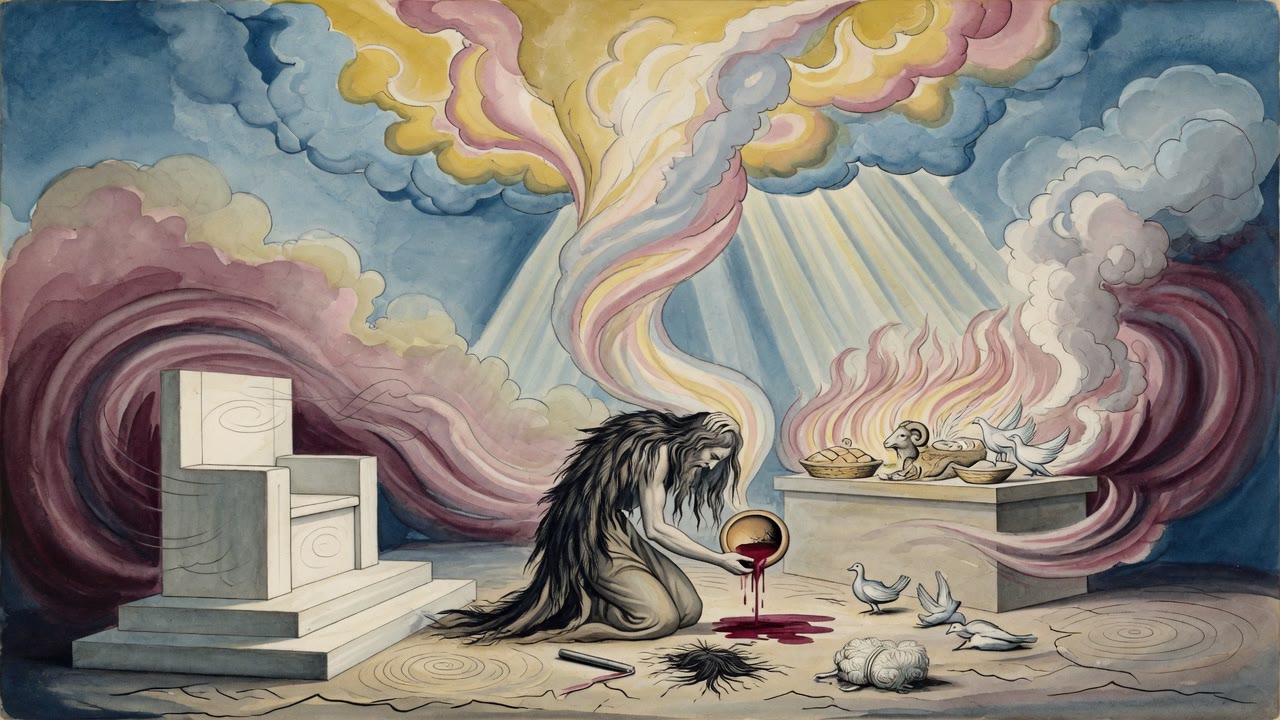
Death lay in the road and he could not step around it. His hair was still growing. The days he had counted would not follow him home.
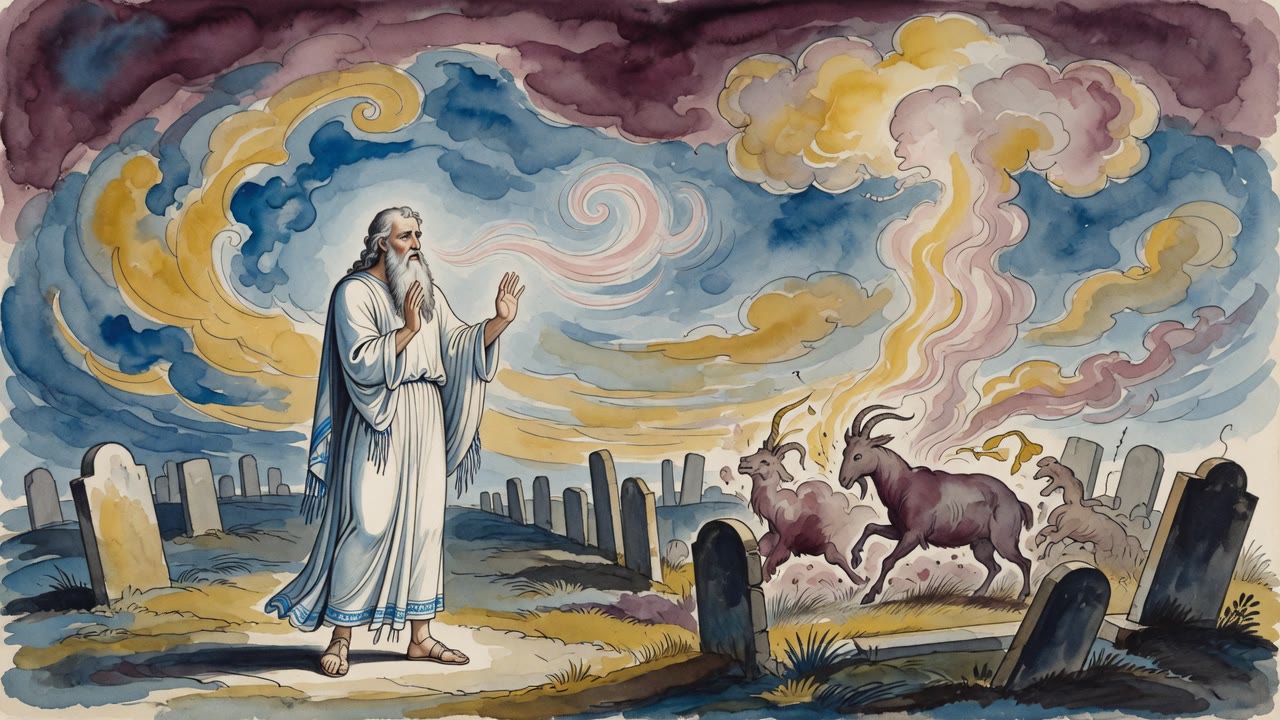
A kohen hears an animal thrash among graves, his father's voice orders him in, and the law tells him to forbear at the boundary of death.
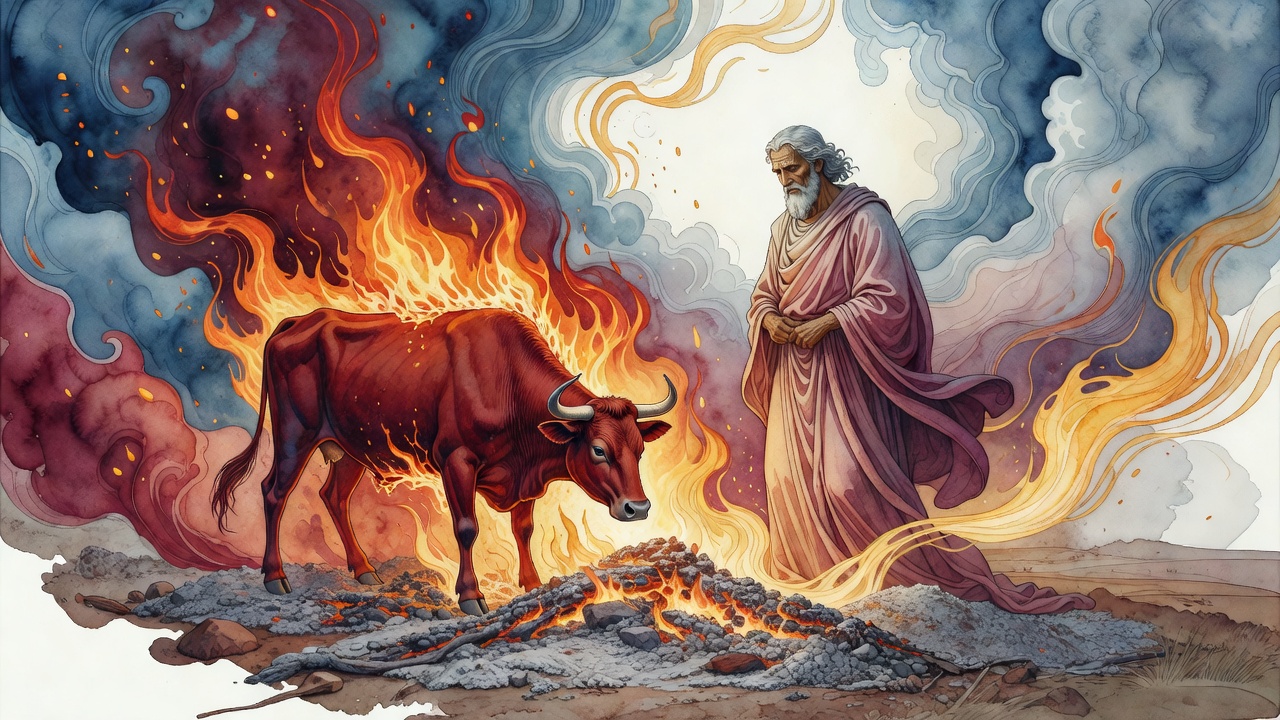
A cow drank the water made from red heifer ashes, and thirty-two elders ruled on its flesh. Rabbi Yossi Haglili lost that room, then came back.
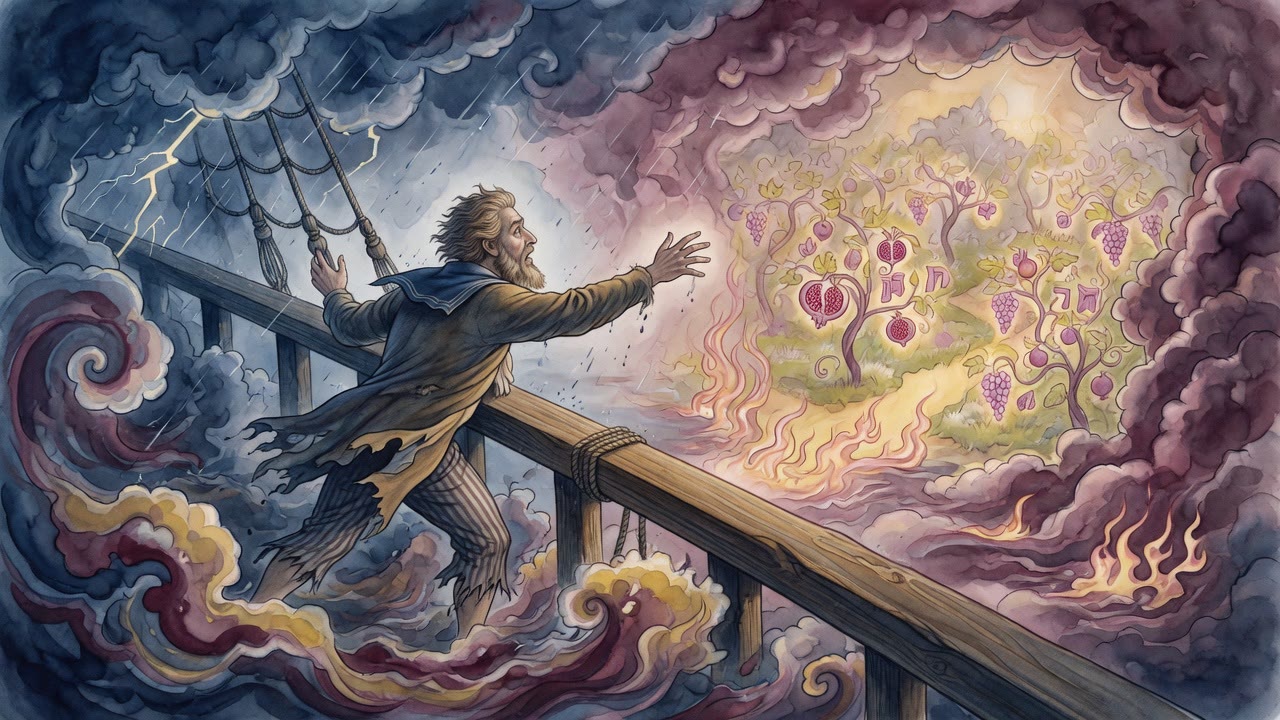
He took the breath and left the bone. The parents did not argue ownership of the soul. They wept because what remained would now feed the worms.
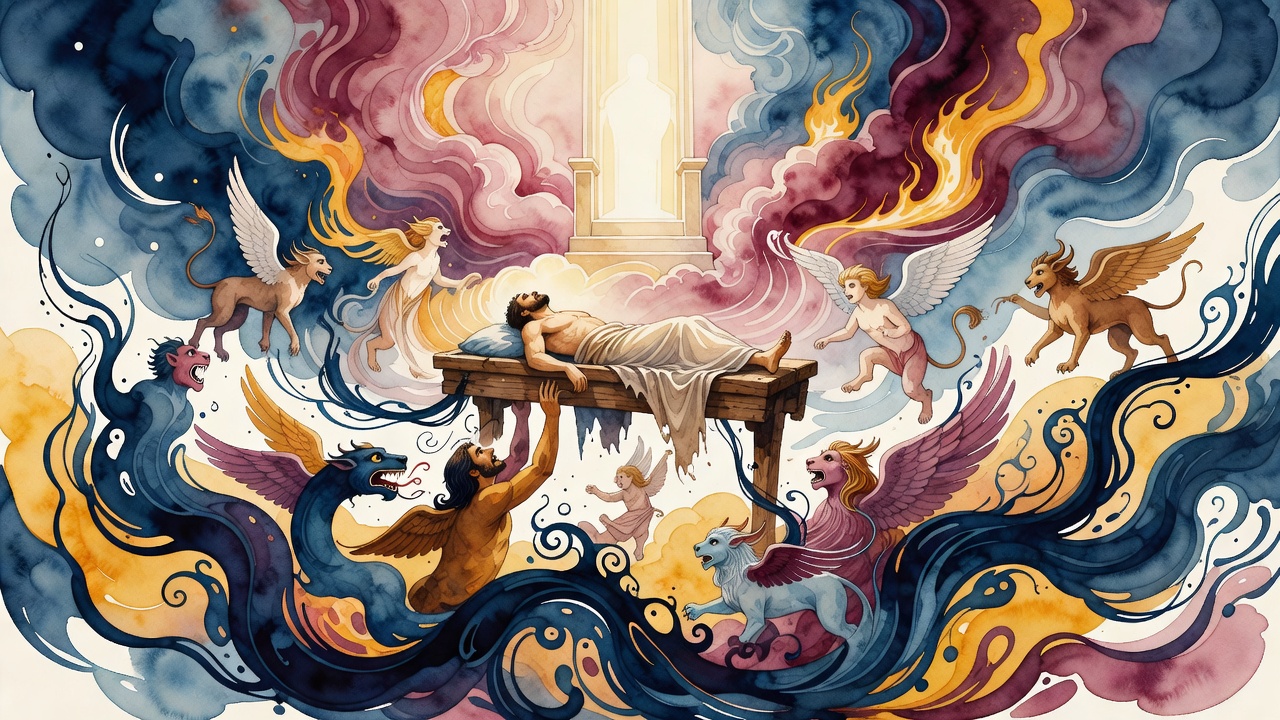
The poles lightened halfway down the lane. Four men lost the wood for a breath, and the body rose while the street was still talking.
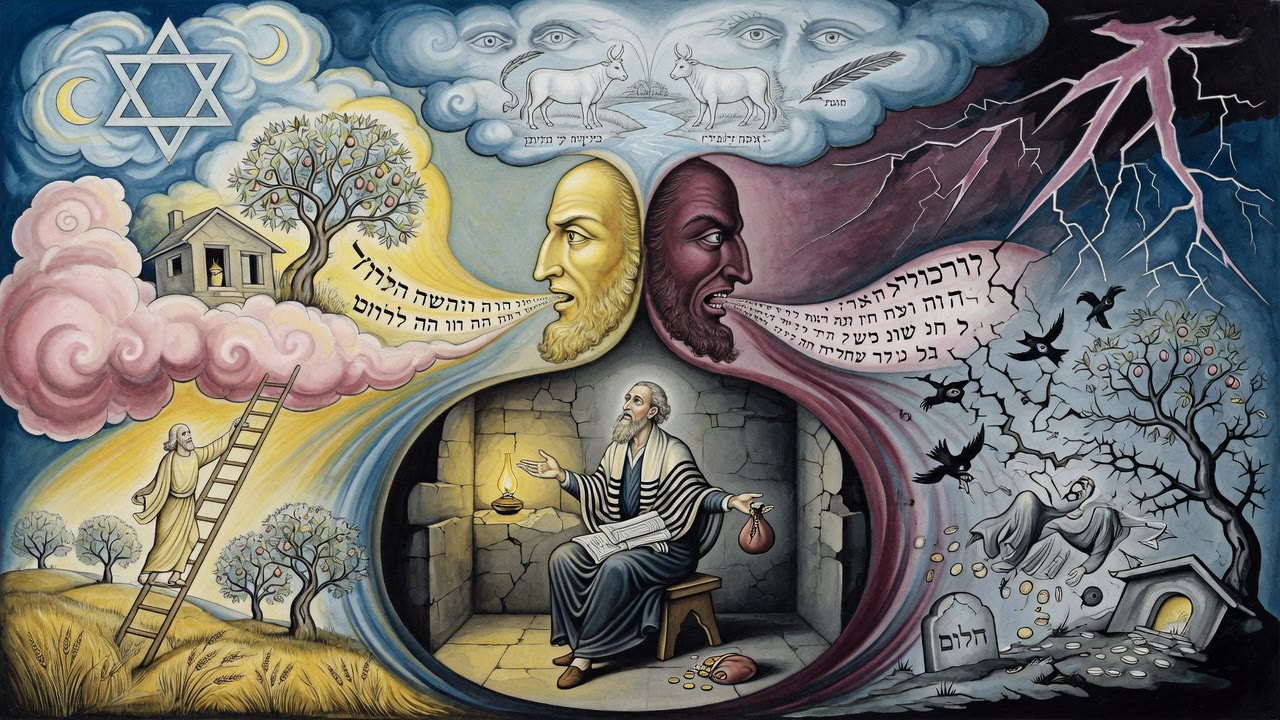
Tzippori banned anyone from saying the Rabbi had died. Bar Kappara tore his clothes at a window and spoke of angels snatching Tablets until the city understood.
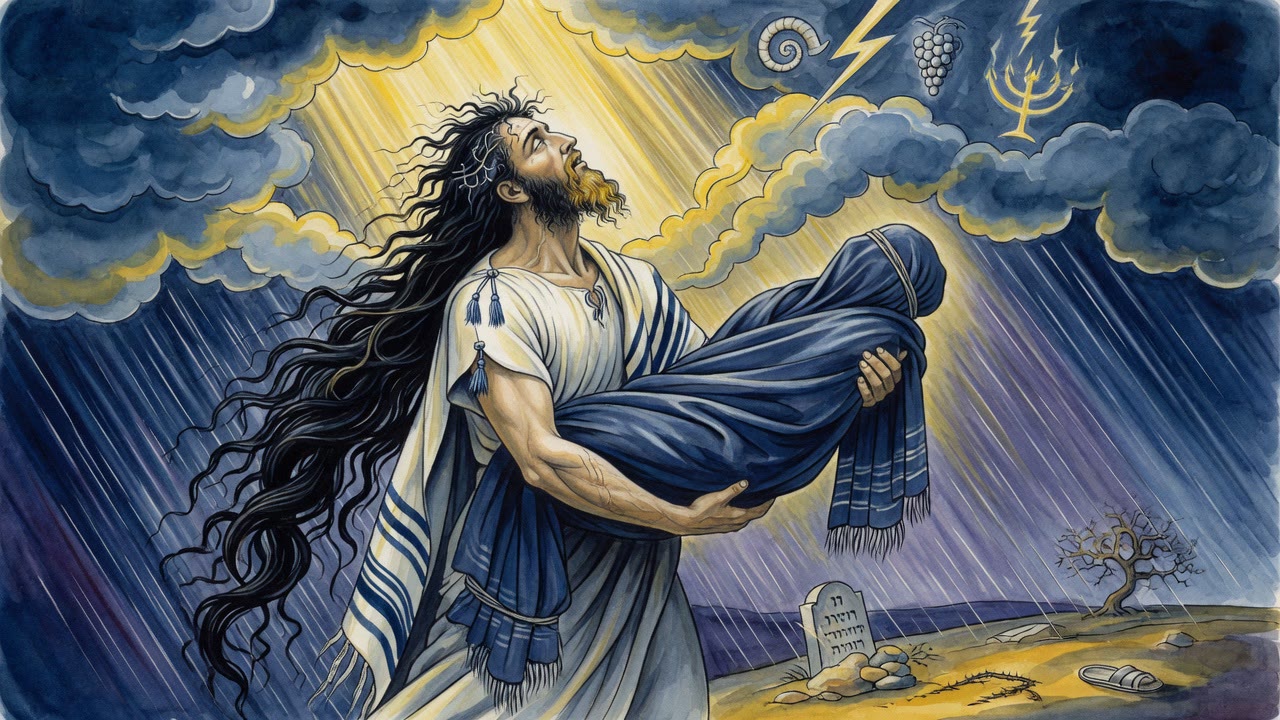
A Nazirite under vow finds a corpse with no kin. He may not touch the dead for father or mother, yet he must become impure for the unburied stranger.
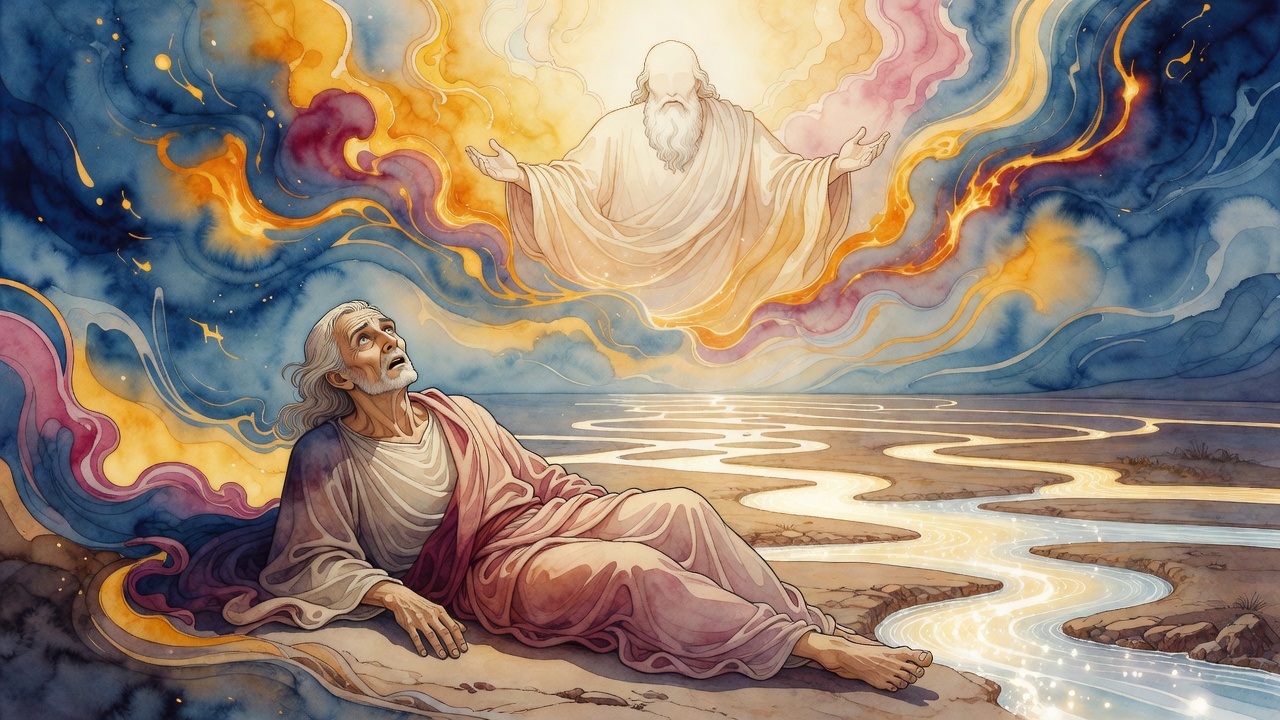
Abraham's belly burned for days the way a fuller strips grit from cloth. Then Heaven walked him through a banquet while the meat still steamed.
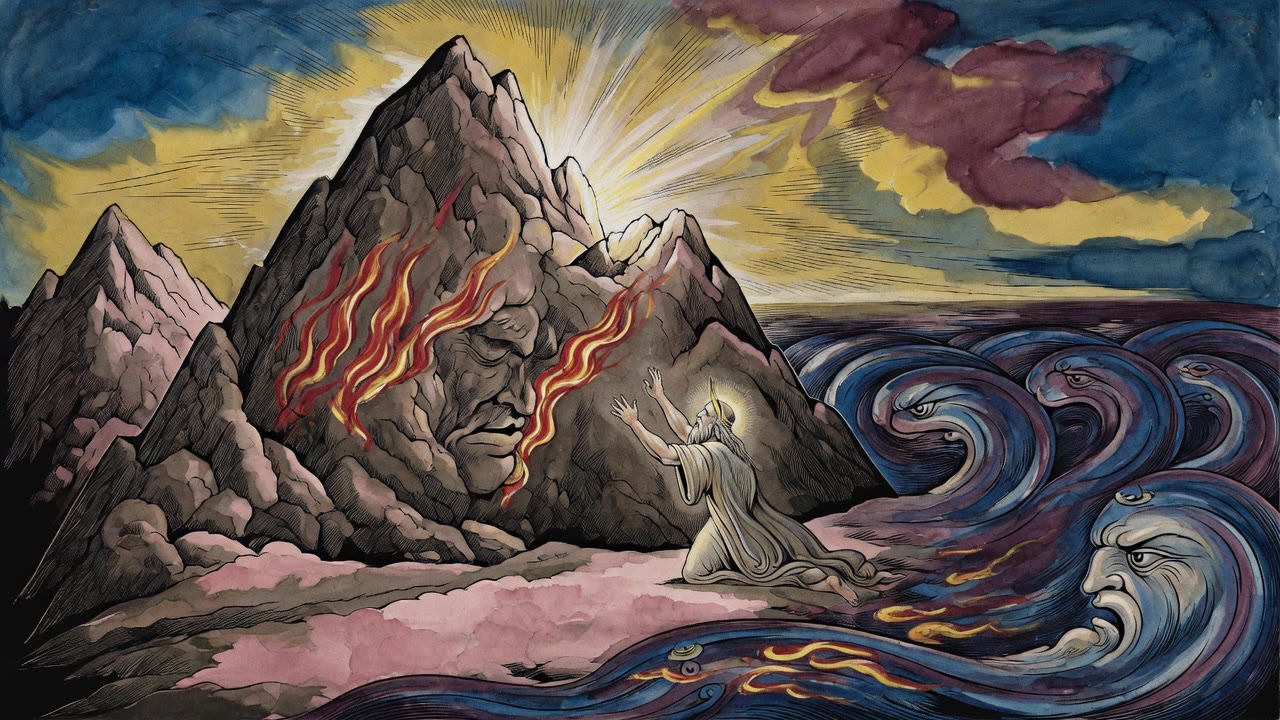
Moses went back to the mountain that had smoked for him. He asked it to speak. The ridge remembered fire and would not go near God again.
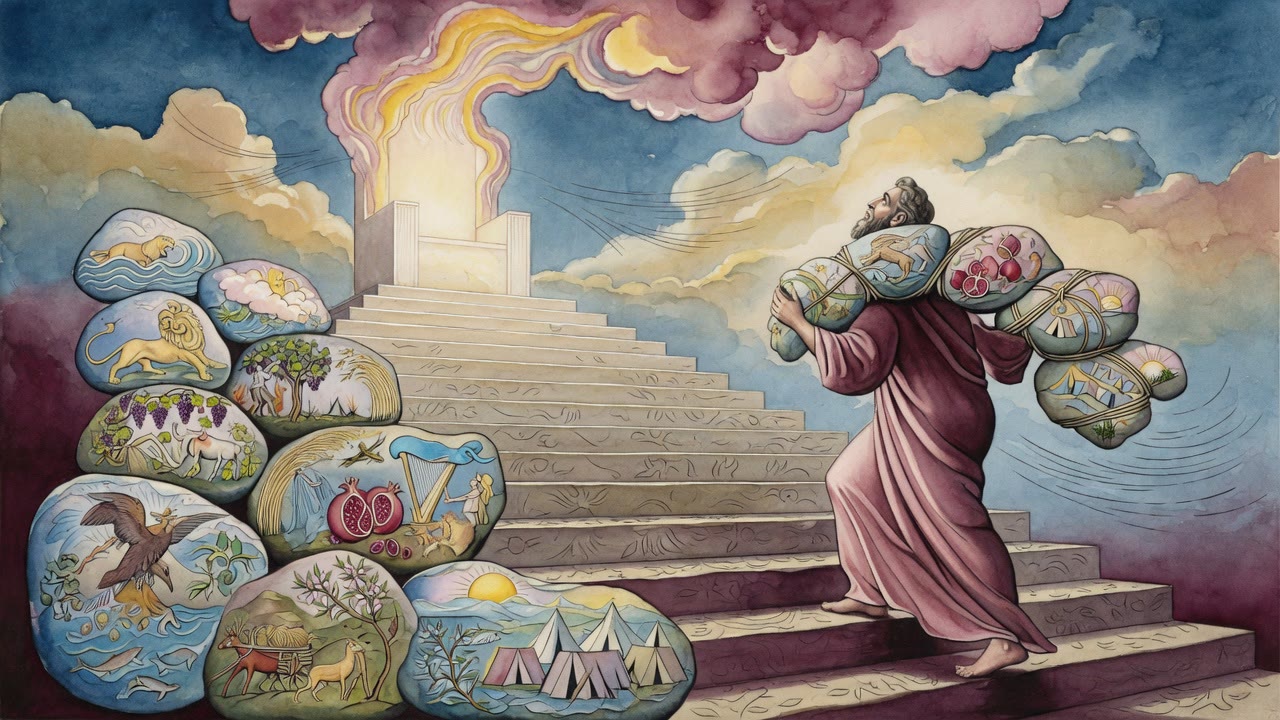
Twelve princes laid gold on the altar for twelve days. Levi brought nothing the camp could watch. God answered with a wick.
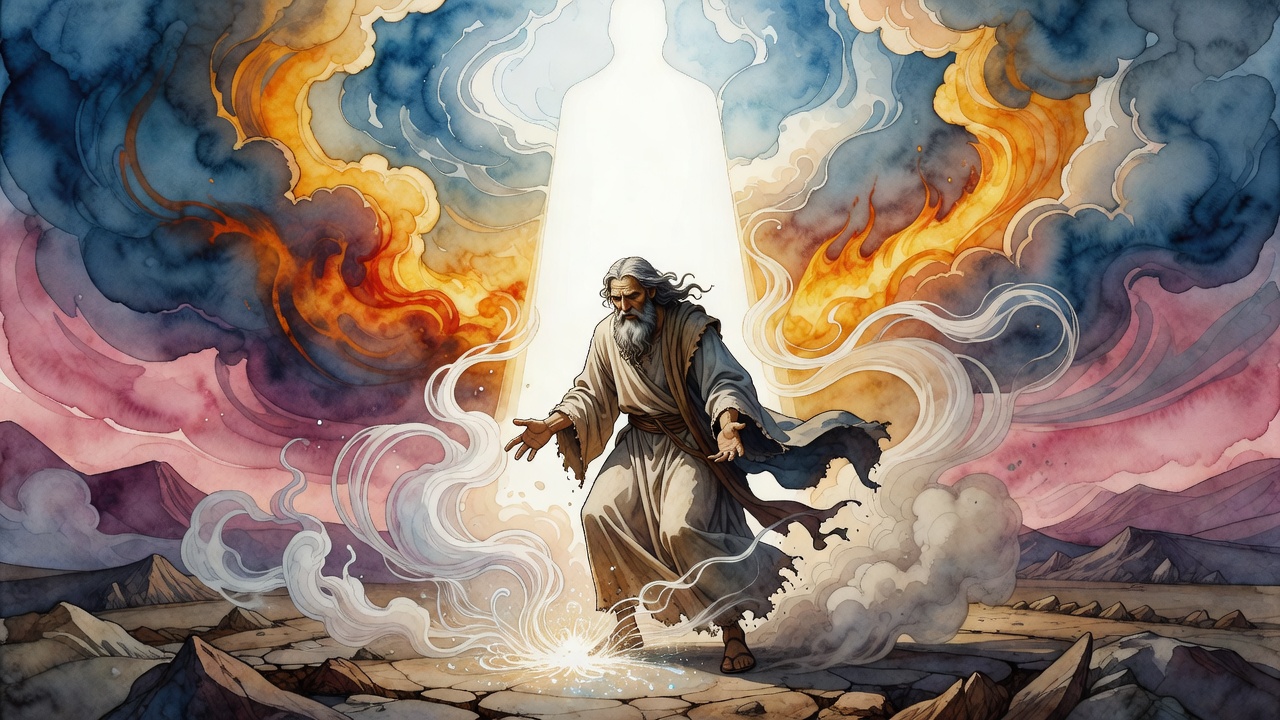
Before Jacob, a sneeze emptied a soul on the spot. He begged for time to charge his house, and sickness entered the world as a warning.
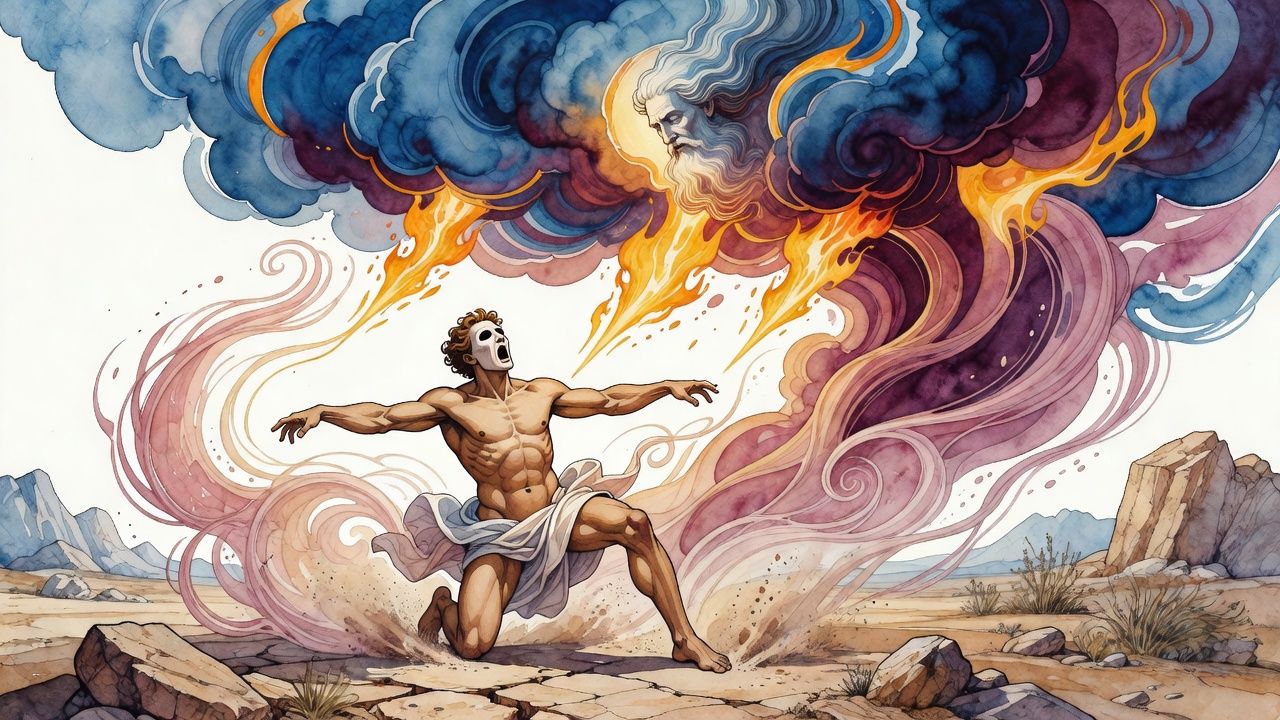
Dust to dust sounds like a fact about bodies. Adam had been made of earth and of heaven both, and the sentence named only the half he ran toward.
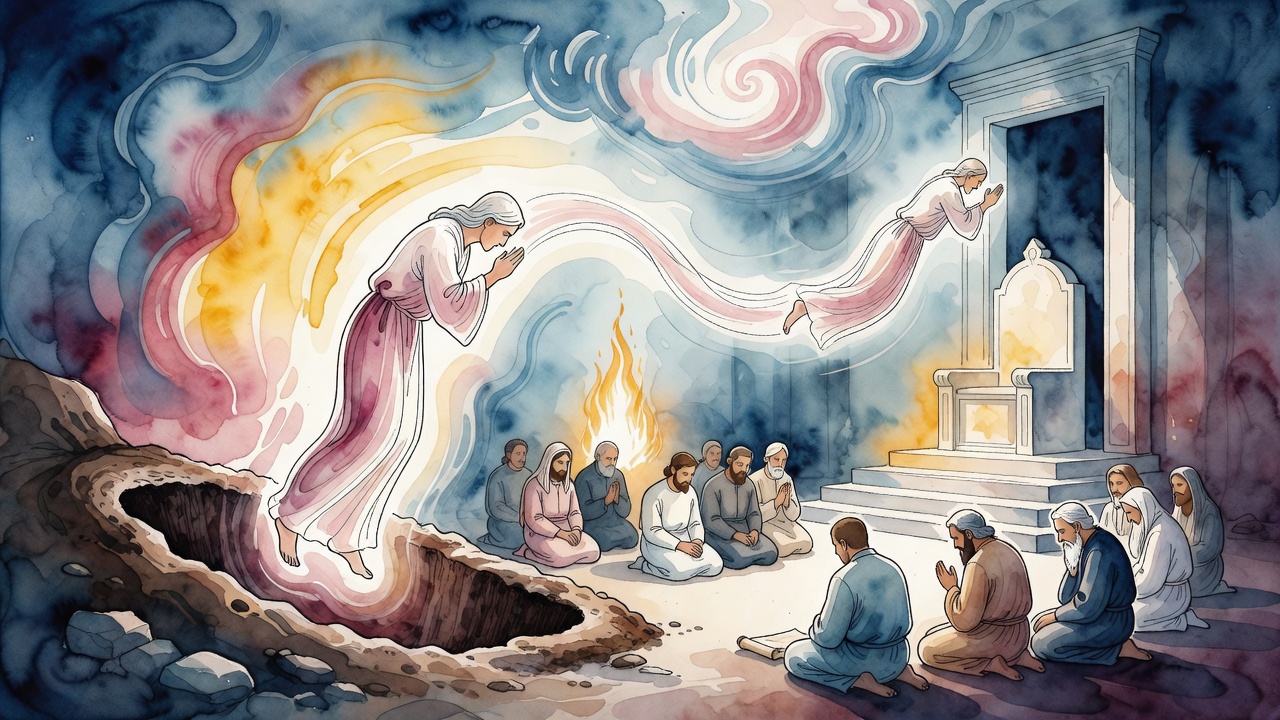
For seven days after death the soul refuses to leave, climbing from the grave to the doorway and back while the mourners sit below on the floor.
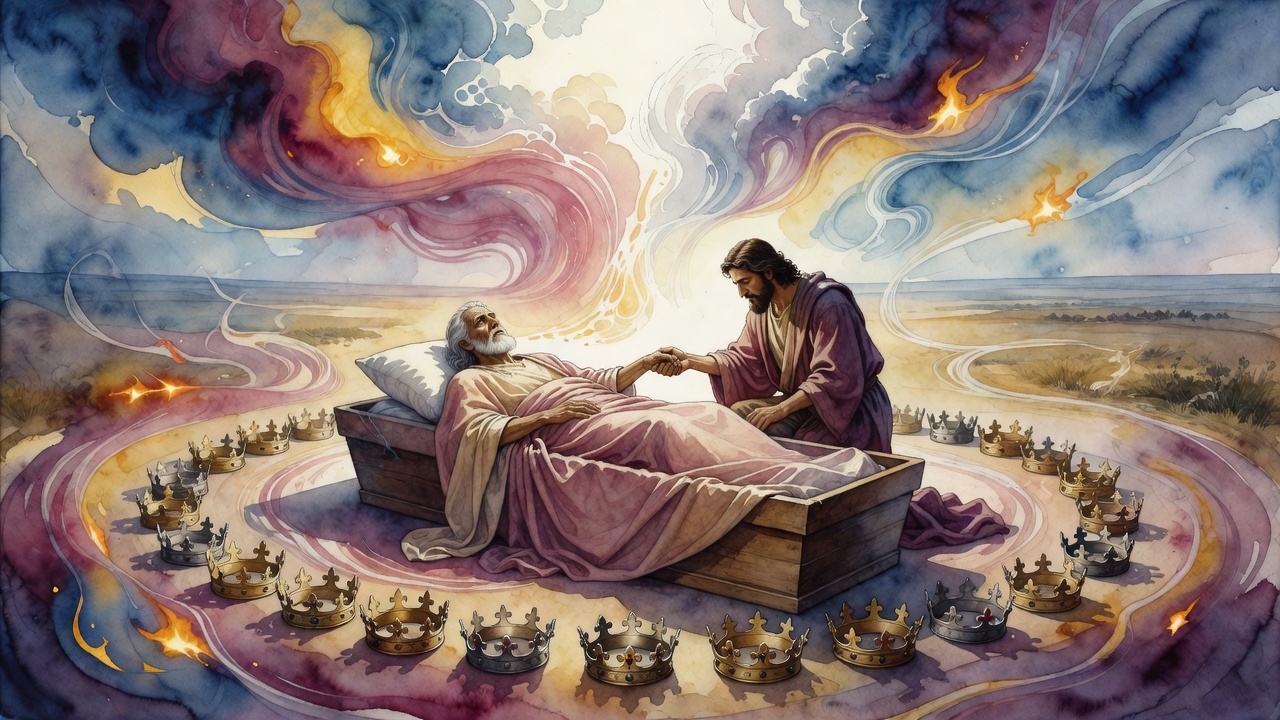
Feeling death draw near, Jacob binds Joseph by oath to carry him home to Canaan, and armed kings who came to raid his funeral leave their crowns on his coffin.
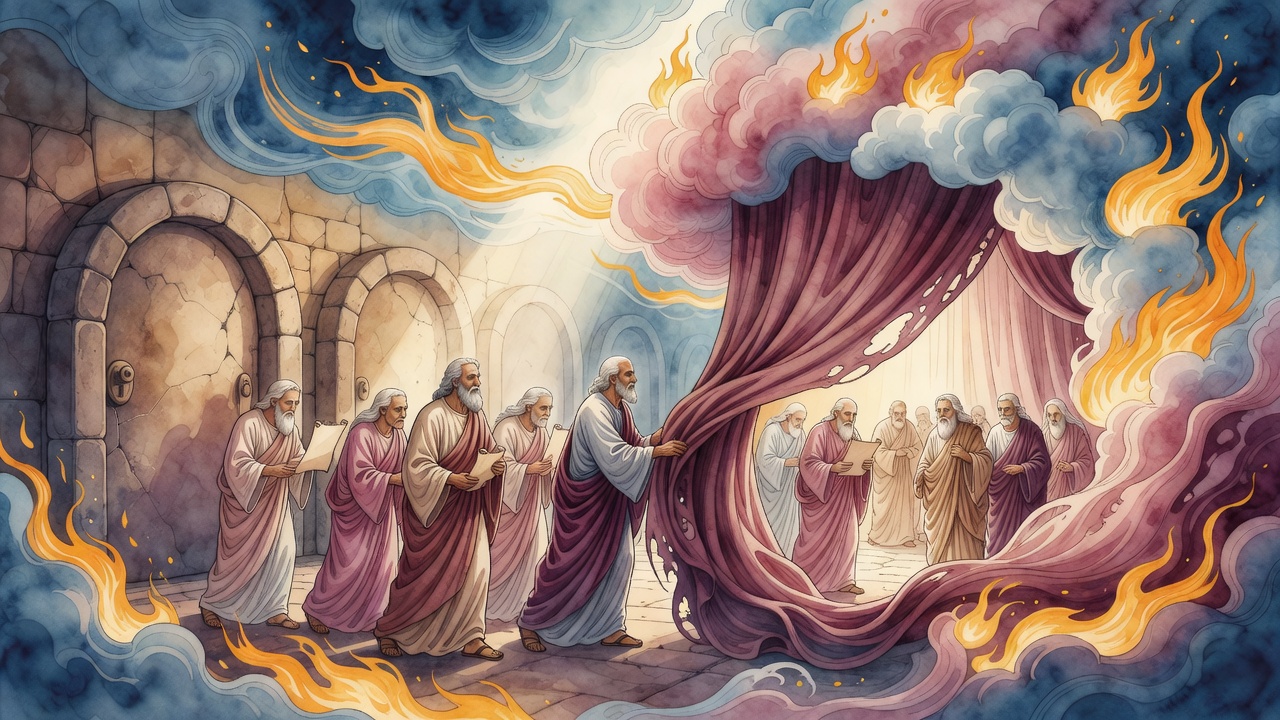
God leads Moses past the sealed vaults where the reward of the righteous waits, then draws the same curtain back for sages at the hour of death.
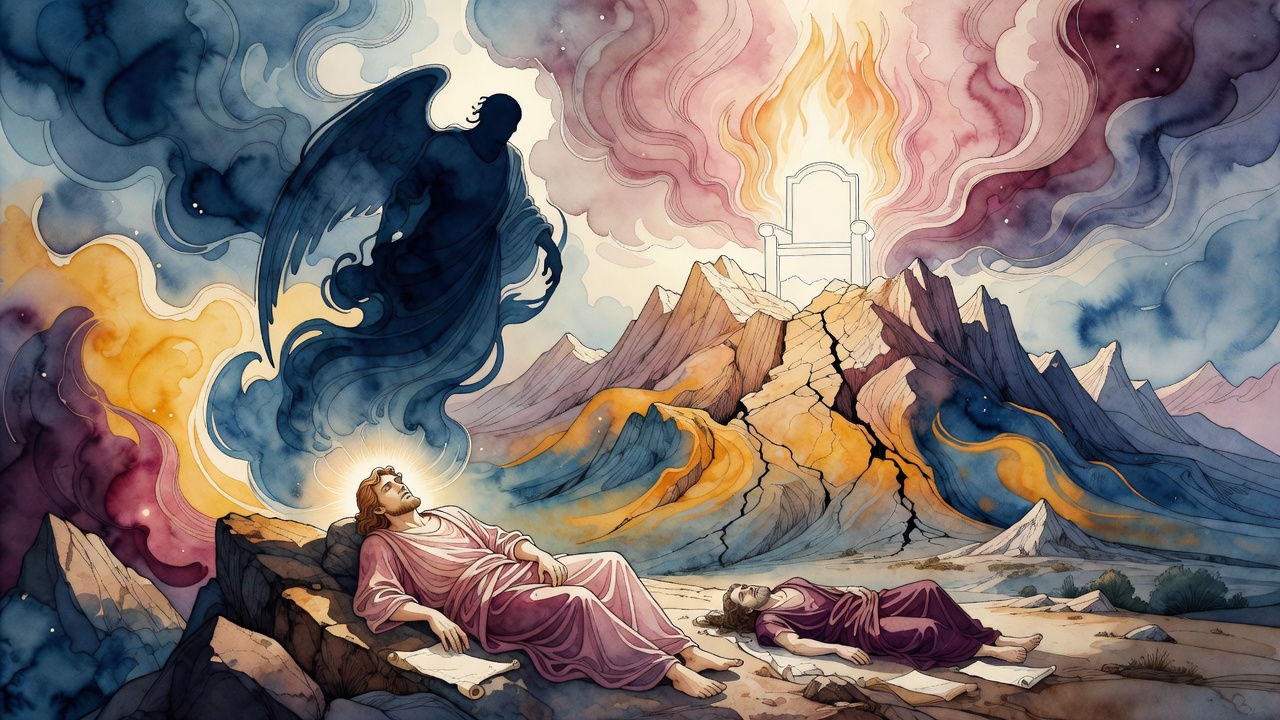
Joab grabbed the horns of the altar with both hands, bronze biting his knuckles. They dragged him off it and killed him there. David died in his own bed.
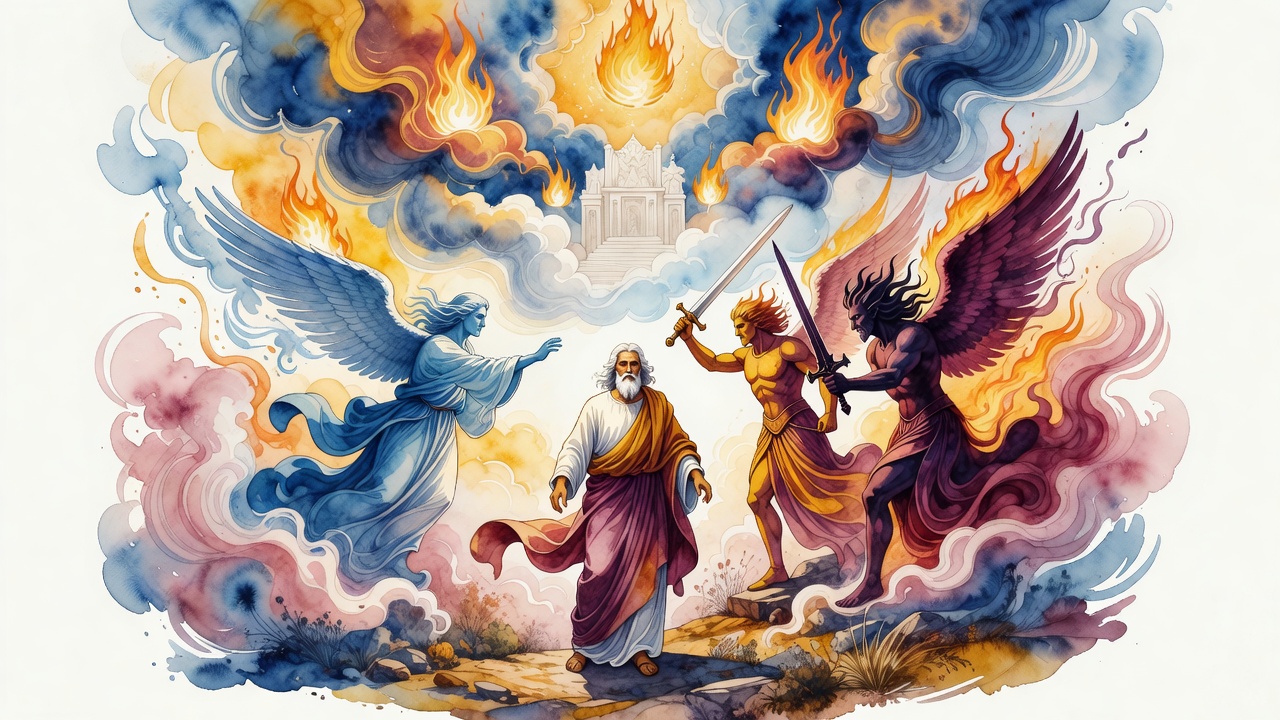
God sent Gabriel, then Michael, then the sword-bearing Samael to take Moses, but none could touch the man worth six hundred thousand.
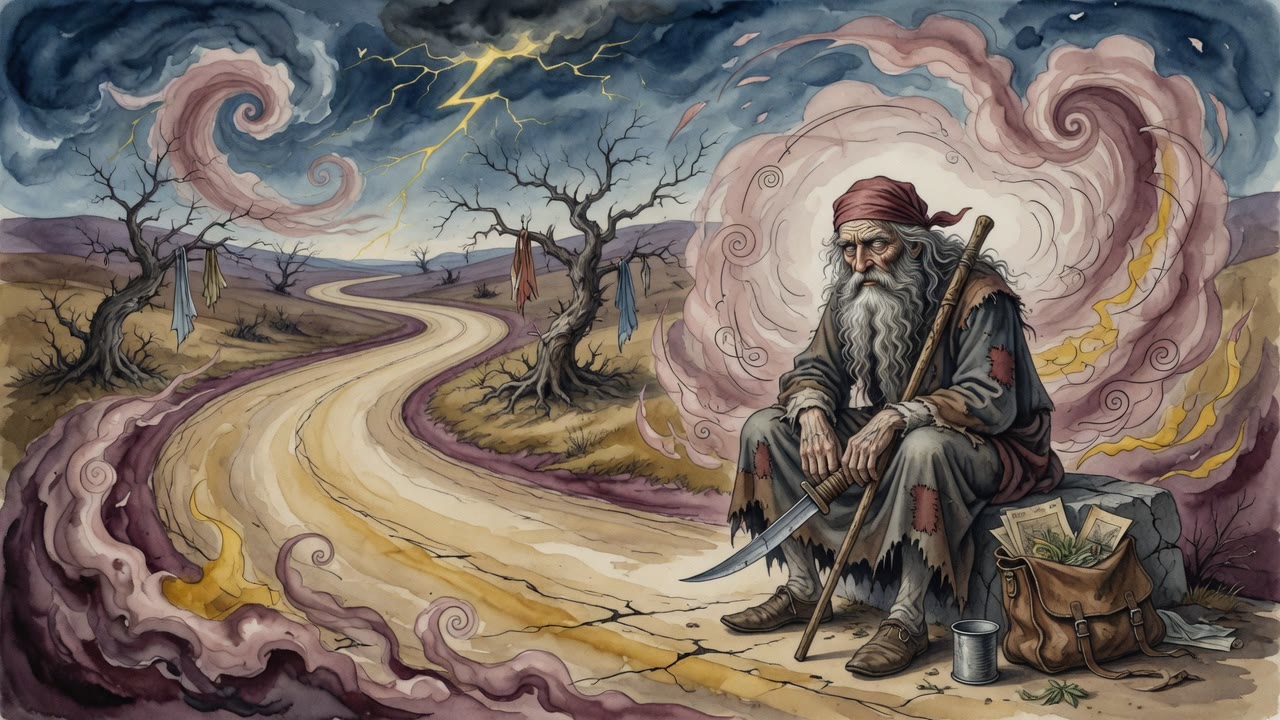
He worked the king's road until his own hands quit, and when he went down at last to make peace, the gate had nothing left to give him.
